Horror Game Review: Tenebris Somnia (by Andrés Borghi, Tobías Rusjan & Saibot Studios)


“What if they aren’t just nightmares…” — Tenebris Somnia

A breakup can leave plenty of unfinished business, but fighting monsters in your ex’s apartment is a pretty extreme way to deal with it. That’s the uncomfortable territory Tenebris Somnia explores, turning lingering concern and shared history into the foundations of a supernatural nightmare. Developed by Andrés Borghi, Tobías Rusjan, and Saibot Studios, this indie horror game pairs retro 8-bit-style gameplay with live-action sequences. The combination gives it an immediately recognizable identity, but the relationship underneath keeps it from feeling like a technical experiment. Its strongest idea is that leaving somebody behind doesn’t necessarily mean escaping the life you built together.

Julia, a filmmaker, returns to her ex-boyfriend Ivan’s apartment after recurring nightmares show him being attacked by horrific creatures. Checking on him seems reasonable enough, even if revisiting their former home already promises an awkward conversation. Unfortunately, Ivan’s involvement with a mysterious cult has made the situation considerably worse than Julia expects. She becomes caught in spaces distorted by memory and supernatural forces, where their shared past is no longer something she can keep at a comfortable distance. Concern gets her through the door, but understanding what’s happening requires confronting more than the immediate danger.

Their background in filmmaking makes that history more interesting than a generic troubled romance. Creative collaboration has become tangled up with affection, ambition, and resentment, leaving Julia and Ivan’s personal disappointments difficult to separate from their artistic ones. Revisiting the relationship means questioning what they wanted from each other and how those expectations changed. Julia also has her own convictions, which keeps her from becoming a passive visitor inside Ivan’s breakdown. She has an emotional stake in the memories being uncovered, and the story benefits from treating their history as something both characters experienced rather than something only he gets to define.

That tension between recognition and discomfort carries into the presentation. During gameplay, the retro 8-bit-style pixel art reduces rooms, characters, and monsters to relatively simple forms. It’s a deliberate choice, but not one everyone will enjoy. Players accustomed to hyper-realistic CG graphics may find the chunky sprites and limited detail more distancing than frightening, especially if visual realism is central to their enjoyment of horror. The game asks you to let your imagination finish the picture. If that aesthetic leaves you cold, the live-action footage won’t necessarily make the playable sections more appealing.

For players willing to embrace it, though, the contrast does more than provide a novelty. A creature that looked unpleasant in pixel form suddenly has texture, weight, and a disturbingly physical presence. Recognizable details connect the two styles, making the filmed sequences feel like a closer view of the same nightmare. Careful framing and expressive performances help maintain that connection, with Clara Kovacic giving Julia a human presence beyond her small playable sprite. The practical and digital effects also benefit from relatively clear footage. Without artificial VHS damage constantly obscuring the image, the monsters have nowhere to hide—and neither do you.

Between those sequences, Tenebris Somnia follows a familiar survival-horror routine of searching rooms, collecting objects, solving puzzles, and managing limited supplies. The sound design reinforces the uncertainty through harsh effects and recognizable monster noises, making danger a concern before it necessarily appears on-screen. Puzzles encourage you to understand the environment rather than simply move through it. Strange connections suit a setting distorted by memory, provided the clues establish enough logic. Progress becomes less satisfying when an easily overlooked item or interaction point sends you circling the same room. Careful investigation builds atmosphere; repeatedly checking everything because one detail barely registers tends to drain it.

Combat is less assured, largely because its survival-horror intentions are more convincing than its execution. Melee attacks, firearms, and evasive movement give Julia options, while limited ammunition makes fighting a decision rather than a reflex. Removing an enemy might make exploration safer, but those bullets could be more valuable later. That’s an effective source of tension when encounters cooperate with it. The problem is that stiffness can shift your attention away from resource management and toward the basic difficulty of carrying out your plan. Instead of worrying about whether an attack is worth attempting, you can end up worrying about whether it will behave as expected.

Cramped spaces make that friction more noticeable because there’s less room to recover when an attack or evasive movement goes wrong. Horror benefits from making a protagonist vulnerable, but vulnerability still needs consistent rules. Otherwise, the fear of getting hurt gives way to irritation about how the damage happened. Boss encounters expose those weaknesses more clearly. Their designs make a strong first impression, but some fights demand more precision and repetition than the mechanics comfortably support. Checkpoints soften failure without making every retry engaging. The creatures are often more compelling as disturbing presences than as opponents you have to repeatedly bring down.

Those shortcomings keep Tenebris Somnia from being an effortless recommendation, particularly for players who need polished combat or dislike retro graphics. Still, its relationship drama, filmmaking background, and mixed-media presentation reinforce one another in a way that gives the experience genuine personality. The monsters aren’t the only reason Julia’s return feels uncomfortable; they make an already complicated reunion physically dangerous. For horror fans drawn to atmosphere and unsettling imagery, that combination has plenty of appeal. The visit begins with concern for someone Julia once loved, then becomes a reminder that caring about a person and understanding what they’ve become are very different things.

Clive Barker’s Hellraiser: Revival (by Saber Interactive) Horror Game Review


“Your suffering has only just begun, we have such sights to show you.” — Pinhead

Hell is not supposed to be inviting, but Clive Barker’s Hellraiser: Revival understands that the most dangerous doors are the ones that look like they might lead somewhere extraordinary. Developed and published by Saber Interactive and released in October 2026 for PC, PlayStation 5, Xbox Series X/S, and Nintendo Switch 2, this first-person survival-horror action game is a new chapter in the franchise rather than a direct adaptation of any single film. It was written in collaboration with Clive Barker himself, and that involvement gives it a stronger artistic identity than most licensed horror games manage. Revival understands that Hellraiser is not merely about monsters, chains, and gore. It is about desire, pain, ritual, bodily transformation, and the unsettling possibility that suffering can feel like a doorway to something greater.

The setup is classic Hellraiser. Aidan Lynch gets pulled into a nightmare involving Cenobites, cultists, and Pinhead after his girlfriend opens the Genesis Configuration, a puzzle box that is absolutely not the sort of thing you should mess with if you value having a normal weekend. From there, Aidan has to survive, fight, sneak, solve puzzles, and eventually try to rescue her from hell. It is a simple premise, but it gives the game room to lean into the franchise’s central themes. This is not just “monster chases person through dark hallway.” It is about obsession, temptation, the body as a site of horror, and the dangerous seduction of giving yourself over to something that promises transcendence and delivers a very bad time. The story has its clumsy moments, but the relationship between Aidan and the nightmare world around him gives the campaign more emotional weight than your average survival-horror rescue plot.

Visually, Revival is often spectacular in the most upsetting possible way. The game understands that Hellraiser is not merely about gore; it is about elaborate, almost ceremonial ugliness. Flesh is sculpted rather than simply splattered. The Cenobites look like religious icons that have been left in a butcher shop for a century. Pinhead, unsurprisingly, looks fantastic, and the game clearly understands that his presence needs to feel less like a slasher villain and more like an elegant, patient force of cosmic punishment. The detailed character models, cadaver-laden environments, and Escher-like spaces are major strengths. There are rooms in this game that feel like they were designed by someone who looked at a cathedral, a medical museum, and a bad acid trip, then asked, “What if all three had a baby?”

The sound design deserves just as much credit. Chains rattle, flesh tears, distant voices groan, and the whole soundscape keeps you uneasy even when nothing is actively trying to remove your skin. That matters because Hellraiser: Revival is less interested in constant jump scares than in maintaining a low, persistent sense of dread. It wants you to feel like you have wandered somewhere you were never meant to be, and that the walls are not just walls. The atmosphere is the game’s best weapon. Even when the mechanics get repetitive or the combat turns sloppy, the world itself keeps pulling you forward.

Gameplay-wise, Revival is a first-person blend of survival horror and action, and its closest comparison is probably the classic first-person horror game Condemned: Criminal Origins rather than the usual over-the-shoulder formula associated with most Resident Evil games. You control Aidan as he explores hostile environments, manages limited resources, crafts healing supplies and ammunition, solves puzzles, uses stealth, and fights both hostile humans and demonic Cenobites. Like Condemned, it puts you directly behind the character’s eyes, emphasizes close-quarters violence and environmental unease, and makes combat feel messy, desperate, and physical rather than clean and cinematic. That said, Resident Evil has dabbled in first-person horror too, most notably with Resident Evil Village, so Revival is not operating in a completely unfamiliar space. It simply leans harder into the grimy, immediate, first-person brutality of something like Condemned than into the more polished action-horror rhythm of modern Resident Evil.

The Genesis Configuration is the game’s best original mechanic. It is not just a puzzle box you manipulate during quiet exploration; it can also become a combat and traversal tool, giving Aidan supernatural abilities that help distinguish the game from other first-person horror titles. When the game lets you use the box in clever ways, Revival feels like it has found its own identity. The problem is that those moments are not consistent enough. Too often, the game retreats into standard survival-horror routines: find key, open door, craft item, shoot monster, repeat. The environments are so memorable that you forgive some of this, but you still notice it.

Combat is where the game is at its weakest. At its best, it is merely average; at its worst, it is outright clunky. The unreliable hitboxes are a persistent problem, with melee swings and gunfire sometimes failing to connect in ways that feel unfair rather than intentionally punishing. Resource management does not help matters, because the game can make ammunition, healing items, and breakable equipment feel scarce without always giving you a satisfying reason for that scarcity. If you have played Resident Evil Village or MachineGames’ Indiana Jones game, the difference in feel will be obvious. Those games can make first-person combat tense, responsive, and physically convincing. Revival, by comparison, can feel like a slog: enemies absorb hits inconsistently, weapons lack satisfying feedback, and encounters that should be frightening instead become tedious exercises in whiffing attacks and managing a stubborn inventory. The combat is not broken, but it often lacks the weight and precision that make great horror action feel rewarding.

The game’s length, however, hits a pretty comfortable Goldilocks range. If you are mainly playing through the story on Normal difficulty without hunting down every Easter egg, collectible, or optional side quest, you can likely finish it in around ten to fifteen hours. Completionists who want to see everything the game has to offer can probably stretch that to somewhere between twenty and thirty-five hours. That feels right for this kind of experience. Hellraiser: Revival is not trying to be Elden Ring or Skyrim, and thank goodness for that. It is a contained, atmospheric horror campaign rather than an open-world time sink, and its runtime gives the story enough room to breathe without wearing out its welcome.

The ending also gives the story a little extra replay value without turning the game into a sprawling choice-driven epic. Near the conclusion, Aidan faces one major decision, and the choice you make determines which of the game’s two endings you receive. I will not spoil what those outcomes are, but the decision feels appropriately Hellraiser: it is less about picking the obviously heroic option and more about deciding what Aidan is willing to sacrifice, accept, or become in order to reach the end of his nightmare. It is a smart way to close a story built around temptation, and it gives players a reason to consider how differently the final chapter might unfold under another choice.

The enemy design helps compensate for the rougher combat. Cenobites are inherently terrifying, and the game uses them well in chase sequences and moments where you feel trapped rather than empowered. There are sections where the game pushes you to run, hide, or simply survive long enough to reach safety, and those are among its most effective sequences. The best horror games understand that the player should not always feel like an action hero, and Revival understands that better than it understands, say, melee hit registration. When a Cenobite is bearing down on you and the soundtrack turns into a wall of industrial dread, the game absolutely works.

The content warnings are not decorative. This is an extremely graphic game, with intense violence, dismemberment, nudity, sexual content, drugs, and body horror that goes well beyond standard AAA horror fare. Some players will find that excessive. Others will argue, fairly, that Hellraiser has always been about transgression, and that a sanitized version would feel dishonest. I mostly land in the second camp, though the game does occasionally mistake intensity for depth. There are moments where the shock value feels purposeful and thematically connected, and other moments where it feels like the game is shouting, “Look how extreme we are!” The strongest Hellraiser material has always had a strange philosophical seriousness underneath the flesh and chains. Revival captures that sometimes, but not always.

So where does that leave Clive Barker’s Hellraiser: Revival? I think it is a flawed but genuinely worthwhile horror game, especially for people who already love the franchise. It is not a masterpiece on the level of the best modern Resident Evil entries, and it does not fully escape the feeling of being a very well-dressed genre pastiche. But it has something many horror games lack: a real artistic identity. It is ugly in a deliberate, expressive way. It is uncomfortable on purpose. It treats hell not as a generic demon dimension but as a place shaped by appetite, pain, ritual, and desire. The Genesis Configuration gives it a few moments of genuine originality, the two-ending finale gives its themes a fitting final test, and the atmosphere carries it through stretches where the gameplay repeats itself.

If you are sensitive to extreme gore or sexual content, this is an easy skip. If you want polished, mechanically innovative survival horror above all else, you may come away disappointed. But if you have ever watched the first two Hellraiser films and wished a game could capture that specific blend of gothic elegance and bodily nightmare, Revival is absolutely worth enduring its rough edges. It is a game that occasionally hurts to play, though not always in the way it intends. Still, for a franchise that has spent decades exploring the thin line between pleasure and suffering, that feels weirdly appropriate.

Horror Game Review: Still Wakes the Deep (by The Chinese Room)


“For once in your life, be brave! Be brave for them.” — Finlay

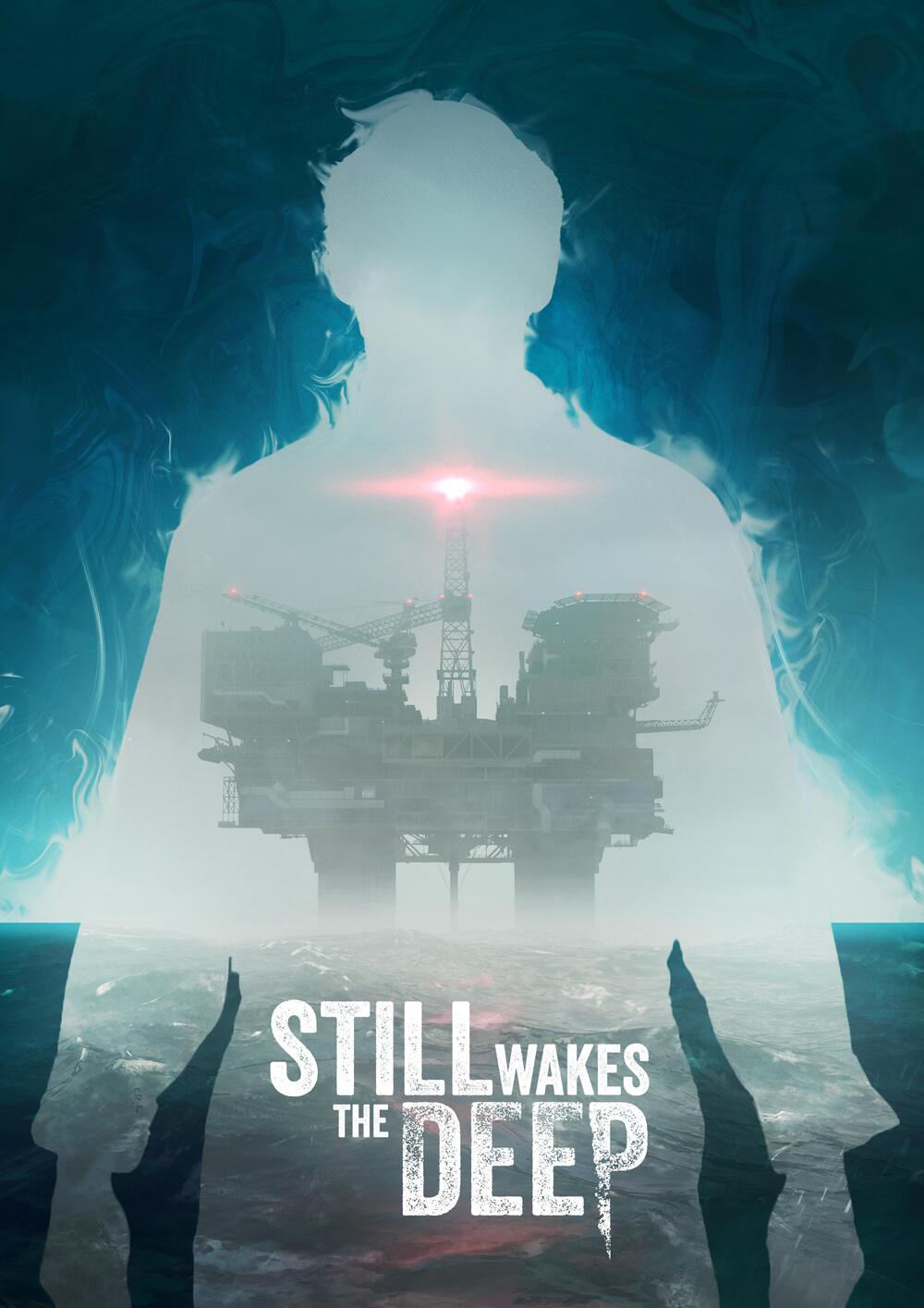
The ocean doesn’t care whether you make it home, and Still Wakes the Deep never lets you forget it. Even before its supernatural nightmare takes shape, the game makes life aboard an offshore oil rig feel like a fragile arrangement between people, machinery, and an environment that could swallow them without a second thought. Released in 2024 by British developer The Chinese Room, this first-person psychological horror game builds its strongest moments around that vulnerability. It isn’t the most mechanically ambitious horror game out there, but its unsettling setting, convincing performances, and emotional stakes make it more than a guided tour through some impressively disgusting scenery.

Set in December 1975, the story follows Cameron “Caz” McLeary, an electrician working aboard the Beira D oil rig in the North Sea off Scotland. Caz has brought plenty of trouble with him. His relationship with his family is strained, problems back home are catching up with him, and his job isn’t exactly secure. He’s already having a miserable time before the drilling operation disturbs something that should have remained buried. Once disaster strikes, getting off the rig becomes much more complicated than finding a boat. The appeal of that setup is how naturally it connects his personal circumstances with the surrounding danger. Home matters because his life there is unfinished, not because the script needs a convenient reason for him to survive.

Before everything falls apart, the game gives you enough time with the crew to understand what kind of place the Beira D is. Conversations are blunt, personalities clash, and the dialogue has the rough familiarity of people who work and live in close quarters. The regional accents and casual swearing help establish a workplace rather than a collection of horror-game characters waiting for their turn to scream. Nobody needs a lengthy introduction to suggest a history with the people around them. That makes the disaster more effective when it arrives. The rig isn’t just a location being destroyed; it’s a little community whose everyday routines suddenly become impossible.

Caz helps hold that human side together. Alec Newman’s performance gives him an appealing mixture of irritation, fear, stubbornness, and genuine concern for his coworkers. He isn’t instantly heroic, and the game doesn’t pretend that his personal problems make him especially noble. He can be difficult, but he remains understandable. More importantly, he sounds like someone struggling to cope with events rather than someone performing bravery for an audience. His family stays emotionally present even when the immediate situation demands all his attention. That connection gives the ocean beyond the rig a particular cruelty: somewhere past all that freezing water is a life he still has reasons to return to.

The Beira D itself does an enormous amount of the work. Its cramped interiors, exposed walkways, and heavy industrial machinery create a setting where comfort always seems temporary. Indoors, there’s barely enough room to feel safe; outdoors, the sea makes every exposed crossing feel worse. The visual detail grounds the place without making it inviting, while the lighting turns familiar spaces into increasingly hostile territory. What starts as an unpleasant workplace gradually becomes an environment you can no longer trust. The game understands that a damaged walkway or a flooding compartment can be frightening without a monster standing in the middle of it.

Sound design strengthens that feeling of instability. Machinery strains, metal bangs, and horrible noises travel through spaces where you can’t always see their source. The rig feels active even when you’re standing still, and not in a reassuring way. Sometimes you’re listening for a creature; sometimes you’re wondering whether the structure around you is about to give out. That overlap is one of the game’s best qualities. The supernatural threat doesn’t replace the practical dangers of being offshore. It makes them worse, leaving Caz caught between something impossible and hazards that require no explanation whatsoever.

The body horror is particularly effective because it corrupts people and spaces the game has already made recognizable. Human forms become grotesquely distorted, but traces of the people underneath remain, especially in their voices. That makes the creatures upsetting in a way that goes beyond impressive monster design. There’s something cruel about hearing recognizable humanity survive inside a body that has become a threat. The game draws on familiar science-fiction horror territory, but its specific setting and working-class cast give that material personality. These aren’t simply monsters loose on an oil rig. They’re part of the destruction of the crew’s shared world.

Playing Still Wakes the Deep is more straightforward than its imagery might suggest. There’s no combat system, so you spend your time navigating damaged sections of the rig, completing simple environmental tasks, climbing through obstacles, and avoiding threats. Keeping Caz defenseless is the right call. Handing him increasingly powerful weapons would undermine the sense that he’s an ordinary person trying to survive something far beyond him. The physical traversal also gives the experience more activity than the “walking simulator” label suggests. At its best, the game makes crossing a dangerous gap or moving through a compromised section of the rig feel like a substantial ordeal.

Still, its narrow design can become a problem. The game usually has a specific route and a specific solution in mind, and it doesn’t take long to notice how firmly it steers you toward both. Stealth encounters can lose some tension once their intended pattern becomes clear, while practical objectives occasionally feel like errands placed between dramatic scenes. There’s a meaningful difference between being trapped by the disaster and being restricted by the design. Still Wakes the Deep sometimes makes the latter too obvious. Anyone hoping for flexible survival systems, substantial exploration, or demanding puzzles will probably find its interactions thin.

That simplicity does help keep the focus on the characters and atmosphere, though. Without inventory juggling or repeated combat encounters, the game can move directly between physical danger and quieter emotional moments. Its roughly six-to-seven-hour length also suits the premise, even if some trips around the rig feel stretched out. The original story is strongest when it treats survival as something more complicated than reaching safety. Caz’s connection to his family, his responsibilities to the crew, and the terrifying circumstances around him give its horror an emotional dimension that carries beyond the immediate disaster.

The expansion Siren’s Rest, released in June 2025, picks up that lingering emotional thread rather than simply repeating Caz’s ordeal with another character. Set in 1986, it takes you beneath the North Sea to the wreck of the Beira D, where a specialist diving team hopes to uncover what happened and bring answers to the families of the lost crew. You play Mhairi, the leader of the dive, exploring the remains of a place that players know far better than she initially does. It’s a smart way to continue the story: the original shows the catastrophe from inside, while the expansion examines what it leaves behind.

That change of perspective gives the return to the rig a different kind of sadness. Spaces that once contained conversations, arguments, and hurried attempts to survive have become submerged remnants of those lives. Mhairi’s work involves photographing remains, collecting personal belongings, and examining evidence, turning familiar locations into places of recovery rather than escape. The connection to the original isn’t just geographical. Its crew members become people whose absence has shaped families for years, extending the first game’s concern with home and responsibility beyond the boundaries of Caz’s experience. The sea may have swallowed the rig, but it hasn’t neatly ended the story for everyone onshore.

Mechanically, Siren’s Rest replaces much of the original’s climbing and scrambling with underwater navigation. A cutting torch, crowbar, and camera give Mhairi practical ways to investigate the wreck, while her connection to the diving bell and communication with her colleague Rob reinforce how dependent she is on equipment and other people. The danger now comes with the added discomfort of being submerged inside a ruined industrial structure. The original made the water outside feel like something to avoid at all costs; the expansion makes entering it the entire premise. That reversal is a strong atmospheric hook, even when the interactions remain fairly straightforward.

The expansion is less convincing as a major escalation of the horror. Its roughly two-to-three-hour length makes it a compact follow-up, but that brevity also leaves less room for its new relationships to develop. Mhairi’s search gives the story a human focus, and the unsettling wreck provides plenty of atmosphere, yet the experience doesn’t consistently turn those advantages into scares as memorable as the original’s. It also shouldn’t be approached as a comprehensive explanation of every supernatural mystery. Its interests lean more toward grief, personal connection, and the desire for closure than toward spelling out exactly what the drilling uncovered. That restraint can preserve the unease, but it may frustrate players expecting more concrete answers.

Taken together, Still Wakes the Deep and Siren’s Rest tell a more interesting story than a simple disaster followed by a cleanup mission. The original makes you care about the people trapped aboard the Beira D, while the expansion asks what their loss means to those left searching for them. The base game remains the stronger experience, with a fuller cast and a more immediate sense of danger, but the follow-up gives its setting an effective second life as a place of mourning and investigation. Neither offers especially deep gameplay, yet both understand the value of putting human concerns inside an inhuman environment. The ocean remains indifferent throughout. What gives the story its weight is that the people living with the consequences never can be.

Horror Game Review: MADiSON (by Bloodious Games)


“At the moment of first contact, it is already too late.” — Father Thomas

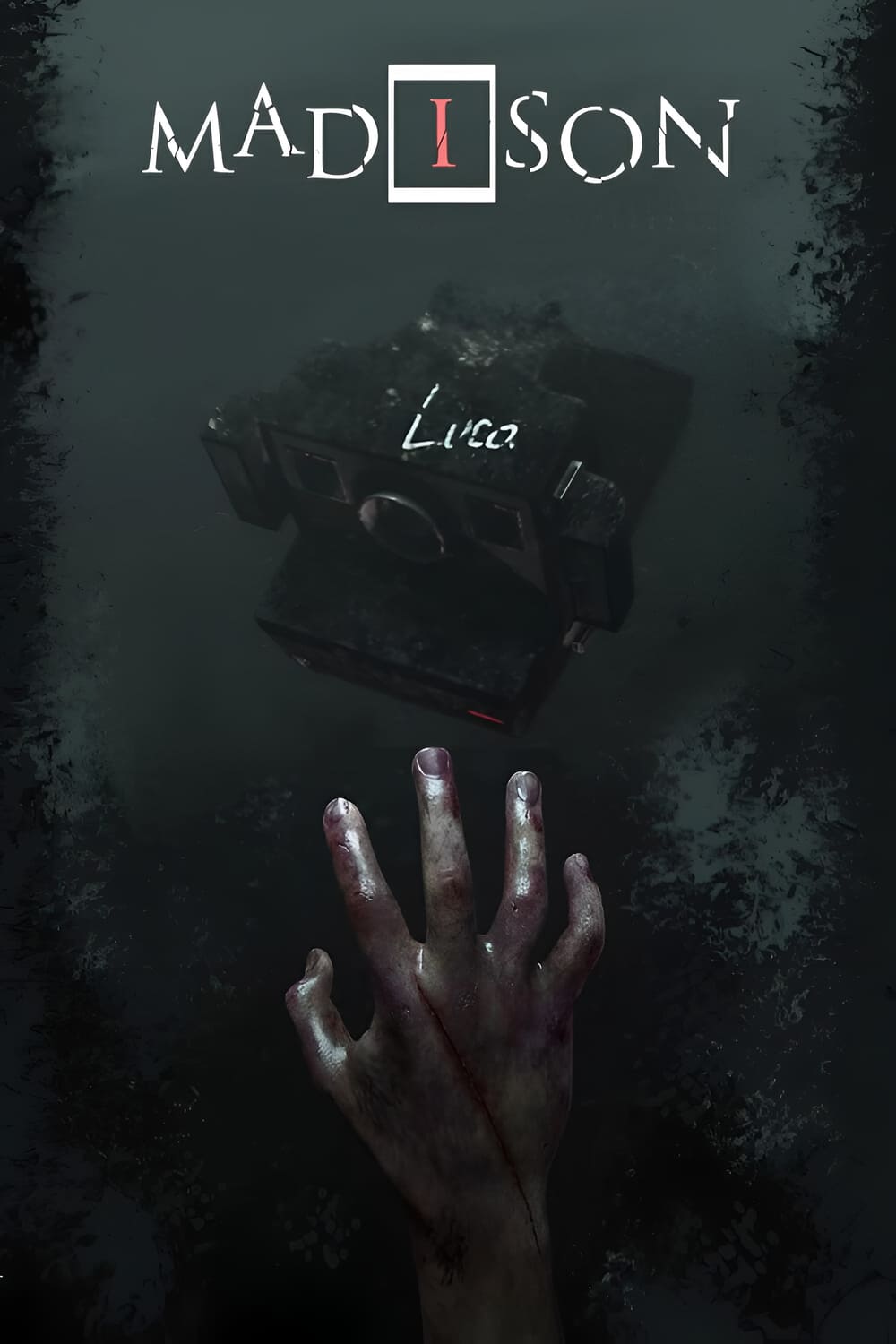
MADiSON has a knack for making you dread the next room while giving you just enough reason to step inside anyway. Released in 2022 by Bloodious Games, this first-person nightmare puts a camera in your hands and sends you into a house where practically everything seems determined to ruin your evening. It isn’t especially interested in reinventing supernatural horror, and some of its puzzles make being trapped with a demon seem less annoying than being trapped without clear instructions. Still, when its atmosphere, sound, and scares come together, MADiSON delivers something genuinely unsettling: a haunted-house experience that understands how vulnerable curiosity can make you.

You play as Luca, a young man caught in a horrifying situation involving his family, a demonic presence, and a serial killer whose influence hasn’t ended with her death. The opening establishes distress before offering much explanation, which suits a game built around uncertainty. Rather than giving you a comfortable overview of the situation, MADiSON makes understanding what happened part of the ordeal. Its story develops through exploration, recordings, and disturbing discoveries, with the supernatural mystery pulling you farther into danger instead of toward reassurance. The setup works because investigating the house and participating in something sinister gradually start to feel uncomfortably similar.

Veteran gamers will recognize the camera-centered premise, especially anyone familiar with the Fatal Frame series from the early 2000s. Like those games, MADiSON leans heavily on a camera as your means of interacting with the supernatural. But that is where the similarities end. Here, the instant camera drives investigation and puzzle-solving, revealing information that isn’t otherwise visible and triggering changes in the environment. That gives an ordinary action an unpleasant double meaning: you need the camera to make progress, but using it can also bring you closer to something you would rather leave alone. You’re not just asking what might appear in the picture; you’re wondering what taking the picture might have done to the room around you.

That relationship between looking and provoking is where the game finds its strongest identity. Plenty of horror games make players inspect threatening spaces, but MADiSON gives that inspection a tangible ritual. Raise the camera, choose the shot, and discover whether your curiosity has paid off or made things worse. Its photographs connect the supernatural material to the actual puzzle-solving rather than leaving the camera as a decorative gimmick. The result is a useful tension between wanting answers and fearing the process of obtaining them. Even when the surrounding horror imagery feels familiar, the camera helps make engaging with it feel more personal and less passive.

The house itself does a lot of the heavy lifting. MADiSON belongs to the strain of horror associated with P.T. and Visage, where domestic spaces become threatening through repetition, uncertainty, and the feeling that familiar surroundings can no longer be trusted. Its confined layout gives you plenty of opportunities to revisit places that have already made you uncomfortable. At its best, that familiarity becomes a weapon: recognizing a room doesn’t necessarily mean feeling safe inside it. At its worst, however, the same compact environment becomes a source of tedious navigation. There’s a fine line between dreading another trip down a corridor and simply wishing the game would let you get there faster.

The audiovisual presentation generally keeps that line from collapsing entirely. Detailed horror imagery, tense sound, and aggressive scares give the environment a nasty sense of presence. The game knows that an unseen threat can make an otherwise uneventful walk feel loaded with possibility. It also knows how to puncture that anticipation with a sudden shock. The jump scares are a major part of the experience, so anyone hoping for an entirely restrained, slow-burning approach should adjust their expectations. MADiSON wants to get a physical reaction, not just inspire thoughtful unease. Fortunately, its stronger shocks have an oppressive atmosphere supporting them rather than existing as isolated bursts of noise.

Still, the game’s enthusiasm for frightening you can become excessive. There’s a difference between keeping someone on edge and constantly reminding them that the next loud interruption is coming. Its more aggressive audiovisual choices risk making the horror feel pushy, particularly when exaggerated camera movement and awkward interactions are already demanding attention. The problem isn’t that jump scares are automatically cheap; a well-timed one can be hugely effective. It’s that tension needs room to develop, and mechanical irritation can interrupt that development. When the player starts thinking about getting the cursor into exactly the right position, the supernatural threat temporarily loses control of the scene.

Puzzle-solving is the other major ingredient, and it produces the game’s biggest split between satisfaction and frustration. MADiSON uses an old-school structure in which objects, clues, and obstacles may appear well before their purpose becomes clear. That can make the house feel interconnected and reward attention to details encountered earlier. The camera also gives some puzzles a distinctive supernatural twist. But the distinction between an intriguing mystery and an arbitrary roadblock isn’t always maintained. A good puzzle makes you reconsider the evidence; a weaker one makes you reconsider whether you’ve missed an interaction prompt. Too often, the game risks replacing productive uncertainty with aimless experimentation.

That matters especially in horror because confusion has a short shelf life. Initially, not knowing what to do can intensify the feeling of helplessness. After enough unsuccessful attempts, though, fear starts giving way to impatience. Slow movement, repeated routes, and unclear solutions compound one another, making stretches of MADiSON feel less like an escalating nightmare and more like a haunted escape room with uneven instructions. Interestingly, that awkwardness can occasionally work in its favor by making events harder to predict. But unpredictability is more effective when it feels deliberately controlled. The game doesn’t always convince you that its friction serves the horror rather than simply getting in its way.

Narratively, MADiSON benefits from committing to its demonic material. It doesn’t need to transform every frightening image into an elaborate psychological metaphor to justify itself. There’s an appeal to its relatively straightforward interest in possession, occult rituals, and malignant forces. The story provides a reason to keep investigating without becoming the sole attraction, while its familiar genre ingredients give the camera and environmental design something immediately understandable to work against. The downside is that familiarity limits the sense of discovery. Horror veterans will recognize much of its vocabulary, even if the game can still arrange those recognizable pieces into some effective, unpleasant situations.

Ultimately, MADiSON is a strong horror experience wrapped around a sometimes aggravating adventure game. Its camera mechanic gives the fear an interactive foundation, its house sustains an oppressive mood, and its best scares have real bite. The puzzles, pacing, and interaction issues prevent it from feeling consistently assured, however. It’s easiest to recommend to players who enjoy supernatural horror enough to tolerate a little fumbling between the memorable moments. Anyone who needs elegant signposting or dislikes aggressive jump scares will have a rougher time. For everyone else, there’s a compelling nightmare here—one that repeatedly makes finding the next clue feel like opening a door you already know you shouldn’t.

Horror Game Review: Visage (by SadSquare Studio)


“It feels like the treatments are only making things worse.” — George

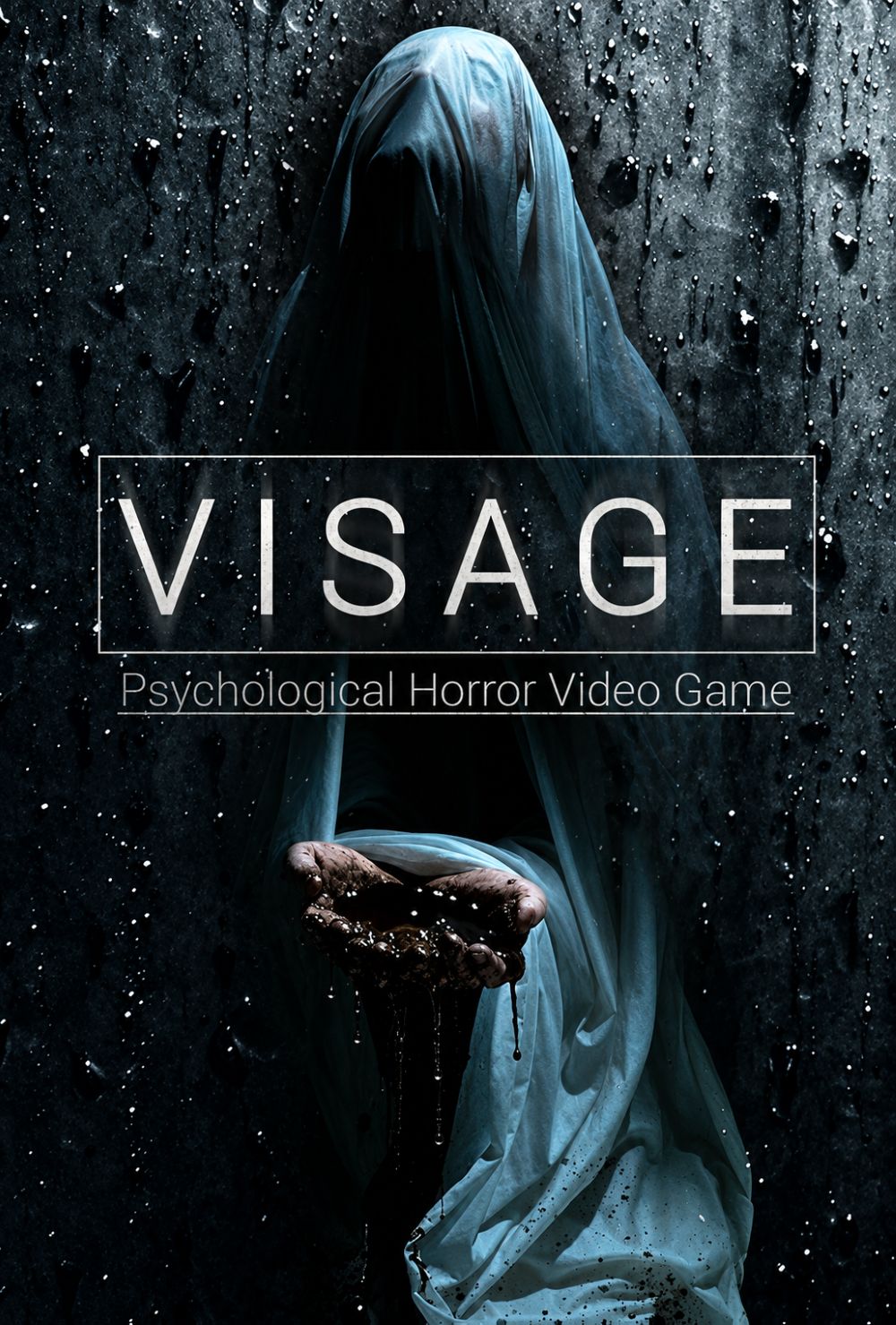
Visage knows how to make you dread the next room long before anything actually happens. Released in 2020 by SadSquare Studio, this indie psychological nightmare takes the familiar haunted-house setup and stretches it into something deeply uncomfortable. Its connection to P.T.—Hideo Kojima’s playable teaser for a canceled entry in the Silent Hill series—is obvious, but dismissing it as another imitator would overlook how much it brings to the table. There are proper survival mechanics, substantial exploration, and several distinct stories beneath its ghostly surface. It is also clumsy, confusing, and occasionally exhausting for the wrong reasons. Still, when everything clicks, its atmosphere makes those shortcomings surprisingly easy to forgive.

The setup puts you in the shoes of Dwayne Anderson, a man exploring a sprawling house burdened by the tragedies of its previous inhabitants. Before that exploration begins, though, the game opens with a deeply disturbing sequence involving family murder and suicide. That immediately establishes how ugly things can get. This is not a playful ghost story where a few spooky noises lead to a monster reveal. The house becomes a space for confronting violence, suffering, and uncertainty, with Dwayne’s connection to everything left deliberately murky. The mystery offers plenty to chew on, although anyone expecting straightforward answers should adjust those expectations early.

What makes the house so effective is how ordinary it feels before reality starts coming apart. These are recognizable domestic spaces rather than elaborate gothic chambers, and that familiarity does much of the heavy lifting. A dark corner does not need a creature standing in it to become threatening; the possibility is enough. Visage understands that horror often works best when the player is mentally filling in the blanks. Its environments create an uneasy relationship between recognition and suspicion: you know what a home should feel like, but this one keeps quietly violating that understanding. Even exploration can feel like trespassing.

The audiovisual presentation reinforces that discomfort without needing nonstop spectacle. The house looks convincingly lived-in, while shadows and unsettling creaks make its emptier spaces feel occupied. Technically, this is not a game that needs to outmuscle a blockbuster production. Its strength lies in how effectively the visuals and sound work together to make you distrust your surroundings. The jump scares certainly matter, but they land because tension has already done most of the work. The frightening part is often the stretch before something happens, when you are staring into darkness and wondering whether moving forward will finally trigger the thing you have been dreading.

Unlike a purely passive haunted-house tour, Visage gives you systems to manage while all that anxiety builds. Spending too long in darkness or experiencing disturbing events affects your sanity, introducing another layer of uncertainty through hallucinations. You also have to juggle objects between your hands and a limited inventory. Conceptually, this is a smart combination: navigating the environment becomes more involved than simply following the next corridor. You are not just witnessing frightening events; you are trying to stay functional inside them. That extra responsibility helps distinguish the game from horror experiences that rely almost entirely on scripted surprises.

Unfortunately, the inventory is also where that involvement becomes irritating. The two-handed control system sounds immersive until using a tool requires clearing your other hand, rearranging your possessions, or dropping something because there is no room left. There is a difference between making a character vulnerable and making basic actions unnecessarily awkward, and Visage does not always respect that distinction. Some friction suits survival horror, but menu and item-management friction can pull attention away from the environment entirely. When your biggest concern becomes figuring out how to hold the correct object, the haunting has temporarily lost its grip.

The chapter structure provides welcome variety. Lucy’s chapter leans closest to the intimate, oppressive horror associated with P.T., while Dolores’s puts greater emphasis on puzzles. Rakan’s moves toward more traditional survival-horror encounters, and the final chapter pushes further into surreal territory. That variation keeps the game from feeling like one idea repeated indefinitely. It also gives the house a broader identity, as though different tragedies have left different kinds of damage behind. The tradeoff is unevenness: depending on whether you prefer exploration, puzzles, or direct danger, some sections will naturally feel stronger than others.

Puzzle design is the biggest obstacle to enjoying that variety. There are satisfying moments of observation and deduction, but the game also slips into obscure interactions that can feel arbitrary rather than clever. Being lost in a haunted house should be frightening; being lost because you cannot identify the next required trigger is mostly annoying. Once exploration turns into repeatedly checking familiar rooms, suspense risks giving way to impatience. The game deserves credit for resisting constant hand-holding, but withholding direction is not automatically good design. A stronger balance between subtle guidance and uncertainty would preserve the mystery without draining so much momentum.

Ultimately, Visage is an impressive horror game with rough edges that genuinely matter. Its storytelling favors implication over resolution, its controls need patience, and its puzzles can interrupt an otherwise powerful sense of dread. Yet those problems do not erase how convincingly it turns an ordinary house into somewhere you desperately want to leave. It builds fear through familiarity, then steadily makes that familiarity unreliable. For players who value slow-burning psychological horror and can tolerate some frustration, there is a memorable experience here. It is not consistently elegant, but it understands something essential: the scariest room is often the one you have not entered yet.