Review: Balatro


It is incredibly rare to find a game that completely takes over your brain in the way that Balatro has. Developed by a solo creator going by the name LocalThunk and published by Playstack, this little indie game dropped out of nowhere and quickly became one of the most talked-about releases of the year. On the surface, it looks like a pretty standard digital poker game. You have a deck of cards, you get dealt a hand, and you try to make the best poker hand possible. But spend about five minutes with it, and you will quickly realize that Balatro is not actually a poker game at all. It is a brilliantly disguised roguelike deck-builder that uses the universal language of poker hands as its foundation to create one of the most addicting gameplay loops I have ever experienced.

The core mechanics start off simple enough to teach anyone, even if you have never played a card game in your life. You are trying to beat a certain score threshold, known as a blind, by playing poker hands. A pair gives you a base amount of chips and a small multiplier. A flush gives you more chips, and a straight flush gives you even more. You play through a series of antes, and the score requirements get higher and higher as you progress. If you fail to reach the score limit with the hands you are dealt, your run is over and you have to start from scratch. It sounds like standard video poker, but the magic of Balatro lies in what happens between these hands.

This is where the deck-building and roguelike elements come crashing in to completely warp your perspective on playing cards. After every blind, you visit a shop where you can spend your hard-earned money on various upgrades. The most important of these are Jokers. You can have up to five Jokers at a time, and each one fundamentally breaks the rules of poker in wildly different ways. One Joker might give you a massive multiplier every time you play a pair. Another might destroy a card in your hand and give you extra chips for each card destroyed. Another might only activate if you play a hand that contains a spade. Suddenly, you are no longer trying to play the statistically best poker hand. You are trying to play the hand that best satisfies the chaotic rules of your specific Jokers.

The deck-building goes even deeper when you factor in the other items you can buy in the shop. Planet cards permanently level up specific poker hands, meaning your flushes will naturally score more points without needing a Joker to boost them. Tarot cards let you literally alter your deck by changing the suit of a card, turning a card into a wild card, or destroying cards outright to thin your deck and increase your chances of drawing the cards you actually need. Spectral cards offer high-risk, high-reward effects that can either make your run legendary or immediately ruin it. If you have ever played a game like Slay the Spire or Monster Train, you will feel right at home with how these systems interlock, but Balatro manages to feel entirely fresh because of its playing card aesthetic.

As a roguelike, the game structure demands that you adapt to what the game gives you. You cannot force a flush-focused build if the shop only gives you Jokers that synergize with pairs and high cards. You have to pivot your strategy on the fly, which leads to these beautifully chaotic runs where you end up winning through sheer absurdity. To keep you on your toes, every eighth blind is a Boss Blind. These bosses apply a universal handicap to your run, like disabling the effect of all face cards, or making it so playing a straight actually deducts points. Beating a Boss Blind requires you to either build an incredibly versatile deck or find a specific Joker that completely ignores the boss’s rules, which is immensely satisfying when you pull it off.

The real triumph of Balatro, however, is just how unbelievably addicting its game loop is, and how that addiction directly feeds into the creation of utterly insane deck combos. Because the game constantly drip-feeds you new jokers and upgrades after every single round, you are always chasing that next layer of synergy. This creates a compulsion loop where you just want to see how far the math can go. What starts as a humble run trying to scrape together a few thousand points with a basic pair suddenly spirals completely out of control. You might pick up a Joker that gives you an x3 multiplier for every face card discarded, then find a planet card that buffs your straight, and then grab another Joker that doubles your entire score if you have exactly four cards left in your hand. Before you know it, the addictive nature of wanting to complete that puzzle pushes your scoring into the absolute stratosphere. You will find yourself playing a single pair of twos and watching the score ticker fly into the millions, then the billions, and occasionally even the trillions. The game loop tricks your brain into treating poker hands like puzzle pieces, and the ultimate reward for solving that puzzle is seeing numbers climb to absurd, astronomical heights that make no logical sense for a standard 52-card deck.

It also helps that the presentation is absolutely spot-on for this type of experience. The user interface is clean and easy to read, which is crucial when you have fifteen different modifiers happening at once and your score is rocketing into the billions. The visual style has a retro, slightly gritty CRT vibe to it that feels mysterious and cool. But the real standout is the sound design. The tactile thwack of the cards hitting the table, the escalating, hypnotic hum of the music as your score multiplier climbs higher and higher, and the incredibly satisfying sound of a massive score being calculated all tie the experience together perfectly. It is a game that feels incredible to just interact with on a moment-to-moment basis.

In a modern gaming landscape that is increasingly obsessed with massive scale, Balatro feels like a beautiful breath of fresh air. The game doesn’t rely on hyperrealistic graphics using the latest game engines with all the bells and whistles that has made game development as expensive, if not even moreso, than the biggest Hollywood blockbusters, but also made their development years in the making. Instead, it leans entirely into the simplicity of its look paired with incredibly complex mechanics under the hood. This brilliant design choice has made it incredibly easy to release on pretty much every platform from every game console, PC and mobile platform. You don’t need a pricey rig to run it; you just need a screen and a functioning brain to appreciate the sheer depth of its systems.

Balatro is a masterclass in game design. LocalThunk took something as simple and universally understood as a deck of playing cards and turned it into a sprawling, deeply strategic, and infinitely replayable roguelike. It takes the best parts of deck-builders and marries them to the instantly recognizable framework of poker, resulting in a game that is easy to learn but nearly impossible to put down. Playstack has an absolute monster hit on their hands here, and I can confidently say that if you have even a passing interest in card games, strategy games, or just games with incredibly tight gameplay loops, you owe it to yourself to play Balatro. Just make sure you do not have anything important to do for the next few days, because once this game gets its hooks in you, it will not let go.

Review: Dredge


When you boot up Dredge, you might think you are getting a relaxing, Stardew Valley-style fishing experience where you just kick back, cast a line, and listen to lo-fi beats. But developer Black Salt Games and publisher Team17 had something much weirder and far more sinister in store. You play as a nameless fisherman who arrives in a strangely secluded archipelago called the Marrows, and right from the jump, things feel incredibly off. You are given a rundown boat and told to catch fish to make money, but the game slowly peels back its layers to reveal something deeply unsettling lurking beneath the waves. It is a game that takes the most mundane aspects of the fishing sim genre and twists them into a brilliant, unforgettable blend of survival, horror, and puzzle mechanics.

Let’s talk about the actual fishing mechanics because they are surprisingly robust and satisfying. You are not just mashing a button to reel in a generic fish. As you progress through the game, you unlock different rods, crab pots, and trawling nets, each requiring a slightly different approach to use effectively. There is a simple but engaging timing-based mini-game for reeling that varies depending on the size and rarity of the catch, keeping you on your toes. Catching common fish like mackerel or cod is a breeze, but when you hook something aberrant or otherworldly, the mini-game gets incredibly frantic. The game does a fantastic job of making you feel like a competent angler while constantly introducing new species and equipment to keep the core gameplay loop from going stale.

But the real genius of Dredge lies in its inventory management, which essentially turns your boat into a spatial puzzle game. Your catch does not just magically go into a bottomless bag; you have to physically slot fish into a grid on your boat’s deck. Different fish take up different amounts of space, shaped like Tetris blocks. A small anchovy takes up one square, while a massive shark might take up four or five. As your boat gets bigger, so does the grid, but you also have to fit engine upgrades, tighter nets, and refrigerated storage on that exact same grid. You are constantly playing a game of spatial Tetris while out on the water, deciding if you have room for that highly valuable abyssal fish or if you need to toss out some common junk to make space.

This is where the survival mechanics start to bleed into the gameplay, and it is also exactly where the horror starts to creep in. During the day, Dredge feels almost peaceful. The pixel art is gorgeous, the water looks serene, and the locals at the docks are quirky but polite. But once the sun goes down, the entire vibe of the game shifts dramatically. A thick, suffocating fog rolls in, your visibility drops to almost nothing, and the soundtrack changes to something deeply oppressive. You start to hear strange noises in the water, and if you linger out in the dark too long, your screen starts to warp and distort as your character’s mind begins to fracture.

This introduces the panic meter, which is easily one of the most stressful survival mechanics I have played with in a long time. If you stay in the dark or get too close to the rogue eldritch horrors swimming around the islands, your panic goes up. If it maxes out, you crash your boat and wake up having lost a chunk of your hard-earned catch and inventory space. You also have to manage your hull integrity, because ramming into rocks or getting smacked by a sea monster costs you money and risks sinking your only means of survival. Add in the need to manage your fuel to get back to port and your sleep meter to avoid passing out, and you suddenly realize you are not playing a cozy fishing game anymore. You are playing a tense resource management game where one wrong decision in the dark can completely ruin your entire run.

The way Dredge mashes up these seemingly incompatible genres is incredibly seamless. It takes the soothing, methodical loop of a game like Moonglow Bay or Animal Crossing and injects it directly with the survival anxiety of Don’t Starve and the creeping cosmic dread of a game like Call of Cthulhu. You want to push your luck and stay out late to catch that one rare nocturnal fish, but the survival mechanics punish you harshly for being greedy. The horror elements do not just serve as cheap jump scares, either; they are baked directly into the fishing mechanics. Some rare fish can only be caught during a blood moon or in the darkest parts of the ocean, forcing you to navigate through pitch-black waters filled with terrifying rock formations and unseen monsters just to fill out your encyclopedia.

Exploring the world is a joy in itself, even when it is scaring the pants off you. The archipelago is divided into distinct biomes, each with its own unique fish, hidden secrets, and terrified residents. As you complete quests for the locals—fetching specific fish, finding lost items, or hunting down dangerous aberrations—you unlock new parts of the map and new abilities for your boat. The overarching narrative is mysterious and vague in a way that works perfectly for the genre. You do not need a massive lore dump to understand that something went terribly wrong in this place a long time ago; the environment tells the story brilliantly through ruined ships, mutated wildlife, and the paranoid ramblings of the islanders.

By the time you reach the late game, your little dinghy has been transformed into a high-tech seafaring vessel, but the waters feel just as dangerous, if not more so. Dredge is an absolute masterclass in taking familiar gaming mechanics and twisting them into something completely unique. It respects your time as a player, offering a tight, well-paced experience that never feels like it is padding its runtime. Whether you are happily organizing your latest haul in the warm glow of the daytime sun or frantically paddling for your life through a foggy nightmare, the game constantly keeps you engaged. If you have even a passing interest in fishing games, survival mechanics, or Lovecraftian horror, you owe it to yourself to drop a line into Dredge. Just do not forget to head back to port before dark.

Review: Gears of War


“We’re not saints. But we are gonna win this fucking war and I’d rather have you on the winning side.” — Marcus Fenix

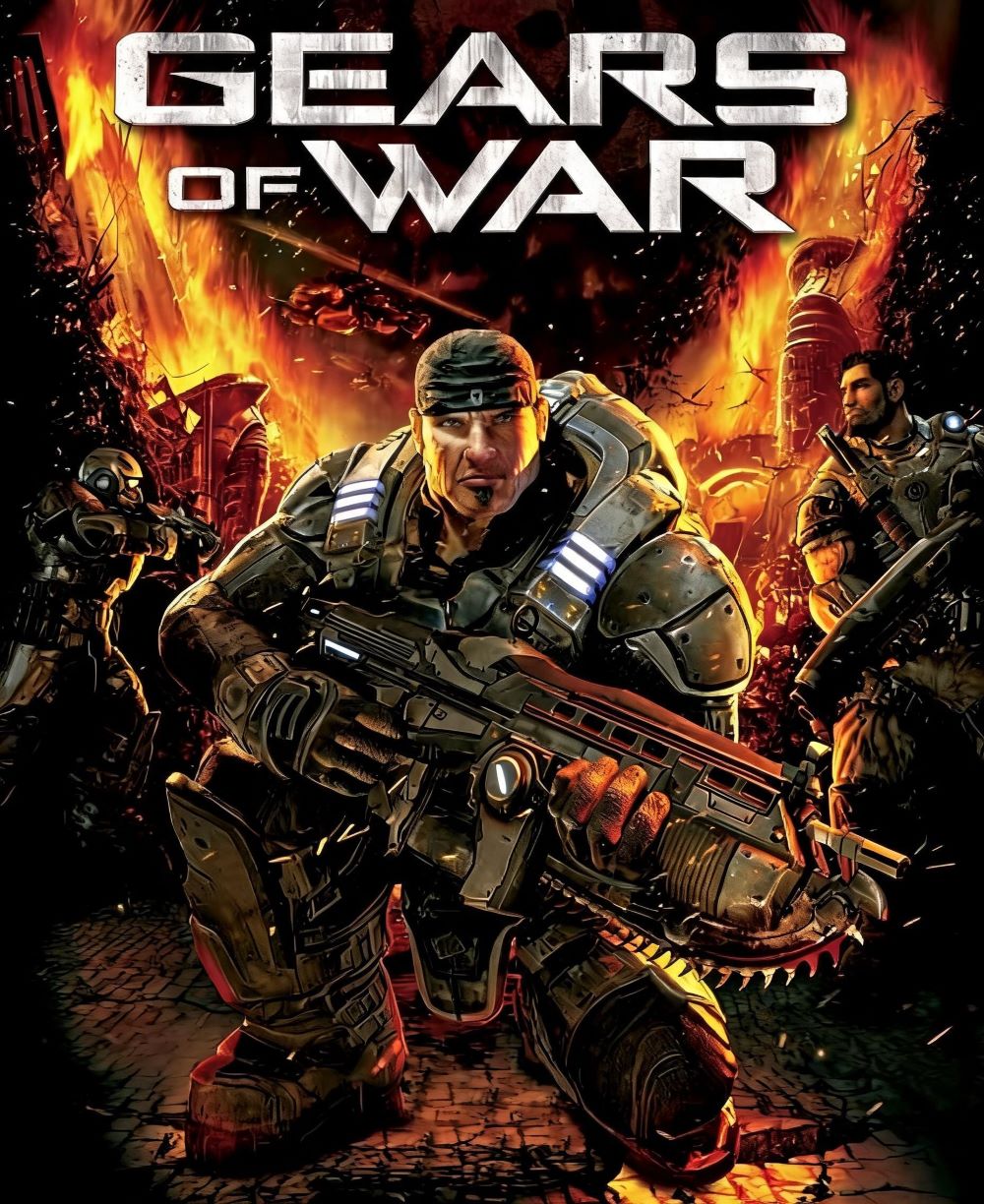
Let’s be real for a second: trying to play Gears of War from 2006 right after a session of Fortnite or Call of Duty: Modern Warfare III is a genuine shock to the system. You forget how heavy games used to feel. In an era where every shooter has slide-canceling, wall-running, and zero sprint-out times, going back to Marcus Fenix is like trying to run a marathon in steel-toed boots. The Xbox 360 classic, now almost two decades old, exists in this weird purgatory of retro gaming. It’s too young to be nostalgic pixel art, but it’s definitely too old to feel modern. And yet, here’s the thing: Gears of War still matters. Not in spite of its clunkiness, but because of it. When you revisit the ruined planet of Sera today, you realize that the “slowness” we now criticize was actually a specific design philosophy that current games have largely abandoned. It’s a fascinating time capsule—a game that feels like a rusty chainsaw, awkward to start, but terrifyingly effective once you get it going.

The first thing a modern player will notice is the speed—or total lack of it. In 2024, if your character takes a full second to slide into cover, players call it “input lag.” Back in 2006, we called it “weight.” The A-button roadie run is iconic, but compared to the fluidity of something like The Last of Us Part II or Gears 5 itself, the original feels like wading through molasses. You can’t vault over cover while shooting. You can’t cancel out of an animation. When you rev that Lancer chainsaw, you are committed to that animation, and if a Locust sneezes on you, you stagger. This should feel archaic. And honestly, sometimes it does. The middle third of the campaign, dragging through the same gray-brown mine shafts, feels repetitive by 2006 standards, but by today’s standards, it’s almost meditative in its simplicity. There’s no open world checklist. No battle pass. No weapon skins to grind for. You just shoot, move up, and shoot again. For a retro palate cleanser, that linear focus is weirdly refreshing.

Visually, Gears of War is a museum piece for a very specific era of game design: the “Real is Brown” movement. When it launched, Unreal Engine 3 was a miracle. Today, those same textures look like wet concrete. The color palette is aggressively desaturated—mixing grays, browns, and the occasional blood splatter. Current games like Ratchet & Clank: Rift Apart or Horizon Forbidden West are explosions of neon and particle effects. Going back to Gears feels like turning off HDR and watching a DVD on a 4K TV. But here’s the retro magic: the art direction survives the technical decay. The ruined architecture, the massive Locust fortresses, the silhouette of a Berserker breaking through a wall—those aren’t reliant on high polygon counts. They’re reliant on good composition. Jerry O’Flaherty’s vision of “destroyed beauty” still holds up because modern horror-shooters like Scorn or Remnant II are essentially borrowing that same heavy, bio-mechanical aesthetic. You can see the pixelation, sure, but you can also see the blueprint for an entire decade of gaming.

Gameplay is where the retro vs. modern debate gets interesting. The cover system—sticky, magnetic, and automatic—was revolutionary in 2006. By 2024, it’s considered “sticky” in a bad way. Modern shooters prefer contextual cover or manual crouch systems because we hate being glued to walls. Yet, playing Gears today reveals that its combat rhythm is actually more tactical than most modern cover shooters. In The Division 2 or Outriders, you can tank a few hits, heal, and move. In retro Gears on Hardcore difficulty, three bullets kill you. You have to respect the geometry. You have to wait for the Locust to reload. That “stop-and-pop” gameplay feels slow, but it also feels deliberate. Current games are terrified of boring the player, so they constantly throw movement abilities at you. Gears forces you to breathe. It’s almost a horror game in disguise—especially the Berserker fight, where you can’t hurt her from the front. A modern game would put a waypoint marker on her head. Gears just lets you panic and run to the next door. That’s retro charm at its finest: trusting the player to figure it out without a glowing UI.

The weapon design remains timeless, even after all these years. The Lancer with the chainsaw bayonet is one of the few mechanics from the 2000s that still feels fresh because no one else has successfully copied it. Pulling off a saw execution in 2024—even with the stiff animation and the camera glitch—is still cathartic in a way that modern “finishing moves” in Warzone aren’t. The Gnasher shotgun, infamous for its inconsistent pellet spread, is a retro nightmare. Veterans will argue that “host advantage” and “wall bouncing” were skill gaps. New players will argue it just feels broken. Both are correct. That’s the beauty of this game as a retro artifact: the multiplayer is janky, unbalanced, and ruled by veteran roadies who never stopped playing. The active reload mini-game—pressing R to stop a moving bar for a damage boost—remains a tiny stroke of genius that modern games like State of Decay borrowed but never improved.

Now, let’s talk about something that happened outside the actual game but became just as legendary as anything Marcus Fenix did with a shotgun. Before Gears of War even launched, Microsoft and Epic set out to make a commercial that would break every rule of game advertising. They initially approached legendary director David Fincher (Fight ClubZodiacSe7en) to helm the project—a massive get for a video game tie-in. But when Fincher had to bow out due to a scheduling conflict, a relatively unknown young director named Joseph Kosinski stepped in. You know Kosinski now as the guy who directed Top Gun: Maverick, the $1.5 billion sequel that made the world fall in love with fighter jets again, as well as Tron: Legacy and the Formula One film F1. But back in 2006, he was a visual effects artist and commercial director taking his first big swing. And boy, did he connect. The resulting sixty-second spot fundamentally rewrote the rules of game advertising. Instead of loud rock and explosion montages—the tired template of every shooter ad before 2006—Kosinski showed Marcus Fenix walking alone through a ruined city in the rain, set to Gary Jules’ haunting, melancholy cover of “Mad World.” The ad barely showed coherent gameplay, yet it sold grief, loneliness, and the weight of a lost world. A commercial for a rated-M shooter about chainsaw guns had no catchphrase, no high-fives, no announcer yelling “Are you ready?” Just a broken man trudging through the rain while a piano played.

It was a gamble that paid off so massively that it broke the industry’s advertising brain. Within a year, Halo 3’s “Believe” diorama ads—also influenced by Kosinski’s work—traded action for elderly veterans remembering a war. Dead Island’s infamous reverse-trailer showed a child’s death set to a mournful song. The Last of Us Part IICyberpunk 2077, and Death Stranding all followed with slow, emotional piano or vocal covers over solitary heroes walking through beautiful desolation. Even today, when a new trailer drops with a slowed-down pop cover and a hero looking sad in the rain, you’re watching the ghost of Joseph Kosinski’s twenty-year-old masterpiece. The actual game itself is full of cheesy banter and over-the-top gore—Cole Train yelling “Wooooo!”—but that ad sold a tone the game only occasionally delivered. And in doing so, it proved that video games could be marketed as art, not just adrenaline. You don’t just remember the headshots. You remember the rain. And you remember the name of the director who made that rain matter.

So, how does Gears of War hold up as a retro recommendation in 2024? You have to adjust your expectations. This is not a pick-up-and-play title. It’s a history lesson. The story is still barebones (Locust bad, blow up resonator, Dom’s wife is in another castle), but the vibe is immaculate. The lack of a mission select screen is annoying by modern standards, and the vehicle sections (yes, the infamous “sitting on a turret while riding a train” finale) feel painfully scripted. But the co-op? That’s the secret sauce. Playing split-screen Gears today with a friend is arguably better than playing most modern co-op shooters because the game isn’t trying to sell you anything. No loot boxes. No battle pass. Just two beefy space marines sharing one box of ammo and a lot of terrible one-liners. The influence this game had—and it’s impossible to overstate—is the DNA you see in UnchartedThe Last of Us, and even God of War (2018)’s over-the-shoulder camera. Every AAA third-person shooter from the last fifteen years owes its cover mechanic to this clunky, brown, brilliant fossil.

In the end, calling Gears of War “retro” isn’t an insult. It’s a badge of honor. It is the perfect representation of the Xbox 360 era: ambitious, janky, gray-brown, and completely unwilling to apologize for its weight. A modern shooter would buff your movement speed, add a grappling hook, and turn the Locust into loot piñatas. Gears doesn’t care. It wants you to struggle against the controls for a minute, then laugh as you chainsaw a Grub in half. And somewhere in the back of your mind, as you do it, you might hear a soft piano cover. That contrast—grief and gore, slowness and spectacle—is what makes revisiting Gears of War in 2024 so weirdly worthwhile. It is a slow, heavy, dated, and utterly essential piece of gaming history. Take cover. Wait for the reload. And for the love of God, remember to pick up the Torque Bow. You’ll be fine. Just don’t expect to sprint.

Metaphor: ReFantazio Review


“Knowledge without action is but a hollow echo.” — Heismay

Metaphor: ReFantazio delivers a fresh fantasy spin on Atlus’s signature JRPG formula, blending turn-based combat with real-time field encounters that keep battles dynamic and strategic, all in service of a narrative that probes deep into societal divides. The game’s Archetype system lets you mix and match job classes across your party, offering deep customization through skill inheritance and squad synthesis for creative builds that shine in tough boss fights, mirroring the story’s emphasis on unity through diversity. While the overarching tale of tribal tensions and royal intrigue captivates from the start, it occasionally leans into familiar Atlus tropes like social bonding and time-sensitive quests that can feel repetitive over its lengthy runtime, though these mechanics cleverly reinforce the plot’s ticking-clock urgency.

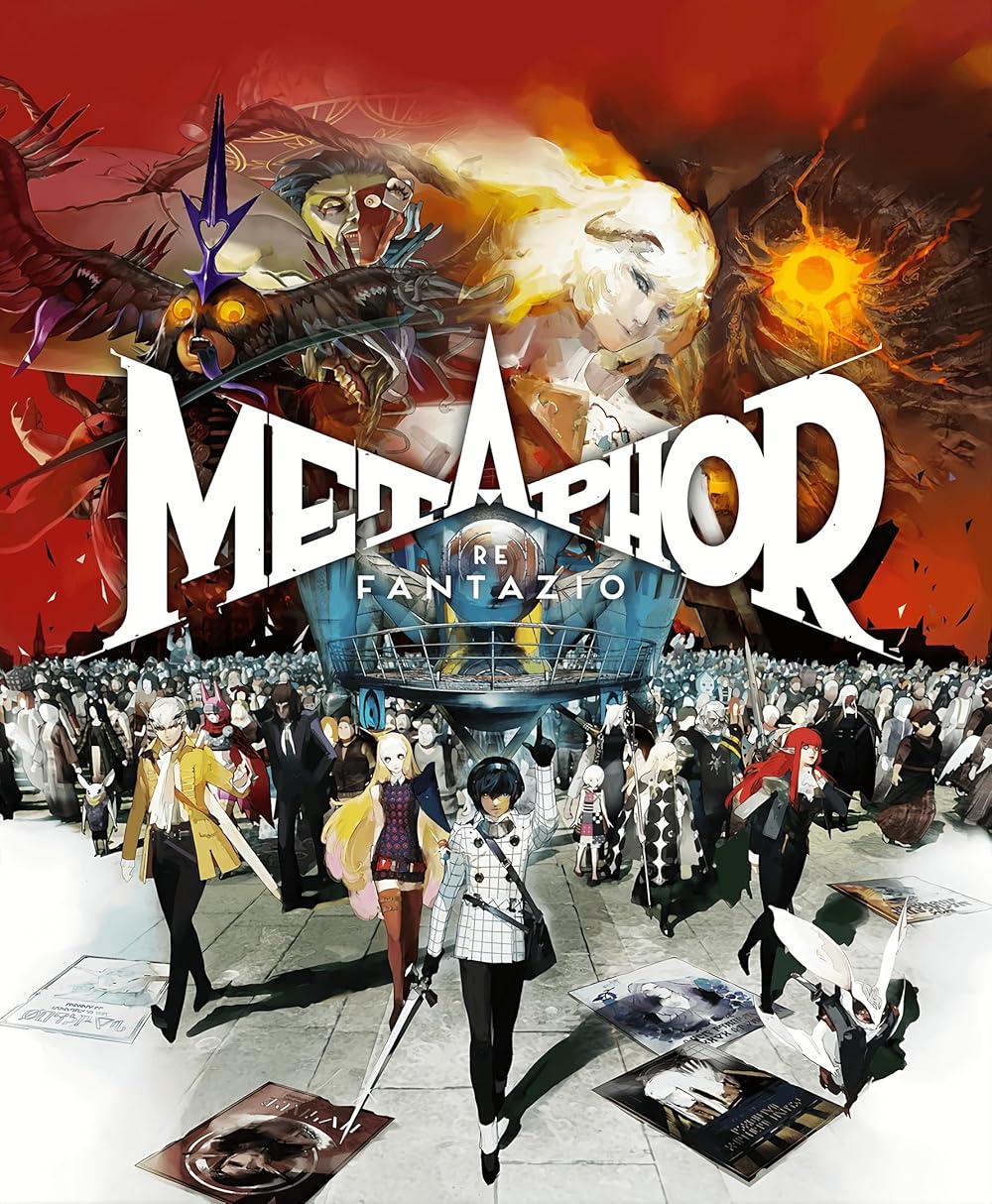
Traversal feels epic on your flying sword mount, zipping through vibrant medieval-inspired hubs packed with side requests, from monster hunts to delivery gigs that boost your follower ranks and unlock new abilities, often tying back to the narrative’s exploration of prejudice and alliance-building. Visually, the stylized UI, animated portraits, and lush world design pop with that classic Atlus flair, making every menu and cutscene a treat, with the game making especially striking use of character artist Shigenori Soejima’s artwork to give both the interface and the cast a distinctive, cohesive look. Soejima, known for his work on the Persona series, brings his signature style here—sharp lines, expressive faces, and vibrant color palettes that make every character portrait feel alive and every UI element intuitive yet stylish, visually underscoring the diverse tribes and their clashing ideologies. The character designs stand out particularly in combat, where Archetype shifts trigger flashy animations that highlight Soejima’s attention to detail, from flowing capes on knights to ethereal glows on mages, ensuring the visuals never feel generic despite the fantasy setting that grounds heavy themes.

The soundtrack nails epic orchestral swells during climaxes, paired with solid voice work that brings the diverse cast to life, even if not every dialogue line gets full voicing, amplifying the emotional weight of key story revelations. Composed by the talented team including Shoji Meguro’s influences, the music shifts seamlessly from tense dungeon crawls with pulsing synths to triumphant fanfares during story beats, enhancing the world’s medieval-fantasy vibe without overpowering the action, and perfectly suiting monologues on fear and ignorance. Voice acting, mostly in Japanese with English subtitles as an option, adds authenticity, though the selective dubbing in key scenes keeps things efficient without sacrificing impact during pivotal tribe confrontations.

Diving deeper into the narrative, Metaphor: ReFantazio crafts a world called Euchronia, where the protagonist—a member of the persecuted Elda Tribe—embarks on a quest to save the cursed prince and compete in a grand tournament to claim the throne, all amid rising prejudice fueled by mysterious monsters born from collective human anxieties like doubt and rage. The central theme of ignorance as the root of fear resonates thoughtfully throughout, explored through bonds with followers from various tribes—each with backstories rooted in discrimination, from the scholarly yet shunned eugief tribe to the ethereal Nidia—tying personal growth to larger societal critiques on tribalism and unity. These relationships aren’t just filler; they directly influence your combat prowess by unlocking new Archetypes and synthesis options, making social links feel mechanically integrated rather than tacked-on, while reinforcing the plot’s message that strength emerges from understanding others. Yet, the script sometimes prioritizes exposition over subtlety, with dialogue that explains themes a tad too on-the-nose, especially in early acts before the plot’s twists—like betrayals in the royal election—ramp up the stakes and deliver more nuanced emotional layers. The narrative culminates in a tournament arc where your speeches sway public opinion, blending political intrigue with fantasy in a way that feels timely, critiquing how fear-mongers exploit divisions without ever feeling preachy.

The game’s themes extend far beyond surface-level fantasy politics, weaving in profound ideas about human cognition and societal ills, best encapsulated by the line “O worthy heart, who tempers anxiety into strength”—a recurring invocation when awakening Archetypes that perfectly distills how the story transforms personal and collective fears into heroic potential. Ignorance isn’t just a buzzword; it’s literalized through the mechanics of human cognition, where unchecked emotions manifest as those Bosch-inspired monsters—grotesque hybrids symbolizing sloth, lust, or despair—challenging players to confront not external evils, but the shadows within collective psyches. This ties into broader explorations of tribalism, where each playable tribe represents marginalized groups: the immortal Elda as eternal wanderers mistrusted for their longevity, the brutish Nidia dismissed as savages, paralleling real-world racism and xenophobia. The royal election mechanic forces you to campaign like a politician, balancing Follower ranks (public support) with bond-building, highlighting how leaders must combat misinformation and rally diverse factions—echoing modern populism without direct allegory, as echoed in More’s constant reminder: “Time marches on, and the age of a new king draws nearer.” Ideas of inherited trauma surface too, as the protagonist grapples with his tribe’s cursed history, questioning if prejudice is a cycle broken only by empathy and action, reinforced by optional lore dumps from informants that unpack Euchronia’s lore of ancient calamities born from unchecked fears.

Later arcs delve into justice versus vengeance, as revelations about the prince and antagonists reveal layers of manipulated ignorance, asking whether punishing the fearful perpetuates division or if education through example prevails. Themes of escapism critique fantasy itself: characters cling to idealized “Royal” saviors, mirroring how societies project hopes onto myths, only for the story to dismantle that by humanizing leaders as flawed products of their biases. Multiple endings—ranging from unified reigns to fractured chaos—hinge on your thematic investments, like prioritizing certain bonds over others, ensuring the ideas stick through mechanical consequence. It’s a mature evolution from Persona‘s teen angst, grounding abstract concepts in tangible choices that provoke reflection on complicity in systemic hate, with Strohl’s encouragement “I really do believe you have the power to change fate itself” underscoring the faith in individual agency amid societal rot.

Combat evolves the Press Turn system from Shin Megami Tensei, where exploiting enemy weaknesses grants extra turns, but now with Archetype swaps mid-battle for on-the-fly adaptation—summoning a tank to soak hits or a healer to recover without ending your chain—echoing the story’s adaptive heroism. Squad battles add a layer of real-time command over AI allies during field scraps, bridging the gap between exploration and turn-based depth seamlessly, much like how narrative bonds bridge tribal gaps. Dungeons vary from linear boss rushes to sprawling labyrinths with environmental puzzles, like using wind magic to clear miasma or mounting those monsters for platforming sections, keeping pacing fresh across 80-100 hours and often themed around the anxieties they represent—many of which evoke the nightmarish, hybrid figures from Hieronymus Bosch’s Garden of Earthly Delights, with their grotesque amalgamations of human limbs, animal parts, and surreal machinery perfectly capturing the game’s theme of manifested inner turmoil. Post-game content expands this further with New Game+ carrying over levels and a challenging high-level superboss gauntlet that tests your most optimized builds, inviting replays to uncover alternate endings tied to bond choices.​​

On the flip side, character arcs stay mostly heroic without much grit or internal conflict, which softens the emotional punch compared to edgier Atlus entries like Persona 5‘s rebellious heists, potentially muting the themes’ bite for some players, and the “days till” deadlines force constant planning that might frustrate casual explorers. Time management becomes a core loop: follow the critical path for story progress, but stray for bonds and requests at the risk of missing deadlines, creating tension that’s smart but stressful for completionists, directly mirroring the narrative’s pressure to confront ignorance swiftly. Some side activities, like the casino minigame or follower requests, offer great rewards but grindy repetition, and while the map system improves navigation with waypoints, backtracking in identical dungeon rooms can sap momentum during marathon sessions delving into lore-heavy side stories.

Accessibility options abound, from adjustable battle speed to auto-battle for farming, making it welcoming for series newcomers wary of steep JRPG curves while they absorb the dense thematic content. Compared to Persona 3 ReloadMetaphor sheds the school-life sim for pure high fantasy, trading calendar dating for royal election drama centered on prejudice, yet retains that addictive “just one more day” hook through its polished systems and unfolding revelations.

Exploration shines in hubs like Grand Trad, a bustling port city alive with merchants, street performers, and cryptic informant conversations that reveal lore tidbits on Euchronia’s fractured history. The monster system lets you befriend (or hunt) foes for your compendium, inheriting skills like in SMT, but with a bond mechanic that speeds recruitment via gifts or dialogue choices—perfect for building that ultimate party and paralleling human alliances, especially when those Bosch-like beasts start feeling less monstrous through repeated encounters. Synthesis combines Archetypes for hybrid classes, like a ninja-healer churning out status cures while stealth-attacking, rewarding experimentation without locking you into dead ends, much like the story’s flexible path to overcoming bias.

Thematically, Metaphor: ReFantazio tackles prejudice head-on through its tribal dynamics and election mechanics, where swaying public opinion via speeches and deeds mirrors real-world politics in a fantastical lens, with each tribe embodying facets of societal “others”—the immortal Elda as eternal outsiders, the brutish as feared brutes—challenging players to dismantle stereotypes. It’s bolder than Persona’s high school metaphors, grounding fantasy in social commentary without preaching, as the protagonist’s journey from outcast to candidate forces reflection on inherited fears passed down generations. Multiple endings based on follower bonds and tournament outcomes add replay value, rewarding deep investment in the themes, while bosses escalate brilliantly, from multi-phase behemoths requiring Archetype juggling to “Clemar” trials testing pure strategy, often with unique gimmicks like reversing Press Turns that symbolize narrative reversals.

For Atlus fans, this feels like the studio firing on all cylinders post-Persona 5 Royal, refining mechanics while daring a new IP unburdened by franchise baggage, with a narrative that stands as one of their most cohesive thematic statements. Newcomers get a guided onboarding with tutorials that don’t overstay, easing into complexity naturally alongside the story’s gradual world-building. Drawbacks like sparse enemy variety in late-game fields and occasional UI clutter during synthesis menus hold it back from perfection, but they’re minor amid the highs of its thoughtful storytelling.

Ultimately, Metaphor: ReFantazio stands tall as an accessible gateway for JRPG newcomers and a loving evolution for fans, balancing highs in gameplay depth with minor stumbles in narrative subtlety, all elevated by its poignant exploration of ignorance and unity. Clocking over 110 hours on a full clear, it earns its GOTY buzz through sheer ambition and polish, proving Atlus can reinvent without losing its soul. If you’re craving a meaty RPG with style, strategy, and a story that lingers on real-world echoes, this one’s a no-brainer—just pace yourself through those deadlines.

Clair Obscur: Expedition 33 Review


“Life keeps forcing cruel choices.” — Verso

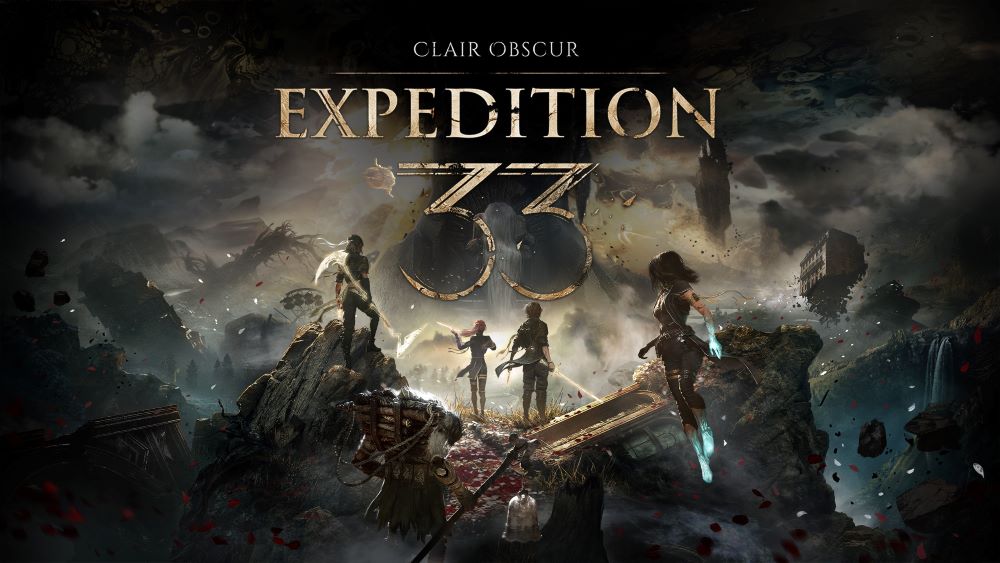
I’ve now played through and finished Sandfall Interactive’s Clair Obscur: Expedition 33, and it stands out as a captivating entry in the JRPG space, blending a deeply melancholic storyline with eye-catching visuals and a combat setup that mixes thoughtful planning with split-second decisions, all within a richly detailed world evoking a fading era of grandeur. At its heart lies the chilling concept of the Paintress, a mysterious entity who annually inscribes a number across the heavens, causing all who reach that age to fade from existence without fanfare or trace. The game’s protagonists band together for a high-stakes voyage aimed at scaling her towering domain and halting this grim tradition before it strikes Year 33, transforming a familiar quest motif into an extended reflection on life’s brevity, rebellion against destiny, and the customs societies invent to endure tragedy. The tone stays approachable, laced with sharp-witted exchanges amid the gloom, while gameplay keeps players actively involved, and echoes of iconic JRPG influences from Hironobu Sakaguchi—like the sweeping epics of Final Fantasy and the poignant depth of Lost Odyssey—shine through in its design choices.

The plot progresses as a gripping blend of escalating peril and introspective pauses, opening in communities that have woven the Paintress’s decree into their daily fabric. Local celebrations honor remaining time, households tally days with subdued anxiety, and affluent districts ponder existence over lavish artworks meant to defy forgetting. Your team gathers from those scarred by previous culls—bereaved kin, displaced souls, wanderers—infusing the group with individual wounds that amplify the shared plight. The path forward involves sidetracks through abandoned sites, fraught dealings with devotees viewing the Paintress as a benevolent force, and ethical dilemmas such as granting mercy to those facing obliteration. Closer to the summit, layers of lore unfold, suggesting the Paintress could stem from a misguided origin or embodied sorrow, prompting the crew to debate whether victory redeems or merely reshuffles catastrophe.

This storytelling prowess draws clear lines to Hironobu Sakaguchi’s legacy, the visionary behind early Final Fantasy triumphs and the overlooked masterpiece Lost Odyssey. The grand-scale conflicts and heartfelt interpersonal ties of Final Fantasy resonate in how Clair Obscur intertwines global peril with private sorrows. Yet Lost Odyssey provides the closest parallel, with its focus on ageless wanderers burdened by sorrow—mirrored here by time-bound lives—employing ethereal sequences and subdued musings to delve into mourning’s toll. The short, evocative tales in Lost Odyssey‘s “Thousand Years of Dreams” parallel the game’s archival entries and memory glimpses, which breathe life into vanished souls: versifiers halted in flow, tinkerers forsaking unfinished marvels, youths denied basic legacies. Studio insights highlight Sakaguchi’s skill in rendering eternal burdens profoundly mortal as a guiding light for crafting the party’s resilient yet fractured ideals.

Central motifs pit surrender to fate against willful resistance, threading seamlessly through dialogues at rest stops and chance meetings to avoid heavy-handedness. Communal resignation appears as sensible resilience rather than weakness—resisting an annual wave proves futile, so adaptation prevails. The travelers represent the flip side: audacious optimism teetering on folly, fueled by unyielding curiosity, akin to Lost Odyssey‘s undying figures rediscovering purpose amid oblivion’s threat. A comrade might grip a memento from a lost relative as rage’s spark; another embraces excess, seeking fleeting thrills since futures dissolve; yet another serves as ethical anchor, cautioning that unchecked revolt harms bystanders. These paths collide poignantly—fractures from panic, mends through peril’s forge, hushed admissions of battling for vitality over triumph, capturing Sakaguchi’s fusion of mythic scope and visceral feeling.

Sorrow and recollection anchor further layers, via retrospective visions and elective records that personalize the toll, nodding to Sakaguchi’s use of intimate narratives to anchor vast realms. This juxtaposes against vibrant holdouts—opulent dances beneath ominous vaults, buskers flaunting flames to taunt twilight—fueling an overarching idea of enactment drawn from his dramatic sensibilities. Existence morphs into a drama directed by the Paintress, participants ad-libbing parts: resolute captain veiling dread, comic veiling remorse in quips, thinker unraveling legends pre-finale. The script deftly merges genuineness and showmanship; raw outpourings yield to lush scores, probing if sentiments endure or merely peak performances—reminiscent of Lost Odyssey‘s detached eternals reenacting humanness.

Optimism faces scrutiny, portrayed with nuance rather than idealization, honoring Sakaguchi’s shift from Final Fantasy‘s luminous quests to Lost Odyssey‘s jaded realism. Initially a binding flame, it frays amid reversals—raids by adherents, glimpses of doomed prior ventures—exposing vulnerabilities. Does opposition uplift, or burden allies with delusion? Nuanced moments abound: euthanizing a settlement embracing mass erasure to spare agony ignites clashes mirroring life’s terminal choices, akin to Lost Odyssey‘s eternal-versus-finite contemplations. Kinship and affection weave closeness—a divided pair riven by self-offering, budding connection strained by farewell drafts—revolving around fleeting hours. Cling or release kin? Impact stems from narrative faith in interpretive space, shunning neat closures per Sakaguchi’s player-trusting ethos.

The orchestral soundtrack stands as one of the game’s true triumphs, composed by the talented Lorien Testard with contributions from a full symphony orchestra that captures the Belle Époque essence in every sweeping string section and haunting motif. Testard’s score masterfully shifts from delicate piano interludes during quiet camp reflections—evoking fragile hope amid numbered days—to thunderous brass crescendos during tower ascents and boss confrontations, perfectly syncing with the emotional highs of defiance and loss. Guest artists like Alice Duport-Percier on vocals add ethereal layers to key themes, such as the Paintress’s ritual melody, which recurs as a leitmotif tying personal grief to cosmic dread. Recorded live with meticulous attention to period instrumentation, including harps and woodwinds for that ornate, fading-elegance vibe, the music doesn’t just accompany; it immerses, turning traversal into symphonic poetry and battles into operatic clashes that linger long after the controller’s down.

Performances soar across the board, with standout work from Charlie Cox as the determined Gustave, bringing a grounded intensity to the engineer’s final-year desperation, and Ben Starr as the enigmatic Verso, delivering a layered mix of menace and vulnerability that keeps you guessing. Jennifer English shines as the fiery Maelle with raw emotional power, while Shala Nyx’s calm yet fierce Sciel adds a steady anchor amid chaos. These voices, alongside gravel-voiced wisdom akin to Andy Serkis and resilient fire reminiscent of others in the cast, lend real heft to reflections on purpose in a counted world, elevating every dialogue into something memorable.

The opulent, twilight-era backdrop enriches motifs, merging Sakaguchi-esque fantasy with continental lavishness for novelty. Elaborate towers rend misty expanses, attire upholds decorum in wreckage, vessels glide as innovation’s specters—all painting a realm in refined decline, staging poise toward closure. Playful quirks—a trader morphing beasts for barter scraps, an aeronaut spouting verse aloft—highlight stubborn spirit, easing gravity sans dilution. Runtime hits 20 hours core, concise yet hinting at untapped depths—like genesis tales or foe quests—primed for expansions, echoing Sakaguchi’s potent brevity.

Gameplay propels via evolved hybrid vigor, building on Sakaguchi-defined norms: menu selections via vibrant dial (strikes, resource skills for ruptures/chains, targeted blasts, aids) merge with instant retorts through evades, counters, leaps versus foe cues, like Lost Odyssey‘s strategy plus timing. Flawless guards restore fuel for climaxes, crafting battles as hazard-harmony flows syncing with tale strains. Traversing covers sparse hubs with patrolling threats in flexible areas—bypass for pace, engage for growth—stats tilt to quickness/endurance edges, execution overriding setups. Initial timing hurdles test, end patterns exact, glitches annoy, yet synergy evokes tale revolt and Sakaguchi innovation.

Aesthetics dazzle: interfaces flare in spectacle—delays, bursts—rendering wins grand, saluting Final Fantasy pomp. Taken as a whole, Sandfall Interactive’s Clair Obscur: Expedition 33 takes a well-established brand of RPG mechanics and storytelling, polishes it with modern hybrid twists, introspective depth, that masterful orchestral score, and stellar voice work, modernizing it into one of the best games of recent years—a somber treasure where fate-drama depths, keen casts, and dynamic clashes in compact form outshine sheer scale, flaunting its Sakaguchi nods boldly while standing tall on its own. Shortfalls in ancillary tales and timing tilt persist, yet for evocative RPGs melding soul and vigor, it endures memorably—affirming grace persists, counted or not.

Warhammer Gets The Total War Treatment


TotalWarWarhammer

Creative Assembly has made a name for itself creating just type of game and for fans of their titles that’s all well and good. Not every studio has to make every type of games. Some just figured out a way to do one type and just get better and better with each new title. This studio is one such company and even with Sega acquiring them they haven’t missed a beat.

Now, the studio ventures beyond the historical realm that the Total War series has always been based on. With Total War: Warhammer the studio now enters the realm of the epic fantasy. Nothing shouts louder in the epic fantasy genre than the world created by the minds over at Games Workshop with their Warhammer Fantasy gaming series.

While there’s still no release date as to when Total War: Warhammer will come out this title has already made my “buy-list” whenever they do announce the date.

First Impression: Telltale Games’ The Walking Dead: Episode 3 “Long Road Ahead”


What is there to say about Telltale Games’ work on the adventure game The Walking Dead other than they seem to have gotten exactly what has made the comic book series so popular with both readers and critics. The show has slowly gotten to the same level, but not until Telltale Games has a spin-off of Robert Kirkman’s title gotten it all right. The first two episodes has been a great exercise in showing the panic, strain and utter despair that falls on the remaining living survivors of a zombie apocalypse that has descended on the world.

Episode 3, “Long Road Ahead”, continues where the previous episode left off with Lee, Clementine and the rest of the group back at their walled off motel compound outside of Macon, Georgia. It’s only been a couple weeks or so since the events at the dairy farm and we see the added strain of dwindling supplies has brought on. We also see the decisions made by certain characters at the farm affecting the group and creating even bigger divisions between Lily and Kenny. Stuck in between these two strong personalities is Lee (the player) and this episode does an even greater job of making his decisions that much harder to pick when situations (usually stressful ones) come up.

This episode has been seen by fans of the games as the turning point which has cemented this title as one of the best games of 2012. The writing continued to improve under the pen of Gary Whitta who seem to be channeling his inner Kirkman as some heartwrenching moments and deaths occur throughout Episode 3. One such death has become one of the biggest WTF moments in gaming for 2012 that  I would be surprised if it doesn’t make many top 10 lists for the year when it comes to gaming’s biggest moments. I know that the sequence surprised me which led to lots of stunned silence, followed up by screaming at my TV then admiration for actually pulling off something that could turn off many players, but instead hooked those still on the fence about whether they should continue playing this episodic title.

The other deaths in this episode were more of a slow burn where we already know the fate of one of the characters and the reaction of another to this situation was unbearably sad, but understandable considering the situation which led up to it. All througout these situations the player as Lee was forefront in how things developed and the choices one gets to choose from doesn’t telegraph how things would unfold. It didn’t help that the timer on making each decision still added a level of stress that most games never fully grasp despite higher budgets and better graphics.

If there was one thing that kept this episode from becoming truly great it’s the controls when something interactive actually occurs where players have to do more than choose what to say. It’s still clunky and awkward on both the Xbox 360 and the PS3, but not as much on the PC which tells me that Telltale Games have been porting the title from a PC base rather than the other way around. For some gamers this keeps the game from becoming immersive despite the great writing, but for me it was a minor inconvenience that never took away from the narrative and the visuals.

The episode ends with a bit of hope as Lee and his group picks up three new faces, but also ends in an ominous cliffhanger as we find out that Clementine may have been keeping things from Lee that could endanger (this being the world of The Walking Dead its a good bet it’ll be dangerous) not just her, but the rest of the group. The fourth episode has now been released for all systems and with the new season of the tv show set to premiere it looks like now is a good time to get back to the Walking Dead state-of-mind.

Episode 1: A New Day

Episode 2: Starved For Help

Trailer: Resident Evil 6 “No Hope Left” Cinematic Live-Action


I haven’t been as big a fan of Capcom’s Resident Evilsurvival horror game franchise (weird considering that zombie fiction and entertainment is like catnip to me), but the upcoming and latest entry in the series has me excited. Resident Evil 6 looks to return the series to its zombie roots after spending the last two titles veering away from it.

While the gameplay still looks to be just something upgraded and tweaked from games past the story itself looks like something that I would find interesting as it moves the danger from being localized to something more global in scope. I’m really hoping that this title brings me back to the franchise which was great in the beginning then began to lose steam and ideas in it’s latest offerings.

This latest trailer takes a page out of the Halofranchise’s marketing book by making it live-action. It might be only 90 seconds but getting a glimpse of how a world reacts to the onset of a zombie apocalypse makes for a nice, brief piece of entertainment.

Resident Evil 6 is set for an October 6 release for the Xbox 360, PS3 and Windows PC.

First Impression: Telltale Games’ The Walking Dead: Episode 2 “Starved For Help”


Telltale Games released the first episode in their adventure game The Walking Dead months ago. Due to some of their past titles not panning out despite hype from the studio this time around it seems like Telltale may have finally found their groove with this game set in the zombie apocalypse world created by critically-acclaimed comic book author Robert Kirkman. With the first episode, A New Day, the company was able to capture the chaos and danger of the early days that was only hinted at in the comic book and in the AMC tv series.

That first episode introduced gamers to the two main characters that would be the focus of this horror-adventure title. Lee Everett and Clementine were characters rare in licensed video games in that they’re original to the title and also one of the better written and realized fictional characters in gaming. The first episode did a great job in setting up these two characters and the world that some thought the problems that has plagued Telltale Games with their episodic titles would pop up once more: great beginnings that would fizzle out with each new episode.

I’m happy to say that episode 2, Starved For Help, doesn’t fall in Telltale Games’ past pattern. In fact, this latest episode in the game actually builds on the strength of the first episode and improves upon what made it fun and very good while minimizing some of the flaws with that initial episode. We find Lee, Clementine and the survivors of the first episode (how a player made their decisions on who lives or dies in the first episode will determine the roster for episode 2) still at the motel complex from the first episode. They’ve been largely kept safe at their makeshift haven but the prospect of dwindling supplies has forced Lee and the group to venture out into the surrounding forest to forage for food. It’s during one such foraging mission that the group comes across another group that would kick-off the story for Starved For Help.

Telltale Games doesn’t try to recap too much of the first episode in this follow-up, but does let the dialogue between Lee and others remind gamers about their decisions in the first episode and how it has affected the situation Lee and his group has itself in. The addition of some new members to the group doesn’t feel forced but actually feel quite welcome as it helps keep the growing rift between two factions in the group from becoming too static. In fact, this episode actually makes some of the decisions made by characters we initially found to be on our side to be counter-productive and dangerous while those who came off as too rigid and confrontational end up being more sympathetic.

It’s during these dialogue sequences where players once again have a timed-limit to make their dialogue choices and decisions that The Waling Deadcontinue to impress. Once again players must make their dialogue-choices from four choices that doesn’t really come off as evil, good, indifferent, etc. It’s up to the player to determine just exactly which dialogue answer best fit the sort of game they’re playing. I’ve played through both episodes trying out myriad of choices available to me and with each and every different choices the game plays out much differently, but still continues to straddle the grey area. There’s no good or bad decision and it’s what makes this game’s dialogue-mechanic so much better than most games that use something similar.

The action part of the episode has some tweaks to QTE (quick time event) combat mechanic that makes targeting a tad better than what was available in the first episode, but this part of the game still remains the weakest link in what has so far been a stellar game. After just two episode I wouldn’t be surprised if most fans of the title just wish for the QTE’s to go away and let actions in future episode be determined by dialogue choices. It would definitely help keep the gamer’s from being pulled out of the narrative immersion they find themselves in.

Starved For Help is a great example of how a studio can learn from it’s past mistakes and improve on the template they’ve decided on from the beginning. Even the story that unfolds in episode 2 is a huge improvement from the first episode that was very good to begin with. We see Telltale Games handle the themes of survival vs living, moral grey areas in an apocalyptic world and survival at the cost of others with deft hands that best exemplifies what has been great about the comic book series. There’s been times when the narrative in the game actually comes off as more subtle and less exposition-heay than Kirkman’s own writing which for some is an improvement in itself.

With two episode now released it’s going to be interesting if Telltale Games can continue their new found groove of keeping things consistently good to great which their past games didn’t seem to have. Now three episodes remain and from the ending of episode 2 the group has found a new reprieve from their dire problem of low supplies, but at a cost that may come back to haunt Lee, Clementine and others.

Episode 1: A New Day

Trailer: Darksiders II – Death Strikes (Part Two)


Darksiders II: Death Strikes (Part One)

The second part of THQ and Vigil Games’ short-film trailer to introduce the character of Death for their sequel to 2010’s Darksiders has now come out and it shows the Pale Horseman of the Apocalypse taking on even more demons and an enormous angelic engine of destruction. We don’t hear Death speak (his voice will be veteran genre actor Michael Wincott), but we do see him in action taking on demons and then finally transforming into his more recognizable Grim Reaper aspect to take on the battle engine.

If there was a game I’m really waiting to get my hands on this summer it will be this game and hopefully the delay of releasing the game on June 26, 2012 to a later date of August 14, 2012 means more polishing and tweaking of the final product before it comes out to the public. Here’s to hoping that when it finally comes out it will not be buggy and be as good or better than the game that preceded it.