Horror Film Review: The Evil Dead (dir. by Sam Raimi)


“I fear that the only way to stop those possessed by the spirits of the book is through the act of… bodily dismemberment.” — Professor Knowby

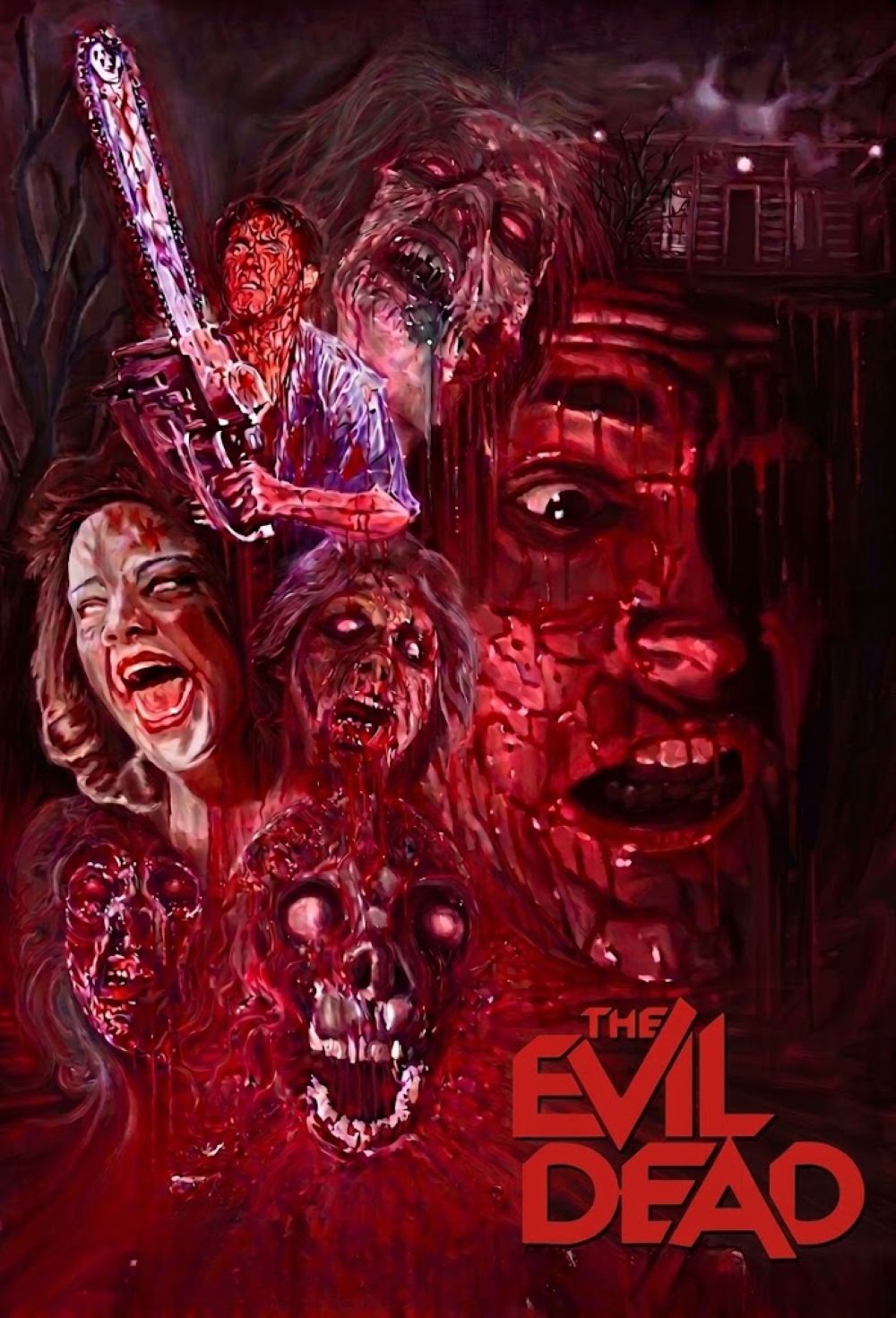
The Evil Dead is the kind of movie that feels like it should not have become a classic, at least not by conventional standards. It was made cheaply, filmed under brutal conditions, packed with unknown actors, and built around an extremely simple premise: five college friends head to an isolated cabin in the woods, unwittingly awaken an ancient evil, and spend the rest of the night being torn apart by demonic forces. Yet more than four decades later, Sam Raimi’s 1981 horror debut remains one of the most energetic, inventive, and genuinely nasty independent films ever made. It is rough around the edges in ways that are impossible to ignore, but those rough edges are a major part of its appeal. The Evil Dead feels handmade, hungry, and a little bit unhinged.

The story starts with Ash Williams, his girlfriend Linda, Ash’s sister Cheryl, and their friends Scotty and Shelly arriving at a remote Tennessee cabin for what is supposed to be a relaxing getaway. It is one of the most familiar setups in horror history now, but Raimi and his collaborators made it feel threatening before the real violence even begins. The cabin is decrepit, damp, and isolated to an almost absurd degree. There is no real sense of civilization nearby. The forest itself seems hostile, with tangled trees, strange sounds, and an atmosphere that makes the woods feel less like a location and more like a living organism surrounding the characters.

The group soon discovers a cellar beneath the cabin, where they find an ancient book bound in flesh, a dagger, and a tape recording left by an archaeologist. The recording describes the Necronomicon, a book of demonic incantations, and naturally the characters make the worst possible decision by playing the tape aloud. That act releases the evil presence that has been lurking in the forest, and the movie moves quickly from creepy cabin story to all-out supernatural nightmare. The concept is simple, but it gives Raimi room to focus on mood, visual invention, and escalation rather than complicated mythology.

What makes The Evil Dead special is how aggressively Raimi directs it. Even in his first feature, he had a style that was impossible to mistake for anyone else’s. The camera is constantly moving, lunging through the woods, creeping around corners, tilting at unnatural angles, and racing toward people as if the audience has become the demon’s point of view. The famous “demon-cam” shots are still startling because of how physical they feel. The camera does not glide elegantly. It charges. It crashes through the environment. It feels like something has broken loose and is hunting the characters.

That restless filmmaking gives the movie a personality far larger than its budget. Raimi turns limitations into an advantage. The cabin becomes a maze of shadows, floorboards, trap doors, windows, and hidden spaces. A cheap-looking hallway can suddenly become terrifying because the editing, sound design, and camera movement make it feel unstable. Raimi understands that horror does not always come from seeing a monster clearly. Sometimes it comes from the sense that the camera itself has stopped behaving normally, that the space around the characters is warping, and that even the trees outside are watching them.

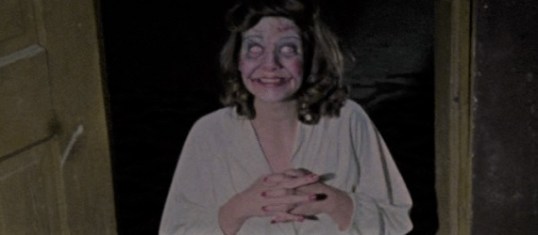
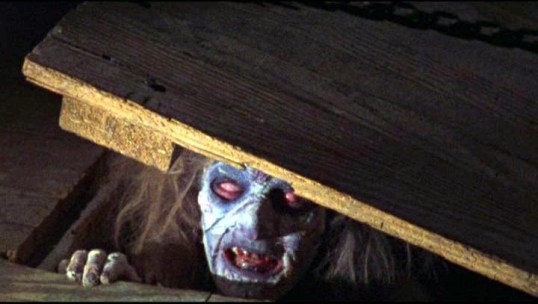
The special effects are another major reason the film still has such a devoted following. They are obviously practical, often messy, and occasionally so exaggerated that they cross into dark comedy, but they have a tactile quality that modern digital effects often lack. The possessed characters look genuinely diseased and wrong: pale skin, dead eyes, rotting makeup, distorted faces, and unnatural movements. When the deadites attack, they do not simply become generic zombies. They taunt their friends, laugh at them, imitate their voices, and enjoy causing emotional pain. That cruel playfulness makes them more disturbing than ordinary monsters.

The makeup work on the possessed Cheryl, Shelly, and Linda remains especially effective because it turns familiar faces into grotesque masks. Ellen Sandweiss, Betsy Baker, and Theresa Tilly bring an unsettling intensity to those transformations, switching from frightened victims to shrieking, mocking demons. The performances are broad and theatrical, but that is exactly what the material needs. Nothing in The Evil Dead is subtle for very long. The film keeps pushing the characters past the point of normal human behavior until they are laughing, screaming, convulsing, and bleeding all over the cabin.

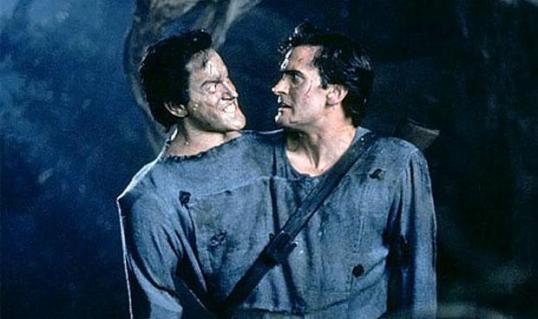
Bruce Campbell’s Ash is interesting because he is not yet the wisecracking, chainsaw-handed cult hero he would become in the sequels. In The Evil Dead, Ash is mostly an ordinary young man who slowly realizes he is trapped in a situation beyond comprehension. Campbell is still charismatic, and there are flashes of the physical comedy and wild-eyed determination that would define the character later, but this version of Ash is more vulnerable. He panics, hesitates, and suffers. By the end, he looks exhausted in a way that feels earned, covered in sweat, dirt, blood, and trauma.

That difference gives the original movie its own identity within the larger Evil Dead series. Evil Dead II would remake and expand many of the first film’s ideas with more money, more comedy, and a much more overtly cartoonish sensibility. Army of Darkness would take Ash into full fantasy-adventure mode. Those later films are arguably more polished and more immediately entertaining, especially for viewers who love Campbell’s comedic performance. But The Evil Dead has a rawness that the sequels never tried to reproduce. It is a horror movie first, even when its excesses become funny.

The film’s tonal shifts are one of its most fascinating qualities. Raimi clearly understands that grotesque violence can become absurd if it is pushed far enough, and the movie occasionally seems aware of its own madness. A possessed hand reaches through a window. A character gets stabbed with a pencil in one of the film’s most infamous scenes. Bodies erupt in streams of colored goo rather than realistic blood. The final destruction of the deadites is so elaborate that it feels like Raimi and his effects team were determined to empty every container of slime they had available. It is disgusting, but it is also gleefully imaginative.

At the same time, The Evil Dead can be more unpleasant than people remember. Its treatment of Cheryl in the woods is difficult to watch and remains one of the film’s most controversial moments. The scene is meant to establish the cruelty and violation associated with the demonic force, but it is not necessary to enjoy the movie, and it has aged badly compared with the more comic-book brutality of later entries. Raimi himself would move away from that kind of material in the sequels. It is worth acknowledging because the scene changes the tone of the film and may be a deal-breaker for some viewers.

The sound design helps make the movie feel more oppressive than its modest production would suggest. The woods groan, doors bang, voices echo from impossible places, and the demonic chants on the tape recording create a sense that something ancient has been invited into the cabin. Joseph LoDuca’s score adds another layer of unease, using shrill strings and harsh musical stabs to make even quiet scenes feel unstable. The soundtrack is not trying to be elegant. It is trying to make the viewer tense up, and it succeeds.

There is also something inspiring about the movie’s independent spirit. Raimi, Campbell, producer Robert Tapert, and their crew famously made the film through determination, ingenuity, and a willingness to endure conditions that sound miserable in retrospect. You can feel that effort on screen. Every strange camera angle, handmade prop, and splattering effect carries the energy of filmmakers trying to prove they can do something bigger than their resources should allow. The Evil Dead does not hide its budget. It turns that budget into part of its legend.

For horror fans, the movie is essential not because it is flawless, but because it is so alive. It captures the feeling of discovering a forbidden VHS tape or stumbling into a midnight screening where the audience is laughing, cringing, and yelling at the screen. It is scary in places, silly in others, and relentlessly committed to its own bizarre nightmare logic. Raimi would go on to make superhero movies, westerns, thrillers, and studio blockbusters, but the wild visual imagination that defined his career is already fully visible here.

The Evil Dead is a scrappy, blood-soaked supernatural horror movie that earns its reputation through pure filmmaking nerve. Its story may be basic, its acting may be uneven, and some of its material has not aged gracefully, but the movie’s pace, practical effects, demonic imagery, and manic camerawork remain unforgettable. It feels less like a carefully manufactured horror product than a curse someone managed to put on film. That is why it still works: Raimi and his team did not just make a movie about evil invading a cabin. They made the entire movie feel possessed.
Hero of the Day: Ash Williams (Evil Dead Series)


“Good. Bad. I’m the guy with the gun.” — Ash Williams

Ash Williams endures because he is not a conventional chosen-one hero. Across the Evil Dead franchise, he begins as an ordinary young man on a disastrous cabin getaway—vain, impatient, frightened, and spectacularly unprepared for supernatural horror. Yet the series turns those limitations into its central appeal. Ash is never compelling because he is innately noble or especially capable; he is compelling because demonic catastrophe repeatedly forces him to become capable. Every victory feels improvised, painful, and slightly ridiculous, earned through panic, rage, bad luck, and a stubborn refusal to die.

In The Evil Dead, Ash is primarily a survivor, defined by shock and escalating isolation as the people around him are possessed or killed. Bruce Campbell’s performance gives the character a physical vulnerability that later entries deliberately reshape: this Ash screams, hesitates, grieves, and looks genuinely overwhelmed by what he is witnessing. The cruel ingenuity of the Deadites makes survival an ordeal rather than a triumph. By the end, Ash has not cleanly conquered evil so much as endured an experience that has stripped away his normal life. That origin matters because the swagger of the later character retains a trace of trauma underneath it.

Evil Dead II transforms that shaken survivor into the archetypal Ash: a battered, increasingly unhinged fighter whose body becomes the franchise’s most elastic special effect and comic battlefield. His severed hand attacking him, the chainsaw prosthetic, and his mounting psychological collapse turn horror into a kind of brutal slapstick. But the comedy does not make the danger meaningless. Instead, it reveals Ash’s defining heroic quality: adaptability. Faced with a nightmare that cannot be reasoned with, he finds increasingly absurd practical solutions. He can be cowardly, selfish, and short-tempered, but when the moment demands it, he picks up the chainsaw and does what no one else can.

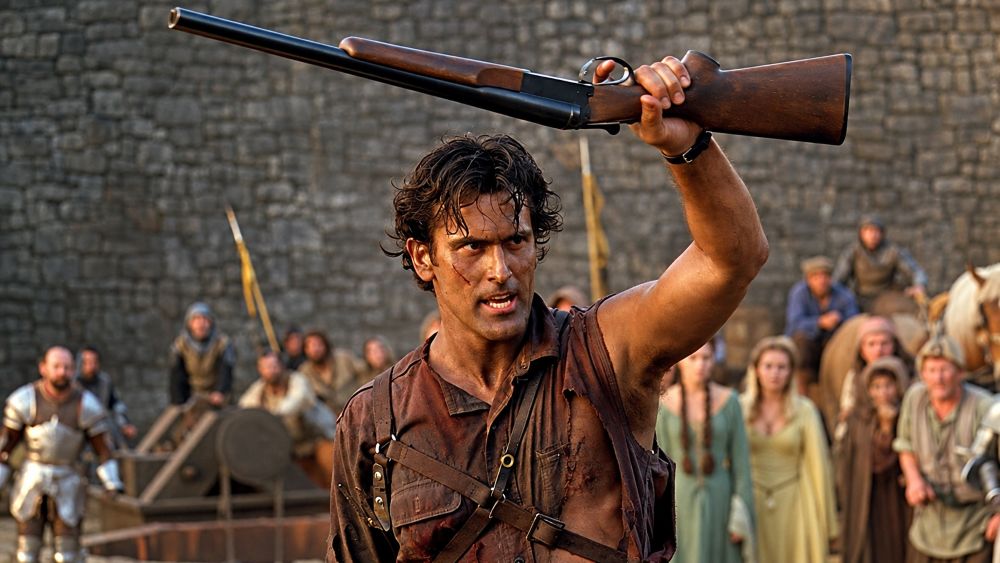
By Army of Darkness, Ash has become a deliberate parody of the macho action hero: a loud, arrogant time-displaced retail employee who talks like a conquering legend before fully earning the title. Lines such as “Groovy” and “This is my boomstick” work because Campbell delivers them with absolute, unearned confidence. Ash’s bravado is funny precisely because it is often defensive; he projects invincibility while repeatedly bungling spells, alienating allies, and creating new disasters. Even so, his eventual willingness to fight for people in a world that is not his own gives the character emotional weight. He may complain the entire time, but he does not ultimately abandon the fight.

That balance remains the foundation of Ash vs Evil Dead, which reunites the character with the consequences of his past rather than pretending he ever truly escaped them. Older Ash is still crude, impulsive, and prone to making catastrophically bad choices, but the series allows him to become a mentor and a protector without sanding down his worst qualities. The broader franchise, including comic-book continuations such as Army of Darkness and crossover material like Freddy vs. Jason vs. Ash, keeps returning to the same essential comic-book principle: Ash is an underqualified man facing impossibly large evil with whatever weapon is within reach. He is compelling because he never becomes a polished hero. He remains a damaged, vulgar, frightened human being who keeps stepping forward anyway—and in a horror universe built to reduce people to victims, that messy persistence is genuinely heroic.

Hero of the Day

4 Shots From 4 Horror Films: Special Sam Raimi Edition


4 Shots From 4 Films is just what it says it is, 4 shots from 4 of our favorite films. As opposed to the reviews and recaps that we usually post, 4 Shots From 4 Films is all about letting the visuals do the talking.

Today’s director: Sam Raimi!

4 Shots From 4 Sam Raimi Films

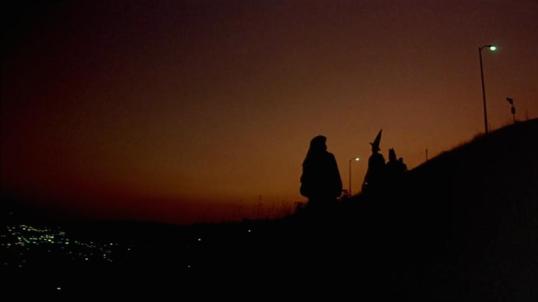
The Evil Dead (1981, dir by Sam Raimi, DP: Tim Philo)

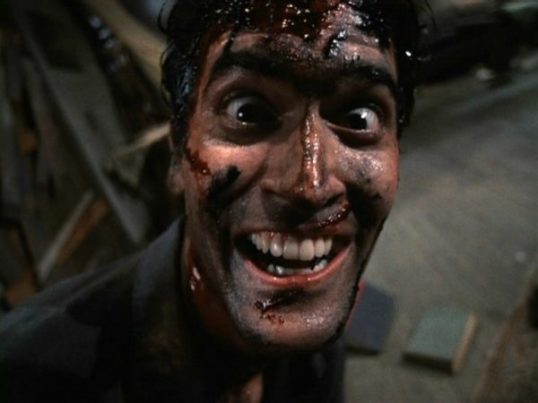
Evil Dead II (1987, dir by Sam Raimi, DP: Peter Deming)

Army of Darkness (1992, dir by Sam Raimi, DP: Bill Pope)

Drag Me To Hell (2009, dir by Sam Raimi, DP: Peter Deming)

4 Shots From 4 Horror Films: Special Sam Raimi Edition


4 Shots From 4 Films is just what it says it is, 4 shots from 4 of our favorite films. As opposed to the reviews and recaps that we usually post, 4 Shots From 4 Films is all about letting the visuals do the talking.

This October, I am going to be using our 4 Shots From 4 Films feature to pay tribute to some of my favorite horror directors, in alphabetical order!  That’s right, we’re going from Argento to Zombie in one month!

Today’s director: Sam Raimi!

4 Shots From 4 Sam Raimi Films

The Evil Dead (1981, dir by Sam Raimi, DP: Tim Philo)

Evil Dead II (1987, dir by Sam Raimi, DP: Peter Deming)

Army of Darkness (1992, dir by Sam Raimi, DP: Bill Pope)

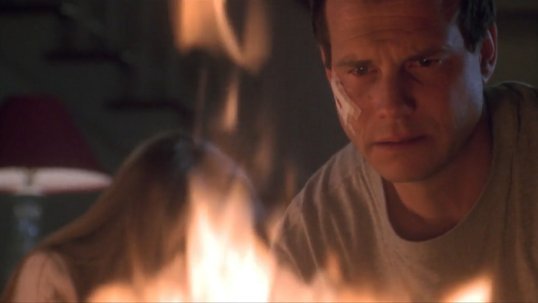
The Gift (2000, dir by Sam Raimi, DP: Jamie Anderson)

10 Shots From 10 Horror Films: 1981 — 1983


4 Or More Shots From 4 Or More Films is just what it says it is, 4 shots from 4 of our favorite films. As opposed to the reviews and recaps that we usually post, 4 Shots From 4 Films lets the visuals do the talking!

This October, I’m going to be doing something a little bit different with my contribution to 4 (or more) Shots From 4 (or more) Films.  I’m going to be taking a little chronological tour of the history of horror cinema, moving from decade to decade.

Today, we take a look at 1981, 1982, and 1983!

10 Shots From 10 Horror Films: 1981 — 1983

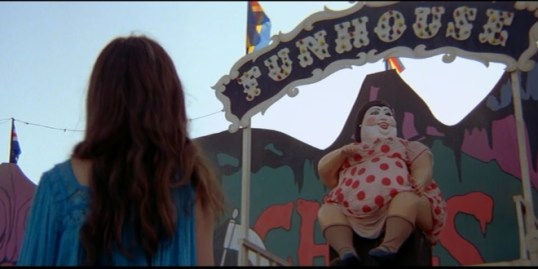
The Funhouse (1981, dir by Tobe Hooper. DP: Andrew Laszlo)

The Beyond (1981, dir by Lucio Fulci, DP: Sergio Salvati)

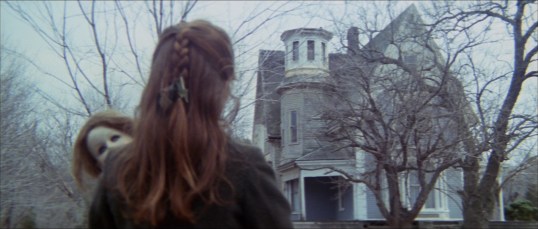
The House By The Cemetery (1981, dir by Lucio Fulci, DP: Sergio Salvati)

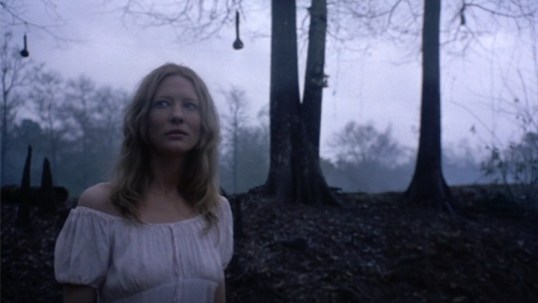
The Evil Dead (1981, dir by Sam Raimi, DP: Tim Philo)

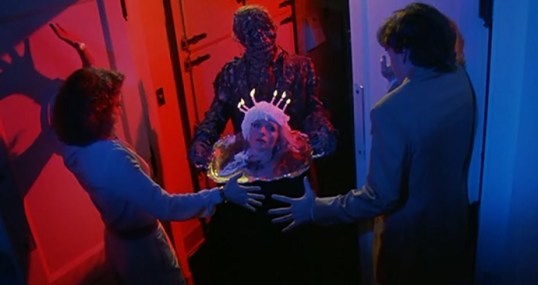
Creepshow (1982, dir by George Romero, written by Stephen King, DP: Michael Gornick)

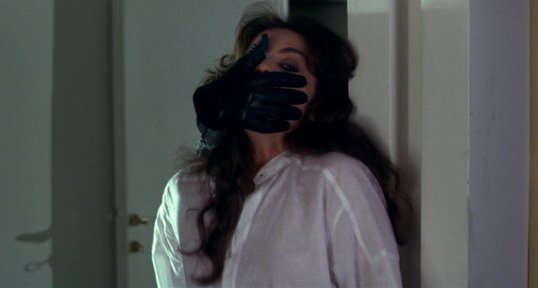
Tenebrae (1982, dir by Dario Argento, DP: Luciano Tovoli)

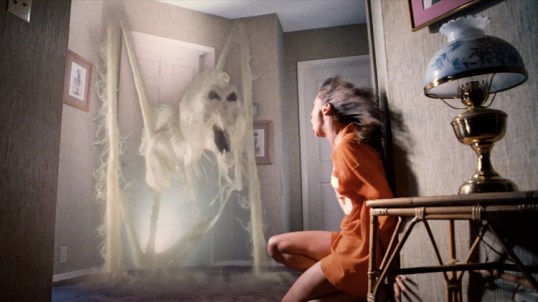
Poltergeist (1982, dir by Tobe Hooper, DP: Matthew F. Leonetti)

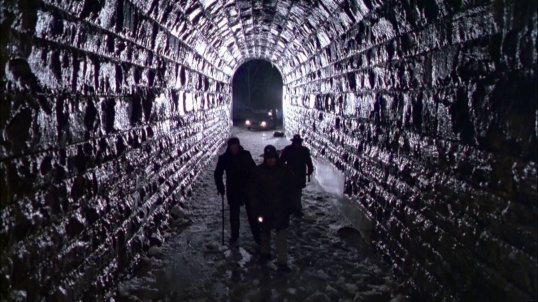
The Dead Zone (1983, dir by David Cronenberg, DP: Mark Irwin)

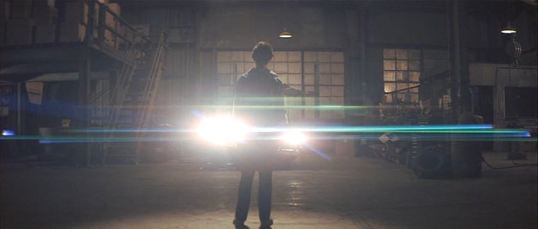
Christine (1983, dir. John Carpenter, DP: Donald M. Morgan)

Halloween III: Season of the Witch (dir by Tommy Lee Wallace, DP: Dean Cundey)

4 Shots From 4 Sam Raimi Films: The Evil Dead, Evil Dead II, A Simple Plan, Drag Me To Hell


4 Shots From 4 Films is just what it says it is, 4 shots from 4 of our favorite films. As opposed to the reviews and recaps that we usually post, 4 Shots From 4 Films lets the visuals do the talking.

Today, we wish a happy birthday to the one and only Sam Raimi!

4 Shots From 4 Sam Raimi Films

The Evil Dead (1981, dir by Sam Raimi)

Evil Dead II (1987, dir by Sam Raimi)

A Simple Plan (1998, dir by Sam Raimi)

Drag Me To Hell (2009, dir by Sam Raimi)

A Dollar and a Dream: THE EVIL DEAD (New Line Cinema 1981)


gary loggins's avatarcracked rear viewer

In 1981, the inspirational British sports drama CHARIOTS OF FIRE edged out Warren Beatty’s sweeping socialist epic REDS for Best Picture at the 54th annual Academy Awards. Bah. I’m here to say THE EVIL DEAD is a better movie than either of them! At the very least, it’s a helluva lot more fun! It features a stunning debut for writer/director Sam Raimi, who, though he had far less money to work with than Beatty or CHARIOTS director Hugh Hudson, demonstrates some mega talent on a mini budget.

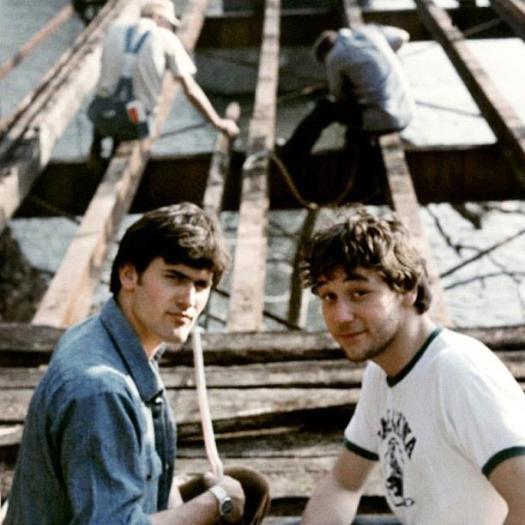
Sam Raimi (r) and Bruce Campbell, 1981

Raimi was a movie mad kid from the suburbs of Detroit who experimented with making Super-8 shorts as a teen with his friends, including EVIL DEAD star and cult icon Bruce Campbell . They put together a 1978 supernatural slasher called WITHIN THE WOODS, hoping to attract attention and make it into a feature. Raimi managed…

View original post 470 more words

4 Shots From 4 Films: Special Sam Raimi Edition


4 Shots From 4 Films is just what it says it is, 4 shots from 4 of our favorite films. As opposed to the reviews and recaps that we usually post, 4 Shots From 4 Films is all about letting the visuals do the talking.

This October, I am going to be using our 4 Shots From 4 Films feature to pay tribute to some of my favorite horror directors, in alphabetical order!  That’s right, we’re going from Argento to Zombie in one month!

Today’s director: Sam Raimi!

4 Shots From 4 Films

The Evil Dead (1981, dir by Sam Raimi)

Evil Dead II (1987, dir by Sam Raimi)

Army of Darkness (1992, dir by Sam Raimi)

22 (2009, dir by Sam Raimi)

Horror Trailer: The Evil Dead (Red Band)


Horror remakes is almost as old as the history of film. I’ve tried to educate those who complain that another horror classic was being remade and it will suck. Guess what horror classics have always been remade and they don’t always suck. So, instead of telling these snobs to go in their rooms and drool and jerk one off to their classics they don’t want tarnished by a remake I just shake my head and try to see if the remake holds up to the original or, better yet, judge the remake on it’s own creative merits and see if it brings something new to the “classic” original.

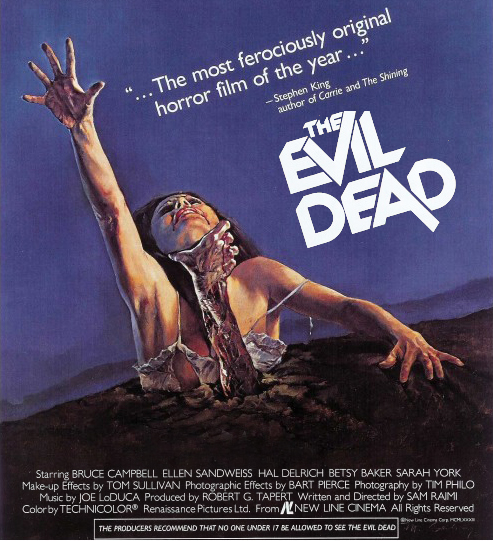
In 2013 we see one such horror remake arriving on the big-screen with Fede Alvarez’s new take on a true horror and grindhouse classic horror, The Evil Dead.

The film will be produced by two of the same people who made the original film in Sam Raimi and Bruce “God when walking amongst the humans he created” Campbell. There will not be a character named Ash, but the role of Mia (played by Jane Levy) will take on a similar role in the film. This trailer first premiered for a select audience during this year’s New York Comic-Con and the response was loud, louder and even louder. One thing which everyone who saw the trailer seemed to agree was that the remake looks to honor the original film (rushing POV tracking shots to the oppressive atmosphere throughout the film) while also giving director Fede Alvarez a chance to add his own visual and narrative style to the production.

It is going to be a gory remake and very oppressive and nihilistic. What the trailer doesn’t seem to hint at is any sign of dark humor that fans of the original film are now nitpicking about. Guess what…the original was straight up grindhouse horror that had nothing humorous about (well unless you consider a possessed tree raping a woman as being hilarious). So, it’s going to be interesting to see if this remake will get a chance to impress the fans of the original while at the same time show those new to the horror genre a glimpse at what 70’s horror was really all about.

The Evil Dead is set for a 2013 release date.

6 Trailers From 1981


Hi and welcome to the latest installment of Lisa Marie’s Favorite Grindhouse and Exploitation Film Trailers.  I apologize for being a few days late with this installment. 

This week, I’m highlighting trailers from the year 1981.  1981 not only saw the release of Lucio Fulci’s twin classics The Beyond and The House By The Cemetary, it was also the year that my sister Melissa was born.  (Happy birthday, Melissa Anne!) 

You may notice that, despite citing them above, I did not include the trailer for either one of Fulci’s films in this post.  I’m saving them for a future edition.  Instead, let’s start with Alien Contamination and end with Christiane F. and see what waits in the middle.

1) Alien Contamination

Earlier in this series, I featured the trailer for Luigi Cozzi’s Star Wars rip-off, Starcrash.  This is the trailer for Cozzi’s attempt to rip-off both Alien and Lucio Fulci’s classic Zombi 2.  The film is pretty dull but I have to give the trailer mad props for actually making this movie look like it might be kinda fun.

2) Scanners

In this trailer, David Cronenberg proves that nothing sells a film like an exploding head.

3) Dead & Buried

I haven’t seen this film but I’ve read several favorable reviews of it.  While the trailer isn’t nearly as graphic as some of the other trailers that I’ve featured in this series, I still like it.  With the ominous narrator and all, it has a nice retro feel to it.

4) The Evil Dead

Speaking of retro, here’s the trailer to the original Evil Dead. 

5) Copkiller a.k.a. Order of Death

I recently ordered this Italian film off of Amazon but I have yet to sit down and watch it.  The trailer, for me, is memorable just because it’s a chance to see both Harvey Keitel and Johnny Rotten (who were both quite the sexy beast back in 1981) occupying the same space.

6) Christiane F.

Some people, I know, would disagree with me referring to Christiane F. as being an exploitation film.  I’m sure that the film’s award-winning director — Uli Edel — would disagree with me.  However, Europe’s art films were often sold as America’s grindhouse movies and, just from anecdotal evidence, that was often the case with Christiane F.  Besides, I love this trailer if just for the music alone.