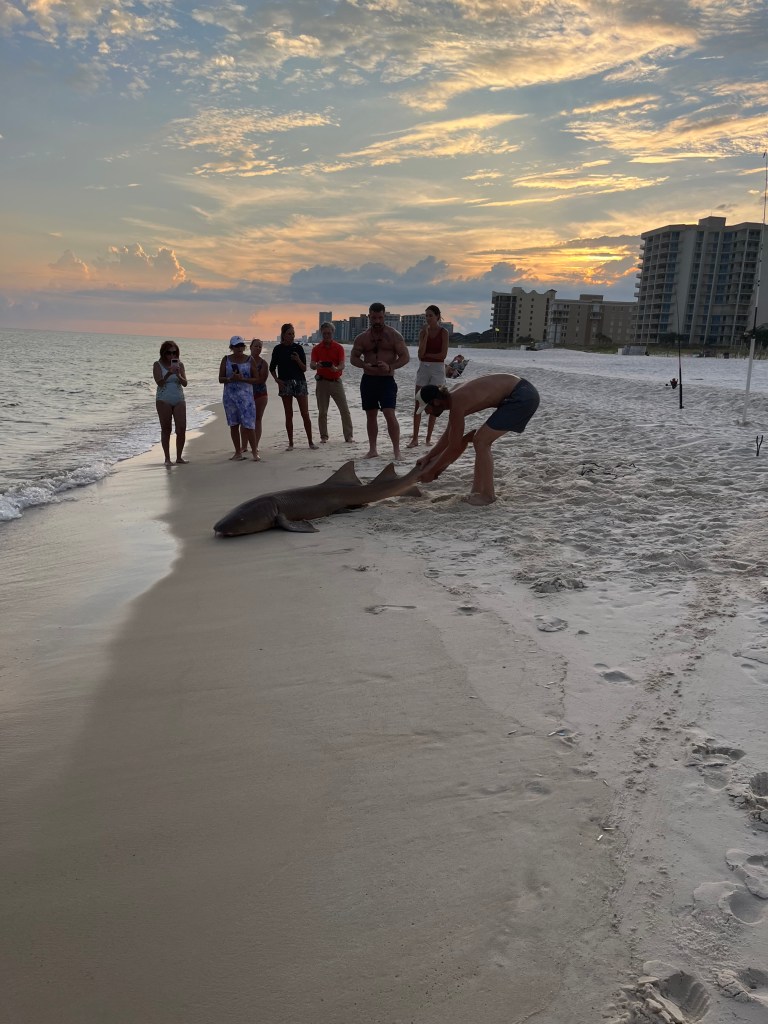
Last year around this time, I was sitting poolside at a resort in Maui when I wrote about Charles Bronson’s career in the 1950’s. A year later, I’m sitting on the beach in Perdido Key, FL, and it seems like the perfect time to write about Bronson in the 1960’s! Holy hell… a guy just caught a shark!!
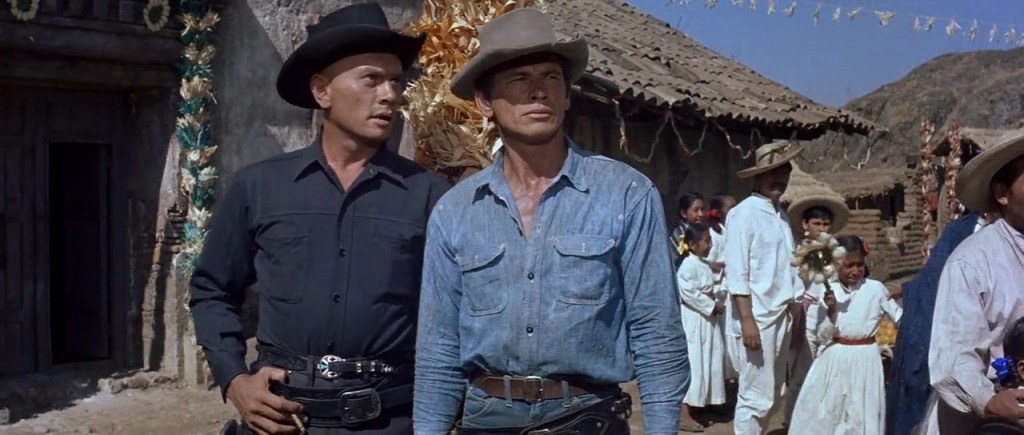
Back to Bronson, the 1960’s were a pivotal decade in Charles Bronson’s personal life and career. As the decade started, he was headlining his own TV series, MAN WITH A CAMERA, although that show’s run would end in 1960. He would also have a memorable supporting role in the classic western, THE MAGNIFICENT SEVEN (1960). His portrayal of Bernardo O’Reilly would be one of the most heroic of the film. This type of supporting performance would come to be a staple for Bronson throughout the 1960’s.
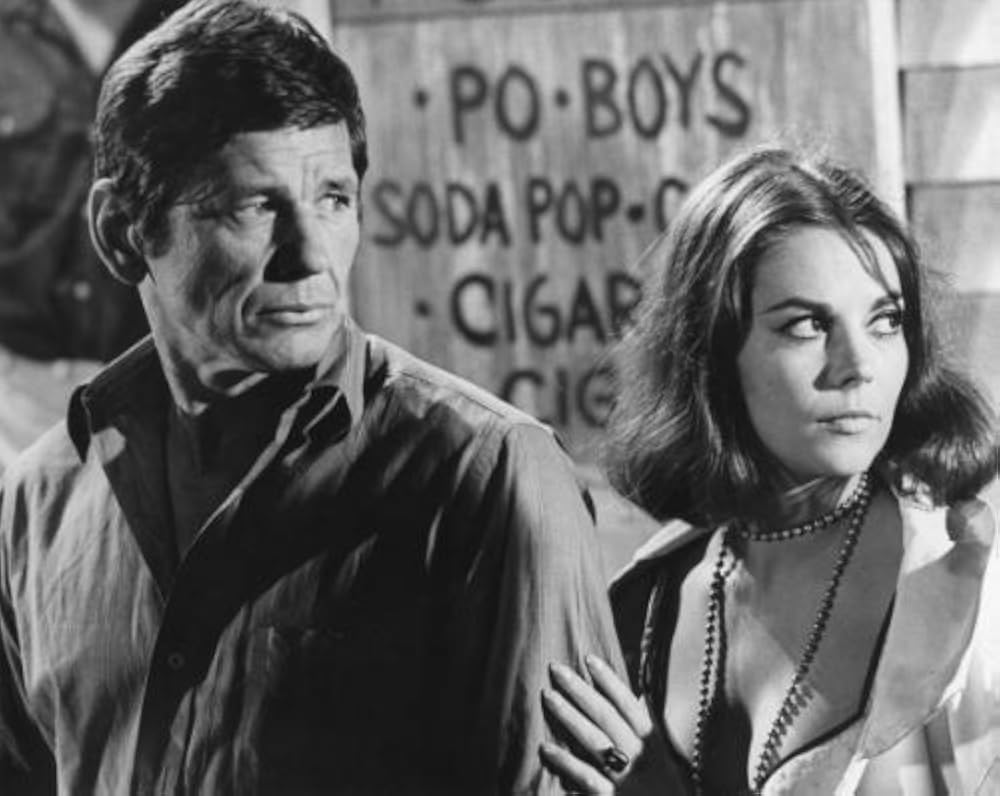
For the most part, it seems that Charles Bronson’s career would settle into a series of important co-starring roles in both television and in major motion pictures. The most important of these movies were his excellent performances in classics like THE GREAT ESCAPE (1963) and THE DIRTY DOZEN (1967). He also had important supporting roles in popular films like KID GALAHAD (1962) with Elvis Presley, THE SANDPIPER (1965) with Richard Burton and Elizabeth Taylor, and THIS PROPERTY IS CONDEMNED (1966) with Natalie Wood and Robert Redford.
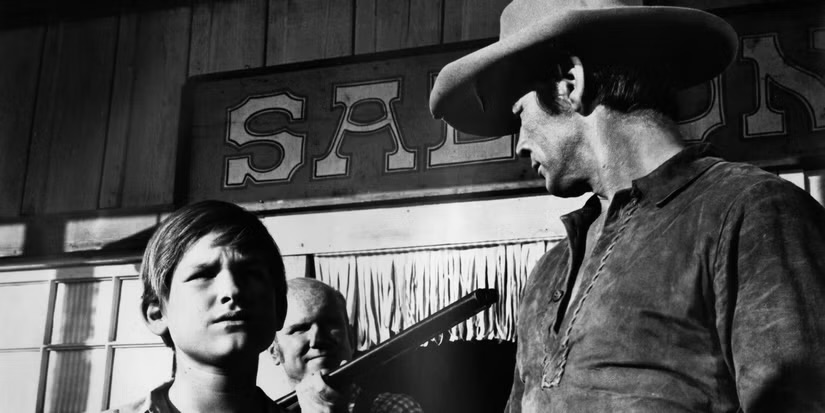
On TV, he was performing in prominent “guest star” roles in classic TV series like ALFRED HITCHCOCK PRESENTS, BONANZA, GUNSMOKE, RAWHIDE, and THE F.B.I. He also had turned into an actor who would join a TV series already in progress to help class it up some. He would provide that service to EMPIRE (1962-1963), starring Richard Egan and Ryan O’Neal, as well as THE TRAVELS OF JAIMIE MCPHEETERS (1963-1964) starring a young Kurt Russell. While he seemed to be everywhere, and there were some exceptions, it seemed he was always the guest star and never the star. This was very frustrating for an actor who had already spent over a decade providing strong support to bigger stars, while his contemporaries like Steve McQueen and James Coburn were headlining their own films. But things were about to change in a big way for Bronson, in both his personal life and professional life.
First, his personal life… Charles Bronson had been married to Harriet Tendler Bronson from 1949 to 1965. He met Jill Ireland on the set of THE GREAT ESCAPE in 1962 when she was there with her then-husband David McCallum, who was also starring in the film. Legend has it that Bronson told McCallum that he was going to “marry his wife,” but who really knows what’s fact and what’s fiction when it comes to Hollywood. Regardless, Bronson and Ireland would both get divorced in the sixties and marry each other on October 5th, 1968. They were a true Hollywood love story and would be inseparable until her death from breast cancer in 1990.
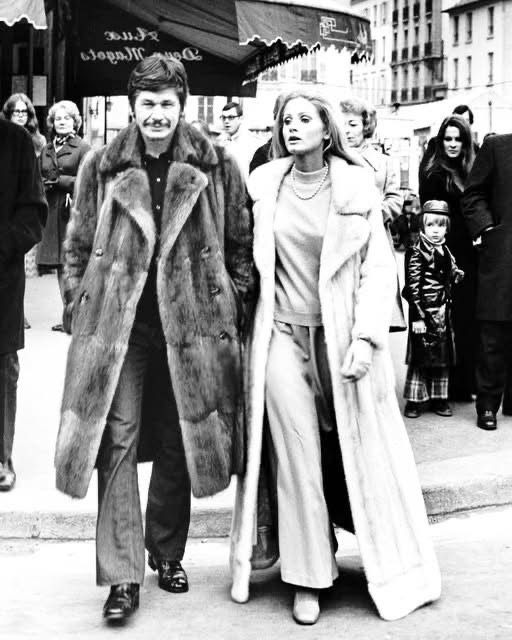
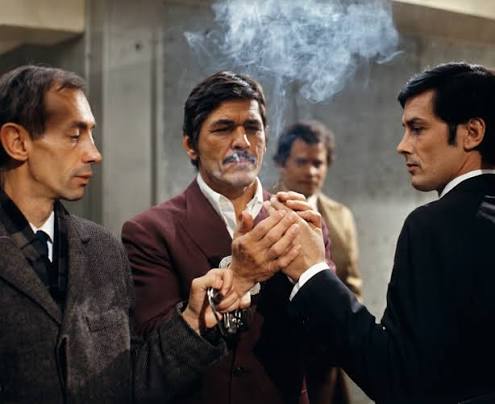
Jill Ireland turned out to be crucial in the success of Charles Bronson’s career. She was able to convince him to accept some of the offers that he had been receiving to go to Europe where he could finally be the “star” of his movies. The first of these films was FAREWELL, FRIEND (1968), where he would co-star with international superstar Alain Delon. Delon had specifically requested Bronson based on his strong performance a decade earlier in Roger Corman’s MACHINE GUN KELLY. Bronson would steal the film from Delon and it would be a huge box office hit across Europe. Suddenly, Bronson found himself to be a sex symbol across the continent. When I was a kid in the 80’s, this movie was only available on terrible VHS tapes under the title HONOR AMONG THIEVES. I didn’t fully appreciate how important it was to Bronson’s career until decades later.
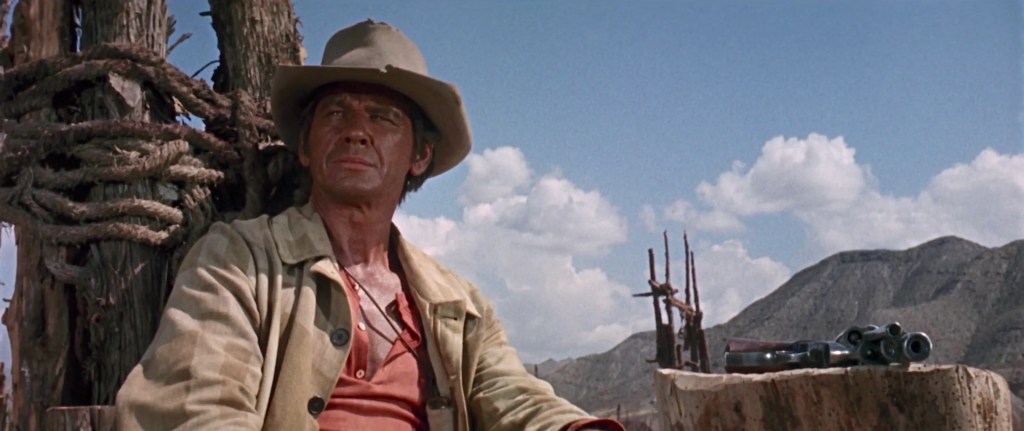
Bronson’s next film would turn him into a true international stud when he would play Harmonica in Sergio Leone’s ultimate masterpiece ONCE UPON A TIME IN THE WEST (1968). His incredible screen presence would dominate a film that featured excellent performances from Henry Fonda, Jason Robards and possibly the most beautiful woman on earth, Claudia Cardinale. Leone had wanted to work with Bronson for years, including all three films in the “Dollars” trilogy, but it had never worked out. While their film was butchered for its American release, it was a monster hit all across Europe and Bronson would be one of the biggest stars on the planet for the next decade.
The 1960’s turned out to be a great decade for Charles Bronson. He married the love of his life and became one of the biggest movie stars in the world, even if he wasn’t fully appreciated in his home country yet. But we’ll get to that next when we discuss the 1970’s, his most successful decade of all!


First, he caught a shark! As for Bronson, you do a terrific job showing us his incredible output of work – classics! Can’t wait for the bloody 70’s!
LikeLiked by 1 person
Thanks John! I hope I get the 70’s quicker. I never intended this to be a 5 year project! 🙂
LikeLike
Pingback: Lisa Marie’s Week In Review: 8/24/26 — 8/30/26 | Through the Shattered Lens