4 Shots From 4 Films is just what it says it is, 4 shots from 4 of our favorite films. As opposed to the reviews and recaps that we usually post, 4 Shots From 4 Films lets the visuals do the talking!
4 Shots From 4 Horror Films
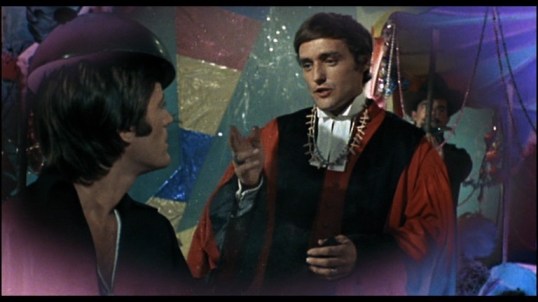
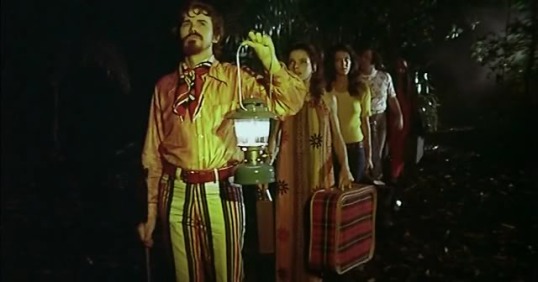
The Trip (1967, dir by Roger Corman, DP: Archie Dalzell)
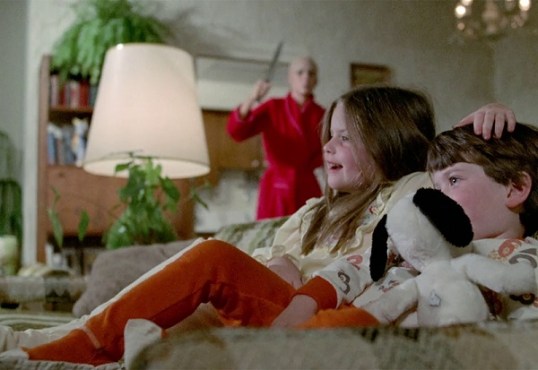
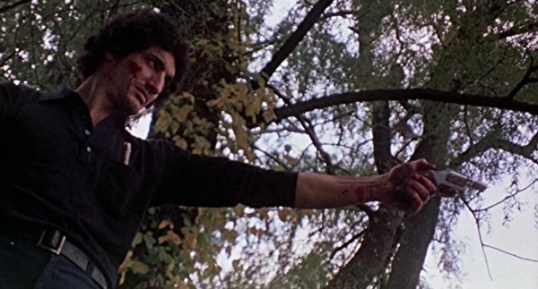
Blue Sunshine (1978, dir by Jeff Lieberman, DP: Don Knight)
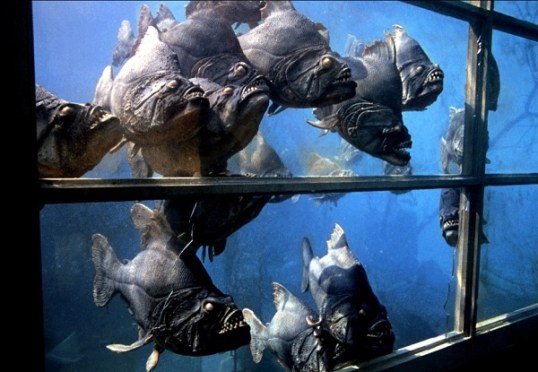
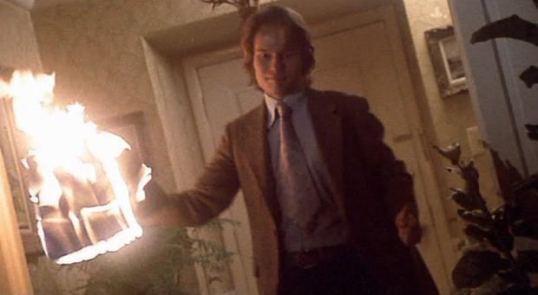
Piranha (1978, dir by Joe Dante, DP: Jamie Anderson)
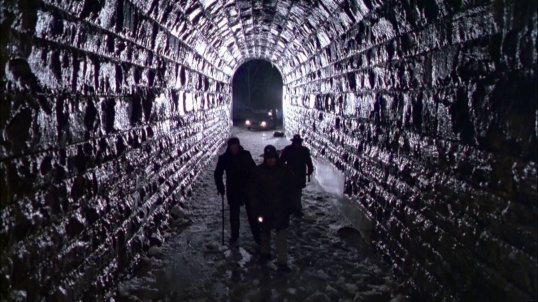
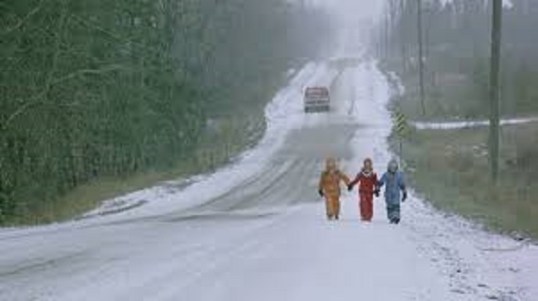
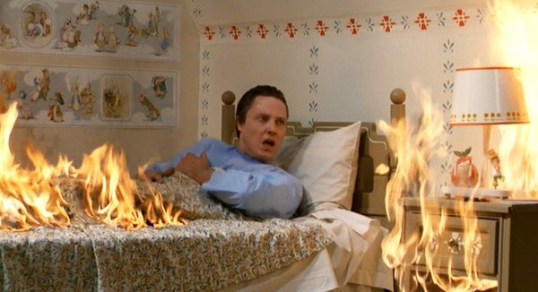
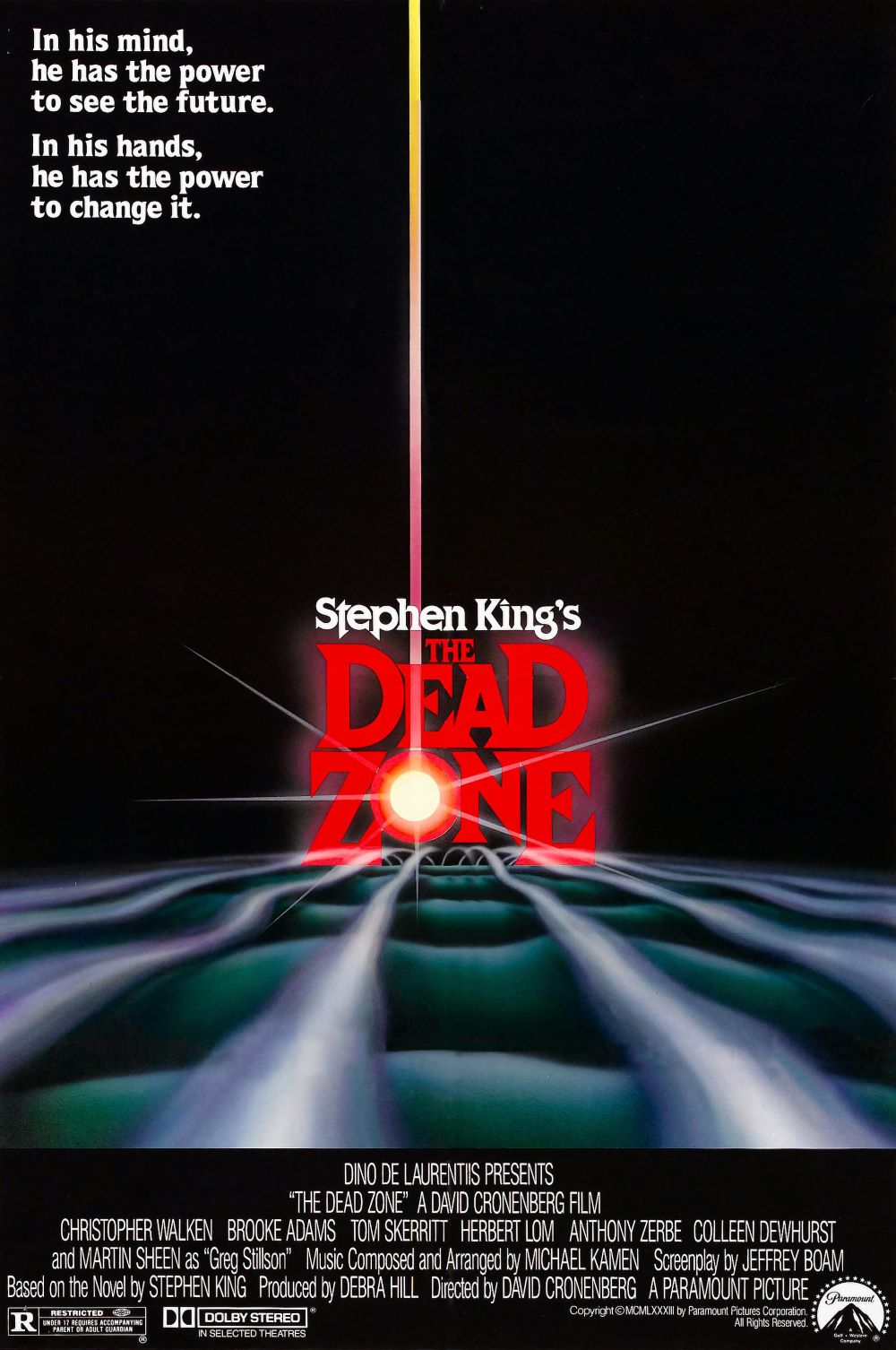
The Dead Zone (1983, dir by David Cronenberg, DP: Mark Irwin)
4 Shots From 4 Films is just what it says it is, 4 shots from 4 of our favorite films. As opposed to the reviews and recaps that we usually post, 4 Shots From 4 Films lets the visuals do the talking!
4 Shots From 4 Films
Children Shouldn’t Play With Dead Things (1972, dir by Bob Clark, DP: Jack McGowan)
The Last House On The Left (1972, dir by Wes Craven, DP: Victor Hurwitz)
The Killing Kind (1973, dir by Curtis Harrington, DP: Mario Tosi)
The Brood (1979, dir by David Cronenberg, DP: Mark Irwin)
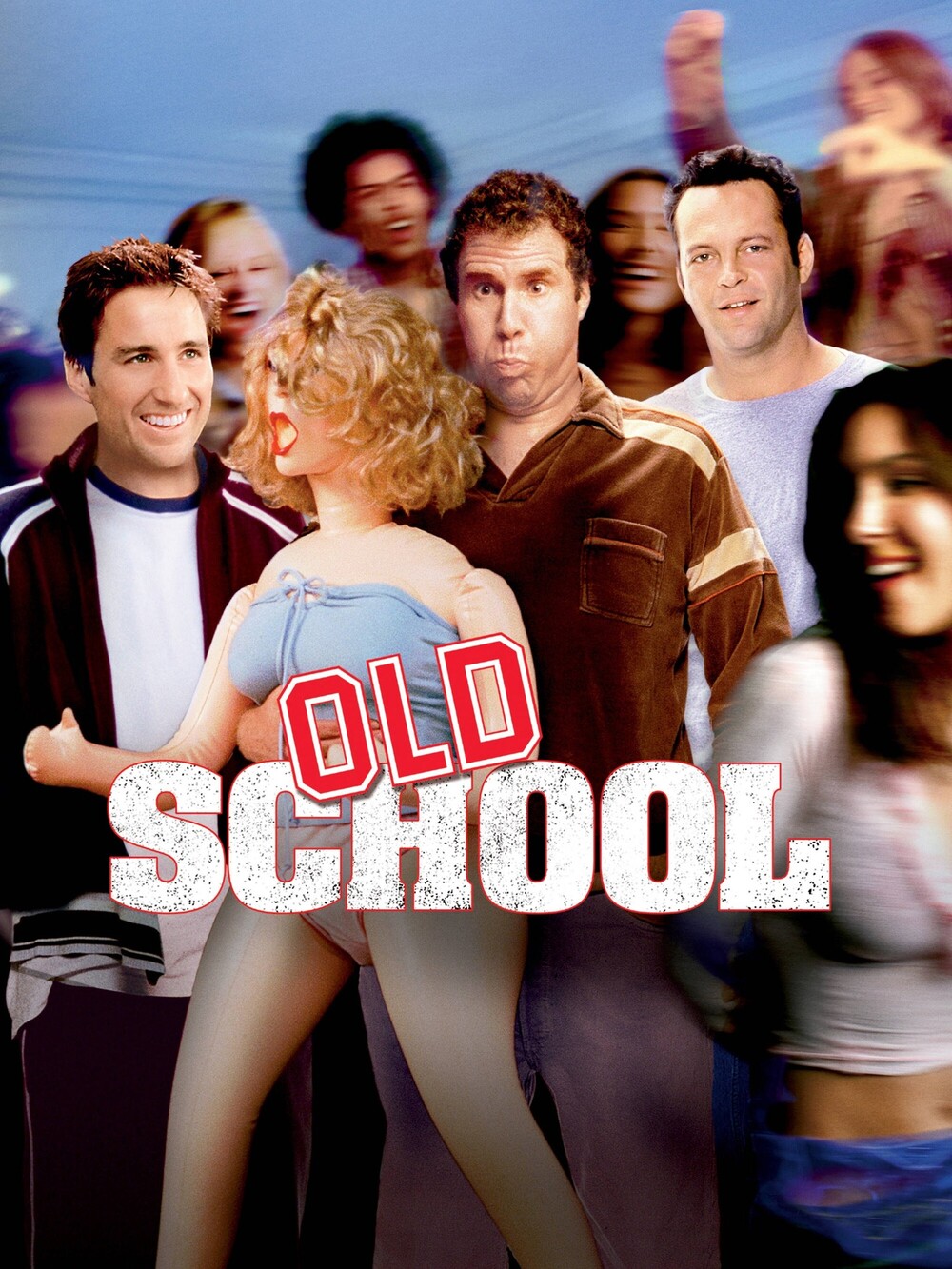
Old School is one of those comedies that feels like it was made in a lab to be the perfect guilty pleasure, a film that knows exactly what it is and doesn’t apologize for a second of it. Directed by Todd Phillips in 2003, it’s a raucous, often ridiculous ode to arrested development, where three thirtysomething men decide the solution to their midlife crises is to start a fraternity and relive their college glory days. On paper, it sounds like the kind of premise that could either be hilariously relatable or painfully cringe-inducing. In execution, it somehow manages to be both, which is exactly why it works as well as it does.
The story centers around Mitch, Frank, and Beanie, played by Luke Wilson, Will Ferrell, and Vince Vaughn, respectively. Mitch is a mild-mannered attorney whose world implodes when he walks in on his girlfriend, Heidi (Juliette Lewis), mid-orgy in his own bathroom. Frank, a former legendary party animal known as “Frank the Tank,” is about to get married but can’t seem to let go of his wild past. Beanie, the most level-headed of the trio, is a family man who still feels the pull of his youth. When Mitch impulsively buys a house near a college campus, Beanie suggests they turn it into a fraternity, and thus, the most chaotic midlife crisis in cinematic history begins. The premise is thin, but the film doesn’t need much more than an excuse to string together a series of increasingly absurd set pieces.
What makes Old School so much fun is the chemistry between its three leads. Wilson plays the straight man to Ferrell and Vaughn’s antics, grounding the film with a relatable everyman quality. Vaughn, with his rapid-fire delivery and sharp wit, is the glue that holds the trio together, while Ferrell steals every scene he’s in as the unhinged, beer-chugging, streaking force of nature that is Frank the Tank. Ferrell’s performance is a masterclass in commitment to the bit, whether he’s chugging beers in his underwear, delivering a motivational speech about the importance of “earning” respect, or streaking through a neighborhood in one of the most iconic comedy scenes of the 2000s. His energy is infectious, and it’s hard not to laugh at the sheer audacity of his character, even when the humor leans into the absurd or the juvenile.
The supporting cast is packed with familiar faces who add texture to the film’s world. Jeremy Piven is delightfully slimy as Dean Pritchard, the smug, power-tripping dean of students who holds a grudge against the trio from their own college days. Ellen Pompeo, pre-Grey’s Anatomy, plays Nicole, Mitch’s high school crush, who re-enters his life at Frank’s wedding and becomes a romantic subplot that feels both sweet and slightly out of place in a movie this committed to chaos. Leah Remini, Juliette Lewis, and Elisha Cuthbert round out the cast, each bringing their own flavor to the proceedings. The film also features a slew of cameos, from Snoop Dogg as himself to James Carville, which adds to its anything-goes vibe.
Todd Phillips’ direction leans heavily into the film’s frat-house aesthetic, with a loose, improvisational feel that mirrors the energy of its characters. The movie doesn’t bother with subtlety or nuance; it’s a series of escalating gags and set pieces designed to elicit laughs, and for the most part, it succeeds. The humor is often crude, sometimes dumb, but always delivered with a sense of enthusiasm that’s hard to resist. The film’s pacing is brisk, jumping from one ridiculous scenario to the next without much time to breathe, which works in its favor. There’s no pretension here—Old School isn’t trying to be a smart comedy or a biting satire. It’s a beer-soaked, testosterone-fueled romp, and it owns that identity with pride.
One of the film’s most memorable sequences is the “Mitch-A-Palooza” party, a rager that cements the trio’s status as campus legends. The party is a microcosm of everything Old School does well: it’s loud, it’s messy, and it’s filled with the kind of over-the-top antics that make you laugh even as you shake your head in disbelief. The scene where Frank the Tank rallies the troops with a speech about the importance of “earning your letters” before chugging a beer in his underwear is a perfect example of the film’s brand of humor. It’s stupid, it’s juvenile, but it’s also undeniably funny, thanks in large part to Ferrell’s commitment to the bit.
That said, Old School isn’t without its flaws. The film’s humor often relies on shock value and crude jokes, which won’t land for everyone. Some of the gags feel dated, and the film’s treatment of women is, at times, simplistic. The female characters are often relegated to the roles of either love interests or obstacles, and the movie’s worldview is unapologetically male-centric. It’s a product of its time, and while that doesn’t excuse some of its more problematic elements, it does explain them. The film also suffers from a lack of depth in its storytelling. The plot is thin, and the character arcs are minimal, but that’s almost beside the point. Old School isn’t trying to be a deep or meaningful film—it’s trying to be a fun, raucous comedy, and on that front, it largely delivers.
What makes Old School such a great guilty pleasure is its sheer unapologetic joy in its own ridiculousness. The film doesn’t pretend to be anything other than what it is: a celebration of immaturity, friendship, and the kind of chaos that can only come from a group of grown men trying to relive their youth. There’s something oddly endearing about the way Mitch, Frank, and Beanie cling to their college days, as if they’re afraid of what comes next. It’s a theme that resonates with anyone who’s ever felt a pang of nostalgia for a time when life felt simpler, even if that time was also filled with questionable decisions and questionable haircuts.
The film’s soundtrack is another standout element, packed with a mix of classic rock, hip-hop, and pop hits that perfectly complement its vibe. From Whitesnake’s “Here I Go Again” to Metallica’s “Master of Puppets,” the music adds an extra layer of energy to the film’s already high-octane proceedings. The soundtrack isn’t just background noise—it’s a character in its own right, helping to set the tone for each scene and amplifying the film’s sense of fun.
In the years since its release, Old School has only grown in stature as a cult classic, a film that’s frequently quoted, referenced, and revisited by fans. Lines like “You’re my boy, Blue!” and “Frank the Tank” have entered the comedic lexicon, and the film’s influence can be seen in the wave of bro comedies that followed in its wake. It’s a testament to the film’s enduring appeal that it still feels fresh and funny, even as some of its jokes and sensibilities have aged less gracefully.
At its core, Old School is a movie about friendship and the lengths we’ll go to hold onto the past. Mitch, Frank, and Beanie may be thirtysomethings, but their hearts are still stuck in their college days, and their journey is as much about reconnecting with each other as it is about reliving their youth. The film’s message isn’t exactly profound—sometimes, you just need to let loose and have fun—but it’s delivered with such enthusiasm and charm that it’s hard not to get swept up in it. And if that message comes wrapped in a package of crude jokes, ridiculous antics, and a healthy dose of nostalgia, well, that’s just part of the charm.
Ultimately, Old School is the kind of movie that you don’t so much watch as you experience. It’s a film that demands to be seen with friends, preferably with a few beers in hand and a willingness to embrace the chaos. It’s not perfect, and it’s certainly not for everyone, but for those who are willing to go along for the ride, it’s a wildly entertaining, laugh-out-loud romp that never fails to deliver on its promise of fun. It’s a guilty pleasure, sure, but sometimes, the best kind of movies are the ones that don’t take themselves too seriously. Old School is a reminder that it’s okay to be a little immature, to embrace the chaos, and to never stop chasing the things that make you happy—even if those things involve starting a fraternity in your 30s.
4 Or More Shots From 4 Or More Films is just what it says it is, 4 shots from 4 of our favorite films. As opposed to the reviews and recaps that we usually post, 4 Shots From 4 Films lets the visuals do the talking!
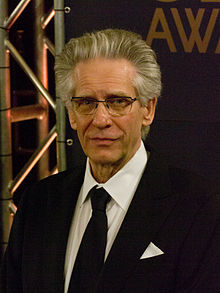
Today, the Shattered Lens wishes a happy birthday to one of our favorite directors, David Cronenberg! No one has done more to change the way that the world views Canadian cinema than David Cronenberg. In honor of the man, his films, and his legacy, here are….
4 Shots From 4 David Cronenberg Films
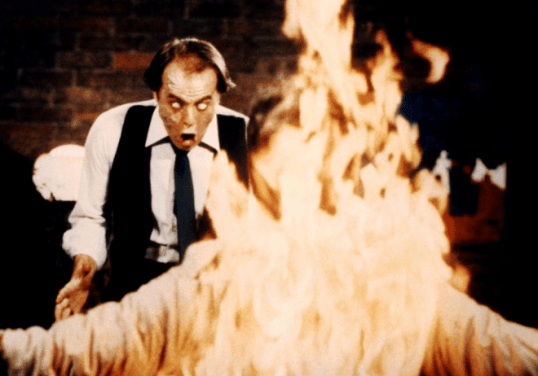
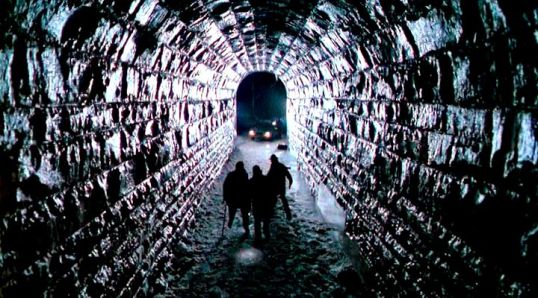
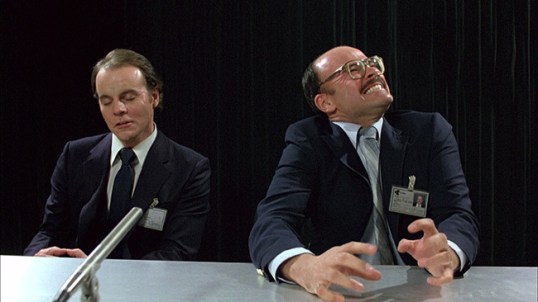
Scanners (1981, dir by David Cronenberg, DP: Mark Iwrin)
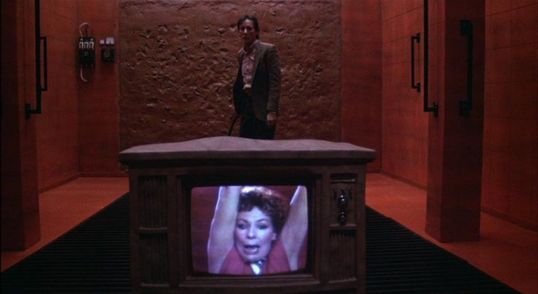
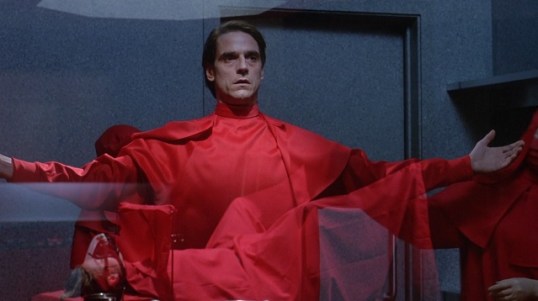
Videodrome (1983, dir by David Cronenberg, DP: Mark Irwin)
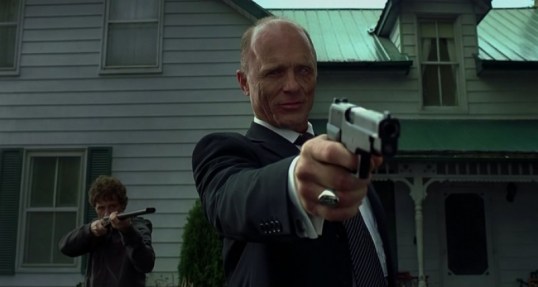
The Dead Zone (1983, dir by David Cronenberg, DP: Mark Irwin)
Naked Lunch (1991, dir by David Cronenberg, DP:Peter Suschitzky)
“Bless me, Father, for I have sinned. I had the power… and I tried to prevent what I saw.” — Johnny Smith
In 1983, David Cronenberg adapted Stephen King’s The Dead Zone with a distinctive emphasis on mood, morality, and psychological depth rather than traditional horror spectacle. The film follows Johnny Smith (Christopher Walken), a small-town schoolteacher whose life transforms irrevocably after a traumatic car accident leaves him in a five-year coma. Upon awakening, Johnny discovers he possesses psychic abilities that allow him to see the past and future by touch. Rather than a gift, this power becomes a heavy burden, isolating him and forcing him into wrenching moral choices.
Cronenberg’s direction is meticulous and deliberately restrained. The film’s muted color palette and stark winter landscapes visually echo Johnny’s emotional isolation and the fragility of human existence. His careful, often gliding camera movements create a mounting sense of quiet dread, while minimalistic sound design underscores moments of revelation with haunting subtlety. This subdued style elevates the film’s psychological impact, transforming it into a thoughtful and melancholy meditation on the cost of harrowing knowledge.
Significantly, The Dead Zone marks a departure from Cronenberg’s signature body horror. Instead of the grotesque physical transformations and visceral mutations that characterize much of his other work, here Cronenberg turns inward. The real horror lies in the malleability of the mind and the elusive nature of perception—how reality, memory, and the future are unstable constructs that can shift and fracture under psychic strain. This thematic focus on the impermanence and distortion of mental reality touches on some of Cronenberg’s deepest artistic fascinations.
The restrained treatment of body horror in The Dead Zone previews the director’s later, more psychologically driven films such as A History of Violence, Eastern Promises, and A Dangerous Method, where character studies and narrative depth take precedence over startling visuals. In this early pivot, Cronenberg demonstrates that his mastery lies not only in visual spectacle but in probing the profound emotional and moral dilemmas faced by his characters. The vision-focused horror here is cerebral and grounded, rooting supernatural phenomena in human frailty and ethical complexity.
Christopher Walken’s nuanced portrayal is the emotional heart of the film. He captures Johnny’s vulnerability, weariness, and profound solitude, portraying a man burdened by a cursed knowledge that isolates him from the world. Martin Sheen plays Greg Stillson, the ambitious and morally bankrupt politician whose rise Johnny must foretell and who embodies the film’s central threat. The supporting cast, including Brooke Adams as Johnny’s lost love Sarah and Tom Skerritt as Sheriff Bannerman, delivers compelling and authentic performances that humanize the film’s intimate, small-town environment.
Several changes from King’s novel sharpen the film’s thematic focus. The novel’s sprawling plot, including a serial killer subplot and a brain tumor storyline symbolizing Johnny’s mortality, is pared down or omitted. Despite this trimming, the serial killer element retained in the film remains chilling and effective. It highlights the darker repercussions of Johnny’s psychic gift and injects a tangible sense of dread, reinforcing the psychological weight Johnny carries. This subplot grounds the supernatural within a disturbing reality, illustrating the violent and tragic circumstances Johnny must grapple with as part of his burden.
The concept of the “dead zone” itself shifts in meaning. Originally, the term referred to parts of Johnny’s brain damaged by the accident, blocking certain visions. Cronenberg reinterprets it as a metaphor for the unknown and unknowable parts of the future—the gaps in psychic clarity that allow for free will and change. This subtle shift reshapes the narrative toward a more ambiguous, hopeful meditation on destiny and human agency.
Compared to King’s novel, Cronenberg’s Johnny is more grounded and isolated. The novel frames Johnny’s struggle within a broader spiritual and fatalistic context, highlighted by the looming presence of a brain tumor and a nuanced exploration of hope versus resignation. The film, by contrast, focuses on the emotional and moral fatigue induced by Johnny’s psychic gift, emphasizing his loneliness and reluctant responsibility rather than supernatural destiny.
Walken’s restrained, haunting performance strips away mythic grandeur to reveal a deeply human character. The film’s narrowed narrative tightens focus on Johnny’s internal anguish and his difficult ethical choices, making his plight intimate and richly relatable.
On a thematic level, The Dead Zone contemplates fate, free will, and sacrifice. Johnny’s psychic abilities act as a draining, almost chthonic force, transforming him into a reluctant prophet who is tasked with intervening in grim futures at great personal cost. The film’s bleak winter setting visually reflects Johnny’s alienation, while its deliberate pacing highlights the exhaustion and heartbreak that comes with such knowledge.
Ultimately, Cronenberg’s The Dead Zone goes beyond supernatural thriller conventions. It is a profound meditation on empathy, sacrifice, and the human condition—where the greatest horrors are internal, and the cost of knowledge is both psychic and emotional. Johnny Smith emerges as a tragic, flawed figure wrestling with unbearable burdens.
Cronenberg’s direction and the impeccable performances make The Dead Zone a standout in King adaptations. The film’s enduring impact lies in its rich thematic texture, its moral ambiguity, and its unflinching exploration of human frailty, all conveyed through a director shifting skillfully from physical body horror to psychological and existential terror. The film remains as haunting and resonant now as it was upon release, a testament to the synergy of Cronenberg and King’s extraordinary talents.
4 Or More Shots From 4 Or More Films is just what it says it is, 4 shots from 4 of our favorite films. As opposed to the reviews and recaps that we usually post, 4 Shots From 4 Films lets the visuals do the talking!
86 years ago today, Wes Craven was born in Cleveland, Ohio. Craven started his career as an academic, teaching high school English. However, realizing that there was more money to be made in the film industry, Craven changed careers. By his own admission, he started his career directing “hardcore, X-rated films” under a pseudonym and it has been rumored that he was a member of the crew of the first “porno chic” film, Deep Throat. Eventually, Craven broke into the mainstream with some of the most influential and often controversial horror films ever made. From being denounced for the original Last House On The Left to changing the face of horror with A Nightmare on Elm Street to becoming something of a revered statesman and a beloved pop cultural institution with the Scream franchise, Wes Craven had a truly fascinating career.
In honor his films and legacy, it’s time for….
4 Shots from 4 Wes Craven Films
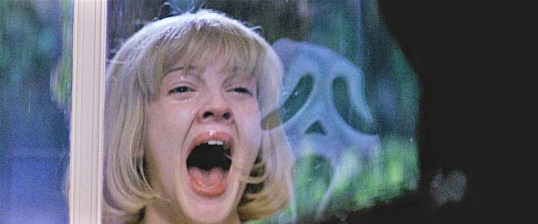
Last House on the Left (1972, dir by Wes Craven, DP: Victor Hurwitz)
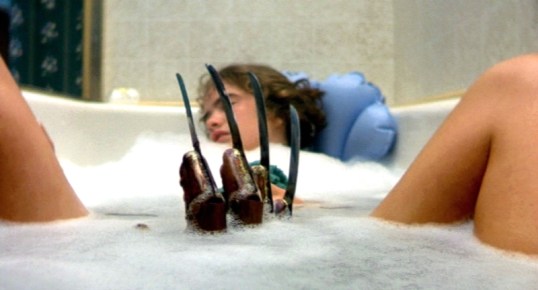
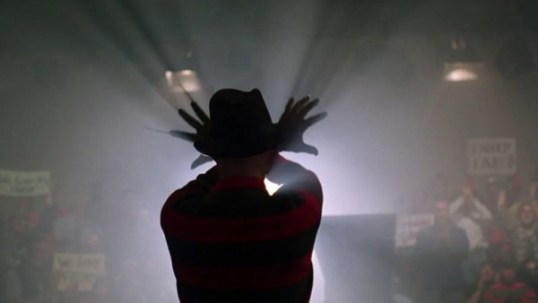
A Nightmare on Elm Street (1984, dir. by Wes Craven, DP: Jacques Hatikin)
New Nightmare (1994, dir by Wes Craven, DP: Mark Irwin)
4 Or More Shots From 4 Or More Films is just what it says it is, 4 shots from 4 of our favorite films. As opposed to the reviews and recaps that we usually post, 4 Shots From 4 Films lets the visuals do the talking!
Today, the Shattered Lens wishes a happy birthday to one of our favorite directors, David Cronenberg! No one has done more to change the way that the world views Canada than David Cronenberg. In honor of the man, his films, his country, and his legacy, here are….
4 Shots From 4 David Cronenberg Films
Crimes of the Future (1970, dir by David Cronenberg, DP: David Cronenberg)
Videodrome (1983, dir by David Cronenberg, DP: Mark Irwin)
The Dead Zone (1983, dir by David Cronenberg, DP: Mark Irwin)
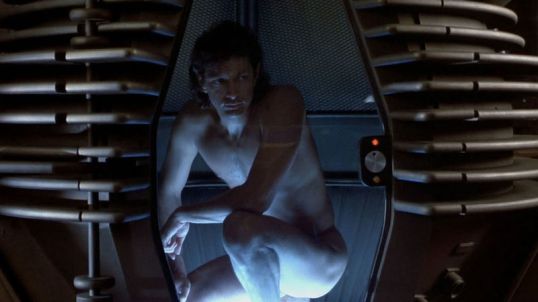
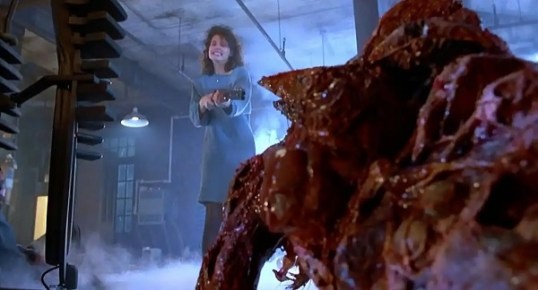
The Fly (1986, dir by David Cronenberg, DP: Mark Irwin)
4 Shots From 4 Films is just what it says it is, 4 shots from 4 of our favorite films. As opposed to the reviews and recaps that we usually post, 4 Shots From 4 Films is all about letting the visuals do the talking.
Today’s director is the master of Canadian horror, the one and only David Cronenberg!
4 Shots from 4 David Cronenberg Films
The Dead Zone (1983, dir. by David Cronenberg, DP: Mark Irwin)
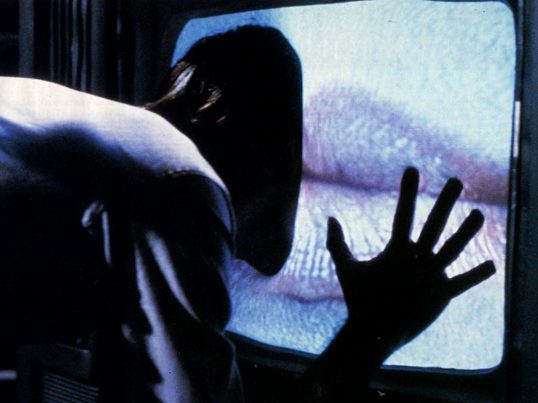
Videodrome (1983, dir by David Cronenberg, DP: Mark Irwin)
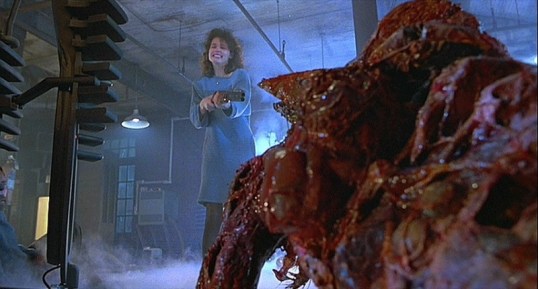
The Fly (1986, dir. by David Cronenberg, DP: Mark Irwin)
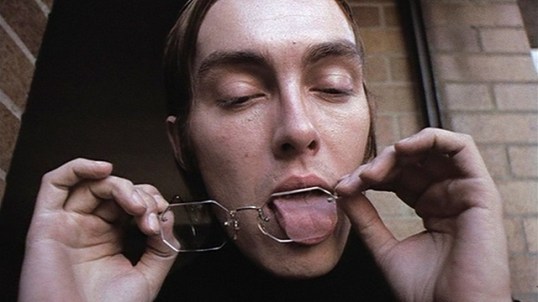
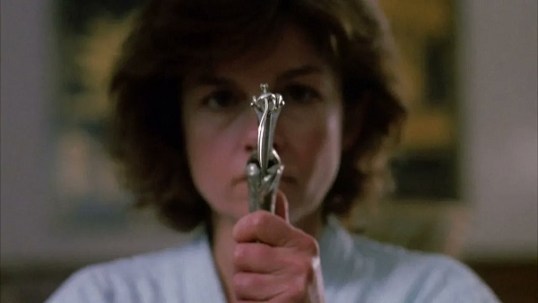
Dead Ringers (1988, dir by David Cronenberg, DP: Peter Suschitzky)
4 Or More Shots From 4 Or More Films is just what it says it is, 4 shots from 4 of our favorite films. As opposed to the reviews and recaps that we usually post, 4 Shots From 4 Films lets the visuals do the talking!
Today, the Shattered Lens wishes a happy birthday to one of our favorite directors, David Cronenberg! No one has done more to change the way that the world views Canada than David Cronenberg. In honor of the man, his films, his country, and his legacy, here are….
4 Shots From 4 David Cronenberg Films
The Brood (1979, dir by David Cronenberg, DP: Mark Irwin)
Scanners (1981, dir by David Cronenberg, DP: Mark Iwrin)
Videodrome (1983, dir by David Cronenberg, DP: Mark Irwin)
A History of Violence (2005, dir by David Cronenberg, DP: Peter Suschitzky)
4 Shots From 4 Films is just what it says it is, 4 shots from 4 of our favorite films. As opposed to the reviews and recaps that we usually post, 4 Shots From 4 Films is all about letting the visuals do the talking.
This October, I am going to be using our 4 Shots From 4 Films feature to pay tribute to some of my favorite horror directors, in alphabetical order! That’s right, we’re going from Argento to Zombie in one month!
Today’s director is the master of Canadian horror, the one and only David Cronenberg!
4 Shots from 4 David Cronenberg Films
Scanners (1981, dir by David Cronenberg, DP: Mark Irwin)
The Dead Zone (1983, dir by David Cronenberg, DP: Mark Irwin)
The Fly (1986, dir by David Cronenberg, DP: Mark Irwin)
Dead Ringers (1988, dir by David Cronenberg, DP: Peter Suschitzky)