Oh hell yeah! That’s more of a reaction to the sound of the song than to the song’s message, which is kind of depressing.
Seriously, we all know the feeling, right? Judging from this video, Courtney is actually inside of someone’s brain and reminding them that everybody here hates them. Everyone has felt that way at some point in their life. Of course, to be honest, I’d rather be disliked than unknown or ignored. Of course, I’d rather be loved than disliked. I want people to be scared of how much they love me.
Anyway, this is a good song and a good video and it’ll get stuck in your head and you’ll hear it every time you start to feel insecure about something.
Say whatever else you might want to say about 2020 as a cinematic year, at least it’s giving us five new films from Steve McQueen.
This British director is one of the most consistently interesting filmmakers working today and anytime we get new work for him, it’s a cause for celebration. His latest project is Small Axe, an anthology of five feature-length films that examines the real-life history of London’s West Indian community. In the UK, the film are premiering on the BBC while, here in the States, they’ll be premiering on Prime. Through mid-December, we’ll be getting a new Steve McQueen film every week.
The first of these films is Mangrove. The film opens in the late 60s, with activist Frank Crichlow (Shaun Parkes) opening a restaurant in London’s Notting Hill neighborhood. The restaurant is called The Mangrove and it quickly becomes a base for the community. It also becomes a target for the Metropolitan Police. PC Pulley (Sam Spruell) claims that the Frank has a history of tolerating petty crime and that the Mangrove is probably just a front for some nefarious operation. Of course, what quickly becomes obvious is that Pulley’s main problem with the Mangrove is that its owner is black and so are the majority of its customers. Pulley is an unrepentant racist, the type of man who sits in his patrol car and complains that the military hasn’t been called in to enforce the law in the neighborhood. (As obsessed as he is with the military, Pulley also says, with some pride, that he’s never actually served in the army.) When a new rookie shows up, Pulley informs him that his priority for the night is to arrest the first black person that he sees.
Every chance that he gets, Pulley raids the Mangrove. When Frank complains, he loses his liquor license. When the members of the community stage a peaceful protest (“Hands Off The Mangrove!” goes one chant), Frank and eight others are arrested and charged with inciting a riot and affray, charges that could lead to all of them spending several years in prison. (Affray is the legal term for “disturbing the peace.”) Among those arrested, along with Frank, are activist Darcus Howe (Malachi Kirby) and British Black Panther leader Altheia Jones-LeCointe (Letitita Wright). Both Darcus and Altheia insist on acting as their own counsel during the trial, giving them the chance to cross-examine the police and to also take their case directly to the jury.
Though Mangrove is a courtroom drama, the trial doesn’t being until almost an hour into the film’s running time. Wisely, McQueen instead spends the first sixty minutes of the film introducing us to the neighborhood surrounding the Mangrove and also allowing us to get to know the people who not only work there but also the ones who eat there. The film shows how, for a community of outsiders, the Mangrove became more than just a restaurant. It became a center for the entire neighborhood, a place where the members of the London’s West Indian community could safely gather. For someone like Pulley, the Mangrove was a symbol of everything that he couldn’t control and therefore, it had to be destroyed and its owners had to be humiliated. As well-handled as the courtroom scenes are, they would be considerably less effective if the film hadn’t shown us why it was felt that the Mangrove was something worth fighting for. When the Mangrove Nine go on trail, they’re not just nine people who have been unjustly accused. Instead, they represent an entire community that refuses to continue to bow down to their oppressors.
It’s an often effective film, one that is all the more powerful for being based on a true story. Much as he did with Shame, Steve McQueen makes effective use of the harsh and rather cold urban landscape that his characters inhabit. One needs only watch Frank walk down a dreary London street to understand why the Mangrove was so important to the community. As presented by McQueen, the Mangrove provides not only an escape from the harshness of the world but also a safe place to discuss how to make that world maybe a little bit less harsh for future generations. McQueen is brave enough to allow his camera to keep running, even beyond the point that most directors would have said “Cut.” McQueen shows us Frank yelling after being brutally pushed into a prison cell, as any director would. However, McQueen doesn’t cut away once Frank falls silent. Instead, his camera remains on Frank, making us feel his isolation and his feeling of hopelessness. It takes just a minute to go from the exhilaration of hearing Frank curse out his jailers to the horror of realizing that Frank is basically at their mercy.
For the most part, the actors make a strong impression, with the only false note coming from Rochenda Sandall, who plays Darcus’s partner and often seems to be performing in a different movie from everyone else. Malachi Kirby and Shaun Parkes have several strong moments as Darcus and Frank while Sam Spruell plays Pulley as being an all-too familiar monster. That said, the film is pretty much stolen by Letitia Wright, who brings both fury and wit to the role of Altheia. Whether she’s exposing the Crown’s medical examiner as a fraud or angrily reprimanding a defendant who is considering pleading guilty, Letitia Wright dominates every scene in which she appears.
Is Mangrove eligible for the Oscars? Under normal circumstances, it wouldn’t be. But, with the rule changes and the fact that Mangrove was not only selected to compete at Cannes (before Cannes was cancelled, of course) but that it also opened the BFI London Film Festival, I think a case can be made for considering Mangrove to be a feature film as opposed to being a television movie. This is a strange year so who knows? Personally, I think Mangrove deserves to be considered. If it’s not nominated for any Oscars, it’ll definitely be nominated for the Emmys. That’ll be determined in the future. For now, it can be viewed on Prime.
4 Shots From 4 Films is just what it says it is, 4 shots from 4 of our favorite films. As opposed to the reviews and recaps that we usually post, 4 Shots From 4 Films lets the visuals do the talking.
Today, the TSL wishes a happy birthday to one of the greatest director working today, the one and only Martin Scorsese! And that means that it’s time for….
26 Shots From 26 Martin Scorsese Films
(That’s right. We usually do 4. Scorsese gets 26. He deserves a hundred.)
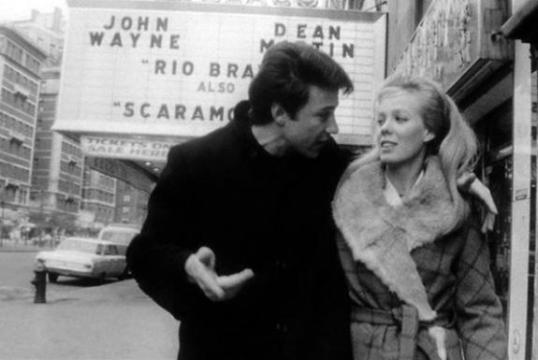
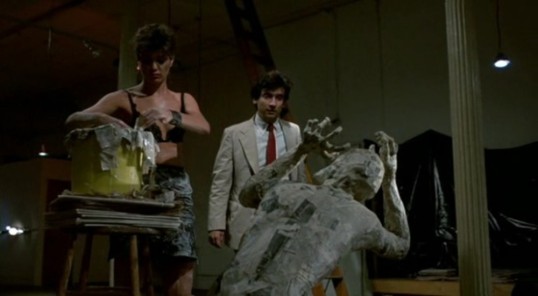
Who’s That Knocking On My Door (1967, dir by Martin Scorsese)
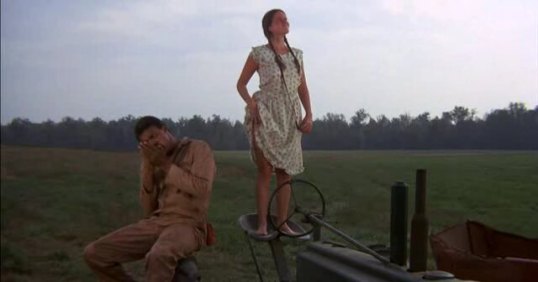
Boxcar Bertha (1972, dir by Martin Scorsese)
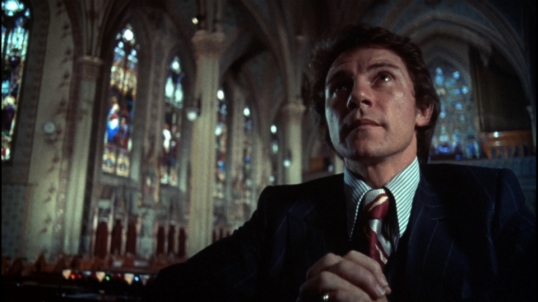
Mean Streets (1973, dir by Martin Scorsese)
Alice Doesn’t Live Here Anymore (1974, dir by Martin Scorsese)
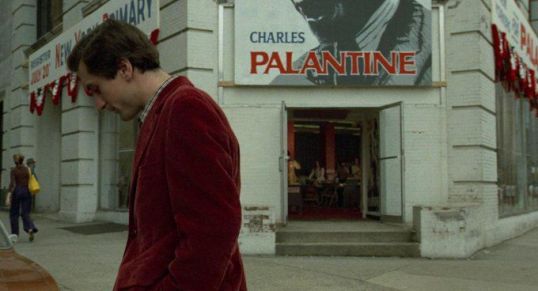
Taxi Driver (1976, dir by Martin Scorsese)
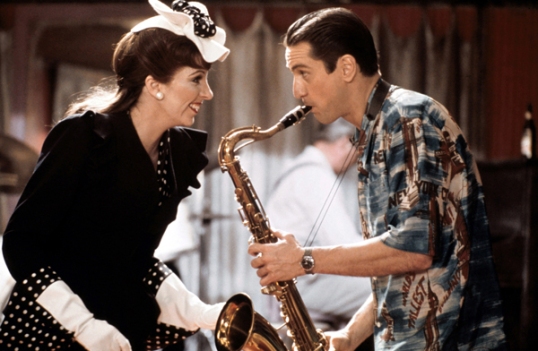
New York New York (1977, dir by Martin Scorsese)
The Last Waltz (1978, dir by Martin Scorsese)
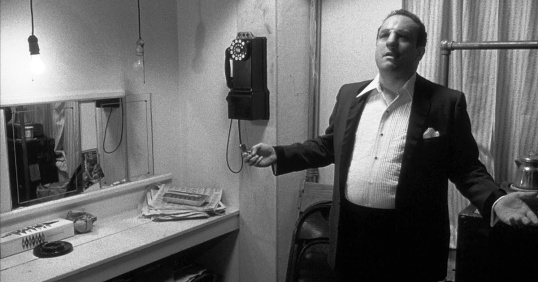
Raging Bull (1980, dir by Martin Scorsese)
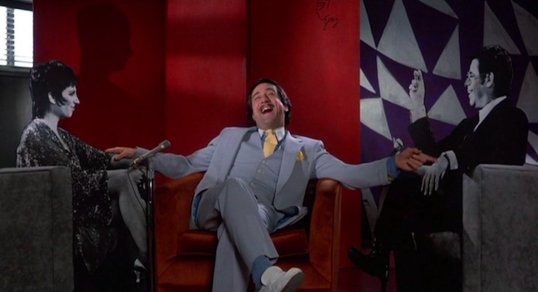
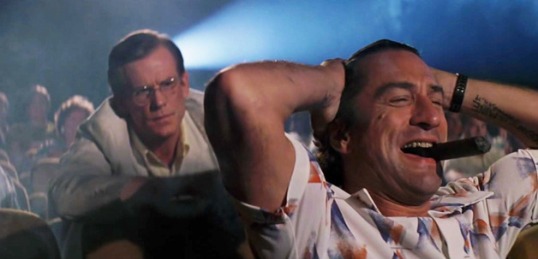
King of Comedy (1982, dir by Martin Scorsese)
After Hours (1985, dir by Martin Scorsese)
The Color of Money (1986, dir by Martin Scorsese)
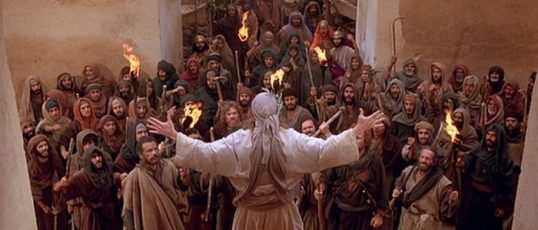
The Last Temptation of Christ (1988, dir by Martin Scorsese)
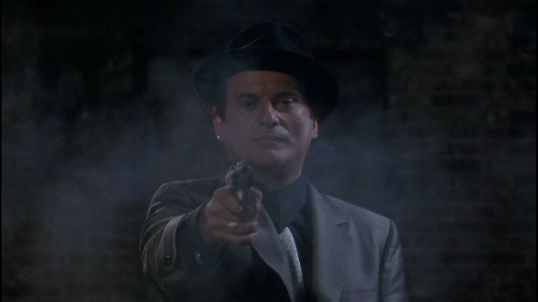
Goodfellas (1990, dir by Martin Scorsese)
Cape Fear (1991, dir by Martin Scorsese)
The Age of Innocence (1993, dir by Martin Scorsese)
Casino (1995, dir by Martin Scorsese)
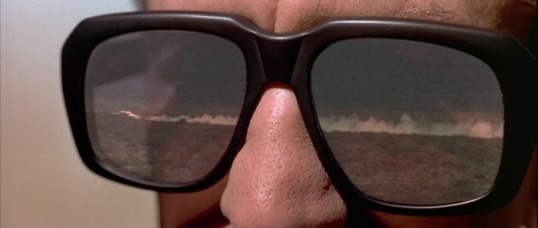
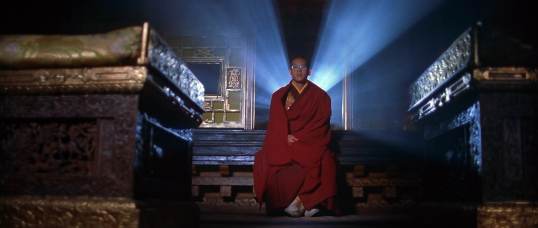
Kundun (1997, dir by Martin Scorsese)
Bringing out the Dead (1999, dir by Martin Scorsese)
Gangs of New York (2002, dir by Martin Scorsese)
The Aviator (2004, dir by Martin Scorsese)
The Departed (2006, dir by Martin Scorsese)
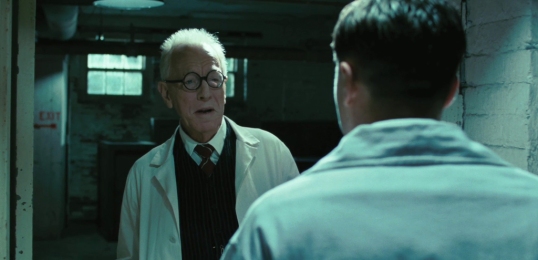
Shutter Island (2010, directed by Martin Scorsese)
Hugo (2011, dir by Martin Scorsese)
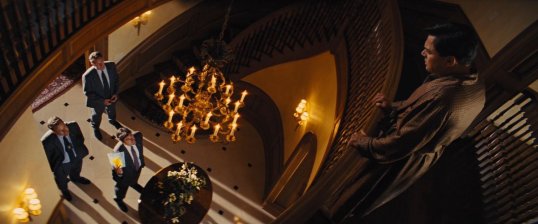
The Wolf of Wall Street (2013, dir by Martin Scorsese)
Hi, everyone! Leonard and I watched and live tweeted the People’s Choice Awards tonight! Here’s a selection of what was said!
First off, I was upfront about why I was watching this silly awards show in the first place:
I've never been a big People's Choice person. This is the first ceremony that I've watched in years and if it wasn't for the fact that all the other awards shows have been pushed back, I'd probably just ignore them. But, this is 2020 and we're all doing strange things. #PCAs
Tbh, the main reason I'm live tweeting the People's Choice Awards is so I can test a new feature over on Through the Shattered Lens. If it works tonight, we'll use it again for the Oscars and stuff that people actually watch.
The show itself was weird. Demi Lovato was a charming host but the format itself — basically, the show was just one big zoom call — felt weird and awkward. There was a lot of green neon, as if the show was taking place in the future as envisioned by people in the 90s.
Apparently, this year's ceremony is taking place inside the Matrix. #PCAs
Shots of people watching the show from their homes couldn’t really replace the excitement of having a real audience. A lot of the acceptance speeches fell flat because, regardless of how heartfelt they may have been, there really wasn’t anyone around to react to them. There were no standing ovations. No spontaneous laughter or boos. There wasn’t even an orchestra to play people when they talked for too long. It was just awkward. Even the show’s attempt to liven things up by having random people in their living rooms open up the envelopes and read the winners failed to add much excitement to things.
Wait, what if someone goes to the bathroom just before their Zoom picks them to open a card? "Here's Mike! Uhm…Mike? Are you there?" #PCAs
I think the problem I have is that it still feels kind of empty? Like everyone's just standing in the middle of a studio, doing practice jams before the actual concert starts.
As for the winners …. eh. Ellen Pompeo was named the People’s TV Actress and apparently this was the fifth time she had won one of those things? Ellen DeGeneres won Best Daytime Talk Show and gave yet another speech about how much she actually loves her staff. Some of the winners were good but a lot of them felt fixed. More than once, I wondered who exactly votes for these awards.
And the Female Move Star of 2020 is Tiffany Haddish for some movie that I've totally forgotten about. #PCAs
Anyway, for the most part, it was an okay night. No one really made a fool out of themselves. Most of the speeches were decent. The format was awkward and I really hope that the Oscars can somehow work out the kinks before their ceremony. (Ideally, COVID would just magically disappear between now and the Oscars but that’s probably not going to happen.)
If you want to read all of our tweets from the ceremony, check out The Shattered Lens on Twitter! We’ll be doing more live tweets soon. This was sort of a test run and it went pretty well, I think. Thank you for reading!
The Gotham nominations were announced on Thursday and I totally missed them!
Seriously, that’s how crazy this year has been.
Anyway, with so much up in the air, it’s probably debatable how much anything can be gleaned about the state of the Oscar race from these nominations. In fact, even in a normal year, the Gothams aren’t exactly known for being Oscar precursors. However, they do honor worthy independent films and often, they encourage us to track down films that we may have otherwise missed.
Only film with a budget under $35 million were eligible for a Gotham nomination. So, don’t look at this list and go, “OH MY GOD, WHERE’S MANK!? WHERE’S TENENT!?” They’re not eligible.
Anyway, here are the Gotham nominations:
Best Feature
“The Assistant”
“First Cow”
“Never Rarely Sometimes Always”
“Nomadland”
“Relic”
Best Documentary
“76 Days”
“City Hall”
“Our Time Machine”
“A Thousand Cuts”
“Time”
Best International Feature
“Bacurau”
“Beanpole”
“Cuties (Mignonnes)”
“Identifying Features”
“Martin Eden”
“Wolfwalkers”
Bingham Ray Breakthrough Director Award
Carlo Mirabella-Davis, “Swallow”
Rhada Blank, “The Forty Year Old Version”
Andrew Patterson, “Vast of Night”
Channing Godfrey Peoples, “Miss Juneteenth”
Alex Thompson, “Saint Frances”
Best Screenplay
“Bad Education,” Mike Makowsky
“First Cow,” Jon Raymond and Kelly Reichardt
“The Forty-Year-Old Version,” Radha Blank
“Fourteen,” Dan Sallitt
“The Vast of Night,” James Montague and Craig Sanger
Best Actor
Riz Ahmed, “Sound of Metal”
Chadwick Boseman, “Ma Rainey’s Black Bottom”
Jude Law, “The Nest”
John Magaro, “First Cow”
Jesse Plemons, “I’m Thinking of Ending Things”
Best Actress
Nicole Beharie, “Miss Juneteenth”
Jessie Buckley, “I’m Thinking of Ending Things”
Yuh-Jung Youn, “Minari”
Carrie Coon, “The Nest”
Frances McDormand, “Nomadland”
Breakthrough Actor
Sidney Flanigan, “Never Rarely Sometimes Always”
Jasmine Batchelor, “The Surrogate”
Kelly O’Sullivan, “Saint Frances”
Orion Lee, “First Cow”
Kingsley Ben-Adir, “One Night in Miami”
Breakthrough Series – Long Form
“The Great”
“Immigration Nation”
“P-Valley”
“Unorthodox”
“Watchmen”
Breakthrough Series – Short Form
“Betty”
“Dave”
“I May Destroy You”
“Taste the Nation”
“Work in Progress”