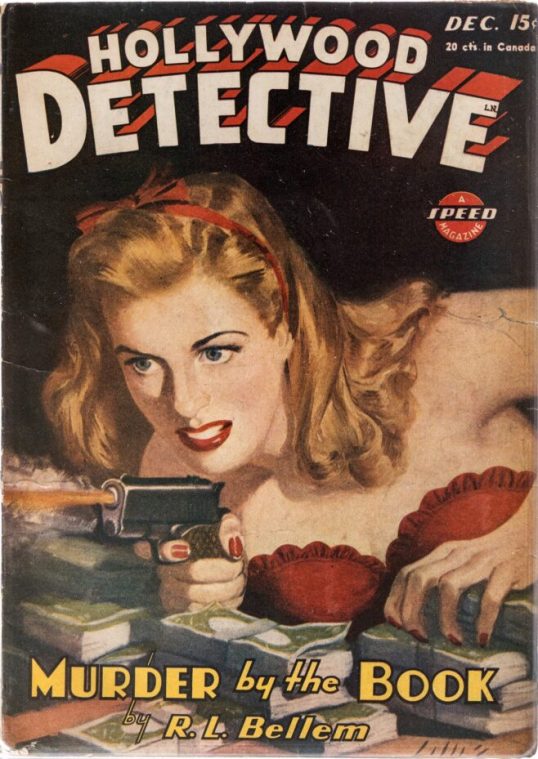
Guilty Pleasure No. 125: In Death Series (by J.D. Robb)


If you’ve ever wondered what would happen if you mashed up a gritty police procedural with a futuristic New York City and a slow-burn romance that somehow never gets old, J.D. Robb’s In Death series is your answer. Now 62 books deep and still going strong, this series is a masterclass in how to take well-worn tropes—brilliant but emotionally closed-off detective, deadly serial killers, found family, and a romance that simmers across dozens of books—and make them feel fresh, addictive, and weirdly comforting every single time. It’s the kind of series you can binge like comfort food, but with a side of cybernetic enhancements and murder so creative it’ll make you side-eye your toaster. And yes, it’s absolutely a guilty pleasure—but not because it’s badly written or because Robb has lost her touch. It’s a guilty pleasure like that extra slice of pie you know you shouldn’t have but can’t resist, or buying a lottery ticket despite the astronomical odds. You know it’s not good for you in the grand scheme of things, but dang it, it feels good in the moment.

The series kicks off with Naked in Death, where we meet Lieutenant Eve Dallas, a homicide detective in 2058 New York who’s all sharp edges and zero patience for nonsense. She’s the kind of cop who’d rather work a double shift than talk about her feelings, which is convenient because her past is a landmine of trauma she’d prefer to ignore. Enter Roarke, the Irish billionaire with a shady past, a face that could melt glaciers, long black hair, deep blue sea eyes, and an Irish brogue that could charm the pants off a saint. He’s the billionaire playboy whose dubious criminal past built his legitimate business empire, and he’s the perfect foil to Eve’s law-abiding, no-nonsense demeanor. Their dynamic is the heart of the series and the ultimate embodiment of the “opposites attract” trope. Here you have two diametrically opposed characters—a by-the-book cop and a former criminal turned businessman—who somehow end up being perfect for each other. Their push-and-pull of trust, loyalty, and simmering tension is what makes their relationship so compelling. Robb (a pseudonym for Nora Roberts) takes her time with Eve and Roarke’s romance, letting it develop over the first handful of books in a way that makes their eventual partnership feel earned. And even when they’re officially together, their relationship keeps evolving—through marriage, career shifts, and the occasional murderous ex-lover trying to ruin their day. It’s the kind of slow-burn romance that makes you sigh happily every time they share a quiet moment, even if you know it’s all a little ridiculous.

What’s wild about In Death is how effortlessly it blends its genres while still finding new ways to retell similar stories. The sci-fi elements are often window dressing—hover cars, androids, and off-planet travel exist, but the focus is always on the murders, the investigation, and the people solving (or committing) them. The police procedural side is where the series shines, and Robb’s ability to take familiar setups (a killer targeting a specific demographic, a conspiracy within the police force, a cold case resurfacing) and twist them into something fresh is impressive. You’d think after 60-plus books, the well would run dry, but Robb consistently finds inventive angles, whether it’s the method of murder, the killer’s motive, or the personal stakes for Eve and her team. The supporting cast is a huge part of the charm, too. There’s Delia Peabody, Eve’s former rookie turned trusted partner, whose growth from wide-eyed newbie to seasoned detective is one of the series’ most rewarding arcs. Then there’s Captain Ryan Feeney, the gruff but lovable former cop turned consultant, whose gruff exterior hides a heart of gold (and a love for old-school tech). Even the villains often have depth, with motives that range from tragically relatable to straight-up unhinged.

But let’s talk about the tropes, because In Death has them in spades—and yet, they never feel lazy. Eve and Roarke are the poster children for the “opposites attract” trope, and it works because Robb gives them enough depth and chemistry to make their connection feel real. Eve is the classic “genius detective with a dark past” trope, but Robb gives her enough nuance and growth that she never feels like a caricature. She’s stubborn, yes, but she also learns—slowly—to let people in, to trust her team, and to accept that she doesn’t have to carry the weight of the world alone. Roarke, for his part, could easily have been a one-note “rich love interest” character, but instead, he’s a fully realized partner who respects Eve’s independence while also being unapologetically protective. Their relationship is built on mutual admiration and a shared sense of justice, and it’s refreshing to see a romance in a long-running series that doesn’t devolve into drama for drama’s sake. Even the recurring themes—like Eve’s struggle with her abusive childhood, or the way her job constantly tests her emotional boundaries—are handled with a deft touch that keeps them from feeling repetitive.

The series isn’t without its quirks, though. Some of the later books can feel a bit formulaic, with Eve and her team solving cases in a way that starts to resemble a well-oiled machine. And let’s be real: the number of times Eve gets into physical altercations with suspects who are way bigger and stronger than her, only to come out on top, starts to stretch credibility after a while. But these are minor nitpicks in the grand scheme of things. The real magic of In Death is how it makes you care about these characters, even when the plots start to blur together. There’s a comfort in returning to Eve’s world, where you know you’re going to get a solid mystery, a few laughs, and a healthy dose of heart. The series also does a great job of evolving its characters over time. Peabody’s rise through the ranks, for example, is a slow burn that pays off in satisfying ways, and even side characters like Dr. Morris, the medical examiner, get their moments to shine.

Another standout feature of the series is its ability to balance tone. One minute, you’re knee-deep in a gruesome murder investigation, and the next, you’re laughing at Eve’s sarcastic inner monologue or Roarke’s dry humor. The dialogue is sharp, the banter is frequent, and the chemistry between the characters—both romantic and platonic—keeps the pages turning. And while the sci-fi elements might not be the most hard-hitting or innovative, they serve their purpose: creating a world that feels just different enough from our own to be intriguing, but familiar enough to be relatable. New York in 2058 is still New York, just with more gadgets and a few extra layers of bureaucracy. It’s a world you want to escape into, even if you know it’s all a little indulgent.

At its core, In Death is a series about resilience. Eve’s journey from a traumatized orphan to a woman who’s found love, purpose, and a sense of belonging is the emotional backbone of the series. And while the mysteries are often the driving force of individual books, it’s the characters and their relationships that keep readers coming back. Robb’s ability to weave together sci-fi, police procedural, and romance into a cohesive, engaging whole is no small feat. It’s a testament to her skill as a storyteller that a series this long can still feel so vibrant and alive, even when it leans on familiar tropes. In a genre landscape where so many series fizzle out after a few books, In Death is a rare beast: a long-running saga that manages to stay fresh, fun, and deeply satisfying, book after book. Whether you’re here for the murders, the romance, or the sheer joy of watching Eve Dallas evolve, there’s plenty to love—and plenty more to dive into. And if anyone judges you for binging 10 books in a row? Well, they clearly haven’t experienced the simple joy of curling up with a new In Death novel and letting the rest of the world fade away.

Previous Guilty Pleasures

  1. Half-Baked
  2. Save The Last Dance
  3. Every Rose Has Its Thorns
  4. The Jeremy Kyle Show
  5. Invasion USA
  6. The Golden Child
  7. Final Destination 2
  8. Paparazzi
  9. The Principal
  10. The Substitute
  11. Terror In The Family
  12. Pandorum
  13. Lambada
  14. Fear
  15. Cocktail
  16. Keep Off The Grass
  17. Girls, Girls, Girls
  18. Class
  19. Tart
  20. King Kong vs. Godzilla
  21. Hawk the Slayer
  22. Battle Beyond the Stars
  23. Meridian
  24. Walk of Shame
  25. From Justin To Kelly
  26. Project Greenlight
  27. Sex Decoy: Love Stings
  28. Swimfan
  29. On the Line
  30. Wolfen
  31. Hail Caesar!
  32. It’s So Cold In The D
  33. In the Mix
  34. Healed By Grace
  35. Valley of the Dolls
  36. The Legend of Billie Jean
  37. Death Wish
  38. Shipping Wars
  39. Ghost Whisperer
  40. Parking Wars
  41. The Dead Are After Me
  42. Harper’s Island
  43. The Resurrection of Gavin Stone
  44. Paranormal State
  45. Utopia
  46. Bar Rescue
  47. The Powers of Matthew Star
  48. Spiker
  49. Heavenly Bodies
  50. Maid in Manhattan
  51. Rage and Honor
  52. Saved By The Bell 3. 21 “No Hope With Dope”
  53. Happy Gilmore
  54. Solarbabies
  55. The Dawn of Correction
  56. Once You Understand
  57. The Voyeurs 
  58. Robot Jox
  59. Teen Wolf
  60. The Running Man
  61. Double Dragon
  62. Backtrack
  63. Julie and Jack
  64. Karate Warrior
  65. Invaders From Mars
  66. Cloverfield
  67. Aerobicide 
  68. Blood Harvest
  69. Shocking Dark
  70. Face The Truth
  71. Submerged
  72. The Canyons
  73. Days of Thunder
  74. Van Helsing
  75. The Night Comes for Us
  76. Code of Silence
  77. Captain Ron
  78. Armageddon
  79. Kate’s Secret
  80. Point Break
  81. The Replacements
  82. The Shadow
  83. Meteor
  84. Last Action Hero
  85. Attack of the Killer Tomatoes
  86. The Horror at 37,000 Feet
  87. The ‘Burbs
  88. Lifeforce
  89. Highschool of the Dead
  90. Ice Station Zebra
  91. No One Lives
  92. Brewster’s Millions
  93. Porky’s
  94. Revenge of the Nerds
  95. The Delta Force
  96. The Hidden
  97. Roller Boogie
  98. Raw Deal
  99. Death Merchant Series
  100. Ski Patrol
  101. The Executioner Series
  102. The Destroyer Series
  103. Private Teacher
  104. The Parker Series
  105. Ramba
  106. The Troubles of Janice
  107. Ironwood
  108. Interspecies Reviewers
  109. SST — Death Flight
  110. Undercover Brother
  111. Out for Justice
  112. Food Wars!
  113. Cherry
  114. Death Race
  115. The Beast Within
  116. Girl Series
  117. Gone in 60 Seconds
  118. Swordfish
  119. Marked For Death
  120. The Internship
  121. The Angry Red Planet
  122. 2012
  123. Old School
  124. No Escape

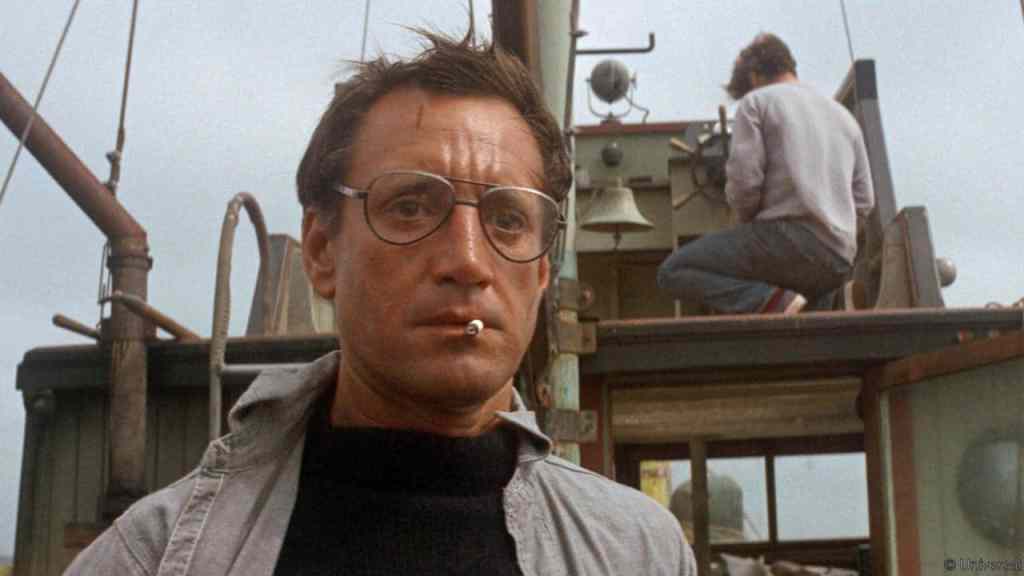
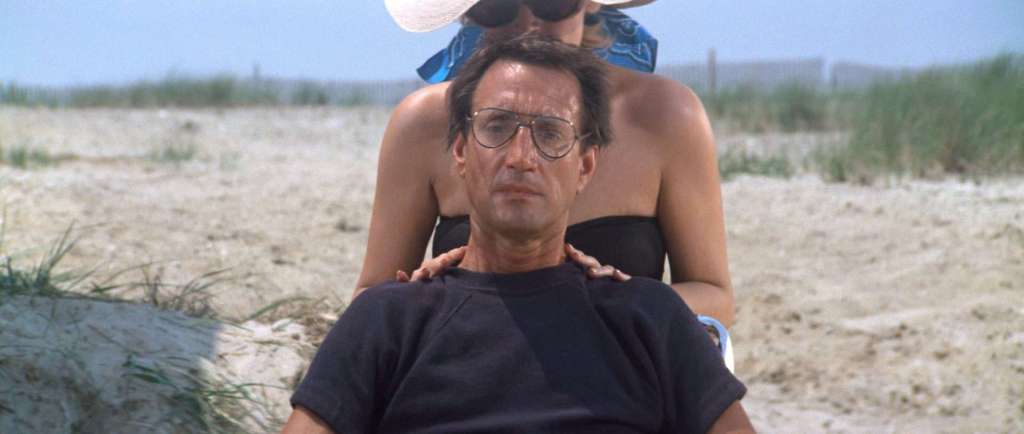
Brad’s “Hero of the Day” – Chief Martin Brody (JAWS)


When I think of my favorite movie heroes, it seems that I’ll often lean towards men who may not appear that heroic on the surface but always seem to find the courage to do what needs to be done. Now don’t get me wrong, I love larger-than-life characters like John McClane, John Rambo, and Indiana Jones, but my ideal hero isn’t like those guys. My favorite heroes are normal guys, that is, until fate forces them to be more. A perfect example is Chief Martin Brody from JAWS.

Brody isn’t fearless. In fact, one of the first things we learn about him is that he’s afraid of the water. He’s a former New York City police officer who moved his family to the quiet island of Amity, only to find himself facing an absolute nightmare. While so many movie heroes run toward danger because they know they can handle it, Brody runs toward danger despite believing he can’t. 

What makes him heroic isn’t supersized strength or expert fighting ability. It’s his sense of responsibility. Brody is always trying to do the right thing. He wants to close the beaches, but politics and the tourist money get in the way. Even after he’s pressured into backing down, he doesn’t stop trying to protect the people on the beach. And when the time comes, he gets on board the Orca with Quint and Hooper to go hunt a great white shark, even though that’s the last place on Earth he wants to be. His courage isn’t the absence of fear. Rather, it’s choosing to take action even though he is afraid.

Of course, it doesn’t hurt that Brody is played by one of my all-time favorite actors, Roy Scheider, a man who has his own section in my massive physical media collection. Scheider deserves a tremendous amount of credit for making Brody feel so real. He doesn’t play Brody as tough. His facial expressions, body language, and nervous energy portray a man who is terrified. In other words, he represents how we might feel if we were in that position. Scheider’s performance reminds us that ordinary people are capable of extraordinary courage when others are counting on them.

That’s why Martin Brody is one of my favorite movie heroes. He doesn’t have superpowers, military training, or funny catch phrases, even if his “You’re gonna need a bigger boat” has become one of the most famous quotes in cinematic history. And he doesn’t stop being afraid, either. He’s just a decent man who keeps doing the right thing, even when he’s scared. That’s the kind of hero I can relate to.

Hero of the Day

Join #TubiThursday For Best Of The Best!


Hi, everyone!  Tonight, on Mastodon, I will be hosting the #TubiThursday watch party!  Join us for Best Of The Best, starring Eric Roberts!

You can find the movie on Tubi and you can join us on Mastodon at 9 pm central time!  (That’s 10 pm for you folks on the East Coast.)  We will be using #TubiThursday hashtag!  See you then!

Scenes That I Love: Richard Linklater’s Monologue from Slacker


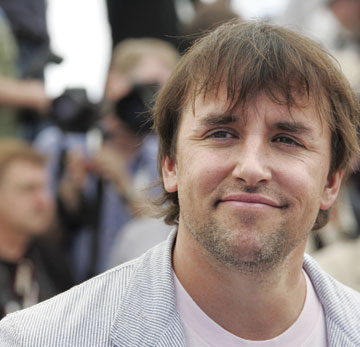
Today, the Shattered Lens wishes a happy birthday to the greatest director come out of Texas, Richard Linklater!

Today’s scene that I love comes from Linklater’s 1991 film, Slacker.  Filmed in Austin, this film not only established Linklater as one of the best indie film directors but it also inspired a countless number of other aspiring filmmakers.  How many other director have attempted to make a Slacker?  None have done it as well as Linklater.  Indeed, the film not only helped to define the modern independent film aesthetic but it also continues to shape the way that people view Texas’s idiosyncratic capital city.

In this opening scene, Linklater himself gets the film started, delivering a monologue as he’s driven around Austin.

4 Shots From 4 Films: Special Richard Linklater Edition


4 Shots From 4 Films is just what it says it is, 4 shots from 4 of our favorite films. As opposed to the reviews and recaps that we usually post, 4 Shots From 4 Films lets the visuals do the talking!

Today, we wish a happy 66th birthday to Texas’s greatest filmmaker, Richard Linklater!

That means that it’s time for….

4 Shots From 4 Films

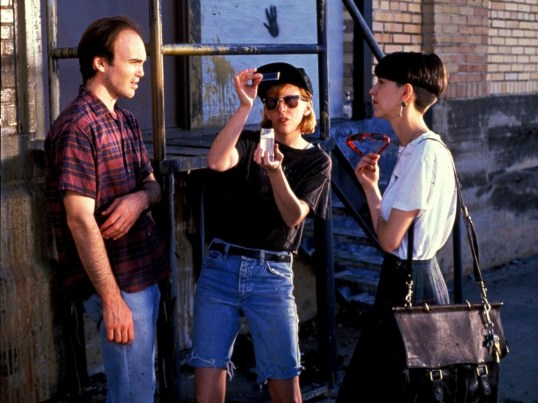
Slacker (1991, dir by Richard Linklater)

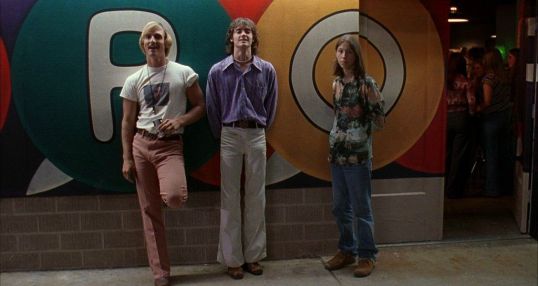
Dazed and Confused (1993, dir by Richard Linklater)

Before Sunset (2004, dir by Richard Linklater)

Boyhood (2014, dir by Richard Linklater)

Music Video Of The Day: More Than A Feeling by Boston (1977, directed by ????)


An instant hit when it was first released in 1976, More Than A Feeling was a song that spent several years in the making.  The founder of Boston, MIT graduate Tom Scholz, spent five years working on the song, recording and re-recording it in his basement while working his day job at Polaroid.

When Boston finally signed with CBS Records, More Than A Feeling was the first single released off of their debut album and it has since remained a classic rock mainstay, with the chorus riff becoming one of the most familiar sounds in the history of rock.  Scholz has said that he was inspired to write More Than A Feeling by the Left Bank’s song, Walk Away Renée.  “I see my Marianne walk away” was a reference to an older cousin whom Tom Scholz had a crush on when he was nine years old.

For me, though, More Than A Feeling will always be the song that I used to listen to whenever I was driving a stolen car around San Andreas, looking for hot coffee and trying to avoid the police.


Review: Dredge


When you boot up Dredge, you might think you are getting a relaxing, Stardew Valley-style fishing experience where you just kick back, cast a line, and listen to lo-fi beats. But developer Black Salt Games and publisher Team17 had something much weirder and far more sinister in store. You play as a nameless fisherman who arrives in a strangely secluded archipelago called the Marrows, and right from the jump, things feel incredibly off. You are given a rundown boat and told to catch fish to make money, but the game slowly peels back its layers to reveal something deeply unsettling lurking beneath the waves. It is a game that takes the most mundane aspects of the fishing sim genre and twists them into a brilliant, unforgettable blend of survival, horror, and puzzle mechanics.

Let’s talk about the actual fishing mechanics because they are surprisingly robust and satisfying. You are not just mashing a button to reel in a generic fish. As you progress through the game, you unlock different rods, crab pots, and trawling nets, each requiring a slightly different approach to use effectively. There is a simple but engaging timing-based mini-game for reeling that varies depending on the size and rarity of the catch, keeping you on your toes. Catching common fish like mackerel or cod is a breeze, but when you hook something aberrant or otherworldly, the mini-game gets incredibly frantic. The game does a fantastic job of making you feel like a competent angler while constantly introducing new species and equipment to keep the core gameplay loop from going stale.

But the real genius of Dredge lies in its inventory management, which essentially turns your boat into a spatial puzzle game. Your catch does not just magically go into a bottomless bag; you have to physically slot fish into a grid on your boat’s deck. Different fish take up different amounts of space, shaped like Tetris blocks. A small anchovy takes up one square, while a massive shark might take up four or five. As your boat gets bigger, so does the grid, but you also have to fit engine upgrades, tighter nets, and refrigerated storage on that exact same grid. You are constantly playing a game of spatial Tetris while out on the water, deciding if you have room for that highly valuable abyssal fish or if you need to toss out some common junk to make space.

This is where the survival mechanics start to bleed into the gameplay, and it is also exactly where the horror starts to creep in. During the day, Dredge feels almost peaceful. The pixel art is gorgeous, the water looks serene, and the locals at the docks are quirky but polite. But once the sun goes down, the entire vibe of the game shifts dramatically. A thick, suffocating fog rolls in, your visibility drops to almost nothing, and the soundtrack changes to something deeply oppressive. You start to hear strange noises in the water, and if you linger out in the dark too long, your screen starts to warp and distort as your character’s mind begins to fracture.

This introduces the panic meter, which is easily one of the most stressful survival mechanics I have played with in a long time. If you stay in the dark or get too close to the rogue eldritch horrors swimming around the islands, your panic goes up. If it maxes out, you crash your boat and wake up having lost a chunk of your hard-earned catch and inventory space. You also have to manage your hull integrity, because ramming into rocks or getting smacked by a sea monster costs you money and risks sinking your only means of survival. Add in the need to manage your fuel to get back to port and your sleep meter to avoid passing out, and you suddenly realize you are not playing a cozy fishing game anymore. You are playing a tense resource management game where one wrong decision in the dark can completely ruin your entire run.

The way Dredge mashes up these seemingly incompatible genres is incredibly seamless. It takes the soothing, methodical loop of a game like Moonglow Bay or Animal Crossing and injects it directly with the survival anxiety of Don’t Starve and the creeping cosmic dread of a game like Call of Cthulhu. You want to push your luck and stay out late to catch that one rare nocturnal fish, but the survival mechanics punish you harshly for being greedy. The horror elements do not just serve as cheap jump scares, either; they are baked directly into the fishing mechanics. Some rare fish can only be caught during a blood moon or in the darkest parts of the ocean, forcing you to navigate through pitch-black waters filled with terrifying rock formations and unseen monsters just to fill out your encyclopedia.

Exploring the world is a joy in itself, even when it is scaring the pants off you. The archipelago is divided into distinct biomes, each with its own unique fish, hidden secrets, and terrified residents. As you complete quests for the locals—fetching specific fish, finding lost items, or hunting down dangerous aberrations—you unlock new parts of the map and new abilities for your boat. The overarching narrative is mysterious and vague in a way that works perfectly for the genre. You do not need a massive lore dump to understand that something went terribly wrong in this place a long time ago; the environment tells the story brilliantly through ruined ships, mutated wildlife, and the paranoid ramblings of the islanders.

By the time you reach the late game, your little dinghy has been transformed into a high-tech seafaring vessel, but the waters feel just as dangerous, if not more so. Dredge is an absolute masterclass in taking familiar gaming mechanics and twisting them into something completely unique. It respects your time as a player, offering a tight, well-paced experience that never feels like it is padding its runtime. Whether you are happily organizing your latest haul in the warm glow of the daytime sun or frantically paddling for your life through a foggy nightmare, the game constantly keeps you engaged. If you have even a passing interest in fishing games, survival mechanics, or Lovecraftian horror, you owe it to yourself to drop a line into Dredge. Just do not forget to head back to port before dark.