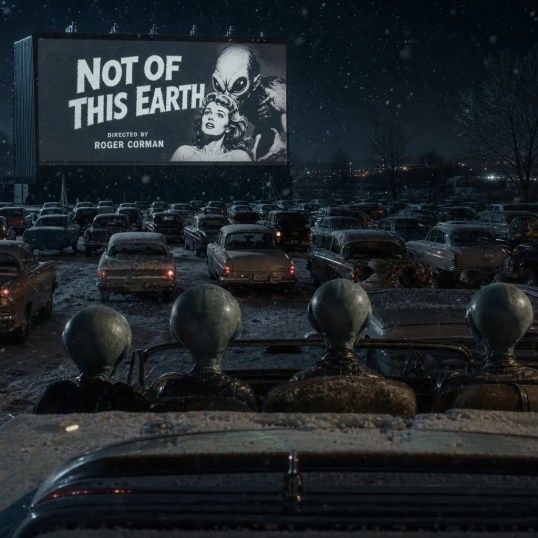
Today, we have a bonus horror on the Lens, the 1957 Roger Corman-directed, sci-fi “epic,” Not of this Earth.
Paul Johnson (Paul Birch) may seems like a strange character, with his stilted way of speaking and his sunglasses and his overdramatic reaction to any and all loud noises. Paul could us be an eccentric. Or, he could be …. NOT OF THIS EARTH! Actually, his habit of draining people of their blood and sending weird, umbrella-like creatures out to attack his enemies would seem to suggest that the latter is probably true.
Listen, it’s not easy being a blood-sucking alien. I mean, sure, there’s always seems to be people stupid enough to show up at your mansion so that you can drain their bodies. Paul is lucky that he doesn’t exactly seem to be surrounded by brain surgeons. But sometimes, things happen. For instance, someone might show up from your home planet and demand an immediate transfusion! What is an alien to do?
Watch this low-budget but undeniably entertaining film to find out! And be sure to especially keep an eye out for the great Dick Miller, who reportedly improvised his role as a vacuum cleaner salesman. (Before going into acting, Miller actually did sell vacuum cleaners door-to-door.)
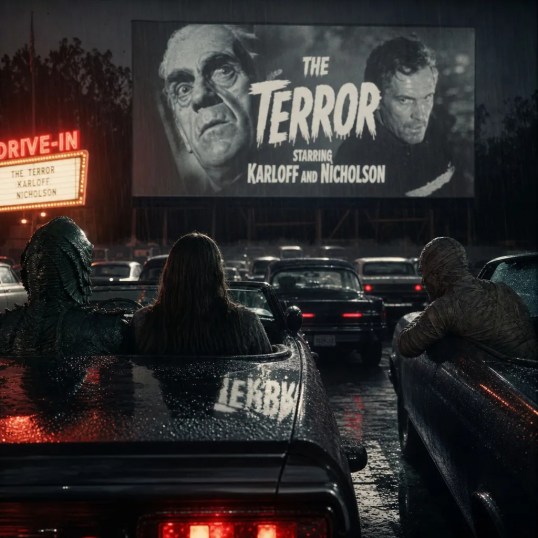
Who wouldn’t love to see a movie where a youngish Jack Nicholson played a French soldier who, while searching for a mysterious woman, comes across a castle that’s inhabited by both Dick Miller and Boris Karloff?
In Roger Corman’s 1963 film The Terror, New Jersey-accented Jack Nicholson is the least believable 19th century French soldier ever. However, it’s still interesting to watch him before he became a cinematic icon. His performance here is rather earnest, with little of the sarcasm that would later become his trademark. Boris Karloff is, as usual, great and familiar Corman actor Dick Miller gets a much larger role than usual. Pay attention to the actress playing the mysterious woman. That’s Sandra Knight who, at the time of filming, was married to Jack Nicholson.
Reportedly, The Terror was one of those films that Corman made because he still had the sets from his much more acclaimed film version of The Raven. The script was never finished, the story was made up as filming moved alone, and no less than five directors shot different parts of this 81 minute movie. Boris Karloff’s scenes were filmed first, with the other actors performing in front of a body double during their scenes. Among the many directors who filmed bits and pieces of TheTerror: Roger Corman, Jack Hill, Monte Hellman, Francis Ford Coppola, Coppola’s roommate Dennis Jakob, and even Jack Nicholson himself! (Despite this number of directors involved, Corman received the sole directorial credit.) Perhaps not surprisingly, the final film is a total mess but it does have a definite historical value.
(In typical Corman fashion, scenes from The Terror were later used in the 1968 film, Targets. In that film, Karloff plays a version of himself, an aging horror actor who watches The Terror and dismisses it as being “terrible.”)
As some of our regular readers undoubtedly know, I am involved in a few weekly watch parties. On Twitter, I host #FridayNightFlix every Friday and I co-host #ScarySocial on Saturday. On Mastodon, I am one of the five hosts of #MondayActionMovie! Every week, we get together. We watch a movie. We tweet our way through it.
Tonight, at 10 pm et, I will be hosting #FridayNightFlix! Join us for Indiana Jones and the Temple of Doom!
If you want to join us this Friday, just hop onto twitter, find Indiana Jones and the Temple of Doom on Prime, start the movie at 10 pm et, and use the #FridayNightFlix hashtag! I’ll be there happily tweeting. It’s a friendly group and welcoming of newcomers so don’t be shy.
For today’s Horror Scene That I Love, let’s take a minute or two to show some respect to one of the world’s greatest (and longest-lived) film stars, Godzilla! Whether he’s attacking humanity as the literal representation of atomic age anxiety or if he’s saving Earth from a bunch of aliens, Godzilla has always been a superstar.
In this scene from 1973’s Godzilla vs. Megalon, Godzilla shows just how much of a star he is by taking a stand against bullying and saving his friend, Jet Jaguar. In this scene, Godzilla shows that he was an anti-bullying activist even before it was cool. Megalon and his friend thought they could just taunt poor old Jet Jaguar. Not as long as Godzilla’s around!
4 Shots From 4 Films is just what it says it is, 4 shots from 4 of our favorite films. As opposed to the reviews and recaps that we usually post, 4 Shots From 4 Films lets the visuals do the talking!
Today, we wish a happy birthday to Kevin S. Tenney, director of some of most best loved horror films of the 80s and the 90s! It’s time for….
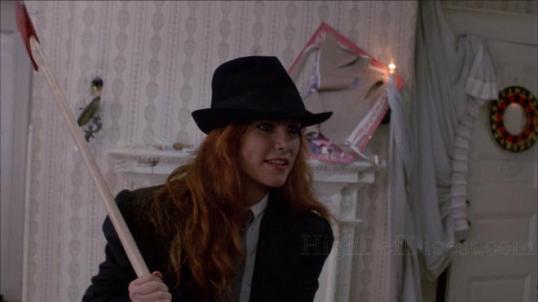
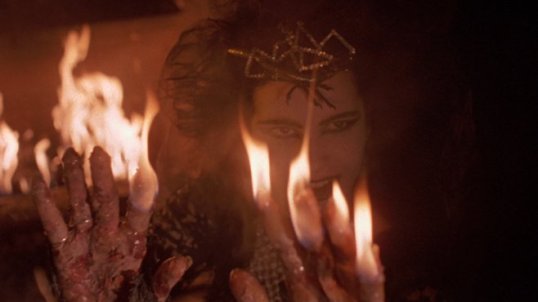
4 Shots From 4 Kevin S. Tenney Films
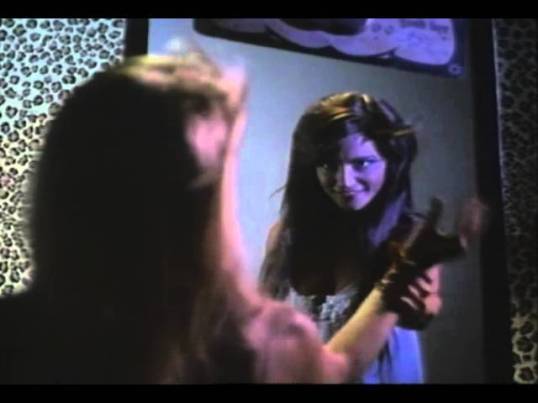
Witchboard (1986, dir by Kevin S. Tenney, DP: Roy Wanger)
Night of the Demons (1988, dir by Kevin S. Tenney, DP: David Lewis)
Witchboard 2: The Devil’s Doorway (1993, dir by Kevin S. Tenney, DP: David Lewis)
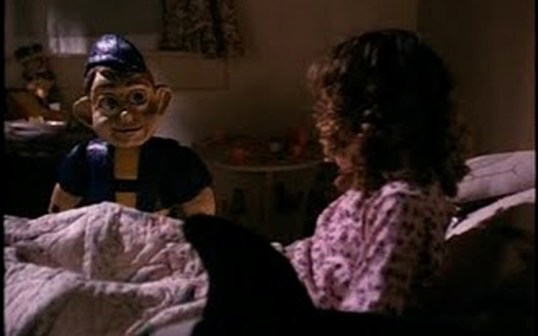
Pinnochio’s Revenge (1996, dir by Kevin S. Tenney, DP: Eric Anderson)
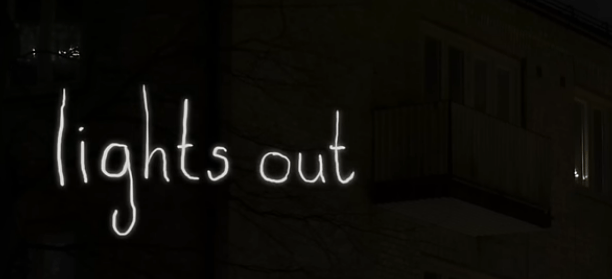
Lights Out is a short film that asks the question: how did you live this long? Even if there were no ghosts, how did you survive with NEGATIVE survival skills?
A woman in her pajamas turns her lights out and sees a monster. So, she does what any person who has the IQ of a rabbit would do, she turns the lights on and off several times, watching the creature get closer to her. Does she run? No. Does she get out of the apartment? No. Does she call for help? No. She goes to bed and waits for the monster to kill her.
The short was scary, but did the protagonist just get drunk on stupid juice before she ended her day?
Back in the 80s and most of the 90s, every movie came with an MTV-friendly music video. For The Lost Boys, it was this video for Lou Gramm’s Lost In The Shadows. Lou sings in what appears to be a wooden cage while scenes from the movie play. Music videos that acted as advertisements for movies were a big thing and I always looked forward to seeing them on MTV.
Lou Gramm was the lead singer of Foreigner when he recorded this song. He left Foreigner in 1990, rejoined in 1992, and then left again in 2003. He rejoined the band for a few performance in 2025 during Foreigner’s farewell tour. Lou has survived both drug addiction and a brain tumor and is still performing as a solo artist.
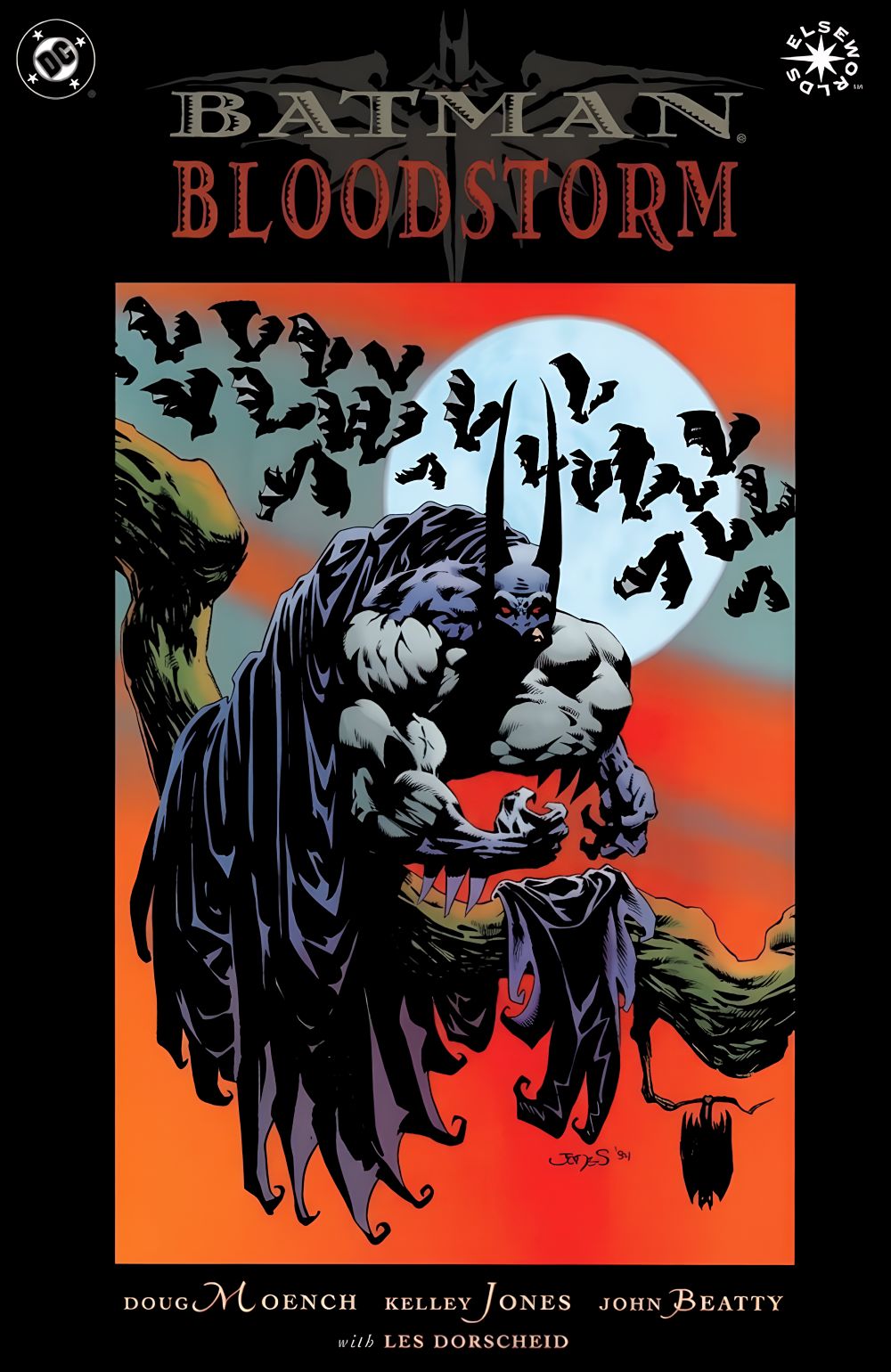
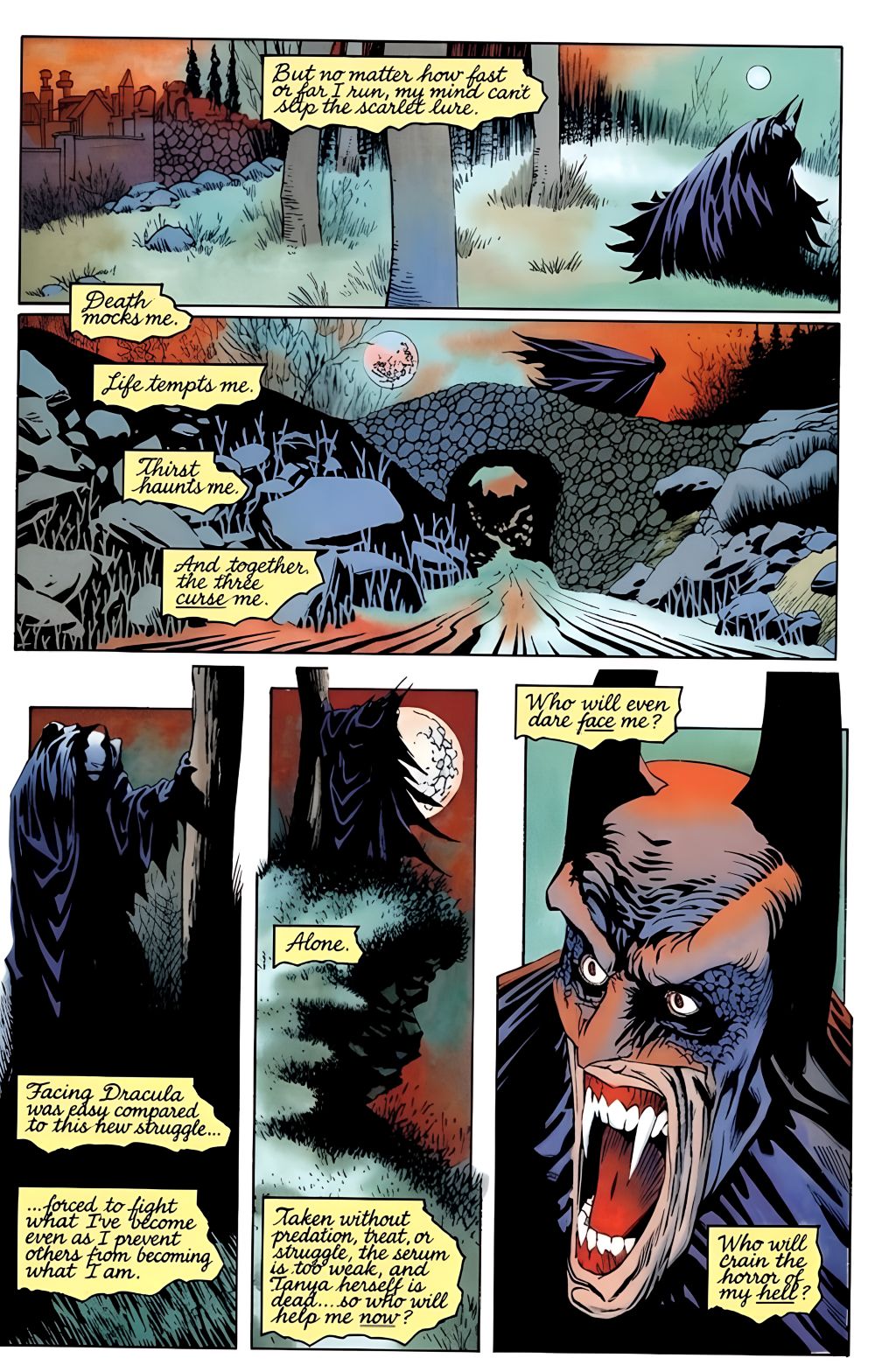
Batman: Bloodstorm is the middle chapter of Doug Moench and Kelley Jones’ wonderfully deranged Batman & Dracula trilogy, and it might be the best of the three because it finally gives the premise somewhere to go beyond “Batman versus Dracula.” The first book, Batman & Dracula: Red Rain, established the hook: Gotham is invaded by vampires, Batman defeats Count Dracula, and the cost is that Bruce Wayne himself becomes a vampire. Bloodstorm picks up immediately after that ending and asks the question that makes the whole Elseworlds experiment click: what happens when Batman is now the thing he swore to destroy?
The answer is grim, pulpy, and a lot of fun. Batman has retained his mission, but he is no longer simply a man using fear and discipline to fight crime. He is a creature of the night with a hunger he cannot fully control, fighting remnants of Dracula’s undead army while trying to keep from becoming Gotham’s next monster. That is a great setup, and Moench understands why it works. Batman’s usual moral code—especially his refusal to kill—is not just challenged here; it is structurally compromised. He has to destroy vampires permanently, he needs blood to survive, and every act of violence brings him closer to the edge.
What makes Bloodstorm more interesting than a standard vampire-Batman novelty is that Moench treats vampirism as both a horror curse and a metaphor for Batman’s already obsessive, self-punishing nature. Bruce has always lived in darkness, dressed like a nightmare, and used terror as a weapon. Here, the metaphor becomes literal. He is isolated, increasingly unstable, and forced to confront the possibility that his crusade is not noble self-sacrifice but addiction dressed up as virtue. The book’s central tension is not whether Batman can defeat the vampires; it is whether he can preserve any part of his soul while doing it.
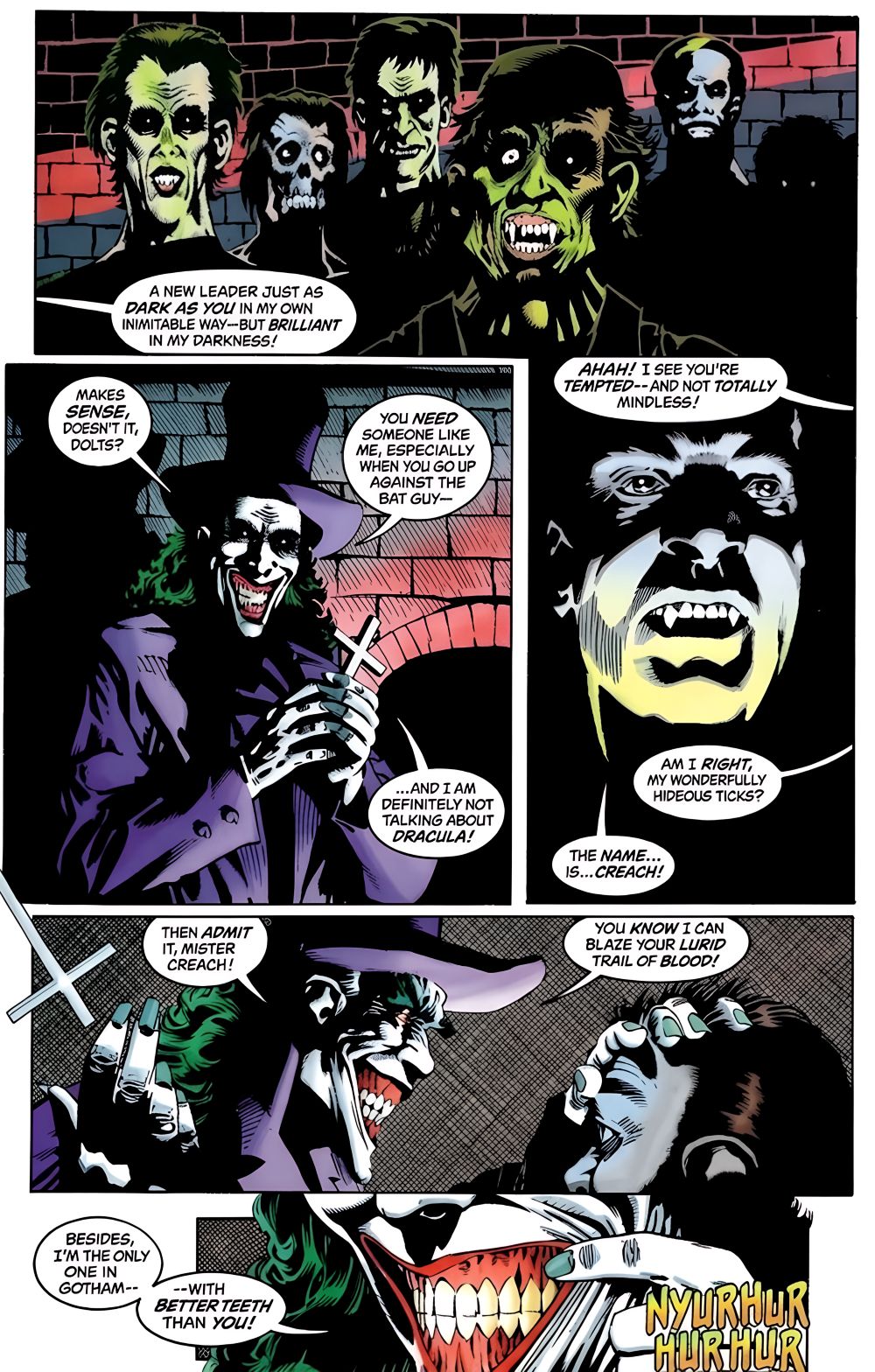
Moench leans into that internal torment without turning the book into a dry psychological study. This is still a big, gothic comic-book melodrama, full of blood, thunder, graveyards, ruined Gotham streets, and villains chewing the scenery with admirable commitment. The Joker’s arrival is the obvious but effective escalation. If Dracula was the ancient evil who turned Gotham into a hunting ground, the Joker is the chaotic local disease that infects the remains. He takes over Dracula’s undead followers and turns the vampire threat into something even more unpredictable and cruel. It is one of those “of course” ideas that feels inevitable once you hear it: the Joker with an army of vampires is almost too perfect for a dark Elseworlds story.
Catwoman also plays a major role, and she is one of the book’s more emotionally effective elements. Her relationship with Batman gives the story a human anchor amid all the fangs and shadows. Batman is barely holding himself together, and Selina Kyle becomes someone who can still see the man underneath the monster. That does not make the book soft, but it gives the tragedy a direction. The supporting cast also includes Alfred and Jim Gordon, which helps keep the story connected to the familiar Batman mythology even as the world becomes increasingly unhinged.
Kelley Jones’ artwork is the reason this book has such a strong identity. His Batman is not the sleek, athletic tactician of modern comics; he is a towering, crooked, almost demonic silhouette, with a cape that seems to have a life of its own and a cowl that makes him look like something crawled out of a nightmare. In a vampire story, that exaggeration is exactly right. Jones’ Gotham is a place of jagged architecture, oppressive shadows, distorted faces, and bodies arranged for maximum gothic impact. The book is drawn by Jones with inks from John Beatty and Malcolm Jones III, and the result is one of the most visually distinctive versions of Batman DC has ever published.
Jones’ style is not for everyone. His figures can be elongated, his anatomy deliberately strange, and his compositions sometimes favor atmosphere over clarity. But in Bloodstorm, those qualities become assets. Batman looks like a vampire even before the story reminds you that he is one. The Joker looks genuinely repellent rather than merely clownish. The vampires have a theatrical, old-school horror-movie menace, and the color work gives the whole thing a blood-soaked, moonlit finish. Jones had grown as an artist since Red Rain, with stronger page images and more distinctive action staging, and Bloodstorm feels more confident than its predecessor, more willing to commit to the grotesque beauty of its premise.
The art also helps cover some of the book’s rougher edges. Moench’s writing can get a little overwrought, with characters delivering dialogue that sounds like it was marinating in candle wax and thunderstorms. But that is part of the charm. This is not a grounded crime story; it is a gothic pulp nightmare, and the dialogue mostly matches the artwork’s operatic intensity. When Batman broods, he really broods. When the Joker menaces, he really menaces. The book knows what tone it wants, and it commits.
The main weakness is that Bloodstorm occasionally mistakes escalation for depth. The story has strong ideas about Batman’s hunger, guilt, and moral collapse, but it sometimes circles the same emotional territory: Batman fears becoming a monster, Batman resists the hunger, Batman worries that he is losing himself. That tension is effective, but after a while you want the story to find new angles rather than restate the central dilemma. The Joker is a blast, but some of his scenes lean on shock value and broad villainy rather than the sharper psychological warfare he can bring out in Batman.
There is also the issue of pacing. At 96 pages, the book moves quickly, but its plot can feel like a bridge between the clean Dracula showdown of Red Rain and the even darker final chapter, Batman: Crimson Mist. It introduces a compelling status quo—vampire Batman, Joker-led undead forces, a Gotham sliding further into ruin—then has to resolve enough of it to set up the next installment. That gives the story momentum, but it also means a few developments feel rushed or designed more for shock than long-term payoff.
Still, those flaws do not sink it. Bloodstorm is more focused than Red Rain because its conflict is personal rather than merely external. Dracula was the big villain, but Batman’s own transformation is the real antagonist here. The book understands that the scariest version of this premise is not “Batman fights vampires.” It is “Batman is a vampire, and he still thinks he can save Gotham.”
Batman: Bloodstorm is a proudly excessive piece of ’90s DC horror comics: moody, violent, melodramatic, and visually unforgettable. Doug Moench gives the story a genuinely compelling moral crisis, while Kelley Jones turns every page into a gothic fever dream. It is not flawless—the dialogue can be purple, the pacing can be uneven, and the book occasionally leans too hard on grimness—but its best moments have real power. If you enjoy Batman stories that push the character into moral darkness without losing sight of why he fights in the first place, this is an easy recommendation.
As the second part of the Batman & Dracula trilogy, it also works better if you have read Red Rain first, since it begins directly from that book’s aftermath. But on its own terms, Bloodstorm is a strong example of what Elseworlds did best: taking a familiar hero, changing one essential rule, and discovering that the character becomes both more frightening and more tragic. Batman has always been a creature of the night. This book simply asks what happens when the night finally claims him.