Today, we celebrate Sylvester Stallone’s birthday with one of the most definitive montages of the 1980s. From 1982’s Rocky III (which was directed by Stallone himself), here is the famous Rocky/Apollo training montage.
Today, we celebrate Sylvester Stallone’s birthday with one of the most definitive montages of the 1980s. From 1982’s Rocky III (which was directed by Stallone himself), here is the famous Rocky/Apollo training montage.
4 Or More Shots From 4 Or More Films is just what it says it is, 4 shots from 4 of our favorite films. As opposed to the reviews and recaps that we usually post, 4 Shots From 4 Films lets the visuals do the talking!
Yesterday was the 137th anniversary of the birth of the great French surrealist Jean Cocteau! Belatedly, it’s time for….
4 Shots From 4 Jean Cocteau Films
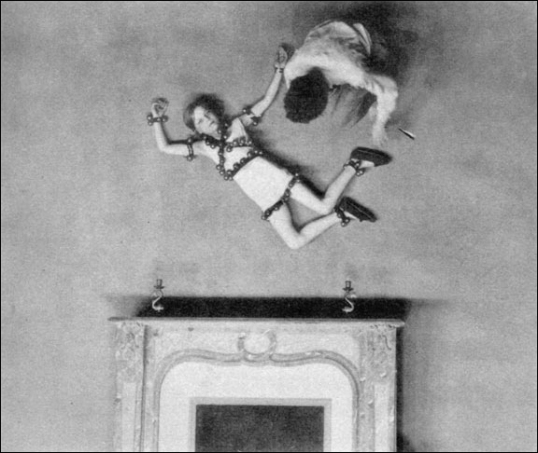
The Blood of a Poet (1932, dir by Jean Cocteau, DP: Georges Perinal)

Beauty and the Beast (1946, dir by Jean Cocteau, DP: Henri Alekan)

Orpheus (1950, dir by Jean Cocteau, DP: Nicolas Hayer)

Testament of Orpheus (1960, dir by Jean Cocteau)
As some of our regular readers undoubtedly know, I am involved in hosting a few weekly live tweets on twitter and occasionally Mastodon. I host #FridayNightFlix every Friday, I co-host #ScarySocial on Saturday, and I am one of the five hosts of Mastodon’s #MondayActionMovie! Every week, we get together. We watch a movie. We snark our way through it.
Tonight, for #MondayActionMovie, the film will be 2015’s Close Range!
If you want to join this watch party, just hop onto Mastodon, pull up Close Range on YouTube, start the movie at 8 pm et, and use the #MondayActionMovie hashtag!
Enjoy!

by Robert Maguire
I have no memory of that date.
Who were Blotto? A new wave band from Albany, New York, they had a strong cult following among college students in the late 70s and early 80s. Much like the Ramones, all the band members used pseudonyms and took Blotto as their last name. Among the members were: Bowtie Blotto, Broadway Blotto, Cheese Blotto, Lee Harvey Blotto, Sergeant Blotto, Blanche Blotto, and Chevrolet Blotto.
I Wanna Be A Lifeguard was probably their best known song, as it was adopted as an anthem by the Jones Beach lifeguards. Blotto and I Wanna Be A Lifeguard were championed by Dr. Demento and, like all good, quirky New York bands, they appeared on both The Joe Franklin Show and the Uncle Floyd Show. Today, it’s clear to see that Blotto were ahead of their time. The band’s mix of humor and music are tailor-made for the age of YouTube and social media.
As for the video, it was filmed by video production students at SUNY Albany. It was also the 36th music video to be played on MTV, airing during the first day of MTV’s existence. MTV didn’t have many music videos to choose from in 1981 and the majority of the videos that they did play on their first day came from Rod Stewart. But MTV still found time for this quirky band from Albany and their song about being a lifeguard.

Back in Black is one of those rare albums that doesn’t just define a band’s career—it redefines an entire genre. Released in 1980, it arrived at a crossroads for AC/DC, following the tragic death of their original frontman, Bon Scott. The band could have folded under the weight of that loss, but instead, they came back harder, louder, and more focused than ever. Recruiting Brian Johnson as the new vocalist and teaming up with producer Mutt Lange, AC/DC crafted an album that’s as much a tribute to Scott’s legacy as it is a bold declaration of their own immortality. From the opening chime of Hells Bells to the final power chord of Rock and Roll Ain’t Noise Pollution, Back in Black is a masterclass in hard rock, stripping the genre down to its raw, riff-driven essence while somehow making it sound fresh and unstoppable.
The album kicks off with Hells Bells, a track that immediately sets the tone with its ominous, tolling bell and one of the most iconic guitar riffs in rock history. Angus Young’s razor-sharp licks cut through the mix like a hot knife through butter, while Malcolm Young’s rhythm guitar work provides the kind of relentless groove that makes it impossible not to move. Johnson’s gravelly vocals, a stark contrast to Scott’s higher-pitched snarl, bring a new kind of grit to the table. His delivery on lines like “I’m a rolling thunder, a pouring rain” feels like a promise—this isn’t just a new chapter for AC/DC, it’s a full-blown revival. The song’s mid-tempo swagger gives way to a chorus that’s pure anthem, the kind of sing-along moment that turns concert crowds into a single, roaring organism. It’s a hell of an opener, and it makes one thing clear: AC/DC wasn’t about to go quietly into the night.
Shoot Down in Love follows, and if Hells Bells was the warning shot, this is the first full-on assault. The track is a blistering, no-frills rocker with a chorus that hits like a punch to the gut. Johnson’s vocals here are particularly effective, his raspy growl selling the song’s blend of defiance and desire. The guitar work is typically stellar, with Angus peeling off solos that are equal parts technical brilliance and raw emotion. There’s a looseness to the track that makes it feel alive, like the band is playing in a dimly lit club rather than a high-end studio. It’s the kind of song that reminds you why AC/DC became legends in the first place—they don’t overthink it. They just rock, hard and without apology.
What Do You Do for Money Honey shifts gears slightly, dialing back the tempo but not the attitude. The song’s bluesy swagger is a nice change of pace, showcasing the band’s ability to groove without sacrificing their signature intensity. Johnson’s vocals here are almost playful, his delivery dripping with a kind of smirking confidence. The track’s lyrics, a tongue-in-cheek take on gold-digging, are delivered with such charm that it’s hard not to grin along. The guitar solo is another standout moment, with Angus weaving in and out of the mix with the kind of effortless skill that makes it look easy. It’s a reminder that AC/DC isn’t just about volume—they’ve got soul, too.
Then there’s Given the Dog a Bone, a track that’s as ridiculous as it is infectious. The title alone is a hint that this isn’t going to be your typical love song, and the lyrics—filled with double entendres and cheeky innuendo—only confirm that suspicion. But what really makes the song work is the riff. It’s one of those earworm hooks that burrows into your brain and refuses to leave. The rhythm section of Cliff Williams on bass and Phil Rudd on drums locks in perfectly, creating a pocket so deep you could lose yourself in it. Johnson’s vocals are at their most unhinged here, his growls and shouts adding to the song’s raucous energy. It’s the kind of track that might not get the same attention as some of the album’s bigger hits, but it’s a fan favorite for a reason—it’s pure, unfiltered AC/DC.
Let Me Put My Love Into You is where the album takes a darker turn. The song’s slow, slinking groove feels almost sinister, with Johnson’s vocals dripping with a kind of menacing seduction. The lyrics are straightforward, but the delivery is anything but—there’s a raw, almost primal energy to the track that makes it one of the album’s most memorable moments. Angus’s solo is a highlight, his notes bending and screaming in a way that feels like a direct descendant of the blues greats. The song builds to a climax that’s as satisfying as it is unexpected, proving that AC/DC could do more than just crank out three-chord bangers. They could craft songs with depth, texture, and a real sense of danger.
Of course, no discussion of Back in Black would be complete without talking about the title track. Back in Black is the album’s centerpiece, a monument to resilience and defiance. The riff, one of the most recognizable in rock history, is a thing of beauty—simple, but devastatingly effective. Johnson’s vocals are at their most commanding, his delivery of the chorus—“Back in black / I hit the sack / I’ve been too long, I’m glad to be back”—feeling like a victory lap. The song is a middle finger to anyone who doubted the band could survive without Bon Scott, and it’s hard to imagine a more perfect response. The track’s groove is irresistible, the kind of thing that makes you want to crank the volume to eleven and let the music wash over you. It’s a testament to the band’s ability to turn pain into power, and it remains one of their most enduring anthems.
You Shook Me All Night Long is the album’s other massive hit, and for good reason. From the opening riff to the final note, it’s a masterclass in hard rock songwriting. The verse is all swagger, with Johnson’s vocals riding the groove like a cowboy on a wild stallion. The chorus, meanwhile, is pure gold—a sing-along moment that’s as catchy as it is powerful. The song’s bridge, with its call-and-response vocals and punchy guitar licks, is a particular standout. And then there’s the solo, a blistering display of Angus’s skill that never feels like showing off. It’s just another example of how AC/DC could take a simple idea and turn it into something timeless. The track’s success—it was the band’s first Top 40 hit in the US—proved that Back in Black wasn’t just a critical darling; it was a commercial juggernaut, too.
Have a Drink on Me is a return to the album’s more straightforward rockers, but that doesn’t make it any less effective. The song’s mid-tempo groove is infectious, with a chorus that’s as easy to sing along to as it is to get stuck in your head. Johnson’s vocals here are particularly strong, his delivery of the song’s title feeling like an invitation to the party. The guitar work is, as always, top-notch, with Angus and Malcolm locking in to create a sound that’s both tight and loose. It’s the kind of track that might not grab the headlines like some of the album’s bigger hits, but it’s a crucial part of what makes Back in Black such a complete experience. There are no weak links here—every song has a purpose, and every song delivers.
Shake a Leg is another underrated gem. The track’s driving rhythm and punchy riff make it a standout, with Johnson’s vocals adding a layer of urgency that’s hard to resist. The song’s chorus is a particular highlight, its call-and-response structure giving it a kind of communal feel. It’s the kind of track that works just as well in a packed arena as it does blasting through headphones, a testament to the band’s ability to craft songs that are both personal and universal. The guitar solo is another moment of brilliance, with Angus’s notes flying off the fretboard in a flurry of energy and precision. It’s a reminder that, even at their most straightforward, AC/DC could still surprise you.
The album closes with Rock and Roll Ain’t Noise Pollution, a track that feels like a mission statement. The song’s title is a defiant response to anyone who might dare to criticize the band’s brand of music, and the lyrics double down on that sentiment. Johnson’s vocals are at their most passionate here, his delivery of lines like “School boy terror with a rock ‘n’ roll guitar” feeling like a rallying cry. The track’s groove is irresistible, with the band locking into a rhythm that’s as tight as it is infectious. The guitar work is, once again, stellar, with Angus’s solo providing a fitting capstone to the album. It’s a powerful way to end things, a final reminder of why AC/DC has endured for decades. They don’t just play rock and roll—they embody it.
What’s perhaps most impressive about Back in Black is how timeless it feels. Released over four decades ago, it doesn’t sound like a relic of the past. If anything, it sounds like it could have been recorded yesterday. That’s a testament to the band’s skill as songwriters and musicians, of course, but it’s also a credit to Mutt Lange’s production. The album’s sound is crisp and powerful, with every instrument cutting through the mix with clarity and purpose. There’s a rawness to the recordings that gives them a sense of immediacy, like the band is right there in the room with you. It’s a production style that would go on to influence countless albums in the years that followed, but it never felt as natural as it does here.
Lyrically, Back in Black isn’t going to win any awards for depth or poetry. AC/DC has never been a band that relied on flowery language or complex metaphors. Their strength has always been in their directness, their ability to convey emotion and attitude with just a few well-chosen words. Johnson’s lyrics on this album are no exception. They’re simple, sometimes even silly, but they’re always effective. Whether he’s singing about love, lust, or the sheer joy of rock and roll, there’s a sincerity to his delivery that makes it impossible not to buy in. It’s a reminder that you don’t need to be a wordsmith to connect with an audience. Sometimes, all you need is a little honesty and a lot of heart.
The legacy of Back in Black is hard to overstate. It’s one of the best-selling albums of all time, with estimates putting its worldwide sales at over 50 million copies. It’s been praised by critics, revered by fans, and covered by countless other artists. It’s been inducted into the National Recording Registry by the Library of Congress for being “culturally, historically, or aesthetically significant.” But perhaps the most telling sign of its impact is the way it’s stood the test of time. In an era where trends come and go with alarming speed, Back in Black has remained a constant. It’s an album that new generations of rock fans continue to discover, and its influence can be heard in everything from hair metal to grunge to modern hard rock. It’s a testament to the power of great songwriting, great musicianship, and a refusal to compromise.
For all its commercial success and critical acclaim, though, Back in Black is ultimately an album about resilience. It’s a record born out of tragedy, a band’s way of processing grief and channeling it into something powerful. That sense of defiance, of refusing to be beaten down, is woven into every note. It’s there in the swagger of Hells Bells, the menace of Let Me Put My Love Into You, and the triumph of Back in Black. It’s an album that doesn’t just rock—it inspires. And that, more than anything, is why it continues to resonate. AC/DC didn’t just make a great album with Back in Black. They made a statement. And over forty years later, that statement is as loud and as clear as ever.

Yesterday was America’s birthday and what a glorious 250 years it has been. I loved the celebrations this year. My family and I have been out at Lake Texoma. Yesterday, we watched as the sky was lit up with fireworks and it was wonderful! I’m also very proud of our 4th of July celebrations here on the Shattered Lens! Erin did a wonderful job, didn’t she?
In fact, on July 4th, 2026, I am proud to say that this site set a personal best as far as views and clicks are concerned! Thank you to everyone who visited and read!
Here’s a list of what I watched this week.
Films I Watched:
Erin’s American Images:
Trailers;
Live Tweets:
4 Shots From 4 Films:
Scenes We Love:
Songs of the Day:
Music Videos of the Day:
Artworks of the Day:
Hero and Villians of the Day:
Poems of the Day:
Links From Last Week:
News From Last Week:
Links From The Site:
Well, I guess it’s time to start getting ready for October! Woo hoo!
Who wants to go to the beach?

Unknown Artist
Since today is the anniversary of the introduction of the bikini and it is summer time, this seems like the perfect time for some beach fun! And here to help is a sampling of pulp paperbacks that are perfect for Bikini Day! Grab one of these and head down to the beach. Be sure to wear sun screen.

By Leo Summers

by Al Rossi

By Robert McGinnis

Unknown Artist

By Sergio Leone

Unknown Artist

by Don Neiser

By Peter Driben

by Al Rossi

by John Richards
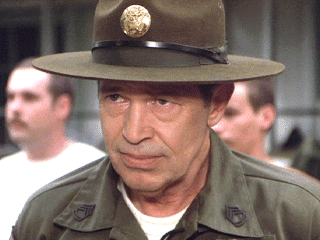
Today would have been Warren Oates’s 98th birthday. When Oates died in 1982, he was only 53 years old but he left behind a rich and varied filmography and worked with everyone from Sam Peckinpah to Monte Hellman to Terrence Malick to Steven Spielberg.
One of Oates’s final and most popular performance was as Sgt. Hulka in Ivan Reitman’s Stripes. Hulka was the ultimate drill sergeant, determined to get his men into shape and proving that he could even make soldiers out of Bill Murray, Harold Ramis, and John Candy. Originally, Sgt. Hulka was supposed to die halfway through the film was Reitman was so impressed with Oates’s performance that the script was changed to allow Hulka to make it all the way through.
In the scene below, Oates shows what a great dramatic actor he was, even when he was appearing in an otherwise light comedy. He brings out the best not only in himself but also from his co-star, Bill Murray.
Don’t mess with Hulka!
And lighten up, Francis.

