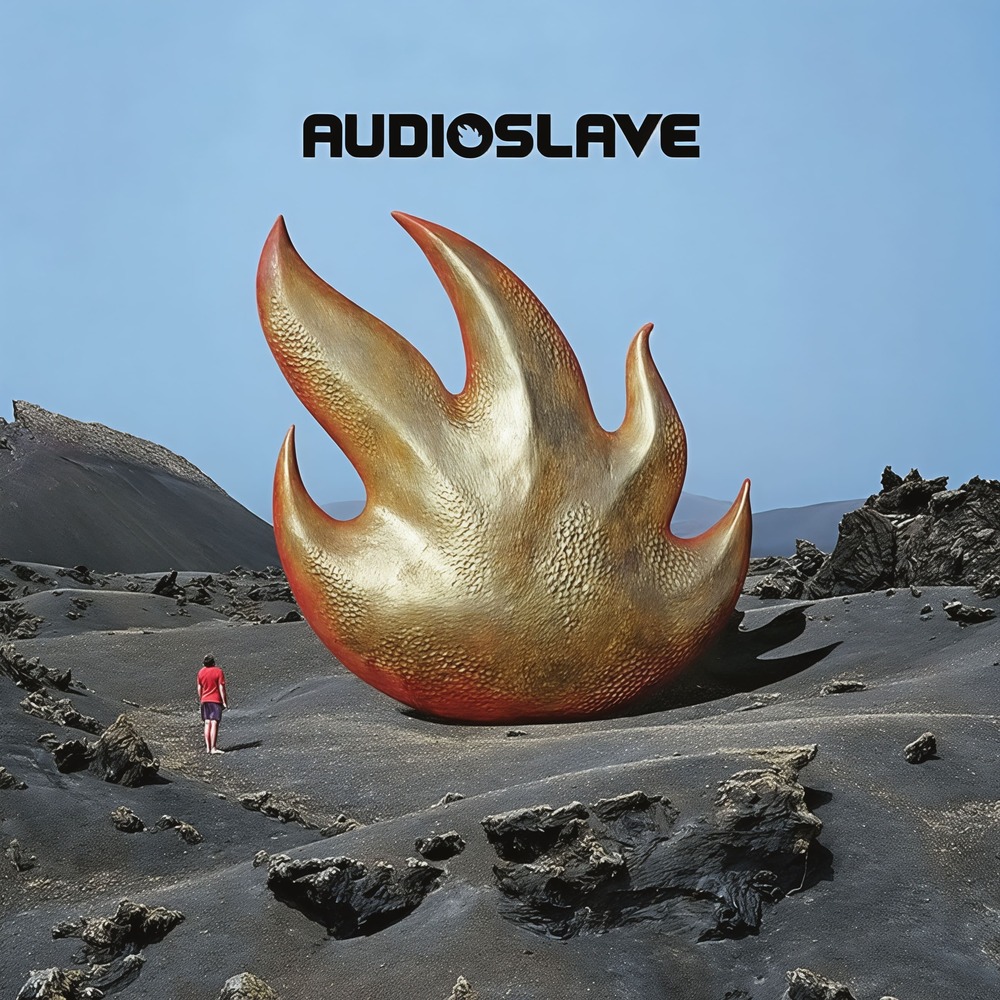
“Like a Stone” is one of Audioslave’s defining songs: a slow-burning rock ballad that feels enormous without ever becoming overly busy. Released on the band’s 2002 self-titled debut, it pairs a deceptively simple, steady arrangement with a mood of isolation, reflection, and patient longing. For a new listener, the easiest way to describe it is as a late-night song—one built around the feeling of sitting with your thoughts after everyone else has gone home. The track’s famous central image, waiting “like a stone,” gives it a spiritual, almost haunted quality.
That mood reflects Chris Cornell’s own explanation of the lyrics. Cornell said the other members of Audioslave asked him what the song was about, and his answer was death—specifically, imagining what it might be like to wait in the afterlife. That idea gives the narrator’s solitude a deeper meaning: he is not simply waiting for a person or living through ordinary heartbreak, but existing in a kind of suspended spiritual space, waiting to be reunited with those who have already passed on. It is a heavy premise, yet Cornell presents it with enough ambiguity that the song still feels personal to anyone hearing longing, regret, faith, or grief in its words.
The musical backbone is strikingly restrained. Tim Commerford’s bass and Brad Wilk’s drums hold down a deliberate, spacious groove, while Tom Morello plays a clean, chiming guitar figure that gives the song its mournful atmosphere. Unlike the aggressive, effects-heavy riffs people may associate with Rage Against the Machine, Morello largely serves the song’s emotional weight here; the guitar rings out like a distant signal rather than competing for attention. Chris Cornell’s vocals are soulful and powerful, but what makes the performance special is his control: he begins in a weary, intimate register, then gradually brings more ache and force into the chorus without losing the song’s sense of loneliness.
Morello gets his standout moment in the final stretch: his guitar solo begins at roughly 2:54 in the album recording. It is brief, but it is exactly the right kind of brief—more melodic and emotionally focused than flashy, rising out of the song like a final release of tension. He bends and sustains notes instead of turning the moment into a technical showcase, which fits the track’s somber atmosphere perfectly. “Like a Stone” is proof that Audioslave could make something as memorable through patience and feeling as they could through sheer volume: Cornell’s voice gives it its soul, and Morello’s guitar gives that soul a final, searching echo.
Like a Stone
On a cobweb afternoon, in a room full of emptiness By a freeway, I confess I was lost in the pages Of a book full of death, reading how we’ll die alone And if we’re good, we’ll lay to rest anywhere we wanna go
In your house, I long to be Room by room, patiently I’ll wait for you there like a stone I’ll wait for you there alone
And on my deathbed, I will pray to the gods and the angels Like a pagan to anyone who will take me to Heaven To a place I recall, I was there so long ago The sky was bruised, the wine was bled, and there you led me on
In your house, I long to be Room by room, patiently I’ll wait for you there like a stone I’ll wait for you there alone, alone
[guitar solo @2:54]
And on I read, until the day was gone And I sat in regret of all the things I’ve done For all that I’ve blessed, and all that I’ve wronged In dreams until my death, I will wander on
In your house, I long to be Room by room, patiently I’ll wait for you there like a stone I’ll wait for you there alone, alone
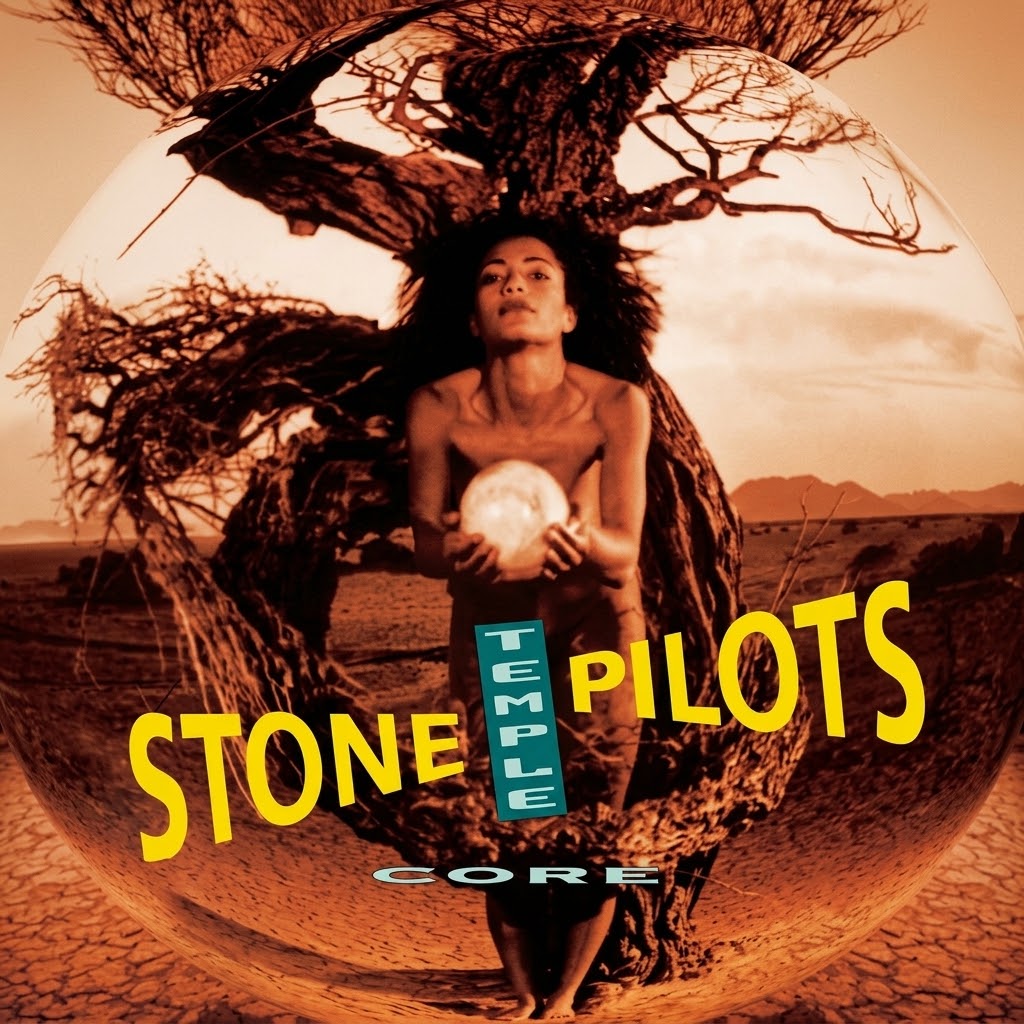
Core is one of those debut albums that has spent decades being celebrated, dismissed, rediscovered, and reassessed. Released in 1992, Stone Temple Pilots’ first full-length album arrived at the exact moment alternative rock stopped being a subcultural phenomenon and became the dominant sound on rock radio, MTV, and mainstream youth culture. Nirvana had already detonated the commercial landscape with Nevermind, while Soundgarden were about to reach even greater heights with Superunknown. Along with those records, Core became part of the broad grunge trifecta that dominated the airwaves in the early 1990s: Nirvana’s Nevermind, Soundgarden’s Superunknown, and Stone Temple Pilots’ Core. The comparison was never perfectly tidy—Stone Temple Pilots came from Southern California, not Seattle—but these albums were all central to the era’s hard-rock mainstream.
That success also made Stone Temple Pilots an easy target. A number of critics at the time treated the band as grunge followers rather than innovators, accusing them of chasing the sound popularized by Pearl Jam, Alice in Chains, Nirvana, and Soundgarden. On a superficial level, it is easy to see why. Core has the huge distorted riffs, brooding low end, emotionally damaged lyrics, and intense vocals that became closely associated with early-1990s alternative rock. But that criticism overlooks what the record actually does. Stone Temple Pilots were never just a watered-down version of one Seattle band. They drew from classic blues-based hard rock, psychedelic rock, punk, glam, funk, and metal, then pushed those influences through the darker, heavier sensibility of the grunge era.
The opening track, Dead & Bloated, immediately establishes that mixture. Dean DeLeo’s guitar entrance has a bluesy, muscular character, but its heaviness gives the song a sinister edge. Scott Weiland comes in sounding low, theatrical, and almost predatory, stretching out phrases as if he is trying to make every line uncomfortable. It is a grimy introduction, but the song also has a groove that prevents it from becoming merely blunt-force aggression. Robert DeLeo’s bass is especially important here. Rather than simply following the guitar, it moves around the riff and gives the track an elastic, almost funky pulse. Eric Kretz’s drumming locks the entire thing together with a direct, powerful attack.
That chemistry is one of the best things about Core. Scott Weiland was a magnetic frontman, but Stone Temple Pilots were not a band built around one personality. The DeLeo brothers and Kretz give the album its body. Robert DeLeo’s bass lines are melodic, active, and frequently more adventurous than the average early-1990s hard-rock bass part. Dean DeLeo’s guitar playing is equally crucial. He had a knack for writing riffs that were heavy without being generic and melodic without becoming soft. His parts tend to have little twists in their chord voicings, transitions, and lead flourishes, making even the album’s most familiar songs sound more carefully constructed than they first appear.
Wicked Garden is an early showcase for those strengths. Its riff is dark, heavy, and dirty, but the arrangement has a memorable swing rather than the mechanical stomp of conventional metal. Weiland’s vocal melody is catchy even when the lyrics feel vague and unsettling, and that contrast is a big part of the song’s appeal. Stone Temple Pilots could make music that sounded menacing while still understanding the value of a hook. Wicked Garden has enough weight to satisfy listeners looking for something aggressive, but it also has the kind of melodic shape that made the band a natural fit for radio.
Then comes Plush, the song that turned Stone Temple Pilots into a major rock band. Its opening guitar figure remains one of the defining sounds of the decade, and the song’s slow-burning verse-to-chorus escalation is nearly flawless. Plush was played so constantly in the 1990s that it can be easy to forget just how strong it is as a piece of songwriting. The track is built with real patience: the verses maintain a tense, shadowy mood, then the chorus opens up without feeling like a cheap attempt at a sing-along payoff. Weiland’s vocal is wounded, seductive, ragged, and emotionally distant all at once. It feels personal without being overly specific, which helped give the song its strange staying power.
Plush captures much of what made Core commercially successful. It has the heaviness of grunge, the accessibility of classic hard rock, and a melodic sophistication that suggested Stone Temple Pilots were capable of more than simply riding a trend. Still, Core is more interesting when it moves away from the songs that became permanent radio staples. Creep, for example, offers a softer and more vulnerable side of the band. Its acoustic-led arrangement, restrained rhythm, and melancholy vocal give the song room to breathe. It is less immediate than Plush, but it reveals that Stone Temple Pilots could create atmosphere without relying on volume or distortion.
Sex Type Thing is the album’s most confrontational track and remains one of its most complicated. Musically, it is built around a massive, stomping riff and an aggressive rhythm section that makes it feel almost physically hostile. Weiland’s voice is harsh, snarling, and deliberately ugly. The song was often misunderstood as a celebration of sexual aggression, but its perspective is more accurately read as an embodiment of predatory entitlement. The narrator is not meant to come across as admirable; he is meant to sound grotesque. That distinction did not always register in the way the song was marketed or consumed, especially when it became a rock-radio staple, but the ugliness in the performance is central to its effect.
While many listeners understandably gravitated toward the popular tracks—Plush, Creep, and Sex Type Thing—the best song on Core, to my ears, is Where the River Goes. Those singles each represent an essential piece of the album’s appeal: Plush is the enormous melodic breakthrough, Creep is its most reflective and vulnerable moment, and Sex Type Thing is its rawest burst of aggression. But Where the River Goes feels like the point where Stone Temple Pilots’ full musical identity comes into focus. It is less obviously designed for radio, more ambitious in shape, and more revealing of the different traditions the band could pull together.
What makes Where the River Goes so effective is how naturally it meshes the bluesy hard-rock language of the 1970s with a slowed-down, heavier form of late-1970s and early-1980s punk influence, then adds the metallic force of the mid-to-late 1980s. Its punk element is not expressed through the kind of frantic speed or high-energy attack usually associated with punk. Instead, the song takes punk’s tension, stripped-down bluntness, and confrontational edge, then slows it into a thick, stalking groove. The result has classic-rock swagger, but it never settles into a simple blues-rock pattern. It moves with a deliberate, coiled sense of pressure, as though it is always preparing to lunge rather than simply racing ahead.
That slowed-down punk influence gives the track much of its personality. Dean DeLeo’s guitar work has the weight and tonal density associated with heavier 1980s metal, but the arrangement retains punk’s refusal to become too polished or self-indulgent. The song is forceful without drifting into flashy excess. Robert DeLeo and Eric Kretz keep the groove grounded, creating a push-and-pull between the track’s lumbering heaviness and its underlying nervous energy. Weiland’s vocal performance fits that mood perfectly. Rather than singing it as a conventional hard-rock anthem, he moves through the song with restraint, weariness, and mounting desperation, making the shifts in the music feel emotionally connected rather than merely technical.
This is also where Core most clearly distinguishes itself from Nevermind and Superunknown. All three records were enormously important in defining what rock music sounded like in the early 1990s, but their strengths came from different places. Nevermind is driven by punk directness, explosive loud-quiet dynamics, and Kurt Cobain’s raw emotional immediacy. Superunknown is defined by Soundgarden’s colossal riffs, psychedelic unease, unconventional rhythms, and Chris Cornell’s larger-than-life vocal performances. Core shares some of the heaviness, alienation, and darkness of those albums, but Where the River Goes highlights Stone Temple Pilots’ ability to draw from several generations of rock music without sounding locked into any one of them.
The song does not make Core better than Nevermind or Superunknown, nor does it need to. What it does is show why Stone Temple Pilots deserved to be considered more than an imitation of the bands surrounding them. Where the River Goes feels like a mission statement hidden near the end of the record. It contains 1970s hard-rock blues, a slower, more menacing version of punk’s attitude and stripped-down attack, and 1980s metal weight, all filtered through the DeLeo brothers’ melodic instincts and Weiland’s unpredictable vocal presence. It is a song that makes the band’s supposed “grunge” identity feel much too narrow.
The rest of the album reinforces that point. Piece of Pie is noisy, sarcastic, and built around a riff that sounds like a reaction to the music-business machinery Stone Temple Pilots were suddenly becoming part of. Naked Sunday has a lurching rhythm and an odd, slightly off-balance quality that makes it more interesting than a standard deep cut. Sin brings back the darker, abrasive energy of the first half, while Crackerman combines a punchy hard-rock structure with a sense of creeping unease. Even when the band lean into familiar grunge-era textures, they rarely sound entirely comfortable staying in one lane.
Core is big and polished, but it does not feel sterile. The guitars are thick, the bass has real presence, the drums hit hard, and Weiland’s vocals sit clearly at the center without overwhelming the rest of the band. It is an album designed to sound powerful on loud speakers, whether it is blasting from an old car stereo, playing at a packed party, or coming through a pair of headphones decades later. The production gives the songs enough punch for radio, but it also lets the small details in the arrangements survive.
In retrospect, Core may not have been as disruptive as Nevermind or as expansive and bizarre as Superunknown, but it absolutely belongs in the conversation around the albums that defined early-1990s rock. Nirvana brought punk volatility and exposed emotional rawness into the mainstream. Soundgarden brought heaviness, psychedelic ambition, and complexity. Stone Temple Pilots brought a bruised but stylish blend of hard-rock muscle, melodic craft, and damaged glamour. Their sound fit the grunge moment, but it also carried the DNA of older rock traditions and hinted at the stylistic range they would explore on later albums.
That is why Core has outlived the old accusations that it was merely derivative. There are certainly echoes of its era throughout the record, and nobody should pretend otherwise. But the album’s best material endures because of the band’s chemistry: Dean DeLeo’s sharp, inventive riffs, Robert DeLeo’s constantly moving bass, Eric Kretz’s sturdy but responsive drumming, and Scott Weiland’s ability to make every song feel like a damaged little drama. Core is rough around the edges, occasionally blunt, and unmistakably rooted in 1992. It is also loud, catchy, moody, and packed with the musical personality that made Stone Temple Pilots more than a footnote to the grunge boom.
The early 2000s represented a peculiar and fascinating crossroads for rock music, a transitional period in which grunge’s lingering haze had finally begun to dissipate, nu-metal commanded the airwaves with its downtuned aggression, and the remaining fragments of the 90s alternative landscape were urgently seeking a fresh direction. It was also, rather bizarrely, the golden era of the rock supergroup. You had Velvet Revolver cobbling together the remains of Guns N’ Roses with Scott Weiland, you had A Perfect Circle rising from the ashes of Tool’s side projects, and then you had the absolute behemoth that was Audioslave. This wasn’t just a side hustle; this was a full-on collision of two titanic forces. On one side, you had the fierce, funk-metal juggernaut of Rage Against the Machine—Tom Morello, Tim Commerford, and Brad Wilk—who were suddenly without a frontman after Zack de la Rocha walked away. On the other, you had Chris Cornell, the godlike voice of Soundgarden, who had just watched his own grunge empire crumble and was fresh off a slightly misguided but commercially successful solo record. The question on everyone’s mind in 2002 wasn’t if this band would be good, but if they would even survive the ego clash. The answer, as we all now know, arrived in the form of their self-titled debut, Audioslave, a record that didn’t just meet expectations—it bulldozed them and built a new temple of riff-heavy, soul-shaking rock.
From the very first screech of feedback that opens Cochise, you know you are in for something violently different. That track is the mission statement, the thesis, and the gauntlet thrown all at once. It starts with that iconic, ominous piano chord, a hint of melancholy that Cornell immediately drenches in his signature wail, but then the floor drops out. Morello’s guitar doesn’t just chug; it detonates with that percussive, scratchy, almost alien sound that only he can conjure. It’s not a Rage riff and it’s not a Soundgarden riff; it’s this ugly, beautiful, monstrous hybrid. And Cornell? He doesn’t try to be de la Rocha. He doesn’t rap; he soars. He belts about shaking the disease and bleeding, and you feel every single drop of sweat in his throat. The chorus is an absolute avalanche, a tidal wave of rhythm that Wilk and Commerford lock into with the precision of a Swiss watch. It’s the perfect opener because it immediately establishes the ground rules: this is a band that respects its roots but has zero interest in repeating them.
What really makes Audioslave stick, though, is the sheer diversity of the tracklist. This isn’t a one-trick pony of political rage or downtuned sludge. Take Show Me How to Live, for instance. That main riff is pure Led Zeppelin worship filtered through a distortion pedal from hell, a swaggering, hip-shaking groove that practically dares you to keep your head still. Cornell’s delivery here is almost cocky, a far cry from the tortured poet of Black Hole Sun. He’s commanding, charismatic, and utterly in control. Then you get the ballad, Like a Stone, which is arguably the song that defined the band for the mainstream. It’s hauntingly beautiful, built on that simple, echoing guitar line that sounds like it’s being played in a cathedral. Cornell’s vocals are heartbreakingly tender, pondering the afterlife and loneliness with a maturity that the younger version of himself might have drowned in distortion. It’s a radio hit, sure, but it’s a radio hit with guts, a slow burn that builds to that soaring, melodic climax where Morello lets loose with one of his most restrained yet effective solos. It proves that these guys could write a hook that could catch a whale, not just bash you over the head with a hammer.
The deep cuts are where the album really flexes its muscles, though. Set It Off is a frantic, paranoid sprint, with Wilk’s drums sounding like machine-gun fire and Commerford’s bass vibrating so low it might rearrange your internal organs. It’s claustrophobic and anxious, a perfect marriage of Cornell’s lyrical darkness and the band’s rhythmic tension. On the flip side, Shadow on the Sun is a sprawling, psychedelic epic that feels like a desert road trip at midnight. Morello uses every trick in his book—the whammy pedal, the kill switch, the feedback—but he uses them to create atmosphere, not just noise. It’s moody, cinematic, and it showcases Cornell’s ability to shift from a whisper to a roar within the span of a single breath.
You can’t talk about this record without acknowledging the colossal rhythm section. Brad Wilk isn’t just keeping time; he’s playing the drums like they owe him money. His fills are crisp, his snare cracks like a whip, and he provides this unshakeable foundation that allows Morello to go completely off the rails. Likewise, Tim Commerford’s bass is the glue and the grit. He doesn’t just follow the guitar; he often leads the charge, driving tracks like Gasoline with that thick, distorted thump that makes your car speakers rattle. That track is pure gasoline, pun intended—a roaring, rebellious anthem that feels like it was recorded in a garage right before the cops showed up. It’s aggressive, but it’s also incredibly tight; there’s a discipline here that comes from years of playing in one of the most rhythmically complex bands of the 90s.
Lyrically, Cornell is on another planet. He abandoned the cryptic, abstract poetry of Soundgarden for something more direct, yet still shrouded in metaphor. He writes about isolation, addiction, salvation, and damnation, but he does it with a preacher’s fire. In I Am the Highway, he delivers one of the most stunning metaphors of his career, comparing himself to a road that people travel on but never really see, a sentiment that feels incredibly poignant given his role as the frontman who was always slightly above the fray. The chorus is anthemic without being cheesy, a declaration of self-worth that resonates deeply. What You Are closes the album out with a snarling, defiant energy, a final punch to the gut that reminds you that this band wasn’t just a temporary fix; they were a legitimate force. It ends abruptly, leaving you in a vacuum of silence, catching your breath.
Of course, the elephant in the room is the chemistry. How does a band that was built on political fury and a band built on melancholic grunge actually gel? The genius of Audioslave is that they didn’t try to meld their styles into one homogenous blob. Instead, they created a space where both identities could coexist and clash. Morello still uses his whammy pedal like a mad scientist, but he tunes it to Cornell’s vocal range. Cornell still uses his upper register to shatter glass, but he does it over a groove that would make any funk band jealous. There are moments where you can hear the ghost of Rage, like in the staccato riff of Exploder, and moments where you can hear the ghost of Soundgarden, like in the murky, sludgy bridge of Hypnotize. But these are just ghosts. The living, breathing entity is Audioslave.
Looking back, this debut stands as a testament to what happens when you take four musicians at the peak of their powers and force them to start over from scratch. It’s not perfect—some of the middle tracks can blur together on a casual listen, and the production by Rick Rubin is so dry and in-your-face that it occasionally feels a bit sterile. But when it hits, it hits like a freight train. It captured a specific moment in time when rock music was desperate for a savior, and Audioslave walked in wearing a leather jacket and holding a lit match. They weren’t just another supergroup cashing in on nostalgia; they were a vital, urgent, and thrilling new animal. It’s an album that demands to be played loud, preferably on a highway with the windows down, because that’s where it lives—in the space between the speakers and your soul. It remains a cornerstone of 2000s rock, a record that proved that even when your past is legendary, your future can still be bright, loud, and gloriously unpredictable. And for that alone, it deserves a permanent spot in the rotation.
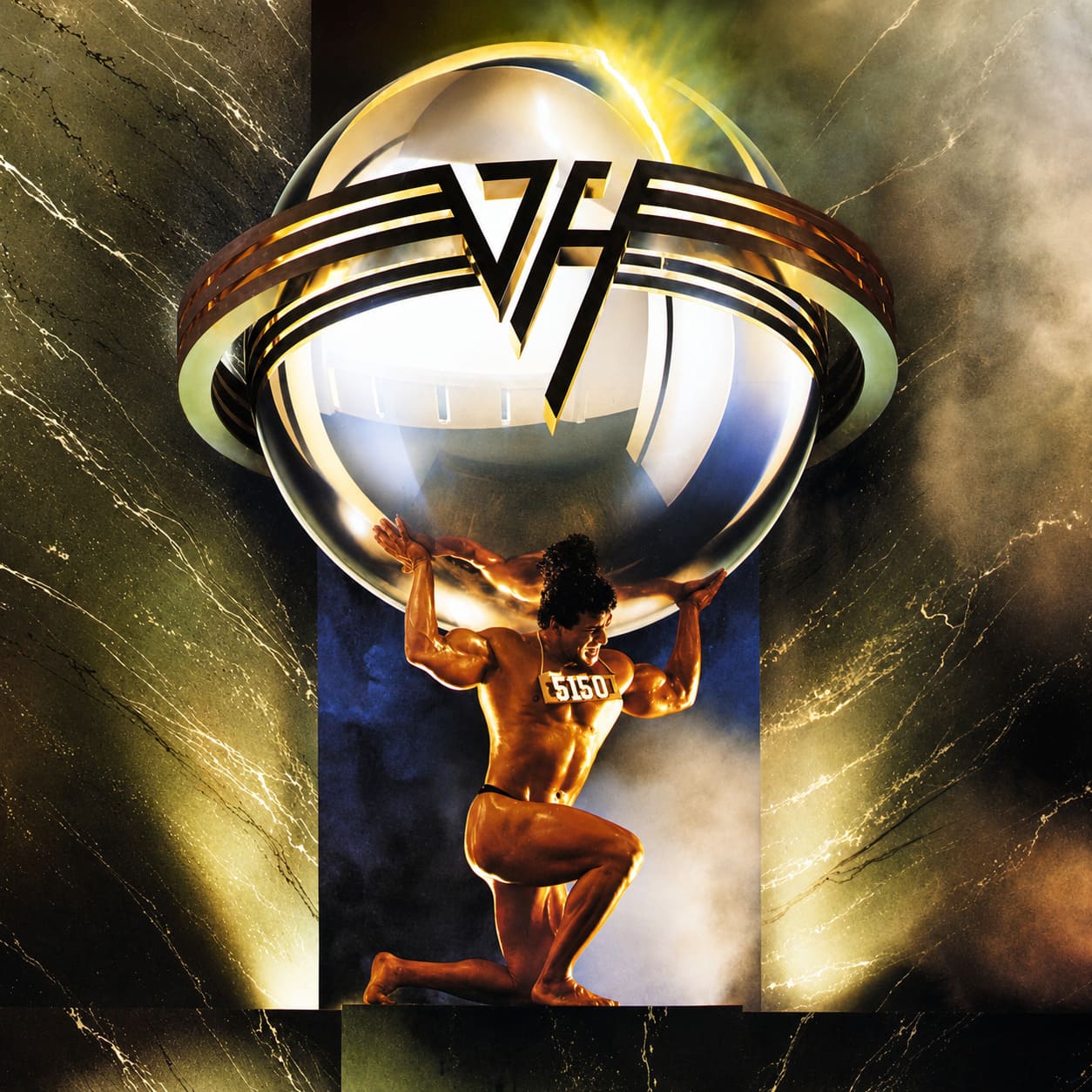
A funny thing about Dreams is that, if you grew up in the mid‑to‑late ’80s, you didn’t just hear this song — you absorbedit through a six‑story IMAX screen at an amusement park. Every elementary school kid in that era got marched into one of those giant dome theaters for the annual field trip “educational experience.” For me it was Great America in Santa Clara, where they’d blast Dreams over footage of jets, landscapes, and whatever else looked cool on a screen the size of a football field. So the song already had this mythic, larger‑than‑life vibe before you even knew who Van Halen was.
Listening to it now as an adult, you realize how much of that huge, soaring energy was entirely Eddie’s doing. The song has this triumphant, larger-than-life feel to it, and his guitar work is the whole engine driving it. He doesn’t just strum along in the background; he creates this massive, shimmering wall of sound with his chorused-out tones and subtle little hammer-on flourishes that just float over the synth and Sammy Hagar’s vocals. It’s one of those tracks where you’re basically waiting for him to just take the wheel because his playing is so infectious and loud, even when he’s holding back during the verses.
And man, when he finally does take over, it’s absolutely worth the wait. If you cue the track up, pay close attention right at the 2:53 mark—that is the exact moment Eddie’s guitar solo kicks in, and it is pure magic. It’s not just a standard solo; it feels like the guitar is literally taking flight, which makes total sense why they used it for those old IMAX aviation documentaries. He weaves in these wild, squealing harmonics, blistering legato runs, and that signature tapped vibrato that nobody else on earth could ever replicate. It’s melodic but incredibly aggressive, showing off exactly why he was considered a god among guitar players.
Ultimately, Dreams is a perfect showcase of Eddie’s ability to make his instrument sound like the true lead vocalist of the band. He blends pure technical shredding with genuine, uplifting emotion, turning what could have been a standard late-80s rock track into something completely cinematic. Whenever I hear those opening notes today, I’m instantly transported right back to sitting in that dark, giant IMAX theater with a bunch of rowdy kids, totally mesmerized by the sound of his fingers on the fretboard. It’s just one of those songs that proves his playing wasn’t just noisy—it was absolutely majestic.
Dreams
World turns black and white Pictures in an empty room Your love starts fallin’ down Better change your tune Yeah, you reach for the golden ring Reach for the sky Baby, just spread your wings
And get higher and higher Straight up we’ll climb We’ll get higher and higher Leave it all behind
Run, run, run away Like a train runnin’ off the track Got the truth bein’ left behind Fall between the cracks Standin’ on broken dreams Never losin’ sight, ah Well, just spread your wings
We’ll get higher and higher Straight up we’ll climb We’ll get higher and higher Leave it all behind
So baby, dry your eyes Save all the tears you’ve cried Oh, that’s what dreams are made of ‘Cause we belong In a world that must be strong Oh, that’s what dreams are made of
[guitar solo @2:53]
Yeah, we’ll get higher and higher Straight up we’ll climb Higher and higher Leave it all behind Oh, we’ll get higher and higher Who knows what we’ll find?
So baby, dry your eyes Save all the tears you’ve cried Oh, that’s what dreams are made of Oh baby, we belong In a world that must be strong Oh, that’s what dreams are made of
And in the end On dreams we will depend ‘Cause that’s what love is made of
There are certain albums that feel less like recordings and more like seismic events, cultural detonations that change the very fabric of rock music overnight. Appetite for Destruction by Guns N’ Roses is exactly that kind of artifact. Dropped in the sweltering summer of 1987, it didn’t just arrive on the scene; it crash-landed with a leather-jacketed sneer, a bottle of Jack in one hand, and a middle finger permanently extended toward the polished, synth-pop wasteland of the mid-eighties. To talk about this record is to talk about a perfect storm of sleaze, desperation, genius, and raw, unadulterated fury. It’s an album that sounds like it was recorded in a dumpster behind a strip club, and I mean that as the highest possible compliment. From the opening rev of a motorcycle engine to the final, fading feedback, Appetite doesn’t ask for your permission—it takes your ears hostage and doesn’t let go for fifty-three glorious, grimy minutes.
Let’s get the obvious out of the way first: the opening one-two punch of Welcome to the Jungle and It’s So Easy is arguably the most ferocious start to any debut album in rock history. Welcome to the Jungle isn’t just a song; it’s a thesis statement, a mission brief, and a warning siren all rolled into one. That iconic, descending guitar riff from Slash, paired with Duff McKagan’s pulsating bass, creates this atmosphere of predatory tension that practically drips with sweat. And then Axl Rose comes in with that whisper-to-a-shriek delivery, painting a picture of Los Angeles as a concrete zoo where you’re either the hunter or the prey. The way the track builds, drops, and explodes is pure cinematic chaos. It’s easy to forget now, after it’s been played in a million stadiums and movie trailers, just how genuinely threatening and unhinged that song felt in 1987. It didn’t sound like a band trying to make it; it sounded like a band that had already survived the jungle and was now documenting the scars for the rest of us.
But what makes Appetite truly immortal isn’t just the aggression—it’s the staggering versatility that the band displays without ever losing their core identity. Take Sweet Child O’ Mine, for instance. That song is the ultimate bait-and-switch. It opens with that ridiculously beautiful, arpeggiated guitar line that Slash famously wrote as a joke, a warm-up exercise that accidentally became one of the most recognizable riffs on the planet. It’s a power ballad, sure, but it’s a power ballad with fangs. Axl’s vocal performance is nothing short of otherworldly; he goes from a fragile, almost pleading croon to that shattering, high-octane wail in the bridge, all while the rhythm section of McKagan and Steven Adler locks into a groove that’s as tender as it is thunderous. It’s the song that got the girls into the band, but it never feels like a sellout because the raw emotion is so palpable. It’s not a calculated radio hit; it’s a genuine love letter that happens to have a guitar solo that sounds like a soul ascending to heaven.
Then, just when you think you’ve got them figured out, they hit you with Nightrain. This is the dirty, drunk, punk-rock heart of the album. It’s a tribute to a cheap fortified wine, and it grooves with a swagger that the Rolling Stones would kill for in their prime. The chorus is pure, fist-pumping nihilism, and Slash’s solo is a molten, bluesy meltdown that feels like the last call at the end of the world. The production, handled brilliantly by Mike Clink, is key here. It’s raw and live-sounding, but it’s not muddy. Every instrument has its own filthy space, from Izzy Stradlin’s rhythm guitar chug to Duff’s melodic, punky bass lines. You can practically smell the stale beer and cigarette smoke bleeding out of the speakers. The album never loses that bar-band energy, even when the songwriting gets incredibly sophisticated.
And this is where the band’s secret weapon really shines: they somehow managed to attract every single rock subculture under the sun without alienating a single one. Think about the landscape of 1987—you had the hair-metal posers with their teased manes and lipstick on one side, the thrash-metal heads in their battle vests on another, the punk purists sneering from the dive bars, the hard-rock traditionalists worshipping at the altar of Led Zeppelin, and the blues-rock nerds obsessing over every bend of a B.B. King string. Guns N’ Roses walked into that fractured scene and said, “We’re all of you.” The hair-metal crowd heard It’s So Easy and Rocket Queen and latched onto the sleazy, glam-adjacent swagger, the gutter-sex appeal, and Axl’s pirouetting, bandana-flailing stage presence that fit right in with the Sunset Strip circus. But then the punks heard the raw, breakneck fury of Out ta Get Me and the sneering, three-chord nihilism of Anything Goes, and they recognized kindred spirits who’d rather spit on the floor than bow to radio executives. The heavy-metal contingent got their fix from the galloping, double-bass-driven assault of Paradise City’s thrashy finale and the down-tuned, Sabbath-esque crush of My Michelle, which rumbles with a darkness that made Bon Jovi sound like a children’s choir. Hard-rock traditionalists, meanwhile, found their holy grail in the swaggering, arena-filling anthems like Welcome to the Jungle and the grooving, fist-in-the-air defiance of Nightrain, tracks that could have sat comfortably beside Aerosmith’s Rocks or AC/DC’s Highway to Hell. And the blues-rock purists? They got Slash. That man plays like he sold his soul at a Mississippi crossroads, and nowhere is that more evident than in the extended, crying, bottleneck-inspired solos on Sweet Child O’ Mine and the achingly slow, gospel-tinged breakdown in Rocket Queen, where his Les Paul weeps and moans with a feel that’s pure Delta mud mixed with L.A. smog. The band was a living, breathing jukebox of rock’s entire lineage, and they wore those influences on their ripped sleeves without ever sounding like a tribute act. They synthesized punk’s attitude, metal’s power, blues’s soul, hard rock’s hooks, and even hair metal’s theatricality into something that felt wholly original—a grimy, beautiful mongrel that refused to be boxed in.
Lyrically, Axl Rose was operating on a level that most of his contemporaries—especially the hair-metal frontmen—couldn’t even comprehend. While the posers were writing about partying and chicks in a cartoonish, bubblegum way, Axl was penning dark, psychological character studies and social commentaries that appealed to the punk and metal crowds’ appetite for grit. Mr. Brownstone is a prime example—a track about heroin addiction that somehow manages to be both deeply sinister and weirdly funky. The riff is a slinky, rolling groove that hooks you immediately, but the lyrics are a stark, unflinching look at dependency and apathy. Lines like “I used to do a little but a little wouldn’t do it, so the little got more and more” are delivered with a grim, knowing smirk that makes the whole thing chilling. It’s not glorifying the drug; it’s just stating the bleak reality of the Sunset Strip scene with brutal honesty, a rawness that appealed as much to punk’s confessional nihilism as to metal’s fascination with darkness. That kind of authenticity was their secret weapon. They weren’t posers; they were survivors, and every track felt like a page from a very tattered diary.
Of course, we have to talk about the elephant in the room—or rather, the monster in the alley: Rocket Queen. This is the epic, the magnum opus, the sprawling, seven-minute closer that ties the whole chaotic experience together with a dirty bow. It starts with a swaggering, funky riff that’s pure rock and roll sleaze, the kind of groove that hair-metal bands would kill for, complete with the infamous, uh, “studio ambiance” that Axl recorded with Adriana Smith. It’s shocking and provocative, sure, but the real genius is how the song completely transforms halfway through. It drops into a slow, soulful, almost gospel-tinged breakdown, with Slash laying down one of the most emotional, heart-wrenching guitar solos of his career—a solo that owes everything to blues-rock legends like Eric Clapton and Joe Perry. Axl’s vocals shift from lustful grunts to a pleading, vulnerable cry, and the outro is pure catharsis, building into a heavy-metal crescendo that would make Judas Priest nod in approval. It’s the sound of a band laying every single card on the table—the filth, the tenderness, the rage, the longing—all in one track, pulling from every corner of rock’s spectrum without breaking a sweat. It’s audacious and slightly perverse, but it’s also breathtakingly ambitious, and it’s the perfect end to a record that refuses to be pigeonholed.
Looking at the deep cuts, Out ta Get Me is a paranoid, thrashy anthem about persecution that still hits with the force of a sledgehammer, its punk-rock speed and metal crunch making it a mosh-pit favorite, while My Michelle is a brutal, harrowing portrait of a real friend of the band’s tragic life, set to a riff that sounds like a carnival from hell—pure hard-rock horror with a bluesy underbelly. Even Anything Goes, which is probably the weakest track on the album, still has a nasty, infectious groove that would be a career highlight for most other bands, with a sleazy, hair-metal vibe that’s impossible to resist. The secret sauce isn’t just Axl’s incredible vocal range or Slash’s iconic top hat; it’s the rhythm section of Duff and Adler. Duff’s punk-rock bass lines are the melodic anchor, giving the heavier tracks a propulsive, Ramones-like energy, while Adler’s swing—often overlooked in favor of flashier drummers—is what gives these songs their hips. He plays with a loose, almost jazz-meets-blues feel that keeps the music from becoming too stiff, which is why you can actually dance to Paradise City despite its breakneck speed. That rhythmic foundation allowed the band to flirt with thrash tempos, blues shuffles, and hard-rock stomps all within the same album, making it a unifying force for fans who normally wouldn’t share a beer.
And Paradise City, what a monster that is. It’s the ultimate showstopper, starting with a slow, country-tinged blues-rock intro that sounds like it belongs in a dusty roadside bar, then building into a galloping, thrash-metal finale that’s pure adrenaline. The juxtaposition of the sweet, nostalgic chorus with the ferocious, double-time verses is pure genius, seamlessly bridging the gap between the melodic hooks of hair metal and the raw aggression of underground punk and heavy metal. When Axl screams “Take me down” at the end, it’s not just a vocal performance; it’s a primal exorcism that could only come from a band that digested every riff and every attitude that came before them. The album ends with Rocket Queen, but in a way, Paradise City is the grand finale, the song that encapsulates everything great about this record: the beauty, the ugliness, the speed, and the sheer, unapologetic volume.
What’s truly remarkable about Appetite for Destruction is its timelessness and its role as a great unifier. Sure, the production has a distinctly 80s reverb on the snare, and the lyrical content is deeply rooted in the hedonism of that specific era, but the emotion is universal. It’s the sound of young, hungry, and dangerous men who had nothing to lose and everything to prove. They were the antidote to the fluffy pop-metal that dominated the radio, injecting a dose of raw, dangerous rock that owed as much to Aerosmith and the Rolling Stones as it did to the Sex Pistols and the New York Dolls, while simultaneously delivering the crushing weight of Black Sabbath and the theatrical flair of Mötley Crüe. It was a melting pot of punk, blues, hard rock, heavy metal, and hair-metal sleaze, and it never felt forced because those genres weren’t costumes for them—they were the very fabric of their upbringing. In the decades since, Guns N’ Roses imploded, reformed, and became a nostalgia act, but Appetite remains untouchable. It’s not just a great debut; it’s a great album, full stop, precisely because it gave every tribe within rock music a reason to nod their heads. It’s one of those rare records where the hype is not only justified but perhaps undersold. Every single track contributes to a cohesive, nasty, beautiful whole, and it stands as a testament to the fact that sometimes, the most dangerous bands—the ones that refuse to pick a lane—make the most enduring art. So crank it up, pour a drink, and let the jungle swallow you whole. It’s a ride you won’t forget, and honestly, you won’t want to.
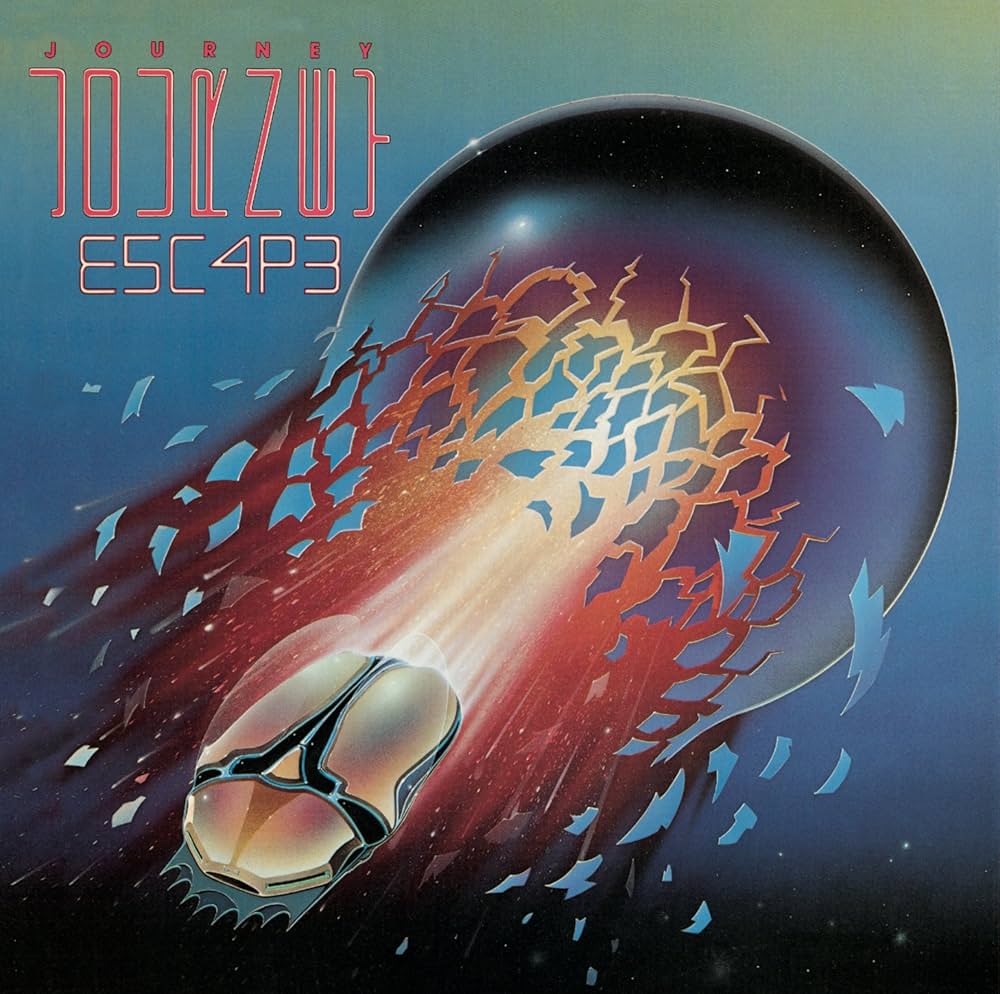
Let’s be real for a second: if you had to pick one single album that perfectly encapsulates the moment arena rock shook off its 70s blues-rock hangover and planted its flag square in the middle of the 1980s, it’s Escape. Journey’s seventh studio album, dropped in the sweltering summer of 1981, wasn’t just a commercial smash—it was a cultural re-calibration. It’s the record that took a band of former San Francisco prog-rockers, gave them a glossy sheen, and turned them into the house band for every stadium, coliseum, and municipal auditorium from coast to coast. This wasn’t a sellout; this was a breakthrough. Escape didn’t just ride the wave of arena rock—it basically built the wave, grabbed a surfboard, and rode it straight to diamond-certified immortality.
The secret to Escape’s world-conquering power starts with the lineup, plain and simple. This was the first full album with keyboardist Jonathan Cain fully integrated into the songwriting engine, and his arrival cannot be overstated. Before Cain, Journey had a more progressive, meandering sound—great musicianship, sure, but lacking that killer hook that could stop a radio dial in its tracks. Cain, alongside guitar virtuoso Neal Schon and the golden-throated Steve Perry, formed a triumvirate that just clicked. They started writing songs that were lean, mean, and built for maximum emotional impact. Cain’s keyboard riffs became the melodic anchor, Schon’s guitar work shifted from noodly solos to these wide, shimmering power-chord landscapes, and Perry? Man, Perry just did what he did best—singing his lungs out with that raspy, soulful tenor that could make a breakup feel like a Shakespearean tragedy and a triumph feel like winning the lottery. The production, helmed by the legendary Kevin Elson and Mike Stone, was pristine, layering every synth pad and backing vocal until it sounded like a cathedral of rock sound. It was expensive, it was ambitious, and it worked like a charm.
Now, let’s talk about the hits, because you literally cannot escape them—pun absolutely intended. The opening salvo of Don’t Stop Believin’ is arguably the most iconic album opener in rock history, and I’ll fight anyone who disagrees. That plinking piano intro, the creeping bass line, the way it builds and builds until Perry finally explodes with that “streetlight people” chorus—it’s pure adrenaline in musical form. It peaked at number nine on the Billboard Hot 100, but that statistic is laughable considering it’s become a karaoke national anthem for multiple generations. Then you’ve got Open Arms, the ultimate power ballad that sat at number two for six agonizing weeks, kept from the top spot by Olivia Newton-John’s Physical. But honestly? Open Arms is the one that still makes grown adults tear up at weddings and funerals alike. It’s tender without being saccharine, huge without being bombastic. And you can’t forget Who’s Crying Now, the first single, which kicks off with that unforgettable synth hook and rides a funky, almost new-wave groove that proved Journey could adapt without losing their identity. Still They Ride rounds out the hit parade, a more melancholic, bluesy number that showed they had range beyond the stadium anthems.
But here’s the thing that makes Escape a true landmark: the deep cuts are just as vital as the singles. This isn’t a two-hit wonder padded with filler. The title track, Escape, is a turbo-charged rocker that might actually be the most inspiring song on the whole record, a call to break free from whatever’s holding you down. Stone in Love became a massive FM radio staple in its own right, a nostalgic trip back to teenage summers that feels both specific and universal. Keep on Runnin’ and Lay It Down bring the raw energy, with Schon’s guitar biting harder than anywhere else on the album, while Mother, Father closes out the A-side with a dramatic, almost cinematic sweep that hints at the band’s prog-rock past. Every single track clocks in under five minutes, every chorus is built for a crowd of twenty thousand people to shout back, and every guitar solo feels like it was recorded in an echo chamber the size of a football field. It’s a record that was deliberately, meticulously designed for live performance, and it shows in every note.
So how did Escape usher in the 80s arena rock era? Let’s break it down. Before this album, the arena rock landscape was dominated by the bombastic blues of Led Zeppelin, the theatrical metal of Van Halen, and the working-class heartland rock of Bruce Springsteen. Those were all massive acts, sure, but they were holdovers from the 70s. Journey, with Escape, offered something different: a sound that was cleaner, brighter, and more synth-forward, yet still packed enough guitar muscle to satisfy the headbangers. They basically invented the template that bands like Bon Jovi, Def Leppard, and REO Speedwagon would ride to glory for the rest of the decade. The massive, layered backing vocals, the anthemic “whoa-oh” choruses, the gleaming keyboard patches that sounded like they were beamed in from a sci-fi future—all of that became the default setting for 80s rock. Escape proved that you didn’t need gritty distortion or bluesy swagger to fill a stadium; you just needed a killer hook, a relatable lyric about love or dreams, and a chorus that could be heard over the roar of twenty thousand screaming fans. It was rock music that was aspirational, not confrontational—music for the masses, not the misfits. And the industry took notice. Suddenly, every major label was hunting for their own Steve Perry, their own Jonathan Cain, their own glossy production team to replicate that Escape magic.
Looking back over forty years later, Escape hasn’t aged a day. It still sounds massive, still sounds fresh, and still sounds like the definitive blueprint for 80s arena rock. It’s the album that made Journey a household name, that turned Don’t Stop Believin’ into an eternal anthem, and that showed the world how to marry melody with muscle in a way that filled seats and sold records. Sure, you can argue that Infinity or Departure had more adventurous moments, but neither of those albums had the cultural reach, the radio dominance, or the sheer, unadulterated swagger of Escape. This was the moment when Journey stopped being a band and started being an institution. Escape didn’t just capture the sound of 1981—it predicted the sound of the next decade. It’s a time capsule, a greatest-hits collection in its own right, and a masterclass in how to build a rock album that’s built to last. Put it on, turn it up, and try not to sing along. I dare you.
Back in Black is one of those rare albums that doesn’t just define a band’s career—it redefines an entire genre. Released in 1980, it arrived at a crossroads for AC/DC, following the tragic death of their original frontman, Bon Scott. The band could have folded under the weight of that loss, but instead, they came back harder, louder, and more focused than ever. Recruiting Brian Johnson as the new vocalist and teaming up with producer Mutt Lange, AC/DC crafted an album that’s as much a tribute to Scott’s legacy as it is a bold declaration of their own immortality. From the opening chime of Hells Bells to the final power chord of Rock and Roll Ain’t Noise Pollution, Back in Black is a masterclass in hard rock, stripping the genre down to its raw, riff-driven essence while somehow making it sound fresh and unstoppable.
The album kicks off with Hells Bells, a track that immediately sets the tone with its ominous, tolling bell and one of the most iconic guitar riffs in rock history. Angus Young’s razor-sharp licks cut through the mix like a hot knife through butter, while Malcolm Young’s rhythm guitar work provides the kind of relentless groove that makes it impossible not to move. Johnson’s gravelly vocals, a stark contrast to Scott’s higher-pitched snarl, bring a new kind of grit to the table. His delivery on lines like “I’m a rolling thunder, a pouring rain” feels like a promise—this isn’t just a new chapter for AC/DC, it’s a full-blown revival. The song’s mid-tempo swagger gives way to a chorus that’s pure anthem, the kind of sing-along moment that turns concert crowds into a single, roaring organism. It’s a hell of an opener, and it makes one thing clear: AC/DC wasn’t about to go quietly into the night.
Shoot Down in Love follows, and if Hells Bells was the warning shot, this is the first full-on assault. The track is a blistering, no-frills rocker with a chorus that hits like a punch to the gut. Johnson’s vocals here are particularly effective, his raspy growl selling the song’s blend of defiance and desire. The guitar work is typically stellar, with Angus peeling off solos that are equal parts technical brilliance and raw emotion. There’s a looseness to the track that makes it feel alive, like the band is playing in a dimly lit club rather than a high-end studio. It’s the kind of song that reminds you why AC/DC became legends in the first place—they don’t overthink it. They just rock, hard and without apology.
What Do You Do for Money Honey shifts gears slightly, dialing back the tempo but not the attitude. The song’s bluesy swagger is a nice change of pace, showcasing the band’s ability to groove without sacrificing their signature intensity. Johnson’s vocals here are almost playful, his delivery dripping with a kind of smirking confidence. The track’s lyrics, a tongue-in-cheek take on gold-digging, are delivered with such charm that it’s hard not to grin along. The guitar solo is another standout moment, with Angus weaving in and out of the mix with the kind of effortless skill that makes it look easy. It’s a reminder that AC/DC isn’t just about volume—they’ve got soul, too.
Then there’s Given the Dog a Bone, a track that’s as ridiculous as it is infectious. The title alone is a hint that this isn’t going to be your typical love song, and the lyrics—filled with double entendres and cheeky innuendo—only confirm that suspicion. But what really makes the song work is the riff. It’s one of those earworm hooks that burrows into your brain and refuses to leave. The rhythm section of Cliff Williams on bass and Phil Rudd on drums locks in perfectly, creating a pocket so deep you could lose yourself in it. Johnson’s vocals are at their most unhinged here, his growls and shouts adding to the song’s raucous energy. It’s the kind of track that might not get the same attention as some of the album’s bigger hits, but it’s a fan favorite for a reason—it’s pure, unfiltered AC/DC.
Let Me Put My Love Into You is where the album takes a darker turn. The song’s slow, slinking groove feels almost sinister, with Johnson’s vocals dripping with a kind of menacing seduction. The lyrics are straightforward, but the delivery is anything but—there’s a raw, almost primal energy to the track that makes it one of the album’s most memorable moments. Angus’s solo is a highlight, his notes bending and screaming in a way that feels like a direct descendant of the blues greats. The song builds to a climax that’s as satisfying as it is unexpected, proving that AC/DC could do more than just crank out three-chord bangers. They could craft songs with depth, texture, and a real sense of danger.
Of course, no discussion of Back in Black would be complete without talking about the title track. Back in Black is the album’s centerpiece, a monument to resilience and defiance. The riff, one of the most recognizable in rock history, is a thing of beauty—simple, but devastatingly effective. Johnson’s vocals are at their most commanding, his delivery of the chorus—“Back in black / I hit the sack / I’ve been too long, I’m glad to be back”—feeling like a victory lap. The song is a middle finger to anyone who doubted the band could survive without Bon Scott, and it’s hard to imagine a more perfect response. The track’s groove is irresistible, the kind of thing that makes you want to crank the volume to eleven and let the music wash over you. It’s a testament to the band’s ability to turn pain into power, and it remains one of their most enduring anthems.
You Shook Me All Night Long is the album’s other massive hit, and for good reason. From the opening riff to the final note, it’s a masterclass in hard rock songwriting. The verse is all swagger, with Johnson’s vocals riding the groove like a cowboy on a wild stallion. The chorus, meanwhile, is pure gold—a sing-along moment that’s as catchy as it is powerful. The song’s bridge, with its call-and-response vocals and punchy guitar licks, is a particular standout. And then there’s the solo, a blistering display of Angus’s skill that never feels like showing off. It’s just another example of how AC/DC could take a simple idea and turn it into something timeless. The track’s success—it was the band’s first Top 40 hit in the US—proved that Back in Black wasn’t just a critical darling; it was a commercial juggernaut, too.
Have a Drink on Me is a return to the album’s more straightforward rockers, but that doesn’t make it any less effective. The song’s mid-tempo groove is infectious, with a chorus that’s as easy to sing along to as it is to get stuck in your head. Johnson’s vocals here are particularly strong, his delivery of the song’s title feeling like an invitation to the party. The guitar work is, as always, top-notch, with Angus and Malcolm locking in to create a sound that’s both tight and loose. It’s the kind of track that might not grab the headlines like some of the album’s bigger hits, but it’s a crucial part of what makes Back in Black such a complete experience. There are no weak links here—every song has a purpose, and every song delivers.
Shake a Leg is another underrated gem. The track’s driving rhythm and punchy riff make it a standout, with Johnson’s vocals adding a layer of urgency that’s hard to resist. The song’s chorus is a particular highlight, its call-and-response structure giving it a kind of communal feel. It’s the kind of track that works just as well in a packed arena as it does blasting through headphones, a testament to the band’s ability to craft songs that are both personal and universal. The guitar solo is another moment of brilliance, with Angus’s notes flying off the fretboard in a flurry of energy and precision. It’s a reminder that, even at their most straightforward, AC/DC could still surprise you.
The album closes with Rock and Roll Ain’t Noise Pollution, a track that feels like a mission statement. The song’s title is a defiant response to anyone who might dare to criticize the band’s brand of music, and the lyrics double down on that sentiment. Johnson’s vocals are at their most passionate here, his delivery of lines like “School boy terror with a rock ‘n’ roll guitar” feeling like a rallying cry. The track’s groove is irresistible, with the band locking into a rhythm that’s as tight as it is infectious. The guitar work is, once again, stellar, with Angus’s solo providing a fitting capstone to the album. It’s a powerful way to end things, a final reminder of why AC/DC has endured for decades. They don’t just play rock and roll—they embody it.
What’s perhaps most impressive about Back in Black is how timeless it feels. Released over four decades ago, it doesn’t sound like a relic of the past. If anything, it sounds like it could have been recorded yesterday. That’s a testament to the band’s skill as songwriters and musicians, of course, but it’s also a credit to Mutt Lange’s production. The album’s sound is crisp and powerful, with every instrument cutting through the mix with clarity and purpose. There’s a rawness to the recordings that gives them a sense of immediacy, like the band is right there in the room with you. It’s a production style that would go on to influence countless albums in the years that followed, but it never felt as natural as it does here.
Lyrically, Back in Black isn’t going to win any awards for depth or poetry. AC/DC has never been a band that relied on flowery language or complex metaphors. Their strength has always been in their directness, their ability to convey emotion and attitude with just a few well-chosen words. Johnson’s lyrics on this album are no exception. They’re simple, sometimes even silly, but they’re always effective. Whether he’s singing about love, lust, or the sheer joy of rock and roll, there’s a sincerity to his delivery that makes it impossible not to buy in. It’s a reminder that you don’t need to be a wordsmith to connect with an audience. Sometimes, all you need is a little honesty and a lot of heart.
The legacy of Back in Black is hard to overstate. It’s one of the best-selling albums of all time, with estimates putting its worldwide sales at over 50 million copies. It’s been praised by critics, revered by fans, and covered by countless other artists. It’s been inducted into the National Recording Registry by the Library of Congress for being “culturally, historically, or aesthetically significant.” But perhaps the most telling sign of its impact is the way it’s stood the test of time. In an era where trends come and go with alarming speed, Back in Black has remained a constant. It’s an album that new generations of rock fans continue to discover, and its influence can be heard in everything from hair metal to grunge to modern hard rock. It’s a testament to the power of great songwriting, great musicianship, and a refusal to compromise.
For all its commercial success and critical acclaim, though, Back in Black is ultimately an album about resilience. It’s a record born out of tragedy, a band’s way of processing grief and channeling it into something powerful. That sense of defiance, of refusing to be beaten down, is woven into every note. It’s there in the swagger of Hells Bells, the menace of Let Me Put My Love Into You, and the triumph of Back in Black. It’s an album that doesn’t just rock—it inspires. And that, more than anything, is why it continues to resonate. AC/DC didn’t just make a great album with Back in Black. They made a statement. And over forty years later, that statement is as loud and as clear as ever.
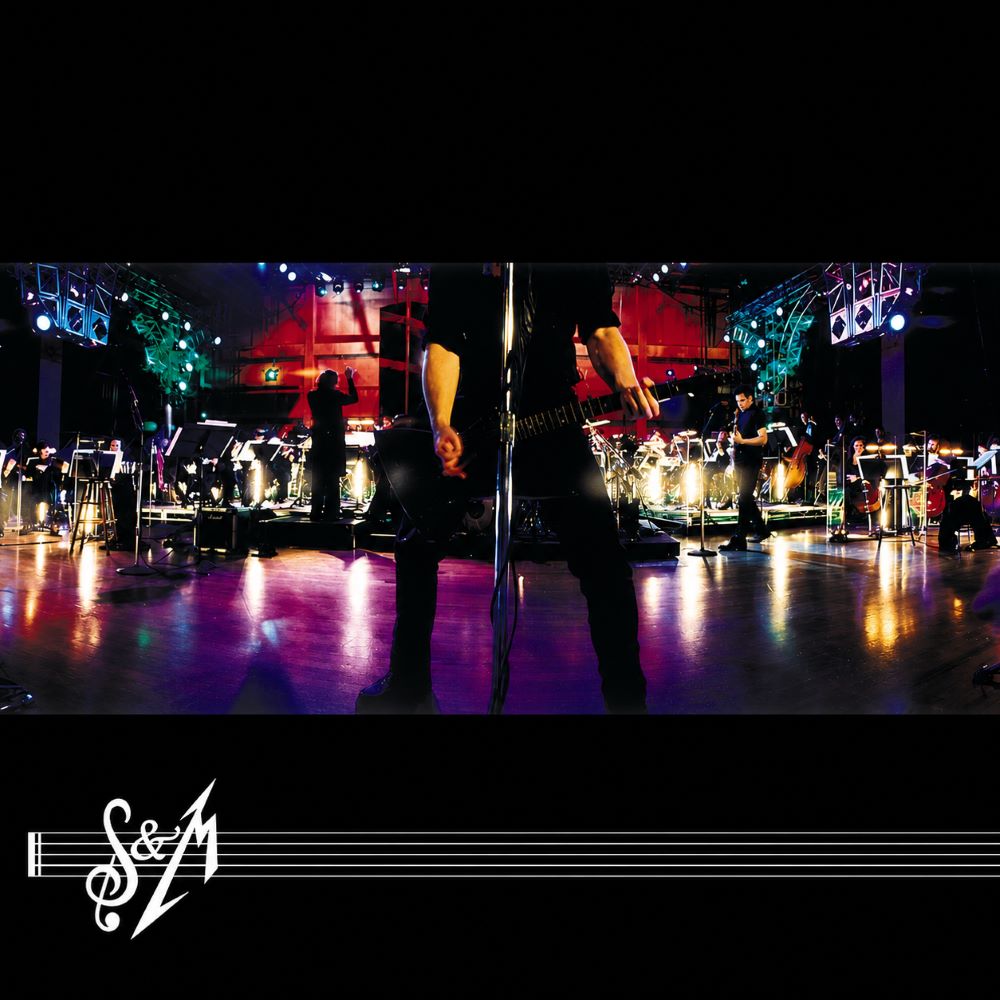
Let’s just get this out of the way right now: S&M is not the perfect metal album, nor is it the perfect classical album, and it is certainly not the perfect marriage of the two. But what it is, against all odds, is a wildly ambitious, occasionally clunky, and frequently thrilling document of a band daring to step way outside its comfort zone. Released in 1999, this live album captures Metallica joining forces with the San Francisco Symphony under the direction of Michael Kamen, and the result is a sprawling, two-disc behemoth that has aged into something of a curio in the band’s catalog. It is beloved by some, dismissed by others, and debated by just about everyone who has ever cared about thrash metal or orchestral music. After spending a good amount of time with the record again recently, I find myself landing somewhere in the messy middle, appreciating the sheer nerve of the project while wincing at its occasional misfires.
Right from the opening notes of The Ecstasy of Gold, which the symphony plays with appropriate gravitas, you get the sense that this is going to be an event. Kamen’s arrangements are the real star of the album in many ways, and his work here has been both praised and picked apart for over two decades. The criticism that the orchestra often feels like an accompaniment rather than a true integration is entirely fair. There are extended stretches across both discs where the symphony seems content to just pad the background, adding a cinematic wash to the music without fundamentally altering its structure or dynamics. It can feel like the orchestra is politely following the band’s lead rather than engaging in a genuine musical conversation, and on tracks like Sad but True, the strings and brass often get buried under Hetfield’s chugging riffs and Ulrich’s pounding drums. You have to listen closely to even hear them at certain points, which rather defeats the purpose of dragging a hundred classically trained musicians onto the stage in the first place.
However, when the arrangement clicks, it clicks with genuine force. The Call of Ktulu is the album’s crowning achievement in this regard, a song that always had a cinematic, almost film-score quality to it even in its original incarnation. With Kamen’s dark, brooding orchestration swelling behind it, the track finally receives the full-blown, apocalyptic setting it always deserved. The brass section is particularly effective here, lending a menacing grandeur that makes the studio version sound almost quaint by comparison. Similarly, The Thing That Should Not Be benefits enormously from the low-end rumble of the contrabassoons and timpani, creating a sound so heavy and oppressive that it rivals anything the band has ever committed to tape. These are the moments where the album transcends its gimmick and becomes something genuinely special, a testament to what can happen when two seemingly incompatible forces find common ground.
What makes this project feel so strangely appropriate, even when it stumbles, is that Metallica’s music has always carried an orchestral grandiosity in its DNA. This is not a band that ever sounded like a scrappy punk outfit, even when thrash metal was still finding its feet in the early eighties. The credit for that largely belongs to Cliff Burton, the band’s original bassist, whose tragically short tenure with Metallica left an indelible mark on their musical identity. Burton was a classically trained musician who grew up studying piano and theory, and he brought that background into a genre that was otherwise rooted in raw aggression and speed. He was the one who pushed the band to incorporate harmonized guitar lines, complex time signatures, and a sense of melodic drama that set them apart from their peers. You can hear his influence all over Ride the Lightning and Master of Puppets, albums that traded the pure punk energy of Kill ‘Em All for something far more ambitious and cinematic. That classical sensibility Burton injected into the band’s early work became the foundation of the Metallica sound, the secret ingredient that allowed them to write songs that felt epic rather than merely fast.
If Burton had lived, I cannot help but wonder how differently S&M might have turned out. He would have been the natural bridge between the metal and the symphony, the guy who could speak both languages fluently and translate the band’s vision into something that felt truly integrated rather than merely superimposed. Kamen did a commendable job, and I do not want to diminish his work, but he was an outsider coming into Metallica’s world. Burton would have been coming from the inside, someone who understood exactly where the orchestral flourishes should sit because he had been hearing them in his head since the early days of writing For Whom the Bell Tolls and Fight Fire with Fire. I genuinely believe he would have been in the forefront of ensuring that the metal and the symphony meshed together seamlessly, not just coexisting on the same stage but actually breathing together as one living organism. The album we got is fascinating, but the album we could have gotten with Burton steering the ship is a tantalizing what-if that I suspect will linger in the minds of fans forever.
But then there are the tracks where the whole enterprise threatens to unravel. Master of Puppets is the most obvious example, and it remains one of the most contentious performances on the album. The song is an absolute thrash classic, a relentless machine of riffage and aggression, and the orchestra simply cannot keep up with it. Kamen’s arrangement feels bolted on rather than woven in, and the result is a performance where the band and symphony are essentially occupying parallel universes, occasionally bumping into each other but never truly locking into a groove. It is still an impressive display of raw power, but it also highlights the fundamental tension at the heart of S&M: Metallica is a band that thrives on chaos and volume, while a symphony orchestra demands precision and restraint. Those two approaches do not always reconcile neatly, and this track is where the seams show the most. One cannot help but think that Burton’s classical ear would have found a way to bridge that gap, to write a countermelody or a harmonic texture that made the whole thing feel intentional rather than forced.
The setlist choices have also been a point of contention ever since the album dropped, and I have to say, the criticism is warranted. The complete absence of any material from Kill ‘Em All is a baffling omission that still rankles. Hearing The Four Horsemen or Seek and Destroy with a full symphony behind them could have been absolutely legendary, a chance to see raw, unfiltered thrash energy get a classical makeover. Instead, the tracklist leans heavily on the band’s more mid-tempo, radio-friendly material from the Black Album, Load, and Reload eras. That decision makes a certain amount of practical sense—those songs are more dynamically suited for orchestral accompaniment—but it also means the album never quite captures the full scope of Metallica’s career. For every For Whom the Bell Tolls or One, both of which translate beautifully to the symphonic treatment, there is a palpable sense of what could have been. The two new songs, No Leaf Clover and – Human, are welcome additions and remain highlights precisely because they were written with the orchestra in mind, so the band and symphony sound naturally more locked in and symbiotic from the very first note.
Vocally, James Hetfield is in fine form throughout, delivering his signature growls and melodic croons with the gruff authority that defined his late-nineties style. His between-song banter, while occasionally corny, adds a human touch to the otherwise grandiose proceedings, and you can hear the genuine excitement in his voice when he introduces the symphony or hypes up the crowd. The audience itself is a character on this album, their roars and sing-alongs providing a palpable energy that prevents the whole affair from becoming too stuffy or self-important. This is not a stuffy classical concert; it is a Metallica show with some fancy guests, and the crowd never lets you forget it. That raw, sweaty, headbanging energy is what keeps S&M grounded, even when the orchestral arrangements threaten to float off into pretentiousness.
In the end, S&M is a deeply imperfect album, and I think even its biggest defenders would admit that. The mix is often cluttered, the orchestra can feel like an afterthought on certain tracks, and the song selection will always be a source of debate among the faithful. But perfection was never really the point. I can say this with some authority because I was actually in the building for one of those two nights at the Berkeley Community Theatre, and despite all the flaws I can hear on the record, the live experience was something else entirely. When the symphony swelled behind the band’s heaviest riffs, the usual tribal divisions between metalheads and classical music fans simply evaporated. I found myself rocking out alongside long-haired thrashers and tuxedo-wearing symphony patrons in equal measure, all of us united by the sheer absurdity and power of what we were witnessing. The album captures that energy reasonably well, but it cannot fully replicate the feeling of being in a room where two completely different worlds decided to throw a party together. This was about a band that had conquered metal deciding to do something completely insane, something that could have easily backfired, and somehow pulling it off with enough swagger and sincerity to make it matter. It is a flawed, ambitious, and undeniably heavy document of a band taking a massive risk at the peak of their fame, and for that, it deserves a place of respect in the Metallica catalog. It may not be the definitive live album of their career, and it certainly is not the definitive symphonic metal album of all time, but it is a fascinating, exhilarating, and occasionally frustrating snapshot of a band refusing to play it safe. And honestly, in a world of safe career moves, that counts for something.
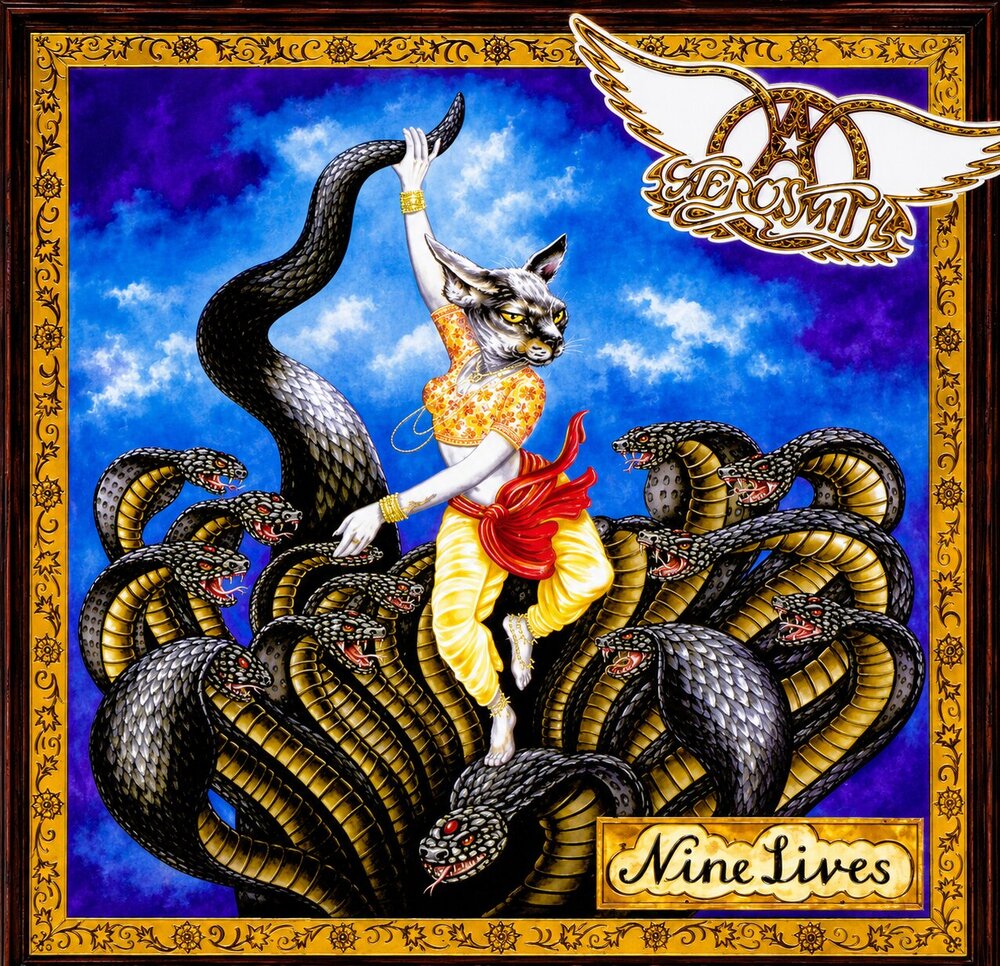
Alright, let’s talk about Nine Lives. If you were an Aerosmith fan in the spring of 1997, you were probably in one of two camps. Camp One: you were still riding the high of the Get a Grip era, cranking “Livin’ on the Edge” in your hand-me-down Camry, and you couldn’t wait to see what the Toxic Twins would do next. Camp Two: you were a grizzled, old-school devotee who thought they’d sold their soul to MTV back in ’89, and you viewed any new album with the skeptical squint of a man watching his favorite dive bar turn into a Hard Rock Cafe. I landed somewhere in the middle, which might be the perfect vantage point for Nine Lives, because this record is a glorious, baffling, overstuffed, and surprisingly scrappy cat of an album. It’s not the sleek panther of Pump or the cuddly but commercially declawed kitten of Get a Grip. No, this is a half-feral tomcat with a crooked tail, a chipped tooth, and nine lives’ worth of attitude to burn.
First, let’s get the elephant—or rather, the cat—out of the room: the cover. That bizarre, Kabuki-meets-Dali cat face with the third eye and the psychedelic swirls is your first warning that this isn’t going to be a straightforward rock record. And that’s because the making of Nine Lives was famously a disaster. They fired their long-time producer, Bruce Fairbairn, after cutting a whole album’s worth of material, brought in Kevin Shirley, who was known for his harder, rawer sound with bands like Diamond Head and Slayer’s Divine Intervention, and then proceeded to spend a fortune in studio time and label anxiety. You can hear that tension in the grooves. It’s not a polished, radio-manufactured product; it’s a band fighting with each other, fighting with their label, and fighting with their own legacy, and somehow, that ugly, beautiful struggle is what makes Nine Lives so endlessly listenable.
The album kicks off with “Nine Lives,” the title track, and it’s a mission statement disguised as a glam-stomp barnburner. That opening riff is pure, swaggering Joe Perry, all bluesy grease and garage-rock crunch, but then Steven Tyler comes in with that almost rapped, spoken-word verse that sounds like he’s reciting a beat poem about reincarnation inside a biker bar. It’s weird. It’s catchy. And by the time that “meow” hits in the chorus, you’re either cringing or grinning ear to ear. I’m firmly in the grinning camp. It’s a bold, goofy, and utterly confident opener that sets the table for an album that refuses to take the safe route.
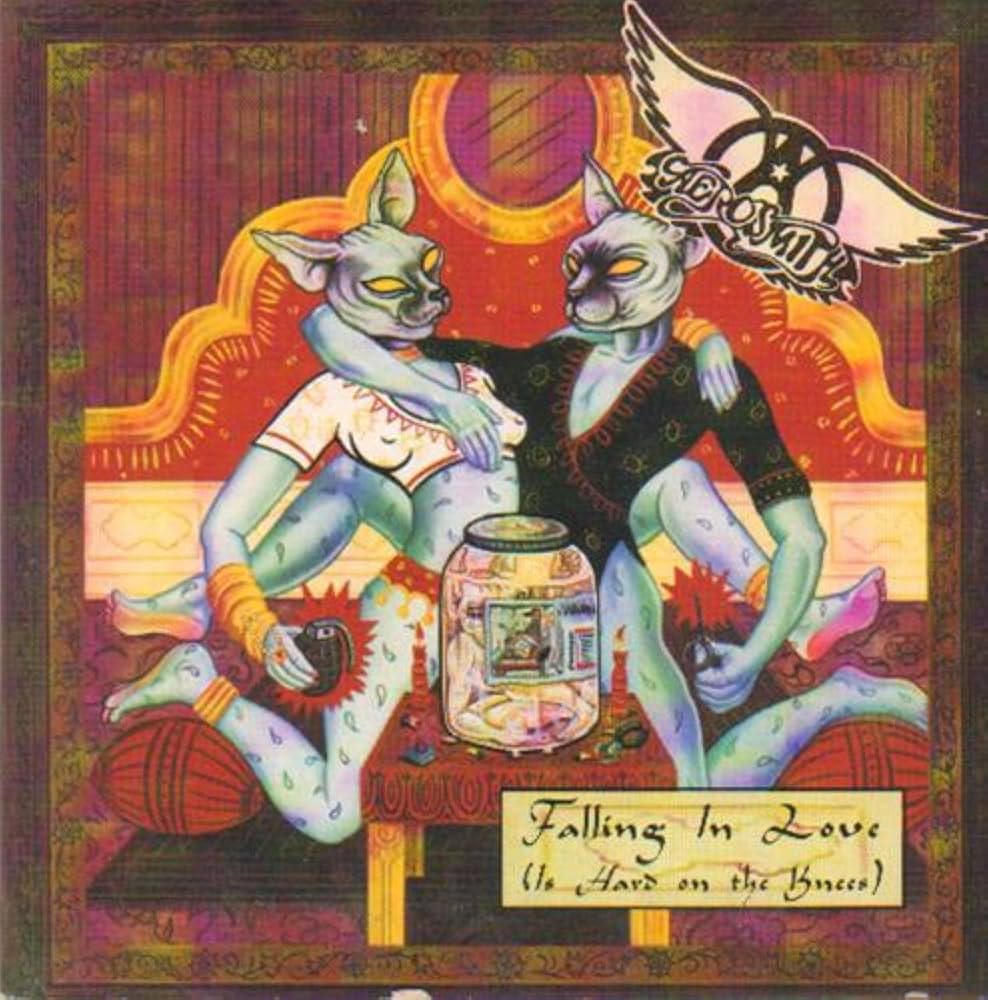
Then comes “Falling in Love (Is Hard on the Knees),” which was the lead single, and man, did that song divide the fanbase. On one hand, it’s classic Aerosmith—sleazy, double-entendre lyrics, a hip-shaking groove, and that trademark Tyler yelp. On the other hand, it’s so deliberately, almost parodically sexy that it borders on self-satire. But here’s the thing: it rocks. That riff is a chainsaw, and the bridge where the tempo lurches and Tyler starts wailing about his “love gun” is pure, unfiltered nonsense genius. It’s not Dream On, but it’s not supposed to be. It’s a party track for a band that knows exactly how ridiculous they can be and leans into it with a wink.
But the real heart of Nine Lives isn’t in the singles; it’s in the deep cuts that show Aerosmith still had teeth. “Taste of India” is the first gut-punch. Clocking in at over five minutes, it’s a mid-tempo, Eastern-tinged blues-rock odyssey that features some of Tyler’s most evocative, cryptic lyrics about a woman who tastes like “chai and cardamom.” The sitar-like guitar work from Perry is hypnotic, and the rhythm section—Tom Hamilton’s chunky bass and Joey Kramer’s tribal, pounding drums—locks into a trance-like groove that feels more Led Zeppelin III than Permanent Vacation. It’s the sound of a band stretching their legs, and it’s magnificent. Similarly, “Full Circle” is the unsung hero of the entire record. That acoustic intro is deceptively gentle, but when the full band crashes in, it transforms into a soaring, gospel-tinged rock anthem about karma and survival. The harmonies between Tyler and Perry are some of the best they’ve ever laid down, and that chorus—“I’ve been around and I’ve come full circle”—feels like a genuine moment of reflection from a band that had seen every high and low imaginable.
Of course, you can’t talk about Nine Lives without addressing the power-ballad elephant, “Hole in My Soul.” Oh boy. This is the song that makes the purists reach for the skip button. It’s slick, it’s adult-contemporary, it’s got that Diane Warren-ish sheen that screams “soundtrack to a romantic montage in a 90s movie.” And yet… I have a soft spot for it. Is it cheesy? Absolutely. Is Tyler oversinging the hell out of it? You bet. But that bridge, where he goes “I’m a fool with a hole in my soul,” is delivered with such desperate conviction that I can’t help but buy in. It’s not Cryin’ or Angel, but it’s a perfectly fine power ballad for a band that had earned the right to be a little sappy. Plus, the guitar solo is pure Perry fire, which saves it from being a total snooze.
But then, just when you think they’ve gone soft, they drop “The Farm.” This is the weirdest, most underrated track in their entire 90s catalog. It’s a sludgy, grungy, almost industrial-tinged stomper about a mental institution, with a lyric that goes “They’re coming to take me away / To the funny farm.” It’s dark, it’s paranoid, and it features Tyler doing this manic, whispered vocal that sounds like he’s lost his last marble. The guitar tone is filthy, and the breakdown in the middle is pure chaos. It’s the closest Aerosmith ever came to sounding like Nine Inch Nails, and it works shockingly well. It’s proof that even in their commercial peak, they were still willing to get their hands dirty.
Elsewhere, “Crash” is a straight-up, high-octane rocker that sounds like it could have been a B-side from Permanent Vacation, all revved-up riffs and Tyler’s car-crash metaphors. It’s fun, it’s dumb, and it’s over in three minutes flat. “Kiss Your Past Good-Bye” is another deep-cut gem, a shuffling, bluesy kiss-off that features some slick harmonica and a chorus that begs to be sung along to with a whiskey in hand. And then there’s “Pink,” the second big single, which is pure pop-rock confection—a bouncy, funk-lite ode to, well, you know what. It’s clever, it’s silly, and the video was a masterpiece of 90s MTV absurdity. It doesn’t have the weight of “Janie’s Got a Gun,” but it’s not supposed to; it’s a sugar rush, and it’s delicious.
The album closes with “Fall Together,” a moody, atmospheric number that builds from a quiet piano intro into a swirling, psychedelic crescendo, and “Ain’t That a Bitch,” which is a bittersweet, acoustic-driven closer that finds Tyler reflecting on love and loss with a weary, world-weary rasp. It’s a surprisingly tender way to end an album that’s been so over-the-top and manic. It’s like the cat finally curls up on the windowsill and goes to sleep.
So, is Nine Lives a masterpiece? No. It’s too long, too bloated, and too inconsistent for that. The production, while rawer than Fairbairn’s work, can feel muddy in places, and there’s a sense that they threw every idea at the wall—ballads, hard rock, psychedelia, funk, grunge—to see what stuck. But that’s also its charm. This is the sound of a band that had absolutely nothing to prove commercially—they’d already sold millions—so they decided to get weird, get loud, and get a little dangerous again. It’s the album where Aerosmith remembers they used to be a dirty bar band from Boston, even if that bar now has a cocktail menu and a velvet rope. If you come to it expecting Toys in the Attic, you’ll be disappointed. But if you come to it with an open mind and a tolerance for glorious messiness, you’ll find an album full of character, muscle, and heart. It’s not their best life, but it’s certainly one of their most interesting ones. And frankly, nine lives in, who wouldn’t want to get a little scratchy?
Alright, let’s talk about a seriously underrated gem from Aerosmith’s later years: Falling In Love (Is So Hard On The Knees). If you only know the band from their big power ballads, you’re missing out on this side of them. This track is pure, unapologetic fun, and it’s the perfect example of why they’re rock legends. It’s got that classic, bluesy swagger that just makes you want to crank up the volume and strut around the room. Forget the sappy love songs; this is Aerosmith reminding everyone that they are, first and foremost, a rock and roll band that knows how to have a good laugh. The groove alone is so dirty and infectious that you’ll be nodding your head before Steven Tyler even opens his mouth.
And speaking of Tyler, the genius of this song is how it takes the emotional rollercoaster of love and just turns it on its head with a massive dose of humor. He isn’t crooning about a broken heart here; he’s basically throwing his hands up and saying, “This whole love thing is ridiculous!” The title itself is a killer metaphor—love literally brings you to your knees, both physically and emotionally—but the real gold is in the wordplay. Check out the double entendre in lines like “I major in love, but in all minor keys,” which is a clever nod to both musical theory and the melancholy that often comes with romance. And then there’s the absolute classic, “Don’t give me no lip, I’ve got enough of my own,” which works as both a sassy put-down and a sly wink at, well, using your lips for other things in a relationship. It’s self-deprecating, surprisingly clever, and makes light of the universal struggle of romance without ever sounding whiny.
You also have to see the music video, which was directed by none other than Michael Bay, and it is absolutely bonkers in the best way possible. It’s a surreal, chaotic masterpiece of 90s MTV, filled with wild imagery like a man literally chained up, leashed by his tongue, and being tormented by gorgeous women. It’s weird, it’s funny, and it’s a perfect visual match for the song’s chaotic energy. The video won a Moonman for Best Rock Video, and honestly, you watch it once and you’ll never forget it. It takes the playful, masochistic vibe of the lyrics and turns it into a visual feast that amplifies every wink and nudge Tyler throws out in the verses.
Now, set your watch for around the 2:05 mark, because that’s when Joe Perry steps out and absolutely takes over. The solo runs from about 2:05 to 2:25 and honestly, those 25 seconds are worth the price of admission alone. He comes in hot — not showy for the sake of it, but mean and deliberate, like every note has a purpose. There’s this gritty, almost bluesy bite to it that reminds you Perry is not just a rock guitarist, he’s a feel guitarist. He bends notes in ways that sound almost vocal, like he and Tyler are having a conversation, and then he just rips into this run toward the end that’ll make you hit rewind before you even realize you’ve done it. It’s compact, it’s nasty in the best way, and it’s over before you want it to be — which honestly is the mark of a truly great solo.
Look, I’ll be honest—I was late to the Aerosmith party. For the longest time, I only knew them from their Walk This Way collab with Run-DMC, which I loved, but I stupidly figured that was their only trick. It wasn’t until I randomly heard Cryin’ and Amazing on the radio one summer that something clicked, and I dove headfirst into their 90s output. That era—Get a Grip, Nine Lives, Permanent Vacation—absolutely hooked me with its mix of grit, melody, and pure swagger. And once I was in, I never looked back… well, except to go binge Toys in the Attic and Rocks and realize what I’d been missing all those years. So if you’re like me and you’ve slept on this band, do yourself a favor: put Falling In Love (Is So Hard On The Knees) on, pay close attention to the lyrical gymnastics, and just let it put a smile on your face. Trust me, you won’t regret it.
Falling In Love (Is Hard On The Knees)
You’re so bad you’re so bad you’re so You’re so bad you’re so bad
You think you’re in love Like it’s a real sure thing But every time you fall You get your ass in a sling You used to be strong But now it’s ooh baby please ‘Cause falling in love is so hard on the knees
You’re so bad you’re so bad you’re so You’re so bad you’re so bad
We was making love when you told me that you loved me I thought ol’ cupid he was taking aim I was believer when you told me that you loved me And then you called me someone else’s name
There ain’t gonna be no more beggin’ you please You know what I want And it ain’t one of these You’re bad to the bone And your girlfriend agrees That falling in love is so hard on the knees
You’re so bad you’re so bad you’re so You’re so bad you’re so bad
Chip off the old block Man you’re so much like your sister My fantasize it must be out of luck My old libido has been blowing a transistor I feel like I have been hit by a fuck
Yeah
I’m Jonesin’ on love Yeah I got the DT’s You say that we will But there ain’t no guarantees
I’m major in love But in all minor keys Cause falling in love is so hard on the knees
What are you looking for It’s got to be hard core Must be some kind of nouveau riche
Is this your only chance Or some hypnotic trance Let’s get you on a tighter leash
Own it own it own it
[guitar solo @2:05]
You’re so bad you’re so bad you’re so You’re so bad you’re so bad
You ain’t that good Is what you said down to the letter But you like the way I hold the microphone Sometimes I?m good but when I’m bad I’m even better Don’t give me no lip I’ve got enough of my own
There ain’t gonna be no more beggin’ you please You know what I want And it ain’t one of these You’re bad to the bone And your girlfriend agrees That falling in love is so hard on the knees
I’m Jonesin’ on love Yeah I got the DT’s You say that we will yeah But there ain’t no guarantees I’m major in love But in all minor keys ‘Cause falling in love is so hard on the knees