Retro Music Review: Back in Black (by AC/DC)


Back in Black is one of those rare albums that doesn’t just define a band’s career—it redefines an entire genre. Released in 1980, it arrived at a crossroads for AC/DC, following the tragic death of their original frontman, Bon Scott. The band could have folded under the weight of that loss, but instead, they came back harder, louder, and more focused than ever. Recruiting Brian Johnson as the new vocalist and teaming up with producer Mutt Lange, AC/DC crafted an album that’s as much a tribute to Scott’s legacy as it is a bold declaration of their own immortality. From the opening chime of Hells Bells to the final power chord of Rock and Roll Ain’t Noise PollutionBack in Black is a masterclass in hard rock, stripping the genre down to its raw, riff-driven essence while somehow making it sound fresh and unstoppable.

The album kicks off with Hells Bells, a track that immediately sets the tone with its ominous, tolling bell and one of the most iconic guitar riffs in rock history. Angus Young’s razor-sharp licks cut through the mix like a hot knife through butter, while Malcolm Young’s rhythm guitar work provides the kind of relentless groove that makes it impossible not to move. Johnson’s gravelly vocals, a stark contrast to Scott’s higher-pitched snarl, bring a new kind of grit to the table. His delivery on lines like “I’m a rolling thunder, a pouring rain” feels like a promise—this isn’t just a new chapter for AC/DC, it’s a full-blown revival. The song’s mid-tempo swagger gives way to a chorus that’s pure anthem, the kind of sing-along moment that turns concert crowds into a single, roaring organism. It’s a hell of an opener, and it makes one thing clear: AC/DC wasn’t about to go quietly into the night.

Shoot Down in Love follows, and if Hells Bells was the warning shot, this is the first full-on assault. The track is a blistering, no-frills rocker with a chorus that hits like a punch to the gut. Johnson’s vocals here are particularly effective, his raspy growl selling the song’s blend of defiance and desire. The guitar work is typically stellar, with Angus peeling off solos that are equal parts technical brilliance and raw emotion. There’s a looseness to the track that makes it feel alive, like the band is playing in a dimly lit club rather than a high-end studio. It’s the kind of song that reminds you why AC/DC became legends in the first place—they don’t overthink it. They just rock, hard and without apology.

What Do You Do for Money Honey shifts gears slightly, dialing back the tempo but not the attitude. The song’s bluesy swagger is a nice change of pace, showcasing the band’s ability to groove without sacrificing their signature intensity. Johnson’s vocals here are almost playful, his delivery dripping with a kind of smirking confidence. The track’s lyrics, a tongue-in-cheek take on gold-digging, are delivered with such charm that it’s hard not to grin along. The guitar solo is another standout moment, with Angus weaving in and out of the mix with the kind of effortless skill that makes it look easy. It’s a reminder that AC/DC isn’t just about volume—they’ve got soul, too.

Then there’s Given the Dog a Bone, a track that’s as ridiculous as it is infectious. The title alone is a hint that this isn’t going to be your typical love song, and the lyrics—filled with double entendres and cheeky innuendo—only confirm that suspicion. But what really makes the song work is the riff. It’s one of those earworm hooks that burrows into your brain and refuses to leave. The rhythm section of Cliff Williams on bass and Phil Rudd on drums locks in perfectly, creating a pocket so deep you could lose yourself in it. Johnson’s vocals are at their most unhinged here, his growls and shouts adding to the song’s raucous energy. It’s the kind of track that might not get the same attention as some of the album’s bigger hits, but it’s a fan favorite for a reason—it’s pure, unfiltered AC/DC.

Let Me Put My Love Into You is where the album takes a darker turn. The song’s slow, slinking groove feels almost sinister, with Johnson’s vocals dripping with a kind of menacing seduction. The lyrics are straightforward, but the delivery is anything but—there’s a raw, almost primal energy to the track that makes it one of the album’s most memorable moments. Angus’s solo is a highlight, his notes bending and screaming in a way that feels like a direct descendant of the blues greats. The song builds to a climax that’s as satisfying as it is unexpected, proving that AC/DC could do more than just crank out three-chord bangers. They could craft songs with depth, texture, and a real sense of danger.

Of course, no discussion of Back in Black would be complete without talking about the title track. Back in Black is the album’s centerpiece, a monument to resilience and defiance. The riff, one of the most recognizable in rock history, is a thing of beauty—simple, but devastatingly effective. Johnson’s vocals are at their most commanding, his delivery of the chorus—“Back in black / I hit the sack / I’ve been too long, I’m glad to be back”—feeling like a victory lap. The song is a middle finger to anyone who doubted the band could survive without Bon Scott, and it’s hard to imagine a more perfect response. The track’s groove is irresistible, the kind of thing that makes you want to crank the volume to eleven and let the music wash over you. It’s a testament to the band’s ability to turn pain into power, and it remains one of their most enduring anthems.

You Shook Me All Night Long is the album’s other massive hit, and for good reason. From the opening riff to the final note, it’s a masterclass in hard rock songwriting. The verse is all swagger, with Johnson’s vocals riding the groove like a cowboy on a wild stallion. The chorus, meanwhile, is pure gold—a sing-along moment that’s as catchy as it is powerful. The song’s bridge, with its call-and-response vocals and punchy guitar licks, is a particular standout. And then there’s the solo, a blistering display of Angus’s skill that never feels like showing off. It’s just another example of how AC/DC could take a simple idea and turn it into something timeless. The track’s success—it was the band’s first Top 40 hit in the US—proved that Back in Black wasn’t just a critical darling; it was a commercial juggernaut, too.

Have a Drink on Me is a return to the album’s more straightforward rockers, but that doesn’t make it any less effective. The song’s mid-tempo groove is infectious, with a chorus that’s as easy to sing along to as it is to get stuck in your head. Johnson’s vocals here are particularly strong, his delivery of the song’s title feeling like an invitation to the party. The guitar work is, as always, top-notch, with Angus and Malcolm locking in to create a sound that’s both tight and loose. It’s the kind of track that might not grab the headlines like some of the album’s bigger hits, but it’s a crucial part of what makes Back in Black such a complete experience. There are no weak links here—every song has a purpose, and every song delivers.

Shake a Leg is another underrated gem. The track’s driving rhythm and punchy riff make it a standout, with Johnson’s vocals adding a layer of urgency that’s hard to resist. The song’s chorus is a particular highlight, its call-and-response structure giving it a kind of communal feel. It’s the kind of track that works just as well in a packed arena as it does blasting through headphones, a testament to the band’s ability to craft songs that are both personal and universal. The guitar solo is another moment of brilliance, with Angus’s notes flying off the fretboard in a flurry of energy and precision. It’s a reminder that, even at their most straightforward, AC/DC could still surprise you.

The album closes with Rock and Roll Ain’t Noise Pollution, a track that feels like a mission statement. The song’s title is a defiant response to anyone who might dare to criticize the band’s brand of music, and the lyrics double down on that sentiment. Johnson’s vocals are at their most passionate here, his delivery of lines like “School boy terror with a rock ‘n’ roll guitar” feeling like a rallying cry. The track’s groove is irresistible, with the band locking into a rhythm that’s as tight as it is infectious. The guitar work is, once again, stellar, with Angus’s solo providing a fitting capstone to the album. It’s a powerful way to end things, a final reminder of why AC/DC has endured for decades. They don’t just play rock and roll—they embody it.

What’s perhaps most impressive about Back in Black is how timeless it feels. Released over four decades ago, it doesn’t sound like a relic of the past. If anything, it sounds like it could have been recorded yesterday. That’s a testament to the band’s skill as songwriters and musicians, of course, but it’s also a credit to Mutt Lange’s production. The album’s sound is crisp and powerful, with every instrument cutting through the mix with clarity and purpose. There’s a rawness to the recordings that gives them a sense of immediacy, like the band is right there in the room with you. It’s a production style that would go on to influence countless albums in the years that followed, but it never felt as natural as it does here.

Lyrically, Back in Black isn’t going to win any awards for depth or poetry. AC/DC has never been a band that relied on flowery language or complex metaphors. Their strength has always been in their directness, their ability to convey emotion and attitude with just a few well-chosen words. Johnson’s lyrics on this album are no exception. They’re simple, sometimes even silly, but they’re always effective. Whether he’s singing about love, lust, or the sheer joy of rock and roll, there’s a sincerity to his delivery that makes it impossible not to buy in. It’s a reminder that you don’t need to be a wordsmith to connect with an audience. Sometimes, all you need is a little honesty and a lot of heart.

The legacy of Back in Black is hard to overstate. It’s one of the best-selling albums of all time, with estimates putting its worldwide sales at over 50 million copies. It’s been praised by critics, revered by fans, and covered by countless other artists. It’s been inducted into the National Recording Registry by the Library of Congress for being “culturally, historically, or aesthetically significant.” But perhaps the most telling sign of its impact is the way it’s stood the test of time. In an era where trends come and go with alarming speed, Back in Black has remained a constant. It’s an album that new generations of rock fans continue to discover, and its influence can be heard in everything from hair metal to grunge to modern hard rock. It’s a testament to the power of great songwriting, great musicianship, and a refusal to compromise.

For all its commercial success and critical acclaim, though, Back in Black is ultimately an album about resilience. It’s a record born out of tragedy, a band’s way of processing grief and channeling it into something powerful. That sense of defiance, of refusing to be beaten down, is woven into every note. It’s there in the swagger of Hells Bells, the menace of Let Me Put My Love Into You, and the triumph of Back in Black. It’s an album that doesn’t just rock—it inspires. And that, more than anything, is why it continues to resonate. AC/DC didn’t just make a great album with Back in Black. They made a statement. And over forty years later, that statement is as loud and as clear as ever.

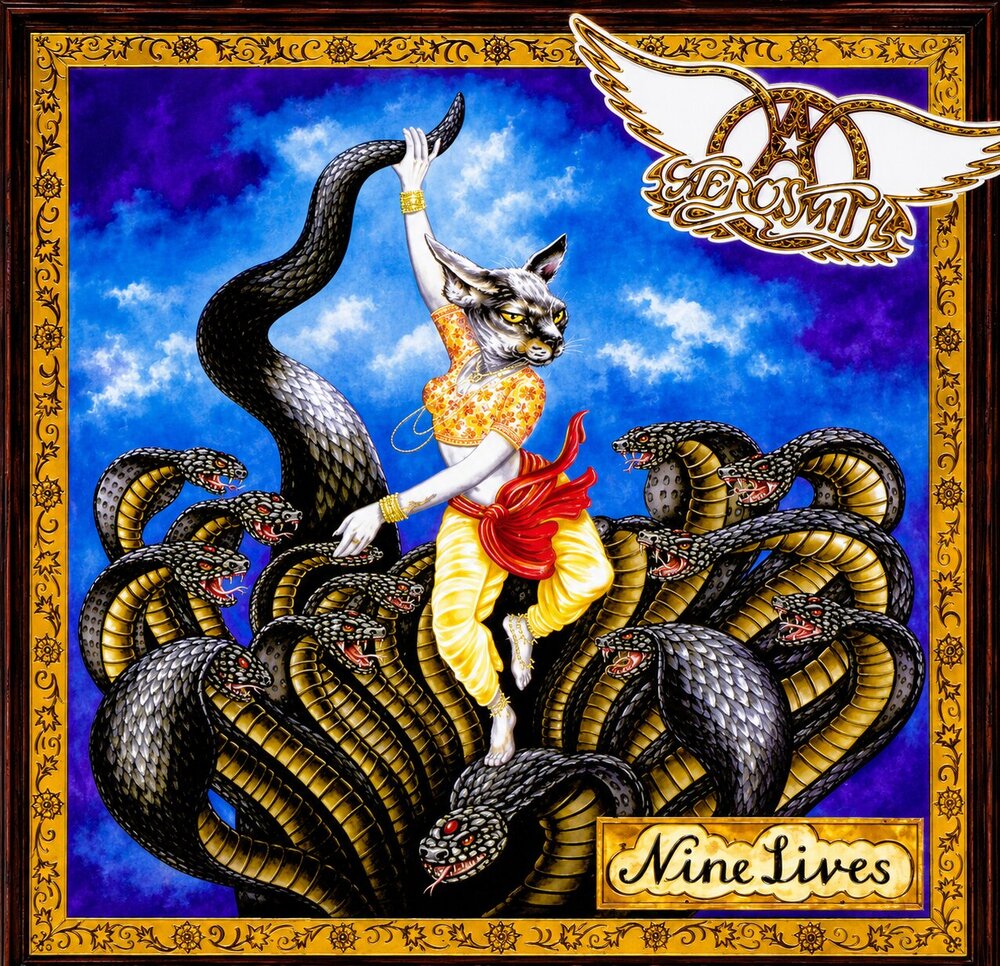
Retro Music Review: Nine Lives (by Aerosmith)


Alright, let’s talk about Nine Lives. If you were an Aerosmith fan in the spring of 1997, you were probably in one of two camps. Camp One: you were still riding the high of the Get a Grip era, cranking “Livin’ on the Edge” in your hand-me-down Camry, and you couldn’t wait to see what the Toxic Twins would do next. Camp Two: you were a grizzled, old-school devotee who thought they’d sold their soul to MTV back in ’89, and you viewed any new album with the skeptical squint of a man watching his favorite dive bar turn into a Hard Rock Cafe. I landed somewhere in the middle, which might be the perfect vantage point for Nine Lives, because this record is a glorious, baffling, overstuffed, and surprisingly scrappy cat of an album. It’s not the sleek panther of Pump or the cuddly but commercially declawed kitten of Get a Grip. No, this is a half-feral tomcat with a crooked tail, a chipped tooth, and nine lives’ worth of attitude to burn.

First, let’s get the elephant—or rather, the cat—out of the room: the cover. That bizarre, Kabuki-meets-Dali cat face with the third eye and the psychedelic swirls is your first warning that this isn’t going to be a straightforward rock record. And that’s because the making of Nine Lives was famously a disaster. They fired their long-time producer, Bruce Fairbairn, after cutting a whole album’s worth of material, brought in Kevin Shirley, who was known for his harder, rawer sound with bands like Diamond Head and Slayer’s Divine Intervention, and then proceeded to spend a fortune in studio time and label anxiety. You can hear that tension in the grooves. It’s not a polished, radio-manufactured product; it’s a band fighting with each other, fighting with their label, and fighting with their own legacy, and somehow, that ugly, beautiful struggle is what makes Nine Lives so endlessly listenable.

The album kicks off with “Nine Lives,” the title track, and it’s a mission statement disguised as a glam-stomp barnburner. That opening riff is pure, swaggering Joe Perry, all bluesy grease and garage-rock crunch, but then Steven Tyler comes in with that almost rapped, spoken-word verse that sounds like he’s reciting a beat poem about reincarnation inside a biker bar. It’s weird. It’s catchy. And by the time that “meow” hits in the chorus, you’re either cringing or grinning ear to ear. I’m firmly in the grinning camp. It’s a bold, goofy, and utterly confident opener that sets the table for an album that refuses to take the safe route.

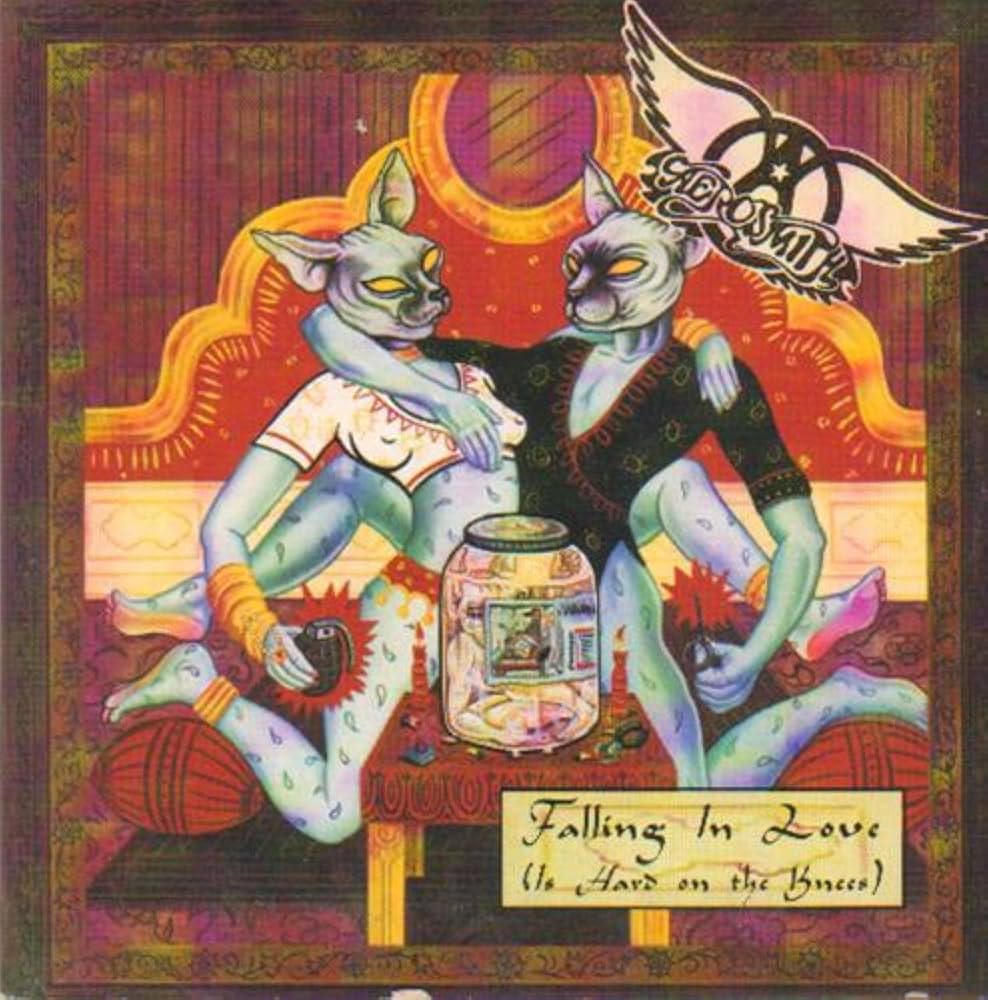
Then comes “Falling in Love (Is Hard on the Knees),” which was the lead single, and man, did that song divide the fanbase. On one hand, it’s classic Aerosmith—sleazy, double-entendre lyrics, a hip-shaking groove, and that trademark Tyler yelp. On the other hand, it’s so deliberately, almost parodically sexy that it borders on self-satire. But here’s the thing: it rocks. That riff is a chainsaw, and the bridge where the tempo lurches and Tyler starts wailing about his “love gun” is pure, unfiltered nonsense genius. It’s not Dream On, but it’s not supposed to be. It’s a party track for a band that knows exactly how ridiculous they can be and leans into it with a wink.

But the real heart of Nine Lives isn’t in the singles; it’s in the deep cuts that show Aerosmith still had teeth. “Taste of India” is the first gut-punch. Clocking in at over five minutes, it’s a mid-tempo, Eastern-tinged blues-rock odyssey that features some of Tyler’s most evocative, cryptic lyrics about a woman who tastes like “chai and cardamom.” The sitar-like guitar work from Perry is hypnotic, and the rhythm section—Tom Hamilton’s chunky bass and Joey Kramer’s tribal, pounding drums—locks into a trance-like groove that feels more Led Zeppelin III than Permanent Vacation. It’s the sound of a band stretching their legs, and it’s magnificent. Similarly, “Full Circle” is the unsung hero of the entire record. That acoustic intro is deceptively gentle, but when the full band crashes in, it transforms into a soaring, gospel-tinged rock anthem about karma and survival. The harmonies between Tyler and Perry are some of the best they’ve ever laid down, and that chorus—“I’ve been around and I’ve come full circle”—feels like a genuine moment of reflection from a band that had seen every high and low imaginable.

Of course, you can’t talk about Nine Lives without addressing the power-ballad elephant, “Hole in My Soul.” Oh boy. This is the song that makes the purists reach for the skip button. It’s slick, it’s adult-contemporary, it’s got that Diane Warren-ish sheen that screams “soundtrack to a romantic montage in a 90s movie.” And yet… I have a soft spot for it. Is it cheesy? Absolutely. Is Tyler oversinging the hell out of it? You bet. But that bridge, where he goes “I’m a fool with a hole in my soul,” is delivered with such desperate conviction that I can’t help but buy in. It’s not Cryin’ or Angel, but it’s a perfectly fine power ballad for a band that had earned the right to be a little sappy. Plus, the guitar solo is pure Perry fire, which saves it from being a total snooze.

But then, just when you think they’ve gone soft, they drop “The Farm.” This is the weirdest, most underrated track in their entire 90s catalog. It’s a sludgy, grungy, almost industrial-tinged stomper about a mental institution, with a lyric that goes “They’re coming to take me away / To the funny farm.” It’s dark, it’s paranoid, and it features Tyler doing this manic, whispered vocal that sounds like he’s lost his last marble. The guitar tone is filthy, and the breakdown in the middle is pure chaos. It’s the closest Aerosmith ever came to sounding like Nine Inch Nails, and it works shockingly well. It’s proof that even in their commercial peak, they were still willing to get their hands dirty.

Elsewhere, “Crash” is a straight-up, high-octane rocker that sounds like it could have been a B-side from Permanent Vacation, all revved-up riffs and Tyler’s car-crash metaphors. It’s fun, it’s dumb, and it’s over in three minutes flat. “Kiss Your Past Good-Bye” is another deep-cut gem, a shuffling, bluesy kiss-off that features some slick harmonica and a chorus that begs to be sung along to with a whiskey in hand. And then there’s “Pink,” the second big single, which is pure pop-rock confection—a bouncy, funk-lite ode to, well, you know what. It’s clever, it’s silly, and the video was a masterpiece of 90s MTV absurdity. It doesn’t have the weight of “Janie’s Got a Gun,” but it’s not supposed to; it’s a sugar rush, and it’s delicious.

The album closes with “Fall Together,” a moody, atmospheric number that builds from a quiet piano intro into a swirling, psychedelic crescendo, and “Ain’t That a Bitch,” which is a bittersweet, acoustic-driven closer that finds Tyler reflecting on love and loss with a weary, world-weary rasp. It’s a surprisingly tender way to end an album that’s been so over-the-top and manic. It’s like the cat finally curls up on the windowsill and goes to sleep.

So, is Nine Lives a masterpiece? No. It’s too long, too bloated, and too inconsistent for that. The production, while rawer than Fairbairn’s work, can feel muddy in places, and there’s a sense that they threw every idea at the wall—ballads, hard rock, psychedelia, funk, grunge—to see what stuck. But that’s also its charm. This is the sound of a band that had absolutely nothing to prove commercially—they’d already sold millions—so they decided to get weird, get loud, and get a little dangerous again. It’s the album where Aerosmith remembers they used to be a dirty bar band from Boston, even if that bar now has a cocktail menu and a velvet rope. If you come to it expecting Toys in the Attic, you’ll be disappointed. But if you come to it with an open mind and a tolerance for glorious messiness, you’ll find an album full of character, muscle, and heart. It’s not their best life, but it’s certainly one of their most interesting ones. And frankly, nine lives in, who wouldn’t want to get a little scratchy?

Song of the Day: Falling In Love (by Aerosmith)


Alright, let’s talk about a seriously underrated gem from Aerosmith’s later years: Falling In Love (Is So Hard On The Knees). If you only know the band from their big power ballads, you’re missing out on this side of them. This track is pure, unapologetic fun, and it’s the perfect example of why they’re rock legends. It’s got that classic, bluesy swagger that just makes you want to crank up the volume and strut around the room. Forget the sappy love songs; this is Aerosmith reminding everyone that they are, first and foremost, a rock and roll band that knows how to have a good laugh. The groove alone is so dirty and infectious that you’ll be nodding your head before Steven Tyler even opens his mouth.

And speaking of Tyler, the genius of this song is how it takes the emotional rollercoaster of love and just turns it on its head with a massive dose of humor. He isn’t crooning about a broken heart here; he’s basically throwing his hands up and saying, “This whole love thing is ridiculous!” The title itself is a killer metaphor—love literally brings you to your knees, both physically and emotionally—but the real gold is in the wordplay. Check out the double entendre in lines like “I major in love, but in all minor keys,” which is a clever nod to both musical theory and the melancholy that often comes with romance. And then there’s the absolute classic, “Don’t give me no lip, I’ve got enough of my own,” which works as both a sassy put-down and a sly wink at, well, using your lips for other things in a relationship. It’s self-deprecating, surprisingly clever, and makes light of the universal struggle of romance without ever sounding whiny.

You also have to see the music video, which was directed by none other than Michael Bay, and it is absolutely bonkers in the best way possible. It’s a surreal, chaotic masterpiece of 90s MTV, filled with wild imagery like a man literally chained up, leashed by his tongue, and being tormented by gorgeous women. It’s weird, it’s funny, and it’s a perfect visual match for the song’s chaotic energy. The video won a Moonman for Best Rock Video, and honestly, you watch it once and you’ll never forget it. It takes the playful, masochistic vibe of the lyrics and turns it into a visual feast that amplifies every wink and nudge Tyler throws out in the verses.

Now, set your watch for around the 2:05 mark, because that’s when Joe Perry steps out and absolutely takes over. The solo runs from about 2:05 to 2:25 and honestly, those 25 seconds are worth the price of admission alone. He comes in hot — not showy for the sake of it, but mean and deliberate, like every note has a purpose. There’s this gritty, almost bluesy bite to it that reminds you Perry is not just a rock guitarist, he’s a feel guitarist. He bends notes in ways that sound almost vocal, like he and Tyler are having a conversation, and then he just rips into this run toward the end that’ll make you hit rewind before you even realize you’ve done it. It’s compact, it’s nasty in the best way, and it’s over before you want it to be — which honestly is the mark of a truly great solo.

Look, I’ll be honest—I was late to the Aerosmith party. For the longest time, I only knew them from their Walk This Way collab with Run-DMC, which I loved, but I stupidly figured that was their only trick. It wasn’t until I randomly heard Cryin’ and Amazing on the radio one summer that something clicked, and I dove headfirst into their 90s output. That era—Get a GripNine LivesPermanent Vacation—absolutely hooked me with its mix of grit, melody, and pure swagger. And once I was in, I never looked back… well, except to go binge Toys in the Attic and Rocks and realize what I’d been missing all those years. So if you’re like me and you’ve slept on this band, do yourself a favor: put Falling In Love (Is So Hard On The Knees) on, pay close attention to the lyrical gymnastics, and just let it put a smile on your face. Trust me, you won’t regret it.

Falling In Love (Is Hard On The Knees)

You’re so bad you’re so bad you’re so
You’re so bad you’re so bad

You think you’re in love
Like it’s a real sure thing
But every time you fall
You get your ass in a sling
You used to be strong
But now it’s ooh baby please
‘Cause falling in love is so hard on the knees

You’re so bad you’re so bad you’re so
You’re so bad you’re so bad

We was making love when you told me that you loved me
I thought ol’ cupid he was taking aim
I was believer when you told me that you loved me
And then you called me someone else’s name

There ain’t gonna be no more beggin’ you please
You know what I want
And it ain’t one of these
You’re bad to the bone
And your girlfriend agrees
That falling in love is so hard on the knees

You’re so bad you’re so bad you’re so
You’re so bad you’re so bad

Chip off the old block
Man you’re so much like your sister
My fantasize it must be out of luck
My old libido has been blowing a transistor
I feel like I have been hit by a fuck

Yeah

I’m Jonesin’ on love
Yeah I got the DT’s
You say that we will
But there ain’t no guarantees

I’m major in love
But in all minor keys
Cause falling in love is so hard on the knees

What are you looking for
It’s got to be hard core
Must be some kind of nouveau riche

Is this your only chance
Or some hypnotic trance
Let’s get you on a tighter leash

Own it own it own it

[guitar solo @2:05]

You’re so bad you’re so bad you’re so
You’re so bad you’re so bad

You ain’t that good
Is what you said down to the letter
But you like the way I hold the microphone
Sometimes I?m good but when I’m bad
I’m even better
Don’t give me no lip
I’ve got enough of my own

There ain’t gonna be no more beggin’ you please
You know what I want
And it ain’t one of these
You’re bad to the bone
And your girlfriend agrees
That falling in love is so hard on the knees

I’m Jonesin’ on love
Yeah I got the DT’s
You say that we will yeah
But there ain’t no guarantees
I’m major in love
But in all minor keys
‘Cause falling in love is so hard on the knees

Great Guitar Solos Series

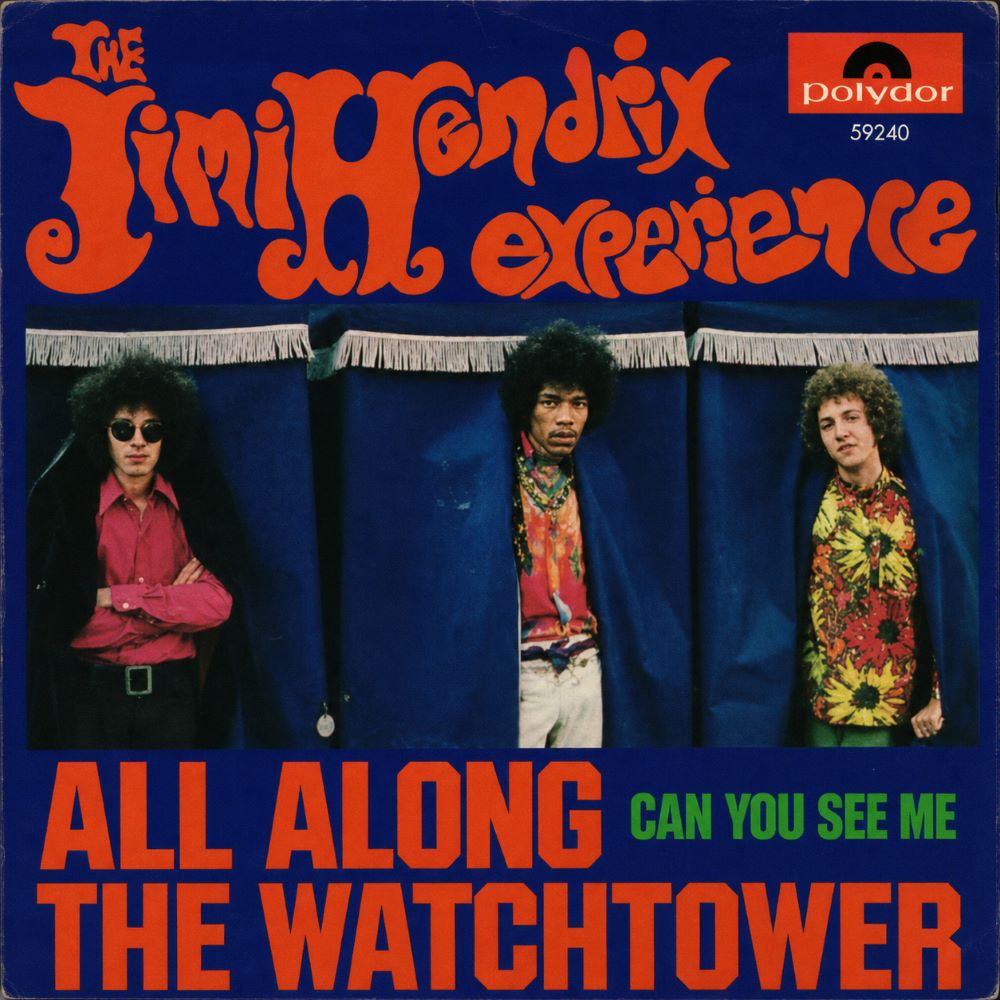
Song of the Day: All Along the Watchtower (by Jimi Hendrix)


If you’ve never really sat down with All Along the Watchtower, you’re missing out on one of those songs that just grabs you from the first few seconds. It’s got this tense, almost mysterious vibe right away, like something big is about to go down. And yeah, quick heads-up—this is actually a cover of a Bob Dylan song, but Hendrix completely transforms it into something way more electric, intense, and, honestly, iconic.

What really separates Hendrix’s version is how much more dynamic it feels compared to Dylan’s original. Dylan keeps it more stripped-down and acoustically grounded, which gives it that raw, almost haunting quality. Hendrix, on the other hand, builds this layered, immersive soundscape that feels bigger and more urgent. Even their vocal styles reflect that difference—both are rooted in blues, but Dylan leans into a delivery that feels closer to Robert Johnson, kind of dry and narrative-driven, while Hendrix brings a smoother, more fluid presence that echoes someone like Muddy Waters.

And then you hit the guitar work, which is really the heart of the whole thing. Hendrix doesn’t just give you one standout solo—he drops two. The first kicks in around the 0:55 mark, and it’s sharp, punchy, and sets the tone with that signature bite. Then he comes back again around 1:45 with another lead that feels even more expressive and fluid, like he’s pushing things further emotionally. Both solos feel purposeful, not just thrown in to show off—they actually drive All Along the Watchtower forward.

By the time the song wraps up, it leaves you with that “wait, play that again” feeling. It’s short, tight, and insanely replayable. Even if you’re not usually into older rock, this is one of those tracks that cuts through all that—it just sounds cool. Definitely worth throwing on with headphones and really soaking it in.

All Along the Watchtower

“There must be some kind of way out of here”
Said the joker to the thief
“There’s too much confusion
I can’t get no relief
Businessmen they drink my wine
Plowmen dig my earth
None will level on the line
Nobody offered his word”
Hey!

(Guitar Solo 1 @0:55)

“No reason to get excited”
The thief, he kindly spoke
“There are many here among us
Who feel that life is but a joke
But, uh, but you and I, we’ve been through that
And this is not our fate
So let us stop talkin’ falsely now
The hour’s getting late
Hey!

(Guitar Solo 2 @1:45)

Hey!

All along the watchtower
Princes kept the view
While all the women came and went
Barefoot servants too
Well, uh, outside in the cold distance
A wildcat did growl
Two riders were approaching
And the wind began to howl
Hey!

All along the watchtower

Great Guitar Solos Series

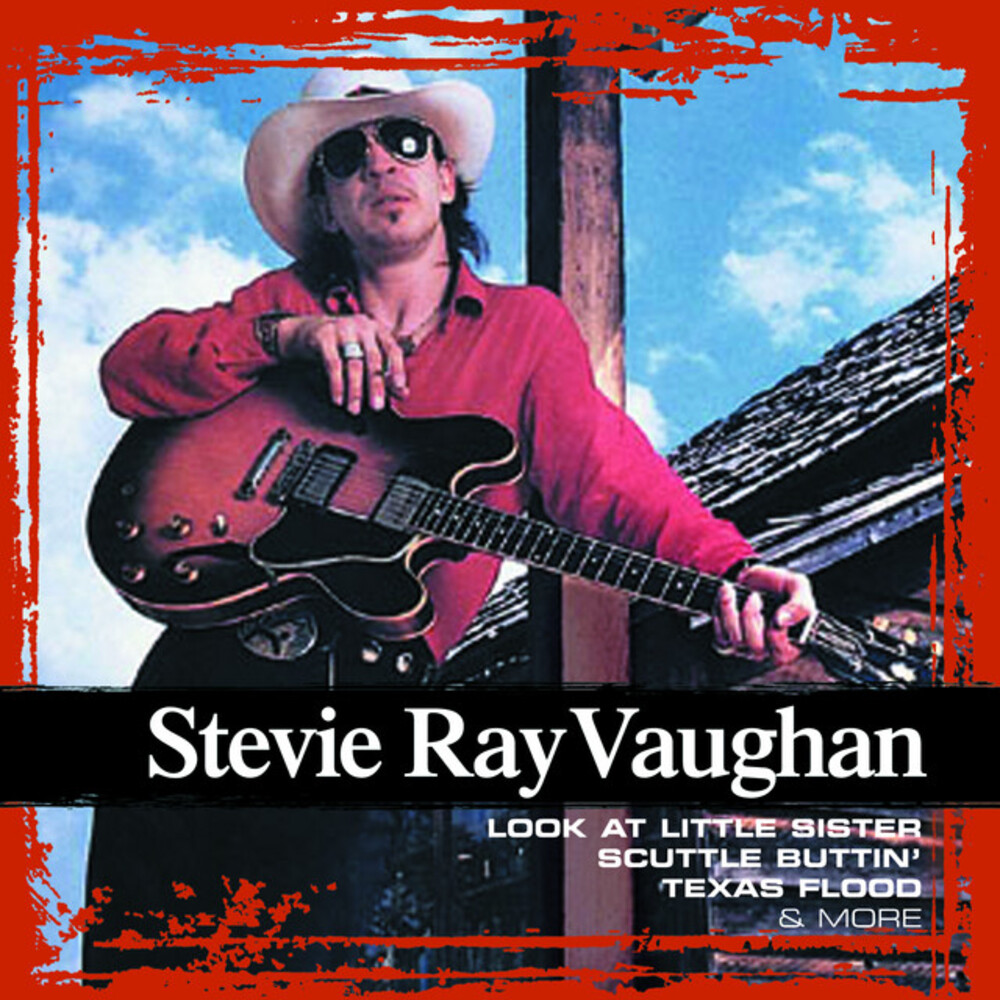
Song of the Day: Scuttle Buttin’ (by Stevie Ray Vaughan)


If you’re diving into Stevie Ray Vaughan, you’ve gotta start with “Texas Flood“—that’s his absolute magnum opus, where his insane technique clashes head-on with raw, improvisational creativity in the most soul-shaking way. It’s like he’s channeling every ounce of Texas blues heartache through those bends and sustains, turning a cover into something timeless and volcanic.

Scuttle Buttin’“, though? That’s SRV straight-up flexing for the shredders of his era, proving he could hang with the fastest gunslingers on the block while keeping it filthy and fun. It’s less about deep emotional pours and more about cocky, machine-gun precision that still drips with blues swagger—no fancy effects, just pure Stratocaster fury.

The real fireworks hit in the guitar solo, which begins around the :35 second mark, where he unleashes a torrent of rapid-fire picking, hammer-ons, and pulls that’d make any ’80s metal dude sweat. It’s not just speed for speed’s sake; every phrase snaps back to that gritty SRV attitude, like he’s daring you to keep up while grinning the whole time.

Trust me, crank this one up if you want to hear why Vaughan wasn’t just a blues guy—he was a monster who could out-shred anyone on their own turf. Jimi Hendrix had “Little Wing” to showcase his guitar solo mastery, but for SRV, “Scuttle Buttin’” was that track, proving why, of all the guitar players since Hendrix, only SRV truly picked up the mantle of the blues musician who straddled both blues and rock genres, making them bend to his will and talent. That’s why SRV is only surpassed in my mind by Hendrix as the greatest rock guitarist of all-time and top 5 guitarist regardless of music style.

Great Guitar Solos Series

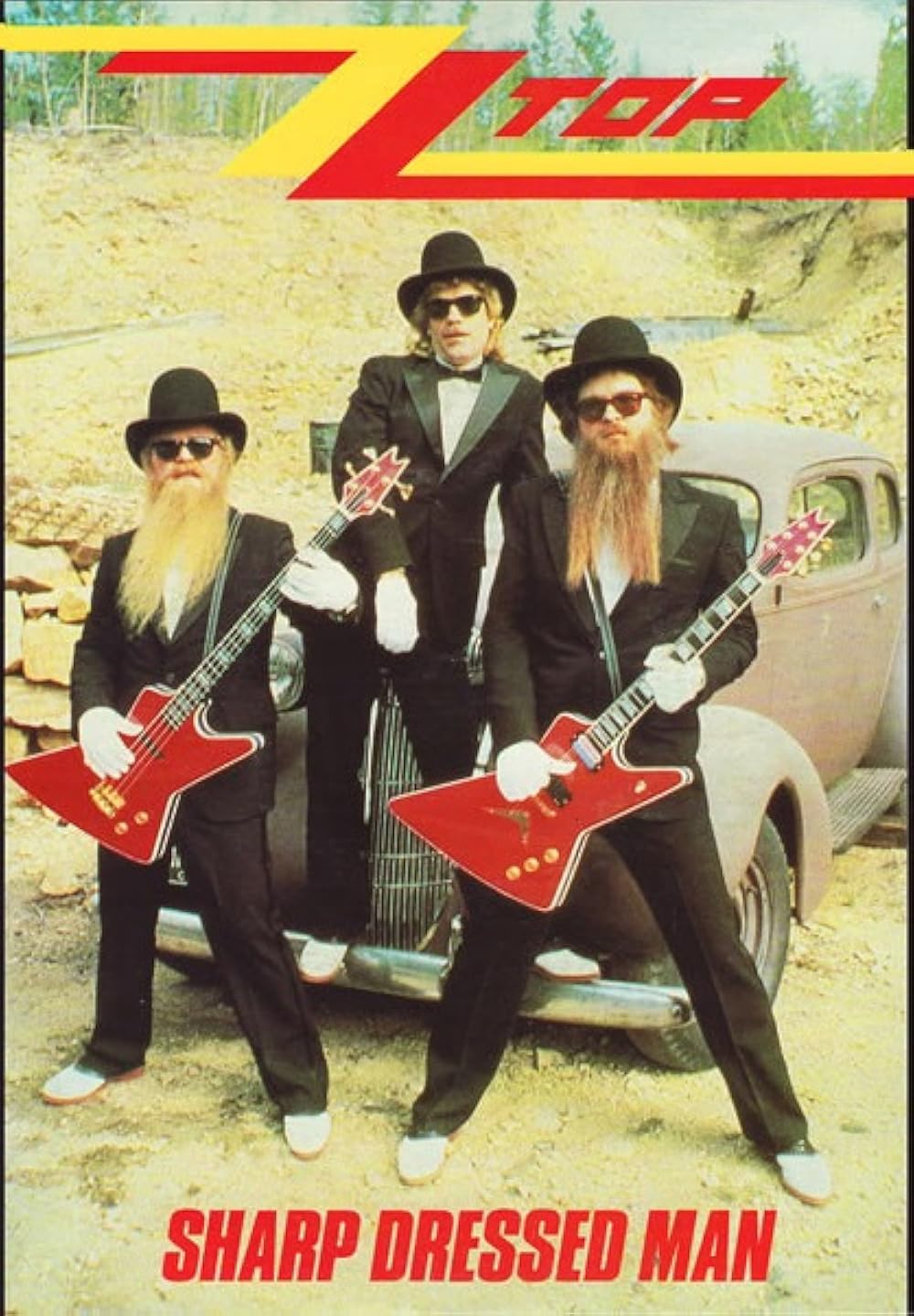
Song of the Day: Sharp Dressed Man (by ZZ Top)


When I first heard Sharp Dressed Man and saw the video, I knew there was real wisdom in not looking like a slob. ZZ Top basically lays it out in the coolest way possible: looking sharp isn’t about vanity, it’s about presence. That opening riff alone feels like a wake-up call—like, hey, maybe ditch the wrinkled shirt and step into something that actually fits. It’s not preachy, it’s just smooth persuasion backed by undeniable groove.

The whole track just struts with confidence. Billy Gibbons’ guitar tone is razor-clean, every note hitting like it’s been polished before being sent out into the world. Then the solo kicks in around 1:30, and that’s where everything locks into place. Instead of going for the harder, heavier rock sound that dominated the ’70s and ’80s, Gibbons leans into the song’s bluesy DNA, keeping it tight, expressive, and full of swagger. It’s not some over-the-top shred fest—it’s controlled, stylish, and full of attitude, exactly like the kind of guy the song is talking about.

What makes the song stick is how simple the message is. You don’t need a complete lifestyle overhaul—you just need to care a little. Clean shoes, a pressed shirt, maybe a jacket that actually fits. ZZ Top turns basic effort into a full-on identity upgrade. Suddenly, getting dressed isn’t a chore, it’s a move. And once you feel that shift, it’s hard to go back.

That’s why Sharp Dressed Man feels timeless. It’s more than just a blues-rock hit—it’s like a three-minute style intervention for guys who didn’t know they needed one. It may have helped men of all ages figure out how to dress well, but don’t go calling it “becoming metrosexual”—this is ZZ Top, not a spa day. And sure, being sharp dressed gets you most of the way there, but rolling up in a customized candy-apple red ’33 Ford three-window coupe doesn’t exactly hurt the overall look either. Style matters, but style with attitude—and maybe a little horsepower—is what really seals it.

And if you’re gonna get pulled over because Deep Purple’s Highway Star made you push the speedometer a little too far, you might as well be sharp dressed when you get your speeding ticket—I say that from experience, having been pulled over not in a ’33 Ford coupe but in a maroon 1991 Mitsubishi Galant while sporting a rented long-tail tuxedo… but hey, close enough.

Sharp Dressed Man

Ah
Yeah
Ow

Clean shirt, new shoes
And I don’t know where I am goin’ to
Silk suit, black tie (black tie)
I don’t need a reason why

They come runnin’ just as fast as they can
‘Cause every girl crazy ’bout a sharp dressed man

Gold watch, diamond ring
I ain’t missin’ not a single thing
Cufflinks, stick pin
When I step out, I’m gonna do you in
They come runnin’ just as fast as they can
‘Cause every girl crazy ’bout a sharp dressed man (uh huh)

Uh huh

(guitar solo @1:30)

Top coat, top hat
But I don’t worry ’cause my wallet’s fat
Black shades, white gloves
Lookin’ sharp, lookin’ for love

They come runnin’ just as fast as they can
‘Cause every girl crazy ’bout a sharp dressed man
(Oh-huh, you can’t lose with the dress I use)
(That’s right, real fine)

Great Guitar Solos Series

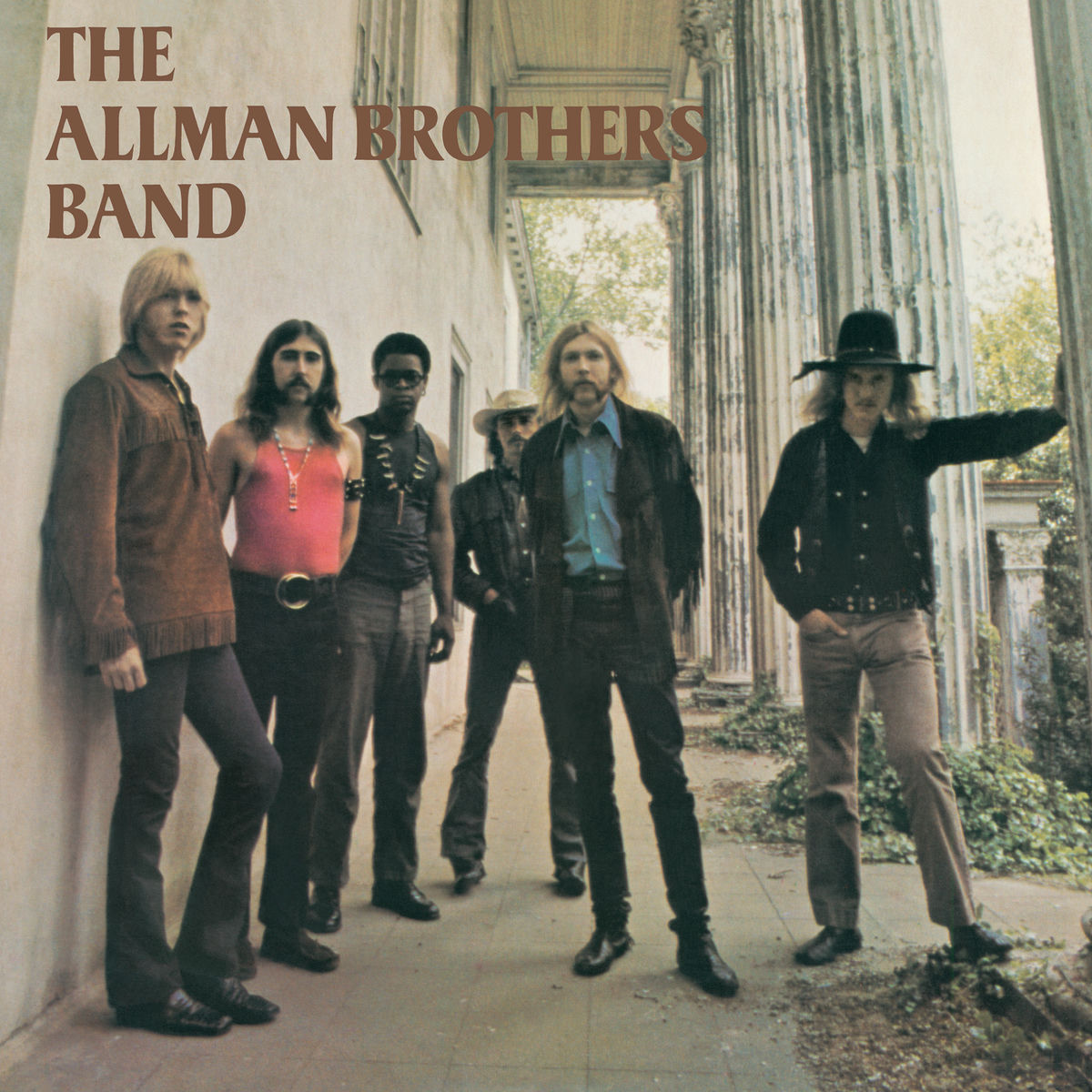
Song of the Day: Blue Sky (by The Allman Brothers Band)


“Blue Sky” by The Allman Brothers Band is one of those songs that instantly lifts your mood — like cruising down a long stretch of highway under perfect weather. Dickey Betts wrote and sang it, and you can feel his sense of ease and optimism through the melody. But while the vocals are sunny and inviting, it’s the guitar work that really carries the song’s soul. Betts and Duane Allman trade licks like two friends finishing each other’s thoughts, creating one of the best musical conversations in rock.

Around 1:07, Duane Allman takes off with the first guitar solo. It’s bright, flowing, and packed with his signature slide-guitar emotion. Duane doesn’t just play notes — he makes the guitar sing, full of expressive bends and lyrical phrasing that sound spontaneous but purposeful. His solo feels alive, like he’s narrating the feeling of absolute freedom the song evokes. There’s a spiritual quality to his touch that sets the tone beautifully for the rest of the jam.

Then at about 2:37, Dickey Betts steps in with his solo, and the vibe subtly shifts. Betts’s lines are cleaner, more melodic, and dance across the rhythm with an almost country-like cheer. His phrasing is so smooth you can hear the future seeds of his later work, where melody takes center stage. While Duane’s solo soars in a soulful, searching way, Betts’s solo feels precise and joyful — he’s painting in sunlight. Together, their contrast creates a satisfying balance between fire and finesse.

The two guitars eventually weave together in harmony, returning to the main theme before easing back into the song’s final verse. It’s one of those moments that reminds you why the Allman Brothers were so special—the sheer communication happening between players. No flashy gimmicks, no ego, just musicians playing from a place of joy. If you’re new to the band, “Blue Sky” is the perfect entry point. It sums up their balance of skill and soul, and it’s the last recording Duane Allman played on before his passing, which gives that final harmony an even deeper resonance.

Blue Sky

Walk along the river, sweet lullaby, it just keeps on flowing,
It don’t worry ’bout where it’s going, no, no.
Don’t fly, mister blue bird, I’m just walking down the road,
Early morning sunshine tell me all I need to know

[CHORUS:]
You’re my blue sky, you’re my sunny day.
Lord, you know it makes me high when you turn your love my way,
Turn your love my way, yeah.

[Duane Allman guitar solo @1:07]

[Dickey Betts guitar solo @2:37]

Good old sunday morning, bells are ringing everywhere.
Goin to Carolina, it won’t be long and I’ll be there

[CHORUS]

Great Guitar Solos Series

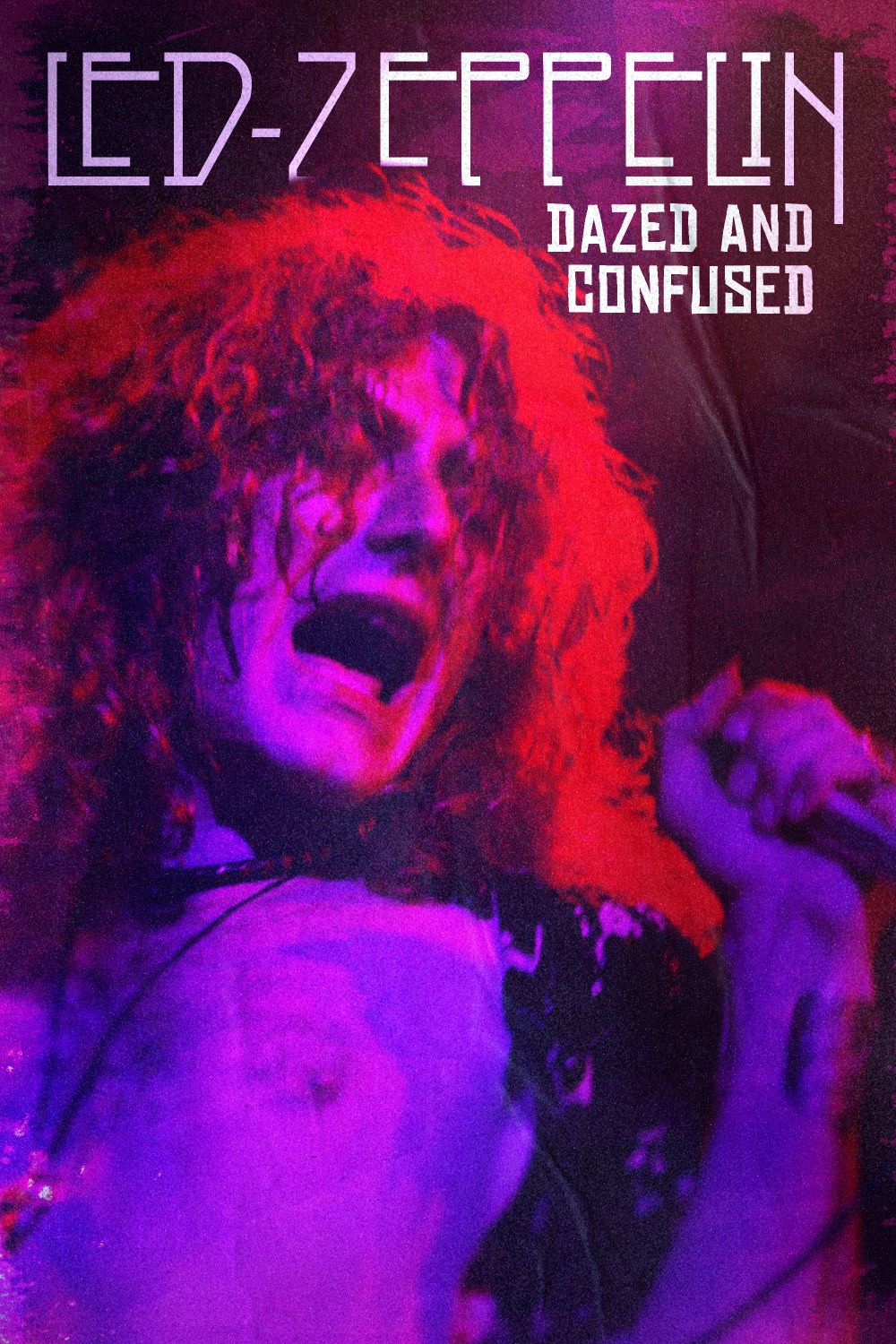
Song of the Day: Dazed and Confused (by Led Zeppelin)


Today’s Song of the Day is Led Zeppelin’s “Dazed and Confused”, that hypnotic Yardbirds cover Jimmy Page transformed into a sprawling psychedelic monster on their 1969 debut. Robert Plant’s otherworldly wails float over John Paul Jones’s prowling bass and John Bonham’s primal drums, crafting this foggy, trippy atmosphere that’s perfect for zoning out late at night. But let’s be real, it’s Page’s six-string sorcery that cements it as essential listening.

The real magic erupts at the 3:53 timestamp in the official release cut, when Page launches into his legendary guitar solo—a blistering torrent of bent notes, ferocious pentatonic dives, and those eerie, talkbox-esque squeals that sound like the guitar’s possessed. He’s wringing every ounce of emotion from his Telecaster, stacking fuzz, echo, and vibrato into a wall of controlled chaos that feels like a bad acid trip turned triumphant. It’s raw, innovative shredding that grabs you by the soul and doesn’t let go.

Live versions took it to another level, ballooning into 10+ minute odysseys with Page’s violin bow creating those haunting drones before he dives back into the frenzy—check the ’73 Madison Square Garden tape for the ultimate freakout. This solo isn’t just flashy; it’s Page channeling pure rock alchemy, paving the way for metal and jam gods alike. Crank it up and feel the daze.

Dazed and Confused

Been dazed and confused for so long, it’s not true
Wanted a woman, never bargained for you
Lots of people talkin’, few of them know
Soul of a woman was created below, yeah

You hurt and abuse, tellin’ all of your lies
Run ’round, sweet baby, Lord, how they hypnotize
Sweet little baby, I don’t know where you been
Gonna love you, baby, here I come again

Every day I work so hard
Bringin’ home my hard-earned pay
Try to love you, baby
But you push me away

Don’t know where you’re goin’
Only know just where you’ve been
Sweet little baby
I want you again

Ah, ah, ah, ah
(Did you ever look up my woman?)
Ah, ah, ah, ah
Aah-ah, aah, ah, ah, ah, ah, ah

Aah, ah, ah, ah, ah, ah, ah, ah, ah, ah, ah, aah
Oh, yeah, alright

Been dazed and confused
For so long, it’s not true
Wanted a woman
Never bargained for you

Take it easy, baby
Let them say what they will
Tongue wag so much
When I send you the bill

Oh yeah, alright

Oh, oh, oh, oh
Oh, oh, oh, oh
Oh, oh, oh, oh
Oh, oh, oh, oh
Oh, oh, oh

Great Guitar Solos Series

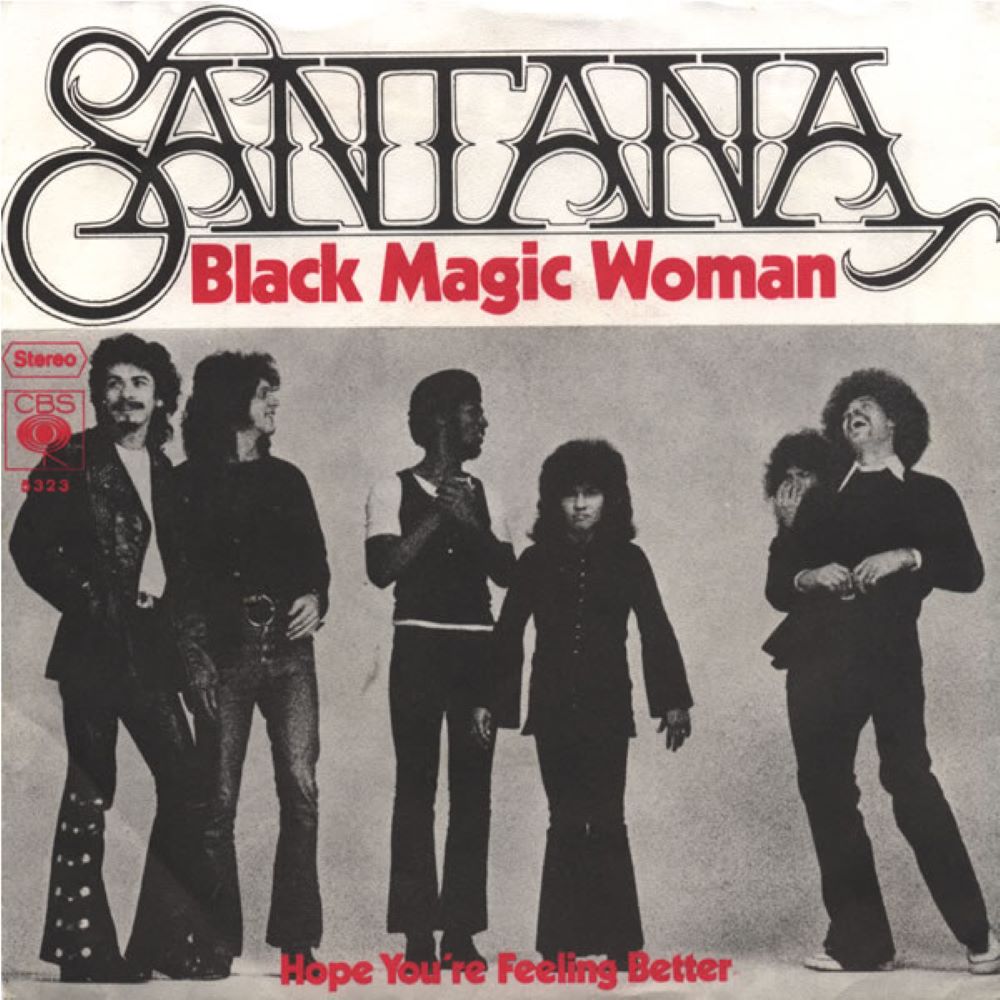
Song of the Day: Black Magic Woman (by Carlos Santana)


Carlos Santana’s song “Black Magic Woman” is a timeless tune that hooks you right from the start, but it’s that guitar solo that really makes it unforgettable and that is what make it our latest “Song of the Day.” The solo kicks in around 2 minutes and 24 seconds into the track. What’s great about Santana’s solo is how it feels like a conversation rather than just fast playing. His guitar almost sounds like it’s telling a story, with smooth, soulful notes that seem to sing. It’s not about shredding or showing off; it’s about playing each note with feeling and attitude, making you want to listen over and over.

What really stands out in the solo is how Santana uses bends and vibrato — which means he gently raises the pitch of the notes and adds a slight shake. This gives the solo a warm and emotional feel, almost like a human voice expressing deep feelings. The smooth back-and-forth flow between notes keeps it easy to follow, so even if you’re not a guitarist, you can feel the emotion. Plus, the mix of Latin rhythms shines through, giving the solo a unique flavor that sets Santana apart from other guitarists and adds some groove to the song.

The solo in “Black Magic Woman” is what really grabs listeners and keeps them hooked. It’s not about playing a million notes fast, but about making every sound count and really feeling the music. Santana’s guitar almost talks and sings with a warm, inviting voice that pulls you into the mood of the song. His unique blend of smooth, flowing notes with just the right amount of grit and emotion makes the solo stand out as something special and timeless. Instead of flashy showmanship, it’s the deep connection you feel through the guitar that keeps the solo memorable and moving for generations of listeners. This soulful approach is what turns a simple guitar solo into a truly magical moment in the song.

Black Magic Woman

Got a black magic woman

I’ve got a black magic woman
Got me so blind I can’t see
That she’s a black magic woman
She’s tryin’ to make a devil out of me

Don’t turn your back on me, baby

Yes, don’t turn your back on me baby
Stop messin’ around with your tricks
Don’t turn your back on me baby
You just might pick up my magic sticks

[guitar solo]

Got your spell on me baby

Yes you got your spell on me baby
Turning my heart into stone
I need you so bad – magic woman
I can’t leave you alone

Great Guitar Solos Series

Song of the Day: Sympathy for the Devil (The Rolling Stones)


The latest “Song of the Day” is very near and dear to my blues-covered metal heart. I consider it one of the best rock ‘n’ roll songs ever created. It’s been covered by numerous bands in the decades since it’s initial release but I will always consider the original as the best. The latest song of the day is The Rolling Stones’ “Sympathy for the Devil”.

This song was released in the early days of December 1968. It was the opening track for The Rolling Stones’ latest album (Beggars Banquet) at that date. What makes this song so great is how simple the song really comes across. It doesn’t have the typical blues rock tone of previous Stones’ songs until Keith Richard’s guitar solo around the 2:55 mark. The song definitely sounds more like a combination of folk rock (by way of it’s spoken word-like lyrics) and a samba (due to the incorporation of additional percussions like the congas).

“Sympathy for the Devil” has been called a confession song while others see it as the narcissistic bragging of the narrator. Both viewpoints are quite valid and there are more as every listener of this song hears and imagines different themes. I always saw it as a combination of the two. It’s Lucifer’s confession and bragging about his role in the tumultuous and evil events in man’s history. It’s a song that its narrator wants to understand and admit that while he has been there through all those dark moments in history, he wouldn’t have been able to do what he’s done if not for people allowing him in and becoming complicit.

Sympathy for the Devil

Please allow me to introduce myself
I’m a man of wealth and taste
I’ve been around for a long, long years
Stole many a man’s soul and faith

And I was ’round when Jesus Christ
Had his moment of doubt and pain
Made damn sure that Pilate
Washed his hands and sealed his fate

Pleased to meet you
Hope you guess my name
But what’s puzzling you
Is the nature of my game

I stuck around St. Petersburg
When I saw it was a time for a change
Killed the czar and his ministers
Anastasia screamed in vain

I rode a tank
Held a general’s rank
When the blitzkrieg raged
And the bodies stank

Pleased to meet you
Hope you guess my name, oh yeah
Ah, what’s puzzling you
Is the nature of my game, oh yeah
(woo woo, woo woo)

I watched with glee
While your kings and queens
Fought for ten decades
For the gods they made
(woo woo, woo woo)

I shouted out,
“Who killed the Kennedys?”
When after all
It was you and me
(who who, who who)

Let me please introduce myself
I’m a man of wealth and taste
And I laid traps for troubadours
Who get killed before they reached Bombay
(woo woo, who who)

Pleased to meet you
Hope you guessed my name, oh yeah
(who who)
But what’s puzzling you
Is the nature of my game, oh yeah, get down, baby
(who who, who who)

Pleased to meet you
Hope you guessed my name, oh yeah
But what’s confusing you
Is just the nature of my game
(woo woo, who who)

Just as every cop is a criminal
And all the sinners saints
As heads is tails
Just call me Lucifer
‘Cause I’m in need of some restraint
(who who, who who)

So if you meet me
Have some courtesy
Have some sympathy, and some taste
(woo woo)
Use all your well-learned politesse
Or I’ll lay your soul to waste, um yeah
(woo woo, woo woo)

Pleased to meet you
Hope you guessed my name, um yeah
(who who)
But what’s puzzling you
Is the nature of my game, um mean it, get down
(woo woo, woo woo)

Woo, who
Oh yeah, get on down
Oh yeah
Oh yeah!
(woo woo)

Tell me baby, what’s my name
Tell me honey, can ya guess my name
Tell me baby, what’s my name
I tell you one time, you’re to blame

Oh, who
woo, woo
Woo, who
Woo, woo
Woo, who, who
Woo, who, who
Oh, yeah

What’s my name
Tell me, baby, what’s my name
Tell me, sweetie, what’s my name

Woo, who, who
Woo, who, who
Woo, who, who
Woo, who, who
Woo, who, who
Woo, who, who
Oh, yeah
Woo woo
Woo woo

Great Guitar Solos Series