Retro Music Review: S&M (by Metallica & The SF Symphony Orchestra)


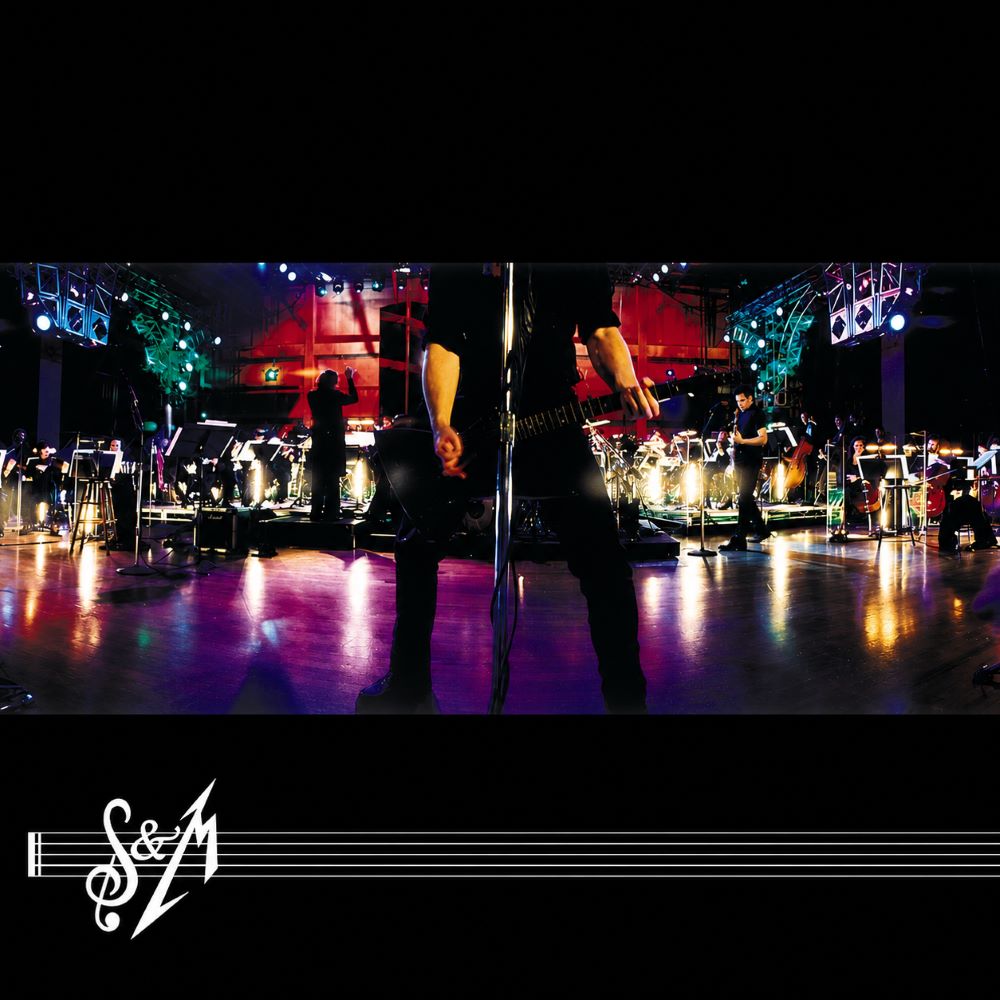
Let’s just get this out of the way right now: S&M is not the perfect metal album, nor is it the perfect classical album, and it is certainly not the perfect marriage of the two. But what it is, against all odds, is a wildly ambitious, occasionally clunky, and frequently thrilling document of a band daring to step way outside its comfort zone. Released in 1999, this live album captures Metallica joining forces with the San Francisco Symphony under the direction of Michael Kamen, and the result is a sprawling, two-disc behemoth that has aged into something of a curio in the band’s catalog. It is beloved by some, dismissed by others, and debated by just about everyone who has ever cared about thrash metal or orchestral music. After spending a good amount of time with the record again recently, I find myself landing somewhere in the messy middle, appreciating the sheer nerve of the project while wincing at its occasional misfires.

Right from the opening notes of The Ecstasy of Gold, which the symphony plays with appropriate gravitas, you get the sense that this is going to be an event. Kamen’s arrangements are the real star of the album in many ways, and his work here has been both praised and picked apart for over two decades. The criticism that the orchestra often feels like an accompaniment rather than a true integration is entirely fair. There are extended stretches across both discs where the symphony seems content to just pad the background, adding a cinematic wash to the music without fundamentally altering its structure or dynamics. It can feel like the orchestra is politely following the band’s lead rather than engaging in a genuine musical conversation, and on tracks like Sad but True, the strings and brass often get buried under Hetfield’s chugging riffs and Ulrich’s pounding drums. You have to listen closely to even hear them at certain points, which rather defeats the purpose of dragging a hundred classically trained musicians onto the stage in the first place.

However, when the arrangement clicks, it clicks with genuine force. The Call of Ktulu is the album’s crowning achievement in this regard, a song that always had a cinematic, almost film-score quality to it even in its original incarnation. With Kamen’s dark, brooding orchestration swelling behind it, the track finally receives the full-blown, apocalyptic setting it always deserved. The brass section is particularly effective here, lending a menacing grandeur that makes the studio version sound almost quaint by comparison. Similarly, The Thing That Should Not Be benefits enormously from the low-end rumble of the contrabassoons and timpani, creating a sound so heavy and oppressive that it rivals anything the band has ever committed to tape. These are the moments where the album transcends its gimmick and becomes something genuinely special, a testament to what can happen when two seemingly incompatible forces find common ground.

What makes this project feel so strangely appropriate, even when it stumbles, is that Metallica’s music has always carried an orchestral grandiosity in its DNA. This is not a band that ever sounded like a scrappy punk outfit, even when thrash metal was still finding its feet in the early eighties. The credit for that largely belongs to Cliff Burton, the band’s original bassist, whose tragically short tenure with Metallica left an indelible mark on their musical identity. Burton was a classically trained musician who grew up studying piano and theory, and he brought that background into a genre that was otherwise rooted in raw aggression and speed. He was the one who pushed the band to incorporate harmonized guitar lines, complex time signatures, and a sense of melodic drama that set them apart from their peers. You can hear his influence all over Ride the Lightning and Master of Puppets, albums that traded the pure punk energy of Kill ‘Em All for something far more ambitious and cinematic. That classical sensibility Burton injected into the band’s early work became the foundation of the Metallica sound, the secret ingredient that allowed them to write songs that felt epic rather than merely fast.

If Burton had lived, I cannot help but wonder how differently S&M might have turned out. He would have been the natural bridge between the metal and the symphony, the guy who could speak both languages fluently and translate the band’s vision into something that felt truly integrated rather than merely superimposed. Kamen did a commendable job, and I do not want to diminish his work, but he was an outsider coming into Metallica’s world. Burton would have been coming from the inside, someone who understood exactly where the orchestral flourishes should sit because he had been hearing them in his head since the early days of writing For Whom the Bell Tolls and Fight Fire with Fire. I genuinely believe he would have been in the forefront of ensuring that the metal and the symphony meshed together seamlessly, not just coexisting on the same stage but actually breathing together as one living organism. The album we got is fascinating, but the album we could have gotten with Burton steering the ship is a tantalizing what-if that I suspect will linger in the minds of fans forever.

But then there are the tracks where the whole enterprise threatens to unravel. Master of Puppets is the most obvious example, and it remains one of the most contentious performances on the album. The song is an absolute thrash classic, a relentless machine of riffage and aggression, and the orchestra simply cannot keep up with it. Kamen’s arrangement feels bolted on rather than woven in, and the result is a performance where the band and symphony are essentially occupying parallel universes, occasionally bumping into each other but never truly locking into a groove. It is still an impressive display of raw power, but it also highlights the fundamental tension at the heart of S&M: Metallica is a band that thrives on chaos and volume, while a symphony orchestra demands precision and restraint. Those two approaches do not always reconcile neatly, and this track is where the seams show the most. One cannot help but think that Burton’s classical ear would have found a way to bridge that gap, to write a countermelody or a harmonic texture that made the whole thing feel intentional rather than forced.

The setlist choices have also been a point of contention ever since the album dropped, and I have to say, the criticism is warranted. The complete absence of any material from Kill ‘Em All is a baffling omission that still rankles. Hearing The Four Horsemen or Seek and Destroy with a full symphony behind them could have been absolutely legendary, a chance to see raw, unfiltered thrash energy get a classical makeover. Instead, the tracklist leans heavily on the band’s more mid-tempo, radio-friendly material from the Black AlbumLoad, and Reload eras. That decision makes a certain amount of practical sense—those songs are more dynamically suited for orchestral accompaniment—but it also means the album never quite captures the full scope of Metallica’s career. For every For Whom the Bell Tolls or One, both of which translate beautifully to the symphonic treatment, there is a palpable sense of what could have been. The two new songs, No Leaf Clover and – Human, are welcome additions and remain highlights precisely because they were written with the orchestra in mind, so the band and symphony sound naturally more locked in and symbiotic from the very first note.

Vocally, James Hetfield is in fine form throughout, delivering his signature growls and melodic croons with the gruff authority that defined his late-nineties style. His between-song banter, while occasionally corny, adds a human touch to the otherwise grandiose proceedings, and you can hear the genuine excitement in his voice when he introduces the symphony or hypes up the crowd. The audience itself is a character on this album, their roars and sing-alongs providing a palpable energy that prevents the whole affair from becoming too stuffy or self-important. This is not a stuffy classical concert; it is a Metallica show with some fancy guests, and the crowd never lets you forget it. That raw, sweaty, headbanging energy is what keeps S&M grounded, even when the orchestral arrangements threaten to float off into pretentiousness.

In the end, S&M is a deeply imperfect album, and I think even its biggest defenders would admit that. The mix is often cluttered, the orchestra can feel like an afterthought on certain tracks, and the song selection will always be a source of debate among the faithful. But perfection was never really the point. I can say this with some authority because I was actually in the building for one of those two nights at the Berkeley Community Theatre, and despite all the flaws I can hear on the record, the live experience was something else entirely. When the symphony swelled behind the band’s heaviest riffs, the usual tribal divisions between metalheads and classical music fans simply evaporated. I found myself rocking out alongside long-haired thrashers and tuxedo-wearing symphony patrons in equal measure, all of us united by the sheer absurdity and power of what we were witnessing. The album captures that energy reasonably well, but it cannot fully replicate the feeling of being in a room where two completely different worlds decided to throw a party together. This was about a band that had conquered metal deciding to do something completely insane, something that could have easily backfired, and somehow pulling it off with enough swagger and sincerity to make it matter. It is a flawed, ambitious, and undeniably heavy document of a band taking a massive risk at the peak of their fame, and for that, it deserves a place of respect in the Metallica catalog. It may not be the definitive live album of their career, and it certainly is not the definitive symphonic metal album of all time, but it is a fascinating, exhilarating, and occasionally frustrating snapshot of a band refusing to play it safe. And honestly, in a world of safe career moves, that counts for something.

Song of the Day: Paranoid (by Black Sabbath)


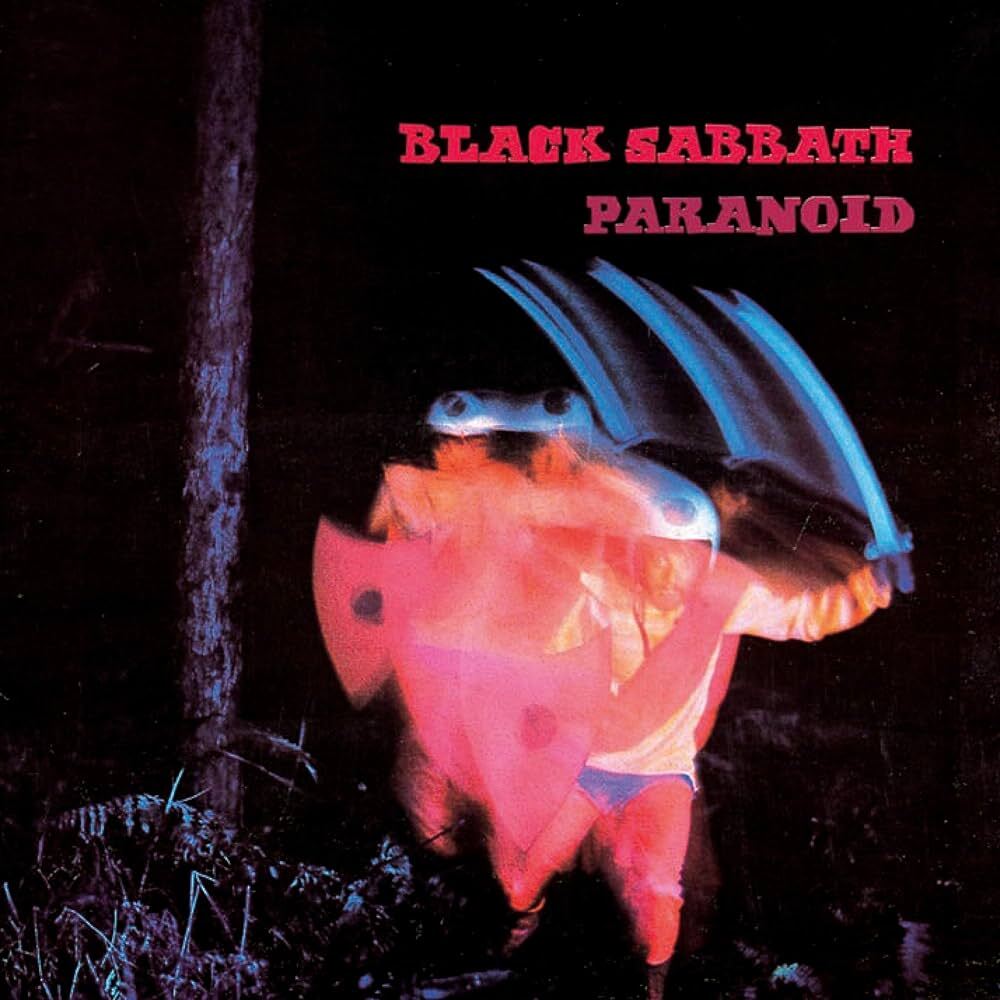
Paranoid” kicks off with that racing riff that instantly puts you on edge, like you’re glancing over your shoulder waiting for trouble to catch up. It’s short, loud, and ridiculously catchy, but what really makes it stick is how alive it feels the whole way through, like the band is barely holding back all that energy. Alongside their other iconic single “War Pigs” from the same second studio album, Paranoid, these tracks are straight-up building blocks of what would become heavy metal—raw power, dark vibes, and riffs that redefined everything.

What I love most is how Tony Iommi’s guitar doesn’t just sit in the background—it drives the whole thing. The man lost the tips of his right-hand ring and middle fingers in a factory accident but came back playing like a bat out of hell, way better than dudes with all their fingertips intact. The riffs are sharp and urgent, but the solo is where it really takes off, because it sounds loose, clever, and aggressive all at once.

The guitar solo begins at about 1:23 in the original track, and that’s the moment the song really opens up and starts flexing. From there, Iommi keeps it simple enough that it feels memorable on first listen, but the phrasing has this gritty personality that makes it sound way bigger than the number of notes would suggest. It’s a great example of how a solo can be compact and still feel huge.

So if someone’s never heard “Paranoid” before, I’d tell them to start here and just let it rip. It’s heavy without being bloated, exciting without being messy, and the solo gives it that extra spark that makes the whole song feel iconic. Tracks like this and “War Pigs” are exactly why Tony Iommi earned his title as the “Godfather of Heavy Metal”—even if you’re not usually into older metal, this one has such a direct punch that it’s hard not to get pulled in.

Paranoid

Verse 1]
Finished with my woman
‘Cause she couldn’t help me with my mind
People think I’m insane
Because I am frowning all the time

[Verse 2]
All day long I think of things
But nothing seems to satisfy
Think I’ll lose my mind
If I don’t find something to pacify

[Bridge]
Can you help me
Occupy my brain?
Oh yeah

[Verse 3]
I need someone to show me
The things in life that I can’t find
I can’t see the things that make true happiness
I must be blind

[Guitar Solo @1:23]

[Verse 4]
Make a joke and I will sigh
And you will laugh and I will cry
Happiness, I cannot feel
And love to me is so unreal

[Verse 5]
And so, as you hear these words
Telling you now of my state
I tell you to enjoy life
I wish I could, but it’s too late

Great Guitar Solos Series

Metal: A Headbangers Journey Review (dir. by Sam Dunn with Scot McFayden and Jessica Wise)


“Metal confronts what we’d rather ignore. It celebrates what we often deny. It indulges in what we fear most. And that’s why metal will always be a culture of outsiders.” — Sam Dunn

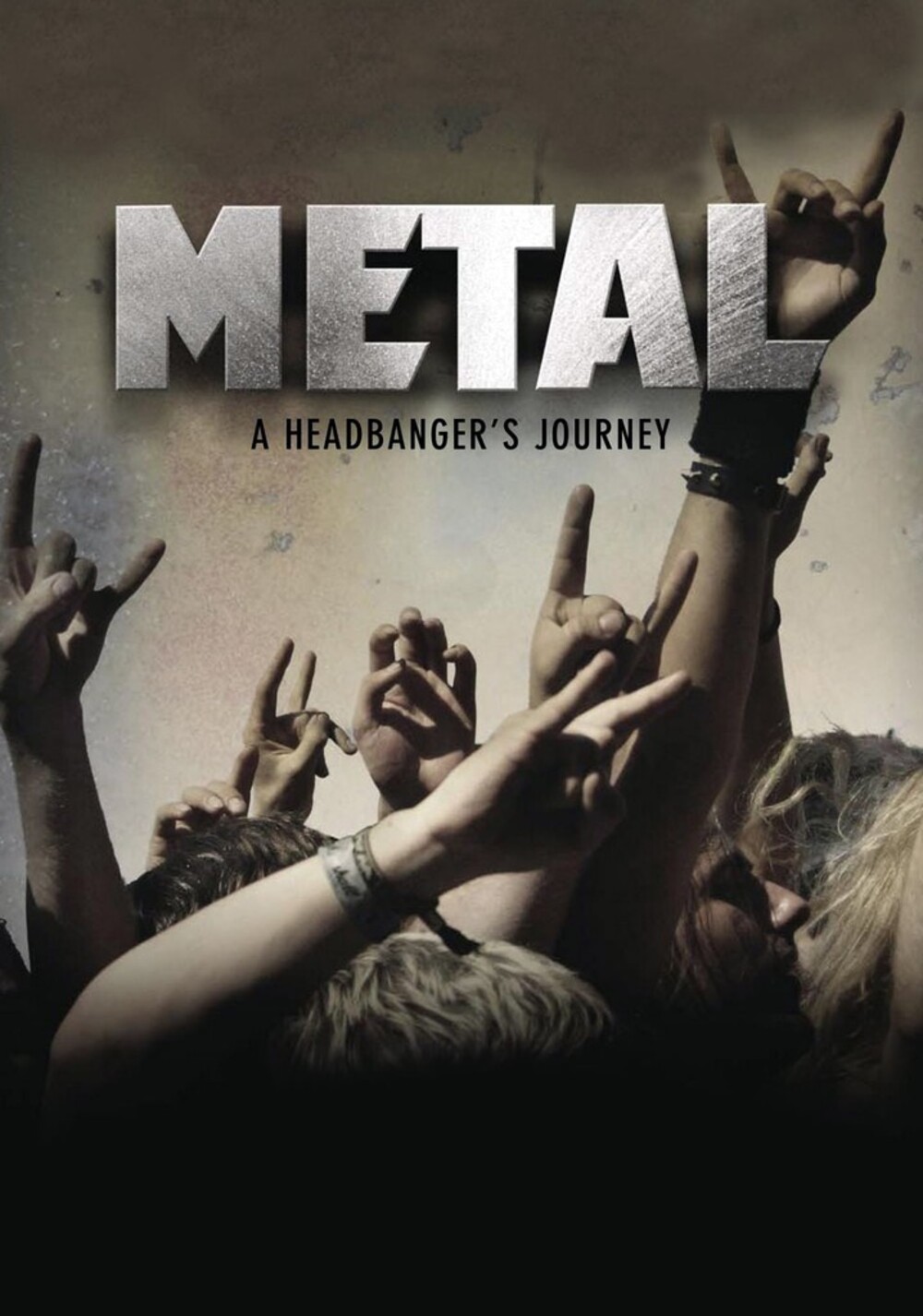
Metal: A Headbanger’s Journey is the kind of documentary that feels like it was made by someone who actually gets heavy metal instead of just staring at it from the outside and treating it like a weird cultural problem to be solved. Sam Dunn, with Scot McFadyen and Jessica Wise, builds the film around a simple but very effective idea: if metal has spent decades getting mocked, misunderstood, and moral-panic’d into the ground, why not let a real fan and anthropologist go out and explain what the scene is actually about? That perspective gives the movie a relaxed confidence right away. It never acts like it has to apologize for loving metal, and that attitude makes the whole thing way more engaging than a dry music-history lecture.

What makes the documentary work so well is the mix of fandom and curiosity. Dunn is not posing as some detached academic who wandered into the pit by accident. He is clearly a lifer, and that matters because his enthusiasm keeps the film from turning into a lecture about subgenres, stereotypes, and cultural backlash. At the same time, he is smart enough to ask real questions about why metal exists, why it inspires such loyalty, and why it keeps attracting outsiders who feel like they do not fit anywhere else. That balance gives the movie its shape. It is informative without becoming stiff, and it is affectionate without becoming blind praise.

The film does a stellar job of tracing the evolutionary trajectory of the genre. It starts with the bedrock, showing how the heavy, blues-influenced rock of the late sixties and early seventies paved the way for everything else. Dunn maps out the genealogy of metal with a sense of wonder, illustrating how a common foundation in the hard rock of acts like Led Zeppelin or the dark, doom-laden riffs of Black Sabbath splintered into a massive, tangled family tree. You get to see the distinct shifts in tone, speed, and imagery as the music moved from the raw power of pioneers like Iron Maiden and Motörhead into the more extreme, experimental territories of bands like Cannibal Corpse or the provocative, atmospheric reaches of Mayhem. This structural focus turns the film into a clear guide for how metal constantly reinvented itself while holding onto that core aggressive energy.

The interviews are a huge part of why the film stays alive. Dunn talks to an incredible array of musicians who cover a lot of ground, including legends like Alice Cooper, Bruce Dickinson, and Ronnie James Dio, and the movie benefits from the fact that these people are speaking as insiders rather than museum curators. Some bring humor, some bring historical context, and some bring genuine passion that reminds you why this music matters to its fans in the first place. What’s especially nice is that the movie does not treat everyone with the same reverence. It lets personalities come through, which gives the film a looser, more conversational energy. That makes it easier to sit through even when it moves into territory that could have felt overly academic in less capable hands.

One of the most memorable things about Metal: A Headbanger’s Journey is the way it handles the old stigma around heavy metal. The film doesn’t just repeat the familiar story that “metal got unfairly attacked”; it also shows why those attacks stuck in the public imagination for so long. That gives the documentary more bite. It is not only defending the genre, but also explaining the cultural fear that surrounded it, whether that meant the PMRC era or the broader idea that loud guitars and dark imagery automatically equal danger. Dunn and company make a strong case that metal is often a release valve rather than a threat. For a lot of listeners, it is a place to channel anger, alienation, and frustration instead of acting them out in destructive ways.

The film also does not shy away from the darker controversies that have haunted the genre’s reputation, specifically the actions linked to the Norwegian black metal scene. Dunn confronts the violence and extremism associated with these artists head-on, including a chilling interview with Gaahl, the infamous frontman of the Norwegian black metal band Gorgoroth. By highlighting the intense, radical nature of Gaahl’s worldview and the violent history of the subculture he represented, the film addresses the deep, dark mark these controversies placed on the Norwegian scene. Acknowledging how these headlines fueled mainstream hatred toward the music is essential to the film’s narrative. However, the documentary’s nuance really shines in its later home video releases, where Dunn adds vital context to ensure viewers understand that those dark moments were extreme outliers rather than the standard for the community at large. By clarifying that these actions did not represent the vast majority of metal fans or artists, the film successfully separates the music’s spirit from the criminal acts of a few.

There is also a fun educational streak running through the whole thing. The movie likes to trace lines between older rock traditions and the more extreme corners of metal, and that gives it some useful perspective. It reminds you that the genre did not appear out of nowhere and that its DNA is tangled up with blues, hard rock, theatricality, and rebellion. Even if you already know a fair amount about the subject, the film still has a way of making those connections feel vivid rather than obvious. It does a solid job of showing how metal evolved into something bigger and more fragmented than casual listeners usually assume.

If the movie has a weakness, it is that it can feel a little too short for everything it wants to cover. There is so much material here that some topics get only a snapshot when they could have used a deeper dive. That is especially true if you are the kind of viewer who wants more on the later developments and regional differences within the scene. Still, the brisk runtime also helps the film stay punchy and rewatchable. It does not overstay its welcome, and it keeps moving at a pace that suits the subject. In a weird way, the documentary’s eagerness to pack in so much is part of its appeal.

Visually and structurally, the movie keeps things straightforward, which works in its favor. It is not trying to be slick in a way that would distract from the subject. Instead, it uses interviews, performance footage, festival scenes, and Dunn’s own traveling framework to keep the momentum going. That direct approach fits the personality of the material. Metal is not a genre that usually benefits from fancy packaging. It needs energy, attitude, and clarity more than polish, and this documentary understands that.

The best compliment you can give Metal: A Headbanger’s Journey is that it feels like a conversation with someone who loves the music enough to explain it honestly. It celebrates the bombast, the mythology, the anger, and the community without pretending metal is above criticism or complexity. It is smart, funny in places, and genuinely useful as both a fan piece and an introduction for newcomers. Even years later, it still comes off as a passionate and accessible guide to a scene that is often easier to caricature than understand. For metal fans, it is an easy recommendation. For everyone else, it is one of those documentaries that might actually change how you hear the genre the next time a riff kicks in.

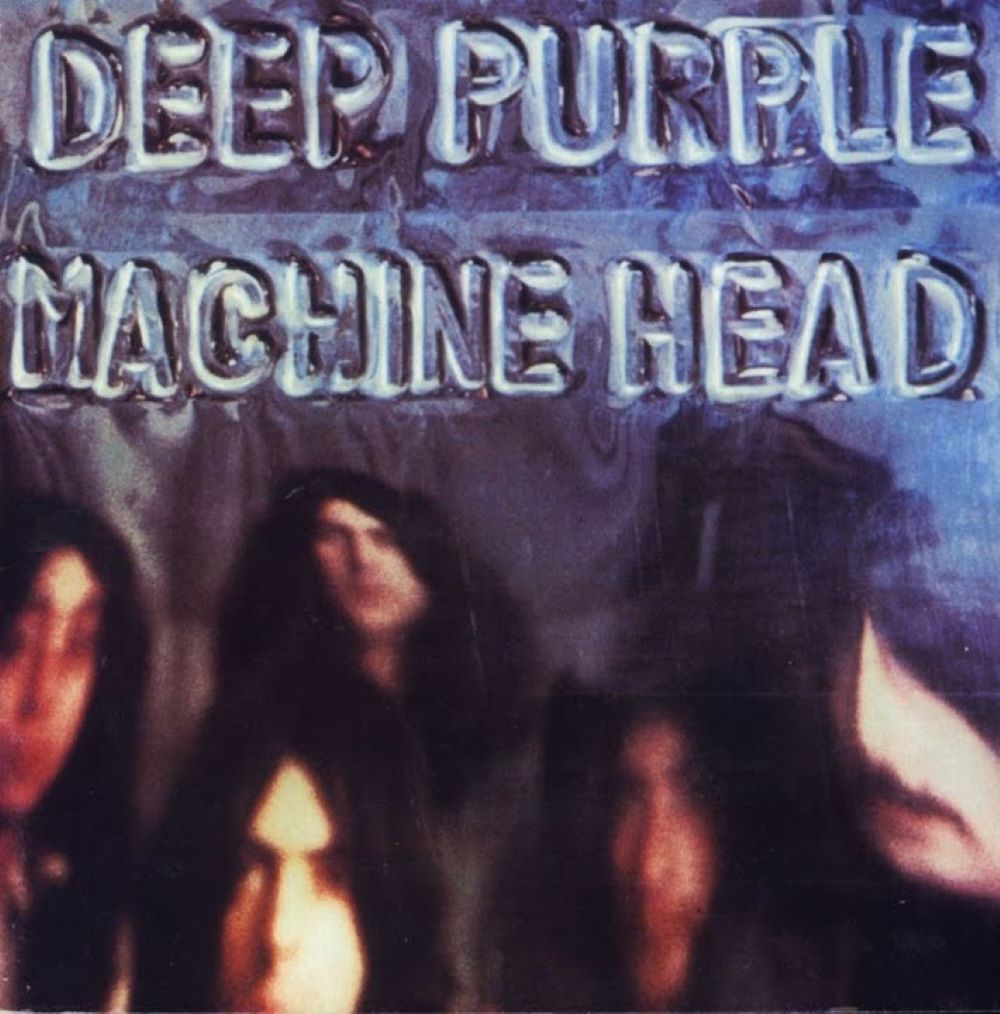
Song of the Day: Highway Star (by Deep Purple)


If you’ve never heard Highway Star by Deep Purple, you’re honestly missing one of the purest shots of adrenaline rock music has to offer. This isn’t just a song—it’s basically a speeding ticket set to music. From the second that opening riff kicks in, it feels like you’re already going 90 mph with the windows down, even if you’re just sitting still. It’s loud, fast, and unapologetically obsessed with the thrill of the road.

What really hooks you is how everything in the song feels like it’s racing forward. Ian Gillan’s vocals don’t just ride the music—they chase it. The lyrics are simple but perfectly on-brand: cars, freedom, speed, and that reckless confidence that makes you want to push things just a little further than you probably should. It’s not trying to be deep; it’s trying to make you feel like you’re behind the wheel of something dangerous, and it absolutely nails that vibe.

And then there’s the guitar solo—starting around 4:04—which is where the song goes from great to legendary. Ritchie Blackmore doesn’t just shred; he constructs this wild, almost classical-sounding run that somehow still feels like it belongs on a straight highway at full throttle. It’s precise but still raw, like controlled chaos. You can practically hear the engine revving in every note. It’s the kind of solo that makes you rewind the track immediately just to hear it again.

Honestly, it wouldn’t be surprising if Highway Star has indirectly helped highway patrol rack up thousands—maybe millions—of speeding tickets since it came out. It doesn’t matter what you’re behind the wheel of—a Honda Civic, a Pontiac GTO, a Ford F-150, or even an AMC Gremlin—once this song kicks in, it burrows into your brain like a worm and suddenly you want to become an avatar of speed on the blacktop. This is not a song you play if you’re trying to drive responsibly—it practically dares you to press harder on the gas. And I’ll admit, even I wasn’t immune; once it started blasting through my car’s stereo, I ended up becoming one of those statistics myself. So yeah, if you’re checking it out for the first time, maybe don’t listen to it on your commute… unless you’re cool with funding your local police department.

Highway Star

Nobody gonna take my car, I’m gonna race it to the ground
And nobody gonna beat my car, it’s gonna break the speed of sound
Ooh, it’s a killing machine
It’s got everything
Like a driving power, big fat tires and everything

I love it and I need it, I bleed it

Yeah, it’s a wild hurricane
Alright, hold tight, I’m a highway star

Nobody gonna take my girl, I’m gonna keep her ’til the end
And nobody gonna have my girl, she stays close on every bend
Ooh, she’s a killing machine
She got everything
Like a moving mouth, body control and everything

I love her, I need her, I see her

Yeah, she turns me on
Alright, hold on tight, I’m a highway star

And nobody gonna take my head, I got speed inside my brain
And nobody gonna steal my head now that I’m on the road again
Ooh, I’m in heaven again
I’ve got everything
Like a moving ground, an open road and everything

I love it and I need it, I’ve seen it

Eight cylinders, all mine
Alright, hold on tight, I’m a highway star

(guitar solo @4:04)

Nobody gonna take my car, I’m gonna race it to the ground
And nobody gonna beat my car, it’s gonna break the speed of sound
Ooh, it’s a killing machine
It’s got everything
Like a driving power, big fat tires and everything

I love it and I need it, I bleed it

Yeah, it’s a mad hurricane
Alright, hold on tight, I’m a highway star
I’m a highway star
I’m a highway star

Know Your Enemy

Huh
Yeah, we’re comin’ back in with another bombtrack
Think ya know it’s all of that, huh
Ayo, so check this out, yeah

Know your enemy
Come on

Born with insight and a raised fist
A witness to the slit wrist
As we move into ’92
Still in a room without a view
Ya got to know, ya got to know
That when I say go, go, go
Amp up and amplify, defy
I’m a brother with a furious mind
Action must be taken
We don’t need the key, we’ll break in
Something must be done
About vengeance, a badge and a gun
‘Cause I’ll rip the mic, rip the stage, rip the system
I was born to rage against ’em
Fist in ya face in the place and I’ll drop the style clearly
Know your enemy

Know your enemy
Yeah
Ayo, get with this, ugh

Word is born
Fight the war, fuck the norm
Now I got no patience
So sick of complacence
With the D, the E, the F, the I, the A, the N, the C, the E
Mind of a revolutionary, so clear the lane
The finger to the land of the chains
What? The “land of the free”?
Whoever told you that is your enemy
Now something must be done
About vengeance, a badge, and a gun
‘Cause I’ll rip the mic, rip the stage, rip the system
I was born to rage against ’em
Now action must be taken
We don’t need the key, we’ll break in

I’ve got no patience now
So sick of complacence now
I’ve got no patience now
So sick of complacence now
Sick of, sick of, sick of, sick of you
Time has come to pay

Know your enemy

(guitar solo @3:52)

Come on
Yes, I know my enemies
They’re the teachers who taught me to fight me
Compromise, conformity
Assimilation, submission
Ignorance, hypocrisy
Brutality, the elite
All of which are American dreams

Great Guitar Solos Series

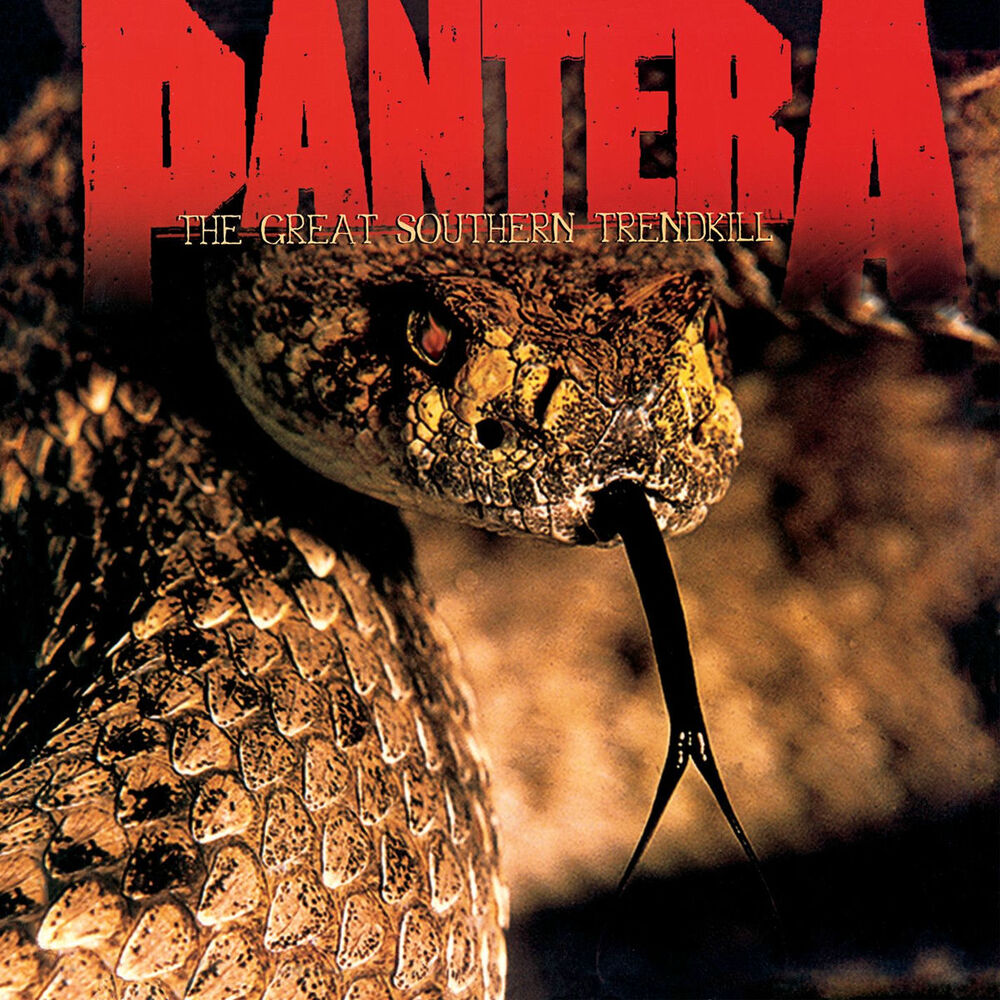
Song of the Day: Floods (by Pantera)


“Floods” is one of those Pantera tracks that reveals the band’s more emotional and haunting side, standing apart from their usual aggressive sound. It’s from The Great Southern Trendkill, an album packed with chaos and fury, yet this song slows everything down and dives deep into something moodier. The title alone feels ominous, suggesting both destruction and cleansing, and the music reflects that perfectly with its brooding, slow buildup. Phil Anselmo’s vocals here are less about rage and more about sorrow—you can hear the weight in his delivery as it shifts from calm reflection to near anguish.

What really sets “Floods” apart is how it blends atmosphere and raw heaviness. Instead of fast riffs or flashy technique, the band leans into groove and tone. Vinnie Paul’s drumming locks down a deliberate, steady pulse while the guitars create this dark, cinematic tension. It’s heavy, not just in sound, but in emotion—like the kind of weight that builds slowly over time. Pantera isn’t usually called “beautiful,” but here, that label fits; there’s something hypnotic about how the song breathes.

Then comes the moment that every Pantera fan talks about—Dimebag Darrell’s guitar solo, which starts at around 3:51. That’s when the emotional core of the song fully opens up. Instead of a speed run or technical show-off, Dimebag plays with haunting melody and unbelievable expression. The solo builds gently, starts weeping almost, and then rises into this soaring section that feels like the sky breaking open after a storm. It’s one of his most soulful performances—a reminder of how much feeling he could pull from a single bend or sustain.

By the time “Floods” winds down, you’re left in a kind of spell. The outro fades out in layers of haunting harmonics, like thunder echoing after rain, and it’s easy to just sit there in silence when it ends. It’s Pantera at their most restrained, but also their most human. Even if you’re not normally into heavy metal, this track shows why Dimebag still gets talked about as one of the greats—he didn’t just play guitar solos; he told stories with them.

Floods

A dead issue
Don’t wrestle with it
Deaf ears are sleeping
A guilty bliss
So inviting (let me in)
Nailed to the cross
I feel you
Relate to you
Accuse you

Wash away us all
Take us with the floods

Cold hearted world

Your language unheard of
The vast sound of tuning out
The rash of negativity
Is seen one sidedly
Burn away the day
The nervous
The drifting
The heaving

Wash away us all
Take us with the floods

Cold hearted world
(And at night)
(They might bait the pentagram)
(And at night)
(They might bait the pentagram)
Extinguishing the sun

Wash away man
Take him with the floods

Die…
Die…

Die…
Die…

[guitar solo @3:51]

Great Guitar Solos Series

Song of the Day: Dazed and Confused (by Led Zeppelin)


Today’s Song of the Day is Led Zeppelin’s “Dazed and Confused”, that hypnotic Yardbirds cover Jimmy Page transformed into a sprawling psychedelic monster on their 1969 debut. Robert Plant’s otherworldly wails float over John Paul Jones’s prowling bass and John Bonham’s primal drums, crafting this foggy, trippy atmosphere that’s perfect for zoning out late at night. But let’s be real, it’s Page’s six-string sorcery that cements it as essential listening.

The real magic erupts at the 3:53 timestamp in the official release cut, when Page launches into his legendary guitar solo—a blistering torrent of bent notes, ferocious pentatonic dives, and those eerie, talkbox-esque squeals that sound like the guitar’s possessed. He’s wringing every ounce of emotion from his Telecaster, stacking fuzz, echo, and vibrato into a wall of controlled chaos that feels like a bad acid trip turned triumphant. It’s raw, innovative shredding that grabs you by the soul and doesn’t let go.

Live versions took it to another level, ballooning into 10+ minute odysseys with Page’s violin bow creating those haunting drones before he dives back into the frenzy—check the ’73 Madison Square Garden tape for the ultimate freakout. This solo isn’t just flashy; it’s Page channeling pure rock alchemy, paving the way for metal and jam gods alike. Crank it up and feel the daze.

Dazed and Confused

Been dazed and confused for so long, it’s not true
Wanted a woman, never bargained for you
Lots of people talkin’, few of them know
Soul of a woman was created below, yeah

You hurt and abuse, tellin’ all of your lies
Run ’round, sweet baby, Lord, how they hypnotize
Sweet little baby, I don’t know where you been
Gonna love you, baby, here I come again

Every day I work so hard
Bringin’ home my hard-earned pay
Try to love you, baby
But you push me away

Don’t know where you’re goin’
Only know just where you’ve been
Sweet little baby
I want you again

Ah, ah, ah, ah
(Did you ever look up my woman?)
Ah, ah, ah, ah
Aah-ah, aah, ah, ah, ah, ah, ah

Aah, ah, ah, ah, ah, ah, ah, ah, ah, ah, ah, aah
Oh, yeah, alright

Been dazed and confused
For so long, it’s not true
Wanted a woman
Never bargained for you

Take it easy, baby
Let them say what they will
Tongue wag so much
When I send you the bill

Oh yeah, alright

Oh, oh, oh, oh
Oh, oh, oh, oh
Oh, oh, oh, oh
Oh, oh, oh, oh
Oh, oh, oh

Great Guitar Solos Series

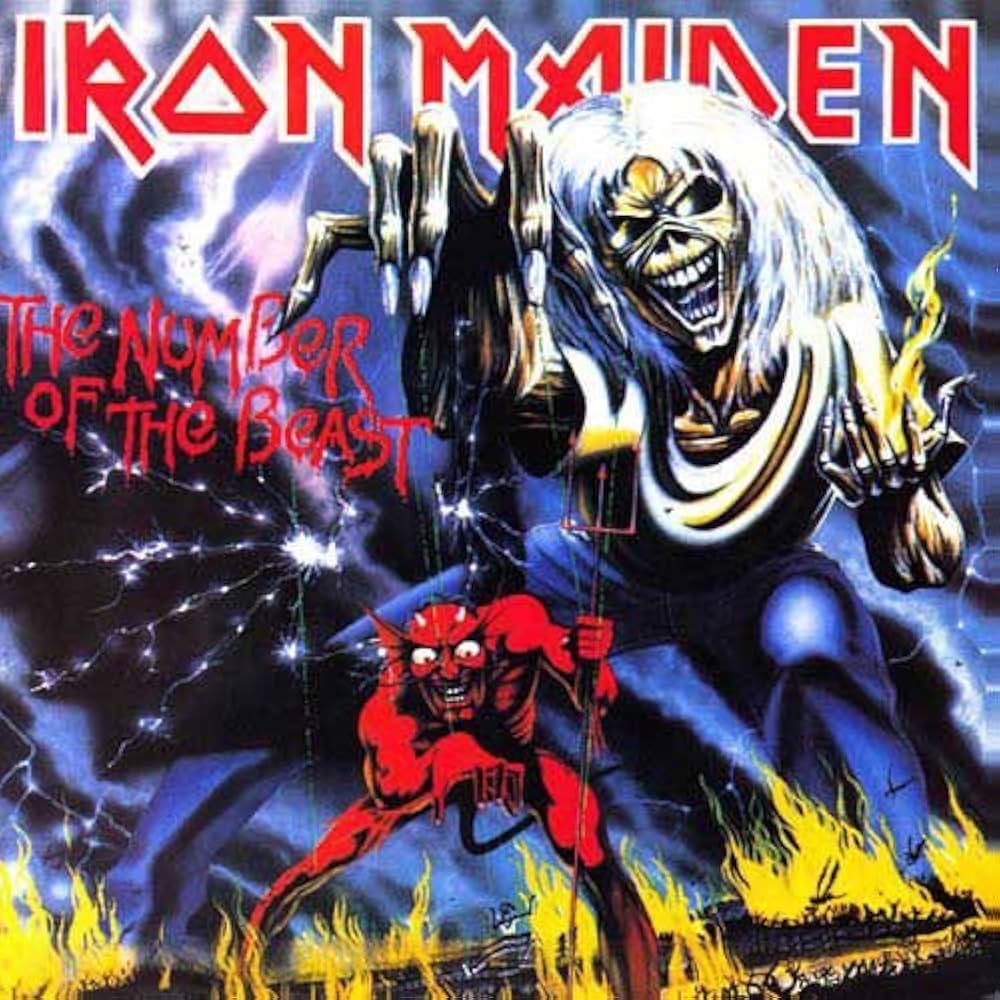
Song of the Day: The Number of the Beast (by Iron Maiden)


Iron Maiden’s “The Number of the Beast” has always been more than its fire-and-brimstone title suggests — it’s paranoia turned into power. The song’s galloping riffs and Bruce Dickinson’s almost theatrical wail capture the feeling of witnessing something apocalyptic yet beautiful. In the context of 28 Years Later: The Bone Temple, that sense of awe and fear fits perfectly with the film’s tone. The track mirrors the world’s collapse into ritual madness — humanity trying to reframe its pain through cultish belief, just as Maiden’s lyrics dance between religious imagery and sheer existential panic.

There’s also a rhythm to the song that mirrors how The Bone Temple paces its moments of horror and release. The pounding drums feel like the heartbeat of survivors, racing through collapsed cities while their faith in reason splinters. Just as Iron Maiden’s piece builds to a manic crescendo, the film layers intensity until chaos feels almost sacred. The chorus could easily underscore the movie’s climactic sequences — not as a literal choice, but emotionally, where fascination with evil becomes indistinguishable from fear.

What ties them together most is their shared refusal to moralize the apocalypse. Iron Maiden tells a story about vision and hysteria — not right or wrong — and The Bone Temple does the same, showing how people build new devotions in the ashes of old systems. Both suggest that when we stare into horror long enough, it stares back with rhythm and purpose. In that way, “The Number of the Beast” isn’t just an anthem of terror; it’s a hymn for the end of reason — making it the perfect spiritual soundtrack for this chapter of the 28 Years Later world.

The Number of the Beast

Woe to you, o’er Earth and Sea
For the Devil sends the beast with wrath
Because he knows the time is short
Let him who hath understanding reckon the number of the beast
For it is a human number
Its number is six hundred and sixty six

I left alone, my mind was blank
I needed time to think to get the memories from my mind
What did I see? Can I believe that what I saw
That night was real and not just fantasy?
Just what I saw, in my old dreams, were they
Reflections of my warped mind staring back at me?
Cause in my dreams, it’s always there
The evil face that twists my mind and brings me to despair

Yeah!

The night was black, was no use holding back
Cause I just had to see, was someone watching me?
In the mist, dark figures move and twist
Was all this for real or just some kind of hell?

666 the number of the beast
Hell and fire was spawned to be released

Torches blazed and sacred chants were phrased
As they start to cry, hands held to the sky
In the night, the fires are burning bright
The ritual has begun, Satan’s work is done

666 the number of the beast
Sacrifice is going on tonight

This can’t go on, I must inform the law
Can this still be real, or just some crazy dream?
But I feel drawn towards the chanting hordes
They seem to mesmerize, can’t avoid their eyes

666 the number of the beast
666 the one for you and me

I’m coming back, I will return
And I’ll possess your body and I’ll make you burn
I have the fire, I have the force
I have the power to make my evil take its course

Horror Comics Review: Evil Ernie


Evil Ernie’s legacy began with two key comic series that deeply shaped his character and cemented his place in horror comic history. Firstly, the original Evil Ernie mini-series, published in 1991 by Eternity Comics, introduced readers to Ernest Fairchild—a tortured, telepathic boy whose severe abuse and trauma spiraled into the transformation that birthed Evil Ernie. This five-issue series laid the foundation for the character’s dark mythology, blending psychological horror with supernatural violence and heavy metal influences. Here, Ernie’s pact with Lady Death and the introduction of his iconic “Smiley” button set the tone for his psychotically violent crusade against humanity, portraying him as a vengeful, undead antihero fueled by rage and heartbreak.

Following the original run, the Chaos! Comics imprint expanded on Ernie’s mythos with significant titles like Evil Ernie: Resurrection and Youth Gone Wild. These series pushed the narrative further into apocalyptic territory, showcasing Ernie’s increasing power, his undead army, and the world-spanning consequences of his rampage. Resurrection delved into Ernie’s return from death with amplified powers, setting the stage for his global campaign of destruction. Youth Gone Wild, evokes the rebellious spirit captured both visually and thematically, tying Ernie’s anger and chaos to a larger cultural moment reflective of 1990s heavy metal and punk ethos.

Crucially, the role of Lady Death in these series cannot be overstated. Initially a spectral figure who offers Ernie the love and acceptance he craves in exchange for his violent pledge, Lady Death evolved into the defining character of the Chaos! Comics universe. Her complex origins as the mortal Hope, betrayed and transformed into the queen of Hell, give the stories emotional depth and mythic resonance. Her “bad girl” gothic aesthetic and tragic backstory resonated powerfully with fans, propelling her to overshadow even Ernie himself in popularity and cultural impact.

Evil Ernie’s narrative and character design were heavily influenced by the prevailing heavy metal and splatter punk subcultures of the time. His wild hair, leather attire, and violent, nihilistic persona echoed the sonic aggression and rebellious imagery of bands like Slayer and Overkill, who also explored themes of alienation, death, and wrath. This cultural synergy imbued the comics with an authenticity that attracted a dedicated fanbase attuned to these genres. The explicit violence and body horror scenes showcased the splatter punk influence, pushing boundaries in graphic storytelling to depict raw, unapologetic gore that underscored Ernie’s tragic antiheroism.

The Evil Ernie series was more than just a comic about zombies and destruction; it was a cultural artifact infused with the angst, aggression, and rebellion of ‘90s youth subcultures. It forged a new path in horror comics by blending psychological trauma, supernatural terror, and social outcast narratives while crafting a mythos that was both cosmic and personal. The enduring popularity of Ernie, alongside characters like Lady Death and Purgatori, validated Brian Pulido’s vision and solidified a franchise that remains influential in horror and dark fantasy comics.

In summary, the original Evil Ernie mini-series set the brutal, tragic tone that defines the character, while subsequent series like Resurrection and Youth Gone Wild expanded his mythic scope, fueled by a unique fusion of horror, metal, and punk. Lady Death’s rise within these narratives added emotional complexity and gothic grandeur that enriched the universe Pulido created, creating a layered, compelling world that still captivates cult fans today. Together, these series and characters have left an indelible mark on horror comics, affirming the powerful cultural interplay between music, graphic storytelling, and dark fantasy.

Horror Song of the Day: Fear of the Dark (by Iron Maiden)


If you’re new to Iron Maiden and want to experience a melodic metal song that doubles as a horror anthem, “Fear of the Dark” is a must-listen. Written and composed by Steve Harris, Iron Maiden’s bassist and primary songwriter, the song vividly captures that feeling of walking alone at night with the uneasy sensation that something might be lurking just out of sight. It’s a powerful exploration of a common fear—the discomfort and paranoia that darkness brings—which makes it feel like a spooky bedtime story set to powerful music.

What really makes this song stand out is how the music and Bruce Dickinson’s dramatic vocals work together to build tension and then release it. The guitars start slow and eerie, setting a creepy atmosphere, then shift into faster, catchy melodies that ramp up the excitement and nervous energy. Dickinson’s voice is full of drama and really sells that feeling of fear mixed with urgency. It’s not just heavy music; it’s storytelling with heart and melody.

Plus, the lyrics reference classic horror themes like watching scary movies and ancient folklore, which makes the song feel timeless and accessible. It’s a perfect gateway into how metal bands can blend melody with horror themes, making it approachable even if you’re not usually into heavy music. Overall, “Fear of the Dark” showcases Iron Maiden’s skill at creating music that is not only thrilling but also emotionally gripping and narratively rich.

Fear of the Dark

I am a man who walks alone
And when I’m walking a dark road
At night or strolling through the park
When the light begins to change
I sometimes feel a little strange
A little anxious when it’s dark

Fear of the dark, fear of the dark
I have a constant fear that something’s always near
Fear of the dark, fear of the dark
I have a phobia that someone’s always there

Have you run your fingers down the wall
And have you felt your neck skin crawl
When you’re searching for the light?
Sometimes when you’re scared to take a look
At the corner of the room
You’ve sensed that something’s watching you

Fear of the dark, fear of the dark
I have a constant fear that something’s always near
Fear of the dark, fear of the dark
I have a phobia that someone’s always there

Have you ever been alone at night
Thought you heard footsteps behind
And turned around, and no one’s there?
And as you quicken up your pace
You find it hard to look again
Because you’re sure there’s someone there

Fear of the dark, fear of the dark
I have a constant fear that something’s always near
Fear of the dark, fear of the dark
I have a phobia that someone’s always there

Watching horror films the night before
Debating witches and folklore
The unknown troubles on your mind
Maybe your mind is playing tricks
You sense, and suddenly eyes fix
On dancing shadows from behind

Fear of the dark, fear of the dark
I have a constant fear that something’s always near
Fear of the dark, fear of the dark
I have a phobia that someone’s always there

When I’m walking a dark road
I am a man who walks alone

Horror Song of the Day: The Thing The Should Not Be (by Metallica)


If you’re into heavy music with a dark, spooky vibe, Metallica’s “The Thing That Should Not Be” is a must-listen. The song draws heavy inspiration from H.P. Lovecraft’s stories about ancient sea monsters and forbidden gods — you can feel that eerie cosmic horror flowing through the lyrics and music. Unlike their faster, thrashy songs, this one’s slower and heavier, building this oppressive, almost underwater atmosphere that really pulls you into a different world. The sounds perfectly suit a cosmic horror soundtrack, like you’re hearing something ancient waking up beneath the surface.

Every member of Metallica brings something special here. James Hetfield’s vocals nail that storytelling vibe, like he’s warning you about unspeakable horrors. Kirk Hammett’s guitar solo adds a weird, haunting layer with its echoing bends and wild tone, totally fitting the Lovecraftian theme. Cliff Burton’s bass work gives the song a thick, gnarly depth that makes everything feel huge and otherworldly, while Lars Ulrich’s steady drumming drives the mood without rushing it. Together, they craft this dense, crushing atmosphere that feels like it could be the soundtrack to a cosmic nightmare.

If you want to hear the song take on an epic new dimension, check out the S&M version with the San Francisco Symphony. The orchestra adds massive, cinematic power, turning the track into a full-on cosmic horror soundtrack. The strings and brass layer in this grand, haunting sound that makes the whole thing feel even more apocalyptic and intense. It’s like Metallica took their already heavy and spooky song and gave it the kind of scale and depth that only a symphony can provide. Definitely worth a listen if you want to experience cosmic horror in both metal and orchestral form.

The Thing That Should Not Be

Messenger of fear in sight
Dark deception kills the light
Hybrid children watch the sea
Pray for father, roaming free

Fearless wretch
Insanity
He watches
Lurking beneath the sea

Great old one
Forbidden site
He searches
Hunter of the shadows is rising

Immortal
In madness you dwell

Crawling chaos, underground
Cult has summoned, twisted sound
Out from ruins once possessed
Fallen city, living death

Fearless wretch
Insanity
He watches
Lurking beneath the sea

Timeless sleep
Has been upset
He awakens
Hunter of the shadows is rising

Immortal
In madness you dwell

[Guitar solo]

Not dead which eternal lie
Stranger eons death may die
Drain you of your sanity
Face the thing that should not be

Fearless wretch
Insanity
He watches
Lurking beneath the sea

Great old one
Forbidden site
He searches
Hunter of the shadows is rising

Immortal
In madness you dwell