Retro Music Review: Back in Black (by AC/DC)


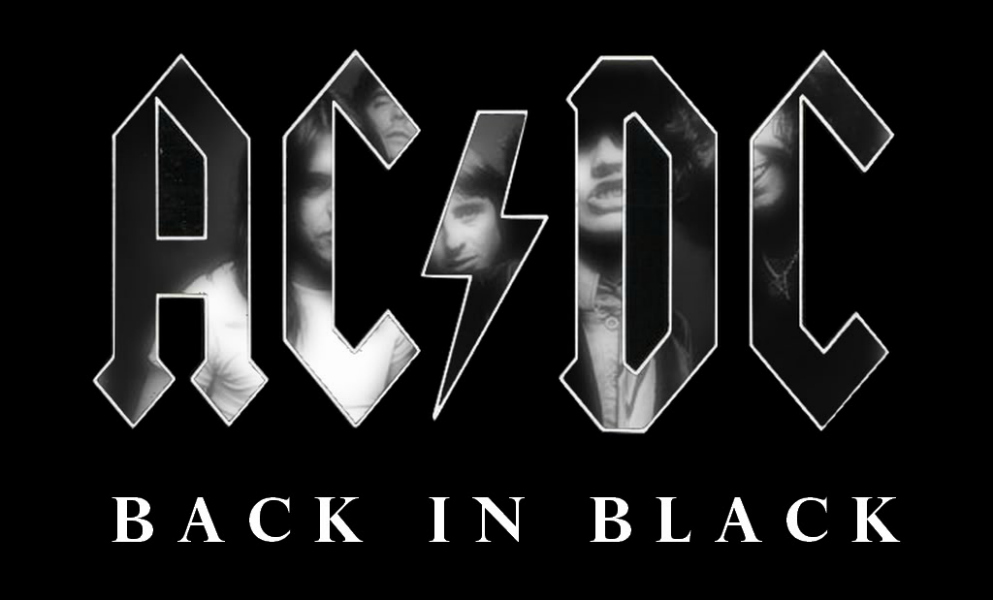
Back in Black is one of those rare albums that doesn’t just define a band’s career—it redefines an entire genre. Released in 1980, it arrived at a crossroads for AC/DC, following the tragic death of their original frontman, Bon Scott. The band could have folded under the weight of that loss, but instead, they came back harder, louder, and more focused than ever. Recruiting Brian Johnson as the new vocalist and teaming up with producer Mutt Lange, AC/DC crafted an album that’s as much a tribute to Scott’s legacy as it is a bold declaration of their own immortality. From the opening chime of Hells Bells to the final power chord of Rock and Roll Ain’t Noise PollutionBack in Black is a masterclass in hard rock, stripping the genre down to its raw, riff-driven essence while somehow making it sound fresh and unstoppable.

The album kicks off with Hells Bells, a track that immediately sets the tone with its ominous, tolling bell and one of the most iconic guitar riffs in rock history. Angus Young’s razor-sharp licks cut through the mix like a hot knife through butter, while Malcolm Young’s rhythm guitar work provides the kind of relentless groove that makes it impossible not to move. Johnson’s gravelly vocals, a stark contrast to Scott’s higher-pitched snarl, bring a new kind of grit to the table. His delivery on lines like “I’m a rolling thunder, a pouring rain” feels like a promise—this isn’t just a new chapter for AC/DC, it’s a full-blown revival. The song’s mid-tempo swagger gives way to a chorus that’s pure anthem, the kind of sing-along moment that turns concert crowds into a single, roaring organism. It’s a hell of an opener, and it makes one thing clear: AC/DC wasn’t about to go quietly into the night.

Shoot Down in Love follows, and if Hells Bells was the warning shot, this is the first full-on assault. The track is a blistering, no-frills rocker with a chorus that hits like a punch to the gut. Johnson’s vocals here are particularly effective, his raspy growl selling the song’s blend of defiance and desire. The guitar work is typically stellar, with Angus peeling off solos that are equal parts technical brilliance and raw emotion. There’s a looseness to the track that makes it feel alive, like the band is playing in a dimly lit club rather than a high-end studio. It’s the kind of song that reminds you why AC/DC became legends in the first place—they don’t overthink it. They just rock, hard and without apology.

What Do You Do for Money Honey shifts gears slightly, dialing back the tempo but not the attitude. The song’s bluesy swagger is a nice change of pace, showcasing the band’s ability to groove without sacrificing their signature intensity. Johnson’s vocals here are almost playful, his delivery dripping with a kind of smirking confidence. The track’s lyrics, a tongue-in-cheek take on gold-digging, are delivered with such charm that it’s hard not to grin along. The guitar solo is another standout moment, with Angus weaving in and out of the mix with the kind of effortless skill that makes it look easy. It’s a reminder that AC/DC isn’t just about volume—they’ve got soul, too.

Then there’s Given the Dog a Bone, a track that’s as ridiculous as it is infectious. The title alone is a hint that this isn’t going to be your typical love song, and the lyrics—filled with double entendres and cheeky innuendo—only confirm that suspicion. But what really makes the song work is the riff. It’s one of those earworm hooks that burrows into your brain and refuses to leave. The rhythm section of Cliff Williams on bass and Phil Rudd on drums locks in perfectly, creating a pocket so deep you could lose yourself in it. Johnson’s vocals are at their most unhinged here, his growls and shouts adding to the song’s raucous energy. It’s the kind of track that might not get the same attention as some of the album’s bigger hits, but it’s a fan favorite for a reason—it’s pure, unfiltered AC/DC.

Let Me Put My Love Into You is where the album takes a darker turn. The song’s slow, slinking groove feels almost sinister, with Johnson’s vocals dripping with a kind of menacing seduction. The lyrics are straightforward, but the delivery is anything but—there’s a raw, almost primal energy to the track that makes it one of the album’s most memorable moments. Angus’s solo is a highlight, his notes bending and screaming in a way that feels like a direct descendant of the blues greats. The song builds to a climax that’s as satisfying as it is unexpected, proving that AC/DC could do more than just crank out three-chord bangers. They could craft songs with depth, texture, and a real sense of danger.

Of course, no discussion of Back in Black would be complete without talking about the title track. Back in Black is the album’s centerpiece, a monument to resilience and defiance. The riff, one of the most recognizable in rock history, is a thing of beauty—simple, but devastatingly effective. Johnson’s vocals are at their most commanding, his delivery of the chorus—“Back in black / I hit the sack / I’ve been too long, I’m glad to be back”—feeling like a victory lap. The song is a middle finger to anyone who doubted the band could survive without Bon Scott, and it’s hard to imagine a more perfect response. The track’s groove is irresistible, the kind of thing that makes you want to crank the volume to eleven and let the music wash over you. It’s a testament to the band’s ability to turn pain into power, and it remains one of their most enduring anthems.

You Shook Me All Night Long is the album’s other massive hit, and for good reason. From the opening riff to the final note, it’s a masterclass in hard rock songwriting. The verse is all swagger, with Johnson’s vocals riding the groove like a cowboy on a wild stallion. The chorus, meanwhile, is pure gold—a sing-along moment that’s as catchy as it is powerful. The song’s bridge, with its call-and-response vocals and punchy guitar licks, is a particular standout. And then there’s the solo, a blistering display of Angus’s skill that never feels like showing off. It’s just another example of how AC/DC could take a simple idea and turn it into something timeless. The track’s success—it was the band’s first Top 40 hit in the US—proved that Back in Black wasn’t just a critical darling; it was a commercial juggernaut, too.

Have a Drink on Me is a return to the album’s more straightforward rockers, but that doesn’t make it any less effective. The song’s mid-tempo groove is infectious, with a chorus that’s as easy to sing along to as it is to get stuck in your head. Johnson’s vocals here are particularly strong, his delivery of the song’s title feeling like an invitation to the party. The guitar work is, as always, top-notch, with Angus and Malcolm locking in to create a sound that’s both tight and loose. It’s the kind of track that might not grab the headlines like some of the album’s bigger hits, but it’s a crucial part of what makes Back in Black such a complete experience. There are no weak links here—every song has a purpose, and every song delivers.

Shake a Leg is another underrated gem. The track’s driving rhythm and punchy riff make it a standout, with Johnson’s vocals adding a layer of urgency that’s hard to resist. The song’s chorus is a particular highlight, its call-and-response structure giving it a kind of communal feel. It’s the kind of track that works just as well in a packed arena as it does blasting through headphones, a testament to the band’s ability to craft songs that are both personal and universal. The guitar solo is another moment of brilliance, with Angus’s notes flying off the fretboard in a flurry of energy and precision. It’s a reminder that, even at their most straightforward, AC/DC could still surprise you.

The album closes with Rock and Roll Ain’t Noise Pollution, a track that feels like a mission statement. The song’s title is a defiant response to anyone who might dare to criticize the band’s brand of music, and the lyrics double down on that sentiment. Johnson’s vocals are at their most passionate here, his delivery of lines like “School boy terror with a rock ‘n’ roll guitar” feeling like a rallying cry. The track’s groove is irresistible, with the band locking into a rhythm that’s as tight as it is infectious. The guitar work is, once again, stellar, with Angus’s solo providing a fitting capstone to the album. It’s a powerful way to end things, a final reminder of why AC/DC has endured for decades. They don’t just play rock and roll—they embody it.

What’s perhaps most impressive about Back in Black is how timeless it feels. Released over four decades ago, it doesn’t sound like a relic of the past. If anything, it sounds like it could have been recorded yesterday. That’s a testament to the band’s skill as songwriters and musicians, of course, but it’s also a credit to Mutt Lange’s production. The album’s sound is crisp and powerful, with every instrument cutting through the mix with clarity and purpose. There’s a rawness to the recordings that gives them a sense of immediacy, like the band is right there in the room with you. It’s a production style that would go on to influence countless albums in the years that followed, but it never felt as natural as it does here.

Lyrically, Back in Black isn’t going to win any awards for depth or poetry. AC/DC has never been a band that relied on flowery language or complex metaphors. Their strength has always been in their directness, their ability to convey emotion and attitude with just a few well-chosen words. Johnson’s lyrics on this album are no exception. They’re simple, sometimes even silly, but they’re always effective. Whether he’s singing about love, lust, or the sheer joy of rock and roll, there’s a sincerity to his delivery that makes it impossible not to buy in. It’s a reminder that you don’t need to be a wordsmith to connect with an audience. Sometimes, all you need is a little honesty and a lot of heart.

The legacy of Back in Black is hard to overstate. It’s one of the best-selling albums of all time, with estimates putting its worldwide sales at over 50 million copies. It’s been praised by critics, revered by fans, and covered by countless other artists. It’s been inducted into the National Recording Registry by the Library of Congress for being “culturally, historically, or aesthetically significant.” But perhaps the most telling sign of its impact is the way it’s stood the test of time. In an era where trends come and go with alarming speed, Back in Black has remained a constant. It’s an album that new generations of rock fans continue to discover, and its influence can be heard in everything from hair metal to grunge to modern hard rock. It’s a testament to the power of great songwriting, great musicianship, and a refusal to compromise.

For all its commercial success and critical acclaim, though, Back in Black is ultimately an album about resilience. It’s a record born out of tragedy, a band’s way of processing grief and channeling it into something powerful. That sense of defiance, of refusing to be beaten down, is woven into every note. It’s there in the swagger of Hells Bells, the menace of Let Me Put My Love Into You, and the triumph of Back in Black. It’s an album that doesn’t just rock—it inspires. And that, more than anything, is why it continues to resonate. AC/DC didn’t just make a great album with Back in Black. They made a statement. And over forty years later, that statement is as loud and as clear as ever.

Song of the Day: Dazed and Confused (by Led Zeppelin)


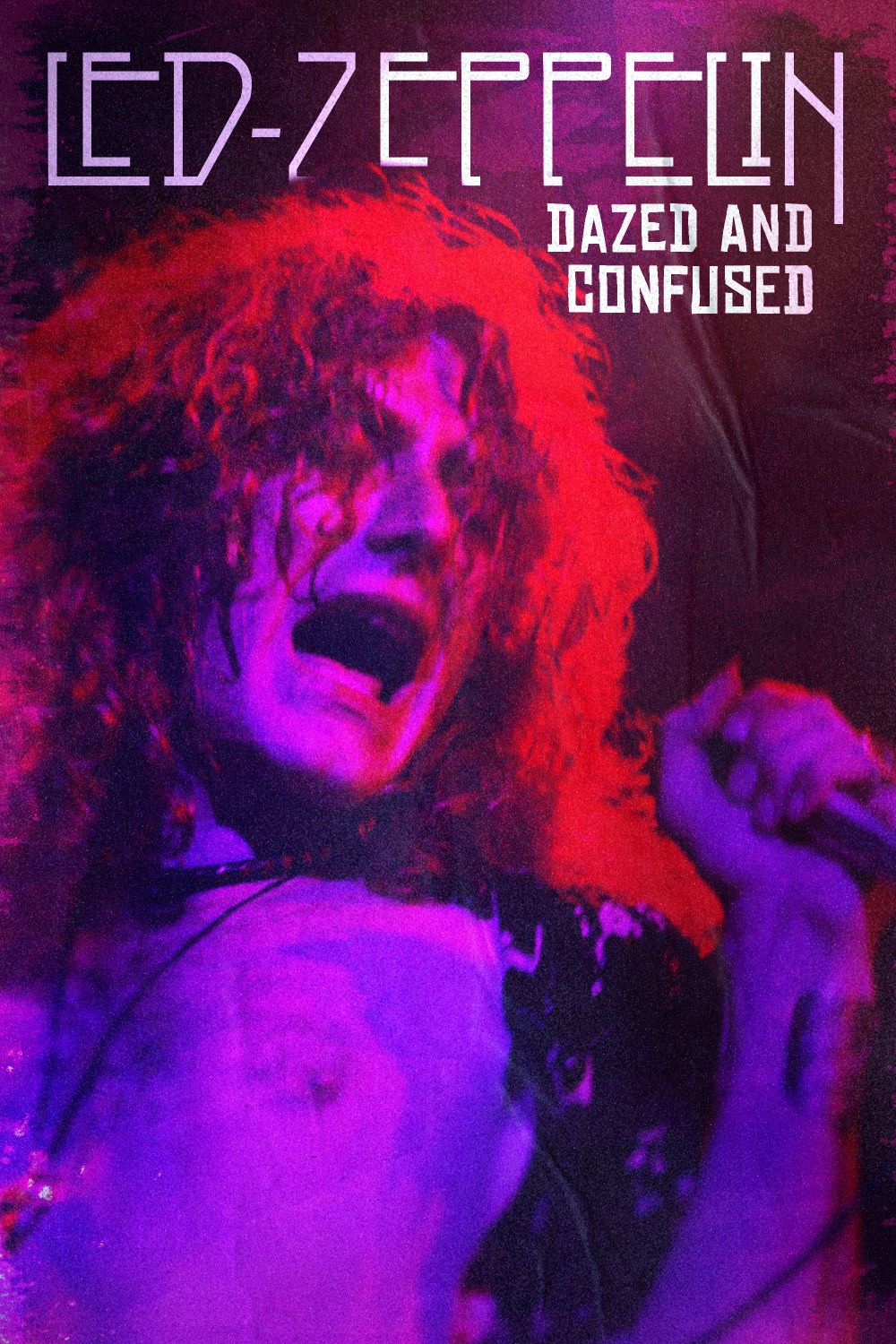
Today’s Song of the Day is Led Zeppelin’s “Dazed and Confused”, that hypnotic Yardbirds cover Jimmy Page transformed into a sprawling psychedelic monster on their 1969 debut. Robert Plant’s otherworldly wails float over John Paul Jones’s prowling bass and John Bonham’s primal drums, crafting this foggy, trippy atmosphere that’s perfect for zoning out late at night. But let’s be real, it’s Page’s six-string sorcery that cements it as essential listening.

The real magic erupts at the 3:53 timestamp in the official release cut, when Page launches into his legendary guitar solo—a blistering torrent of bent notes, ferocious pentatonic dives, and those eerie, talkbox-esque squeals that sound like the guitar’s possessed. He’s wringing every ounce of emotion from his Telecaster, stacking fuzz, echo, and vibrato into a wall of controlled chaos that feels like a bad acid trip turned triumphant. It’s raw, innovative shredding that grabs you by the soul and doesn’t let go.

Live versions took it to another level, ballooning into 10+ minute odysseys with Page’s violin bow creating those haunting drones before he dives back into the frenzy—check the ’73 Madison Square Garden tape for the ultimate freakout. This solo isn’t just flashy; it’s Page channeling pure rock alchemy, paving the way for metal and jam gods alike. Crank it up and feel the daze.

Dazed and Confused

Been dazed and confused for so long, it’s not true
Wanted a woman, never bargained for you
Lots of people talkin’, few of them know
Soul of a woman was created below, yeah

You hurt and abuse, tellin’ all of your lies
Run ’round, sweet baby, Lord, how they hypnotize
Sweet little baby, I don’t know where you been
Gonna love you, baby, here I come again

Every day I work so hard
Bringin’ home my hard-earned pay
Try to love you, baby
But you push me away

Don’t know where you’re goin’
Only know just where you’ve been
Sweet little baby
I want you again

Ah, ah, ah, ah
(Did you ever look up my woman?)
Ah, ah, ah, ah
Aah-ah, aah, ah, ah, ah, ah, ah

Aah, ah, ah, ah, ah, ah, ah, ah, ah, ah, ah, aah
Oh, yeah, alright

Been dazed and confused
For so long, it’s not true
Wanted a woman
Never bargained for you

Take it easy, baby
Let them say what they will
Tongue wag so much
When I send you the bill

Oh yeah, alright

Oh, oh, oh, oh
Oh, oh, oh, oh
Oh, oh, oh, oh
Oh, oh, oh, oh
Oh, oh, oh

Great Guitar Solos Series

Review: The Crow (Original Motion Picture Soundtrack)


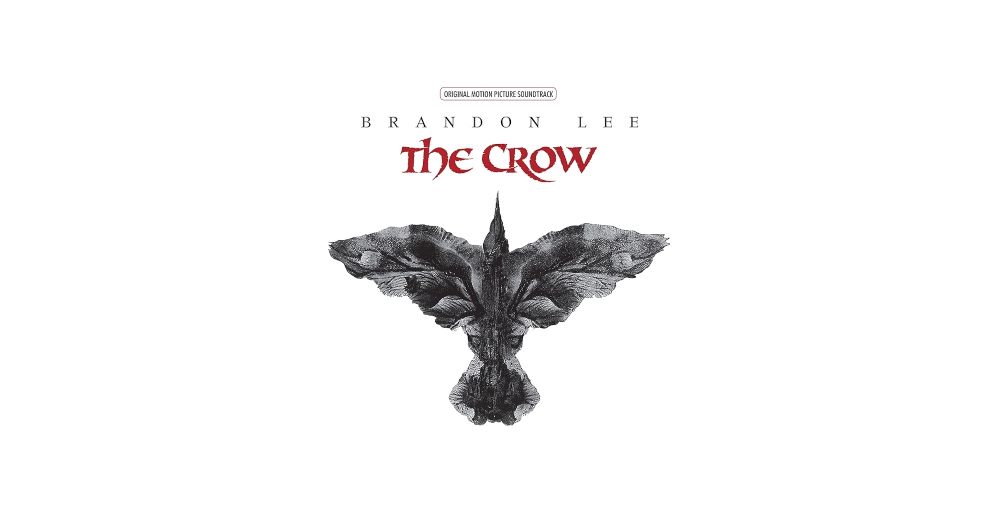
The Crow (1994) soundtrack stands as a cornerstone of mid-90s alternative rock, capturing the gothic essence of Alex Proyas’s film through a masterful blend of original tracks, re-recordings, and covers from the era’s heaviest hitters. Released on March 29, 1994, by Atlantic Records, this 14-track album clocked in at 63:50, peaking at number one on the Billboard 200 and earning triple platinum status with over three million copies sold in the U.S. alone. Its success wasn’t just commercial; it encapsulated the raw, brooding spirit of grunge, industrial, and post-punk at their commercial zenith, turning a superhero revenge tale into a sonic monument for disaffected youth.

Opening with Burn by The Cure, the album immediately plunges listeners into the film’s shadowy heart. Written specifically for the movie, this six-minute epic pulses with Robert Smith’s haunting vocals over swirling guitars and tribal drums, evoking Eric Draven’s resurrection and transformation. It’s a high point, perfectly syncing with the scene where Brandon Lee’s character applies his iconic black-and-white makeup, the song’s fiery intensity mirroring the crow’s vengeful rebirth. The Cure, fresh off their own chart dominance, deliver a track that feels both timeless and tailor-made, its gothic romance aligning seamlessly with James O’Barr’s original comic influences—like the page devoted to their earlier song The Hanging Garden.

Stone Temple Pilots follow with Big Empty, a mellow, blues-drenched lament that didn’t appear in the film’s body but bookends the credits. Initially, the band offered Only Dying, but after Lee’s tragic on-set death, they swapped it for this brooding gem, its introspective lyrics about loss resonating deeply with the movie’s themes of grief and redemption. Scott Weiland’s vulnerable croon over swirling psychedelia captures the quiet despair of Detroit’s rain-soaked nights, making it a fan favorite that lingers long after the album spins.

The pace shifts with Slip Slide Melting by For Love Not Lisa, a grungy alternative rocker that underscores the T-Bird gang’s Devil’s Night revelry. Its sludgy riffs and anthemic chorus fit the criminals’ bullet-swallowing bravado, though the track’s mid-tempo grind can feel formulaic amid the album’s bolder moments. Similarly, Rollins Band’s Ghostrider—a cover of Suicide’s 1977 punk staple inspired by the Marvel antihero—thunders in with Henry Rollins’ barked vocals and aggressive guitars. Heard as Top Dollar learns of the pawn shop arson, it injects punk fury, but its raw energy sometimes overshadows subtler nuances.

Nine Inch Nails’ take on Joy Division’s Dead Souls elevates the covers further, Trent Reznor’s industrial edge amplifying the original’s post-punk chill. Guiding the crow to its first target, Tin Tin, the song’s droning synths and pounding rhythm evoke inescapable fate, a nod to the comic’s Joy Division obsession—chapters titled after Atmosphere and Atrocity Exhibition. It’s a standout, bridging 80s goth roots with 90s aggression, though purists might prefer Ian Curtis’s spectral delivery.​

Helmet’s Milquetoast (often stylized Milktoast) brings math-rock precision, its staccato riffs and Page Hamilton’s yelps embodying mechanical rage. Less tied to a specific scene, it slots into the album’s industrial undercurrent, offering tight songcraft but lacking the emotional punch of neighbors like The Cure. Pantera’s The Badge, covering Poison Idea’s hardcore punk original, ramps up the metal as Top Dollar executes Gideon. Dimebag Darrell’s searing solos and Phil Anselmo’s snarls deliver brutality, fitting the film’s climax, yet the track’s extremity can alienate non-metal fans.

For Love Not Lisa’s inclusion feels slightly redundant after their opener, but Slip Slide Melting at least varies tempo. More intriguing is My Life with the Thrill Kill Kult’s After the Flesh, a re-recording of Nervous Xians from their nightclub cameo. Grooving with hip-hop beats, distorted samples, and sultry spoken-word, it pulses with sleazy underworld vibe, capturing the film’s seedy underbelly.​

The Jesus and Mary Chain’s Snakedriver adds shoegaze haze, Jim Reid’s drawl weaving through feedback-drenched guitars. Not featured prominently in the movie, it evokes serpentine cunning, though its dreamy wash occasionally drifts into monotony. Medicine’s Time Baby III, an evolved version of their film performance with Cocteau Twins’ Elizabeth Fraser on ethereal vocals, shimmers with shoegaze bliss. The original Time Baby II plays in the club, but this iteration’s Fraser guest spot adds haunting fragility, a brief respite in the aggression.

Rage Against the Machine’s Darkness—a reworking of their B-side Darkness of Greed—fumes with Zack de la Rocha’s righteous fury over Tom Morello’s jagged riffs. Soundtracking Albrecht and Sarah’s hotdog stand chat, it critiques urban decay, aligning with the film’s anti-corruption bent, but its preachiness might grate on repeat listens.​

Violent Femmes’ Color Me Once brings folk-punk twitchiness, Gordon Gano’s manic energy suiting the gothic whimsy, though it feels like an outlier amid the heavier fare. Closing with Jane Siberry’s It Can’t Rain All the Time, co-written with composer Graeme Revell from a film quote, the album ends on poignant hope. Its orchestral swell and Siberry’s tender delivery reunite Eric with Shelly’s spirit, shifting from vengeance to catharsis—an emotional anchor that ties the chaos together.

As a cohesive whole, The Crow soundtrack triumphs as a film companion, each track meticulously synced to amplify Proyas’s visuals: from the gang’s swagger to Draven’s flights of fury. Hits like BurnDead Souls, and Big Empty propelled it to cultural icon status, introducing casual listeners to acts like STP and NIN while honoring goth forebears. Commercially, it mirrored the era’s alt-rock boom—albums by The Cure, STP, and Pantera had topped charts—crystallizing a moment when industrial and grunge converged.

Yet balance demands critique: as a standalone album, it falters. The reliance on covers (GhostriderThe BadgeDead Souls) showcases reverence but rarely innovation, with some feeling like scene-setters over standalone statements. Lesser lights like Milquetoast or Snakedriver blur into a wall of distortion, lacking memorable hooks. Pacing sags mid-album, the industrial barrage overwhelming subtler gems like Time Baby III. Female voices—Fraser, Siberry—provide welcome contrast, but the male-dominated roster reflects 90s rock’s bro-ish tilt.

Thematically, it excels: rain, resurrection, and romance weave through lyrics, echoing the comic’s poetic vengeance. O’Barr’s Joy Division fandom shines, while custom tracks like Burn and It Can’t Rain All the Time feel organic. Post-Lee’s death, the album gained mythic weight, Big Empty‘s swap a somber tribute.​

In 2026, with vinyl reissues etched with crow motifs, it endures as a time capsule—flawed, ferocious, unforgettable. For fans of the film, it’s essential; for alt-rock purists, a thrilling if uneven ride. Its legacy? Proving soundtracks could outshine the screen, raining darkness and light in equal measure.

Song of the Day: Plush (by Stone Temple Pilots)


My latest pick for “Song of the Day” takes me back….way back to those early days post-high school. Only a couple years removed from graduating high school and maneuvering my ways through the turbulent seas of what would be my college years, it was only typical that music would be one of the few things that would anchor things for me during my Adrift Years.

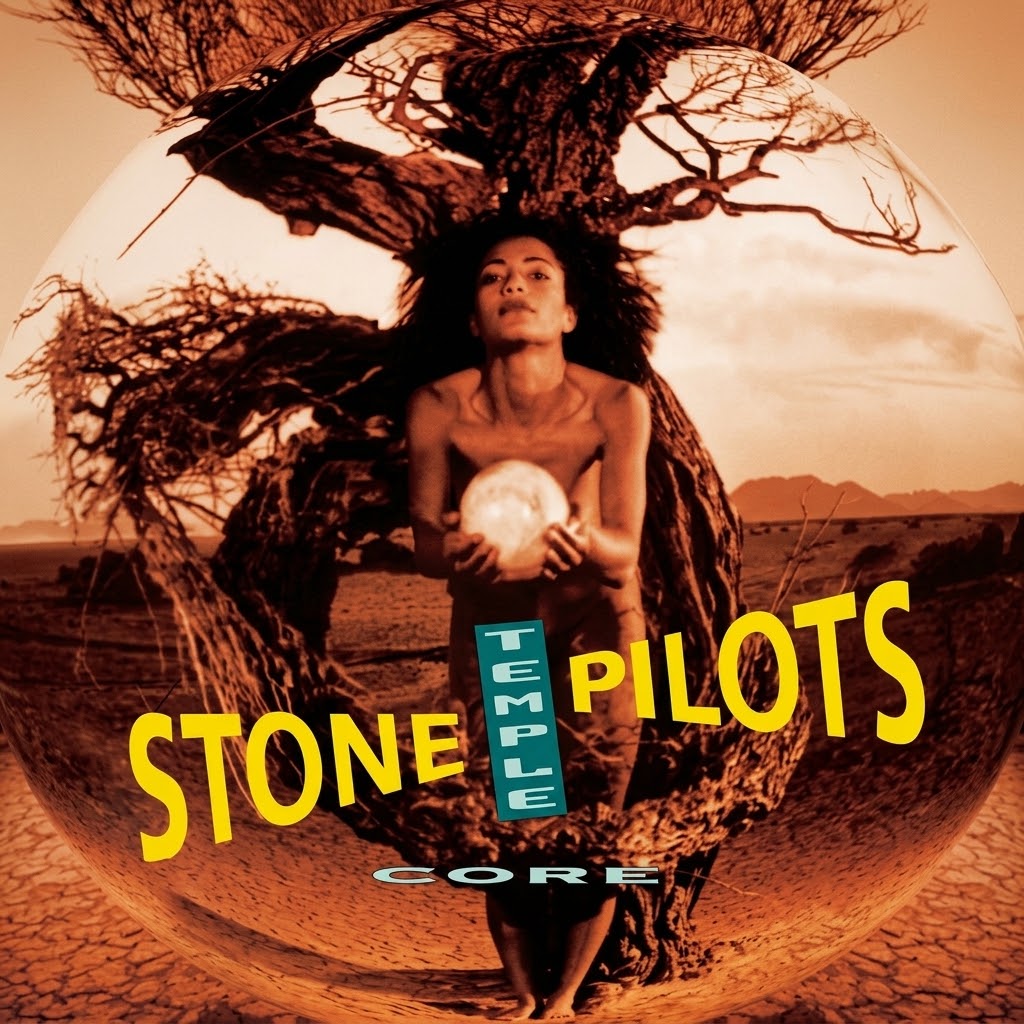
Stone Temple Pilots is part of what I consider as the Big Four of alternative rock of the 1990’s or as some would label that particular sound as “grunge”. Alternative rock, grunge or just plain old hard rock, Stone Temple Pilots made their mark in the early 90’s rock scene with the second single off of their 1993 debut album Core.

“Plush” has always been one of my favorite songs of that era. I played that song on repeat and was one of my go-to Stone Temple Pilots track until “Interstate Love Song” a year later came along. The song was carried by Scott Weiland’s iconic vocals and its dark lyrics. I never knew how dark a song “Plush” was until finding out from a Weiland interview that it was based on a true story of a girl who had been kidnapped and murdered in the early 90’s.

Whether a song inspired by a true-crime story or a metaphor for a failed relationship (as Weiland has said the lyrics represented), “Plush” will remain one of those songs from my young adult years that I would revisit every year to reminisce.

Plush

And I feel that time’s a wasted go
So where you goin’ ’til tomorrow?
And I see that these are lies to come
So would you even care?

And I feel it
And I feel it

Where you goin’ for tomorrow?
Where you goin’ with the mask I found?
And I feel, and I feel when the dogs begin to smell her
Will she smell alone?

And I feel so much depends on the weather
So, is it rainin’ in your bedroom?
And I see that these are the eyes of disarray
So would you even care?

And I feel it
And she feels it

Where you goin’ for tomorrow?
Where you goin’ with the mask I found?
And I feel, and I feel when the dogs begin to smell her
Will she smell alone?

When the dogs do find her
Got time, time to wait for tomorrow
To find it, to find it, to find it
When the dogs do find her
Got time, time to wait for tomorrow
To find it, to find it, to find it

Where you goin’ for tomorrow?
Where you goin’ with the mask I found?
And I feel, and I feel when the dogs begin to smell her
Will she smell alone?

When the dogs do find her
Got time, time to wait for tomorrow
To find it, to find it, to find it
When the dogs do find her
Got time, time to wait for tomorrow
To find it, to find it, to find it

To find it
To find it
To find it

One Hit Wonders #28: “Black Velvet” by Alannah Myles (Atlantic Records 1989)


gary loggins's avatarcracked rear viewer

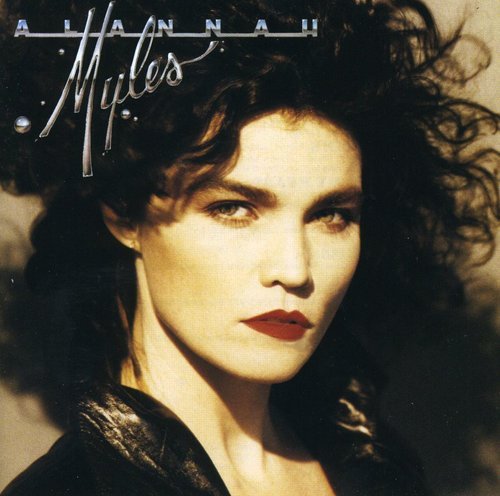
Thirty years ago, Canadian songstress Alannah Myles glided to #1 on the charts with her sultry hit single”Black Velvet”:

Alannah Myles was born and raised in Toronto, Canada, and before breaking through with “Black Velvet” she was fairly well known in her home country, even getting a guest shot as a single young mom on a 1984 episode of the popular Canadian TV show THE KIDS OF DEGRASSI STREET.  When her hit tune stormed the charts, that smoky voice and those sexy good looks catapulted her to stardom, thanks in large part to constant airplay on MTV.

She won a Grammy for Best Female Rock Performance and three Juno Awards (the Canadian equivalent to the Grammies), but her subsequent LP’s and singles went nowhere in America, and just as meteorically as she rose, Alannah Myles tumbled off the radar here. She has retained a fan base in Europe and her…

View original post 58 more words

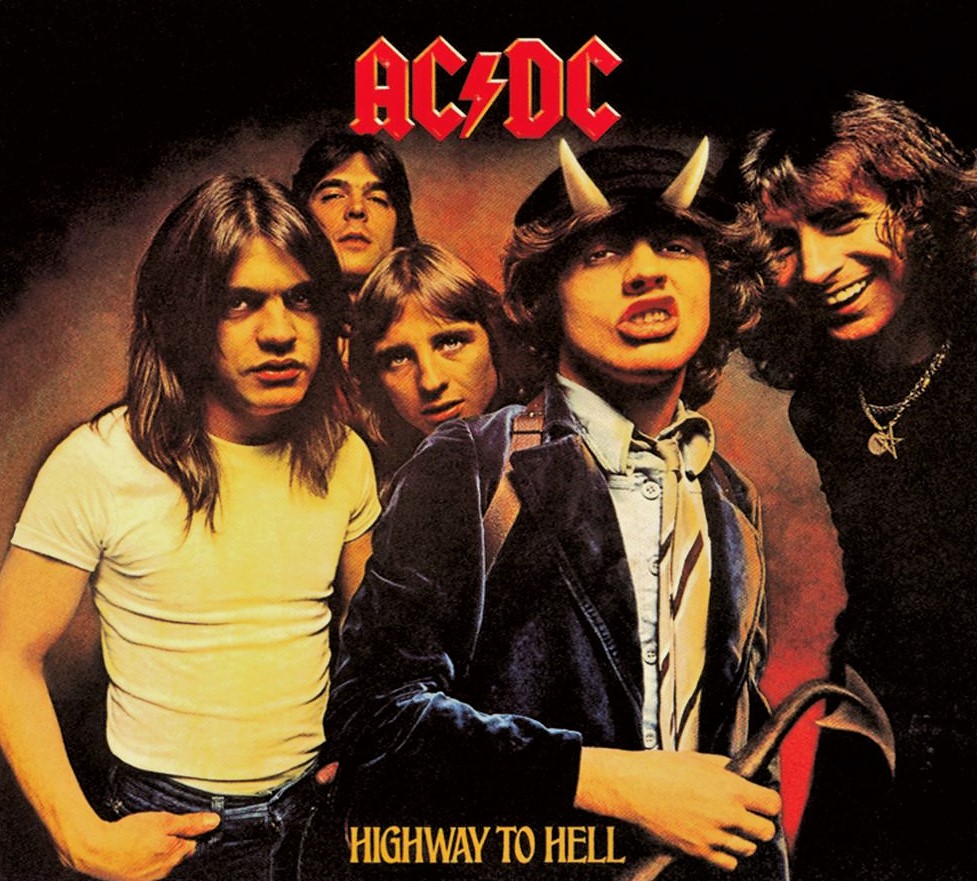
Horror Song of the Day: Highway to Hell (by AC/DC)


Highway to Hell

We’ve finally reached the finish line. It’s now Halloween. Enjoy the sun while it out and about because when it goes down and the sky darken and turns to black, the ghouls and monsters come out to play.

Those inclined towards enjoying the darker aspects of life will dance and play throughout the night as they continue their way down the highway to hell.

“Highway to Hell”

Living easy, livin’ free
Season ticket, on a one – way ride
Asking nothing, leave me be
Taking everything in my stride
Don’t need reason, don’t need rhyme
Ain’t nothing I would rather do
Going down, party time
My friends are gonna be there too

I’m on the highway to hell
On the Highway to hell
Highway to hell
I’m on the highway to hell

No stop signs, speedin’ limit
Nobody’s gonna slow me down
Like a wheel, gonna spin it
Nobody’s gonna mess me ’round
Hey Satan! Paid my dues
Playin’ in a rockin’ band
Hey Mama! Look at me
I’m on my way to the promise land

I’m on the highway to hell
Highway to hell
I’m on the highway to hell
Highway to hell

Dont stop me!

I’m on the highway to hell!

And I’m goin down..all the way!
I’m on the highway to hell..

Song of the Day: Back In Black (by AC/DC)


ACDC Black In Black

Last year, I did a mini-series of “Song of the Day” that featured some of my favorite rock and metal guitar solos. This time around I plan to showcase some of my favorite guitar riffs from the world of rock and metal. I’ll be limiting my choice on the metal side to the basic metal. I’m not as well-versed on the more unique and esoteric offshoots of metal. For that one must go to our resident metal intellectual necromoonyeti.

To start things off is a classic hard rock tune the began the post-Bon Scott Era (the band’s previous frontman who had tragically passed away before recording this follow-up album). The band would tap ex-Geordie frontman Brian Johnson to front the band. The rest as they say is rock history.

The Back In Black album would become one of the biggest-selling rock albums in history and it’s title track would become just one of many platinum-certified hits from that album. The song would become not just one of rock’s greatest songs, but become a pop icon as films, tv shows and event sporting events would use it’s iconic opening riff and follow-up melody to celebrate one’s rebellious nature.

Back In Black

Back in black
I hit the sack
It’s been too long I’m glad to be back
Yes, I’m let loose
From the noose
That’s kept me hanging around
I’ve been looking at the sky
and it’s gettin’ me high
Forget the hearse ’cause I never die
I got nine lives
Cats eyes
Cruisin’ every woman, never wonderin’ why

CHORUS:
‘Cause I’m back
Yes, I’m back
Well, I’m back
Yes, I’m back
Well, I’m back, back
Well I’m back in black
Yes, I’m back in black

Back in the back
Of a Cadillac
Number one with a bullet, I’m a power pack
Yes, I’m in a bang
With a gang
They’ve got to catch me if they want me to hang
Cause I’m back on the track
And I’m beatin’ the flack
Nobody’s gonna get me on another rap
So look at me now
I’m just makin’ my play
Don’t try to push your luck, just get out of my way

CHORUS

Well, I’m back, Yes I’m back
Well, I’m back, back
Well I’m back in black
Yes I’m back in black

hooo yeah
Ohh yeah
Yes I am
Oooh yeah, yeah Oh yeah
Back in now
Well I’m back, I’m back
Back, I’m back
Back, I’m back
Back, I’m back
Back, I’m back
Back
Back in black
Yes I’m back in black

Song of the Day: See You Again (by Wiz Khalifa feat. Charlie Puth)


SeeYouAgain

While still looking to finish up my review of the latest entry in The Fast & The Furious franchise I thought it best to just put up the song which has led to many a-filmgoer trapped in a box of their emotions and feels.

Everyone by now knows how the release of Furious 7 has a tinge of both sentimentality and bittersweet emotions as this was the final film filmed by Paul Walker before his untimely death in late 2013. The shadow of Walker’s death had cast a shadow over the film. Whether people thought the film was good or not became a sidenote as the filmmakers, actors and everyone involved gave Paul Walker a moving final tribute by film’s end.

“See You Again” brings back Wiz Khalifa who also contributed what would become the theme song for Fast and Furious 6 with “Ride or Die.” This time Wiz has Charlie Puth doing the chorus. The combination of Puth’s heartfelt vocals and Khalifa’s rhymes made for a moving musical tribute to one of the founders of the The Fast & The Furious franchise and to a close friend to all involved in it.

See You Again

Charlie Puth)

It’s been a long day without you my friend
And I’ll tell you all about it when I see you again
We’ve come a long way from where we began
Oh I’ll tell you all about it when I see you again
When I see you again

(Wiz Khalifa)

Damn who knew all the planes we flew
Good things we’ve been through
That I’ll be standing right here
Talking to you about another path I
Know we loved to hit the road and laugh
But something told me that it wouldn’t last
Had to switch up look at things different see the bigger picture
Those were the days hard work forever pays now I see you in a better place

How could we not talk about family when family’s all that we got?
Everything I went through you were standing there by my side
And now you gonna be with me for the last ride

(Charlie Puth)

It’s been a long day without you my friend
And I’ll tell you all about it when I see you again
We’ve come a long way from where we began
Oh I’ll tell you all about it when I see you again
when I see you again

(Wiz Khalifa)

First you both go out your way
And the vibe is feeling strong and what’s
Small turn to a friendship a friendship
Turn into a bond and that bond will never
Be broke and the love will never get lost
And when brotherhood come first then the line
Will never be crossed established it on our own
When that line had to be drawn and that line is what
We reach so remember me when I’m gone

How could we not talk about family when family’s all that we got?
Everything I went through you were standing there by my side
And now you gonna be with me for the last ride

(Charlie Puth)

So let the light guide your way hold every memory
As you go and every road you take will always lead you home

It’s been a long day without you my friend
And I’ll tell you all about it when I see you again
We’ve come a long way from where we began
Oh I’ll tell you all about it when I see you again
When I see you agai
n

Song of the Day: Since I’ve Been Loving You (by Led Zeppelin)


LedZeppelin

To say that I’m a huge fan of Led Zeppelin would be an understatement. They’re the band that combines both my love for hard rock and, ultimately, an even bigger love for that most American of musical style, the blues.

Led Zeppelin have always been rooted in their blues foundation. They’ve been an integral part of the British rock invasion to the US that was steeped heavily in blues rock. With classic blues heavily influencing their sound, Led Zeppelin would take the US by storm starting in 1968 and would continue to do so until the band’s dissolution in 1980 soon after John Bonham’s untimely death.

It’s a song from their third album that, for me, epitomizes Led Zeppelin’s early days. These were the years when they reigned as the blues rock kings of the rock world. They would later experiment and try new sounds with their later albums as the band began to branch out into new, diversified musical styles. Yet, for me, the band will always be that blues rock band from London, England who were the first supergroup.

“Since I’ve Been Loving You” is straight up blues and Robert Plant sings it with such emotional intensity that anyone hearing the song for the first time could easily mistake him and the band as one of the classic American blues bands. The song also makes the latest “Song of the Day” not just because it’s one of my favorites but also because of Jimmy Page once again demonstrating why he’s one of the best rock guitarists.

It’s not often a song starts off with a guitar solo, but this one does and Page does so in a slow, blues tempo that would segue into Robert Plant’s vocals. The second guitar solo arrives after the song’s second verse and would have a more blues rock sound to it, but no less impressive.

Since I’ve Been Loving You

(guitar solo)

Working from seven to eleven every night,
It really makes life a drag, I don’t think that’s right.
I’ve really been the best, the best of fools, I did what I could. (Yeah)
‘Cause I love you, baby, How I love you, darling, How I love you, baby,
My beloved little girl, little girl.
But baby, Since I’ve Been Loving You (yeah). I’m about to lose my worried mind, oh, yeah.

Everybody trying to tell me that you didn’t mean me no good.
I’ve been trying, Lord, let me tell you, Let me tell you I really did the best I could.
I’ve been working from seven to eleven every night, I said It kinda makes my life a drag
Lord, that ain’t right…
Since I’ve Been Loving You, I’m about to lose my worried mind. (Watch out!)

(guitar solo)

Said I’ve been crying, yeah. Oh, my tears they fell like rain,
Don’t you hear them, Don’t you hear them falling?
Don’t you hear, Don’t you hear them falling?

Do you remember mama, when I knocked upon your door?
I said you had the nerve to tell me you didn’t want me no more, yeah
I open my front door, hear my back door slam,
You know, I must have one of them new fangled, new fangled back door man.

I’ve been working from seven, seven, seven, to eleven every night, It kinda makes my life a drag…
Baby, Since I’ve Been Loving You, I’m about to lose, I’m about to lose, lose my worried mind.

Just one more, just one more, oooh, yeah,
Since I’ve been loving you, I’m gonna lose my worried mind.

Great Guitar Solos Series