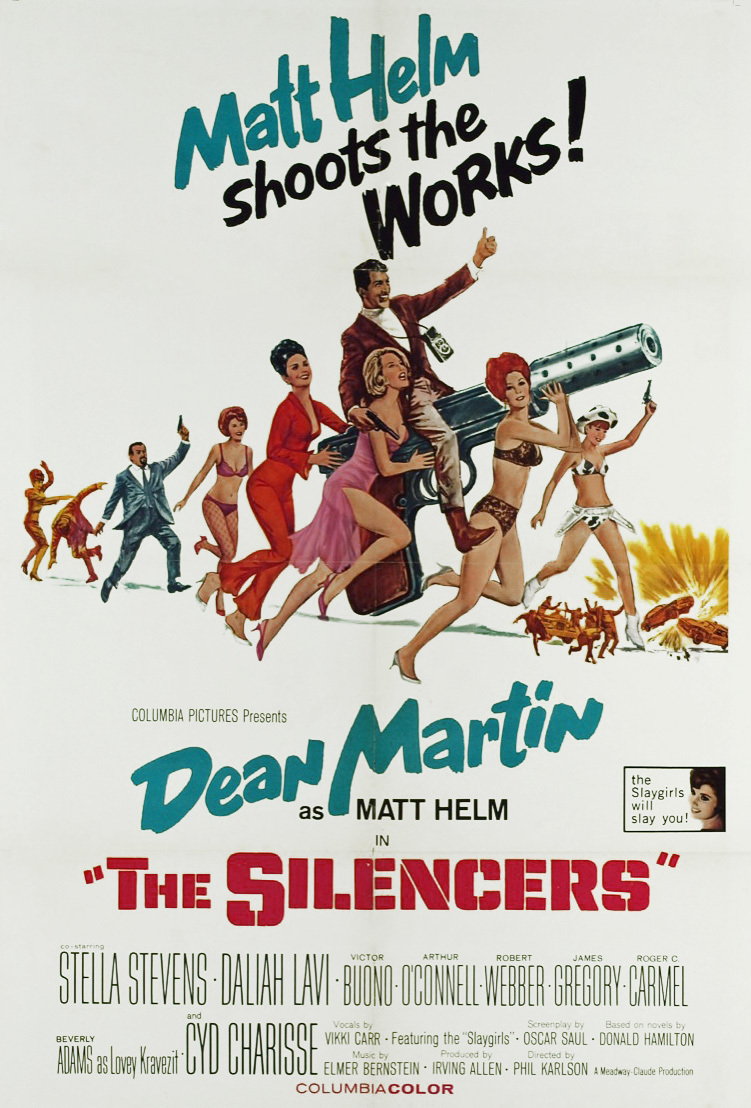
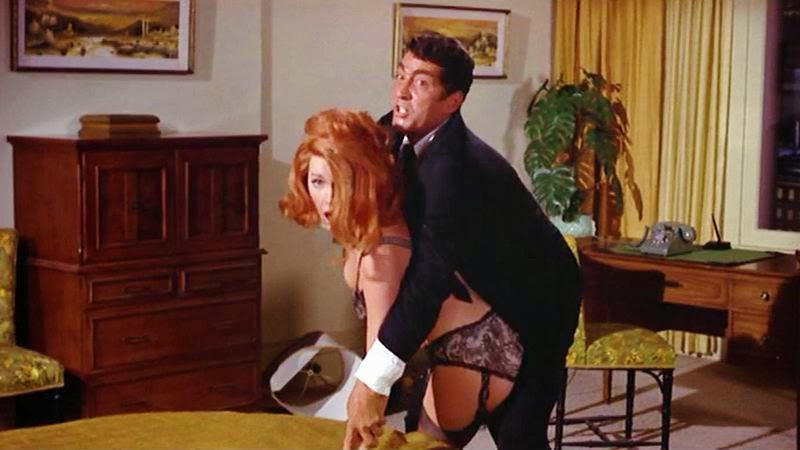
Out of all the James Bond-inspired spy spoofs made in the Swingin’ 60’s, one of the most popular was Dean Martin’s Matt Helm series. Based on the novels of Donald Hamilton, the films bore little resemblance to their literary counterparts, instead relying on Dino’s Booze & Girlies Rat Pack Vegas persona. First up was 1966’s THE SILENCERS, chock full of gadgets, karate chops, and beautiful babes, with sexual innuendoes by the truckload.
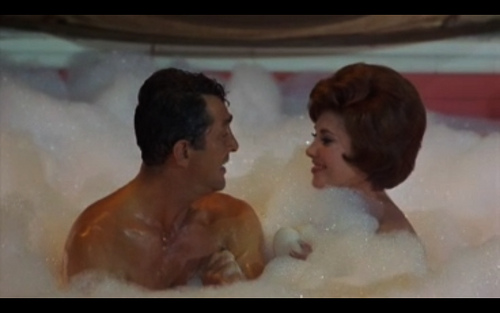
Our Man Matt is a semi-retired agent of ICE (Intelligence and Counter-Espionage) living in a Playboy Mansion-style pad, and working as a globe-trotting photographer. He’s luxuriating in his bubble bath pool with sexy secretary Lovey Kravezit (“Lovey Kravezit? Oh that’s some kinda name!”) when former boss Mac Donald calls. Evil spy organization Big O (Bureau for International Government and Order) is once again plotting world domination, and the reluctant Helm is pulled back into service.
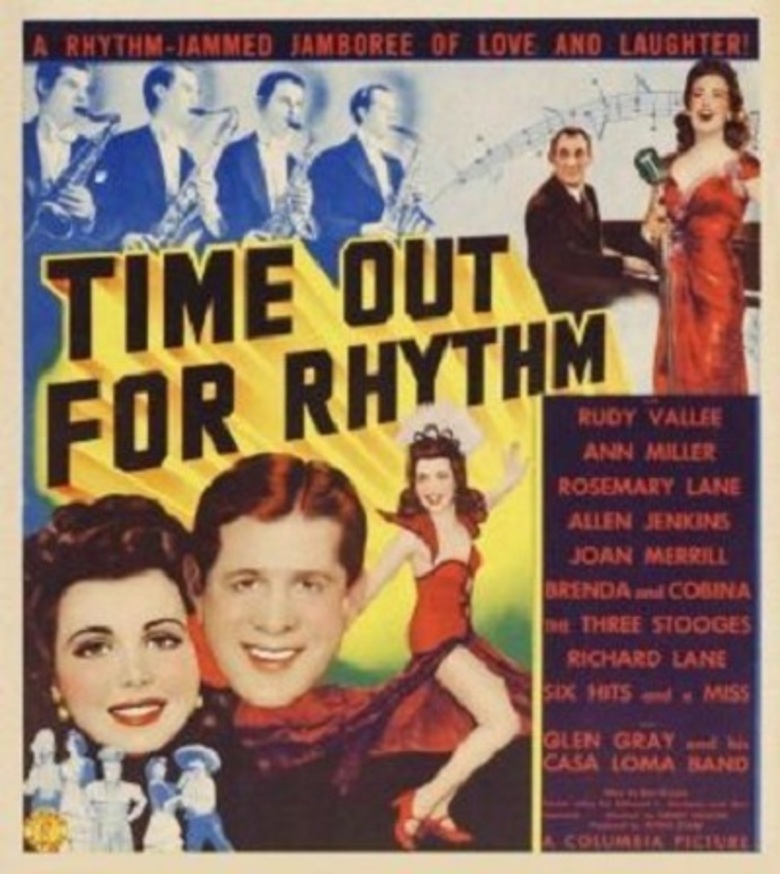
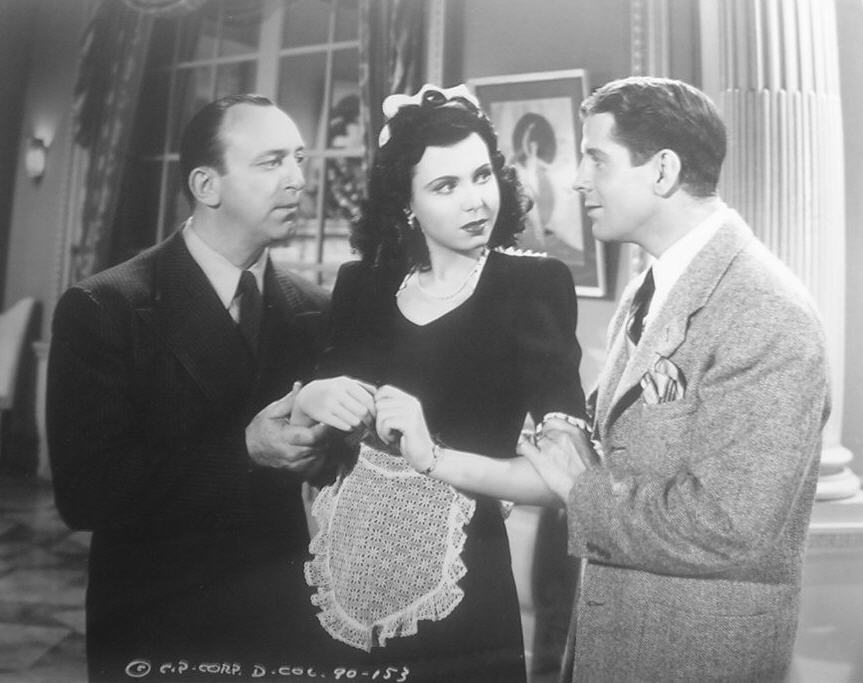
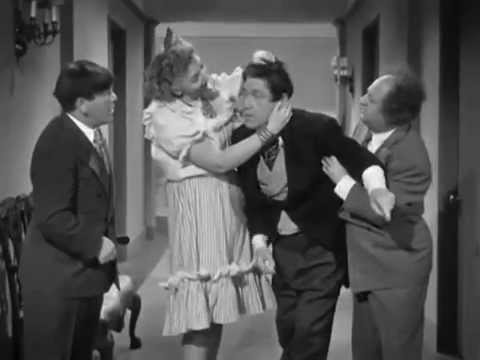
Most of you “Cracked Rear Viewers” know I run an occasional series titled ‘Cleaning Out the DVR’, where I do capsule reviews of five or six different films. TIME OUT FOR RHYTHM was going to be included in my next ‘DVR’ entry, but after watching it, I’ve decided to give it the full treatment. This has happened only once before (see PENELOPE). It’s a 40’s B-movie lovers dream, a second-tier all-star musical comedy, and it gives The Three Stooges probably their best feature showcase of the 40’s. Plus the tap-dancing wonders of lovely, leggy Texan Ann Miller. Now how can you beat that!
The plot’s as old as film musicals themselves: theatrical agents Rudy Vallee and Richard Lane become successful, and develop a hit show. Lane’s former flame (Rosemary Lane, no relation) comes between them, and the partners break up. Vallee and sidekick Offbeat (comic Allen Jenkins) discover Rosemary’s maid (our girl Ann)…
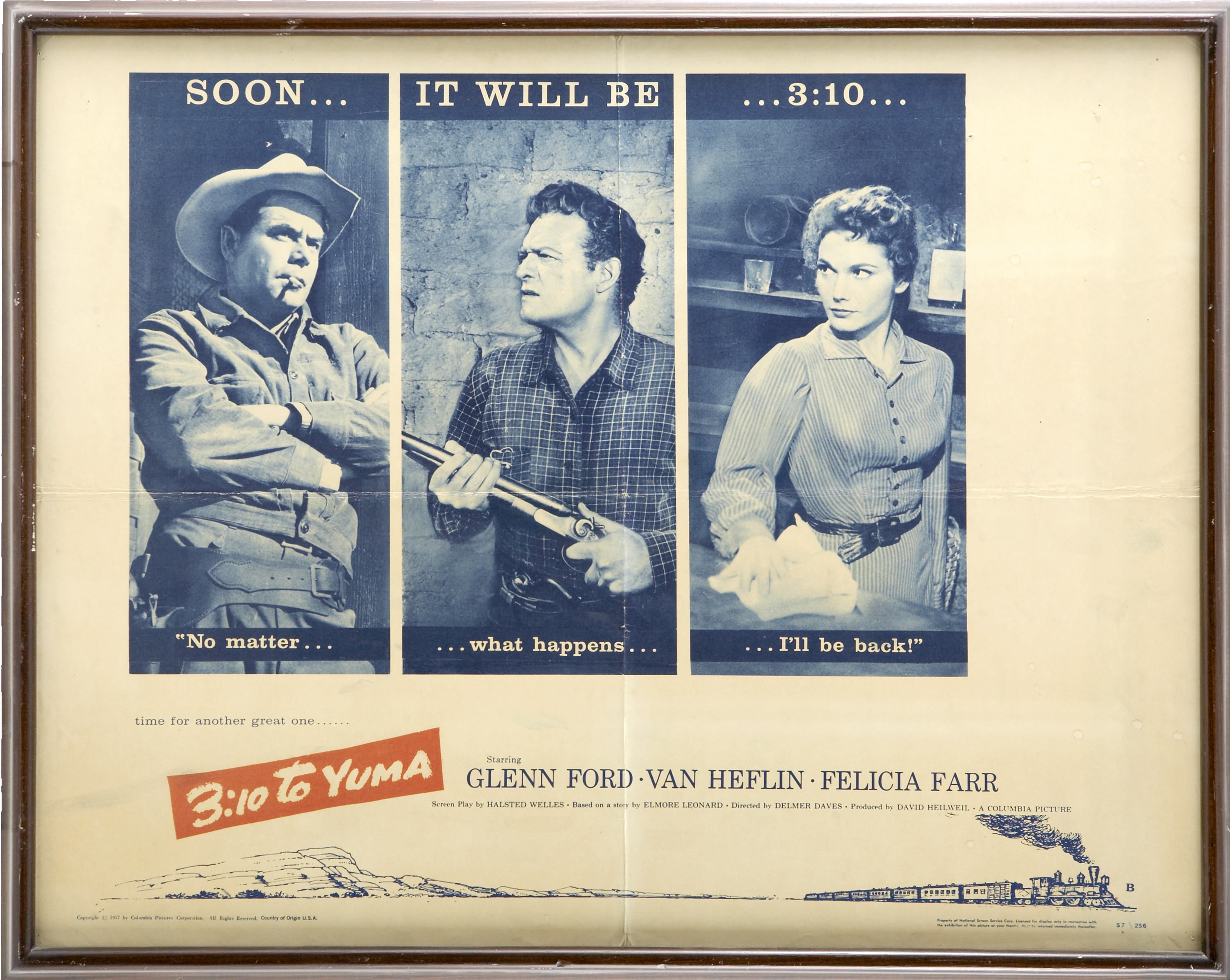
Actor Glenn Ford was born 100 years ago today in Sainte-Christine-d’Auergne, Quebec, Canada. Yes, the All-American star was actually Canadian, becoming a U.S. citizen in 1939. That same year, Ford signed a contract with Columbia Pictures and began a long, prosperous career with the studio. After getting noticed in films like HEAVEN WITH A BARBED WIRE FENCE, SO ENDS OUR NIGHT, and TEXAS (his first Western), Ford took a break from acting and joined the Marine Corps to serve in World War II.
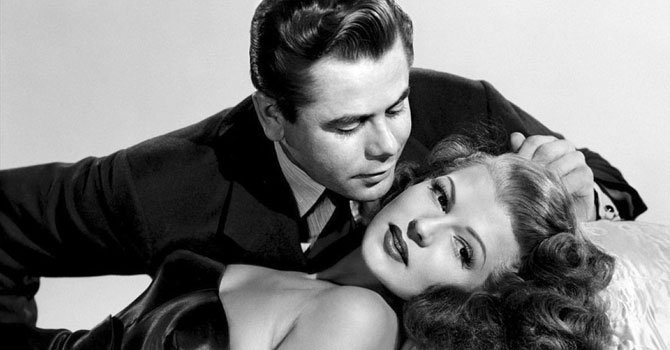
After the war, Glenn Ford was one of Hollywood’s top leading men. He hit it big with 1946’s GILDA, co-starring Rita Hayworth in what may very well be the first true film noir. Soon he found himself the hero in a string of successes: FRAMED, MAN FROM THE ALAMO, THE BIG HEAT , BLACKBOARD JUNGLE, JUBAL, and TEAHOUSE OF THE AUGUST MOON. But my favorite Ford role casts him…
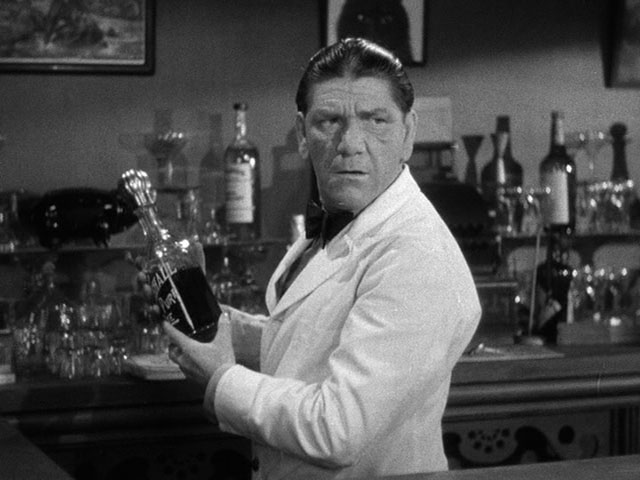
The very funny Shemp Howard was born Samuel Horwitz on March 11, 1895. He got the moniker Shemp because his immigrant mother had trouble pronouncing his first name. Shemp and his younger brother Moe formed a vaudeville act and toured the circuit, until being discovered by Ted Healy. Healy incorporated the two into his act and, together with Larry Fine, made them his “stooges”. They worked together until Shemp left Healy in 1932, replaced by his youngest brother Curly. Eventually Moe, Larry, and Curly struck out on their own, and became The Three Stooges.
Meanwhile, Shemp began appearing in Vitaphone short subjects. He was given the role of Knobby Walsh in the “Joe Palooka” series, and his comic improvising soon became the focal point of the shorts. Shemp graduated to comic relief in mainstream films, and comedy stars like W.C. Fields ( THE BANK DICK ) and Abbott & Costello ( BUCK PRIVATES
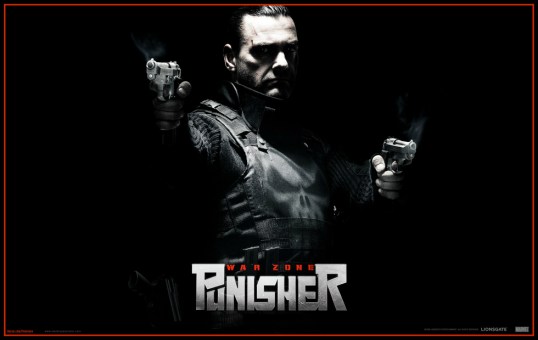
In honor of Jon Bernthal being cast as the latest in a line of Frank Castles aka the Punisher for Marvel’s Daredevil series on Netflix, I thought I’d share with all my favorite scene from the only Punisher film worth the name. The film this scene is from was Punisher: War Zone by Lexi Alexander.
While the casting of Jon Bernthal looks to be a near perfect stunt-casting by Marvel for Daredevil‘s upcoming second season on Netflix, I thought Ray Stevenson’s portrayal as the psychotic antihero in Punisher: War Zone was the best one comic book fans have gotten. Dolph Lundgren was the first Punisher and the less said about him the better. Then Thomas Jane took a stab on portraying the character to some success though still not doling out enough punishing in my book.
With Ray Stevenson we got a Frank Castle who was well into his vigilante killing-spree of the criminal underworld. This was a man possessed to kill in as brutal and efficient manner every violent criminal he comes across. The film itself was so over-the-top that too many thought it was too campy in a violent sense when Lexi Alexander actually tapped into what made the Punisher tick and put it up on the screen. It also helped that Ray Stevenson owned the role he was given.
Jon Bernthal has some big shoes to fill, but with the success of Daredevil the series I do believe he has a chance to make the character his own.
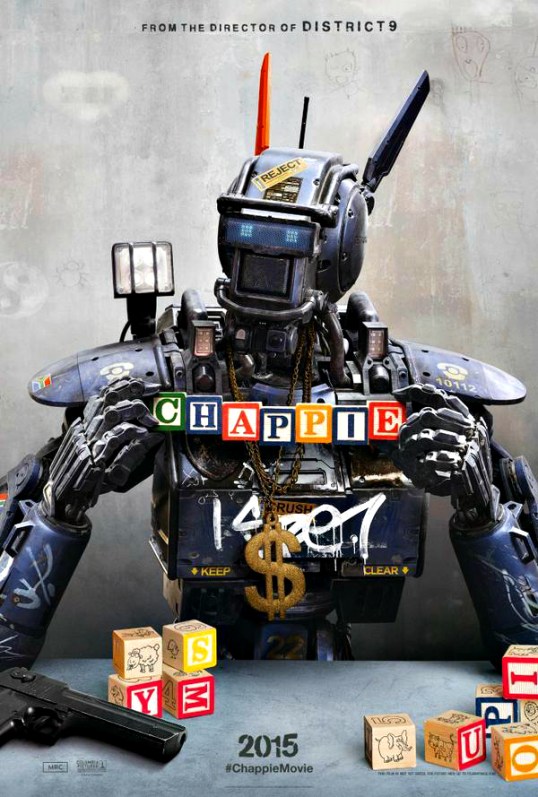
Chappie will be the third film from Neill Blomkamp and with the release of it’s second trailer there already seems to be a sort of negative buzz surrounding the film. The first trailer made Chappie look like a modern remake of the 80’s “robot come to life” film Short Circuit. For many this is not a good comparison.
This second trailer pulls back on the cutesy Chappie robot stuff and takes a much more ominous and serious tone. The film seems like it’s all about the danger of artificial intelligence and how Chappie may be the key behind what can make A.I. work or fail.
Yet, despite taking a much more action direct approach the negative buzz is still there. Maybe people are not as quick to embrace Chappie after the underwhelming (some say heavy-handed) result of Blomkamp’s follow-up to District 9 with Elysium. It’s an understandable reaction considering how high Blomkamp reached and succeeded with his very first feature film.
Chappie (and Neil Blomkamp) has between now and March 6, 2015 to convince people that it will not be another Icarus-like release.
District 9 introduced Neill Blomkamp to the world. People bought into that film hardcore and were soon wondering what he would be doing next. Some fans of Blomkamp who have been following his career since he was first chosen by Peter Jackson to helm the now defunct Halo film thought he now had the leverage to get the film made. This was never going to happen.
The follow-up to District 9 was Elysium and the visuals that was slowly released for the film and having Matt Damon star in it gave it some major buzz and hype. The finished product was more than just a tad disappointing.
Was Elysium a hiccup?
People will find out on March 6, 2015 if this was indeed just a blip on the rising career of Neill Blomkamp as his third feature film, Chappie, will arrive in theaters.
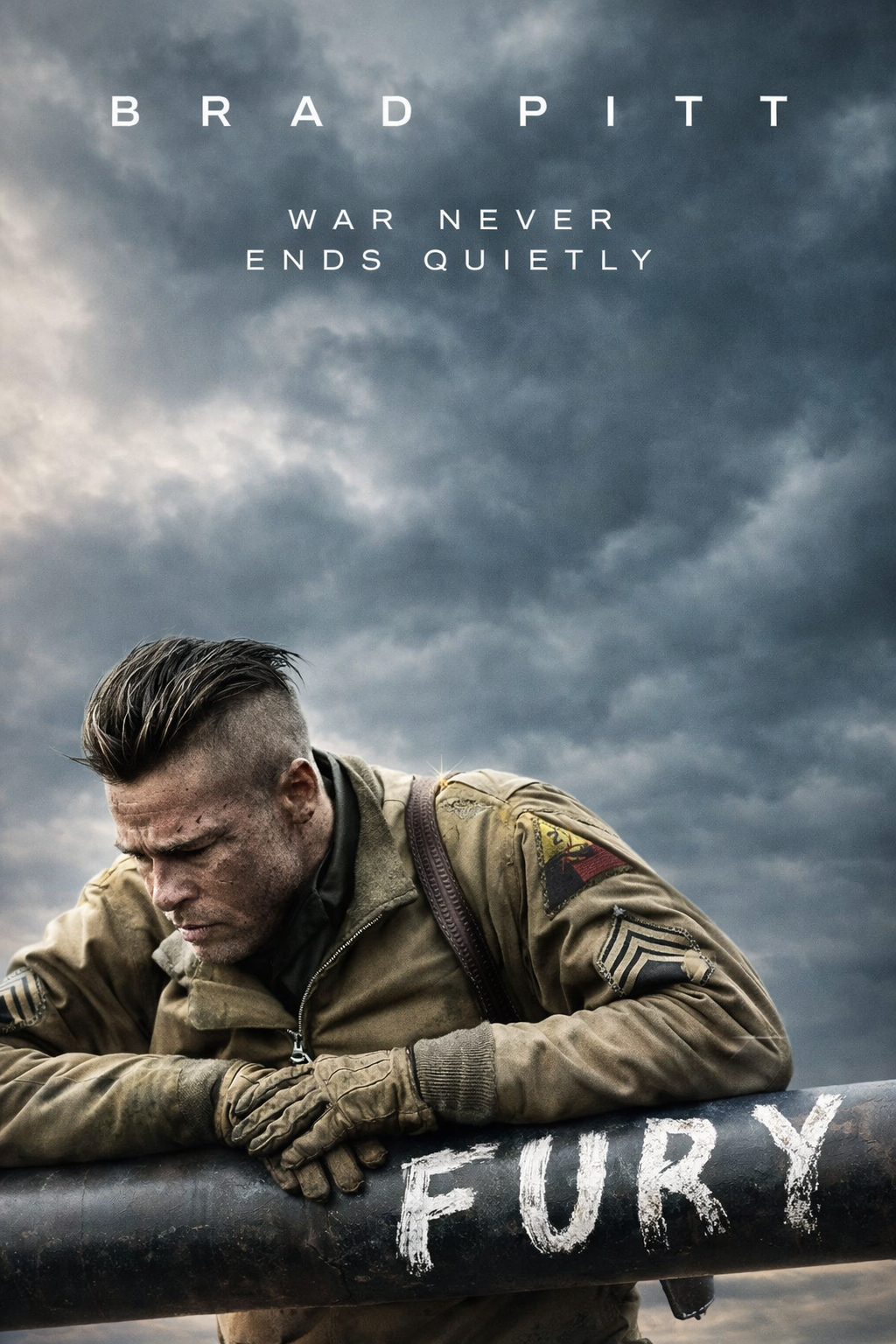
You know that feeling when a war movie tries so hard to be gritty that it forgets to be anything else? Fury, directed by David Ayer, flirts with that problem but mostly stays on the right side of the line. Released in 2014, this WWII drama follows a five-man American tank crew as they push deeper into Nazi Germany in April 1945. The war is almost over, but as the film constantly reminds us, that only makes the fighting more desperate and meaningless. Ayer, who wrote Training Day and directed End of Watch, clearly wanted to make a grimy, claustrophobic, and visceral experience—not a clean, heroic adventure. And for the most part, he succeeds. But the movie is also uneven, sometimes brilliant, and occasionally frustrating. One thing becomes clear early on: Ayer is not just making a war movie. He is trying to out-war the war movie that changed everything. Saving Private Ryan raised the bar for realistic combat violence in 1998, and ever since, directors have been chasing that opening Omaha Beach sequence. Fury spends its entire runtime trying to shove that bar even higher, especially in its final act, where the violence tips over from realistic into something almost performative—as if Ayer is daring you to look away.
The plot is simple. We meet Don “Wardaddy” Collier, played by Brad Pitt, as the seasoned commander of a Sherman tank nicknamed “Fury.” His crew includes Boyd “Bible” Swan (Shia LaBeouf), the religious gunner; Coon-Ass (Jon Bernthal), the volatile loader; and Grady (also Bernthal, though the character is actually Grady “Coon-Ass” Travis; the movie gives everyone a nickname). The crew loses their assistant driver in the opening scene, and they get a replacement: Norman Ellison (Logan Lerman), a young typist who has never fired a gun and has no intention of killing anyone. The rest of the film is basically a crash course in how war turns gentle men into monsters—or at least into effective killers.
What works best in Fury is the sense of being trapped inside a steel coffin. Ayer films almost everything from inside the tank or right next to it. You hear every shell clank, every engine strain, every bullet ping off the hull. The sound design is incredible—it’s the kind of movie where you feel the bass in your chest during combat scenes. And the tank battles are brutally realistic. There’s no slick choreography here. When a German Tiger tank shows up, the fight becomes static, clumsy, and terrifying. The Sherman isn’t some superhero; it’s outgunned and out-armored, and the crew wins only because they’re desperate and lucky. That sequence alone is worth the price of admission. You can feel Ayer’s respect for Saving Private Ryan in those moments—the same handheld cameras, the same sudden death, the same sense that no one is safe. But then the film goes further.
Brad Pitt gives one of his tougher, quieter performances. Wardaddy isn’t a philosopher or a hero. He’s a tired man who has seen too much and made too many compromises. He forces Norman to execute a German prisoner, not out of cruelty but out of a cold, broken logic: if Norman can’t kill, he’ll get the whole crew killed. Pitt sells the weight of that decision without grand speeches. Shia LaBeouf is surprisingly restrained as Bible, a character who prays before each battle but never preaches. The real surprise is Logan Lerman. He starts as a scared kid who vomits at the sight of corpses and ends the film doing things that would ruin anyone’s soul. His transformation is uncomfortable to watch, but that’s the point.
However, the movie has some clunky moments. One extended scene has Wardaddy and Norman sharing a meal with two German women in an abandoned apartment. It’s supposed to show a brief flash of normal life—eggs, music, a soft bed—but it feels oddly staged. The women are just props. They have no real personality except to be gentle and then get killed offscreen. It’s a rare moment where Ayer’s macho instincts flatten the story instead of deepening it. But the real problem is the final act. The crew holds a crossroads against an entire SS battalion of about 200 men, doing it with a broken-down tank that cannot move. Realistically, they’d be dead in minutes. But Ayer turns it into a grim last stand that feels more like a Western than a WWII movie. The Germans attack in waves like idiots, running straight into machine-gun fire. And here is where you sense Ayer’s real intention: he is not trying to be realistic anymore. He is trying to one-up Saving Private Ryan by making the violence not just brutal but excessive, almost numbing. Limbs fly. Faces get torn open. The camera lingers on wounds long past the point of necessary storytelling. It feels like Ayer is saying, “You thought Spielberg was intense? Watch this.” But instead of adding emotional weight, the violence starts to feel like a dare. The movie becomes less about these five men and more about proving it can stomach more than any other war film.
Thematically, Fury is about how institutions crush individuality. Norman was a decent person who typed letters and likely never hurt anyone. By the end, he is sitting in the commander’s seat, pulling triggers without hesitation. The movie doesn’t celebrate this—it presents it as a tragedy. But the final act undercuts that tragedy because it becomes so cartoonishly violent that you stop feeling for the characters and just wait for the bloodshed to end. Unlike Saving Private Ryan, which uses its famous opening sequence to establish horror and then pulls back for character moments, Fury seems to think that more gore equals more truth. It doesn’t. It just equals more gore.
If you’re looking for a clean story with clear good guys and bad guys, this isn’t it. The Germans are offscreen most of the time, and the real enemy is the war itself. Wardaddy even says, “The only thing that separates us from them is this uniform.” That’s a heavy line, and the film never really resolves it. It just lets it hang there. Some critics called Fury shallow because it raises moral questions without answering them. I’d argue that’s the point. War doesn’t come with footnotes. You just survive or you don’t. But the film’s desperate need to prove it is tougher than its predecessors does make it feel, at times, like a younger brother showing off.
On a technical level, the cinematography by Roman Vasyanov is beautiful in a grim way. Colors are desaturated—browns, grays, washed-out greens. Mud and blood look the same. The camera shakes when it needs to, but it’s not the hyperactive Bourne style. It’s controlled chaos. And the final shot, where the camera slowly pulls back from the dead tank, is haunting. It stays with you.
So, final verdict? Fury is a solid, often great war film that trips over its own ambitions in the last thirty minutes. It wants to be a small, character-driven horror show, then pivots to a heroic last stand that feels like it belongs in a different movie—one that cares more about shocking you than moving you. The comparison to Saving Private Ryan is unavoidable, and Fury clearly wants to be mentioned in the same breath. But where Spielberg used violence as a doorway into human cost, Ayer sometimes uses it as a blunt instrument. The performances are strong, the tank combat is second to none, and the atmosphere is suffocating in the best way. It’s not Come and See, but it’s also not Pearl Harbor. If you can handle the tonal whiplash and the occasional macho posturing, you’ll find a movie that respects its audience enough to leave them feeling dirty. Just don’t expect a clean exit—and don’t expect it to earn every drop of blood it spills.
I know this is one film that Lisa Marie is going to see the moment it arrives. Why do I say that?
The answer to that is two words: James and Franco.
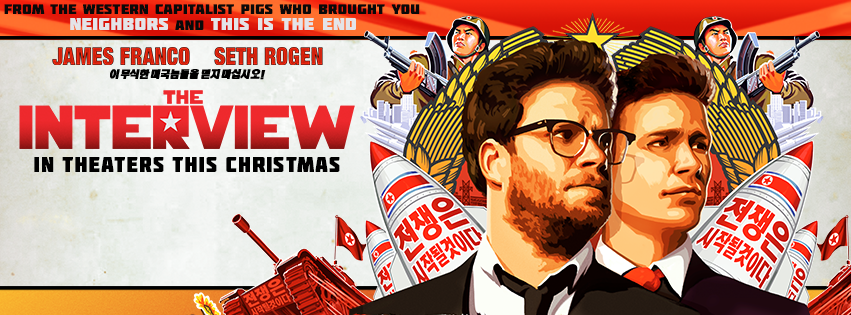
This red band trailer pretty much gives a basic layout of how raunchy this comedy will be and continue the bromance that is James Franco and Seth Rogen.
Also, it’s about two celebrity journalists hired by the CIA to assassinate North Korea’s Dear Leader, Kim Jong-un.
The Interview is set for that release date where all wholesome family holiday films get to premiere on, December 25, 2014.
I must admit that World War II films are a favorite of mine. Even bad ones I tend to enjoy. Whether it’s alternate fantasy fares like Tarantino’s Inglourious Basterds or something that combines historical accuracy with dramatic license like Spielberg’s Saving Private Ryan, the World War II genre always manage to hit straight and true to my film wheelhouse.
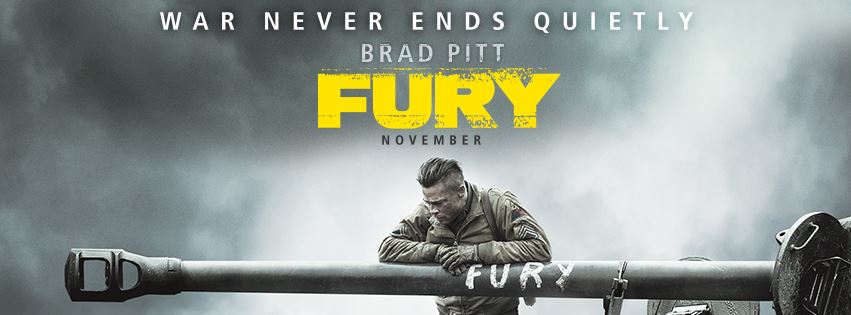
This October there looks to be another World War II film that seems almost tailor-fit for me. I’m talking about David Ayer’s follow-up to his underappreciated film End of Watch. This follow-up is Fury and tells the story of an American tank crew in the waning days of World War II in Europe. Just from the two trailer released I already know that I’m seeing this. Ayer looks to be exploring the bond of a tank crew that has seen war from the deserts of Africa and now to the urban and forested landscapes of Germany.
The film is already getting major buzz as a major contender for the upcoming awards season and I, for one, hope that it’s a well-deserved buzz. Even with Shia LaBeouf being part of the cast is not dampening my excitement for this film. Even if it doesn’t live up to the hype I know that I’ll probably still end up enjoying it.
This trailer looks to be selling the utter brutality and carnage of World War II’s final days in Europe when German forces were literally fighting for their homeland and that makes for a desperate enemy (who still had weapons and soldiers that were still hands down better than what the Allies had one-on-one).
On a side note, I like the fact that the tracers in the film actually look like tracers which means they look like freakin’ laser blasts. That’s how tracers behave.
Fury is set to hit theaters on October 17, 2014 in the United States and October 22, 2014 internationally.