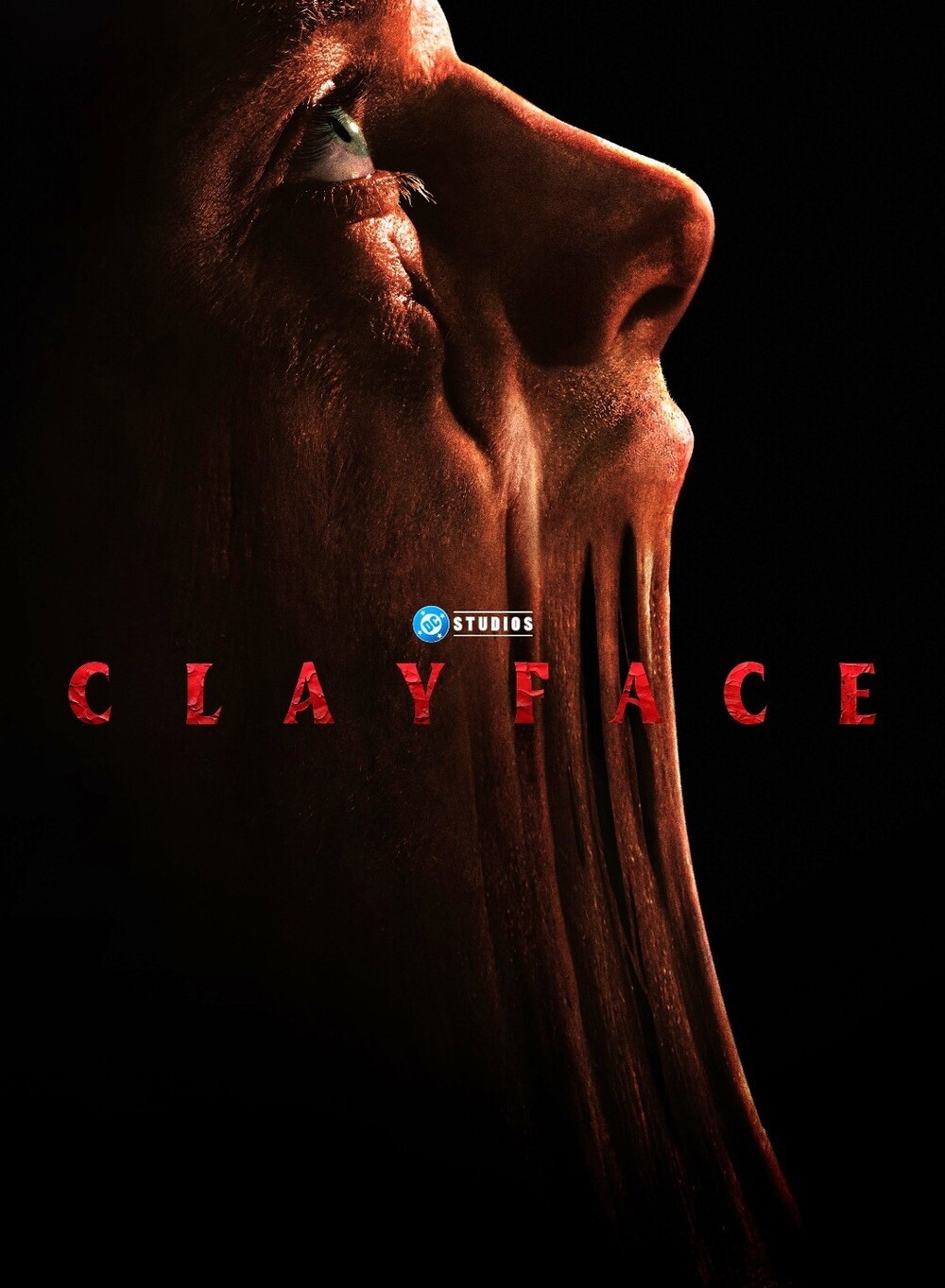
“Even if it kills me, I’ll be better off than I am now.” — Matt Hagen
The most unsettling thing about Clayface isn’t watching a man lose his face; it’s realizing how much of his life was built around having the right one. James Watkins’ take on the DC villain turns that insecurity into a nasty little body-horror tragedy, following someone who has confused being desirable with being worth something. Beneath the collapsing features and increasingly grotesque transformations is a recognizable fear: that losing the thing people admire about you means losing their interest altogether. The film doesn’t explore that idea as deeply as it could, but it gives the horror a compelling emotional foundation beyond the spectacle of a comic-book monster taking shape.
At the center is Matt Hagen, played by Tom Rhys Harries, an actor whose rising career is derailed by a disfiguring attack. His appearance has opened doors for him, and losing it threatens more than his next role. It destroys the version of himself he thought he could count on. Desperate for a way back, he turns to Dr. Caitlyn Corr, played by Naomi Ackie, whose experimental treatment promises to repair the damage. Naturally, the results come with complications. The interesting question isn’t whether the miracle will turn into a nightmare, but how much Matt is willing to overlook once he starts recognizing himself in the mirror again.
That desperation makes Matt more compelling than a character who simply gets powers and becomes dangerous. His problem begins before his body starts changing: he already depends on other people to tell him what he’s worth. That insecurity connects naturally to his profession. An actor who can physically become someone else sounds like a wish fulfilled, until transformation stops being a choice. There’s a cruel logic to giving someone obsessed with recovering his identity a body that won’t hold one. The screenplay occasionally spells things out too neatly, but the central idea gives the nastiness something to work with beyond its shock value.
Harries does a lot to keep that idea grounded. He makes Matt’s appeal believable without turning him into someone whose suffering automatically excuses everything he does. His desperation is understandable even when his choices become selfish or disturbing, and the performance handles that balance well. His humiliation doesn’t immediately become theatrical rage. It lingers, making him defensive, needy, and increasingly willing to justify himself. Even when the movie pushes him toward more recognizable villain territory, Harries preserves traces of the frightened person underneath. Matt doesn’t have to remain likable to remain interesting, and the performance understands the difference between earning sympathy and demanding it.
Ackie gives the film another human connection that it needs. Corr could have been little more than the scientist who introduces the treatment and explains why everybody should be worried. Instead, her warmth complicates a relationship already shaped by unequal needs. Matt wants his life back; she wants her work to succeed. Those desires overlap without being identical, making their connection more engaging than the mechanics of the experiment. The romantic element also gives their scenes a tragic-monster quality. Not every emotional beat lands with equal force, but the performances keep their relationship from feeling like a mandatory break between transformations.
Those transformations are where Watkins delivers the movie’s most immediate pleasures, assuming “pleasures” is the right word for watching somebody’s anatomy stop cooperating. The real discomfort comes from the instability. A face should stay recognizable even when everything else changes, and Clayface makes that familiarity feel temporary. The makeup and prosthetic work give Matt’s deterioration an unpleasant physical texture, encouraging a queasy fascination with damage that’s difficult to look at and harder to ignore. At its best, the body horror feels wet, awkward, and difficult to contain rather than polished into something comfortably spectacular. There’s enough physical nastiness here to give Matt’s desperation a genuinely disturbing shape.
Even without the DC Comics pedigree or the connection to Batman, Clayface would still be a compelling body-horror film. The recognizable name might get people interested, but Matt’s desperation, the disturbing effects, and the tragedy of losing control over his identity are what make it work. There’s no need to know where he fits into Gotham or who he might eventually fight. His story has enough emotional weight and gruesome imagination to stand on its own. The comic-book background adds another layer, but it isn’t holding the movie together. That independence makes it feel like an actual horror story rather than franchise homework dressed up with gore.
For an R-rated body-horror film, though, Clayface plays it surprisingly safe. That might sound odd given the grotesque imagery, but graphic violence and genuinely unsettling ideas aren’t the same thing. There are moments when Matt’s transformation seems ready to take the movie somewhere stranger, only for it to retreat toward familiar revenge-thriller territory. The issue isn’t simply that it needs more blood or more elaborate effects. A more Cronenbergian approach could have pushed further into how his changing body alters his desires, his relationships, and his understanding of himself. The film is willing to make Matt look monstrous, but more hesitant to explore what becoming something other than human might actually feel like.
That restraint becomes especially noticeable as Matt gains control over his abilities. Early on, his body feels like a threat he can’t escape. Later, it increasingly becomes a weapon. The shift makes sense for the story, but it changes the experience from watching someone endure a nightmare to watching him inflict one. There’s nasty fun in that, especially when the film embraces its lurid side, but his inability to trust his own body generates more unease than his ability to make other people afraid of it. As the confrontations become more conventional, the movie sacrifices some of the uncertainty that makes its earlier stretches so effective.
The comparisons with The Fly and Darkman are hard to avoid, from scientific possibility curdling into catastrophe to the disfigured man pursuing revenge. The relationship between appearance and personal value also invites comparisons with The Substance. Those connections help explain the film’s appeal, but they highlight what feels underdeveloped, too. Clayface has an industry full of people who judge surfaces and a protagonist whose surface becomes impossible to maintain. That’s fertile ground. Sometimes the movie digs into it; sometimes it settles for a familiar revenge beat with a more disgusting visual payoff. The latter can be entertaining without being quite as satisfying.
Even with those reservations, Clayface succeeds because enough humanity survives beneath the grotesquerie. Harries gives the film a wounded center, while Ackie helps keep its emotional stakes from disappearing into the effects work. Watkins delivers the gruesome spectacle, but the sadness underneath gives it staying power. The film doesn’t fully realize its strongest ideas, and its reluctance to follow them into truly uncomfortable territory keeps it from becoming something exceptional. Still, its best moments make physical transformation feel painfully personal. Matt can change his appearance, but finding a face he can live with turns out to be the harder problem.

