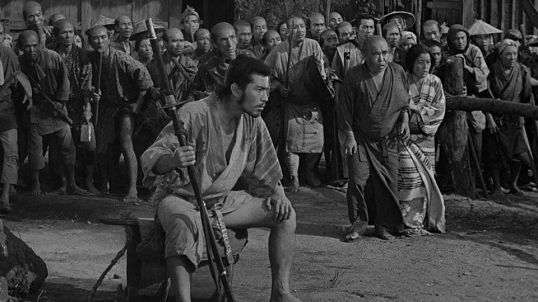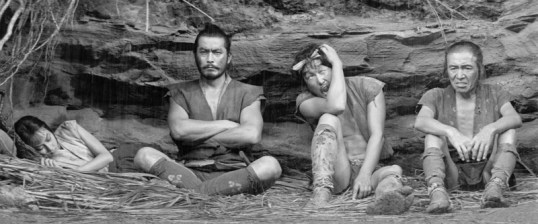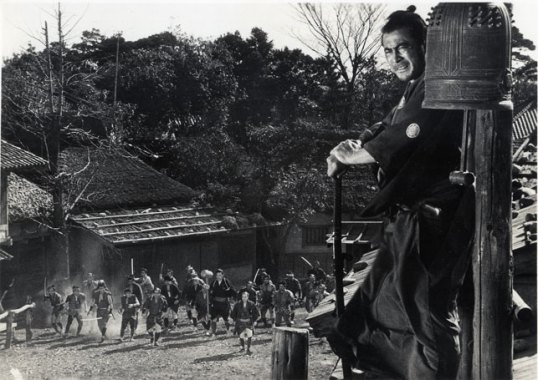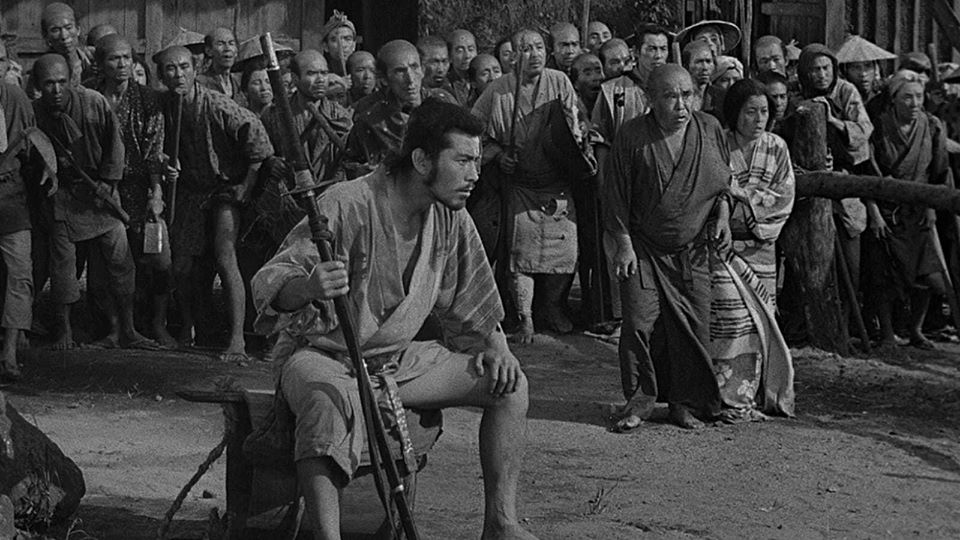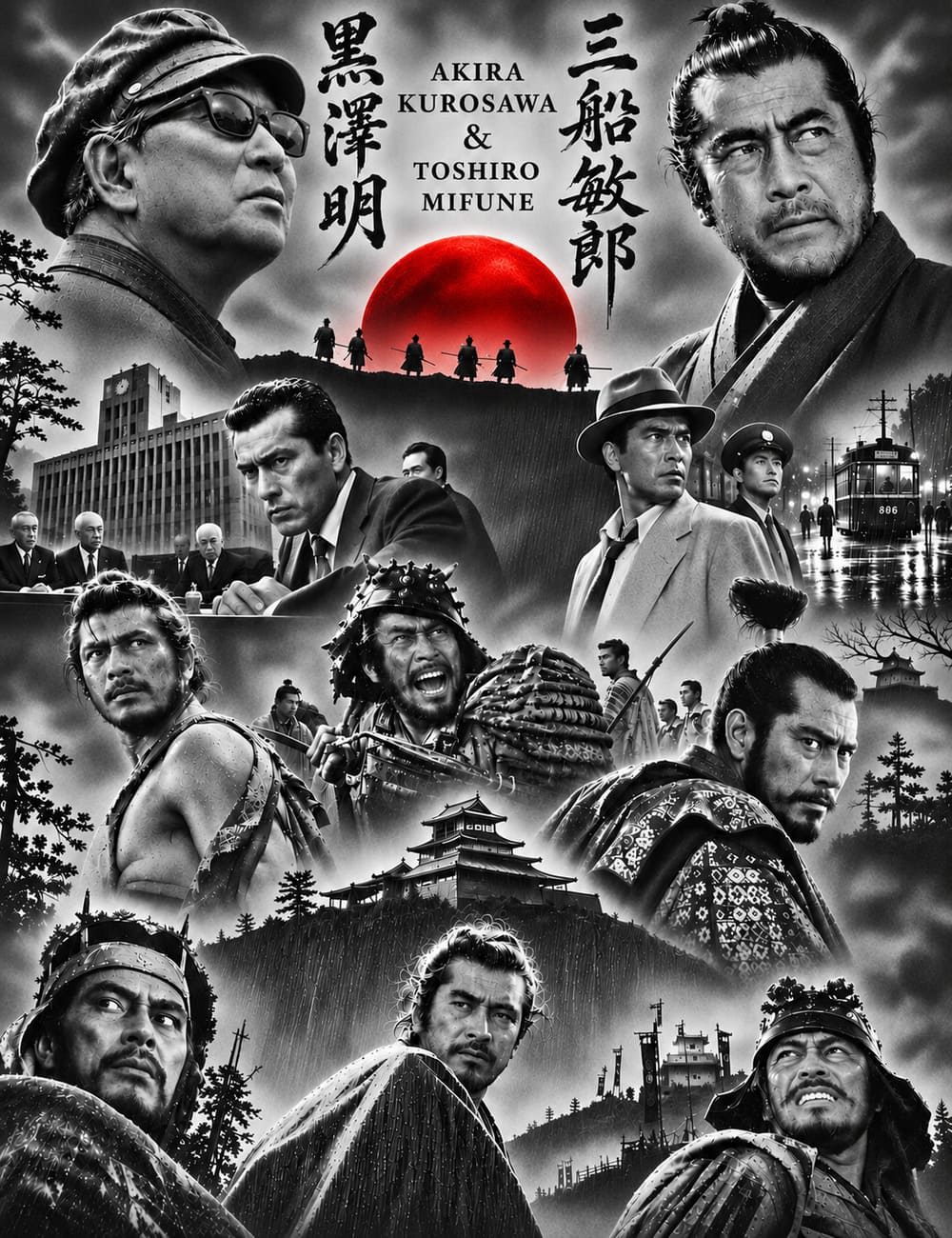
From Swagger to Compassion: The Cinematic Journey of Kurosawa and Mifune


“Without Toshiro Mifune, the films of Akira Kurosawa could never have come into being.” — Teruyo Nogami

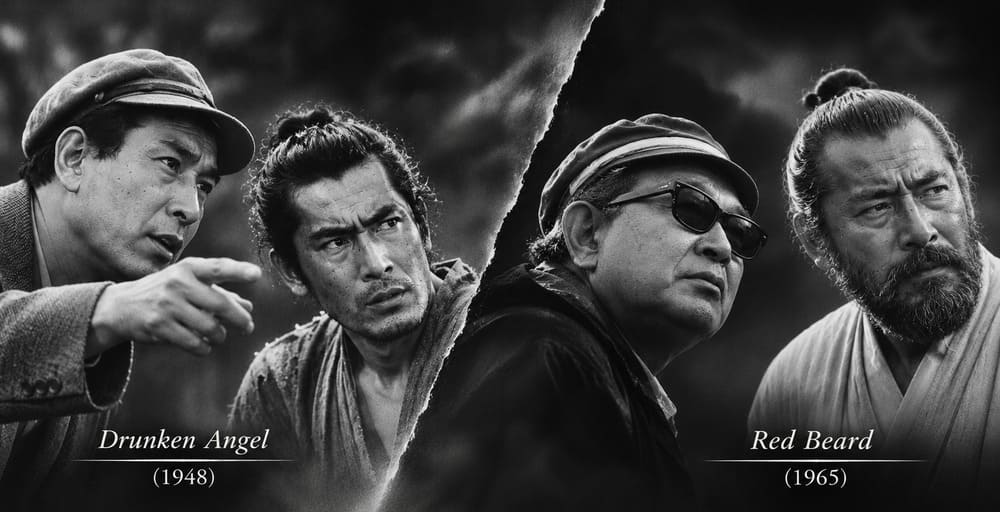
Between Drunken Angel (1948) and Red Beard (1965), Akira Kurosawa and Toshiro Mifune made sixteen films together, creating one of cinema’s most consequential artistic partnerships. Their achievement was not simply a succession of acclaimed performances or beautifully directed pictures. Together, they developed a cinematic language in which physical action expressed moral conflict, entertainment carried social criticism, and heroic charisma became something to question rather than merely celebrate. Their collaboration helped bring Japanese cinema to international attention while transforming popular storytelling. Its enduring importance lies in this fusion: Kurosawa gave ethical dilemmas dramatic architecture, while Mifune made them feel dangerously, unpredictably alive.

A Partnership Born from Postwar Uncertainty

Their first collaboration, Drunken Angel, established a central tension of their shared work: the struggle between destructive behavior and human responsibility. Mifune’s tubercular gangster, Matsunaga, projects defiance while exposing the fragility beneath it. His swagger is not security but a defense against humiliation and death. Kurosawa places that wounded masculinity within a damaged postwar environment, making individual sickness inseparable from social disorder. Mifune does not merely illustrate the director’s argument. His volatility complicates it, making a self-destructive criminal emotionally compelling without making him innocent.

That complexity continued in The Quiet Duel (1949) and Stray Dog (1949). In the former, Mifune plays a doctor infected with syphilis during wartime surgery; in the latter, a young detective whose stolen pistol becomes an instrument of violence. These characters turn vulnerability into an ethical problem rather than an embarrassment to conceal. In Stray Dog, the policeman’s pursuit becomes an encounter with someone whose circumstances disturbingly resemble his own. The boundary between respectable citizen and criminal no longer appears absolute. Their early films ask how people can act responsibly within conditions they did not choose.

Sixteen Films, Not One Formula

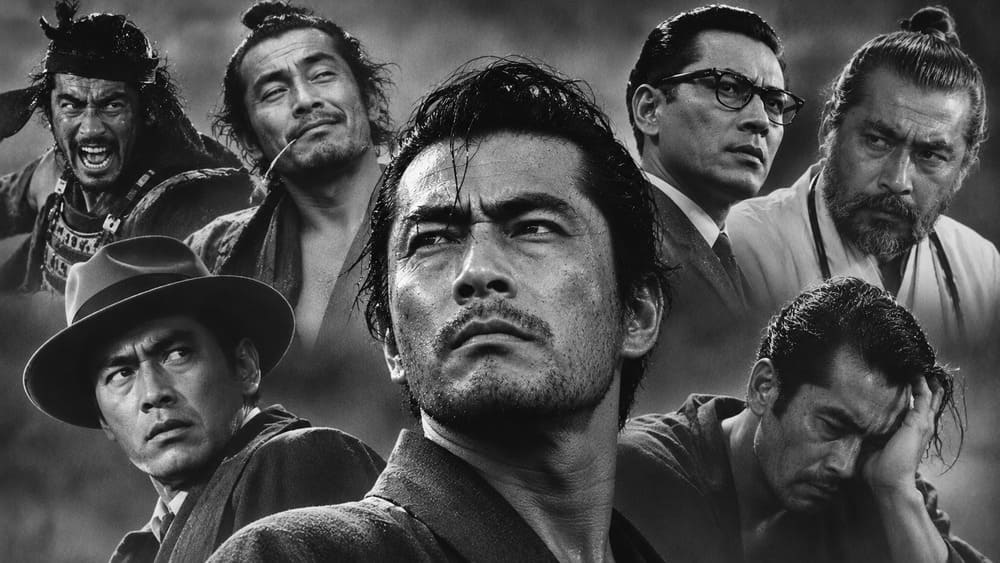
Remembering the partnership only through samurai films obscures its breadth. Alongside the early dramas came Scandal(1950), Rashomon (1950), The Idiot (1951), Seven Samurai (1954), and I Live in Fear (1955). These were followed by Throne of Blood and The Lower Depths (both 1957), The Hidden Fortress (1958), The Bad Sleep Well (1960), Yojimbo(1961), Sanjuro (1962), High and Low (1963), and finally Red Beard. Their subjects ranged from tabloid intrusion and nuclear anxiety to corporate corruption, poverty, ambition, and medical care. This was an evolving artistic inquiry, not the repetition of a successful formula.

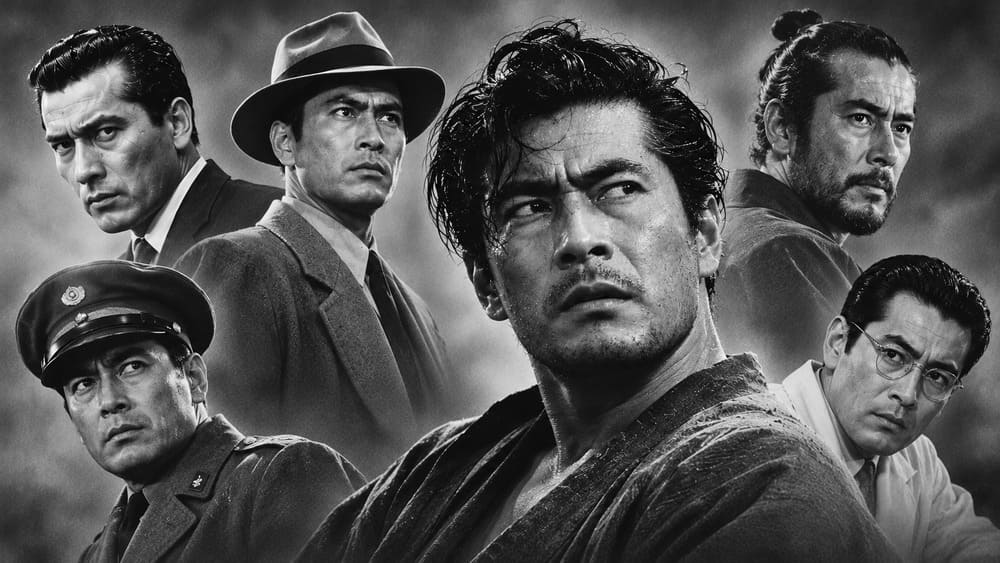
Mifune’s versatility made that inquiry possible. His reputation as an explosive performer can obscure his restraint. The guarded corporate infiltrator of The Bad Sleep Well differs sharply from the anxious detective of Stray Dog, just as the elderly patriarch of I Live in Fear differs from the commanding doctor of Red Beard. Kurosawa challenged the actor’s established image instead of protecting it. Audiences encountered not one masculine ideal but competing versions of authority, insecurity, aggression, and care. Their partnership refused to let stardom become a fixed personality.
The Actor as a Creative Author

The familiar image of Kurosawa as an exacting master and Mifune as his obedient instrument understates their relationship. Mifune’s performances generated meaning rather than simply supporting directorial design. His gestures could become an entire characterization: the scratching, shrugging, and apparent indifference of Yojimbo communicate social displacement alongside comic insolence. Mifune identified those mannerisms as his contributions, connecting them to the wandering samurai’s poverty and loneliness. What looks spontaneous is therefore expressive construction. The actor was not merely supplying energy; he was thinking through movement.

This distinction challenges a solitary understanding of cinematic authorship. Kurosawa’s framing, editing, and staging were indispensable, but Mifune supplied a resistant human presence that made those formal decisions productive. His body could disrupt a composition, puncture solemnity, or transform stillness into anticipation. Their films emerge from the relationship between organization and apparent unpredictability. Nor should their partnership erase the writers, cinematographers, performers, and other collaborators who helped create these works. The celebrated duo was the most visible expression of a larger creative community.

Truth, Class, and the Unstable Hero

In Rashomon, the partnership made instability dramatically magnetic. Mifune’s bandit, Tajomaru, is boastful, animalistic, seductive, and ridiculous, yet his identity shifts within the competing accounts. His charisma cannot guarantee his credibility. Viewers may feel the force of a performance while remaining unable to trust the story it tells. The film’s international success established both men abroad, but its significance exceeds recognition. It demonstrates how acting can expose self-presentation as fiction. Mifune’s exuberance becomes an argument about the distance between what people do and how they wish to be remembered.

If Rashomon interrogates personal truth, Seven Samurai interrogates the social ownership of heroism. Mifune’s Kikuchiyo is a farmer-born pretender among trained warriors: loud, undisciplined, and desperate for recognition. Initially threatening the group’s dignity, he ultimately exposes its limitations. His divided identity allows him to understand both the villagers’ fear and the samurai’s capacity for cruelty. The performance brings comedy and grief into unusually close contact. His excess is not decoration; it breaks through the apparent naturalness of class divisions.

Kikuchiyo also prevents the film from becoming uncomplicated warrior worship. His courage does not erase his insecurity, and his inclusion does not dissolve the society that excluded him. Mifune makes heroism look improvised, costly, and emotionally needy rather than serenely assured. Kurosawa’s epic scale gains its deepest force from this unruly individual presence. Together, they make collective action exhilarating without pretending that solidarity abolishes inequality or that sacrifice guarantees happiness.

Reinventing the Warrior—and Questioning Power

Yojimbo and Sanjuro developed another influential figure: the disheveled, ironic swordsman whose apparent laziness conceals extraordinary ability. Small gestures, amused observation, and physical looseness make sudden violence startling. Yet this masterless samurai possesses competence without institutional loyalty, resisting polished ideals of martial dignity. Kurosawa and Mifune renewed the outsider warrior through comedy, menace, and self-awareness. Their hero understands violence well enough to distrust heroic posturing.

The international consequences were substantial. Sergio Leone’s A Fistful of Dollars reworked Yojimbo, carrying the wandering opportunist into the Italian western and helping establish Clint Eastwood’s screen image. George Lucas acknowledged The Hidden Fortress as an inspiration for Star Wars. Their legacy therefore extends into globally popular entertainment. Nevertheless, treating them as important merely because Western filmmakers borrowed from them reverses the proper relationship. Those adaptations demonstrate the films’ portability; they do not confer their value.

Their contemporary dramas are equally essential. In The Bad Sleep Well, private vengeance confronts corporate corruption. In High and Low, Mifune’s industrialist faces a demand that threatens his financial future for another man’s child. Moral character emerges through decisions under pressure, not professional status. Likewise, Throne of Bloodtransforms martial authority into terror and self-destruction. Across different settings, the partnership separates strength from goodness, making masculine charisma available for criticism without denying its fascination.
When Shared Success Created Competing Ambitions

The independence that gave their work such force eventually made their professional relationship harder to sustain. Kurosawa’s international stature strengthened his ability to pursue an exacting vision, while his demanding productions required substantial commitments from collaborators. Mifune, meanwhile, had become more than his indispensable leading actor. He was an internationally recognizable star with other opportunities and, after establishing his own production company, responsibilities beyond individual performances. Their partnership now had to accommodate two expanding careers and two sets of ambitions.

Red Beard brought these competing needs into sharp conflict. Its extended production tied Mifune to the film, while the requirement that he retain the character’s natural beard restricted other roles he could accept. For Kurosawa, continuity and authenticity served the finished work. For Mifune, maintaining that appearance across a prolonged commitment meant sacrificing opportunities and income. The same working method could represent artistic integrity to the director and professional confinement to his star.

These restrictions mattered especially because Mifune was now an actor-producer. Turning down work could mean more than losing a personal fee: it could limit his ability to generate projects and revenue for his financially strained company. His availability was a business asset as well as an artistic resource. Opportunities in other films and television therefore represented both creative freedom and practical necessity. His desire to pursue them should not be mistaken for indifference to ambitious filmmaking.

Their success had changed the conditions that originally made their collaboration possible. Kurosawa wanted the time necessary to realize his films without compromise; Mifune needed greater flexibility to sustain his career and enterprise. Neither ambition was inherently illegitimate, but they were increasingly difficult to reconcile. Their separation should not be reduced to one quarrel or a definitive account of personal hostility. Production pressures, financial obligations, and divergent professional directions offer a more persuasive explanation than the familiar myth of a simple feud.

A Final Act of Care

Artistically, Red Beard provides a fitting counterweight to the violent figures dominating popular memory. Mifune’s physician embodies a demanding commitment to care. His authority derives less from defeating enemies than from confronting suffering. Read beside Drunken Angel, the film gives their partnership a suggestive shape: a collaboration beginning with the struggle to save a self-destructive young man ends with an older figure devoted to healing others. That thematic culmination remains moving even when understood alongside the difficult circumstances of its creation.

The movement between these films also suggests a deepening consideration of strength. Violence and dominance remain dramatically compelling throughout their work, but care emerges as an equally demanding exercise of power. Healing requires discipline, endurance, and the willingness to recognize suffering beyond oneself. The final physician does not erase the gangsters, warriors, and compromised authority figures who preceded him. Instead, he provides a revealing counterpoint: an image of what commanding presence might become when directed toward service rather than self-preservation.

Conclusion: The Human Being behind the Hero

Taken together, Kurosawa and Mifune’s sixteen films form an extended inquiry into the relationship between power and responsibility. Their settings change—from ruined postwar streets to feudal battlefields, corporate offices, and medical wards—but the underlying questions remain connected. What makes authority legitimate? Can courage exist without compassion? How much freedom does an individual possess within an unjust social order? These questions give the collaboration its coherence without reducing its extraordinary range to a single message. Each film approaches them through a different balance of tragedy, comedy, suspense, and action.

Mifune’s characters make those questions tangible because they rarely coincide comfortably with the roles society assigns them. A bandit attempts to control his own legend; a farmer’s son claims the identity of a samurai; a wealthy businessman discovers that moral obligation extends beyond his household. In each case, the distance between social identity and ethical conduct becomes a source of drama. Kurosawa constructs situations that expose that distance, while Mifune expresses it through bodies that swagger, hesitate, endure, or erupt. Their shared subject is not simply the exceptional man, but the unstable human being beneath the exceptional image.

Their professional separation adds a final complication to this interpretation. The artists who examined the conflict between individual purpose and social obligation encountered a version of that conflict themselves. Kurosawa’s creative demands and Mifune’s expanding responsibilities could no longer be accommodated as readily within the same working relationship. This parallel should not turn their lives into a tidy allegory, but it underscores how thoroughly their films belong to a world of competing needs rather than simple moral resolutions.

Their greatest legacy, then, is not a flawless hero, a recognizable action formula, or even the mythology of an inseparable creative partnership. It is a way of looking: beyond charisma toward vulnerability, beyond status toward conduct, and beyond spectacle toward consequence. Kurosawa and Mifune made audiences feel the attraction of extraordinary individuals while asking what those individuals owed to others. That tension remains unresolved—and it is precisely what keeps their cinema alive.
Kurosawa-Mifune Collaborations
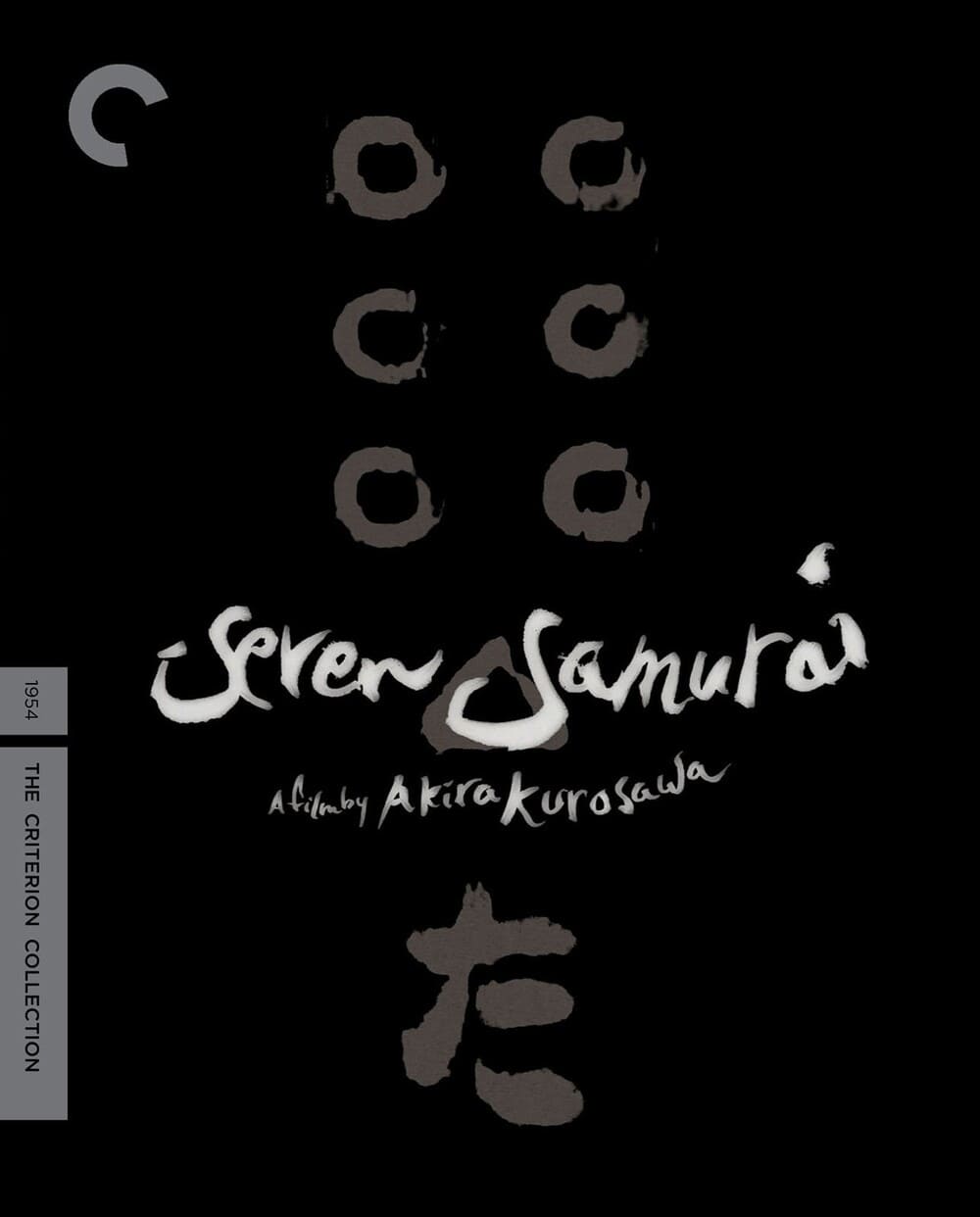
Film Review: Seven Samurai (dir. by Akira Kurosawa)


“The farmers have won. Not us.” — Kambei

The first thing that stands out about Akira Kurosawa’s Seven Samurai (1954) is how much life it contains. For a film built around an approaching attack, it spends a surprising amount of time watching people size each other up, argue over food, embarrass themselves, and figure out how to work together. Those details are not distractions from the adventure. They are the reason the adventure matters. Kurosawa makes defending a village feel like an enormous undertaking because he first makes that village feel inhabited. Beneath its legendary status and spectacular battles is a movie that understands a simple truth: saving people means dealing with all their complications.

There is a worthwhile debate to be had about whether Rashomon or Seven Samurai is Kurosawa’s greater achievement, and honestly, there is no wrong answer. Both demonstrate how an apparently straightforward situation can open into something morally and emotionally complicated. For me, though, Seven Samurai has the edge. It possesses the excellent storytelling and emotional impact that make Rashomon so powerful, but it also has an infectious physical energy. Its ambition is not limited to making us think about human behavior. It wants us to laugh, worry, feel the exhaustion of a fight, and care about the person who might not survive the next attack. Its greatness feels both intellectually satisfying and immediately accessible.

The story begins with a farming community facing another raid by bandits who intend to return after the harvest. Unable to protect themselves, the villagers seek samurai willing to fight in exchange for meals. It is a desperate offer, and the film never lets us forget the desperation behind it. Food determines who has power, who goes hungry, and what anyone can afford to sacrifice. Before the swords start swinging, Kurosawa establishes the stakes through something more basic than honor: people need to eat, and someone stronger intends to take what they have.

From that premise, the film develops an unusually rich adventure about the relationship between people who need protection and warriors whose abilities have not necessarily brought them security. Neither side approaches the arrangement comfortably. The villagers fear the samurai almost as much as they need them, while the samurai must decide whether an unrewarding, dangerous job is worth accepting. The shared enemy gives them a reason to cooperate, but it does not automatically produce trust. That distinction becomes essential to the film’s emotional weight.

Much of the opening stretch follows the recruitment of the defenders, and it remains one of the movie’s greatest pleasures. Kurosawa allows personalities to emerge through choices rather than lengthy explanations. We see who seeks recognition, who recognizes talent, and who understands the risks involved. The pleasure lies partly in watching the group take shape, but also in realizing how differently these men understand the same undertaking. Their individual skills matter, yet their temperaments matter just as much. A team is not simply a collection of capable people; it is a collection of people who must somehow become capable together.

At the center is Takashi Shimura as Kambei, the experienced samurai who takes responsibility for organizing the defense. Shimura, a longtime Kurosawa collaborator, gives a beautifully restrained performance. His authority comes from observation rather than intimidation. He watches, listens, and makes decisions without seeming interested in impressing anyone. Even his stillness suggests experience: this is someone who knows that unnecessary gestures waste energy. There is fatigue behind his composure, and his willingness to help matters because he appears fully aware of what the job could cost. Shimura makes goodness feel practical, demanding, and occasionally weary rather than saintly.

Toshiro Mifune, another of Kurosawa’s longtime collaborators, supplies almost the opposite energy as Kikuchiyo. Loud, restless, and constantly performing his own toughness, he initially seems ready to knock the movie off balance. Mifune makes that disruption irresistible. His movements are loose and unpredictable, his expressions enormous, and his comic timing wonderfully aggressive. Yet he is not merely providing relief from the more serious characters. Kikuchiyo wants recognition so badly that his behavior becomes both funny and uncomfortable. Beneath every boast is the possibility that someone will expose him as a man who does not belong among the warriors he desperately wants to join.

As Kikuchiyo’s background becomes clearer, Mifune turns that insecurity into the film’s rawest emotional material. A farmer’s son posing as a samurai, he understands both sides of the uneasy alliance. His anger at the villagers carries recognition, while his anger at the samurai comes from understanding the suffering their class can inflict. Mifune shifts between clowning and accusation without making either register feel false. What first looks like uncontrolled behavior gradually reveals a painful internal logic. Kikuchiyo is trying to escape his origins while remaining unable to abandon the people who share them.

The contrast between Mifune and Shimura gives the movie two complementary emotional centers. Kambei understands how to keep people working together; Kikuchiyo keeps exposing everything that threatens to pull them apart. One conserves energy while the other spends it recklessly. Neither performance would have quite the same force without the other. Their differences also prevent the samurai from settling into a single heroic ideal. Courage can look like patience, discipline, anger, or an impulsive decision made before fear has time to intervene.

The surrounding ensemble gives those central performances plenty to work against. Seiji Miyaguchi is especially memorable as Kyuzo, whose extraordinary skill comes with an almost complete absence of showmanship. His economy makes a perfect contrast to Kikuchiyo’s constant commotion. The younger Katsushiro brings idealism and romantic longing into a world governed by harsher calculations. Meanwhile, the farmers are allowed to be frustrating. They hide things, panic, and distrust their defenders. Kurosawa’s sympathy does not require them to behave like grateful supporting characters in somebody else’s heroic story.

That attention to conflicting perspectives keeps the film from becoming a simple fantasy about noble swordsmen rescuing helpless peasants. Cooperation does not erase the history separating these groups. It produces a fragile arrangement in which people must act together despite that history. The movie understands fear without pretending fear always produces admirable behavior. It also recognizes that the luxury of looking honorable is not equally available to everyone. People struggling to survive may make ugly choices, and understanding those choices is different from excusing them.

Kurosawa gives these tensions a physical form through the preparations for battle. We learn the village’s entrances, exposed approaches, houses, and fields alongside its defenders. We understand why a particular position matters because we have watched someone assess it. This is why the long running time feels earned. The film is not postponing excitement while everyone discusses strategy; it is constructing the conditions that make excitement possible. When the attacks begin, movement through the village means something. A breached defense threatens a place whose purpose and vulnerabilities we already understand.

The action filmmaking remains astonishing because it combines that clarity with such restless energy. Kurosawa’s use of multiple cameras, long lenses, dynamic staging, and forceful editing helped develop a new vocabulary for screen combat. Multiple viewpoints allow the action to feel caught in progress, while long lenses crowd bodies and movement together, making danger feel uncomfortably close. He did not invent every tool he used, but he combined and developed them with extraordinary purpose. The result feels immediate without becoming unreadable, a balance that helps explain why his approach would influence filmmakers for decades.

The rain-soaked final battle brings all those choices together. Water pours through the frame, horses struggle through mud, and exhausted bodies collide in spaces that suddenly seem dangerously cramped. Weather becomes a physical obstacle rather than decorative atmosphere. You feel how difficult it is to move, see, and remain standing. Despite the chaos, individual bursts of violence remain connected to the larger defense. The sequence delivers the excitement of great action while refusing to make combat look clean. Survival is not a stylish pose; it is exhausting work performed by vulnerable bodies.

That mixture of strong characterization, communal stakes, and explosive action also helps explain the film’s extraordinary afterlife. Seven Samurai has been remade and reworked so often that its basic arrangement feels almost like a subgenre of its own: a threatened community, an assembled band of specialists, defensive preparations, and a confrontation that tests everyone’s commitment. Not every variation is a direct remake, but the pattern has become a familiar storytelling language. It can function as a trope, a framework, or the entire appeal of a movie.

Watching the original, though, makes clear how much can disappear when that framework becomes a formula. Kurosawa does not simply gather entertaining personalities and send them into battle. He asks what brings them together, what separates them from the people they protect, and what remains after the fighting ends. The recruitment matters because we come to know the recruits. The preparations matter because they change relationships. The losses matter because these people have existed for us outside the moments when they are useful with a sword.

By the end, the battles are not the only things that linger. So do Shimura’s patient attention, Mifune’s wounded bravado, and the uneasy distance between the warriors and the community they defend. That is why Seven Samurai deserves its place among the greatest films of all time, beyond the reach of its influence or the brilliance of its technique. It gives us the pleasures of a tremendous adventure without pretending that courage resolves every division or guarantees anyone a home. The village can survive, ordinary life can resume, and the people who made that possible can still find themselves standing apart. For all its movement and noise, the film leaves its deepest impression in that quiet contradiction.

Kurosawa-Mifune Collaborations
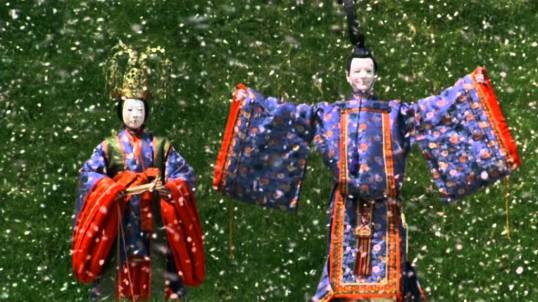
4 Shots From 4 Films: Special Toshiro Mifune Edition


4 Shots From 4 Films is just what it says it is, 4 shots from 4 of our favorite films. As opposed to the reviews and recaps that we usually post, 4 Shots From 4 Films lets the visuals do the talking!

Today would have been the 105th birthday of the great actor, Toshiro Mifune.  It’s time for….

4 Shots From 4 Toshiro Minfune Films

Drunken Angel (1948, dir by Akira Kurosawa)

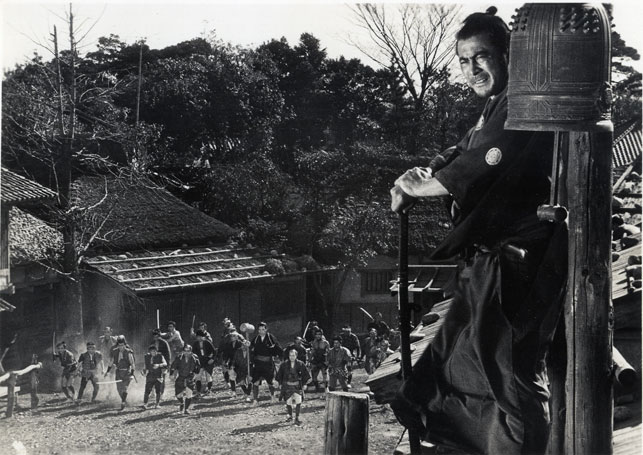
Seven Samurai (1954, dir by Akira Kurosawa)

The Hidden Fortress (1958, dir by Akira Kurosawa)

Yojimbo (1961, dir by Akira Kurosawa)

4 Shots From 4 Films: Special Akira Kurosawa Edition


4 Or More Shots From 4 Or More Films is just what it says it is, 4 shots from 4 of our favorite films. As opposed to the reviews and recaps that we usually post, 4 Shots From 4 Films lets the visuals do the talking!

Today, the Shattered Lens honors both the birth and the legacy of the great filmmaker, Akira Kurosawa!  It’s time for….

4 Shots From 4 Akira Kurosawa Films

Seven Samurai (1954, dir by Akira Kurosawa, DP: Asakazu Nakai)

The Hidden Fortress (1958, dir. by Akira Kurosawa, DP: Kazuo Yamasaki)

Dersu Uzala (1975, dir. by Akira Kurosawa, DP: Asakazu Nakai)

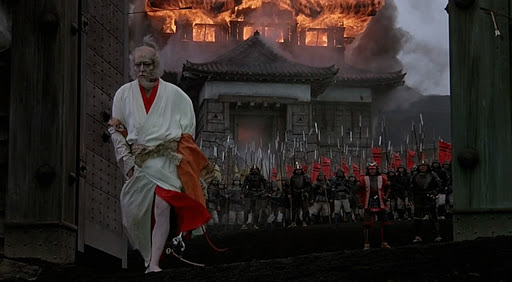
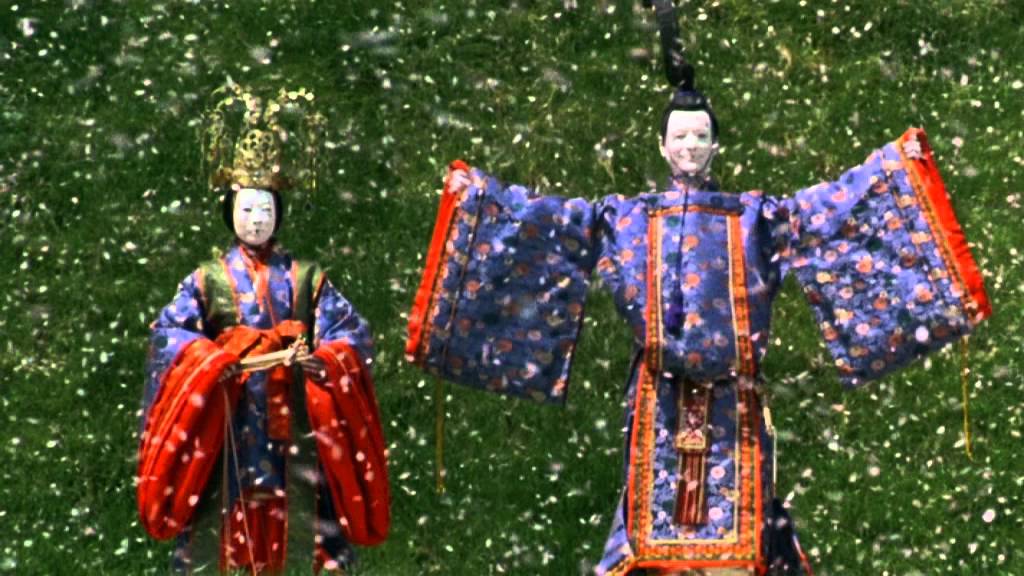
Dreams (1990, dir by Akira Kurosawa, DP: Takao Saito)

4 Shots From 4 Films: Special Akira Kurosawa Edition


4 Shots From 4 Films is just what it says it is, 4 shots from 4 of our favorite films. As opposed to the reviews and recaps that we usually post, 4 Shots From 4 Films lets the visuals do the talking!

110 years ago today, Akira Kurosawa was born.  Today, we honor the life of one of the most influential directors in film history and that means that it’s time for:

4 Shots From 4 Films

Seven Samurai (1954, directed by Akira Kurosawa)

Yojimbo (1961, directed by Akira Kurosawa)

Ran (1987, directed by Akira Kurosawa)

Dreams (1990, directed by Akira Kurosawa)

If you’re on lockdown right now and you’re not at already a familiar with Japan’s greatest director, this is a great time to discover the works of Akira Kurosawa!

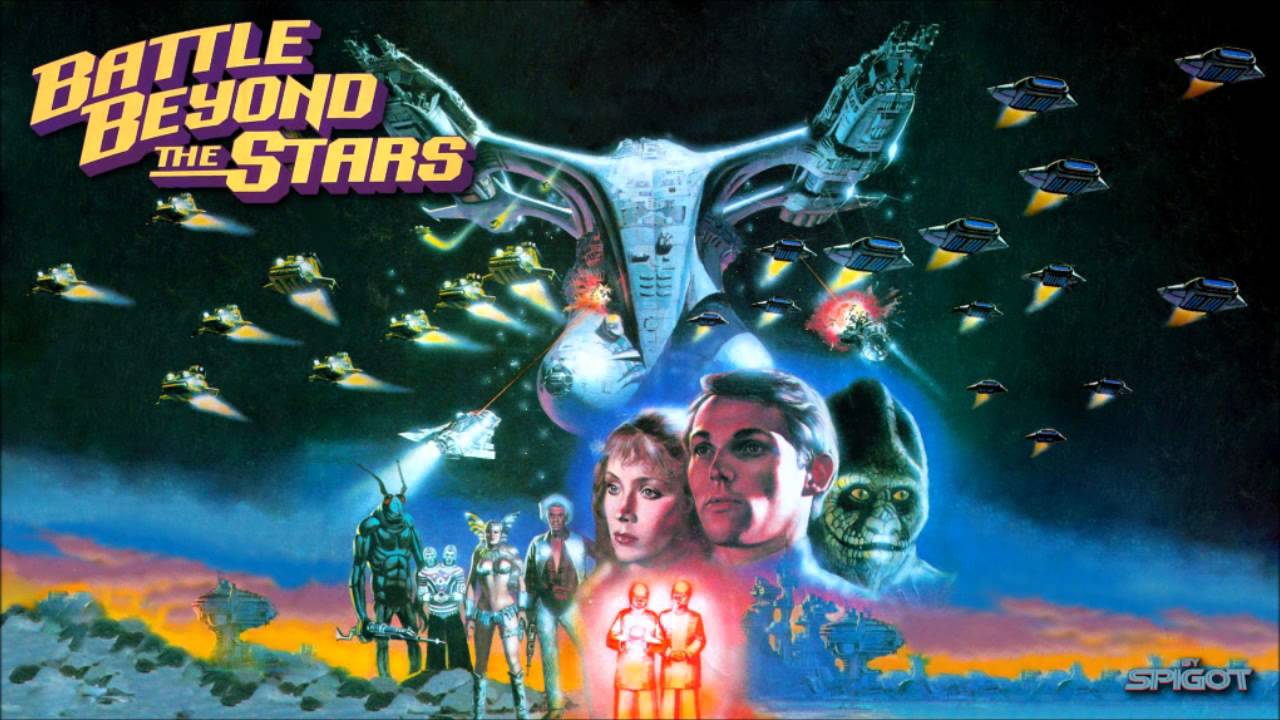
Guilty Pleasure No. 22: Battle Beyond the Stars (dir. by Jimmy T. Murakami)


maxresdefault

Two of my favorite films of all-time happen to be very similar. In fact, one could say that they’re pretty much the same films. I’m talking about Akira Kurosawa’s Seven Samurai and it’s Western-remake by John Sturges, The Magnificent Seven. Kurosawa’s film is one of the greatest films of all-time and it’s no wonder that many have taken the film’s story of the downtrodden hiring a band of misfits, rogues, but still honorable men to help them fight against huge odds.

One such film that tries to add onto Kurosawa film’s legacy was the Roger Corman-produced scifi-adventure film Battle Beyond the Stars. This 1980 film was one of Corman’s many attempts to cash-in on the Star Wars phenomena, but in his usual low-budget style.

For a low-budget scifi film, Battle Beyond the Stars happened to have quite a cast one doesn’t usually see in such productions. While it had such grindhouse and exploitation regulars as John Saxon and Sybil Danning, it also starred the wholesome Richard Thomas from The Waltons and George Peppard (who would later become famous with a new generation as Hannibal Smith of The A-Team). The film would be directed by Jimmy T. Murakami, but from watching the film one could see Corman’s fingerprints all over the production from the script which was pretty lean and cut to the basic outline of Kurosawa’s original film. There’s not much fluff to bog down the pacing of the film.

This film has always been a guilty pleasure of mine because it so resemble Seven Samurai and The Magificent Seven, but adds in it’s own unique style and look to a well-worn and well-trodden plot. It was much later that I found out that James Cameron had a major hand in the special effects work in the film. Think about that for a moment. The self-proclaimed “King of the World” who literally breaks film budget records every time he begins work on a film did FX work on battle Beyond the Stars whose effects budget probably wouldn’t buy a day’s worth of crafts table eating for his most modestly budgeted films.

Lisa Marie always loved to say that grindhouse and exploitation films are some of most honest films out there. There’s no bullshit to what we see on the screen. It’s filmmakers forced to be daring and inventive because the lack of resources forces them to think outside the box. Battle Beyond the Stars might be seen as a mediocre attempt to cash-in on a scifi cultural phenomena, but it does so with a go for broke mentality that makes it such a fun film to watch. It’s not the greatest thing Corman has ever produced and some would even call it a very bad film, but once one looked past it’s rough and flawed surface then one could see a gem in the rough hidden beneath.

Oh, this remake of the remake of the original also happened to star one Robert Vaughn who was one of original Magnificent Seven.

  1. Half-Baked
  2. Save The Last Dance
  3. Every Rose Has Its Thorns
  4. The Jeremy Kyle Show
  5. Invasion USA
  6. The Golden Child
  7. Final Destination 2
  8. Paparazzi
  9. The Principal
  10. The Substitute
  11. Terror In The Family
  12. Pandorum
  13. Lambada
  14. Fear
  15. Cocktail
  16. Keep Off The Grass
  17. Girls, Girls, Girls
  18. Class
  19. Tart
  20. King Kong vs. Godzilla
  21. Hawk the Slayer