Famous Actors Throughout the Decades: Charles Bronson – 1960’s!


Last year around this time, I was sitting poolside at a resort in Maui when I wrote about Charles Bronson’s career in the 1950’s. A year later, I’m sitting on the beach in Perdido Key, FL, and it seems like the perfect time to write about Bronson in the 1960’s! Holy hell… a guy just caught a shark!!

Random Beach Guy with Shark – He released the Shark back into the ocean right after I took this pic!

Back to Bronson, the 1960’s were a pivotal decade in Charles Bronson’s personal life and career. As the decade started, he was headlining his own TV series, MAN WITH A CAMERA, although that show’s run would end in 1960. He would also have a memorable supporting role in the classic western, THE MAGNIFICENT SEVEN (1960). His portrayal of Bernardo O’Reilly would be one of the most heroic of the film. This type of supporting performance would come to be a staple for Bronson throughout the 1960’s. 
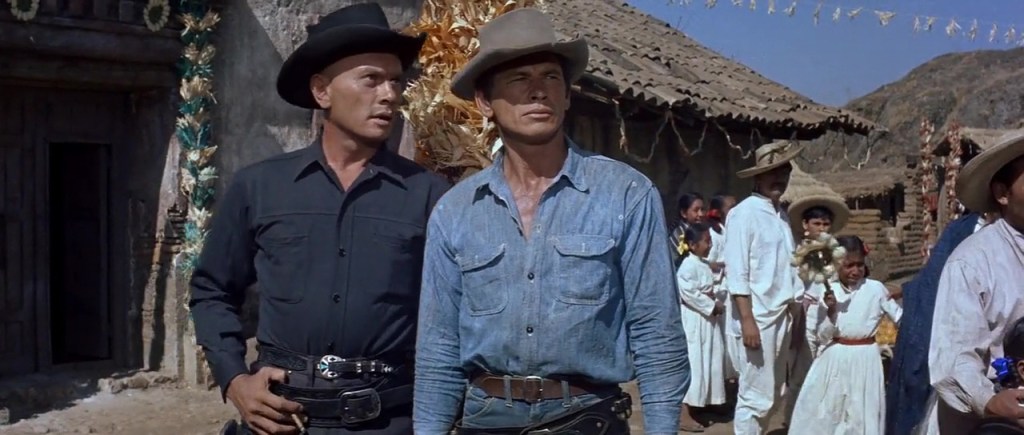
Charles Bronson and Yul Brynner in THE MAGNIFICENT SEVEN (1960)

For the most part, it seems that Charles Bronson’s career would settle into a series of important co-starring roles in both television and in major motion pictures. The most important of these movies were his excellent performances in classics like THE GREAT ESCAPE (1963) and THE DIRTY DOZEN (1967). He also had important supporting roles in popular films like KID GALAHAD (1962) with Elvis Presley, THE SANDPIPER (1965) with Richard Burton and Elizabeth Taylor, and THIS PROPERTY IS CONDEMNED (1966) with Natalie Wood and Robert Redford.
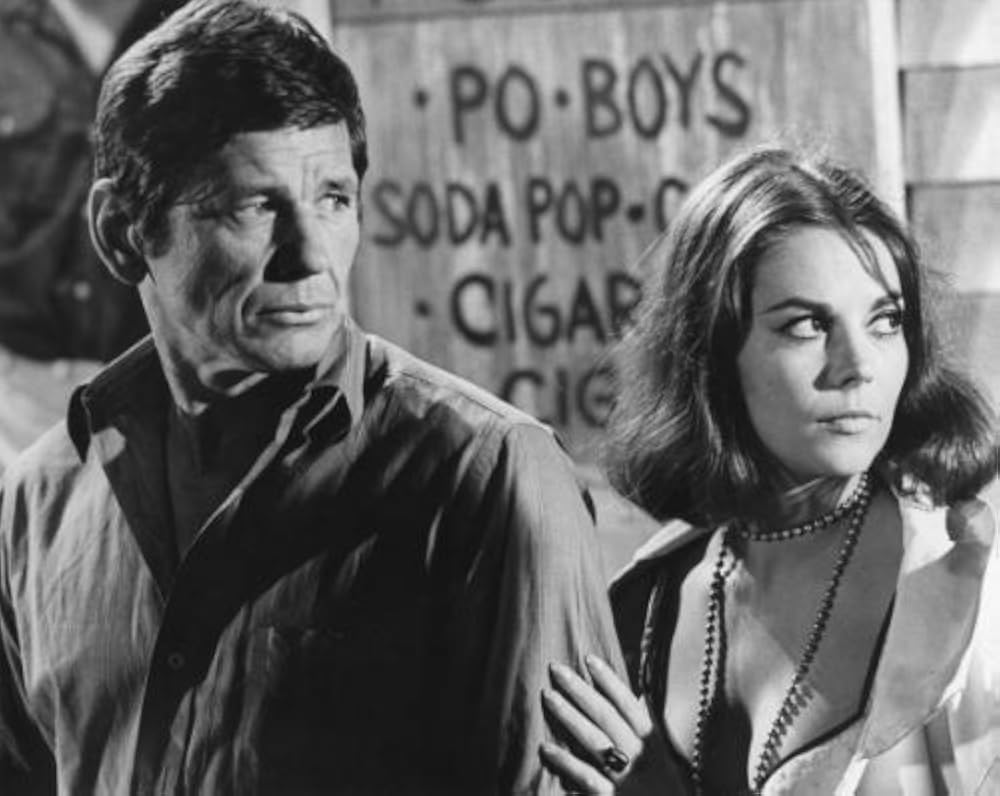
Charles Bronson and Natalie Wood in THIS PROPERTY IS CONDEMNED (1966)

On TV, he was performing in prominent “guest star” roles in classic TV series like ALFRED HITCHCOCK PRESENTS, BONANZA, GUNSMOKE, RAWHIDE, and THE F.B.I. He also had turned into an actor who would join a TV series already in progress to help class it up some. He would provide that service to EMPIRE (1962-1963), starring Richard Egan and Ryan O’Neal, as well as THE TRAVELS OF JAIMIE MCPHEETERS (1963-1964) starring a young Kurt Russell. While he seemed to be everywhere, and there were some exceptions, it seemed he was always the guest star and never the star. This was very frustrating for an actor who had already spent over a decade providing strong support to bigger stars, while his contemporaries like Steve McQueen and James Coburn were headlining their own films. But things were about to change in a big way for Bronson, in both his personal life and professional life. 
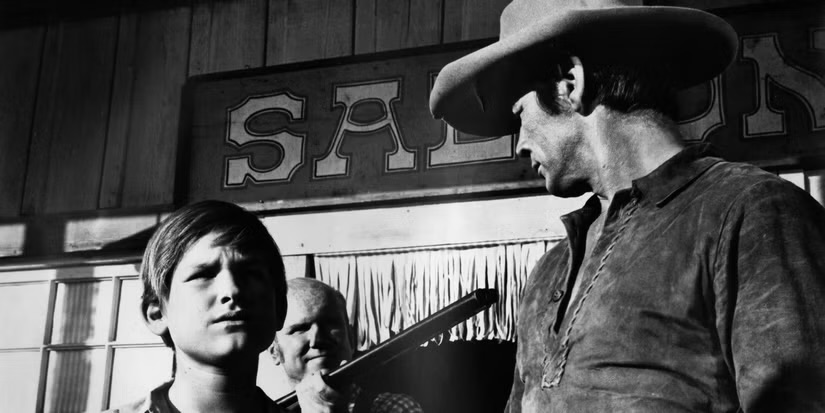
Kurt Russell and Charles Bronson in THE TRAVELS OF JAIMIE MCPHEETERS Television series

First, his personal life… Charles Bronson had been married to Harriet Tendler Bronson from 1949 to 1965. He met Jill Ireland on the set of THE GREAT ESCAPE in 1962 when she was there with her then-husband David McCallum, who was also starring in the film. Legend has it that Bronson told McCallum that he was going to “marry his wife,” but who really knows what’s fact and what’s fiction when it comes to Hollywood. Regardless, Bronson and Ireland would both get divorced in the sixties and marry each other on October 5th, 1968. They were a true Hollywood love story and would be inseparable until her death from breast cancer in 1990. 
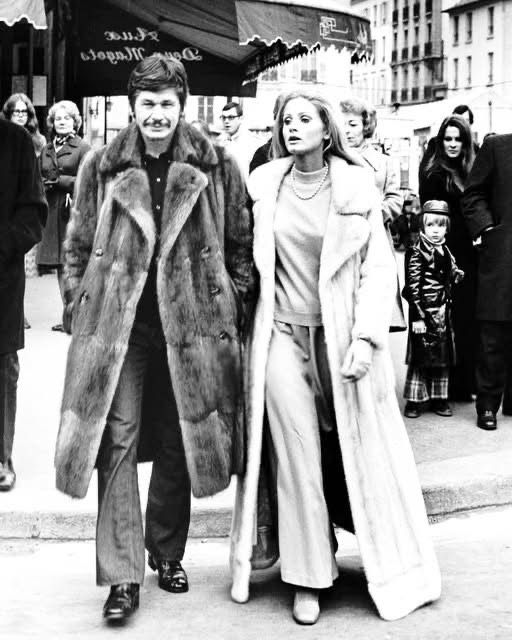
Charles Bronson and Jill Ireland

Jill Ireland turned out to be crucial in the success of Charles Bronson’s career. She was able to convince him to accept some of the offers that he had been receiving to go to Europe where he could finally be the “star” of his movies. The first of these films was FAREWELL, FRIEND (1968), where he would co-star with international superstar Alain Delon. Delon had specifically requested Bronson based on his strong performance a decade earlier in Roger Corman’s MACHINE GUN KELLY. Bronson would steal the film from Delon and it would be a huge box office hit across Europe. Suddenly, Bronson found himself to be a sex symbol across the continent. When I was a kid in the 80’s, this movie was only available on terrible VHS tapes under the title HONOR AMONG THIEVES. I didn’t fully appreciate how important it was to Bronson’s career until decades later.
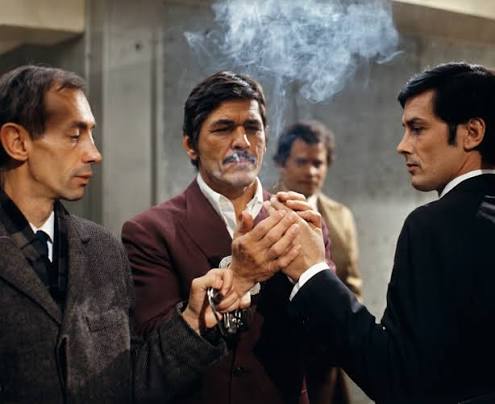
Charles Bronson and Alain Delon in FAREWELL, FRIEND (1968)

Bronson’s next film would turn him into a true international stud when he would play Harmonica in Sergio Leone’s ultimate masterpiece ONCE UPON A TIME IN THE WEST (1968). His incredible screen presence would dominate a film that featured excellent performances from Henry Fonda, Jason Robards and possibly the most beautiful woman on earth, Claudia Cardinale. Leone had wanted to work with Bronson for years, including all three films in the “Dollars” trilogy, but it had never worked out. While their film was butchered for its American release, it was a monster hit all across Europe and Bronson would be one of the biggest stars on the planet for the next decade.
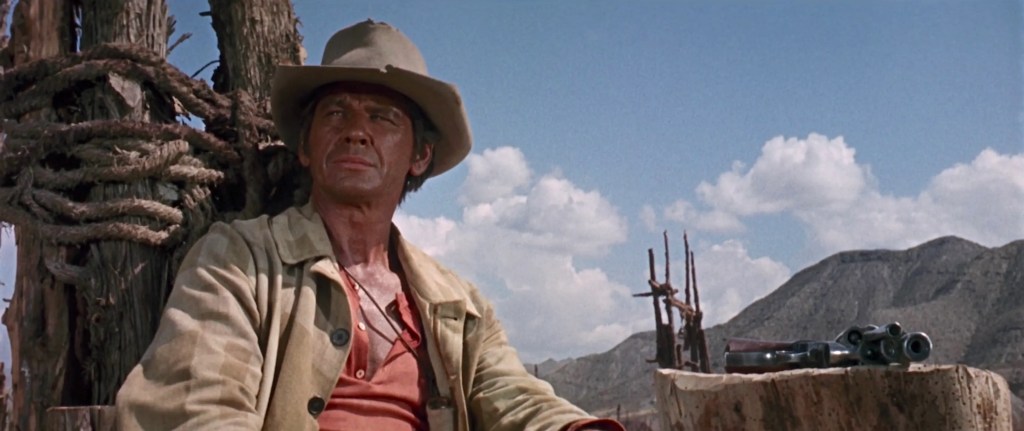
Charles Bronson in ONCE UPON A TIME IN THE WEST (1968)

The 1960’s turned out to be a great decade for Charles Bronson. He married the love of his life and became one of the biggest movie stars in the world, even if he wasn’t fully appreciated in his home country yet. But we’ll get to that next when we discuss the 1970’s, his most successful decade of all!

Live Tweet Alert: Join #FridayNightFlix for The French Connection!


As some of our regular readers undoubtedly know, I am involved in a few weekly watch parties.  On Twitter, I host #FridayNightFlix every Friday and I co-host #ScarySocial on Saturday.  On Mastodon, I am one of the five hosts of #MondayActionMovie!  Every week, we get together.  We watch a movie.  We tweet our way through it.

Tonight, at 10 pm et, I will be hosting #FridayNightFlix!  The movie?  1971’s The French Connection!

If you want to join us this Friday, just hop onto twitter, find The French Connection on Prime, start the movie at 10 pm et, and use the #FridayNightFlix hashtag!  I’ll be there happily tweeting.  It’s a friendly group and welcoming of newcomers so don’t be shy.

See you there!


Scenes I Love: Chick Vennera Dances In Thank God It’s Friday


Last night, I watched Thank God It’s Friday with the Tubi Thursday gang.  (I also watched the eclipse!)

Thank God It’s Friday is admittedly not a great film but it does have a few fun moments.  One of my favorites is Chick Vennera’s exuberant dance scene.  Here he is, using a bunch of cars as his dance floor.


4 Shots From 4 Films: Special David Fincher Edition


4 Or More Shots From 4 Or More Films is just what it says it is, 4 shots from 4 of our favorite films. As opposed to the reviews and recaps that we usually post, 4 Shots From 4 Films lets the visuals do the talking!

Today, the Shattered Lens wishes a happy 64th birthday to David Fincher!  It’s time for….

4 Shots from 4 David Fincher Films

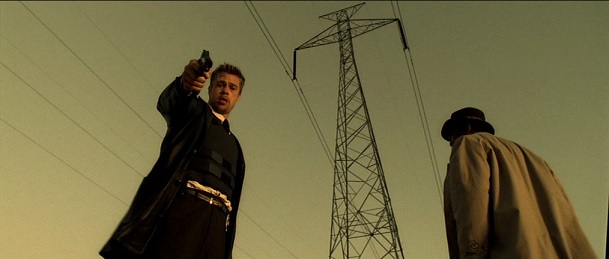
Seven (1995, dir by David Fincher. DP: Darius Khondji)

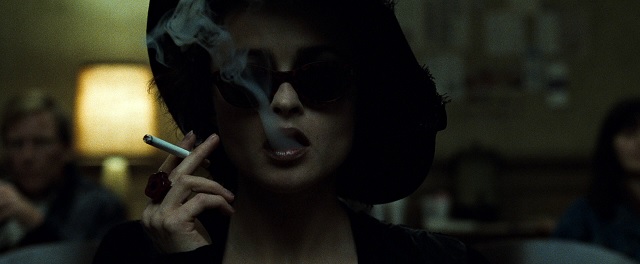
Fight Club (1999, dir by David Fincher, DP: Jeff Croneweth)

Zodiac (2007, dir by David Fincher, DP: Harris Savides)

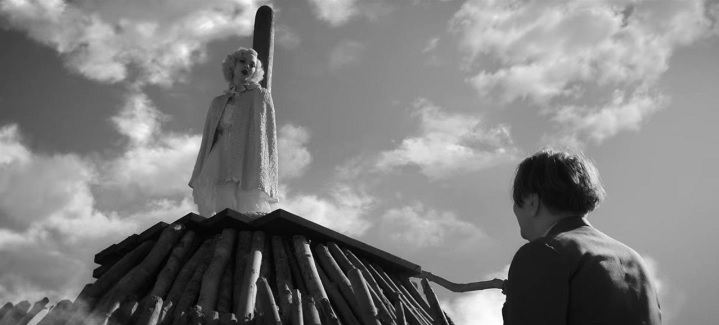
Mank (2020, dir by David Fincher, DP: Erik Messerschmidt)

Happy Birthday, Tuesday Weld!


When I think of Tuesday Weld, I first think of her character in Sergio Leone’s ONCE UPON A TIME IN AMERICA (1984). It’s not an easy character to play and she nails it. James Woods references Tuesday in his 2024 album Hear the Thunder Crack on the song “Cafe Central,” specifically pointing out how difficult her character was to play.

Weld hasn’t appeared on screen since 2001, but she worked for 45 years prior to her retirement. To celebrate her birthday, here’s a scene from the Leone masterpiece.

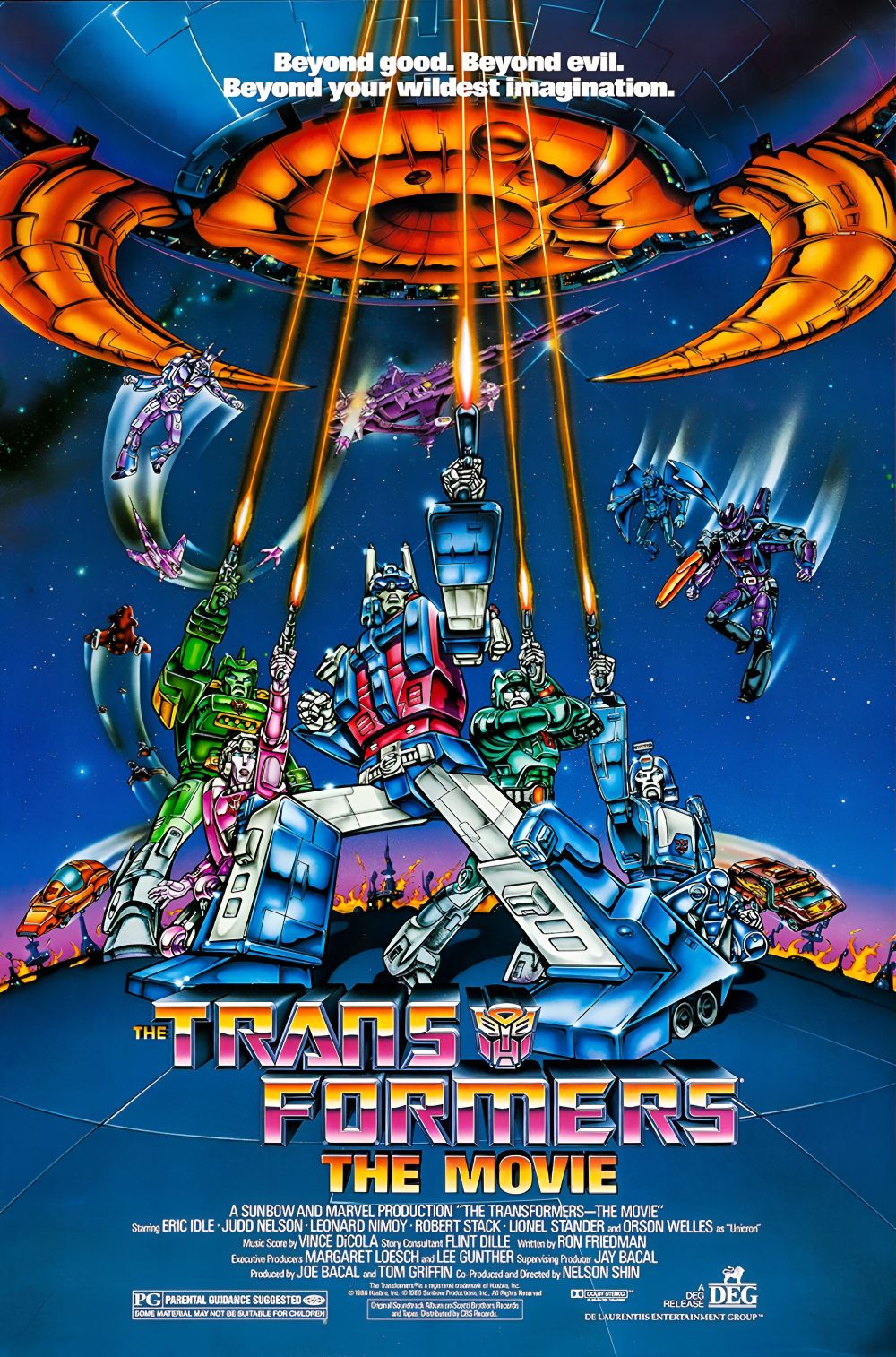
The Transformers: The Movie (dir. by Nelson Shin) Review


“Such heroic nonsense.” — Megatron

The Transformers: The Movie from 1986 was a must-see for me as a 13-year-old boy, but the anticipation of watching it and the actual experience were two entirely different things. The former was filled with excitement, the kind that comes from counting down the days until you finally get to see your favorite characters on the big screen. The latter, however, was something else entirely—a scarring moment that taught me, in the final year before entering high school, that not even afternoon cartoon characters were exempt from onscreen deaths. It was a harsh lesson in the unpredictability of storytelling, and it left an impression that has lasted a lifetime. And I wasn’t alone. The film shocked and scarred millions of children who flocked to theaters or gathered around their VHS players, expecting their beloved Transformers cartoon to simply be bigger and louder on the big screen. Instead, they were met with the brutal, unforgiving reality of watching their favorite characters die in battle, one after another.

The film was released during the height of Transformers mania in the mid-1980s, a time when the toy aisle was dominated by Hasbro’s robotic heroes and villains. But here’s the thing: The Transformers: The Movie wasn’t just about selling toys—it was about replacing them. Hasbro had a new line of Transformers ready to hit the shelves, and the movie served as a way to phase out the older generation of characters. The result? A shockingly brutal narrative that saw many fan-favorite characters meet their end in ways that were far removed from the relatively tame Transformers TV series. This wasn’t just a Saturday morning cartoon stretched to feature length; it was a full-blown sci-fi epic with stakes that felt real, and consequences that were permanent. For kids like me, who grew up watching the TV show, the film was a jarring wake-up call. The deaths of major characters like Ironhide, Prowl, and even Optimus Prime himself were not just unexpected—they were traumatic. It’s no exaggeration to say that The Transformers: The Movie left an entire generation of children with lasting emotional scars, all because it refused to sugarcoat the cost of war.

And yet, that’s exactly why it worked. The film’s willingness to go dark and take risks is what set it apart from so much of the animated fare of the era. The story picks up in the year 2005, with the Autobots and Decepticons still locked in their eternal struggle. The Decepticons, led by the ever-scheming Megatron, launch a full-scale assault on Autobot City on Earth, and the battle that follows is one of the most intense and visually stunning sequences in the film. The animation, while a product of its time, holds up surprisingly well, with vibrant colors and dynamic action that still feels exciting today. But what really sticks with you is the emotional weight of the story. The film doesn’t shy away from showing the cost of war, and the loss of life—even for animated robots—feels genuine. It’s a far cry from the often lighthearted and episodic nature of the TV series, and that contrast is part of what makes the movie so memorable.

At the heart of the film’s emotional impact is Peter Cullen’s iconic performance as Optimus Prime. Cullen’s voice work in the Transformers TV series had already made Optimus Prime a beloved figure, but in the movie, his role takes on an even greater significance. Though his screen time is brief, Cullen’s delivery of Optimus’s final words—“Until that day, ‘till all are one”—is nothing short of legendary. It’s a moment that has been etched into the minds of fans for decades, a testament to Cullen’s ability to convey both strength and vulnerability in a single line. Even now, nearly 40 years later, that scene remains one of the most powerful in the entire Transformers franchise. Cullen’s work helped elevate Optimus Prime from a toy commercial mascot to a genuine hero, and his influence can still be felt in every iteration of the character that has followed.

The film’s legacy is a fascinating study in how a movie can transcend its origins. On paper, The Transformers: The Movie was a 90-minute commercial designed to sell a new wave of toys. But in practice, it became something much more. The bold storytelling choices, the emotional depth, and the sheer audacity of killing off major characters in a children’s animated film ensured that it would be remembered long after the toys it was promoting had been forgotten. For the kids who saw it in theaters or on VHS, the film was often their first exposure to the idea that stories could have real consequences, and that heroes didn’t always make it out alive. It was a formative experience, one that left a lasting impression and helped shape the way a generation of fans engaged with media.

Of course, the film isn’t without its flaws. The pacing can feel uneven at times, and some of the new characters introduced in the movie—like the Dinobots and the Junkions—don’t get as much development as they deserve. The humor, while present, sometimes feels out of place amidst the darker tones of the story. But these quibbles do little to detract from the overall impact of the film. The Transformers: The Movie is a product of its time, but it’s also timeless in the way it handles its themes of sacrifice, leadership, and the cost of war. It’s a film that refuses to be pigeonholed as just a kids’ movie, and that’s part of its enduring appeal.

Today, The Transformers: The Movie holds a special place in the hearts of those who grew up with it. It’s a cult classic, a film that’s celebrated as much for its flaws as for its strengths. For many adults, revisiting the movie is like opening a time capsule, a chance to reconnect with the wide-eyed child they once were, the one who sat in front of the TV or the big screen, completely unprepared for the emotional rollercoaster they were about to experience. The film’s legacy is a testament to the power of storytelling, and to the idea that even something as seemingly commercial as a toy-based animated movie can leave a lasting impact. Whether you’re a lifelong Transformers fan or just someone who appreciates a good underdog story, The Transformers: The Movie is a film that’s well worth revisiting. Just be prepared for a few emotional gut punches along the way.

Join #TubiThursday For Thank God It’s Friday!


Hi, everyone!  Tonight, on Mastodon, I will be hosting the #TubiThursday watch party!  Join us for 1978’s Thank God It’s Friday!

You can find the movie on Tubi and you can join us on Mastodon at 9 pm central time!  (That’s 10 pm for you folks on the East Coast.)  We will be using #TubiThursday hashtag!  See you then!

Scene That I Love: The End of the World from Lars Von Trier’s Melancholia


Today’s scene that I love comes from Lars Von Trier’s Melancholia.  Von Trier is always going to be controversial filmmaker but no one has ever matched his brilliance when it came to capturing the end of existence.

In Melancholia, a depressed woman (played in a revelatory performance by Kristen Dunst) finds unexpected strength in the end of the world.  As can be seen in the scene below, it’s a beautifully sad film, one that ends on a note of triumphant apocalypse:

4 Shots From 4 Films: Special Robert Richardson Edition


4 Shots From 4 Films is just what it says it is, 4 shots from 4 of our favorite films. As opposed to the reviews and recaps that we usually post, 4 Shots From 4 Films lets the visuals do the talking!

Today, TSL wishes a happy birthday to cinematographer Robert Richardson.  It’s time for….

4 Shots From 4 Robert Richardson Films

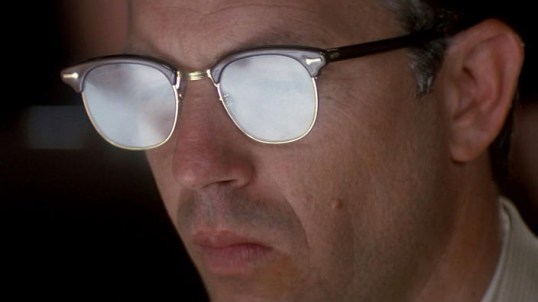
JFK (1991, dir by Oliver Stone, DP: Robert Richardson)

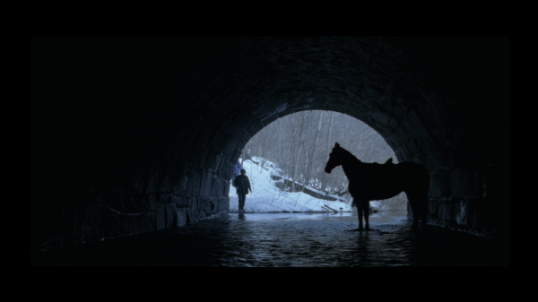
The Horse Whisperer (1998. dir by Robert Redford, DP: Robert Richardson)

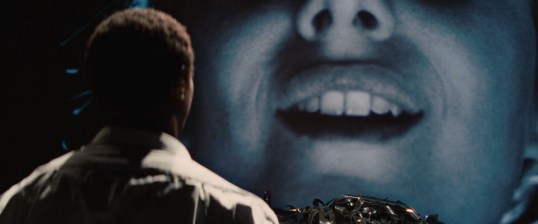
Inglourious Basterds (2009, dir by Quentin Tarantino, DP: Robert Richardson)

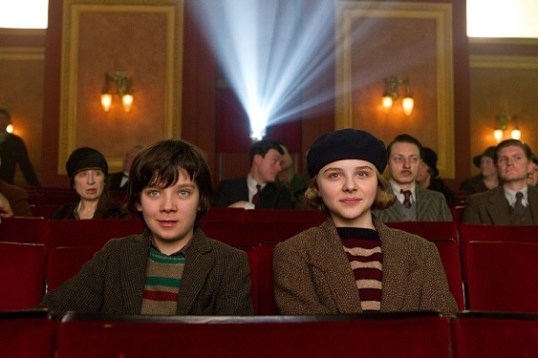
Hugo (2011, dir by Martin Scorsese, DP: Robert Richardson)

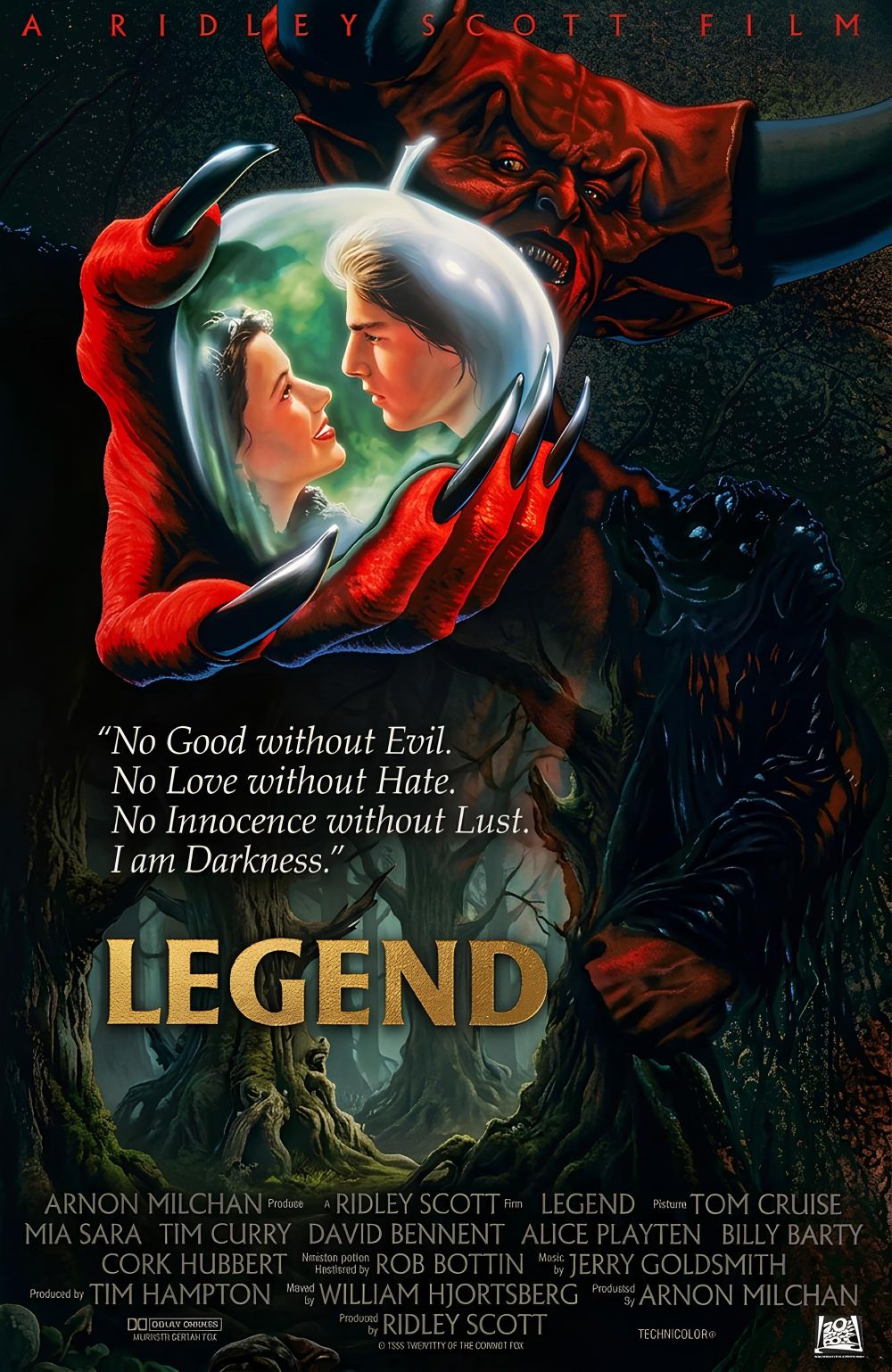
Review: Legend (dir. by Ridley Scott)


“What is light without dark? What are you without me? I am a part of you all. You can never defeat me. We are brothers eternal!” — Darkness

Legend is one of those films that feels like it should be a masterpiece even before it begins. It has Ridley Scott behind the camera, an extravagant fantasy premise, elaborate practical effects, striking production design, and a cast that includes a young Tom Cruise, Mia Sara, and Tim Curry. Released in 1985, the film arrived as a dark fantasy event that had been heavily anticipated, especially because Scott had already earned a reputation for visually stunning films. Alien and Blade Runner had established him as a director who could make entire worlds feel tactile, mysterious, and overwhelming. The idea of Scott applying that sensibility to unicorns, goblins, forest sprites, demonic lords, and fairy-tale mythology was exciting on paper. Unfortunately, while Legend is often gorgeous to look at, it becomes an uneven mess that is only saved from becoming a major disappointment by Tim Curry’s performance as Darkness.

The setup is familiar enough to sound almost deliberately archetypal. In a magical forest, Jack, played by Cruise, is a woodland boy who lives in harmony with nature and has fallen in love with the innocent Princess Lili, played by Sara. The world’s balance is tied to a pair of unicorns, embodiments of purity and light. Darkness, a devil-like ruler who wishes to plunge the world into permanent night, sends his goblin servants to kill the unicorns and take one of their horns. Lili’s fascination with the unicorns sets the tragedy in motion, and once one of the creatures is slain, winter and darkness descend upon the land. Jack must rescue Lili, restore the horn, defeat Darkness, and return light to the world.

There is nothing inherently wrong with a simple fairy-tale plot. In fact, Scott’s strongest instinct in Legend is treating fantasy with a sense of visual seriousness. The forest does not look like a clean studio set built for children; it looks damp, overgrown, foggy, and vaguely dangerous. The trees loom like ancient creatures, shafts of light break through the branches in painterly bursts, and even the beautiful areas of the film carry an eerie quality. Scott and cinematographer Alex Thomson create images that often resemble illustrated storybooks poisoned by a nightmare. The film’s environments are its greatest achievement. Whether it is the glowing forest, the icy wasteland after the unicorn’s death, or Darkness’ fire-lit underworld, Legend makes a serious effort to create a fully realized fantasy space rather than simply dressing actors in costumes and placing them in generic medieval scenery.

That visual commitment is why the film remains so fascinating despite its flaws. You can pause almost anywhere and find something worth admiring: a strange creature in the background, smoke drifting through a cavern, an enormous set textured with roots and stone, or a costume that looks handmade rather than mass-produced. Scott’s eye for atmosphere is undeniable. The film has an unusual physicality, too. Its magic is created through prosthetics, makeup, puppetry, matte work, and elaborate sets, so even when some effects have aged, they retain a handmade charm. Modern fantasy often has the advantage of digital flexibility, but Legend has the kind of tactile design that makes its world feel like it has dirt under its fingernails.

Still, visual beauty cannot completely compensate for a story that never finds a consistent rhythm. Legend often feels less like a fully developed narrative than a collection of spectacular images and half-formed fairy-tale ideas. Characters appear with little introduction, emotional shifts happen abruptly, and major story developments can feel rushed or strangely underexplained. The theatrical cut in particular carries the sense that important connective material has been removed. There are moments when the movie seems to expect emotional investment simply because the images are grand or the music swells, but the script has not done enough to earn that reaction.

Jack is also an unusually bland hero for a film that needs a strong center. Cruise was still early in his career, and there are flashes of the screen presence that would soon make him a major star. He is physically committed and looks believable racing through forests, climbing ruins, and confronting danger. But Jack is written as a generic pure-hearted fantasy protagonist, and Cruise never gets enough material to make him feel specific. He is brave because the story says he is brave, romantic because the story says he loves Lili, and destined to save the world because that is what these stories require. He does not have much inner conflict beyond the expected guilt and determination.

Lili is similarly underwritten, although Mia Sara does bring a dreamy, otherworldly quality to the role. The film wants her to embody innocence, temptation, and romantic idealism, but it does not give her much agency until she becomes corrupted by Darkness’ influence. Her transformation into a dark bride is visually memorable, especially in the elaborate black gown and makeup, but it also highlights the film’s habit of prioritizing imagery over character. The sequence is beautiful, eerie, and loaded with gothic fantasy appeal, yet Lili’s emotional journey into that role feels more decorative than dramatically convincing.

The supporting characters are more colorful but not always more useful. The dwarfs, elves, and forest companions give the story occasional energy, particularly the sarcastic fairy Oona and the armored dwarf Gump. Yet their presence can make the film feel tonally scattered. Sometimes Legend wants to be haunting and mythic; sometimes it wants broad comic relief; sometimes it drifts toward romantic melodrama. Those modes do not always blend. The result is a movie that can move from an ominous demonic ritual to a goofy side-character exchange without establishing a stable tone.

Then there is Tim Curry, who walks into the movie and immediately makes every other problem less important. His Darkness is one of the most iconic fantasy villains ever put on screen, and it is not difficult to understand why. The makeup design alone is astounding: massive horns, red skin, cloven hooves, muscular proportions, and a towering silhouette that makes him look like a medieval illustration of Satan brought to life. But the design would be nothing without Curry’s performance. He does not merely hide beneath the prosthetics; he gives Darkness a voice, posture, and seductive intelligence.

Curry plays Darkness as both monstrous and theatrical. His deep, measured delivery turns lines about night, desire, and evil into something genuinely alluring. He understands that the character should not simply roar or sneer. Darkness is persuasive. He offers Lili beauty, power, and escape from innocence, which makes him more interesting than a villain who only threatens destruction. His scenes with Sara have a strange, almost operatic energy, mixing horror, seduction, and camp in a way that fits the film’s most ambitious visual impulses. Curry makes Darkness feel ancient, vain, cruel, romantic, and weirdly funny all at once. He gives Legend its pulse.

The famous confrontation between Jack and Darkness should be the film’s crowning achievement, and visually it almost is. Darkness’ lair, lit by flames and surrounded by infernal architecture, gives Scott room to indulge his talent for monumental images. Curry’s villain towers over Cruise, making the hero look small and vulnerable. Yet even here, the fight is more memorable for its atmosphere than its dramatic construction. It is a good example of the whole film: rich in aesthetic invention, less persuasive as storytelling.

The music also reflects the movie’s fractured identity. Different versions of Legend are associated with different scores, most notably the Jerry Goldsmith score and the Tangerine Dream soundtrack used in the American theatrical release. The Goldsmith material feels more classically mythic and orchestral, while Tangerine Dream’s electronic music gives the film a distinctly 1980s dream-pop atmosphere. Both have their supporters, and both alter the experience considerably. That split feels appropriate for a movie that has always existed in multiple forms and competing moods. Legend is never quite one thing.

In the end, Legend is a flawed cult fantasy rather than a lost masterpiece. Its reputation rests largely on its imagery, its practical craftsmanship, and Curry’s towering performance, not on the strength of its plot or its emotional depth. Ridley Scott clearly wanted to make a dark fairy tale that felt ancient and sensual, but the finished film too often gets trapped between mythic grandeur, children’s fantasy, gothic romance, and broad adventure comedy. It is an uneven mess, but it is a beautiful one. And every time Tim Curry’s Darkness enters the frame, Legend briefly becomes the extraordinary film it was always trying to be.