Live Tweet Alert: Join #FridayNightFlix for The Graduate!


As some of our regular readers undoubtedly know, I am involved in a few weekly watch parties.  On Twitter, I host #FridayNightFlix every Friday and I co-host #ScarySocial on Saturday.  On Mastodon, I am one of the five hosts of #MondayActionMovie!  Every week, we get together.  We watch a movie.  We tweet our way through it.

Tonight, at 10 pm et, I will be hosting #FridayNightFlix!  The movie?  1967’s The Graduate!

If you want to join us this Friday, just hop onto twitter, find The Graduate on Prime, start the movie at 10 pm et, and use the #FridayNightFlix hashtag!  I’ll be there happily tweeting.  It’s a friendly group and welcoming of newcomers so don’t be shy.

See you there!


Song of the Day: If I Can’t Have You by Yvonne Elliman


Today’s song of the day is my favorite song of all time, performed by the wonderful Yvonne Elliman.  I can actually sing this song!

I don’t know why I’m surviving every lonely day
When there’s got to be no chance for me
My life would end, and it doesn’t matter how I cry
My tears of love are a waste of time

If I turn away, am I strong enough to see it through?
Go crazy is what I will do

If I can’t have you, I don’t want nobody, baby
If I can’t have you, ah-ah-ah, oh
If I can’t have you, I don’t want nobody, baby
If I can’t have you, ah-ah-ah

Can’t let go, and it doesn’t matter how I try
I gave it all so easily to you, my love
To dreams that never will come true
Am I strong enough to see it through?
Go crazy is what I will do

If I can’t have you, I don’t want nobody, baby
If I can’t have you, ah-ah-ah, oh
If I can’t have you, I don’t want nobody, baby
If I can’t have you, ah-ah-ah, oh

If I can’t have you, I don’t want nobody, baby
If I can’t have you, ah-ah-ah, oh
If I can’t have you, I don’t want nobody, baby
If I can’t have you, ah-ah-ah (I’m in love with nobody)

If I can’t have you, I don’t want nobody, baby
If I can’t have you, ah-ah-ah, oh
If I can’t have you, I don’t want nobody, baby
If I can’t have you, ah-ah-ah, no

(Lyrics by Maurice Ernest Gibb / Robin Hugh Gibb / Barry Alan Gibb)

Scenes That I Love: “Greed is Good” from Wall Street


Today, the Shattered Lens wishes a happy 82nd birthday to actor and producer Michael Douglas!

For today’s scene that I love, we have a scene from Oliver Stone’s 1987 film, Wall Street.  In this scene, Michael Douglas plays Gordon Gekko.  Gekko is supposed to be the film’s villain but he’s actually a lot more compelling and, at times, sympathetic than the film’s heroes.  He’s not a judgmental jerk like the union leader played by Martin Sheen.  Nor is he a snitch like his protegee, played by Charlie Sheen.  Instead, Gordon Gekko is honest about who he is.

This is the scene that won Michael Douglas an Oscar.  Watching him in this scene, it’s easy to see why Douglas’s performance supposedly inspired a lot of people to get a job working on Wall Street.  Douglas is so charismatic in this scene that he makes this movie into one of the best advertisements for capitalism ever filmed.

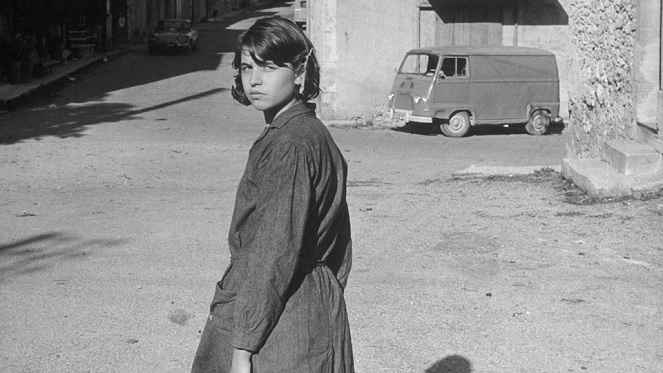
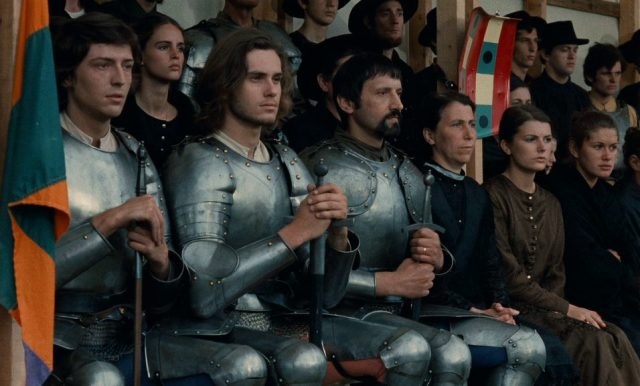
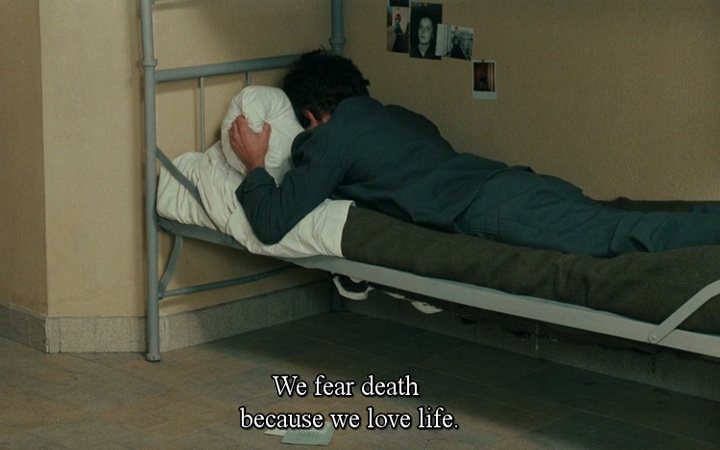
4 Shots From 4 Films: Special Robert Bresson Edition


4 Or More Shots From 4 Or More Films is just what it says it is, 4 shots from 4 of our favorite films. As opposed to the reviews and recaps that we usually post, 4 Shots From 4 Films lets the visuals do the talking!

125 years ago, on this date, the great French director Robert Bresson was born in Bromont-Lamothe, France.  In honor of Robert Bresson’s life and cinematic legacy, it is time for….

4 Shots From 4 Robert Bresson Films

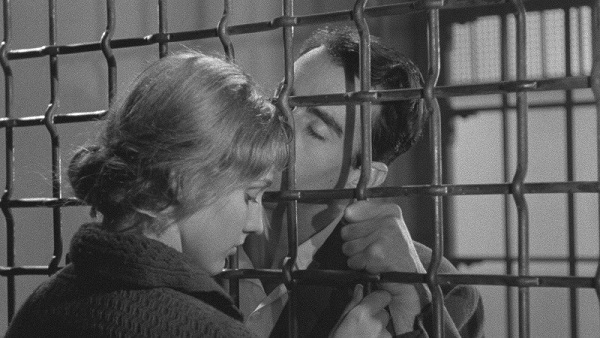
Pickpocket (1959, dir by Robert Bresson, DP: Leonce-Henri Burel)

Mouchette (1967, dir by Robert Bresson, DP: Ghislain Cloquet)

Lancelot Du Lac (1974, dir by Robert Bresson, DP: Pasqualino De Santis)

L’Argent (1983, dir by Robert Bresson, DP: Pasqualino De Santis)

Late Night Retro Television Review: Hunter 2.3 “The Biggest Man In Town”


Welcome to Late Night Retro Television Reviews, a feature where we review some of our favorite and least favorite shows of the past!  On Thursdays, I will be reviewing Hunter, which aired on NBC from 1984 to 1991.  The entire show is currently streaming on Tubi and several other services!

This week, Hunter and McCall investigate a murder!  Yes, another one.

Episode 2.3 “The Biggest Man In Town”

(Dir by Bob Bravler, originally aired on October 5th, 1985)

When Charles Lattimer (Gregory Itzin), a man with no criminal record, is found executed gangland-style, Hunter and McCall suspect that it was more than just random California violence.  After they find out that Lattimer was last seen alive while having a tense lunch at an expensive French restaurant, they decide to go undercover in Lattimer’s home town, an exclusive resort full of rich people and women in bikinis.

Hunter, pretending to be an oceanographer, meets Lattimer’s girlfriend, librarian Amy Lauton (Nana Visitor).  McCall, pretending to be an aspiring singer, meets the biggest man in town, insurance tycoon Raymond Bellamy (Stuart Whitman).

Now, we already know that Bellamy is the one who ordered Lattimer’s death.  Bellamy is the man with whom Lattimer had his final lunch.  Lattimer was blackmailing Bellamy over a case of insurance fraud.  We also know that the execution was carried out by Sheriff Johnson (Don Stroud).  We know all this because we saw it at the beginning of the episode.  There’s no real mystery here.

Then again, this episode isn’t about mystery.  It’s about Hunter and McCall getting away from Los Angeles for a while.  It’s about McCall getting to sing three songs at the resort’s premier nightclub.  It’s about Hunter getting distracted every time a woman in a bikini walks by.  Mostly, it’s just about the chemistry between Hunter and McCall.  It doesn’t matter how many people die, they’ve always got a quip to trade.

Actually, not that many people die in this episode. Lattimer dies.  His father is murdered.  But otherwise, this episode is almost peaceful by Hunter standards.  For once. Hunter and McCall arrest the bad guys instead of killing them.  Getting out of Los Angeles must have mellowed them.

This episode was entertaining but forgettable.  The story was nothing special but the Hunter/McCall chemistry was enjoyable.  Hunter and McCall are solving crimes and having fun!  Good for them.

Nicolas Cage is John Madden in MADDEN!


I’m watching Thursday Night Football tonight and they’re advertising the new movie where Nicolas Cage plays the legendary Raiders coach and television broadcaster, John Madden. It’s directed by David O. Russell, and Christian Bale portrays the iconic Oakland Raiders owner, Al Davis. Are y’all looking forward to this film? I personally am interested in just about anything starring Cage!

I share the trailer below. Check it out!

Retro Television Review: The Best Of Times


Welcome to Retro Television Reviews, a feature where we review some of our favorite and least favorite shows of the past!  This Thursday, I will be reviewing The Best Of Times, which aired its only episode on ABC in 1981.  The show can be found on YouTube!

Episode 1.1 “Pilot”

(Dir by Don Mischer, originally aired on July 31st, 1981)
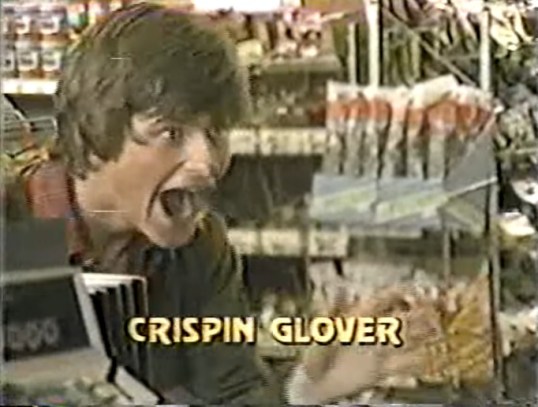
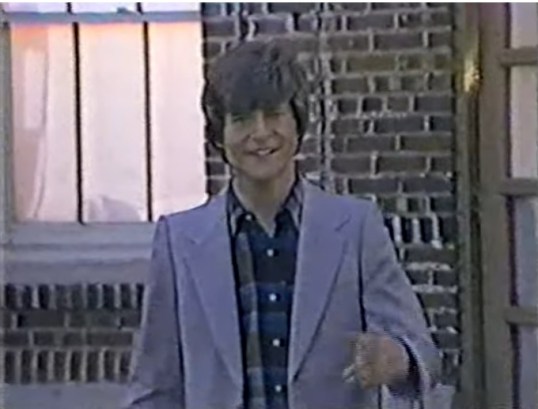
The Best of Times opens with a teenage Crispin Glover in his bedroom. Looking straight at the camera, he introduces himself as “Crispin.” His unseen mother starts to yell at him about cleaning his room. Crispin smiles nervously and then introduces us to the kids he hangs out with. There’s Jill Schoelen, Julie Piekarski, Kevin Cortes, Lisa Hope Ross, David Rambo, Janet Robin, and “my friend” Nicolas Coppola.
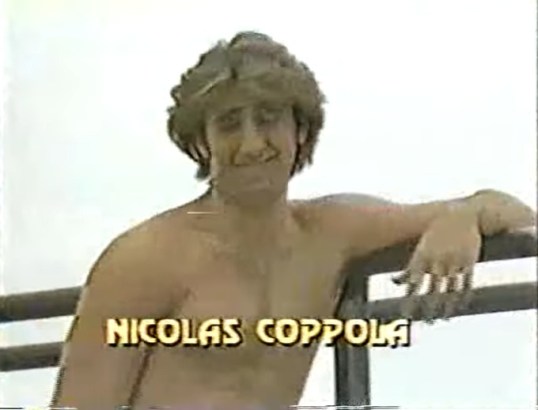
Nicolas Coppola, of course, would soon be better known as Nicolas Cage. Both Cage and Glover made their screen debuts in The Best of Times. While Glover spends his time talking directly to the camera and smiling awkwardly, Cage spends his time exercising at the beach and talking about sports. The big school dance is coming up, and all of Crispin’s friends are either trying to find dates or the perfect pair of jeans or else they’re trying to join a band. Nicolas Cage, however, isn’t worried about any of that. He’s confident and smooth.
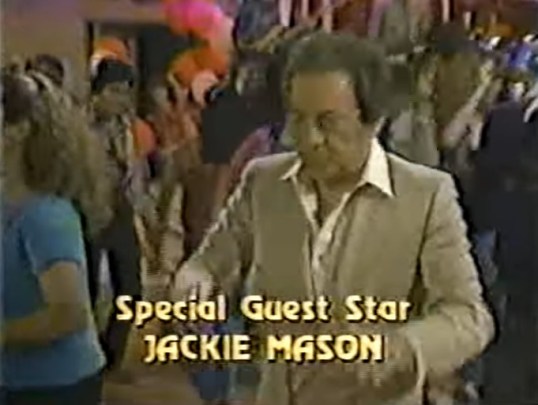
The plot of The Best of Times is not easy to summarize. The show was executive-produced by George Schlatter, the creator of Laugh-In, and it tries to imitate that classic show’s format, just with teenagers in the ’80s. There are quick blackout sketches. There’s a lot of corny one-liners. There’s a surprisingly large number of musical numbers. Crispin Glover puts on a pair of jeans, and all the girls in the cast start singing “Heartbreaker.” “Special guest star” Jackie Mason plays Mr. O’Reilly and rolls his eyes about the kids nowadays. Crispin looks at the camera and tries to explain why teenagers get a little crazy sometimes. “Try to remember,” he tells the parents watching, “when you were our age.”
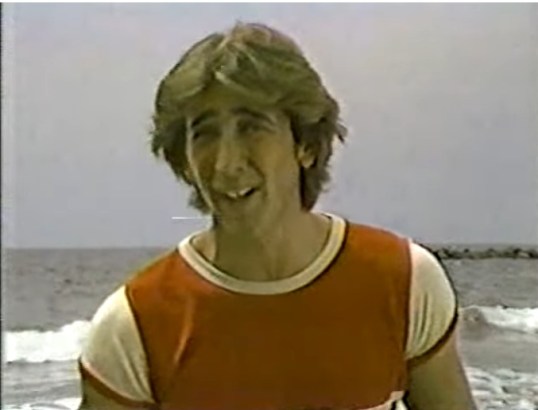
There’s one dramatic moment. Nicolas Cage stands on the beach and gives a dramatic monologue about how, if war breaks out in El Salvador, he’ll serve his country. His father served in Korea and still suffers from PTSD. Nic hopes that there isn’t a war, but if there is, he’ll be there.

The Best of Times is energetic and relentless, and it’s also rather corny and predictable. It may have been made by the guy behind Laugh-In, but it feels more like a lesser episode of MADtv. (“Tonight, Mad TV looks at teenagers!”) With the exception of Crispin Glover and Nicolas Cage, most of the members of the cast are interchangeable. This show features not one but two dorky guys who can’t get dates to the big dance. That might be realistic, but it still feels like overkill.

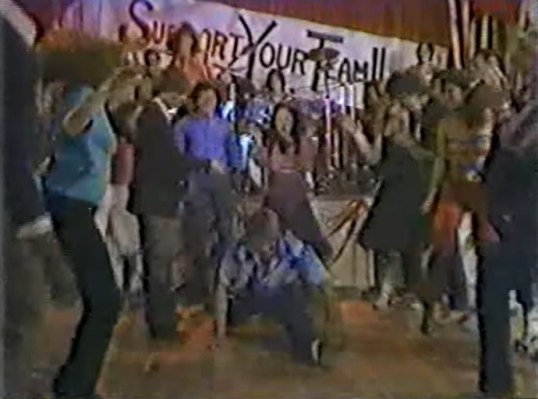
That said, it is a pilot starring a young Nicolas Cage. Compared with the actor he would become, Cage is fairly restrained here. He’s likable, but he’s also clearly an actor carefully following direction. The only time he really gets to let loose is at the school dance. His moves are killer.
The Best of Times was not turned into a regular series. Nicolas, Crispin, and Jill Schoelen went on to become beloved cult actors. As for the rest of the cast, David Rambo is now an award-winning playwright, and Janet Robin is an acclaimed composer and guitarist. I doubt any of them remember much about this pilot, but I’m glad they’ve gone on to live the best of times.
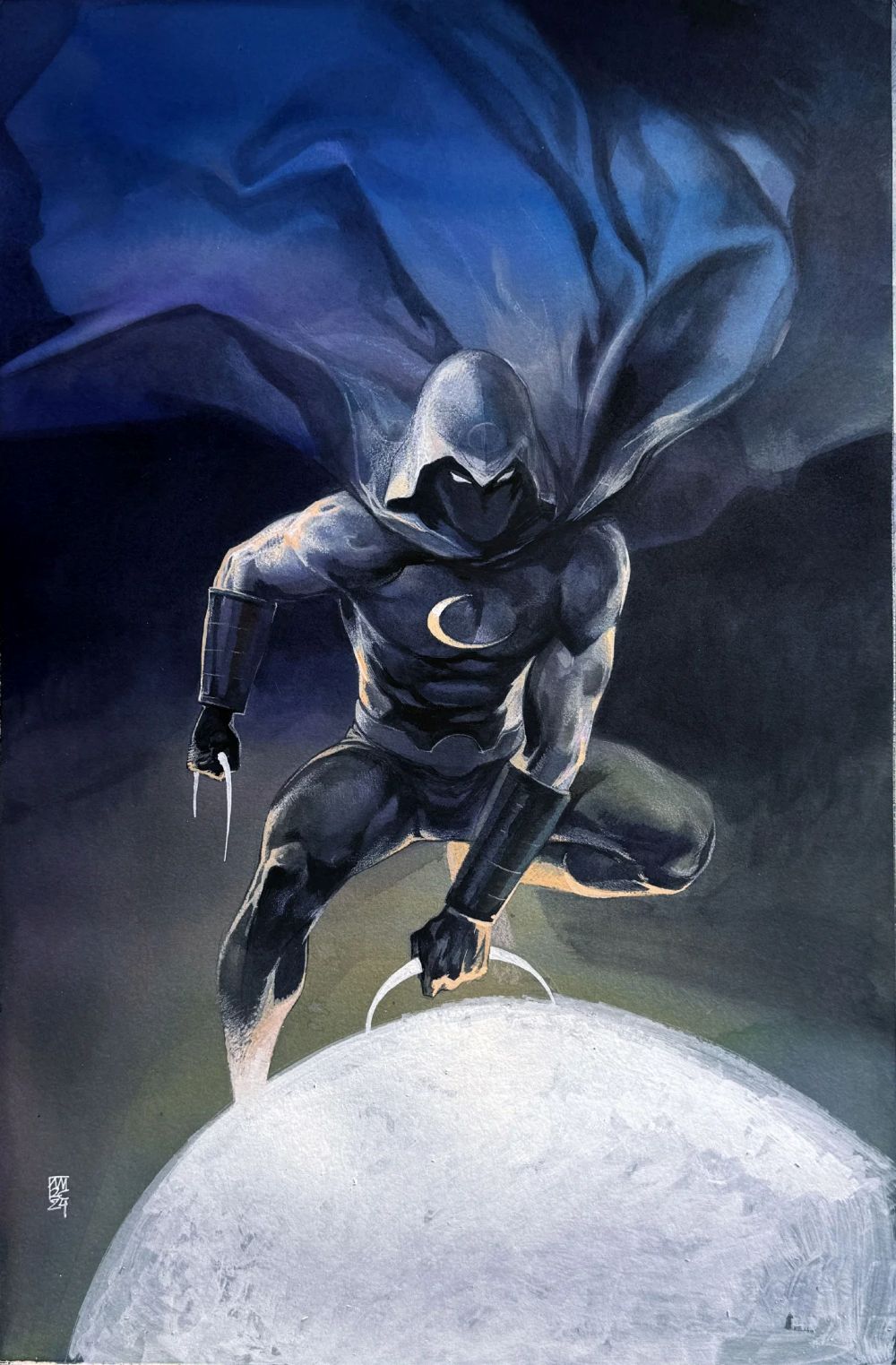
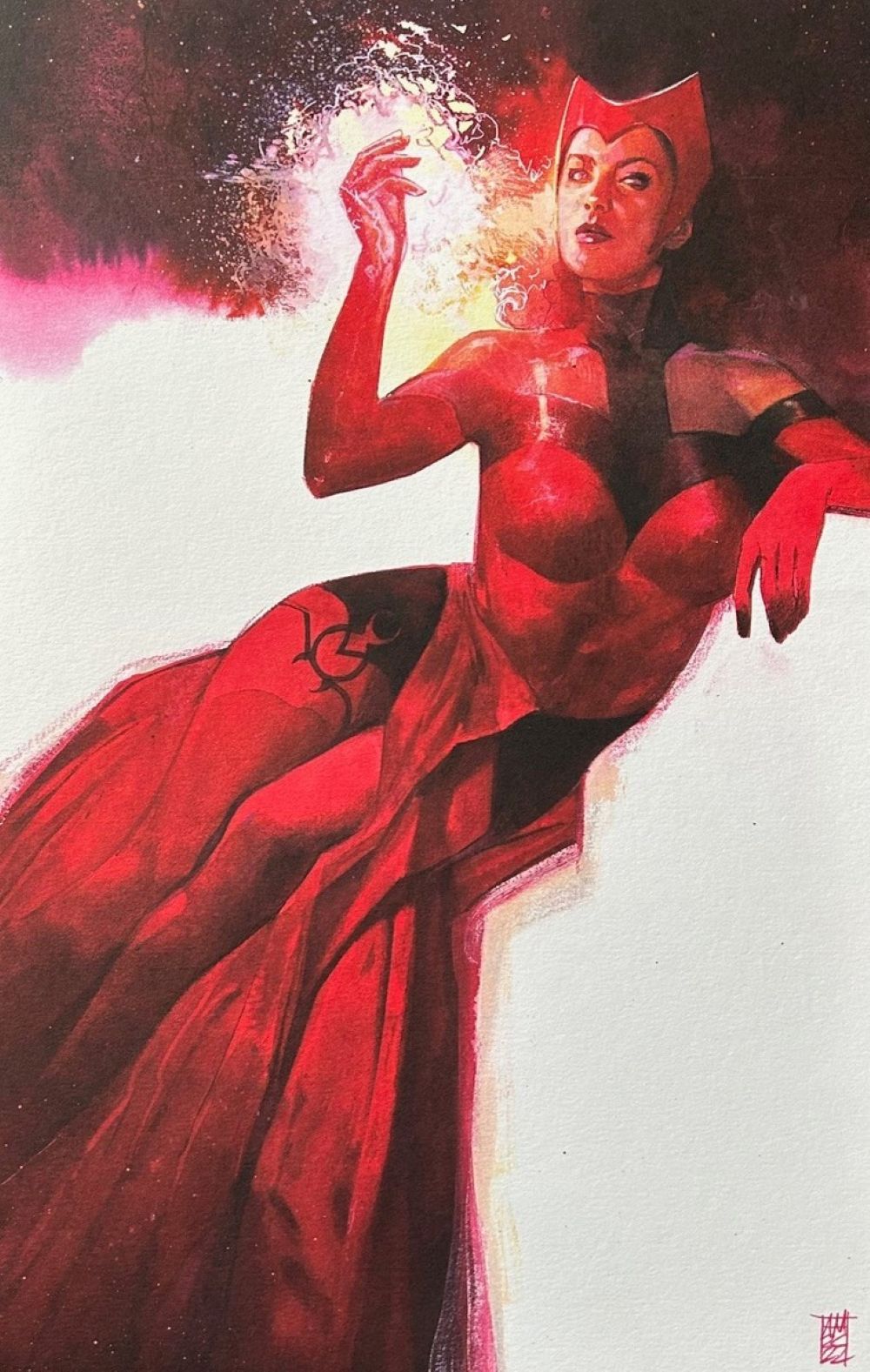
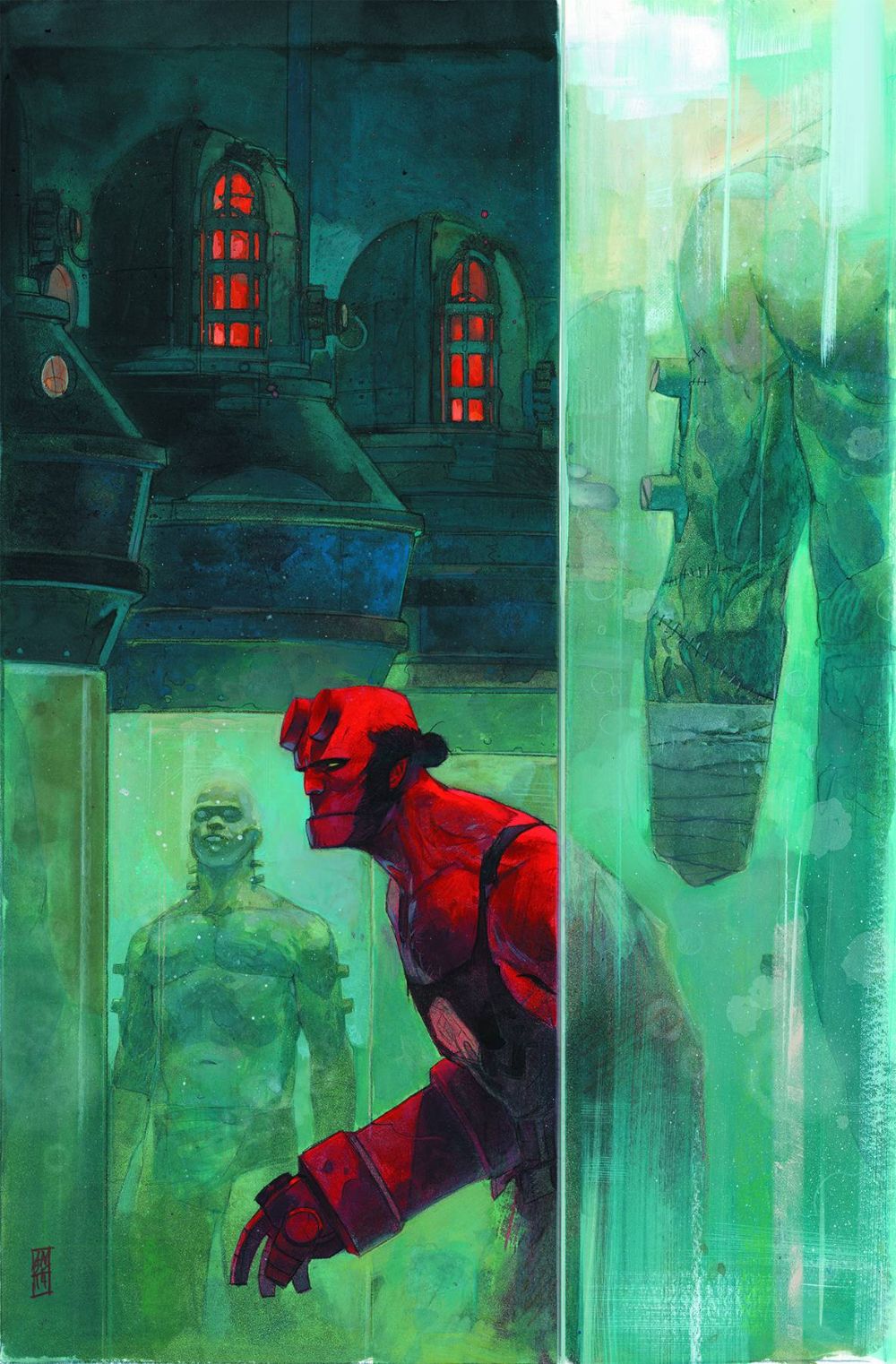
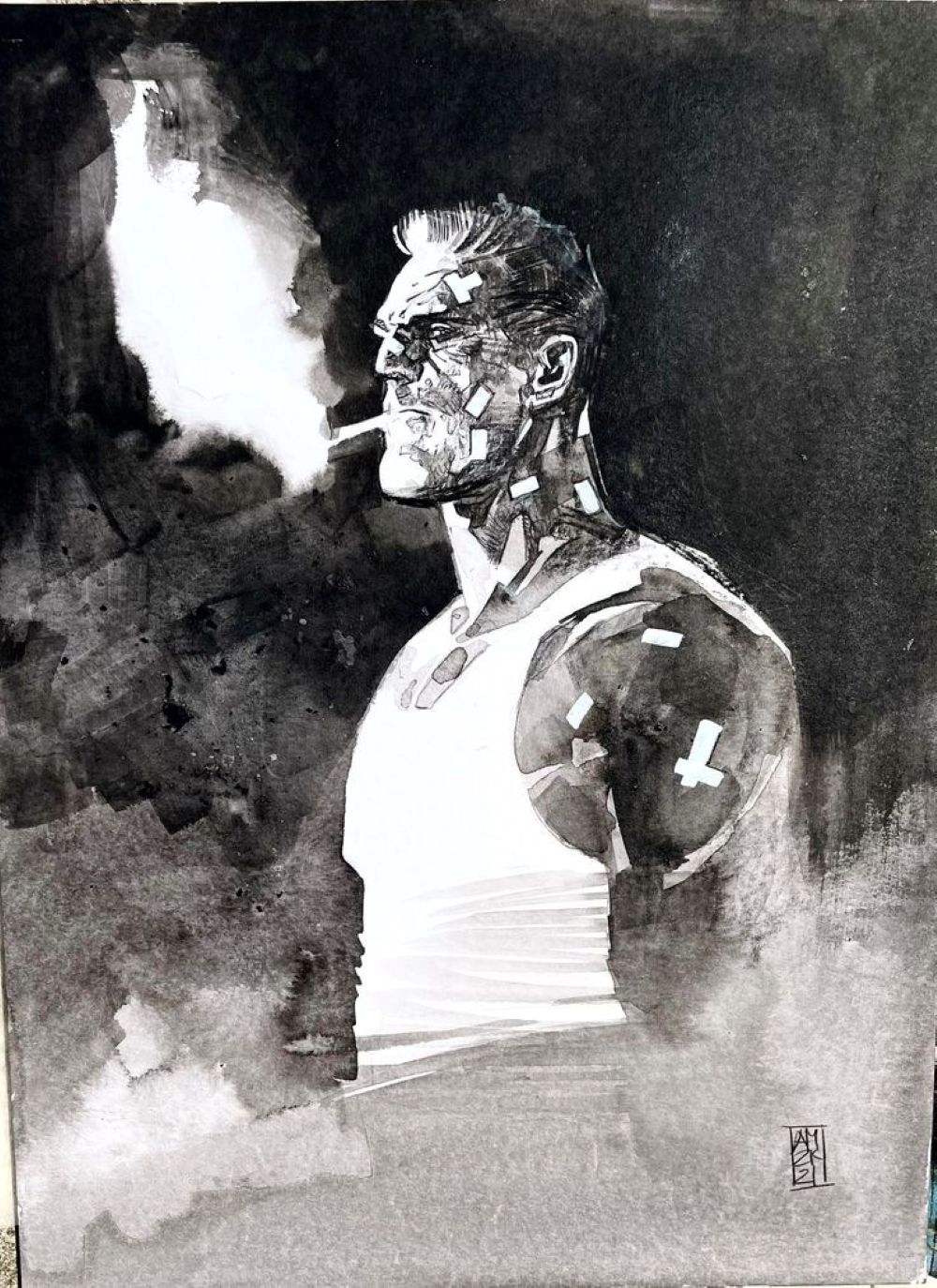
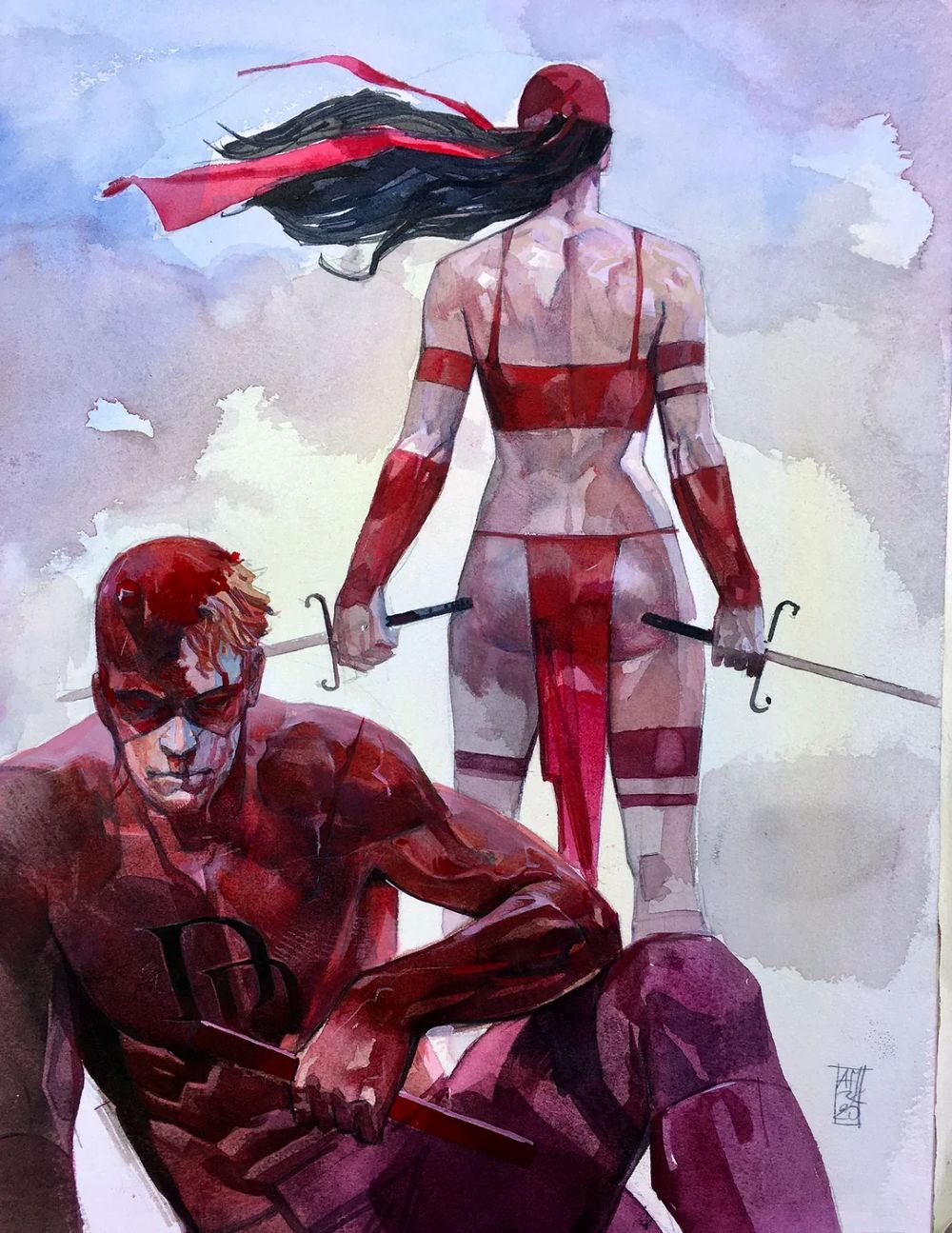
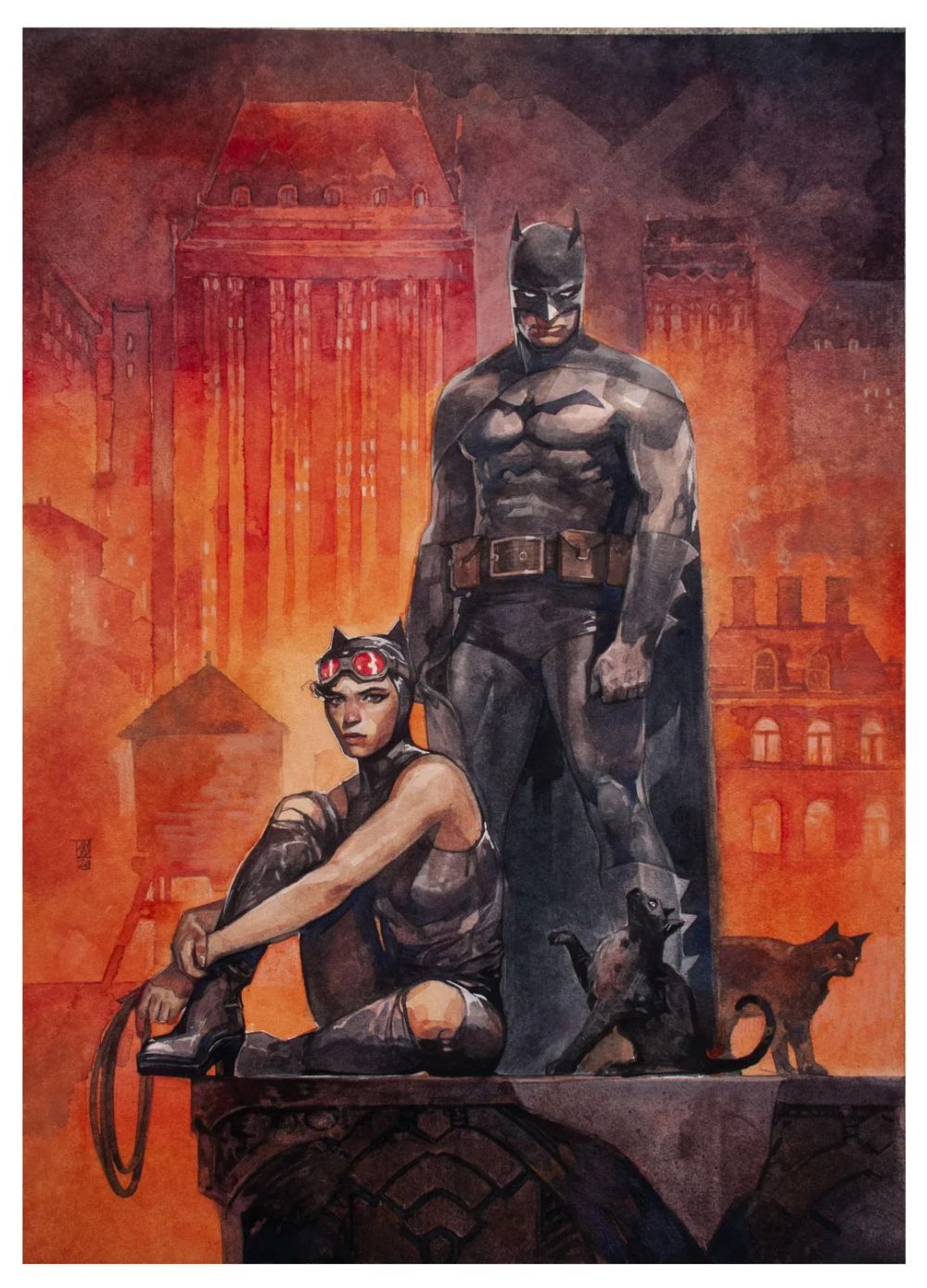
Artist Profile: Alex Maleev


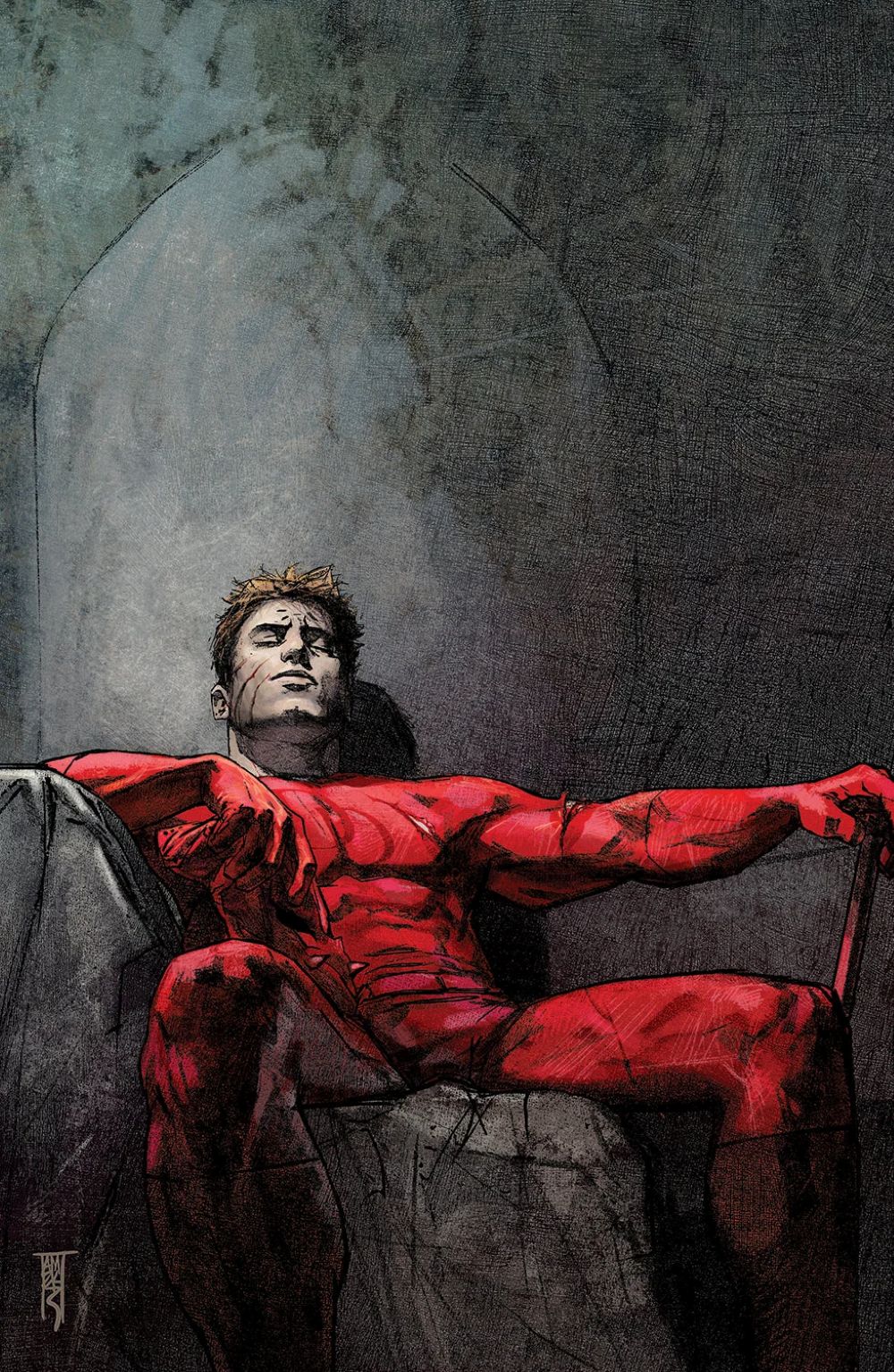
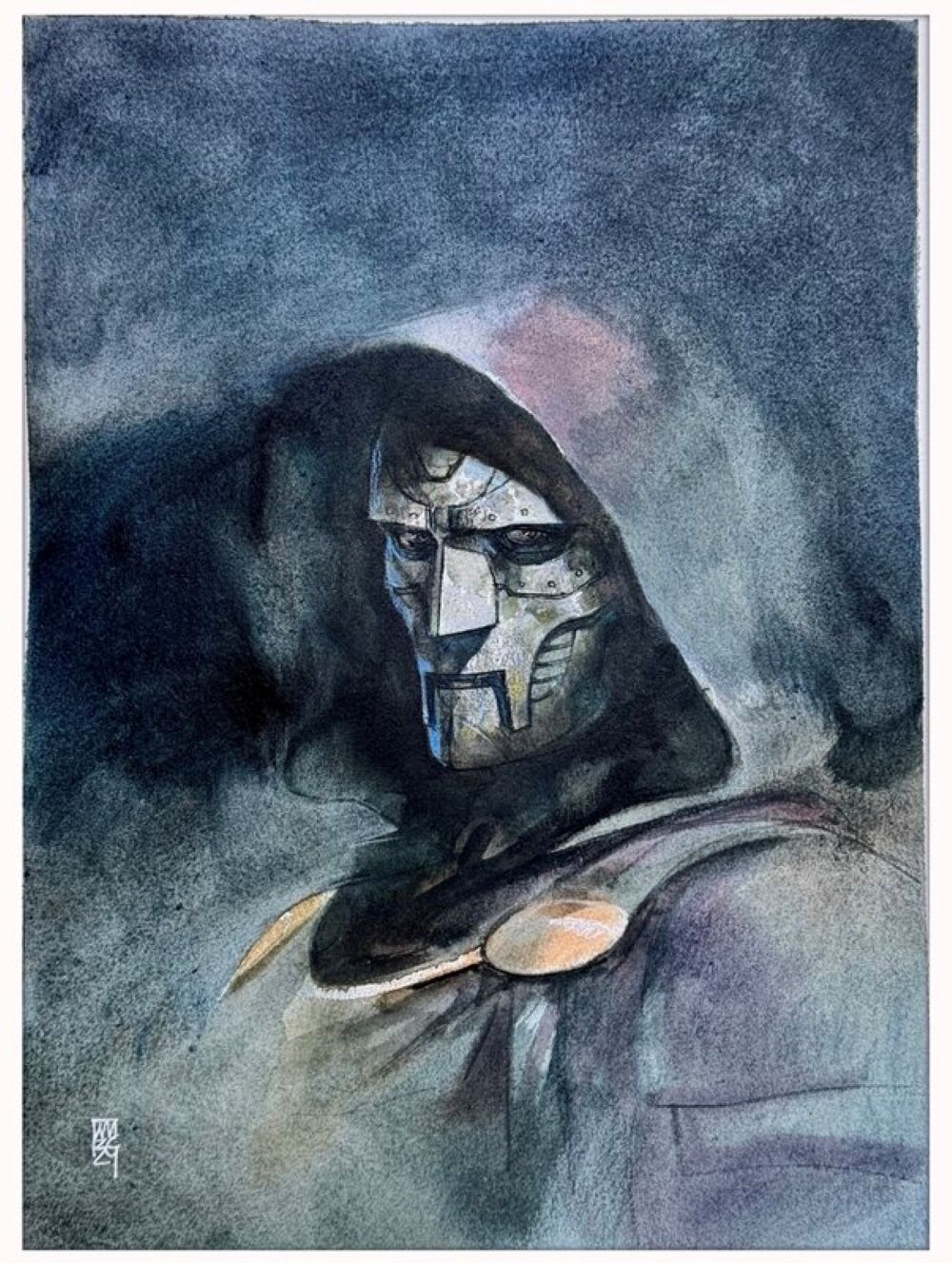
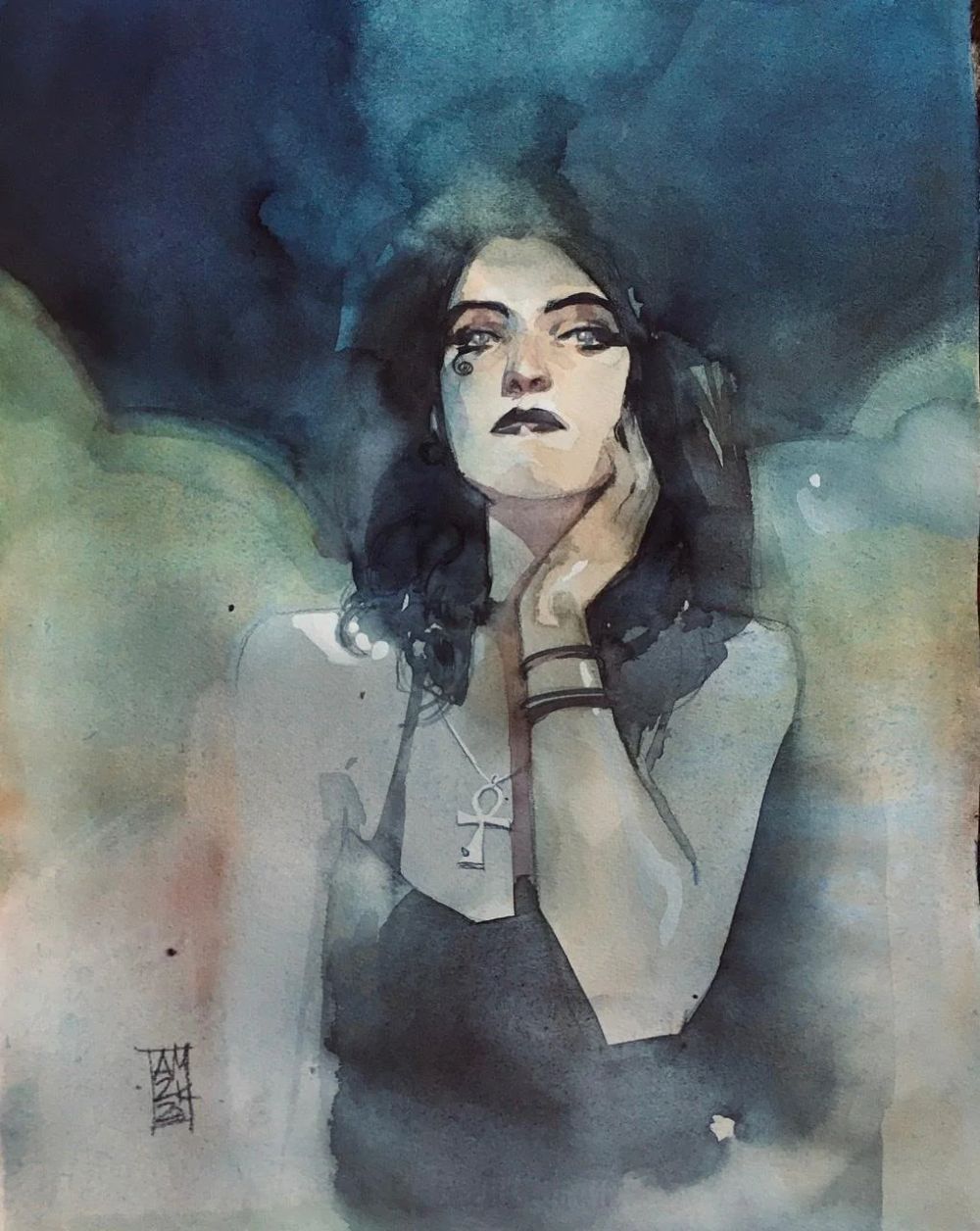
Alex Maleev’s work stands out because it makes superhero comics feel physically inhabited rather than merely illustrated. His figures are not polished icons frozen in clean, declarative poses; they look exhausted, wounded, watchful, and frighteningly close to the people one might pass on a city street. Through textured linework, severe shadows, photographic reference, digital manipulation, and painterly color, Maleev developed a noir-inflected visual language that lends even familiar Marvel characters a sense of emotional weather. The grime on a wall, the hard light on a face, or the oppressive darkness surrounding a figure can carry as much narrative force as dialogue. His approach favors mood, intimacy, and psychological pressure over conventional superhero spectacle, which is why his pages often feel closer to crime cinema or an urban thriller than to traditional four-color adventure comics.

That sensibility found its defining expression in his celebrated collaboration with writer Brian Michael Bendis on Daredevil. Maleev was not simply illustrating Matt Murdock’s stories; he helped redefine the character’s world as a bruised, morally unstable, and deeply personal version of Hell’s Kitchen. The Bendis–Maleev run brought a grounded visual credibility to Daredevil’s civilian life, legal battles, criminal enemies, and private anguish, making every close-up and every dimly lit room feel consequential. Their earlier work on Sam and Twitch, and subsequent collaborations including Spider-Woman, Moon Knight, Scarlet, New Avengers material, and Halo: Uprising, demonstrate how adaptable that partnership could be. Still, Daredevil remains the central achievement: an acclaimed run whose visual atmosphere helped establish the template for a darker, more adult, and more psychologically intimate kind of Marvel storytelling.

Maleev’s legacy is therefore not just that he produced memorable covers, faces, or grim cityscapes, but that he expanded what mainstream superhero art could communicate. At a time when the genre could easily default to glossy anatomy and kinetic bombast, he proved that visual discomfort, ugly realism, silence, and shadow could be as powerful as a splash page. His art also helped legitimize a more hybrid, mixed-media mode of comics illustration—one that uses painting, photography, design, and sequential storytelling without treating any of those tools as mutually exclusive. Emerging from Bulgaria’s comics scene before becoming a major American-comics figure, Maleev built a body of work that remains immediately recognizable: moody, tactile, cinematic, and relentlessly human.