With Veteran’s Day coming to a close I would just like to share a scene that encompasses the sort of people that make up the men and women of our military. While this scene is from Spielberg’s Saving Private Ryan I think the sentiment shared by Capt. Miller to his squad works just as well today as we find more and more of our country’s civilians being called in to do their military duty as part of the nation’s Reserve Force.
Yes, the military now is an all-volunteer one, but it doesn’t count those men and women who make up the reservists force. These soldiers, marines, airmen and sailors have done their tour of active duty and decided to join the reserve force on a part-time basis. They do this knowing that when the time comes they might be called to answer the call from the country’s military to take up their uniform once again and deploy to a war zone as they have done so for the past decade in both Iraq and Afghanistan. These are doctors, police men and women, lawyers, teachers, construction workers and men and women from every walk of life.
I know that it’s not popular to venerate and admire these people in today’s day and age, because to do so means people like myself and others glorify war and against peace. People have become cynical to the point that they deride these people for getting themselves in the predicament of leaving behind their families and jobs to fight for a war they might not believe in. These people don’t understand the sacrifice and will to do their duty for their country even if its leaders might fail them in the end.
It’s not just soldiers of the US I speak to about celebrating but every man and woman brave and dedicated enough to do their job either as a volunteer or as part of their nation’s conscription call. It’s these very same people who understand the real cost of war and the first to wish for peace, but until the time comes when they’re not needed anymore they will always answer the call to do their duty.
“People need entertainment.” — Phillip “The Governor” Blake
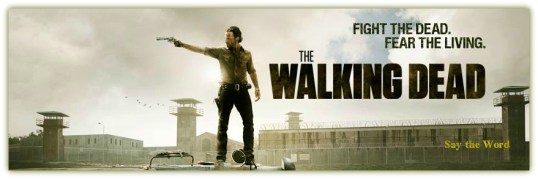
Wow has been the most heard, read and seen word regarding last week’s episode of The Walking Dead. While “Killer Within” had some flaws the episode overall continued season 3’s streak of quality tv since the season premiere. Gone, but still not forgotten, were the long philosophical debates about humanity and civilization in the face of overwhelming horror. In its place has been what fans and critics had been waiting for. A show that really showed the dangers and dog eat dog world of a zombie apocalypse.
It’s always been a criticism that the show had unlimited potential to explore just how people would react and be changed (or not) in a world overrun by the living dead. The show this season still asks those questions, but lets the behavior of the characters and the situation they’re in speak for themselves. This season has minimized extended expositional scenes while improving on the show’s pacing. The change in the show’s pace has been the highlight of the season as the show just continues to propel forward at breakneck speed though there’s now fear that new showrunner Mazzara and his writers might not be able to sustain such a pace with still 12 episodes left in the season. Sooner or later the show might have to slow down if just to give fans a breather.
Things don’t seem to look like they’ll be slowing down anytime soon as we find Rick unable to cope with his wife’s death and knowing it was his son, Carl, who had to make sure Lori didn’t come back. It’s not a good place we see Rick go into both literally and figuratively as he takes his trusty hatchet and enters the prison to take out his grief on whatever zombies might be still left inside. The refuge the prison was suppose to be for him and his people haven’t turned out to b safe. With two of the group’s people gone and a third missing it falls on Rick’s right-hand man in Daryl to take charge of the situation to make sure they don’t lose anyone else.
Over at Woodsbury we find Michonne finding more and more hints that the town and the Governor are not what they seem. It doesn’t help that the episode’s opening sequence has the unquestioned leader of the town keeping what looks like his undead daughter as if she’s still alive and he can’t let her go. We’re getting a sense of the insanity lurking behind the charismatic facade the Governor puts up in front of his people yet the episode also subtly brings up the question whether the people in Woodsbury even care if their leader is batshit insane as long as they’re kept safe. The scene close to the end of the episode inside the town as the Governor provides entertainment for his people shows just how much a scared population will tolerate as long as they’re kept safe.
Even though we don’t hear one word uttered by Rick in tonight’s episode (ironic considering the episode’s title) we’re able to get a glimpse into the path Rick is treading right now. People have been wondering whether Rick will turn out to be just like the Governor. Become a leader who will abandon whatever humanity and moral principles he has left to keep his people safe. Tonight we’re close to seeing just how much Rick has gone through to try and keep his family safe yet the realization that his best (which at times means doing the worst things) was not good enough. He’s snapped and his trip inside the prison was very Kurtz-like. He’s now entered the proverbial abyss and the audience gets to see Rick prowling those dark hallways in an attempt to exorcise the demons he’s now been saddled with.
While tonight’s episode lacked some of the heavy action we’ve seen from this season, so far, it more than made it up casting a light on the mental state of the show’s two leaders. The episode ends with the two leaders now seen in better light. The Governor looks to have already gone through what Rick is going through now and come out on the other side not just amoral but with a functioning insanity that allows him to keep control of his town and it’s people. Rick looks to still be on that path that could turn him into something like the Governor. Time and the rest of the season will tell whether Rick can come out of the other side of his grief-induced insanity devoid of any humanity or finding himself back out of the wilderness and into the light, so to speak.
NOTES
I understand AMC wants to make money off the show especially since it looks like they’ve upped the show’s budget (two locations and all), but the channel is close to the tipping point (if they haven’t already gone past it) of having way too many commercials.
Tonight’s episode has Greg Nicotero back in the director’s chair with Angela Kang writing.
The cold opening of the episode could easily have been a flashback to better times until Andrea showed up. With Lori gone it looks like Andrea will now have to bear the brunt of most-hated character on the show.
Enter the Governor’s young daughter. Things really are not fine in Woodsbury or with the Governor.
Great to see how Daryl was able to take charge of the group for the sake of the baby when he noticed Rick was still not in his right mind. In the past two seasons this situation could easily have extended for far too long as people tried to decide what to do.
Rick is on a killtacular killing spree and who can blame the guy.
Andrea has definitely tasted the Governor’s kool-aid while Michonne just wants her sword back and out of what she suspects and believes is one fucked up situation.
Scene with the Governor’s notebook had a nice touch a la The Shining.
Michonne looked like she needed a cigarette after that little exercise in the yard.
Nice quite moment between Maggie’s men.
One could almost sense how Andrea is pretty much working on Michonne’s last good nerve and doesn’t even know it.
Rick looks to be in a very bad place, but he seems to be clearing things out in the hallways quite nicely.
Mazzara must’ve made his writers watch Day of the Dead because we get another homage to that classic Romero with the wrangling scene.
Daryl Dixon: Badass Nanny on top of everything else.
Lori’s body seem to have disappeared. Whether it’s in the stomach of the zombie in the room Rick comes across or is now walking in the prison is the question.
The Governor must be a student of history because he knows exactly what the mob wants and it’s games.
Andrea always seem to have the bad habit of realizing things too late.
The telephone (something fans of the comics will know well) makes its appearance sooner than expected but after seeing what Rick goes through in lately it’s understandable.
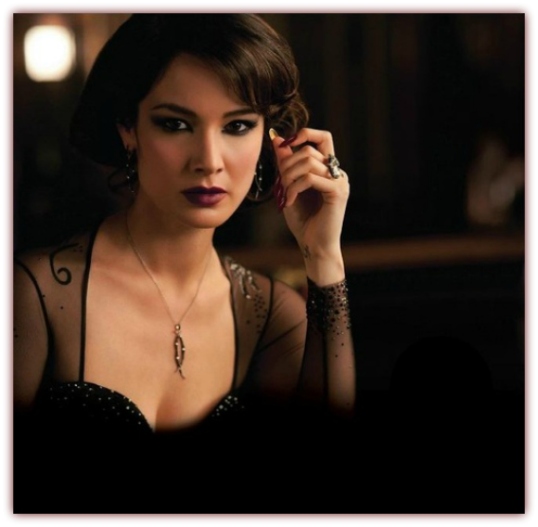
The latest “Hottie of the Day” comes courtesy of the latest Bond Girl and making her appearance on the latest James Bond film: Skyfall.
Bérénice Marlohe is a French actress of French, Khmer and Chinese heritage. It’s a powerful combination that truly makes her one of the most exotic Bond Girls (Kissy Suzuki doesn’t count). Prior to landing the role of the femme fatale Bond Girl, Ms. Marlohe spent much of her acting career in small roles for French tv. The disadvantage of her exotic looks which kept her from getting roles outside of TV has now made her an almost perfect choice to play Severine. I think she has more than earned her spot in many “best of…” lists for Bond Girls with not just her looks but her acting skills as well.
For almost a month, starting in mid-October and almost two weeks into November, we here at Through the Shattered Lens have watched and shared our reviews and thoughts on the 25 James Bond films (22 official EON productions with 3 non-official ones) which preceded this week’s release of the latest James Bond entry with Skyfall. We’ve shared which were our personal favorites of the series. Some preferred the Connery-era of the Bond franchise while some were in the Moore-era. What we here have all come to realize is just how timeless this franchise has become despite it having celebrated it’s 50th anniversary just last month.
The James Bond film franchise has gone beyond what Ian Fleming had imagined when he first came up with a literary character that would become a global pop icon and remain one of cinemas most successful franchises in history. There have been low points in the franchise (usually when the actor whohas been performing the role has outlived their stay) but then there have been some great highs. In the end, there’s always been one constant and that’s the character of James Bond — British secret agent 007 with a license to kill.
A franchise which began with on Sean Connery in the title role has now seen a return to prominence with the role now in the care of British actor Daniel Craig. The Craig-era began with the critically-acclaimed Casino Royalewhich also became popular with the mass audience. The sequel to this reboot would set the franchise back a step or two, but still became the second highest grossing Bond film in the franchise. We now come to the third Bond film in the Craig-era with 2012’s Skyfall and the question of whether the James Bond franchise can still remain relevant in this age of hyper-kinetic and ultra-violent action films remain to be answered.
Skyfall begins with Bond already in the middle of a mission to recover a computer hard-drive which stores the names of hundreds of NATO agents deep undercover within the many terrorist organizations around the world. Things are not going well for Bond and his fellow MI6 agents. He finds many of them already dead or dying and it’s up to him and another agent named Eve (played by Naomie Harris) to chase after the mercenary who has taken off with the hard-drive.
One thing we’ve come to expect with the more recent James Bond films (especially the Daniel Craig ones) are the action sequences which make up the opening section of the film. Even before we get to the recognizable Bond opening credit sequence this opening of the film using a very thrilling and elaborate action sequence tend to set the tone for the rest of the film. Skyfall was no different as Bond chases the mercenary Patrice through the rooftops of Istanbul’s Grand Bazaar right up to a one-on-one fight on top of a moving train. Through an unfortunate stroke of luck and a command decision by “M” back in MI6 headquarters in London we segue ito the always popular opening credits sequence with Bond having been shot by accident and left for dead.
The plot of Skyfall was somewhat similar to Goldeneye which saw Pierce Brosnan introduced as the new James Bond. James Bond finds himself racing against time and a former MI6 agent who feels betrayed not just by the country and organization he loyally served but by “M” herself. Raoul Silva (played with a sociopathic flair and panache by Javier Bardem) knows the in’s and out’s of MI6 and this allows him to penetrate both their physical and cyber defenses which puts the entire national security of Great Britain and the Commonwealth in extreme peril. It also puts “M” on the proverbial political hot seat as civilian oversight committees look to find a scapegoat for dead MI6 agents and Silva’s continuing assault on Britain’s intelligence apparatus.
To say anymore about the plot of Skyfall would ruin the biggest joy about this film. Mendes would’ve been one of the last people I saw being picked to direct a James Bond film, but he proves himself more than just capable, but also brings his own character-driven narrative sensibilities to raise the bar for future James Bond film. His handling of the quieter moments during the film shows that particular skill of his that has made him an Academy Award-winning filmmaker. It was on the action scenes that Mendes’ skill as a filmmaker would remain in doubt, but with the help of second unit director Alexander Witt, Skyfall manages to create action scenes that weren’t created for the sake of putting action on the screen but to move the story forward.
In the past, James Bond films rarely moved into introspection on it’s main character’s personal and professional motivations. This began to change when Daniel Craig was picked to help reboot the franchise. The first two films with Craig as Bond showed a much grittier and emotionally complex 007 than in years past. We also got a Bond who was still new to the role of being a 00-agent so we saw the character grow into the role. With Casino Royale and Quantum of Solace we got a Bond who moved from newly minted secret agent then to an agent going off the reservation and following his emotions to finish a mission (both official and personal). The one thing those two films didn’t do was give us a Bond that was fully capable and confident in his abilities to get the job done through the biggest odds. But before we finally get that Bond in Skyfall we see him go through personal doubts about whether he still has the skill to be 007 in a world that sees him and his kind of espionage a relic of the Cold War. By the time the film finishes to a close we find ourselves seeing this new modern, complex Bond finally meeting the old-school traditional Bond who delighted our parents and grandparents in the past.
There’s so much more to be said about this film which brings to the table the best of 50 years this franchise has been on the silver screen. The film pays homage to it’s cinematic history, but not so much that the film becomes a “Can you spot a past Bond reference” exercise. Each and every reference seemed to flow naturally into every scene it showed up in and some even got a nice ovation and reaction (classic Aston Martin DB for example). We even got to see the film poke a bit of cheeky fun at some of the franchises more over-the-top plot devices and all of it in good fun.
Then even with a strong story, great performances from the film’s principal cast members there’s still the question that always get asked whenever a new Bond film hits the screen. That question being how were the latest new Bond Girls.
While Naomie Harris’ Eve was a nice partner to Craig’s Bond their chemistry just didn’t flare up like most of the classic pairings in the franchise. That honor goes to Bond’s short, brief time with the character Severine (played by the ridiculously beautiful Bérénice Lim Marlohe). The scenes the two share in the Macau gambling house was one of the highlights of the film with Marlohe conveying both the femme fatale and damsel in distress in the same scene with the most subtle of acting touches. There’s a good chance that whenever “best of…” lists about Bond girls get made each and every year Marlohe as Severine would be on the top of most lists.
It took two films and six years of exploring, deconstructing and analyzing the character of James Bond through the performance of Daniel Craig. Through that time we’ve gotten to see a new side to James Bond without dismissing and forgetting about the character’s suave and deadly efficiency of past Bond films. While I still lean towards Sean Connery as the gold standard of all James Bond performances after seeing Craig as Bond for the third time in Skyfall the gap has shrunk considerably and I wouldn’t argue if some have Craig matching and/or surpassing Connery in the role. It’s a title that would be well-earned and with how the film ends a chance to see how Craig moves forward as Bond not just in the updated modern sense but the traditional that has made the character one of the most iconic figures in cinema history.
A last note, we get a return to old-school James Bond songs with Adele performing the film’s song which actually has the film’s title in it. The song also harkens back to the days of Shirley Bassey and If I had a choice in the matter I would just let Adele sing all future Bond songs for as long as she wants to.
Thus end Through the Shattered Lens’ retrospective on the James Bond franchise both past and present. It’s been a great ride and all thanks to the drive and organization of co-founder Lisa Marie Bowman who styles herself as the site’s resident Bond Girl.
VGM Entry 63: Secret of Mana
(Thanks to Tish at FFShrine for the banner)
The Super Nintendo may have been video game music’s finest hour with or without them, but three soundtracks in particular carried this system to an unprecedented level of greatness which has really never been matched since. Each was composed by a different artist, and each was released by Square. The first of these was Secret of Mana.
Here is the track list for garudoh’s compilation:
(0:00) Angle’s Fear
(0:53) selection menu track not featured on the ost
(1:23) Into the Thick of It
(2:17) Colour of the Summer Sky
(2:55) Ceremony
(3:53) Star of Darkness
(4:46) Strange Event
(5:46) Spirit of the Night
(6:22) Eternal Recurrence
(7:29) The Sorcerer
(8:15) Leave Time for Love
(8:44) Dancing Beasts
(9:24) Calm Before the Storm
Hiroki Kikuta was brand new to the world of video game music when he scored Secret of Mana, released in 1993. (Called Seiken Densetsu 2 in Japan, the game was technically the sequel to what we commonly know as Final Fantasy Adventure for the Game Boy.) He had worked on the sound effects for Romancing SaGa in 1992, and beyond that he only had two animes to his credit (The Adventure of Robin Hood and The Legend of Snow White, both released in 1990.) Like the more famous Square composer whose 1995 composition would overshadow Kikuta, his work would emerge from pure inspiration, with almost no past experience upon which to build. He single-handedly made an otherwise fairly average game one of the most beloved titles on the system. I suppose average is an odd way to describe Secret of Mana–it was a very unique game within the adventure genre–but its success hinged entirely on the soundtrack. With limited plot potential and almost zero character development (the playable characters are named Boy, Girl, and Sprite for goodness sake), Secret of Mana‘s success was due entirely to Kikuta’s ability to bring the visual environment to life in fantastic ways.
garudoh chose some odd tracks for this compilation, and judging by the fact that some of the songs fade before they’re anywhere near looping (Leave Time for Love for instance) I have to assume he wasn’t personally very familiar with the music. I’ll offer you some additional tracks that didn’t make it into his mix.
Secret of Mana was a game about elements. This was not integrated in any sort of forced way, as with say, the crystals of earth, water, air, etc in the Final Fantasy series, but rather it was a natural consequence of the games strengths and weaknesses. For instance, I doubt anyone remembers why, plot-wise, you ever end up in a desert, but the experience of being there is a lasting memory.
Secret of the Arid Sands
Kikuta didn’t rely on any stereotypical reference points here. He didn’t give his music a Middle-Eastern vibe or any such nonsense. Instead he chose tones that actually reflected a visual experience of a desert. The accompaniment to the melody here flickers up and down from the bass of the music like boiling bubbles and mirages dancing off the desert sands. It’s largely in these world encounter zones, where the plot was least relevant, that Kikuta’s music is at its finest, because he was at liberty to paint a timeless musical image without any concern for the events taking place there.
This same idea of audio imagery really stands out to me in “Into the Thick of It” (1:23 in the garudoh video), where at the start the plucked sort of harpsichord-guitar line accented by the drum beat and displayed on the backdrop of a simple, confident bass and quiet but encompassing synth creates the image of a forest rushing by. (Much of the drumming is hard to find in the low bitrate youtube sample, with exaggerated alterations in volume obscuring the fact that the staccato metronome-sounding drum hits on every beat.) The bass and synth fill in the earth and sky; the drum sets things in motion; the plucked notes count off the passing tree trunks; the fuzzy guitarpsichord resonance depicts the myriad interwoven branches, tying each note into the next. However pretentious that may sound, and regardless of whether or not it reflects Kikuta’s intentions, I’ve always heard something roughly along these lines in this song. I want to clearly distinguish it from music which captures the sense of being in a forest. This doesn’t tap into emotional reactions to environments so much as it generates an actual physical image of the environment, supported by the game’s graphics proper, upon which the players can impose their own emotional values. It’s fantasy in the purest sense. As “Into the Thick of It” progresses the song flushes out into more obvious visions: woodwinds capturing the blowing breeze and rustling grass, bubbly staccato synth tones depicting passing streams. And this is precisely the graphic environment in which the song is employed.
What the Forests Taught Me
“Into the Thick of It”, where the player is rushing on ahead on a well established path, is nicely contrasted by “What the Forests Taught Me”, in which the game sets you in a much more secluded forest. Here the motion is removed, and you get a standing image of a forest clearing full of life. The calm is a bit more displaced from the gameplay, considering you’re hacking and slashing your way through, but this is entirely in keeping with Kikuta’s tendency in such plotless zones to score music descriptive of the visual environment and allow the players to attach their own value to the events taking place there.
A Wish
The sort of apex to this side of his soundtrack is “A Wish”, which plays in the winter forest combat zones. An environment blanketed in a single, neutral, stagnant substance, full of life but only subtly altered by its motion–Kikuta composed a track perfectly descriptive of what the player, upon taking a break from mechanical combat and visualizing themselves in this fantasy world, would experience. A lot of truly great musicians have attempted to capture this sort of situation–Sigur Rós and George Winston come to mind–but as the nature of video games dictates looping tracks, “A Wish” offers this vision in a uniquely and authentically eternal sort of way.
The mental images in a work of fantasy are not always natural, and for Secret of Mana‘s darker side Kikuta needed to get pretty creative. “Ceremony” (2:55) and “The Sorcerer” (7:29) represent the game’s darkest moments, and the former, though not my favorite track, might be his finest accomplishment in the mix. In a score through which the player is accustomed to deriving physical imagery, Ceremony’s twisted patterns and displaced tones take on added weight. There is nothing natural to latch onto here–no coherent vision, just some disturbing, chaotic mass. It’s got to be one of the creepiest video game songs out there, second on the SNES only to the Final Battle music of EarthBound by Hirokazu Tanaka. “The Sorcerer” is just as if not more disturbing, made only slightly less intimidating in practice by the distraction of having to actually fight a boss while it’s playing.
Steel and Snare
One thing you may have noticed listening through garudoh’s mix is Kikuta’s tendency towards hard-hitting, dominant percussion. It’s one of his strongest consistencies, tying a wide variety of musical styles together under a common feature, and on one of my other favorite tracks, “Steel and Snare”, he really lets it all out. This is one of those songs I’ve wanted to cover in a rock band since the first time I ever heard it, and I remember having the whole thing worked out on bass at one point in my life (along with Meridian Dance; this never really crossed my mind before, but when I first bought a bass it was always Hiroki Kikuta and Ryuji Sasai that I turned to.) The music again drives the setting of the game, with the continuous tone in the background simulating the air around the floating castle, and the drum and bass track giving all of the enemies a decidedly mechanical feel. I don’t actually know that they -were- mechanical. I don’t remember what they looked like precisely. But whatever they were meant to be, the music dictated my memory of the scene.
I’ll leave you with one last song:
Premonition
I’ve managed to maintain this as my ringtone for well over a decade, and it’s become such a continuous occurrence in my daily life that I don’t think I can even intelligibly discuss it in the context of the game anymore, but I was in love with it when I first heard it and I still am now. I suppose I should have featured Meridian Dance here instead, as it seems a bit silly to ignore Secret of Mana‘s most epic track through all this, but I’d rather draw attention to the less commonly featured great ones anyway. Enjoy.
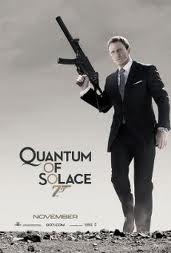
About 22 days ago, The Shattered Lens started a project to cover all of the Bond Films in order leading up to the release of the 23rd film, Skyfall. Spearheaded by Lisa Marie and Arleigh, It’s been a fun ride seeing everyone’s thoughts on James Bond over the movies and it’s cool to know that after 50 years, they still (well, most of them) hold their own. Today, we cover the second Daniel Craig film, Quantum of Solace.
Quantum of Solace reunites the same writing team from Casino Royale – Neal Purvis, Robert Wade and Paul Haggis (Academy Award Winner for 2006’s Crash), and brings on Monster’s Ball director Marc Foster for filming duties. As far as I can tell, it seems to be the first 007 film to start not far from the previous film ended. Literally, there could be a 20 minute difference between the end events of Casino Royale and the opening sequence here. The movie veers away from the classic gun barrel sequence and gets the audience right into the action with Bond avoiding villains in his Aston Martin DBS. The chase leads into a quarry, where he manages to get rid of his opponents. It’s only when he arrives in an unknown location within Siena, Italy that we find he’s had Mr. White in the trunk of his car the entire time. Mr. White was the individual that Bond wounded and introduced himself at the end of Casino Royale.
We basically find James Bond dealing with the loss of Vesper Lynd (Eva Green), and though she never makes any kind of appearance in the film, her presence (or lack thereof) is certainly felt. While Quantum of Solace has some remarkable scenes, for me it suffered from at least one major problem early on. Near the beginning of the film, after the credits, there is a chase between Bond and a villian, as always. At the same time, we’re given shots of a bullfight that’s occurring. While I understand that we’re supposed to see the similarities between both actions, I felt as if I was being pulled away from the story at hand. Foster does this a number of times, including one in the middle of an opera scene. That seemed really strange to me, though others may appreciate it.
Bond is told by M (Dame Judi Dench), after securing Mr. White that she has a lead on Vesper’s boyfriend, but also believes that he’s not quite dead. She asks Bond to leave it alone, but being someone who sees things through, he takes a copy of his photograph. It’s revealed that Mr. White is part of a larger group called Quantum, similar to SPECTRE in some respects. Although Bond loses Mr. White, he gets a clue that leads him to Haiti.
The Haiti sequences were done prior to the earthquake that happened there, and it makes Quantum of Solace one of the last films to show how that area looked before the devastation. 007 is able to find his suspect, but in the course of fighting, he kills him. This becomes something of a thread in Quantum of Solace. Just about anyone that Bond encounters is either killed by him or because of him and at some point, restraint needs to be made. At some point, it goes so far that it becomes something of a “Bond Goes Rogue” tale in the vein of License to Kill. There’s a slight reference to The Spy Who Loved Me with a rooftop fall that’s interesting, as well as a great one for the movie Goldfinger. The Craig Bond stories seem to want to make sure they remind us of all the films before it, though it’s hardly the first 007 story to do so.
The Bond Girls in Quantum of Solace are Olga Kurlyenko and Gemma Arterton. Kurlyenko’s Camille has a mission of her own, as she’s trying to avenge the death of her mother. Arterton’s character, Miss Fields (who’s first name I believe may be Strawberry, but don’t quote me on that) is send in by MI6 to bring Bond back in for debriefing (as he’s been avoiding M’s requests). The actual villain of the movie is played by Mathieu Amalric (Munich), who is more of a hands-off baddie with tons of henchmen at his side.
The problem I had with Quantum of Solace is that it seemed like the Vesper angle was a side note. Yes, we know Quantum is out there, and we learn there’s a plot to control the water of a small area, but outside of all that, it didn’t seem like much of a revenge story. This is unless, of course, it wasn’t meant to be. I’m not a big fan of Quantum of Solace overall. It’s not as bad as Die Another Day (which a number of people consider to be one of the worst) by a longshot, but after what we were given in Casino Royale, it almost seems like it builds on things in the wrong direction.
This weekend, Skyfall is out, and by the time the weekend is up, we’ll have a review for it. We leave you the theme song to Quantum of Solace, “Another Way to Die” by Jack White and Alicia Keys. The Instrumental version of this song is actually really good, though the actual song itself was just a little off.
In honor of the site’s co-founder’s birthday I thought it appropriate that the latest “Song of the Day” pick be honor of one Lisa Marie Bowman.
Happy Birthday, Lisa Marie!
Red Headed Woman
Well, brunettes are fine, man Blondes are fun But, when it comes to getting the dirty job done, I’ll take a red-headed woman, a red-headed woman. It takes a red-headed woman to get a dirty job done.
Well, listen up, stud, Your life’s been wasted ’til you’ve got’ down on your knees and tasted A red-headed woman, a red-headed woman. It takes a red-headed woman to get a dirty job done.
Tight skirt, strawberry hair Tell me what you’ve got, baby, waiting under there. Big green eyes that look like, son, They can see every cheap thing that you ever done.
Well, I don’t know how many girls you dated, man You ain’t lived ’til you’ve had your tires rotated By a red-headed woman, a red-headed woman. It takes a red-headed woman to get a dirty job done.
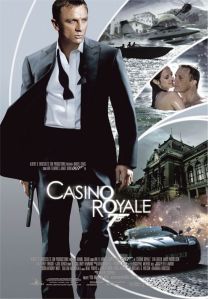
Welcome, one and all! Leading up to the North American release of the latest James Bond film, Skyfall, The Shattered Lens has taken on the task of reviewing each and every one of the twenty two James Bond films that precede it. Today’s is the penultimate review, Casino Royale, the first film of the series to star current-iteration Bond Daniel Craig. It serves as a reboot of the James Bond character, looking back to the beginning of his career, and entirely unconnected from all of the previous films in the series. The only returning actor is Dame Judi Dench, who reprises her role as M, in a more maternal overseer role looking out for a young Bond, despite his rash actions potentially causing trouble for MI6.
Our cold open this time has a black and white Bond confronting a crooked MI6 section chief – one who has been selling secrets to make money on the side. Bond kills both the section chief and his contact, which is enough to earn him his 00-status. The freshly minted 007 heads to Madagascar in pursuit of an international bomb maker. He attempts to find a way to apprehend the bomb maker alive, but is made, and is forced to pursue this man across the city. Bond eventually corners the bomb maker in an embassy building and kills him, blowing up part of the wall, and effecting his escape.
Back in England, M chides Bond for his itchy trigger finger, pointing out that while the world has one less small-time terrorist, they had hoped to get information which would let them fight international terrorism on the organisational level. Bond seems suitably chastened, but M goes further, asserting that she promoted Bond too early, that he is reckless, and a danger. Bond coldly replies that, since the 00-agent’s life is not typically a long one, she will not have to live with her mistake for long.
That’s the sort of Bond that we’re dealing with under the handling of Daniel Craig. While the character is still capable of being charming, he’s a very far cry from Sean Connery’s easy smile and one liners, or Pierce Brosnan’s especially terrible puns. This is sort of the crux of the movie; what controversy exists surrounding its qualities is heavily tied into how you respond to this new take on James Bond. Like all things 2000s, our hero is much grittier than before. Absent is all of Q’s high tech wizardry, and as I stated before, we are not even dealing with a seasoned killer in James Bond, but rather a freshly minted 00 agent. As a result of all these factors, this film has a distinctly different feel from every Bond produced before it. If you like the changes, everything is cool. If you don’t, you may still find yourself appreciating Casino Royale, which has a relatively simple plot, but spends quite a bit of effort on setting up and establishing its characters, including this new James Bond, for the audience.
The main plot of Casino Royale revolves around a high-stakes Texas Hold ‘Em tournament held at the titular casino, located in Montenegro. James Bond is assigned to win the tournament which is being staged by terrorist financier Le Chiffre (Mads Mikkelsen) to recoup the terrible losses he suffered when he used the money of his clients to short sell stock, predicting that a terrorist strike which he himself had planned would send prices into free fall. M hopes that by pushing Le Chiffre to the point of desperation, they can force him to cut a deal with MI6 – sanctuary in exchange for everything he knows about terrorists around the world. Bond is assisted in his goal by fellow MI6 agent Rene Mathis (Giancarlo Giannini) and Vesper Lynd (Eva Green), this iteration’s Bond girl, an agent from HM Treasury, who is assigned to manage Bond’s $10M buy-in, and to provide him with a $5M re-buy if she believes it would be a good investment. However, since a failure on Bond’s part would mean that Her Majesty’s Treasury was directly funding international terrorism, there is incentive to be cautious.
It takes us nearly an hour to begin to engage in the meat of the film, at the titular Casino Royale. Or, at least, this should be the meat of the film. However, the structure of Casino Royale is a little bit off. It feels like it has enough action, but it doesn’t feel properly paced, with the front half of the film (really just a series of subplots to get us to Montenegro) feels like classic “action Bond”. The scenes in the Casino could have been pulled (well, if Daniel Craig could smile, at any rate) from any other Bond film, as his history is littered with a rich litany of casino sequences. Before and after the casino sequences, however, are framing bits that involve idyllic locations, and if I may be so bold, it doesn’t exactly zoom along. The spacing between the casino sequences and the finale, in particular, made the final act feel very tacked on and a little out of place, even as deliberately intended setup for Quantum of Solace. This can also be off-putting, as it feels like there are two different movies going on here.
For the most part though, I think Casino Royale works. If you can live with a grimmer, grittier, low-talking James Bond, you may really appreciate this low-tech return to basics for our favourite 00-agent.
Tomorrow you’ll get a healthy dose of Quantum of Solace, but before I sign off, let me leave you with the theme from Casino Royale, one of the cooler James Bond themes in the franchise, performed by Chris Cornell.
It’s not hyperbole to say that one of the best horror novels to come out in the past 20 years was written by Mel Brook’s son. A son who wrote comedy scripts for Saturday Night Live. Max Brooks before 2003 was relatively unknown to genre fans. This changed post-2003 with the release of his tongue-in-cheek how-to book, The Zombie Survival Guide. It was a book that was slow to succeed in terms of sales but grew in popularity as more and more fans of the zombie genre heard about it and recommended it to like-minded friends. Just like the subject matter Brooks worte about this guide spread in a geometric pattern and more and more people began to know.
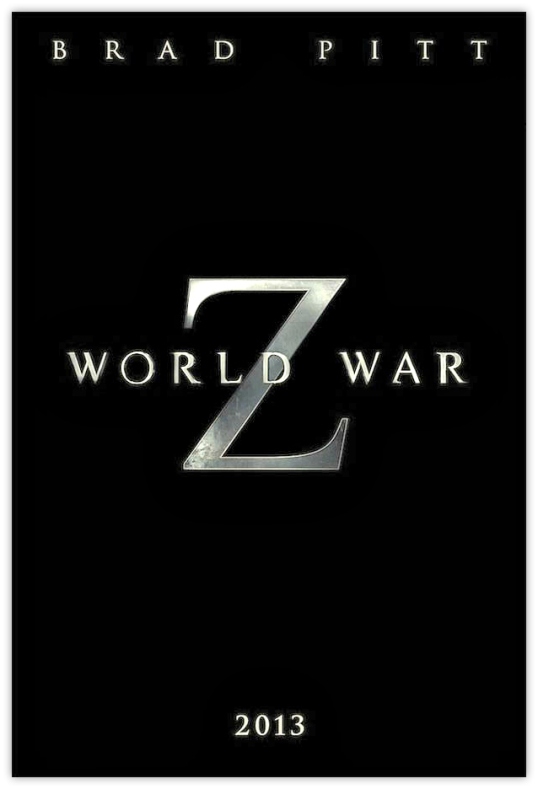
In 2006, Brooks released the companion piece to his best-selling guide with the fictional oral history account of the aftermath of a zombie apocalyptic war and how humanity fought back from the brink of extinction. This novel was World War Z and even before one could say “this book could be made into a film…” the film rights to the book became a hot commodity in Hollywood. In the end, Brad Pitt’s Plan B production company won the right to adapt the novel into a feature-length film.
After several years of trying to create a screenplay from the documentary-style and sprawling narrative of the novel the film finally went into production in mid-2011 with a screenplay that took some of the important events from the novel and set the film during the war itself as it unfolded instead of flashbacks as recounted by those who survived. This change has angered fans of the book and their anger and frustration went up another notch when some leaked on-the-set footage showing the zombies as more of the running-style zombies than the slower ones in the novel.
Another stumbling block pushed the film from a holiday 2012 release date to a summer 2013 release as Paramount looked to having World War Z as part of their 2013 summer blockbuster slate of films. This film has had so much issues and problems that it took to Brad Pitt finally agreeing to headline the cast to get the film finally made. So, instead of a film the chronicles the stories of the war’s survivors a decade after the war ended we now have a film that skews more towards a film that’s heavy on action set-pieces and globe-trotting. Someone on IGN.com has called World War Z (after seeing the attached official trailer) as 2012 with zombies. The first official trailer does seem to make it look like that.
As a fan of the novel I’m saddened by the changes, but I will say that the trailer does make this film look very epic. I’m more than willing to watch this film (who am I kidding I will watch this film and probably more than once or twice.) and look at it as the filmmakers’ own take on the novel. I mean if it turns out to be great on it’s own then hooray. If it sucks then I still have my novel to go back to. Plus, this is the first zombie film that will show the pandemic in global settings and proportions. This will be the first time we get to see this on film and not just on the written page.
My own review of the novel gives an idea just how different the film will be from the source material.
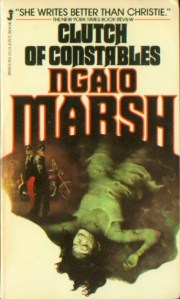
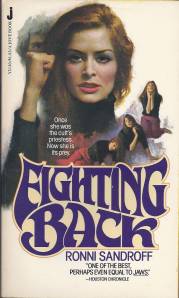
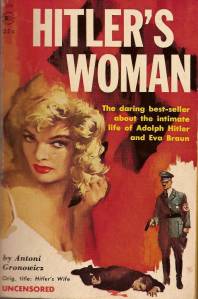
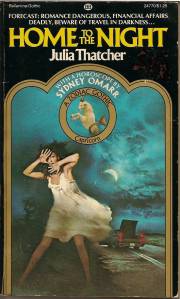
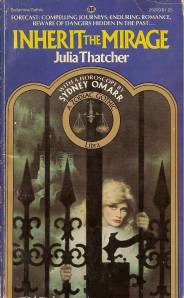
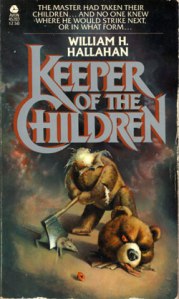
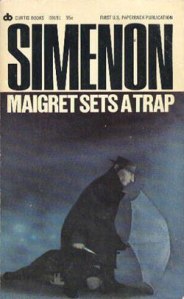
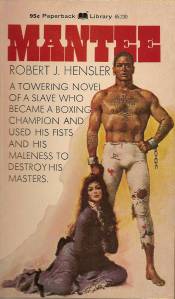
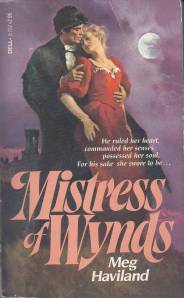
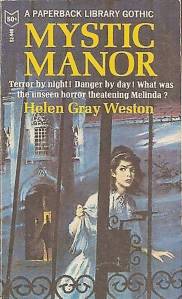
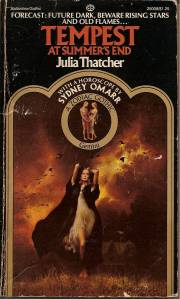
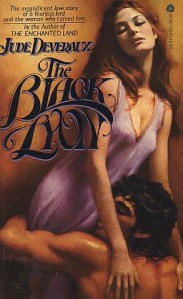
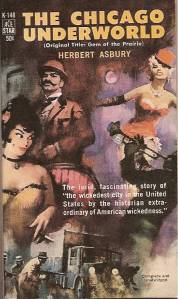
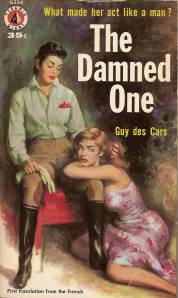
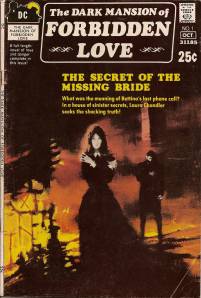
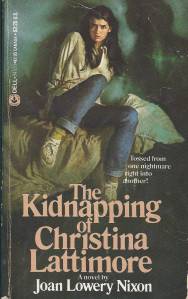
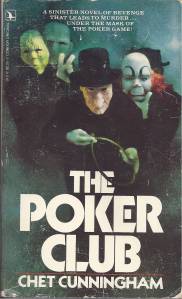
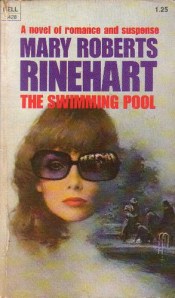
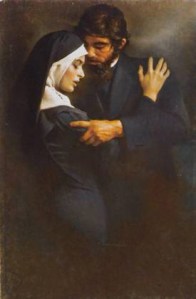
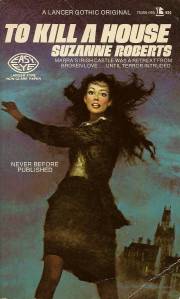
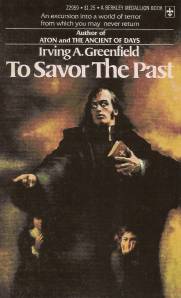
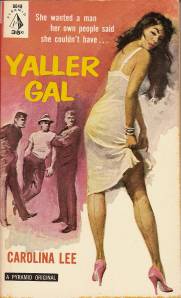
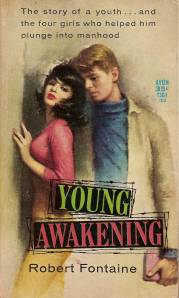
Jerzy Zielezinski was 25 years old when the Nazis invaded his native Poland. He was sent to first the Warsaw Ghetto and eventually to the Dachau Concentration Camp. Zielezinski escaped the horrors of his everyday life through his art. Paper and pencils were forbidden so Zielezinski sketched using scraps and pieces of charcoal. After the liberation of Dachau, Zielzinski turned his rough sketches into drawings. His first two books of drawings, Prisoner Album (1945) and 24 Sketches From The Concentration Camps in Germany (1946), are considered to be invaluable pieces of history. His artwork is displayed at Holocaust memorials across Europe.
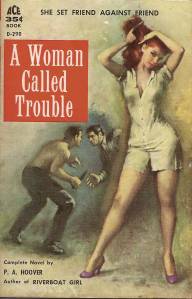
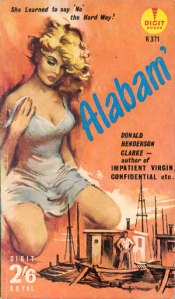
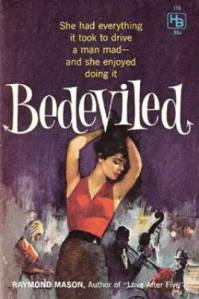
After World War II, Zielzinski moved to New York City and, using the name George Ziel, he started his prolific career as a commercial artist. Ziel painted a countless amount of paperback novel covers. He is best remembered for his Gothic Romance covers.









 Through the Shattered Lens