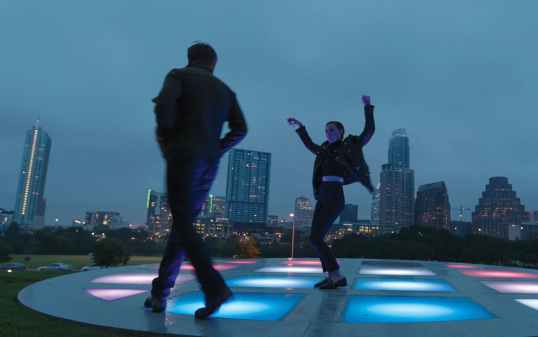
The Films of 2020: After We Collided (dir by Roger Kumble)


The worst film of 2019 gets a sequel and the end result is one of the worst films of 2020.  If nothing else, you have to appreciate the consistency of it all.

At the end of After, Tessa (Josephine Langford) and Hardin (Hero Fiennes Tiffin) had broken up, despite obviously being meant to be together.  They broke up because Tessa discovered that Hardin only went out with her to win a bet.  When After We Collided picks up their story, a few weeks have passed.  Hardin is now sleeping in his car and getting new tattoos.  Tessa is starting an internship at Vance Publishing.  It doesn’t take long for Tessa and Hardin to get together and once again become the most boring couple on the planet.

Everyone warns Tessa about Hardin and, of course, Hardin spends a lot of time drinking and brooding and getting tattoos.  But Tessa is now more independent and …. eh, who cares?  I mean, even if Tessa is now a stronger and more confident character and Hardin is now more honest about his emotions, they’re still just as boring as ever and, if possible, Langford and Tiffin have even less chemistry in the sequel than they did in the first film.  Langford has mastered one facial expression (a sort of low-energy smirk) and Tiffin is constantly screwing up his features whenever Hardin is supposed to be feeling emotional but neither one of them actually seems to be a living, full-blooded human being.  Instead, they feel like bots, created to mouth repetitious dialogue and to go through the motions of the same plot over and over again.  Everything they do seems to be pre-programmed.  There’s not a spontaneous thought or moment to be found.

When Tessa isn’t flirting with Hardin and reading her favorite books (like Madame Bovary, because Tessa is edgy, y’all), she’s working at Vance Publishing.  Her co-worker, Trevor (Dylan Sprouse) is in love with her but he’s too shy to come right out and say it.  He does warn her that Hardin is just going to hurt her.  Because the film is so ineptly edited, it’s hard to keep track of how much time passes.  However, it does appear that Tessa becomes a valued and important member of the office in what seems to be just a matter of hours.  Of course, everyone in the film loves Tessa because this is basically fanfic and a Mary Sue by any other name is still a cringey trope.

Speaking of fanfic, the author of After and its sequels has a cameo in this film.  Anna Todd appears in a nightclub scene.  A woman asks her what books she’s written and Todd smirks before saying, “Oh, this and that.”  This inspired me to yell, “Fuck you!” as I looked for something to throw at the screen.  Seriously, it’s one thing to be responsible for something terrible.  It’s another thing to brag about it.  Add to that, the cameo was so poorly executed that I half expected Todd to look straight at the camera and wink after delivering her line.  In fact, it probably would have saved the scene if she had.  At the very least, it would have at least suggested that the film was inviting us to laugh with it as opposed to at it.

That said, I will say that After We Collided is a slight improvement on After.  In After, Josephine Langford actually tried to give an emotionally honest and consistent performance and, as a result, she was kind of boring because Tessa is an incredibly dull character.  In After We Collided, Josephine Langford is just as bad as everyone else and it leads to a few unintentionally amusing moments.  Unlike the rather stolid After, the sequel at least has a few moments of accidental camp.

My favorite moment was when a frustrated Tessa told Hardin that she needed to go for a walk to straighten out her thoughts.  When Tessa returns, Hardin has his earbuds in and is listening to music so he can’t hear her.  That still doesn’t stop her from standing behind him and repeating his name a few dozen times.  Is he deliberately ignoring her or is the music just that good?  The film never tells us but Tessa and Hardin are such annoying characters that it’s fun to think about all of the passive aggressive ways that they can make each other miserable.

After We Collided is reportedly going to be followed by two more sequels so we’ll eventually get to see if Hardin and Tessa can somehow become even more boring than they’ve already been.  It’s not going to be easy but I think they might just pull it off.
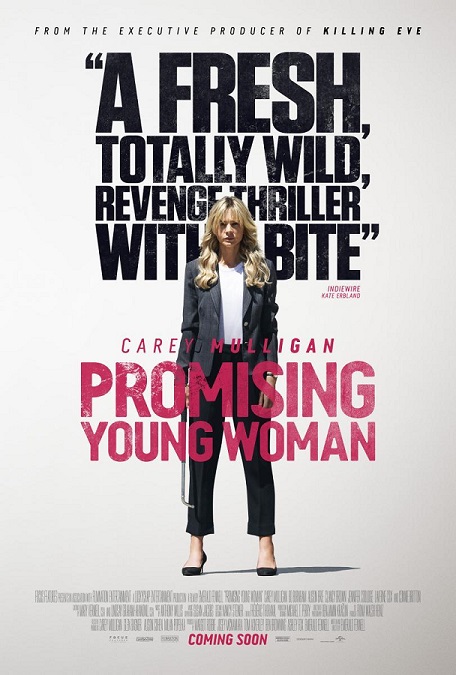
The Sunset Film Circle Honors Promising Young Woman


So, as we all know, December is typically the start of Awards Season but this year, things are up in the air.  With the Academy extending the eligibility window (don’t even get me started on how annoyed I am about that), a lot of critics groups have also pushed back their selection date.  For instance, the National Board of Review will not be announcing their picks until January.  The Golden Globe nominations will not be announced until February.  Things are going to be a bit messed up.

At the same time, some critics groups are still going to be announcing their picks for the best of the year in December, which is the way it should be.  (When it comes time for me to make my annual “best of” list, I will only be considering films that were actually released in 2020.)  With that in mind, the Sunset Film Circle is a new group that, earlier today, announced their picks for the best of 2020!

And here they are (winners in bold):

BEST FILM

Promising Young Woman 

(Runner-up: Mank)


TOP FILMS

The Father

The King of Staten Island

Ma Rainey’s Black Bottom

Mank

Minari

Nine Days

Nomadland

Promising Young Woman

Saint Maud

Sound of Metal


BEST DIRECTOR

Lee Isaac Chung – Minari

David Fincher – Mank

Darius Marder – Sound of Metal

Florian Zeller – The Father

Chloe Zhao – Nomadland (Runner-up)


BEST ACTOR

Ben Affleck – The Way Back

Riz Ahmed – Sound of Metal

Chadwick Boseman – Ma Rainey’s Black Bottom

Winston Duke – Nine Days

Anthony Hopkins – The Father (runner-up)


BEST ACTRESS

Morfydd Clark – Saint Maud

Glenn Close – Hillbilly Elegy (runner up)

Viola Davis – Ma Rainey’s Black Bottom

Vanessa Kirby – Pieces of a Woman

Carey Mulligan – Promising Young Woman


BEST SUPPORTING ACTOR

Bill Burr – The King of Staten Island (runner up)

Bill Murray – On The Rocks

Leslie Odom Jr. – One Night in Miami

Paul Raci – Sound of Metal

Stanley Tucci – Supernova


BEST SUPPORTING ACTRESS

Amy Adams – Hillbilly Elegy (runner-up)

Zazie Beetz – Nine Days

Olivia Colman – The Father

Amanda Seyfried – Mank

Youn Yuh-jung – Minari 


BEST ENSEMBLE

Hillbilly Elegy (runner-up)

The King of Staten Island

Ma Rainey’s Black Bottom

Minari

The Prom


BEST SCREENPLAY

The Father – Christopher Hampton & Florian Zeller

Minari – Lee Isaac Chung

Nine Days – Edson Oda

Promising Young Woman – Emerald Fennell (runner-up)

Sound of Metal – Derek Cianfrance & Darius Marder


BEST CINEMATOGRAPHY

Gretel & Hansel – Galo Olivares

Mank – Erik Messerschmidt

Nomadland – Joshua James Richards (runner up)

Sound of Metal – Daniël Bouquet

Tenet – Hoyte Van Hoytema


BEST SCORE

First Cow – William Tyler

Gretel & Hansel – Robin Coudert

Minari – Emile Mosseri (runner-up)

Soul – Trent Reznor & Atticus Ross

Tenet – Ludwig Göransson


BEST BREAKTHROUGH

Kiera Allen – Run (runner-up)

Nicole Beharie – Miss Juneteenth

Joe Kerry – Spree

Orion Lee – First Cow

Jo Ellen Pellman – The Prom


SCENE STEALER

Michael Keaton – The Trial of the Chicago 7

Yahya Abdul-Mateen II – The Trial of the Chicago 7 (runner-up)

Gabourey Sidibe – Antebellum

Toby Wallace – Babyteeth

Wil Wheaton – Rent-A-Pal


DIRECTORS TO WATCH

Radha Blank – The 40-Year-Old Version

Emerald Fennell – Promising Young Woman

Rose Glass – Saint Maud (runner-up)

Edson Oda – Nine Days

Jon Stevenson – Rent-A-Pal

Frontier Uprising (1961, directed by Edward L. Cahn)


In the 1840s, frontier scout Jim Stockton (Jim Davis) is hired to lead a wagon train down the Oregon Trail.  Accompanying him and the settlers are a group of calvarymen, commanded by Lt. Kilkpatrick (Don Kelly).  When the wagon train is attacked by a group of Native Americans who have been given rifles by Mexican soldiers, Stockton can’t figure out why,  When he suggests that the settlers take an alternative route through California (which was then controlled by Mexico), Kilkpatrick explains that such a detour would be considered an act of war and that he and his men cannot be a part of it.  What Stockton and Kilkpatrick don’t know (but soon find out) is that Mexico has already declared war on the United States.  Complicating matters even further is that both men have fallen for a Mexican woman named Consuela (Nancy Hadley) and her loyalties are now in question.

A 68-mintue B-western, Frontier Uprising is mostly interesting because of the amount of stock footage that was used to try to make this low-budget film seem like an epic.  For instance, when the rifle-bearing Natives attacked the settlers, I recognized a lot of footage from a lot of other movies.  One particular shot, of a wounded Native falling off of his horse, was used in so many films of the period that I’ve lost track of how many times I’ve seen it.  Much of the stock footage features Monument Valley prominently in the background, which suggests that Stockton was not doing a very good job of leading the settlers to Oregon.

Frontier Uprising is one of the 11 (!) films to be directed by Edward L. Cahn in 1961.  Cahn is credited with directing 127 films over the course of 30 years.  Some of them were good.  Most, like Frontier Uprising, were competent but forgettable.

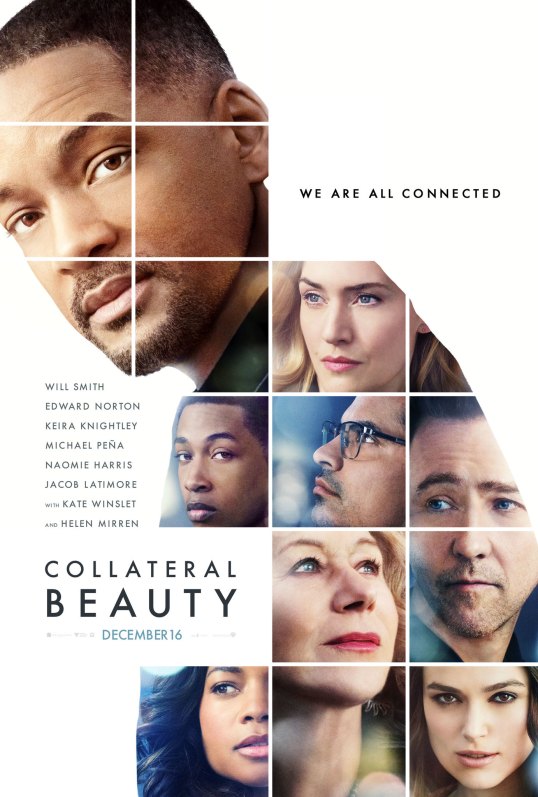
Holiday Film Review: Collateral Beauty (dir by David Frankel)


Occasionally, you see a film that is so misjudged and so poorly executed that it leaves you wondering whether or not the entire production was meant to be some sort of elaborate practical joke.  Perhaps not surprisingly, these films are usually a mix of comedy and drama and they tend to try to deal with the big issues — life, death, love, and all the rest.  These films are fueled by a mix of ambition, sincerity, and a total inability to understand how people actually think and live.  Invevitably, these films come out at Oscar time and they tend to have surprising twists that are designed to tug at the heart strings but to also make you think.  They’re usually have titles that sound good but don’t make much sense and they often feature the type of talented actors who really should know better.  Audiences should also know better but all of these films have devoted fans who insist that the rest of us are just too cynical or jaded to really appreciate a good story.

2016’s Collateral Beauty is one such film.

Set during the Christmas season, Collateral Beauty tells the story of Howard Inlet (Will Smith).  Howard was an advertising genius but then his daughter died and he sunk into a deep depression.  In this film, being clinically depressed means that you ride your bicycle a lot.  It also means that you spend a lot of time building domino chains.  Because Howard is too depressed to do anything, his advertising firm is on the verge of going bankrupt.  His partners — Whit (Edward Norton), Claire (Kate Winslet), and Simon (Michael Pena) — all want to sell the firm but they have to get Howard to sign off on it and Howard refuses to talk to anyone.

However, his three business partners come across letters that Howard wrote to the abstract concepts of Death, Time, and Love.  And, realizing that Howard had some issues with those concepts, they decided to hire three actors to pretend to be those concepts so that they can film Howard talking to them.  The plan is to film Howard talking to the actors and then use digital technology to erase the actors from the footage so that Howard will look like he’s talking to himself, which will make it easier to prove that Howard is not mentally stable enough to run the company and….

What?  Yes, that’s the plot.  Undoubtedly, it seems like there should be an easier way to prove that Howard is not mentally fit to run his company but the three business partners decided to go with the plan that makes absolutely no sense and the film applauds them for doing so.  It does seem like, if they really cared about Howard, they would have instructed the actors to provide some sort of comfort to Howard but apparently, no one in this movie has seen It’s A Wonderful Life or read A Christmas Carol.  The film assures us that making a suicidal man think that he’s gone legitimately insane is definitely the humane way to deal with this situation.

Anyway, the three actors are played by Helen Mirren, Jacob Latimore, and Keira Knightley.  And, in order to study Howard, each spends time with his business partners and we learn about everyone’s life.  For instance, Whit has a daughter that he needs to connect with.  Claire is depressed because she wants a child.  Simon is dying, which means that he spends the entire movie vomiting.  Amazingly, no one but Helen Mirren notices.  Not only does the actors help Howard but they help his partners as well.  Awwwww!

After the actors all visit him, Howard is so upset by the encounters that he goes to a support group that’s run by Madeline (Naomie Harris), who lost a daughter (just like Howard!) and who is divorced (just like Howard!) and who has a note from her ex-husband in which he says that he wishes they could act like strangers again and hey, guess who her ex-husband is!?  (Yes, it’s Howard.)  Anyway, some mysterious woman once told Madeline that, even as her daughter was dying, she should always celebrate the “collateral beauty of it all” and I have no idea what that was supposed to mean but Madeline sure does talk about it a lot.

I like to think that Collateral Beauty shares the same cinematic universe as The Book of Henry and Life Itself.  It’s a universe where simplistic thoughts are held up as being extremely profound and where no one actually does anything that makes sense.  Just as The Book of Henry asks us to be touched by an annoying little brat insisting (from beyond the grave, no less) that his mother to assassinate their neighbor, Collateral Beauty asks us to appreciate all the effort that goes into tormenting an already seriously depressed human being.  Just as Life Itself insists that life being an unreliable narrator is somehow a mind-blowing concept, Collateral Beauty insists that everything will be okay as long as we appreciate the “collateral beauty of it all.”  It may feel like a parody but Collateral Beauty not only takes itself seriously but it also seems to be convinced that you’ll take it seriously as well.  There’s something rather presumptuous about the film’s insistence that it actually has something unique or interesting to say.

Amazingly enough, a truly great cast signed up to appear in this film.  Most of them turn in performances that are either forgettable or regrettable.  Edward Norton gives a performance that is so annoyingly mannered that it’s hard not to be reminded of the rumors that he was basically playing himself in Birdman.  Considering that she’s one of the greatest actresses around, Kate Winslet is shockingly bad.  Helen Mirren appears to be having a laugh.  Will Smith actually gives a good performance but it’s a waste to cast such a great talker as someone who barely speaks.

Collateral Beauty came out in December of 2016.  Before it was released, it had Oscar buzz.  After it was released …. well, let’s just say that it didn’t.  Critics hated the film but it did well at the box office and it has its fans.  I’m not one of them but perhaps someday, I’ll appreciate the collateral beauty of it all.

Lisa Marie’s Oscar Predictions for November


Oh, why not?

Here are my Oscar predictions for November!

If want to see how my thinking has evolved, check out my predictions of January, February, March, April, May, June, July, August, September, and October!  You’ll probably notice that the main evolution in my thinking this month is that I’ve dropped Hillbilly Elegy from my predictions and I’ve added Meryl Streep because she gets nominated for everything.

Best Picture

The Father

Ma Rainey’s Black Bottom

Mank

Minari

News of the World

Nomadland

One Night in Miami

Pieces of a Woman

Soul

Sound of Metal

Best Director

Lee Isaac Chung for Minari

David Fincher for Mank

Regina King for One Night in Miami

Florian Zeller for The Father

Chloe Zhao for Nomadland

Best Actor

Ben Affleck in The Way Back

Riz Ahmed in Sound of Metal

Chadwick Boseman in Ma Rainey’s Black Bottom

Anthony Hopkins in The Father

Gary Oldman in Mank

Best Actress

Viola Davis in Ma Rainey’s Black Bottom

Vanessa Kirby in Pieces of a Woman

Frances McDormand in Nomadland

Meryl Streep in The Prom

Kate Winslet in Ammonite

Best Supporting Actor

Sacha Baron Cohen in The Trial of the Chicago 7

Chadwick Boseman in Da 5 Bloods

Richard E. Grant in Everybody’s Talking About Jamie

Shia LeBeouf in Pieces of a Woman

Leslie Odom Jr. in One Night in Miami

Best Supporting Actress

Olivia Colman in The Father

Olivia Cooke in Sound of Metal

Saoirse Ronan in Ammmonite

Amanda Seyfried in Mank

Helena Zengel in News of the World


4 Shots From 4 Films: Special Ridley Scott Edition


4 Shots From 4 Films is just what it says it is, 4 shots from 4 of our favorite films. As opposed to the reviews and recaps that we usually post, 4 Shots From 4 Films lets the visuals do the talking.

Today is also Ridley Scott’s birthday so today is a rare day in which not one but two deserving people will be celebrated with….

4 Shots From 4 Films

Alien (1979, dir by Ridley Scott)

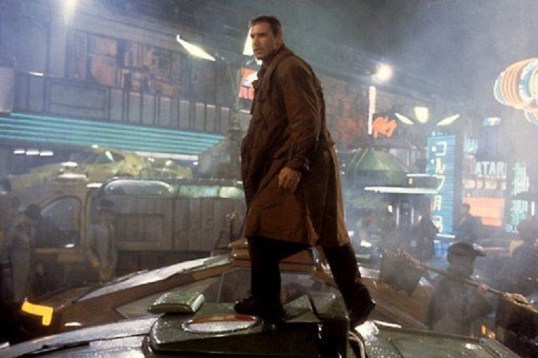
Blade Runner (1982, dir by Ridley Scott)

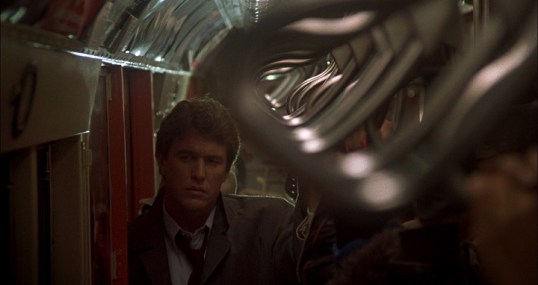
Someone To Watch Over Me (1987, dir by Ridley Scott)

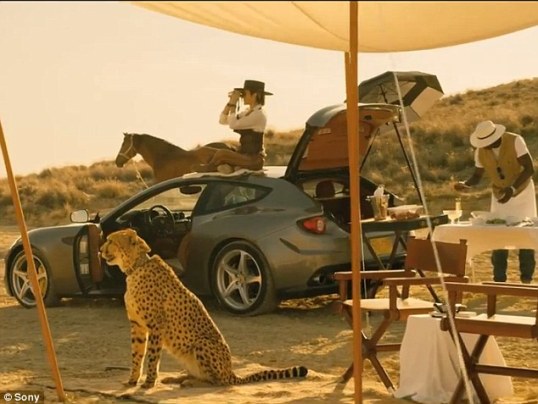
The Counselor (2013, dir by Ridley Scott)

4 Shots From 4 Films: Special Terrence Malick Edition


4 Shots From 4 Films is just what it says it is, 4 shots from 4 of our favorite films. As opposed to the reviews and recaps that we usually post, 4 Shots From 4 Films lets the visuals do the talking.

Today, we wish a happy birthday to one of cinema’s greatest visual stylists, the one and only Terrence Malick!

4 Shots From 4 Terrence Malick Films

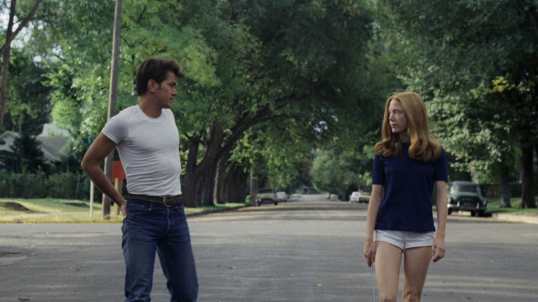
Badlands (1973, dir by Terrence Malick)

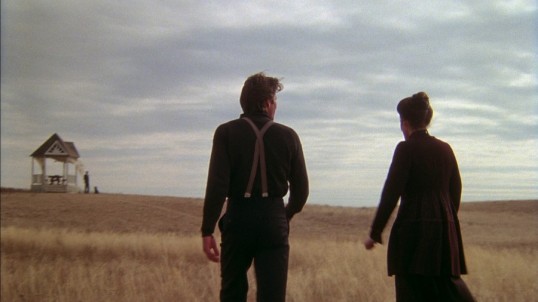
Days of Heaven (1978, dir by Terrence Malick)

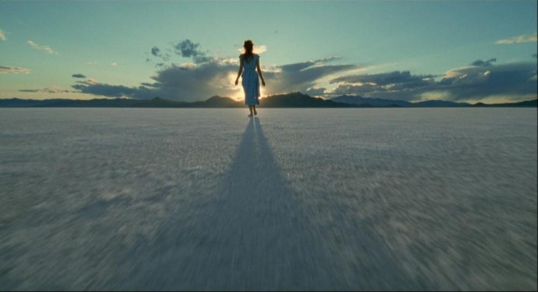
Tree of Life (2011, dir by Terrence Malick)

Song to Song (2017, dir by Terrence Malick)

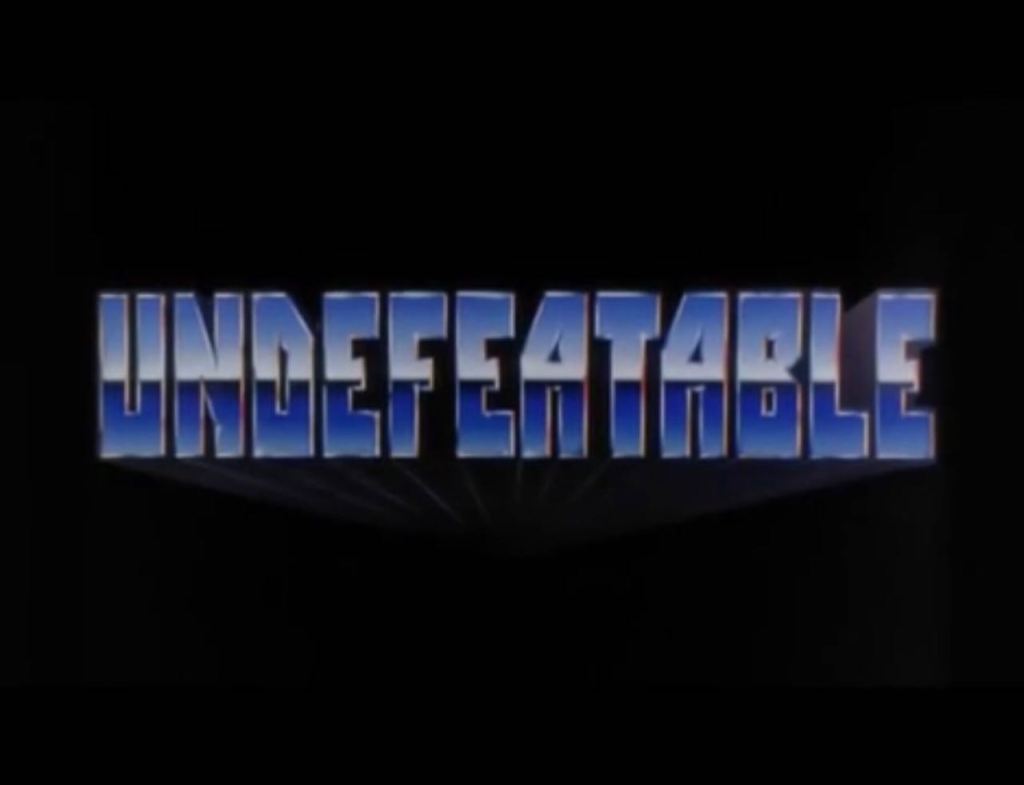
Val’s Mini-Post: Why Undefeatable (1993, dir. Godfrey Ho) Is On My Gems List Of 2019


In 2019 I fell in love with Cynthia Rothrock. I started watching any of her movies that I could get my hands on. I also wound up exploring other martial artists that were in her orbit such as Don “The Dragon” Wilson and Richard Norton.

Rothrock did a couple of movies with notorious “cut-and-paste” director Godfrey Ho. I think the exact number is five movies, but she only did footage for three of them. In classic Godfrey Ho fashion, he reused the footage to make two more movies. I haven’t seen the one that repurposed the footage from Undefeatable.

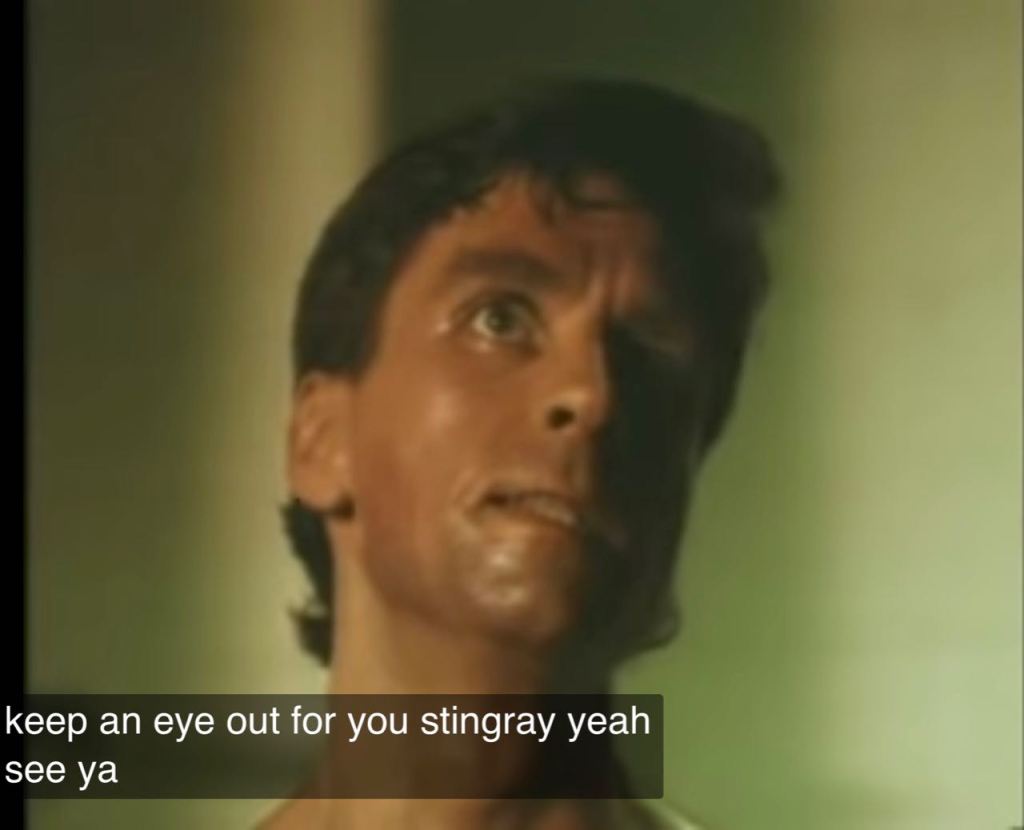
The bad guy of the movie is named Stingray. There’s a final battle at the end of the film in which Stingray lands his face on a nail (???), causing him to lose one of his eyes. This doesn’t stop him though, and Stingray continues to fight. In the end, he ends up getting his other eye stuck on a hook. The hook lifts him up into the air. After he’s lifted up to the top, Cynthia Rothrock says, “Keep an eye out for ya, Stingray,” to which her partner adds, “Yeah, see ya!”

Those lines are what made this movie stand out from the 27 other Cynthia Rothrock movies I watched that year. You can watch the scene here.

It’s films like Undefeatable that are the reason the “Gems” exists.

Scenes That I Love: Daria Nicolodi in Shock


As soon as I heard the great Daria Nicolodi had passed away at the age of 70, I knew that I had to find a scene from one of her films to share here on the Shattered Lens.

Unfortunately, YouTube was not very helpful.  I was tempted to re-share the scene of her arm-wrestling David Hemmings in Deep Red but I chose not to because, according to our stats, a lot of you already visited that post after the news of her passing was announced.

I also nearly shared the finale of Shock.  This was Daria’s best performance and one that she always cited as being a favorite.  However, I hesitated to do so because that scene features Daria’s character dying in a rather gruesome manner and I worried it was perhaps a bit too morbid to share under these circumstances.  But this scene also shows what a good actress Daria Nicolodi was and, again, Shock was a film that she always cited as being one of her personal favorites.  That said, I just can’t bring myself to pay tribute to someone on the day of their passing with a scene in which they die.  So, I’m sharing a different scene from Shock.  This one is perhaps a bit less dramatic than the finale but it still shows what a good and expressive actress Daria Nicolodi was.  She makes the scene below feel real.

So, in memory of the great Daria Nicolodi, here she is in Mario Bava’s Shock: