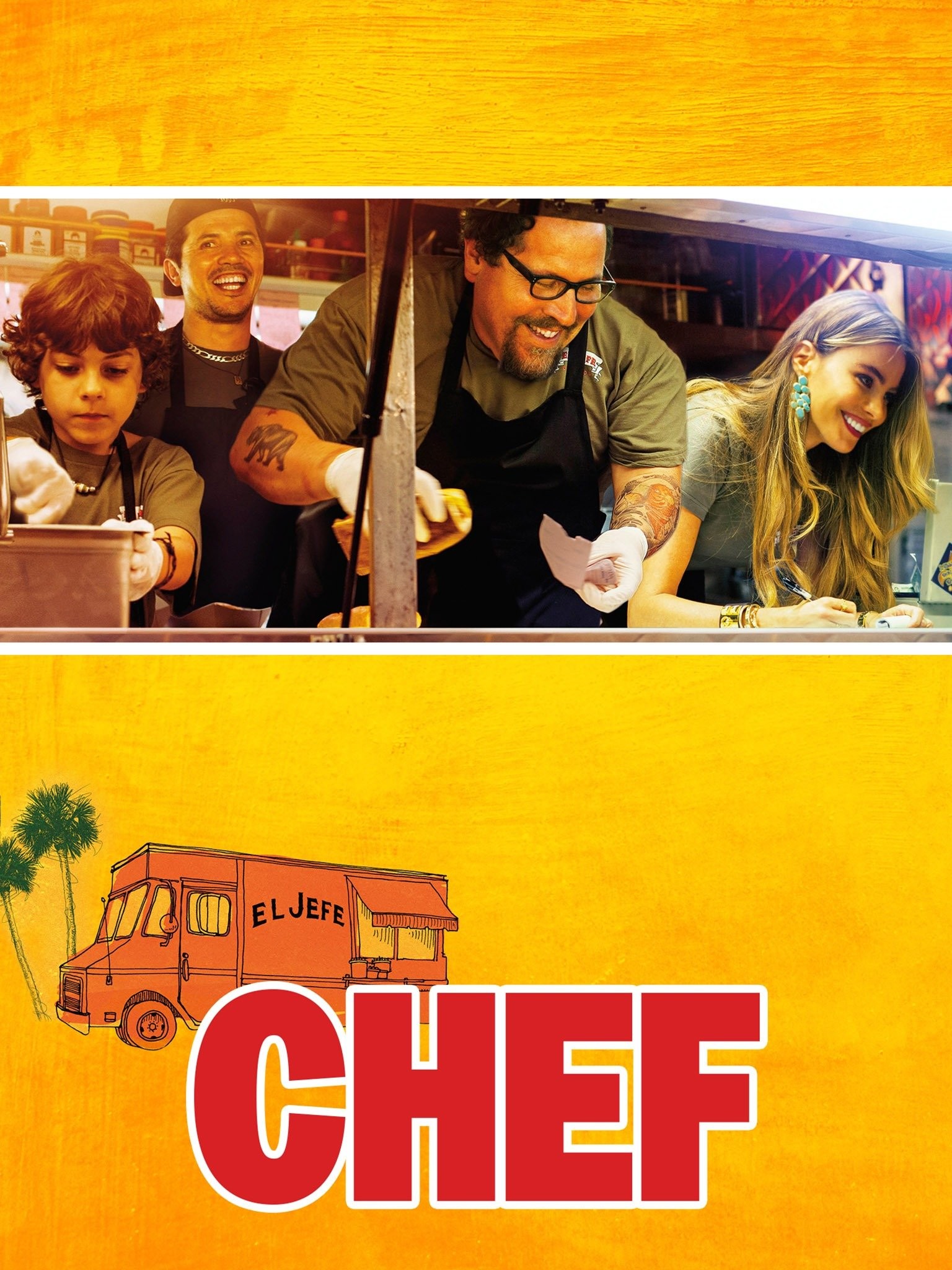
“I may not do everything great in my life, but I’m good at this. I manage to touch people’s lives with what I do and I want to share this with you.” — Carl Casper
Jon Favreau’s Chef is one of those modest, crowd‑pleasing films that wins you over by staying sincere. It is not trying to be more elaborate than it needs to be, and that restraint is part of its charm. The movie understands that a good meal, like a good story, does not need to be overloaded to leave an impression.
At its center is Carl Casper, a Los Angeles chef who has spent too long under the thumb of a controlling owner and a punishing routine. Favreau builds the character as a man with genuine talent who has gradually been boxed into serving the same familiar dishes until the spark goes out of his work. That setup gives the film emotional weight without making it needlessly grim, and the early conflict feels grounded in the kind of professional frustration that many viewers can recognize.
What makes Chef work so well is that it treats food as more than decoration. The kitchen scenes have the energy of a workplace movie, but they also carry the warmth of a film about craft, pride, and rediscovery. Favreau clearly cares about the details, and the movie’s culinary authenticity helps make the food feel alive rather than merely photogenic.
The film’s strongest material often comes from its sense of rhythm. Favreau lets scenes breathe, whether Carl is cooking, arguing, bonding with his son, or slowly finding his footing again through the food truck. The road‑trip structure gives the movie a loose, easygoing momentum that matches its themes of starting over and rebuilding a life from something more personal. It is a familiar shape, but Favreau handles it with enough warmth and confidence that it never feels mechanical.
The cast also helps carry the movie’s laid‑back appeal. John Leguizamo brings dependable energy as Carl’s friend and partner, while Emjay Anthony gives the father‑son relationship a needed emotional anchor. Sofía Vergara and Scarlett Johansson add texture to the supporting ensemble, and the cameos help the film feel like it belongs to a broader world without turning into a stunt parade. Robert Downey Jr.’s appearance is especially in the spirit of the movie’s playful, slightly scrappy personality.
If there is a weakness in Chef, it is that the stakes are sometimes as light as the movie’s tone. The conflict is easy to understand, but the film is not interested in digging especially deep into the pressures of restaurant life beyond what it needs for Carl’s personal reset. Some viewers may also feel that the story moves so smoothly that it can occasionally glide past tension rather than fully wrestle with it. Still, those softer edges are part of the movie’s comfort‑food approach, and they fit the film more often than they hurt it.
There is also something undeniably self‑referential about Favreau making a film like this at this point in his career. After years of working in large‑scale studio filmmaking, Chef feels like a deliberate return to basics, a movie about rediscovering joy in the craft rather than chasing spectacle. That choice gives the film a little extra meaning, because it plays not just as a story about a chef but as a story about an artist reconnecting with the thing that made him care in the first place.
That connection carried forward in a very natural way with Netflix’s The Chef Show, which Favreau made with Roy Choi after the film. The show turned the movie’s culinary curiosity into a full‑fledged project, with Favreau cooking alongside celebrity friends and guests across its two‑season run. In that sense, Chef was not just a one‑off passion project; it became the foundation for a longer creative obsession that blended cooking, conversation, and filmmaking into the same kind of easygoing pleasure the movie already had.
What lingers most about Chef is its tone. It is upbeat without being fake, personal without becoming self‑pitying, and relaxed without losing its sense of purpose. Favreau understands that small victories can matter just as much as dramatic ones, and he shapes the film around that idea with real affection. The result is a feel‑good film with enough flavor to satisfy, and enough honesty to keep it from feeling empty.
And for anyone who had never been especially drawn to a Cubano sandwich, Chef also worked like a terrific advertisement for giving one a try. The film made the sandwich look less like a simple handheld meal and more like a kind of culinary payoff, something warm, rich, and memorable enough to make viewers hungry before the scene was even over. While most audiences understandably gravitated toward those rapturous Cubano moments, for me the real standout was the scene featuring the mojo‑marinated pork. There was something about the way the meat was staged—the slow rendering of fat, the caramelized crust, the faint sheen of orange‑garlic sauce—that made it feel less like a quick bit of menu decoration and more like the heart of the film’s culinary language. That sequence, in its quiet way, captured the same blend of craft and desire that the whole movie is built on.
Overall, Chef is a warm, appealing, and thoughtfully made film that succeeds because it knows exactly what it wants to be. It is funny, heartfelt, and easy to enjoy, even when it does not push its dramatic material as far as it could. Favreau serves up a movie that celebrates food, family, and creative freedom in a way that feels genuine, and that sincerity is what gives the film its staying power.


Favreau has had such an interesting career…he took a passion and turned it into a fun, light and easy to digest entertainment…met him a few times and he is genuine, passionate and interactive…great review!
LikeLike