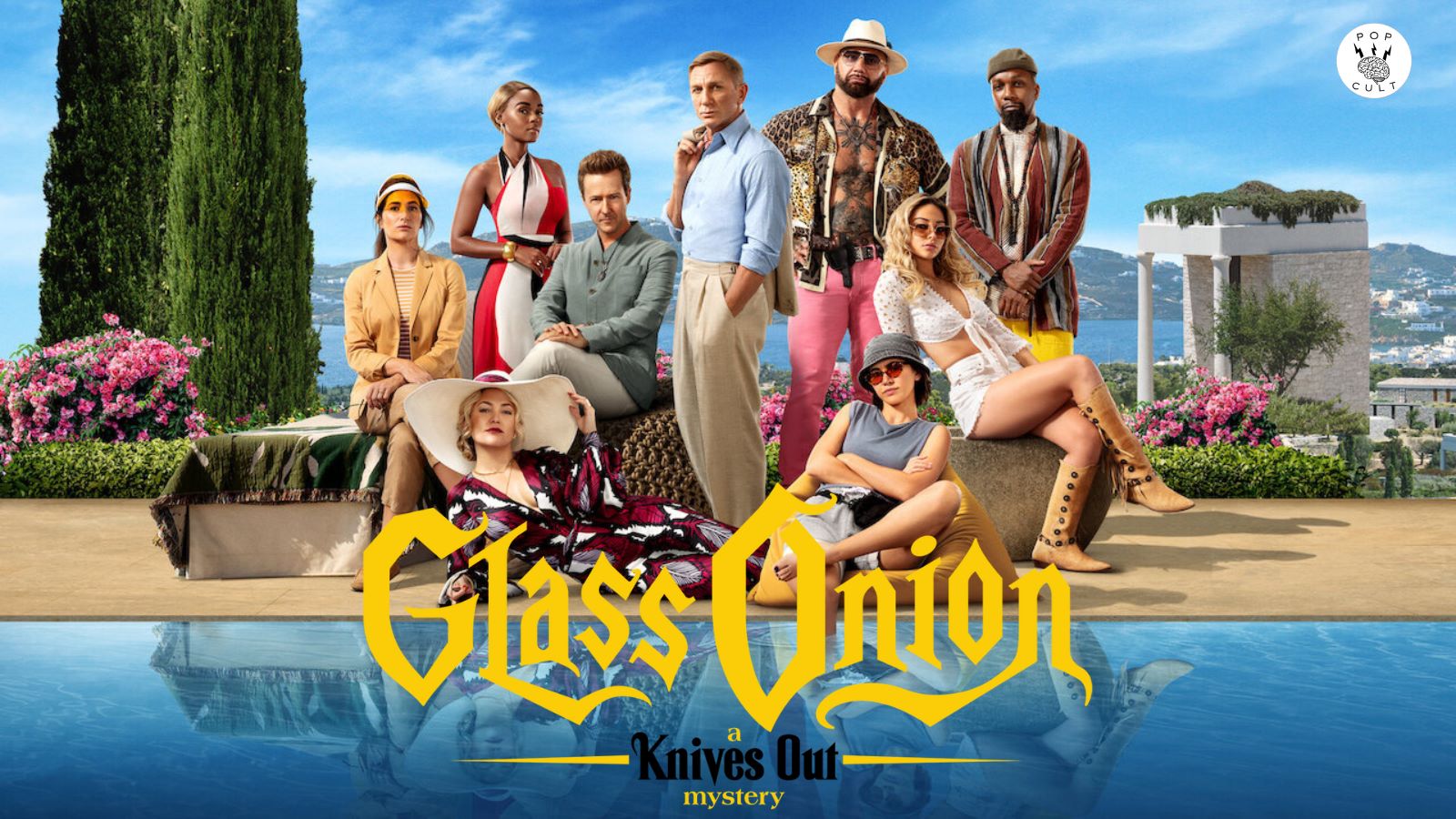
“Everyone loves a puzzle until it’s time to solve it.” — Benoit Blanc
Glass Onion: A Knives Out Mystery is a follow-up to the original Knives Out film, starring Daniel Craig as the ingenious detective Benoit Blanc. It builds on the premise of a murder mystery but wraps it inside a colorful, satirical commentary on wealth, influence, and the human condition. Set on the private island of a tech billionaire named Miles Bron, the story assembles a quirky cast of characters, all entangled in complicated relationships that unravel layer by layer. The casual tone of the movie masks a sharp, incisive look at the absurdities of the ultra-rich and the moral compromises they often make.
From the outset, Glass Onion shines with its clever blending of classic whodunit tropes and contemporary social critique. The gathering on the island is ostensibly for a murder mystery party, but the tension quickly escalates when the lines between game and reality blur. As detective Benoit Blanc begins to peel back the layers, it becomes clear that the story is much more than just a puzzle; it’s a reflection on fame, fortune, intellectual theft, and the lengths people will go to protect their reputations and secrets. The mystery itself is engrossing, delivering plenty of twists and turns that keep viewers guessing without feeling predictable.
The characters are vividly drawn, each embodying a certain archetype of privilege and excess, yet crafted with enough depth to avoid caricature. Miles Bron, in particular, captures the archetypal tech mogul—brash, arrogant, and unapologetically wealthy—but his flaws and vulnerabilities make him an intriguing focal point. His colorful group of friends each contribute their quirks and motives, creating a dynamic interplay that enriches the plot. Through their interactions, the film deftly explores themes of betrayal, sycophantic behavior, and the moral decay that can accompany unchecked power.
Edward Norton’s portrayal of Miles Bron has often been linked to Elon Musk, mostly because Bron’s flamboyant personality and billionaire tech mogul status seem reminiscent of Musk. However, director Rian Johnson and Norton himself have been clear that the character is not based specifically on Musk. Instead, Miles embodies the broader archetype of “tech bros”: exceedingly wealthy, extremely arrogant, and more than a bit sociopathic. Norton’s portrayal blends charm, obliviousness, and bravado, embodying this tech mogul stereotype more than mimicking any particular real-life figure. This approach allows the film to critique the broader billionaire culture, using Miles as a symbol of its excesses and absurdities, rather than targeting one individual.
A distinctive feature of Glass Onion is how it incorporates the reality of its production during the height of the COVID-19 lockdown. Set in May 2020, during global lockdowns, the film naturally weaves in social distancing and mask-wearing as part of its narrative fabric. This not only adds an element of authenticity but also becomes a device to reveal character traits—whether sincere compliance or performative adherence. The pandemic protocols also shaped production logistics, reducing extras and focusing tightly on the main cast, creating an intimate but tense atmosphere. By anchoring the isolation of its characters in a real-world health crisis, the film echoes classic mystery confinements while feeling relevant and immediate.
Emotional stakes in Glass Onion are amplified through Helen, who arrives on a personal mission to uncover the truth behind her sister’s death. Unlike many self-interested guests on the island, Helen represents a disruptive force challenging the privileged elite. Her story adds urgency and depth, highlighting themes of justice, accountability, and silence’s costs. This subplot weaves seamlessly into the larger narrative, enriching the mystery’s resolution with meaningful emotional weight.
Visually, the film dazzles with opulent settings and a vibrant color palette that amplify the sense of excess and detachment characterizing the guests’ lives. The private island itself almost becomes a character—a lush, insular playground where drama explodes amid luxury. Production design and cinematography balance whimsy with darker undertones, while costumes and set details root satire in an authentic world.
Craig returns as Benoit Blanc with a mix of charm, wit, and gravitas, anchoring the film amidst eccentric chaos. Blanc’s character delights as a master detective who enjoys intellectual puzzles but wrestles with moral questions. Meanwhile, the supporting cast gives nuanced performances that capture their characters’ complexities and motivations.
Narratively, Glass Onion triumphs by delivering an engaging mystery while embedding incisive social commentary on inequality and hypocrisy. The film compellingly probes how wealth and influence can obscure truth and the costs endured by those who confront power. The sharp, often humorous writing makes it both entertaining and thought-provoking.
Whether viewed casually or analyzed deeply, Glass Onion offers much to enjoy. Plot twists, sharp dialogues, visual style, and strong performances combine for an engrossing experience. At its core, the story emphasizes how the pursuit of personal gain can harm others, and reckoning with uncomfortable truths demands courage and sacrifice.
Ultimately, Glass Onion is a skillfully crafted, entertaining mystery that surpasses typical genre fare. It balances suspense, humor, and social critique naturally and compellingly. Cementing Rian Johnson’s success in the Knives Out franchise, it reclaims his reputation after the contentious backlash to The Last Jedi. While fan expectations proved insurmountable in that galaxy far, far away, Glass Onion confirms Johnson as a brilliant filmmaker capable of crafting sharp, layered stories. The film invites audiences to not only solve a crime but also reflect on integrity, power, and humanity’s search for justice and meaning. Its impact lingers long after the credits roll.





 Through the Shattered Lens