Frontier Fractured: Taylor Sheridan’s Neo-Western Reckoning


“The characters are fiction, but the landscape and the lives the characters are navigating are real.” — Taylor Sheridan

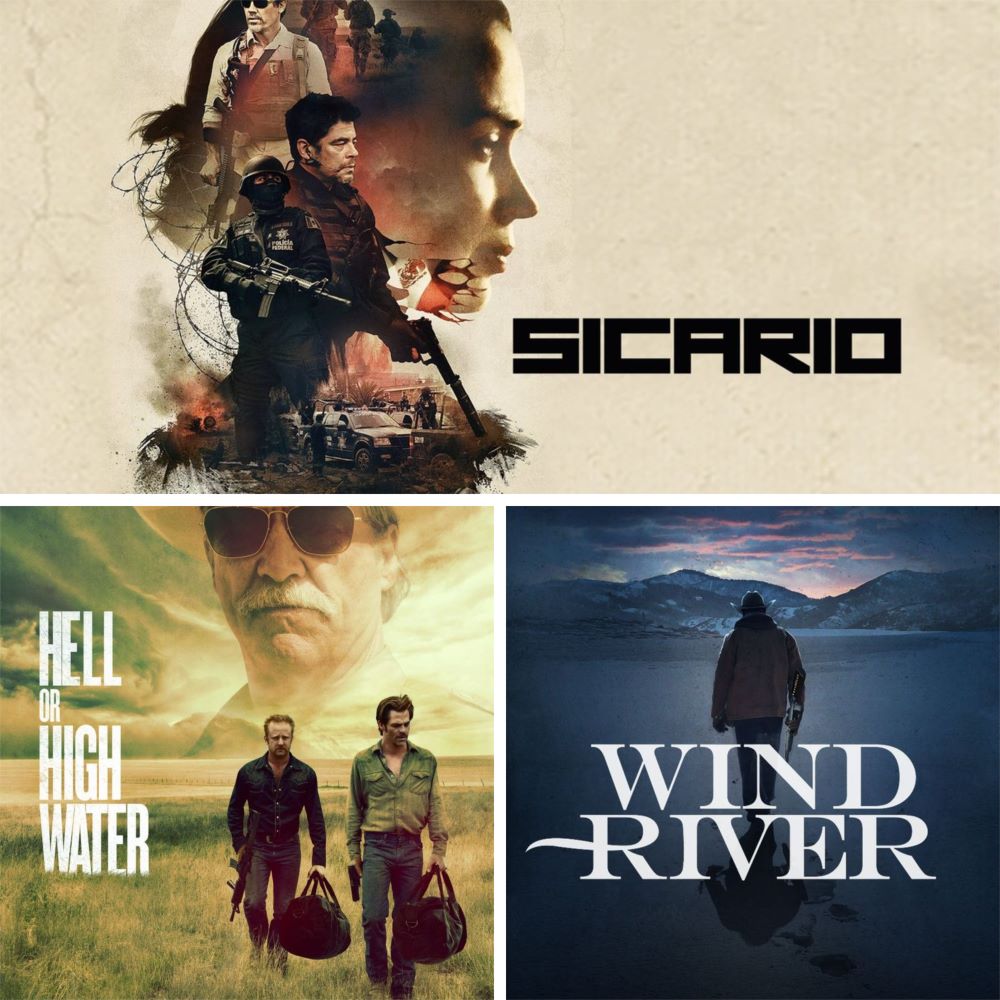
Taylor Sheridan’s American Frontier Trilogy—Sicario (2015), Hell or High Water (2016), and Wind River (2017)—stands as a landmark in modern neo-Western cinema, a tightly crafted exploration of America’s frayed edges penned by the screenwriter who would later dominate television with Yellowstone. These films, while not narratively linked, form a thematic triptych that dissects the moral decay of the contemporary frontier, where law buckles under the weight of systemic injustice, economic despair, and cultural erasure. This retrospective examines Sheridan’s screenplays as a cohesive vision of a nation haunted by its own myths of manifest destiny, blending pulse-pounding tension with unflinching social critique.

Defining the Trilogy’s Core

Sheridan’s “American Frontier” trilogy emerged from his own observations of overlooked American landscapes, as he described in interviews around Wind River‘s release. Sicario, directed by Denis Villeneuve, plunges into the U.S.-Mexico border war on drugs, following idealistic FBI agent Kate Macer (Emily Blunt) as she’s drawn into a shadowy CIA operation led by the enigmatic Matt Graver (Josh Brolin) and the ruthless Alejandro (Benicio del Toro). The film boasts breakneck pacing and claustrophobic tension, transforming a procedural thriller into a meditation on moral compromise, where the line between hunter and hunted dissolves in Juarez’s blood-soaked streets.

Hell or High Water, helmed by David Mackenzie, shifts to West Texas, chronicling brothers Toby (Chris Pine) and Tanner Howard (Ben Foster) as they rob branches of the Texas Midlands Bank—the same institution foreclosing on their mother’s ranch. It delivers a lean, character-driven drama, with an ear for authentic dialogue that captures rural Texan fatalism: lines like “You’re free now” underscore a cycle of poverty where crime becomes an act of reclamation. Ranger Marcus Hamilton (Jeff Bridges), pursuing them, embodies the law’s weary inefficiency.

Wind River, which Sheridan also directed, unfolds on Wyoming’s Wind River Indian Reservation, where U.S. Fish and Wildlife officer Cory Lambert (Jeremy Renner) aids rookie FBI agent Jane Banner (Elizabeth Olsen) in investigating a young Native woman’s death in the snow. It lands as a gut-punch of grief and rage, spotlighting the epidemic of missing and murdered Indigenous women (MMIW), with Cory’s personal loss fueling a vigilante justice that indicts federal neglect.

What unites them? Remote, unforgiving terrains—the border deserts, dusty plains, frozen reservations—mirror the characters’ isolation. Protagonists skirt legality not from villainy but necessity, exposing institutions (CIA, banks, FBI) as complicit oppressors. The “United States legal system” emerges as the trilogy’s true antagonist, wreaking havoc on the marginalized.

Thematic Pillars: Justice Beyond the Badge

At the trilogy’s heart lies a profound distrust of official justice, a motif each film escalates. In Sicario, Kate’s arc is one of disillusionment; she clings to warrants amid Graver’s extralegal raids, only to realize the “war” thrives on endless escalation. Sheridan’s script masterfully builds dread through escalating set-pieces—like the night-vision tunnel assault—while Alejandro’s backstory reveals the human cost of cartel savagery, blurring good and evil. It’s a film where victory feels pyrrhic, the frontier’s violence spilling northward unchecked.

Hell or High Water flips the script to economic predation. The Howards aren’t greedy outlaws but desperate everymen funding their family’s future against predatory lending. Sheridan’s sardonic humor amid despair shines in banter between Marcus and his partner Alberto (Gil Birmingham), laced with casual racism that humanizes their bond. The film’s climax, a bank standoff turned shootout, affirms the brothers’ twisted righteousness, critiquing how banks “won the West” anew through debt. It’s Sheridan’s most optimistic entry, suggesting personal agency can pierce systemic greed.

Wind River delivers the rawest indictment, weaving personal trauma into institutional failure. Cory tracks predators—animal and human—across a landscape where Native lives vanish without trace; statistics cited in the film (96% of reservation rapes unreported) hit like bullets. Its poetic minimalism—from snow-dusted crime scenes to Cory’s haunting promise to a grieving father: “I wish I could take that pain away”—underscores how the reservation embodies America’s forgotten frontier. Here, justice is vengeance, meted quietly in the mountains.

Across the trilogy, Sheridan updates Western archetypes: the principled lawman (Kate, Marcus, Jane) yields to the lone avenger (Alejandro, Toby, Cory). This serves as a modernization of classic Western struggles, swapping cattle barons for cartels and banks.

Stylistic Mastery and Sheridan’s Voice

Sheridan’s prose is economical yet evocative, favoring sparse dialogue that reveals worlds. His authentic regionalism comes through in Texan drawls in Hell or High Water, Arapaho stoicism in Wind River, and border Spanglish in Sicario. Directors amplify this: Villeneuve’s Sicario is visceral, with Roger Deakins’ cinematography turning borders into hellscapes; Mackenzie’s Hell or High Water feels expansive yet intimate, Giles Nuttgens capturing Texas’s soul-crushing vastness; Sheridan’s Wind River is austere, Nick Cave’s score amplifying isolation.

Performances elevate the scripts. Del Toro’s coiled fury in Sicario earned Oscar nods; Bridges’ folksy gravitas anchors Hell or High Water; Renner and Olsen ground Wind River‘s procedural in raw emotion. Yet Sheridan’s writing shines brightest in quiet beats: Kate’s post-raid breakdown, Toby’s motel confession, Cory’s frozen vigil.

The films were critically acclaimed for their sharp writing and thematic depth, earning Sheridan Oscar nominations for Hell or High Water and Wind River, while resonating widely with general audiences through gripping narratives and relatable human struggles that packed theaters and sparked enduring discussions. This neo-Western revival took audiences to unseen locales, from Juarez slums to Wind River snows.

Cultural Impact and Legacy

Released amid the turbulent 2010s—marked by escalating border crises, the lingering financial fallout from the 2008 recession, and rising awareness of the #MMIW epidemic—the trilogy presciently tapped into deep-seated national anxieties, reshaping conversations around justice, identity, and power in America. Sicario arrived as tensions over immigration and the drug war boiled over, humanizing the futility of America’s “war on drugs” just before the 2016 presidential debates on border walls and cartel violence. Its portrayal of shadowy U.S. operations crossing ethical lines sparked debates on real-world CIA tactics and the moral cost of security, influencing discourse in policy circles and popular media alike. The film’s raw depiction of Juarez’s carnage forced viewers to confront overlooked atrocities, bridging Hollywood thrillers with journalistic urgency and priming audiences for later works like Narcos.

Hell or High Water struck a populist chord amid post-recession rage, echoing Occupy Wall Street’s anti-bank fervor and the foreclosure crisis that ravaged rural America. By framing bank robbers as sympathetic everymen fighting predatory lending, Sheridan tapped into widespread resentment toward financial institutions, a sentiment that fueled political movements from Tea Party economics to progressive wealth taxes. The film’s Texas setting amplified its authenticity, resonating in heartland theaters and inspiring think pieces on economic despair as a driver of crime. Its legacy endures in modern “eat the rich” narratives, from The Gentlemen to economic thrillers, while proving indie sensibilities could deliver blockbuster emotional punches.

Wind River ignited a cultural firestorm by centering the MMIW crisis, a long-ignored epidemic where Native women face violence at rates exponentially higher than the national average. The film’s stark statistics and harrowing story propelled #MMIW into mainstream consciousness, directly contributing to legislative momentum like Savanna’s Act (passed in 2020), which improved federal responses to cases on tribal lands. Sheridan consulted with Native communities for accuracy, amplifying Indigenous voices through actors like Gil Birmingham and Julia Jones, though it faced critiques for “white savior” elements. Nonetheless, it opened doors for Native-led stories in films like Reservation Dogs and heightened Hollywood’s focus on underrepresented frontiers.

Collectively, the trilogy’s impact reverberates profoundly. Lionsgate’s 2022 Blu-ray collection formalized its status as a cinematic canon, while Sheridan’s scripts birthed his TV empire—Yellowstone1883Lioness—exporting frontier grit to streaming billions. Yet the films surpass his serialized work in laser-focused purity, influencing a neo-Western renaissance seen in No Country for Old Men echoes, The Power of the Dog, and series like Longmire. In policy realms, Sicario informed border security debates under both Biden and now-President Trump’s 2025 reelection; Hell or High Water prefigured rural economic populism in Trump-era politics; Wind River bolstered tribal advocacy amid ongoing land rights battles.

By 2026, amid Sheridan’s Yellowstone spinoffs dominating Paramount+ and renewed border rhetoric in a second Trump administration, the trilogy feels more vital than ever. It birthed a cinematic language for America’s internal fractures—geographic, economic, racial—challenging viewers to question who truly governs the forgotten edges. Academic panels dissect its archetypes; fan communities on Reddit and Letterboxd binge it as essential viewing. Flaws persist—Sicario 2‘s dilution without Sheridan, Wind River‘s debated optics—but its triumph lies in tension and truth, proving standalone stories can outlast franchises. Sheridan’s evolution from struggling actor to scribe magnate underscores a rare feat: films that entertain viscerally while indicting society, ensuring the frontier’s ghosts haunt us still.

Individual Breakdowns

Sicario: Border Inferno

Villeneuve’s adaptation turns Sheridan’s outrage at Juarez carnage—ignored by U.S. media—into a descent narrative. Kate’s naivety crumbles amid moral voids; Alejandro’s vendetta personalizes cartel horrors. Its operatic violence peaks in the stadium raid, where justice devolves to assassination. At 121 minutes, it’s taut prophecy.

Hell or High Water: Desperate Heist

Sheridan’s personal favorite channels his Texas roots, pitting family against finance. Pine’s everyman resolve contrasts Foster’s volatility; Bridges steals scenes with wry wisdom. The thrilling cat-and-mouse culminates in redemption through sacrifice, a neo-Bonnie and Clyde for foreclosure America. 102 minutes of populist fire.

Wind River: Frozen Requiem

Sheridan’s directorial bow personalizes loss—his script grew from real MMIW stats. Renner’s haunted tracker partners uneasily with Olsen’s fish-out-of-water fed; subplots flesh reservation despair. Its heartbreaking intimacy ends not in triumph but resolve amid endless winter. 107 minutes of unflinching truth.

Why It Endures

Sheridan’s trilogy isn’t mere genre exercise; it’s elegy for eroded American dreams. By bucking plot contrivances for lived-in despair, it forces reckoning with borders, banks, and buried bodies. These thrillers bleed social conscience—unadulterated, unflagging. In a franchise-saturated era, these standalone gems reclaim cinema’s frontier spirit.
Review: Hell of High Water (dir. by David MacKenzie)


“I’ve been poor my whole life… like a disease passing from generation to generation. But not my boys, not anymore.” == Toby Howard

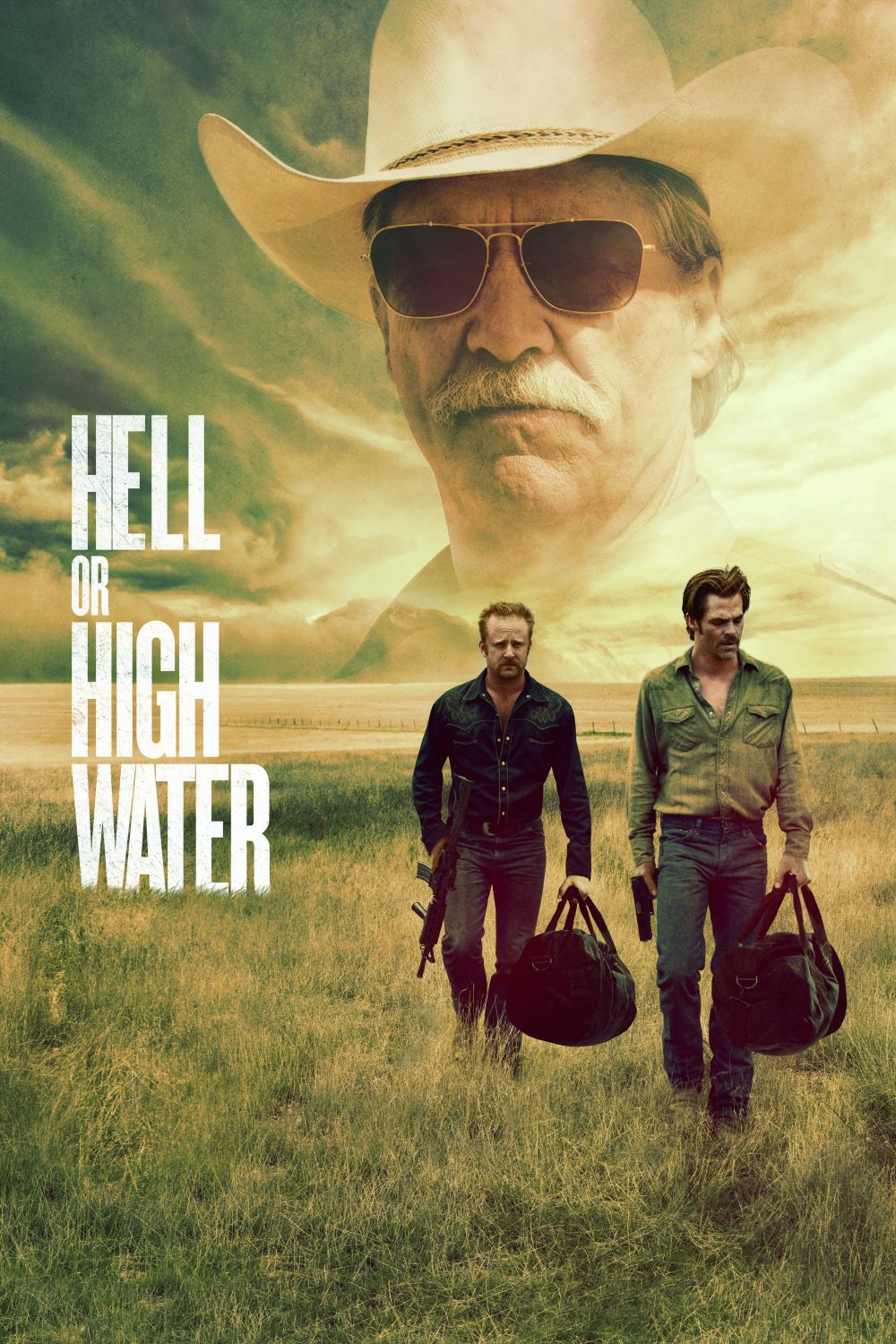
Hell or High Water is a gritty neo-Western that captures the desperation of rural America with sharp dialogue and tense heists. Directed by David Mackenzie and written by Taylor Sheridan, it stars Chris Pine and Ben Foster as brothers robbing banks across West Texas to save their family ranch. As the second film in Sheridan’s American Frontier Trilogy, it dives deep into economic despair on the fraying edges of modern America, carving out a raw, personal tale of survival amid systemic rot.

The story kicks off with Toby Howard (Pine), a quiet divorced dad scraping by at a casino, teaming up with his wild older brother Tanner (Foster), fresh out of prison and itching for chaos, for a string of quick bank jobs. They’re targeting branches of the Texas Midlands Bank, the same predatory outfit that’s been bleeding their late mother’s ranch dry with reverse mortgages that ballooned after her death. Toby’s motive is pure and heartbreaking: he wants to pay off the debt and hand the property—now sitting on untapped oil reserves—to his estranged kids, breaking a multi-generational cycle of poverty that’s crushed their family under debt, divorce, and dead-end jobs. It’s not about greed; it’s survival, wrapped in a fierce code of brotherly loyalty that feels timeless, echoing the blood oaths of classic Westerns like The Searchers or Unforgiven. Sheridan builds this setup methodically, letting the brothers’ quiet desperation simmer before the first robbery, making their partnership feel inevitable and doomed from the start. You get these early glimpses of their bond—Toby’s measured calm clashing with Tanner’s explosive energy—over shared meals or late-night drives, hinting at the fractures that prison and hardship have carved into their lives.

What stands out right away is how the film paints West Texas as its own brutal character—dusty highways stretching into infinity, faded diners serving coffee and Whataburger breakfast tacos, ghost towns where the only new construction is more banks or payday loan shacks preying on the broke. Giles Nuttgens’ cinematography turns the landscape into a vast, unforgiving canvas, with wide shots of endless plains, shimmering heat haze, and abandoned oil pumps that mirror the characters’ isolation and the weight of their choices. The visuals aren’t flashy; they’re oppressive, framing lone figures against horizons that swallow them whole, emphasizing how small these men feel against the indifferent sprawl. Nick Cave and Warren Ellis’ score adds a haunting twang—sparse piano notes, eerie strings, and subtle guitar plucks that build tension without ever overpowering the dialogue or action. It’s masterfully subtle, letting the silence between robberies speak volumes about the boredom, hopelessness, and fleeting camaraderie of these small, overlooked lives in flyover country. Even the sound design nails it: the rumble of getaway trucks, the click of slot machines in casinos, the distant wail of sirens—all weaving a sonic tapestry of gritty realism.

Chris Pine shines as Toby, completely shedding his action-hero polish for a layered everyman performance full of bottled-up resolve and quiet pain. You see the weight of his failures—a loveless marriage shattered, kids he barely knows living hours away—in every furrowed glance, every deliberate pause before he pulls a mask down. He’s the planner, the reluctant criminal whose moral compass wavers just enough to justify the heists in his mind, but you sense the toll it’s taking, like a man grinding his teeth through every moral compromise. Ben Foster, though, steals every scene he’s in as Tanner, the hothead ex-con with a wolfish grin that barely masks his pent-up rage and damage. His unhinged energy explodes during the heists—like firing warning shots at terrified tellers or flipping off pursuing cops mid-chase—but it’s always undercut by real pathos; years in prison have broken something fundamental in him, turning brotherly love into a volatile lifeline. Their dynamic is the beating heart of the film—casual banter over stolen cars, casino poker games, or roadside Whataburger runs feels achingly genuine, a brief respite from the doom that’s closing in. Moments like Tanner teasing Toby about his ex-wife or the brothers sharing a rare laugh humanize them, making their inevitable collision with fate hit that much harder.

Then there’s the pursuit side of the equation: Texas Rangers Marcus Hamilton (Jeff Bridges) and his partner Alberto Parker (Gil Birmingham), who provide the perfect counterpoint to the brothers’ frenzy. Bridges chews the scenery with gleeful abandon as the grizzled vet nearing retirement, obsessed with cracking one last big case before hanging it up. His folksy drawl delivers casual racist jabs at his Native American partner—not out of outright malice, but as a form of twisted, old-school affection that reveals Marcus’s own deep-seated insecurities about aging and obsolescence. It’s uncomfortable, authentic, and played with such charm that it lands as character revelation rather than cheap shock. Birmingham matches him beat for beat with deadpan comebacks that land like quiet thunder, turning their stakeouts into a buddy-cop routine laced with sharp cultural commentary. Chats about diner waitresses’ curves, Comanche history, or the ethics of bank robbery add unexpected levity and depth, transforming the cat-and-mouse chase into something richer, almost philosophical, amid the choking West Texas dust. Bridges’ Marcus isn’t just hunting criminals; he’s confronting his own mortality, piecing together the brothers’ pattern like a puzzle that might define his legacy.

Taylor Sheridan’s script nails modern American malaise without ever slipping into preachiness or melodrama. Poverty isn’t some abstract talking point; it’s visceral—Toby’s trailer-park existence with its peeling paint and flickering lights, the single mom’s quiet despair over her mortgage payments, the rusted oil rigs promising riches that never trickle down to anyone local. The banks emerge as the true villains, plastering billboards with false salvation (“Texas Midlands: Your Friend in Need”) while gobbling up ranches through fine-print loopholes and aggressive collections. Sheridan weaves in these details organically—no info-dumps, just overheard conversations at diners or glimpses of foreclosure signs dotting the highway—that build a world where desperation breeds crime. Violence erupts organically from this pressure cooker—robbers improvise with stolen cars and sawn-off shotguns, rangers swap hunches over lukewarm diner coffee—not in overblown Hollywood set pieces, but in raw, consequential bursts that leave real scars. A botched heist introduces innocent blood on their hands, forcing you to grapple with whether Toby’s noble ends can ever justify Tanner’s reckless means, a moral tightrope Sheridan walks with unflinching precision. It’s this nuance that elevates the film: no one’s purely good or evil, just products of their environment, clawing for a scrap of dignity.

The film’s slow burn pays off in spades. Early jobs are clinical and methodical: masks on, small bills only from the tellers’ drawers, in-and-out in under two minutes to avoid dye packs or alarms, always hitting small branches mid-morning when staff is light. Tension simmers in the mundane details—laundering dirty cash at Native casinos amid blinking lights and cigarette smoke, dodging security cams with cheap disguises, or holing up in cheap motels with peeling wallpaper—building inexorably to a final showdown that’s as brutal as it is poetic. No heroes ride off into the sunset unscathed; justice twists unpredictably like the West Texas wind, leaving you questioning who’s really won in this rigged game. It’s balanced too—no glorifying crime without consequences. Toby’s noble intent constantly clashes with Tanner’s powder-keg recklessness, while Marcus’s dogged pursuit peels back layers of his own regrets about a life spent chasing ghosts. Everyone’s deeply flawed, chasing some form of redemption in a system that’s stacked against the little guy from the jump, and Sheridan lets those contradictions breathe without forcing resolutions.

Pacing does drag a tad in the middle, with those ranger stakeouts testing patience at times, but it masterfully mirrors the tedious grind of real low-level crime—the waiting, the watching, the endless coffee refills—making the climaxes land with twice the force. Character depth is rock-solid across the board, though side players like the waitress (Katy Mixon) or the casino manager get a bit short shrift in the script’s tight focus. Still, the core quartet carries the weight effortlessly, with Bridges delivering a masterclass in weathered charm—part crusty mentor, part comic relief, all heart. Even smaller beats, like a teller’s trembling hands or a deputy’s split-second choice, add texture without stealing focus.

Hell or High Water revives the Western genre for the 21st century—less six-guns and saloons, more economic gunslinging and ATM skimmers. At its core, it’s about family ties that bind even as they strangle, personal failures that haunt like ghosts on the plains, and faceless corporations devouring the heartland one foreclosure at a time. Toby’s final call to his ex-wife, hinting at a freer future for his boys on the now-clear-titled ranch, lands with bittersweet punch, his voice cracking just enough to sell the lie he tells himself. Marcus, surveying the bloodied aftermath from a ridge, mutters about Comanches losing their land centuries ago—a stark reminder that history’s cycles of loss and revenge remain unbroken, no matter who holds the deed. No tidy Hollywood bows, just hard-earned truth staring you down from the screen.

In a landscape clogged with summer blockbusters, this indie gem—backed by bold financiers—proves that small-scale stories pack the biggest emotional wallop. Watch it for the immersive vibes and regional flavor, from the twangy accents to the sun-bleached pickups; stay for the soul-stirring performances and themes that linger long after the credits. If you dug the Coens’ No Country for Old Men, this slots right in—tense as a taut wire, thoughtful without pontificating, unflinching in its gaze at America’s underbelly. Hell yeah, it’s absolutely worth your time.

4 Shots From 4 Films: Special David MacKenzie Edition


4 Shots From 4 Films is just what it says it is, 4 shots from 4 of our favorite films. As opposed to the reviews and recaps that we usually post, 4 Shots From 4 Films lets the visuals do the talking!

Today, the Shattered Lens wishes a happy birthday to Scottish director, David MacKenzie!  It’s time for….

4 Shots From 4 David MacKenzie Films

Young Adam (2003, dir by David MacKenzie, DP: Giles Nuttgens)

Starred Up (2014, dir by David MacKenzie, DP; Michael McDonough)

Hell or High Water (2016, dir by David MacKenzie, DP: Giles Nuttgens)

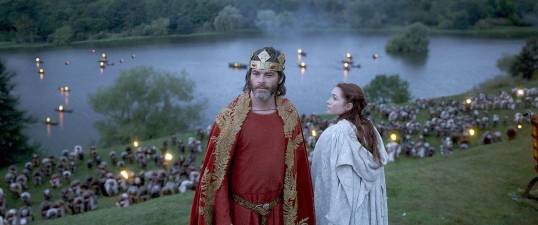
Outlaw King (2018, dir by David MacKenzie, DP: Barry Ackroyd)

4 Shots From 4 Films: Special David MacKenzie Edition


4 Shots From 4 Films is just what it says it is, 4 shots from 4 of our favorite films. As opposed to the reviews and recaps that we usually post, 4 Shots From 4 Films lets the visuals do the talking!

Today, the Shattered Lens wishes a happy birthday to Scottish director, David MacKenzie!  It’s time for….

4 Shots From 4 David MacKenzie Films

Young Adam (2003, dir by David MacKenzie, DP: Giles Nuttgens)

Starred Up (2014, dir by David MacKenzie, DP; Michael McDonough)

Hell or High Water (2016, dir by David MacKenzie, DP: Giles Nuttgens)

Outlaw King (2018, dir by David MacKenzie, DP: Barry Ackroyd)

Here Are The North Carolina Film Critics Association Nominations!


For Christmas, there was a temporary pause in the flood of precursor awards.  Now that Christmas has passed, Oscar season is back in full swing.

Today, the North Carolina Film Critics Association announced their nominations for the best of 2016!

And here they are:

BEST NARRATIVE FILM
Arrival
Hell or High Water
La La Land
Manchester by the Sea
Moonlight

BEST DOCUMENTARY FILM
13th
I Am Not Your Negro
Life, Animated
O.J.: Made in America
Weiner

BEST ANIMATED FILM
Finding Dory
Kubo and the Two Strings
Moana
Sausage Party
Zootopia

BEST FOREIGN LANGUAGE FILM
Elle
The Handmaiden
A Man Called Ove
Toni Erdmann
Things to Come

BEST DIRECTOR
Damien Chazelle — La La Land
Barry Jenkins — Moonlight
Kenneth Lonergan — Manchester by the Sea
David Mackenzie — Hell or High Water
Chan-woo Park — The Handmaiden

BEST CINEMATOGRAPHY
Chung-hoo Chung — The Handmaiden
James Laxton — Moonlight
Giles Nuttgens — Hell or High Water
Linus Sandgren — La La Land
Bradford Young — Arrival

BEST SPECIAL EFFECTS
Arrival
Captain America: Civil War
Doctor Strange
Jungle Book
Rogue One: A Star Wars Story

BEST ACTOR
Casey Affleck — Manchester by the Sea
Joel Edgerton — Loving
Ryan Gosling — La La Land
Viggo Mortensen — Captain Fantastic
Denzel Washington — Fences

BEST SUPPORTING ACTOR
Mahershala Ali — Moonlight
Jeff Bridges — Hell or High Water
Ben Foster — Hell or High Water
Lucas Hedges — Manchester by the Sea
Sam Neill — Hunt for the Wilderpeople

BEST ACTRESS
Annette Bening — 20th Century Women
Kate Beckinsale — Love & Friendship
Ruth Negga — Loving
Natalie Portman — Jackie
Emma Stone — La La Land

BEST SUPPORTING ACTRESS
Viola Davis — Fences
Greta Gerwig — 20th Century Women
Naomie Harris — Moonlight
Nicole Kidman — Lion
Michelle Williams — Manchester by the Sea

BEST ORIGINAL SCREENPLAY
Damien Chazelle — La La Land
Barry Jenkins — Moonlight
Kenneth Lonergan — Manchester by the Sea
Mike Mills — 20th Century Women
Taylor Sheridan — Hell or High Water

BEST ADAPTED SCREENPLAY
Tom Ford — Nocturnal Animals
Eric Heisserer — Arrival
Seo-kyeong Jeong and Chan-wook Park — The Handmaiden
Whit Stillman — Love & Friendship
Taika Waititi — Hunt for the Wilderpeople

KEN HANKE MEMORIAL TAR HEEL AWARD
(To an artist or film with a special connection to North Carolina.)
Anthony Mackie
Jeff Nichols
Starving the Beast

The Alliance of Women Film Journalists Announced Their Picks For The Best of 2016!


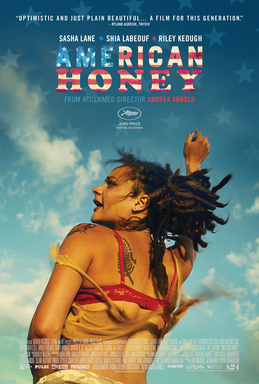
american_honey_poster

The Alliance of Women Film Journalists (of which I am not a member and what’s up with that!?) announced their picks for the best of 2016 earlier this week.

And here they are:

AWFJ BEST OF AWARDS
These awards are presented to women and/or men without gender consideration.
Best Film
Arrival
Hell or High Water
La La Land
Manchester by the Sea
Moonlight

Best Director
Damien Chazelle – La La Land
Barry Jenkins – Moonlight
Kenneth Lonergan – Manchester by the Sea
David Mackenzie – Hell or High Water
Denis Villeneuve – Arrival

Best Screenplay, Original
20th Century Women – Mike Mills
Hail Caesar – Joel Coen and Ethan Coen
Hell or High Water – Taylor Sheridan
La La Land – Damien Chazelle
Manchester by the Sea – Kenneth Lonergan

Best Screenplay, Adapted
Arrival – Eric Heisserer
Lion – Luke Davies
Love & Friendship – Whit Stillman
Moonlight – Barry Jenkins
Nocturnal Animals –Tom Ford

Best Documentary
13th – Ava DuVernay
Gleason – Clay Tweel
I Am Not Your Negro – Raoul Peck
OJ Made in America – Ezra Edelman
Weiner – Elyse Steinberg and Josh Kriegma

Best Animated Film
Finding Dory – Andrew Stanton andAngus MacLane
Kubo and the Two Strings- Travis Knight
Moana – Ron Clements, Don Hall, John Musker, Chris Williams
Zootopia – Byron Howard, Rich Moore, Jared Bush

Best Actress
Amy Adams – Arrival
Isabelle Huppert – Elle
Ruth Negga – Loving
Natalie Portman – Jackie
Emma Stone – La La Land

Best Actress in a Supporting Role
Viola Davis – Fences
Greta Gerwig – 20th Century Women
Naomie Harris – Moonlight
Octavia Spencer – Hidden Figures
Michelle Williams – Manchester by the Sea

Best Actor
Casey Affleck – Manchester By The Sea
Joel Edgerton – Loving
Ryan Gosling – La La Land
Tom Hanks – Sully
Denzel Washington – Fences

Best Actor in a Supporting Role
Mahershala Ali – Moonlight
Jeff Bridges – Hell or High Water
Ben Foster – Hell or High Water
Lucas Hedges – Manchester By the Sea
Michael Shannon – Nocturnal Animals

Best Ensemble Cast – Casting Director
20th Century Women – Mark Bennett and Laura Rosenthal
Hail Caesar – Ellen Chenoweth
Hell or High Water – Jo Edna Boldin and Richard Hicks
Manchester by the Sea – Douglas Aibel
Moonlight – Yesi Ramirez

Best Cinematography
Arrival – Bradford Young
Hell or High Water – Giles Nuttgens
La La Land – Linus Sandgren
Manchester by The Sea – Jody Lee Lipes
Moonlight – James Laxton

Best Editing
Arrival – Joe Walker
I Am Not Your Negro — Alexandra Strauss
La La Land – Tom Cross
Manchester By The Sea – Jennifer Lame
Moonlight – Joi McMillon and Nat Sanders

Best Non-English-Language Film
Elle – Paul Verhoeven, France
Fire At Sea – Gianfranco Rossi, Italy
The Handmaiden – Chan-Wook Park, South Korea
Julieta – Pedro Almodovar. Spain
Toni Erdmann – Maren Ede, Germany

EDA FEMALE FOCUS AWARDS
These awards honor WOMEN only

Best Woman Director
Andrea Arnold – American Honey
Ava DuVernay -13TH
Rebecca Miller – Maggie’s Plan
Mira Nair – Queen of Katwe
Kelly Reichardt – Certain Women

Best Woman Screenwriter
Andrea Arnold – American Honey
Rebecca Miller – Maggie’s Plan
Kelly Reichardt – Certain Women
Lorene Scafaria – The Meddler
Laura Terruso – Hello, My Name is Doris

Best Animated Female
Dory in Finding Dory –Ellen DeGeneres
Judy in Zootopia – Ginnifer Goodwin
Moana in Moana – Auli’i Cravalho

Best Breakthrough Performance
Sasha Lane – American Honey
Janelle Monáe – Moonlight and Hidden Figures
Madina Nalwanga – Queen of Katwe
Ruth Negga – Loving

Outstanding Achievement by A Woman in The Film Industry
Ava DuVernay – For 13TH and raising awareness about the need for diversity and gender equality in Hollywood
Anne Hubbell and Amy Hobby for establishing Tangerine Entertainment’s Juice Fund to support female filmmakers
Mynette Louie, President of Gamechanger Films, which finances narrative films directed by women
April Reign for creating and mobilizing the #OscarsSoWhite campaign

EDA SPECIAL MENTION AWARDS

Actress Defying Age and Ageism
Annette Bening – 20th Century Women
Viola Davis – Fences
Sally Field – Hello, My Name is Doris
Isabelle Huppert – Elle and Things to Come
Helen Mirren – Eye in the Sky

Most Egregious Age Difference Between The Lead and The Love Interest Award
Dirty Grandpa – Robert De Niro (b. 1943) and Aubrey Plaza (b. 1984)
Independence Day: Resurgence – Charlotte Gainsbourg (b 1971) and Jeff Goldblum (b 1952)
Mechanic Resurrection – Jason Statham (b. 1967) and Jessica Aba (b. 1981)
Rules Don’t Apply – Warren Beatty (b. 1937) and Lily Collins (b. 1989)

Actress Most in Need Of A New Agent
Jennifer Aniston – Mother’s Day and Office Christmas Party
Melissa McCarthy – The Boss and Ghostbusters
Margot Robbie – Suicide Squad and Tarzan
Julia Roberts – Mother’s Day
Shailene Woodley – Divergent Series

Bravest Performance
Jessica Chastain – Miss Sloane
Naomie Harris – Moonlight
Isabelle Huppert – Elle
Sasha Lane – American Honey
Ruth Negga – Loving

Remake or Sequel That Shouldn’t have been Made
Ben-Hur
Ghostbusters
Independence Day: Resurgence
The Magnificent Seven
My Big Fat Greek Wedding 2

AWFJ Hall of Shame Award
Sharon Maguire and Renee Zellweger for Bridget Jones’s Baby
Nicholas Winding Refn and Elle Fanning for The Neon Demon
David Ayer and Margot Robbie for Suicide Squad
David E. Talbert and Mo’Nique for Almost Christmas

The San Diego Film Critics Society Pick The Best of 2016 Come Hell or High Water!


hell-or-high-water

The San Diego Film Critics Society announced their picks for the best of 2016 earlier today and guess what?  They did not give best picture to Moonlight.  They did not give best picture to La La Land (though it did come in second in the voting).  They didn’t even give best picture to Manchester By The Sea.

No — San Deigo gave best picture to Hell or High Water!

Here’s the rest of the winners from San Diego:

Best Picture: HELL OR HIGH WATER
Runner Up: LA LA LAND

Best Director: David Mackenzie, HELL OR HIGH WATER
Runner Up: Damien Chazelle, LA LA LAND

Best Actor, Male: Casey Affleck, MANCHESTER BY THE SEA
Runner Up: Viggo Mortensen, CAPTAIN FANTASTIC

Best Actor, Female: Sonia Braga, AQUARIUS
Runner Up: Emma Stone, LA LA LAND

Best Supporting Actor, Male – Tied: Ben Foster, HELL OR HIGH WATER & Mahershala Ali, MOONLIGHT

Best Supporting Actor, Female: Michelle Williams, MANCHESTER BY THE SEA
Runner Up: Judy Davis, THE DRESSMAKER

Best Comedic Performance: Ryan Gosling, THE NICE GUYS
Runner Up: Alden Ehrenreich, HAIL, CAESAR!

Best Ensemble: HELL OR HIGH WATER
Runner Up: HIDDEN FIGURES

Breakthrough Artist: Lily Gladstone, CERTAIN WOMEN
Runner Up: Lucas Hedges, MANCHESTER BY THE SEA

Best Original Screenplay: Taylor Sheridan, HELL OR HIGH WATER
Runner Up: Efthimis Filippou, Yorgos Lanthimos, THE LOBSTER

Best Adapted Screenplay: Whit Stillman, LOVE & FRIENDSHIP
Runner Up: Taika Waititi, HUNT FOR THE WILDERPEOPLE

Best Documentary: WEINER
Runner Up: GLEASON

Best Animated Film: KUBO AND THE TWO STRINGS
Runner Up: APRIL AND THE EXTRAORDINARY WORLD

Best Foreign Language Film: MOUNTAINS MAY DEPART
Runners Up – Tied: MOTHER (EMA), NERUDA

Best Editing: Blu Murray, SULLY
Runner Up: Joan Sobel, NOCTURNAL ANIMALS

Best Cinematography: Giles Nuttgens, HELL OR HIGH WATER
Runners Up – Tied: James Laxton, MOONLIGHT, Linus Sandgren, LA LA LAND

Best Production Design: HAIL, CAESER! 
Runner Up: LA LA LAND

Best Visual Effects: THE JUNGLE BOOK
Runner Up: ARRIVAL

Best Costume Design: Mary Zophres, LA LA LAND
Runner Up: Madeline Fontaine, JACKIE

Best Use of Music in a Film: SING STREET
Runners Up – Tied: JACKIE, LA LA LAND

Body of Work: Michael Shannon – NOCTURNAL ANIMALS, MIDNIGHT SPECIAL, LOVING, ELVIS & NIXON