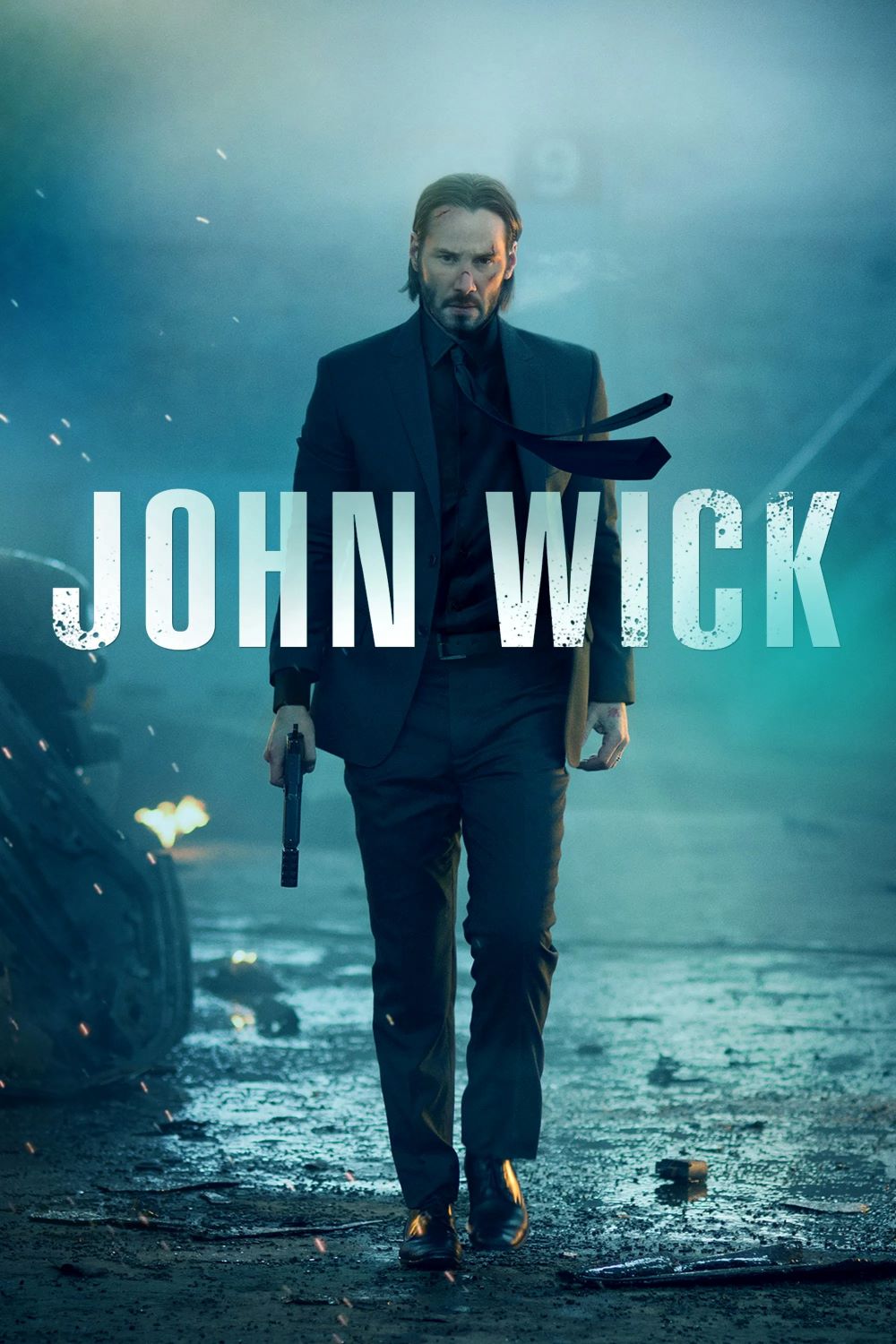
John Wick: Chapter 3 – Parabellum (dir. by Chad Stahelski) Review


“Nothing’s ever just a conversation with you, John.” — Sofia Al-Azwar

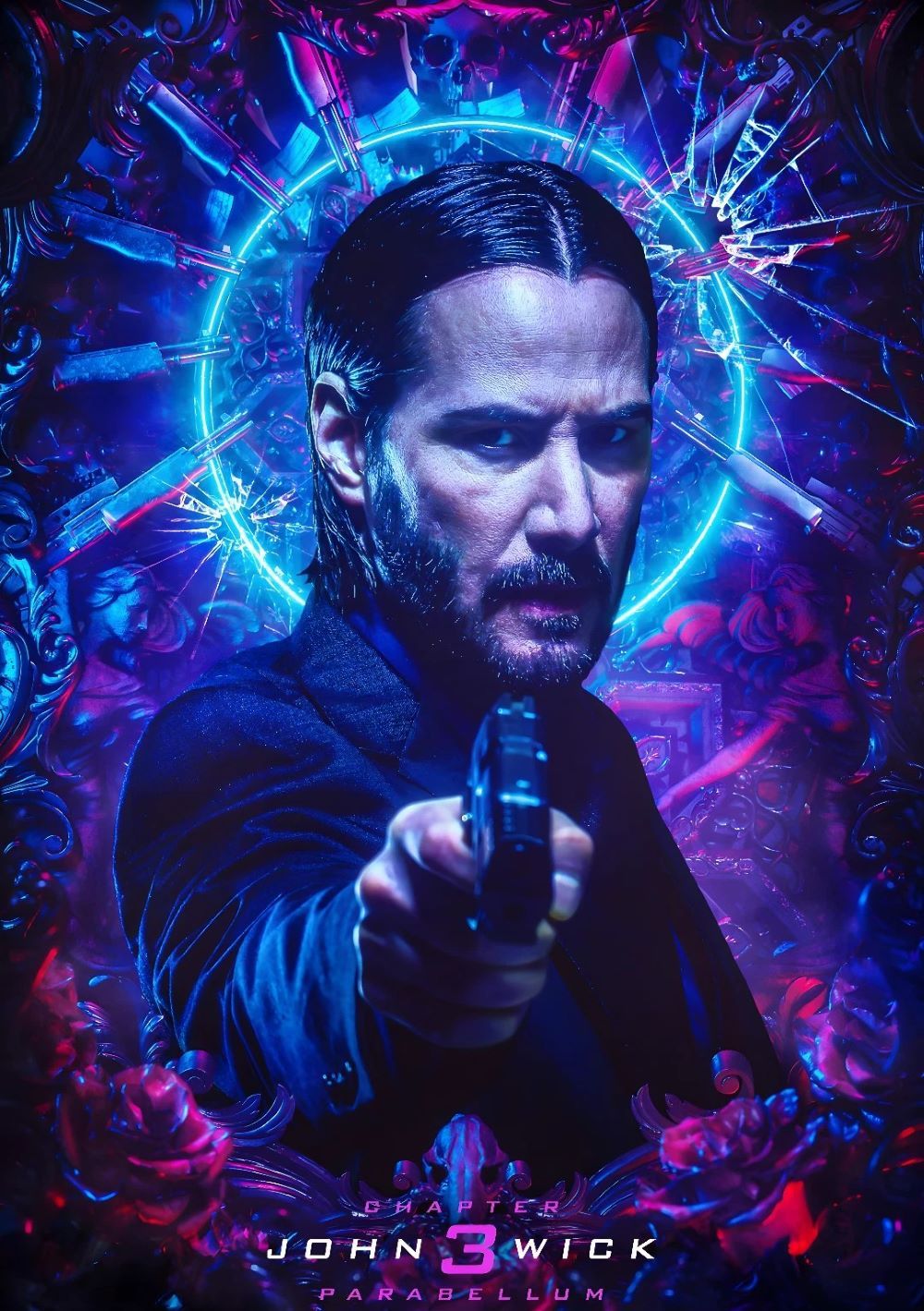
John Wick: Chapter 3 – Parabellum launches straight from the previous installment’s shocking finale, hurling John into a frantic dash through New York’s underbelly as a $14 million bounty turns every shadow into a threat. This chapter dials the franchise’s signature intensity even higher, plunging you into an assassin underworld bound by ironclad rules that start to fracture under pressure. The action explodes with creative savagery, though the storyline sometimes buckles beneath its ambitions, offering a pulse-pounding yet slightly bloated addition to the saga.

The movie opens with John scrambling through New York streets, his excommunicado status ticking down like a bomb. He’s got one hour before every killer in the city turns on him, and boy, do they. Keanu Reeves is back in top form, looking battered but unbreakable, his puppy-dog eyes conveying more grief and determination than any monologue could. The film’s Latin subtitle, Parabellum—meaning “prepare for war”—sets the tone perfectly as John grabs weapons from the oddest places, like a horse stable or a knife shop where he gets to use blades almost like guns with each throw.

What makes this entry stand out is how it expands the Wick-verse without losing that gritty intimacy. We dive deeper into the High Table’s bureaucracy, with the Adjudicator (Asia Kate Dillon) showing up as this cold, efficient enforcer who judges allies like Winston (Ian McShane) and Charon (Lance Reddick) for helping John. It’s a smart addition, adding layers to the rules that have always governed this world—markers, blood oaths, no business on Continental grounds. Halle Berry pops in as Sofia, an old flame running a Moroccan palace full of attack dogs, leading to one of the film’s wildest sequences where pooches tear into bad guys alongside John. Mark Dacascos as Zero, the sushi-loving villain who’s bald and sports a penchant for movie quotes, brings some quirky charm, even if he’s no Santino from Chapter 2.

Director Chad Stahelski, a former stuntman himself, continues to treat action like high art, and man, does Chapter 3 flex its muscles here harder than ever. The choreography is balletic and brutal, blending gun fu with knives, swords, and even books—there’s a library fight where John uses a volume as a shield and club, then politely reshelves it, which is peak Wick weirdness. Fights escalate from motorcycle sword duels slicing through rainy streets to hall-of-mirrors mayhem that nods to Enter the Dragon, with reflections multiplying the chaos into a dizzying ballet of blades. Indonesian martial arts legends Cecep Arif Rahman and Yayan Ruhian, The Raid 2 alumni who make their franchise debut here, light up the massive finale melee, trading blows with John in a flurry of fists, elbows, and blades that feels like a love letter to silat and caps the chaos perfectly.

Every sequence feels meticulously planned, relying on practical stunts that make CGI-heavy blockbusters look lazy and fake—think real falls, real crashes, real bone-crunching impacts that leave you wincing. The gun fu style—precise headshots amid flips, slides, and reloads—never gets old, evolving with fresh twists like pencil kills upgraded to book barrages or horse-mounted shootouts. The film’s true strength lies in these set pieces: they’re not just fights, they’re symphony-like spectacles where camera work syncs breathlessly with the violence, spatial awareness stays razor-sharp so you track every bullet and block, and the escalation feels organic, building from claustrophobic knife scraps to epic rooftop brawls. It’s the kind of action that honors the genre’s legends while pushing boundaries, making you forget any plot gripes amid the sheer kinetic joy.

That said, it’s not all flawless, and one drawback from Chapter 2 creeps back in here: the film leans heavily into more world-building of its universe, which puts character development on the back burner. John’s arc—fighting to earn back his freedom—repeats beats from the previous entry, and some twists, like Winston’s apparent betrayal, land more as fan service than emotional gut-punches. At 131 minutes, it drags in spots, especially during quieter moments that try to humanize John but end up repetitive, while the dialogue stays sparse and stylized, leaving characters like the Elder (Saïd Taghmaoui) feeling underdeveloped. But then again, the franchise has staked its claim on being action-focused from the jump, so if fans are bought into this wild ride by now, they’re probably here for the balletic bloodshed over deep psychology anyway—it’s like the film loves its assassins’ code more than fleshing out motivations beyond revenge.

Visually, it’s a stunner. Dan Laustsen’s cinematography turns New York into a neon-soaked hellscape, with rain-slicked streets and ornate Continental lobbies popping in crisp 2.40:1. The Morocco desert scenes add exotic flair, though they borrow heavily from The Good, the Bad and the Ugly. Tyler Bates and Joel J. Richard’s score pounds with industrial electronica, syncing perfectly to the violence, while select tracks like Team Rezo’s “Pray for Kaeo” amp up horse chases. Sound design is Oscar-worthy—the thud of fists, crack of gunfire, all mixed to immerse you in the carnage.

Keanu Reeves carries it all, 54 at release but moving like a man half his age thanks to rigorous training. His physical commitment sells John’s exhaustion; you see the toll in every limp and gasp. Supporting cast shines too—McShane’s suave Winston steals scenes with dry wit, Reddick’s Charon is unflappably loyal, and Berry holds her own in dog-assisted fury. Dacascos adds levity, slicing foes with a sunny disposition, but Dillon’s Adjudicator is more menacing presence than fleshed-out foe. It’s ensemble work in service of spectacle, not drama.

For fans of the series, John Wick: Chapter 3 delivers bigger, bolder chaos that honors stunt performers as the real stars. It celebrates cinema history with nods to Buster Keaton (a horse chase echoes The General) and Hong Kong action flicks, all while pushing practical effects. Critics raved about the thrills, calling it “blissfully brutal” entertainment that shames neighbors like generic superhero fare. Audiences loved the over-the-top kills and Reeves’ stoic heroics.

To keep it fair, though, this isn’t exactly groundbreaking stuff. The simplicity that charmed in the original—a widower’s rampage—has bloated into a globe-trotting saga chasing its own tail. Female characters, while badass like Sofia, still orbit John’s story, and the violence, though stylish, borders on cartoonish excess. Some felt it lost narrative steam, prioritizing set pieces over heart, turning Wick from grieving everyman to invincible machine. Compared to Chapter 2‘s operatic betrayal, this one’s more procedural, like a video game level grind.

Ultimately, John Wick: Chapter 3 – Parabellum is a love letter to action cinema, casual fun if you’re in for the mayhem. It’s not deep, but damn if it doesn’t make you cheer as John unleashes hell. Grab popcorn, dim the lights, and prepare for war—you won’t regret it, unless you’re after Oscar bait. Solid 8/10 for pure, delirious popcorn thrills.

Weapons used by John Wick throughout the film

  • TTI STI 2011 Combat Master: Iconic pistol from the armory scene—John’s “2011” choice with optics, extended mags, and flawless reliability for extended shootouts.
  • Glock 19 / 19X / 17: Multiple pickups during mint guard fights in Casablanca and Continental siege; versatile Glocks he commandeers mid-battle.
  • Walther PPQ / CCP: Snagged from assassins during the motorcycle chase; quick-use comped models for on-the-run defense.
  • TTI SIG-Sauer MPX Carbine: Siege standout with Trijicon MRO sight, Streamlight laser, and +11 mags—John’s signature stance shines in hallway clears.
  • SIG-Sauer MPX / MPX Copperhead: Casablanca mint raid grabs; compact 9mm shredders with red dots and grips for close-quarters fury.
  • Benelli M4 Super 90: Climactic Continental siege with Charon; armor-piercing slugs, extended tubes, ghost rings—devastating hallway blasts.
  • Benelli M2 Super 90 (TTI Ultimate package, implied variants): Siege support; Charon favors these, John grabs similar for enforcer waves.

John Wick Franchise (spinoffs)
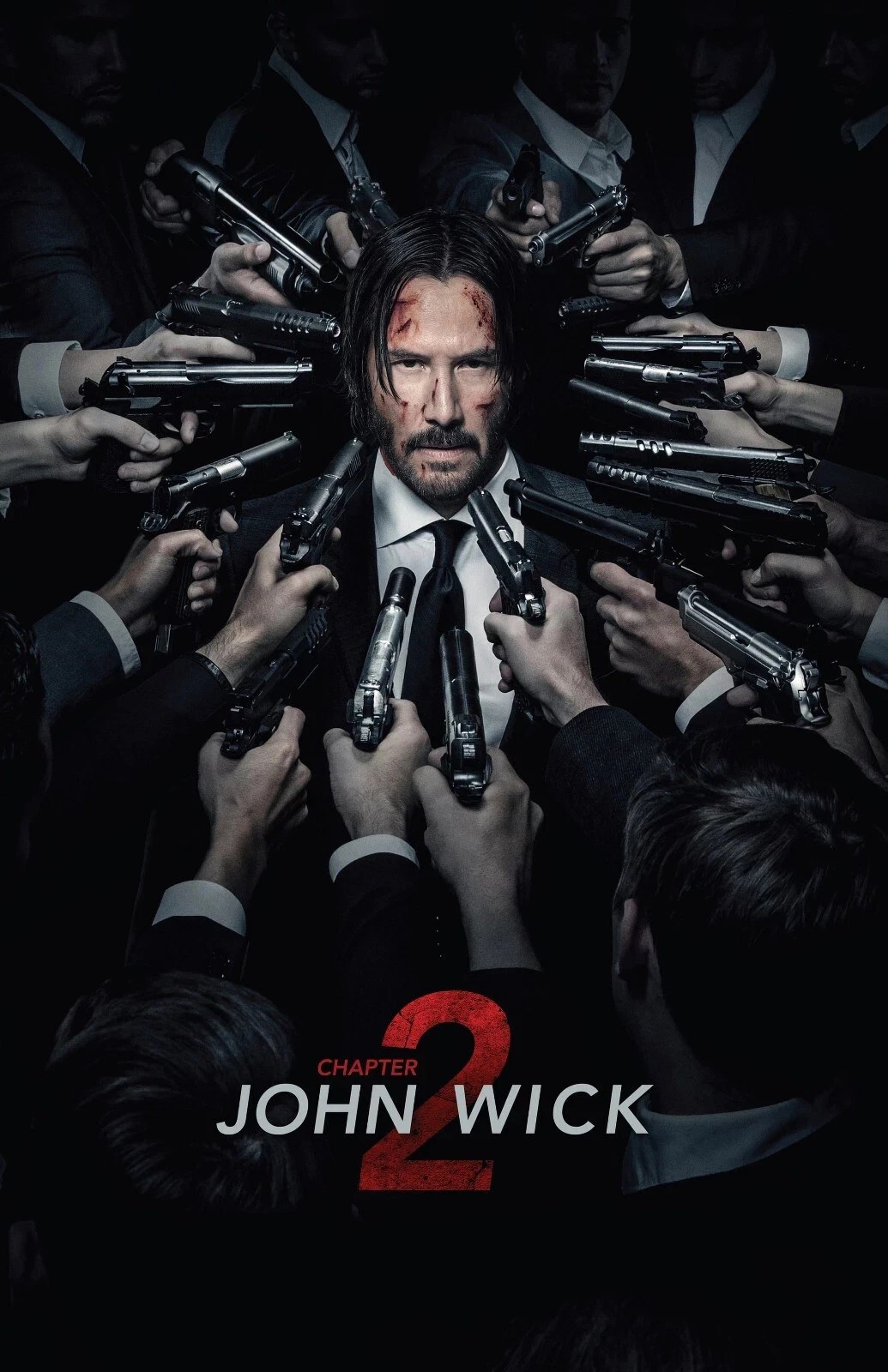
John Wick: Chapter 2 (dir. by Chad Stahelski) Review


“You stabbed the devil in the back and forced him back into the life that he had just left. You incinerated the priest’s temple, burned it to the ground. Now he’s free… What do you think he’ll do?” — Winston Scott

John Wick: Chapter 2 picks up right where the first film left off, diving headfirst into a world of high-stakes assassinations and stylish revenge with Keanu Reeves back as the grieving, unstoppable hitman. It’s a sequel that doubles down on the balletic action and expands the mythology without losing that raw, personal edge from the original. Directed by Chad Stahelski, it delivers non-stop thrills but occasionally stumbles with its sprawling plot and relentless pace.

John Wick is trying to lay low after avenging his dog’s death and reclaiming his car, but fate—or more specifically, a blood oath called a “marker”—drags him back into the game. An Italian crime lord named Santino D’Antonio cashes in that marker, forcing Wick to assassinate his own sister so Santino can take over the family empire. What starts as a reluctant job spirals into a city-wide manhunt, with Wick racking up bodies across New York and Rome while navigating the Continental Hotel’s strict no-kill rules and the politics of a shadowy assassin network. The story is still simple at its core—do a job, get betrayed, fight your way out—but it peels back more layers of this underworld, introducing gold coins as currency, tailors who outfit killers like runway models, and sommeliers who pair firearms with clients like fine wine.

Keanu Reeves owns the role here, his stoic intensity and physical commitment making every punch and headshot feel earned. He’s not exactly stretching himself as an actor—his deadpan delivery borders on monotone—but in this context, that restraint works, turning Wick into a mythic figure who’s equal parts broken widower and relentless killing machine. The supporting cast adds plenty of flavor: Common shines as Cassian, Santino’s loyal bodyguard and Wick’s equal in a fight, with their subway duel using silenced pistols becoming an instant standout for its mix of tension and dark humor. Ian McShane returns as Winston, the Continental’s suave manager, bringing a dry, almost amused detachment to the chaos, while Ruby Rose makes an impression as Ares, Santino’s mute enforcer whose sign-language threats and sharp physicality speak louder than words. Laurence Fishburne appears as the Bowery King, chewing scenery and hinting at deeper rivalries to come. Not every character is fully fleshed out—Santino himself sometimes veers into cartoonish villain territory—but the ensemble keeps the film lively and fun to watch.

The action is where John Wick: Chapter 2 truly shines, cranking the first film’s gun-fu into something close to operatic. Much of the authenticity in the gunplay choreography stems from Keanu Reeves’ legendary dedication to his craft—he trained extensively with celebrity gun trainer Taran Butler and Taran Tactical Innovations, becoming an expert 3-gun practitioner in the process. Taran Tactical not only provided the custom guns for this film and its subsequent sequels but also helped craft the realistic, fluid shooting sequences that feel like a masterclass in tactical movement. The opening car chase and warehouse brawl set the tone, with Wick dismantling goons using everything from knives to close-quarters takedowns. Later comes the much-teased moment where he turns a humble pencil into a lethally precise weapon. The Rome sequence is a highlight: Wick moves through catacombs and nightclubs like a walking arsenal, turning ancient corridors into a bullet-riddled maze, then facing a relentless wave of assassins amid concert lights and stone arches. The stairwell brawl with Cassian is brutal and almost slapstick in its escalation, as the two tumble down step after step, refusing to quit. A hall-of-mirrors shootout plays with reflection and distortion, turning gunfights into something visually playful as well as deadly. The camera stays steady and clear, letting you appreciate the choreography instead of hiding it behind shaky cam and quick cuts, which makes the violence feel both visceral and strangely elegant.

Visually, the film is a neon-soaked feast, trading the first movie’s moody blues for more varied, vibrant palettes. Cinematography leans into bold colors and strong compositions: the Continental’s warm golds, Rome’s stony greys and rich reds, New York’s cold night streets lit by harsh white and electric signage. The production design sells the assassin world as both stylish and slightly surreal. You get bespoke atelier shops that sell tactical suits lined with experimental ballistic-resistant fabric, underground vaults where every weapon looks museum-ready, and Continental sommeliers who double as gun experts, recommending the best weapons for whatever task is at hand. The score and sound design lean heavily into pulsing electronic beats and percussive hits that sync with the rhythm of gunshots and blows, giving big set pieces a musical, almost dance-like quality.

That said, the film is not without its flaws. At a little over two hours, it sometimes feels like it’s indulging its world-building at the expense of pacing. The explanation of markers, excommunication rules, and the High Table is cool in theory, but the movie occasionally pauses too long to explain its own lore when you’d rather keep the momentum going. Compared to the raw emotional drive of the first film—where a dead dog and stolen car were more than enough to get you fully on Wick’s side—this one’s central motivation feels more mechanical. He’s bound by honor and obligation here, which makes sense for the character, but doesn’t hit with the same gut-level impact. There’s also less room for genuine character development; Wick mostly shifts between “tired” and “angry,” and the supporting cast, as entertaining as they are, tend to orbit him rather than grow in their own right.

Tone-wise, John Wick: Chapter 2 leans even harder into heightened, borderline comic-book absurdity. The idea that there are assassins on every street corner, all answering the same call, is fun but pushes the world toward parody if you think too hard about it. The body count is enormous, the kill shots are almost always headshots, and the film rarely slows down to let the gravity of that register. There are moments of humor—deadpan exchanges, visual gags, Wick’s resigned reactions to yet another betrayal—that keep it from feeling grim, but they’re more like pressure valves than fully integrated wit. If you’re looking for commentary on violence or a deconstruction of the hitman myth, this isn’t that movie. It’s more interested in giving you the cleanest, slickest version of the fantasy and trusting you to go along for the ride.

On representation and subtext, the movie is pretty standard action fare: mostly male, mostly focused on coolness over any deeper exploration of gender, race, or class. Characters like Ares and Gianna D’Antonio hint at more interesting female perspectives within this world, but they’re quickly sidelined or removed from play. The Bowery King’s network suggests a class-conscious angle—homeless people as invisible eyes and ears of the city—but the film doesn’t dwell on it beyond the “secret army in plain sight” trope. None of this ruins the film, but it does keep it from feeling particularly fresh outside of its choreography and design.

Where the movie really succeeds is in firmly establishing John Wick as an ongoing franchise rather than a one-off surprise hit. The ending pushes Wick into even more precarious territory and sets up a larger arc without feeling like pure sequel bait. It expands the playground, raises the stakes, and leaves him in a place where you genuinely want to see what comes next. If the first film was a tightly contained revenge story, John Wick: Chapter 2 is the moment the series decides to become a full-blown saga.

Overall, John Wick: Chapter 2 is a stylish, hyper-violent, and extremely entertaining sequel that leans into its strengths—choreography, world-building, and Keanu Reeves’ physical presence—while showing a few growing pains in pacing and emotional weight. It may not have the purity or surprise factor of the original, but it compensates by embracing a larger, crazier canvas and delivering some of the most memorable action set pieces of the last decade. If you’re on board with the idea of a grief-stricken assassin turning his pain into an art form of meticulously staged carnage, this chapter absolutely delivers.

Weapons used by John Wick throughout the film

  • Glock 34 (TTI Combat Master Package): His go-to sidearm early on, customized by Taran Tactical Innovations (TTI); dual-wielded in the catacombs and against Gianna’s guards in Rome.​​
  • Heckler & Koch P30L (compensator-fitted): Opens the film disarming a henchman; buried post-use along with first-film gear.
  • Kimber Super Carry Custom (reverse two-tone, compensator): Provided by the Bowery King and used chasing Santino.
  • TTI TR-1 Ultralight (AR-15 carbine build): Iconic Rome rifle from the sommelier, with BCM mods, Trijicon scope, and PRI compensator; catacombs massacre shootout.
  • Benelli M4 Super 90 (TTI customized): Sommelier special in Rome; shredded through catacombs enemies.

John Wick Franchise (spinoffs)
Review: John Wick (dir. by Chad Stahelski)


“John is a man of focus, commitment, sheer will… something you know very little about. I once saw him kill three men in a bar… with a pencil, with a fucking pencil.” — Viggo Tarasov

John Wick kicks off with a simple, gut-punching premise that hooks you right away. Keanu Reeves plays the titular character, a retired hitman trying to leave his bloody past behind after the death of his wife. She leaves him a beagle puppy as a final gift, symbolizing a chance at normalcy, but some punk Russian mobsters steal his prized Mustang and kill the dog, setting off a revenge rampage. It’s a revenge story done right—straightforward, no frills, and fueled by raw emotion rather than convoluted twists. Directed by Chad Stahelski and David Leitch, who share a stunt background, the film feels like a love letter to classic action flicks from the ’80s and ’90s, but with a modern polish.

What sets John Wick apart from the glut of forgettable action movies is its relentless focus on craftsmanship. The action sequences are balletic and brutal, blending gun-fu—a mix of precise gunplay and martial arts—with practical stunts that avoid overreliance on CGI. This gun-fu draws directly from the Center Axis Relock (CAR) system, a real-world self-defense close-combat technique where the pistol is held close to the chest at a forward cant for better retention and control in tight quarters. Reeves, at 50 when the film was made, moves like a man possessed, his long-limbed frame perfect for the choreography. Watch the nightclub shootout: bodies drop in waves as Wick reloads with one hand while pistol-whipping foes with the other, all grounded in CAR’s principles that have since become a staple in action films. It’s exhilarating, almost musical in rhythm, thanks to a thumping soundtrack featuring artists like Aloe Blacc and Kaiser Chiefs that amps up the tension without overpowering the visuals.

Keanu Reeves carries the film on his stoic shoulders, and it’s one of his best turns since The Matrix. John Wick isn’t a chatterbox; he’s all simmering grief and quiet menace, his thousand-yard stare conveying depths of loss that words don’t touch. That opening montage of him and his wife—tender beach walks, her terminal illness—hits hard because it’s so understated. Reeves sells the puppy’s death not with histrionics but a single, shattered sob, making his vengeance feel earned. Supporting players elevate the mix too: Michael Nyqvist chews scenery as the mob boss Viggo, Willem Dafoe shines as a sympathetic mentor figure, and Ian McShane adds suave authority as the Continental hotel’s manager. Alfie Allen, pre-Game of Thrones fame, nails the cocky antagonist role without caricature.

The world-building is another standout, introduced efficiently without info-dumps. The Continental Hotel emerges as a neutral ground for assassins, complete with gold coins as currency and strict no-business-on-premises rules—hints at a larger universe that sequels would expand. It’s a clever nod to pulp noir and spy thrillers, giving the violence a code of honor. Stahelski’s visual style, with its neon-drenched nights and stark lighting, evokes The Raid while carving its own path. The Mustang chase is a highlight: tires screech, bullets ping off chrome, and Wick dispatches goons from the driver’s seat with cold efficiency. Production design shines in details like the mobsters’ gaudy mansions contrasting Wick’s minimalist home, underscoring his outsider status.

John Wick isn’t flawless. The plot is paper-thin, essentially “bad guys kill dog, hero slaughters 100 dudes,” with little character depth beyond Wick. Supporting characters get one-note arcs; Viggo monologues about Wick’s legend, but we learn more through reputation than growth. Some viewers find the 101-minute runtime padded by repetitive shootouts—after the first dozen kills, the thrill dips into redundancy for all but the most action-addicted. Women are scarce and sidelined: Wick’s wife appears mostly in flashbacks, and the few female roles are functional at best. It’s a dude-bro fantasy at heart, prioritizing spectacle over substance, which alienates if you’re craving nuance or social commentary.

Pacing stumbles early too. The first act drags with somber setup, mourning the wife and puppy, before exploding into chaos. Once it hits gear, though, it rarely brakes, building to a cathartic finale at Viggo’s compound. Some criticize the violence as gratuitous—headshots galore, blood sprays like a Tarantino wet dream—but it’s stylized, not sadistic, with clear rules (headshots for efficiency) that heighten tension. Compared to contemporaries like Taken, which leaned on gruff one-liners, John Wick opts for silence, letting deeds speak. It’s refreshing, but purists might miss emotional beats amid the bullet casings.

Stylistically, the film borrows heavily yet innovates. Influences from Hong Kong cinema (Hard Boiled, John Woo) shine in the balletic-style of action, while the “gun fu” term coined by critics fits perfectly, elevated by that CAR-inspired hold that’s now echoed in blockbusters everywhere. Cinematographer Jonathan Sela’s work—wide lenses for spatial awareness in fights—makes every room a battlefield, unlike shaky-cam hacks. The music for the film was courtesy of Tyler Bates and Joel L. Richard, pulsing with industrial beats that sync to gunfire like a heartbeat. Budgeted at $20-30 million, it grossed over $86 million worldwide, proving audiences craved this stripped-down revenge tale amid superhero fatigue.

Reeves’ commitment deserves props; he trained rigorously in judo, jiu-jitsu, and firearms, selling every beatdown with authentic CAR posture. Stahelski, his longtime stunt double, directs with intimacy, framing close-quarters brawls to feel visceral. The film’s legacy? It revived Reeves’ career, birthed a franchise (now four films deep, plus spin-offs), and influenced action design industry-wide—expect “John Wick”-style choreography, complete with Center Axis Relock grips, in everything from Netflix shows to indies. Yet its simplicity invites backlash: online threads buzz with “overhyped” takes, arguing it’s style sans soul. Fair point—it’s not Heat‘s operatic depth—but as popcorn entertainment, it delivers uncut adrenaline.

Culturally, John Wick taps male grief mythology: the Baba Yaga legend (Wick as unstoppable boogeyman) mirrors real loss through mythic fury. No preachiness, just catharsis. Drawbacks persist—predictability (you know Wick wins), thin Russian accents straining credulity, and a sequel-bait ending that feels calculated. Still, it revitalized the genre post-Avengers dominance, proving solo heroes endure. For fans of Die Hard or Léon, it’s essential; others might yawn at the body count.

In a landscape of quippy Marvel flicks, John Wick stands tall for earnestness. It doesn’t pretend to be profound, owning its B-movie roots with A-grade execution. Reeves mourns, fights, repeats—rinse with blood. Flaws and all, it’s a blast: taut, stylish, and unapologetic. If action’s your jam, dive in; just don’t expect Shakespeare.

Weapons used by John Wick throughout the film

  • Heckler & Koch P30L: His signature primary pistol (custom compensator), used throughout—from the home invasion to the Red Circle club.
  • Glock 26: Backup compact pistol, pulled out during the bathhouse shootout when ammo runs low.
  • Coharie Arms CA-415: Short-barreled rifle (HK416 clone) for the church assault and parking lot shootout.
  • Kel-Tec KSG: Bullpup shotgun commandeered from goons after church assault and parking lot shootouts.

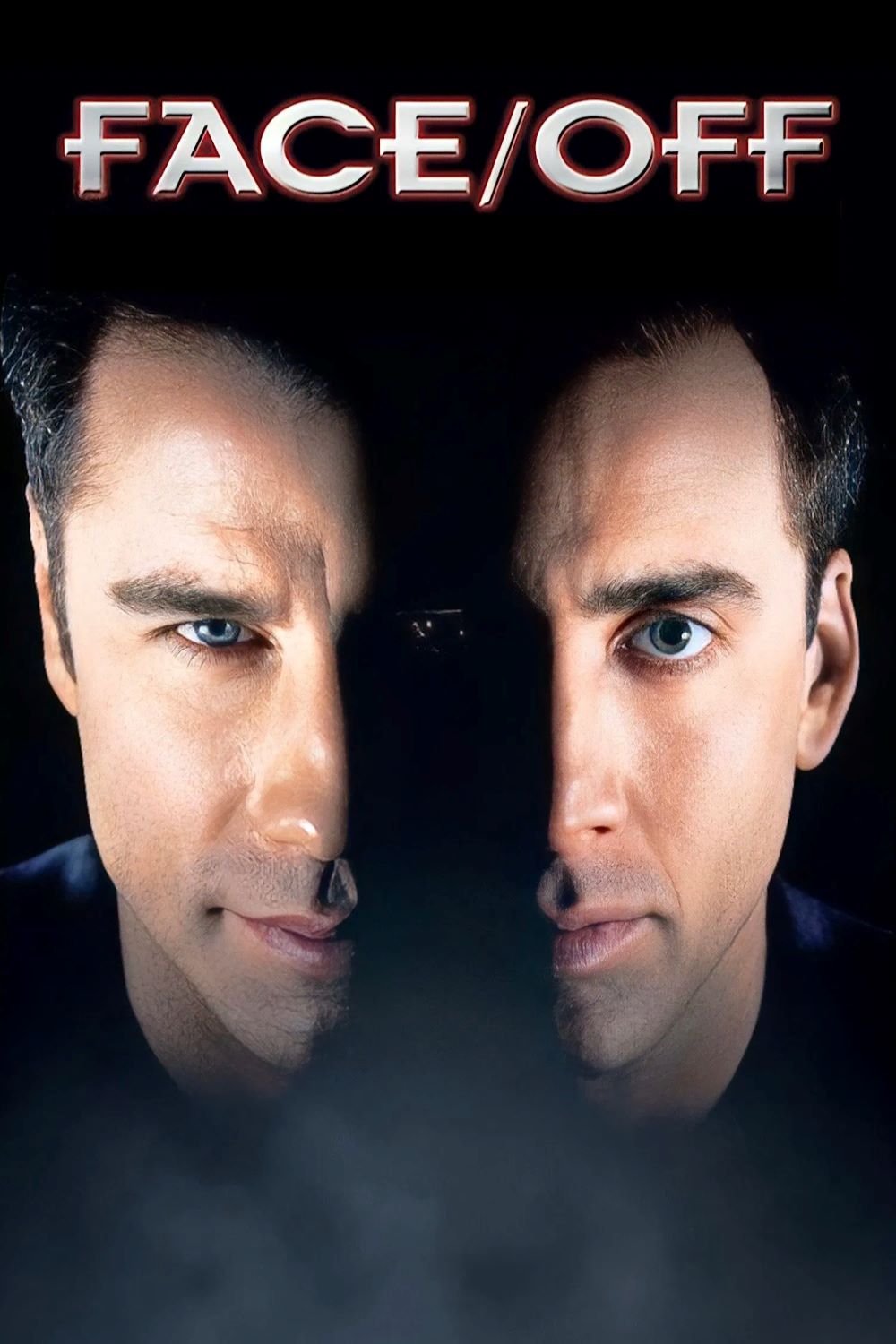
Review: Face/Off (dir. by John Woo)


“It’s like looking in a mirror. Only… Not.”​ — Castor Troy with Sean Archer’s face

Face/Off is one of those late‑90s action movies that feels like it escaped from an alternate universe where “too much” is a compliment, not a warning label. It is bigger than it needs to be, sillier than the premise probably deserves, and yet somehow more emotionally earnest than most modern blockbusters. The result is a film that swings hard between breathtakingly good and gloriously ridiculous, and that tension is exactly what makes it worth revisiting.​

At its core, Face/Off is a story about two men who literally become each other, but it works because it never treats that concept as a small thing. John Travolta’s Sean Archer is an FBI agent consumed by grief after the death of his young son, while Nicolas Cage’s Castor Troy is a theatrical terrorist who seems to enjoy being evil as a kind of performance art. The sci‑fi hook—cutting off their faces and swapping them—does not remotely pass a reality test, but the movie leans into the idea with such conviction that you either roll with it or get left behind in the opening act.​

The big selling point is the acting showcase baked into that swap. Watching Travolta play a supposedly buttoned‑up lawman unraveling inside the body of a flamboyant villain, while Cage dials his madness into something deceptively controlled, gives the film a strange, theatrical energy. There is a real pleasure in tracking how each actor steals little gestures and rhythms from the other, so scenes become layered: what you’re seeing on the surface and who you know is “underneath” the borrowed face are constantly at odds.​

That identity confusion isn’t just a gimmick; it gives the film some surprising emotional weight. Archer’s grief isn’t window dressing—his obsession with bringing down Troy comes from the trauma of losing his son, and the face swap forces him to confront who he’s become in that tunnel‑vision pursuit. Meanwhile, Troy, once inside Archer’s life, plays “family man” in a way that’s both gross and unnervingly intimate, manipulating Archer’s wife Eve and daughter Jamie with a mix of faux tenderness and predatory charm.​

Joan Allen, as Eve, quietly grounds all this insanity. Her character spends a good chunk of the film being gaslit on a level that would break most people, yet Allen plays her with a subdued intelligence that makes the eventual moment of realization feel earned instead of convenient. Dominique Swain’s Jamie gets more of a stock “rebellious teen” setup, but the way Troy‑as‑Archer slithers into her life gives some scenes a genuinely uncomfortable edge, underlining how invasive the villain’s masquerade really is.​

Of course, this is a John Woo movie, so the drama is constantly fighting for space with balletic gunfights and slow‑motion chaos. The action is elaborate and stylized, full of dual pistols, flying bodies, and highly choreographed carnage that feels closer to a violent dance than a grounded firefight. Whether it is the prison escape with its magnetic boots or the church shootout framed with doves and religious imagery, Woo stages set pieces as big operatic crescendos, not just plot checkpoints.​

That operatic tone is both a strength and a weakness. On the one hand, the heightened style matches the bonkers premise, letting the movie exist in a kind of hyper‑reality where emotions and bullets fly with the same intensity. On the other hand, the sheer excess sometimes undercuts the more serious beats, as if the film can’t decide whether it wants to be a heartfelt story about grief and identity or the wildest action comic you have ever flipped through.​

The script occasionally gestures at deeper themes but rarely lingers on them. Archer’s time in a secret off‑the‑books prison hints at broader commentary about state power and dehumanization, yet the movie mostly uses the setting as a backdrop for an escape sequence rather than exploring what it means. Similarly, Troy’s infiltration of Archer’s family brushes against ideas about how easily trust and intimacy can be weaponized, but the story is more interested in cranking up tension than really unpacking that psychological damage.​

Where the writing truly shines is in the mechanics of the cat‑and‑mouse relationship. The film keeps finding new ways to twist the knife, whether it’s Archer stuck in Troy’s body trying to convince former enemies he’s changed sides, or Troy using Archer’s authority to erase evidence and tighten the trap. Some of the most satisfying scenes are the quieter confrontations where both men have to stay in character in front of others while aiming verbal daggers at each other, maintaining the illusion even as their hatred escalates.​

Still, Face/Off is not exactly a model of restraint or logic, and that’s where some fair criticism comes in. The science of the face swap is nonsense even by sci‑fi standards, and the movie’s attempts to hand‑wave voice, body shape, and mannerisms require a level of suspension of disbelief that will be deal‑breaking for some viewers. On top of that, the third act piles on so many stunts and reversals that fatigue can set in; not every action beat feels necessary when the emotional arc has already hit its key notes.​

There is also the question of tone in how the film treats violence and trauma. The opening murder of Archer’s son is genuinely brutal, and the later manipulation of his family taps into real discomfort, yet the movie often snaps back into cool‑shot mode a moment later, as if unsure how long it wants to sit with pain. That tonal whiplash can make it hard to fully buy into the emotional stakes, because the film keeps reminding you it is here, first and foremost, to put on a show.​

Despite those flaws, Face/Off has aged in a strangely resilient way. In an era where many big action movies flatten actors into interchangeable cogs in a CG machine, there’s something refreshing about how much personality this film allows its leads to display, even when they’re chewing the scenery. The movie’s excess becomes part of its charm: it feels handcrafted in its madness, a spectacle built around big performances rather than just big effects.​

Face/Off is neither a straightforward masterpiece nor a disposable guilty pleasure; it lives in a messy, entertaining space between those extremes. The film delivers memorable performances, inventive set pieces, and a surprisingly sincere emotional throughline, but it also leans on ludicrous science, tonal inconsistency, and overindulgent action. If you can accept its central absurdity and meet it on its own heightened wavelength, it remains a wild, engaging ride that showcases what happens when star power, genre bravado, and unfiltered style crash into each other at full speed.​

Review: The Accountant 2 (dir. by Gavin O’Connor)


“Is there anything better than punching somebody in the face who’s got it coming?” — Braxton

The Accountant 2 plunges back into the offbeat world of Christian Wolff, Ben Affleck’s autistic accounting savant who wields a calculator and a combat prowess with equal deadliness. Directed by Gavin O’Connor, the sequel reunites Christian with his wayward brother Braxton (Jon Bernthal) as they unravel a conspiracy triggered by the murder of FinCEN director Raymond King (J.K. Simmons), pulling in agent Marybeth Medina (Cynthia Addai-Robinson) for a tense alliance. It cranks up the action and brotherly banter from the 2016 original, delivering bursts of gritty fun, but bogs down in bloated plotting and uneven tone that dilute its punchy premise.

The story explodes open with King’s brutal assassination, his dying message—”find the accountant”—dragging Christian out of his trailer-bound solitude. Medina taps Wolff’s uncanny financial insight to sift through King’s jumbled clues, tracing a trail from a pizza parlor’s money-laundering scheme to a vicious human trafficking ring straddling the Juarez border. A sleek assassin named Anaïs (Daniella Pineda) haunts the edges, her fragmented memories linking to Christian’s murky history, while Braxton joins for brawn and levity, transforming the probe into a chaotic sibling odyssey. The narrative sprawls across factories, motels, and hacker dens, blending forensic number-crunching with explosive confrontations, though it piles on subplots—like selfie-stalking tech whizzes and cartel infighting—that strain coherence without sharp resolutions.

Affleck deepens Christian’s portrayal, blending rigid logic with flashes of wry humor that feel more lived-in than the first film’s stiffness. He shines in quirky beats, like speed-dating disasters fueled by probabilistic algorithms or spotting fiscal fraud in pizza dough sales, then enforcing confessions with a vicious finger-twist. Yet the character teeters into trope territory, his neurodivergence often serving as shorthand for unstoppable violence rather than a nuanced lens on isolation. Bernthal dominates as Braxton, his raw charisma and emotional cracks—vulnerable confessions evolving into rowdy bar dances teaching Christian social flow—infuse the film with infectious warmth. Their rooftop schemes and escort-aided stakeouts pulse with buddy-movie spark, a major merit that carries weaker stretches.

Action remains the film’s powerhouse, surpassing the original in raw ferocity if not elegance. The pizza factory brawl erupts from interrogation into a whirlwind of pipes, knives, and improvised carnage, while garage pursuits and a border compound siege unleash R-rated savagery—precise headshots, joint-snapping grapples, even a sniper duel echoing thriller classics. O’Connor’s practical stuntwork and sweaty cinematography ground the chaos effectively, with a throbbing score that heightens tension without flash. These sequences thrill, but the climax devolves into a generic bullet storm, missing the original warehouse fight’s balletic intimacy, and the 132-minute runtime drags amid repetitive cop-agenta standoffs.

Medina’s arc offers steady grit, as Addai-Robinson charts her shift from protocol-bound skeptic to off-book partner, her rapport with Christian adding subtle friction to the bromance. Simmons maximizes his opener, fending off thugs in a dive bar before a fatal shot, nailing a tone of immediate peril. Pineda’s Anaïs cuts a striking figure—poised killer grappling with resurfaced trauma—but her threat fizzles, undermined by sparse buildup and a rushed tie-in to the brothers’ past. Lesser foes like the greasy pizza kingpin or border thug Tomas propel the plot competently yet forgettably, while Christian’s handler Justine (Annie Oosterom) doles out remote wisdom that’s underutilized.​

At its core, The Accountant 2 wrestles with family bonds and hidden pains, pitting Christian’s analytical shell against Braxton’s impulsive soul in redemption-tinged flashbacks. Lighter quirks—honky-tonk flirtations, cat cameos, goofy T-shirts—humanize without diluting the edge, crafting a playful hyperviolence that charms in detours like smart-home hacks gone absurd. These merits shine brightest in hangout vibes, where meandering chats and line dances breathe life into the formula. Failures creep in through diluted quirks: the accounting genius takes a backseat to rote crime-thriller beats, cartel clichés overwhelm the fresh oddity, and pacing lurches from taut kills to listless exposition.

Technical craft holds firm, with O’Connor’s no-frills visuals capturing industrial grime and motel seediness, favoring tangible impacts over CGI gloss. The R-rating justifies itself via unflinching gore and profanity, satisfying gorehounds, though humor occasionally jars—like trailer quips amid slaughter—disrupting tonal balance. Compared to the debut’s sleeper surprise, this entry coasts on familiarity, expanding the Wolff mythos with teases of future clashes but lacking the tight ingenuity that sparked cult love.

The Accountant 2 succeeds as a rowdy sequel when leaning on its stars’ chemistry, visceral fights, and odd-couple heart, making it a blast for action cravings. It falters, however, in overreaching scope, diluting Christian’s uniqueness amid familiar shadows and slack momentum. Solid for fans seeking sibling sparks and calculated brutality, it lands as entertaining excess rather than essential evolution—catch it for the highs, forgive the math that doesn’t quite balance.

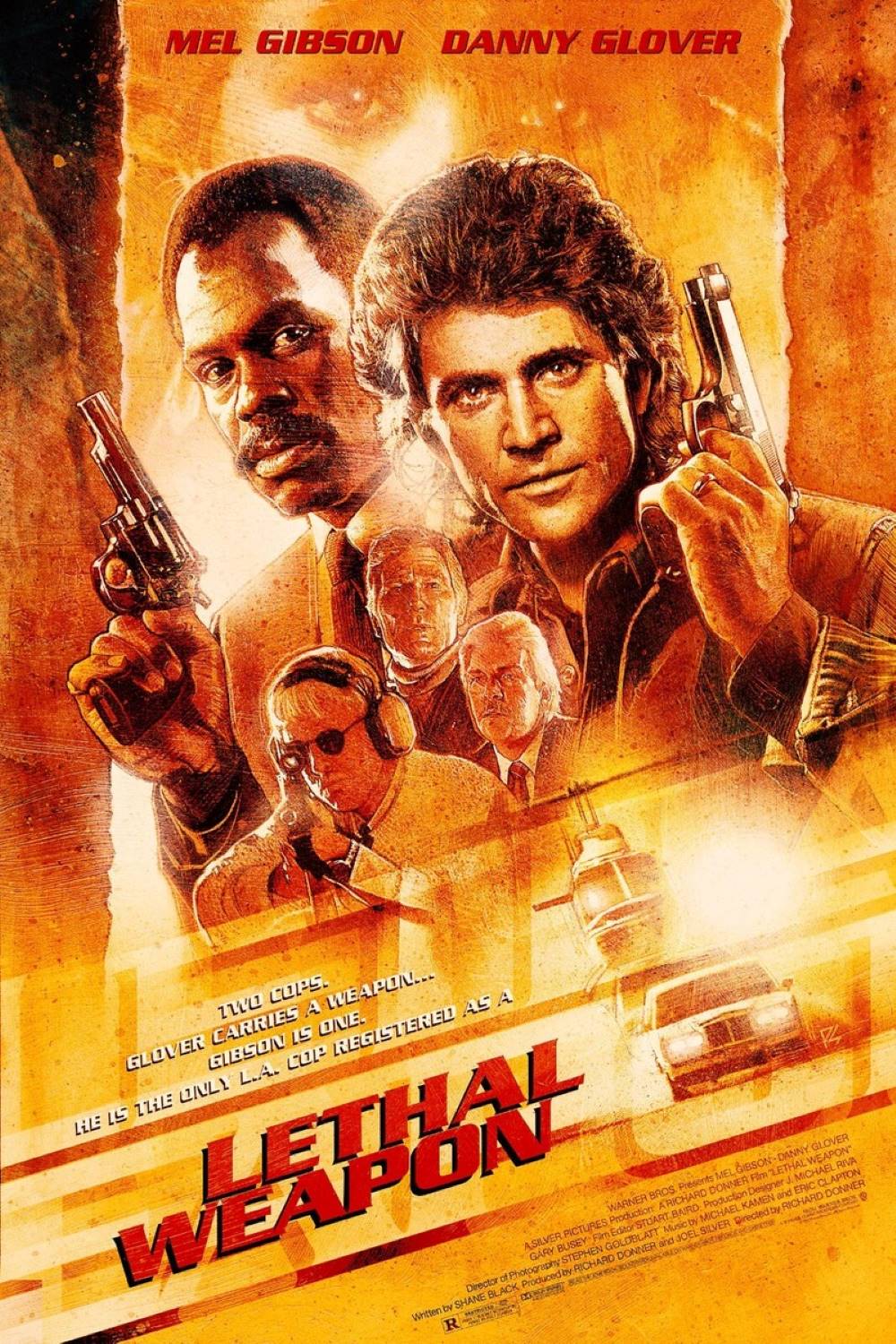
Review: Lethal Weapon (dir. by Richard Donner)


“I’m too old for this shit.” — Roger Murtaugh

Lethal Weapon is one of those action movies that looks like pure genre formula on paper but somehow plays like lightning in a bottle on screen. From the opening moments, it feels like a film that knows exactly what kind of ride it wants to deliver and leans into that mission with confidence, attitude, and just enough heart to make the bullets and explosions actually matter.

The premise itself is as straightforward as they come, and that simplicity is part of the charm. Martin Riggs is the textbook “cop on the edge,” a former special forces sniper whose life has completely fallen apart after the death of his wife. He’s volatile, depressed, and teetering on the edge of suicidal, which gives everything he does an extra layer of danger. On the other side of the pairing is Roger Murtaugh, a seasoned detective staring down his 50th birthday, trying to balance a long career in homicide with the quiet, constant pull of his family at home. When these two are thrown together and assigned to a case involving drugs, dead bodies, and shady ex-military criminals, the story plays out across familiar beats: suspicious deaths, escalating confrontations, close calls, and a trail that leads them deeper into a dangerous operation. The crime plot is pulpy and direct rather than twisty, but the film uses it as a sturdy framework rather than the main point of interest, keeping the investigation moving while the characters come into focus. Much of that sharp setup and snappy progression comes from Shane Black’s script, which crackles with knowing genre savvy, pitch-perfect banter, and a keen eye for how personal pain fuels action-hero antics.

What really makes Lethal Weapon feel alive is how much time it spends letting Riggs and Murtaugh exist as people before they fully morph into the “classic duo” that pop culture remembers. The film doesn’t rush past the small stuff. Riggs is introduced living in a rundown trailer on the beach with his scruffy dog for company, drinking and stumbling through life with the casual recklessness of someone who genuinely doesn’t care if he sees tomorrow. Those early moments of him alone, flirting with self-destruction, give his later heroics a sense of tragic context: he’s not just fearless, he’s half-convinced he has nothing left to lose. Murtaugh’s introduction is a complete contrast: a crowded home, kids, a loving wife, and the kind of loud, chaotic domestic life that’s full of relatable irritation and warmth. Seeing him grumble through birthday milestones or awkwardly handle family situations does more for his character than any speech about his years on the force could. These slices of everyday life build a strong emotional foundation so that when the bullets start flying, there’s something at stake beyond catching bad guys. Black’s writing shines here, weaving those intimate details into the thriller beats without ever feeling forced or preachy.

The chemistry between Mel Gibson and Danny Glover is the film’s true secret weapon. Gibson plays Riggs as an unpredictable live wire, able to flip from goofy physical comedy to chilling seriousness in an instant. He sells the idea that this is a man barely keeping it together, yet still razor-sharp when it comes to the job. There’s a constant sense that his jokes and antics are a flimsy barrier over something very raw. Glover, by contrast, keeps Murtaugh grounded and human; his performance is packed with little sighs, muttered reactions, and weary facial expressions that speak volumes. He comes across as a guy who has seen too much, loves his family, and genuinely wants to do the right thing, but is exhausted by how hard that is in practice. Their initial friction hits the expected “mismatched partners” beats: Murtaugh thinks Riggs is unstable and dangerous, while Riggs treats Murtaugh like a fussy old man who doesn’t get it. Yet as they move through stakeouts, interrogations, and gunfights, their banter evolves from pure irritation into an easy rhythm filled with barbs, mutual respect, and eventually real affection. Shane Black’s dialogue is the glue for all of it—witty, profane, and laced with just enough vulnerability to make the laughs land harder and the tension feel real.

Richard Donner’s direction is a huge part of why all of this clicks as well as it does. He has a knack for blending big, commercial genre instincts with an eye for character detail, and Lethal Weapon is a textbook example of that balance. He stages action scenes with clear geography and rhythm, so even when things get loud and chaotic, you always know where you are and what everyone is trying to do. At the same time, he’s just as interested in the quiet beats: a pause on Riggs’ face after a joke lands flat, Murtaugh’s body language when he walks into his noisy home after a brutal day, the way a conversation in a car can shift from banter to confession in a couple of lines. Donner keeps the film moving at a brisk pace, but he knows when to let a shot linger or a silence hang long enough to tell you what the characters can’t quite say out loud. His tonal control—jumping from dark to funny to tense without completely losing the thread—is a big reason the movie doesn’t collapse under its own genre juggling, and it pairs beautifully with Black’s script that sets up those shifts so precisely.

Tonally, Lethal Weapon walks a tricky line, and that’s a big part of its identity. On one hand, this is a story with genuinely dark undercurrents. Riggs’ suicidal impulses are not a throwaway character quirk; the film gives time to scenes where he nearly acts on them and struggles in a very raw way with his grief and loneliness. The case they’re working breaks open into territory involving drugs, exploitation, and violence that’s sometimes nasty rather than cleanly heroic. On the other hand, the film is full of humor, ranging from quick one-liners to broad physical bits. The Murtaugh household provides a lot of that levity: awkward conversations with his kids, Riggs stumbling through family dynamics, and the contrast between domestic calm and the chaos of the streets. The movie often jumps from heavy emotional beats to comedic ones and back again, and while the transitions can be abrupt, that mixture is part of what keeps it from feeling like just another grim cop story. The laughter doesn’t erase the darker material, but it does give the movie a sense of momentum and charm that keeps it entertaining instead of oppressive. Black’s screenplay nails this push-pull, using humor as both release valve and revelation.

As an action film, Lethal Weapon delivers a steady run of sequences that are energetic, clear, and tactile. The action is built around physical stunts, dangerous-looking falls, and gunfights that feel chaotic without becoming incoherent. One memorable sequence has Riggs dealing with a jumper on a rooftop in a way that instantly tells you everything about his mentality and willingness to risk himself. Another set piece in a more open, exposed environment lets the film escalate tension step by step before violence finally erupts. Through it all, Donner keeps a strong sense of spatial clarity; you can track where the characters are, what they’re trying to do, and how each decision raises the stakes. The fights feel scrappy and painful rather than overly slick, and that slightly rough quality actually works in the movie’s favor, making each impact land harder. Riggs, especially, moves like a human weapon, hurling himself into situations with a recklessness that ties directly into his psychological state, all fueled by Black’s clever plotting that makes those risks feel personal.

Underneath the gunfire and explosions, there’s a surprisingly sturdy emotional core tying everything together. Riggs’ grief isn’t just window dressing; it’s the lens through which his every decision makes sense. The movie doesn’t lecture you about what he’s feeling, but it shows it—through quiet moments alone, through the anger that erupts at all the wrong times, and through the way he throws his body into danger almost as if daring the world to take him out. Murtaugh’s arc is more subtle but still strongly drawn. He’s at an age where he has to confront the reality that he can’t keep pace with younger, more reckless colleagues forever, and yet his sense of duty keeps pulling him into situations where his family might lose him. Throughout their investigation, Murtaugh’s protective instincts—toward his loved ones, toward Riggs, and toward innocent people caught in the crossfire—become as important as his skills as a detective.

The relationship that develops between Riggs and Murtaugh is the heart of the film and the main reason it sticks in the memory. At first, Murtaugh just wants to survive partnering with a man he genuinely believes might be unhinged, while Riggs seems to treat their pairing as just another chaotic twist in a life already off the rails. As they trade confessions, back each other up in tight spots, and slowly understand what the other is carrying, their bond shifts into something like brotherhood. Murtaugh becomes a kind of anchor for Riggs, offering not just backup in a fight but also a place at the table, both literally and figuratively. Riggs, in turn, forces Murtaugh out of his comfort zone, reminding him that he still has plenty of courage and fire left in him. The film doesn’t turn their connection into a sentimental soapbox, but it lets small moments—a shared laugh after a narrow escape, a quiet conversation after the chaos—do the emotional lifting, with Black’s words giving those scenes their understated power.

If there’s a clear weak spot, it’s that the villains are fairly thinly drawn, operating more as looming threats than fully realized characters. They are dangerous and organized, capable of serious brutality and clearly involved in serious criminal operations, but the movie doesn’t spend much time exploring their motivations or inner lives. They’re the kind of antagonists designed to be obstacles: formidable enough to make the heroes’ victories feel earned, but not so complex that they distract from the central duo. For a character-driven action film, that trade-off mostly works. When Lethal Weapon is firing on all cylinders, the tension doesn’t come from wondering what the bad guys will do next so much as from seeing how Riggs and Murtaugh will handle whatever gets thrown at them and what that reveals about who they are.

Structurally, the film keeps a tight pace, always nudging the story forward even when it pauses for character beats. Expository scenes rarely feel like dry info dumps; they’re often laced with jokes, personal jabs, or subtle shifts in how the two leads relate to each other. The downtime moments—a quiet drink, a shared meal, a conversation in a car between partners who would rather pretend they’re fine—are as important as the louder ones. By the time the case ramps up to its most intense passages, there’s been enough time with these characters to care less about the mechanics of the plot and more about whether these two damaged, stubborn men can come out the other side with something to hold onto.

What ultimately makes Lethal Weapon work so well is that it doesn’t settle for being just a checklist of genre requirements. Yes, it has gunfights, dark humor, car chases, and tough-guy posturing. But wrapped around all of that is a story about grief, aging, loyalty, and how unlikely partnerships can change the trajectory of a person’s life. Donner’s steady hand behind the camera, Shane Black’s razor-sharp script, and the powerhouse performances turn what could have been a forgettable cop thriller into something much more memorable. For anyone who enjoys action movies that care as much about the people pulling the triggers as the bullets they fire, Lethal Weapon stands out as a defining entry in the buddy-cop mold, powered by the messy, heartfelt dynamic at its center and the sure-footed craftsmanship that brings it all together.

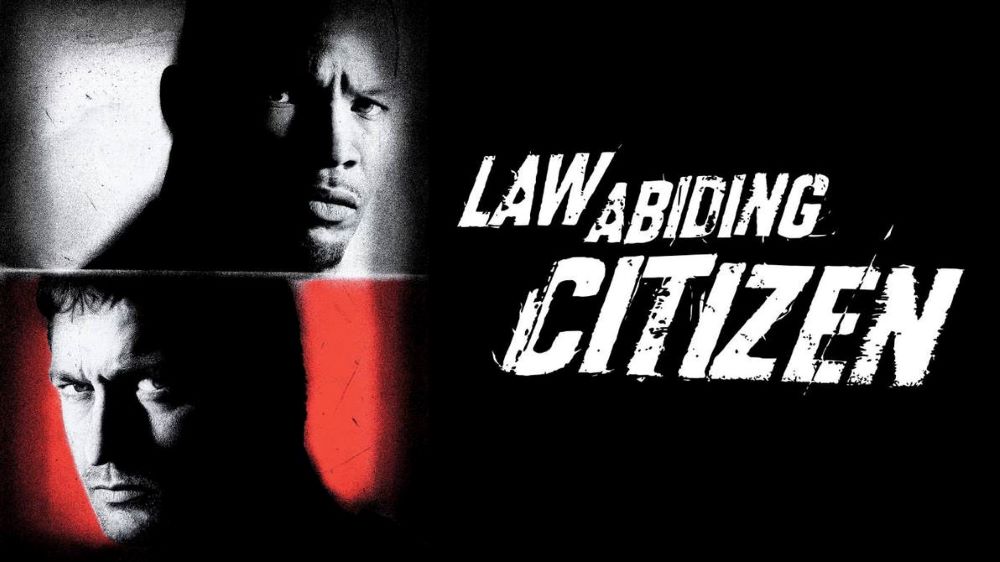
Review: Law Abiding Citizen (dir. by F. Gary Gray)


“Christ! Whatever happened to right and wrong!? Whatever happened to the people!? Whatever happened to justice!?” — Clyde Shelton

Law Abiding Citizen is one of those thrillers that grabs you right from the start and refuses to let go, even as it spirals into moral chaos. Directed by F. Gary Gray and released in 2009, the film pits two central performances—Gerard Butler as Clyde Shelton and Jamie Foxx as Nick Rice—against each other in a brutal chess match of justice, revenge, and control. On the surface, it’s a revenge thriller about a man wronged by a broken justice system. But dig a little deeper, and it becomes a dark commentary on the limits of law, the manipulation of morality, and the ethics of punishment. It’s not perfect—it veers toward implausibility at times—but it’s undeniably gripping, stylishly cold, and lingers in your mind long after the credits roll.

The film begins with a horrifying scene that immediately sets the tone for what’s to come. Clyde Shelton, an inventor and family man, watches helplessly as his wife and young daughter are brutally murdered in their home. When the killers are caught, Assistant District Attorney Nick Rice cuts a deal that lets one murderer go free in exchange for testifying against his partner. The decision, made in the name of efficiency and legal pragmatism, destroys Clyde’s faith in the justice system. Ten years later, when the murderer is executed under mysterious and gruesome circumstances, Clyde resurfaces—not as a grieving victim but as a brilliant, calculated force determined to expose the system’s corruption in the most explosive way imaginable.

What makes Law Abiding Citizen so effective early on is its sympathy play. The audience initially feels the same fury Clyde does. We understand his pain and disillusionment, and for a brief moment, we want him to succeed in making the system accountable. Butler captures that emotional transition perfectly—from quiet devastation to methodical vengeance. The scene where Clyde calmly watches his first victim die, having orchestrated the man’s death with near-surgical precision, is shocking yet disturbingly satisfying. This is where the film hooks its audience: it asks whether revenge can ever be justified when justice fails.

But as the killings pile up and Clyde’s plan grows more elaborate, that empathy begins to slip. The real tension of the film lies in that moral gray space—where Clyde’s righteous anger turns monstrous. His war isn’t just against the criminals but against the entire justice system, targeting judges, lawyers, and anyone he sees as complicit. Nick Rice, on the other hand, becomes the face of that system. He’s young, successful, and smug—a prosecutor obsessed with his win-loss record. Jamie Foxx’s performance gives Rice an icy veneer of confidence that slowly cracks as Clyde’s campaign escalates. The interplay between these two men—the avenger and the pragmatist—is the film’s heartbeat. It’s less about who will win and more about whether either man can still claim moral authority when the dust settles.

From a narrative standpoint, Law Abiding Citizen is structured like a dark puzzle. Each scene unveils another layer of Clyde’s intelligence and ruthlessness. The tension comes not from knowing who’s doing it—we know—but from wondering how he’s doing it. The film’s most audacious twist is that Clyde continues orchestrating murders even while locked in a high-security prison cell. This push toward psychological warfare turns the story into a cat-and-mouse game with shades of Seven and The Silence of the Lambs. However, where those films maintained a clear thematic direction, Law Abiding Citizen sometimes stumbles under the weight of its ambition. The logic of Clyde’s omnipotence starts to stretch believability, and the film sacrifices realism for spectacle. Still, it’s hard to look away when the spectacle is this sharp and aggressive.

Visually, F. Gary Gray directs with a crisp, metallic style. The cinematography uses muted tones and sharp contrasts to reflect the film’s moral ambiguity. The more the story dives into Clyde’s schemes, the colder and more sterile the visuals become, echoing his detachment from human empathy. The editing is snappy and kinetic, especially during the interrogation scenes and courtroom exchanges. Brian Tyler’s score underscores the tension with brooding, pulsing beats that heighten the sense of dread. Every technical element supports the emotional core—revenge as obsession, intelligence as a weapon.

Gerard Butler, best known for roles that highlight his physicality, delivers one of his most controlled performances here. His portrayal of Clyde is chilling because of how calm it is. He doesn’t yell or flail; his menace is intellectual. Even in scenes where the dialogue leans toward theatrical monologues about justice and morality, Butler maintains focus, grounding the performance in conviction rather than chaos. Jamie Foxx, meanwhile, brings subtlety to Nick Rice. His transformation from ambitious lawyer to shaken moralist is gradual. By the final act, Nick’s self-assurance has eroded into doubt—about the system, his choices, and his own complicity. Foxx and Butler’s dynamic never feels forced; it’s built on escalating tension, mutual respect, and bitter irony.

Where Law Abiding Citizen truly provokes is in its ethical questioning. What does justice mean when the system serves convenience instead of truth? Is it right to play by the rules if those rules protect the guilty? Clyde’s crusade, as twisted as it becomes, emerges from a very real frustration—one viewers can sympathize with, especially in a world full of technicalities that favor the powerful. But the film also serves as a warning. In trying to dismantle corruption, Clyde becomes its reflection. His vigilante justice ultimately mirrors the same indifference he condemns. By the time the film reaches its explosive climax, viewers are left torn—not cheering for Clyde’s punishment, but not wanting him to win either. This ambiguity gives the film an edge that lingers long after the credits roll.

That said, the story’s final act is where opinions tend to divide. Once strategy gives way to spectacle, the film trades nuance for action. The ending, while satisfying in terms of closure, feels somewhat abrupt and simplified compared to the build-up. The moral complexity that defined the first two acts begins to blur into a conventional revenge-thriller showdown. Still, even in its imperfections, the film sustains a dark fascination. It never feels lazy or hollow—it’s just that its ideas might have deserved a slightly more refined execution.

Despite its narrative stretches, Law Abiding Citizen remains a standout in the late-2000s thriller landscape. It’s unapologetically intense, dramatically charged, and philosophical enough to make its explosions feel earned rather than gratuitous. The film thrives on its contradictions: it condemns violence while indulging in it, critiques the system while sensationalizing its collapse. For all its over-the-top plotting, the emotional truth stays intact—when justice becomes negotiable, vengeance becomes inevitable. And whether viewers side with Clyde or Nick, the uneasy feeling the film leaves behind is its greatest triumph.

At its core, Law Abiding Citizen is less about revenge and more about control—who wields it, who loses it, and how the pursuit of it can consume both sides. F. Gary Gray’s direction, backed by two commanding performances, turns what could’ve been a formulaic thriller into something more charged and psychological. It’s a film that asks uncomfortable questions about morality, justice, and the price of vengeance, even if its answers are messy. And maybe that’s the point—justice, like humanity, rarely fits into a clean equation.

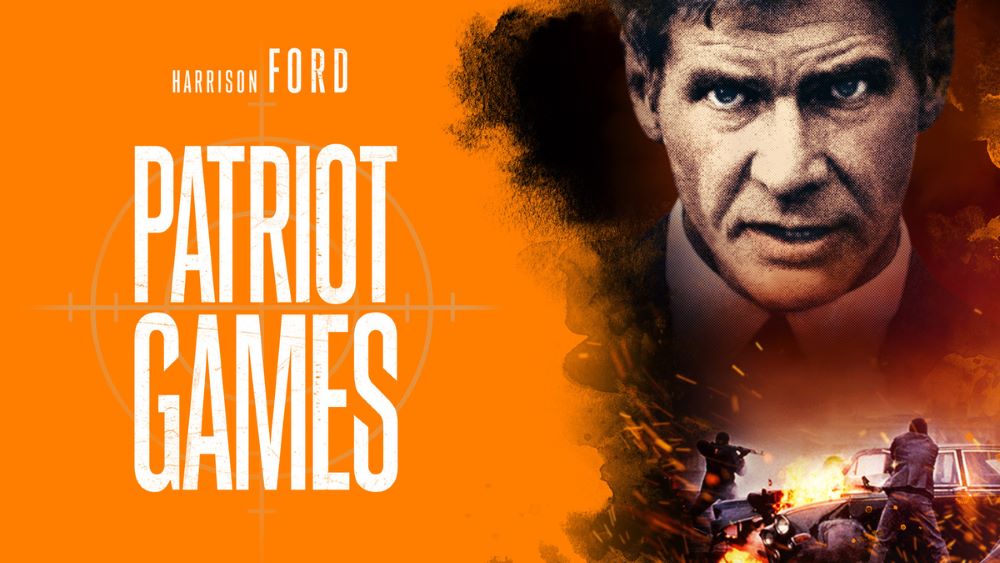
Review: Patriot Games (dir. by Phillip Noyce)


“You don’t know what it’s like to have your life destroyed by one stupid mistake!” — Sean Miller

Patriot Games hits the ground running by thrusting Jack Ryan and his family into the heart of a terrorist ambush on a London street, targeting a key British official tied to the royal family. Harrison Ford plays Ryan as a sharp-minded history professor and former CIA analyst on a simple vacation with his wife Cathy and daughter Sally, but his old Marine training surges up—he charges in, kills two attackers including one terrorist’s brother, and gets winged by a bullet himself. Right away, this setup grabs attention by showing how a random act of guts can boomerang into endless trouble, forcing a guy who craves quiet lectures to dodge bullets and betrayal across oceans, and it plants seeds about whether playing hero is worth the fallout on everyone you love.

Back in Maryland at the Naval Academy, Ryan tries piecing together normalcy, grading papers and dodging CIA calls, but Sean Miller—the captured terrorist whose sibling Ryan killed—gets sprung in a brutal prison convoy hit that leaves cops dead in the dirt. Miller, now laser-focused on payback, reroutes his rogue Ulster splinter group’s rage straight at Ryan’s home front, culminating in a savage freeway pileup where goons ram Cathy’s car off the road, injuring her and Sally badly. Ford nails the shift from composed academic to seething protector, his clenched jaw and urgent phone calls conveying a dad pushed to the brink, while these family-targeted strikes crank the paranoia, transforming everyday drives and school runs into potential kill zones that linger long after the crashes fade.

Sean Bean invests Miller with a coiled, wordless intensity—scarred features and piercing glares that scream obsession without needing speeches, flipping Ryan’s principled stand into the villain’s fuel for a mirror-image crusade. This fictional IRA offshoot rolls with pro-level gear for hits from UK alleys to U.S. suburbs, dodging authorities with insider tips, but their flat-out villainy skips any cracks in loyalty or ideology, turning them into efficient machines rather than messy humans with grudges worth unpacking. Anne Archer holds Cathy together through hospital beds and hushed fears, emerging tougher, as James Earl Jones’ Admiral Greer supplies the gruff guidance that tugs Ryan toward Langley, balancing the intimate home front with globe-spanning spycraft that feels like a real squeeze on one man’s bandwidth.

The camera shifts smoothly from rain-slicked London corners to bright Maryland bays, capturing open spaces that make characters look small and exposed against the sprawl. Gunshots snap clean and engines growl low during pursuits, pulling you deeper into the fray without drowning out the quieter beats. Horner’s soundtrack builds with brooding pipes and driving rhythms that hit hard in the final bay showdown, boats tearing through darkness with bursts of flame from hands-on stunts that pack a punch even now. Action ramps up step by step from early scraps to that watery chaos, mixing smarts with muscle, even if plot points line up a bit too neatly at times.

CIA war rooms buzz with satellite feeds sharpening grainy Libyan camp footage into proof of terror training, a tech showcase that echoes Clancy’s gearhead love and ramps brainpower against brute force without flashy overkill. Ryan hashes out returns to duty with British contacts, including a Sinn Féin type disavowing the extremists, sketching post-Cold War shifts where lone wolves replace nation-states in the threat lineup. Book-to-screen changes crank Ryan’s field time over desk strategy, letting Ford flex rugged moves that thrill audiences but sand off novel layers of naval tactics and alliance chess for punchier pacing.

Ford and Archer capture the raw friction in Ryan’s marriage through tense, whispered spats about diving back into danger, their easy chemistry making the pushback feel lived-in and real rather than scripted melodrama. Miller’s storyline hurtles toward a frantic leap onto Ryan’s rocking boat, boiling his grudge down to savage, no-holds-barred combat amid crashing waves. On-screen locations—from echoing Naval Academy corridors to churning bay waters—breathe life into the settings, casting national pride as a bruising, up-close shield instead of hollow cheers. Subtle audio touches, like distant creaks in the dim Ryan house, crank up the exposed feeling, linking slick production values to gut-punch emotions without piling on the noise.

Those procedural deep dives—poring over red-haired accomplice sketches or grilling shaky informants—add authentic wonkery, like Ryan spotting tells in grainy photos that crack the case wide, but they drag amid family rehab montages where Sally’s recovery mirrors the slow-burn hunt. The baddies’ cartoonish zeal glosses Northern Ireland’s brutal splits, opting for clear-cut evil over thorny politics that could’ve mirrored real headlines from the era, a choice that streamlines tension yet dates the take harshly next to modern nuance. Endgame flips the house siege into a decoy boat trap, Ryan baiting Miller solo on fiery Chesapeake swells, evolving his street-brawl start into tactical payback, though the tidy win lacks the submarine slyness of earlier Ryan yarns.

This swap prioritizes visceral family shields over shadowy sub hunts, hooking casual viewers while purists miss the book’s flowchart plotting, yet it spotlights Ford’s prime reluctant-warrior groove amid practical blasts that crush today’s green-screen slop. Pacing ebbs in alliance huddles, but peaks like the SAS desert wipeout—watched live via infrared ghosts—deliver clinical thrills tying brains to bangs seamlessly.

Taken together, the taut opener, vengeful pursuits, tech-savvy thrills, emotional anchors, dated politics, and solid craftsmanship add up to a clear verdict: Patriot Games is a good film, a reliable ’90s thriller that delivers crowd-pleasing tension and strong leads without reinventing the wheel. It holds up for its practical stunts and intimate stakes, earning replays as Ford’s standout Ryan turn, even if flaws like simplification and lulls keep it from greatness. Worth the watch for anyone craving balanced action with heart.

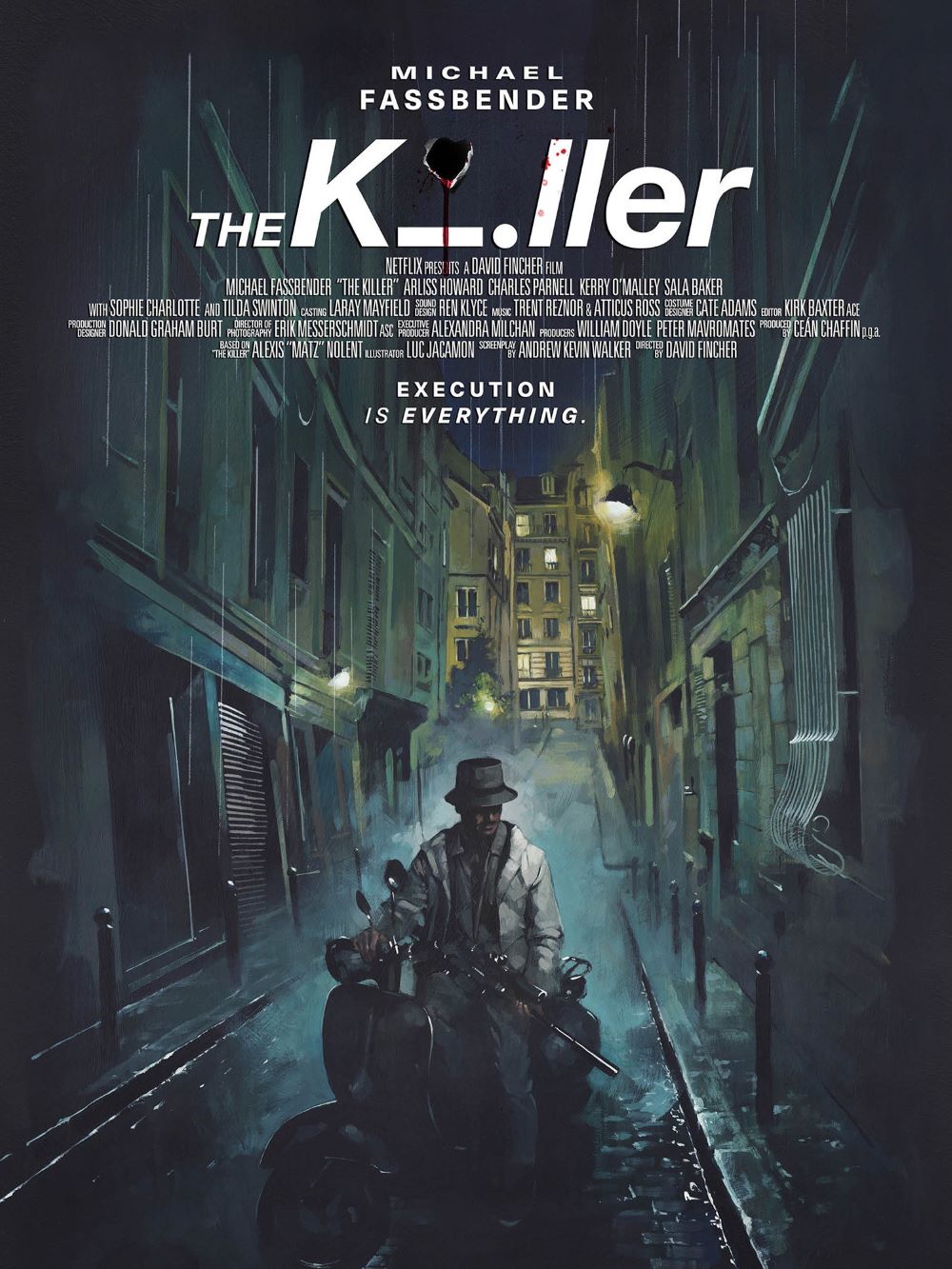
Review: The Killer (dir. by David Fincher)


“Stick to your plan. Anticipate, don’t improvise. Trust no one. Never yield an advantage. Fight only the battle you’re paid to fight. Forbid empathy. Empathy is weakness. Weakness is vulnerability.” — The Killer

David Fincher’s The Killer lands like a perfectly aimed shot: clean, methodical, and laced with just enough twist to make you rethink the whole trajectory. At its core, the film follows an elite assassin—brilliantly played by Michael Fassbender—who suffers a rare professional failure during a high-stakes hit in Paris. After days of obsessive preparation in a WeWork cubicle, complete with hourly surveillance checks, yoga breaks, protein bar sustenance, and a nonstop loop of The Smiths, he pulls the trigger only to miss his target entirely.

This one slip shatters his world of ironclad redundancies and contingencies. Retaliation soon hits close to home, striking his secluded Dominican Republic hideout and drawing in his girlfriend. What begins as a routine job quickly escalates into a personal cleanup mission, spanning cities like New Orleans, Florida, New York, and Chicago. Fincher transforms these stops into taut, self-contained vignettes, layering precise bursts of violence over the protagonist’s gradual psychological fraying—all while keeping major reveals under wraps to maintain the film’s coiled tension.

The structure dovetails perfectly with Fassbender’s commanding performance. He embodies a man radiating icy zen on the surface, while a relentless machine churns underneath. His deadpan voiceover delivers self-imposed rules like a deranged productivity gospel—”forbid empathy,” “stick to your plan,” “anticipate, don’t improvise”—even as he slips seamlessly into civilian guises: faux-German tourist, unassuming janitor, casually ordering tactical gear from Amazon like it’s toothpaste.

The result is darkly hilarious, conjuring a corporate bro reborn as high-functioning sociopath, where bland covers clash absurdly with lethal intent. Yet as stakes mount, subtle cracks appear: split-second hesitations, flickers of unexpected mercy that betray buried humanity. Fassbender nails this evolution through sheer minimalism—piercing stares, economical gestures, weaponized silence—morphing the killer from untouchable elite into a flawed, expendable player in the gig economy’s brutal grind.

These nuances echo the film’s episodic blueprint, quintessential Fincher territory. On-screen city titles act as chapters in a shadowy assassin’s handbook, with tension simmering through drawn-out prep rituals: endless surveillance, gear assembly, contingency mapping that drags just enough to immerse you in the job’s soul-numbing tedium. The Paris mishap ignites the chase—he evades immediate pursuit, sheds evidence, and races home to fallout, then pursues leads through handlers, drivers, and rivals in a chain of escalating confrontations.

Fincher deploys action sparingly but with devastating impact. A standout brawl erupts in raw, prolonged chaos—captured in extended, crystal-clear shots with improvised weapons and no shaky-cam crutches—perfectly embodying the killer’s ethos even as it splinters around him. Each sequence builds without excess, from tense interrogations to standoffs that flip power dynamics, underscoring how the world’s rules bend unevenly.

This kinetic progression meshes flawlessly with Fincher’s visual command. Cinematographer Erik Messerschmidt crafts a hypnotic palette of cool desaturated blues, sterile symmetries, and digital hyper-reality, evoking unblinking surveillance feeds into an emotional void. Tactile details obsess: the rifle case’s satisfying zip, suppressed gunfire’s sharp snick, shadows creeping across WeWork pods, dingy motels, and gleaming penthouses—all mirroring the killer’s frantic grasp for order amid encroaching disarray.

Sound design heightens every layer, sharpening ambient clacks of keyboards, hallway breaths, and gravel footsteps to a razor’s edge. Integral to the immersion is the minimalist electronic score by Trent Reznor and Atticus Ross, Fincher’s trusted collaborators from The Social Network to Mank. Their eerie ambient drones and ominous rhythmic pulses bubble like a suppressed heartbeat—swelling subtly in stakeouts, throbbing through violence, threading haunting motifs into voiceovers. It mirrors the protagonist’s inner turmoil without overwhelming the chill precision, turning silences between notes into weapons as potent as any sniper round.

This sonic and visual restraint powers the film’s bone-dry irony, which methodically punctures the protagonist’s god-complex. He preaches elite status among the “few” lording over the “many sheep,” yet reality paints him as sleep-deprived, rule-bending, and perpetually improvising—empathy leaking through denials in quiet, humanizing beats. Fincher weaves these into his signature obsessions—unmasked control freaks, dissected toxic masculinity, exposed capitalist churn—but with playful lightness, sidestepping the heavier preachiness of Fight Club or Seven.

The killer’s neurotic Smiths fixation injects quirky isolation amid globetrotting nomadism; their melancholic lyrics (“How Soon Is Now?”) punctuate stakeouts and flights like wry commentary on his fraying detachment. It all resolves in a low-key homecoming: no grand redemption or downfall, just weary acknowledgment that even “perfect” plans crack under chaos’s weight.

This sleight-of-hand elevates The Killer beyond standard assassin tropes into a sharp study of elite evil’s banality. Supporting roles deliver pitch-perfect economy: Tilda Swinton’s poised, lethal rival in mind-game restaurant tension; Arliss Howard’s obliviously entitled elite; Charles Parnell’s wearily betrayed handler; Kerry O’Malley’s poignant bargainer; Sala Baker’s raw, physical menace. Under two hours, Fincher packs density without bloat—layered subtext, rewatchable craft everywhere.

Gripes about its procedural chill or emotional distance miss the sleight entirely: this is a revenge thriller masking profound dissection of a borderless mercenary world, where pros prove as disposable as their untouchable clients. Fans of methodical slow-burns like ZodiacThe Game, or Gone Girl will devour the razor wit, process immersion, and unflinching thematic bite.

Ultimately, The Killer crystallizes as a sly late-period Fincher gem, fusing pitch-black humor, visceral horror, and surprising humanism into precision-engineered sleekness. It dismantles mastery illusions in unforgiving reality, leaving Fassbender’s killer stubbornly human: loose ends mostly tied, slipping back to obscurity as a survivor adapting. In a flood of bombastic action sludge, it offers bracing cerebral air—proving restraint, dark laughs, and surgical insight remain the filmmaker’s deadliest tools. For obsessive breakdowns of the human machine at its breaking point, it’s Netflix essential.

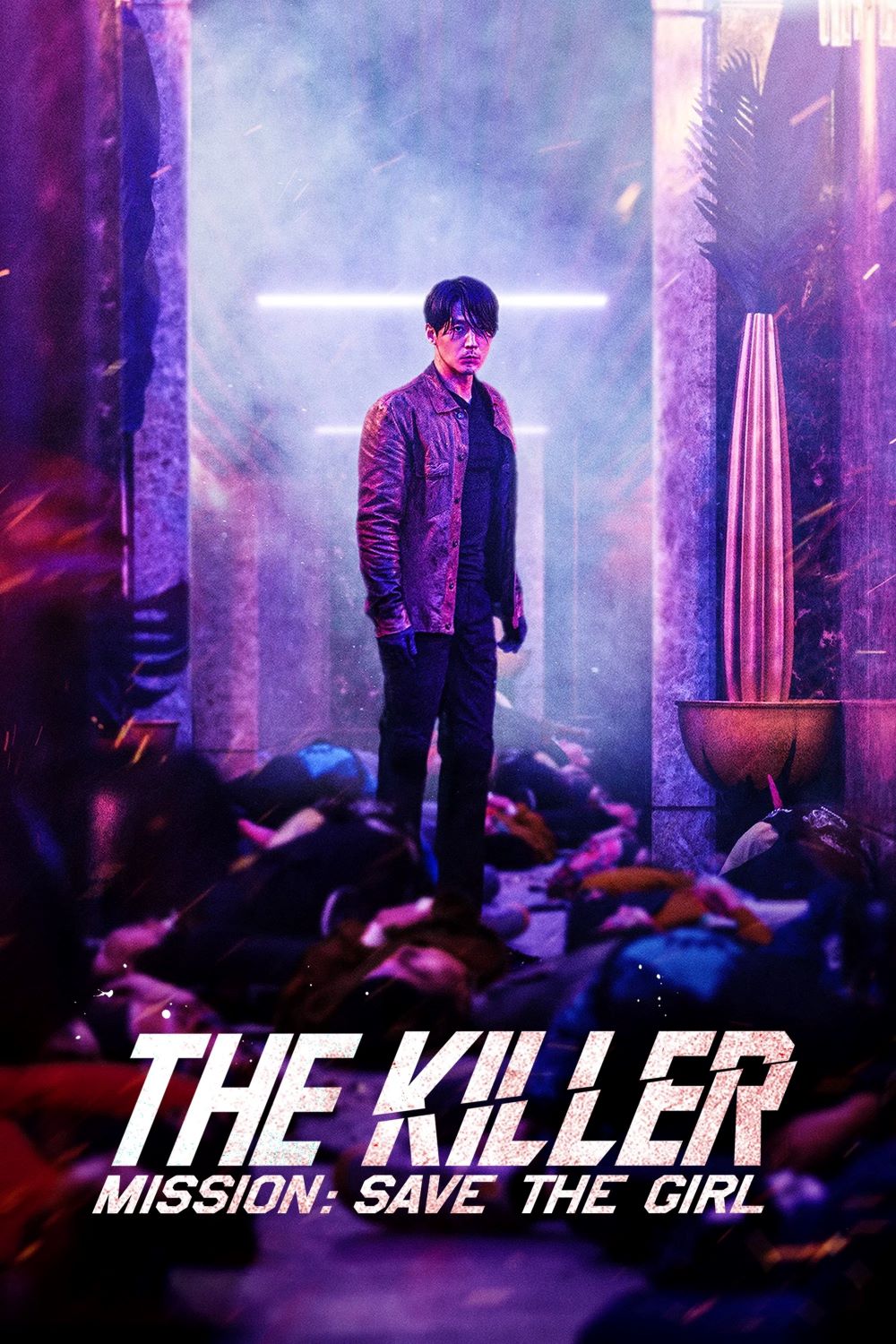
Review: The Killer (dir. by Choi Jae-hoon)


“Don’t give up hope, you might just live.” — Bang Ui-kang

The Killer: A Girl Who Deserves to Die (often just called The Killer) fits into a rich tradition of assassin films sharing this evocative title, tracing back to John Woo’s groundbreaking 1989 Hong Kong action thriller starring Chow Yun-fat, and more recently David Fincher’s 2023 intense character-driven thriller. Beyond the shared name, it belongs to a broader cinematic lineage of cold, lethal assassins portrayed by actors from Alain Delon’s enigmatic Jef Costello in Le Samouraï to Keanu Reeves’s vengeful and stoic John Wick. Bang Ui-kang, the protagonist in this South Korean entry, seamlessly carries forward this archetype—a retired professional killer who reluctantly returns to violence to protect a vulnerable life. The film doesn’t seek to win awards for depth or originality but triumphs at delivering a sleek, steady-paced, and brutal action experience anchored by a compelling central performance.

The film centers on Bang Ui-kang, who has put his violent past behind him to live quietly with his wife. This calm is shattered when his wife asks him to look after her friend’s teenage daughter, Kim Yoon-ji, for a few days. What seems like a simple favor quickly devolves into a nightmare. Yoon-ji finds herself targeted by dangerous criminals wrapped up in human trafficking and corruption, forcing Ui-kang back into the lethal world he thought he’d escaped. The narrative thrives on this inciting incident, propelling Ui-kang into a relentless mission to dismantle the forces that threaten the girl’s life.

What distinguishes Ui-kang from many action heroes is his emotional distance. He isn’t the traumatized, remorseful warrior seeking redemption; rather, he embodies the archetype of the pragmatic, unflappable professional. Jang Hyuk infuses the character with a measured quietude and dry wit, portraying a man whose expertise breeds calm rather than panic. His lethal skills feel like a burden he carries with stoic resolve, not rage or passion. This lends the movie a subtle, darkly humorous undercurrent, with Ui-kang’s cool demeanor standing in stark contrast to the chaos he unleashes.

Yoon-ji’s role is more than mere plot device; she carries the weight of a troubled adolescence marked by neglect and poor choices, which the film touches on just enough to make her predicament feel real and urgent. The movie refrains from turning her into a helpless victim, instead showing glimpses of resilience amid vulnerability. Their relationship eschews overt sentimentality in favor of a tense, urgent bond—he becomes her protector without unnecessary fuss or forced emotionality.

As Ui-kang pursues Yoon-ji’s abductors and their enablers, the storyline peels back layers of criminal enterprise—from street gangs and bent cops to a hidden network of officials and powerful figures. The script offers a steady stream of revelations involving betrayal within Yoon-ji’s family and the depths to which corruption runs. While these twists avoid being groundbreaking, they provide logical motivation and escalation, ensuring the action maintains clear stakes and direction.

Action scenes dominate and define the film’s identity. The fight choreography highlights physicality and precision, with Ui-kang moving not like an invincible superhero but as a seasoned expert executing practiced moves. These scenes unfold in varied, immersive locations—tight stairwells, claustrophobic hallways, grimy nightclubs—where the environment acts as both obstacle and weapon. A standout feature is the recurring confrontation with Yuri, a Russian-trained rival who challenges Ui-kang’s supposed dominance, adding a tense physical rivalry that punctuates the battle-heavy plot.

Visually, the film embraces a neo-noir aesthetic suffused with nighttime blues, shadowy corners, and vibrant neon lights. This creates an atmospheric backdrop that is as stylish as it is gritty, flattering the intense action without sacrificing realism. By employing steady, comprehensible camerawork, the film allows each punch and gunshot to land with tangible weight, distancing itself from the dizzying quick cuts common in the genre’s less disciplined examples.

Though the film gestures towards serious social issues—including human trafficking and systemic abuse—the narrative treats these primarily as catalysts rather than subjects for deep analysis. They provide necessary fuel for the protagonist’s crusade but never overshadow the film’s core focus on kinetic violence and revenge. The story’s cathartic thrust comes from watching evil dismantled by a greater force of cold retribution, rather than through expositional drama or social commentary.

Pacing is a major strength of The Killer. Clocking in at just over 90 minutes, it maintains tight control over the story’s progression, cutting swiftly between thematic setup and relentless action. Dialogue scenes are purposeful and minimal, just enough to clarify character motivations and plot mechanics before jumping back into the physical confrontations. This economy of storytelling makes it perfect for viewers craving a focused, adrenaline-charged experience without unnecessary detours.

On an emotional level, the film deliberately keeps its distance. Ui-kang’s past is briefly hinted at through flashbacks that imply personal loss but refuses to linger or over-explain. Yoon-ji’s peril is treated seriously, yet without descending into melodrama or manipulation. The characters’ emotions serve the plot’s momentum rather than the other way around, fitting the movie’s identity as a streamlined, gritty action thriller.

The Killer is a compelling modern installment in the assassin thriller genre. Jang Hyuk’s performance as Bang Ui-kang brings gravitas and charisma to a familiar archetype, reinvigorating it with a Korean sensibility that feels both fresh and respectful of the genre’s roots. With its sleek visuals, precise choreography, and unrelenting pace, the film satisfies genre fans looking for a no-nonsense, stylish, and violent late-night thrill ride. It confirms that even in a crowded field of cinematic killers, there’s room for new entries that deliver the goods with skill and attitude.