Review: The Last Starfighter (dir. by Nick Castle)


“Alex! Alex! You’re walking away from history! History! Did Chris Columbus say he wanted to stay home? No! What if the Wright Brothers thought that only birds should fly?” — Centauri

The Last Starfighter is one of the most purely enjoyable science-fiction adventures of the 1980s: earnest, inventive, occasionally corny, and driven by the kind of wide-eyed imagination that modern blockbusters too often confuse with sheer scale. Directed by Nick Castle, the 1984 film builds an entire intergalactic adventure around a premise that could have been dismissed as a gimmick: an arcade champion discovers that his favorite game is actually a recruitment test for a real war in space. Instead of treating that premise ironically, the film commits to it wholeheartedly, and that sincerity is ultimately what makes it endure.

Lance Guest stars as Alex Rogan, a teenager living in the Starlite Starbrite trailer park with his mother and younger brother, Louis. Alex is smart, resourceful, and visibly restless. He wants to get out of his small-town surroundings, attend college, and build a better future, but financial strain and family responsibility keep making those ambitions seem less realistic. His one reliable escape comes from an arcade machine outside the local store called The Last Starfighter. Alex plays constantly, eventually achieving a record score that attracts the attention of the game’s mysterious creator, Centauri.

Robert Preston’s Centauri is one of the film’s great pleasures. He is an interstellar recruiter who behaves like a flamboyant carnival salesman, arriving in Alex’s life with a strange vehicle, flashy clothes, a rapid-fire sales pitch, and a proposition that sounds completely insane. Centauri reveals that The Last Starfighter is not merely a video game; it is a test designed to identify young people with the reflexes, tactical instincts, and courage needed to become Gunstar pilots for the Rylan Star League. Alex has not just beaten a difficult arcade game. He has qualified to defend an entire civilization from the Kodan Armada.

That central idea remains the movie’s strongest asset. It transforms a familiar adolescent fantasy into something emotionally resonant. Alex is not gifted with a magical sword, superpowers, or an ancient royal lineage. He is selected because he became exceptionally skilled at something the adults around him would probably regard as a waste of time. His ability to master a video game becomes proof that he has discipline, intelligence, hand-eye coordination, and the ability to make decisions under pressure. For anyone who grew up playing arcade games, it is an irresistible fantasy: the thing you are good at for fun might one day turn out to matter more than anyone realizes.

The film understands, however, that being offered a larger life is not the same as being ready for it. Alex initially reacts to the truth with disbelief and fear rather than instant heroism. He wants to return home. He assumes there has been a mistake. That response helps ground the movie, because Alex is not a prepackaged action hero. He is a teenager who has dreamed of escaping his circumstances but has never seriously considered the sacrifices that escape might require. It is easy to want a more exciting future when it is only an idea. It is harder when that future involves leaving your family, crossing the galaxy, and possibly dying in a war you barely understand.

Lance Guest gives Alex enough insecurity and frustration to make his eventual growth satisfying. Alex can be impatient and occasionally self-centered, but he never comes across as unlikable. He feels trapped, and the film makes that frustration understandable. His conflict is not simply whether he can destroy enemy ships; it is whether he can accept that he deserves a larger destiny than the one he has assumed is available to him. By the time he decides to fight, he has moved beyond wanting adventure as an escape. He has chosen to take responsibility for something greater than himself.

Catherine Mary Stewart is also appealing as Maggie Gordon, Alex’s girlfriend. Maggie is not given an enormous amount to do, but she has more personality than the standard passive romantic interest in many 1980s adventure films. She cares deeply about Alex, yet she also has every reason to be hurt and confused when he suddenly disappears and begins acting strangely. Her scenes with Beta Alex, the android duplicate sent to take Alex’s place on Earth, provide some of the movie’s most amusing moments. Beta Alex looks exactly like him, but his behavior is just strange enough to create an entertaining mixture of comedy and unease.

The Beta Alex subplot is one of the film’s cleverest touches because it allows the story to explore Alex’s absence without simply abandoning the Earthbound characters. Beta Alex is a convincing physical duplicate, but he cannot quite replicate the nuances of being human. His overly literal responses, awkward attempts at social interaction, and bizarre behavior around Maggie make him a memorable comic creation. The device also reinforces the contrast between Alex’s old life and the extraordinary new situation he has been pulled into. While the real Alex is in space facing a galactic conflict, the people at home are left trying to make sense of a version of him that seems familiar but fundamentally wrong.

Robert Preston’s performance gives the entire movie energy whenever Centauri appears. He could easily have become an irritating eccentric, but Preston makes him funny, charismatic, and unexpectedly warm. Centauri sees Alex’s potential before Alex sees it himself. Beneath the fast talking and theatrical mannerisms is a real belief in the people he recruits. He does not merely need another pilot; he genuinely wants Alex to become the person he is capable of being. Preston’s presence adds an old-fashioned show-business charm to a film otherwise built around futuristic hardware and computer-generated spacecraft.

Dan O’Herlihy is equally important as Grig, the reptilian alien navigator assigned to work with Alex. Grig initially seems like the typical stern mentor figure, but he gradually becomes one of the movie’s most likable characters. He has experience, discipline, and a personal history with the war that gives the conflict some added seriousness. His partnership with Alex works because they begin from very different places. Grig is a hardened veteran who has seen the cost of battle, while Alex is an overwhelmed rookie who still wants to go home. As they learn to trust each other, their relationship becomes the heart of the space-adventure material.

The villains are broad but effective. Xur and the Kodan Armada are not psychologically complex antagonists, yet the movie does not need them to be. Their purpose is to represent a threat large enough to force Alex into a defining choice. Xur’s willingness to betray the Star League and sacrifice innocent lives for power makes him an appropriately clear villain for this kind of adventure. The conflict is straightforward: a small group of defenders must stand against an overwhelming enemy force, and Alex must decide whether he will be one of those defenders.

The visual effects are perhaps the most historically fascinating part of The Last Starfighter. The film was an early showcase for computer-generated imagery, using digital effects for its spacecraft, alien environments, and space-combat sequences. At the time, this was revolutionary. Seen today, the visual effects are obviously dated. The ships have a smooth, artificial quality, the textures are basic, and the movement lacks the weight and complexity audiences expect from modern computer animation. Yet there is still something charming about them. They represent a major transitional period in science-fiction filmmaking, when filmmakers were beginning to discover what computers could do for cinematic spectacle.

The early CGI gives the movie a distinctive visual identity rather than simply making it look obsolete. The Gunstar fighter, the Kodan fleet, and the distant alien landscapes have the clean, geometric appearance of an advanced arcade game brought to life. That is fitting for a story about a teenager whose gaming skills translate into real combat ability. The computer-generated imagery may not have the tactile realism of the practical miniature work seen in films such as Star Wars or Blade Runner, but it has an important place in the history of visual effects. The movie was imagining a future that the technology of its day could only partially create, and that ambition remains visible in every digital battle.

The Gunstar itself is a memorable piece of science-fiction design. It looks futuristic while still retaining the simplicity of a classic arcade spaceship, and the cockpit scenes effectively sell the sensation of Alex being thrown into something far beyond his experience. The climactic use of the “Death Blossom” maneuver is especially satisfying because the film treats it as a genuine last resort. It is the cinematic equivalent of unleashing a devastating power-up at the exact moment an arcade game seems impossible to win. The sequence is flashy, uncomplicated, and immensely fun.

What makes The Last Starfighter last is not its special effects alone, nor is it just nostalgia for the arcade era. The movie works because it is fundamentally optimistic. It believes that potential can emerge from unlikely places and that someone who feels ignored, trapped, or underestimated may still possess the ability to do something remarkable. Alex is not chosen because he is already fearless. He becomes heroic because he eventually chooses to act despite being afraid.

The film is not perfect. Its dialogue can be cheesy, some characters are thinly developed, and the dated effects may be difficult for viewers accustomed to modern CGI. Even so, those imperfections are part of its charm. The Last Starfighter is colorful, sincere, and unashamedly enthusiastic about its own premise. It remains a lovable science-fiction adventure because it takes the dreams of a video-game-playing teenager seriously. It asks viewers to imagine that the skill everyone dismisses, the hobby that feels like an escape from ordinary life, might actually be the first sign that they are capable of something far greater.
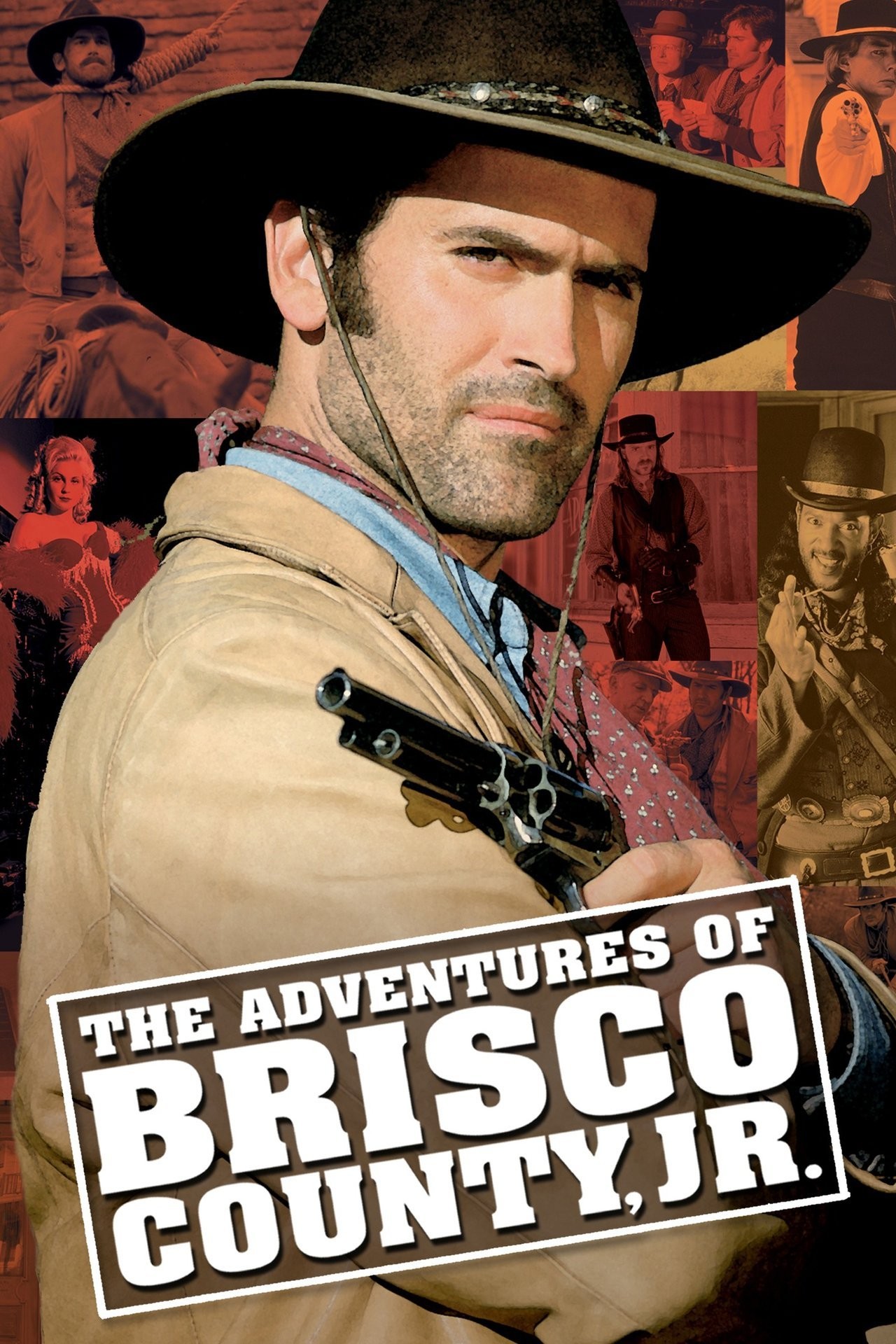
Icarus File No. 31: The Adventures of Brisco County, Jr.


“I’m looking for the coming thing.” — Brisco County, Jr.

Few television series embrace their own oddness as joyfully as The Adventures of Brisco County, Jr.. Blending frontier shootouts, pulp-serial adventure, broad comedy, sci-fi weirdness, and old-fashioned heroics into one deliberately unruly package, the short-lived Bruce Campbell vehicle has only grown more distinctive with time. It ran for a single season between 1993 and 1994, produced 27 episodes, and then vanished from network television before it had the chance to fully grow into the strange, funny, action-packed cult institution it deserved to be. That short life is part of its legend now. The show remains a wonderfully odd hybrid: a Western, an adventure serial, a sci-fi mystery, a screwball comedy, a buddy show, and a loving parody of old-fashioned television heroics. It was never content to simply be one thing, and that creative restlessness is exactly why it was so distinctive.

Bruce Campbell stars as Brisco County, Jr., a Harvard-educated lawyer who becomes a bounty hunter after the murder of his father, legendary lawman Brisco County, Sr. At first glance, that setup sounds like the foundation for a hard-edged revenge Western. Brisco is hired by a group of wealthy robber barons to track down John Bly, a charismatic outlaw who escaped after killing Brisco’s father. The show does not ignore that emotional hook, either. Campbell gives Brisco just enough sincerity that the character’s grief and desire to live up to his father’s reputation land when they need to. But the series almost immediately makes clear that it has no interest in being grim prestige television before prestige television was even a common phrase. Brisco may be motivated by vengeance, but he is also a cheerful idiot at times, an inventor’s dream customer, a romantic disaster, and a man genuinely enthusiastic about the future.

That optimism is one of the show’s most charming qualities. Brisco lives in 1893, but he is obsessed with modernity: bicycles, early automobiles, telephones, scientific gadgets, anything that might make the Old West feel less old. He repeatedly calls these new inventions “the coming thing,” often with the confidence of someone who knows history is on his side even when the technology in front of him is barely functional. It is a funny recurring bit, but it also gives the series an unusual personality. Brisco is not a traditional Western hero longing for a disappearing frontier. He is a cowboy-lawyer-adventurer who wants to survive the frontier and help drag it toward the twentieth century.

Campbell is the ideal actor for that balancing act. He had already built a devoted following through the Evil Dead films, where he proved he could sell broad physical comedy, cartoonish bravado, and genuine intensity all at once. The Adventures of Brisco County, Jr. puts those qualities to excellent use. Campbell looks like the square-jawed hero of a classic matinee serial, but he plays Brisco with a sly awareness of how ridiculous the genre can be. He can throw a punch, ride a horse, fire a gun, and deliver a tough-guy line, then immediately get tangled in a rope, outsmarted by a con artist, or humiliated by one of his own overconfident schemes. The show never treats him as incompetent exactly; Brisco is clever, brave, and unusually resourceful. But it understands that a hero is more entertaining when the universe keeps refusing to cooperate.

The early arc involving John Bly gives the show a memorable villain and a sense of forward momentum. Billy Drago, a genre veteran with one of the most instantly sinister faces and voices in film and television, plays Bly as a quietly unnerving outlaw rather than a loud, swaggering gunslinger. Drago had already become familiar to audiences through roles in crime thrillers, Westerns, horror, and action stories, and his presence adds serious genre street credibility to the series. He is particularly good at making Bly feel unpredictable. The character is intelligent, dangerous, and often strangely philosophical, with Drago giving even a casual line enough menace to make it sound like a threat. His addition helps sell the idea that, beneath the jokes and gadget-driven chaos, Brisco really is moving through a world populated by lethal people.

The show’s supporting cast is equally important to its success. Julius Carry’s Lord Bowler is the real secret weapon. Initially a rival bounty hunter with a powerful need to claim rewards before Brisco does, Bowler evolves into Brisco’s closest partner and one of the series’ most dependable sources of cool. Carry plays him with perfect deadpan timing, making Bowler’s irritation at Brisco’s eccentricities endlessly funny. Their chemistry is the foundation of the series. Brisco talks too much, overthinks everything, and barrels into trouble; Bowler observes, grumbles, and then saves the day when necessary. Their partnership has the rhythm of a classic buddy-action pairing, except it exists in a world where a frontier saloon might contain a mad inventor, an escaped criminal mastermind, and a mysterious glowing orb all in the same episode.

That orb is one of the show’s boldest ideas. Known as the Orb, it becomes the central sci-fi element in a series already packed with anachronistic comedy and pulp adventure. It possesses strange powers, influences human behavior, and hints at a much bigger mythology than the show ever had time to fully explain. The Orb plotline is not always the cleanest element of the series, but it matters because it shows how willing the creators were to push beyond ordinary Western storytelling. One week, Brisco might be hunting a gang of outlaws; the next, he might be dealing with supernatural powers, secret conspiracies, bizarre inventions, or stories that feel pulled from a 1930s adventure comic. The result is a show that can feel like The Wild Wild West, Indiana Jones, and a Saturday-morning serial filtered through a 1990s sitcom sensibility.

In that sense, The Adventures of Brisco County, Jr. was ahead of its time in the way it fused different genres into one coherent theme and narrative. The series never treated its Western setting, science-fiction mythology, slapstick humor, action serial influences, and detective-story plotting as separate gimmicks awkwardly stapled together. All of those elements were filtered through Brisco himself: a hero caught between an old frontier world and the uncertain promise of the future. His fascination with progress, invention, and “the coming thing” gave the show a thematic center strong enough to make even its strangest detours feel like part of the same larger adventure. What might have looked like a mess on paper usually plays as a deliberate expression of the show’s central idea: the Old West was changing, and Brisco was exactly the kind of eccentric hero built to stumble, joke, and fight his way into that change.

That same genre blending, however, likely confused audiences when the series first aired. In 1993, viewers and network marketers generally had a much easier time selling a show that could be described in one clean sentence. A Western was a Western. A sitcom was a sitcom. A science-fiction series was a science-fiction series. Brisco was all of those things at once, sometimes within the same episode. Its tonal shifts were part of the fun for viewers who connected with it, but they may have made it difficult for casual audiences to know what kind of show they were committing to every week. It was too playful and surreal for people expecting a straight Western, but its period setting could also make it seem less accessible to viewers looking for a more conventional action-comedy or sci-fi series.

Critics largely recognized how clever this mixture was. The show earned praise for its humor, its self-aware but affectionate approach to genre material, its charismatic cast, and its willingness to combine Western action with science fiction and absurdist comedy. Yet those very strengths also help explain why it was so short-lived. The Adventures of Brisco County, Jr. was difficult to market in the conventional network-TV landscape. Its placement did not help, either. The show aired on Fox during a period when the network was still building an identity and competing for viewers against much more established broadcasters. It arrived alongside other ambitious but unconventional Fox programming, including The X-Files, but Brisco did not become the breakout hit that its better-known network sibling did.

There is a strong argument that the series would have found a much bigger audience at the turn of the century, or even later. By the late 1990s and early 2000s, audiences had become increasingly comfortable with shows that mixed tones, genres, mythology, comedy, and serialized storytelling. Viewers were more willing to follow eccentric high-concept series whose worlds did not fit neatly into one category, especially as cable television, DVD collections, online fandom, and eventually streaming made it easier to discover a show outside its original broadcast slot. Brisco could have benefited enormously from that environment. Its episodic adventures would have made it easy to casually enjoy, while the larger mysteries around John Bly and the Orb would have rewarded devoted viewers. It is easy to imagine the show building a far larger fanbase through word of mouth, repeat viewing, and a culture more eager to embrace unapologetically nerdy genre experimentation.

That mismatch between quality and ratings is why the show became such a cult fan favorite. Fans who found it did not merely enjoy it; they tended to become attached to its specific flavor. The series offers a version of television adventure that feels generous rather than cynical. It wants to entertain first. Its jokes are broad but rarely mean-spirited, its action is energetic without becoming joyless, and its heroes are allowed to be capable, kind, foolish, and enthusiastic at the same time. Campbell’s performance became central to his larger cult-TV identity, while Carry’s Bowler remains one of the great underrated sidekicks in genre television. Even the show’s oddities—the Orb, the outlandish gadgets, the deliberately pulpy villains, the historical inaccuracies played for laughs—are not flaws to fans. They are the reason the series has lasted in memory.

Ultimately, The Adventures of Brisco County, Jr. is a lovable one-season wonder because it refuses to fit neatly into a box. It is a Western that looks toward the future, an action series that enjoys making its hero the punchline, and a sci-fi adventure that never loses sight of the human fun of two bounty hunters bickering their way across the frontier. Its cancellation remains disappointing because there was clearly more territory to explore, especially with Brisco, Bowler, Bly, and the Orb mythology. But the short run also preserves the show’s charm. It never had time to become routine. It remains a fast, funny, deeply peculiar burst of television imagination—and a reminder that sometimes the most enduring cult shows are the ones too weird, too ambitious, and too specific to become ordinary hits.

Previous Icarus Files:

  1. Cloud Atlas
  2. Maximum Overdrive
  3. Glass
  4. Captive State
  5. Mother!
  6. The Man Who Killed Don Quixote
  7. Last Days
  8. Plan 9 From Outer Space
  9. The Last Movie
  10. 88
  11. The Bonfire of the Vanities
  12. Birdemic
  13. Birdemic 2: The Resurrection 
  14. Last Exit To Brooklyn
  15. Glen or Glenda
  16. The Assassination of Trotsky
  17. Che!
  18. Brewster McCloud
  19. American Traitor: The Trial of Axis Sally
  20. Tough Guys Don’t Dance
  21. Reach Me
  22. Revolution
  23. The Last Tycoon
  24. Express to Terror 
  25. 1941
  26. The Teheran Incident
  27. Con Man
  28. Looker
  29. 1776
  30. Here

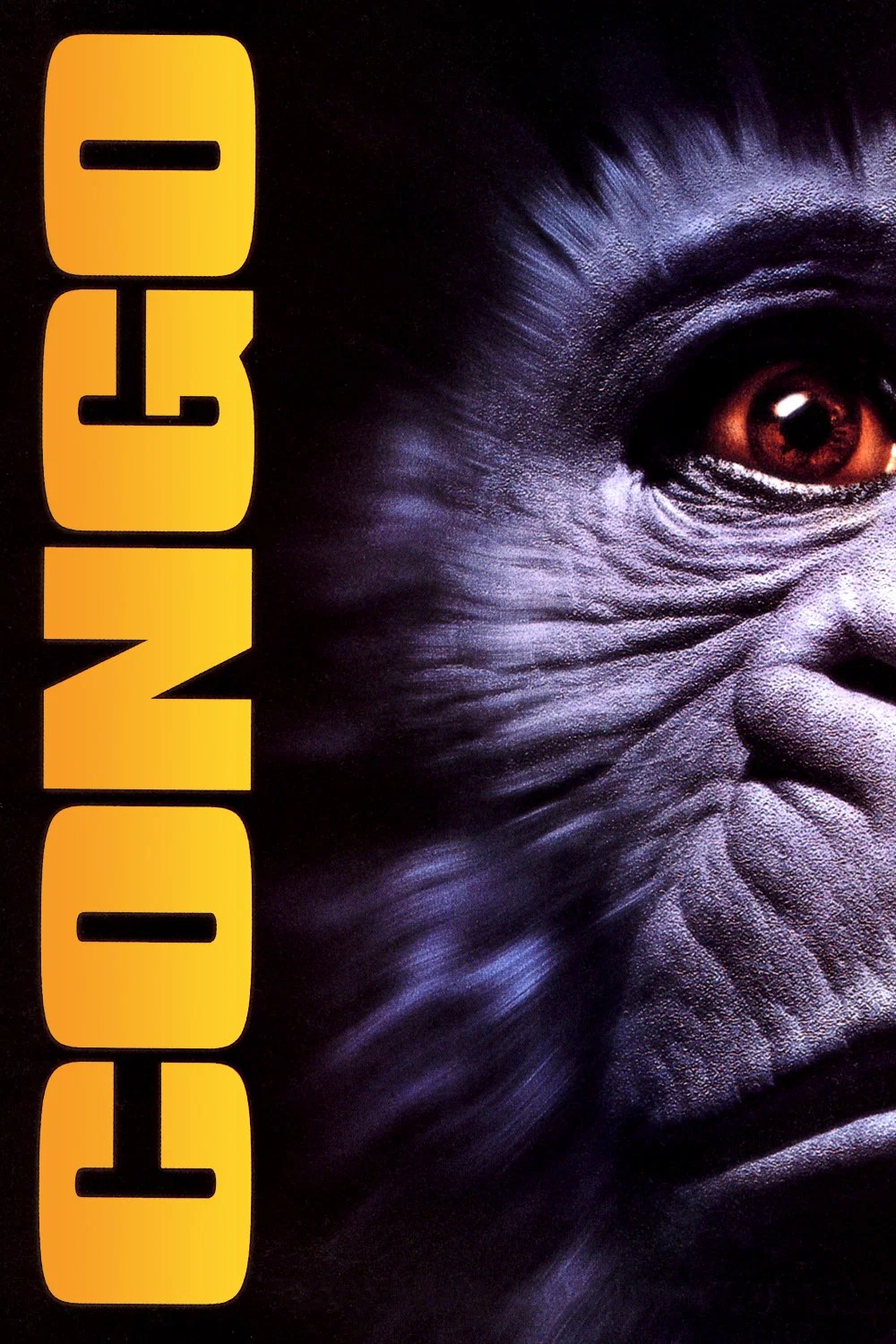
Guilty Pleasure No. 129: Congo (dir. by Frank Marshall)


Congo is the kind of movie that makes perfect sense as a guilty pleasure because it is always hovering just above the level of complete nonsense, yet it has enough energy and conviction to remain enormously watchable. Directed by Frank Marshall, the 1995 film turns Michael Crichton’s jungle-thriller premise into a sprawling mixture of monster movie, treasure hunt, corporate conspiracy, technological anxiety, and old-fashioned adventure serial. It is loud, messy, often ridiculous, and loaded with moments that should not work at all. But that is the pleasure of Congo: it commits so completely to its bizarre material that the movie becomes difficult to dislike.

The setup is wonderfully overstuffed. A corporate expedition disappears while searching for a legendary diamond mine in the Congo, apparently after encountering some mysterious, deadly force. At the same time, primatologist Peter Elliot is preparing to return Amy, a gorilla he has raised and taught sign language, to the wild. Amy has recurring dreams—or perhaps memories—of a strange jungle city, and she communicates through a glove that translates her signs into a robotic voice. Before long, Peter, Amy, corporate representative Karen Ross, Romanian explorer Herkermer Homolka, and a mercenary guide named Captain Munro Kelly are all headed toward the same lost city, where diamonds, ancient ruins, and murderous white gorillas await.

That synopsis alone explains why Congo has developed such a devoted guilty-pleasure reputation. It is a movie where satellites, laser weapons, genetically engineered guard apes, corporate greed, sign-language research, volcanoes, and ancient African mythology all exist in the same story without anyone pausing to question the sheer overload of it. The movie treats every development with sincere urgency, even when the audience is watching Amy the gorilla say “Amy good gorilla” through a computerized voice device. It is impossible not to admire the confidence. Congo never winks at the audience, never admits that its premise is wild, and never cuts itself down to a more manageable size. It simply keeps adding more adventure-movie ingredients until the whole thing becomes strangely hypnotic.

Laura Linney’s Karen Ross and Dylan Walsh’s Peter Elliot are meant to anchor all of that craziness, but they are also among the film’s blandest elements. Linney is a talented actress, and she brings a professional focus to Karen’s corporate mission, but the character is written in such functional terms that she rarely feels like more than the person carrying the plot’s technological and business-related exposition. Karen is competent, determined, and occasionally vulnerable, but she never develops a particularly distinctive personality. Linney plays her with a seriousness that fits the film’s overall tone, yet that seriousness can make her feel oddly distant. She is there to make sure the satellite plot, the diamond plot, and the rescue plot keep moving, rather than to provide much spark on her own.

Walsh has an even tougher assignment as Peter. He is essentially the emotional center of Amy’s story, and the film needs the audience to believe in his paternal, almost codependent relationship with her. But Peter is such a mild, generic protagonist that he often gets swallowed by the movie’s more eccentric ideas. Walsh is not bad, exactly; he is simply too subdued for a film filled with volcanic eruptions, killer gorillas, and Tim Curry speaking every line as though he is announcing the end of civilization. His performance has a sincere gentleness that helps the scenes with Amy, but it also makes him feel like he wandered in from a quieter, more conventional family adventure. When the movie becomes bigger and stranger, Peter’s personality does not expand with it.

That blandness becomes especially noticeable because Ernie Hudson and Tim Curry are having such an obviously fantastic time in their roles. Hudson plays Captain Munro Kelly with the relaxed confidence of someone who knows he is the coolest person in the room. Munro is a professional guide, a fighter, a pilot, and a survivor, but Hudson does not turn him into a grim action-movie cliché. He gives the character humor, charisma, and a reassuring calm under pressure. Whenever the group faces another disaster—whether it is hostile terrain, dangerous animals, mercenaries, or the increasingly unhinged situation inside the lost city—Hudson makes Munro feel like the one person who might actually know what he is doing.

Hudson’s performance also gives Congo a sense of fun that the central characters sometimes lack. He has an easy screen presence, and he seems to understand that the film works best when it leans into the pleasures of a grand, pulpy adventure. Munro is not a particularly deep character, but Hudson makes him memorable through timing, attitude, and sheer likability. The movie becomes livelier whenever he takes charge, whether he is negotiating with people in the field or calmly reacting to another completely absurd revelation. If Karen and Peter are the story’s functional leads, Munro is the character who gives the audience someone to enjoy following.

Then there is Tim Curry as Herkermer Homolka, who delivers what can only be described as a masterclass in hammy, scenery-chewing entertainment. Curry does not merely play Homolka; he devours the role with a kind of operatic enthusiasm. Every line is delivered in his grand Romanian accent with the force of a proclamation, and every gesture suggests that Homolka believes he is the hero of the greatest expedition in history. Curry appears to be enjoying himself so much that it becomes infectious. He is not interested in realism, restraint, or subtle characterization. He is there to make every scene larger, louder, and more theatrical.

Homolka is already a ridiculous figure on the page: a pompous explorer with a famous family name, an exaggerated ego, and a dramatic flair that makes him seem less like a real adventurer than a flamboyant villain from a lost serial. Curry recognizes that the only correct way to play him is at maximum volume. His performance turns every bit of dialogue into an event. He gives the impression that he has spent years preparing speeches for this exact jungle expedition, waiting for the chance to announce his discoveries to the world. Even when Homolka is making selfish or foolish decisions, Curry makes him too entertaining to hate.

The contrast between Curry and the more restrained leads is one of the reasons Congo feels so odd. Linney and Walsh approach the material with a level of seriousness that suggests they are trying to preserve some emotional credibility. Hudson and Curry, by contrast, seem to recognize that credibility is not really the point. Hudson brings a cool, knowing charm, while Curry turns the movie into a one-man theatrical spectacle whenever he appears. Neither approach is necessarily wrong, but the difference creates a tonal imbalance. The film’s heroes feel flat because its supporting players are so much more alive.

The killer gorillas, of course, are another major source of the film’s guilty-pleasure appeal. These are not normal gorillas defending their territory. They are pale, vicious creatures bred to protect the diamond city of Zinj, and they attack with the exaggerated menace of monsters in a haunted-house ride. The effects have not aged gracefully. The suits and animatronics are visible, the movements can be stiff, and the creatures are often more amusing than frightening. Yet they remain memorable because the movie gives them a distinct, nightmarish look: white fur, glowing eyes, sharp teeth, and sudden appearances from dark corridors or jungle fog.

Frank Marshall directs the action with enough pace and polish to keep Congo from collapsing under the weight of its own silliness. The jungle setting, the ruined city, the expedition equipment, the satellite imagery, and the volcanic finale all give the movie a bigger sense of scale than its reputation might suggest. It feels like a genuine studio blockbuster from a time when Hollywood would spend serious money on an unapologetically strange idea. The film is not elegant, and it is certainly not believable, but it is never boring for long.

As a conventional adventure movie, Congo is uneven. Its African setting is often treated as a vague, dangerous backdrop, and its plot is overloaded with enough corporate jargon and techno-babble to distract from the more entertaining monster-movie material. But as a guilty pleasure, it is hard to beat. The movie is too bizarre to be generic and too sincere to feel cynical. Laura Linney and Dylan Walsh may be stuck playing bland characters at the center of the chaos, but Ernie Hudson and especially Tim Curry make the journey worth taking. Curry’s performance alone is a treasure: a joyous, magnificent display of overacting that turns Congo from a merely strange blockbuster into something genuinely unforgettable.

Previous Guilty Pleasures

  1. Half-Baked
  2. Save The Last Dance
  3. Every Rose Has Its Thorns
  4. The Jeremy Kyle Show
  5. Invasion USA
  6. The Golden Child
  7. Final Destination 2
  8. Paparazzi
  9. The Principal
  10. The Substitute
  11. Terror In The Family
  12. Pandorum
  13. Lambada
  14. Fear
  15. Cocktail
  16. Keep Off The Grass
  17. Girls, Girls, Girls
  18. Class
  19. Tart
  20. King Kong vs. Godzilla
  21. Hawk the Slayer
  22. Battle Beyond the Stars
  23. Meridian
  24. Walk of Shame
  25. From Justin To Kelly
  26. Project Greenlight
  27. Sex Decoy: Love Stings
  28. Swimfan
  29. On the Line
  30. Wolfen
  31. Hail Caesar!
  32. It’s So Cold In The D
  33. In the Mix
  34. Healed By Grace
  35. Valley of the Dolls
  36. The Legend of Billie Jean
  37. Death Wish
  38. Shipping Wars
  39. Ghost Whisperer
  40. Parking Wars
  41. The Dead Are After Me
  42. Harper’s Island
  43. The Resurrection of Gavin Stone
  44. Paranormal State
  45. Utopia
  46. Bar Rescue
  47. The Powers of Matthew Star
  48. Spiker
  49. Heavenly Bodies
  50. Maid in Manhattan
  51. Rage and Honor
  52. Saved By The Bell 3. 21 “No Hope With Dope”
  53. Happy Gilmore
  54. Solarbabies
  55. The Dawn of Correction
  56. Once You Understand
  57. The Voyeurs 
  58. Robot Jox
  59. Teen Wolf
  60. The Running Man
  61. Double Dragon
  62. Backtrack
  63. Julie and Jack
  64. Karate Warrior
  65. Invaders From Mars
  66. Cloverfield
  67. Aerobicide 
  68. Blood Harvest
  69. Shocking Dark
  70. Face The Truth
  71. Submerged
  72. The Canyons
  73. Days of Thunder
  74. Van Helsing
  75. The Night Comes for Us
  76. Code of Silence
  77. Captain Ron
  78. Armageddon
  79. Kate’s Secret
  80. Point Break
  81. The Replacements
  82. The Shadow
  83. Meteor
  84. Last Action Hero
  85. Attack of the Killer Tomatoes
  86. The Horror at 37,000 Feet
  87. The ‘Burbs
  88. Lifeforce
  89. Highschool of the Dead
  90. Ice Station Zebra
  91. No One Lives
  92. Brewster’s Millions
  93. Porky’s
  94. Revenge of the Nerds
  95. The Delta Force
  96. The Hidden
  97. Roller Boogie
  98. Raw Deal
  99. Death Merchant Series
  100. Ski Patrol
  101. The Executioner Series
  102. The Destroyer Series
  103. Private Teacher
  104. The Parker Series
  105. Ramba
  106. The Troubles of Janice
  107. Ironwood
  108. Interspecies Reviewers
  109. SST — Death Flight
  110. Undercover Brother
  111. Out for Justice
  112. Food Wars!
  113. Cherry
  114. Death Race
  115. The Beast Within
  116. Girl Series
  117. Gone in 60 Seconds
  118. Swordfish
  119. Marked For Death
  120. The Internship
  121. The Angry Red Planet
  122. 2012
  123. Old School
  124. No Escape
  125. In Death Series
  126. Alligator
  127. Little Annie Fanny
  128. Wicked Wanda

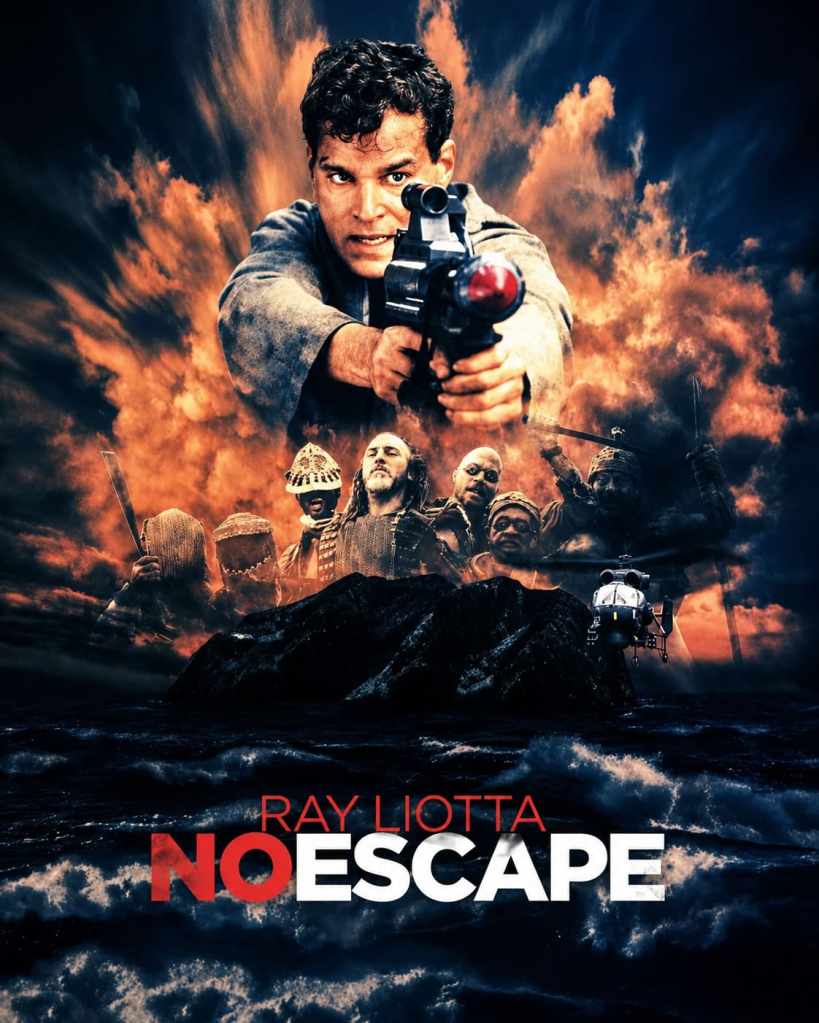
Guilty Pleasure No. 124: No Escape (dir. by Martin Campbell)


So, No Escape is a movie that, if you’re a fan of mid-90s action flicks, you’ve probably stumbled across on late-night cable at some point. Directed by Martin Campbell, a guy who would go on to resurrect James Bond with GoldenEye, this 1994 sci-fi romp is a strange, almost forgotten artifact from a time when every action movie seemed to be set in a grim, corporate-run future. It’s a movie that borrows so heavily from its predecessors that you could make a drinking game out of spotting the references, yet it does it all with such earnest, sweaty commitment that it’s hard to completely hate. It’s a film that, in a perfect world, should have been a genre classic, but its own bloat and inconsistent rhythm drag it down to the level of a solid, slightly-defective guilty pleasure.

The setup is pure B-movie gold. It’s the year 2022, which felt super futuristic back then, and the world has privatized its prison system. Ray Liotta stars as Captain Robbins, a man sentenced to life on the brutal island prison of Absolom after he kills his commanding officer. The premise of a super-max prison on a remote island, a “civilized” versus “savage” faction of inmates, and a hero who just wants to escape is a greatest-hits medley of Escape from New YorkMad Max 2: The Road Warrior, and Papillon. The film’s villain, Marek, played by a gloriously over-the-top Stuart Wilson, leads a tribe of leather-clad maniacs called the Outsiders, while Lance Henriksen’s Father leads the peaceful, agrarian community of Insiders. Our hero is thrust between them, forced to navigate tribal politics while plotting his getaway. It’s as familiar as an old pair of boots, but there’s a comfort in that familiarity, a sense that you know the beats and can just enjoy the ride.

And for a while, the ride is genuinely fun. Campbell, who clearly has an eye for widescreen spectacle, makes the lush Australian location look both beautiful and hostile. The production design is actually one of the film’s strongest assets; the Outsiders’ camp is a junkyard nightmare, while the Insiders’ village is a quaint, shanty-town paradise built from salvaged scrap. It gives the film a distinct, tactile feel that a lot of sterile sci-fi movies lack. Liotta is perfectly cast as the tough, morally ambiguous soldier. He brings a rough, cerebral quality to the role, making Robbins feel like a guy who’s seen too much and is just plain tired. Stuart Wilson, meanwhile, hams it up as the villain Marek, delivering a performance so broad and gleefully evil that he borders on self-parody, but in a way that’s weirdly compelling and provides some much-needed comic relief. The film feels like it’s building to something great, a tense and explosive showdown between these two drastically different tribes.

The problem is that No Escape simply does not know when to stop. This is a movie with a lean, mean premise that somehow stretches itself out to nearly two hours, and you feel every single minute of the back half. The pacing is wildly inconsistent, lurching between tense survivalist stuff, full-blown action set pieces, and stretches of world-building exposition that just sit there and deflate the momentum the film worked hard to build. There are entire sequences that feel like they exist purely to pad the runtime, and by the time the third act rolls around and Robbins is organizing his prison-break uprising, you’re less excited by the payoff and more just relieved that the movie is finally getting somewhere. A tighter edit, trimming maybe twenty to thirty minutes of the connective tissue, would’ve turned this into a genuinely great B-movie instead of a good one hamstrung by its own indulgence.

That’s really the frustrating thing about No Escape. Everything that makes prison-island and dystopian-exile movies fun is present and accounted for here: a charismatic antihero, a nasty villain, a societal allegory bubbling under the surface, brutal action, and a satisfying underdog uprising. Campbell clearly understood the assignment and delivered those elements competently, sometimes even excitingly. But competent execution of familiar beats can only carry a movie so far when the film refuses to trim the fat, and the sluggish, uneven pacing keeps dragging you out of scenes that should be gripping. It’s the kind of movie that probably could’ve stood shoulder to shoulder with its genre influences if someone in the editing room had been a little more ruthless.

As it stands, No Escape lands squarely in guilty-pleasure territory. It’s not a film you’d necessarily recommend to someone as an essential genre entry, but if you’re already the type who loves this stuff, the dystopian island prisons, the tribal factions, the gruff antihero clawing his way toward freedom, there’s a lot here to enjoy despite the flab. It wears its influences on its sleeve, executes them with more skill than it probably gets credit for, and then undercuts itself by overstaying its welcome. Somewhere in this movie is a tight, mean ninety-minute action flick that could’ve been a minor classic. Instead we got a longer, baggier version that’s still worth a watch on a lazy afternoon, just with the fast-forward button within easy reach for the slower stretches.

Previous Guilty Pleasures

  1. Half-Baked
  2. Save The Last Dance
  3. Every Rose Has Its Thorns
  4. The Jeremy Kyle Show
  5. Invasion USA
  6. The Golden Child
  7. Final Destination 2
  8. Paparazzi
  9. The Principal
  10. The Substitute
  11. Terror In The Family
  12. Pandorum
  13. Lambada
  14. Fear
  15. Cocktail
  16. Keep Off The Grass
  17. Girls, Girls, Girls
  18. Class
  19. Tart
  20. King Kong vs. Godzilla
  21. Hawk the Slayer
  22. Battle Beyond the Stars
  23. Meridian
  24. Walk of Shame
  25. From Justin To Kelly
  26. Project Greenlight
  27. Sex Decoy: Love Stings
  28. Swimfan
  29. On the Line
  30. Wolfen
  31. Hail Caesar!
  32. It’s So Cold In The D
  33. In the Mix
  34. Healed By Grace
  35. Valley of the Dolls
  36. The Legend of Billie Jean
  37. Death Wish
  38. Shipping Wars
  39. Ghost Whisperer
  40. Parking Wars
  41. The Dead Are After Me
  42. Harper’s Island
  43. The Resurrection of Gavin Stone
  44. Paranormal State
  45. Utopia
  46. Bar Rescue
  47. The Powers of Matthew Star
  48. Spiker
  49. Heavenly Bodies
  50. Maid in Manhattan
  51. Rage and Honor
  52. Saved By The Bell 3. 21 “No Hope With Dope”
  53. Happy Gilmore
  54. Solarbabies
  55. The Dawn of Correction
  56. Once You Understand
  57. The Voyeurs 
  58. Robot Jox
  59. Teen Wolf
  60. The Running Man
  61. Double Dragon
  62. Backtrack
  63. Julie and Jack
  64. Karate Warrior
  65. Invaders From Mars
  66. Cloverfield
  67. Aerobicide 
  68. Blood Harvest
  69. Shocking Dark
  70. Face The Truth
  71. Submerged
  72. The Canyons
  73. Days of Thunder
  74. Van Helsing
  75. The Night Comes for Us
  76. Code of Silence
  77. Captain Ron
  78. Armageddon
  79. Kate’s Secret
  80. Point Break
  81. The Replacements
  82. The Shadow
  83. Meteor
  84. Last Action Hero
  85. Attack of the Killer Tomatoes
  86. The Horror at 37,000 Feet
  87. The ‘Burbs
  88. Lifeforce
  89. Highschool of the Dead
  90. Ice Station Zebra
  91. No One Lives
  92. Brewster’s Millions
  93. Porky’s
  94. Revenge of the Nerds
  95. The Delta Force
  96. The Hidden
  97. Roller Boogie
  98. Raw Deal
  99. Death Merchant Series
  100. Ski Patrol
  101. The Executioner Series
  102. The Destroyer Series
  103. Private Teacher
  104. The Parker Series
  105. Ramba
  106. The Troubles of Janice
  107. Ironwood
  108. Interspecies Reviewers
  109. SST — Death Flight
  110. Undercover Brother
  111. Out for Justice
  112. Food Wars!
  113. Cherry
  114. Death Race
  115. The Beast Within
  116. Girl Series
  117. Gone in 60 Seconds
  118. Swordfish
  119. Marked For Death
  120. The Internship
  121. The Angry Red Planet
  122. 2012
  123. Old School

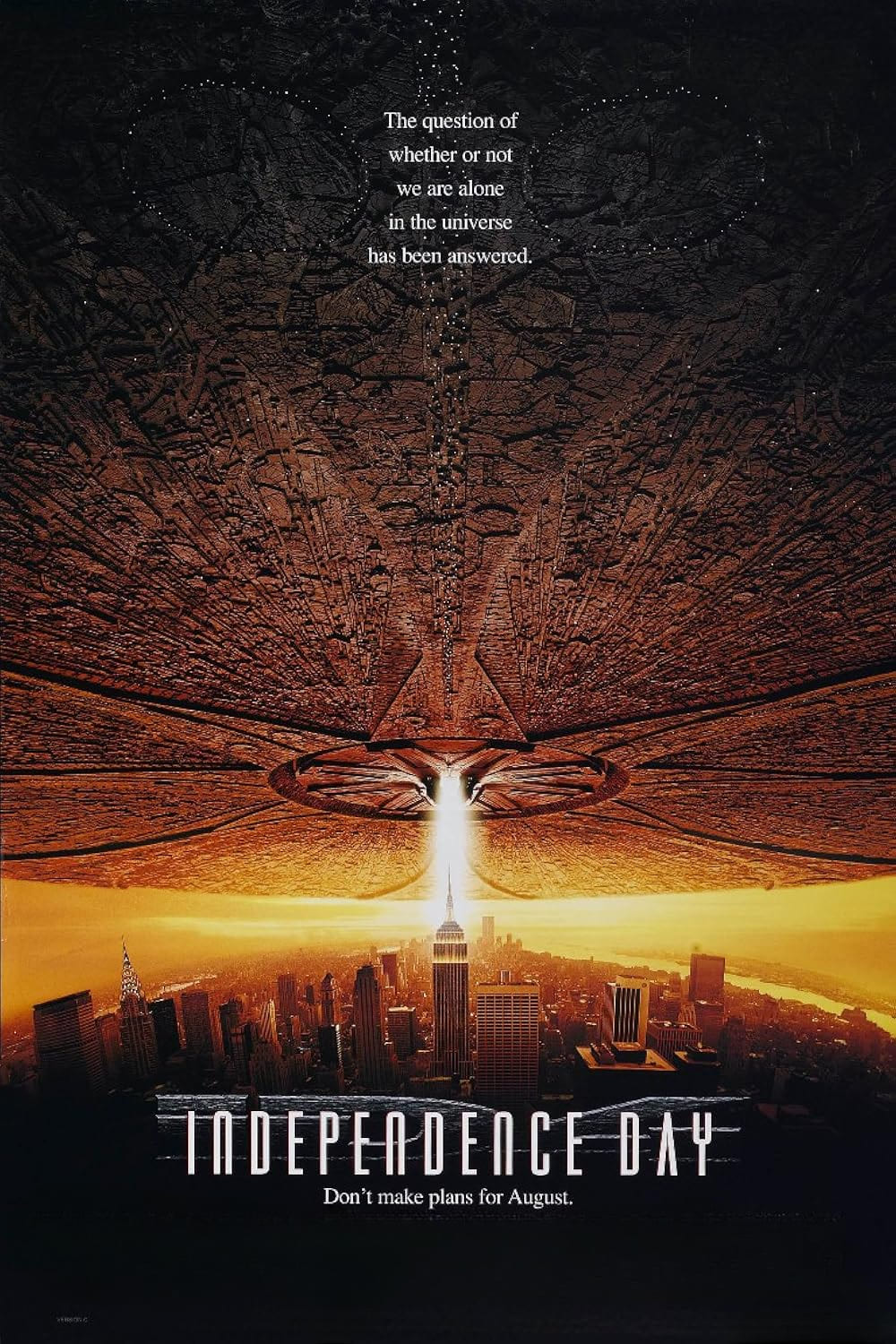
Review: Independence Day (dir. by Roland Emmerich)


“We will not go quietly into the night! We will not vanish without a fight! We’re going to live on! We’re going to survive! Today, we celebrate our Independence Day!” — President Whitmore

If you were around in the summer of 1996, you already know exactly where you were when you first saw the trailer for Independence Day. There was this massive shadow creeping over the moon, followed by that terrifying, booming sound effect, and then the White House just absolutely getting vaporized by a giant laser beam. It was a cultural moment. Director Roland Emmerich hadn’t really made his mark on Hollywood yet, but with this one movie, he essentially invented the modern summer blockbuster template of destroying famous global landmarks. Looking back at Independence Day almost three decades later, it is honestly wild how well this movie holds up, not as a piece of high art, but as a perfectly calibrated, ridiculously entertaining popcorn machine.

The premise is beautifully simple: massive alien spaceships suddenly appear over Earth’s major cities, they don’t come in peace, and humanity has to figure out how to fight back before we go the way of the dinosaurs. What makes the first act of the movie so effective is the slow build. Emmerich doesn’t just start with explosions; he lets the dread simmer. We see the massive ship hover over New York City, casting a shadow that blocks out the sun, and the sheer scale of the thing is awe-inspiring. Then, when the ships finally initiate their attack sequence, the payoff is spectacular. The practical effects combined with early CGI create these massive, rolling walls of fire that tear through iconic buildings. It is destructive poetry, and as a kid watching it, it was the most incredible thing I had ever seen. Even now, the destruction feels heavy and tactile in a way that modern, entirely computer-generated action sequences often don’t.

But a movie is only as good as its characters, and Independence Day has arguably one of the greatest ensemble casts of the 1990s. You have Will Smith playing Captain Steven Hiller, a fighter pilot who is desperately trying to get promoted while also dealing with his girlfriend, her son, and their dog. Smith is at the absolute peak of his early movie star charm here, delivering some of the most quotable one-liners in action movie history. Punching an alien in the face and yelling “Welcome to Earth!” is the kind of ridiculous machismo that only Smith could pull off without making you cringe. Then you have Jeff Goldblum as David Levinson, an MIT-educated cable repairman and environmentalist who figures out the alien signal is a countdown. Goldblum is basically doing his classic Goldblum thing—stuttering, eccentric, highly caffeinated—but it works perfectly because he serves as the perfect foil to Smith’s brute physicality.

The supporting cast is so deep that it feels like an Ocean’s Eleven of sci-fi tropes. Bill Pullman plays President Thomas J. Whitmore, and he gives the role an earnestness that elevates the material. He’s not an action hero; he’s a former fighter pilot who is clearly in over his head but steps up when his people need him most. You also have Judd Hirsch as Goldblum’s cranky, kvetching father, providing fantastic comic relief. Randy Quaid plays Russell Casse, a traumatized former pilot who was abducted by aliens years ago and is written off as a drunk by his small town, giving the movie an underdog storyline. And you can’t forget Brent Spiner as Dr. Okun, the wildly eccentric Area 51 scientist who gets way too excited about the alien biology. Every single one of these actors is fully committed to the bit, no matter how absurd the situation gets.

Now, if we are being completely honest, we have to talk about the plot, which is essentially held together with scotch tape and sheer willpower. The entire third act revolves around Goldblum and Smith flying a captured alien spacecraft up to the mothership to upload a computer virus using a 1996 Apple PowerBook. Yes, an Earth laptop somehow interfaces perfectly with an advanced extraterrestrial operating system, and yes, the aliens apparently don’t have McAfee, Norton or any kind of firewall to prevent a rudimentary human virus from crippling their entire defense grid. It is monumentally stupid if you think about it for even five seconds. But the secret to Independence Day is that it moves so fast and has so much momentum that you simply do not have time to care. The movie dares you to roll your eyes, but then it immediately distracts you with another massive explosion or a great quip from Will Smith, and you just go along for the ride.

The climax of the movie is a masterclass in cheesy, triumphant blockbuster filmmaking. Before the final aerial assault on the alien ships, President Whitmore gives a speech to the troops that has become completely ingrained in pop culture. “Today we celebrate our Independence Day!” he yells, and it is so incredibly corny, but I challenge you not to get at least a little bit pumped up when the music swells. The dogfight that follows is chaotic and thrilling, culminating in Randy Quaid’s character making the ultimate sacrifice by flying his jet directly into the alien weapon. It is exactly the kind of melodramatic, heroic moment that Emmerich excels at, and it hits the emotional beats it needs to hit, even if you saw it coming from a mile away.

You also have to appreciate how unapologetically intense the movie feels despite skating by with a PG-13 rating. People get vaporized, cities are leveled, and there is a genuine sense of apocalyptic dread that permeates the middle of the film. When the aliens first attack, Emmerich actually takes the time to show the aftermath, including cars blowing up in tunnels and people desperately trying to outrun the fireballs. Harvey Fierstein’s character dramatically dying while just sitting in his car, rolling up the window as if that’s going to stop a giant wall of alien fire, is a weirdly specific, dark comedy beat that you rarely see nowadays. The movie has real stakes, and you genuinely feel like humanity is on the brink of extinction.

It is crazy to think about the legacy of Independence Day and how it changed Hollywood. Before this, disaster movies were mostly relegated to B-movie status or Irwin Allen productions from the 1970s. Emmerich proved that you could blend disaster spectacle with sci-fi action and make an absolute fortune. This movie paved the way for Armageddon, Godzilla, The Day After Tomorrow, and essentially the entire concept of the modern cinematic destruction porn genre. They did eventually make a sequel, Independence Day: Resurgence, in 2016, but it completely missed the point of the original. It was too slick, too reliant on weightless CGI, and it lacked the ragtag, underdog charm that made the first one so special.

At the end of the day, Independence Day is just pure, unadulterated cinema comfort food. It does not demand anything from you as a viewer other than to sit back, suspend your disbelief, and enjoy the fireworks. It captures a very specific mid-90s vibe where movies could be big, dumb, loud, and incredibly fun without taking themselves too seriously. Roland Emmerich has directed a lot of movies since then where he has destroyed the world in various different ways, but he has never quite managed to capture the lightning in a bottle that he did here. Whenever the Fourth of July rolls around, or whenever you just need a reliable, edge-of-your-seat action movie to kill a couple of hours, Independence Day is always there, waiting to welcome you to Earth one more time.

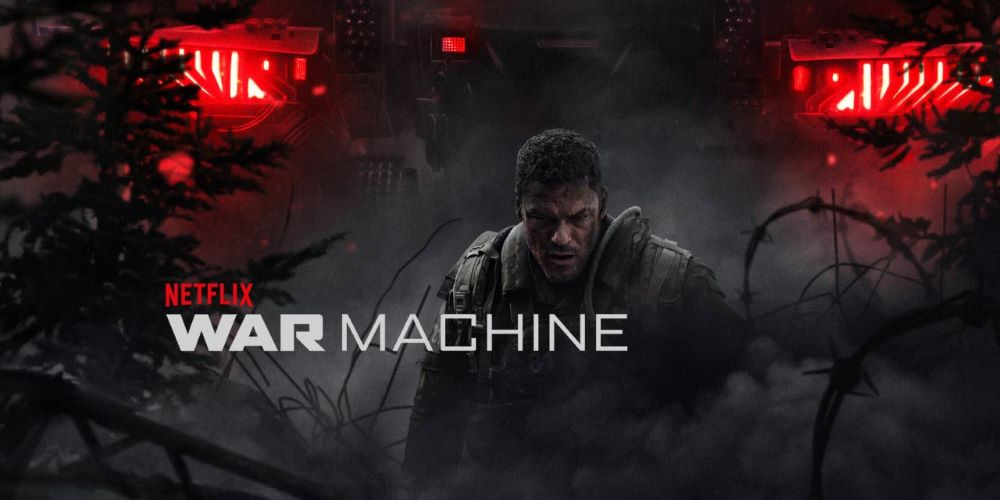
Review: War Machine (dir. by Patrick Hughes)


“It’s not about us anymore. It’s warning everybody that thing’s coming.” — Staff Sergeant 81

War Machine is a slick, mid-budget sci-fi actioner that mostly does exactly what it promises: put Alan Ritchson in a killbox with something inhuman and let the cameras roll. It is also a film that keeps bumping up against more interesting ideas than it has time—or maybe courage—to fully explore.

Set around a Ranger Assessment and Selection Program (RASP) training exercise, War Machine drops a squad of U.S. Army candidates into what should be a controlled simulation and then twists the dial from “routine” to “existential threat” in a single, nasty turn. Patrick Hughes uses the military-training frame as a clean, modular structure: we get the briefing, the banter, the march into the woods, and then the sense that something is just off before the real problem reveals itself. That problem, teased heavily in marketing, is a non-human adversary that pushes the movie from grounded war-games thriller into full-on sci-fi horror-action.

On a pure premise level, the film is almost aggressively simple: what if you locked a handful of Rangers-in-the-making in with an advanced, alien threat and watched them improvise their way out? The script never strays far from that line. It moves briskly from beat to beat—contact, casualties, regroup, “this isn’t part of the exercise,” reveal—without a lot of digressions. That tightness keeps the pacing snappy, but it also means character work often comes in shorthand: a line about a family here, a rivalry there, enough to suggest depth without really digging for it.

Ritchson is easily the film’s biggest asset, and the filmmakers know it. Coming off Reacher, he arrives with a built-in persona: the big, capable, slightly sardonic soldier who you just instinctively trust to solve violent problems. War Machine leans into that, but it also asks him to play a little more vulnerability than his Amazon series typically allows. There are moments—usually between set-pieces—where you see the strain and confusion creeping in, and the performance keeps the movie from turning into a pure pose-fest.

Most of the supporting cast is drawn in broad strokes but works well enough in the moment. You get the expected squad dynamics: the true believer, the skeptic, the joker, the one who freezes when things get ugly. The film rarely surprises you with what these people do, but the actors sell the camaraderie, and when bodies start dropping, the losses feel at least momentarily sharp instead of purely mechanical. Still, if you walked out of the movie and had trouble naming more than two characters, that would be understandable; the movie cares more about how they move than who they are.

Hughes’ direction sits in that modern streaming-action pocket: clean, serviceable, with a couple of standout moments but nothing that radically redefines the genre. The early training beats are shot with a straight military grit that grounds the later sci-fi escalation; you can feel the weight of gear, the slog of the environment, the tight focus on lines of advance and retreat. When the alien threat fully enters the frame, the film shifts into a more stylized mode, with harsher lighting, heavier VFX integration, and some nicely framed silhouette shots that emphasize size and speed over detailed anatomy.

Action-wise, War Machine is at its best when it uses geography and tactics instead of just spraying bullets into darkness. A mid-film set-piece in a partially collapsed structure, where the squad tries to funnel the creature into a kill zone, shows how much more interesting the movie becomes when the characters think rather than simply react. You get coordinated movement, overlapping lanes of fire, and the sense of a plan barely holding together. Other sequences lean more on chaotic spectacle, with quick cuts and digital mayhem that get the job done without really sticking in your memory.

The creature itself—both in concept and in execution—is solid, if not iconic. Hughes has mentioned that his original instinct was to completely hide the sci-fi angle in marketing and even within the film for as long as possible, turning the reveal into a full-on genre pivot. You can feel that tension: the movie is structured like a long-burn mystery, but the way it’s framed assumes you already know there is some kind of alien or advanced threat in play. As a result, the first half can feel like it is coyly dancing around a surprise that you walked in expecting, which blunts some of the intended impact.

Once revealed, though, the alien threat has a tactile, physical presence that helps sell the danger, especially when Ritchson is forced into close-quarters encounters. The effects and practical elements blend reasonably well, particularly in dim environments where the film smartly avoids overexposing any weaknesses in the design. You’re never watching the thing and thinking “instant classic,” but you also rarely feel like you’re staring at a dated video-game cutscene, which is no small feat at this budget level.

Where War Machine wobbles is in its relationship to its own ideas. The RASP setting, the simulated-mission-gone-wrong structure, and the presence of an unprecedented threat all hint at questions about how militaries adapt to non-traditional warfare, how much human soldiers matter in a future of machines, and what “training” even looks like when the enemy doesn’t follow any known playbook. Every so often, the screenplay brushes up against those questions—usually in a line about command decisions or acceptable losses—and then quickly retreats back into “shoot, move, communicate.”

There is also a thread about trust in authority and the expendability of trainees that could have turned this into a sharper, more cynical film. Instead, War Machine opts for a more earnest, almost old-fashioned faith in individual bravery and brotherhood. The movie clearly admires these soldiers and wants you to admire them too, so it stops short of really indicting the system that put them in harm’s way. That choice keeps the tone accessible and avoids turning the movie into a lecture, but it also leaves some dramatic meat on the bone.

In terms of craft, this is very much a “Friday night streamer” movie—for better and worse. It looks good enough on a living room screen, with clean sound design that makes each impact and gunshot feel beefy without blowing out your ears. The editing rarely confuses basic spatial relationships, which already puts it ahead of a lot of action on the platform, but it also seldom lingers long enough on a moment to let you fully savor the choreography or the creature’s movement. You get the sense of a film that has been trimmed for pace and attention-span metrics more than for rhythm or mood.

There has already been talk of this being a “spectacle worth watching” if you like Ritchson and sci-fi action, paired with the caveat that it is a decent, familiar entry in a crowded space whose lead performance carries it over the line. That feels about right. War Machine is not trying to be the next genre landmark; it is trying to give fans of Reacher a chance to see their guy punch, shoot, and strategize his way through a different kind of nightmare. On that level, it mostly delivers.

The ending leaves the door open for more, without dunking you in a full-on cliffhanger. You can watch this, feel like you got a complete story, and still understand why the creative team is already floating sequel ideas and talking about “War Machines” in the plural. Whether that happens will depend on the usual streaming calculus—completion rates, social buzz, how long people keep it in their “Recently Watched.” Creatively, there is room to expand the world and dig into the implications that this first film mostly uses as background texture.

If you come to War Machine looking for tight, character-driven military sci-fi with big thematic swings, you’ll probably walk away thinking about what could have been. But if you want a solid, competently staged sci-fi shoot-’em-up anchored by a physically commanding lead turn, this is a pretty easy recommendation—especially if you are already waiting for the next season of Reacher and need something in the same physical, bruising register to fill a couple of hours.

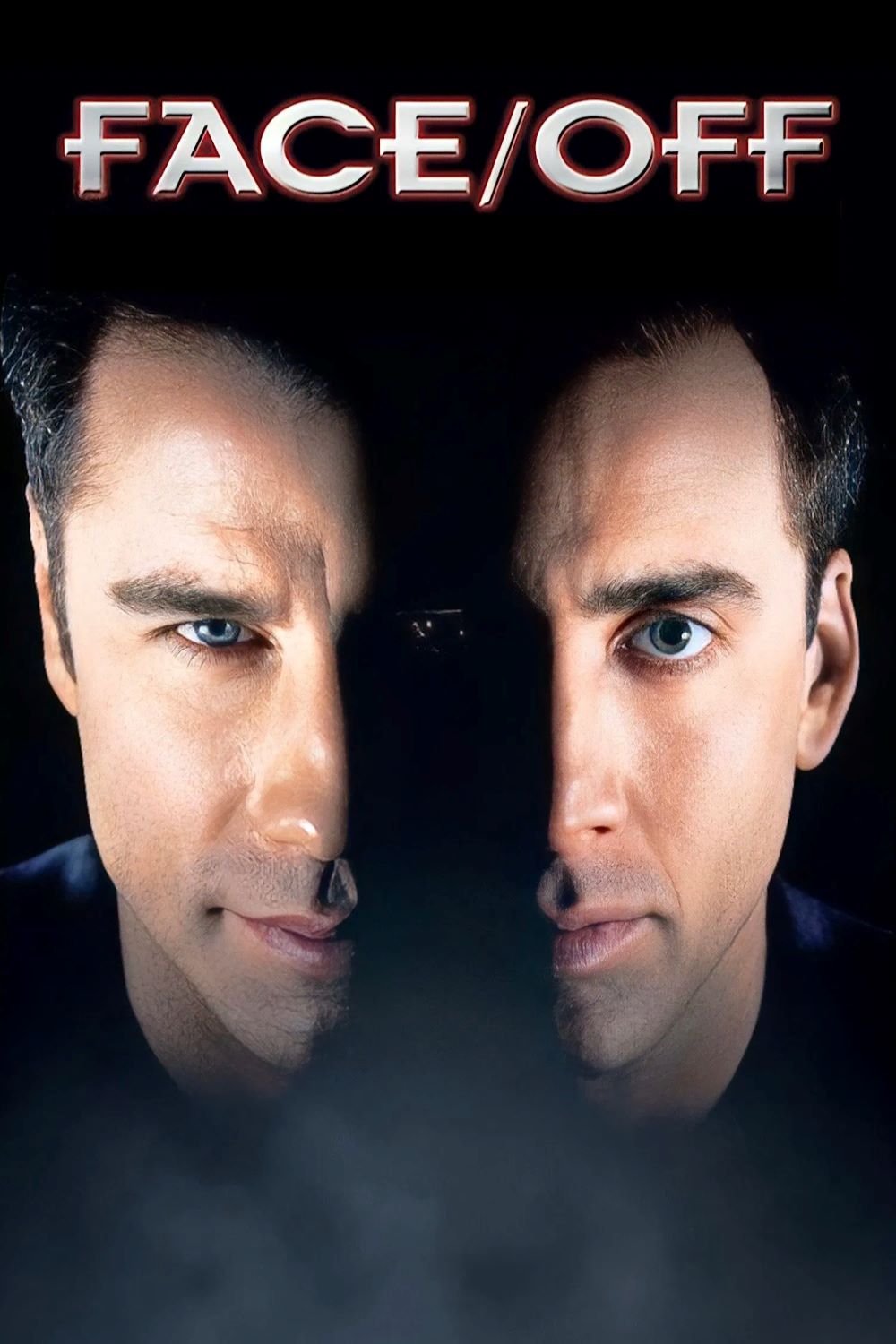
Review: Face/Off (dir. by John Woo)


“It’s like looking in a mirror. Only… Not.”​ — Castor Troy with Sean Archer’s face

Face/Off is one of those late‑90s action movies that feels like it escaped from an alternate universe where “too much” is a compliment, not a warning label. It is bigger than it needs to be, sillier than the premise probably deserves, and yet somehow more emotionally earnest than most modern blockbusters. The result is a film that swings hard between breathtakingly good and gloriously ridiculous, and that tension is exactly what makes it worth revisiting.​

At its core, Face/Off is a story about two men who literally become each other, but it works because it never treats that concept as a small thing. John Travolta’s Sean Archer is an FBI agent consumed by grief after the death of his young son, while Nicolas Cage’s Castor Troy is a theatrical terrorist who seems to enjoy being evil as a kind of performance art. The sci‑fi hook—cutting off their faces and swapping them—does not remotely pass a reality test, but the movie leans into the idea with such conviction that you either roll with it or get left behind in the opening act.​

The big selling point is the acting showcase baked into that swap. Watching Travolta play a supposedly buttoned‑up lawman unraveling inside the body of a flamboyant villain, while Cage dials his madness into something deceptively controlled, gives the film a strange, theatrical energy. There is a real pleasure in tracking how each actor steals little gestures and rhythms from the other, so scenes become layered: what you’re seeing on the surface and who you know is “underneath” the borrowed face are constantly at odds.​

That identity confusion isn’t just a gimmick; it gives the film some surprising emotional weight. Archer’s grief isn’t window dressing—his obsession with bringing down Troy comes from the trauma of losing his son, and the face swap forces him to confront who he’s become in that tunnel‑vision pursuit. Meanwhile, Troy, once inside Archer’s life, plays “family man” in a way that’s both gross and unnervingly intimate, manipulating Archer’s wife Eve and daughter Jamie with a mix of faux tenderness and predatory charm.​

Joan Allen, as Eve, quietly grounds all this insanity. Her character spends a good chunk of the film being gaslit on a level that would break most people, yet Allen plays her with a subdued intelligence that makes the eventual moment of realization feel earned instead of convenient. Dominique Swain’s Jamie gets more of a stock “rebellious teen” setup, but the way Troy‑as‑Archer slithers into her life gives some scenes a genuinely uncomfortable edge, underlining how invasive the villain’s masquerade really is.​

Of course, this is a John Woo movie, so the drama is constantly fighting for space with balletic gunfights and slow‑motion chaos. The action is elaborate and stylized, full of dual pistols, flying bodies, and highly choreographed carnage that feels closer to a violent dance than a grounded firefight. Whether it is the prison escape with its magnetic boots or the church shootout framed with doves and religious imagery, Woo stages set pieces as big operatic crescendos, not just plot checkpoints.​

That operatic tone is both a strength and a weakness. On the one hand, the heightened style matches the bonkers premise, letting the movie exist in a kind of hyper‑reality where emotions and bullets fly with the same intensity. On the other hand, the sheer excess sometimes undercuts the more serious beats, as if the film can’t decide whether it wants to be a heartfelt story about grief and identity or the wildest action comic you have ever flipped through.​

The script occasionally gestures at deeper themes but rarely lingers on them. Archer’s time in a secret off‑the‑books prison hints at broader commentary about state power and dehumanization, yet the movie mostly uses the setting as a backdrop for an escape sequence rather than exploring what it means. Similarly, Troy’s infiltration of Archer’s family brushes against ideas about how easily trust and intimacy can be weaponized, but the story is more interested in cranking up tension than really unpacking that psychological damage.​

Where the writing truly shines is in the mechanics of the cat‑and‑mouse relationship. The film keeps finding new ways to twist the knife, whether it’s Archer stuck in Troy’s body trying to convince former enemies he’s changed sides, or Troy using Archer’s authority to erase evidence and tighten the trap. Some of the most satisfying scenes are the quieter confrontations where both men have to stay in character in front of others while aiming verbal daggers at each other, maintaining the illusion even as their hatred escalates.​

Still, Face/Off is not exactly a model of restraint or logic, and that’s where some fair criticism comes in. The science of the face swap is nonsense even by sci‑fi standards, and the movie’s attempts to hand‑wave voice, body shape, and mannerisms require a level of suspension of disbelief that will be deal‑breaking for some viewers. On top of that, the third act piles on so many stunts and reversals that fatigue can set in; not every action beat feels necessary when the emotional arc has already hit its key notes.​

There is also the question of tone in how the film treats violence and trauma. The opening murder of Archer’s son is genuinely brutal, and the later manipulation of his family taps into real discomfort, yet the movie often snaps back into cool‑shot mode a moment later, as if unsure how long it wants to sit with pain. That tonal whiplash can make it hard to fully buy into the emotional stakes, because the film keeps reminding you it is here, first and foremost, to put on a show.​

Despite those flaws, Face/Off has aged in a strangely resilient way. In an era where many big action movies flatten actors into interchangeable cogs in a CG machine, there’s something refreshing about how much personality this film allows its leads to display, even when they’re chewing the scenery. The movie’s excess becomes part of its charm: it feels handcrafted in its madness, a spectacle built around big performances rather than just big effects.​

Face/Off is neither a straightforward masterpiece nor a disposable guilty pleasure; it lives in a messy, entertaining space between those extremes. The film delivers memorable performances, inventive set pieces, and a surprisingly sincere emotional throughline, but it also leans on ludicrous science, tonal inconsistency, and overindulgent action. If you can accept its central absurdity and meet it on its own heightened wavelength, it remains a wild, engaging ride that showcases what happens when star power, genre bravado, and unfiltered style crash into each other at full speed.​

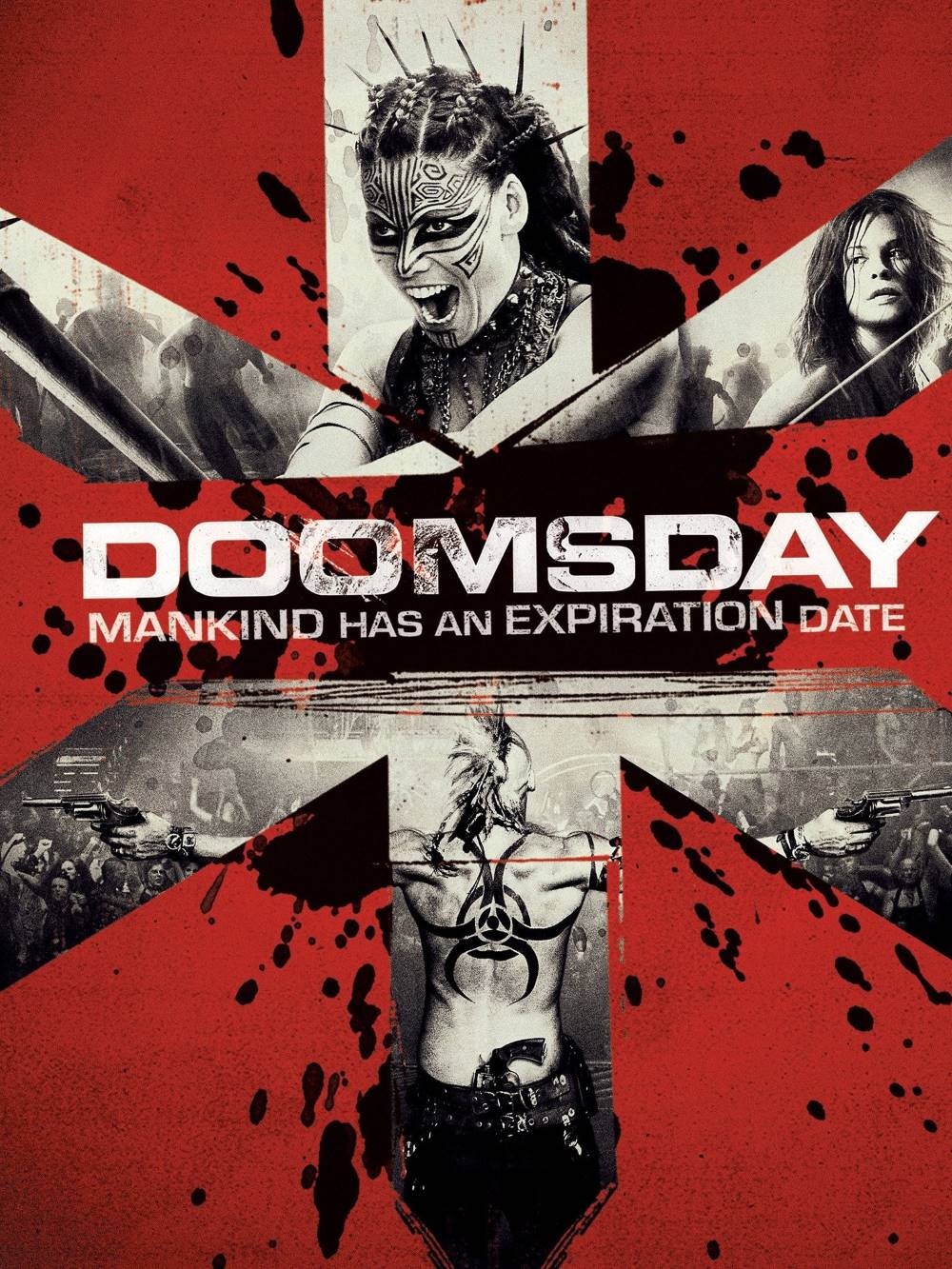
Review: Doomsday (dir. by Neil Marshall)


“Same shit, different era.” — Eden Sinclair

Doomsday tries to be a wild post-apocalyptic romp but ends up as such a profound disappointment, especially coming from Neil Marshall, whose previous two films, Dog Soldiers and The Descent, were much better entries in the horror genre where his attempts to inject new ideas landed the mark with precision and style. Here, Marshall shifts gears into a sprawling, uneven action-horror hybrid that feels like a highlight reel of better movies, bloated and unfocused where his earlier works thrived on tight scripting and fresh twists. While there are flashes of fun in the chaos, the film’s glaring flaws in plotting, tone, and originality outweigh any guilty-pleasure moments, leaving it as more of a curiosity than a recommendation.

The story kicks off with a decent hook: a deadly Reaper virus wipes out much of Scotland, prompting the government to seal it off behind a massive wall and leave the population to fend for itself. Years later, the virus resurfaces in London, and intel suggests survivors—and possibly a cure—lurk inside the quarantine zone. Major Eden Sinclair (Rhona Mitra) leads a ragtag military squad across the wall to hunt down a rogue scientist. It’s a setup that echoes classics like Escape from New York, but Doomsday quickly abandons any tension for a parade of borrowed set pieces that rarely gel, a far cry from the inventive werewolf siege of Dog Soldiers or the claustrophobic crawler terror in The Descent.

Once inside, the movie lurches from one aesthetic to the next without much logic or buildup. First comes a punk-anarchist wasteland with cannibals hosting gladiatorial freak shows amid flames and mohawks, then a sudden pivot to medieval knights in castles complete with jousts and sieges. These shifts feel arbitrary, like Marshall couldn’t decide on a vibe and just threw them all in—a scattershot approach that lacks the confident genre-blending of his prior successes. The worldbuilding is shallow—how did feudalism sprout up so neatly amid the apocalypse?—and the transitions are jarring, undermining any sense of immersion or stakes.

Rhona Mitra holds the center as Sinclair, a one-eyed badass who dispatches foes with grim efficiency, but even she can’t overcome the script’s limitations. Her character is a walking archetype: tough, quippy, and competent, with zero emotional depth or growth. The supporting players, including Malcolm McDowell as a scenery-chewing lord and Bob Hoskins as a gruff boss, are wasted on one-note roles. They’re recognizable enough to highlight how little the film does with its cast, turning potential strengths into reminders of squandered talent.

Visually, Doomsday has some grit thanks to practical effects and location shooting, especially in the grimy urban ruins and over-the-top chases that nod to Mad Max. The gore is plentiful and messy, which might appeal to splatter fans. But the action often devolves into incoherent shaky-cam slogs, and the pacing drags in spots despite the constant escalation. Worse, the film’s self-indulgent excess tips into silliness that undercuts its own grim premise, making it hard to buy the horror of the virus or the desperation of survival.

Tonally, Doomsday is all over the map, swinging from bleak quarantine dread to campy medieval farce without warning. This inconsistency is its biggest sin—serious moments clash with cartoon violence, and the humor lands flat or feels forced. Influences from 28 Days LaterThe Road Warrior, and even Excalibur are blatant, but Marshall doesn’t elevate them; he just remixes them into something louder yet less impactful. The result feels like fan fiction for genre nerds rather than a fresh take, missing the spark that made his earlier horrors stand out.

Thematically, there are glimmers of commentary on government abandonment, class divides, and viral panic, but they’re buried under the bombast and never explored. Instead of probing the ethics of walling off a nation, the film prioritizes spectacle, leaving those ideas as window dressing. It’s a missed opportunity that makes the whole endeavor feel hollow, especially when real-world parallels to pandemics could have added bite.

Doomsday struggles to stand on its own amid a crowded genre field, weighed down by narrative sloppiness and tonal whiplash that overshadow its few strengths. The positives—like visceral kills and Mitra’s presence—fail to overcome the disjointed plotting and lack of fresh ideas. Ultimately, it feels like a missed chance for something more cohesive, leaving little reason to revisit beyond a one-off curiosity.

In the end, Doomsday is a swing-and-a-miss for Neil Marshall, ambitious in scope but sloppy in execution, a letdown after the highs of Dog Soldiers and The Descent. The negatives dominate: uneven pacing, logical gaps, borrowed aesthetics without innovation, and a tone that alienates more than it entertains. If you’re in the mood for undemanding B-movie chaos on a slow night, it might scratch a minor itch. Otherwise, skip it for the films it rips off—they deliver the thrills without the frustration. At around 105 minutes, it’s not a huge time sink, but better options abound in the post-apoc genre.

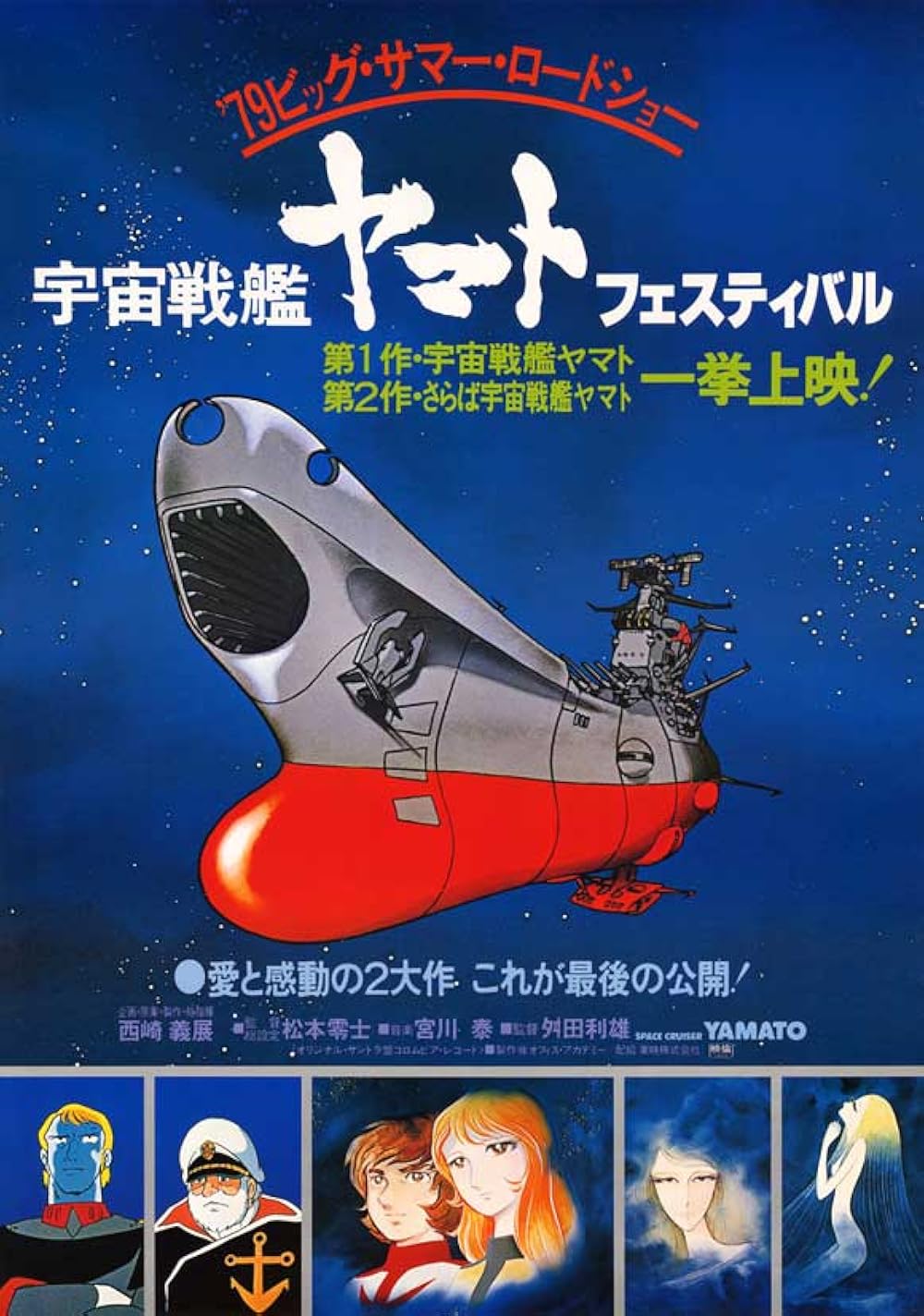
Anime You Should Be Watching: Space Battleship Yamato (Uchū Senkan Yamato)


 “Duty calls us to give more than our lives; it calls us to give our very souls.” — Capt. Juuzo Okita

Space Battleship Yamato, which aired from 1974 to 1975, is a monumental anime series that shaped the medium’s evolution and continues to resonate deeply with audiences today. Directed by Leiji Matsumoto and produced by Yoshinobu Nishizaki, this 26-episode space opera follows the crew of the Yamato—a resurrected World War II battleship transformed into a spacefaring vessel—on a desperate mission to save an irradiated Earth.

Set in the late 22nd century, Earth has been devastated by radiation from relentless attacks by the alien Gamilas. The surface is inhospitable, and humanity is forced underground. Salvation arrives in the form of a message from the distant planet Iscandar, promising a technology that can cleanse Earth’s radiation. The Yamato, captained by Juuzo Okita and crewed by a band of determined officers including the impetuous but brave Susumu Kodai, must make a perilous journey through hostile space to retrieve this salvation device. Along the way, they face not just merciless enemies but internal struggles, moral dilemmas, and the constant pressure of a ticking clock: the Earth will perish within a year if they fail.

In many ways, Yamato broke the mold for 1970s anime. At a time when most shows were episodic and targeted mainly at children, this series presented serialized storytelling with a complex, continuous narrative arc. This format created genuine dramatic tension and emotional stakes that kept viewers invested episode after episode. While some parts drag with melodrama or technical exposition, the story steadily builds toward a moving climax filled with sacrifice, hope, and bittersweet heroism.

Animation-wise, the series shows its age, with occasionally stiff character movements and production shortcuts like reused backgrounds—typical of 1970s TV budgets. Yet, Leiji Matsumoto’s designs and the Yamato ship itself remain iconic, blending Japan’s wartime history with futuristic sci-fi technology in a compelling aesthetic. The space battles are sweeping and cinematic for the era, supported by Hiroshi Miyagawa’s rousing and emotional musical score, which perfectly balances military pride and somber reflection.

The characters inhabit archetypal but evolving roles. Captain Okita embodies the bushido spirit—noble, self-sacrificing, and burdened by duty—while Kodai matures from impulsive youth to responsible leader molded by loss. Supporting characters bring warmth and conflict, though the presence of women like Yuki Mori reflects dated 1970s gender norms, often limiting them to stereotypical and occasionally objectified roles, which jars against the show’s mature themes.

Beneath its sci-fi veneer, Yamato is a profound meditation on postwar Japanese identity. The revival of the WW2 Yamato as a vessel of salvation symbolizes a desire to transform defeat and shame into hope and renewal. The series navigates the duality of glorifying martial courage while confronting war’s tragic costs. The alien Gamilas are also complex antagonists, featuring honorable figures as well as villains, introducing a nuanced moral landscape rare for its time.

The influence of Space Battleship Yamato on anime is immense and multifaceted. It essentially invented what became the “serious,” serialized sci-fi anime format, making way for legends like Mobile Suit Gundam, which took the treatment of war, politics, and character drama to new levels, and Macross, which played with themes of enemies-turned-allies. Notably, Hideaki Anno, creator of the psychologically rich Neon Genesis Evangelion, cites Yamato as a formative influence, incorporating its emotional and philosophical themes. The series also impacted video games, with elements of its design and story inspiring creators well beyond animation.

The Yamato universe has expanded through numerous sequels, side stories, spin-offs, and remakes. The modern reboot Space Battleship Yamato 2199 is a fan favorite, refreshing the original plot with updated animation and added depth, proving the story’s continued resonance. Other adaptations include OVAs, manga expansions, and a live-action movie, each exploring various facets of the original mythos while bringing Yamato to new audiences.

On the international stage, the series’ English-dubbed adaptation, Star Blazers, was among the first serialized anime to reach Western audiences, planting early seeds for global fandom. Its mature storytelling, serialized arcs, and emotional depth influenced how anime was perceived outside Japan, paving the way for wider acceptance of anime as serious storytelling.

Though the animation style and representations may feel dated now, Yamato’s strengths remain powerful: its epic storytelling, rich themes of sacrifice and renewal, unforgettable characters, and visionary world-building. The show exemplifies how anime can weave thrilling adventure with meaningful thematic exploration, laying groundwork that countless series have followed.

Space Battleship Yamato (1974-1975) stands as a cornerstone of anime history. It transcended its era to become a storytelling template and cultural touchstone whose legacy endures through its influence, spin-offs, and remakes. For fans of sci-fi, anime enthusiasts, and cultural historians alike, it remains an essential watch—a stirring saga of resilience, hope, and the human spirit against cosmic odds.

Anime You Should Be Watching

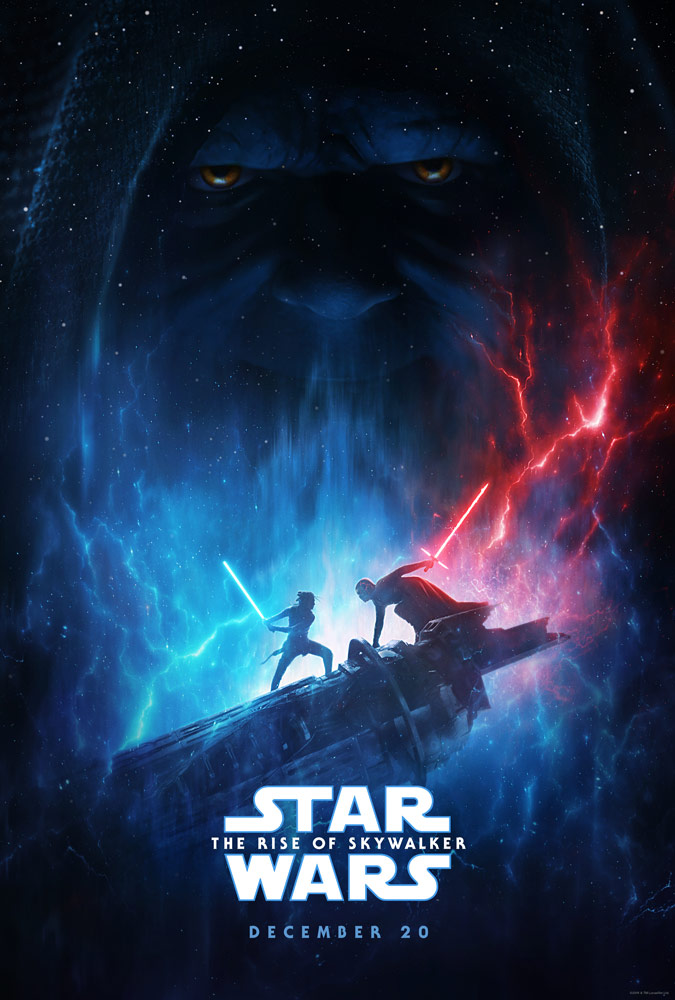
Star Wars: Rise of Skywalker D23 First Look


Star Wars Rise of Skywalker

This past weekend saw Disney’s own convention called D23 come and go over at Anaheim, CA. Everything Disney-branded were announced and talked about. We got more news on Disney’s upcoming streaming service, more Marvel Studios news from Disney+ shows to information on the MCU’s Phase 4 plans. There were even some news about the fallout of the Marvel/Sony issue which has taken Spider-Man out of the MCU proper. Yesterday saw the release of the latest theatrical poster and a special First Look at this upcoming holiday release of Star War: Rise of Skywalker.

The final installment in what’s being called as the Skywalker Saga, the first look trailer shown at D23 yesterday has now been released for general audience consumption and from what I can see it bears some resemblance (at least from some of the images shown) from the old Dark Horse Comics Star Wars: Dark Empire (now just part of Star Wars Legends).

From the very ordered battle formation of Imperial Star Destroyers, to C3PO with red, menacing eyes to Rey in black Sith Robes that echoed Dark Empire’s Luke Skywalker also donning the black Sith Robes and becoming an apprentice of Sith Lord Palpatine.

While much of the stories and ideas from the comics and books of the 1990’s up until the sale of Lucasfilm to Disney has been made moot with the release of the latest films, the Star Wars creators have been mining the so-called Star Wars Legends for ideas and characters to create a new canonical universe.

This latest trailer for Star Wars: Rise of Skywalker does seem to have some influence from that comic book series from Dark Horse and I think that should make for an interesting conclusion to this latest film trilogy.