Review: Full Metal Jacket (dir. by Stanley Kubrick)


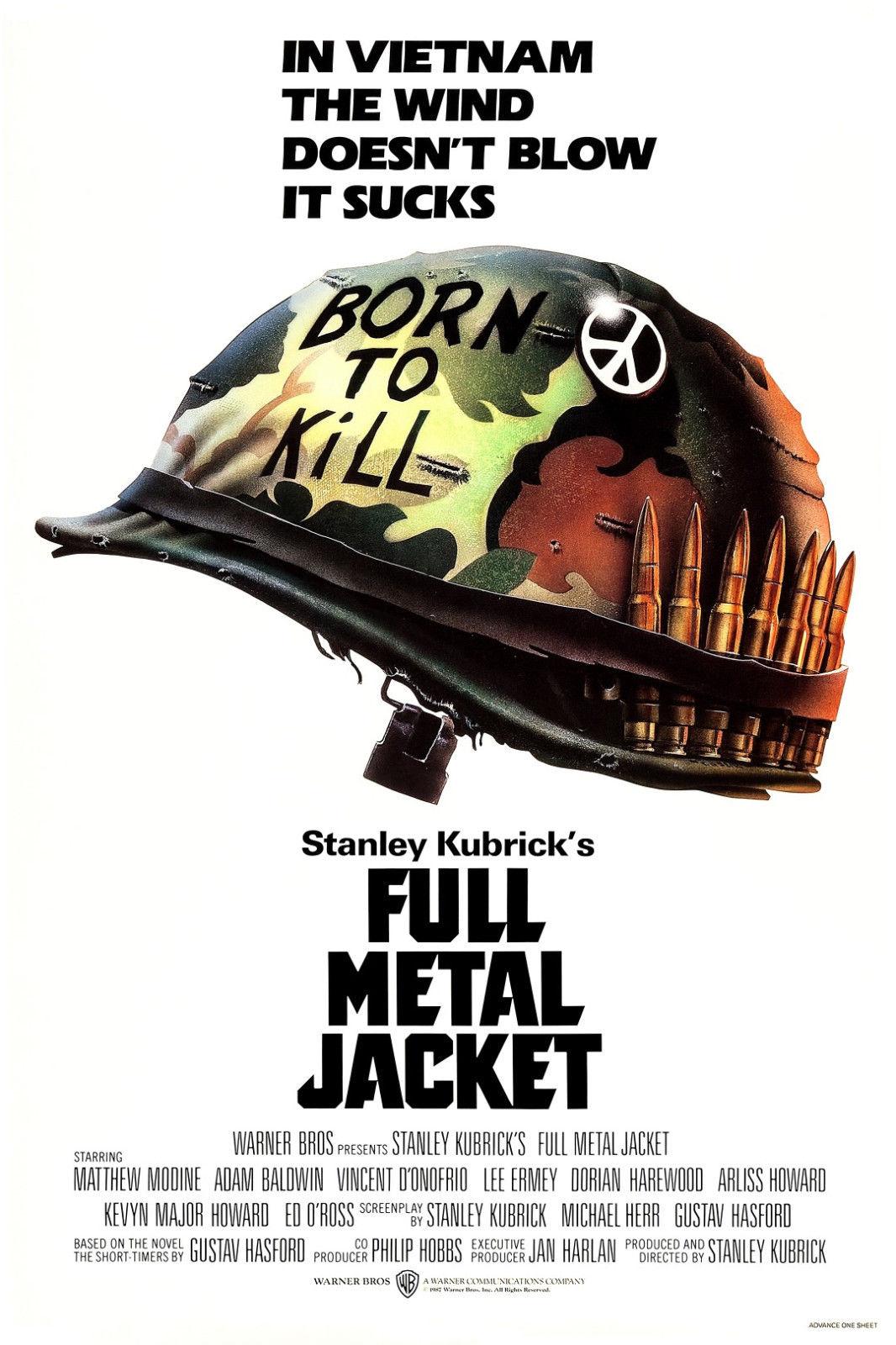
“You write ‘Born to Kill’ on your helmet and you wear a peace button. What’s that supposed to be, some kind of sick joke?” — Colonel

Full Metal Jacket is the kind of war movie that sticks in your craw like old metal shavings. It’s 1987, Stanley Kubrick’s last film released in his lifetime, and it plays less like a traditional Vietnam War saga and more like a taunt packed into two very different acts. One half is a barracks horror show about how the military turns boys into killers; the other is a grubby, almost casual descent into the chaos of combat. Together, they make a movie that feels intentionally disjointed so it can drill down on the same idea from two angles: war doesn’t just brutalize your body, it reshapes your mind into something barely human.

The film follows Private J.T. “Joker” Davis, played by Matthew Modine in one of those quietly watchful performances that’s easy to underestimate. Joker starts as a kind of archetypal smart‑mouth recruit, the guy who thinks he’s above the hysteria until he realizes he isn’t. Around him swirls a platoon of young Marines going through basic training at Parris Island under the merciless Gunnery Sergeant Hartman, played with shark‑like relish by R. Lee Ermey, who was actually a real‑life Marine drill instructor. Hartman’s whole job is to obliterate softness and replace it with drilled‑in aggression, and Kubrick lingers on every insult, every barked command, until the abuse stops feeling like a setup for a war movie and starts feeling like the main event.

The first half of Full Metal Jacket is basically a single, sustained initiation ritual. The camera stays tight, almost claustrophobic, trapping you in the barracks with the recruits, so you feel the same sensory overload they do. The lighting is harsh, the colors washed out, and the camera often locks in on Hartman’s face mid‑rant, making you uncomfortably intimate with his cruelty. This isn’t training so much as a manufactured psychological war waged on the platoon’s collective brain. The recruits are constantly degraded, mocked, and forced into grotesque rituals of humiliation, and the film never lets you forget that this is the system’s idea of “making Marines.” Kubrick doesn’t fake the perverse appeal of this process either; there’s a weird, ugly thrill in how effective it is, in how the boys start enjoying the brutality once they’re inside it.

The standout character in this section is Leonard “Gomer Pyle” Lawrence, played by Vincent D’Onofrio in a performance that’s almost physically uncomfortable to watch. D’Onofrio’s Pyle is this thick‑set, awkward kid who can’t keep up, and the movie doesn’t soften his edges to make him likable. He’s genuinely bad at the routine, slow, clumsy, but he’s also clearly just trying to survive. The film lets you watch, in a very matter‑of‑fact way, how the system turns his inadequacy into a target. The other recruits are instructed to punish him, and soon everyone starts in. The film doesn’t moralize about it; it just shows that this kind of group cruelty is baked into the structure. The infamous scene where the platoon holds Leonard down with piled‑on bed sheets while whacking him with a bar of soap wrapped in a towel is less about a single act of violence than about what it means to normalize dehumanization before you ever see combat.

What’s so unsettling about Full Metal Jacket is that it never pretends Hartman is some rogue sadist. He’s not an outlier; he’s the product of the system, and he’s also the system’s avatar. In that sense, the first half of the film functions like a kind of industrial horror. The Marines are being processed like defective parts on a factory line, streamed through a machine designed to break them and then rebuild them as compliant killers. The film toys with the idea that the military doesn’t want robots so much as creatures that hunger for violence on command. The line about “we don’t want robots, we want men” is repeated with a kind of grim irony because what the film actually shows is the production of something in between: not quite human, not quite machine, but something that can pull a trigger without hesitating.

Jumping from Parris Island to the streets of Huế during the Tet Offensive, the second half of Full Metal Jacket feels like a different movie in tone but the same one in thesis. Joker, now a combat correspondent with a Stars and Stripes hat and a “Born to Kill” slogan on his helmet, is literally split down the middle between observer and participant. He carries a camera and a rifle; he’s supposed to report, but he also has to fight. The film doesn’t resolve that tension the way a more sentimental war movie would. Instead, it lets Joker drift in that gray zone where war is equal parts absurdity and atrocity. The Vietnamese civilians are largely faceless, and the war itself is shown as a series of loosely connected vignettes—raids, ambushes, random firefights—rather than a grand narrative of heroism or tragedy.

Kubrick’s Vietnam is less a country and more a ruined theater set. The cityscapes are wide, desolate, and oddly beautiful in their destruction, as if the war has turned everything into a series of bleak tableaux. The camera doesn’t linger on gore for shock value; it lingers to make the war feel like a permanent, almost aesthetic state of ruin. Individual soldiers pop in and out: Animal Mother, the violently unhinged Marine played by Adam Baldwin; Cowboy, the earnest, almost naive replacement; and the rest of the squad, who oscillate between fear, boredom, and bursts of casual cruelty. None of them are given the kind of tragic backstories that usually make you emotionally invested in a war film. Instead, they’re presented as fragments of a larger machine, each one another cog in the same indifferent system.

The film’s most famous structural trick is its way of keeping politics at arm’s length while still radiating a deeply skeptical view of the war. It doesn’t really bother telling you who’s right or wrong, or why the Marines are there. It just shows what they become and what they do. The movie doesn’t ask you to sympathize with the Marines in the way some war films do; it asks you to recognize the mirror. The famous ending, where the Marines march through flaming ruins to the tune of Mickey Mouse, is pure Kubrick dark surrealism. The cheerful cartoon theme clashes violently with the apocalyptic imagery, and the soldiers chant along with a kind of manic innocence that feels like the last vestige of humanity being cannibalized by the war itself. It’s hard to tell whether the moment is tragic, absurd, or both, and that’s the point.

Full Metal Jacket is also a film about storytelling and the way narratives are weaponized. Joker, as a reporter, is supposed to package the war for a distant audience. He’s there to turn chaos into digestible stories, but the movie quietly undermines that idea by showing how unreliable those narratives are. The soldiers’ own stories are laced with jokes, bravado, misogyny, and casual racism, and the film doesn’t clean them up. It lets you sit with the ugliness, even when it’s delivered with a laugh. The film doesn’t romanticize the Marines’ camaraderie or soften their cruelty; it just lets you watch them behave like ordinary guys who happen to be doing something extraordinary and monstrous.

The cinematography in Full Metal Jacket is cold and precise, which is exactly what the material needs. The camera behaves like a reluctant witness, framing the Marines in symmetrical, almost clinical compositions that make their brutality look routine rather than spectacular. The score is minimal, and the film often relies on diegetic sound—machine‑gun fire, jeep engines, distant explosions, Hartman’s voice echoing off concrete walls—to ground you in the sensory overload of military life. Even the few moments of levity feel like concessions to show business more than true relief. The soldiers’ jokes are rarely funny in a wholesome way; they’re the kind of gallows humor that keeps you from noticing how broken you’ve become.

What ultimately makes Full Metal Jacket endure is that it refuses to offer catharsis. By the time the film ends, nothing has been “resolved” in the way Hollywood usually expects. Joker survives, but the war doesn’t; it just keeps going, and the Marines keep marching, chanting, and killing. The film doesn’t build toward a big speech about the futility of war or a tear‑jerker about fallen comrades. It just suggests, quietly and persistently, that the process outlined in the boot‑camp half is drafted, again, in the streets of Vietnam. You go in as a boy, you’re molded into something sharper and meaner, and then you’re sent out into a world that rewards that sharpness. The movie doesn’t need to say this out loud; it just shows it happening in scene after scene.

In that sense, Full Metal Jacket is one of the most honest anti‑war films precisely because it doesn’t pretend to be a plea for peace. It’s a portrait of a machine that feeds on itself, and of the people who get caught in its gears. It’s funny, disturbing, infuriating, and occasionally mesmerizing, sometimes all at once. It’s not a movie that wants to hold your hand or make you feel better about the human race. It wants you to stare at the gleam on that full metal jacket bullet and wonder what it took to make someone pull the trigger. That’s the real power of Full Metal Jacket: it doesn’t try to redeem the war, the soldiers, or the audience. It just makes sure you can’t look away.
Scene That I Love: 2001’s Stargate Sequence


Today would have been the 84th birthday of special effects maestro, Douglas Trumbull.

Today’s scene that I love come from 1968’s 2001: A Space Odyssey.  The famous stargate sequence was designed by Trumbull and it remains one of the most influential science fiction moments of all time.  In one of their greatest oversights, the Academy neglected to include Trumbull when they nominated the film for its special effects.  As a result, the Oscar only went to Stanley Kubrick.  Trumbull was not happy about that and, sadly, Kubrick and Trumbull did not speak to each other for years afterwards.

Despite not being included in the nomination, Douglas Trumbull’s work has stood the test of time.

4 Shots From 4 Films: Special America At Cannes Edition


4 (or more) Shots From 4 (or more) Films is just what it says it is, 4 (or more) shots from 4 (or more) of our favorite films. As opposed to the reviews and recaps that we usually post, 4 (or more) Shots From 4 (or more) Films lets the visuals do the talking.

With the official Cannes line-up due to be announced tomorrow, it only seems right to highlight a few American films that have previously won the Palme d’Or.  It’s time for….

4 Shots From 4 Films That Won At Cannes

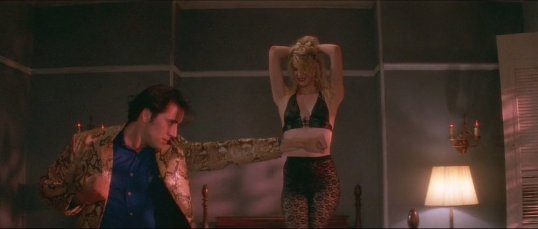
Wild At Heart (1990, dir by David Lynch, DP: Frederick Elmes)

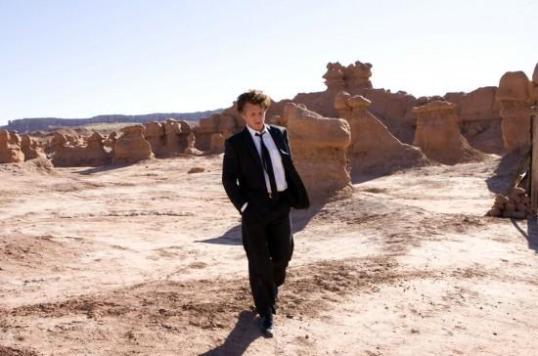
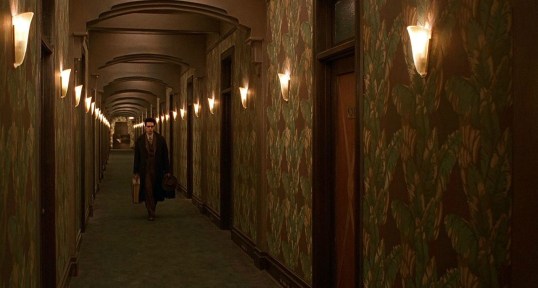
Barton Fink (1991, dir by the Coen Brothers, DP: Roger Deakins)

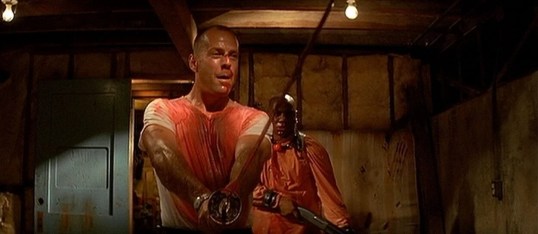
Pulp Fiction (1994, dir by Quentin Tarantino, DP: Andrzej Sekuła)

Tree of Life (2011, dir by Terrence Malick, DP: Emmanuel Lubezki)

Music Video of the Day: Foreclosure of a Dream by Megadeth (1992, directed by Jeff Richter)


In this video, Megadeth takes on the 1990s mortgage crisis with a song that feels just as relevant today as when it was first released.  It’s hard to imagine Metallica ever doing a song like this.

Director Jeff Richter has also worked with everyone from Michael Jackson to Faith Hill to John Fogerty and Nine Inch Nails.

Enjoy!

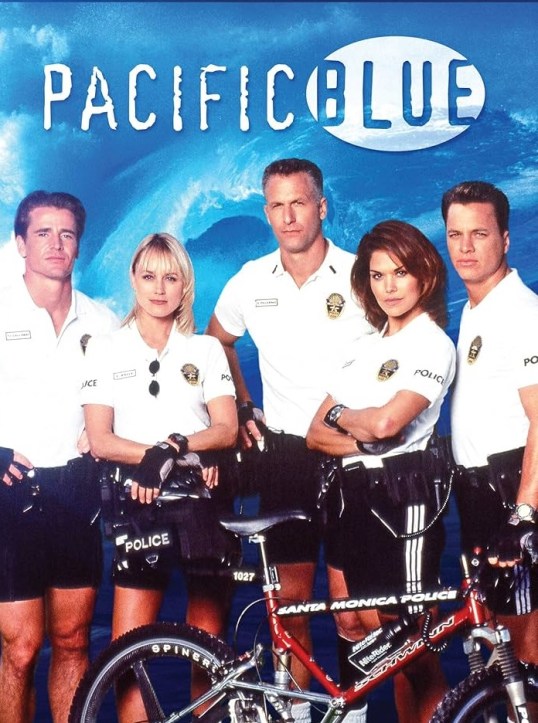
Late Night Retro Television Review: Pacific Blue 3.20 “With This Ring”


Welcome to Late Night Retro Television Reviews, a feature where we review some of our favorite and least favorite shows of the past! On Tuesdays, I will be reviewing Pacific Blue, a cop show that aired from 1996 to 2000 on the USA Network!  It’s currently streaming everywhere, though I’m watching it on Tubi.

This week, infedility is in the air.

Episode 3.20 “With This Ring”

(Dir by Michael Levine, originally aired on April 5th, 1998)

When Cory and Victor find a dead man on the beach, all of the evidence seems to indicate that he was killed as a result of an extramarital affair.  His widow previously hired a detective agency to test his fidelity.  His killer forced his own wedding ring down his throat.  Someone is killing cheaters.

So, of course, Palermo has Cory and Victor go undercover as a married couple.

This isn’t the first episode of Pacific Blue to feature the bike cops going undercover.  It’s actually something that has happened fairly frequently during the third season.  On the one hand, it gets the characters off of those stupid bicycles.  On the other hand, why would a bunch of bike cops be investigating crimes?  Bicycle cops are like any other uniformed cop.  Their job is to keep general order, issue tickets, and secure crime scenes until the actual detectives can show up.  The bicycle cops are police officers but they’re not detectives.  At least, that’s the way it works in the real world.  In the world of Pacific Blue, the Malibu PD apparently doesn’t have a plainclothes department and all of the work is done by the same 5 bicycle cops.

While Cory and Victor go undercover, TC tries to deal with the fact that his parents are splitting up,  He really struggles with the news of their upcoming divorce.  TC is also in his mid-30s.  Once you’re closer to 40 than 30, you should be able to handle your parents splitting up with a modicum of maturity.  The only good thing about this storyline is that wonderful Andy Buckley made one of his far-too infrequent appearances as TC’s older brother.

This episode ended with TC and Chris promising each other that, in 35 years, they would still be together.  Those will probably be the 35 most boring years of anyone’s lives.

This was another forgettable episode.  At least there’s only two episodes left this season.  And starting with season 4, Mario Lopez arrives as a new member of Pacific Blue!  It can’t happen soon enough.

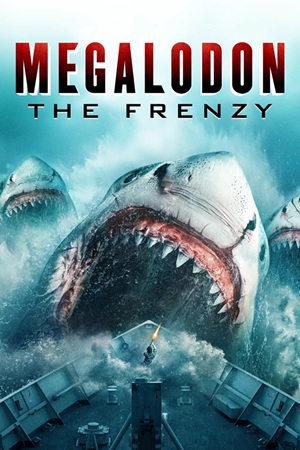
The Eric Roberts Collection: Megalodon: The Frenzy (dir by Brendan Petrizzo)


In 2023’s Megalodon: The Frenzy, the giant shark that keeps coming back …. well, it comes back again!  Actually, there’s more than one giant shark this time.  The ocean is not safe, not for tourists, not for beach partiers, not for scientists, not even for the Marines!

Fortunately, Lt. Commander Sharp (Eric Roberts) is in command of a battleship and he’s constantly encouraging his Marines to be prepared to sacrifice everything to stop the giant sharks.  While scientist Rylie Clark (Caroline Williams) attempts to figure out how to stop the sharks, Sharp barks out order to his crew.  His crew replies with “Oorah!”  I would have to check the official records to know for sure but there’s a distinct chance that this movie set the record for the most use of “oorah” over an 82 minute run time.

The true stars of the film are the giant sharks, of course.  That said, it’s nice to see Eric Roberts playing a good guy for once.  Of course, Eric does seem a little advanced in years to still be on active duty.  The mandatory retirement age for a flag officer is usually 64 but retirement can be deferred until 68 by Presidential order.  Eric Roberts was around 67 years old when he filmed this so I guess it pays to have a friend in Washington.  Well, no matter.  Eric gave his orders with authority and rallied his men and probably had the longest hair that you’re ever likely to see on an officer.

As for the sharks, they’re really big and they jump out of the water and eat people.  This is an Asylum film and the Asylum has always understood what people want when it comes to giant sharks.  Don’t take this film seriously and you’ll be fine.

Previous Eric Roberts Films That We Have Reviewed:

  1. Paul’s Case (1980)
  2. Star 80 (1983)
  3. Runaway Train (1985)
  4. To Heal A Nation (1988)
  5. Best of the Best (1989)
  6. Blood Red (1989)
  7. The Ambulance (1990)
  8. The Lost Capone (1990)
  9. Best of the Best II (1993)
  10. Love, Cheat, & Steal (1993)
  11. Voyage (1993)
  12. Love Is A Gun (1994)
  13. Sensation (1994)
  14. Dark Angel (1996)
  15. Doctor Who (1996)
  16. Most Wanted (1997)
  17. The Alternate (2000)
  18. Mercy Streets (2000)
  19. Tripfall (2000)
  20. Raptor (2001)
  21. Rough Air: Danger on Flight 534 (2001)
  22. Strange Frequency (2001)
  23. Wolves of Wall Street (2002)
  24. Border Blues (2004)
  25. Mr. Brightside (2004)
  26. Six: The Mark Unleased (2004)
  27. We Belong Together (2005)
  28. Hey You (2006)
  29. Depth Charge (2008)
  30. Amazing Racer (2009)
  31. The Chaos Experiment (2009)
  32. In The Blink of an Eye (2009)
  33. Bed & Breakfast (2010)
  34. Enemies Among Us (2010)
  35. The Expendables (2010) 
  36. Groupie (2010)
  37. Sharktopus (2010)
  38. Beyond The Trophy (2012)
  39. The Dead Want Women (2012)
  40. Deadline (2012)
  41. The Mark (2012)
  42. Miss Atomic Bomb (2012)
  43. The Night Never Sleeps (2012)
  44. Assault on Wall Street (2013)
  45. Bonnie And Clyde: Justified (2013)
  46. Lovelace (2013)
  47. The Mark: Redemption (2013)
  48. The Perfect Summer (2013)
  49. Revelation Road: The Beginning of the End (2013)
  50. Revelation Road 2: The Sea of Glass and Fire (2013)
  51. Self-Storage (2013)
  52. Sink Hole (2013)
  53. A Talking Cat!?! (2013)
  54. This Is Our Time (2013)
  55. Bigfoot vs DB Cooper (2014)
  56. Doc Holliday’s Revenge (2014)
  57. Eternity: The Movie (2014)
  58. Inherent Vice (2014)
  59. Road to the Open (2014)
  60. Rumors of War (2014)
  61. So This Is Christmas (2014)
  62. Amityville Death House (2015)
  63. Deadly Sanctuary (2015)
  64. A Fatal Obsession (2015)
  65. Las Vegas Story (2015)
  66. Sorority Slaughterhouse (2015)
  67. Stalked By My Doctor (2015)
  68. Enemy Within (2016)
  69. Hunting Season (2016)
  70. Joker’s Poltergeist (2016)
  71. Prayer Never Fails (2016)
  72. Stalked By My Doctor: The Return (2016)
  73. The Wrong Roommate (2016)
  74. Dark Image (2017)
  75. The Demonic Dead (2017)
  76. Black Wake (2018)
  77. Frank and Ava (2018)
  78. Stalked By My Doctor: Patient’s Revenge (2018)
  79. The Wrong Teacher (2018)
  80. Clinton Island (2019)
  81. Monster Island (2019)
  82. The Reliant (2019)
  83. The Savant (2019)
  84. Seven Deadly Sins (2019)
  85. Stalked By My Doctor: A Sleepwalker’s Nightmare (2019)
  86. The Wrong Mommy (2019)
  87. Exodus of a Prodigal Son (2020)
  88. Free Lunch Express (2020)
  89. Hard Luck Love Song (2020)
  90. Her Deadly Groom (2020)
  91. Top Gunner (2020)
  92. Deadly Nightshade (2021)
  93. The Elevator (2021)
  94. Just What The Doctor Ordered (2021)
  95. Killer Advice (2021)
  96. Megaboa (2021)
  97. Night Night (2021)
  98. The Poltergeist Diaries (2021)
  99. The Rebels of PT-218 (2021)
  100. Red Prophecies (2021)
  101. A Town Called Parable (2021)
  102. The Wrong Mr. Right (2021)
  103. Bleach (2022)
  104. Dawn (2022)
  105. My Dinner With Eric (2022)
  106. 69 Parts (2022)
  107. The Rideshare Killer (2022)
  108. The Wrong High School Sweetheart (2022)
  109. The Company We Keep (2023)
  110. D.C. Down (2023)
  111. If I Can’t Have You (2023)
  112. Aftermath (2024)
  113. Bad Substitute (2024)
  114. Devil’s Knight (2024)
  115. Insane Like Me? (2024)
  116. Space Sharks (2024)
  117. The Wrong Life Coach (2024)
  118. Broken Church (2025)
  119. Shakey Grounds (2025)
  120. When It Rains In L.A. (2025)

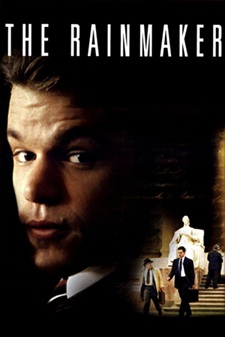
The Rainmaker (1997, directed by Francis Ford Coppola)


Rudy Baylor (Matt Damon) is an idealistic young law school graduate who discovers that having a degree and passing the bar doesn’t automatically make you a success.  He gets a job working a bar that just happens to be owned by an ambulance chasing attorney named Bruiser Stone (Mickey Rourke).  Bruiser takes Rudy on as an associate and assigns his associate, Deck Shifflet (Danny DeVito), to teach Rudy how to find cases.  When Bruiser flees the country to escape an FBI investigation, Rudy and Deck start their own law firm.  Rudy soon finds himself with the case of his young career, representing a family in a law suit against Great Benefit Insurance.  Rudy also falls for Kelly (Claire Danes), a young woman who is being abused by her husband (Andrew Shue).

It can be hard to believe today but, in the 90s, every John Grisham novel was adapted for the screen.  Most of the adaptations weren’t very good but audiences ate them up.  In many ways, The Rainmaker is the ultimate John Grisham adaptation because it contains every single trope that John Grisham made popular with his legal thrillers.  This time, Matt Damon is the charismatic attorney.  Roy Scheider is the soulless corporate CEO who needs to be brought down.  Jon Voight is the intimidating opposing counsel.  Danny DeVito is the eccentric comic relief and Mickey Rourke is the dues ex machina who returns to the movie to give Rudy a piece of information at the exact right moment.   The appeal of Grisham is that he made readers (and eventually moviegoers) feel like insiders while presenting them with stories that were essentially very simple good vs evil morality tales.  The insurance company is so cartoonishly evil that there’s no doubt Rudy is going to defeat them.  There’s also no doubt that Rudy is going to find a better calling than ambulance chasing because the only thing that people hate more than insurance companies is lawyers.

The Rainmaker is never as complex as it pretends to be but it’s an entertaining legal movie.  It was also director Francis Ford Coppola’s last big hit.  It’s really more of a Grisham film than a Coppola film but Coppola’s influence is still felt in the almost uniformly excellent cast.  (Ignore Andrew Shue if you can.  Melrose Place was very popular in the 90s.)  Damon, Danes, Rourke, Voight, Dean Stockwell, Danny Glover, Teresa Wright, Virginia Madsen, and Mary Kay Place all give memorable performances.  Roy Scheider is loathsome as the sweater-wearing CEO.  Best of all is Danny DeVito, who gets all of the best lines.

The Rainmaker was the best of the 1990s Grisham adaptations.  While it’s not quite a masterpiece, it’s still emotionally very satisfying.

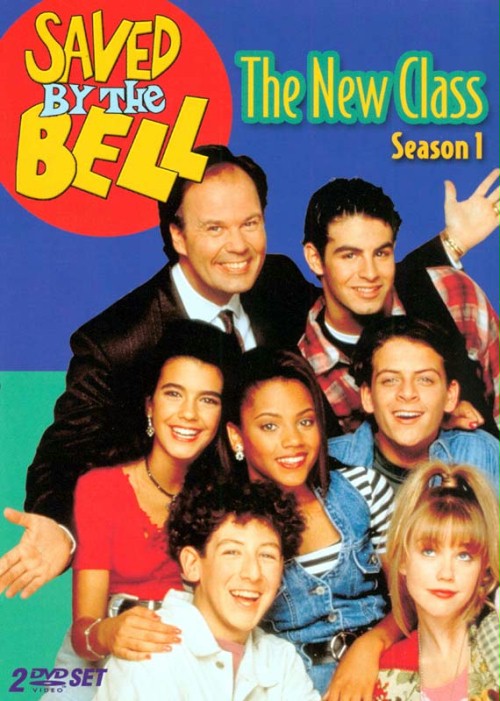
Retro Television Review: Saved By The Bell: The New Class 1.10 “Swap Meet”


Welcome to Retro Television Reviews, a feature where we review some of our favorite and least favorite shows of the past!  On Tuesdays, I will be reviewing Saved By The Bell: The New Class, which ran on NBC from 1993 to 2o00.  The show is currently on Prime.

It’s time for the annual school swap meet!

Episode 1.10 “Swap Meet”

(Dir by Don Barnhart, originally aired on November 13, 1993)

It’s time for the Swap Meet, the annual Bayside tradition that has never been mentioned before this week’s episode.  All of the students — and Mr. Belding — go to the gym to sell the old stuff that they don’t need anymore.  Does anyone in this school actually go to class?

Weasel, Scott, and Tommy D. have their own table, where they are apparently selling random things from Weasel’s garage.  Scott desperately needs some money so that he can take Rachel Meyers (Sarah Lancaster, who would become a regular starting with season 2) to the Janet Jackson concert.  Scott is not happy when Weasel takes the ten dollars that Scott and Tommy D have made at the table and spends it all on comic books.  Fortunately, one of those comic books turns out to be Defender Dog #59, the one with the “famous misprint!”  Scott and Weasel go to call the comic book shop to find out how much the comic book is worth.  “It’s worth 600 raviolis!” Weasel announces.  Huh?  Who talks like that?

While Scott and Weasel are dancing in the hallway, Tommy D sells the comic book for nine dollars to Marv and Harv Dorkman (played by Grant Gelt and Karl Michael Maschek).

Marv and Harv, as you guessed, are two of Saved By The Bell‘s stereotypical nerd characters.  They refuse to sell the comic book back to Scott.  When Scott realizes that Marv and Harv have crushes on Megan and Vicki, he convinces Megan and Vicki to go to the movies with them and to lie about loving comic books.  Megan and Vicki think that, by doing this, they’ll get the Defender Dog comic book.  Instead, Marv and Harv sell the comic book to Crunch Grabowski (Ryan Hurst) and then use the money that they made to buy necklaces for Megan and Vicki, which Megan and Vicki  promptly reject.

“I can’t believe this,” Scott says.

“Getting that comic book back is harder than Chinese square dancing,” says Weasel.

It’s hurting my head just to recap this.

Anyway, Crunch doesn’t want to sell the comic book so Scott convinces Crunch to come to the local comic book shop, which is owned by Honolulu Harry.  So, of course, Weasel puts on an old man mask and pretends to be Honolulu Harry and Tommy D. pretends to be a nerd who wants to sell a copy of Defender Dog so that Weasel (as Harry) to tell him that no one likes Defender Dog.  Crunch cannot handle being seen with an unpopular super hero so he trades Defender Dog for Lou the Ant.  Scott gets the comic book but then the real Honolulu Harry shows up and refuses to buy it from him because he caught Tommy D. in the back of the comic book shop.  “You touched my comics!” Harry yells.  What are people supposed to do in a comic book store?

Poor Scott!  Well, no, not really.  There’s a hundred smart things that Scott could have done during this episode and he didn’t do a single one of them.  He deserves what he gets….

Oh wait, the Dorkmans spent a lot of money to get four tickets to the Janet Jackson concert.  Megan tells them that she and Vicki would love to go to the concert with them.  Megan says she’ll hold on to two of the tickets and that she and Vicki will meet them at the concert.  The Dorkmans give the tickets to Megan and Vicki and then Megan and Vicki give them to Scott so he can take Rachel to the concert.

“You guys did this for me?  You guys are the best.” Scott says.

Rachel shows up to go to the concert with Scott.  She asks if the tickets were hard to get.

“No, not when you have really great friends,” Scott says.

Awwwww! the audience replies.

The audience has probably forgotten that Vicki had a huge crush on Scott just a few episodes ago and Megan and Scott were hinted to be a couple-in-the-making at the start of the season.  Beyond continuity, the main message here seems to be that, if your friend is a pathological liar, it’s okay to to lie to help him out.  The Dorkmans, who apparently spent a lot of money on the tickets that Megan just gave away, are already at the concert waiting on their dates.  Vicki and Megan’s actions would perhaps be justified if the Dorkmans were creeps but, for the most part, they’re just two guys who wears glasses and like comic books.  And while it is true that the Dorkmans bought those tickets without bothering to ask Vicki and Megan out beforehand, it’s also true that Megan flat-out lied so that she could then give the tickets to Scott.

One thing that I have noticed about Saved By The Bell: The New Class is that it seems to really hate its nerd characters.  The original series had stereotypical nerds as well but they were still, more or less, likeable and the show’s characters may not have hung out with them but they weren’t intentionally cruel to them.  Saved By The Bell: The New Class, on the other hand, feels as if it was written by the same people who spilled the pig’s blood on Carrie White.

Anyway, this episode was terrible.  Thank goodness there’s only three more episodes of the first season to go.