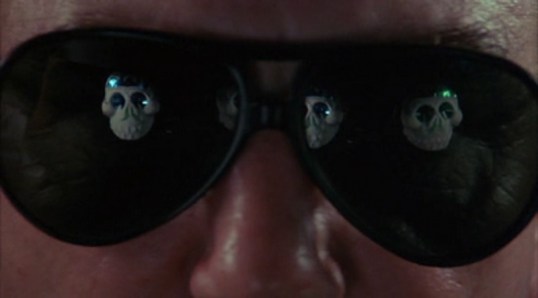
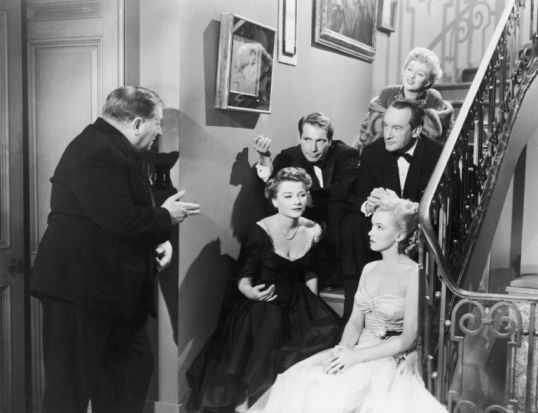
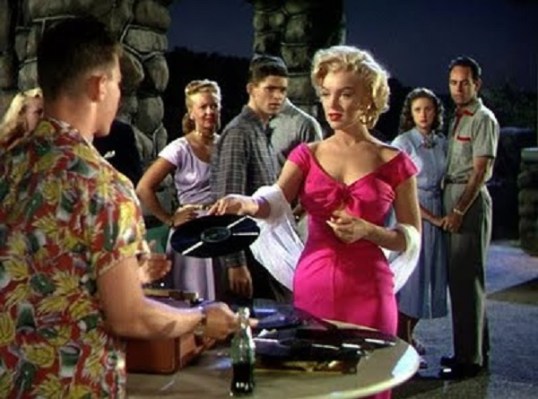
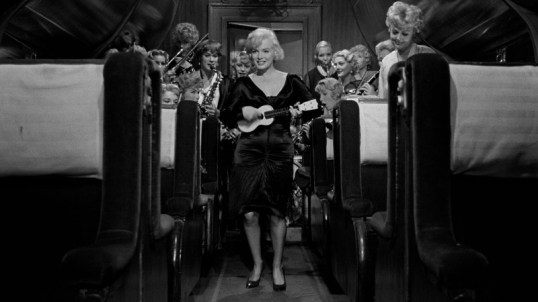
4 Shots From 4 Films: Special Sean Connery Edition


4 Or More Shots From 4 Or More Films is just what it says it is, 4 shots from 4 of our favorite films. As opposed to the reviews and recaps that we usually post, 4 Shots From 4 Films lets the visuals do the talking!

Today would have been Sean Connery’s 95th birthday.  It’s time for….

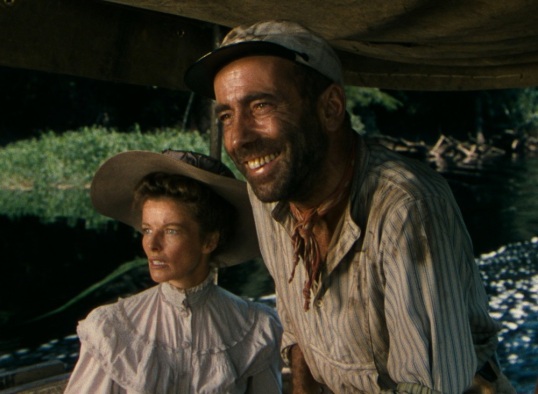
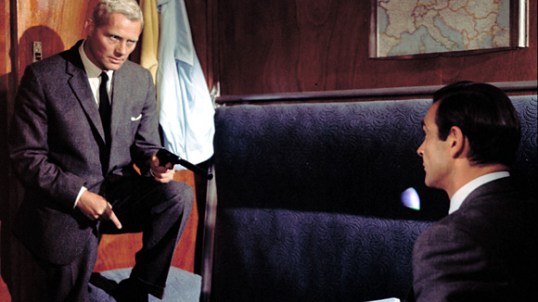
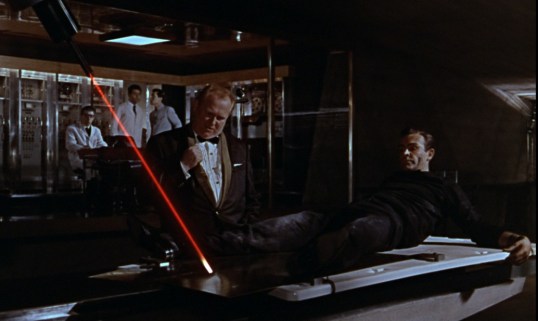
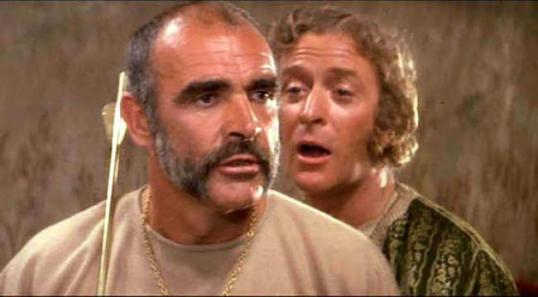
4 Shots From 4 Sean Connery Films

From Russia With Love (1963, dir by Terence Young, DP: Ted Moore)

Goldfinger (1964, dir by Guy Hamilton, DP: Ted Moore)

The Man Who Would Be King (1975, dir by John Huston, DP: Oswald Morris)

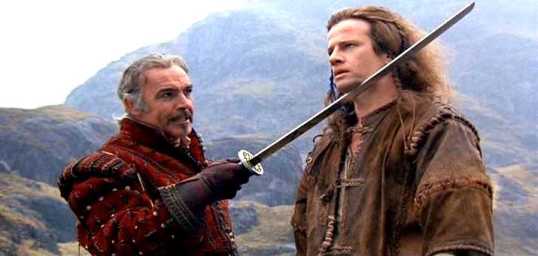
Highlander (1986, dir by Russell Mulcahy, DP: Gerry Fisher)


4 Shots From 4 Films: Special John Huston Edition


4 Or More Shots From 4 Or More Films is just what it says it is, 4 shots from 4 of our favorite films. As opposed to the reviews and recaps that we usually post, 4 Shots From 4 Films lets the visuals do the talking!

119 years ago today, the writer/director/actor John Huston was born in Nevada, Missouri.  Today, we honor his life and films with….

4 Shots from 4 John Huston Films

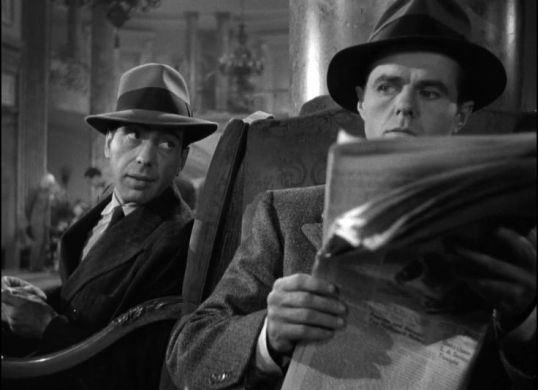
The Maltese Falcon (1941, dir by John Huston, DP: Arthur Edeson)


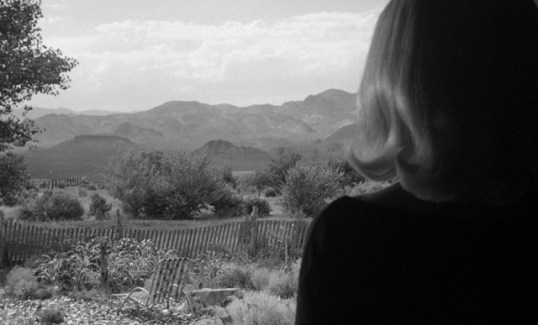
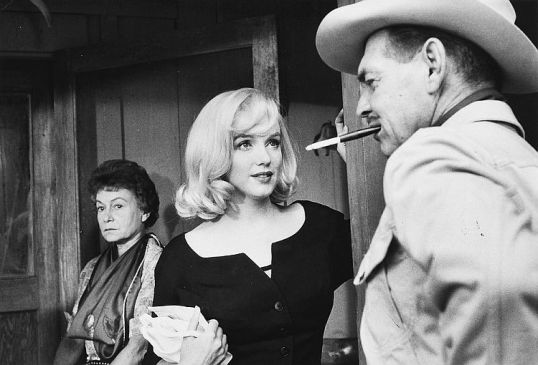
The Misfits (1961, dir by John Huston, DP: Russell Metty)


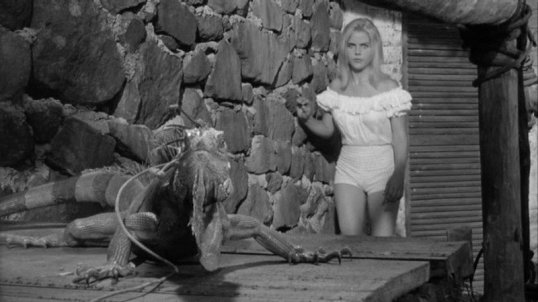
The Night of the Iguana (1964, dir by John Huston, DP: Gabriel Figueroa)


Under the Volcano (1984, dir by John Huston, DP: Gabriel Figueroa)

4 Shots From 4 Films: Special Marilyn Monroe Edition


4 Or More Shots From 4 Or More Films is just what it says it is, 4 shots from 4 of our favorite films. As opposed to the reviews and recaps that we usually post, 4 Shots From 4 Films lets the visuals do the talking!

Marilyn Monroe would have been 99 years old today.  Sixty years after her mysterious death, Marilyn Monroe continues to intrigue film lovers and conspiracy theorists alike.  Her legacy is such that, ever since her death, directors have been trying to recreate her life with biopics and actresses have been trying to recapture Marilyn’s magic.

It’s not easy to for them to do because Marilyn Monroe was an original and not someone whose talent and charisma can be easily duplicated.  Needless to say, it’s time for….

4 Shots From 4 Marilyn Monroe Films

All About Eve (1950, dir by Joseph L. Mankiewicz, DP: Milton R. Krassner)

Niagara (1953, dir by Henry Hathaway, DP: Joseph MacDonald)

Some Like It Hot (1959, dir by Billy Wilder, DP: Charles Lang)

The Misfits (1961, dir by John Huston, DP: Russell Metty)

4 Shots From 4 Biblical Films


4 Shots from 4 Films is just what it says it is, 4 shots from 4 of our favorite films. As opposed to the reviews and recaps that we usually post, 4 Shots from 4 Films lets the visuals do the talking!

4 Shots From 4 Biblical Epics

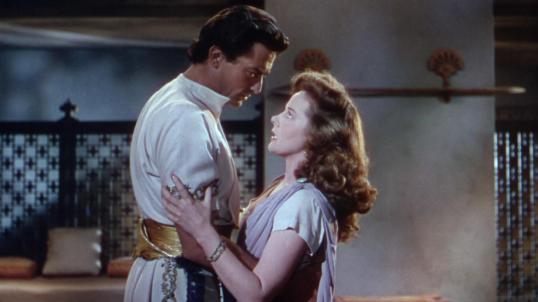
David and Bathsheba (1951, dir by Henry King. DP: Leon Shamroy)

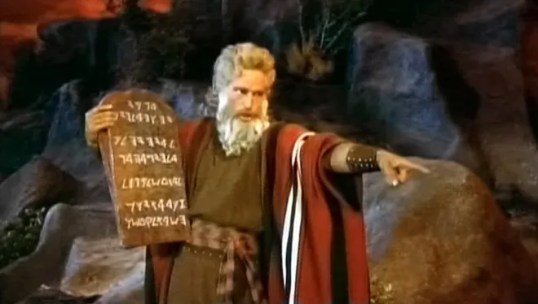
The Ten Commandments (1956, dir by Cecil B. DeMille, DP: Lloyd Griggs)

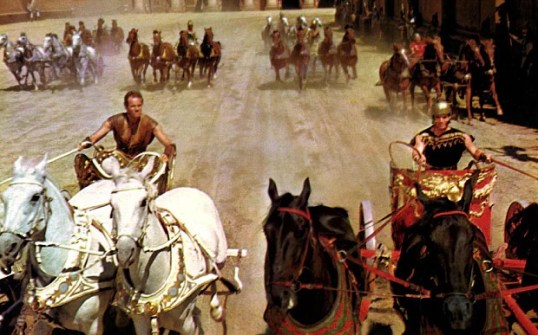
Ben-Hur (1959, dir by William Wyler, DP: Robert Surtees)

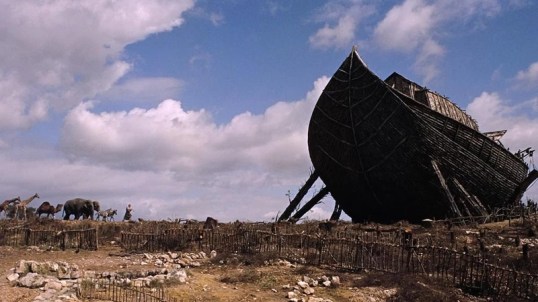
The Bible (1966, dir by John Huston, DP: Giuseppe Rotunno)

4 Shots From 4 Films: Special 1964 Edition


4 Or More Shots From 4 Or More Films is just what it says it is, 4 shots from 4 of our favorite films. As opposed to the reviews and recaps that we usually post, 4 Shots From 4 Films lets the visuals do the talking!

Today, we pay tribute to the year 1964 with….

4 Shots From 4 1964 Films

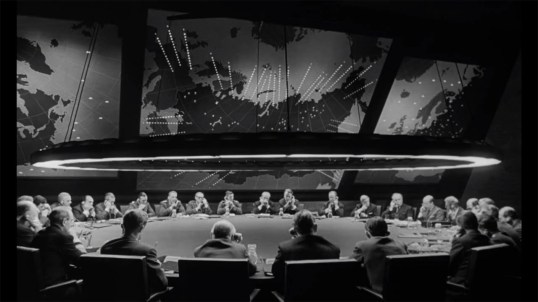
Dr. Strangelove or: How I Learned to Stop Worrying and Love the Bomb (1964, dir. Stanley Kubrick, DP: Gilbert Taylor)

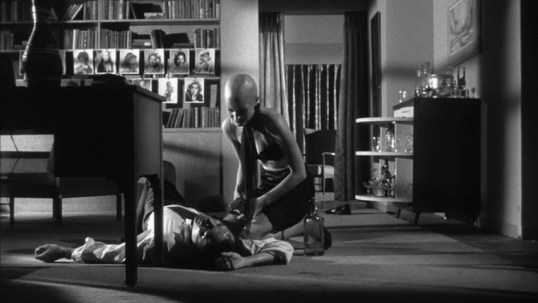
The Naked Kiss (1964, dir by Samuel Fuller, DP: Stanley Cortez)

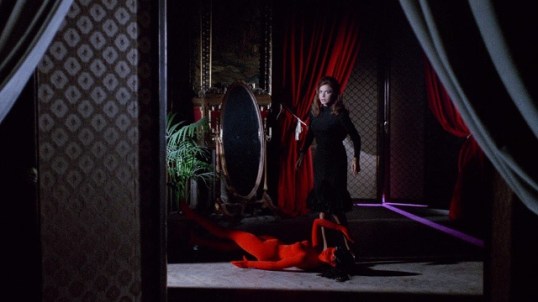
Blood and Black Lace (1964, dir by Mario Bava, DP: Ubaldo Terzano)

The Night of the Iguana (1964, dir by John Huston, DP: Gabriel Figueroa)

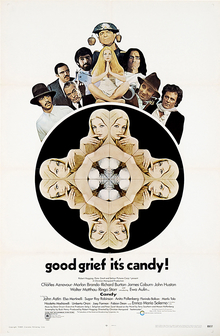
Insomnia File #69: Candy (dir by Christian Marquand)


What’s an Insomnia File? You know how some times you just can’t get any sleep and, at about three in the morning, you’ll find yourself watching whatever you can find on cable or streaming? This feature is all about those insomnia-inspired discoveries!

If you find yourself having trouble getting to sleep tonight, you can always pass the time by watching the 1968 film, Candy.  It’s currently on Tubi.

Based on a satirical novel by Terry Southern and Mason Hoffenberg, Candy follows Candy Christian (Ewa Aulin), a naive teenager from middle America as she has a number of increasingly surreal adventures, the majority of which end with her getting sexually assaulted by one of the film’s special guest stars.  It’s very much a film of the 60s, in that it’s anti-establishment without actually seeming to know who the establishment is.  It opens with a lengthy sequence that appears to be taking place in outer space.  It ends with an extended sequence of Candy walking amongst the film’s cast and a bunch of random hippies.  Director Christian Marquand appears as himself, directing the film.  Yep, this is one of those films where the director and the film crew show up and you’re supposed to be say, “Far out, I didn’t realize I was watching a movie, man.”

The whole thing is a bit of a misfire.  The novel was meant to be smut that satirized smut.  The film isn’t really clever enough to work on any sort of real satirical level.  As was the case with a lot of studio-made “psychedelic” films in the 60s, everything is a bit too obvious and overdone.  Casting the Swedish Ewa Aulin as a character who was meant to represent middle America was just one of the film’s missteps.  Based on The Graduate, Mike Nichols probably could have made a clever film out of Candy.  The French Christian Marquand, a protegee of Roger Vadim’s, can not because he refuses to get out of the film’s way.  It’s all jump cuts, flashy cinematography, and attempts to poke fun at American culture by someone who obviously knew nothing about America beyond the jokes told in Paris.

That said, the main reason that anyone would watch this film would be for the collection of guest stars who all show up and try to take advantage of Candy.  Richard Burton plays an alcoholic poet named MacPhisto and his appearance goes on for far too long.  (Burton, not surprisingly, appears to actually be drunk for the majority of his scenes.)  Ringo Star — yes, Ringo Starr — plays a Mexican gardener who assaults Candy after getting turned on by the sight of MacPhisto humping a mannequin.  When Emmanuel’s sisters try to attack Candy, she and her parents escape on a military plane that is commanded by Walter Matthau.  Landing in New York, Candy’s brain-damaged father (John Astin) is operated on by a brilliant doctor (James Coburn) who later seduces Candy after she faints at a cocktail party.  Candy’s uncle (John Astin, again) also tries to seduce Candy, leading to Candy getting lost in New York, meeting a hunchback (Charles Aznavour), and then eventually ending up with a guru (Marlon Brando).  Candy’s adventures climax with a particularly sick joke that requires a bit more skill to pull off than this film can afford.

If you’re wondering how all of these famous people ended up in this movie, you have Brando to thank (or blame).  Christian Marquand was Brando’s best friend and Marlon even named his son after him.  After Brando agreed to appear in the film, the rest of the actors followed.  Brando, Burton, and Coburn received a share of the film’s profits and Coburn later said that his entire post-1968 lifestyle was pretty much paid for by Candy.  That seems appropriate as, out of all the guest stars, Coburn i the only one who actually gives an interesting performance.  Burton is too drunk, Matthau is too embarrassed, Starr is too amateurish, and Brando is too self-amused to really be interesting in the film.  Coburn, however, seems to be having a blast, playing his doctor as being a medical cult leader.

Candy is very much a film of 1968.  It has some value as a cultural relic.  Ultimately, it’s main interest is as an example of how the studios tried (and failed) to latch onto the counterculture zeitgeist.

Previous Insomnia Files:

  1. Story of Mankind
  2. Stag
  3. Love Is A Gun
  4. Nina Takes A Lover
  5. Black Ice
  6. Frogs For Snakes
  7. Fair Game
  8. From The Hip
  9. Born Killers
  10. Eye For An Eye
  11. Summer Catch
  12. Beyond the Law
  13. Spring Broke
  14. Promise
  15. George Wallace
  16. Kill The Messenger
  17. The Suburbans
  18. Only The Strong
  19. Great Expectations
  20. Casual Sex?
  21. Truth
  22. Insomina
  23. Death Do Us Part
  24. A Star is Born
  25. The Winning Season
  26. Rabbit Run
  27. Remember My Name
  28. The Arrangement
  29. Day of the Animals
  30. Still of The Night
  31. Arsenal
  32. Smooth Talk
  33. The Comedian
  34. The Minus Man
  35. Donnie Brasco
  36. Punchline
  37. Evita
  38. Six: The Mark Unleashed
  39. Disclosure
  40. The Spanish Prisoner
  41. Elektra
  42. Revenge
  43. Legend
  44. Cat Run
  45. The Pyramid
  46. Enter the Ninja
  47. Downhill
  48. Malice
  49. Mystery Date
  50. Zola
  51. Ira & Abby
  52. The Next Karate Kid
  53. A Nightmare on Drug Street
  54. Jud
  55. FTA
  56. Exterminators of the Year 3000
  57. Boris Karloff: The Man Behind The Monster
  58. The Haunting of Helen Walker
  59. True Spirit
  60. Project Kill
  61. Replica
  62. Rollergator
  63. Hillbillys In A Haunted House
  64. Once Upon A Midnight Scary
  65. Girl Lost
  66. Ghosts Can’t Do It
  67. Heist
  68. Mind, Body & Soul

Film Review: The Cardinal (dir by Otto Preminger)


The 1963 film, The Cardinal, opens with an Irish-American priest named Stephen Fermoyle (Tom Tyron) being instituted as a cardinal.

In a series of flashbacks, we see everything that led to this moment.  Stephen starts out as an overly ambitious and somewhat didactic priest who, over the years, is taught to be humble by a series of tragedies and mentors.  It’s a sprawling story, one that encompasses the first half of the 20th Century and, as he did with both Exodus and Advice and Consent, Preminger tells his story through the presence of several familiar faces.  Director John Huston plays the cardinal who takes an early interest in Stephen’s career.  Burgess Meredith plays a priest with MS who teaches Stephen about the importance of remaining humble and thankful.  When Stephen is in Europe, Romy Schneider plays the woman for whom he momentarily considers abandoning his vows.  When Stephen is assigned to the American South, Ossie Davis plays the priest and civil rights activist who teaches Stephen about the importance of standing up for those being oppressed.  In the days leading up to World War II, Stephen is sent to Austria to try to keep the local clergy from allying with the invading Nazis.  Stephen also deals with his own family drama, as his sister (Carol Lynley) runs away from home after Stephen counsels her not to marry a good Jewish man named Benny (John Saxon) unless Benny can be convinced the convert to Catholicism.  Later, when his sister becomes pregnant and Stephen is told that she’ll die unless she has an abortion, Stephen is forced to choose between his own feelings and teachings of the Church.  Along the way, performers like Dorothy Gish, Cecil Kellaway, Chill Wills, Raf Vallone, Jill Haworth, Maggie McNamara, Arthur Hunnicut, and Robert Morse all make appearances.

All of the familiar faces in the cast are used to support Tom Tryon and Tryon needs all the support that he can get.  Despite Otto Preminger’s attempts to make Tom Tyron into a star, Tryon eventually retired from acting and found far more success as a writer of the type of fiction that Stephen Fermoyle probably would have condemned as blasphemous.  Tryon gives a stiff and unconvincing performance in The Cardinal.  The entire film depends on Tryon’s ability to get us to like Stephen, even when he’s being self-righteous or when he’s full of self-pity and, unfortunately, Tryon’s stiff performance makes him into the epitome of the type of priest that everyone dreads having to deal with.  Tryon gives such a boring performance that he’s overshadowed by the rest of the cast.  I spent the movie wishing that it would have spent more time with John Saxon and Burgess Meredith, both of whom give interesting and lively performances.

The Cardinal is a long and rather self-important film.  The same can be said of many of Preminger’s films in the 60s but Exodus benefitted from the movie star glamour of Paul Newman and Eva Marie Saint and Advice and Consent was saved by an intelligent script.  The Cardinal, on the other hand, is a bit draggy and makes many of the same mistakes that many secular films make when they try to portray Catholicism.  Oddly enough, The Cardinal received more Oscar nominations than either Exodus or Advice and Consent.  Indeed, Preminger was even nominated for Best Director for his rather uninspired work here.  Considering the number of good films for which Preminger was not nominated (Anatomy of a Murder comes to mind), it’s a bit odd that The Cardinal was the film for which he was nominated.  (Of course, in 1944, the Academy got it right by nominating Preminger for his direction of Laura.)  The Cardinal is largely forgettable, though interesting as a type of self-consciously “big” films that the studios were churning out in the 60s in order to compete with television and the counterculture.

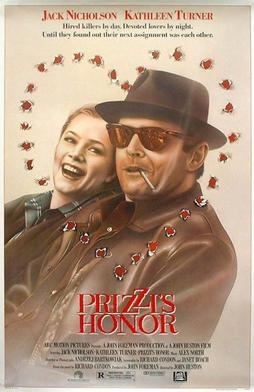
Lisa Reviews An Oscar Nominee: Prizzi’s Honor (dir by John Huston)


First released in 1985, Prizzi’s Honor tells the story of Charley Partanna (Jack Nicholson), a blue collar guy who lives in Brooklyn and who is a hard-working hit man for the Prizzi crime family.  Charley is the son of Angelo (John Randolph), who is the right-hand man to the family’s elderly but still ruthless Don (William Hickey).  In the past, Charley came close to marrying the Don’s daughter, Maerose Prizzi (Anjelica Huston), and he is almost as much a member of the family as the Don’s two sons, Eduardo (Robert Loggia) and Dominic (Lee Richardson).

While attending a family wedding, Charley meets and is immediately infatuated with a woman named Irene Walker (Kathleen Turner).  Later, when Charley is sent to California to kill a man who robbed one of the family’s Vegas casinos, he is shocked to discover that the man is Irene’s husband.  Irene swears that she didn’t have anything to do with the casino theft and, after a whirlwind courtship, Charley and Irene get married in Mexico.  What Charley doesn’t know (but eventually discovers) is that Irene is herself a professional killer.  While Charley and Irene try to balance work and love, Maerose conspires to turn the family against Irene and win Charley back.

Directed by the legendary John Huston, Prizzi’s Honor is pitch black comedy about two hard-working people who kill for a living.  (The film’s big set piece is an extended sequence in which Charley and Irene’s attempt to pull a job together goes wrong in every way and they end up arguing about their relationship while dragging dead bodies from one room to another.)  Though Prizzi’s Honor was released long before the series premiered on HBO, the film feels almost like a companion piece to The Sopranos, full of mobsters who are not as clever as they think they are and who struggle to uphold the old ways in an increasingly complicated world.  Particularly when compared to the gangster who populate a film like The Godfather, the Prizzis are defined by their pettiness.  If Don Corleone epitomized wisdom and honor, Don Prizzi epitomizes someone who holds onto power solely for power’s sake.

Prizzi’s Honor is one of those films that probably seemed a bit more revolutionary when it was first released than it does today.  At this point, we’ve seen so many films about hired killers who have quirky conversations while carrying out their work that the mix of violence and dark humor can feel almost like a cliché.  As well, there are certain parts of the film, like the opening wedding sequence, that feel as if they go on for just a few minutes too long, as if John Huston himself was not always comfortable with the balance between the dark drama and the comedy of mob manners.  That said, Jack Nicholson, Kathleen Turner (who gives a performance worthy of the great femme fatales of film noir), Anjelica Huston, John Randolph, and especially William Hickey all give strong enough performances to hold the audience’s attention and the film’s finale cuts to the point in such a way that it leaves you reconsidering everything that you’ve previously seen.  Prizzi’s Honor has its flaws but Nicholson and Turner have such chemistry that the film’s ending sticks with you.

Prizzi’s Honor was nominated for 8 Oscars, including Best Picture, Best Director, Best Actor, and Best Supporting Actor for William Hickey.  (Oddly, Kathleen Turner was not nominated for playing Irene.)  In the end, it only won one Oscar that year, for supporting actress Anjelica Huston.  The Oscars that year were dominated by a far more convention love story, Out of Africa.

10 Oscar Snubs From the 1970s


Ah, the 70s. The decade started with the collapse of the studio system and the rise of the so-called movie brats. For the first half of the decade, Hollywood was producing the type of challenging films on which they would never again be willing to take the risk. The 70s were indeed a second cinematic golden age, full of anti-heroes and dark endings. Then, in 1977, Star Wars changed all of that and ushered in the era of the blockbuster. The 1970s gave the world disco, The Godfather, and some of the best Oscar winners ever.  It also gave us more than a few snubs.

1971: Dirty Harry Is Totally Ignored

Dirty Harry may be one of the most influential films ever made but the Academy totally snubbed it.  My guess is that, with The French Connection coming out that same year, the Academy only had room for one morally amibiguous cop film in its heart.  Still, Dirty Harry has certainly held up better than the nominated Nicholas and Alexandra.  Both Clint Eastwood and Andrew Robinson gave performances that were award-worthy as well.  Say what you will about Eastwood’s range, I defy anyone not to smile at the way Harry snarls when he discovers that the man he’s talking to teaches a constitutional law course at Berkley.

1971: Gimme Shelter Is Not Nominated For Best Documentary Feature

Considering that Woodstock won the Documentary Oscar the previous year, it only seems appropriate the Gimme Shelter should have won the following year.  In the end, the Academy decided to celebrate the best of the 60s while snubbing the worst of it.

1972: Burt Reynolds Is Not Nominated For Deliverance

If you’ve ever seen Deliverance, you know how important a character Lewis Medlock (played by Burt Reynolds) was.  Not only was he the one who persuaded everyone to spend the weekend risking their lives on a canoeing trip but he also set the standard for “manlinness” that the rest of his friends tried to live up to.  When Lewis ends up getting a compound fracture and is forced to spend the rest of the film deliriously lying in a canoe, it’s a reminder that nature and fate don’t care how confident or outspoken you are.  Reynolds was perfectly cast.  1972 was a strong year with a lot of worthwhile nominations and, to be honest, there’s really not a bad or an unworthy performance to be found among the acting nominees.  Still, it’s hard not to feel that the Academy should have found some room for Burt Reynolds.

1974: John Huston Is Not Nominated For Chinatown

In the role of Chinatown‘s Noah Cross, John Huston gave one of the great villainous performances.  Cross represented pure avarice and moral decay, a man who committed terrible crimes but who, the film suggested, was also responsible for creating not only modern Los Angeles but also providing a home for Hollywood.  Admittedly, there were a lot of good performances to choose from and I certainly can’t complain that the Academy awarded the Oscar for Best Supporting Actor to Robert De Niro, who deserved it.  Still, in retrospect, John Huston’s evil turn was at least as strong as Fred Astaire’s likable (and nominated) turn in The Towering Inferno.

1974 and 1975: John Cazale Is Not Nominated For Best Supporting Actor

John Cazale had a brief but legendary career.  A noted stage actor, Cazale made his film debut in 1972 with The Godfather.  He played Fredo, the Corleone son who couldn’t get any respect.  He final film, released after his early death from cancer, was 1978’s The Deer Hunter.  Cazale appeared in a total of five films, every one of which was nominated for Best Picture.  That this talented actor was never nominated for an Oscar just doesn’t seem right.  But for which film should he have been nominated?

Godfather Part II received three nominations for Best Supporting Actor: Robert De Niro, Lee Strasberg, and Michael V. Gazzo.  Personally, I would probably replace Gazzo with Cazale.  Cazale’s performance as Fredo was one of the strongest parts of Godfather Part II.  Who can forget Fredo’s legendary meltdown about always being overlooked?  I would also say that Cazale deserved a nomination for his performance in Dog Day Afternoon, in which he played Sal and provided the film with some of its saddest and funniest moments.  Neither Fredo nor Sal survive their films and, in both cases, it’s impossible not to feel that they deserved better than the world gave them.
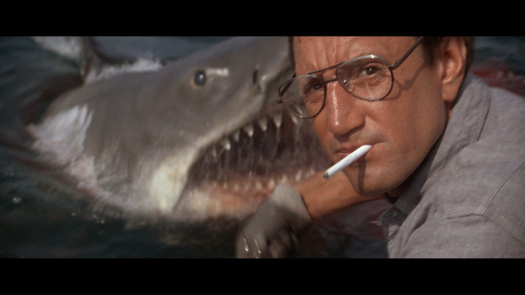
1975: Steven Spielberg Is Not Nominated For Jaws

Seriously, what the Heck?  Jaws totally reinvented the movies.  It received a deserved nomination for Best Picture but the true star of the film, Steven Spielberg, was somehow not nominated.

1976: Martin Scorsese is Not Nominates For Taxi Driver

Seriously, what the Heck?  Taxi Driver totally reinvented the movies.  It received a deserved nomination for Best Picture but the true star of the film, Martin Scorsese, was somehow not nominated.

1977: Harrison Ford Is Not Nominates For Star Wars

Harrison Ford, despite having had the type of career for which most actors would sacrifice their soul, has never had much success with the Oscars.  He’s been nominated exactly once, for Witness.  That he’s never won an Oscar just feels wrong.  The fact that he wasn’t even nominated for playing either Han Solo or Indiana Jones feels even more wrong.  In the role of Solo, Ford bring some much needed cynicism to Star Wars.  His decision to return and help the Rebels destroy the Death Star is one of the best moments in the film.

1978: National Lampoon’s Animal House Is Totally Ignored

This film deserved a nomination just for the scene in which John Belushi destroyed that annoying folk singer’s guitar.  Seriously, though, this is another film that, more or less, defined an era.  I’m not saying it deserved to win but it at least deserved a few nominations.

1979: Dawn of the Dead Is Not Nominated For Best Picture

Considering the Academy’s general resistance to honoring horror, it’s not really a shock that Dawn of the Dead was not nominated for Best Picture but still, it would have been nice if it had happened.

Agree?  Disagree?  Do you have an Oscar snub that you think is even worse than the 10 listed here?  Let us know in the comments!

Up next: The 80s arrive and the snubs continue!
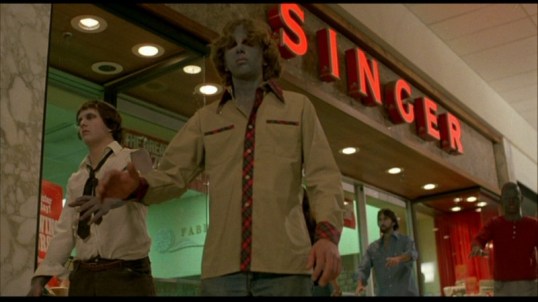
Dawn of the Dead (1978, dir by George Romero)

4 Shots From 4 Films: Special John Huston Edition


4 Or More Shots From 4 Or More Films is just what it says it is, 4 shots from 4 of our favorite films. As opposed to the reviews and recaps that we usually post, 4 Shots From 4 Films lets the visuals do the talking!

116 years ago today, the writer/director/actor John Huston was born in Nevada, Missouri.  Today, we honor his life and films with….

4 Shots from 4 John Huston Films

The Maltese Falcon (1941, dir by John Huston, DP: Arthur Edeson)


The Misfits (1961, dir by John Huston, DP: Russell Metty)


The Night of the Iguana (1964, dir by John Huston, DP: Gabriel Figueroa)


Under the Volcano (1984, dir by John Huston, DP: Gabriel Figueroa)