Review: Legend (dir. by Ridley Scott)


“What is light without dark? What are you without me? I am a part of you all. You can never defeat me. We are brothers eternal!” — Darkness

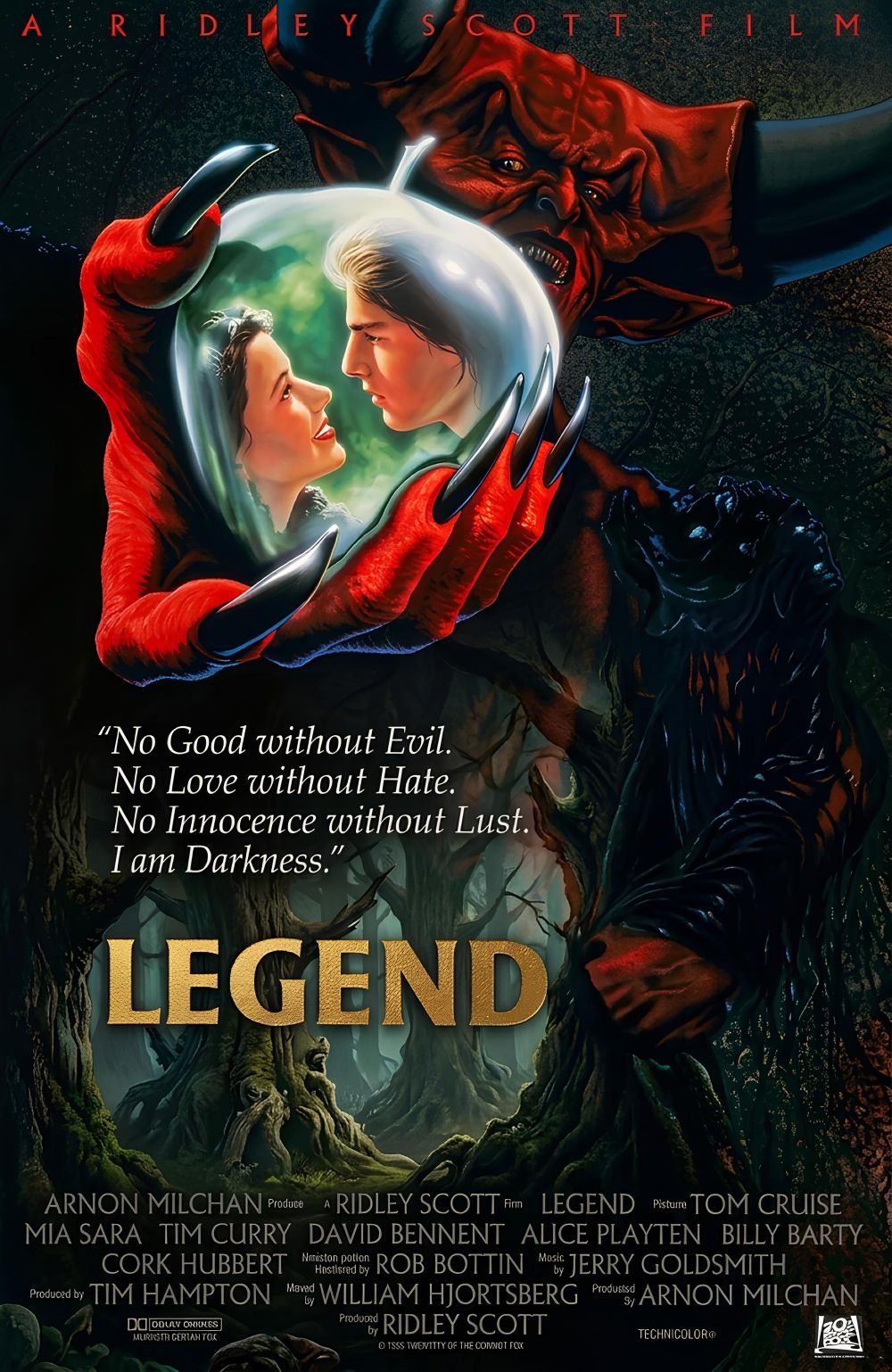
Legend is one of those films that feels like it should be a masterpiece even before it begins. It has Ridley Scott behind the camera, an extravagant fantasy premise, elaborate practical effects, striking production design, and a cast that includes a young Tom Cruise, Mia Sara, and Tim Curry. Released in 1985, the film arrived as a dark fantasy event that had been heavily anticipated, especially because Scott had already earned a reputation for visually stunning films. Alien and Blade Runner had established him as a director who could make entire worlds feel tactile, mysterious, and overwhelming. The idea of Scott applying that sensibility to unicorns, goblins, forest sprites, demonic lords, and fairy-tale mythology was exciting on paper. Unfortunately, while Legend is often gorgeous to look at, it becomes an uneven mess that is only saved from becoming a major disappointment by Tim Curry’s performance as Darkness.

The setup is familiar enough to sound almost deliberately archetypal. In a magical forest, Jack, played by Cruise, is a woodland boy who lives in harmony with nature and has fallen in love with the innocent Princess Lili, played by Sara. The world’s balance is tied to a pair of unicorns, embodiments of purity and light. Darkness, a devil-like ruler who wishes to plunge the world into permanent night, sends his goblin servants to kill the unicorns and take one of their horns. Lili’s fascination with the unicorns sets the tragedy in motion, and once one of the creatures is slain, winter and darkness descend upon the land. Jack must rescue Lili, restore the horn, defeat Darkness, and return light to the world.

There is nothing inherently wrong with a simple fairy-tale plot. In fact, Scott’s strongest instinct in Legend is treating fantasy with a sense of visual seriousness. The forest does not look like a clean studio set built for children; it looks damp, overgrown, foggy, and vaguely dangerous. The trees loom like ancient creatures, shafts of light break through the branches in painterly bursts, and even the beautiful areas of the film carry an eerie quality. Scott and cinematographer Alex Thomson create images that often resemble illustrated storybooks poisoned by a nightmare. The film’s environments are its greatest achievement. Whether it is the glowing forest, the icy wasteland after the unicorn’s death, or Darkness’ fire-lit underworld, Legend makes a serious effort to create a fully realized fantasy space rather than simply dressing actors in costumes and placing them in generic medieval scenery.

That visual commitment is why the film remains so fascinating despite its flaws. You can pause almost anywhere and find something worth admiring: a strange creature in the background, smoke drifting through a cavern, an enormous set textured with roots and stone, or a costume that looks handmade rather than mass-produced. Scott’s eye for atmosphere is undeniable. The film has an unusual physicality, too. Its magic is created through prosthetics, makeup, puppetry, matte work, and elaborate sets, so even when some effects have aged, they retain a handmade charm. Modern fantasy often has the advantage of digital flexibility, but Legend has the kind of tactile design that makes its world feel like it has dirt under its fingernails.

Still, visual beauty cannot completely compensate for a story that never finds a consistent rhythm. Legend often feels less like a fully developed narrative than a collection of spectacular images and half-formed fairy-tale ideas. Characters appear with little introduction, emotional shifts happen abruptly, and major story developments can feel rushed or strangely underexplained. The theatrical cut in particular carries the sense that important connective material has been removed. There are moments when the movie seems to expect emotional investment simply because the images are grand or the music swells, but the script has not done enough to earn that reaction.

Jack is also an unusually bland hero for a film that needs a strong center. Cruise was still early in his career, and there are flashes of the screen presence that would soon make him a major star. He is physically committed and looks believable racing through forests, climbing ruins, and confronting danger. But Jack is written as a generic pure-hearted fantasy protagonist, and Cruise never gets enough material to make him feel specific. He is brave because the story says he is brave, romantic because the story says he loves Lili, and destined to save the world because that is what these stories require. He does not have much inner conflict beyond the expected guilt and determination.

Lili is similarly underwritten, although Mia Sara does bring a dreamy, otherworldly quality to the role. The film wants her to embody innocence, temptation, and romantic idealism, but it does not give her much agency until she becomes corrupted by Darkness’ influence. Her transformation into a dark bride is visually memorable, especially in the elaborate black gown and makeup, but it also highlights the film’s habit of prioritizing imagery over character. The sequence is beautiful, eerie, and loaded with gothic fantasy appeal, yet Lili’s emotional journey into that role feels more decorative than dramatically convincing.

The supporting characters are more colorful but not always more useful. The dwarfs, elves, and forest companions give the story occasional energy, particularly the sarcastic fairy Oona and the armored dwarf Gump. Yet their presence can make the film feel tonally scattered. Sometimes Legend wants to be haunting and mythic; sometimes it wants broad comic relief; sometimes it drifts toward romantic melodrama. Those modes do not always blend. The result is a movie that can move from an ominous demonic ritual to a goofy side-character exchange without establishing a stable tone.

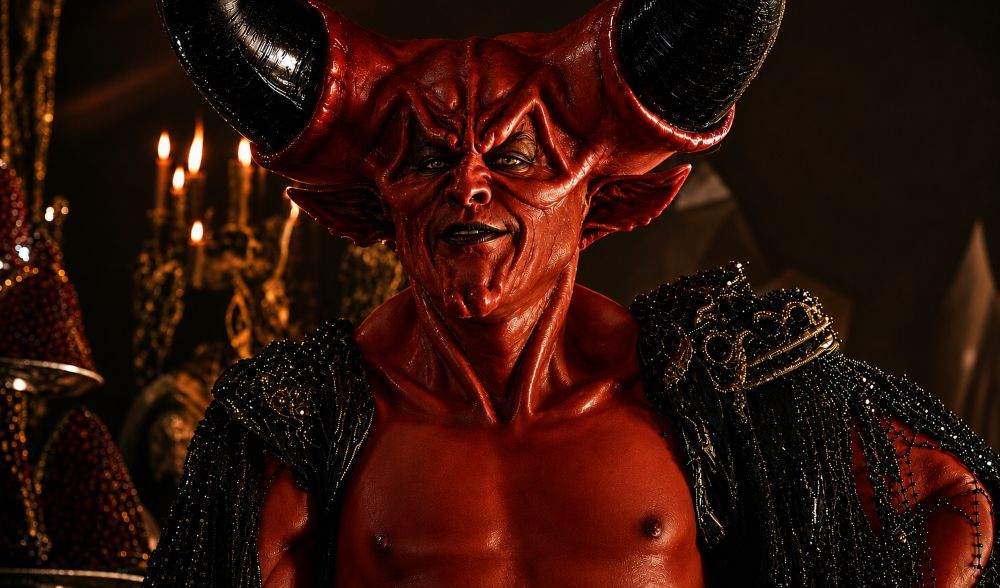
Then there is Tim Curry, who walks into the movie and immediately makes every other problem less important. His Darkness is one of the most iconic fantasy villains ever put on screen, and it is not difficult to understand why. The makeup design alone is astounding: massive horns, red skin, cloven hooves, muscular proportions, and a towering silhouette that makes him look like a medieval illustration of Satan brought to life. But the design would be nothing without Curry’s performance. He does not merely hide beneath the prosthetics; he gives Darkness a voice, posture, and seductive intelligence.

Curry plays Darkness as both monstrous and theatrical. His deep, measured delivery turns lines about night, desire, and evil into something genuinely alluring. He understands that the character should not simply roar or sneer. Darkness is persuasive. He offers Lili beauty, power, and escape from innocence, which makes him more interesting than a villain who only threatens destruction. His scenes with Sara have a strange, almost operatic energy, mixing horror, seduction, and camp in a way that fits the film’s most ambitious visual impulses. Curry makes Darkness feel ancient, vain, cruel, romantic, and weirdly funny all at once. He gives Legend its pulse.

The famous confrontation between Jack and Darkness should be the film’s crowning achievement, and visually it almost is. Darkness’ lair, lit by flames and surrounded by infernal architecture, gives Scott room to indulge his talent for monumental images. Curry’s villain towers over Cruise, making the hero look small and vulnerable. Yet even here, the fight is more memorable for its atmosphere than its dramatic construction. It is a good example of the whole film: rich in aesthetic invention, less persuasive as storytelling.

The music also reflects the movie’s fractured identity. Different versions of Legend are associated with different scores, most notably the Jerry Goldsmith score and the Tangerine Dream soundtrack used in the American theatrical release. The Goldsmith material feels more classically mythic and orchestral, while Tangerine Dream’s electronic music gives the film a distinctly 1980s dream-pop atmosphere. Both have their supporters, and both alter the experience considerably. That split feels appropriate for a movie that has always existed in multiple forms and competing moods. Legend is never quite one thing.

In the end, Legend is a flawed cult fantasy rather than a lost masterpiece. Its reputation rests largely on its imagery, its practical craftsmanship, and Curry’s towering performance, not on the strength of its plot or its emotional depth. Ridley Scott clearly wanted to make a dark fairy tale that felt ancient and sensual, but the finished film too often gets trapped between mythic grandeur, children’s fantasy, gothic romance, and broad adventure comedy. It is an uneven mess, but it is a beautiful one. And every time Tim Curry’s Darkness enters the frame, Legend briefly becomes the extraordinary film it was always trying to be.

Villain of the Day: Darkness (Legend)


“Dreams are my specialty. Through dreams I influence mankind. My dream is of eternity… with you.” — Darkness

In the hall of fame cinematic evil, few figures loom as large—both literally and figuratively—as Darkness, the demonic antagonist of Ridley Scott’s 1985 fantasy film Legend. While the film itself is a flawed, sumptuous fever dream of unicorns, goblins, and saccharine innocence, its enduring legacy rests squarely on the cloven shoulders of its primary antagonist. Darkness is not merely a monster or a plot obstacle; he is the philosophical and aesthetic center of the film, a being of pure, conscious malevolence who articulates the seductive logic of eternal night. Yet, for all his cosmic horror, he remains a surprisingly relatable figure, a tyrant who exudes weary boredom and theatrical pique. This complexity is entirely the work of Tim Curry, whose performance elevates what could have been a one-note bogeyman into one of the most flamboyant, charismatic, and unforgettable devils ever committed to celluloid.

Tim Curry’s physical transformation into the Lord of Darkness is, in itself, a masterclass in prosthetic commitment, but it is his performance beneath the latex that breathes terrifying life into the horns. Under layers of crimson makeup, sculpted muscle, and ram-like horns, Curry’s most potent weapon is his voice—a resonating, purring baritone that slithers between a seductive whisper and a thunderous roar. He delivers dialogue like a Shakespearean actor chewing rich, decadent scenery, imbuing lines about “the glory of the night” with a sensual, almost poetic conviction. Yet, Curry never lets the grandeur become ponderous. He injects a wicked, knowing levity into the role, a mischievous twinkle in his prosthetic-lidded eyes that suggests the Devil is not just evil, but is having a genuinely good time being so. This is the Tim Curry “sass” in full effect: a raised eyebrow, a sarcastic drawl, and a contemptuous flick of his clawed hand that makes his Darkness feel less like an ancient, faceless god and more like a decadent, immortal rock star who has grown bored with eternity.

What makes Curry’s portrayal so revolutionary is his ability to make Darkness a mesmerizing and charismatic figure who outshines the film’s ostensible hero, Jack, played by a young, earnest Tom Cruise. Cruise’s Jack is the quintessential pure-hearted faerie-tale protagonist—brave, wholesome, and tragically one-dimensional. He fights for love and light with a fervent sincerity that, while admirable, lacks texture or conflict. In contrast, Curry’s Darkness is a creature of profound, articulate desire; he wants to extinguish the sun not out of mindless spite, but to create a world where his aesthetic of shadow and chaos can flourish. He offers Lily (Mia Sara) a crown of stars and an eternity of passion, a temptation far more intellectually and emotionally engaging than Jack’s simple, chaste devotion. When Curry shares the screen with Cruise, the film’s energy shifts palpably; the audience’s attention is irrevocably drawn to the demon’s throne room, leaving the hero’s quest feeling like a tedious errand.

Crucially, Curry’s Darkness transcends mere villainy by possessing a startlingly human vulnerability, a pathos that makes him more than a symbol of absolute evil. He is a creature of immense power, yet he is bound by cosmic rules and frustrated by the very light he seeks to destroy. There is a weary, jaded quality to his performance, a sense that he has been playing this game of cosmic chess for eons and is irritated by its predictability. When he is ultimately defeated, it is not with a grand, defiant curse, but with a quiet, almost melancholic acknowledgment of fate. This fleeting moment of resignation, delivered with Curry’s signature subtlety, adds a layer of tragic grandeur to the character. He is not just a devil; he is a failed artist of darkness, a monarch who has lost his kingdom, and Curry ensures we feel the weight of that loss, even as we cheer for his vanquishment.

In the end, Ridley Scott’s Legend is a flawed tapestry of light and shadow, but Tim Curry’s Darkness is the golden thread that holds it all together. He gave the Devil a flair that was both terrifying and deliciously camp, a combination that has cemented his performance in the horror-fantasy hall of fame. While Tom Cruise’s Jack may be the film’s designated hero, he serves primarily as a straight man to Curry’s operatic villainy. Decades later, audiences may forget the plot’s intricate details or the film’s lush visuals, but they will never forget the sight of Curry rising from his throne, horns silhouetted against the fire, and purring his seductive threats. He proved that the most compelling evil is not a mindless beast, but a charismatic, sassy, and deeply intelligent force of nature—one who makes the eternal struggle between good and evil feel less like a battle and more like a spectacular, unforgettable show.

Villain of the Day

Anime You Should Be Watching: Made In Abyss (Meido in Abisu)


“I want to go to the bottom of the Abyss. Even if it means I can never come back.” — Riko

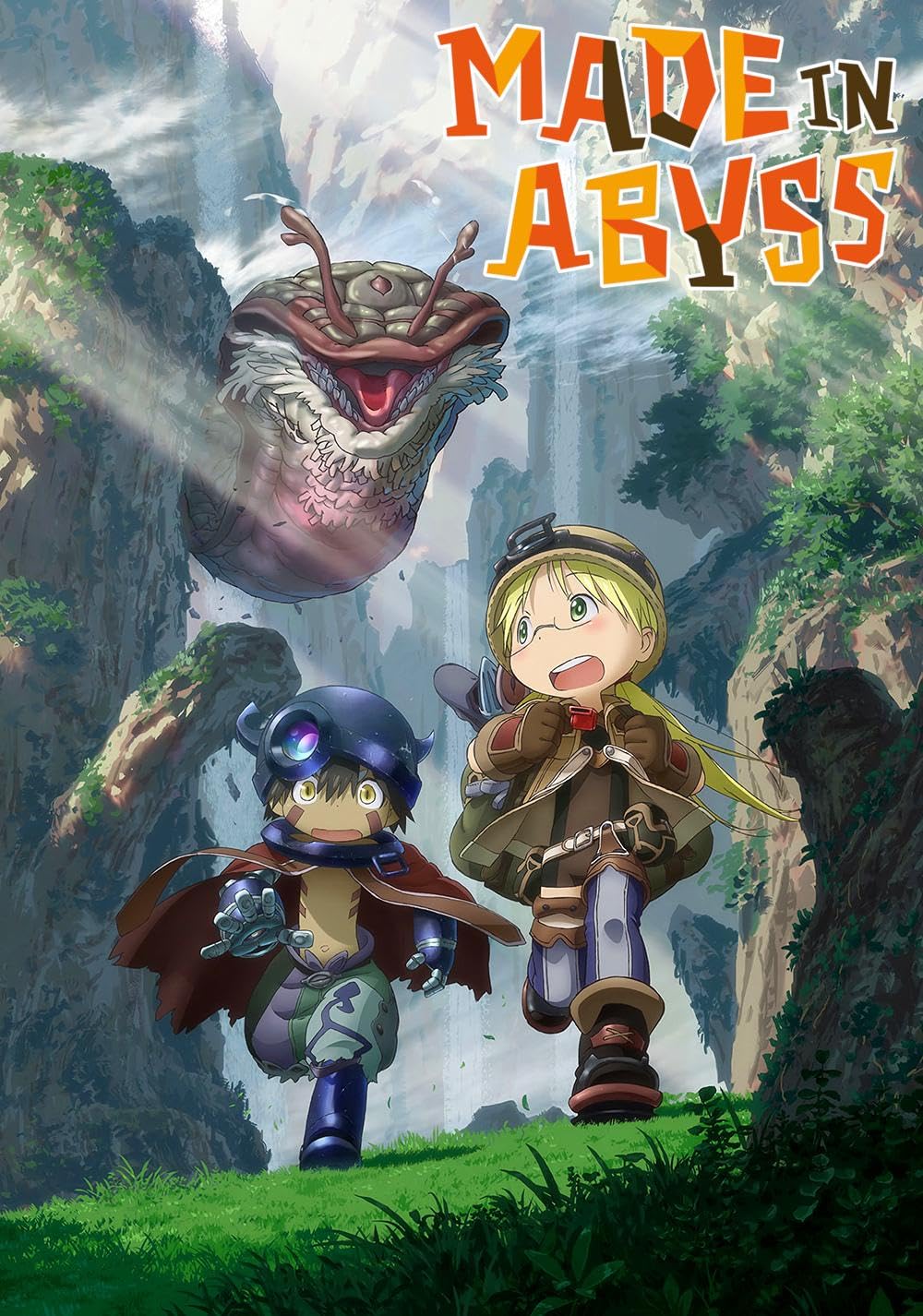
Made in Abyss is one of those shows that looks like a cozy kids’ fantasy at a glance and then quietly starts gnawing at your nerves. It’s a series that mixes cute character designs and lush worldbuilding with some of the most brutal, lingering depictions of pain and sacrifice you’ll see in mainstream anime, and that tension is really where it lives. Whether that mix works for you will probably decide if this becomes an all-timer or something you admire more than you enjoy.

The basic setup is simple but immediately gripping: the world is built around a gigantic vertical pit known as the Abyss, and humanity has basically reorganized itself around studying, looting, and mythologizing this hole in the ground. Riko, an orphaned girl living in an orphanage of trainee cave raiders, dreams of following in the footsteps of her legendary mother, a White Whistle who descended deep into the Abyss and never came back. When Riko finds Reg, an amnesiac boy with a mechanical body and an arm cannon, the two of them decide—through a mix of naïve optimism, desperation, and genuine affection—to dive all the way down to the bottom in search of answers. On paper it’s a classic coming-of-age adventure. In practice, the further they go, the more it shifts into a survival horror story where “growing up” means watching your illusions get peeled away layer by layer.

The worldbuilding is easily Made in Abyss’s biggest hook. The Abyss itself feels like a character: each layer has its own ecosystem, rules, and atmosphere, from misty forests and floating islands to grotesque biological nightmares that look like someone crossbred a nature documentary with a fever dream. The show doesn’t dump an encyclopedia on you; it sprinkles details through cave raider jargon, relics, and offhand remarks from more experienced characters until you start to feel how this society has bent itself around this hole. The “Curse of the Abyss,” which punishes you for ascending by inflicting anything from nausea to full-on bodily and mental breakdown, is a smart mechanic that makes every upward movement feel dangerous. It’s also a neat thematic metaphor for the price of trying to go back once you’ve seen too much—physically and emotionally, there’s no climbing out without a cost.

Visually, the show leans hard into contrast. The backgrounds are gorgeous: painterly vistas, rich color palettes, lovingly detailed flora and fauna. It has that “storybook you could fall into” vibe, and the camera knows how to linger on little things like light filtering through leaves or mist curling around rocks. The character designs, especially early on, skew round and childlike, which makes the brutality later hit harder. When horrific injuries happen—and they do, lingeringly—the clash between how soft the characters look and how realistically the pain is depicted is jarring on purpose. The animation sells that pain a little too well sometimes; bones don’t just break, they grind, blood doesn’t just appear, it seeps and pulses. If you’re squeamish about body horror involving children, this is a serious warning label, not a minor note.

The soundtrack deserves its reputation. The music goes for this ethereal, almost otherworldly feel, with vocals and instrumentation that make the Abyss feel ancient and sacred rather than just dangerous. Quiet, melancholic tracks show up during reflective moments and then give way to swelling, almost holy themes when the show wants you to feel the awe of descending somewhere no human should be. It’s the kind of score that would work in a nature documentary if that documentary occasionally cut to scenes of emotional devastation. The audio design in general—creature noises, echoes, the sense of space—does a lot of heavy lifting in making the Abyss feel vast instead of just “big background painting.”

Character-wise, Riko and Reg are a pretty effective duo. Riko is pure drive: she’s reckless, stubborn, and often dangerously single-minded, but she’s also the one with the knowledge, curiosity, and emotional openness that keeps the journey moving. She’s not a prodigy fighter, and the show never pretends she is; her value is in her ability to read the Abyss, improvise, and keep believing there’s something worth all this suffering. Reg, on the other hand, is the literal and figurative shield. He’s got the super-weapon, the durable body, and the instinct to protect, but he’s emotionally fragile, prone to tears, and constantly wrestling with guilt whenever he can’t prevent Riko from getting hurt. Their dynamic flips the usual “cool boy, emotional girl” archetype in a way that feels organic.

Once Nanachi enters the story, the emotional tone tilts even darker and deeper. Without spoiling specifics, Nanachi’s backstory is where the show makes it absolutely clear what kind of series it wants to be. It’s not just about dangerous monsters and mysterious relics; it’s about what happens when scientific ambition and obsession treat living beings, especially children, as raw material. Nanachi brings a weary, matter-of-fact perspective that anchors the later episodes. Through them, the show digs into trauma, survivor’s guilt, and the idea that sometimes “moving forward” just means finding a way to live with what you’ve seen.

Thematically, Made in Abyss is fascinated with curiosity and the cost of chasing it. There’s this persistent question of whether the drive to explore the unknown is noble or selfish—or if those two are inseparable. Adults in the series rationalize a lot of horrific choices in the name of progress, or the “glory” of uncovering the Abyss’s secrets. The kids are caught in that wake, inheriting both the romantic legends and the brutal consequences. The show also spends a lot of time on innocence and its erosion. Riko’s enthusiasm isn’t framed as stupid; it’s part of what makes her compelling. But episode by episode you watch that bright optimism get scarred, not in a grimdark “everything is meaningless” way so much as a “this world is much harsher than your storybooks said” way.

This is also where the series gets legitimately uncomfortable, and it’s worth talking about. Made in Abyss likes to juxtapose childlike bodies and faces with extreme suffering and, at times, questionable fanservice. There are moments of nudity, offhand sexual jokes, and camera framing choices that feel at odds with how seriously the show takes its darker material. Depending on your tolerance, this can range from minor annoyance to “I’m out.” On top of that, the willingness to linger on the physical torment of children—broken limbs, poison, invasive medical procedures—walks a very thin line between honest depiction of cruelty and exploitation. To the show’s credit, it never treats that suffering as cool or badass; it’s always presented as horrifying, traumatic, and scarring. But the intensity and frequency still won’t be for everyone.

Structurally, the first season is pretty tight. Thirteen episodes give the story enough room to breathe without bogging down in filler. The early episodes lean into exploration and atmosphere, introducing the rules, stakes, and vibe of Orth (the city around the Abyss) and the upper layers. As they descend, the pacing shifts into longer stretches of tension and pain interspersed with quiet, tender character beats. Some viewers might feel the last third becomes almost suffocatingly grim, but there’s a clear intent behind that choice; the deeper layers are supposed to feel like a point of no return, where the story’s whimsical trappings finally fall away.

If there’s a structural downside to the whole project so far, it’s that each season feels like “Part X” of a larger journey. You get emotional climaxes and a sense of progression, but not full narrative resolutions. The bottom of the Abyss remains out of reach, and major mysteries about Reg, Riko’s mother, and the true nature of the pit are left dangling. For some people, that’s exciting; it makes the world feel bigger and the story more ambitious. For others, it can feel like being cut off mid-descent just as things really start to escalate. Whether that’s a flaw or just the reality of adapting an ongoing manga will depend on how patient you are with long-game storytelling.

In terms of audience, Made in Abyss is not the comfy adventure its key art might suggest. It’s closer to a dark fairy tale dressed up as a traditional fantasy quest. If you’re into rich worldbuilding, emotional gut-punches, and stories that don’t shield their young protagonists from the full ugliness of their setting, it has a lot to offer and is worth pushing through the rough patches. If the idea of watching children suffer graphically in the name of narrative stakes sounds like a dealbreaker, no amount of gorgeous backgrounds and soaring music will make this the right fit.

Overall, Made in Abyss is a memorable, sometimes brilliant, sometimes frustrating series that takes big swings. With two seasons released so far and a third season announced but no release date as of its announcement, its strongest points—world, atmosphere, music, and the central trio—are strong enough that even people who bounce off parts of it usually still remember it vividly years later. It’s not an easy watch, but it’s a distinct one, and if you’re willing to take the plunge alongside Riko, Reg, and Nanachi, the Abyss has a way of sticking with you long after the credits roll.

Anime You Should Be Watching

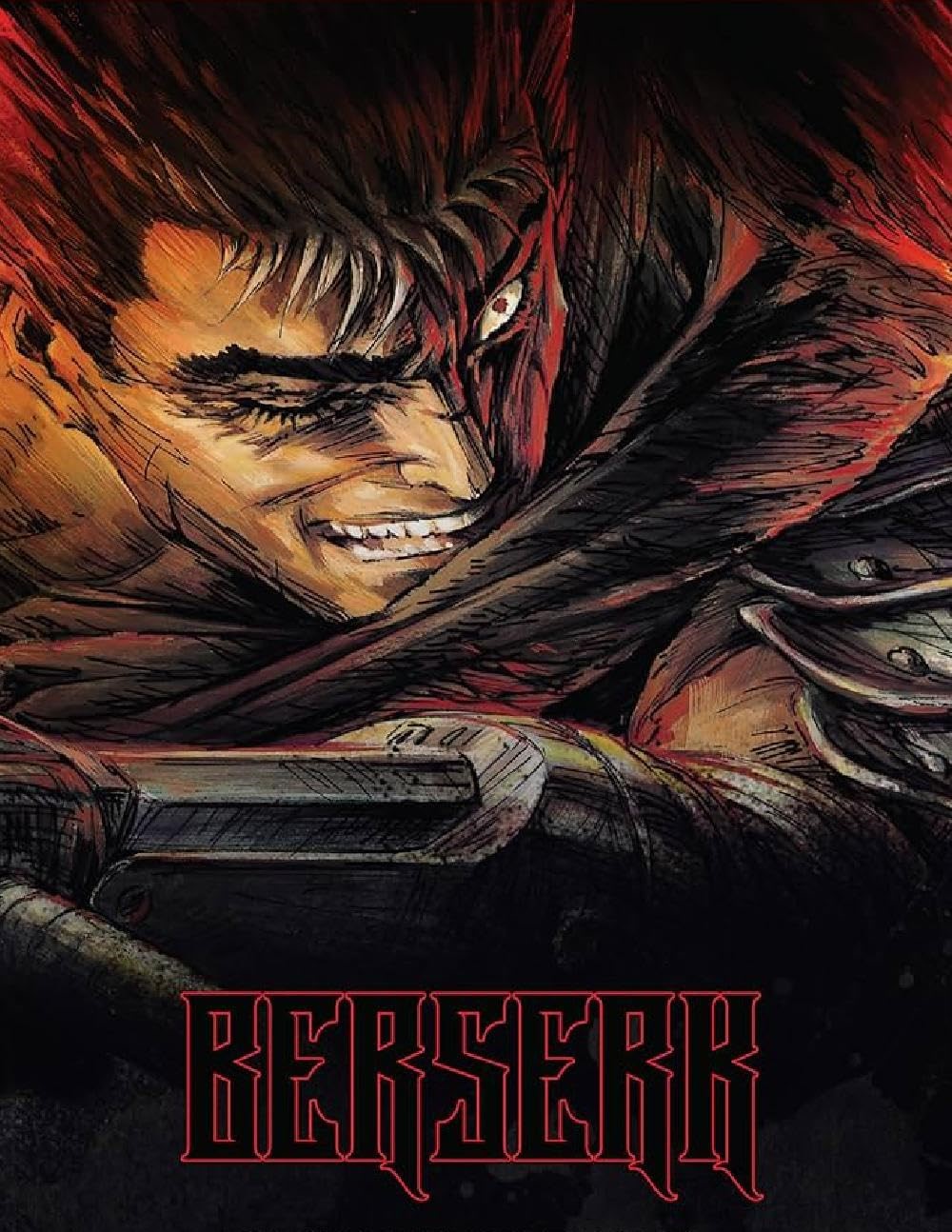
Anime You Should Be Watching: Berserk (Kenpū Denki Berserk)


“This thing… called a heart… it’s just a dream.” — Guts

The 1997 Berserk anime adaptation dives headfirst into Kentaro Miura’s brutal manga world, turning its already savage Golden Age arc into a gut-wrenching visual nightmare that still haunts fans nearly three decades later. This 25-episode series, aired from October 1997 to March 1998, kicks off with a flash-forward to Guts as the Black Swordsman before rewinding to his mercenary days with Griffith’s Band of the Hawk, capturing the raw rise-and-fall tragedy without pulling punches. What makes it stand out is how it cranks up the manga’s inherent darkness, using stark animation and eerie sound design to make themes of betrayal, rape, and demonic sacrifice feel even more inescapable and visceral.

Right from the opener, Berserk the anime slams you with a blood-soaked tease of Guts’ rage-fueled future, setting a tone that’s less hopeful fantasy and more unrelenting descent into hell. The manga already paints a medieval-inspired world of endless war, ambition, and causality—where fate pulls strings like puppet masters—but the anime condenses this into a tighter, more oppressive narrative arc. It skips some manga side elements like Puck the elf or deeper political intrigue in Midland, which actually sharpens the focus on human frailty, making the horror hit harder without distractions. Critics have called it the pinnacle of dark fantasy, praising how its hand-drawn grit and shadowy palettes evoke the ugliness of war better than polished modern takes.

At its core, the series explores ambition’s toxic price through Griffith, the silver-haired charmer whose dream of kingship devours everyone around him. In the manga, Griffith’s charisma shines amid detailed backstories, but the anime amplifies his fall by lingering on his psychological cracks—torture scenes drag with feverish close-ups, his tongue severed, body broken, eyes hollowed out in a way that feels more pathetic and monstrous than the page’s subtlety. This ramps up the grimness; where Miura’s art might imply despair through intricate shading, the anime’s limited budget forces raw, unflinching stares that bore into your soul, turning Griffith from lowborn visionary into a symbol of corrupted free will. Guts, voiced with gravelly intensity by Nobutoshi Canna, embodies endless struggle—born from a corpse, abused as a kid (hinted brutally but not shown in full like the manga), he swings his massive Dragonslayer like an extension of his trauma.

Casca’s arc gets the darkest upgrade, transforming her from fierce Hawk commander to shattered victim in ways that make the manga’s tragedy feel almost restrained. The anime doesn’t shy from her rape during the Eclipse—depicted with nightmarish silence, blood sprays, and Femto’s (Griffith reborn) cold violation right before Guts’ helpless eyes—losing his arm and eye in a frenzy of futile rage. Manga fans note how the adaptation’s Eclipse outdoes even later films in horror: black voids swallow screams, demons tear flesh with grotesque intimacy, and the lack of music lets raw voice acting convey utter hopelessness. This isn’t gratuitous; it’s the manga’s themes of human nature’s depths—betrayal, causality’s spiral, religion as blind comfort—boiled down to soul-crushing visuals that linger longer than words on a page. The God Hand’s emergence, offering Griffith godhood for his band’s sacrifice, hits like cosmic indifference, making the Eclipse not just gore but a philosophical gut-punch on destiny versus defiance.

Susumu Hirasawa’s soundtrack seals the deal, with synth-heavy tracks like “Forces” and “Guts” weaving ethereal dread into every sword clash and quiet betrayal. Where the manga relies on Miura’s hyper-detailed panels for atmosphere, the anime’s OST—haunting flutes over clanging armor—amplifies isolation, turning battles into dirges and the Eclipse into a silent scream. It’s no wonder fans say time flies despite the deliberate pacing; the slow build to horror keeps you hooked, pondering ambition’s cost and humanity’s fragility.

Culturally, the 1997 Berserk anime exploded as a gateway drug to dark fantasy, pulling in viewers who then devoured the manga and reshaped anime tastes. Before it, Japanese fantasy leaned lighter—think Dragon Quest quests—but Berserk proved you could blend Conan the Barbarian savagery with psychological depth, influencing giants like Attack on Titan‘s doomed soldiers, Goblin Slayer‘s trauma-soaked gore, and even Game of Thrones-style betrayals. It sold millions, won Tezuka Osamu nods for the manga, and got rereleased on Blu-ray as recently as 2024, proving its timeless pull. Western critics hail it as intellectually demanding, transcending tropes with Kurosawa-like violence that underscores humanity amid apocalypse.

The anime dials up the manga’s grimness by necessity—budget constraints meant fewer frills, so every frame prioritizes emotional weight over flash, making demons feel mythically terrifying and losses irreparable. Manga’s Golden Age builds subtle bonds; the show condenses them into feverish intensity, so Griffith’s sacrifice stings deeper, Guts’ rage boils hotter. Themes like predetermination—Guts branded for endless demon pursuit—gain visual permanence via the glowing Brand of Sacrifice, a constant night-haunting reminder absent in static panels. Religion’s critique shines too: Midland’s church ignores atrocities until apostles devour believers, a bleak commentary amplified by animation’s hordes of mangled corpses.

Even flaws enhance the darkness—no fairy-tale elf Puck lightens moods, politics skimmed leave a hollow kingdom, and the cliffhanger ending (mid-Eclipse tease) mirrors life’s unfinished cruelties. Later adaptations like 2016’s CGI mess diluted this; 1997’s raw style keeps the manga’s mud-and-blood realism intact, arguably grimmer for its restraint. Voice acting sells it—Canna’s guttural roars, Yuko Miyamura’s Casca cracking under pressure—pairing with Hirasawa’s score to etch trauma into memory.

Today, Berserk‘s legacy towers: over 70 million manga copies sold, crossovers in Diablo IV, endless merch, and debates on its Eclipse as anime’s bleakest peak. It proved dark themes—child abuse hints, schizophrenia-like breaks, ambition’s cannibalism—could captivate without cheap shocks, birthing “grimdark” as genre staple. For a low-budget ’97 relic, it outshines flashier takes by leaning into despair, making Miura’s world feel like fate’s cruel joke you can’t look away from.

Diving deeper into why it darkens the source: manga’s art allows interpretive distance—shadowed horrors imply pain—but anime forces confrontation, blood arcing in real-time, faces twisting in agony. Guts’ childhood rape allusion becomes a spectral flashback nightmare; Griffith’s torture a year-long montage of pus and screams, eroding his beauty into ruin. The Hawks’ slaughter isn’t panel-flipped pages but prolonged screams fading to silence, each apostle maw chewing comrades we grew to love—Judeau’s wit silenced, Pippin’s bulk rent apart. This visceral amp makes causality’s theme suffocating: no escape, just branded survival in a demon-riddled world.

Culturally, it bridged East-West fantasy gaps, echoing Hellraiser body horror and Excalibur medieval grit while predating Dark Souls (born from Miura’s influence). Fans worldwide cite it as therapy-triggering yet cathartic, sparking forums on trauma, resilience, toxic bonds. Its impact endures—Miura’s 2021 passing spiked sales, proving Berserk as monolith.

Ultimately, the 1997 adaptation doesn’t just adapt; it weaponizes the manga’s shadows, forging a bleaker legend that demands you question humanity’s fight against oblivion.

Anime You Should Be Watching

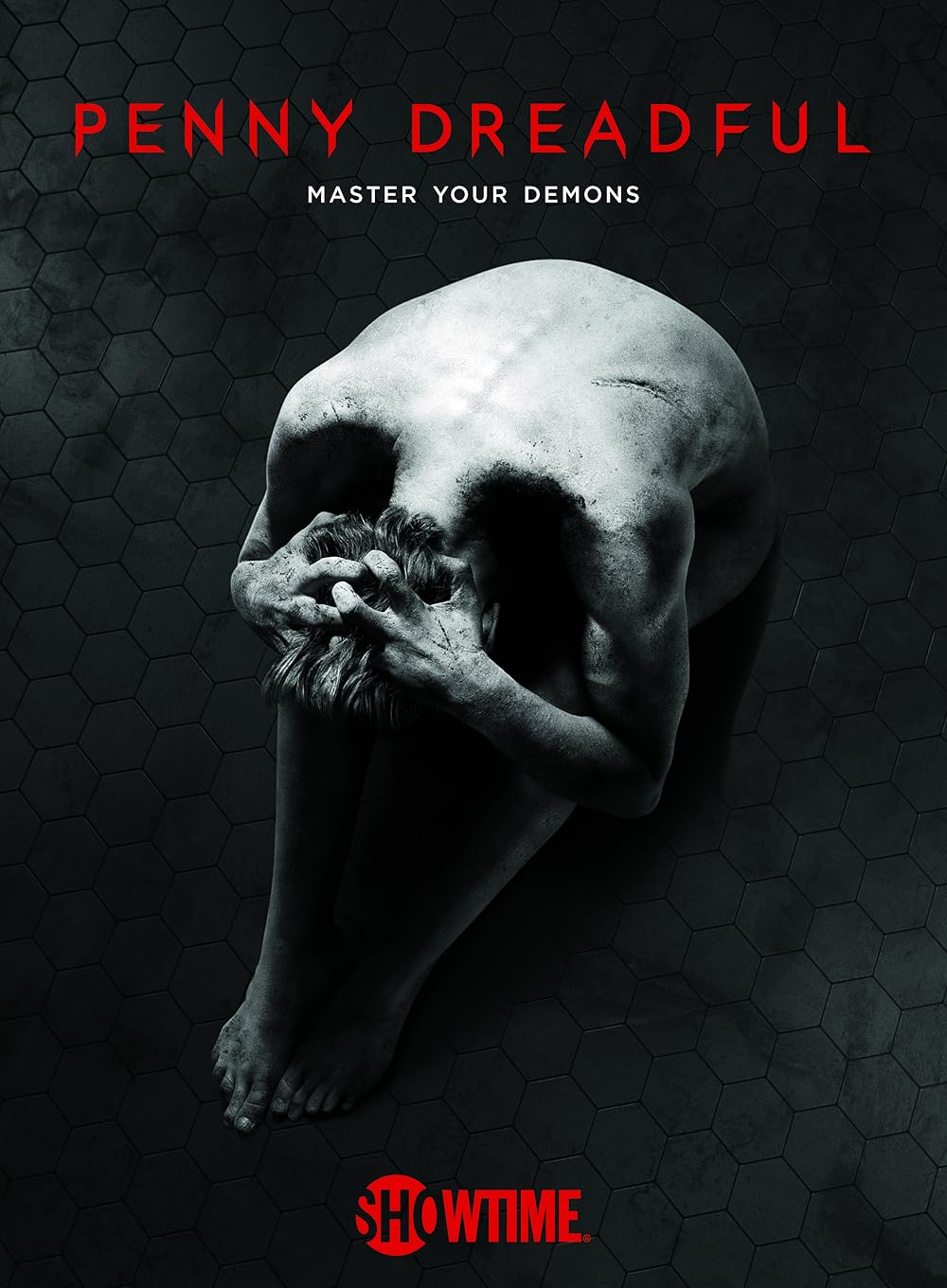
Review: Penny Dreadful – Seasons 1 thru 3 (by John Logan)


“There are things within a soul that can never be unleashed… They would consume us. We would cease to be, and another would exist in our place, without control, without limits.” — Vanessa Ives

Penny Dreadful remains one of the more distinctive horror dramas of the 2010s, its three-season run on Showtime from 2014 to 2016 offering a rare blend of lush literary homage, character-driven tragedy, and outright Grand Guignol spectacle. Expanding the lens season by season clarifies how the series evolves from a moody, experimental monster mash into a full-blown gothic epic, while also highlighting the structural flaws and uneven pacing that prevent it from being universally accessible, even as standout performances from its ensemble elevate every frame. What emerges is a show that grows richer the more time it spends with its characters—particularly through highlight turns like Eva Green’s ferocious Vanessa Ives, Rory Kinnear’s soul-wrenching Creature, and the magnetic supporting work from Timothy Dalton, Josh Hartnett, and Billie Piper—rewarding patient viewers even as its narrative sometimes strains under the weight of its own ambition.

Season one of Penny Dreadful functions as an origin point and a proof of concept, introducing viewers to a haunted ensemble bound together by secrets, sin, and supernatural forces, with performances that immediately set a bar for emotional and physical intensity. The central plot—Sir Malcolm Murray and Vanessa Ives recruiting American gunslinger Ethan Chandler and tortured scientist Victor Frankenstein to rescue Malcolm’s daughter Mina from a vampiric master—serves less as a conventional quest and more as a framework to explore broken people clinging to purpose, anchored by Timothy Dalton’s commanding Sir Malcolm, whose gravelly authority and haunted eyes convey a lifetime of imperial regrets and paternal failure. Eva Green’s Vanessa is the undeniable highlight here, her ferocious intensity in episodes like Séance and Possession—where glossolalia, contortions, and violent ecstasy erupt—turning demonic outbreaks into raw expressions of guilt, repression, and spiritual crisis, earning her a Golden Globe nomination for a debut season that demands Oscar-level physicality and vulnerability. Josh Hartnett’s Ethan Chandler provides a grounded counterpoint, his brooding sharpshooter evolving from reluctant hero to tormented beast with subtle shifts in posture and gaze that foreshadow his lycanthropic reveal.

The first season also lays the groundwork for the show’s thematic fascination with duality and monstrosity, especially through Harry Treadaway’s brittle Victor Frankenstein—whose twitching desperation humanizes god-like hubris—and Rory Kinnear’s breakout as the Creature, a shambling horror who quickly reveals literate eloquence and bitter pathos, his scarred visage and rumbling baritone making every plea for connection a gut-punch that redefines “monster” from the outset. Season one’s pacing can feel deliberately slow, even theatrical, as it lingers on candlelit rooms, whispered confessions, and philosophical exchanges, and some viewers may find this emphasis on mood over plot progression alienating. Yet that same deliberation allows the show to build a cohesive emotional atmosphere in which every prayer, séance, and bloodletting feels weighted with meaning, amplified by Dalton’s authoritative gravitas and Green’s transcendent torment. Critics generally responded favorably to this opening run, praising these performances and the atmosphere while noting that its heavy tone and self-seriousness would not be to every viewer’s taste.

Season two represents Penny Dreadful at its most confident and cohesive, expanding the mythology while tightening the emotional focus around Vanessa’s confrontation with a coven of witches led by Evelyn Poole, with Helen McCrory’s serpentine Madame Kali emerging as a highlight villain whose purring malice and intimate manipulations steal scenes. By reframing the central antagonist from a shadowy vampire figure to this fully articulated witch—who weaponizes intimacy, religious iconography, and psychological terror—the show raises the stakes, and Green’s Vanessa responds with even greater ferocity, her possession battles now laced with backstory from Patti LuPone’s earthy, heartbreaking Cut-Wife, whose single-episode arc showcases LuPone’s unparalleled ability to blend folk wisdom with maternal ferocity. This season’s central conflict positions Vanessa as the battleground for Lucifer’s desire, giving the main cast a unity of purpose that the first sometimes lacked.

Character work in season two deepens significantly, with Josh Hartnett elevating Ethan into a moral savage whose lupine rampages in No Beast So Fierce blend raw physicality and soul-searching remorse, while Billie Piper’s evolution from fragile Brona Croft to the defiant Lily Frankenstein becomes a revelation—her steely monologues on patriarchal violence delivered with fiery conviction that rivals Green’s intensity. Rory Kinnear’s Creature reaches new pathos pleading for a mate, his rejection scene opposite Treadaway’s increasingly unhinged Victor one of the series’ most devastating showcases of mutual ruin. Reeve Carney’s Dorian Gray adds hedonistic shimmer, though his arc pales next to these powerhouses. Moments like the group’s desperate defense of Sir Malcolm’s home or Ethan’s transformations achieve a rare balance of gore, suspense, and lyrical resolution, with Dalton’s weary patriarch holding the emotional center. Critics frequently cite season two as the show’s peak, with 100% Rotten Tomatoes scores reflecting near-universal praise for these heightened performances and tighter narrative.

Season three is where the series’ strengths and weaknesses collide most dramatically, as it scatters the core ensemble geographically and mythologically while hurtling toward an abrupt conclusion, yet the actors rise to the challenge with career-best work. Eva Green’s Vanessa deepens into despairing isolation, her therapy sessions with Patti LuPone’s returning Dr. Seward (a chilling pivot from folk healer to clinical cutter) and tender courtship by Christian Camargo’s suave Dracula yielding some of her most nuanced work—balancing fragility, resolve, and erotic pull in a finale self-sacrifice that cements her as TV’s ultimate gothic heroine. Josh Hartnett’s Ethan, now grappling with Apache mystic Kaetenay (Wes Studi’s dignified gravitas a welcome addition), delivers visceral Western showdowns that showcase his action-hero chops alongside soulful reckoning. Timothy Dalton’s Sir Malcolm, questing in Zanzibar, brings imperial weariness to poignant closure, his highlight a raw confrontation with past sins.

Standouts continue with Billie Piper’s Lily rallying a feminist uprising, her ideological fire clashing gloriously with Dorian’s jaded ennui in scenes of revolutionary fervor and betrayal that highlight Carney’s subtle decay. Harry Treadaway’s Victor, partnering with Shazad Latif’s oily Jekyll, spirals into ethical abyss with manic precision, while Rory Kinnear’s Creature—rediscovering his identity as John Clare—delivers the series’ most quietly devastating arc, his family reunion a masterclass in restrained grief that rivals Green’s flashier exorcisms for emotional wallop. These performances salvage the fragmented plotting, infusing global detours with humanity even as resolutions feel rushed.

Evaluated across all three seasons, Penny Dreadful delivers a rich, if imperfect, journey elevated by its highlight performances: Green’s transcendent Vanessa as the tormented soul; Kinnear’s Creature as the rejected heart; Dalton’s authoritative patriarch; Hartnett’s brooding beast; Piper’s fiery avenger; and LuPone’s dual folk icons—forming an ensemble that turns gothic pulp into profound tragedy. Season one constructs a dense foundation; season two refines it into peak artistry; season three reaches for epic finality with power even in haste. The end result succeeds more as character-driven gothic poetry than tidy thriller, its actors ensuring unforgettable resonance for horror fans craving depth. In a landscape of sanitized scares, these performances make Penny Dreadful a dark, enduring achievement.

Horror AMV of the Day: Homura’s Seven Devils (Mahou Shoujo Madoka Magica)


homuras-seven-devils

It’s that time of the year when all things dark, terrifying and horrific invades the halls and corridors of Through the Shattered Lens.

While many who hear the term magical girl and colorful-costumed girls fighting evil won’t think dark and disturbing well they’d be dead wrong. The magical girl genre of Japanese animation have always had that undercurrent of darkness which makes these so-called kiddie anime series more adult than that many people realize.

In 2011, the magical girl anime series Puella Magi Madoka Magica (aka Mahou Shoujo Madoka Magica) came out and it finally explored that very undercurrent of darkness in the magical girl genre that people discussed about. The series was still cute, but also disturbing in how it explored the cost these teenage girls would incur in gaining magical abilities to fight evil.

The latest AMV of the Day takes Madoka Magica (especially the three films which followed the series) and it’s two lead character in Homura Akemi (girl with the dark hair) and Madoka Kaname (girl with the pink-hair) and their very complicated relationship that transcends not just their friendship, but time and divinity itself.

What better song to pair up with Madoka Magica but none other than “Seven Devils” by Florence + The Machine.

Anime: Mahou Shoujo Madoka Magica

Song: “Seven Devils” by Florence + The Machine

Creator: Kinnsao San

Past AMVs of the Day

4 Shots From 4 Films: Guillermo del Toro Edition


Happy Birthday to the Master of Dark Fantasy.

Guillermo del Toro ranks high in my eyes as one of the best filmmakers working today. His films have ranged from an inventive take on the vampire genre, the mutant monster film, an evocative ghost story and right up to a dark fable. Guillermo del Toro has worked on both smaller, personal projects and the big, blockbuster action. He’s comfortable in living in both worlds.

No matter which side he happens to land at any particular time he always brings his own brand of visual style and storytelling to each and every film that tells the world that they’re watching a Guillermo del Toro production.

4 Shot From 4 Films

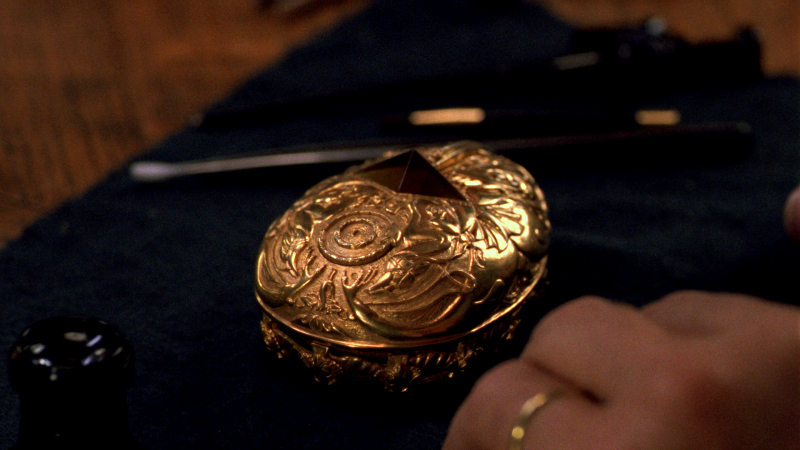
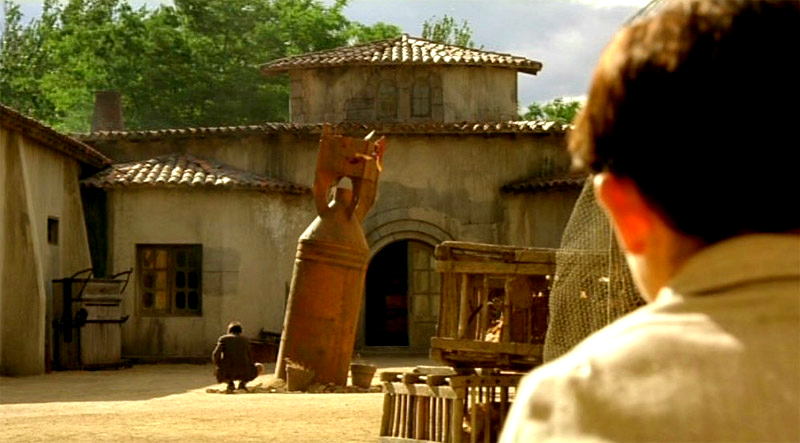
Cronos (dir. by Guillermo del Toro)

Cronos (dir. by Guillermo del Toro)

Mimic (dir. by Guillermo del Toro)

Mimic (dir. by Guillermo del Toro)

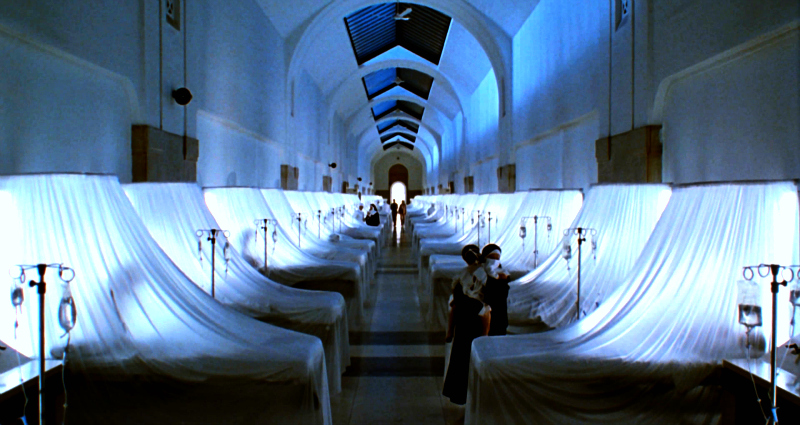
The Devil's Backbone (dir. by Guillermo del Toro)

The Devil’s Backbone (dir. by Guillermo del Toro)

Pan's Labyrinth (dir. by Guillermo del Toro)

Pan’s Labyrinth (dir. by Guillermo del Toro)

Horror AMV of the Day: Carnivore (Tokyo Ghoul)


TokyoGhoulKaneki

While horror anime is not quite widespread as other genres they do exist and one of the more recent ones is the horror/dark fantasy series which came out this past July.

Tokyo Ghoul is the anime from whence our latest “AMV of the Day” was born from. I’ve only seen highlight clips of the series, but from what I’ve seen it’s definitely right up my alley. It’s not so violent and gory that it goes over into “guro” realm. It looks like it’s series dealing with ghouls hiding within the human population and having their own clans and factions gives the series a nice urban gothic feel to it in addition to the horror.

This particular AMV uses the appropriate song by Starset called “Carnivore” which is one thing the ghouls in this series tend to be as eaters.

Guess what they like for breakfast, lunch and dinner? I heard it tastes like pork. Some very long pork.

Anime: Tokyo Ghoul

Song: “Carnivore” by Starset

Creator: Anime Bros

Past AMVs of the Day

Trailer: Horns (Official Teaser)


radcliffe

The kids of the Harry Potter film franchise have all gone their separate ways. Some have moved on to taking smaller roles. Others have begun to take on roles that tries to rehabilitate their image from just being a Harry Potter actor. Emma Watson has had some success in redoing her post-Potter image. Yet, it’s the “Chosen One” himself who looks to really be going with as many left-field film role choices since the end of the franchise.

Daniel Radcliffe has been taking some interesting risks with his post-Potter career. Even before the franchise was over he had begun working on redoing his image. Whether it was doing the stage play Equus or taking on a horror film role with the gothic horror The Woman in Black, Radcliffe seems more than willing to leave his Potter days behind him.

The first trailer from the film adaptation of the Joe Hill penned dark fantasy Horns has now arrived. We see brief glimpses of Radcliffe in the title role with the proverbial horns that becomes the center of the film’s plotline.

Time will tell if Horns will be another notch in making Daniel Radcliffe less the Potter-kid and ore the talented actor he’s turning out to be.

Horns will be making it’s presence know this Halloween 2014.

Scenes I Love: Pan’s Labyrinth


The Pale Man

If there’s one filmmaker alive today who probably deserves the label of genius it’s probably Mexican-born filmmaker Guillermo Del Toro. Yes, that’s probably hyperbolic high praise, but then with each new film he releases he shows audiences and critics something rarely seen before that gradually knocks down any doubts as to why he deserves the praise.

In 2006, Del Toro released the Spanish-language dark fantasy film Pan’s Labyrinth and people who had only known him as the guy who directed Blade II and Hellboy finally understood why critics both high and low were having such a major crush on the man’s work and talent. My favorite scene from this film was a major example why Guillermo Del Toro is such a genius. I’m talking about the scene with the “Pale Man” and Ofelia’s encounter with it during her second task given to her by the The Faun.

This sequence showed Del Toro not just juggling the dark fantasy aspect of the film, but also his talent for world-building and horror. This scene was the one which probably sold those still on the fence about the film as they watched it. It’s a scene which showed Del Toro’s love for monsters and he created one which has left an indelible mark on the film-going audience that still resonates to this day.