Villain of the Day: Griffith (Berserk)


(Spoilers ahead)

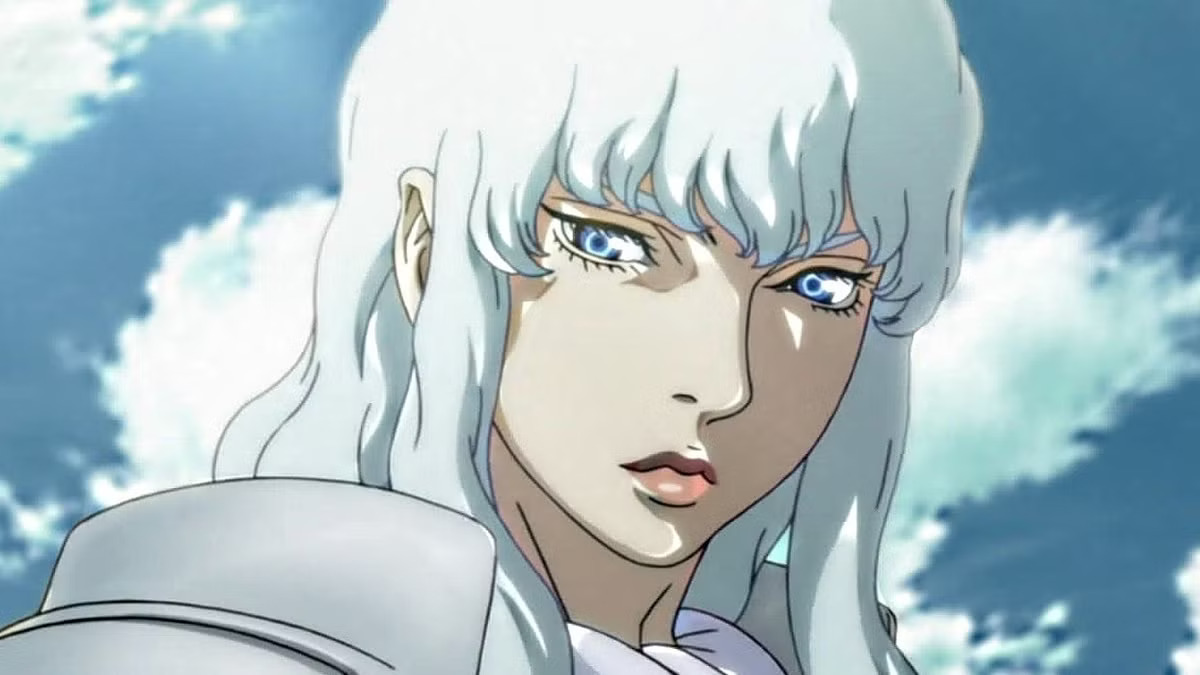
Few villains in fiction command the same level of fascination and revulsion as Griffith from Berserk. At first glance, he’s the archetypal charismatic leader: beautiful, eloquent, and seemingly selfless, rallying orphans and outcasts under the banner of the Band of the Hawk. But what makes him so mesmerizing is that his charm isn’t fake—it’s genuine. He truly believes in his dream of ruling his own kingdom, and that sincerity is what draws people, including the reader, into his orbit. You want to trust him, even as early warning signs—like his cold willingness to sacrifice comrades for political gain—start to pile up. Griffith works because he doesn’t feel like a mustache-twirling schemer; he feels like someone who could be your best friend or your worst nightmare, depending on where you stand in relation to his ambition. And that’s precisely how real history’s most destructive figures have operated—from Napoleon to Hitler to cult leaders like Jim Jones—men whose unshakable belief in their own destiny allowed them to commit unspeakable acts while genuinely convinced they were doing what’s best for their people.

The core of Griffith’s disturbance lies in the infamous Eclipse, where he sacrifices the entire Band of the Hawk—people who loved him, fought for him, and would have died for him—to become the fifth Godhand member, Femto. What makes this gut-wrenching isn’t just the brutality, but the emotional logic behind it. Griffith had been broken after a year of torture: his body ruined, his tongue cut out, his dream of a kingdom seemingly dead. When the Crimson Beherit activates, he’s offered a choice: remain a broken husk or ascend to godhood at the cost of everyone he ever cared about. And he chooses. In that moment, his quiet whisper—“I sacrifice”—isn’t a burst of rage; it’s a chillingly calm affirmation that his dream was always more real to him than the people who helped build it. That’s the horror: Griffith doesn’t betray his comrades out of malice, but out of an almost theological devotion to his own ambition. History offers grim echoes here—Stalin purging his fellow revolutionaries, Caesar turning on old allies—where the people closest to a leader become the first casualties, not because they were enemies, but because their trust made them useful fuel for a greater vision.

What deepens his complexity is that, post-Eclipse, he isn’t just a monster—he becomes a savior. As Femto, he orchestrates the merging of the physical and astral worlds, creating Falconia, a utopian city that protects humanity from the chaos he unleashed. People flock to him as a messianic figure, and from their perspective, he is benevolent. He grants them safety, purpose, and hope. This is where Berserk gets disturbingly real: Griffith’s evil isn’t anarchic destruction; it’s the evil of a flawless leader who has sublimated all human empathy into cold efficiency. He commits atrocities (including the traumatic assault of Casca in front of Guts) and then turns around and saves millions. The narrative forces you to sit with an uncomfortable question: if a demon gives you paradise, do you care that he’s a demon? Real-world tyrants have banked on that same calculus—Hitler’s autobahns and economic recovery, Napoleon’s legal codes and conquered territories. The suffering is real, but so is the public gratitude, and the leader who genuinely believes he’s building heaven rarely notices the hell he’s paving.

Kentaro Miura masterfully contrasts Griffith with Guts, his former best friend and now mortal enemy. Where Guts claws for agency and connection, Griffith embodies the seduction of surrendering your will to a greater cause. Griffith’s dream was never about friendship or love—it was about ownership and legacy. His famous speech about a “friend” being someone who pursues their own dream equal to his own was really a test, one that Guts failed when he left the Hawks. That departure broke Griffith’s ego more than any torture could, proving that his “love” for Guts was possessive, not reciprocal. This makes Griffith a tragic villain in the classical sense: he had everything—loyalty, love, a found family—and he threw it all away because he couldn’t stand not being the absolute center of the universe. It’s the same fatal flaw that undid so many historical figures whose charisma opened doors but whose narcissism burned down the house. The difference is that Griffith got his throne anyway, which might be the most haunting commentary of all: sometimes, the people who sacrifice everyone who loves them do win.

In the end, Griffith is mesmerizing because he reflects a very human darkness: the ability to sacrifice intimacy for ambition, and to dress that betrayal in the language of destiny. He’s not a cackling monster but a serene, beautiful one who genuinely believes his actions are justified. Berserk never lets you forget that his charisma works—on the characters in the story, and sometimes even on the reader. You catch yourself admiring his leadership, his vision, his grace, and then you remember the Eclipse, and you feel sick. That cognitive dissonance is the mark of a truly great villain: not one you love to hate, but one who forces you to understand why people would follow him straight into hell. History’s worst monsters were rarely obvious demons; they were the ones who smiled, who promised salvation, and who convinced themselves that the bodies piling up behind them were just the price of progress. Griffith is their fictional mirror, and that’s precisely why he remains one of the most disturbing, unforgettable antagonists in any medium.

Villain of the Day
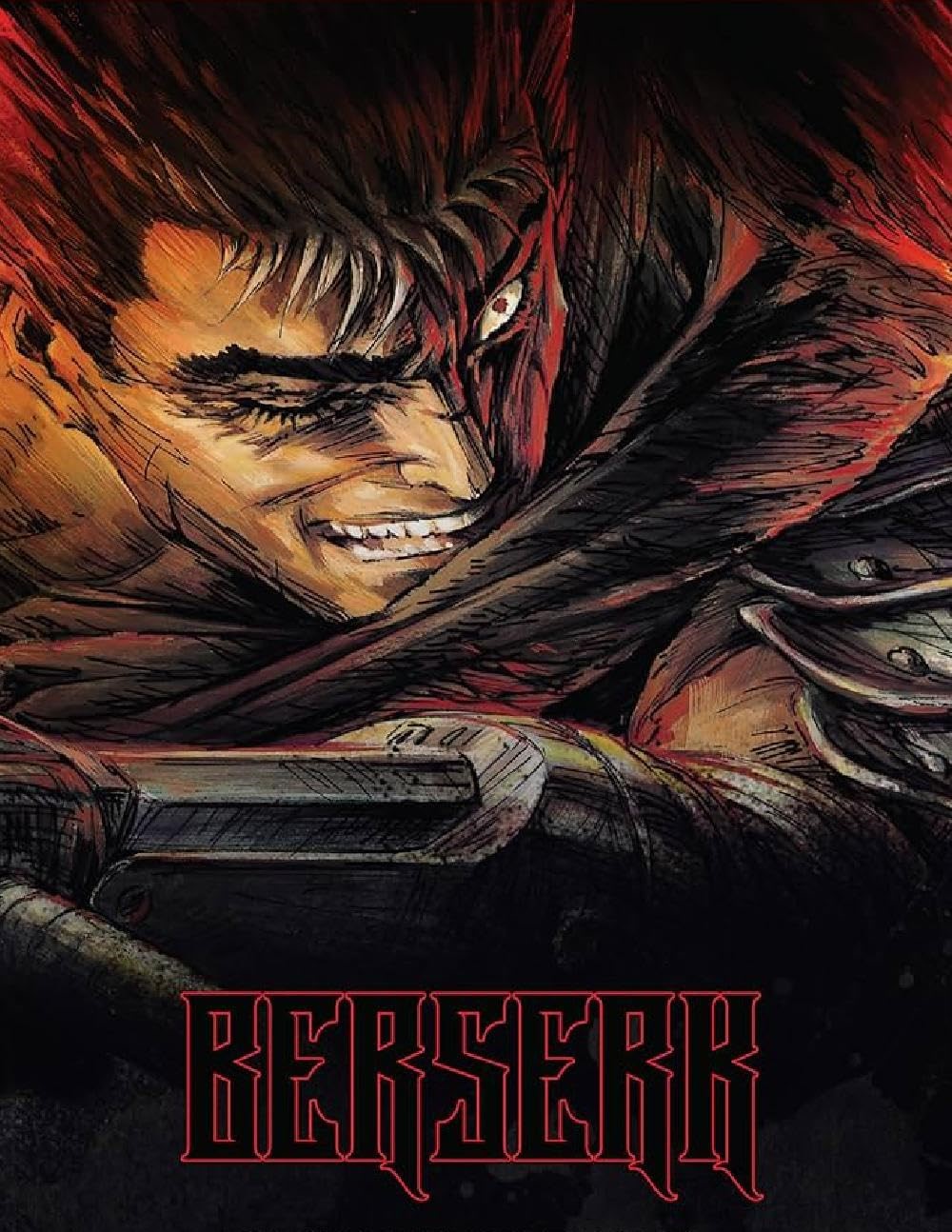
Anime You Should Be Watching: Berserk (Kenpū Denki Berserk)


“This thing… called a heart… it’s just a dream.” — Guts

The 1997 Berserk anime adaptation dives headfirst into Kentaro Miura’s brutal manga world, turning its already savage Golden Age arc into a gut-wrenching visual nightmare that still haunts fans nearly three decades later. This 25-episode series, aired from October 1997 to March 1998, kicks off with a flash-forward to Guts as the Black Swordsman before rewinding to his mercenary days with Griffith’s Band of the Hawk, capturing the raw rise-and-fall tragedy without pulling punches. What makes it stand out is how it cranks up the manga’s inherent darkness, using stark animation and eerie sound design to make themes of betrayal, rape, and demonic sacrifice feel even more inescapable and visceral.

Right from the opener, Berserk the anime slams you with a blood-soaked tease of Guts’ rage-fueled future, setting a tone that’s less hopeful fantasy and more unrelenting descent into hell. The manga already paints a medieval-inspired world of endless war, ambition, and causality—where fate pulls strings like puppet masters—but the anime condenses this into a tighter, more oppressive narrative arc. It skips some manga side elements like Puck the elf or deeper political intrigue in Midland, which actually sharpens the focus on human frailty, making the horror hit harder without distractions. Critics have called it the pinnacle of dark fantasy, praising how its hand-drawn grit and shadowy palettes evoke the ugliness of war better than polished modern takes.

At its core, the series explores ambition’s toxic price through Griffith, the silver-haired charmer whose dream of kingship devours everyone around him. In the manga, Griffith’s charisma shines amid detailed backstories, but the anime amplifies his fall by lingering on his psychological cracks—torture scenes drag with feverish close-ups, his tongue severed, body broken, eyes hollowed out in a way that feels more pathetic and monstrous than the page’s subtlety. This ramps up the grimness; where Miura’s art might imply despair through intricate shading, the anime’s limited budget forces raw, unflinching stares that bore into your soul, turning Griffith from lowborn visionary into a symbol of corrupted free will. Guts, voiced with gravelly intensity by Nobutoshi Canna, embodies endless struggle—born from a corpse, abused as a kid (hinted brutally but not shown in full like the manga), he swings his massive Dragonslayer like an extension of his trauma.

Casca’s arc gets the darkest upgrade, transforming her from fierce Hawk commander to shattered victim in ways that make the manga’s tragedy feel almost restrained. The anime doesn’t shy from her rape during the Eclipse—depicted with nightmarish silence, blood sprays, and Femto’s (Griffith reborn) cold violation right before Guts’ helpless eyes—losing his arm and eye in a frenzy of futile rage. Manga fans note how the adaptation’s Eclipse outdoes even later films in horror: black voids swallow screams, demons tear flesh with grotesque intimacy, and the lack of music lets raw voice acting convey utter hopelessness. This isn’t gratuitous; it’s the manga’s themes of human nature’s depths—betrayal, causality’s spiral, religion as blind comfort—boiled down to soul-crushing visuals that linger longer than words on a page. The God Hand’s emergence, offering Griffith godhood for his band’s sacrifice, hits like cosmic indifference, making the Eclipse not just gore but a philosophical gut-punch on destiny versus defiance.

Susumu Hirasawa’s soundtrack seals the deal, with synth-heavy tracks like “Forces” and “Guts” weaving ethereal dread into every sword clash and quiet betrayal. Where the manga relies on Miura’s hyper-detailed panels for atmosphere, the anime’s OST—haunting flutes over clanging armor—amplifies isolation, turning battles into dirges and the Eclipse into a silent scream. It’s no wonder fans say time flies despite the deliberate pacing; the slow build to horror keeps you hooked, pondering ambition’s cost and humanity’s fragility.

Culturally, the 1997 Berserk anime exploded as a gateway drug to dark fantasy, pulling in viewers who then devoured the manga and reshaped anime tastes. Before it, Japanese fantasy leaned lighter—think Dragon Quest quests—but Berserk proved you could blend Conan the Barbarian savagery with psychological depth, influencing giants like Attack on Titan‘s doomed soldiers, Goblin Slayer‘s trauma-soaked gore, and even Game of Thrones-style betrayals. It sold millions, won Tezuka Osamu nods for the manga, and got rereleased on Blu-ray as recently as 2024, proving its timeless pull. Western critics hail it as intellectually demanding, transcending tropes with Kurosawa-like violence that underscores humanity amid apocalypse.

The anime dials up the manga’s grimness by necessity—budget constraints meant fewer frills, so every frame prioritizes emotional weight over flash, making demons feel mythically terrifying and losses irreparable. Manga’s Golden Age builds subtle bonds; the show condenses them into feverish intensity, so Griffith’s sacrifice stings deeper, Guts’ rage boils hotter. Themes like predetermination—Guts branded for endless demon pursuit—gain visual permanence via the glowing Brand of Sacrifice, a constant night-haunting reminder absent in static panels. Religion’s critique shines too: Midland’s church ignores atrocities until apostles devour believers, a bleak commentary amplified by animation’s hordes of mangled corpses.

Even flaws enhance the darkness—no fairy-tale elf Puck lightens moods, politics skimmed leave a hollow kingdom, and the cliffhanger ending (mid-Eclipse tease) mirrors life’s unfinished cruelties. Later adaptations like 2016’s CGI mess diluted this; 1997’s raw style keeps the manga’s mud-and-blood realism intact, arguably grimmer for its restraint. Voice acting sells it—Canna’s guttural roars, Yuko Miyamura’s Casca cracking under pressure—pairing with Hirasawa’s score to etch trauma into memory.

Today, Berserk‘s legacy towers: over 70 million manga copies sold, crossovers in Diablo IV, endless merch, and debates on its Eclipse as anime’s bleakest peak. It proved dark themes—child abuse hints, schizophrenia-like breaks, ambition’s cannibalism—could captivate without cheap shocks, birthing “grimdark” as genre staple. For a low-budget ’97 relic, it outshines flashier takes by leaning into despair, making Miura’s world feel like fate’s cruel joke you can’t look away from.

Diving deeper into why it darkens the source: manga’s art allows interpretive distance—shadowed horrors imply pain—but anime forces confrontation, blood arcing in real-time, faces twisting in agony. Guts’ childhood rape allusion becomes a spectral flashback nightmare; Griffith’s torture a year-long montage of pus and screams, eroding his beauty into ruin. The Hawks’ slaughter isn’t panel-flipped pages but prolonged screams fading to silence, each apostle maw chewing comrades we grew to love—Judeau’s wit silenced, Pippin’s bulk rent apart. This visceral amp makes causality’s theme suffocating: no escape, just branded survival in a demon-riddled world.

Culturally, it bridged East-West fantasy gaps, echoing Hellraiser body horror and Excalibur medieval grit while predating Dark Souls (born from Miura’s influence). Fans worldwide cite it as therapy-triggering yet cathartic, sparking forums on trauma, resilience, toxic bonds. Its impact endures—Miura’s 2021 passing spiked sales, proving Berserk as monolith.

Ultimately, the 1997 adaptation doesn’t just adapt; it weaponizes the manga’s shadows, forging a bleaker legend that demands you question humanity’s fight against oblivion.

Anime You Should Be Watching

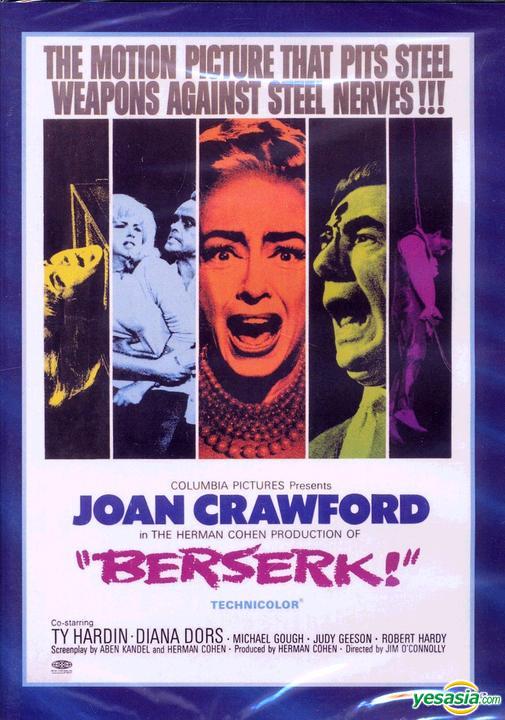
Halloween Havoc!: Joan Crawford in BERSERK (Columbia 1967)


gary loggins's avatarcracked rear viewer

berserk1

Last year I looked at Joan Crawford’s final film  TROG  during “Halloween Havoc” month, where she played an anthropologist.  This time around, Joan stars in her first movie for schlockmeister Herman Cohen, BERSERK, in which she’s in a more believable role as a circus owner/ringmaster whose big top is plagued by a series of gruesome murders.

berserk2

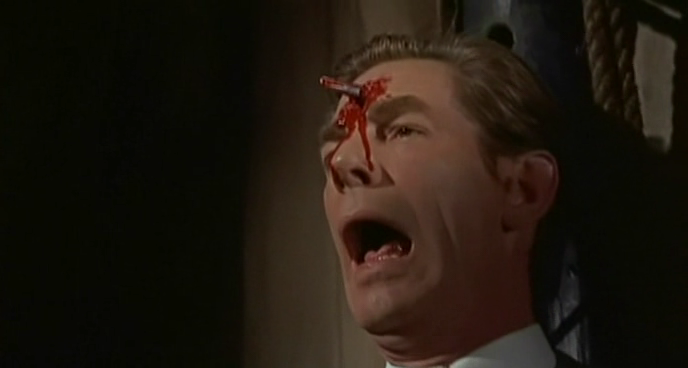
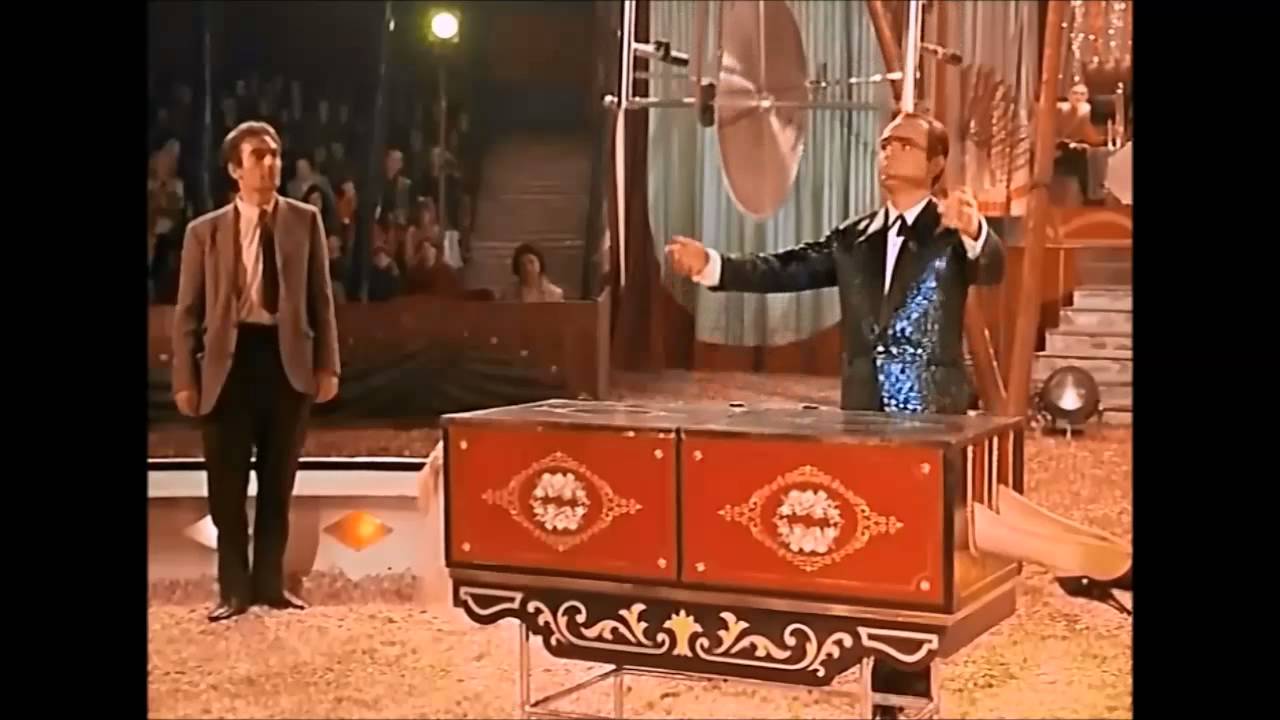
The film starts off with the grisly death of high wire artist Gaspar the Great, whose tightrope breaks, causing him to die from hanging. Frank Hawkins, better known as The Magnificent Hawkins, arrives soon after and replaces Gaspar with his own death-defying act, walking the tightrope while blindfolded over a row of steel spikes. Circus owner Monica Rivers loves the publicity from Gaspar’s demise, which turns off her lover/business partner Durando. Soon Monica takes up with Frank, and Durando winds up with a spike driven through his head!

berserk3

The circus acts think there’s a madman among them…

View original post 293 more words