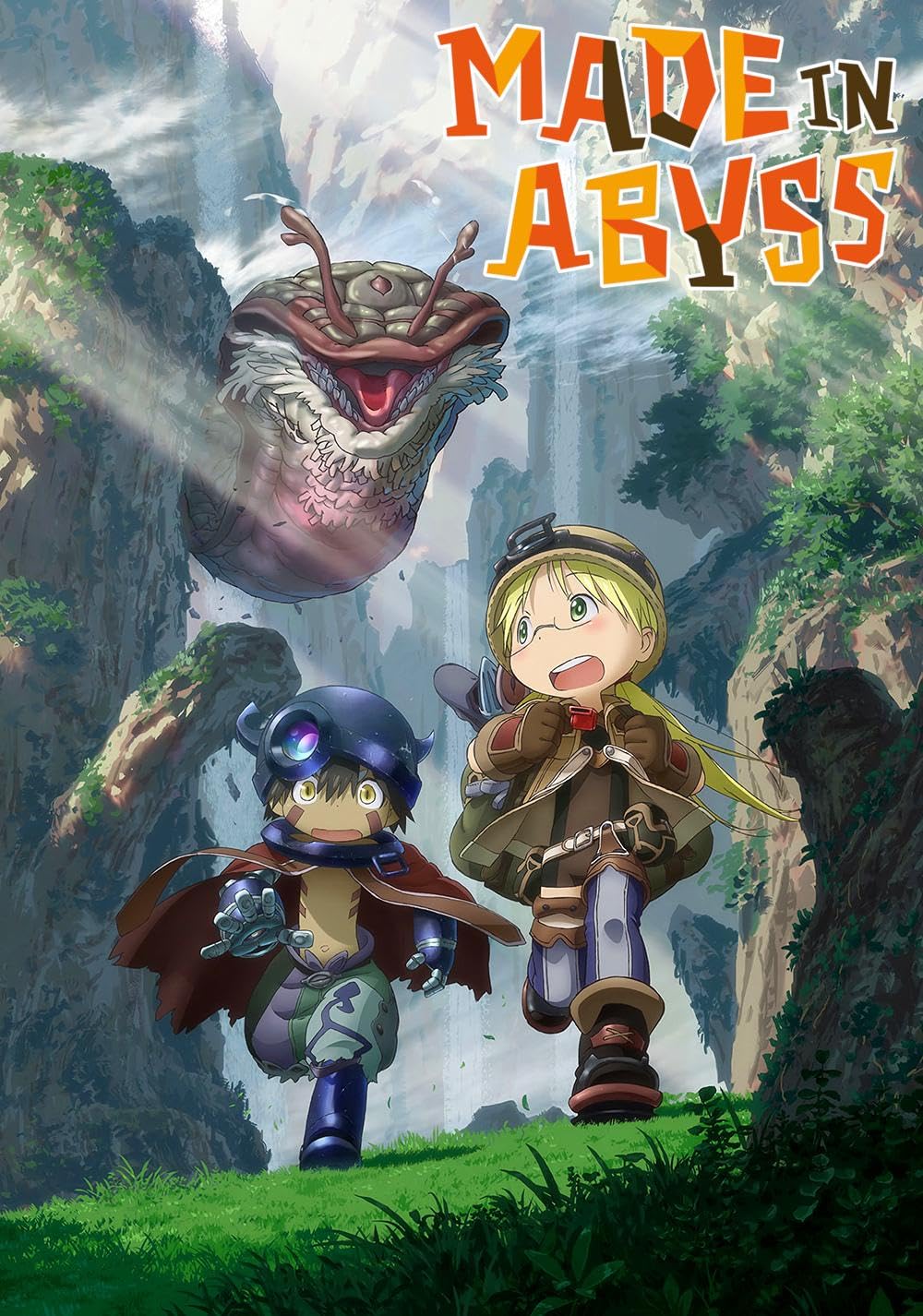
“I want to go to the bottom of the Abyss. Even if it means I can never come back.” — Riko
Made in Abyss is one of those shows that looks like a cozy kids’ fantasy at a glance and then quietly starts gnawing at your nerves. It’s a series that mixes cute character designs and lush worldbuilding with some of the most brutal, lingering depictions of pain and sacrifice you’ll see in mainstream anime, and that tension is really where it lives. Whether that mix works for you will probably decide if this becomes an all-timer or something you admire more than you enjoy.
The basic setup is simple but immediately gripping: the world is built around a gigantic vertical pit known as the Abyss, and humanity has basically reorganized itself around studying, looting, and mythologizing this hole in the ground. Riko, an orphaned girl living in an orphanage of trainee cave raiders, dreams of following in the footsteps of her legendary mother, a White Whistle who descended deep into the Abyss and never came back. When Riko finds Reg, an amnesiac boy with a mechanical body and an arm cannon, the two of them decide—through a mix of naïve optimism, desperation, and genuine affection—to dive all the way down to the bottom in search of answers. On paper it’s a classic coming-of-age adventure. In practice, the further they go, the more it shifts into a survival horror story where “growing up” means watching your illusions get peeled away layer by layer.
The worldbuilding is easily Made in Abyss’s biggest hook. The Abyss itself feels like a character: each layer has its own ecosystem, rules, and atmosphere, from misty forests and floating islands to grotesque biological nightmares that look like someone crossbred a nature documentary with a fever dream. The show doesn’t dump an encyclopedia on you; it sprinkles details through cave raider jargon, relics, and offhand remarks from more experienced characters until you start to feel how this society has bent itself around this hole. The “Curse of the Abyss,” which punishes you for ascending by inflicting anything from nausea to full-on bodily and mental breakdown, is a smart mechanic that makes every upward movement feel dangerous. It’s also a neat thematic metaphor for the price of trying to go back once you’ve seen too much—physically and emotionally, there’s no climbing out without a cost.
Visually, the show leans hard into contrast. The backgrounds are gorgeous: painterly vistas, rich color palettes, lovingly detailed flora and fauna. It has that “storybook you could fall into” vibe, and the camera knows how to linger on little things like light filtering through leaves or mist curling around rocks. The character designs, especially early on, skew round and childlike, which makes the brutality later hit harder. When horrific injuries happen—and they do, lingeringly—the clash between how soft the characters look and how realistically the pain is depicted is jarring on purpose. The animation sells that pain a little too well sometimes; bones don’t just break, they grind, blood doesn’t just appear, it seeps and pulses. If you’re squeamish about body horror involving children, this is a serious warning label, not a minor note.
The soundtrack deserves its reputation. The music goes for this ethereal, almost otherworldly feel, with vocals and instrumentation that make the Abyss feel ancient and sacred rather than just dangerous. Quiet, melancholic tracks show up during reflective moments and then give way to swelling, almost holy themes when the show wants you to feel the awe of descending somewhere no human should be. It’s the kind of score that would work in a nature documentary if that documentary occasionally cut to scenes of emotional devastation. The audio design in general—creature noises, echoes, the sense of space—does a lot of heavy lifting in making the Abyss feel vast instead of just “big background painting.”
Character-wise, Riko and Reg are a pretty effective duo. Riko is pure drive: she’s reckless, stubborn, and often dangerously single-minded, but she’s also the one with the knowledge, curiosity, and emotional openness that keeps the journey moving. She’s not a prodigy fighter, and the show never pretends she is; her value is in her ability to read the Abyss, improvise, and keep believing there’s something worth all this suffering. Reg, on the other hand, is the literal and figurative shield. He’s got the super-weapon, the durable body, and the instinct to protect, but he’s emotionally fragile, prone to tears, and constantly wrestling with guilt whenever he can’t prevent Riko from getting hurt. Their dynamic flips the usual “cool boy, emotional girl” archetype in a way that feels organic.
Once Nanachi enters the story, the emotional tone tilts even darker and deeper. Without spoiling specifics, Nanachi’s backstory is where the show makes it absolutely clear what kind of series it wants to be. It’s not just about dangerous monsters and mysterious relics; it’s about what happens when scientific ambition and obsession treat living beings, especially children, as raw material. Nanachi brings a weary, matter-of-fact perspective that anchors the later episodes. Through them, the show digs into trauma, survivor’s guilt, and the idea that sometimes “moving forward” just means finding a way to live with what you’ve seen.
Thematically, Made in Abyss is fascinated with curiosity and the cost of chasing it. There’s this persistent question of whether the drive to explore the unknown is noble or selfish—or if those two are inseparable. Adults in the series rationalize a lot of horrific choices in the name of progress, or the “glory” of uncovering the Abyss’s secrets. The kids are caught in that wake, inheriting both the romantic legends and the brutal consequences. The show also spends a lot of time on innocence and its erosion. Riko’s enthusiasm isn’t framed as stupid; it’s part of what makes her compelling. But episode by episode you watch that bright optimism get scarred, not in a grimdark “everything is meaningless” way so much as a “this world is much harsher than your storybooks said” way.
This is also where the series gets legitimately uncomfortable, and it’s worth talking about. Made in Abyss likes to juxtapose childlike bodies and faces with extreme suffering and, at times, questionable fanservice. There are moments of nudity, offhand sexual jokes, and camera framing choices that feel at odds with how seriously the show takes its darker material. Depending on your tolerance, this can range from minor annoyance to “I’m out.” On top of that, the willingness to linger on the physical torment of children—broken limbs, poison, invasive medical procedures—walks a very thin line between honest depiction of cruelty and exploitation. To the show’s credit, it never treats that suffering as cool or badass; it’s always presented as horrifying, traumatic, and scarring. But the intensity and frequency still won’t be for everyone.
Structurally, the first season is pretty tight. Thirteen episodes give the story enough room to breathe without bogging down in filler. The early episodes lean into exploration and atmosphere, introducing the rules, stakes, and vibe of Orth (the city around the Abyss) and the upper layers. As they descend, the pacing shifts into longer stretches of tension and pain interspersed with quiet, tender character beats. Some viewers might feel the last third becomes almost suffocatingly grim, but there’s a clear intent behind that choice; the deeper layers are supposed to feel like a point of no return, where the story’s whimsical trappings finally fall away.
If there’s a structural downside to the whole project so far, it’s that each season feels like “Part X” of a larger journey. You get emotional climaxes and a sense of progression, but not full narrative resolutions. The bottom of the Abyss remains out of reach, and major mysteries about Reg, Riko’s mother, and the true nature of the pit are left dangling. For some people, that’s exciting; it makes the world feel bigger and the story more ambitious. For others, it can feel like being cut off mid-descent just as things really start to escalate. Whether that’s a flaw or just the reality of adapting an ongoing manga will depend on how patient you are with long-game storytelling.
In terms of audience, Made in Abyss is not the comfy adventure its key art might suggest. It’s closer to a dark fairy tale dressed up as a traditional fantasy quest. If you’re into rich worldbuilding, emotional gut-punches, and stories that don’t shield their young protagonists from the full ugliness of their setting, it has a lot to offer and is worth pushing through the rough patches. If the idea of watching children suffer graphically in the name of narrative stakes sounds like a dealbreaker, no amount of gorgeous backgrounds and soaring music will make this the right fit.
Overall, Made in Abyss is a memorable, sometimes brilliant, sometimes frustrating series that takes big swings. With two seasons released so far and a third season announced but no release date as of its announcement, its strongest points—world, atmosphere, music, and the central trio—are strong enough that even people who bounce off parts of it usually still remember it vividly years later. It’s not an easy watch, but it’s a distinct one, and if you’re willing to take the plunge alongside Riko, Reg, and Nanachi, the Abyss has a way of sticking with you long after the credits roll.
Anime You Should Be Watching
- Gakuen Utopia Manabi Straight
- Chōjin Densetsu Urotsukidōji
- School Days
- Higurashi no Naku Koro ni
- Toradora!
- Aria
- Azumanga Daioh
- Bible Black
- Puella Magi Madoka Magica
- Black Lagoon
- Ika Musume
- High School DxD
- Bakemonogatari
- Sailor Moon
- Princess Tutu
- Another
- Hellsing Ultimate
- Sword Art Online
- Wolf Children Ame and Yuki
- Toaru Kagaku no Railgun
- Nichijō
- Redline
- Gakkou Gurashi (School Live)
- Gate: Thus the Japanese Self-Defense Force Fought in Their Land
- Hinamatsuri
- Asobi Asobase
- Zombie Land Saga
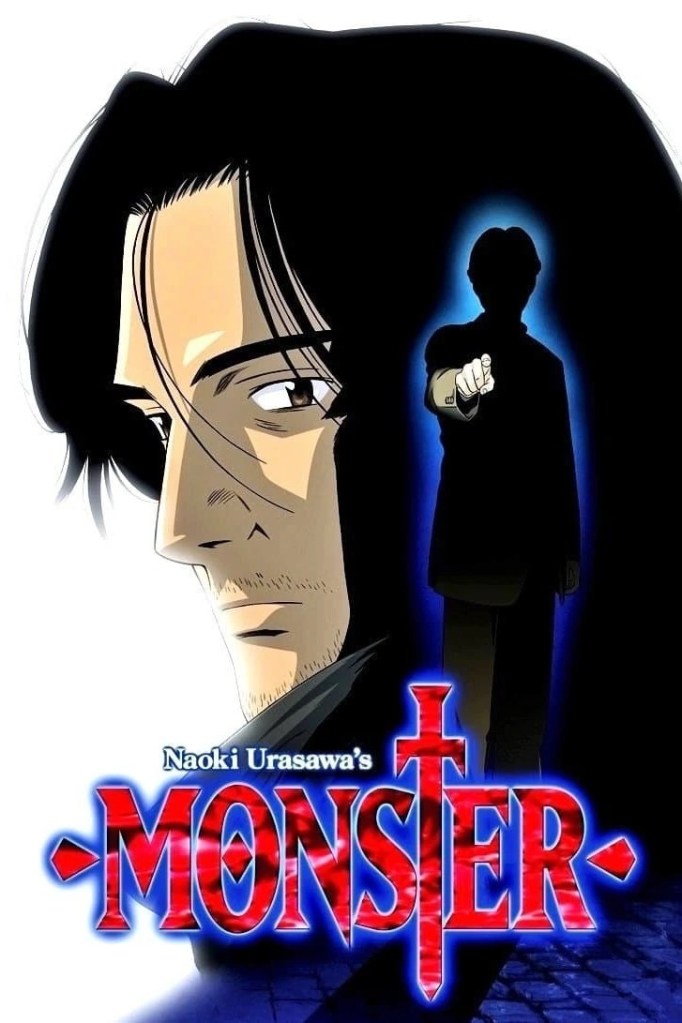
- Monster
- Farming Life In Another World (Isekai Nonbiri Nouka)
- Perfect Blue
- Shiki
- Angel of Darkness (Injū Kyōshi)
- Blood: The Last Vampire
- Akira
- Space Battleship Yamato (Uchū Senkan Yamato)
- Macross Plus
- Ninja Scroll (Jūbē Ninpūchō)
- Tokyo Godfathers (Tōkyō Goddofāzāzu)
- Memories
- That Time I Got Reincarnated as a Slime (Tensei Shitara Suraimu Datta Ken)
- Spy x Family
- Record Of Lodoss War (Rōdosu-tō Senki)
- Berserk (Kenpū Denki Berserk)
- Jin-Roh