Happy Birthday Huntz Hall: DON’T KILL YOUR FRIENDS (1943)


gary loggins's avatarcracked rear viewer

huntz1

Today marks the birthday of a definitely acquired taste, Huntz Hall. Born Henry Richard Hall in New York on 8/15/1920, he got his nickname because his large proboscis made him look German, according to his Irish neighborhood friends. Huntz entered show biz at a young age, and by 1935 was starring on Broadway in the hit play DEAD END. The six original cast members (Hall, Leo Gorcey, Billy Halop, Bobby Jordan, Gabriel Dell, Bernard Punsley), collectively known as The Dead End Kids, appeared in the 1937 film version with Joel McCrea, Sylvia Sidney, Claire Trevor, and Humphrey Bogart as the slum kids’ idol, gangster Baby Face Martin. Warner Brothers signed all six boys to contracts and featured them in prestige films like CRIME SCHOOL, ANGELS WITH DIRTY FACES, and THEY MADE ME A CRIMINAL with top stars James Cagney, John Garfield, and Ronald Reagan.

huntz2

The Kids were a rowdy bunch on-set, wreaking havoc and…

View original post 227 more words

“Who Needs It More Than We?”: Rest in Peace, Kenny Baker


149f5acaff5b46979c0c1f4492011c9f_400x400

Today, we all learned the sad news that British actor Kenny Baker has passed away.  He was 81 years old and had been ill for a long time, even missing the American premiere of Star Wars: The Force Awakens because he was too sick to travel.

images

Kenny Baker, who stood 3 feet and 8 inches tall, was best known for being the man inside of R2-D2.  When I was a kid, R2-D2 was always one of my favorite characters.  R2 and C-3PO were a wonderful comedy team and I have to admit that I was actually really sad when I first read that Baker and Anthony Daniels did not particularly like each other.

David Rappaport and Kenny Baker in Time Bandits

David Rappaport and Kenny Baker in Time Bandits

As popular as R2-D2 was, it was not the only role that Kenny Baker played.  For many filmgoers, Kenny Baker will always be Fidget, the nicest of the dwarves from Time Bandits.  (Fidget was reportedly based on Michael Palin, who is regularly described as being “the nice one” in Monty Python’s Flying Circus.)  My favorite Kenny Baker role was the character that he played in The Elephant Man.  Though the role may be a minor one, Baker makes an unforgettable impression.  Who can forget the scene where he frees John Merrick from imprisonment or his final words before a hooded Merrick boards the boat the will take him back to England: “Luck, my friend, luck. Who needs it more than we?”

Behind the scenes of The Elephant Man. Kenny Baker is standing in front of the cage.

Behind the scenes of The Elephant Man. Kenny Baker is standing in front of the cage.

RIP, Kenny Baker.

mUiyAcb


Lisa Marie Does The Wrong Man (dir by Alfred Hitchcock)


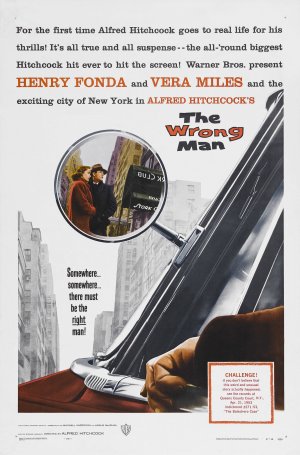
Since today is Alfred Hitchcock’s birthday, I figured why not take a few minutes to recommend one of his films that you may not have seen.  First released in 1956 but still painfully relevant today, The Wrong Man is one of Hitchcock’s best but it’s also one of his most underrated.

The Wrong Man deals with a common Hitchcock theme — i.e., an innocent man has been accused of a crime and, despite all of his efforts, cannot seem to convince anyone of his innocence.  The difference between The Wrong Man and something like Saboteur or Frenzy is that The Wrong Man is based on a true story.

Manny Ballestro (Henry Fonda) is a struggling musician.  He makes $85 a week, playing in a small jazz club.  But even though he may not be rich, he’s happy.  He loves his job.  He loves making music.  Even more importantly, he loves his wife, Rose (Vera Miles).  But Rose needs to have her wisdom teeth removed and it’s going to cost $300.  (As a sign of how much things have changed, I would have been relieved if it had only cost me $300 to get my wisdom teeth taken out.)  Desperate for money, Manny tries to borrow money on his wife’s life insurance plan.  What Manny doesn’t know is that the insurance office has been held up twice by a man who bears a vague resemblance to him.  A clerk calls the police and Manny soon finds himself being taken down to the police station.

Two detectives say that they need Manny’s help but they don’t tell him why.  But Manny knows he’s innocent of any crime and he believes that the police are on his side and he agrees to help.  When they tell him to walk into a liquor store, he does so.  When they take him to a deli, he goes in there as well.  When they demand to know why he was trying to borrow money on his wife’s life insurance, he tells them.  When they ask him about his financial difficulties, he tells them about that as well.  Why shouldn’t he?  He’s innocent and the police are just doing their job, right?  And when the cops finally ask him to copy down a few words that were used in the note that the robber slipped the clerk at the insurance company, Manny does so.  And when they then ask him to take part in a line-up, he does that as well…

And when Manny is arrested and charged with a crime … well, that’s when he finally understands that the system is not on his side.  His wife manages to hire a reputable attorney, Frank O’Connor (Anthony Quayle), to defend him but it quickly becomes obvious that the world has already decided that Manny is guilty.  When Manny and his wife try to track down some people who could provide Manny with an alibi, they discover that two of them are dead and one of them cannot be found.  For once, in a Hitchcock film, it’s not a case of conspiracy.  Instead, it’s just bad luck.

And, through it all, Rose continues to blame herself.  In fact, she is so wracked with guilt that she has a nervous breakdown.

It all leads to an amazingly disheartening courtroom scene.  As quickly becomes obvious, the judge has little interest in what’s happening in his court.  Even worse, the jury is unconcerned with the evidence.  Most of them are just annoyed at the inconvenience and punishing Manny seems like the perfect way to release their own frustrations…

It’s a bleak picture of the American justice system.  Watching The Wrong Man today, it’s tempting to say that the film is just a reflection of society in the 1950s and that things have changed today.  But really, have they?  True, the police may now be required to read someone their rights when they’re arrested.  A suspect can now ask for a lawyer.  We’ve got laws against entrapment and all the rest.  But that doesn’t matter.  We still live in a society where people are still widely presumed to be guilty, even after they’ve been found innocent in a court of law.  We still live in a society where the wrong man can have his life ruined because of one mistake.

The Wrong Man doesn’t get as much attention as some of Hitchcock’s other films.  In many ways, it’s an atypical example of his work.  Hitchcock was notorious for his dark sense of humor and his habit of waving away most plot points as just being mere “macguffins.”  With the exception of two scenes, both of which are meant to depict Manny’s mental state, The Wrong Man is filmed in a documentary style, one that occasionally seems more like Sidney Lumet than Alfred Hitchcock.  There’s next to no humor, nor are there any big or flamboyant twists.  In short, The Wrong Man finds the director of Psycho, Vertigo, and Rear Window at his most sincere.  It takes some getting used to.

But, once you do get used to it, The Wrong Man emerges as a powerful and bleak portrait of two innocent people at the mercy of a soulless system.  It’s a must see so be sure to see it!

The-Wrong-Man-poster

4 Shots From 4 Films: The Lodger, Notorious, The Wrong Man, Frenzy


4 Shots From 4 Films is just what it says it is, 4 shots from 4 of our favorite films. As opposed to the reviews and recaps we usually post, 4 Shots From 4 Films is all about letting the visuals do the talking!

And again, we say, “Happy Birthday, Alfred Hitchcock!”

4 Shots From 4 Films

The Lodger (1927, dir by Alfred Hitchcock)

The Lodger (1927, dir by Alfred Hitchcock)

Notorious (1946, dir by Alfred Hitchcock)

Notorious (1946, dir by Alfred Hitchcock)

The Wrong Man (1956, dir  by Alfred Hitchcock)

The Wrong Man (1956, dir by Alfred Hitchcock)

Frenzy (1972, dir by Alfred Hitchcock)

Frenzy (1972, dir by Alfred Hitchcock)

Happy Birthday, Alfred Hitchcock!


Hi, everyone!

Today is the birthday of one of the most influential directors of all time — the one and only Alfred Hitchcock!

In honor of this day, here’s a video that I found on YouTube.  This video, which was put together by Will Erickson so please give all credit to him, claims to feature every single cameo appearance that Hitchcock ever made!

Watch it below:

Film Review: The King of Comedy (dir by Martin Scorsese)


Kingofcomedy

Oh my God, do y’all want to see a really great film?

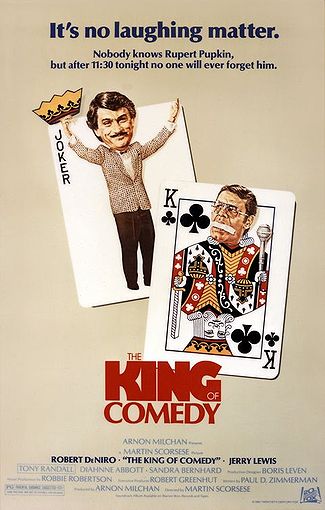
Then you need to do what I did earlier tonight.  You need to sit down and watch Martin Scorsese’s 1983 media satire, The King of Comedy.

Want to know more about The King of Comedy?  Then read on!  But be aware that there are spoilers in the review below!

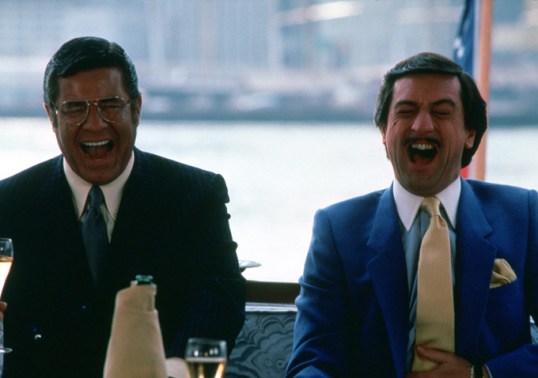
The King of Comedy tells the story of … well, it actually tells the story of several people.  On the one hand, it’s the story of Jerry Langford (played by Jerry Lewis, who gives a performance that is so good that you might even forget that he directed The Day The Clown Cried), a comedian who has his own late night talk show.  Jerry is a celebrity, the type who is mostly famous for being himself.  He makes his living by interviewing people at night but, in his daily life, he struggles to interact with the world at large.  Whenever Jerry steps outside, people start yelling at him.  When he walks away from one elderly fan, she responds by screaming insults at him.  If Jerry seems to be paranoid, it’s because he has good reason to be.

For instance, Masha (a chillingly unhinged performance from Sandra Bernhard) is obsessed with him.  When we first see Masha, she is jumping inside of Jerry’s limousine and refusing to leave.  When she finally gets a chance to be alone with her idol, her manner alternates between desire and hostility.  She may love Jerry but she could just as easily kill him.

And then there’s Rupert Pupkin (Robert De Niro).  Rupert is the character who brings Jerry and Masha together.  He’s a stand-up comedian, the self-described “king of comedy.”  He’s convinced that he can be a star if he can just get on Jerry’s show.  Rupert spends his time imagining the great friendship that he and Jerry could have, if only Jerry would let him on TV.  In his mind, he plays out the scene in which Jerry begs Rupert to take over the show.  Of course, in reality, Rupert lives in his mother’s basement and is surrounded by card-board cutouts of celebs that he will never meet.  When we first see Rupert, his only real skill seems to be the ability to get on everyone’s last nerve.

It’s a little hard to believe now but, when De Niro started his career, he almost exclusively played fuck-ups.  True, he may have won an Oscar for playing Vito Corleone in The Godfather, Part II.  But even while he was playing Vito, he was also playing the erratic and perpetually in debt Johnny Boy in Mean Streets.  In Taxi Driver, he was the delusional Travis Bickle and, in Raging Bull, he was a boxer who managed to alienate just about everyone in the world before finally ending up as an obese self-parody.  But, out of all the fuck-ups that the young(ish) Robert De Niro played, perhaps none was a bigger fuck-up than Rupert Pupkin.

Rupert Pupkin is a character whose sole purpose in life seems to be to make other people cringe with embarrassment.  He is the type of guy who will always come on too strong and say the wrong thing.  Even when Rupert manages to meet Jerry, he is so annoying that Jerry can barely wait to get away from him.  He is the type who asks if you want to see a picture of his “pride and joy” and then shows you a picture of two bottles of dishwashing liquid.  It undoubtedly took some courage to so fully commit to such an off-putting character but that’s exactly what De Niro did.  Rupert is perhaps one of the most annoying characters in cinematic history and yet, perhaps because he’s played by Robert De Niro, you can’t help but feel sorry for him.  You never exactly like him.  But you can’t help but feel a little bit sorry for him.  He is just so clueless!

Of course, what Rupert lacks in common sense, he makes up for in ambition.  He truly believes that he’s destined to be the king of comedy and if he and Masha have to kidnap Jerry Langford for that to happen, so be it.  It is perhaps not surprising that Rupert and Masha would kidnap Jerry and threaten to kill him unless Rupert is invited to appear on the show.  What is surprising is the fact, once we finally see Rupert’s act, we discover that it’s not as bad as we were expecting:

Apparently, when the film was first released, there was some controversy over whether or not Rupert actually appeared on TV and became a star or if it was just another of his delusions.  What’s funny is that there wouldn’t be any controversy today.  In 1983, the idea of someone going to such extremes to be famous may have seemed over-the-top.  In 2016, however, we all know Rupert would eventually end up with his own reality show.  In its way, The King of Comedy is one of the most prophetic films ever made.

The King of Comedy is a great film that, even after all these years, still deserves to be seen.  In fact, it’s probably even more relevant today than when it was first released.

the-king-of-comedy-deniro


4 Shots From 4 Films: An Epic Birthday Salute


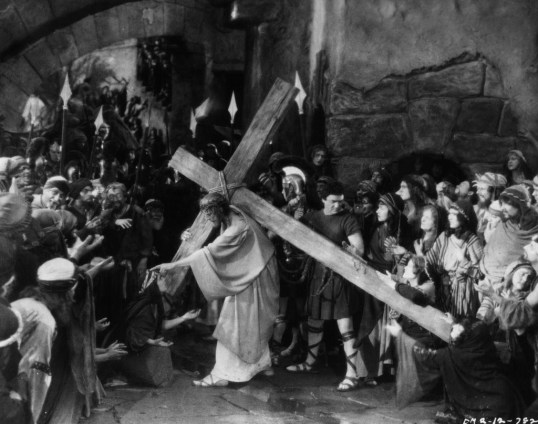
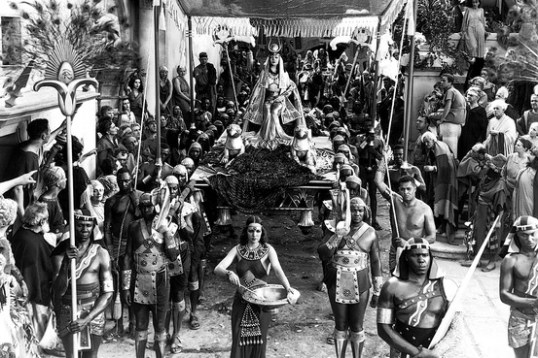
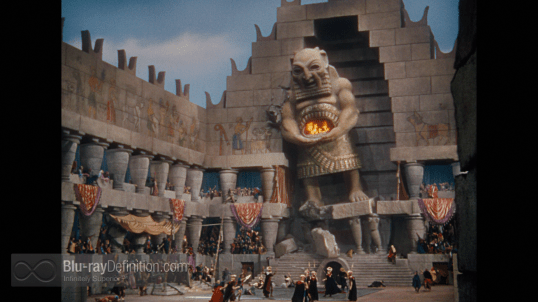
4 Shots From 4 Films is just what it says it is, 4 shots from 4 of our favorite films. As opposed to the reviews and recaps we usually post, 4 Shots From 4 Films is all about letting the visuals do the talking. When it came to directing epics movies, there was Cecil B. DeMille, and there was everyone else. The quintessential Hollywood director was born on this date in 1881. Here are four shots from some of DeMille’s greatest films:

King of Kings (1927)

                                                          King of Kings (1927)

Cleopatra (1934)

                                                              Cleopatra (1934)

Samson and Delilah (1949)

                                                      Samson and Delilah (1949)

The Ten Commandments (1956)

                                         The Ten Commandments (1956)

Rogue One: A Star Wars Story Official Trailer Finally Arrives


Rogue One

The Rogue One official trailer finally came out after weeks of fans waiting for it since last month’s Star Wars celebration over in London.

At first, people thought the trailer would be released during the celebration, but that didn’t come to pass. Then San Diego Comic-Con came and went and still no official trailer. We already seen the teaser, the sizzle reel from London celebration and even a tv spot that aired in the last week or so. Yet, there was still no full trailer. Fans were waiting with extreme patience.

Once news came down that the first official trailer will show during the Olympics the guessing game began on which day it will be. When it was confirmed that it was to be tonight people worldwide began to wait for the trailer to premiere. And waited during each Olympic event. And waited some more. I, myself, decided I needed a nap and left orders to be awoken when it finally did show.

Well, it did show just an hour into my nap and despite being groggy from being woken up that first image of the desert planet with Forest Whitaker and Felicity Jones conversing got my full attention. The wait was long, but it was well worth it and now the wait for the film’s premiere begins.

Rogue One: A Star Wars Story is set for a December 16, 2016 release date.

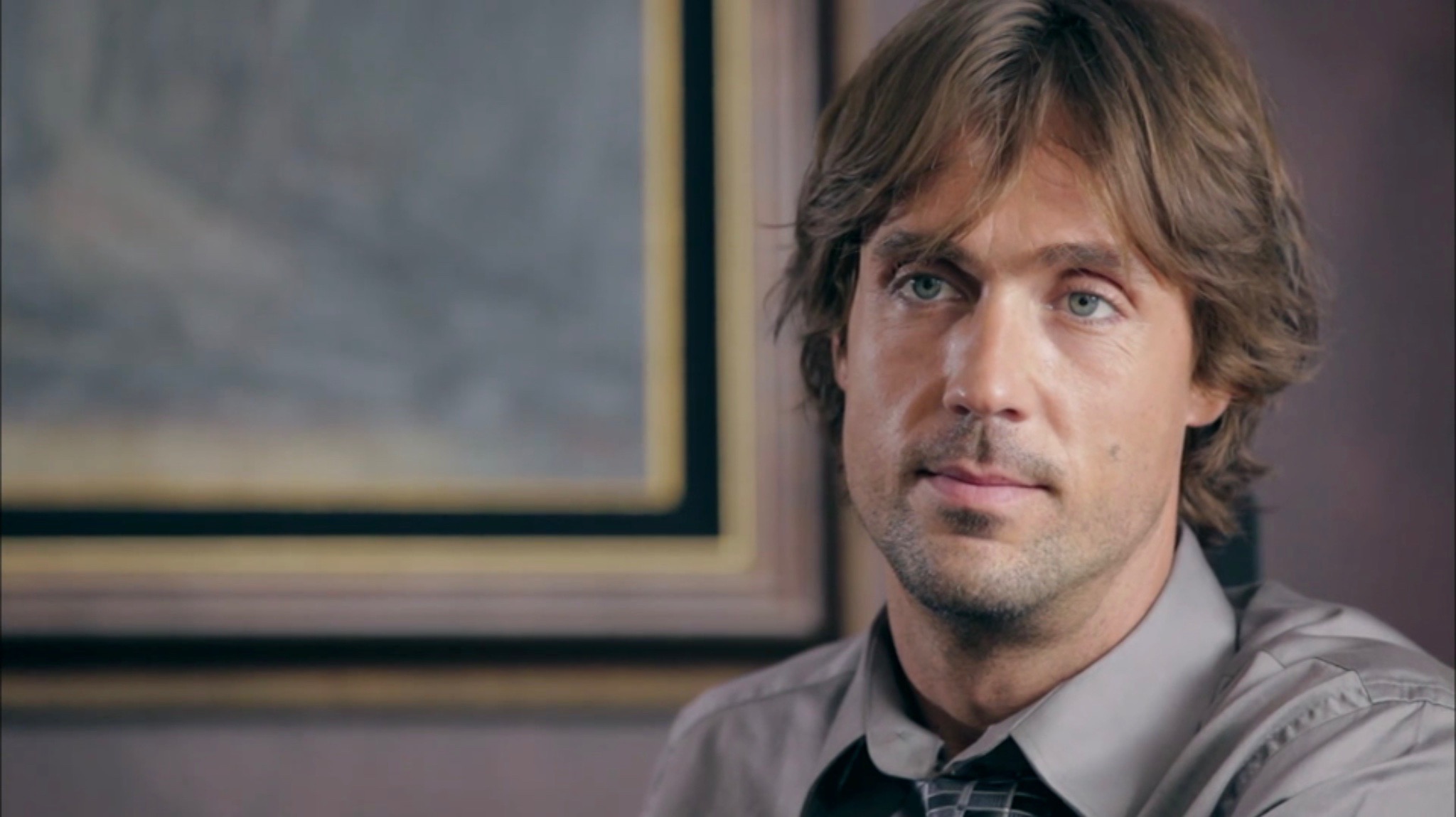
Film Review: The Submission of Emma Marx (2013, dir. Jacky St. James & Eddie Powell)


IMG_9526

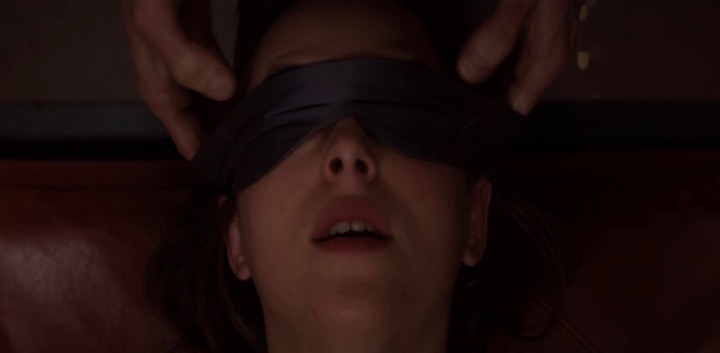
With The Submission of Emma Marx, I have now seen four different variations of Fifty Shades of Grey (2015), including the official version.
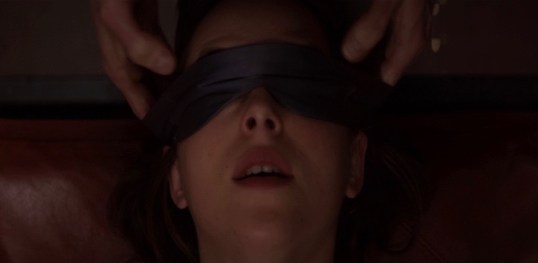
Fifty Shades of Grey (2015, dir. Sam Taylor-Johnson)

Fifty Shades of Grey (2015, dir. Sam Taylor-Johnson)

The official one was only really good for an elementary school sleepover. They showed next to nothing to the point that it was laughable, and Anastasia Steele was the worst English major ever to only name a few problems with the film.
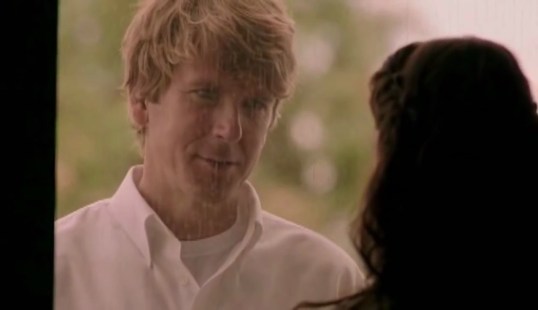
Old Fashioned (2014, dir. Rik Swartzwelder)

Old Fashioned (2014, dir. Rik Swartzwelder)

Old Fashioned (2014) was one of the most offensive pieces of garbage I’ve sat through all year. If you thought Fifty Shades was bad in its’ portrayal of women, then are you in for a surprise with that movie.

Pleasure or Pain (2013, dir. Zalman King)

Pleasure or Pain (2013, dir. Zalman King)

Pleasure or Pain (2013) could show more than the official one, but you OD’d on the massive amounts of erotica pretty quickly.

This movie can show everything that the official one couldn’t show and more even in the edited down to softcore version I watched, which was plenty for me. This has a Christian Grey who is willing to be alone in a room with a woman whereas Clay wouldn’t do that in Old Fashioned. Unlike Pleasure or Pain, this does a good job of not overdoing the sex and doesn’t wear out its’ welcome in general. That’s not to say it doesn’t have its’ problems, but it is still the best one I have seen so far.

According to Jacky St. James in X-Rated: The Greatest Adult Movies of All Time (2015), she read the book Fifty Shades of Grey, and was offended at the way the female character was portrayed, so she wrote the script for this movie. That’s a good thing, but it will lead to some stiltedness about the film.

Let’s jump in.

Like a lot of movies, it doesn’t actually begin with the title card I put at the beginning of the review. This one starts and continues like a film noir in that it has a lot of voiceover narration by Emma Marx (Penny Pax). She is getting her butt paddled by this movie’s Christian Grey.
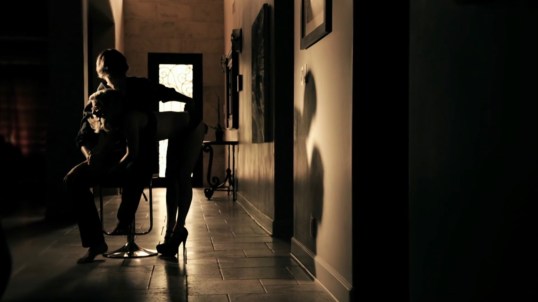
IMG_9502

He is William Fredricks who is played by none other than my favorite steak cutter from Erotic Ink (2011).

Erotic Ink/Love Is a... Dangerous Game (2011, dir. Eddie Powell)

Erotic Ink/Love Is a… Dangerous Game (2011, dir. Eddie Powell)

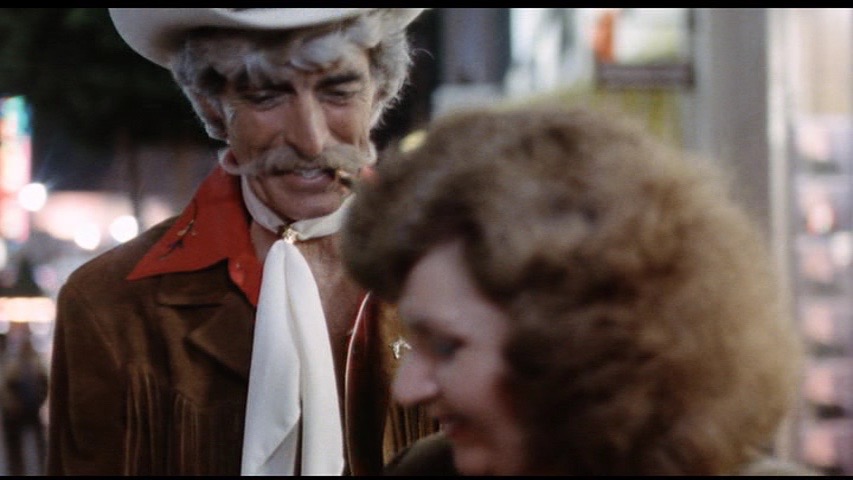
That’s Richie Calhoun. No relation that I am aware of to urban cowboy Rory Calhoun.
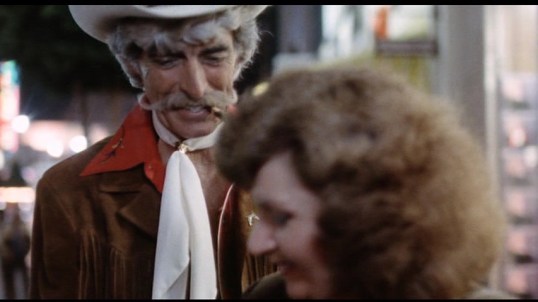
Angel (1984, dir. Robert Vincent O'Neill)

Angel (1984, dir. Robert Vincent O’Neill)

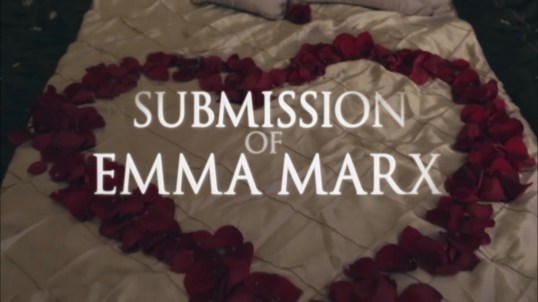
The voiceover starts off with Emma asking the audience if they are curious about how the person you think you were can vanish and “someone new is born.” It then cuts to the bed with the title card on it. This is a bed made up for a couple who act both as the “normal” opposite of Emma and Mr. Fredricks, but are also there to open the film with a sex scene. But first he proposes to her. However, unlike an opening kill in a slasher movie, this sex scene goes on for an inordinate amount of time. I expected better here. Especially when the rest of the movie does hold itself to a higher standard. I kept track, and it lasts close to 20 minutes. On the upside, it does serve a purpose. It is meant to show you very vanilla sex to contrast with the three other scenes that we get between Emma and Mr. Fredricks.

With that marathon done, Nadia (Riley Reid) decides to shove her engagement ring right in the face of Emma.
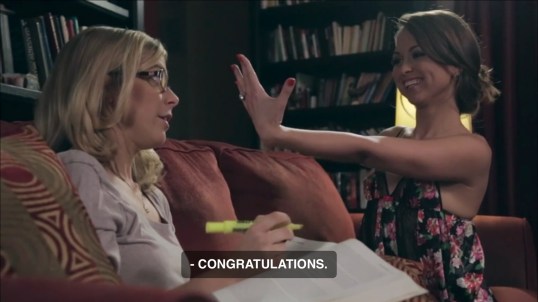
IMG_0224

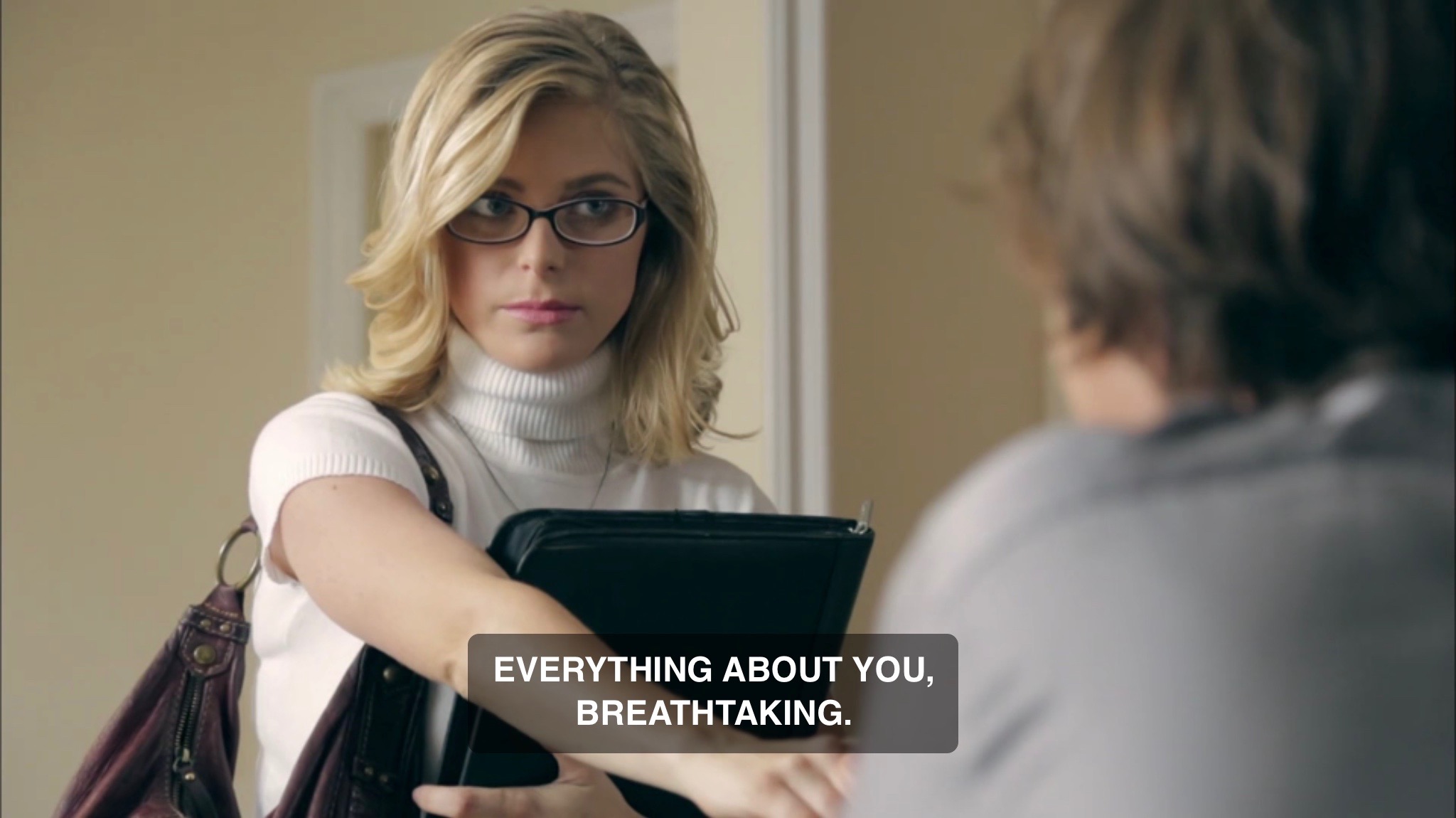
I don’t recall exactly what Anastasia was doing going to meet with Grey, but Emma is going to see Mr. Fredricks to complete her masters thesis on gender equality in the workplace. It’s because he hires a disproportionate number of women as employees. To be exact, 97% of his 2,000 employees are women. She says to us that she has interviewed a lot of people “from female executives to male nurses to transgender women battling the glass ceiling.” If you are thinking that line felt a little forced, then you’re right. It’s a little Tasha Yar and Samantha Carter in early episodes of Stargate SG-1. Like the overly long sex scene, it too has a purpose though. It is supposed to make sure that BDSM doesn’t mean a surrender of equality, that she is in somehow being manipulated into it, or that this means she is a pervert/abnormal. We’ll get the same from him. He is also never portrayed as some sort of wounded deviant. They are both intelligent people with their own beliefs, and are always treated as such. Again, it can feel forced at times, but it still works in the end.

Now we meet Mr. Fredricks.
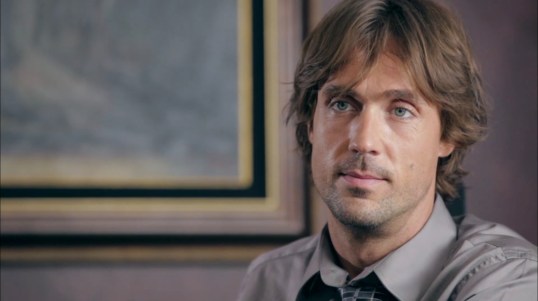
IMG_0388

Since they have to save time to actually have sex scenes, they get right to talking about how he likes to be dominant and the enjoyment that can be derived from surrendering control to someone else.
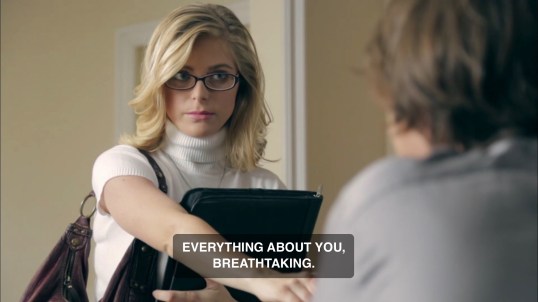
IMG_0415

This is probably as good a time as any to mention Penny Pax’s voice. I mentioned that there is voiceover narration throughout this, but I didn’t mention that while Pax does a fine job when onscreen, she really does have a horrible voice for narration. It works for the character and when we can see her, but when it is disembodied, then it gets to you.

The conversation went well for Mr. Fredricks because she goes home and masturbates. She wakes up the next morning to Nadia bringing her a letter from Mr. Fredricks requesting her to take advantage of an opportunity he is going to offer her, but only after she has graduated. He states explicitly that she is not to contact him till then.

We now get a montage of the last four months before her graduation passing by as she ponders how she will respond to giving up control when she lives by such rigid control in her own personal life. That’s when she gets a call from Mr. Fredricks. She wonders where he got her number.
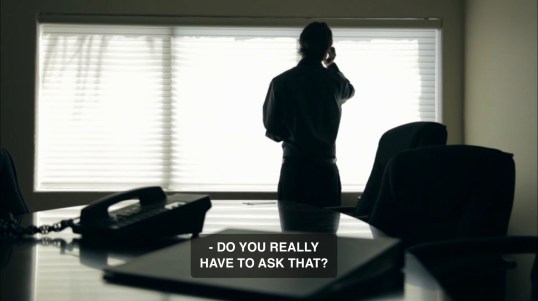
IMG_0566

My words exactly.

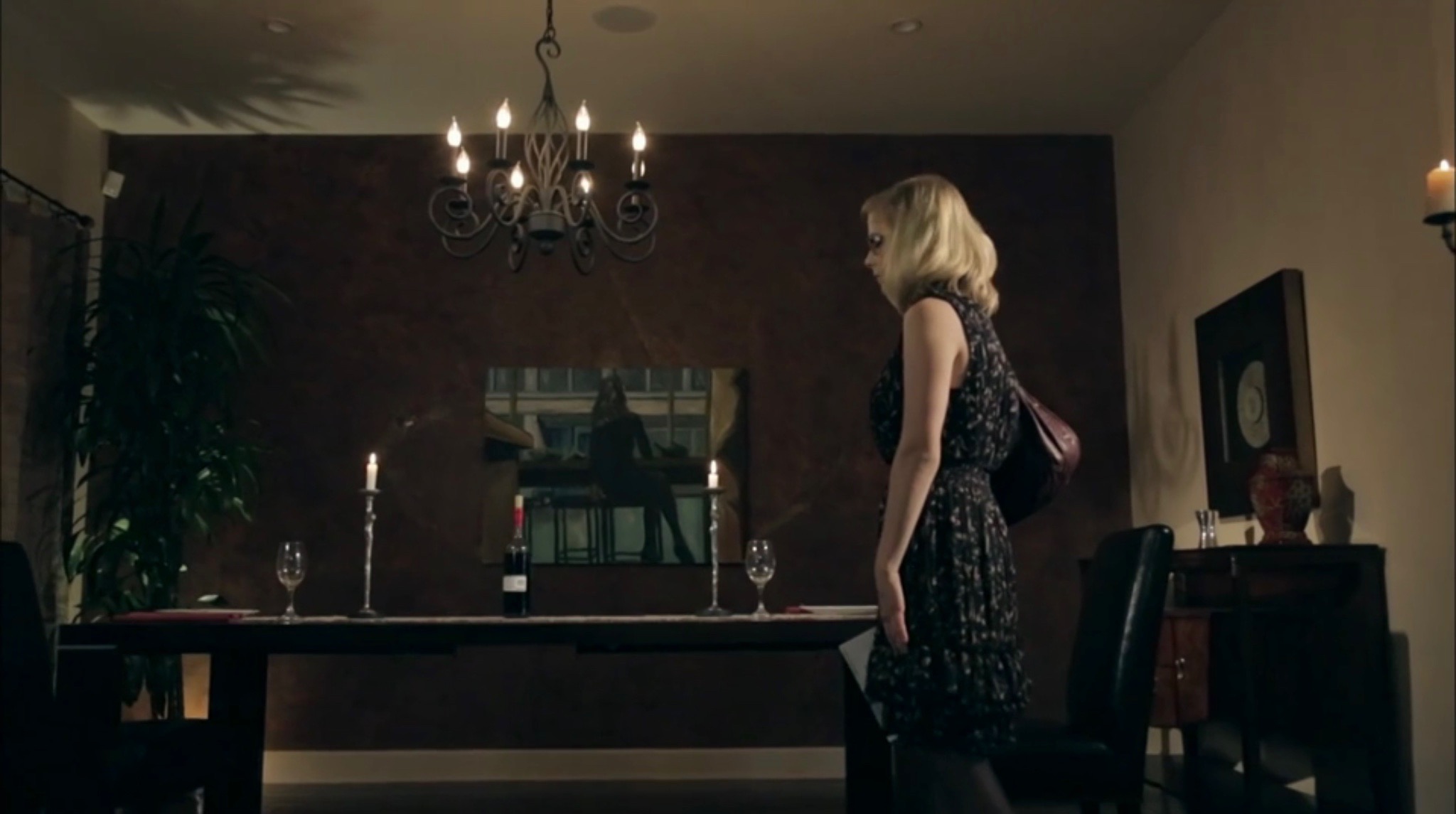
Finally, the four months pass, so she receives her instructions about where to go and how to be dressed.
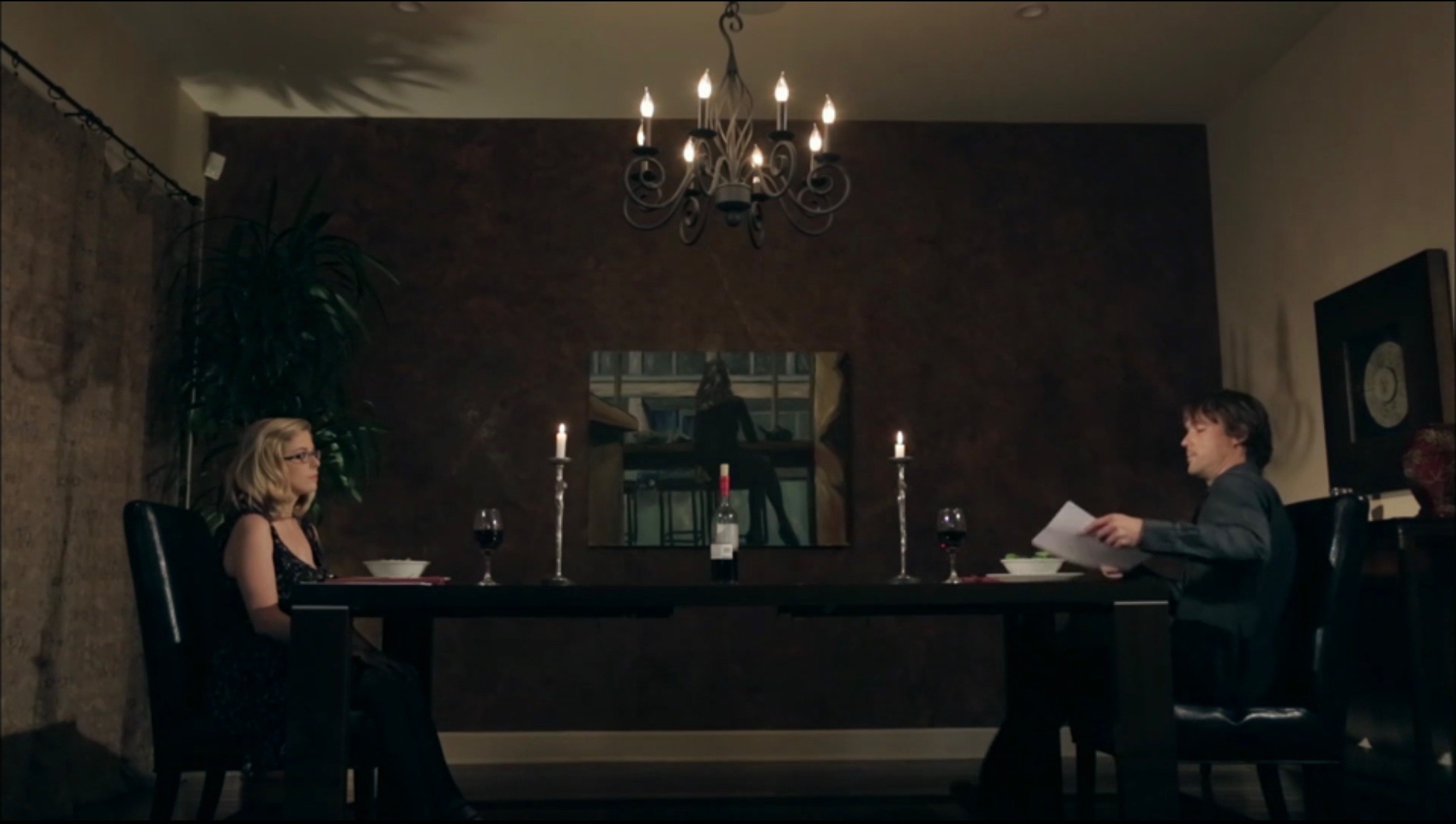
IMG_0651

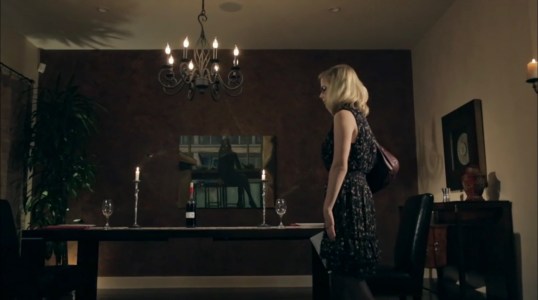
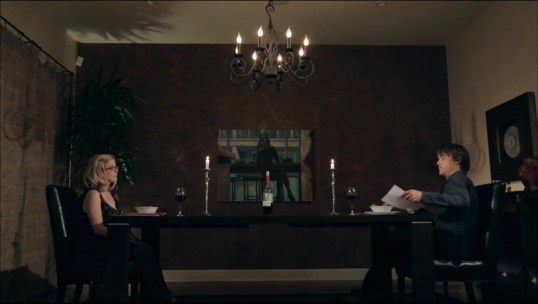
I love this set. The table acts as both a distancing device between them because of where they stand at the start,…
IMG_0717

and it also keeps an equality between them through its’ symmetry.

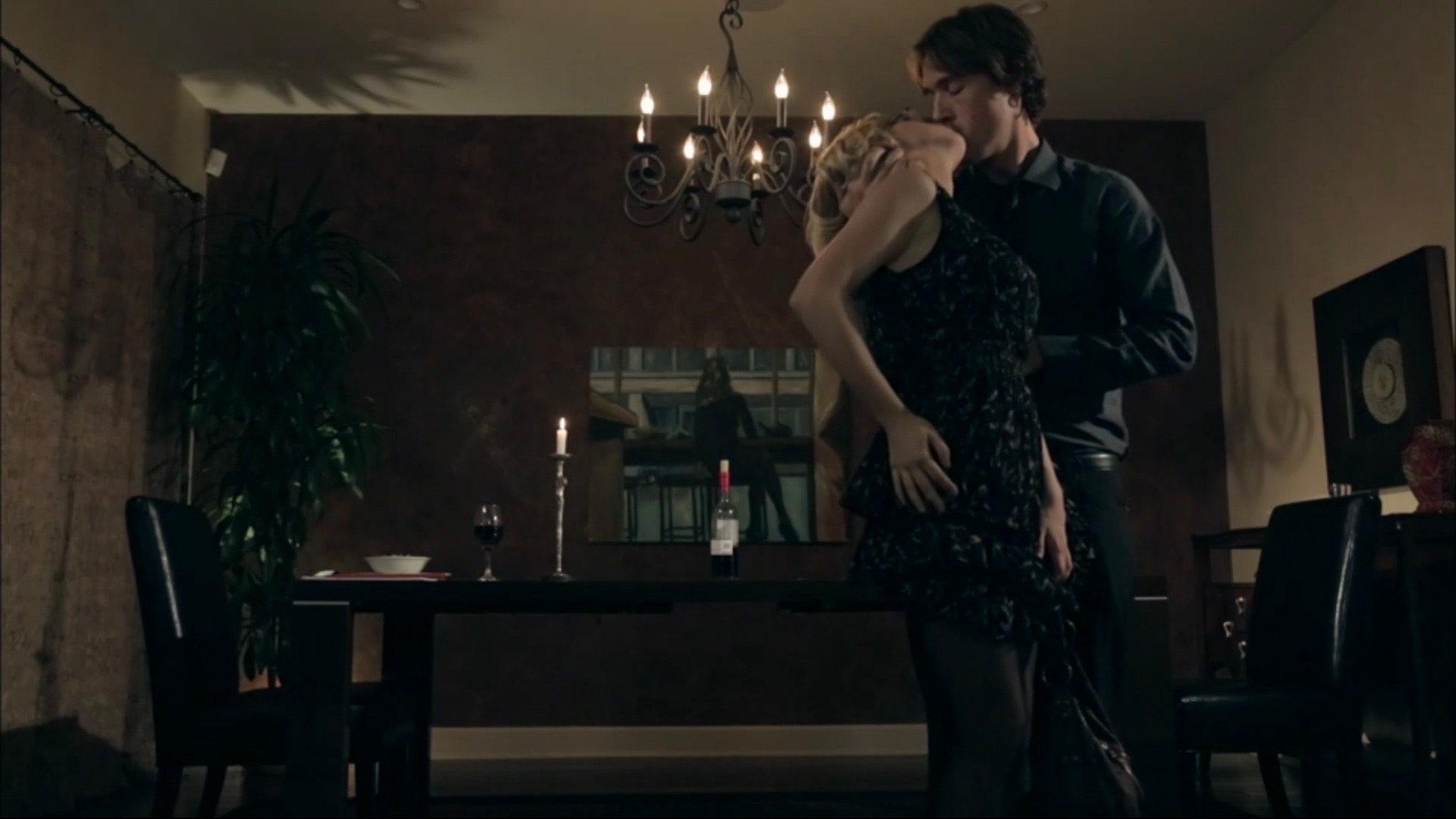
It wouldn’t be a Fifty Shades movie if it didn’t have some sort of negotiation scene. The difference is that she actually knows everything in the document. We don’t get stupid questions about butt plugs. In fact, she recognizes that it is “a contract soliciting [her] for a BDSM relationship”.  She says that isn’t for her and gets up to leave. However, he reminds her that despite what she is saying, she did show up wearing exactly what he told her too, so he moves in to see if his instincts are right. They are as we know from the scenes that followed this one where she was very excited at this prospect.
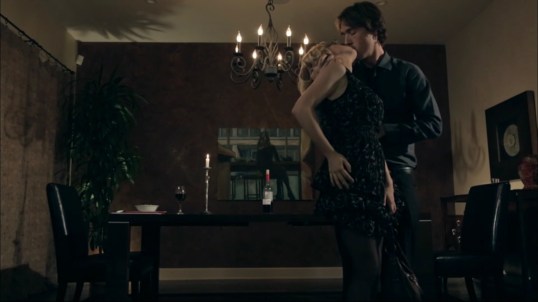
IMG_0857

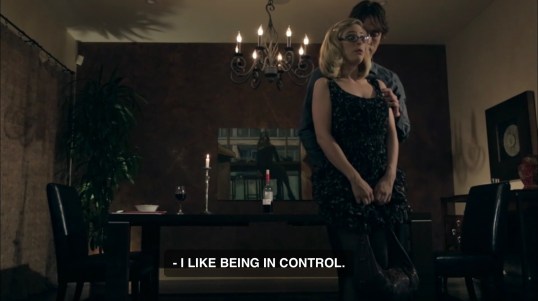
I also accidentally caught Penny/Emma with a great surprised look on her face.
IMG_0846

Now they have pretty vanilla sex till the very end when he adds a little BDSM element in the form of a tie that goes through her mouth to bind it.

We wake up in bed only to go into a flashback about their further negotiations that they had the night before. They worked out an equitable situation, which includes a job at his company. It lasts for a few minutes, and that is the last we here of it in the movie. Very refreshing when a movie can show what it is supposed to be about, and doesn’t have to pad itself out with stuff like negotiations because it wants to keep its’ R-rating. I love that he explicitly says “I won’t chase you, although, I’ll probably want to.” Not even Clay Walsh in Old Fashioned–a religious Fifty Shades–could do that. He also explicitly tells her that it would be fun to do it at work, but that as soon as work from 8 to 5 is over, she has no obligation to him until the weekends when they really have their fun. I mentioned it before, but at times it does feel forced even though it’s nice to hear.

She finds this whole thing exciting, new, and so unexpected from someone like herself.
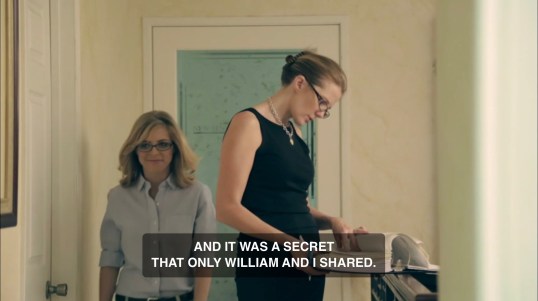
IMG_2047

Of course it’s no secret that the woman on the right is Jacky St. James making a cameo appearance in her own film. She did the same thing in Erotic Ink, which she didn’t direct, but did write.

Erotic Ink/Love Is a... Dangerous Game (2011, dir. Eddie Powell)

Erotic Ink/Love Is a… Dangerous Game (2011, dir. Eddie Powell)

Upon her next visit to his house, he is still easing her way into the world of BDSM, and she likes it.
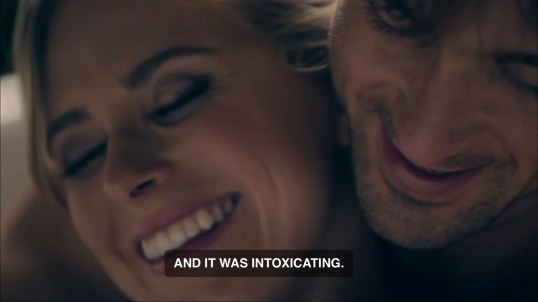
IMG_2186

Emma and William develop a relationship where they both enjoy BDSM that is a metaphor for not being ashamed of who you are, not surrendering your rights as a human being, and not accepting being portrayed or thought of as broken just because other people think you are a deviant. It’s not surprising that this is the theme of The Submission of Emma Marx seeing as it is also present in Erotic Ink. There too, the main character had a judgmental couple who she knew, and another unusual guy played by Richie Calhoun in her life that she was fascinated by. In this film, it’s the soon to be married couple that is judgmental about her decision. However, they seem to get over it, and appear to get married. They too have every right to live their life the way they choose.

IMG_4140

Just before Emma and Mr. Fredricks reach mutual happiness, he does throw her out because she begins to tell him that they are both deviants. He doesn’t follow her like he promised. She discovers that there’s nothing really wrong with her after spending time helping Nadia out with her wedding, and returns to him.

Of course Jacky St. James wasn’t going to let the movie end without recreating the most famous shot from Fifty Shades that I included at the beginning of the review.

IMG_3616

I recommend this film. It is less of a typical pornographic film, and more of a political statement. If I have to choose between the horrific and abusive Old Fashioned, the tease and somewhat offensive Fifty Shades of Grey, or the endless erotica of Pleasure or Pain, then I’ll take The Submission of Emma Marx. However, I am worried about the sequels seeing as this does feel like a finished story.

The Elements of Style: Steve McQueen in BULLITT (Warner Brothers 1968)


gary loggins's avatarcracked rear viewer

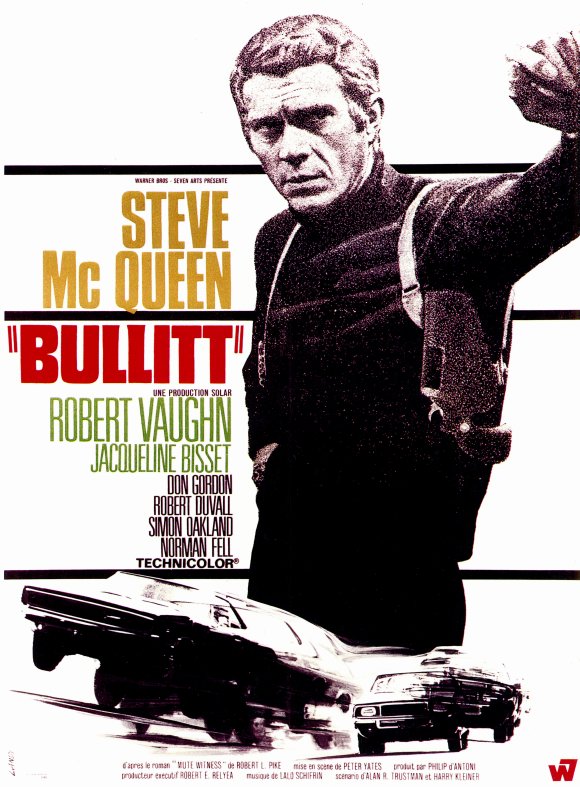
bullitt1

Steve McQueen was the personification of 60’s screen cool in BULLITT, a stylish action film directed by Peter Yates. It’s the first of producer Philip D’Antoni’s cop trilogy, both of which (THE FRENCH CONNECTION and THE SEVEN-UPS) I’ve previously covered. Unlike those two films, the grittiness of New York City is replaced by the California charm of San Francisco, and the City by the Bay almost becomes a character itself, especially in the groundbreaking ten minute car chase between McQueen’s Mustang and the bad guy’s Dodge Charger.

bullitt2

Style permeates the film from the get-go, with the snappy opening credits montage by Pablo Ferro. Then we get right into the story, as San Francisco detective Frank Bullitt is assigned to guard mob witness John Ross, scheduled to testify before a Senate Subcommitte on crime. Hot shot politician Walt Chalmers wants Bullitt because of his reputation and PR value with the papers. Things go awry when Ross…

View original post 579 more words