Review: The Hobbit: An Unexpected Journey (dir. by Peter Jackson)


kinopoisk.ru

It’s hard to believe that’s it’s been 11 years since Peter Jackson released The Lord of the Rings: The Fellowship of the Ring on the masses in 2001. There were much trepidation from Tolkien fans that Jackson (who had been known mostly for low-budget splatter horror-comedies) wouldn’t be able to handle the monumental task of adapting what many consider the greatest novel ever written in the 20th century. Tolkien’s epic fantasy became the standard by which fnatasy epics would be compared to for decades to come and still do. To say that Jackson succeeded in this epic task would be an understatement. The Lord of the Rings trilogy would hoard awards from 2001 to 2003 and also box-office receipts to make any dwarf-lord green with envy.

It’s now 2012 and we finally have the release of Jackson’s next trip into Middle-Earth as he adapts another of Tolkien’s beloved novels. This time he tackles The Hobbit which for some Tolkien fans remains their favorite of the author’s works. It’s a novel that might not have the epic scope and breadth of The Lord of the Rings, but what it lacks in that department it more than makes up in being a fun, adventure tale of a curious hobbit named Bilbo Baggins, a wizard named Gandalf the Grey and a fellowship of twelve dwarfs led by one Thorin Oakenshield of Erebor.

The Hobbit was originally written as a children’s book, but in later years Tolkien would retcon some parts of the novel to better fit with his magnum opus in The Lord of the Rings.It’s this revised version of that children’s story that Peter Jackson, Fran Walsh, Philippa Boyens and Guillermo Del Toro would adapt for the big-screen. Initially a two-film set that would tell the story of Bilbo and his merry band of adventurers, but it has since been expanded to become a trilogy as Jackson and his writers take a page out of Tolkien’s bag of tricks and try to tie-in this latest trilogy to the Lord of the Rings which precedes it by a over a decade.

The first film in this new trilogy is called The Hobbit: An Unexpected Journey and we begin by returning to sometime before the beginning of the first trilogy’s first film. We see the aged Bilbo reminiscing of his adventures 60 years hence and deciding to put it to pen and paper as a sort of memoir of that adventure to reclaim the lost dwarf-hold of Erebor. It’s in this opening that we get to see Frodo once more (played once again by Elijah Wood who doesn’t seem to have aged) prior to him taking up the One Ring.

Bilbo recounts to Frodo the realm of Erebor deep inside the Lonely Mountain east of the Shire to Frodo and how it’s wealth in silver, mithril, gold and precious gems became well-known throughout Middle-Earth. Yet, as Bilbo warns, it’s the very sickness of avarice by Erebor’s Thror the King which seals the dwarf-hold’s doom. We learn that hoards of wealth does more than light up the dwarf king’s eyes with greed but also brings the attention of one of the very last dragon’s in Middle-Earth. The arrival of Smaug to Erebor signals the death of not just that dwarf realm, but the surrounding human town of Dale. The surviving dwarfs of Erebor flee in a massive diaspora towards any safe haven willing to take them in. What was once a proud and powerful realm has now been sundered and it’s afterwards that we get to the meat of the film’s story.

Martin Freeman as a younger Bilbo Baggins was more than just great casting but one which the film needed if one was to believe that this young Bilbo would grow old to be the Ian Holm one fans of the first trilogy have come to know well. His performance as Bilbo Baggins of Bag End becomes the anchor from which the rest of the company would revolve around. When we first meet Freeman as Bilbo he’s not the adventurer that he would become, but a hobbit that’s respectable and one not for doing anything foolish like going on adventures. Yet, his lot in life changes as Gandalf maneuvers the situation so that he becomes embroiled in the quest by Thorin Oakenshield (played by Richard Armitage) to retake his ancestral lands of Erebor and it’s massive wealth from Smaug who has taken it for his lair.

While many would think that a film called The Hobbit would focus on Bilbo I thought the way the film unfolded that this story was all about the dwarfs with extra focus on the single-minded Thorin who comes off initially as both condescending, superior and dismissive of poor old Bilbo. The film never fails to show how much Thorin thinks so less of Bilbo yet throughout the film’s two and a half and more running time we see cracks in Thorin’s ice-cold demeanor towards the young hobbit. By film’s end we see just how wrong Thorin has been of Bilbo’s worth and it makes for one of the film’s more emotional scenes when Thorin realizes this as well.

The Hobbit: An Unexpected Journey is not just about a brooding dwarf prince and his motley band of dwarfs getting into one trouble after the next once they’ve left the Shire with Bilbo. The film also brings on a parallel storyline which tries to lay down the foundation that would tie this new trilogy with the first one. It’s the storyline of the Great Necromancer that Gandalf and a fellow wizard, Radagast the Brown, suspect might be the Great Enemy returned. We learn soon enough during the White Council in Rivendell (attended by Gandalf, Galadriel, Elrond and Saruman the White) that this so-called Necromancer might be Sauron looking to regain his former strength and gather an army to him.

It’s this second storyline that get’s sandwiched within the Thorin Oakenshield Fellowship quest that comes off a bit awkward in the film’s overall narrative flow. Where the film is all about fun adventuring and camaraderie when the dwarfs and Bilbo are on the screen, when they’re not and the film tries to tell us about Sauron’s eventual return the film slows down. These scenes are not uninteresting. On it’s own these sequences bring back the epic tone of the original trilogy and brings it into this film, but it’s that very grandiose theme that seems out of place in what is simply a “men on a mission” story.

Fortunately, we don’t spend too much time dwelling on this side-story. The final third of the film is all about Thorin and company needing to escape from one goblin lair and orc ambush to another. The last 45 minutes or so flies back swiftly after a very uneven first two hours that would make more than a few theater-goers look at their watch. The wait is worth it as we see that Jackson hasn’t forgotten how to choreograph and stage fantasy action scenes. While the use of CGI might be more evident this time around than the previous three films they’re still small compared to other blockbuster films of it’s type. It’s still all about WETA practical effects, make-up and costumes that combine to create a world that’s become familiar yet still have a sense of newness to them as we see new areas of Middle-Earth only mentioned in brief passing in the original trilogy.

The Hobbit: An Unexpected Journey is a wonderful return to the world of Middle-Earth. It is not without it’s missteps and flaws, but it also gets saved by some great performances from the ensemble cast which makes up the dwarfs. The aerial shots of the New Zealand’s eclectic geography shows just how much cinematographer Andrew Lesnie has become such a major component of making Middle-Earth come alive. Even the return of Howard Shore as the film’s composer was a welcome that brought more than a few smiles.

There’s no way of talking about The Hobbit without bringing up the stylistic gamble Peter Jackson has taken in filming this film and the rest of the trilogy in 48fps instead of the traditional 24fps (frames per second) that filmmakers have been using for almost a hundred years now. It’s an aesthetic choice that gives the film a overly realistic look akin to watching a stage production live. Everything looks too perfect and the High-Frame Rate (HFR) takes away some of the cinematic look which many have grown up seeing every time they watch a film. This new filming style works in certain areas like wide shots of the outdoor scenes. Whether it’s the emerald green rolling hills of the Shire to the snowcapped Alpine peaks of the Misty Mountains, these scenes in HFR came out beautiful. It’s when the film switches over to a much more enclosed and personal space within rooms and halls that we get the unusual “soap opera” look some have complained about. It takes a bit of getting used to, but some make the adjustment quickly enough while others may never make the adjustment.

Yet, it is when the film shows a CGI-created sequence that the HFR fails. While the doubling of the frame rate during filming has made the 3D in the film come off smoothly it did make some of the CG-effects come off as too video game-like. A sequence earlier in the film where we see a flashback of Thorin and the dwarfs of Erebor trying to retake another fallen dwarf hold in Moria (Khazadum in dwarfish) looks like a cinematic cutscene as a dwarf army charges and battles it out with an orc and goblin force which had taken Moria as it’s own.

All the scenes where HFR fails to come off as believable turn out better when The Hobbit was seen in traditional 24fps. I actually think that downscaling the film from it’s original HFR to a more traditional film frame speed of 24fps gave the film an even more magical look than the original trilogy. Jackson and his team of filmmakers have two more films to release and hopefully take some of the criticism this first film has received about HFR that they tweak and work on making the new style much more believable instead of taking the audience out of the film’s narrative.

The Hobbit: An Unexpected Journey doesn’t come off as grandiose as the original trilogy and for some that might come as a disappointment. Yet, as an adventure film it more than does it’s job to fully entertain it’s audience while, at the same, time reminding it’s audience how much this film and this trilogy will lead into The Lord of the Rings. I recommend that people just see the film and decide on their own whether it’s a worthy addition to the Middle-Earth saga as seen through the eyes of Peter Jackson. I, for one, think it is and with two more films left we shall see whether Jackson’s return to Middle-Earth has been a triumphant one or not.
Song of the Day: Song of the Lonely Mountain from The Hobbit: An Unexpected Journey (by Neil Finn)


The Hobbit: An Unexpected Journey doesn’t seem to be resonating with as many people like the previous The Lord of the Rings trilogy. Not to say that the film is a bad one. For those disappointed in the film seems to want a repeat of the first trilogy. My review of the film will and shall be up later today to help celebrate the site’s 3rd year anniversary. For now let me share the ending song to the first part of Peter Jackson’s latest Tolkien trilogy.

“Song of the Lonely Mountain” is sung by Neil Finn of Crowded House and it follows on the tradition of past Tolkien adaptations by Jackson by turning to musicians who Jackson and Shore enjoy listening to. The song has a Celtic, folksy rock sound to it. I particularly enjoyed the addition of hammers ringing on anvils to help listeners visualize the exiled dwarfs of Erebor toiling in front of their foundry in preparation for the day they retake their homeland from the dragon Smaug.

I didn’t like the song when it was first premiered a couple weeks in advance of the film, but it has since grew on me and has joined the other three end credits songs from the original trilogy as favorite original film songs.

Song of the Lonely Mountain

Far over the Misty Mountains rise
Leave us standing upon the heights
What was before, we see once more
Our kingdom a distant light

Fiery mountain beneath the moon
The words unspoken, we’ll be there soon
For home a song that echoes on
And all who find us will know the tune

Some folk we never forget
Some kind we never forgive
Haven’t seen the back of us yet
We’ll fight as long as we live
All eyes on the hidden door
To the Lonely Mountain borne
We’ll ride in the gathering storm
Until we get our long-forgotten gold

We lay under the Misty Mountains cold
In slumbers deep and dreams of gold
We must awake, our lives to make
And in the darkness a torch we hold

From long ago when lanterns burned
Till this day our hearts have yearned
Her fate unknown the Arkenstone
What was stolen must be returned

We must awake and make the day
To find a song for heart and soul

Some folk we never forget
Some kind we never forgive
Haven’t seen the end of it yet
We’ll fight as long as we live
All eyes on the hidden door
To the Lonely Mountain borne
We’ll ride in the gathering storm
Until we get our long-forgotten gold
Far away from Misty Mountains cold

Song of the Day: Misty Mountains from The Hobbit: An Unexpected Journey


65047_458472170855060_397938394_n

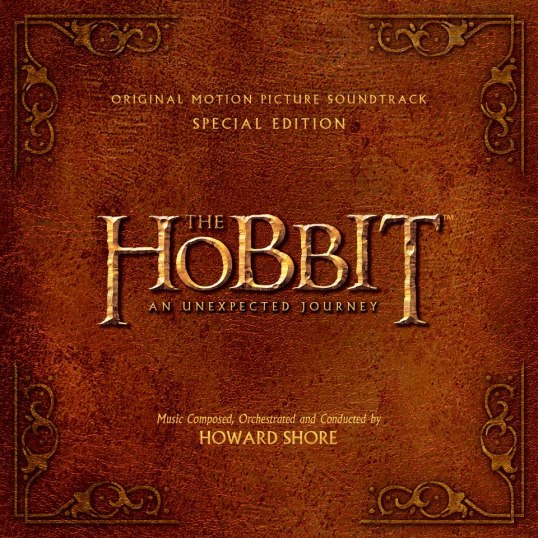
This weekend sees the release of Peter Jackson’s long-awaited first film in The Hobbit trilogy. With news of a new Peter Jackson adaptation of a Tolkien source material there will also be news of the return of film composer Howard Shore back to the musical legacy that is the Middle-Earth film franchise. The latest “Song of the Day” comes from the soundtrack to The Hobbit: An Unexpected Journey and the track I chose has already become the most recognizable theme in this first film of the latest trilogy.

“Misty Mountains” was composed by Plan 9 and David Long and was sung by Richard Armitage as Thorin Oakenshield and his company of Darf Companions as they spend a quiet time in Bilbo Baggins’ home the night before they set out on their quest to destroy Smaug and retake their ancestral kingdom of Erebor in the Lonely Mountain to the far east of the Shire. Every Peter Jackson entry to the Middle-Earth saga has always had the cast sing one or two songs which comes straight out of the many songs created by J.R.R. Tolkien for his novels, short stories and appendices.

This song almost describes the past and future of Thorin Oakenshield as it describes in prose the destruction of his home of Erebor in the hands of Smaug the Dragon, but it could also describe a future event him and his company of Dwarfs (and one hobbit) must defeat as part of the climax of this first part of the new trilogy. The song is just a very well made one and very memorable. So memorable that there’s already reports of people who have returned for repeat viewings of the film joining in the singing of the song when it appears on the screen. While I wouldn’t want my experience interrupted by some in the audience trying their best to sound just as good singing in a deep tenor as Richard Armitage I can’t blame some of these fans for their love and enthusiasm for the song.

Misty Mountains

Far over the Misty Mountains cold,
To dungeons deep and caverns old,
We must away ere break of day,
To find our long-forgotten gold.

The pines were roaring on the heights,
The winds were moaning in the night,
The fire was red, it flaming spread,
The trees like torches blazed with light.

Trailer: The Hobbit: An Unexpected Journey (2nd Official)


It just a littleunder 3 months before Peter Jackson takes us back to Middle-Earth with the first of three films that will make up The Hobbit trilogy.

There’s not much else to say other than this latest trailer for The Hobbit: An Unexpected Journeyjust continues to whet the appetite for all things Middle-Earth. It’s much more action-packed with some nice new scenes instead of just rehashing what was in the original teaser trailer from year ago.

Enough words. Just watch the trailer below and decide for yourself whether another trip to Middle-Earth (before all the War of the Ring brouhaha of the first trilogy) is worth your monies.

The Hobbit: An Unexpected Journey premieres worldwide on December 14, 2012.

Trailer: The Hobbit: An Unexpected Journey


While Christopher Nolan’s The Dark Knight Rises is the most anticipated summer blockbuster for this upcoming 2012 then it would be safe to say that the most anticipated film for 2012 for some would be Peter Jackson’s The Hobbit: An Unexpected Journey.

This is a film that has been years in the making and even more years in development hell as the rights to J.R.R. Tolkien’s novel, The Hobbit, was entangled through many different studios. Once those entanglements were finally resolved and the film set to be put into production the film suffered more setbacks as budget and script rewrites kept things from starting. The original filmmaker picked to helm this two-part prequel, Guillermo Del Toro, had to back out after years of delays though he still remains as producer and his ideas and conceptual art and design has become the foundation for the film.

The film finally got the greenlight to start filming once Peter Jackson stopped searching for Del Toro’s replacement and took on the role as director once again. While Del Toro was a great choice I think most fans of the original trilogy were glad that Jackson decided to just take up the director’s chair once more. Who else knew the world of Middle-Earth on film better than the man who made what was called the unfilmable novel into the new millenium’s iconic film trilogy.

Like the production of the Lord of the Rings trilogy, Jackson and his geniuses at WETA have been pretty good with showing fans progress made on the films through video blogs released by Jackson himself. With just a year left to go before part one of this two-part prequel premieres we finally have the first official teaser trailer to the film and I must say that it’s great. Even from just snippets shown in the teaser one could see some of Del Toro’s more darker concepts and influence in the film’s look and tone. But then some of it also comes from Jackson himself whose early background as a filmmaker was all about dark, macabre subjects and themes.

The Hobbit: An Unexpected Journey is set for a December 14, 2012 release.

Here Are The 2012 Critics’ Choice Movie Award Nominees


Earlier today, the Broadcast Film Critics Association announced their nominations for the 17th Annual Critics’ Choice Awards.  The BFCA is the largest of the so-called “major” critics’ groups (and, interestingly enough, it’s also the newest and the least prestigious) and it has a fairly good track record of predicting the actual Oscar nominations.  The awards themselves will be handed out on January 12th, 2012 in a self-important, kinda seedy ceremony that will be broadcast on VH-1.   

BEST PICTURE
The Artist
The Descendants
Drive
Extremely Loud & Incredibly Close
The Help
Hugo
Midnight in Paris
Moneyball
The Tree of Life
War Horse

BEST ACTOR
George Clooney – The Descendants
Leonardo DiCaprio – J. Edgar
Jean Dujardin – The Artist
Michael Fassbender – Shame
Ryan Gosling – Drive
Brad Pitt – Moneyball

BEST ACTRESS
Viola Davis – The Help
Elizabeth Olsen – Martha Marcy May Marlene
Meryl Streep – The Iron Lady
Tilda Swinton – We Need to Talk About Kevin
Charlize Theron – Young Adult
Michelle Williams – My Week With Marilyn

BEST SUPPORTING ACTOR
Kenneth Branagh – My Week With Marilyn
Albert Brooks – Drive
Nick Nolte – Warrior
Patton Oswalt – Young Adult
Christopher Plummer – Beginners
Sir Andrew Serkis – Rise of the Planet of the Apes

BEST SUPPORTING ACTRESS
Berenice Bejo – The Artist
Jessica Chastain – The Help
Melissa McCarthy – Bridesmaids
Carey Mulligan – Shame
Octavia Spencer – The Help
Shailene Woodley – The Descendants

BEST YOUNG ACTOR/ACTRESS
Asa Butterfield – Hugo
Elle Fanning – Super 8
Thomas Horn – Extremely Loud & Incredibly Close
Ezra Miller – We Need to Talk About Kevin
Saoirse Ronan – Hanna
Shailene Woodley – The Descendants

BEST ACTING ENSEMBLE
The Artist
Bridesmaids
The Descendants
The Help
The Ides of March

BEST DIRECTOR
Stephen Daldry – Extreme Loud & Incredibly Close
Michel Hazanavicius – The Artist
Alexander Payne – The Descendants
Nicolas Winding Refn – Drive
Martin Scorsese – Hugo
Steven Spielberg – War Horse

BEST ORIGINAL SCREENPLAY
The Artist – Michel Hazanavicius
50/50 – Will Reiser
Midnight in Paris – Woody Allen
Win Win – Screenplay by Tom McCarthy, Story by Tom McCarthy & Joe Tiboni
Young Adult – Diablo Cody

BEST ADAPTED SCREENPLAY
The Descendants – Alexander Payne and Nat Faxon & Jim Rash
Extremely Loud & Incredibly Close – Eric Roth
The Help – Tate Taylor
Hugo – John Logan
Moneyball – Steven Zaillian and Aaron Sorkin, Story by Stan Chervin

BEST CINEMATOGRAPHY
The Artist – Guillaume Schiffman
Drive – Newton Thomas Sigel
Hugo – Robert Richardson
Tree of Life – Emmanuel Lubezki
War Horse – Janusz Kaminski

BEST ART DIRECTION
The Artist – Production Designer: Laurence Bennett, Art Director: Gregory S. Hooper
Harry Potter and the Deathly Hallows Part 2 – Production Designer: Stuart Craig, Set Decorator: Stephenie McMillan
Hugo – Production Designer: Dante Ferretti, Set Decorator: Francesca Lo Schiavo
The Tree of Life – Production Designer: Jack Fisk, Art Director: David Crank
War Horse – Production Designer: Rick Carter, Set Decorator: Lee Sandales

BEST EDITING
The Artist – Michel Hazanavicius and Anne-Sophie Bion
Drive – Matthew Newman
The Girl With the Dragon Tattoo – Kirk Baxter and Angus Wall
Hugo – Thelma Schoonmaker
War Horse – Michael Kahn

BEST COSTUME DESIGN
The Artist – Mark Bridges
The Help – Sharen Davis
Hugo – Sandy Powell
Jane Eyre – Michael O’Connor
My Week With Marilyn – Jill Taylor

BEST MAKEUP
Albert Nobbs
Harry Potter and the Deathly Hallows Part 2
The Iron Lady
J. Edgar
My Week With Marilyn

BEST VISUAL EFFECTS
Harry Potter and the Deathly Hallows Part 2
Hugo
Rise of the Planet of the Apes
Super 8
The Tree of Life

BEST SOUND
Harry Potter and the Deathly Hallows Part 2
Hugo
Super 8
The Tree of Life
War Horse

BEST ANIMATED FEATURE
The Adventures of Tintin
Arthur Christmas
Kung Fu Panda 2
Puss in Boots
Rango

BEST ACTION MOVIE
Drive
Fast Five
Hanna
Rise of the Planet of the Apes
Super 8

BEST COMEDY
Bridesmaids
Crazy, Stupid, Love
Horrible Bosses
Midnight in Paris
The Muppets

BEST FOREIGN LANGUAGE FILM
In Darkness
Le Havre
A Separation
The Skin I Live In
Where Do We Go Now

BEST DOCUMENTARY FEATURE
Buck
Cave of Forgotten Dreams
George Harrison: Living in the Material World
Page One: Inside the New York Times
Project Nim
Undefeated

BEST SONG
“Hello Hello” – performed by Elton John and Lady Gaga/written by Elton John and Bernie Taupin – Gnomeo & Juliet
“Life’s a Happy Song” – performed by Jason Segel, Amy Adams and Walter/written by Bret McKenzie – The Muppets
“The Living Proof” – performed by Mary J. Blige/written by Mary J. Blige, Thomas Newman and Harvey Mason, Jr. – The Help
“Man or Muppet” – performed by Jason Segel and Walter/written by Bret McKenzie – The Muppets
“Pictures in My Head” – performed by Kermit and the Muppets/written by Jeannie Lurie, Aris Archontis and Chen Neeman – The Muppets

BEST SCORE
The Artist – Ludovic Bource
Drive – Cliff Martinez
The Girl With the Dragon Tattoo – Trent Reznor & Atticus Ross
Hugo – Howard Shore
War Horse – John Williams

The BFCA has obviously made a lot of nominations and some of them are interesting but I have to be honest: the BFCA as an organization annoys me with how they’re always bragging about how big they are and how they’re so good at celebrating the conventional establishment wisdom.  So, I’ll just say that its nice to see Hanna getting at least some sort of recognition (even if that recognition is kinda minor.)

Song of the Day: Into the West (by Howard Shore feat. Annie Lennox)


This latest “Song of the Day” marks the final and third entry in the weekend-long theme of picking song and music from The Lord of the Rings Trilogy. What better choice to cap of this themed weekend than picking the final song to close out Peter Jackson’s fantasy epic: “Into the West”.

It’s this song as composed and arranged by the trilogy’s master composer, Howard Shore, featuring the vocal talents of singer Annie Lennox. Her work on this song was at times quite gentle and subdued with some strong vocals once the chorus arrives and repeats a second time. Some have complained that someone with more classical training would’ve been better suited to tackle this song, but I rather enjoyed Lennox’s powerful rendition of the chorus in the song.

“Into the West” is a song that’s both one of hope and a bittersweet lament as it speaks of the leaving of the Elf race on their Grey Ships to sail into the west towards Valinor. Some of the lyrics in the song even comes from sections of the final chapter of The Return of the King novel.

When this song played at the end of The Return of the King it surely brought more than just a few people to tears as it helped marked the end of three years of fantasy filmmaking which became a cultural phenomenon from 2001 through 2003 as the world became enraptured by Peter Jackson’s fantasy trilogy. What better song to end this weekend theme than the very song which ended the trilogy of which this weekend was all about.

Into the West

Lay down
Your sweet and weary head
Night is falling
You have come to journey’s end
Sleep now
And dream of the ones who came before
They are calling
From across a distant shore
Why do you weep?
What are these tears upon your face?
Soon you will see
All of your fears will pass away

Safe in my arms
You’re only sleeping

What can you see
On the horizon?
Why do the white gulls call?
Across the sea
A pale moon rises
The ships have come to carry you home
And all will turn
To silver-glass
A light on the water
All souls pass

Hope fades
Until the world of night
Through shadows’ falling
Out of memory and time
Don’t say
We have come now to the end
White shores are calling
You and I will meet again

And you’ll be here in my arms
Just sleeping

What can you see
On the horizon?
Why do the white gulls call?
Across the sea
A pale moon rises
The ships have come to carry you home
And all will turn
To silver-glass
A light on the water
Grey ships pass
Into the West

Song of the Day: Theoden Rides Forth (by Howard Shore)


For my chosen song from Howard Shore’s orchestral film score for Peter Jackson’s The Lord of the Rings: The Two Towers I picked the tune which starts off my favorite scene in from that film. This will be the latest song for “Song of the Day”.

“Theoden Rides Forth” begins with the scene of Theoden, Aragorn, Legolas and what remains of the Rohan cavalry riding out for one last time out of the Keep at Helm’s Deep into the thick of the Uruk-Hai forces. The song takes the “Rohan theme” first heard in the early part of the film, but with a heroic flair that transitions to full brass blaring the theme to great effect. The song then segues into a brief appearance of the “Fellowship theme” as Gandalf, Eomer and the Rohirrim appear to save their king and companions. From there the song brings in the “Shadowfax theme” with child soprano Ben Del Maestro providing the solo chorus as the charge comes down the steep incline and into the ranks of Uruk-Hai waiting below. But the song doesn’t end there as it moves into the follow-up scene using the “Nature theme” to show Treebeard and the Ents make their final march to war against Isengard.

This track from the score finishes off the two parallel story lines of Helm’s Deep and Isengard. The transitions in the song from one story line to the other were flawless. The fact that Shore was able to incorporate and combine so many different themes not just from this film but from the previous one shows an artist who is definitely a master of his craft. There’s no denying why “Theoden Rides Forth” became the best tune from the The Two Towers film score and why so many fans of the film and the score wholeheartedly agree.

Song of the Day: The Breaking of the Fellowship (by Howard Shore)


With my favorite scene from The Fellowship of the Ring chosen and posted it’s now time to pick my favorite piece of music from that film’s orchestral soundtrack. This was a soundtrack that I consider just one-third of a massive 12-hour symphony. The song I’ve chosen is actually a re-edited version of this film’s “Complete Recordings” release: “The Breaking of the Fellowship”.

Howard Shore’s work as composer for Peter Jackson’s monumental and epic (if there was ever a subject deserving of that overused word it would be Jackson’s fantasy trilogy) has been hailed by critics and fans alike as one of the best, if not the best, film score of the new millennium. Shore doesn’t go for the typical overly bombastic score that’s become the go-to style for epic films of any stripe. His work on this first third of the total Lord of the Rings score even manages to outdo John Williams’ own compositions for the other major fantasy series to come out the same year in Harry Potter and The Sorcerer Stone.

Where Williams’ had begun to partially cannibalize his own past film scores for his recent ones, Shore was able to look at what Jackson was creating and decided to base the entire score for The Fellowship of the Ring on three motifs which were airy, subtle with the loud and expressive brass section only appearing in one of these three. “The Breaking of the Fellowship” ends the film on a mixture of triumph and sadness as the track’s title describes. Shore takes the peaceful “hobbit theme” from the beginning of the film and combines it with the more rousing “Fellowship theme” then topped with as bonus with sections from the “Rivendell theme”. These three themes combine to highlight not just the breaking of the fellowship in the end of the film, but some sense of loss of innocence of the hobbits in the group as heard by a more somber and pensive rendition of the “hobbit theme”.

Of all the musical cues in The Fellowship of the Ring it’s the one which makes up “The Breaking of the Fellowship” that fully expresses the overall thematic and narrative themes of the film. It’s a song that tells the audience that the peaceful nature of the hobbits have now been tempered by their complete understanding of the exact nature of their fellowship’s quest. It also underscores how even in triumph the fellowship will encounter heartbreak and tragedy. These two themes will continue to be explore in the next two films and their respective score, but it’s in this first one that it truly shines.

Trailer: A Dangerous Method (dir. by David Cronenberg)


To say that I am a huge fan of Canadian auteur and all-around genius filmmaker David Cronenberg would be the understatement of the decade. I count him as one of the greatest filmmakers of the last 30 years. Seen his style go from grindhouse video nasties type of horror to the sublime. He’s one filmmaker who has never had to compromise his filmmaking style to suit the audience. You either accept what he has crafted or not.

The last 5-6 years has seen his stock rise amongst the film community as films like A History of Violence and Eastern Promises has gotten him recognition from the Academy voters, Film Circles and others in the film elite community. At the same time these films have been widely regarded by film fans as some of the best of the past decade. It helps that he seems to have found a partner-in-crime in another auteur with actor Viggo Mortensen who played lead in both those films.

Now for 2011 the two partner up again for the third time for Cronenberg’s film adaptation of the stage play “The Talking Cure” which itself was adapted from the non-fiction book, A Most Dangerous Method. The film is called A Dangerous Method and stars Viggo Mortensen as Sigmund Freud, Michael Fassbender as Carl Jung and Keira Knightley as Sabina Spielrein. These three become the focal point of a sort of relationship triangle as the friendship between Freud and his younger apprentice in Jung becomes even more complicated when young Sabina get’s between the two men who would give rise to the study of psychoanalysis.

That brief synopsis doesn’t make this film very interesting at first glance, but this is Cronenberg who never picks projects and stories to tell unless it appealed to him. I wouldn’t be surprised if the film wasn’t just a story about three individuals and their relationships towards each other, but something even more abstract as Cronenberg’s bound to explore the early days of psychoanalysis itself.

Here’s to hoping A Dangerous Method delivers on everything fans of Cronenberg have come to expect from him…or not expect as the man has a tendency to surprise with each new film.