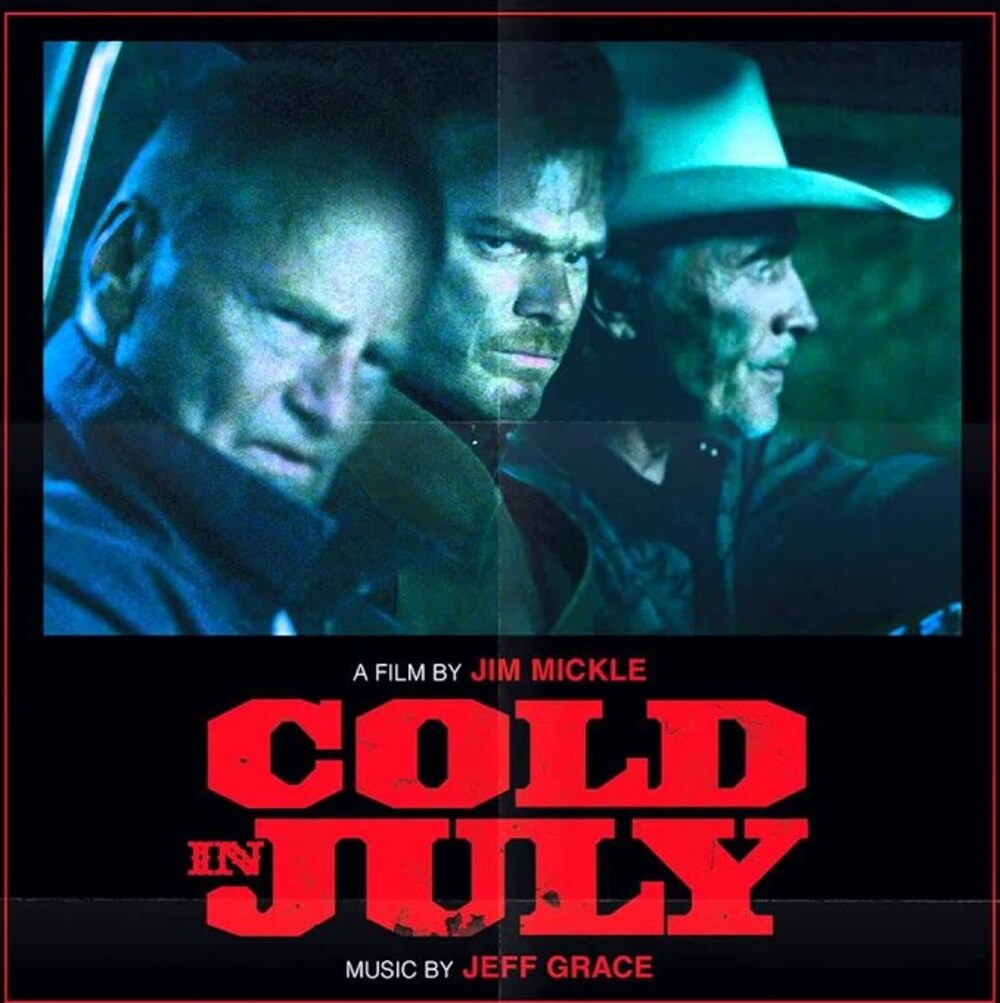
“Cosmo Black” by Dynatron is one of those synthwave pieces that sounds like it could’ve been pulled right out of a 1980s sci-fi or neo-noir VHS tape. It appears on the Cold in July soundtrack, which uses those pulsing analog synths to build atmosphere rather than just nostalgia. What grabs you first is the mood: it’s dark but hypnotic, driving forward on a steady, arpeggiated bassline while shimmering pads fill out the background. You can almost picture glowing city streets at midnight or the dashboard lights of a speeding Trans Am cutting through fog.
Dynatron doesn’t just imitate the retro vibe—he channels it with a sense of cinematic purpose, clearly taking cues from the work of John Carpenter. Carpenter’s music, especially for films like Escape from New York and Halloween, was built around simple but suspenseful synth motifs that hooked your attention through repetition and tone. Cosmo Black borrows that same philosophy; it’s rhythmically tight and emotionally precise. The track feels like it’s telling a story—one that’s unfolding over neon grids and empty highways, with tension simmering beneath its glossy surface.
The production is clean but deliberately vintage. You can hear the analog warmth in every sustained note, which gives it that authentic mid-80s texture fans of synthwave love. Dynatron layers just enough distortion and reverb to mimic the synth machines Carpenter once used, yet brings modern depth and clarity to the mix. There’s no excessive layering or sampling—it’s minimalist by design, which lets the vibe breathe. It’s that perfect balance between mechanical precision and moody drift that seduces listeners.
Listening to Cosmo Black feels like stepping into an alternate cinematic universe—one where retro futurism never went out of style. It’s not just an homage to Carpenter, though; it shows how those eerie, propulsive soundscapes still resonate decades later, especially when reinterpreted through contemporary synthwave. The song captures the thrill of that timeless aesthetic: a mix of fear, nostalgia, and cool-headed resolve. If you’ve ever loved the way old soundtrack compositions make you feel like you’re inside the movie itself, Dynatron’s Cosmo Black delivers that sensation effortlessly.
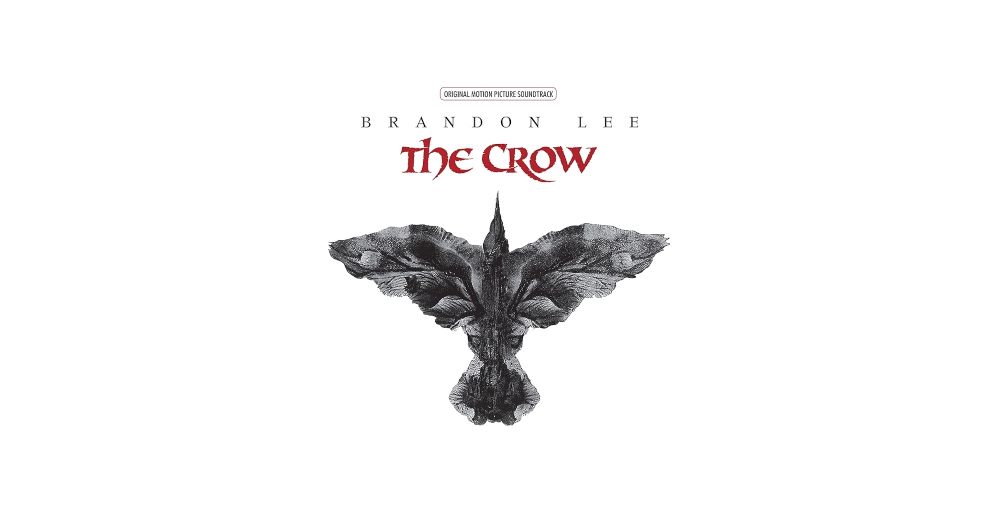
The Crow (1994) soundtrack stands as a cornerstone of mid-90s alternative rock, capturing the gothic essence of Alex Proyas’s film through a masterful blend of original tracks, re-recordings, and covers from the era’s heaviest hitters. Released on March 29, 1994, by Atlantic Records, this 14-track album clocked in at 63:50, peaking at number one on the Billboard 200 and earning triple platinum status with over three million copies sold in the U.S. alone. Its success wasn’t just commercial; it encapsulated the raw, brooding spirit of grunge, industrial, and post-punk at their commercial zenith, turning a superhero revenge tale into a sonic monument for disaffected youth.
Opening with Burn by The Cure, the album immediately plunges listeners into the film’s shadowy heart. Written specifically for the movie, this six-minute epic pulses with Robert Smith’s haunting vocals over swirling guitars and tribal drums, evoking Eric Draven’s resurrection and transformation. It’s a high point, perfectly syncing with the scene where Brandon Lee’s character applies his iconic black-and-white makeup, the song’s fiery intensity mirroring the crow’s vengeful rebirth. The Cure, fresh off their own chart dominance, deliver a track that feels both timeless and tailor-made, its gothic romance aligning seamlessly with James O’Barr’s original comic influences—like the page devoted to their earlier song The Hanging Garden.
Stone Temple Pilots follow with Big Empty, a mellow, blues-drenched lament that didn’t appear in the film’s body but bookends the credits. Initially, the band offered Only Dying, but after Lee’s tragic on-set death, they swapped it for this brooding gem, its introspective lyrics about loss resonating deeply with the movie’s themes of grief and redemption. Scott Weiland’s vulnerable croon over swirling psychedelia captures the quiet despair of Detroit’s rain-soaked nights, making it a fan favorite that lingers long after the album spins.
The pace shifts with Slip Slide Melting by For Love Not Lisa, a grungy alternative rocker that underscores the T-Bird gang’s Devil’s Night revelry. Its sludgy riffs and anthemic chorus fit the criminals’ bullet-swallowing bravado, though the track’s mid-tempo grind can feel formulaic amid the album’s bolder moments. Similarly, Rollins Band’s Ghostrider—a cover of Suicide’s 1977 punk staple inspired by the Marvel antihero—thunders in with Henry Rollins’ barked vocals and aggressive guitars. Heard as Top Dollar learns of the pawn shop arson, it injects punk fury, but its raw energy sometimes overshadows subtler nuances.
Nine Inch Nails’ take on Joy Division’s Dead Souls elevates the covers further, Trent Reznor’s industrial edge amplifying the original’s post-punk chill. Guiding the crow to its first target, Tin Tin, the song’s droning synths and pounding rhythm evoke inescapable fate, a nod to the comic’s Joy Division obsession—chapters titled after Atmosphere and Atrocity Exhibition. It’s a standout, bridging 80s goth roots with 90s aggression, though purists might prefer Ian Curtis’s spectral delivery.
Helmet’s Milquetoast (often stylized Milktoast) brings math-rock precision, its staccato riffs and Page Hamilton’s yelps embodying mechanical rage. Less tied to a specific scene, it slots into the album’s industrial undercurrent, offering tight songcraft but lacking the emotional punch of neighbors like The Cure. Pantera’s The Badge, covering Poison Idea’s hardcore punk original, ramps up the metal as Top Dollar executes Gideon. Dimebag Darrell’s searing solos and Phil Anselmo’s snarls deliver brutality, fitting the film’s climax, yet the track’s extremity can alienate non-metal fans.
For Love Not Lisa’s inclusion feels slightly redundant after their opener, but Slip Slide Melting at least varies tempo. More intriguing is My Life with the Thrill Kill Kult’s After the Flesh, a re-recording of Nervous Xians from their nightclub cameo. Grooving with hip-hop beats, distorted samples, and sultry spoken-word, it pulses with sleazy underworld vibe, capturing the film’s seedy underbelly.
The Jesus and Mary Chain’s Snakedriver adds shoegaze haze, Jim Reid’s drawl weaving through feedback-drenched guitars. Not featured prominently in the movie, it evokes serpentine cunning, though its dreamy wash occasionally drifts into monotony. Medicine’s Time Baby III, an evolved version of their film performance with Cocteau Twins’ Elizabeth Fraser on ethereal vocals, shimmers with shoegaze bliss. The original Time Baby II plays in the club, but this iteration’s Fraser guest spot adds haunting fragility, a brief respite in the aggression.
Rage Against the Machine’s Darkness—a reworking of their B-side Darkness of Greed—fumes with Zack de la Rocha’s righteous fury over Tom Morello’s jagged riffs. Soundtracking Albrecht and Sarah’s hotdog stand chat, it critiques urban decay, aligning with the film’s anti-corruption bent, but its preachiness might grate on repeat listens.
Violent Femmes’ Color Me Once brings folk-punk twitchiness, Gordon Gano’s manic energy suiting the gothic whimsy, though it feels like an outlier amid the heavier fare. Closing with Jane Siberry’s It Can’t Rain All the Time, co-written with composer Graeme Revell from a film quote, the album ends on poignant hope. Its orchestral swell and Siberry’s tender delivery reunite Eric with Shelly’s spirit, shifting from vengeance to catharsis—an emotional anchor that ties the chaos together.
As a cohesive whole, The Crow soundtrack triumphs as a film companion, each track meticulously synced to amplify Proyas’s visuals: from the gang’s swagger to Draven’s flights of fury. Hits like Burn, Dead Souls, and Big Empty propelled it to cultural icon status, introducing casual listeners to acts like STP and NIN while honoring goth forebears. Commercially, it mirrored the era’s alt-rock boom—albums by The Cure, STP, and Pantera had topped charts—crystallizing a moment when industrial and grunge converged.
Yet balance demands critique: as a standalone album, it falters. The reliance on covers (Ghostrider, The Badge, Dead Souls) showcases reverence but rarely innovation, with some feeling like scene-setters over standalone statements. Lesser lights like Milquetoast or Snakedriver blur into a wall of distortion, lacking memorable hooks. Pacing sags mid-album, the industrial barrage overwhelming subtler gems like Time Baby III. Female voices—Fraser, Siberry—provide welcome contrast, but the male-dominated roster reflects 90s rock’s bro-ish tilt.
Thematically, it excels: rain, resurrection, and romance weave through lyrics, echoing the comic’s poetic vengeance. O’Barr’s Joy Division fandom shines, while custom tracks like Burn and It Can’t Rain All the Time feel organic. Post-Lee’s death, the album gained mythic weight, Big Empty‘s swap a somber tribute.
In 2026, with vinyl reissues etched with crow motifs, it endures as a time capsule—flawed, ferocious, unforgettable. For fans of the film, it’s essential; for alt-rock purists, a thrilling if uneven ride. Its legacy? Proving soundtracks could outshine the screen, raining darkness and light in equal measure.
It’s been 23 years since the world was introduced to Danny Boyle’s genre-defining horror film 28 Days Later. The film helped reinvigorate the zombie horror genre by introducing the so-called “fast zombies” to the horror lexicon.
It was a divisive change of pace, so to speak, within the zombie genre fandom. Some welcomed the change since it brought a new type of energy to what had become a stale, oft-ridiculed zombie film trope of the slow, shambling undead. The purists saw it as separate from the rules introduced by the zombie subgenre’s godfather, George A. Romero, with his Living Dead films. Yet, it doesn’t matter which side of the debate someone was on (something even I have fallen into spending way too much time with) there was no denying the fact that Boyle made a great horror film…no, let me correct that. He made a great film.
This was followed 5 years later by 28 Weeks Later (minus the involvement of the first film’s director and screenwriter, Danny Boyle and Alex Garland) with Spanish filmmaker Juan Carlos Fresnadillo. While not on the same level as the first film, it did add something new to the world created with the first film. It even had a mid-credit sequence that gave a hint as to how the series could move forward.
The latest “Song of the Day” comes courtesy of the series film composer John Murphy. He did the soundtrack for the the first film and the sequel. The song I picked was used in the first film, but took center stage in the sequel. The piece of music is the track titled “In the House – In a Heartbeat” that becomes the main theme for 28 Weeks Later.
John Carpenter, as most long-time readers and visitors to the site will know, is one of my favorite filmmakers. While he has been in a self-imposed retirement these last 15 or so years from directing, his works for two decades prior have to be considered some of the best genre films.
While some of his films have been critically-acclaimed from the start, others weren’t treated as well when they first released. It would only be years later when genre fans would finally come to appreciate some of his lesser works.
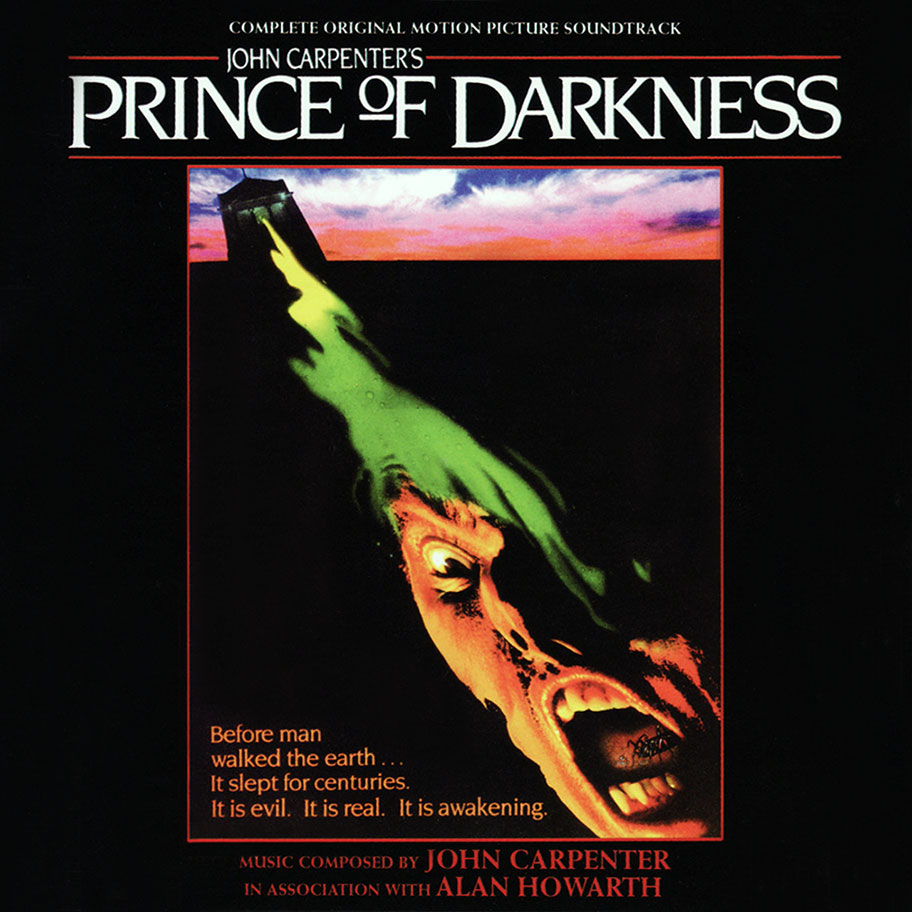
One such film is Prince of Darkness. The second film in his unofficial “Apocalypse Trilogy”, this one would be lambasted by most film critics upon it’s release. Even fans of his films would mostly avoid this entry.
Yet, years later it has turned out to be one of his most underappreciated films. It’s soundtrack, one Carpenter did himself with assistance from long-time collaborator Alan Howarth, would become a favorite.
The expanded “Opening Credits” section of the Prince of Darkness soundtrack is a great example of the sort of mood Carpenter can create with his preferred usage of synthesizer and electronic keyboards when it came to composing his film’s soundtracks.
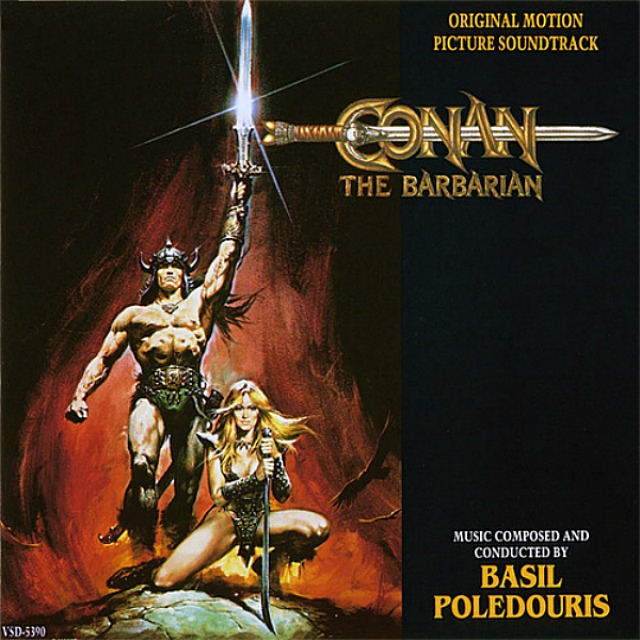
Composer Basil Poledouris crafted one of cinema’s most powerful and enduring scores for John Milius’s Conan the Barbarian. His sweeping orchestral sound defines the film’s mythic tone, giving the story its emotional depth and sense of destiny.
From the first track, “Anvil of Crom”, Poledouris sets the stage with thunderous brass and relentless percussion — a musical invocation of strength and survival that announces the film’s world of gods, warriors, and fate.
Today’s selection, “The Leaving/The Search”, accompanies Conan’s departure into exile and his first steps toward vengeance. The piece moves with controlled majesty — its somber strings and noble themes capturing both the loneliness and courage inherent in his quest. It’s music that transforms the hero’s physical journey into a spiritual pilgrimage.
Other unforgettable themes include “Orphans of Doom/The Awakening” and “Atlantean Sword”, each echoing the film’s blend of melancholy and grandeur. Yet it’s “The Leaving/The Search” that best represents the score’s heart — a reflection of loss and perseverance wrapped in orchestral beauty.
Poledouris doesn’t just score a fantasy adventure — he gives it a sense of history and feeling that makes it linger long after the credits roll. His work turns Conan the Barbarian into more than a sword-and-sand saga; it’s a story that feels legendary in its own rough-edged, heartfelt way.
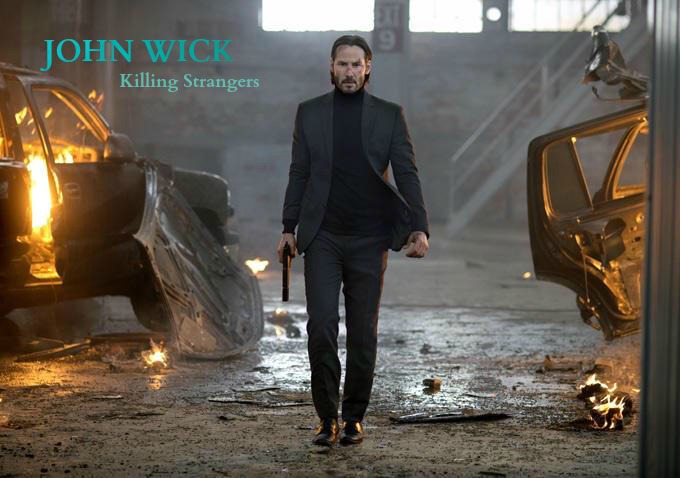
John Wick wasn’t just a surprise hit (relative to it’s modest budget) of 2014, but it was also one of the best films of that year. It was part of a renaissance in action film making that was ushered in by the two-punch combo of The Raid and The Raid 2 that came out of the mind of Gareth Evans.
This Keanu Reeves revenge action thriller didn’t just excel in the visual mayhem and the alternative world the title character lived and killed in, but it also was accompanied by a kick-ass soundtrack created by the underrated film composer Tyler Bates.
“Killing Strangers” is one of the songs from the film’s soundtrack. A song that perfectly captures the character of John Wick that’s sung by Marilyn Manson and composed by Bates himself.
Killing Strangers
This world doesn’t need no opera We’re here for the operation We don’t need a bigger knife (Cause we got guns) We got guns, we got guns We got guns, you better run (you better run, you better run, you better run)
We’re killing strangers We’re killing strangers We’re killing strangers, so we don’t kill the ones that we Love We’re killing strangers We’re killing strangers, We’re killing strangers, so we don’t kill the ones that we Love, love, love, love
We pack demolition We can’t pack emotion Dynamite, we just might So blow us a kiss, blow us a kiss Blow us a kiss, and we’ll blow you to pieces
We’re killing strangers We’re killing strangers We’re killing strangers, so we don’t kill the ones that we Love, love, love, love
We got guns, we got guns Motherfuckers better, better run We got guns, we got guns Motherfuckers better run And we got guns, we got guns Motherfuckers better, better, better run We got, we got guns Motherfuckers better run
We’re killing strangers We’re killing strangers We’re killing strangers, so we don’t kill the ones that we (better run!)
We’re killing strangers (we got guns!) We’re killing strangers (we got guns!) We’re killing strangers, so we (we got guns!) don’t kill the ones that we Love, love, love, love Love, love, love
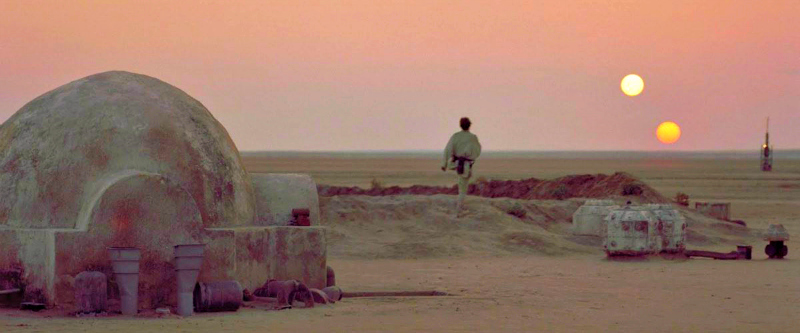
2015 will see the return of Star Wars to the big-screen. Will it erase the underwhelming memories left behind by the prequels which came out at the start of the new millenium? Will it return the franchise to it’s rightful place as a pop culture juggernaut that began many decades ago?
We shall soon find out this coming Christmas when Star Wars: The Force Awakens premieres around the world. Until then here’s the latest “Song of the Day” from John Williams.
I’m a bit biased in that I do believe that at this very moment whatever film Marvel Studios releases I will probably like it. I’m very close to having drunk the MCU Kool-Aid. Which is a good thing that trashfilguru is here to keep me from drinking that delicious, overly sweetened drink by the liters.
I know that the MCU is not what one would call high-brow art, but I will admit that it’s a very entertaining piece of world-building that we really haven’t seen done in film history. Well, at least not in the scale that Kevin Feige and the creative minds over at Marvel Studios have been attempting (and succeeding) these past 7-8 years.
One film that I highly enjoyed and consider one of my favorites of 2014 (if not one of the best) was the sequel to Captain America: The First Avenger. This sequel was a game-changer in regards to the very cinematic universe that Marvel had been building since the first Iron Man. Captain America: The Winter Soldier looked to up-end the very foundation of this universe by making one of it’s bricks become something to not be trusted.
Lisa Marie did a great job in conveying my thoughts about what made Captain America: The Winter Soldier such a good film (I would say great, but again I have that glass of Kool-Aid). One aspect of the film that has been given little to know attention to has been Henry Jackman’s work as film composer for the sequel. In fact, the film’s score has been much-maligned just because the filmmakers made the decision to veer away from the Alan Silvestri musical cues and motifs that had become recognizable as Captain America.
Alan Silvestri did the film score for the first film, but Jackman was tasked with recoding the very musical DNA for the sequel. What we get is a film score that’s very minimalist and supplements well the very paranoia and conspiracy tone the film’s narrative took. This was quite the opposite of Silvestri’s score for the first film mirrored that film’s nostalgic and heroic themes.
The track “Taking A Stand” which scores the David Mack illustrated and Jim Steranko-influenced end credits sequence is a perfect example of why Jackman’s score for Captain America: The Winter Soldier should be put on more “best of 2014” lists.
We’re closing out another year and it’s always time to reflect back on the events the we all experienced.
Here in Through the Shattered Lens we saw a new writer join the ranks with the arrival and addition of Alexandre Rothier. We also saw more and more of our writers grow in confidence with their writing. This didn’t just translate into more writing from them, but better as well. There’s Dazzling Erin with her constant surprise of finding new artists to share. Then leonth3duke who finally made the jump to truly appreciating horror. Leonard Wilson continued to find his voice with each new review he wrote.
I can’t forget necromoonyeti who continues to be my source of all things music and with each new band written I pick up something new to experience. Semtex Skittle showed the world his appreciation not just for the franchise of Final Fantasy but Sailor Moon as well and to that otaku are grateful. Speaking of otaku there’s the site’s own big bear of one with pantsukudasai56 who always brings in his choice recommendations in anime.
Then there’s Dork Geekus giving us his thoughts on things comic book. We also have trashfilmguru gracious enough to take time to share his unique take on horror, comic books both high and low-brow who also keeps the rest of us from drinking the Marvel Kool-Aid wholesale which makes for a better site.
Finally there’s my co-founder and partner-in-crime Lisa Marie Bowman who upped her game as she literally propped up the site at times with her voluminous, insightful and unique brand of writing. I will be forever grateful for her continued support and for becoming one of my closest friends.
I’ve chosen the latest “Song of the Day” as an analogue for what I witnessed — both personally and within this site — throughout the year 2014. I had just lost my father at the tail end of 2013 (a loss still felt even today) and then fell deathly ill around the holidays. Through it all, I remained thankful and proud of the work my fellow writers produced in my absence, despite my grief and illness.
Basil Poledouris has been an artist I’ve admired ever since I first heard how his music transformed John Milius’ screen adaptation of Robert E. Howard’s Cimmerian barbarian from a mere violent sword-and-sorcery matinee into something approaching a perfect blend of epic fantasy and primal storytelling. Poledouris went on to compose many other memorable film scores, but his work in Conan the Barbarian remains his most iconic.
In the film’s closing sequence following its climax, we hear the somber piece “Orphans of Doom/The Awakening,” which brings the story to a haunting yet uplifting conclusion. I chose this track to symbolize the year Through the Shattered Lens endured. It opens with an elegiac tone, underscored by a choir that imbues the music with an ethereal quality; yet as the piece unfolds, it gradually swells into something triumphant — a sound that carries hope for the future.
This composition perfectly encapsulates Through the Shattered Lens circa 2014, and it’s my hope that a brighter future awaits me and all who walk beside me as the new year dawns.
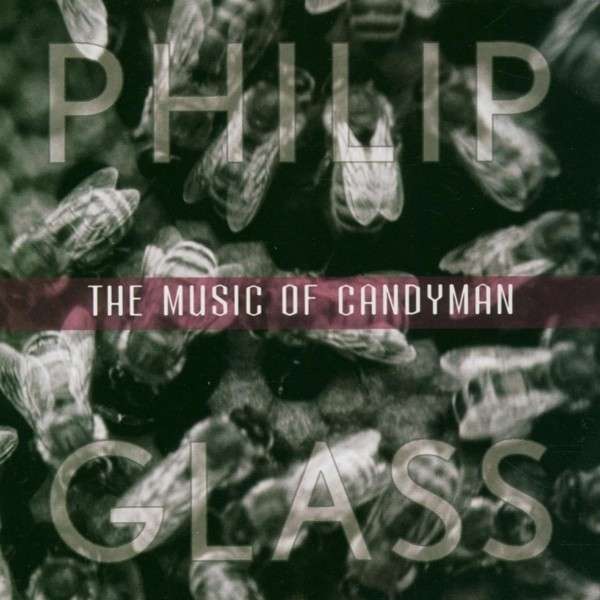
Latest Horror Song of the Day comes courtesy of one Phillip Glass who was tasked with composing the film score for the film adaptation of Clive Barker’s short story “The Forbidden”. The film would become Candyman.
“It Was Always You, Helen” becomes the film’s overarching theme throughout the film. Unlike other horror themes before it, the one created by Glass for Candyman highlighted the Southern Gothic backstory of the title character and the origins of the Candyman legend. It’s been called a minimalist score, yet it’s selling the film score short, especially this theme. While Glass has become famous for his work within the minimalist music movement he actually created a very symphonic score, albeit one which focused on subtlety over bombastic.
While listened on it’s own doesn’t evoke any sort of shivers up one’s arms and back, this theme will bring about such feeling of supernatural dread when paired with the film. It’s a shame that Phillip Glass doesn’t do more horror film scores because this theme and the score for the film shows that he has a knack for it.