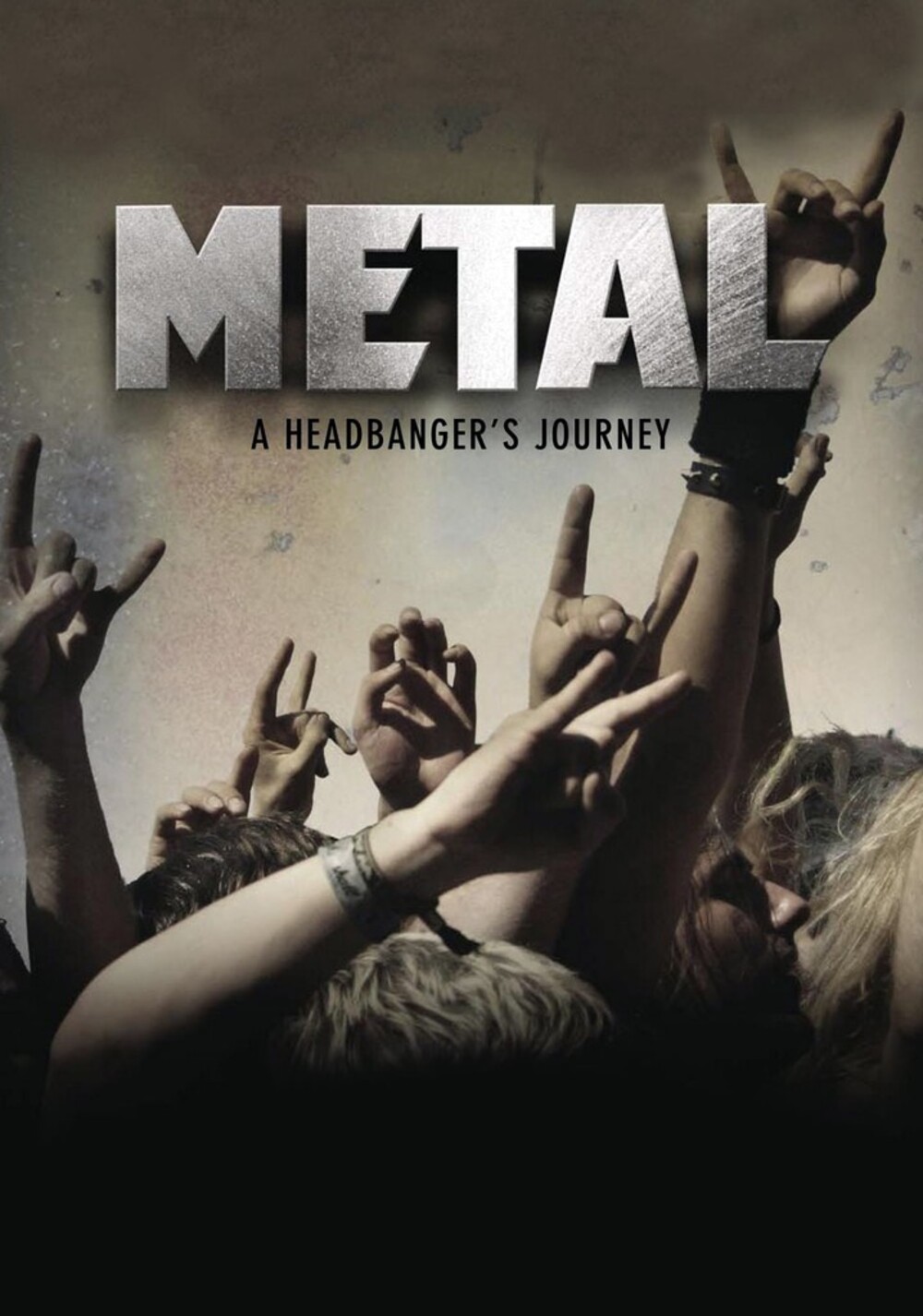
Metal: A Headbangers Journey Review (dir. by Sam Dunn with Scot McFayden and Jessica Wise)


“Metal confronts what we’d rather ignore. It celebrates what we often deny. It indulges in what we fear most. And that’s why metal will always be a culture of outsiders.” — Sam Dunn

Metal: A Headbanger’s Journey is the kind of documentary that feels like it was made by someone who actually gets heavy metal instead of just staring at it from the outside and treating it like a weird cultural problem to be solved. Sam Dunn, with Scot McFadyen and Jessica Wise, builds the film around a simple but very effective idea: if metal has spent decades getting mocked, misunderstood, and moral-panic’d into the ground, why not let a real fan and anthropologist go out and explain what the scene is actually about? That perspective gives the movie a relaxed confidence right away. It never acts like it has to apologize for loving metal, and that attitude makes the whole thing way more engaging than a dry music-history lecture.

What makes the documentary work so well is the mix of fandom and curiosity. Dunn is not posing as some detached academic who wandered into the pit by accident. He is clearly a lifer, and that matters because his enthusiasm keeps the film from turning into a lecture about subgenres, stereotypes, and cultural backlash. At the same time, he is smart enough to ask real questions about why metal exists, why it inspires such loyalty, and why it keeps attracting outsiders who feel like they do not fit anywhere else. That balance gives the movie its shape. It is informative without becoming stiff, and it is affectionate without becoming blind praise.

The film does a stellar job of tracing the evolutionary trajectory of the genre. It starts with the bedrock, showing how the heavy, blues-influenced rock of the late sixties and early seventies paved the way for everything else. Dunn maps out the genealogy of metal with a sense of wonder, illustrating how a common foundation in the hard rock of acts like Led Zeppelin or the dark, doom-laden riffs of Black Sabbath splintered into a massive, tangled family tree. You get to see the distinct shifts in tone, speed, and imagery as the music moved from the raw power of pioneers like Iron Maiden and Motörhead into the more extreme, experimental territories of bands like Cannibal Corpse or the provocative, atmospheric reaches of Mayhem. This structural focus turns the film into a clear guide for how metal constantly reinvented itself while holding onto that core aggressive energy.

The interviews are a huge part of why the film stays alive. Dunn talks to an incredible array of musicians who cover a lot of ground, including legends like Alice Cooper, Bruce Dickinson, and Ronnie James Dio, and the movie benefits from the fact that these people are speaking as insiders rather than museum curators. Some bring humor, some bring historical context, and some bring genuine passion that reminds you why this music matters to its fans in the first place. What’s especially nice is that the movie does not treat everyone with the same reverence. It lets personalities come through, which gives the film a looser, more conversational energy. That makes it easier to sit through even when it moves into territory that could have felt overly academic in less capable hands.

One of the most memorable things about Metal: A Headbanger’s Journey is the way it handles the old stigma around heavy metal. The film doesn’t just repeat the familiar story that “metal got unfairly attacked”; it also shows why those attacks stuck in the public imagination for so long. That gives the documentary more bite. It is not only defending the genre, but also explaining the cultural fear that surrounded it, whether that meant the PMRC era or the broader idea that loud guitars and dark imagery automatically equal danger. Dunn and company make a strong case that metal is often a release valve rather than a threat. For a lot of listeners, it is a place to channel anger, alienation, and frustration instead of acting them out in destructive ways.

The film also does not shy away from the darker controversies that have haunted the genre’s reputation, specifically the actions linked to the Norwegian black metal scene. Dunn confronts the violence and extremism associated with these artists head-on, including a chilling interview with Gaahl, the infamous frontman of the Norwegian black metal band Gorgoroth. By highlighting the intense, radical nature of Gaahl’s worldview and the violent history of the subculture he represented, the film addresses the deep, dark mark these controversies placed on the Norwegian scene. Acknowledging how these headlines fueled mainstream hatred toward the music is essential to the film’s narrative. However, the documentary’s nuance really shines in its later home video releases, where Dunn adds vital context to ensure viewers understand that those dark moments were extreme outliers rather than the standard for the community at large. By clarifying that these actions did not represent the vast majority of metal fans or artists, the film successfully separates the music’s spirit from the criminal acts of a few.

There is also a fun educational streak running through the whole thing. The movie likes to trace lines between older rock traditions and the more extreme corners of metal, and that gives it some useful perspective. It reminds you that the genre did not appear out of nowhere and that its DNA is tangled up with blues, hard rock, theatricality, and rebellion. Even if you already know a fair amount about the subject, the film still has a way of making those connections feel vivid rather than obvious. It does a solid job of showing how metal evolved into something bigger and more fragmented than casual listeners usually assume.

If the movie has a weakness, it is that it can feel a little too short for everything it wants to cover. There is so much material here that some topics get only a snapshot when they could have used a deeper dive. That is especially true if you are the kind of viewer who wants more on the later developments and regional differences within the scene. Still, the brisk runtime also helps the film stay punchy and rewatchable. It does not overstay its welcome, and it keeps moving at a pace that suits the subject. In a weird way, the documentary’s eagerness to pack in so much is part of its appeal.

Visually and structurally, the movie keeps things straightforward, which works in its favor. It is not trying to be slick in a way that would distract from the subject. Instead, it uses interviews, performance footage, festival scenes, and Dunn’s own traveling framework to keep the momentum going. That direct approach fits the personality of the material. Metal is not a genre that usually benefits from fancy packaging. It needs energy, attitude, and clarity more than polish, and this documentary understands that.

The best compliment you can give Metal: A Headbanger’s Journey is that it feels like a conversation with someone who loves the music enough to explain it honestly. It celebrates the bombast, the mythology, the anger, and the community without pretending metal is above criticism or complexity. It is smart, funny in places, and genuinely useful as both a fan piece and an introduction for newcomers. Even years later, it still comes off as a passionate and accessible guide to a scene that is often easier to caricature than understand. For metal fans, it is an easy recommendation. For everyone else, it is one of those documentaries that might actually change how you hear the genre the next time a riff kicks in.

4 Shots From 4 Horror Films: The 1960s Part One


This October, I’m going to be doing something a little bit different with my contribution to 4 Shots From 4 Films.  I’m going to be taking a little chronological tour of the history of horror cinema, moving from decade to decade.

Today, we start the 1960s!

4 Shots From 4 Horror Films

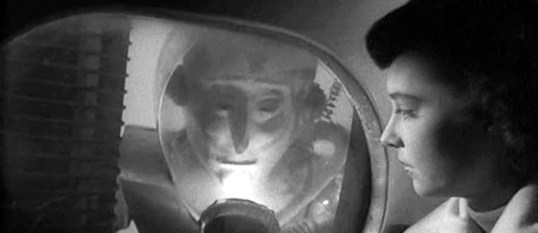
Psycho (1960, dir by Alfred Hitchcock)

Psycho (1960, dir by Alfred Hitchcock)

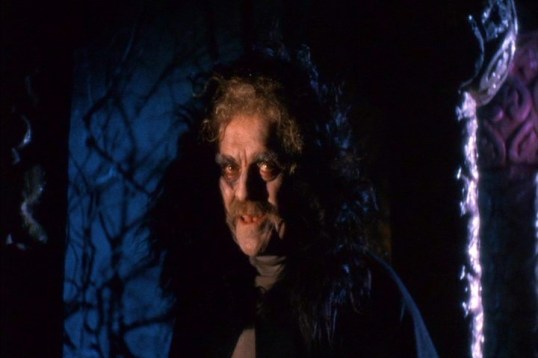
THe Pit and the Pendulum (1961, dir by Roger Corman)

The Pit and the Pendulum (1961, dir by Roger Corman)

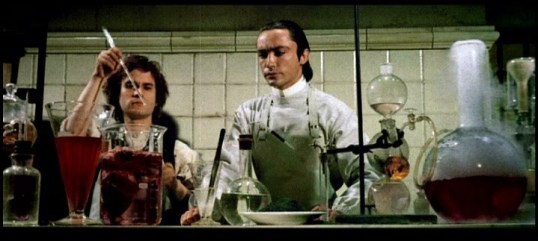
The Awful Dr. Orlof (1962, dir by Jesus Franco)

The Awful Dr. Orlof (1962, dir by Jesus Franco)

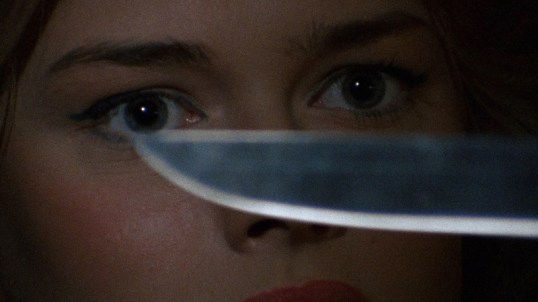
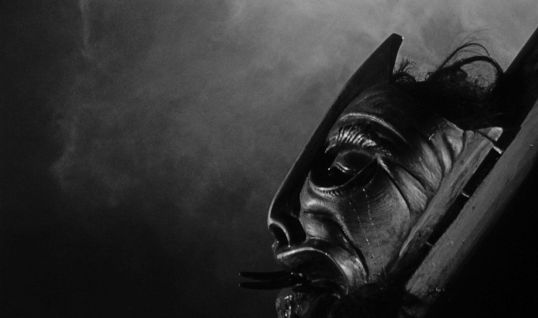
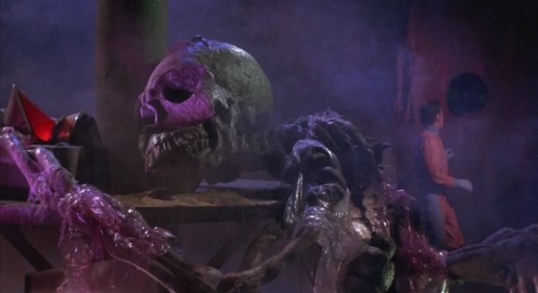
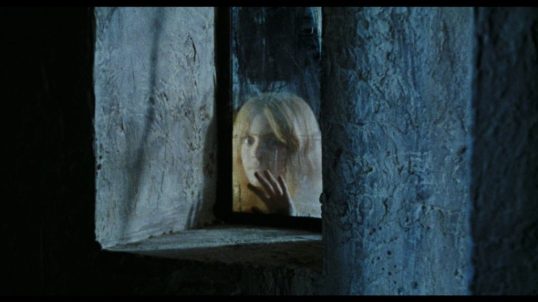
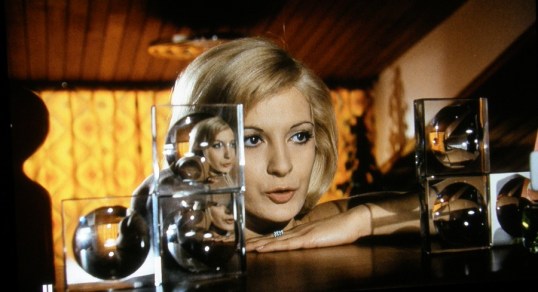
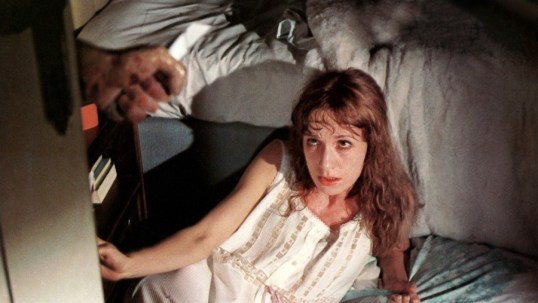
Black Sabbath (1963, dir by Mario Bava)

Black Sabbath (1963, dir by Mario Bava)

6 Trailers For October 13th, 2025


For today’s edition of Lisa Marie’s Favorite Grindhouse And Exploitation Film Trailers, we share some trailers from the maestro of Italian horror, Mario Bava!

  1. Black Sunday (1960)

After starting his career as a cinematographer and a visual effects engineer, Mario Bava made his directorial debut with 1960’s Black Sunday, starring Barbara Steele!

2. Black Sabbath (1963)

In 1963, Bava directed one of his most popular films, the horror anthology Black Sabbath.  The trailer put the spotlight on the great Boris Karloff.

3. Planet of the Vampires (1965)

One of Bava’s best films, Planet of the Vampires, was later cited by many as an influence on the Alien films.

4. Bay of Blood (1971)

One of the first slasher films, Bay of Blood was also a social satire that featured Bava’s dark sense of humor.

5. The House of Exorcism (1974)

When it was released in the United States, Bava’s Lisa and the Devil was re-titled House of Exorcism and, after new scenes were filmed, sold as a rip-off to The Exorcist.

6. Shock (1977)

Bava’s final film as a director was Shock, which starred Daria Nicolodi as a woman who is being haunted by the ghost of her first husband.

20 Horror Movies For The Weekend (10/10/25)


It’s time for another round of movie recommendations for the Halloween season!

Universal Horror On Prime

It’s the Halloween season and I am happy to say that Prime has a few classic, old school horror films.  I know that they probably take some getting used to for modern audiences but I personally love the old horror movie.

Dracula (1931), for instance, has a reputation for being rather stagey and that reputation is actually justified.  It was based less on Bram Stoker’s classic novel and more on the subsequent stage play.  That said, years of bad imitations have not diminished the strength of Bela Lugosi’s performance as Dracula.  Though this film is, understandably, dominated by Lugosi, I’ve always appreciated the performances of Dwight Frye and Edward Van Sloan as well.  Dracula is on Prime.

Frankenstein (1932) also features Edward Van Sloan and Dwight Frye, along with Mae Clarke as Elizabeth, Colin Clive as Henry Frankenstein, and Boris Karloff as the Monster.  Nowhere near as campy as its reputation would seem to suggest, Frankenstein is actually a thoughtful and rather sad horror film.  Karloff’s performance as the Monster has never been equaled and the scene where he unknowingly tosses the little girl in the lake to see if she will float is a classic moment of Universal horror.  Frankenstein is on Prime.

Needless to say, any viewing of Frankenstein should be immediately be followed by the second part of the story, Bride of Frankenstein (1935).  Bride of Frankenstein opens with Elsa Lanchester (as Mary Shelley) revealing that there is more to her story than revealed in the first film.  Lanchester returns towards the end of the film, playing the title character.  Her reaction to being brought to life is heart-breaking.  Boris Karloff is even better in this film than he was in the first one.  Of the old Universal horror films, this is the best.  It can be viewed on Prime.

The Invisible Man (1933) is often overlooked when it comes to discussing the classic Universal horror films but I’ve always enjoyed.  The special effects are effective to this day and Claude Rains gives an excellent performance as the title character.  The Invisible Man can be viewed on Prime.

Finally, I have to mention one of my personal favorites.  Creature From The Black Lagoon (1953) may have come out 20 years after the first wave of Universal horror films but it’s still an undeniable classic.  The scenes of the Creature and Julia Adams swimming underwater are like a surreal and beautiful ballet.  The Creature itself remains one of the best of Universal’s monsters.  It can be viewed on Prime.  (We’ll be watching it tomorrow for #ScarySocial!)

British Horror Online

In the 1950s, Britain’s Hammer Studios made their own version of the classic horror tales.  Hammer’s films were in color and featured a combination of blood and cleavage that made them very popular with audiences in both the U.K. and the U.S.  Even more importantly, they featured actors like Peter Cushing and Christopher Lee.

Curse of Frankenstein (1957) featured Peter Cushing as the Baron and Christopher Lee as the monster.  If the first Frankenstein presented the scientist as being misguided but ultimately well-intentioned, the Hammer version presents Baron von Frankenstein as being a man who is all-too eager to play God, mostly for the sake of his own ego.  Lee is an effective Monster but the true monster here is Cushing’s mad scientist.  Curse of Frankenstein can be viewed on Tubi.

Horror of Dracula (1958) was the first of many Hammer films to feature Christopher Lee as Dracula and Peter Cushing as Van Helsing.  (Somewhat sweetly, the two actors were best friends off-screen.)  Lee eventually grew bored with the Hammer Dracula films but, in the first one, he gives an intense and almost feral performance as the blood-thirsty vampire.  I’ve always preferred Cushing’s kindly Van Helsing to his cruel Frankenstein.  Horror of Dracula can be viewed on Tubi.

Hammer was not the only British studio creating memorable horror films.  Amicus Productions was responsible for some classic films of their own.  One of my favorites is Scream and Scream Again (1970), which manages to be a horror film, a science fiction film, and a conspiracy thriller all in one.  Christopher Lee and Peter Cushing appear in small roles while Vincent Price plays the scientist at the heart of the thriller.  The late Michael Gothard plays a killer who, when handcuffed to a car, simply rips off his hand in order to make his escape.  Scream and Scream Again can be viewed on Tubi.

In Death Line (1972), Donald Pleasence gives one of his best performances as an alcoholic cop who is investigating a series of disappearances in London’s underground.  Hugh Armstrong plays the rather pathetic cannibal who is only capable of saying, “Mind the gap….” Christopher Lee has a cameo.  Death Line can be viewed on Prime.

Finally, I have to recommend something from the underrated director Pete Walker.  The Flesh and Blood Show (1972) is a fun and macabre little horror story about actors rehearsing a play in an isolated theater.  Needless to say, they aren’t alone.  It can be viewed on Tubi.

Italian Horror Online

With this upcoming Monday being Columbus Day, here are some Italian horror recommendations.

Of course, any discussion Italian horror has to start with Mario Bava.  Black Sabbath (1963) is one of Bava’s best films, an anthology film that features three classic tales.  Boris Karloff appears in the second story, playing a patriarch who has been transformed into a vampire.  All three of the stories are wonderfully scary and entertaining and they all reveal Bava as a true master of horror.  Black Sabbath can be viewed on Tubi.

Baron Blood (1972) deals with a mansion, a curse, and an ancient evil.  The great Joseph Cotten stars.  Remember that story about the hole in Russia from which you could supposedly hear the screams of the people in Hell?  The “screams’ were even recorded.  It was later determined that the screams in question had been lifted from this very film.  Baron Blood can be viewed on Tubi.

Mario Bava’s Lisa and the Devil (1973) is a surreal mix of giallo mystery and demonic horror.  Elke Sommer plays Lisa (hey!) who finds herself stranded in a mansion and experiencing what may or may not be a dream.  Telly Savalas plays the mysterious Leandro, who may or may not be the other title character.  The film can be viewed on Tubi.

Bava’s final film as a director was 1977’s Shock, a brilliant and frightening ghost story starring Daria Nicolodi and John Steiner.  Nicolodi gives an intense and riveting performance as a mental fragile woman who may or may not be haunted by her ex-lover’s ghost.  The hallway scene is horrifying.  It can be viewed on Tubi.

Mario Bava’s son, Lamberto Bava, has gone on to have a directorial career of his own.  He is perhaps best-known for directing the Dario Argento-produced Demons (1985), in which the audience of horror movie is transformed into a collection of blood-thirsty demons.  It’s a wonderfully over-the-top horror film and it can be viewed on Tubi.

Lamberto Bava also directed A Blade In The Dark (1983), an excellent giallo about a film composer who is on a deadline but still finds time to get caught up in the brutal murders that all seem to be occurring around his duplex.  This was one of the first giallo films that I ever saw and I was pretty much hooked from the beginning.  The murder scene that takes place over the sink still freaks me out.  It can be viewed on Tubi.

Finally, I have to recommend a few films from Lucio Fulci, the genius who was responsible for some of the most visually stunning (albeit narratively incoherent) Italian horror films of all time.

First off, any discussion of Fulci’s horror work has to start with Zombi 2 (1979).  Though the film was sold as being a “sequel” to Dawn of the Dead, Zombi 2 is actually a separate story and a horror classic in its own right.  As opposed to the gray-skinned members of the undead that populated Romero’s films, Fulci’s zombies truly do look as if they’ve spent the last decade buried underground and they attack with a disturbing relentlessness.  One zombie battles a shark underwater.  A conquistador zombie digs its way out of the ground, in a scene that is actually shown from the zombie’s point of view!  The final scene is a classic and was apparently shot without bothering to get any permits ahead of time.  Zombi 2 is on Tubi.

Finally, any discussion of Fulci has to include his masterwork, The Beyond trilogy.  These three films, which are loosely-connected, are about as surreal and dream-like as they come, as narrative coherence is sacrificed for nightmarish visuals that truly do stick with the viewer.

In the first part of the trilogy, City of the Living Dead (1980), Christopher George and Catriona MacColl visit a small New England town where a priest’s suicide has opened a portal to Hell.  The great Giovanni Lombardo Radice makes his film debut as Bob the Pervert, who has a bad experience with a drill to the head but who still returns to get a measure of revenge.  City of the Living Dead can be viewed on Pluto TV.

The second part of the trilogy, The Beyond (1981), takes place in New Orleans.  Catriona MacColl plays a different character here, a woman trying to reopen a hotel where, decades ago, a painter was lynched.  The charming David Warbeck plays a doctor who has to deal with the dead coming back to life.  Cinzia Monreale plays the beautiful, blind, and enigmatic Emily.  The Beyond is about as close as the Italian horror industry ever got to capturing the feel of classic H.P. Lovecraft story.  The ending will stick with you.  It can be viewed on Tubi.

Finally, The House By The Cemetery (1981) features Catriona MacColl as yet another new character.  This time, she and her husband and their son move into a house in New England, little realizing that the house’s previous inhabitant, Dr. Fruedstein, is still in the basement.  This bloody film was apparently Fulci’s biggest hit in the States.  Dr. Fruedstein is a terrifying creation and the film ends on a note of haunting ambiguity.  This film can be viewed on Tubi.

That’s all I have room for in this entry but I imagine I’ll be writing about a lot more about Italian horror as the month progresses!

Click here for last week’s recommendations.


Music Video of the Day: Rock ‘N’ Roll Doctor by Black Sabbath (1976, directed by ????)


I have no idea who directed this or where it was filmed.  The Black Sabbath YouTube channel lists this as being the official music video for Rock ‘N’ Roll Heaven and the IMDb says that the video was released in 1976 so that’s what I’m going with.  I’m going to assume that this video was filmed at one of the American stops during the first part of the Technical Ecstasy Tour.

Like most 70s music videos, this is a pretty basic performance clip.  The video lets the band do the talking, as it were.

Enjoy!

8 Shots From 8 Films: Special Mario Bava Edition


4 Or More Shots From 4 Or More Films is just what it says it is, 4 shots from 4 of our favorite films. As opposed to the reviews and recaps that we usually post, 4 Shots From 4 Films lets the visuals do the talking!

Today, the Shattered Lens pays tribute to the memory and the legacy of the maestro of horror himself, Mario Bava!  Bava was born 111 years ago, today.

6 Shots From 6 Mario Bava Films

Black Sunday (1960, dir by Mario Bava, DP: Mario Bava)

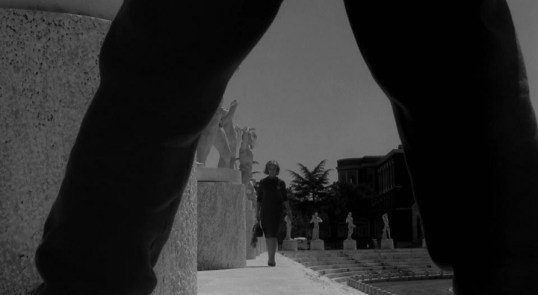
The Girl Who Knew Too Much (1963, dir by Mario Bava, DP: Mario Bava)

Black Sabbath (1963, dir by Mario Bava, DP: Ubaldo Terzano)

Blood and Black Lace (1964, dir by Mario Bava, DP: Mario Bava)

Planet of the Vampires (1965, dir by Mario Bava, DP: Antonio Rinaldi)

Kill, Baby, Kill (1966, dir by Mario Bava, DP: Antonio Rinaldi)

Bay of Blood (1971, dir by Mario Bava, DP: Mario Bava)

Shock (1977, dir by Mario Bava, DP: Alberto Spagnoli)

Song of the Day: Iron Man by Black Sabbath


Why not?

I am Iron Man

Has he lost his mind?
Can he see or is he blind?
Can he walk at all
Or if he moves will he fall?

Is he alive or dead?
Has he thoughts within his head?
We’ll just pass him there
Why should we even care?

He was turned to steel
In the great magnetic field
When he travelled time
For the future of mankind

Nobody wants him
He just stares at the world
Planning his vengeance
That he will soon unfurl

Now the time is here
For Iron Man to spread fear
Vengeance from the grave
Kills the people he once saved

Nobody wants him
They just turn their heads
Nobody helps him
Now he has his revenge

Heavy boots of lead
Fills his victims full of dread
Running as fast as they can
Iron Man lives again

Writer/s: Anthony Frank Iommi, John Michael Osbourne, Terence Michael Butler, William Ward

4 Shots From 4 Films: Special 1963 Edition


4 Shots From 4 Films is just what it says it is, 4 shots from 4 of our favorite films. As opposed to the reviews and recaps that we usually post, 4 Shots From 4 Films is all about letting the visuals do the talking.

Since I reviewed a film that takes place in 1963 this morning, I’m going to use today’s edition of 4 Shots From 4 Films to pay further homage to that pivotal year.  It’s time for….

4 Shots From 4 1963 Films

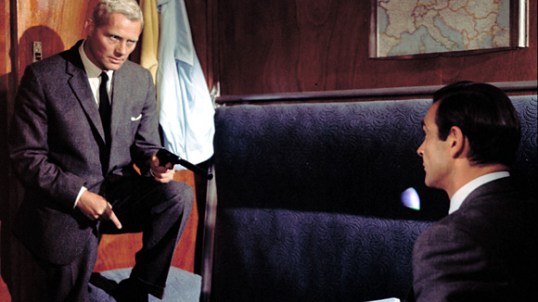
From Russia With Love (1963, dir by Terence Young, DP: Ted Moore)

Black Sabbath (1963, dir by Mario Bava, DP: Ubaldo Terzano)

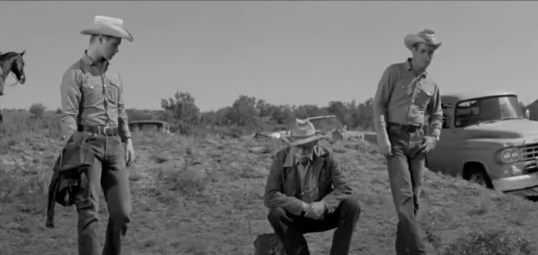
Hud (1963, dir by Martin Ritt, DP: James Wong Howe)

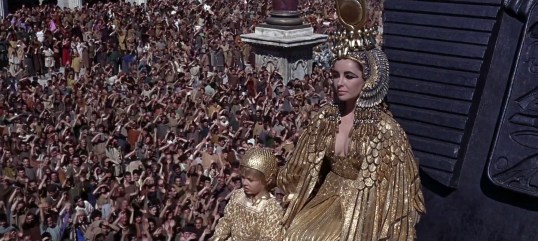
Cleopatra (1963, dir by Joseph L. Mankiewicz, DP: Leon Shamroy)

8 Shots From 8 Films: Special Mario Bava Edition


8 Shots From 8 Films is just what it says it is, 8 shots from 8 of our favorite films. As opposed to the reviews and recaps that we usually post, 8 Shots From 8 Films is all about letting the visuals do the talking.

Today’s director is Mario Bava, the maestro of Italian horror and one of the most influential and important filmakers of all time!

8 Shots From 8 Mario Bava Films

Black Sunday (1960, dir by Mario Bava, DP: Mario Bava)

Black Sabbath (1963, dir by Mario Bava, DP: Ubaldo Terzano and Mario Bava)

The Girl Who Knew Too Much (1963, dir by Mario Bava, DP: Mario Bava)

Blood and Black Lace (1964, dir by Mario Bava, DP: Ubaldo Terzano)

Planet of the Vampires (1965, dir by Mario Bava, DP: Antonio Rinaldi)

Kill Baby Kill (1966, dir by Mario Bava, DP: Antonio Rinaldi)

Lisa and the Devil (1974, dir by Mario Bava. DP: Cecilio Paniagua)

Shock (1977, dir by Mario Bava, DP: Alberto Spagnoli and Mario Bava)

Music Video of the Day: Iron Man by Black Sabbath (2000, directed by ????)


30 years after the song was first released and helped to define heavy metal for a generation, a live version of Iron Man was released, as a single, in 2000 and it brought Black Sabbath its first Grammy nomination.  Appropriately, this video was made during the period of Osbourne’s first reunion with Black Sabbath.  It was filmed over the course of two performances at the Birmingham NEC.

Two years after this video and the band’s first Grammy nomination, The Osbournes would premiere on MTV and, unfortunately in my opinion, Ozzy would become better known as a reality television participant than as a singer.

Enjoy!