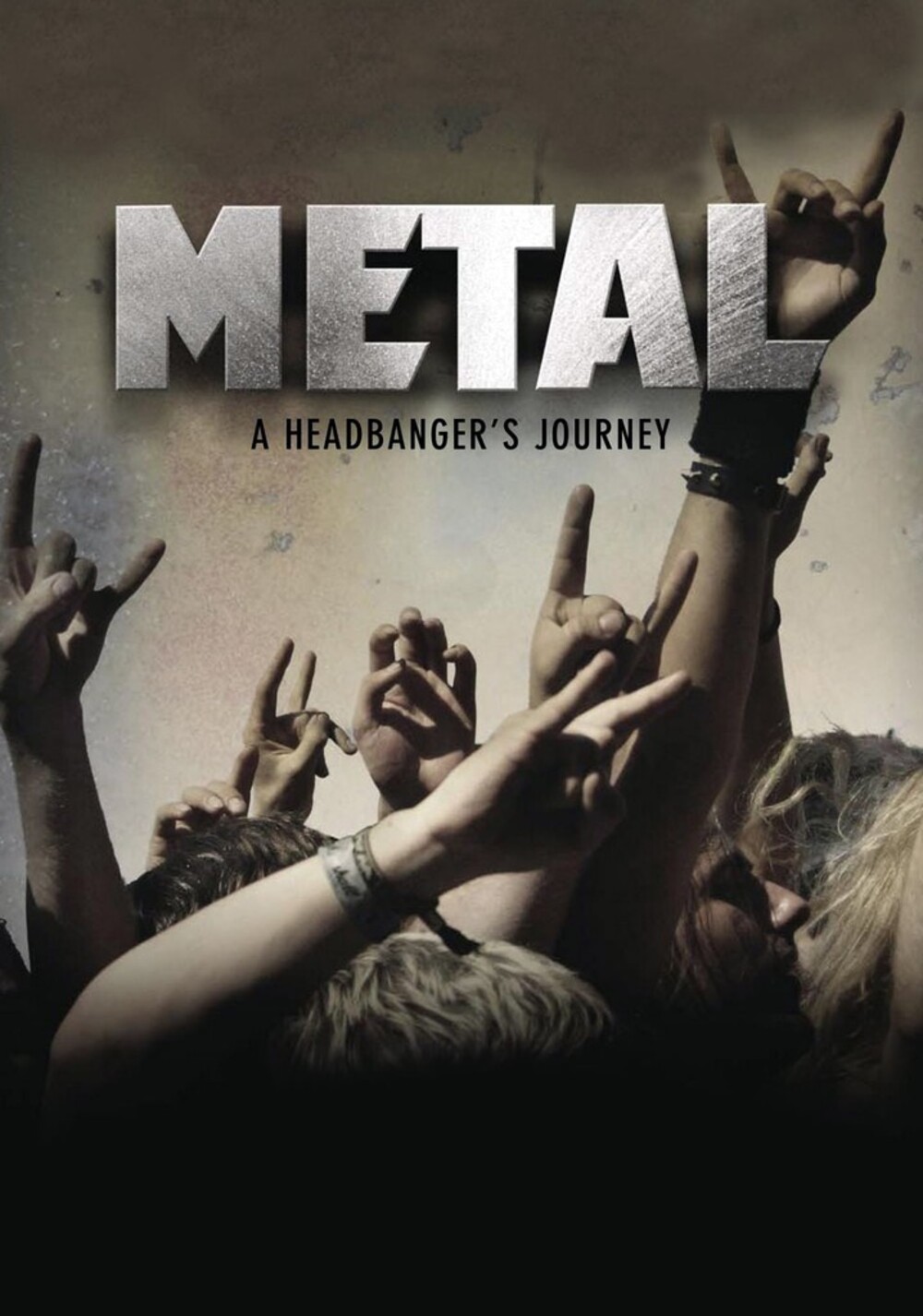
“Metal confronts what we’d rather ignore. It celebrates what we often deny. It indulges in what we fear most. And that’s why metal will always be a culture of outsiders.” — Sam Dunn
Metal: A Headbanger’s Journey is the kind of documentary that feels like it was made by someone who actually gets heavy metal instead of just staring at it from the outside and treating it like a weird cultural problem to be solved. Sam Dunn, with Scot McFadyen and Jessica Wise, builds the film around a simple but very effective idea: if metal has spent decades getting mocked, misunderstood, and moral-panic’d into the ground, why not let a real fan and anthropologist go out and explain what the scene is actually about? That perspective gives the movie a relaxed confidence right away. It never acts like it has to apologize for loving metal, and that attitude makes the whole thing way more engaging than a dry music-history lecture.
What makes the documentary work so well is the mix of fandom and curiosity. Dunn is not posing as some detached academic who wandered into the pit by accident. He is clearly a lifer, and that matters because his enthusiasm keeps the film from turning into a lecture about subgenres, stereotypes, and cultural backlash. At the same time, he is smart enough to ask real questions about why metal exists, why it inspires such loyalty, and why it keeps attracting outsiders who feel like they do not fit anywhere else. That balance gives the movie its shape. It is informative without becoming stiff, and it is affectionate without becoming blind praise.
The film does a stellar job of tracing the evolutionary trajectory of the genre. It starts with the bedrock, showing how the heavy, blues-influenced rock of the late sixties and early seventies paved the way for everything else. Dunn maps out the genealogy of metal with a sense of wonder, illustrating how a common foundation in the hard rock of acts like Led Zeppelin or the dark, doom-laden riffs of Black Sabbath splintered into a massive, tangled family tree. You get to see the distinct shifts in tone, speed, and imagery as the music moved from the raw power of pioneers like Iron Maiden and Motörhead into the more extreme, experimental territories of bands like Cannibal Corpse or the provocative, atmospheric reaches of Mayhem. This structural focus turns the film into a clear guide for how metal constantly reinvented itself while holding onto that core aggressive energy.
The interviews are a huge part of why the film stays alive. Dunn talks to an incredible array of musicians who cover a lot of ground, including legends like Alice Cooper, Bruce Dickinson, and Ronnie James Dio, and the movie benefits from the fact that these people are speaking as insiders rather than museum curators. Some bring humor, some bring historical context, and some bring genuine passion that reminds you why this music matters to its fans in the first place. What’s especially nice is that the movie does not treat everyone with the same reverence. It lets personalities come through, which gives the film a looser, more conversational energy. That makes it easier to sit through even when it moves into territory that could have felt overly academic in less capable hands.
One of the most memorable things about Metal: A Headbanger’s Journey is the way it handles the old stigma around heavy metal. The film doesn’t just repeat the familiar story that “metal got unfairly attacked”; it also shows why those attacks stuck in the public imagination for so long. That gives the documentary more bite. It is not only defending the genre, but also explaining the cultural fear that surrounded it, whether that meant the PMRC era or the broader idea that loud guitars and dark imagery automatically equal danger. Dunn and company make a strong case that metal is often a release valve rather than a threat. For a lot of listeners, it is a place to channel anger, alienation, and frustration instead of acting them out in destructive ways.
The film also does not shy away from the darker controversies that have haunted the genre’s reputation, specifically the actions linked to the Norwegian black metal scene. Dunn confronts the violence and extremism associated with these artists head-on, including a chilling interview with Gaahl, the infamous frontman of the Norwegian black metal band Gorgoroth. By highlighting the intense, radical nature of Gaahl’s worldview and the violent history of the subculture he represented, the film addresses the deep, dark mark these controversies placed on the Norwegian scene. Acknowledging how these headlines fueled mainstream hatred toward the music is essential to the film’s narrative. However, the documentary’s nuance really shines in its later home video releases, where Dunn adds vital context to ensure viewers understand that those dark moments were extreme outliers rather than the standard for the community at large. By clarifying that these actions did not represent the vast majority of metal fans or artists, the film successfully separates the music’s spirit from the criminal acts of a few.
There is also a fun educational streak running through the whole thing. The movie likes to trace lines between older rock traditions and the more extreme corners of metal, and that gives it some useful perspective. It reminds you that the genre did not appear out of nowhere and that its DNA is tangled up with blues, hard rock, theatricality, and rebellion. Even if you already know a fair amount about the subject, the film still has a way of making those connections feel vivid rather than obvious. It does a solid job of showing how metal evolved into something bigger and more fragmented than casual listeners usually assume.
If the movie has a weakness, it is that it can feel a little too short for everything it wants to cover. There is so much material here that some topics get only a snapshot when they could have used a deeper dive. That is especially true if you are the kind of viewer who wants more on the later developments and regional differences within the scene. Still, the brisk runtime also helps the film stay punchy and rewatchable. It does not overstay its welcome, and it keeps moving at a pace that suits the subject. In a weird way, the documentary’s eagerness to pack in so much is part of its appeal.
Visually and structurally, the movie keeps things straightforward, which works in its favor. It is not trying to be slick in a way that would distract from the subject. Instead, it uses interviews, performance footage, festival scenes, and Dunn’s own traveling framework to keep the momentum going. That direct approach fits the personality of the material. Metal is not a genre that usually benefits from fancy packaging. It needs energy, attitude, and clarity more than polish, and this documentary understands that.
The best compliment you can give Metal: A Headbanger’s Journey is that it feels like a conversation with someone who loves the music enough to explain it honestly. It celebrates the bombast, the mythology, the anger, and the community without pretending metal is above criticism or complexity. It is smart, funny in places, and genuinely useful as both a fan piece and an introduction for newcomers. Even years later, it still comes off as a passionate and accessible guide to a scene that is often easier to caricature than understand. For metal fans, it is an easy recommendation. For everyone else, it is one of those documentaries that might actually change how you hear the genre the next time a riff kicks in.