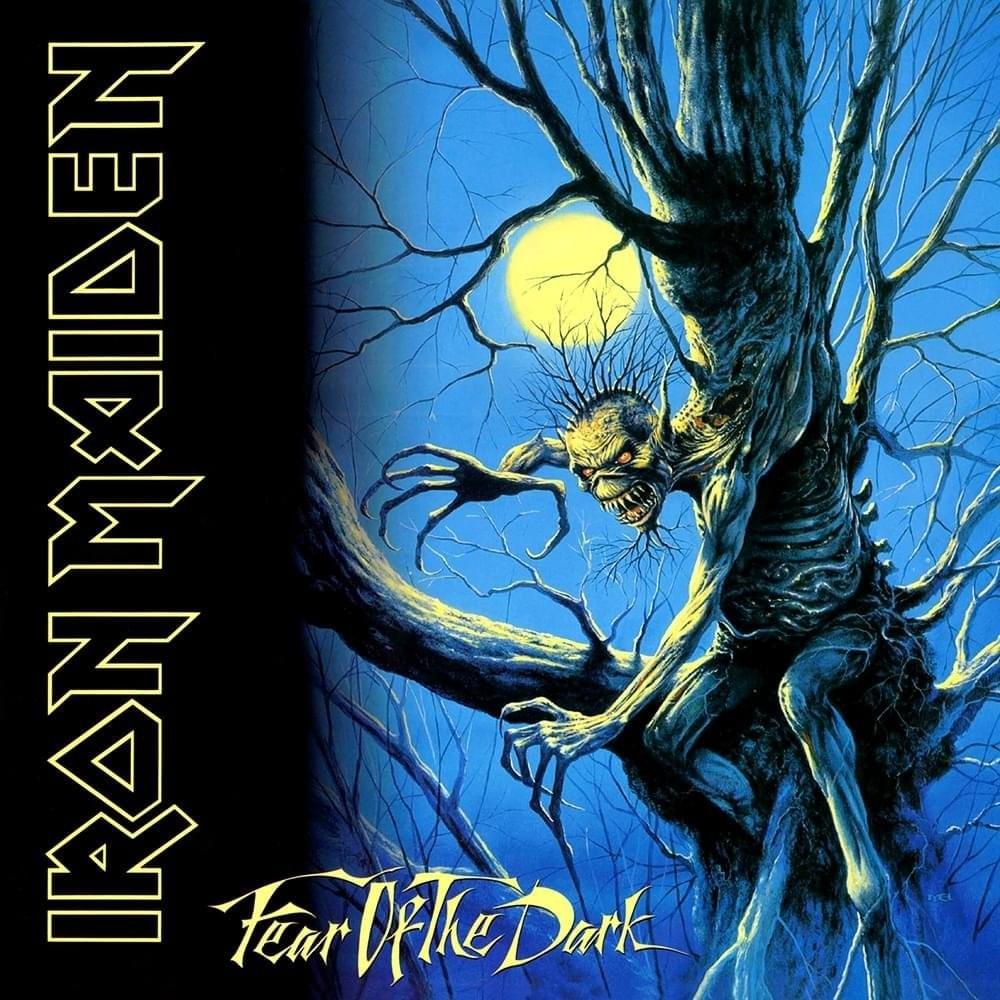
Fear of the Dark, a song about a man who is scared of the dark, was based on the a very real fear that is held by Iron Maiden founder/bassist/songwriter Steve Harris. The song served as the title track for Iron Maiden’s ninth studio album and it’s gone on to become one of the band’s best known songs.
The video was directed by Samuel Bayer, who was another one of those music video directors who worked with everyone and who made a huge cultural impact even if most of the people who enjoyed his work never learned his name. Among the other videos that Bayer directed: Garbage’s Only Happy WhenIt Rains, Melissa Etheridge’s Come To My Window, LL Cool J’s Father, and Nirvana’s Smells Like Teen Spirit.
When Iron Maiden released this song, they knew that their fans would try to find out who Benjamin Breeg was so they created a website about Breeg. According to the site, Breeg was a painter of disturbing images who later found work in a cemetery and then as a paranormal investigator. He disappeared in 1978. Of course, this was all fictional. There was no Benjamin Breeg. The “Breeg” painting that was displayed on the site was actually a painting of Eddie, the band’s mascot.
The video features footage of Iron Maiden performing mixed in with a montage of early band pictures.
“Metal confronts what we’d rather ignore. It celebrates what we often deny. It indulges in what we fear most. And that’s why metal will always be a culture of outsiders.” — Sam Dunn
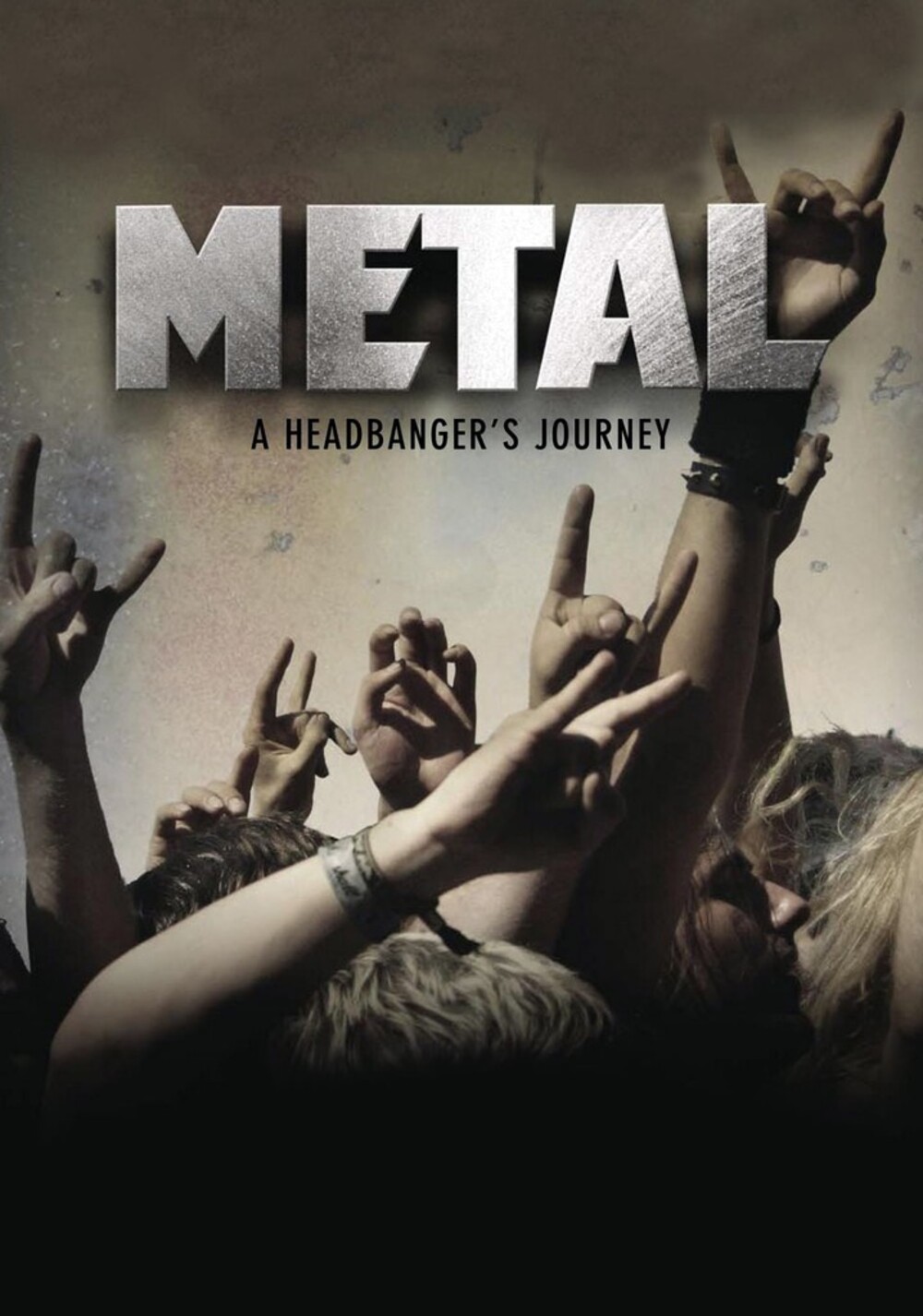
Metal: A Headbanger’s Journey is the kind of documentary that feels like it was made by someone who actually gets heavy metal instead of just staring at it from the outside and treating it like a weird cultural problem to be solved. Sam Dunn, with Scot McFadyen and Jessica Wise, builds the film around a simple but very effective idea: if metal has spent decades getting mocked, misunderstood, and moral-panic’d into the ground, why not let a real fan and anthropologist go out and explain what the scene is actually about? That perspective gives the movie a relaxed confidence right away. It never acts like it has to apologize for loving metal, and that attitude makes the whole thing way more engaging than a dry music-history lecture.
What makes the documentary work so well is the mix of fandom and curiosity. Dunn is not posing as some detached academic who wandered into the pit by accident. He is clearly a lifer, and that matters because his enthusiasm keeps the film from turning into a lecture about subgenres, stereotypes, and cultural backlash. At the same time, he is smart enough to ask real questions about why metal exists, why it inspires such loyalty, and why it keeps attracting outsiders who feel like they do not fit anywhere else. That balance gives the movie its shape. It is informative without becoming stiff, and it is affectionate without becoming blind praise.
The film does a stellar job of tracing the evolutionary trajectory of the genre. It starts with the bedrock, showing how the heavy, blues-influenced rock of the late sixties and early seventies paved the way for everything else. Dunn maps out the genealogy of metal with a sense of wonder, illustrating how a common foundation in the hard rock of acts like Led Zeppelin or the dark, doom-laden riffs of Black Sabbath splintered into a massive, tangled family tree. You get to see the distinct shifts in tone, speed, and imagery as the music moved from the raw power of pioneers like Iron Maiden and Motörhead into the more extreme, experimental territories of bands like Cannibal Corpse or the provocative, atmospheric reaches of Mayhem. This structural focus turns the film into a clear guide for how metal constantly reinvented itself while holding onto that core aggressive energy.
The interviews are a huge part of why the film stays alive. Dunn talks to an incredible array of musicians who cover a lot of ground, including legends like Alice Cooper, Bruce Dickinson, and Ronnie James Dio, and the movie benefits from the fact that these people are speaking as insiders rather than museum curators. Some bring humor, some bring historical context, and some bring genuine passion that reminds you why this music matters to its fans in the first place. What’s especially nice is that the movie does not treat everyone with the same reverence. It lets personalities come through, which gives the film a looser, more conversational energy. That makes it easier to sit through even when it moves into territory that could have felt overly academic in less capable hands.
One of the most memorable things about Metal: A Headbanger’s Journey is the way it handles the old stigma around heavy metal. The film doesn’t just repeat the familiar story that “metal got unfairly attacked”; it also shows why those attacks stuck in the public imagination for so long. That gives the documentary more bite. It is not only defending the genre, but also explaining the cultural fear that surrounded it, whether that meant the PMRC era or the broader idea that loud guitars and dark imagery automatically equal danger. Dunn and company make a strong case that metal is often a release valve rather than a threat. For a lot of listeners, it is a place to channel anger, alienation, and frustration instead of acting them out in destructive ways.
The film also does not shy away from the darker controversies that have haunted the genre’s reputation, specifically the actions linked to the Norwegian black metal scene. Dunn confronts the violence and extremism associated with these artists head-on, including a chilling interview with Gaahl, the infamous frontman of the Norwegian black metal band Gorgoroth. By highlighting the intense, radical nature of Gaahl’s worldview and the violent history of the subculture he represented, the film addresses the deep, dark mark these controversies placed on the Norwegian scene. Acknowledging how these headlines fueled mainstream hatred toward the music is essential to the film’s narrative. However, the documentary’s nuance really shines in its later home video releases, where Dunn adds vital context to ensure viewers understand that those dark moments were extreme outliers rather than the standard for the community at large. By clarifying that these actions did not represent the vast majority of metal fans or artists, the film successfully separates the music’s spirit from the criminal acts of a few.
There is also a fun educational streak running through the whole thing. The movie likes to trace lines between older rock traditions and the more extreme corners of metal, and that gives it some useful perspective. It reminds you that the genre did not appear out of nowhere and that its DNA is tangled up with blues, hard rock, theatricality, and rebellion. Even if you already know a fair amount about the subject, the film still has a way of making those connections feel vivid rather than obvious. It does a solid job of showing how metal evolved into something bigger and more fragmented than casual listeners usually assume.
If the movie has a weakness, it is that it can feel a little too short for everything it wants to cover. There is so much material here that some topics get only a snapshot when they could have used a deeper dive. That is especially true if you are the kind of viewer who wants more on the later developments and regional differences within the scene. Still, the brisk runtime also helps the film stay punchy and rewatchable. It does not overstay its welcome, and it keeps moving at a pace that suits the subject. In a weird way, the documentary’s eagerness to pack in so much is part of its appeal.
Visually and structurally, the movie keeps things straightforward, which works in its favor. It is not trying to be slick in a way that would distract from the subject. Instead, it uses interviews, performance footage, festival scenes, and Dunn’s own traveling framework to keep the momentum going. That direct approach fits the personality of the material. Metal is not a genre that usually benefits from fancy packaging. It needs energy, attitude, and clarity more than polish, and this documentary understands that.
The best compliment you can give Metal: A Headbanger’s Journey is that it feels like a conversation with someone who loves the music enough to explain it honestly. It celebrates the bombast, the mythology, the anger, and the community without pretending metal is above criticism or complexity. It is smart, funny in places, and genuinely useful as both a fan piece and an introduction for newcomers. Even years later, it still comes off as a passionate and accessible guide to a scene that is often easier to caricature than understand. For metal fans, it is an easy recommendation. For everyone else, it is one of those documentaries that might actually change how you hear the genre the next time a riff kicks in.
With songs with titles like Bring Your Daughter To The Slaughter, who would have guessed parents would have gotten the wrong idea about Iron Maiden? That really is the appeal of the band, though. Underneath the occult imagery and controversial song titles, they really were just a bunch of hard-working English blokes who played well together.
This video features scenes from the horror film, Horror Hotel. This video was directed by founding member, Steve Harris.
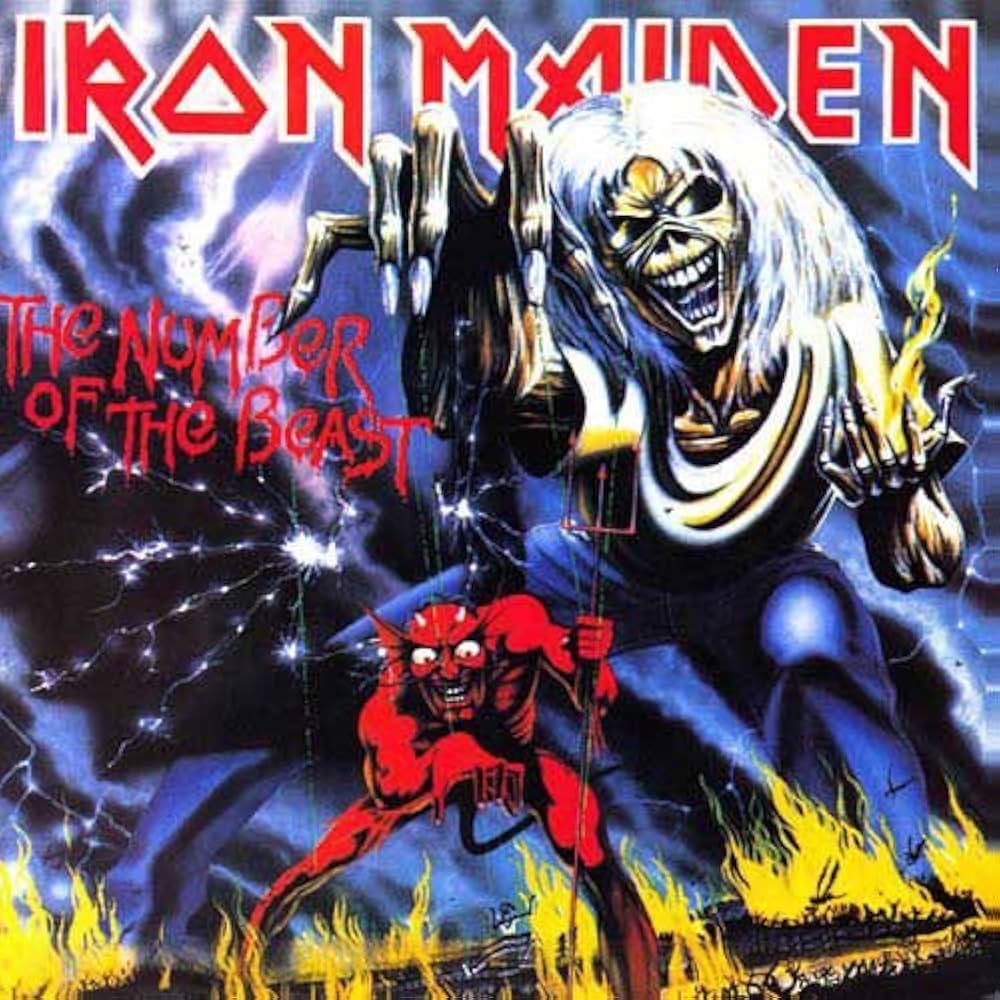
Iron Maiden’s “The Number of the Beast” has always been more than its fire-and-brimstone title suggests — it’s paranoia turned into power. The song’s galloping riffs and Bruce Dickinson’s almost theatrical wail capture the feeling of witnessing something apocalyptic yet beautiful. In the context of 28 Years Later: The Bone Temple, that sense of awe and fear fits perfectly with the film’s tone. The track mirrors the world’s collapse into ritual madness — humanity trying to reframe its pain through cultish belief, just as Maiden’s lyrics dance between religious imagery and sheer existential panic.
There’s also a rhythm to the song that mirrors how The Bone Temple paces its moments of horror and release. The pounding drums feel like the heartbeat of survivors, racing through collapsed cities while their faith in reason splinters. Just as Iron Maiden’s piece builds to a manic crescendo, the film layers intensity until chaos feels almost sacred. The chorus could easily underscore the movie’s climactic sequences — not as a literal choice, but emotionally, where fascination with evil becomes indistinguishable from fear.
What ties them together most is their shared refusal to moralize the apocalypse. Iron Maiden tells a story about vision and hysteria — not right or wrong — and The Bone Temple does the same, showing how people build new devotions in the ashes of old systems. Both suggest that when we stare into horror long enough, it stares back with rhythm and purpose. In that way, “The Number of the Beast” isn’t just an anthem of terror; it’s a hymn for the end of reason — making it the perfect spiritual soundtrack for this chapter of the 28 Years Later world.
The Number of the Beast
Woe to you, o’er Earth and Sea For the Devil sends the beast with wrath Because he knows the time is short Let him who hath understanding reckon the number of the beast For it is a human number Its number is six hundred and sixty six
I left alone, my mind was blank I needed time to think to get the memories from my mind What did I see? Can I believe that what I saw That night was real and not just fantasy? Just what I saw, in my old dreams, were they Reflections of my warped mind staring back at me? Cause in my dreams, it’s always there The evil face that twists my mind and brings me to despair
Yeah!
The night was black, was no use holding back Cause I just had to see, was someone watching me? In the mist, dark figures move and twist Was all this for real or just some kind of hell?
666 the number of the beast Hell and fire was spawned to be released
Torches blazed and sacred chants were phrased As they start to cry, hands held to the sky In the night, the fires are burning bright The ritual has begun, Satan’s work is done
666 the number of the beast Sacrifice is going on tonight
This can’t go on, I must inform the law Can this still be real, or just some crazy dream? But I feel drawn towards the chanting hordes They seem to mesmerize, can’t avoid their eyes
666 the number of the beast 666 the one for you and me
I’m coming back, I will return And I’ll possess your body and I’ll make you burn I have the fire, I have the force I have the power to make my evil take its course
If you’re new to Iron Maiden and want to experience a melodic metal song that doubles as a horror anthem, “Fear of the Dark” is a must-listen. Written and composed by Steve Harris, Iron Maiden’s bassist and primary songwriter, the song vividly captures that feeling of walking alone at night with the uneasy sensation that something might be lurking just out of sight. It’s a powerful exploration of a common fear—the discomfort and paranoia that darkness brings—which makes it feel like a spooky bedtime story set to powerful music.
What really makes this song stand out is how the music and Bruce Dickinson’s dramatic vocals work together to build tension and then release it. The guitars start slow and eerie, setting a creepy atmosphere, then shift into faster, catchy melodies that ramp up the excitement and nervous energy. Dickinson’s voice is full of drama and really sells that feeling of fear mixed with urgency. It’s not just heavy music; it’s storytelling with heart and melody.
Plus, the lyrics reference classic horror themes like watching scary movies and ancient folklore, which makes the song feel timeless and accessible. It’s a perfect gateway into how metal bands can blend melody with horror themes, making it approachable even if you’re not usually into heavy music. Overall, “Fear of the Dark” showcases Iron Maiden’s skill at creating music that is not only thrilling but also emotionally gripping and narratively rich.
Fear of the Dark
I am a man who walks alone And when I’m walking a dark road At night or strolling through the park When the light begins to change I sometimes feel a little strange A little anxious when it’s dark
Fear of the dark, fear of the dark I have a constant fear that something’s always near Fear of the dark, fear of the dark I have a phobia that someone’s always there
Have you run your fingers down the wall And have you felt your neck skin crawl When you’re searching for the light? Sometimes when you’re scared to take a look At the corner of the room You’ve sensed that something’s watching you
Fear of the dark, fear of the dark I have a constant fear that something’s always near Fear of the dark, fear of the dark I have a phobia that someone’s always there
Have you ever been alone at night Thought you heard footsteps behind And turned around, and no one’s there? And as you quicken up your pace You find it hard to look again Because you’re sure there’s someone there
Fear of the dark, fear of the dark I have a constant fear that something’s always near Fear of the dark, fear of the dark I have a phobia that someone’s always there
Watching horror films the night before Debating witches and folklore The unknown troubles on your mind Maybe your mind is playing tricks You sense, and suddenly eyes fix On dancing shadows from behind
Fear of the dark, fear of the dark I have a constant fear that something’s always near Fear of the dark, fear of the dark I have a phobia that someone’s always there
When I’m walking a dark road I am a man who walks alone
Director Julian Doyle also directed videos for Kate Bush but he may be best known for working as an editor on several Monty Python and Terry Gilliam films, including Life of Brian, Time Bandits, The Meaning of Life, Brazil, and Terry Jones’s Mr. Toad’s Wild Ride.
This is a classic Iron Maiden song that, as far as I know, has never gotten an official music video. The live performance will have to do.
The dialogue at the start of the song was, of course, sampled from the cult television series of the same name starring Patrick McGoohan. According to Iron Maiden’s manager, McGoohan had never heard of Iron Maiden but he still gave them permission to use the sample in the song after he was told that they were a “rock band.”
WastedYears was Iron Maiden’s 14th single and its first off of their Somewhere In Time album. The music video depicts the same scene that was on the single’s cover. Eddie is piloting his time machine through temporal space while the band plays. Eddie was a cyborg for the Somewhere In Time singles.
This was yet another video directed by the very busy Jim Yukich.
Today’s music video of the day is for Iron Maiden’s The Trooper, which was one the band’s few songs to achieve frequent radio airplay in the United States.
The song was inspired by Tennyson’s poem, The Charge of the Light Brigade and the video features scenes taken from the 1936 film of the same name. The BBC actually banned this video and demanded significant cuts because they felt that the footage from the film was too violent. Obviously, back in 1983, no one at the BBC had any idea what the future would hold as far as violence in music videos was concerned.
The footage of the band performing was filmed in Brixton Academy and directed by Jim Yukich, who did videos for everyone who was anybody.