Directed by animator Tristan Zammit, this music video for Metallica finds the legendary metal band playing in a haunted house while surrounded by specters and other beings.
Enjoy!
Directed by animator Tristan Zammit, this music video for Metallica finds the legendary metal band playing in a haunted house while surrounded by specters and other beings.
Enjoy!
The music video for King Nothing was shot in Park City, Utah in December of 1996. It was directed by photographer Matt Mahurin. Mahurin directed his first music video in 1986 and he’s been churning them out ever since. Among the artists that Mahurin has worked with: Disturbed, Goo Goo Dolls, Marilyn Manson, Tom Waits, Alice in Chains, Queensryche, R.E.M., Tracy Chapman, and U2.
Enjoy!
Metallica has never released an official music video for Don’t Tread On Me so, for our purposes, we’ll have to settle for this live performance. The band was performing in Kentucky when this video was filmed.
Don’t Tread On Me was originally included on 1991’s Metallica. When asked about the song, James Hetfield replied, “America, it’s a good fucking place.”
I couldn’t have said it better myself.
Enjoy!
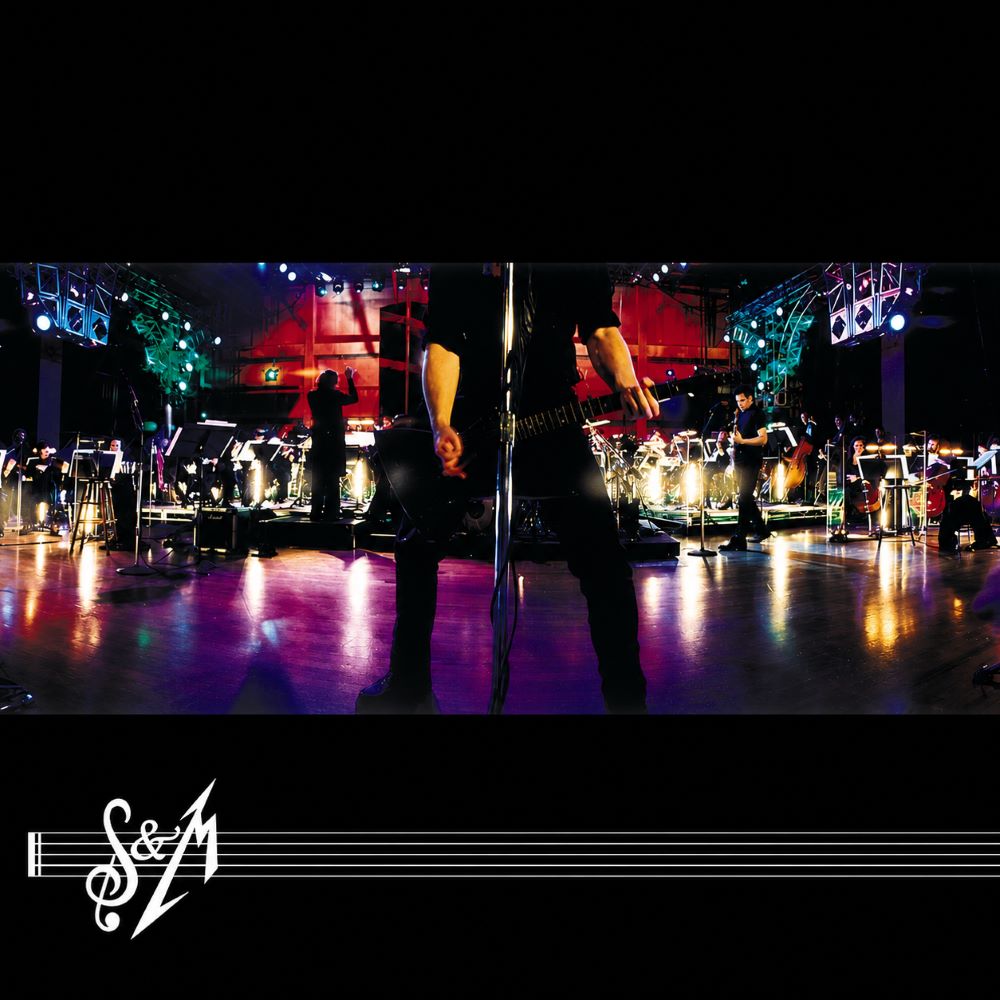
Let’s just get this out of the way right now: S&M is not the perfect metal album, nor is it the perfect classical album, and it is certainly not the perfect marriage of the two. But what it is, against all odds, is a wildly ambitious, occasionally clunky, and frequently thrilling document of a band daring to step way outside its comfort zone. Released in 1999, this live album captures Metallica joining forces with the San Francisco Symphony under the direction of Michael Kamen, and the result is a sprawling, two-disc behemoth that has aged into something of a curio in the band’s catalog. It is beloved by some, dismissed by others, and debated by just about everyone who has ever cared about thrash metal or orchestral music. After spending a good amount of time with the record again recently, I find myself landing somewhere in the messy middle, appreciating the sheer nerve of the project while wincing at its occasional misfires.
Right from the opening notes of The Ecstasy of Gold, which the symphony plays with appropriate gravitas, you get the sense that this is going to be an event. Kamen’s arrangements are the real star of the album in many ways, and his work here has been both praised and picked apart for over two decades. The criticism that the orchestra often feels like an accompaniment rather than a true integration is entirely fair. There are extended stretches across both discs where the symphony seems content to just pad the background, adding a cinematic wash to the music without fundamentally altering its structure or dynamics. It can feel like the orchestra is politely following the band’s lead rather than engaging in a genuine musical conversation, and on tracks like Sad but True, the strings and brass often get buried under Hetfield’s chugging riffs and Ulrich’s pounding drums. You have to listen closely to even hear them at certain points, which rather defeats the purpose of dragging a hundred classically trained musicians onto the stage in the first place.
However, when the arrangement clicks, it clicks with genuine force. The Call of Ktulu is the album’s crowning achievement in this regard, a song that always had a cinematic, almost film-score quality to it even in its original incarnation. With Kamen’s dark, brooding orchestration swelling behind it, the track finally receives the full-blown, apocalyptic setting it always deserved. The brass section is particularly effective here, lending a menacing grandeur that makes the studio version sound almost quaint by comparison. Similarly, The Thing That Should Not Be benefits enormously from the low-end rumble of the contrabassoons and timpani, creating a sound so heavy and oppressive that it rivals anything the band has ever committed to tape. These are the moments where the album transcends its gimmick and becomes something genuinely special, a testament to what can happen when two seemingly incompatible forces find common ground.
What makes this project feel so strangely appropriate, even when it stumbles, is that Metallica’s music has always carried an orchestral grandiosity in its DNA. This is not a band that ever sounded like a scrappy punk outfit, even when thrash metal was still finding its feet in the early eighties. The credit for that largely belongs to Cliff Burton, the band’s original bassist, whose tragically short tenure with Metallica left an indelible mark on their musical identity. Burton was a classically trained musician who grew up studying piano and theory, and he brought that background into a genre that was otherwise rooted in raw aggression and speed. He was the one who pushed the band to incorporate harmonized guitar lines, complex time signatures, and a sense of melodic drama that set them apart from their peers. You can hear his influence all over Ride the Lightning and Master of Puppets, albums that traded the pure punk energy of Kill ‘Em All for something far more ambitious and cinematic. That classical sensibility Burton injected into the band’s early work became the foundation of the Metallica sound, the secret ingredient that allowed them to write songs that felt epic rather than merely fast.
If Burton had lived, I cannot help but wonder how differently S&M might have turned out. He would have been the natural bridge between the metal and the symphony, the guy who could speak both languages fluently and translate the band’s vision into something that felt truly integrated rather than merely superimposed. Kamen did a commendable job, and I do not want to diminish his work, but he was an outsider coming into Metallica’s world. Burton would have been coming from the inside, someone who understood exactly where the orchestral flourishes should sit because he had been hearing them in his head since the early days of writing For Whom the Bell Tolls and Fight Fire with Fire. I genuinely believe he would have been in the forefront of ensuring that the metal and the symphony meshed together seamlessly, not just coexisting on the same stage but actually breathing together as one living organism. The album we got is fascinating, but the album we could have gotten with Burton steering the ship is a tantalizing what-if that I suspect will linger in the minds of fans forever.
But then there are the tracks where the whole enterprise threatens to unravel. Master of Puppets is the most obvious example, and it remains one of the most contentious performances on the album. The song is an absolute thrash classic, a relentless machine of riffage and aggression, and the orchestra simply cannot keep up with it. Kamen’s arrangement feels bolted on rather than woven in, and the result is a performance where the band and symphony are essentially occupying parallel universes, occasionally bumping into each other but never truly locking into a groove. It is still an impressive display of raw power, but it also highlights the fundamental tension at the heart of S&M: Metallica is a band that thrives on chaos and volume, while a symphony orchestra demands precision and restraint. Those two approaches do not always reconcile neatly, and this track is where the seams show the most. One cannot help but think that Burton’s classical ear would have found a way to bridge that gap, to write a countermelody or a harmonic texture that made the whole thing feel intentional rather than forced.
The setlist choices have also been a point of contention ever since the album dropped, and I have to say, the criticism is warranted. The complete absence of any material from Kill ‘Em All is a baffling omission that still rankles. Hearing The Four Horsemen or Seek and Destroy with a full symphony behind them could have been absolutely legendary, a chance to see raw, unfiltered thrash energy get a classical makeover. Instead, the tracklist leans heavily on the band’s more mid-tempo, radio-friendly material from the Black Album, Load, and Reload eras. That decision makes a certain amount of practical sense—those songs are more dynamically suited for orchestral accompaniment—but it also means the album never quite captures the full scope of Metallica’s career. For every For Whom the Bell Tolls or One, both of which translate beautifully to the symphonic treatment, there is a palpable sense of what could have been. The two new songs, No Leaf Clover and – Human, are welcome additions and remain highlights precisely because they were written with the orchestra in mind, so the band and symphony sound naturally more locked in and symbiotic from the very first note.
Vocally, James Hetfield is in fine form throughout, delivering his signature growls and melodic croons with the gruff authority that defined his late-nineties style. His between-song banter, while occasionally corny, adds a human touch to the otherwise grandiose proceedings, and you can hear the genuine excitement in his voice when he introduces the symphony or hypes up the crowd. The audience itself is a character on this album, their roars and sing-alongs providing a palpable energy that prevents the whole affair from becoming too stuffy or self-important. This is not a stuffy classical concert; it is a Metallica show with some fancy guests, and the crowd never lets you forget it. That raw, sweaty, headbanging energy is what keeps S&M grounded, even when the orchestral arrangements threaten to float off into pretentiousness.
In the end, S&M is a deeply imperfect album, and I think even its biggest defenders would admit that. The mix is often cluttered, the orchestra can feel like an afterthought on certain tracks, and the song selection will always be a source of debate among the faithful. But perfection was never really the point. I can say this with some authority because I was actually in the building for one of those two nights at the Berkeley Community Theatre, and despite all the flaws I can hear on the record, the live experience was something else entirely. When the symphony swelled behind the band’s heaviest riffs, the usual tribal divisions between metalheads and classical music fans simply evaporated. I found myself rocking out alongside long-haired thrashers and tuxedo-wearing symphony patrons in equal measure, all of us united by the sheer absurdity and power of what we were witnessing. The album captures that energy reasonably well, but it cannot fully replicate the feeling of being in a room where two completely different worlds decided to throw a party together. This was about a band that had conquered metal deciding to do something completely insane, something that could have easily backfired, and somehow pulling it off with enough swagger and sincerity to make it matter. It is a flawed, ambitious, and undeniably heavy document of a band taking a massive risk at the peak of their fame, and for that, it deserves a place of respect in the Metallica catalog. It may not be the definitive live album of their career, and it certainly is not the definitive symphonic metal album of all time, but it is a fascinating, exhilarating, and occasionally frustrating snapshot of a band refusing to play it safe. And honestly, in a world of safe career moves, that counts for something.
This video for For Whom The Bells Tolls was filmed at a show at the San Diego Sports Arena in 1992. Beavis was at this concert and Lars Ulrich pointed right at him and said, “There’s Beavis!”
Enjoy!
Watch as Metallica prepares to do what they do best.
This video was directed by Wayne Isham, the man who worked with everybody who was anybody.
Enjoy!
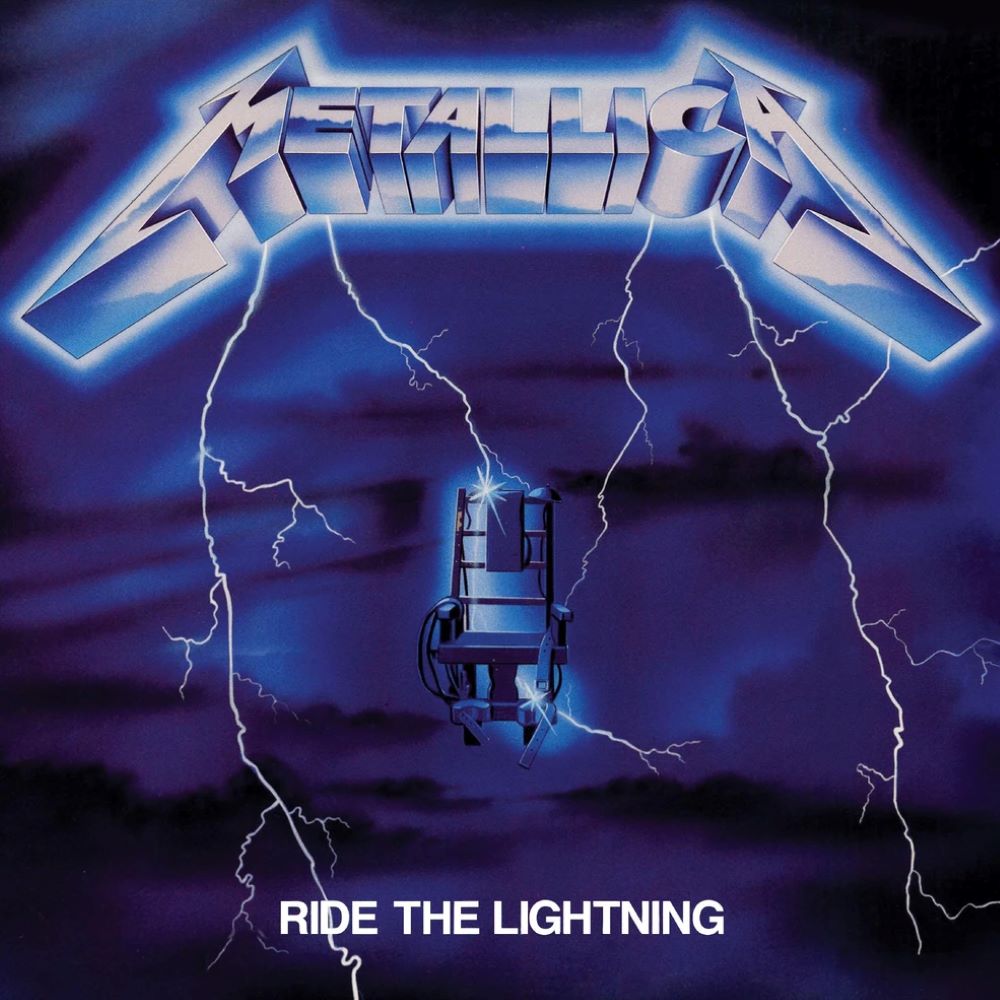
Metallica’s “The Call of Ktulu” is like an eerie soundtrack to something ancient and terrifying lurking just beneath the surface. The whole song feels like a slow, deliberate wake-up call for an otherworldly monster straight out of Lovecraft’s nightmares. Without any lyrics, it’s the music itself that tells the story—starting off quiet and haunting, then gradually building layers of tension like the air getting heavier before a storm, pulling you into an unsettling experience of growing dread.
What’s cool is how each instrument adds its own flavor to that feeling. Cliff Burton’s bass rumbles low and deep, almost like the sea itself is grumbling, while the guitars slowly creep in with sharp, sometimes almost claw-like riffs. Lars Ulrich’s drums keep everything feeling urgent without rushing it, like the heartbeat of something big and unstoppable. It’s not just playing metal riffs; it’s like they’re painting a picture of a cosmic beast stirring from an ancient sleep, and you can’t look away even though you’re scared.
Interestingly, “The Call of Ktulu” was initially started by Dave Mustaine before his dismissal from Metallica, but it ultimately became a collaborative piece among all four original band members. Released as part of their 1984 album Ride the Lightning, the song reached new heights when performed with the San Francisco Symphony Orchestra on the live album S&M. The legendary composer Michael Kamen arranged and conducted the orchestral parts, adding sweeping strings and powerful brass that turned the track into an apocalyptic ritual of sound, blending Metallica’s heavy riffs with symphonic grandeur and amplifying the song’s cosmic horror vibe to an unforgettable level.
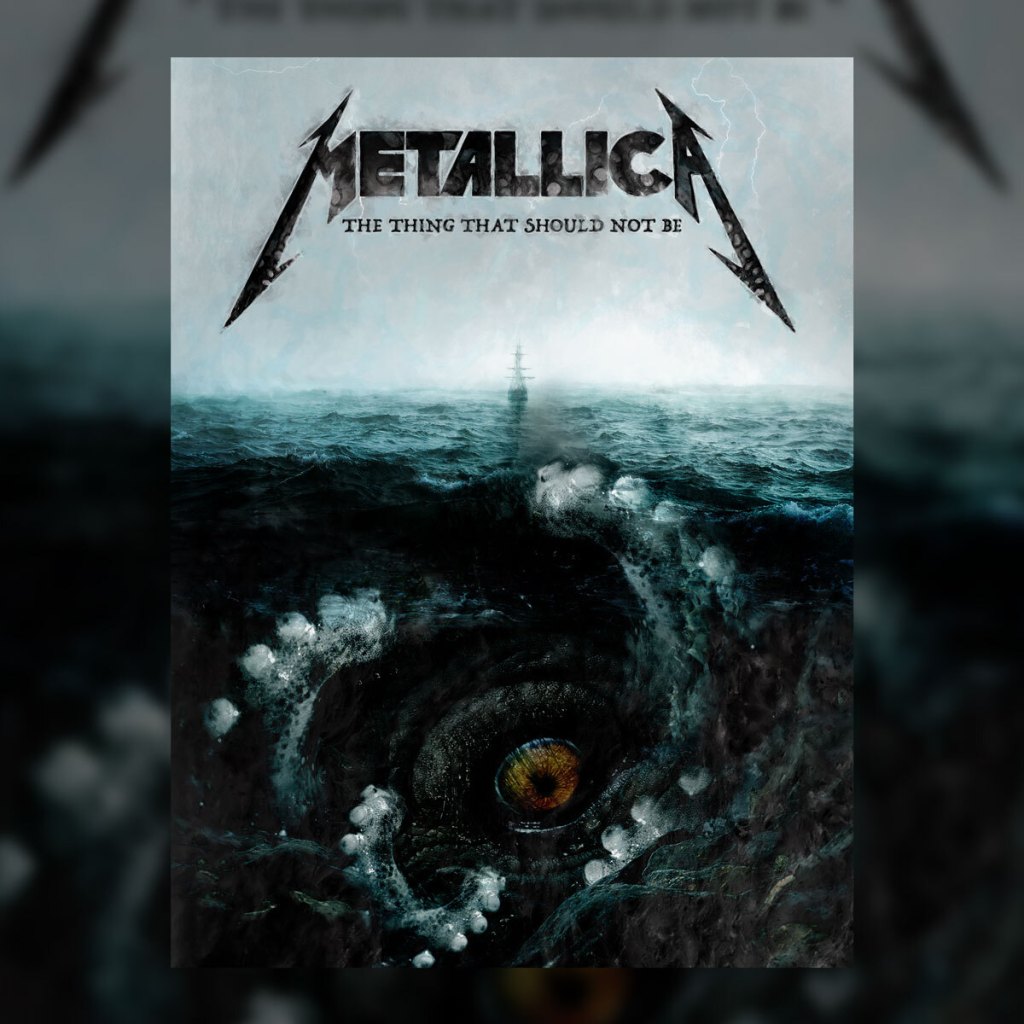
If you’re into heavy music with a dark, spooky vibe, Metallica’s “The Thing That Should Not Be” is a must-listen. The song draws heavy inspiration from H.P. Lovecraft’s stories about ancient sea monsters and forbidden gods — you can feel that eerie cosmic horror flowing through the lyrics and music. Unlike their faster, thrashy songs, this one’s slower and heavier, building this oppressive, almost underwater atmosphere that really pulls you into a different world. The sounds perfectly suit a cosmic horror soundtrack, like you’re hearing something ancient waking up beneath the surface.
Every member of Metallica brings something special here. James Hetfield’s vocals nail that storytelling vibe, like he’s warning you about unspeakable horrors. Kirk Hammett’s guitar solo adds a weird, haunting layer with its echoing bends and wild tone, totally fitting the Lovecraftian theme. Cliff Burton’s bass work gives the song a thick, gnarly depth that makes everything feel huge and otherworldly, while Lars Ulrich’s steady drumming drives the mood without rushing it. Together, they craft this dense, crushing atmosphere that feels like it could be the soundtrack to a cosmic nightmare.
If you want to hear the song take on an epic new dimension, check out the S&M version with the San Francisco Symphony. The orchestra adds massive, cinematic power, turning the track into a full-on cosmic horror soundtrack. The strings and brass layer in this grand, haunting sound that makes the whole thing feel even more apocalyptic and intense. It’s like Metallica took their already heavy and spooky song and gave it the kind of scale and depth that only a symphony can provide. Definitely worth a listen if you want to experience cosmic horror in both metal and orchestral form.
The Thing That Should Not Be
Messenger of fear in sight
Dark deception kills the light
Hybrid children watch the sea
Pray for father, roaming free
Fearless wretch
Insanity
He watches
Lurking beneath the sea
Great old one
Forbidden site
He searches
Hunter of the shadows is rising
Immortal
In madness you dwell
Crawling chaos, underground
Cult has summoned, twisted sound
Out from ruins once possessed
Fallen city, living death
Fearless wretch
Insanity
He watches
Lurking beneath the sea
Timeless sleep
Has been upset
He awakens
Hunter of the shadows is rising
Immortal
In madness you dwell
[Guitar solo]
Not dead which eternal lie
Stranger eons death may die
Drain you of your sanity
Face the thing that should not be
Fearless wretch
Insanity
He watches
Lurking beneath the sea
Great old one
Forbidden site
He searches
Hunter of the shadows is rising
Immortal
In madness you dwell
This video was directed by Anton Corbijn. If you were a rock star in the 90s, Anton Corbijn probably directed a music video for you.
In this video, a young man (George Clemens) discovers that Metallica is inescapable. Even on television, every channel features either a show or a commercial that features the members of the band. For someone who has access to 24-hour Metallica television, the young man doesn’t seem to care about much. Not even his girlfriend can get much of a response from him. He would rather just fantasize about monsters fighting.
Enjoy!
No Leaf Clover is one of two original compositions to appear on Metallica’s 1999 live album, S&M. S&M stood for Symphony and Metallica and any other possible interpretation was just a coincidence. (Sure!)
Directed by Wayne Isham, this video features both Metallica and the San Francisco Symphony bringing the song to life. This was also the second to last Metallica video to feature bassist Jason Newsted.
Enjoy!

