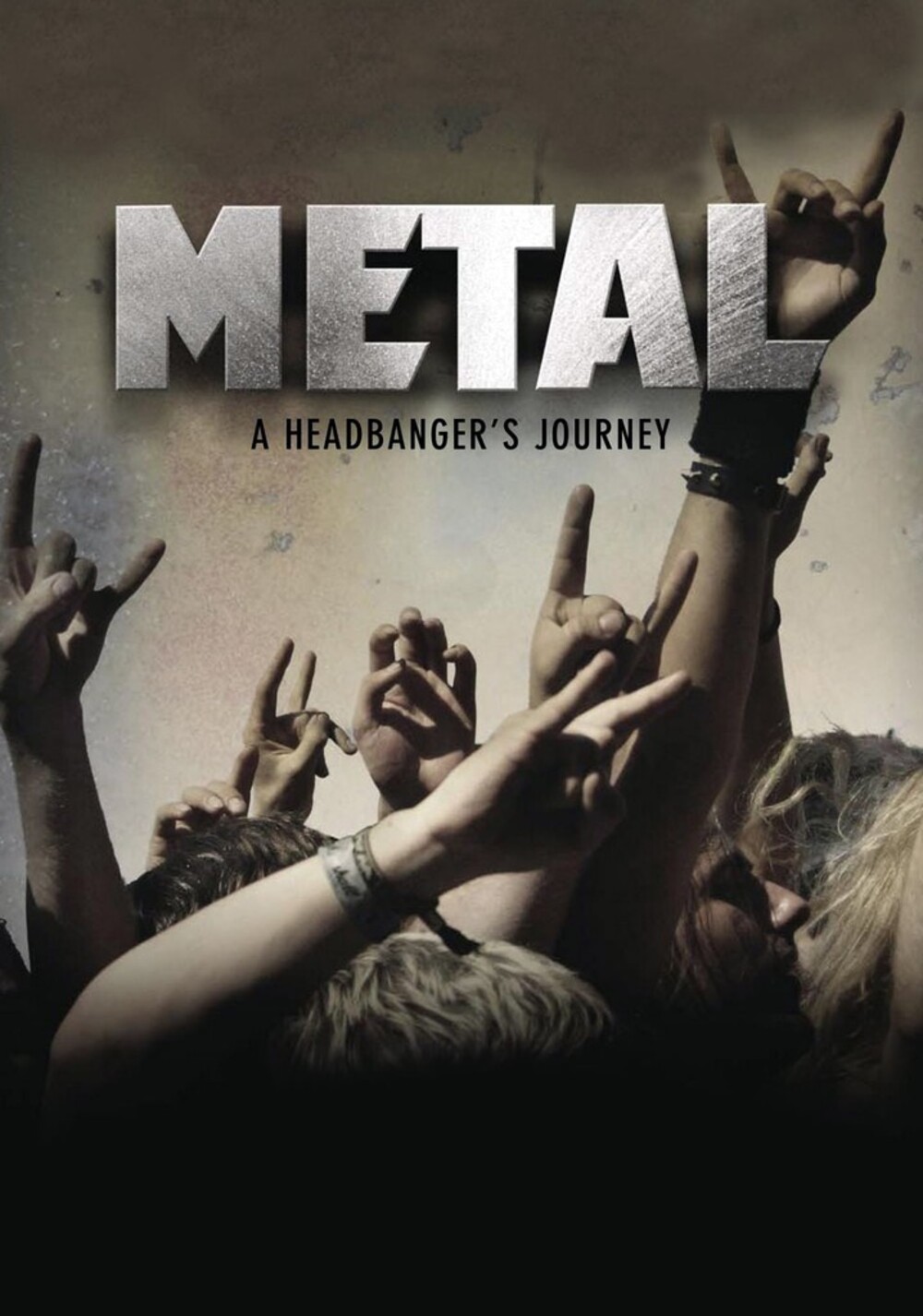
Metal: A Headbangers Journey Review (dir. by Sam Dunn with Scot McFayden and Jessica Wise)


“Metal confronts what we’d rather ignore. It celebrates what we often deny. It indulges in what we fear most. And that’s why metal will always be a culture of outsiders.” — Sam Dunn

Metal: A Headbanger’s Journey is the kind of documentary that feels like it was made by someone who actually gets heavy metal instead of just staring at it from the outside and treating it like a weird cultural problem to be solved. Sam Dunn, with Scot McFadyen and Jessica Wise, builds the film around a simple but very effective idea: if metal has spent decades getting mocked, misunderstood, and moral-panic’d into the ground, why not let a real fan and anthropologist go out and explain what the scene is actually about? That perspective gives the movie a relaxed confidence right away. It never acts like it has to apologize for loving metal, and that attitude makes the whole thing way more engaging than a dry music-history lecture.

What makes the documentary work so well is the mix of fandom and curiosity. Dunn is not posing as some detached academic who wandered into the pit by accident. He is clearly a lifer, and that matters because his enthusiasm keeps the film from turning into a lecture about subgenres, stereotypes, and cultural backlash. At the same time, he is smart enough to ask real questions about why metal exists, why it inspires such loyalty, and why it keeps attracting outsiders who feel like they do not fit anywhere else. That balance gives the movie its shape. It is informative without becoming stiff, and it is affectionate without becoming blind praise.

The film does a stellar job of tracing the evolutionary trajectory of the genre. It starts with the bedrock, showing how the heavy, blues-influenced rock of the late sixties and early seventies paved the way for everything else. Dunn maps out the genealogy of metal with a sense of wonder, illustrating how a common foundation in the hard rock of acts like Led Zeppelin or the dark, doom-laden riffs of Black Sabbath splintered into a massive, tangled family tree. You get to see the distinct shifts in tone, speed, and imagery as the music moved from the raw power of pioneers like Iron Maiden and Motörhead into the more extreme, experimental territories of bands like Cannibal Corpse or the provocative, atmospheric reaches of Mayhem. This structural focus turns the film into a clear guide for how metal constantly reinvented itself while holding onto that core aggressive energy.

The interviews are a huge part of why the film stays alive. Dunn talks to an incredible array of musicians who cover a lot of ground, including legends like Alice Cooper, Bruce Dickinson, and Ronnie James Dio, and the movie benefits from the fact that these people are speaking as insiders rather than museum curators. Some bring humor, some bring historical context, and some bring genuine passion that reminds you why this music matters to its fans in the first place. What’s especially nice is that the movie does not treat everyone with the same reverence. It lets personalities come through, which gives the film a looser, more conversational energy. That makes it easier to sit through even when it moves into territory that could have felt overly academic in less capable hands.

One of the most memorable things about Metal: A Headbanger’s Journey is the way it handles the old stigma around heavy metal. The film doesn’t just repeat the familiar story that “metal got unfairly attacked”; it also shows why those attacks stuck in the public imagination for so long. That gives the documentary more bite. It is not only defending the genre, but also explaining the cultural fear that surrounded it, whether that meant the PMRC era or the broader idea that loud guitars and dark imagery automatically equal danger. Dunn and company make a strong case that metal is often a release valve rather than a threat. For a lot of listeners, it is a place to channel anger, alienation, and frustration instead of acting them out in destructive ways.

The film also does not shy away from the darker controversies that have haunted the genre’s reputation, specifically the actions linked to the Norwegian black metal scene. Dunn confronts the violence and extremism associated with these artists head-on, including a chilling interview with Gaahl, the infamous frontman of the Norwegian black metal band Gorgoroth. By highlighting the intense, radical nature of Gaahl’s worldview and the violent history of the subculture he represented, the film addresses the deep, dark mark these controversies placed on the Norwegian scene. Acknowledging how these headlines fueled mainstream hatred toward the music is essential to the film’s narrative. However, the documentary’s nuance really shines in its later home video releases, where Dunn adds vital context to ensure viewers understand that those dark moments were extreme outliers rather than the standard for the community at large. By clarifying that these actions did not represent the vast majority of metal fans or artists, the film successfully separates the music’s spirit from the criminal acts of a few.

There is also a fun educational streak running through the whole thing. The movie likes to trace lines between older rock traditions and the more extreme corners of metal, and that gives it some useful perspective. It reminds you that the genre did not appear out of nowhere and that its DNA is tangled up with blues, hard rock, theatricality, and rebellion. Even if you already know a fair amount about the subject, the film still has a way of making those connections feel vivid rather than obvious. It does a solid job of showing how metal evolved into something bigger and more fragmented than casual listeners usually assume.

If the movie has a weakness, it is that it can feel a little too short for everything it wants to cover. There is so much material here that some topics get only a snapshot when they could have used a deeper dive. That is especially true if you are the kind of viewer who wants more on the later developments and regional differences within the scene. Still, the brisk runtime also helps the film stay punchy and rewatchable. It does not overstay its welcome, and it keeps moving at a pace that suits the subject. In a weird way, the documentary’s eagerness to pack in so much is part of its appeal.

Visually and structurally, the movie keeps things straightforward, which works in its favor. It is not trying to be slick in a way that would distract from the subject. Instead, it uses interviews, performance footage, festival scenes, and Dunn’s own traveling framework to keep the momentum going. That direct approach fits the personality of the material. Metal is not a genre that usually benefits from fancy packaging. It needs energy, attitude, and clarity more than polish, and this documentary understands that.

The best compliment you can give Metal: A Headbanger’s Journey is that it feels like a conversation with someone who loves the music enough to explain it honestly. It celebrates the bombast, the mythology, the anger, and the community without pretending metal is above criticism or complexity. It is smart, funny in places, and genuinely useful as both a fan piece and an introduction for newcomers. Even years later, it still comes off as a passionate and accessible guide to a scene that is often easier to caricature than understand. For metal fans, it is an easy recommendation. For everyone else, it is one of those documentaries that might actually change how you hear the genre the next time a riff kicks in.

Music Video of the Day: Killed By Death by Motorhead (1984, directed by Rod Swenson)


Back in the day, this music video was banned by MTV for what the channel considered to be “senseless and excessive violence.” Lemmy driving and giving everyone the finger really upset them.

Director Ron Swenson was best-known for being the manager of the Plasmatics.

Enjoy!

Music Video of the Day: Get Back In Line by Motörhead (2010, directed by Geraldine Geraghty)


When a bunch of upper class businessmen get together to play poker and exploit the masses, who better to rough them up than Motörhead?  While the band breaks up the poker game, they also perform on a London roof top, which provides a wonderful view of St. Paul’s Cathedral.

Enjoy!

Music Video of the Day: Hellraiser by Motörhead (1992, dir. Clive Barker)


Kirsty: I only know what it does. It hurts.

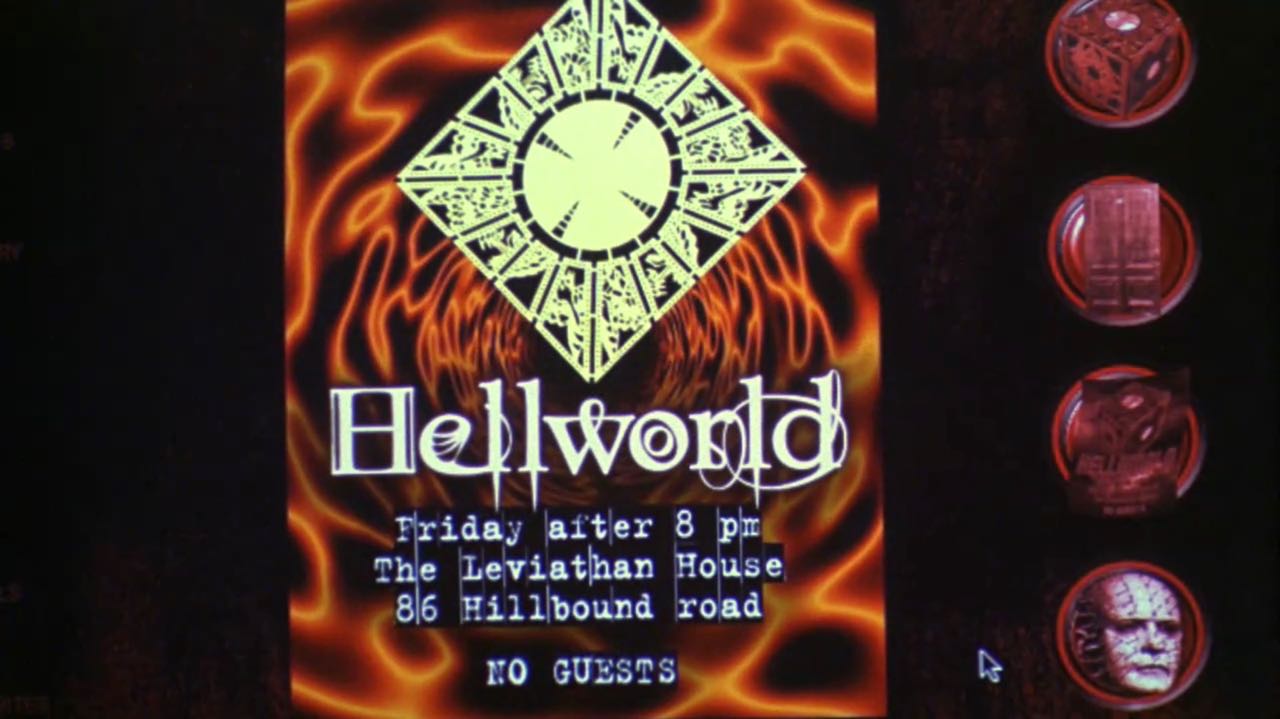
Oh, Kirsty. Yes, Hellraiser III was awful. Yes, it is sad that it’s the movie that got Motörhead’s version of Hellraiser. But it could have been worse. It could have been Hellraiser: Hellworld (2005) that got this song. That would have been truly painful.

Hellraiser: Hellworld (2005, dir. Rick Bota)

Hellraiser: Hellworld (2005, dir. Rick Bota)

In 1992 they finally got around to making a third film in the Hellraiser franchise. It really has nothing to do with the first two films. Once you’ve seen Pinhead create a cenobite with a face made of CDs, there’s no going back. If you’ve only seen the first two films, then stop there. You can watch this music video to get one, if not the only good thing about the third film–this song.

According to The Official Clive Barker website, this is what Barker said the concept for the video was:

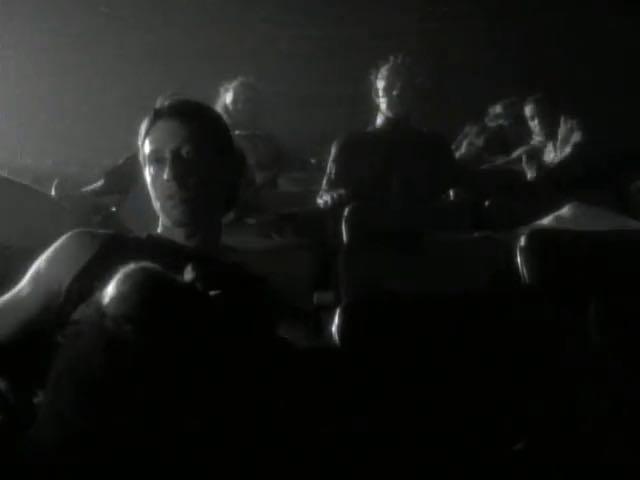
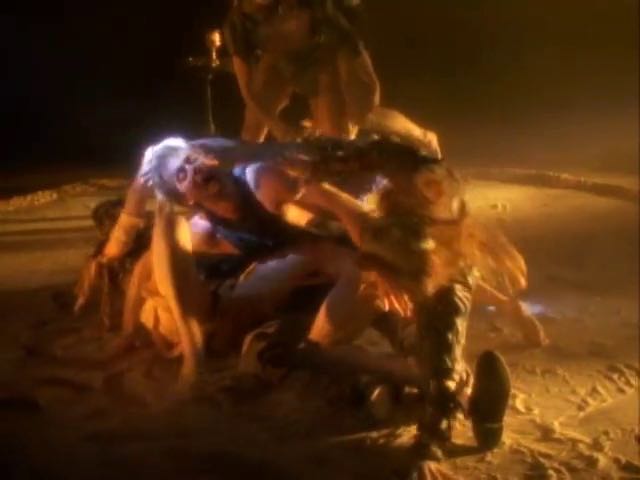
We open on Motorhead’s performance, set a large, cavernous space. Dante-esque, dimly lit with pools of light on the band members and their instruments. As the camera moves around the space, various creatures are revealed, oily bodies shining through their ragged bits of clothing, prosthetic pieces (a claw, a beak etc.,) and bandages, stylized make-up all showing that they are THE DAMNED. All of this is shot in shadowy black and white. We also see Props from “Hellraiser 3” (the baby, signage, etc.), which become match dissolves to footage from the film itself.

Back in our black and white cavern a roadie sits in a large Overstuffed chair toward the back of the space, smoking, watching the band’s performance. Suddenly light streams in when a door crashes open. We switch to color as Pinhead makes his grand entrance, rim-lit, a delicate presence. The demons begin to writhe madly to the music. The band’s performance builds as Pinhead moves across the floor, throwing the roadie out of his chair and out of frame. Pinhead takes the seat and gulps virgin’s blood from smoking cup. From Pinhead’s point of view we watch the band.

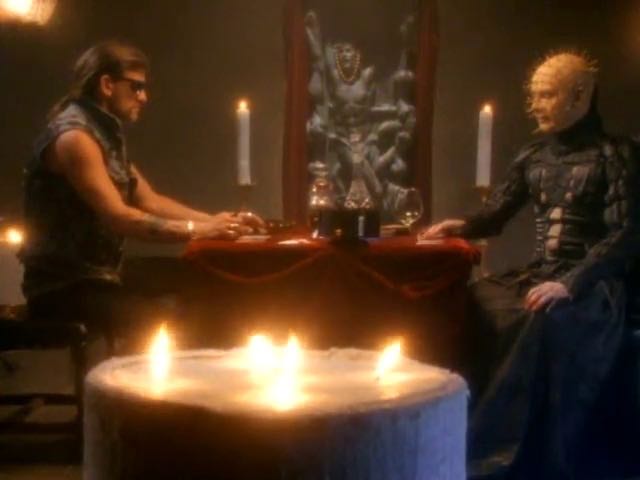
We cut to a scene of Lemmy and Pinhead in two chairs at a gaming table. Intercutting with performance footage and Hellraiser III footage, we see Lemmy and Pinhead playing cards, drinking, Serious competitors having fun. The demons writhe behind Pinhead, the band stands behind Lemmy as the tension builds between the two.

Doug Bradley added the following in 2005 concerning Lemmy:

The card game finished with me getting the Ace of Spades, so the idea is that Lemmy wins the game but at the price of losing his soul. But that was funny, when we were playing that card game there was a decanter on the table, just as a prop, and Lemmy had a word with one of his people, the decanter disappeared but it came back again full of amber liquid which Lemmy proceeded to drink his way through while we shot that scene, like you and I would drink orange juice, while the dark pope of Hell sat on the other side of the table demurely sipping Evian water…

The attraction of this music video is when Lemmy and Pinhead play cards.

However, there are a few other things I enjoy about the video.

While the footage of the band playing is boring, I do like the reverse shot where Pinhead is at a Motörhead concert.

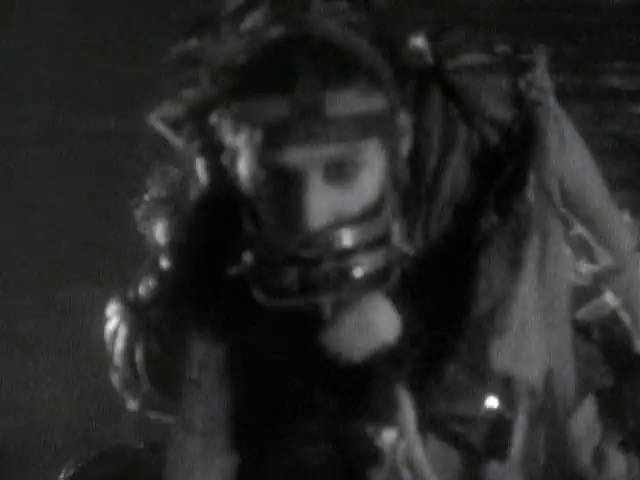
Why is this person wearing something similar to the jaw-breaking device from the Saw movies?

A bit of a Queen music video is going on here.

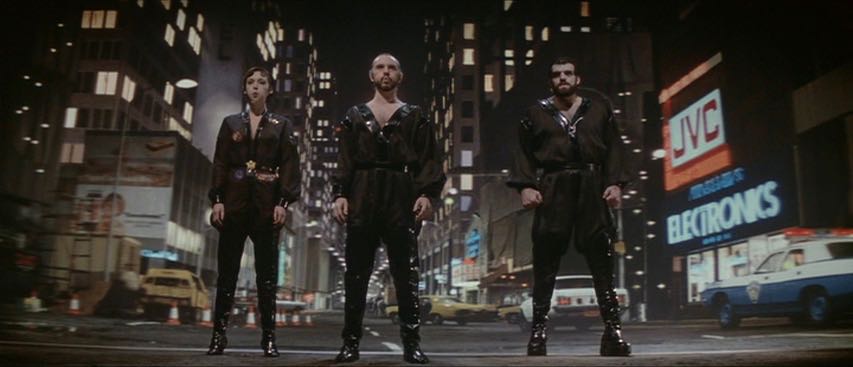
I normally don’t go for unintegrated movie footage in videos of this sort, but I appreciate that Barker left in one particular sequence from the movie. There is a scene where the cheap cenobites that Pinhead made chase Terry Farrell’s character onto a street to do a scene similar to the one from Superman II (1980).

Superman II (1980, dir. Richard Lester & Richard Donner)

And yes, Henry Cavill was in Hellraiser: Hellworld where he got killed off by Lance Henriksen, not Pinhead, since, like the other movies after IV, Hellworld was a different movie that had elements of Hellraiser grafted onto it. Pinhead doesn’t actually exist in the movie until the very end of the film.

During that street destruction scene, there are at least two places that get their signs destroyed.

Larry was a character from the first Hellraiser movie played by Andrew Robinson who would go on to be on Star Trek: Deep Space Nine with Terry Farrell in 1993–one year after this movie came out.

If you have the misfortune to watch Hellraiser III, then you might notice that the statue Pinhead is in with what I remember to be trapped souls is just a tad similar to something from A Nightmare On Elm Street 3: Dream Warriors (1987). In that movie, Freddy Krueger explains that he has gotten stronger by capturing children’s souls which he then shows as part of his flesh. I’m sure the similarities weren’t lost on the people involved in both franchises. Elm Street started back up the same year as the Hellraiser franchise started. Also, makeup artist Kevin Yagher, who did makeup on Elm Street 2, 3, and 4, would go on to direct Hellraiser IV as Alan Smithee.

Barker could have just as easily used footage from the club parts of the movie instead of Farrell running on the street. Instead, he left in those shots.

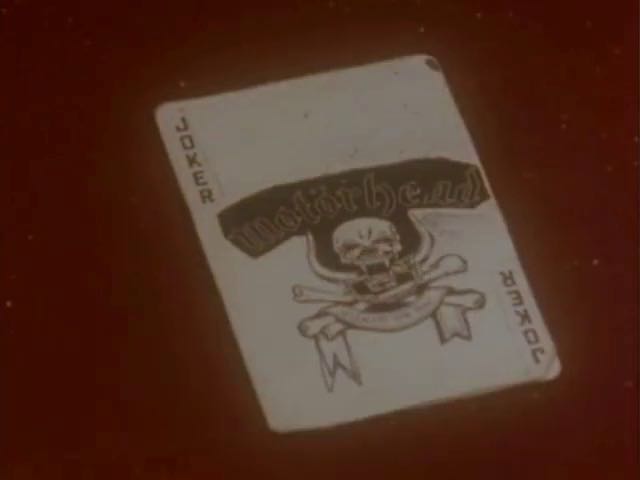
Other than those things, it’s just the song and the card playing scene, which yes, is similar to The Seventh Seal (1957) with its game of chess with Death. There’s nothing else particularly interesting. You’re watching to see Lemmy turn up a joker and the ace of spades.

Enjoy!

Song of the Day: Killed by Death (by Motörhead)


Lemmy Kilmister

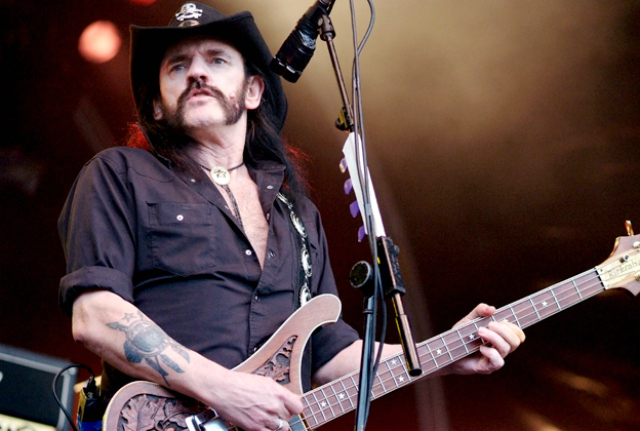
Late today the heavy metal and hard rock world were hit with some sad news. Lemmy Kilmister (born Ian Fraser Kilmister) died at the age of 70 from cancer.

Lemmy was the frontman and the face of the band Motörhead and one the great bassist of hard rock and heavy metal. His band would help influence the rise of both speed metal and thrash metal. The band would combine the speed of punk with the heavy sound of metal. While he would never acknowledge his contribution to both speed and thrash, Lemmy and his band’s influence would be felt early on. Metallica even covered one of the band’s classic songs, “Overkill”, as a birthday gift to Lemmy.

Lemmy lived his life as he saw fit. He drank, did the drugs, had the sex and continued to do so despite what the world at large thought of such behavior. He was one of the true gods of rock and his presence will be sorely missed. Yet, despite his passing he would be the first to tell everyone to get off their asses and celebrate his life and not mourn his death.

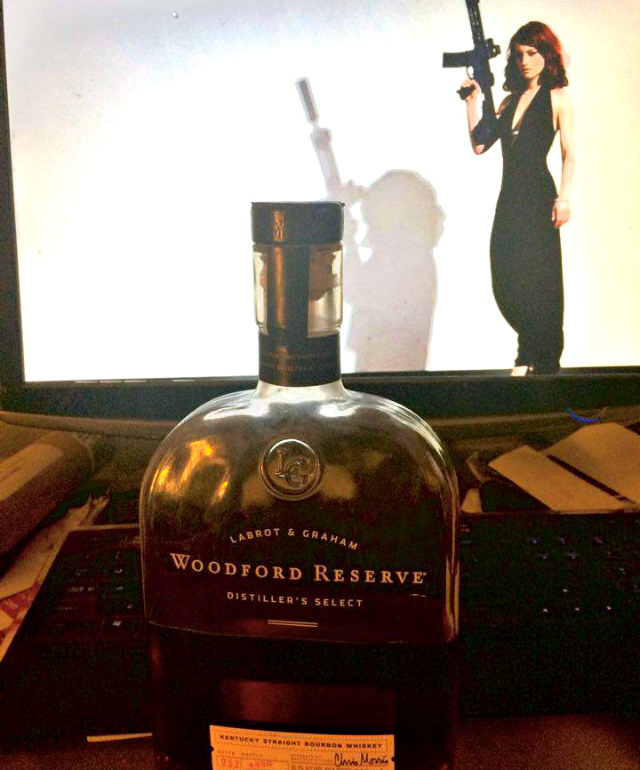
I plan to do just that and drink a couple fingers of bourbon in his honor. Bourbon

Rest in peace Lemmy.

Killed by Death

If you squeeze my lizard
I´ll put my snake on you
I´m a romantic adventure
And I´m a reptile too

CHORUS:
But it don´t make no difference
´cos I ain´t gonna be, easy, easy
the only time I´m gonna be easy´s when I´m
Killed by death
Killed by death
Killed by death
Killed by death

I´m a lone wolf ligger
But I ain´t no pretty boy
I´m a backbone shiver
and I´m a bundle of joy

CHORUS

But it don´t make no difference
´cos I ain´t gonna be, easy, easy
the only time I´m easy´s when I´m
Killed by death
Killed by death
Killed by death
Killed by death

Killed by death
Killed by death
Killed by death
Killed by death