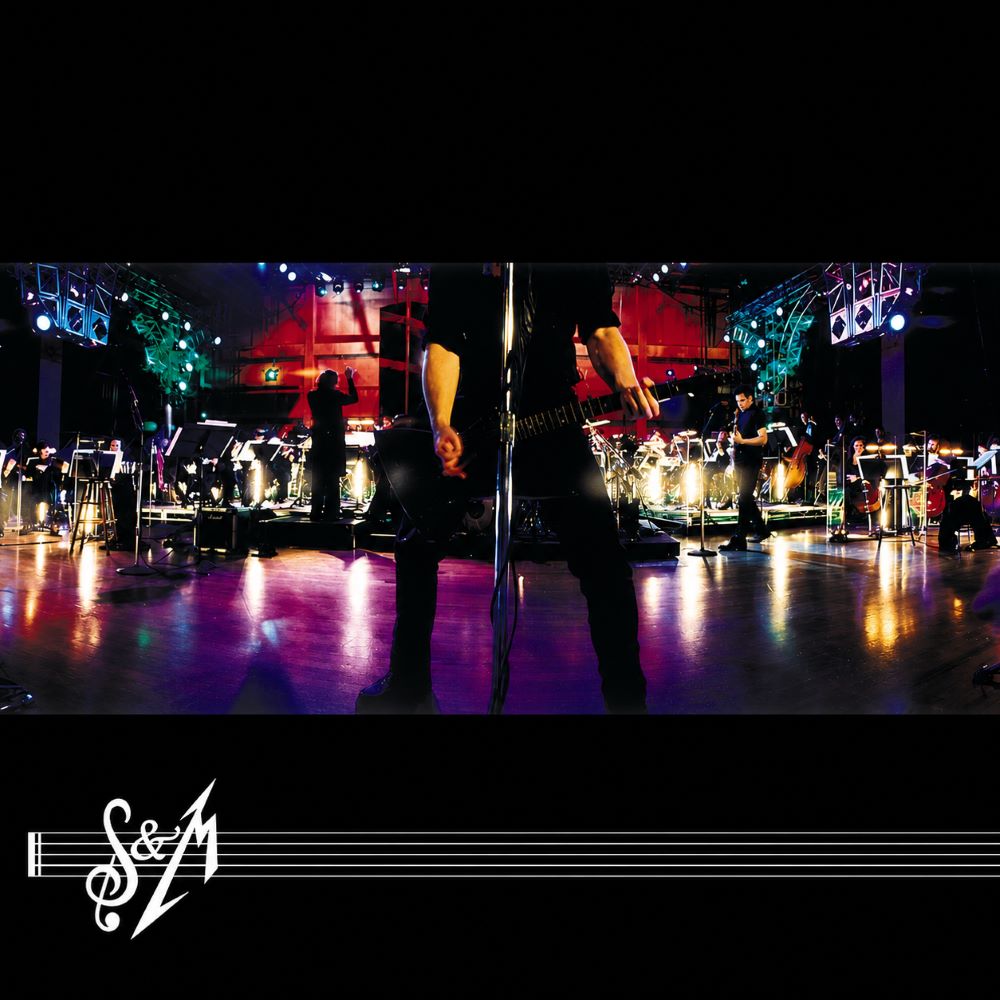
Retro Music Review: S&M (by Metallica & The SF Symphony Orchestra)


Let’s just get this out of the way right now: S&M is not the perfect metal album, nor is it the perfect classical album, and it is certainly not the perfect marriage of the two. But what it is, against all odds, is a wildly ambitious, occasionally clunky, and frequently thrilling document of a band daring to step way outside its comfort zone. Released in 1999, this live album captures Metallica joining forces with the San Francisco Symphony under the direction of Michael Kamen, and the result is a sprawling, two-disc behemoth that has aged into something of a curio in the band’s catalog. It is beloved by some, dismissed by others, and debated by just about everyone who has ever cared about thrash metal or orchestral music. After spending a good amount of time with the record again recently, I find myself landing somewhere in the messy middle, appreciating the sheer nerve of the project while wincing at its occasional misfires.

Right from the opening notes of The Ecstasy of Gold, which the symphony plays with appropriate gravitas, you get the sense that this is going to be an event. Kamen’s arrangements are the real star of the album in many ways, and his work here has been both praised and picked apart for over two decades. The criticism that the orchestra often feels like an accompaniment rather than a true integration is entirely fair. There are extended stretches across both discs where the symphony seems content to just pad the background, adding a cinematic wash to the music without fundamentally altering its structure or dynamics. It can feel like the orchestra is politely following the band’s lead rather than engaging in a genuine musical conversation, and on tracks like Sad but True, the strings and brass often get buried under Hetfield’s chugging riffs and Ulrich’s pounding drums. You have to listen closely to even hear them at certain points, which rather defeats the purpose of dragging a hundred classically trained musicians onto the stage in the first place.

However, when the arrangement clicks, it clicks with genuine force. The Call of Ktulu is the album’s crowning achievement in this regard, a song that always had a cinematic, almost film-score quality to it even in its original incarnation. With Kamen’s dark, brooding orchestration swelling behind it, the track finally receives the full-blown, apocalyptic setting it always deserved. The brass section is particularly effective here, lending a menacing grandeur that makes the studio version sound almost quaint by comparison. Similarly, The Thing That Should Not Be benefits enormously from the low-end rumble of the contrabassoons and timpani, creating a sound so heavy and oppressive that it rivals anything the band has ever committed to tape. These are the moments where the album transcends its gimmick and becomes something genuinely special, a testament to what can happen when two seemingly incompatible forces find common ground.

What makes this project feel so strangely appropriate, even when it stumbles, is that Metallica’s music has always carried an orchestral grandiosity in its DNA. This is not a band that ever sounded like a scrappy punk outfit, even when thrash metal was still finding its feet in the early eighties. The credit for that largely belongs to Cliff Burton, the band’s original bassist, whose tragically short tenure with Metallica left an indelible mark on their musical identity. Burton was a classically trained musician who grew up studying piano and theory, and he brought that background into a genre that was otherwise rooted in raw aggression and speed. He was the one who pushed the band to incorporate harmonized guitar lines, complex time signatures, and a sense of melodic drama that set them apart from their peers. You can hear his influence all over Ride the Lightning and Master of Puppets, albums that traded the pure punk energy of Kill ‘Em All for something far more ambitious and cinematic. That classical sensibility Burton injected into the band’s early work became the foundation of the Metallica sound, the secret ingredient that allowed them to write songs that felt epic rather than merely fast.

If Burton had lived, I cannot help but wonder how differently S&M might have turned out. He would have been the natural bridge between the metal and the symphony, the guy who could speak both languages fluently and translate the band’s vision into something that felt truly integrated rather than merely superimposed. Kamen did a commendable job, and I do not want to diminish his work, but he was an outsider coming into Metallica’s world. Burton would have been coming from the inside, someone who understood exactly where the orchestral flourishes should sit because he had been hearing them in his head since the early days of writing For Whom the Bell Tolls and Fight Fire with Fire. I genuinely believe he would have been in the forefront of ensuring that the metal and the symphony meshed together seamlessly, not just coexisting on the same stage but actually breathing together as one living organism. The album we got is fascinating, but the album we could have gotten with Burton steering the ship is a tantalizing what-if that I suspect will linger in the minds of fans forever.

But then there are the tracks where the whole enterprise threatens to unravel. Master of Puppets is the most obvious example, and it remains one of the most contentious performances on the album. The song is an absolute thrash classic, a relentless machine of riffage and aggression, and the orchestra simply cannot keep up with it. Kamen’s arrangement feels bolted on rather than woven in, and the result is a performance where the band and symphony are essentially occupying parallel universes, occasionally bumping into each other but never truly locking into a groove. It is still an impressive display of raw power, but it also highlights the fundamental tension at the heart of S&M: Metallica is a band that thrives on chaos and volume, while a symphony orchestra demands precision and restraint. Those two approaches do not always reconcile neatly, and this track is where the seams show the most. One cannot help but think that Burton’s classical ear would have found a way to bridge that gap, to write a countermelody or a harmonic texture that made the whole thing feel intentional rather than forced.

The setlist choices have also been a point of contention ever since the album dropped, and I have to say, the criticism is warranted. The complete absence of any material from Kill ‘Em All is a baffling omission that still rankles. Hearing The Four Horsemen or Seek and Destroy with a full symphony behind them could have been absolutely legendary, a chance to see raw, unfiltered thrash energy get a classical makeover. Instead, the tracklist leans heavily on the band’s more mid-tempo, radio-friendly material from the Black AlbumLoad, and Reload eras. That decision makes a certain amount of practical sense—those songs are more dynamically suited for orchestral accompaniment—but it also means the album never quite captures the full scope of Metallica’s career. For every For Whom the Bell Tolls or One, both of which translate beautifully to the symphonic treatment, there is a palpable sense of what could have been. The two new songs, No Leaf Clover and – Human, are welcome additions and remain highlights precisely because they were written with the orchestra in mind, so the band and symphony sound naturally more locked in and symbiotic from the very first note.

Vocally, James Hetfield is in fine form throughout, delivering his signature growls and melodic croons with the gruff authority that defined his late-nineties style. His between-song banter, while occasionally corny, adds a human touch to the otherwise grandiose proceedings, and you can hear the genuine excitement in his voice when he introduces the symphony or hypes up the crowd. The audience itself is a character on this album, their roars and sing-alongs providing a palpable energy that prevents the whole affair from becoming too stuffy or self-important. This is not a stuffy classical concert; it is a Metallica show with some fancy guests, and the crowd never lets you forget it. That raw, sweaty, headbanging energy is what keeps S&M grounded, even when the orchestral arrangements threaten to float off into pretentiousness.

In the end, S&M is a deeply imperfect album, and I think even its biggest defenders would admit that. The mix is often cluttered, the orchestra can feel like an afterthought on certain tracks, and the song selection will always be a source of debate among the faithful. But perfection was never really the point. I can say this with some authority because I was actually in the building for one of those two nights at the Berkeley Community Theatre, and despite all the flaws I can hear on the record, the live experience was something else entirely. When the symphony swelled behind the band’s heaviest riffs, the usual tribal divisions between metalheads and classical music fans simply evaporated. I found myself rocking out alongside long-haired thrashers and tuxedo-wearing symphony patrons in equal measure, all of us united by the sheer absurdity and power of what we were witnessing. The album captures that energy reasonably well, but it cannot fully replicate the feeling of being in a room where two completely different worlds decided to throw a party together. This was about a band that had conquered metal deciding to do something completely insane, something that could have easily backfired, and somehow pulling it off with enough swagger and sincerity to make it matter. It is a flawed, ambitious, and undeniably heavy document of a band taking a massive risk at the peak of their fame, and for that, it deserves a place of respect in the Metallica catalog. It may not be the definitive live album of their career, and it certainly is not the definitive symphonic metal album of all time, but it is a fascinating, exhilarating, and occasionally frustrating snapshot of a band refusing to play it safe. And honestly, in a world of safe career moves, that counts for something.
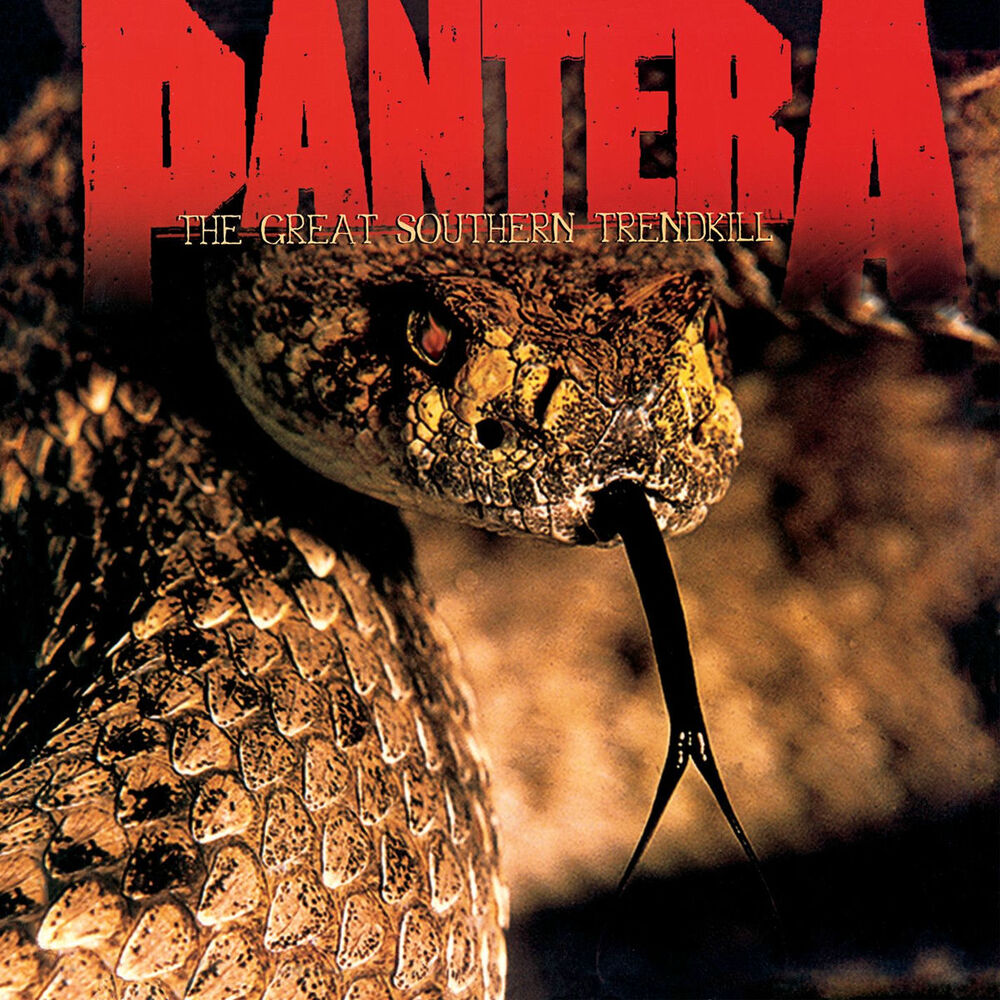
Song of the Day: Floods (by Pantera)


“Floods” is one of those Pantera tracks that reveals the band’s more emotional and haunting side, standing apart from their usual aggressive sound. It’s from The Great Southern Trendkill, an album packed with chaos and fury, yet this song slows everything down and dives deep into something moodier. The title alone feels ominous, suggesting both destruction and cleansing, and the music reflects that perfectly with its brooding, slow buildup. Phil Anselmo’s vocals here are less about rage and more about sorrow—you can hear the weight in his delivery as it shifts from calm reflection to near anguish.

What really sets “Floods” apart is how it blends atmosphere and raw heaviness. Instead of fast riffs or flashy technique, the band leans into groove and tone. Vinnie Paul’s drumming locks down a deliberate, steady pulse while the guitars create this dark, cinematic tension. It’s heavy, not just in sound, but in emotion—like the kind of weight that builds slowly over time. Pantera isn’t usually called “beautiful,” but here, that label fits; there’s something hypnotic about how the song breathes.

Then comes the moment that every Pantera fan talks about—Dimebag Darrell’s guitar solo, which starts at around 3:51. That’s when the emotional core of the song fully opens up. Instead of a speed run or technical show-off, Dimebag plays with haunting melody and unbelievable expression. The solo builds gently, starts weeping almost, and then rises into this soaring section that feels like the sky breaking open after a storm. It’s one of his most soulful performances—a reminder of how much feeling he could pull from a single bend or sustain.

By the time “Floods” winds down, you’re left in a kind of spell. The outro fades out in layers of haunting harmonics, like thunder echoing after rain, and it’s easy to just sit there in silence when it ends. It’s Pantera at their most restrained, but also their most human. Even if you’re not normally into heavy metal, this track shows why Dimebag still gets talked about as one of the greats—he didn’t just play guitar solos; he told stories with them.

Floods

A dead issue
Don’t wrestle with it
Deaf ears are sleeping
A guilty bliss
So inviting (let me in)
Nailed to the cross
I feel you
Relate to you
Accuse you

Wash away us all
Take us with the floods

Cold hearted world

Your language unheard of
The vast sound of tuning out
The rash of negativity
Is seen one sidedly
Burn away the day
The nervous
The drifting
The heaving

Wash away us all
Take us with the floods

Cold hearted world
(And at night)
(They might bait the pentagram)
(And at night)
(They might bait the pentagram)
Extinguishing the sun

Wash away man
Take him with the floods

Die…
Die…

Die…
Die…

[guitar solo @3:51]

Great Guitar Solos Series

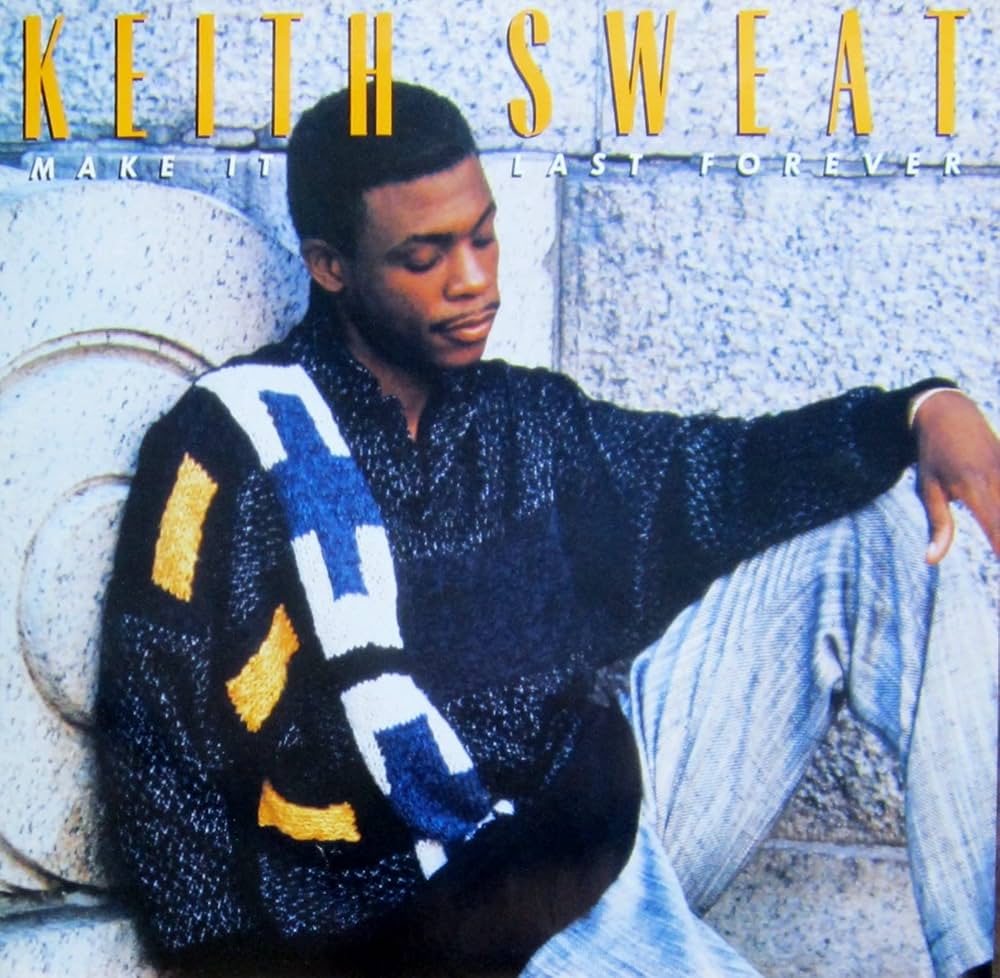
Song of the Day: Make It Last Forever (by Keith Sweat)


It’s funny how just the first few notes of “Make It Last Forever” can take you straight back to those smoky gymnasiums where the lights were dim, the disco ball spun slow, and everyone pretended not to care who asked who to dance. Keith Sweat’s voice had that raw, pleading edge — smooth but vulnerable — the kind that cut right through all the teenage coolness. This track wasn’t just background music; it was the moment when couples swayed a little closer, trying to hang on to a feeling that was bigger than any senior year could hold.

The thing about that late ’80s R&B scene is that it knew how to make time stop. Between Sweat’s silky tone and Jacci McGhee’s soft harmonies, the song felt like a brand-new kind of intimacy. It wasn’t flashy, just honest — the kind of slow jam that made you believe love could actually last forever, at least for the length of that dance. You didn’t need fancy choreography or a booming beat; the groove did all the talking. It was warm, romantic, and a little bittersweet — the perfect soundtrack for that fleeting stretch between youth and adulthood.

Even now, when it plays on an old-school radio mix or at a 40th high school reunion, something in it still hits home. You remember the scent of cheap cologne, the click of high heels on the gym floor, and that mix of nerves and hope that only a slow dance can bring. “Make It Last Forever” wasn’t just a song — it was a promise whispered in the dark, a memory that never quite fades, no matter how many years go by.

Make It Last Forever

Make it last
Make it last forever (ever)
Don’t let our love end (ooh-ooh, ooh-ooh-ooh-oh)
Let’s make it last (ooh-ooh-ooh-oh)
Let’s make it last forever and ever
Mm, don’t let our love end (oh, don’t let love end) mm

Let me hear you tell me you love me
Let me hear you say you’ll never leave me
Ooh, girl, that would make me feel so right
Let me hear you tell me you want me
Let me hear you say you’ll never leave me, baby
Until the morning light (ah)

Let me tell you how much I love you
Let me tell you that I really need you
Baby, baby, baby, I will make it all right
No one but you, baby, can make me feel
The way you make me, make me, make me feel

Whoa, oh-oh-oh
Mm, mm, mm
Don’t let our love end (oh, ooh-oh)
Just make it last forever (oh, make it last) and ever (forever)

Your touch is wonderful
Your love is so marvelous
Joy, that’s what I feel when I’m with you
Nothing, no one (no one, boy)
Could compare to what we have (oh, my baby)
Love, it feels so good
I’m so glad you’re mine (oh, oh)

Whoa, oh-oh-oh (ooh, baby)
Make it last forever (ooh, ooh, ooh)
Don’t let our love end (no-no, no-no-no)
Make it last forever and ever (yeah, yeah)

Ooh, give me kisses (kisses)
Love me (love me), hold me (hold me)
Squeeze me (squeeze me)
Chillin’ (chillin’), come on (come on)
I love it (you know I do), baby

Whoa, oh-oh-oh
Mm, mm, mm
Make it last forever (no-no) and ever (no-no-no)
Don’t let our love end (and ever)

Ooh, whoa, oh-oh, oh-oh-oh (no, don’t you let it end)
You got to make it last
Never, never, never let it end
Just make it last forever and ever (ooh-ooh, oh)

I want our love to last a lifetime (I’d give it up, give it up for you)
Ooh, tell me, tell me you’ll always be mine
(I love you, love you, love you, love you, love you)
To make love forever and ever (ooh-ooh)
We’ve got to make it last
Got to make it, got to make it, got to make it, got to make it
Oh, baby, oh, honey (oh, honey)
I love you (ooh, oh, oh, I love you)

Ooh, you’re my best thing in the world (oh)
The only thing in the world, I love you so

Horror Song of the Day: The Thing The Should Not Be (by Metallica)


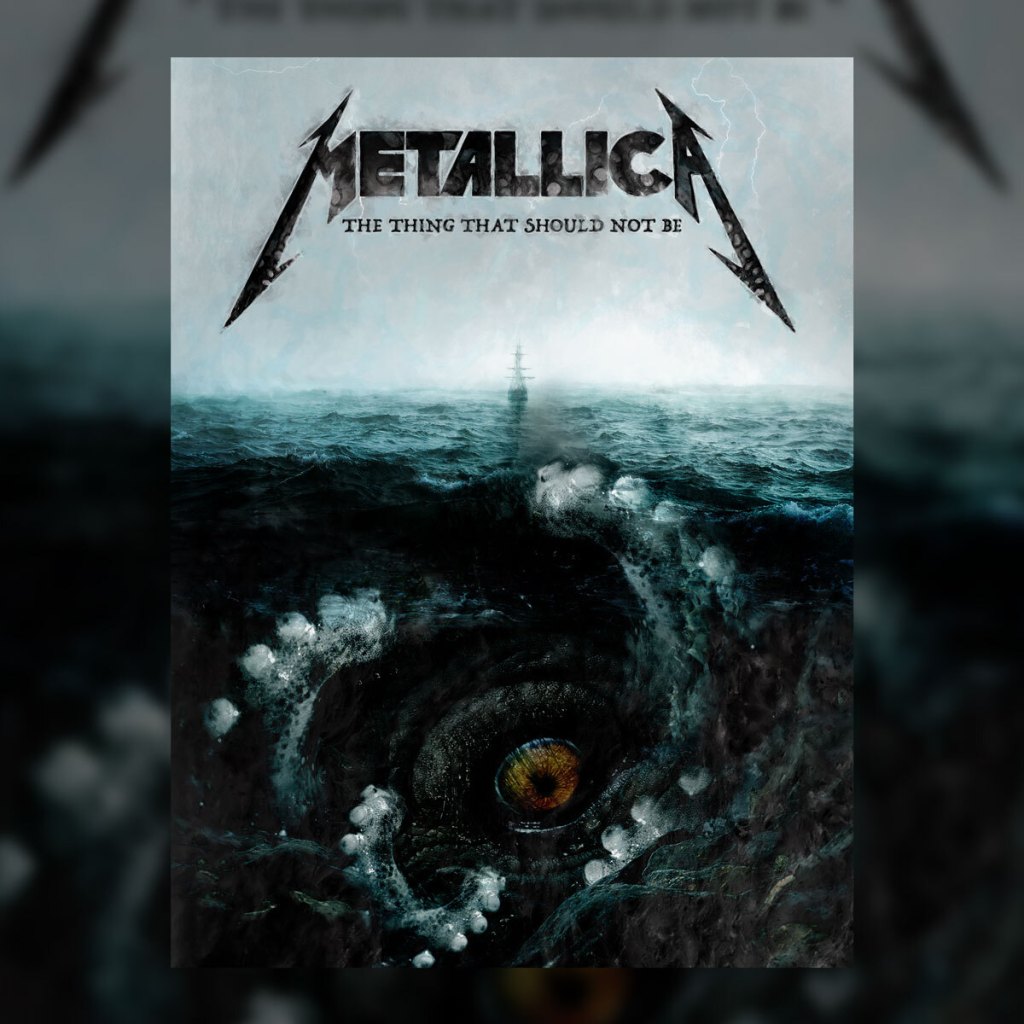
If you’re into heavy music with a dark, spooky vibe, Metallica’s “The Thing That Should Not Be” is a must-listen. The song draws heavy inspiration from H.P. Lovecraft’s stories about ancient sea monsters and forbidden gods — you can feel that eerie cosmic horror flowing through the lyrics and music. Unlike their faster, thrashy songs, this one’s slower and heavier, building this oppressive, almost underwater atmosphere that really pulls you into a different world. The sounds perfectly suit a cosmic horror soundtrack, like you’re hearing something ancient waking up beneath the surface.

Every member of Metallica brings something special here. James Hetfield’s vocals nail that storytelling vibe, like he’s warning you about unspeakable horrors. Kirk Hammett’s guitar solo adds a weird, haunting layer with its echoing bends and wild tone, totally fitting the Lovecraftian theme. Cliff Burton’s bass work gives the song a thick, gnarly depth that makes everything feel huge and otherworldly, while Lars Ulrich’s steady drumming drives the mood without rushing it. Together, they craft this dense, crushing atmosphere that feels like it could be the soundtrack to a cosmic nightmare.

If you want to hear the song take on an epic new dimension, check out the S&M version with the San Francisco Symphony. The orchestra adds massive, cinematic power, turning the track into a full-on cosmic horror soundtrack. The strings and brass layer in this grand, haunting sound that makes the whole thing feel even more apocalyptic and intense. It’s like Metallica took their already heavy and spooky song and gave it the kind of scale and depth that only a symphony can provide. Definitely worth a listen if you want to experience cosmic horror in both metal and orchestral form.

The Thing That Should Not Be

Messenger of fear in sight
Dark deception kills the light
Hybrid children watch the sea
Pray for father, roaming free

Fearless wretch
Insanity
He watches
Lurking beneath the sea

Great old one
Forbidden site
He searches
Hunter of the shadows is rising

Immortal
In madness you dwell

Crawling chaos, underground
Cult has summoned, twisted sound
Out from ruins once possessed
Fallen city, living death

Fearless wretch
Insanity
He watches
Lurking beneath the sea

Timeless sleep
Has been upset
He awakens
Hunter of the shadows is rising

Immortal
In madness you dwell

[Guitar solo]

Not dead which eternal lie
Stranger eons death may die
Drain you of your sanity
Face the thing that should not be

Fearless wretch
Insanity
He watches
Lurking beneath the sea

Great old one
Forbidden site
He searches
Hunter of the shadows is rising

Immortal
In madness you dwell

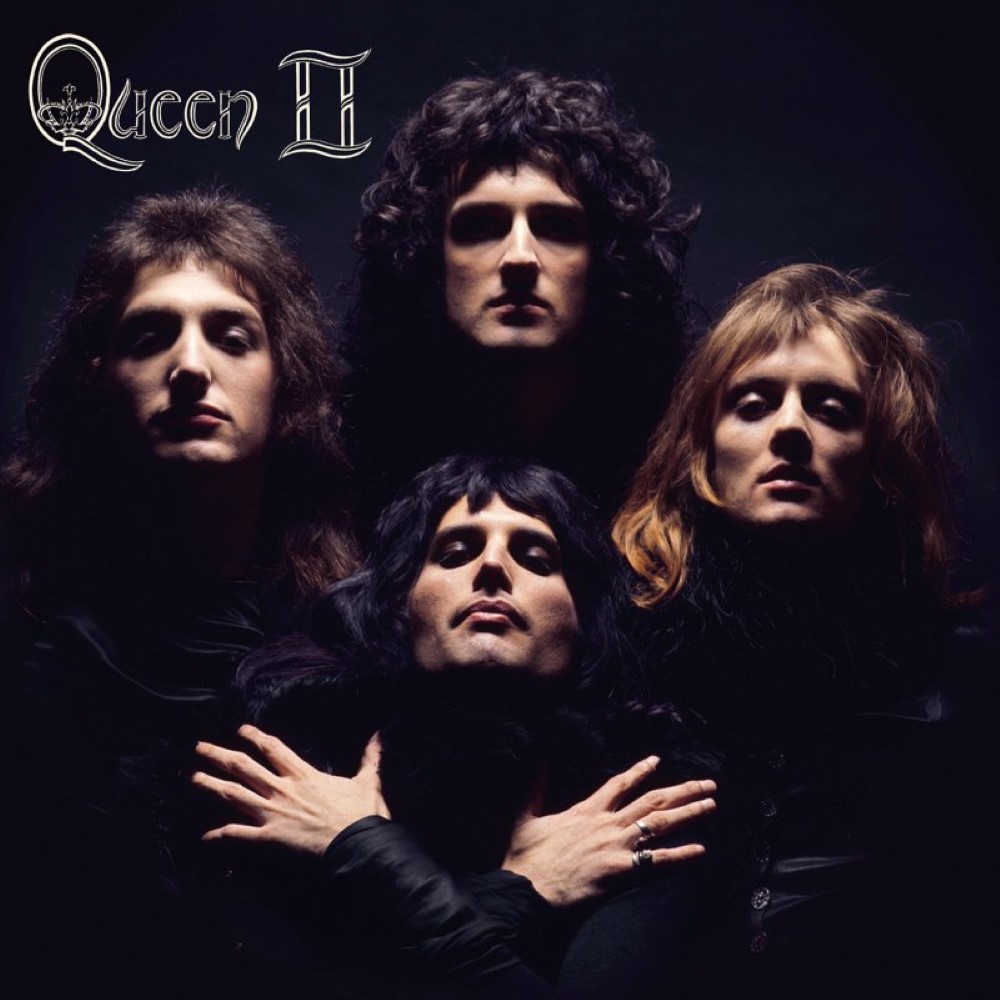
Song of the Day: Killer Queen (by Queen)


Time to continue our greatest guitar solos series with another from the glam rock legends that is Queen.

The latest “Song of the Day” is “Killer Queen” from their third album Sheer Heart Attack released in 1974. The song continues the band’s exceptional use of vocal harmonies which, by 1974, had become the band’s signature calling musical card.

Brian May’s guitar solo happens on the 1:32 minute mark of the song. It’s not a bombastic, shredding-inducing melodies, but instead a multitracked solo that makes great use of bell chords where the drums and bass joins in sequentially to finish the section.

“Killer Queen” has become one of the band’s most popular songs and continued to cement Queen as one of the preeminent rock bands of the 1970’s.

Killer Queen

She keeps Moët et Chandon
In her pretty cabinet
“Let them eat cake,” she says
Just like Marie Antoinette
A built-in remedy
For Khrushchev and Kennedy (Ooh, ooh)
At anytime an invitation
You can’t decline (Ooh, ooh)

Caviar and cigarettes
Well versed in etiquette
Extraordinarily nice

She’s a killer queen
Gunpowder, gelatin
Dynamite with a laser beam
Guaranteed to blow your mind
(Pa-pa-pa-pa) Anytime
Ooh
Recommended at the price
Insatiable an appetite
Wanna try?

To avoid complications
She never kept the same address
In conversation
She spoke just like a baroness
Met a man from China
Went down to Geisha Minah (Ooh, ooh)
(Killer, killer, she’s a killer queen)
Then again incidentally
If you’re that way inclined

Perfume came naturally from Paris (Naturally)
For cars, she couldn’t care less
Fastidious and precise

She’s a killer queen
Gunpowder, gelatin
Dynamite with a laser beam
Guaranteed to blow your mind
(Pa-pa-pa-pa)
Anytime
 
[guitar solo]

Drop of a hat she’s as willing as
Playful as a pussycat (Ooh)
Then momentarily out of action (Ooh)
Temporarily out of gas (Ta-taaa)
To absolutely drive you wild, wild
She’s out to get you

She’s a killer queen
Gunpowder, gelatin
Dynamite with a laser beam (Pa-pa-pa-ra)
Guaranteed to blow your mind
Anytime
Ooh
Recommended at the price
Insatiable an appetite
Wanna try?
You wanna try

Great Guitar Solos Series

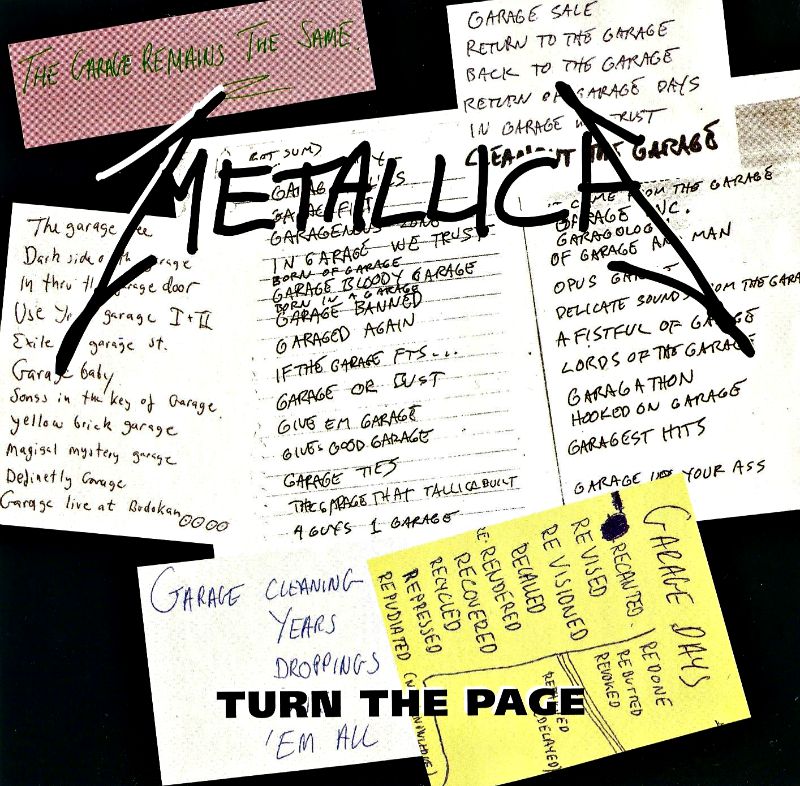
Song of the Day: Turn the Page (Metallica)


MetallicaTurnthePage

Through good times and bad I have always been a huge fan and follower of Metallica. Even as they foolishly went off track following the path Bob Rock set for them throughout most of the 1990’s through the disastrous St. Anger debacle as they tried to return to their earlier sound, I have always followed this band which made up the original Big 4 of thrash metal (Metallica, Anthrax, Slayer and Megadeth).

It was on their 1998 cover album, Garage Inc., that the band released one of their most popular songs. It wasn’t an original, but a cover of the classic Bob Seger hard rock song about the hard road and life of a musician. Seger’s “Turn the Page” is just one of those hard rock tunes that latches onto the listener and forces them to listen and understand. Most such songs tend to be quite pretentious with nothing much to say once the listener really pays attention. The same cannot be said about Seger’s song.

Metallica decided to cover this song for their Garage Inc. album which was all about them covering their own favorite hard rock and metal songs of the past. While Metallica kept the original’s tempo, they added their own heavier and harder edge to song that straddles the line between hard rock and heavy metal. Even James Hetfield’s alcohol and cigarette ravaged vocals lent a sense of the hard road and life the track sings about.

The biggest change from the Seger song to Metallica’s cover has to be the accompanying music video which still remains one of the most controversial in MTV’s music video history (well, when they still played music videos). Seger’s song was released in 1973 when the concept of music video was nonexistent. With Metallica’s cover it was almost a guarantee that it would get a music video and what a video it was and still is.

The video was directed by Jonas Akerlund who had made a name for himself directing some of the most creative and innovative music videos of the day. His take on the song switches from a musician’s hard road and life on the road to that of a single mother trying to make ends meet as an erotic dancer by day and a prostitute by night to provide for her young daughter. The video was banned from receiving any sort of airplay on MTV as it dealt and showed the disturbing side of such a life. The fact that the tamer version of the video (below) still couldn’t make it on the airwaves just showed how much more haunting and controversial the uncensored version turned out to be.

Turn the Page

On a long and lonesome highway,
East of Omaha
You can listen to the engines
Moanin’ out it’s one note song
You can think about the woman,
Or the girl you knew the night before
But your thoughts will soon be wanderin’,
The way they always do
When you’re ridin’ 16 hours,
And there’s nothin’ much to do
And you don’t feel much like ridin’,
You just wish the trip was through

(Chorus)

Here I am, on the road again,
There I am, up on the stage
There I go, playin’ star again,
There I go, turn the page

So you walk into this restaurant,
All strung out from the road
And you feel the eyes upon you,
As you’re shakin’ off the cold
You pretend it doesn’t bother you,
But you just want to explode
Yeah, most times you can’t hear ’em talk,
Other times you can

All the same old cliches,
Is it woman, is it man
And you always seem outnumbered,
You don’t dare make a stand
Make your stand

(Chorus)
Ah But here I am, on the road again,
There I am, up on the stage
Here I go, ah playin’ star again,
There I go, turn the page
Woah

Out there in the spotlight,
You’re a million miles away
Every ounce of energy,
You try and give away
As the sweat pours out your body,
Like the music that you play

Later in the evenin’,
As you lie awake in bed
With the echoes of the amplifiers,
Ringin’ in your head
You smoke the day’s last cigarette,
Rememberin’ what she said

What she said

Yeah, and here I am,
On the road again,
There I am, up on that stage
Here I go, playin’ star again,
There I go, turn the page
And there I go, turn that page

There I go, yeah, Here I go, yeah, yeah
There I go, yeah, Here I go, yeah
Here I go, There I go
And I’m gone

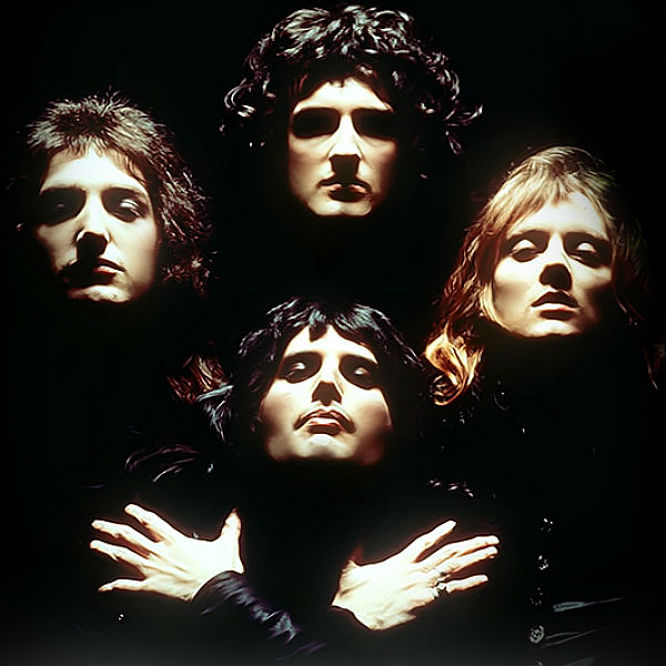
Song of the Day: Bohemian Rhapsody (by Queen)


7330155_QueenBandBohemNew666

Who hasn’t heard and sung with Queen’s most iconic song ever. I know I can’t think of anyone that I know of.

“Bohemian Rhapsody” has become a staple of many best ever rock lists. It’s a song that’s been paid homage, imitated, parodied and copied by so many artists both music, tv, film and video games. This song has become synonymous with that most epic of all rock shows: arena rock. It’s an amalgamation of rock power ballad that bridges over to rock opera then into straight hard rock before circling back to a gradual softening of a coda.

One would think that all that wouldn’t mesh very well together, but with Freddie Mercury (arguably one of the greatest rock frontman) on vocals (who also wrote the lyrics), Brian May on lead guitar, John Deacon on bass and Roger Taylor on drums the song ends up not just great, but a gamechanger in how hard rock and heavy metal would be seen since it’s release.

Every hard rock and metal band worth their name would attempt to have their very own “Bohemian Rhapsody” to different degrees of success (I’ve always thought that the power metal bands like Blind Guardian have become successors in this endeavor). The song has become so ingrained in the general public’s pop DNA that just hearing a snippet of the song sans lyrics and people probably would know what song it was they just overheard.

Oh, it also has a killer guitar solo by Brian May which occurs after the ballad section and acts as a bridge into the operatic section of the track.

Bohemian Rhapsody

Is this the real life?
Is this just fantasy?
Caught in a landslide
No escape from reality
Open your eyes
Look up to the skies and see
I’m just a poor boy, I need no sympathy
Because I’m easy come, easy go
A little high, little low
Anyway the wind blows, doesn’t really matter to me, to me

Mama, just killed a man
Put a gun against his head
Pulled my trigger, now he’s dead
Mama, life had just begun
But now I’ve gone and thrown it all away
Mama, ooo
Didn’t mean to make you cry
If I’m not back again this time tomorrow
Carry on, carry on, as if nothing really matters

Too late, my time has come
Sends shivers down my spine
Body’s aching all the time
Goodbye everybody – I’ve got to go
Gotta leave you all behind and face the truth
Mama, ooo – (anyway the wind blows)
I don’t want to die
I sometimes wish I’d never been born at all

(guitar solo)

I see a little silhouetto of a man
Scaramouch, scaramouch will you do the fandango
Thunderbolt and lightning – very very frightening me
Gallileo, Gallileo,
Gallileo, Gallileo,
Gallileo Figaro – magnifico

But I’m just a poor boy and nobody loves me
He’s just a poor boy from a poor family
Spare him his life from this monstrosity
Easy come easy go – will you let me go
Bismillah! No – we will not let you go – let him go
Bismillah! We will not let you go – let him go
Bismillah! We will not let you go – let me go
Will not let you go – let me go (never)
Never let you go – let me go
Never let me go – ooo
No, no, no, no, no, no, no –
Oh mama mia, mama mia, mama mia let me go
Beelzebub has a devil put aside for me
for me
for me

So you think you can stone me and spit in my eye
So you think you can love me and leave me to die
Oh baby – can’t do this to me baby
Just gotta get out – just gotta get right outta here

Ooh yeah, ooh yeah
Nothing really matters
Anyone can see
Nothing really matters – nothing really matters to me

Anyway the wind blows…

Great Guitar Solos Series

Song of the Day: We Are the Champions (by Queen)


1024px-New_England_Patriots_logo_old.svg

I’ve used this song twice to celebrate my San Francisco Giants winning the World Series in 2010 and 2012 (so shocked they won 2014 that I forgot to post it) that I thought it only fair to use it for the New England Patriots. They are the new champions of the NFL after their thrilling win over the Seattle Seahawks.

It was a game that had our own pantsukudasai56 on the verge of losing it (and he probably did but in a good way and not the bad one I was predicting). The New England Patriots have become like a sort of second NFL team for me because of two people: Tom Brady (local boy made good) and Bill Belichik (the Dark Lord himself). Yes, two people who have their equal share of admirers and haters (probably more of the latter).

These two have now cemented their 4th NFL championship through the modern salary-cap era, adversity (concocted and self-inflicted) and heartbreaking losses. Yet, as much as people would hate on Belichik deep down most would dump their coach if it meant they would have him instead. The same goes for his apprentice in Tom Brady.

So, controversies aside, congratulations to the New England Patriots for winning Super Bowl XLIX.

We Are the Champions

I’ve paid my dues
Time after time
I’ve done my sentence
But committed no crime
And bad mistakes I’ve made a few
I’ve had my shelves and kicked in my face
But I’ve come through

We are the champions my friend
And we’ll keep on fighting till the end
We are the champions
No time for losers ‘cos We are the champions of the world

I’ve taken my bows
my curtain calls
You brought me fame and fortune
And everything that goes with it
I thank you all
But it’s been no bed of roses
No pleasure cruise
I consider it a challenge before
All human race
And I ain’t gonna lose

We are the champions my friend
And we’ll keep in fighting till the end
We are the champions
No time for losers ‘cos
We are the champions of the world
We are the champions my friend
And we’ll keep in fighting till the end
Ooh, we are the champions
We are the champions
No time for losers ‘cos
We are the champions

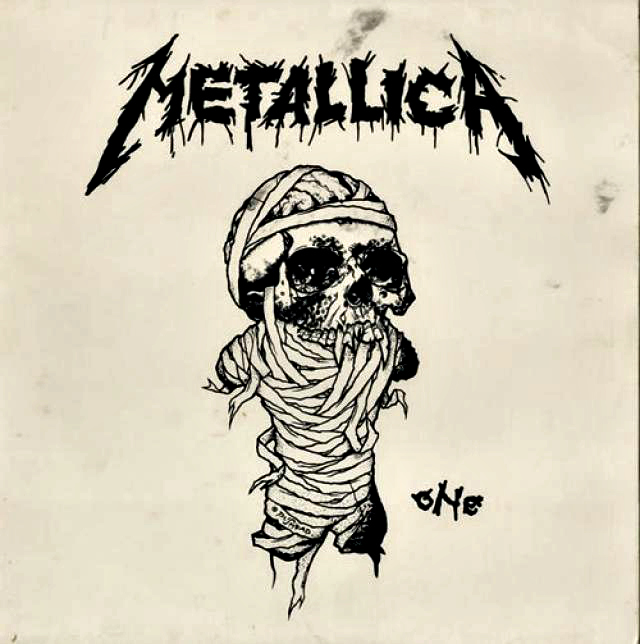
27 Days of Old School: #21 “One” (by Metallica)


MetallicaOne

“Hold my breath as I wish for death
Oh please God, wake me”

Yeah, my taste in music see-sawed back and forth from one end of the spectrum to the other. Yesterday, I reminisced about one of the best R&B ballads from my time as a teenager in high school during the late 80’s. Today, I focus on one of the songs on metal end which remains (in my opinion) one of the best metal songs ever put out there.

“One” was the final single released from Metallica’s fourth album, …And Justice For All.

The song also had the distinction of being the first ever Metallica song which was accompanied by a music video shot for it. Metallica had avoided making music videos of their songs for years. Their success as a band never needed the assistance that MTV could provide. They saw it as a badge of honor that they’ve never made a music video, but that change in January 1989 when the single for “One” was released and a music video followed soon after.

A music video that combined elements from the 1971 anti-war film Johnny Got His Gun and the band playing inside a warehouse. It was an effective video that more than convinced many skeptics that when done properly a metal music video was possible. This wasn’t a video using garish colors, over-the-top imagery of hair metal music videos. It was a video that was just as heavy and through-provoking as the song it was made for.