Review: Core (by Stone Temple Pilots)


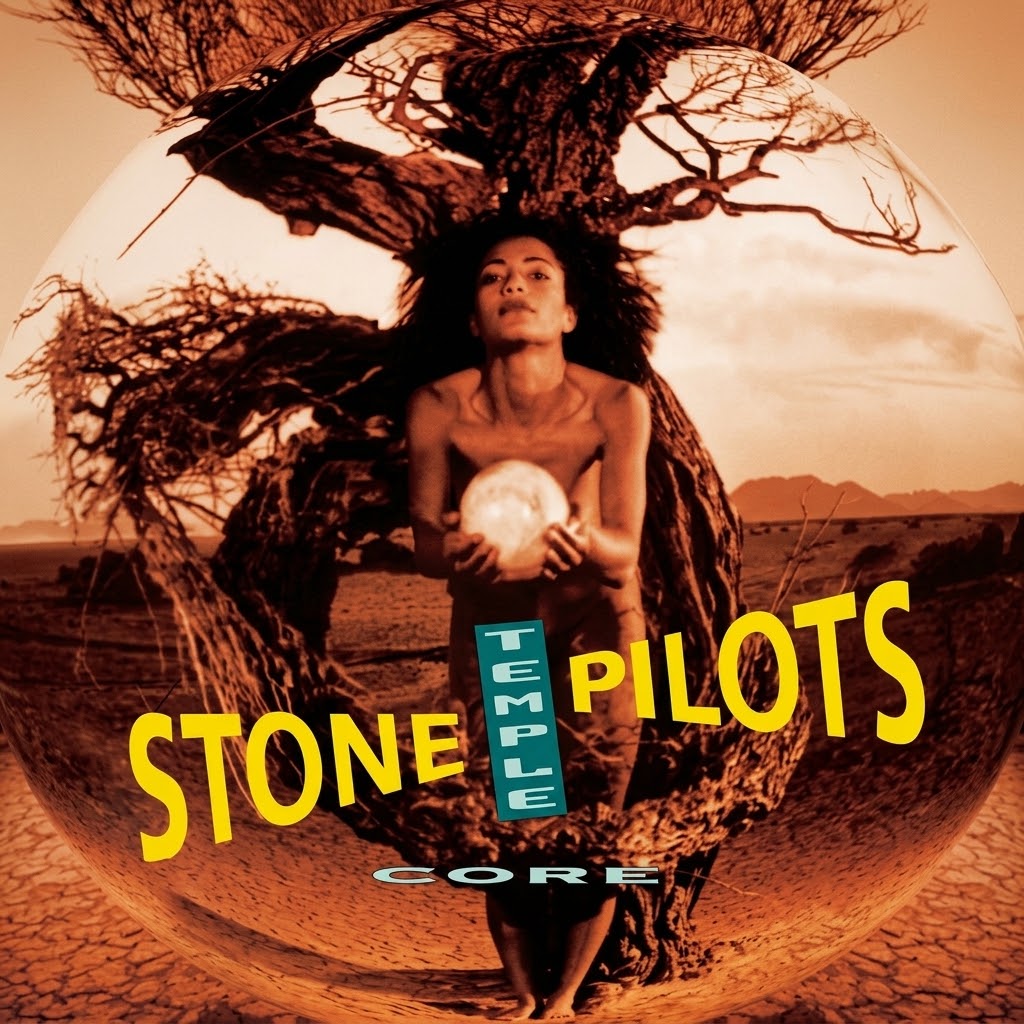
Core is one of those debut albums that has spent decades being celebrated, dismissed, rediscovered, and reassessed. Released in 1992, Stone Temple Pilots’ first full-length album arrived at the exact moment alternative rock stopped being a subcultural phenomenon and became the dominant sound on rock radio, MTV, and mainstream youth culture. Nirvana had already detonated the commercial landscape with Nevermind, while Soundgarden were about to reach even greater heights with Superunknown. Along with those records, Core became part of the broad grunge trifecta that dominated the airwaves in the early 1990s: Nirvana’s Nevermind, Soundgarden’s Superunknown, and Stone Temple Pilots’ Core. The comparison was never perfectly tidy—Stone Temple Pilots came from Southern California, not Seattle—but these albums were all central to the era’s hard-rock mainstream.

That success also made Stone Temple Pilots an easy target. A number of critics at the time treated the band as grunge followers rather than innovators, accusing them of chasing the sound popularized by Pearl Jam, Alice in Chains, Nirvana, and Soundgarden. On a superficial level, it is easy to see why. Core has the huge distorted riffs, brooding low end, emotionally damaged lyrics, and intense vocals that became closely associated with early-1990s alternative rock. But that criticism overlooks what the record actually does. Stone Temple Pilots were never just a watered-down version of one Seattle band. They drew from classic blues-based hard rock, psychedelic rock, punk, glam, funk, and metal, then pushed those influences through the darker, heavier sensibility of the grunge era.

The opening track, Dead & Bloated, immediately establishes that mixture. Dean DeLeo’s guitar entrance has a bluesy, muscular character, but its heaviness gives the song a sinister edge. Scott Weiland comes in sounding low, theatrical, and almost predatory, stretching out phrases as if he is trying to make every line uncomfortable. It is a grimy introduction, but the song also has a groove that prevents it from becoming merely blunt-force aggression. Robert DeLeo’s bass is especially important here. Rather than simply following the guitar, it moves around the riff and gives the track an elastic, almost funky pulse. Eric Kretz’s drumming locks the entire thing together with a direct, powerful attack.

That chemistry is one of the best things about Core. Scott Weiland was a magnetic frontman, but Stone Temple Pilots were not a band built around one personality. The DeLeo brothers and Kretz give the album its body. Robert DeLeo’s bass lines are melodic, active, and frequently more adventurous than the average early-1990s hard-rock bass part. Dean DeLeo’s guitar playing is equally crucial. He had a knack for writing riffs that were heavy without being generic and melodic without becoming soft. His parts tend to have little twists in their chord voicings, transitions, and lead flourishes, making even the album’s most familiar songs sound more carefully constructed than they first appear.

Wicked Garden is an early showcase for those strengths. Its riff is dark, heavy, and dirty, but the arrangement has a memorable swing rather than the mechanical stomp of conventional metal. Weiland’s vocal melody is catchy even when the lyrics feel vague and unsettling, and that contrast is a big part of the song’s appeal. Stone Temple Pilots could make music that sounded menacing while still understanding the value of a hook. Wicked Garden has enough weight to satisfy listeners looking for something aggressive, but it also has the kind of melodic shape that made the band a natural fit for radio.

Then comes Plush, the song that turned Stone Temple Pilots into a major rock band. Its opening guitar figure remains one of the defining sounds of the decade, and the song’s slow-burning verse-to-chorus escalation is nearly flawless. Plush was played so constantly in the 1990s that it can be easy to forget just how strong it is as a piece of songwriting. The track is built with real patience: the verses maintain a tense, shadowy mood, then the chorus opens up without feeling like a cheap attempt at a sing-along payoff. Weiland’s vocal is wounded, seductive, ragged, and emotionally distant all at once. It feels personal without being overly specific, which helped give the song its strange staying power.

Plush captures much of what made Core commercially successful. It has the heaviness of grunge, the accessibility of classic hard rock, and a melodic sophistication that suggested Stone Temple Pilots were capable of more than simply riding a trend. Still, Core is more interesting when it moves away from the songs that became permanent radio staples. Creep, for example, offers a softer and more vulnerable side of the band. Its acoustic-led arrangement, restrained rhythm, and melancholy vocal give the song room to breathe. It is less immediate than Plush, but it reveals that Stone Temple Pilots could create atmosphere without relying on volume or distortion.

Sex Type Thing is the album’s most confrontational track and remains one of its most complicated. Musically, it is built around a massive, stomping riff and an aggressive rhythm section that makes it feel almost physically hostile. Weiland’s voice is harsh, snarling, and deliberately ugly. The song was often misunderstood as a celebration of sexual aggression, but its perspective is more accurately read as an embodiment of predatory entitlement. The narrator is not meant to come across as admirable; he is meant to sound grotesque. That distinction did not always register in the way the song was marketed or consumed, especially when it became a rock-radio staple, but the ugliness in the performance is central to its effect.

While many listeners understandably gravitated toward the popular tracks—Plush, Creep, and Sex Type Thing—the best song on Core, to my ears, is Where the River Goes. Those singles each represent an essential piece of the album’s appeal: Plush is the enormous melodic breakthrough, Creep is its most reflective and vulnerable moment, and Sex Type Thing is its rawest burst of aggression. But Where the River Goes feels like the point where Stone Temple Pilots’ full musical identity comes into focus. It is less obviously designed for radio, more ambitious in shape, and more revealing of the different traditions the band could pull together.

What makes Where the River Goes so effective is how naturally it meshes the bluesy hard-rock language of the 1970s with a slowed-down, heavier form of late-1970s and early-1980s punk influence, then adds the metallic force of the mid-to-late 1980s. Its punk element is not expressed through the kind of frantic speed or high-energy attack usually associated with punk. Instead, the song takes punk’s tension, stripped-down bluntness, and confrontational edge, then slows it into a thick, stalking groove. The result has classic-rock swagger, but it never settles into a simple blues-rock pattern. It moves with a deliberate, coiled sense of pressure, as though it is always preparing to lunge rather than simply racing ahead.

That slowed-down punk influence gives the track much of its personality. Dean DeLeo’s guitar work has the weight and tonal density associated with heavier 1980s metal, but the arrangement retains punk’s refusal to become too polished or self-indulgent. The song is forceful without drifting into flashy excess. Robert DeLeo and Eric Kretz keep the groove grounded, creating a push-and-pull between the track’s lumbering heaviness and its underlying nervous energy. Weiland’s vocal performance fits that mood perfectly. Rather than singing it as a conventional hard-rock anthem, he moves through the song with restraint, weariness, and mounting desperation, making the shifts in the music feel emotionally connected rather than merely technical.

This is also where Core most clearly distinguishes itself from Nevermind and Superunknown. All three records were enormously important in defining what rock music sounded like in the early 1990s, but their strengths came from different places. Nevermind is driven by punk directness, explosive loud-quiet dynamics, and Kurt Cobain’s raw emotional immediacy. Superunknown is defined by Soundgarden’s colossal riffs, psychedelic unease, unconventional rhythms, and Chris Cornell’s larger-than-life vocal performances. Core shares some of the heaviness, alienation, and darkness of those albums, but Where the River Goes highlights Stone Temple Pilots’ ability to draw from several generations of rock music without sounding locked into any one of them.

The song does not make Core better than Nevermind or Superunknown, nor does it need to. What it does is show why Stone Temple Pilots deserved to be considered more than an imitation of the bands surrounding them. Where the River Goes feels like a mission statement hidden near the end of the record. It contains 1970s hard-rock blues, a slower, more menacing version of punk’s attitude and stripped-down attack, and 1980s metal weight, all filtered through the DeLeo brothers’ melodic instincts and Weiland’s unpredictable vocal presence. It is a song that makes the band’s supposed “grunge” identity feel much too narrow.

The rest of the album reinforces that point. Piece of Pie is noisy, sarcastic, and built around a riff that sounds like a reaction to the music-business machinery Stone Temple Pilots were suddenly becoming part of. Naked Sunday has a lurching rhythm and an odd, slightly off-balance quality that makes it more interesting than a standard deep cut. Sin brings back the darker, abrasive energy of the first half, while Crackerman combines a punchy hard-rock structure with a sense of creeping unease. Even when the band lean into familiar grunge-era textures, they rarely sound entirely comfortable staying in one lane.

Core is big and polished, but it does not feel sterile. The guitars are thick, the bass has real presence, the drums hit hard, and Weiland’s vocals sit clearly at the center without overwhelming the rest of the band. It is an album designed to sound powerful on loud speakers, whether it is blasting from an old car stereo, playing at a packed party, or coming through a pair of headphones decades later. The production gives the songs enough punch for radio, but it also lets the small details in the arrangements survive.

In retrospect, Core may not have been as disruptive as Nevermind or as expansive and bizarre as Superunknown, but it absolutely belongs in the conversation around the albums that defined early-1990s rock. Nirvana brought punk volatility and exposed emotional rawness into the mainstream. Soundgarden brought heaviness, psychedelic ambition, and complexity. Stone Temple Pilots brought a bruised but stylish blend of hard-rock muscle, melodic craft, and damaged glamour. Their sound fit the grunge moment, but it also carried the DNA of older rock traditions and hinted at the stylistic range they would explore on later albums.

That is why Core has outlived the old accusations that it was merely derivative. There are certainly echoes of its era throughout the record, and nobody should pretend otherwise. But the album’s best material endures because of the band’s chemistry: Dean DeLeo’s sharp, inventive riffs, Robert DeLeo’s constantly moving bass, Eric Kretz’s sturdy but responsive drumming, and Scott Weiland’s ability to make every song feel like a damaged little drama. Core is rough around the edges, occasionally blunt, and unmistakably rooted in 1992. It is also loud, catchy, moody, and packed with the musical personality that made Stone Temple Pilots more than a footnote to the grunge boom.
Review: The Crow (Original Motion Picture Soundtrack)


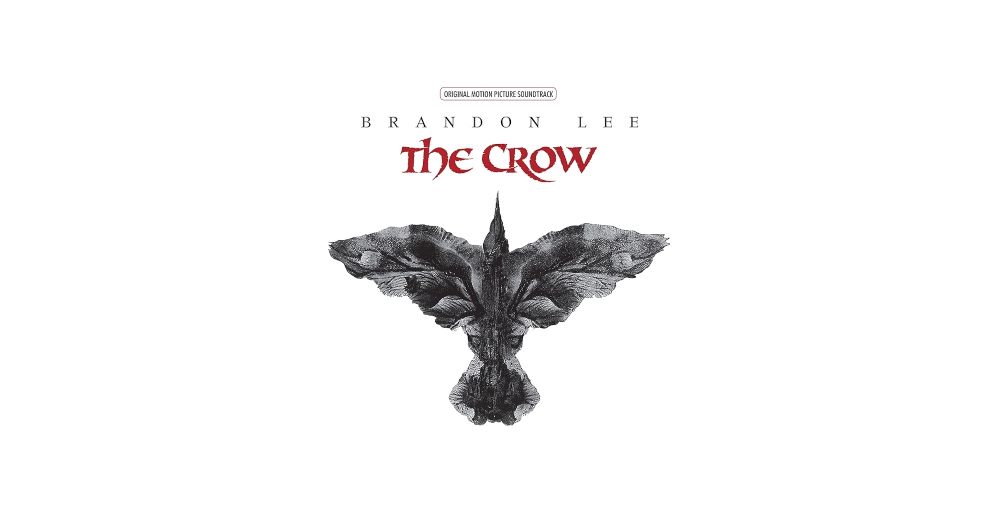
The Crow (1994) soundtrack stands as a cornerstone of mid-90s alternative rock, capturing the gothic essence of Alex Proyas’s film through a masterful blend of original tracks, re-recordings, and covers from the era’s heaviest hitters. Released on March 29, 1994, by Atlantic Records, this 14-track album clocked in at 63:50, peaking at number one on the Billboard 200 and earning triple platinum status with over three million copies sold in the U.S. alone. Its success wasn’t just commercial; it encapsulated the raw, brooding spirit of grunge, industrial, and post-punk at their commercial zenith, turning a superhero revenge tale into a sonic monument for disaffected youth.

Opening with Burn by The Cure, the album immediately plunges listeners into the film’s shadowy heart. Written specifically for the movie, this six-minute epic pulses with Robert Smith’s haunting vocals over swirling guitars and tribal drums, evoking Eric Draven’s resurrection and transformation. It’s a high point, perfectly syncing with the scene where Brandon Lee’s character applies his iconic black-and-white makeup, the song’s fiery intensity mirroring the crow’s vengeful rebirth. The Cure, fresh off their own chart dominance, deliver a track that feels both timeless and tailor-made, its gothic romance aligning seamlessly with James O’Barr’s original comic influences—like the page devoted to their earlier song The Hanging Garden.

Stone Temple Pilots follow with Big Empty, a mellow, blues-drenched lament that didn’t appear in the film’s body but bookends the credits. Initially, the band offered Only Dying, but after Lee’s tragic on-set death, they swapped it for this brooding gem, its introspective lyrics about loss resonating deeply with the movie’s themes of grief and redemption. Scott Weiland’s vulnerable croon over swirling psychedelia captures the quiet despair of Detroit’s rain-soaked nights, making it a fan favorite that lingers long after the album spins.

The pace shifts with Slip Slide Melting by For Love Not Lisa, a grungy alternative rocker that underscores the T-Bird gang’s Devil’s Night revelry. Its sludgy riffs and anthemic chorus fit the criminals’ bullet-swallowing bravado, though the track’s mid-tempo grind can feel formulaic amid the album’s bolder moments. Similarly, Rollins Band’s Ghostrider—a cover of Suicide’s 1977 punk staple inspired by the Marvel antihero—thunders in with Henry Rollins’ barked vocals and aggressive guitars. Heard as Top Dollar learns of the pawn shop arson, it injects punk fury, but its raw energy sometimes overshadows subtler nuances.

Nine Inch Nails’ take on Joy Division’s Dead Souls elevates the covers further, Trent Reznor’s industrial edge amplifying the original’s post-punk chill. Guiding the crow to its first target, Tin Tin, the song’s droning synths and pounding rhythm evoke inescapable fate, a nod to the comic’s Joy Division obsession—chapters titled after Atmosphere and Atrocity Exhibition. It’s a standout, bridging 80s goth roots with 90s aggression, though purists might prefer Ian Curtis’s spectral delivery.​

Helmet’s Milquetoast (often stylized Milktoast) brings math-rock precision, its staccato riffs and Page Hamilton’s yelps embodying mechanical rage. Less tied to a specific scene, it slots into the album’s industrial undercurrent, offering tight songcraft but lacking the emotional punch of neighbors like The Cure. Pantera’s The Badge, covering Poison Idea’s hardcore punk original, ramps up the metal as Top Dollar executes Gideon. Dimebag Darrell’s searing solos and Phil Anselmo’s snarls deliver brutality, fitting the film’s climax, yet the track’s extremity can alienate non-metal fans.

For Love Not Lisa’s inclusion feels slightly redundant after their opener, but Slip Slide Melting at least varies tempo. More intriguing is My Life with the Thrill Kill Kult’s After the Flesh, a re-recording of Nervous Xians from their nightclub cameo. Grooving with hip-hop beats, distorted samples, and sultry spoken-word, it pulses with sleazy underworld vibe, capturing the film’s seedy underbelly.​

The Jesus and Mary Chain’s Snakedriver adds shoegaze haze, Jim Reid’s drawl weaving through feedback-drenched guitars. Not featured prominently in the movie, it evokes serpentine cunning, though its dreamy wash occasionally drifts into monotony. Medicine’s Time Baby III, an evolved version of their film performance with Cocteau Twins’ Elizabeth Fraser on ethereal vocals, shimmers with shoegaze bliss. The original Time Baby II plays in the club, but this iteration’s Fraser guest spot adds haunting fragility, a brief respite in the aggression.

Rage Against the Machine’s Darkness—a reworking of their B-side Darkness of Greed—fumes with Zack de la Rocha’s righteous fury over Tom Morello’s jagged riffs. Soundtracking Albrecht and Sarah’s hotdog stand chat, it critiques urban decay, aligning with the film’s anti-corruption bent, but its preachiness might grate on repeat listens.​

Violent Femmes’ Color Me Once brings folk-punk twitchiness, Gordon Gano’s manic energy suiting the gothic whimsy, though it feels like an outlier amid the heavier fare. Closing with Jane Siberry’s It Can’t Rain All the Time, co-written with composer Graeme Revell from a film quote, the album ends on poignant hope. Its orchestral swell and Siberry’s tender delivery reunite Eric with Shelly’s spirit, shifting from vengeance to catharsis—an emotional anchor that ties the chaos together.

As a cohesive whole, The Crow soundtrack triumphs as a film companion, each track meticulously synced to amplify Proyas’s visuals: from the gang’s swagger to Draven’s flights of fury. Hits like BurnDead Souls, and Big Empty propelled it to cultural icon status, introducing casual listeners to acts like STP and NIN while honoring goth forebears. Commercially, it mirrored the era’s alt-rock boom—albums by The Cure, STP, and Pantera had topped charts—crystallizing a moment when industrial and grunge converged.

Yet balance demands critique: as a standalone album, it falters. The reliance on covers (GhostriderThe BadgeDead Souls) showcases reverence but rarely innovation, with some feeling like scene-setters over standalone statements. Lesser lights like Milquetoast or Snakedriver blur into a wall of distortion, lacking memorable hooks. Pacing sags mid-album, the industrial barrage overwhelming subtler gems like Time Baby III. Female voices—Fraser, Siberry—provide welcome contrast, but the male-dominated roster reflects 90s rock’s bro-ish tilt.

Thematically, it excels: rain, resurrection, and romance weave through lyrics, echoing the comic’s poetic vengeance. O’Barr’s Joy Division fandom shines, while custom tracks like Burn and It Can’t Rain All the Time feel organic. Post-Lee’s death, the album gained mythic weight, Big Empty‘s swap a somber tribute.​

In 2026, with vinyl reissues etched with crow motifs, it endures as a time capsule—flawed, ferocious, unforgettable. For fans of the film, it’s essential; for alt-rock purists, a thrilling if uneven ride. Its legacy? Proving soundtracks could outshine the screen, raining darkness and light in equal measure.

Song of the Day: Plush (by Stone Temple Pilots)


My latest pick for “Song of the Day” takes me back….way back to those early days post-high school. Only a couple years removed from graduating high school and maneuvering my ways through the turbulent seas of what would be my college years, it was only typical that music would be one of the few things that would anchor things for me during my Adrift Years.

Stone Temple Pilots is part of what I consider as the Big Four of alternative rock of the 1990’s or as some would label that particular sound as “grunge”. Alternative rock, grunge or just plain old hard rock, Stone Temple Pilots made their mark in the early 90’s rock scene with the second single off of their 1993 debut album Core.

“Plush” has always been one of my favorite songs of that era. I played that song on repeat and was one of my go-to Stone Temple Pilots track until “Interstate Love Song” a year later came along. The song was carried by Scott Weiland’s iconic vocals and its dark lyrics. I never knew how dark a song “Plush” was until finding out from a Weiland interview that it was based on a true story of a girl who had been kidnapped and murdered in the early 90’s.

Whether a song inspired by a true-crime story or a metaphor for a failed relationship (as Weiland has said the lyrics represented), “Plush” will remain one of those songs from my young adult years that I would revisit every year to reminisce.

Plush

And I feel that time’s a wasted go
So where you goin’ ’til tomorrow?
And I see that these are lies to come
So would you even care?

And I feel it
And I feel it

Where you goin’ for tomorrow?
Where you goin’ with the mask I found?
And I feel, and I feel when the dogs begin to smell her
Will she smell alone?

And I feel so much depends on the weather
So, is it rainin’ in your bedroom?
And I see that these are the eyes of disarray
So would you even care?

And I feel it
And she feels it

Where you goin’ for tomorrow?
Where you goin’ with the mask I found?
And I feel, and I feel when the dogs begin to smell her
Will she smell alone?

When the dogs do find her
Got time, time to wait for tomorrow
To find it, to find it, to find it
When the dogs do find her
Got time, time to wait for tomorrow
To find it, to find it, to find it

Where you goin’ for tomorrow?
Where you goin’ with the mask I found?
And I feel, and I feel when the dogs begin to smell her
Will she smell alone?

When the dogs do find her
Got time, time to wait for tomorrow
To find it, to find it, to find it
When the dogs do find her
Got time, time to wait for tomorrow
To find it, to find it, to find it

To find it
To find it
To find it

Music Video of the Day: Sour Girl by Stone Temple Pilots (2000, dir. David Slade)


My introduction to Stone Temple Pilots was the album Tiny Music…Songs From the Vatican Gift Shop–not my recommended way to start listening to STP. I remember liking this song, but when I bought the album, it felt generic and instantly forgettable.

The video for Sour Girl on the other hand is still something I remember to this day. Apparently, despite the fact that they look like a creepy version of Teletubbies, they were inspired by a dream that Scott Weiland had. At least that’s according to the Wikipedia article that draws from the Songfacts page on the song and video. The song was written about his divorce from his first wife. I’m assuming this is the same wife who he wrote Interstate Love Song about since according to Scott Weiland’s memoir [Not Dead & Not for Sale: A Memoir]:

[About Sour Girl]: “Everyone is convinced that it’s about my romance with Mary [Forsberg, second wife],” Weiland writes in his autobiography Not Dead and Not For Sale. “But everyone is wrong. ‘Sour Girl’ was written after the collapse of my relationship with Jannina [Castaneda, first wife]. It’s about her. ‘She was a sour girl the day that she met me,’ I wrote. ‘She was a happy girl the day she left me… I was a superman, but looks are deceiving. The rollercoaster ride’s a lonely one. I pay a ransom note to stop it from steaming.’ The ransom note, of course, was the fortune our divorce was costing me. And the happy state, which I presumed to be Jannina’s mood, was because she had finally rid her life of a man who had never been faithful.”

[About Interstate Love Song]: “She’d ask how I was doing, and I’d lie, say I was doing fine.”
“I imagined what was going through her mind when I wrote, ‘Waiting on a Sunday afternoon for what I read between the lines, your lies, feelin’ like a hand in rusted shame, so do you laugh or does it cry? Reply?”

That explains the bleak video, why she is returned to a happy-looking state while in the dark world of the video, and why Weiland is left in the dark world with the creepy creatures.

Considering Weiland’s life and the meaning behind this song and video, it’s interesting that it was directed by David Slade. You might remember him as a producer and director of episodes of American Gods and Hannibal. He also directed The Twilight Saga: Eclipse (2010).

Yari Schutzer was the production manager. Schutzer seems to have worked on around 25 music videos as well as some movies.

Martin Coppen shot the video. He has worked on at least 25 videos. Since his credits date back as far as 1988, I wouldn’t be surprised if there are many more.

Bronni Bakke was the casting director, which I guess mean she picked out Sarah Michelle Gellar and the people in the suits. She worked on The Bogus Witch Project (2000) and a few other things. According to her IMDb profile, she “impersonates Britney Spears, Marilyn Monroe, Felicity Shagwell and Lara Croft.” From what I can find, it looks like she passed away in 2016 from breast cancer.

Enjoy!

30 Days Of Surrealism:

  1. Street Of Dreams by Rainbow (1983, dir. Storm Thorgerson)
  2. Rock ‘n’ Roll Children by Dio (1985, dir. Daniel Kleinman)
  3. The Thin Wall by Ultravox (1981, dir. Russell Mulcahy)
  4. Take Me Away by Blue Öyster Cult (1983, dir. Richard Casey)
  5. Here She Comes by Bonnie Tyler (1984, dir. ???)
  6. Do It Again by Wall Of Voodoo (1987, dir. ???)
  7. The Look Of Love by ABC (1982, dir. Brian Grant)
  8. Eyes Without A Face by Billy Idol (1984, dir. David Mallet)
  9. Somebody New by Joywave (2015, dir. Keith Schofield)
  10. Twilight Zone by Golden Earring (1982, dir. Dick Maas)
  11. Schism by Tool (2001, dir. Adam Jones)
  12. Freaks by Live (1997, dir. Paul Cunningham)
  13. Loverboy by Billy Ocean (1984, dir. Maurice Phillips)
  14. Talking In Your Sleep by The Romantics (1983, dir. ???)
  15. Talking In Your Sleep by Bucks Fizz (1984, dir. Dieter Trattmann)

Music Video of the Day: Interstate Love Song by Stone Temple Pilots (1994, dir. Kevin Kerslake)


I’ve always found it ridiculous that Stone Temple Pilots seems to be that band from the early 90s that keeps getting misclassified. The one I see all over the place is that they are a grunge rock band. Every time I read that, I wonder if they have ever actually listened to their music. I find it particularly baffling since they are a straightforward hard rock band–if you must classify them. I get the impression that people overthink their music, and tend to lump them in with grunge because it sounds close enough if you only listen to a couple of songs like Creep, Big Empty, or Plush. Also, I think there tends to be some general confusion about what is and isn’t grunge as opposed to just 90s hard rock. It doesn’t help that the term alternative rock can be slapped on just about anything that wasn’t obviously pop or punk in the 90s. That’s my best guess about this non-issue that I see from time to time.

I was introduced to them via the album Tiny Music…Songs From the Vatican Gift Shop, and the song Big Bang Baby in particular. I later picked up Core and Purple. Today I have all six of their studio albums. Out of all of their songs, I would say Interstate Love Song is right up there at the top along with the hidden lounge singer song at the end of Kitchen Ware & Candy Bars.

There isn’t much to say about the music video itself. The beginning of the music video makes me think of Queen Kelly (1929) for some reason. The video has a character from the silent film portion running around with his nose growing in order to fit with the theme of lying that the song is singing about.

The rest is washed out and has Scott Weiland dressed how I imagine Marc Bolan would look like if he had made it to this decade. I think we can just chalk those things up to that it was the 90s and that was Weiland’s style. I really think it’s that simple.

They got director Kevin Kerslake to do the music video who did most of Nirvana’s videos, but also worked with both Stone Temple Pilots and the spin-off group Velvet Revolver on several occasions. He also worked with other major bands of the era such as Sonic Youth, Soundgarden, Red Hot Chili Peppers, and Green Day. He appears to still be working in music videos today since I can find a credit for him shooting Bang Bang for Green Day, but otherwise his credits seem to drop off in the mid-2000s. Like quite a few music video directors, he also has gone on to numerous concert films and music-related documentaries.

Enjoy!

Song of the Day: Big Empty (by Stone Temple Pilots)


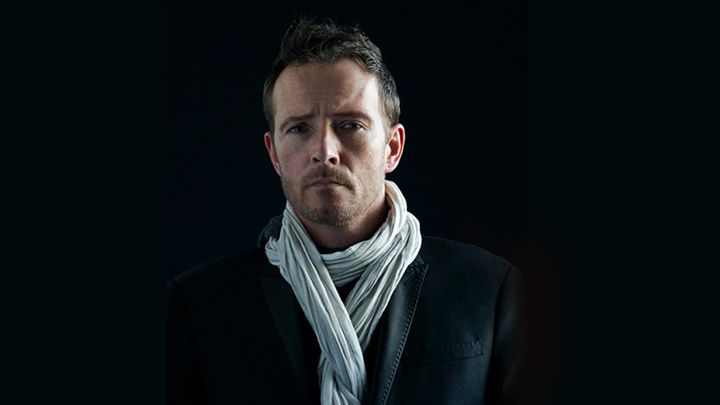
720x405-Scott2

Tonight the music world found out that Stone Temple Pilots and Velvet Revolver frontman Scott Weiland passed away at the age of 48 while on tour in Minnesota.

The years after graduating from high school was a chaotic time for me. not knowing what role I had for myself moving forward and afraid of the world beyond the regimented, secured, but understood confines of high school. While I enjoyed the freedom of being a young adult after graduating in the summer of 1991 the reality of it all was that I wasn’t that far removed from still being a teenager a couple years later.

I call these my adrift years.

From this time in my life I was drawn to the music that every young adult trying to leave his teen years behind. Whether it was hip-hop, metal and, the genre of the era, grunge, I was listening to it. While I wasn’t as huge a fan of grunge as the rest of my contemporaries of the time I did gravitate to a couple of the titans of the genre: Soundgarden and Stone Temple Pilots.

It was with Stone Temple Pilots that I was introduced to one of my favorite frontman of my Adrift Years: Scott Weiland.

Weiland encompassed not just the brooding, alienation that made grunge such a popular genre of music during the 1990’s but also had a touch of the wild and dangerous aspect of what made rock frontmen so-called Rock Gods. He was the Axel Rose of grunge. An enormously talented vocalist, but one who was also scandal-bound with his off-stage drug use and self-destructive behavior.

Scott Weiland helped make those years adrift during the early 1990’s with his singing. It’s a shame and a loss to the music world that like other rock legends before him his early years battling his inner demons would take him away too soon.

Nothing epitomizes who Scott Weiland was to me better than the song “Big Empty” which was the first single off of their second album Purple.

Big Empty

drivin’ faster in my car
falling farther from just what we are
smoke a cigarette and lie some more
these conversations kill
falling faster in my car

time to take her home
her dizzy head is conscience laden
time to take a ride
it leaves today no conversation
time to take her home
her dizzy head is conscience laden
time to wait too long
to wait too long
these conversations kill

to much walkin’, shoes worn thin
too much trippin’ and my soul’s worn thin
time to catch a ride
it leaves today, her name is what it means
to much walkin’, shoe’s worn thin