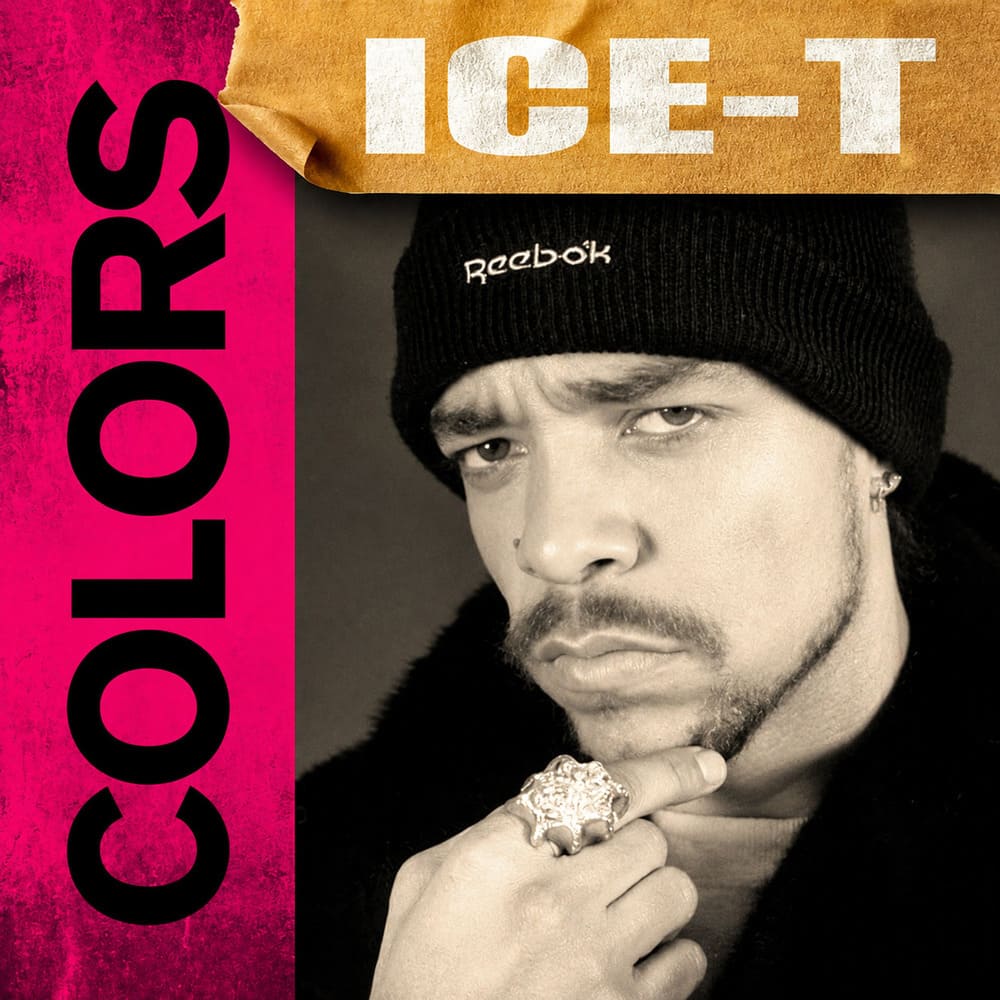
Song of the Day: Colors (by Ice-T)


Ice-T’s “Colors” feels like one of those records where West Coast hip-hop stops sounding like a regional offshoot and starts speaking with its own unmistakable voice. Released for Dennis Hopper’s 1988 film of the same name, it does not romanticize Los Angeles gang life so much as report from inside its atmosphere: territorial, tense, and tragically routine. Ice-T’s narrator is not offering a neat moral lesson or trying to turn the street into a fantasy; he is laying out a social reality in plain, hard language. That documentary quality is a major reason the song still lands so forcefully.

What makes “Colors” especially important is how natural Ice-T makes its perspective sound. The flow is controlled and conversational, almost like somebody walking you through the rules of a place where the wrong glance, neighborhood, or color can carry consequences. That approach helped define a West Coast identity built around local detail, storytelling, and lived environment. The song’s world is specifically Los Angeles—not a generic “inner city”—and its focus on the Bloods-and-Crips color divide gave rap listeners outside California a stark picture of how geography and identity could become inseparable.

That was a crucial foundation for what gangsta rap would become. Before the genre hardened into a marketable label—and, later, into endless caricature—“Colors” showed that street-centered rap could be vivid social observation. Ice-T was already a major West Coast presence, and the song helped establish the template that artists such as N.W.A. would push further: police pressure, neighborhood politics, danger, survival, and anger described with little interest in making outsiders comfortable. The song is confrontational, but its real power comes from its clarity; it makes a listener feel how a culture of affiliation can become a trap.

It also helped distinguish the West Coast from the East Coast tradition that had shaped hip-hop’s earliest public identity. New York rap was often treated as the genre’s center of gravity, with its own emphasis on DJ culture, battle skills, dense rhyme patterns, and sample-driven production. “Colors” did not reject lyricism—it is a sharply written record—but it put place and narration ahead of verbal acrobatics. The West Coast voice that grew around songs like this left more room for a direct, cinematic account of life in Los Angeles. That difference should not be flattened into a simplistic coast-versus-coast rivalry, but “Colors” made clear that California hip-hop had its own stories, rhythms, and stakes—and would not need New York’s approval to matter.

Colors

I am a nightmare walking, psychopath talking
King of my jungle, just a gangster stalking
Living life like a firecracker, quick is my fuse
Then dead as a death pack, the colors I choose

Red or blue ‘cuss or blood
It just don’t matter
Sucker die for your life when my shotgun scatters
We gangs of L.A. will never die, just multiply

Colors

You don’t know me, fool, you disown me, cool
I don’t need your assistance, social persistence
Any problem I got I just put my fist in
My life is violent, but violent is life

Peace is a dream, reality is a knife
My colors my honor my colors my all
With my colors upon me one soldier stands tall
Tell me what have you left me

What have I got
Last night in cold blood my young brother got shot
My homeboy got jacked, my mother’s on crack
My sister can’t work ’cause her arms show tax

Madness insanity, live in profanity
Then some punk claiming’ they understanding’ me
Give me a break, what world do you live in
Death is my sect, guess my religion

Colors

My pants are sagging’ braided hair
Suckers stare but I don’t care
My game ain’t knowledge, my game’s fear
I’ve no remorse so squares beware

But my true mission is just revenge
You ain’t in my sect, you ain’t my friend
Wear the wrong color, your life could end
Homicide’s my favorite venue

Colors

So I’ll just walk like a giant, police defiant
You’ll say to stop but I’ll say that I can’t
My gangs my family, it’s all that I have
I’m a star on the wall’s my autograph

You don’t like it, so you know where you can go
‘Cause the streets are my stage and terror’s my show
Psycho-analyze try and diagnose me, why?
It wasn’t your brother that brutally died

But it was mine, so let me define my territory don’t cross the line
Don’t try to act crazy ’cause the shit don’t faze me
If you ran like a punk, it wouldn’t amaze me
‘Cause my colors death, though we all want peace
But our war won’t end till all wars cease

Colors

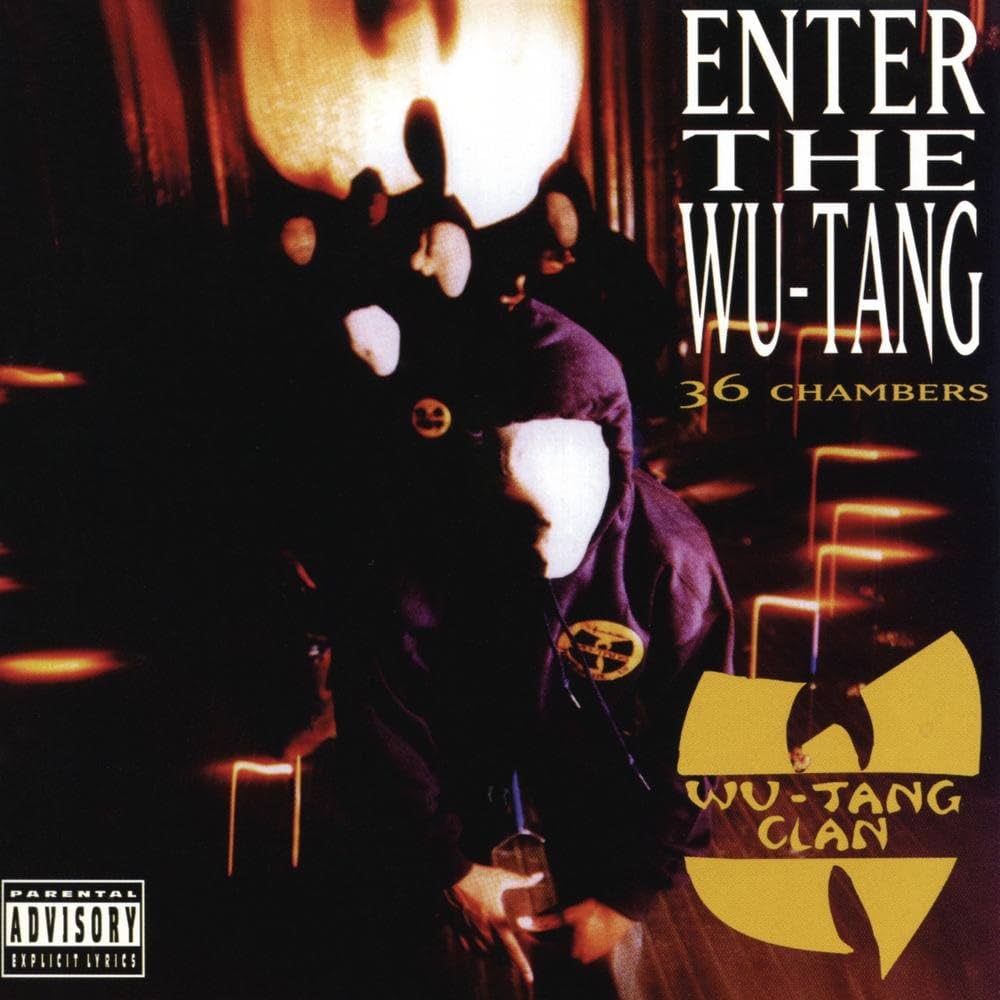
Retro Music Review: Enter the Wu-Tang (36 Chambers) (by Wu-Tang Clan)


36 Chambers by the Wu-Tang Clan isn’t just an album—it’s a cultural earthquake that reshaped hip-hop forever. Released in 1993, this debut project introduced a raw, unfiltered sound that felt like a direct transmission from the streets of Staten Island to the rest of the world. The album’s title, Enter the Wu-Tang (36 Chambers), hints at its cinematic scope, blending martial arts mythology with the gritty reality of New York City life. From the opening skit to the final fade-out, 36 Chambers is a masterclass in storytelling, lyrical dexterity, and sonic innovation, all wrapped in a haze of dusty samples and hard-hitting beats.

The production on 36 Chambers is a character unto itself. RZA’s beats are lo-fi in the best way possible—gritty, bass-heavy, and layered with samples that feel like they were dug up from a forgotten record crate. Tracks like Bring da Ruckus and Protect Ya Neck kick off with a ferocity that immediately establishes the Wu-Tang Clan as a force to be reckoned with. The beats aren’t polished; they’re rough around the edges, but that rawness is what gives the album its timeless quality. RZA’s use of soul samples, particularly from old kung fu movies and obscure funk records, creates a soundscape that feels both nostalgic and fresh. It’s as if the album is simultaneously paying homage to the past while forging a new path forward.

Lyrically, 36 Chambers is a tour de force. The Wu-Tang Clan’s collective talent is on full display, with each member bringing their own distinct flavor to the table. Method Man’s hypnotic flow on Method Man is a standout, showcasing his ability to weave intricate rhymes with a laid-back yet commanding delivery. Raekwon’s verse on Protect Ya Neck is another highlight, as he effortlessly rides the beat with a mix of bravado and precision. Ghostface Killah’s storytelling on Tearz is both poignant and vivid, painting a picture of struggle and resilience that resonates deeply. Even the lesser-known members of the clan at the time, like Inspectah Deck and U-God, deliver verses that hold their own against the more prominent voices. The chemistry among the group is undeniable, and their ability to trade bars seamlessly makes the album feel like a cohesive unit rather than a collection of solo performances.

What makes 36 Chambers so special is its unpredictability. The album doesn’t follow a traditional structure, with skits and interludes scattered throughout that add to its cinematic feel. Songs like C.R.E.A.M. and Can It Be All So Simpleprovide moments of introspection amidst the chaos, offering a glimpse into the struggles and aspirations of the group’s members. C.R.E.A.M., in particular, is a classic that transcends hip-hop, with its universal themes of money, family, and the pursuit of a better life. Raekwon’s delivery on the track is hauntingly beautiful, and the chorus—“Cash rules everything around me”—has become one of the most iconic lines in rap history.

The influence of 36 Chambers on hip-hop cannot be overstated. Before this album, the rap game was dominated by a more polished, radio-friendly sound. Wu-Tang Clan came in and flipped the script, proving that raw talent and authenticity could resonate just as strongly—if not more so—than a glossy, commercial approach. The album’s success paved the way for a new wave of artists who prioritized lyricism and originality over mainstream appeal. Groups like A Tribe Called Quest and De La Soul had already laid the groundwork for alternative hip-hop, but Wu-Tang Clan took it to another level, inspiring countless artists to embrace their uniqueness and reject industry norms.

Moreover, 36 Chambers helped popularize the concept of the rap collective. The Wu-Tang Clan wasn’t just a group; it was a movement, a family of artists who supported and elevated each other. This model influenced countless other collectives, from the Native Tongues to Odd Future, who saw the value in collaboration and shared creative vision. The album also played a significant role in bringing hip-hop to a global audience, as its universal themes and innovative sound transcended regional boundaries. Fans from all over the world connected with the Wu-Tang Clan’s music, and the group’s influence can be heard in the work of artists from every corner of the globe.

One of the most remarkable things about 36 Chambers is how well it has aged. While many albums from the early ‘90s feel dated in hindsight, this one still sounds fresh and vital. The production holds up, the lyrics remain sharp, and the energy is as infectious as it was over three decades ago. It’s a testament to the Wu-Tang Clan’s vision and execution that 36 Chambers continues to be celebrated as one of the greatest hip-hop albums of all time. The album’s legacy is evident in the countless homages, samples, and references it has inspired in the years since its release. From Kendrick Lamar to J. Cole, modern rap artists continue to draw inspiration from the Wu-Tang Clan’s groundbreaking work.

Beyond its musical contributions, 36 Chambers also had a profound cultural impact. The album’s cover art, featuring the Wu-Tang Clan logo and a collage of images that evoke both martial arts and street life, has become iconic. The group’s aesthetic—rooted in Shaolin philosophy, street wisdom, and a DIY ethos—resonated with a generation of fans who were looking for something real in a world that often felt artificial. Wu-Tang Clan’s authenticity was their superpower, and 36 Chambers was the ultimate expression of that authenticity.

The album’s impact extends beyond music and culture—it also changed the business of hip-hop. The Wu-Tang Clan’s decision to release 36 Chambers independently, without the backing of a major label, was a bold move that paid off handsomely. The album’s success proved that artists could maintain creative control while still achieving commercial success, a lesson that has been taken to heart by countless independent artists in the years since. The Wu-Tang Clan’s model of self-reliance and entrepreneurial spirit has become a blueprint for aspiring musicians looking to carve their own path in the industry.

Revisiting 36 Chambers today, it’s clear that the album’s magic lies in its imperfections. The beats aren’t pristine, the mixing isn’t flawless, and the delivery isn’t always polished—but that’s precisely what makes it so compelling. The album feels alive, like a snapshot of a moment in time when a group of talented, hungry artists came together to create something truly special. It’s an album that demands to be experienced in full, from start to finish, with all its quirks and idiosyncrasies intact.

In the end, 36 Chambers is more than just an album—it’s a movement. It’s a testament to the power of creativity, collaboration, and staying true to oneself. The Wu-Tang Clan didn’t just make music; they created a legacy that continues to inspire and influence new generations of artists and fans. Whether you’re a lifelong hip-hop head or a casual listener, 36 Chambers is an essential listen, a timeless piece of art that captures the essence of what makes rap so powerful. It’s rough, it’s raw, and it’s real—just like the Wu-Tang Clan themselves.

Retro Music Review: It’s Dark and Hell Is Hot (by DMX)


DMX’s debut album, It’s Dark and Hell Is Hot, is a raw, unfiltered masterpiece that announced Earl Simmons as a force to be reckoned with in the late 90s hip-hop scene. Released in 1998, the album didn’t just introduce DMX to the world—it thrust him into the spotlight as one of the most compelling and uncompromising voices in rap. At a time when hip-hop was oscillating between commercial polish and underground grit, DMX’s voice cut through with a raw intensity that felt both primal and poetic. His aggressive, dark lyricism and unfiltered delivery, often compared to the ferocity of a junkyard dog, drew immediate comparisons to Tupac Shakur. But DMX wasn’t just following in Pac’s footsteps; he was forging his own path, one that was as spiritually conflicted as it was street-savvy.

The undeniable centerpiece of It’s Dark and Hell Is Hot is Damien, a track that transcends the typical album intro. More than just a skit, Damien is a chilling, theatrical exploration of DMX’s internal struggles. From the moment the track begins, you’re pulled into a world where the line between reality and the supernatural blurs. DMX plays both himself and the demonic voice taunting him, creating a dialogue that feels as real as it is haunting. The track sets the tone for the entire album, framing DMX as a man at war with his own demons, his past, and forces beyond his control. It’s not just an introduction—it’s the emotional and thematic foundation of the album, a raw, unfiltered look into the mind of an artist who refuses to sugarcoat his pain. Damien isn’t just a highlight; it’s the heart of It’s Dark and Hell Is Hot, the moment where DMX’s genius for blending street narratives with deep introspection is on full display.

From the shadow of Damien emerges Ruff Ryders’ Anthem, the album’s lead single and a track that solidified DMX’s place in hip-hop history. Produced by Swizz Beatz, the beat is minimal but devastatingly effective, providing the perfect backdrop for DMX’s gravelly, commanding voice. Lines like “Stop being selfish / It’s dark and hell is hot” aren’t just catchy—they’re a mission statement, echoing the themes of struggle and redemption introduced in Damien. The song became an instant anthem, a rallying cry for the Ruff Ryders collective and a declaration to the hip-hop world that DMX was here to stay. But what makes Ruff Ryders’ Anthem truly special is how it balances raw aggression with moments of vulnerability. DMX isn’t just flexing; he’s baring his soul, and that duality is what makes the track resonate so deeply.

Get At Me Dog takes the energy of Ruff Ryders’ Anthem and amplifies it, doubling down on DMX’s signature aggression. The beat is menacing, and DMX’s flow is relentless, with every line delivered like a punch to the chest. Yet, beneath the bravado, there’s an undercurrent of pain, a reminder that DMX’s music is as much about survival as it is about dominance. The track’s hook, “You can’t get at me, dog,” is as much a defiant taunt as it is a declaration of resilience. It’s a perfect example of how DMX could blend street toughness with emotional depth, a theme that Damien introduces so powerfully.

Stop Being Greedy offers a moment of reflection amidst the album’s intensity. Over a hypnotic, bass-heavy beat, DMX delivers a sermon on loyalty and the dangers of avarice. The track feels like a street-level public service announcement, with DMX playing the role of both the sinner and the preacher. It’s a testament to his ability to weave moral lessons into his music without ever sounding preachy. Instead, he sounds like a man who’s lived through the fire and emerged with hard-earned wisdom, much like the lessons learned in the spiritual battle depicted in Damien.

The album’s introspective side shines on tracks like How’s It Goin’ Down and Look Thru My Eyes. These songs slow the tempo, allowing DMX to flex his melodic muscles and showcase his range as an artist. How’s It Goin’ Down is a masterclass in storytelling, with DMX painting vivid pictures of street life with a smooth yet raw delivery. It’s a reminder that DMX wasn’t just a one-dimensional artist; he could navigate different emotional landscapes while staying true to the dark, introspective themes that define It’s Dark and Hell Is Hot. These tracks feel like natural extensions of the internal conflict introduced in Damien, further solidifying the album’s emotional depth.

For My Dogs is another standout, blending street narratives with themes of brotherhood and survival. The beat is somber, almost mournful, and DMX’s lyrics match the mood, rapping about loss, betrayal, and the unbreakable bonds of loyalty. The track feels both personal and universal, a tribute to the crew that stood by him through the darkest times. It’s a theme that ties back to Damien, where the struggle for redemption and connection is so central.

No discussion of It’s Dark and Hell Is Hot would be complete without diving into The Convo and I Can Feel It. These tracks take the spiritual and psychological themes introduced in Damien even further. The Convo is a chilling depiction of a dialogue with the devil, with DMX playing both roles in a performance that’s as theatrical as it is raw. It’s a bold, unflinching look at the battle between good and evil within himself. I Can Feel It, on the other hand, is a haunting, introspective cut where DMX grapples with his own mortality and the weight of his sins. The vulnerability here is staggering, and it’s a testament to DMX’s fearlessness as an artist. He wasn’t afraid to show his scars, and that honesty is what made him so relatable to fans.

The production on It’s Dark and Hell Is Hot is another key element of its success. DMX worked with producers like Swizz Beatz, Dame Grease, and PK, who crafted beats that complemented his dark, atmospheric style. The production is stripped-down but hard-hitting, with heavy basslines and eerie melodies that enhance the album’s mood. There’s a rawness to the sound that mirrors DMX’s own approach to rapping, resulting in an album that feels cohesive and immersive. The beats serve as the perfect backdrop for DMX’s lyrics, amplifying the themes of struggle and redemption that Damien introduces so powerfully.

Lyrically, DMX was in a league of his own. His ability to weave complex themes into his verses without sacrificing his signature aggression was unmatched. He could go from barking like a madman to delivering a poignant one-liner in the span of a few bars, and it never felt forced. His wordplay was sharp, his metaphors vivid, and his delivery so full of emotion that it was impossible not to be drawn in. Whether he was rapping about street life, spiritual struggles, or personal demons, DMX had a way of making you feel like you were right there with him, experiencing every high and low. This is never more evident than in Damien, where his internal conflict is laid bare with a rawness that’s as captivating as it is unsettling.

The impact of It’s Dark and Hell Is Hot on the hip-hop landscape cannot be overstated. In an era dominated by polished, commercial sounds, DMX’s debut was a breath of fresh air—raw, unfiltered, and unapologetically real. The album not only put DMX on the map as one of the rising stars of hip-hop, but it also cemented his place as one of the greats. His ability to blend street narratives with deep introspection set him apart from his peers and earned him a dedicated fanbase that would follow him throughout his career. The comparisons to Tupac were inevitable, as both artists had a rare ability to convey emotion in their music and tackle dark, complex themes. But where Pac was often seen as a revolutionary, DMX was more like a prophet of the streets, a man who had seen the worst of life and was determined to share his story, no matter how ugly. His music was a reflection of his own struggles, and that authenticity resonated with listeners in a way that few artists could match. Damien embodies this authenticity, standing as the emotional core of the album and a testament to DMX’s uncompromising vision.

It’s Dark and Hell Is Hot wasn’t just an album; it was a movement. It gave a voice to the voiceless and provided a soundtrack for those who felt like they were fighting their own personal battles. DMX’s debut was a statement of intent, a declaration that he was here to stay and that he wasn’t going to compromise his vision for anyone. The album’s success—both critically and commercially—proved that there was a hunger for real, unfiltered hip-hop, and DMX was more than happy to feed that hunger. Damien symbolizes this uncompromising vision, standing as a testament to the album’s enduring power.

In the years since its release, It’s Dark and Hell Is Hot has only grown in stature. It’s now widely regarded as one of the greatest debut albums in hip-hop history, and for good reason. From start to finish, the album is a masterclass in storytelling, lyricism, and raw emotion. DMX’s performance is electrifying, and the production provides the perfect backdrop for his dark, introspective lyrics. But more than that, the album is a testament to the power of authenticity. DMX didn’t try to be anyone else; he was unapologetically himself, and that’s what made It’s Dark and Hell Is Hot so special. Damien remains the highlight, a track that encapsulates everything that makes the album great—its rawness, its honesty, and its unflinching look at the darker side of the human experience.

Even now, more than two decades after its release, the album still feels fresh and relevant. Its themes of struggle, redemption, and survival are timeless, and DMX’s delivery ensures that every word hits with the same force it did back in 1998. It’s Dark and Hell Is Hot isn’t just a classic; it’s a blueprint for how to make an album that’s both commercially successful and artistically daring. DMX set the bar high with his debut, and he spent the rest of his career trying to live up to it—a testament to the enduring power of this remarkable record. For fans of hip-hop, It’s Dark and Hell Is Hot is essential listening, with Damien standing as its crowning achievement, the track that defines the album’s legacy.

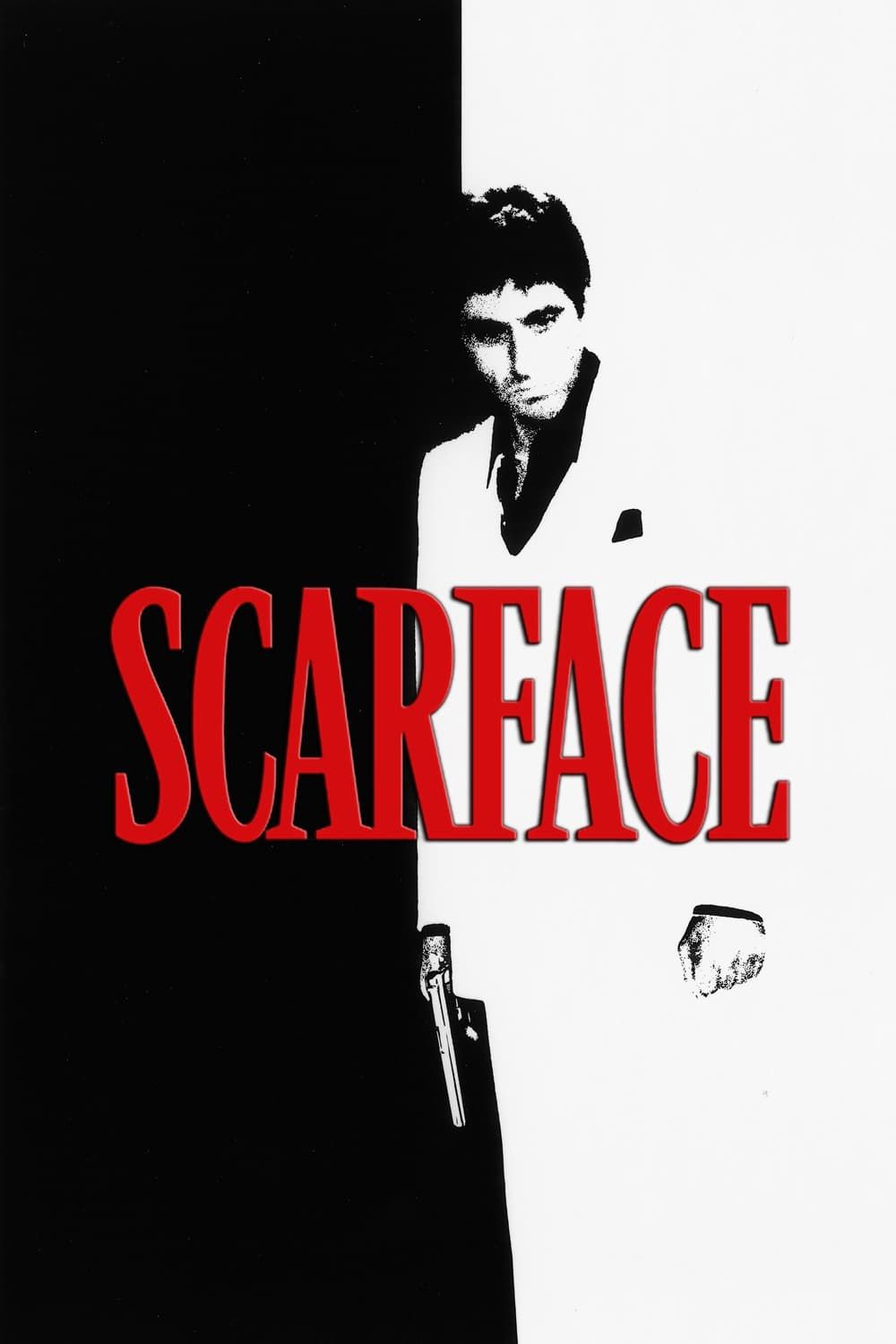
Review: Scarface (dir. by Brian De Palma)


“All I have in this world is my balls and my word.” — Tony Montana

Brian De Palma’s Scarface is one of those movies that seems almost impossible to discuss at a normal volume. Everything about it is loud, excessive, sweaty, violent, vulgar, and deliberately too much. The movie does not simply tell the story of Tony Montana, a Cuban immigrant who rises through Miami’s cocaine trade before destroying himself. It turns that rise and fall into a neon-lit, operatic explosion of greed, paranoia, sex, money, and violence. At first, Scarface can feel like an overlong, incredibly entertaining gangster fantasy. But underneath all the cocaine mountains and machine guns, it is also a deeply cynical story about the American dream and what happens when ambition is allowed to become a substitute for an actual soul.

Tony arrives in Miami during the Mariel boatlift, immediately presenting himself as someone who refuses to be intimidated. He is not interested in being grateful, polite, or patient. Tony wants power, and he wants it quickly. That impatience is both his greatest strength and the obvious source of his downfall. He is willing to do things that other people are too afraid to do, which helps him climb the criminal ladder. At the same time, he cannot understand the idea of limits. Every success only makes him want something bigger: more money, more cocaine, more influence, a bigger house, a more beautiful wife, and absolute control over everyone around him.

The screenplay by Oliver Stone gives Tony a kind of blunt, almost cartoonishly direct philosophy. He believes that the world belongs to people who take it. In Tony’s mind, morality is mostly an excuse invented by people who lack the courage to seize what they want. That attitude makes him magnetic, but the film never truly presents his worldview as admirable. Tony may have the confidence of a king, but he behaves more like a man who is constantly terrified that someone will discover he is not really in control. His bravado is a shield against humiliation, poverty, and powerlessness. The more successful he becomes, the more obvious it is that he is still fighting the same emotional battle he was fighting when he first arrived.

Al Pacino’s performance is the central reason Scarface remains so watchable. He plays Tony as a human grenade, a character who seems to be vibrating with anger even when he is sitting still. The accent, the posture, the rapid shifts in mood, and the exaggerated physical gestures could easily have turned Tony into a parody. In fact, there are moments when Pacino absolutely does push the character into parody. Yet that is also part of the performance’s strange power. Tony is a man who has constructed himself as a larger-than-life personality, so Pacino makes him seem like someone performing Tony Montana even while he is alone.

Pacino understands that Tony’s violence is not simply about cruelty. It is about insecurity, pride, and the panic of losing status. Tony cannot tolerate being laughed at, challenged, ignored, or treated as inferior. A casual insult can become a life-or-death confrontation because he experiences disrespect as an existential threat. Pacino makes those reactions frightening, but he also gives them a pathetic quality. Tony is powerful enough to terrify an entire room, yet emotionally he often behaves like a wounded child demanding recognition.

That contradiction is what keeps the performance from becoming empty scenery chewing. Tony is ridiculous, but he is also tragic. He is disgusting, but he has flashes of genuine feeling, especially in his relationship with his sister Gina. Unfortunately, even his love for her becomes possessive and destructive. Tony wants to protect Gina, but he also wants to own her choices, her sexuality, and her future. He cannot separate love from control. The same problem affects his relationship with Elvira, played by Michelle Pfeiffer, and eventually his entire empire. Tony does not know how to care for people without turning them into extensions of himself.

De Palma’s direction matches Tony’s personality. The film is staged like a gangster epic filtered through a fever dream. Miami becomes a place of bright colors, glass surfaces, giant mansions, tropical heat, and constant artificial light. The city feels less like a real environment than a hallucination of wealth. Tony’s home is especially important because it looks like a monument to success but gradually becomes a prison. The famous final shootout transforms that mansion into a battlefield, with Tony defending his kingdom even after it has already collapsed around him.

The violence in Scarface is often shocking, but it is also theatrical. De Palma uses suspense, wide compositions, sudden bursts of brutality, and moments of grotesque visual humor to make the violence feel both horrifying and unreal. The movie’s excess can be exhausting, particularly in the middle section, where Tony’s rise begins to blur into an endless parade of deals, parties, arguments, and drug use. The length is part of the point: we are meant to feel Tony’s world becoming bloated and unstable. Still, some of the film’s scenes repeat ideas that it has already established. Tony is ambitious, Tony is paranoid, Tony is violent, and eventually Tony is high. The movie sometimes keeps shouting after the audience has already heard it.

That criticism matters because Scarface is not a flawless film. Its dialogue can be clumsy, its supporting characters are sometimes more functional than fully developed, and its treatment of women is frequently limited by Tony’s perspective. The film wants to condemn male domination and criminal capitalism, but it is also fascinated by the same things it condemns. It shows us the luxury, the clothes, the cars, the glamorous parties, and the apparent freedom of Tony’s lifestyle. Even while warning that this life ends in misery, it makes the fantasy visually seductive.

That tension helps explain the movie’s complicated legacy. When Scarface was first released in 1983, many critics found it excessive, ugly, and morally confused. Over time, however, its reach expanded dramatically through home video and popular culture. The movie became especially important to hip-hop, where artists recognized Tony’s language of survival, hustle, ambition, and self-invention. Al Pacino has credited hip-hop with helping the film find its audience, saying that rappers understood and embraced it. That relationship became one of the most important parts of Scarface’s afterlife.

Hip-hop did not simply treat Tony as a cool gangster. It also turned him into a symbol. The character could represent ruthless ambition, immigrant struggle, street credibility, material success, or the danger of becoming trapped by one’s own myth. Lines from the movie entered rap lyrics, album skits, music videos, and stage names. The film’s imagery became a shorthand for a certain kind of rise-from-nothing fantasy, even when the original movie was trying to show how poisonous that fantasy could be. In this sense, Scarface became bigger than its initial critical reputation. It stopped being only a crime film and became a cultural text that people could quote, remix, parody, and reinterpret.

Its influence on video games is just as obvious, especially in Grand Theft Auto: Vice City. That game’s 1980s Miami setting, neon colors, criminal empire structure, radio culture, and flamboyant protagonist clearly operate in the same general territory as Scarface. The film has also been connected directly to other games, including Scarface: The World Is Yours, which imagines an alternate continuation after the movie’s ending. The game allows players to rebuild Tony’s empire, purchase businesses, intimidate rivals, and expand across Miami. It turns the movie’s rise-and-fall structure into an interactive fantasy in which the player gets to ignore the ending and keep climbing.

That difference between film and game is revealing. Scarface ultimately insists that Tony’s dream cannot survive because Tony himself is incapable of moderation, trust, or self-knowledge. Video games can take the same world and make the player feel rewarded for doing exactly what Tony does: acquiring territory, collecting money, buying weapons, and becoming more powerful. In that format, the critique of excess can easily become a celebration of excess. Yet that is also why the film remains so influential to games. It provides an instantly understandable fantasy of criminal ascent, complete with a distinctive visual style and a protagonist whose personality is impossible to ignore.

In the end, Scarface is both a warning and a temptation. It tells us that Tony Montana is doomed, but it makes his climb so entertaining that we understand why generations of viewers, rappers, and game designers kept returning to him. Al Pacino’s performance is the movie’s beating heart: outrageous, funny, frightening, and occasionally heartbreaking. De Palma’s film may be messy and overstuffed, but its messiness is part of its identity. Scarface does not want to be tasteful or balanced. It wants to overwhelm you, seduce you, and then leave you staring at the wreckage of a man who mistook having everything for being somebody.

Song of the Day: Tao of the Machine (by the Roots and BT)


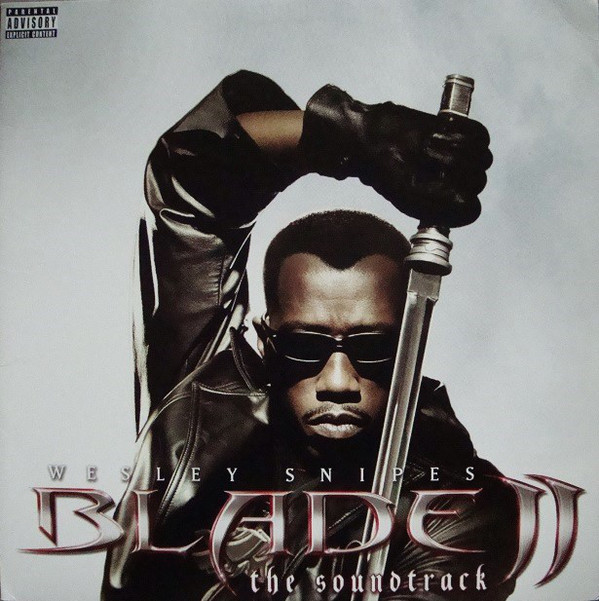
Blade II Soundtrack

After several months hiatus, I am back just in time to see the latest San Diego Comic-Con arrive and pass by with the latest in comic book-related news whether in print, video games or tv and films.  One surprise news which dropped during Marvel Studio’s popular Hall H panel this past Saturday was the surprise announcement that the character of Blade has been recast. He will be getting his own film for the ever-growing juggernaut that is the Marvel Cinematic Universe.

While rumors in the past had Wesley Snipes (the original actor who played the character Blade in a trilogy of films) in meetings with Marvel Studios, it would seem that Kevin Feige and his casting crew decided on a new face to reprise the role of the Daywalker. Out is Wesley Snipes and in comes two-time Academy Award winner Mahershala Ali (Moonlight, The Green Book).

Thus with that announcement the character of Blade has returned to the forefront of pop culture. One thing that the trilogy of films had that impressed me as a fan was the eclectic batch of licensed music that was a mixture of techno, rock and hip-hop. I’ve already featured one song from the Blade II soundtrack (“I Against I” by Massive Attack ft. Mos Def).

So, it’s no surprise that the latest Song of the Day comes from the very same soundtrack and this time it’s a collaboration from hip-hop gurus The Roots and techno legend BT.

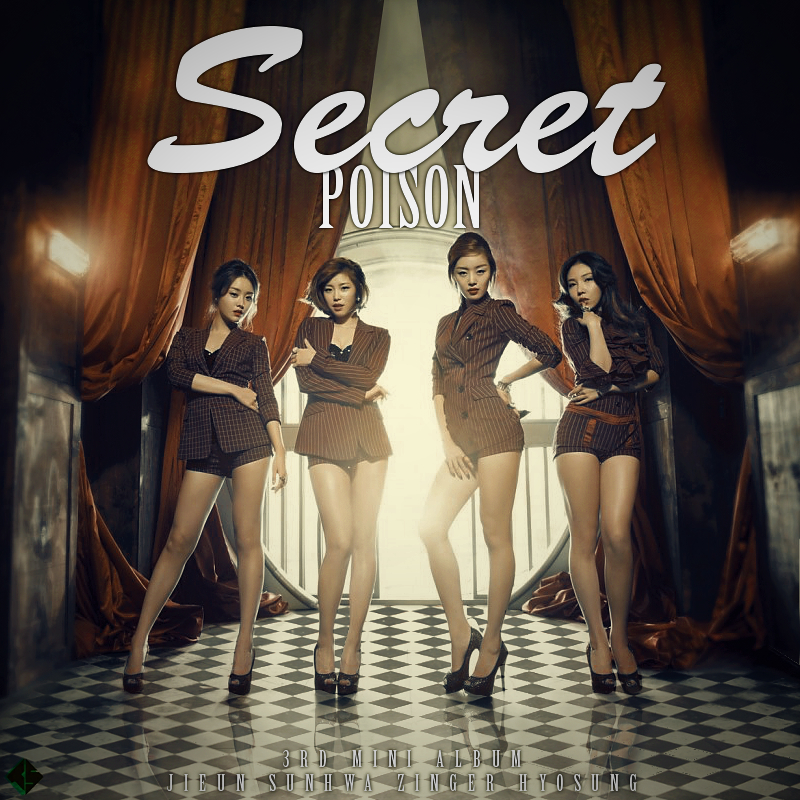
Song of the Day: Poison (by Secret)


Secret Poison

This is definitely not your “Poison” of the early 1990’s BBD (Bell Biv Deveo) days. This time it’s the 2012 mini-album release for the South Korean girl group Secret. The quartet took a year off before launching a comeback which saw the mini-album’s release and a new sexy and feminine look. It was a far cry from their previous cutesy image.

The song is a combination of many influences from jazz (a repeating saxophone section) to pop R&B (reminiscent of late 90’s and early 2000’s) to hip-hop with it’s layered beats. All of these influences make for a nice uptempo beat that the video is still able to mine for a nice sexy, sultry concept video that shows the quartet unleashing their femme fatale aspects.

The video itself is a more story driven than most K-pop videos of the time. With the girls (or should I say ladies) decked out in British women’s spy fashion mixed in with detective film noir femme attire. While the theme calls to mind Spillane, Hammett and Cain, the dance choreography screams R&B and Hip-Hop. From the choreo matching the song’s percussive beats to the body rolls and get-low moves.

While all four ladies of Secret gets a chance to shine in the song, the video itself is taken over by the visuals of group Leader Hyosung and group Visual and Maknae (youngest in the group) Sunhwa. Both Hana (rapper) and Jieun (Main Vocalist) don’t shrink from their own roles despite the first two having a much more visual impact and presence in the video.

I must agree with all who have seen the video and some of their stage live performances of the song, Hyonsung plus thigh-highs stockings were and, still are, a killer look. A visual good enough to kill for.

My Top 15 Albums of 2017


Hi! Still existing and loving my family, hope the same goes for all of you. I may be retired from all else in the music world, but the year end list is eternal.

Sample size: I have 83 albums released in 2017 at the time of writing this. Can’t promise I actually listened to all of them.

Surgeon General’s Warning: Ranking music is silly and I generally discourage it.  (But I do it once a year anyway…….)

15. Chinese Man – Shikantaza

trip hop/hip hop

Sample track: Liar

fun French hip hop/trip hop album that seems to have gotten overlooked a lot. I listened to it a ton earlier this year. It’s not something I’ll remember years down the road, but it certainly earned a spot for as much as I played it.


14. Elder – Reflections of a Floating World

stoner prog

Sample track: Sanctuary

For me personally, this is probably the most unorthodox pick on my list, because it is heavily rock-centric in all the ways that typically turn me off. God but something about rock and roll has always felt absolutely soulless to me in a way that few genres can match at their worst. But Elder just do what they do so damn well that it’s impossible to hate this opus. An endless onslaught of prog ingenuity with a nice stoner rock crunch that keeps it driving from start to finish. It’s 64 straight minutes of ear candy without a dull note in the mix, and I have a world of respect for how flawlessly these guys accomplished what they set out to do.


13. Krallice – Go Be Forgotten

post-black metal

Sample track: This Forest For Which We Have Killed

Krallice are responsible for a lot of the best music to come out this decade, and in 2017 they pumped out two new ones (both painfully late into the year for a band that requires a lot of repetition to fully appreciate). While I haven’t actually read anything about either of these yet, the distinctly different styles between them have me pretty convinced that Mick Barr wrote the bulk of this one and Colin Marston took charge on the other. Go Be Forgotten gets off to a glorious start with its opening track, but the remainder has so far failed to really captivate me to the extent that most of their previous works did. It doesn’t raise the bar (or if it does, it hasn’t sunk in yet), but it’s still a fascinating exploration of highly complex soundscapes that few other artists have the technical precision to delve. And god that opening riff is sick. Krallice will be a perpetual year end contender as long they keep doing what they do.


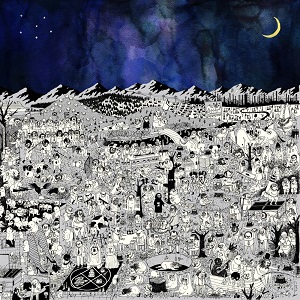
12. Father John Misty – Pure Comedy

folk rock

Sample track: When The God Of Love Returns There’ll Be Hell To Pay

I have mixed feelings about this album, and my inclination is to point out the negative; suffice to say, it’s not lacking in universal praise. It wouldn’t be on my list if I didn’t love it. The reason it’s not higher is that, as I see it, Tillman too often defaults to rather throw-away lines. That’s not inherently problematic (see: my #1 pick), but I think it clashes with the more refined, theatrical vibe of the sound around them. Simple case in point: Total Entertainment Forever kicks off with an absolutely delicious line–Bedding Taylor Swift every night inside the Oculus Rift–and follows it up with something so generic that I feel it only exists to achieve a rhyme–after mister and the missus finish dinner and the dishes. Sometimes gentle flaws make a work all the more endearing, but Pure Comedy goes too big and refined to get away with it for me. I feel like he aimed extraordinarily high and almost got there.


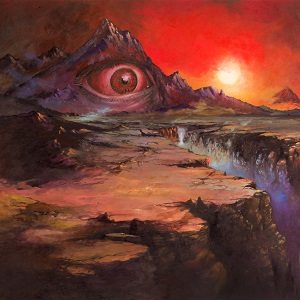
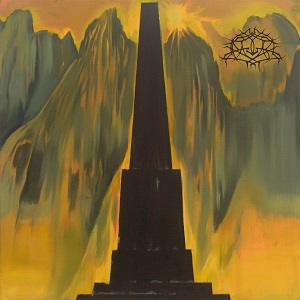
11. Tchornobog – Tchornobog

blackened death metal

Sample track: II: Hallucinatory Black Breath Of Possession (Mountain-Eye Amalgamation)

A landscape album as only blackened death metal can paint one. Tchornobog takes you on a 64 minute journey across an entirely unpleasant and stomach-turning waste of all purpose ugliness that really reflected how I’ve felt about the world this year any time I let my attention range beyond my immediate household. We’re talking death metal aesthetics here so yes, that can be a compliment. And while the visions are certainly exotic, there’s not much surrealism of the lofty, artistic sort you find on say, a Blut Aus Nord album. It’s just leaves you feeling kind of dirty. It hit a note I could appreciate while maintaining enough melody and progression to avoid succumbing to redundancy.


10. Hell – Hell

doom sludge

Sample track: Machitikos

Ridiculously heavy slow-rolled sludge that shouldn’t require any genre appreciation to crush your skull. At its peek on “Machitikos”, the quality of this album is unreal. Unfortunately I was pretty late to the ballgame, and their more ambient moments are going to take more than a sporadic month to leave a lasting impression or definitively fail to. Nowhere to move but further up the charts for this one.


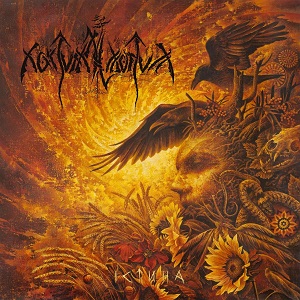
9. Nokturnal Mortum – Істина

pagan metal

Sample track: Дика Вира

We’ve certainly come a long way from Knjaz Varggoth screaming hateful nonsense to crackling cassette recordings of Dollar General synth, and as endearing as Nokturnal Mortum’s early works may be, you can’t deny that he has matured (both musically and intellectually) substantially over the years. This album thoroughly lacks the trademark Eastern European folk metal execution that Knjaz inspired more than perhaps anyone else: brutally hammered folk jingles lashing out violently from beneath a wall of modern noise. Істина is a lot more even keel, to such an extent that its metal elements almost feel unnecessary at times. It fully embraces the more cerebral, orchestral sound we began to hear on Weltanschauung and leaves most else behind, achieving a new height in terms of orchestration. I do miss Knjaz’s more passionate explosions, but I don’t consider that a flaw. The real down side to the album for me stems from the studio. For all of its grand instrumental diversity, the complete package is a bit washed out. Everything feels like it’s playing in the background as a supporting element to a non-existent centerpiece. It’s something I’m certainly used to–Nokturnal Mortum have always struggled a bit on the finer finishing touches of sound production–but it’s still a fault that’s hard to ignore. An incredibly solid album that could have been even better.


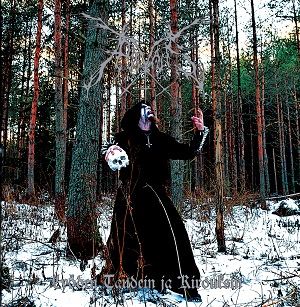
8. Riivaus – Lyoden Taudein Ja Kirouksin

black metal

Sample track: Vihan Temppeli

This is probably the most unknown album on my list. It’s just straight-up black metal. No frills. No novelties. Really it’s the sort of thing I rarely listen to these days, because most great bm artists have moved on to more experimental fronts. But this is tight as fuck. The riffs are great and it’s got a nice punchy pace and a crisp tone that suits the mood perfectly. Outstanding debut from an unheard of artist. Hoping he sticks around for many years to come.


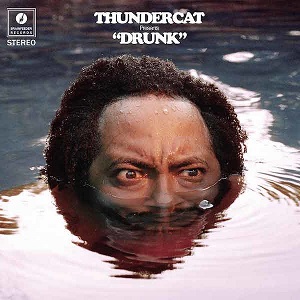
7. Thundercat – Drunk

funk/jazz

Sample track: Bus in These Streets

A tongue-in-cheek dreamfunk fantasy. Artists who can let a cheesy sound be cheesy often accidentally stumble into brilliance. This guy makes some of the goofiest sounds that funk and jazz have ever imagined somehow feel endearing. I’m also pretty impressed by how distinct his sound is. I mean, considering how radically uninformed on this sort of style I am, it kind of blew my mind that I could instantly go “this guy must have wrote the bass lines to Wesley’s Theory“. I think Drunk is an incredibly well-craft work masked behind a delicious veil of comedy. And it’s given us such eloquent 21st century mottos as “thank god for technology, because where would we be if we couldn’t tweet our thoughts?”


6. Krallice – Loüm

post-black metal

Sample track: Etemenanki

If Go Be Forgotten offered Krallice’s most deranged opening melody to date, Loüm might take the prize for their heaviest boot in the ass. Etemenanki hammers down all the brutality of a headbanger’s wet dream from the first note without budging an inch on Krallice’s classic eclectic tremolo noodling. I don’t think I’ve wanted to just open my mouth and shout “fuuuuuuuuuuuuuuuuuuuuuck” to a Krallice song this bad since Inhume. As with Go Be Forgotten, there’s a serious question of whether the album as a whole is really that great or if the opening song just carries it, and that’s not to knock the rest so much as to say that by Krallice’s ridiculously high standards I think it might have some mediocrity. You can never really tell with most Krallice songs until you’ve heard them four dozen times. It’s complicated, intricate shit that your brain doesn’t instinctively unravel. My gut tells me that Loüm will keep on growing on me in a way that Go Be Forgotten may struggle to, and I was right about that with Prelapsarian’s incredibly late release last year. (Yes, it is amazing.) The only lasting down point about Loüm for me is, surprisingly, the addition of Dave Edwardson (Neurosis, Tribes of Neurot) on vocals. He does a killer job, but I am shamelessly in love with Nick McMaster’s vox and can’t help but miss them.


5. Mount Eerie – A Crow Looked at Me

folk

Sample track: Crow

Phil Elverum’s wife died last year, and he wrote this album. It’s artistically significant for reasons that are pointless to explain, because I think you will either already get it or it will fundamentally conflict with whatever life coping mechanism you personally subscribe to, and both are fine. It matters to me more than other albums about death because we appear to share roughly the same world view. It isn’t my favorite album of the year because it can’t be.


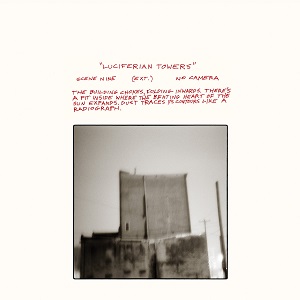
4. Godspeed You! Black Emperor – Luciferian Towers

post-rock

Sample track: Bosses Hang

I somehow managed to ignore the rebirth of GY!BE in spite of being entirely aware of it, and this is the first album I’ve listened to by them since Yanqui U.X.O. fifteen years ago. In the meantime, I’ve become an avid consumer of Silver Mt Zion, and after that long of a break it’s easy to forget just how different the two projects were. I’m at a loss for words to properly describe how I feel about Luciferian Towers because I have nothing remotely current and similar to compare it to. “Bosses Hang” and “Anthem For No State” are both absolutely mind blowing, and I usually skip the first and third tracks and don’t even care. This is the greatest band in post-rock being exactly that.


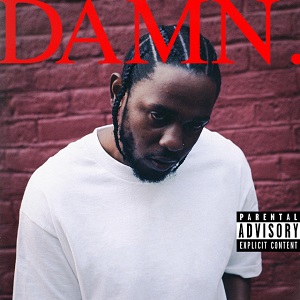
3. Kendrick Lamar – Damn

hip hop

Sample track: DNA

Every time I saw this album top another year-end list, I wanted to move it further down mine. It doesn’t move me on an emotional level like To Pimp a Butterfly. It’s not Kendrick’s greatest work. Can it really be the best of 2017? But every time I revised my year-end list, it just kept moving up instead. Everything he touches has a subtle finesse to it. I love the sound of his voice. I love the way he weaves it into the instrumentation flawlessly. I love how every aspect of each song seems painstakingly tailored to suit the intended vibe. I can just really get into this from start to finish time after time with zero effort. It was my 2017 fallback the grand bulk of the times I wasn’t in the mood for something dark or heavy. This album makes me feel empowered every time I put it on with no cheap sense of escapism attached, and god did I need something like that.


2. Boris – Dear

drone/doom/psych/post-rock

Sample track: Dystopia (Vanishing Point)

Wow. This is 16th year that I’ve compiled a year-end list. For the grand majority of that time, I would have named Boris in my top 5 favorite bands if you asked me. During that time, they’ve put out 53 releases just that I have managed to acquire. And not one has earned my #1 slot. Smile came so close. So close. And now I’m saying it again. I almost feel guilty leaving Dear at #2. It was never dropping any lower. But if you’re at all familiar with it, this might sound generous. Dear is nowhere near their most well-received album. It is absolutely nowhere near their most accessible. Doom and drone at its core, it’s a slow drip grind that will leave all but the most steadfast fans bored out of their minds on first encounter. Yet I somehow managed to listen to it close to 50 freaking times. It wasn’t that I liked it at first. I kind of didn’t. But the mood was right. It hit that sweet spot between ambience and melody that made it never quite dull enough to bore inherently but never quite memorable enough to bore through familiarity. It was dark but it wasn’t morbid. It was just the right sort of fuzz to make me feel more alert without distracting me. And it was through that extremely passive but relentless pattern of listening that its finest moments slowly revealed themselves to me, raising the bar higher and higher, until now it blows my mind that a track like Dystopia (Vanishing Point) could have failed to sweep me off my feet on first encounter. It certainly manages to every time now, on take number one hundred and god knows what. This isn’t my favorite Boris album, but I suspect it’s much higher up there for me than for most fans, and after a very great deal of consideration it only failed to take the title by a fraction of a hair. Oh, I also got to watch them play it live in its entirety. 😀


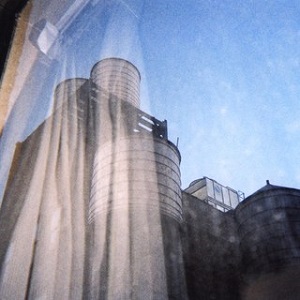
1. Sun Kil Moon – Common as Light and Love are Red Valleys of Blood

Americana

Sample track: Lone Star

The grand prize goes to Sun Kil Moon. I think this might be for me what Pure Comedy has been for a lot of other people this year. It just speaks to so much I’ve been feeling in 2017 in a way I can completely relate to. Mark Kozelek takes half of the stuff I’ve been making enemies spouting all year and sets it to solid American folk music. He has a blue collar political perspective that offers no compromise for our “total fucking asshole” President but takes far more cutting hits at liberal America’s zero-attention-span reaction-click-and-move-on culture for allowing the country to fall into this state. The album is a two hours and ten minutes meandering disjointed travel through personal stories and monologues that reach all over the place, but underneath it all is a consistent love and appreciation for the bonds we share in our meager little lives, and an intense compassion for those who have permanently lost them. If he comes across as cranky, he’s just pissed at how many Americans have lost sight of this.

Previous years on Shattered Lens:

2011 / 2012 / 2013 / 2014 / 2015 / 2016

My Top 10 Albums of 2016


*taps the mic*

This thing still work?

Hi! Yeah, I exist. It’s been a busy year.

For one thing, the lovely Ms. Phoebe Lucille was born on June 29th. 🙂

A two year old and a six month old do not make for many leisurely afternoons exploring new music, and besides that, my competing addictions to Forum Mafia and Overwatch have consumed virtually all of what little free time I have. Suffice to say, I’m not exactly well informed on music in 2016. In fact, I can’t name 10 metal albums that came out last year off the top of my head, so my traditional top metal list just isn’t going to happen.

But I’ve been posting some sort of year-end music list every year since 2002, and I’ll be damned if I let ignorance stop me. So here goes nothing:

10. Krallice – Prelapsarian

Prelapsarian was released on December 21st. I didn’t find out about its existence until quite recently, and like every Krallice albums, it’s going to take a good 30 listens to fully appreciate. But after a few early spins I can confidently say that it’s good, and because it’s Krallice, that probably means I’ll be kicking myself half a year from now for not giving it my #1 slot. My initial take-away is that the band has continued to pursue the more mathy/avant-garde approach they took on Ygg Huur in place of the progressive opuses of their first four albums, and while that might not make for the same degree of eternal replay value, they’re still the best in the business at what they do. I could argue that I liked the Hyperion EP released earlier this year more, but that’s hardly fair given the amount of time I’ve had to listen to Prelapsarian. I’m going to err on the side of reason here and say this album will be firmly cemented in my top 10 of 2016 a month from now.

9. Martröð – Transmutation of Wounds

Is it another cop out to include a 16 minute EP in my year end list? Maybe. Whatever the play time limits, Transmutation of Wounds takes me on a pretty diverse and chaotic ride. In a lot of ways it felt like a more complete work to me than many full length black metal albums I heard this year, because it’s always going somewhere. The destinations aren’t particularly inviting, but they’re consistently fascinating. A solid debut from a band that could really kill it if they put together a full length album.

8. Skáphe – Skáphe²

This one is a brilliantly discordant and meandering take on black metal. It borders on unlistenable for all the right reasons, and leaves me feeling a little sick to my stomach every time I give it a spin. I suppose that doesn’t sound like a compliment, but it’s an artistic accomplishment that really very few bands out there can pull off. I mutually adore and abhor it. On an amusing note, I just realized as I was writing this that the line-up includes members of Misþyrming and Martröð. Misþyrming’s Söngvar elds og óreiðu would have easily made my 2015 list if I hadn’t only discovered it this past January, and I placed Martröð one slot up, so at least my tastes are consistent. <_<

7. Sumac – What One Becomes

I need to get off my ass and buy a physical copy of this album. Post-metal god Aaron Turner finally found a worthy follow-up to Isis when he joined forces in 2015 with Nick Yacyshyn and Brian Cook to create The Deal, a sludgy masterpiece that might be what Isis would have sounded like had they tied a brick to every guitar string. The Deal has been my go-to album for car rides for quite a while now, and it’s hard for me to compare its quality to What One Becomes because I’ve only ever listened to the latter at home. But I’ve heard it enough to know it’s excellent, and it’s only going to keep on growing on me in years to come.

6. Radiohead – A Moon Shaped Pool

I don’t suppose this needs much explanation. Half a year ago, I might have considered it for my top choice of the year. Sitting here right now, I can’t honest remember any of the songs besides “Burn the Witch” and the absolutely beautiful revision of “True Love Waits” without putting the album on to remind myself. That’s been the simple difference for me between post-Hail to the Thief Radiohead and all that came before. I love it when I’m experiencing it; I can’t really remember it a few weeks removed. But it’s more a testimony to Thom and company’s longevity that the music they released in 2016 still earns an easy placement in my top 10 of the year.

5. Run the Jewels – 3

This is where my list is going to start getting a little unconventional to people who’ve known me for a long time. I was really into Anticon back in the early 2000s (I gave Buck 65’s Secret House Against the World my #1 slot in 2005), but by and large hip hop has remained one of those genres I massively respected but never really got around to expansively engaging. Kendrick Lamar’s To Pimp a Butterfly in 2015 hit me hard enough to affect a more lasting change in my listening habits. I listened to more hip hop than metal in 2016. So there’s the preface.

When I say I don’t know hip hop though, I mean it. El-P and Killer Mike were nothing to me but names I’d heard people mention a million times before I picked up this album. I can’t compare this to their past albums. I can’t speak from experience. I can’t even talk about its appeal over time, because this album just dropped on Christmas Eve. But it hit me for all the reasons I was digging Aesop Rock this time 15 years ago, and in a year when hip hop was my go-to genre it was the perfect album to close things out.

4. Danny Brown – Atrocity Exhibition

That was the easy part. Now it gets hard. The rest of these could go in any order. They’re so mutually different that I don’t really know where to begin in ranking them. So I’m going to do the stupid thing and put the album I’m most likely to love longest at the bottom of the pile.

Is this the most intelligent album of 2016? Probably. I don’t have to be well versed in a genre to recognize a piece of art when I see it. Atrocity Exhibition shows extreme attention to lyrical and musical detail in crafting its grim cautionary descent into drug abuse and street violence. Brown pulled together a collection of sounds that projected his vision in astoundingly visual ways. No one should ever realistically be able to rap to this, but he managed to lay his eccentric and expressive voice over top of it anyway. It’s one of those packages that takes extreme care to ensure that it’s barely holding itself together at any given moment. If I was strictly picking the “best” album of 2016, Brown would be my boy, but what good is a year end list if I can’t kick myself for how stupid my ordering was afterwards?

3. Deathspell Omega – The Synarchy of Molten Bones

Besides, metal has always hit closest to home for me. It’s the sound I find easiest to embrace, whatever its abrasiveness, and once again France has served as the source of its finest cuts. For better than a decade, friends whose tastes I trust have been praising Deathspell Omega, but I could never quite catch the hype. That changed this year. Far and away my favorite metal album of 2016, The Synarchy of Molten Bones is a complex and captivating black metal masterpiece that’s really perfectly mixed to bring out the robustness of their sound in a full and fleshy way. The song progression is delightfully abstract without ever teetering into the abyss of wankery. A lot of its success stands on their ability to remain relentlessly aggressive no matter how far they delve into experimentation. Too obscure for me to ever fully wrap my head around, I’ve put it on more than 50 times expecting the sort of bore that excessively abstract metal tends to convey on me, and every time I’m just immediately swept away, not fully cognizant of what my ears are hearing but thoroughly in love. These guys crafted an exceptional album on their own, but they owe their studio staff a lot of respect for delicious production too.

2. Bon Iver – 22, A Million

From here I’ve got to vote with my heart, and that begins with the 34 minute heartbreak that is 22, A Million. This album reminds me more of Lost in Translation than of any particular album. It’s packed with disjointed vignettes that don’t serve an apparent purpose towards progressing the album. They often start or end abruptly. It almost comes off as a compilation of half-finished works that got mashed together in an abbreviated 34 minute package with all the meat left behind, but I think it works well that way. Fleeting moments of digital indie folk that always manage to feel simultaneously depressed and comforting–the end result is something beautiful. I put my kids to sleep with it at night.

1. Chance the Rapper – Coloring Book

I’ve been trying my hardest to overplay this album for ten months now, but it just won’t grow old. I don’t know if past artists have incorporated gospel into hip hop to this extent or not, but if they’re half as effective at it, lead the way. I don’t have to share Chance’s religious beliefs to find this album entirely uplifting from start to finish. It beams positivity from end to end without any of the pop sunshine and flowers that turn me off to the vast majority of “happy” music. Chance is at his best when he’s passionately and arrogantly busting out religious lines (and he kills it just as hard on Kanye’s “Ultralight Beam”, whatever I think of the rest of that album). That’s the focus for the grand bulk of this work. It’s not perfect by a long shot. Where he diverts to more worldly themes, he’s often shallow and cliche. “All Night” for instance is really fun to jam along to but leaves me feeling more than modestly cheated on the lyrical front.

But I don’t really care. I fell in love with the spirituality of this album right from the get-go, and close to a year later it still brightens me up every time I put it on. It won’t go down among my top albums of all time, but it earned its place as my favorite of 2016.

Previous years on Shattered Lens:

2011 / 2012 / 2013 / 2014 / 2015

Previous Entries In The Best of 2016:

  1. TFG’s 2016 Comics Year In Review : Top Tens, Worsts, And Everything In Between
  2. Anime of the Year: 2016
  3. 25 Best, Worst, and Gems I Saw In 2016
  4. 2016 in Review: The Best of SyFy
  5. 2016 in Review: The Best of Lifetime
  6. 2016 in Review: Lisa Picks the 16 Worst Films of 2016!

In Case You Missed It…


gary loggins's avatarcracked rear viewer

toni-basil

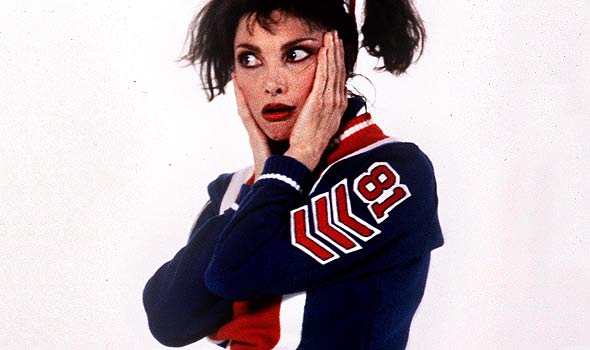
Remember Toni Basil? She had a mega-hit record back in the 80’s with the infectious pop song “Mickey”. The multi-talented Miss Basil’s been around forever, known for her choreography on TV’s SHINDIG, the films THE TAMI SHOW and The Monkees’ HEAD (where she shared the spotlight with Davy Jones). She choreographed two David Bowie tours (Diamond Dogs and Glass Spider), directed videos with Talking Heads’ David Byrne (“Once in a Lifetime”), and has appeared as an actress in VILLAGE OF THE GIANTS, PAJAMA PARTY, EASY RIDER, and FIVE EASY PIECES, among others.

Recently the 72 year old, who co-founded the street dance group The Lockers way back in 1971, strutted her stuff at a Los Angeles dance workshop, and the crowd of young kids went nuts! The video has gone viral and in case you missed it, I’d like to share it with you now:

Yeah! You’ve still got the…

View original post 23 more words