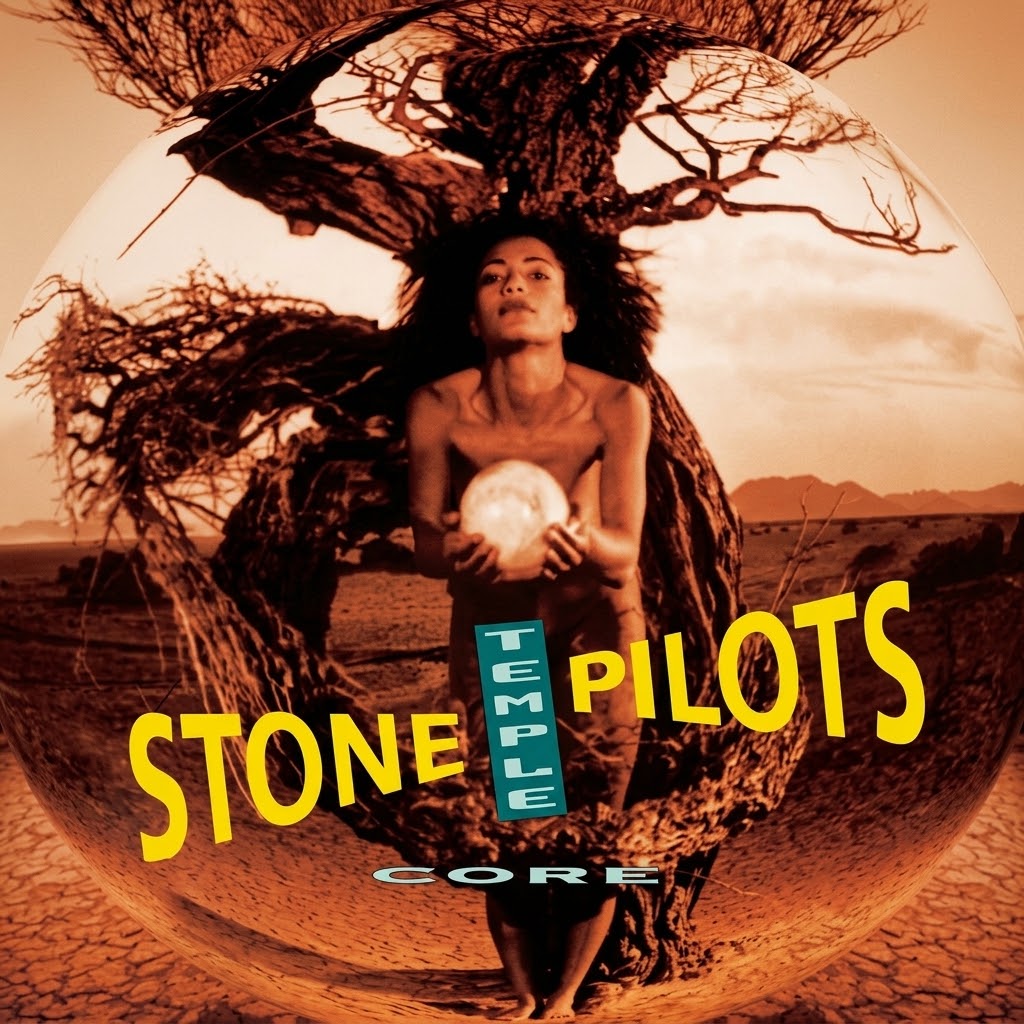
Review: Core (by Stone Temple Pilots)


Core is one of those debut albums that has spent decades being celebrated, dismissed, rediscovered, and reassessed. Released in 1992, Stone Temple Pilots’ first full-length album arrived at the exact moment alternative rock stopped being a subcultural phenomenon and became the dominant sound on rock radio, MTV, and mainstream youth culture. Nirvana had already detonated the commercial landscape with Nevermind, while Soundgarden were about to reach even greater heights with Superunknown. Along with those records, Core became part of the broad grunge trifecta that dominated the airwaves in the early 1990s: Nirvana’s Nevermind, Soundgarden’s Superunknown, and Stone Temple Pilots’ Core. The comparison was never perfectly tidy—Stone Temple Pilots came from Southern California, not Seattle—but these albums were all central to the era’s hard-rock mainstream.

That success also made Stone Temple Pilots an easy target. A number of critics at the time treated the band as grunge followers rather than innovators, accusing them of chasing the sound popularized by Pearl Jam, Alice in Chains, Nirvana, and Soundgarden. On a superficial level, it is easy to see why. Core has the huge distorted riffs, brooding low end, emotionally damaged lyrics, and intense vocals that became closely associated with early-1990s alternative rock. But that criticism overlooks what the record actually does. Stone Temple Pilots were never just a watered-down version of one Seattle band. They drew from classic blues-based hard rock, psychedelic rock, punk, glam, funk, and metal, then pushed those influences through the darker, heavier sensibility of the grunge era.

The opening track, Dead & Bloated, immediately establishes that mixture. Dean DeLeo’s guitar entrance has a bluesy, muscular character, but its heaviness gives the song a sinister edge. Scott Weiland comes in sounding low, theatrical, and almost predatory, stretching out phrases as if he is trying to make every line uncomfortable. It is a grimy introduction, but the song also has a groove that prevents it from becoming merely blunt-force aggression. Robert DeLeo’s bass is especially important here. Rather than simply following the guitar, it moves around the riff and gives the track an elastic, almost funky pulse. Eric Kretz’s drumming locks the entire thing together with a direct, powerful attack.

That chemistry is one of the best things about Core. Scott Weiland was a magnetic frontman, but Stone Temple Pilots were not a band built around one personality. The DeLeo brothers and Kretz give the album its body. Robert DeLeo’s bass lines are melodic, active, and frequently more adventurous than the average early-1990s hard-rock bass part. Dean DeLeo’s guitar playing is equally crucial. He had a knack for writing riffs that were heavy without being generic and melodic without becoming soft. His parts tend to have little twists in their chord voicings, transitions, and lead flourishes, making even the album’s most familiar songs sound more carefully constructed than they first appear.

Wicked Garden is an early showcase for those strengths. Its riff is dark, heavy, and dirty, but the arrangement has a memorable swing rather than the mechanical stomp of conventional metal. Weiland’s vocal melody is catchy even when the lyrics feel vague and unsettling, and that contrast is a big part of the song’s appeal. Stone Temple Pilots could make music that sounded menacing while still understanding the value of a hook. Wicked Garden has enough weight to satisfy listeners looking for something aggressive, but it also has the kind of melodic shape that made the band a natural fit for radio.

Then comes Plush, the song that turned Stone Temple Pilots into a major rock band. Its opening guitar figure remains one of the defining sounds of the decade, and the song’s slow-burning verse-to-chorus escalation is nearly flawless. Plush was played so constantly in the 1990s that it can be easy to forget just how strong it is as a piece of songwriting. The track is built with real patience: the verses maintain a tense, shadowy mood, then the chorus opens up without feeling like a cheap attempt at a sing-along payoff. Weiland’s vocal is wounded, seductive, ragged, and emotionally distant all at once. It feels personal without being overly specific, which helped give the song its strange staying power.

Plush captures much of what made Core commercially successful. It has the heaviness of grunge, the accessibility of classic hard rock, and a melodic sophistication that suggested Stone Temple Pilots were capable of more than simply riding a trend. Still, Core is more interesting when it moves away from the songs that became permanent radio staples. Creep, for example, offers a softer and more vulnerable side of the band. Its acoustic-led arrangement, restrained rhythm, and melancholy vocal give the song room to breathe. It is less immediate than Plush, but it reveals that Stone Temple Pilots could create atmosphere without relying on volume or distortion.

Sex Type Thing is the album’s most confrontational track and remains one of its most complicated. Musically, it is built around a massive, stomping riff and an aggressive rhythm section that makes it feel almost physically hostile. Weiland’s voice is harsh, snarling, and deliberately ugly. The song was often misunderstood as a celebration of sexual aggression, but its perspective is more accurately read as an embodiment of predatory entitlement. The narrator is not meant to come across as admirable; he is meant to sound grotesque. That distinction did not always register in the way the song was marketed or consumed, especially when it became a rock-radio staple, but the ugliness in the performance is central to its effect.

While many listeners understandably gravitated toward the popular tracks—Plush, Creep, and Sex Type Thing—the best song on Core, to my ears, is Where the River Goes. Those singles each represent an essential piece of the album’s appeal: Plush is the enormous melodic breakthrough, Creep is its most reflective and vulnerable moment, and Sex Type Thing is its rawest burst of aggression. But Where the River Goes feels like the point where Stone Temple Pilots’ full musical identity comes into focus. It is less obviously designed for radio, more ambitious in shape, and more revealing of the different traditions the band could pull together.

What makes Where the River Goes so effective is how naturally it meshes the bluesy hard-rock language of the 1970s with a slowed-down, heavier form of late-1970s and early-1980s punk influence, then adds the metallic force of the mid-to-late 1980s. Its punk element is not expressed through the kind of frantic speed or high-energy attack usually associated with punk. Instead, the song takes punk’s tension, stripped-down bluntness, and confrontational edge, then slows it into a thick, stalking groove. The result has classic-rock swagger, but it never settles into a simple blues-rock pattern. It moves with a deliberate, coiled sense of pressure, as though it is always preparing to lunge rather than simply racing ahead.

That slowed-down punk influence gives the track much of its personality. Dean DeLeo’s guitar work has the weight and tonal density associated with heavier 1980s metal, but the arrangement retains punk’s refusal to become too polished or self-indulgent. The song is forceful without drifting into flashy excess. Robert DeLeo and Eric Kretz keep the groove grounded, creating a push-and-pull between the track’s lumbering heaviness and its underlying nervous energy. Weiland’s vocal performance fits that mood perfectly. Rather than singing it as a conventional hard-rock anthem, he moves through the song with restraint, weariness, and mounting desperation, making the shifts in the music feel emotionally connected rather than merely technical.

This is also where Core most clearly distinguishes itself from Nevermind and Superunknown. All three records were enormously important in defining what rock music sounded like in the early 1990s, but their strengths came from different places. Nevermind is driven by punk directness, explosive loud-quiet dynamics, and Kurt Cobain’s raw emotional immediacy. Superunknown is defined by Soundgarden’s colossal riffs, psychedelic unease, unconventional rhythms, and Chris Cornell’s larger-than-life vocal performances. Core shares some of the heaviness, alienation, and darkness of those albums, but Where the River Goes highlights Stone Temple Pilots’ ability to draw from several generations of rock music without sounding locked into any one of them.

The song does not make Core better than Nevermind or Superunknown, nor does it need to. What it does is show why Stone Temple Pilots deserved to be considered more than an imitation of the bands surrounding them. Where the River Goes feels like a mission statement hidden near the end of the record. It contains 1970s hard-rock blues, a slower, more menacing version of punk’s attitude and stripped-down attack, and 1980s metal weight, all filtered through the DeLeo brothers’ melodic instincts and Weiland’s unpredictable vocal presence. It is a song that makes the band’s supposed “grunge” identity feel much too narrow.

The rest of the album reinforces that point. Piece of Pie is noisy, sarcastic, and built around a riff that sounds like a reaction to the music-business machinery Stone Temple Pilots were suddenly becoming part of. Naked Sunday has a lurching rhythm and an odd, slightly off-balance quality that makes it more interesting than a standard deep cut. Sin brings back the darker, abrasive energy of the first half, while Crackerman combines a punchy hard-rock structure with a sense of creeping unease. Even when the band lean into familiar grunge-era textures, they rarely sound entirely comfortable staying in one lane.

Core is big and polished, but it does not feel sterile. The guitars are thick, the bass has real presence, the drums hit hard, and Weiland’s vocals sit clearly at the center without overwhelming the rest of the band. It is an album designed to sound powerful on loud speakers, whether it is blasting from an old car stereo, playing at a packed party, or coming through a pair of headphones decades later. The production gives the songs enough punch for radio, but it also lets the small details in the arrangements survive.

In retrospect, Core may not have been as disruptive as Nevermind or as expansive and bizarre as Superunknown, but it absolutely belongs in the conversation around the albums that defined early-1990s rock. Nirvana brought punk volatility and exposed emotional rawness into the mainstream. Soundgarden brought heaviness, psychedelic ambition, and complexity. Stone Temple Pilots brought a bruised but stylish blend of hard-rock muscle, melodic craft, and damaged glamour. Their sound fit the grunge moment, but it also carried the DNA of older rock traditions and hinted at the stylistic range they would explore on later albums.

That is why Core has outlived the old accusations that it was merely derivative. There are certainly echoes of its era throughout the record, and nobody should pretend otherwise. But the album’s best material endures because of the band’s chemistry: Dean DeLeo’s sharp, inventive riffs, Robert DeLeo’s constantly moving bass, Eric Kretz’s sturdy but responsive drumming, and Scott Weiland’s ability to make every song feel like a damaged little drama. Core is rough around the edges, occasionally blunt, and unmistakably rooted in 1992. It is also loud, catchy, moody, and packed with the musical personality that made Stone Temple Pilots more than a footnote to the grunge boom.
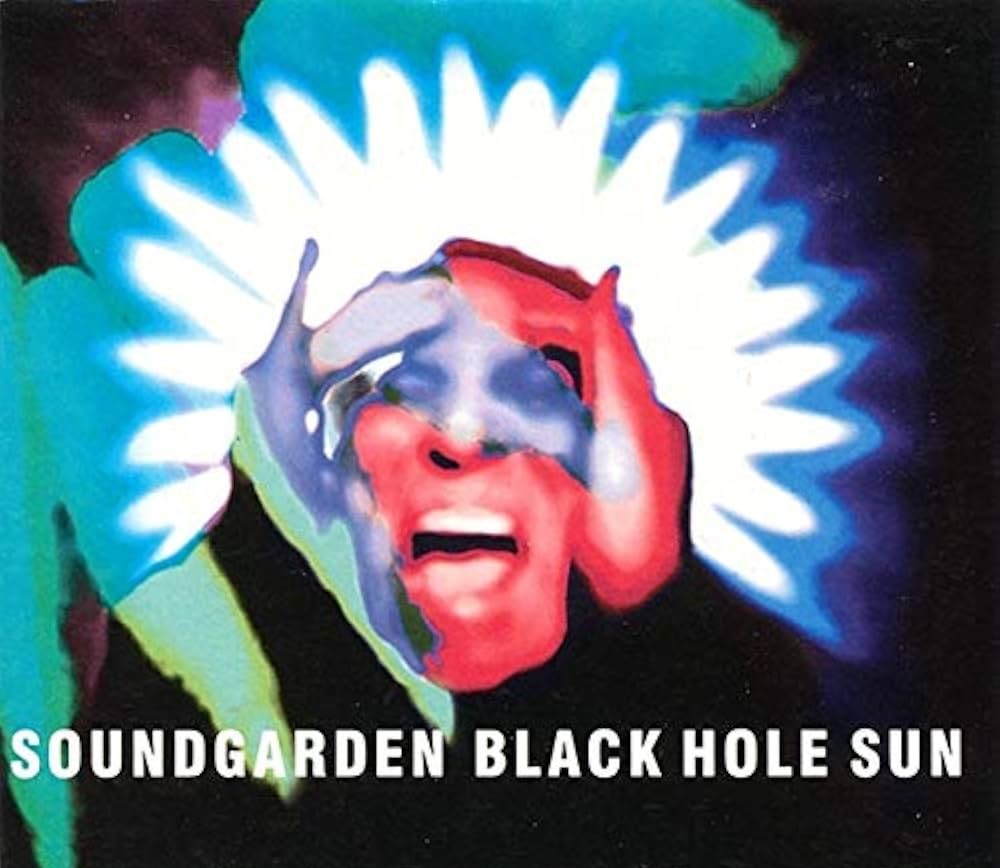
Song of the Day: Black Hole Sun (by Soundgarden)


Black Hole Sun” is one of those songs where Chris Cornell’s voice feels like the main character of its own little surreal movie. The way he drags out phrases, bends notes, and shifts between soft intimacy and howling power makes the whole thing feel heavy and hazy at the same time. You can almost feel the song stretching out like a long, strange afternoon in a half‑real town, and for a lot of people it became the entry point that pulled them headfirst into the Soundgarden rabbit hole with the Superunknown album.

Kim Thayil’s guitar work is what keeps that dream from ever feeling safe. His riffs throughout the track are already weird and slightly off‑kilter, but when the solo hits at 2:56, things get properly discordant. Instead of a neat, singable melody, the lead line feels jagged and uneasy, like the song is momentarily glitching out and refusing to sit in one place. That solo gives the song its signature discordant sound, almost like light and matter being pulled down into the black hole the title hints at.

The solo only lasts a little over 20 seconds, but it’s perfectly placed: it erupts right when the song’s tension peaks, then fades just quickly enough to let Cornell’s voice regain control and pull you into the next verse. The contrast between Thayil’s warped, dissonant lead and Cornell’s smooth, almost crooning delivery is what makes the track feel both beautiful and unsettling at the same time.

If you’re trying to get into Soundgarden, “Black Hole Sun” is a great entry point not just because it’s catchy, but because it shows how perfectly Cornell and Thayil balance each other. Cornell gives the song its soul and mystery, while Thayil’s discordant guitar solo reminds you that there’s something quietly wrong under the surface — and for countless fans, it was the hook that dragged them deep into the rest of Superunknown and the band’s wider catalog.

Black Hole Sun

In my eyes
Indisposed
In disguises no one knows
Hides the face
Lies the snake
And the sun in my disgrace
Boiling heat
Summer stench
Neath the black, the sky looks dead
Call my name
Through the cream
And I’ll hear you scream again

Black hole sun
Won’t you come
And wash away the rain?
Black hole sun
Won’t you come
Won’t you come
Won’t you come

Stuttering
Cold and damp
Steal the warm wind, tired friend
Times are gone
For honest men
Sometimes, far too long for snakes
In my shoes
Walking sleep
In my youth, I pray to keep
Heaven send
Hell away
No one sings like you anymore

Black hole sun
Won’t you come
And wash away the rain?
Black hole sun
Won’t you come
Won’t you come

Black hole sun
Won’t you come
And wash away the rain?
Black hole sun
Won’t you come
Won’t you come (Black hole sun, black hole sun)
Won’t you come? (Black hole sun, black hole sun)

(guitar solo @2:56)

Hang my head
Drown my fear
Till you all just disappear

Black hole sun
Won’t you come
And wash away the rain?
Black hole sun
Won’t you come
Won’t you come

Black hole sun
Won’t you come
And wash away the rain?
Black hole sun
Won’t you come
Won’t you come (Black hole sun, black hole sun)
Won’t you come
Won’t you come

Great Guitar Solos Series

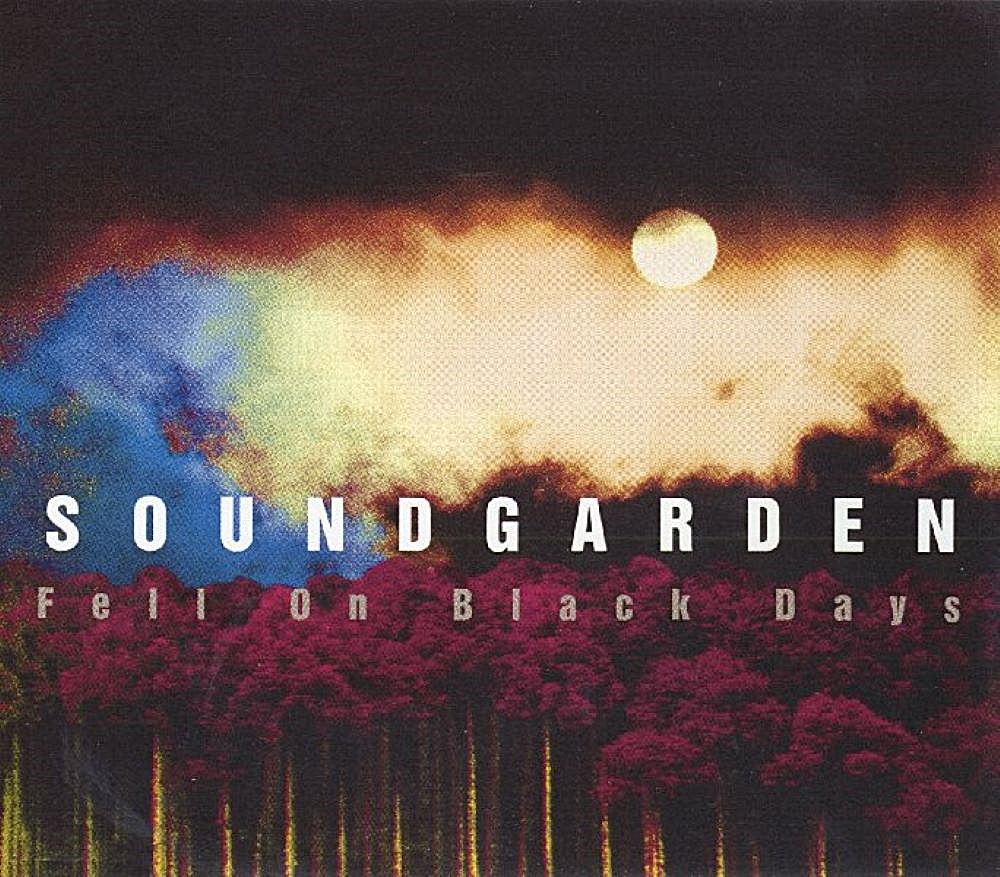
Song of the Day: Fell on Black Days (by Soundgarden)


As the latest “Song of the Day,” Soundgarden’s Fell on Black Days stands out as one of Chris Cornell’s most hauntingly introspective songs. It captures that quiet terror of realizing, almost suddenly, that life has slipped into a dark space without a clear cause. The lyrics don’t dramatize depression or despair—they circle it, giving voice to numb reflection rather than clear tragedy. Cornell doesn’t sing from a place of theatrical pain but introspective confusion, which makes it all the more relatable: that sense of waking up one day and finding that something within has gone dim.

Cornell’s vocal performance is the emotional backbone of the song. His delivery is restrained at first, almost conversational, carrying that familiar mix of grit and vulnerability that made his voice so magnetic. As the song builds, the tension burns through his tone—he never screams, but you feel the anguish vibrating at the edges. It’s that ability to stay melodic while channeling raw feeling that separates him from many of his grunge-era peers. You can hear both power and exhaustion inhabiting the same breath.

Musically, Fell on Black Days moves with a slow, uneasy groove that fits the song’s mood of quiet dread. Instead of following a typical rock rhythm, it flows a little off-kilter, giving it that feeling of imbalance Cornell describes in the lyrics. The guitars are thick and moody but not overly heavy, letting the vocals breathe. Thayil’s riffing feels more like a shadow behind the melody, while the bass and drums give it a tired, rolling heartbeat. It’s less about flashy playing and more about atmosphere—a sound that matches the weight of realizing your life has turned darker without you noticing.

Fell on Black Days

Whatsoever I’ve feared has come to life
And whatsoever I’ve fought off became my life
Just when everyday seemed to greet me with a smile
Sunspots have faded and now I’m doing time

Now I’m doing time
‘Cause I fell on black days
I fell on black days

Whomsoever I’ve cured I’ve sickened now
And whomsoever I’ve cradled I’ve put you down
I’m a search light soul they say
But I can’t see it in the night
I’m only faking when I get it right
When I get it right
‘Cause I fell on black days
I fell on black days

How would I know
That this could be my fate
How would I know
That this could be my fate, uh yeah

What you wanted to see good has made you blind
And what you wanted to be yours has made it mine
So don’t you lock up something that you wanted to see fly
Hands are for shaking not tying

No, not tying
I sure don’t mind a change
Yeah, I sure don’t mind
Sure don’t mind a change
I sure don’t mind a change

‘Cause I fell on black days
I fell on black days

How would I know
That this could be my fate
How would I know
That this could be my fate

How would I know
That this could be my fate
How would I know
That this could be my fate

I sure don’t mind a change

Song of the Day: Plush (by Stone Temple Pilots)


My latest pick for “Song of the Day” takes me back….way back to those early days post-high school. Only a couple years removed from graduating high school and maneuvering my ways through the turbulent seas of what would be my college years, it was only typical that music would be one of the few things that would anchor things for me during my Adrift Years.

Stone Temple Pilots is part of what I consider as the Big Four of alternative rock of the 1990’s or as some would label that particular sound as “grunge”. Alternative rock, grunge or just plain old hard rock, Stone Temple Pilots made their mark in the early 90’s rock scene with the second single off of their 1993 debut album Core.

“Plush” has always been one of my favorite songs of that era. I played that song on repeat and was one of my go-to Stone Temple Pilots track until “Interstate Love Song” a year later came along. The song was carried by Scott Weiland’s iconic vocals and its dark lyrics. I never knew how dark a song “Plush” was until finding out from a Weiland interview that it was based on a true story of a girl who had been kidnapped and murdered in the early 90’s.

Whether a song inspired by a true-crime story or a metaphor for a failed relationship (as Weiland has said the lyrics represented), “Plush” will remain one of those songs from my young adult years that I would revisit every year to reminisce.

Plush

And I feel that time’s a wasted go
So where you goin’ ’til tomorrow?
And I see that these are lies to come
So would you even care?

And I feel it
And I feel it

Where you goin’ for tomorrow?
Where you goin’ with the mask I found?
And I feel, and I feel when the dogs begin to smell her
Will she smell alone?

And I feel so much depends on the weather
So, is it rainin’ in your bedroom?
And I see that these are the eyes of disarray
So would you even care?

And I feel it
And she feels it

Where you goin’ for tomorrow?
Where you goin’ with the mask I found?
And I feel, and I feel when the dogs begin to smell her
Will she smell alone?

When the dogs do find her
Got time, time to wait for tomorrow
To find it, to find it, to find it
When the dogs do find her
Got time, time to wait for tomorrow
To find it, to find it, to find it

Where you goin’ for tomorrow?
Where you goin’ with the mask I found?
And I feel, and I feel when the dogs begin to smell her
Will she smell alone?

When the dogs do find her
Got time, time to wait for tomorrow
To find it, to find it, to find it
When the dogs do find her
Got time, time to wait for tomorrow
To find it, to find it, to find it

To find it
To find it
To find it

Song of the Day: Big Empty (by Stone Temple Pilots)


720x405-Scott2

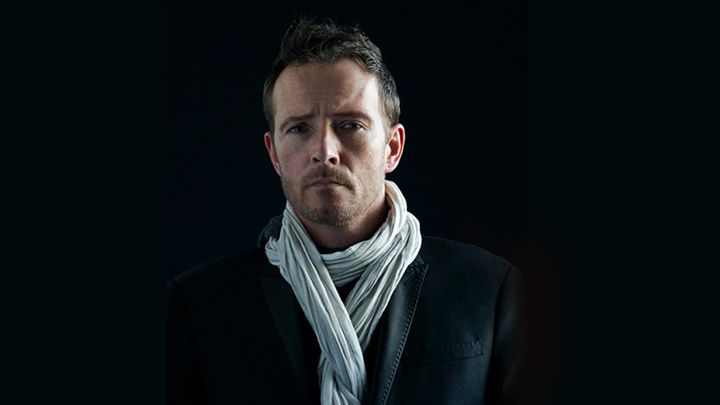
Tonight the music world found out that Stone Temple Pilots and Velvet Revolver frontman Scott Weiland passed away at the age of 48 while on tour in Minnesota.

The years after graduating from high school was a chaotic time for me. not knowing what role I had for myself moving forward and afraid of the world beyond the regimented, secured, but understood confines of high school. While I enjoyed the freedom of being a young adult after graduating in the summer of 1991 the reality of it all was that I wasn’t that far removed from still being a teenager a couple years later.

I call these my adrift years.

From this time in my life I was drawn to the music that every young adult trying to leave his teen years behind. Whether it was hip-hop, metal and, the genre of the era, grunge, I was listening to it. While I wasn’t as huge a fan of grunge as the rest of my contemporaries of the time I did gravitate to a couple of the titans of the genre: Soundgarden and Stone Temple Pilots.

It was with Stone Temple Pilots that I was introduced to one of my favorite frontman of my Adrift Years: Scott Weiland.

Weiland encompassed not just the brooding, alienation that made grunge such a popular genre of music during the 1990’s but also had a touch of the wild and dangerous aspect of what made rock frontmen so-called Rock Gods. He was the Axel Rose of grunge. An enormously talented vocalist, but one who was also scandal-bound with his off-stage drug use and self-destructive behavior.

Scott Weiland helped make those years adrift during the early 1990’s with his singing. It’s a shame and a loss to the music world that like other rock legends before him his early years battling his inner demons would take him away too soon.

Nothing epitomizes who Scott Weiland was to me better than the song “Big Empty” which was the first single off of their second album Purple.

Big Empty

drivin’ faster in my car
falling farther from just what we are
smoke a cigarette and lie some more
these conversations kill
falling faster in my car

time to take her home
her dizzy head is conscience laden
time to take a ride
it leaves today no conversation
time to take her home
her dizzy head is conscience laden
time to wait too long
to wait too long
these conversations kill

to much walkin’, shoes worn thin
too much trippin’ and my soul’s worn thin
time to catch a ride
it leaves today, her name is what it means
to much walkin’, shoe’s worn thin

Song of the Day: 4th of July (by Soundgarden)


It is now just minutes since the 4th of July finally arrives in the US once more (at least on the West Coast since the East Coast has been celebrating the 4th of July for 3 hours now). What better way to celebrate the arrival of another 4th of July than to pick the song of the same name for today’s latest “Song of the Day”.

Soundgarden’s Superunknown album from 1994 may be part of the grunge scene which sprouted during the early 1990’s but this album has more metal about it than the grunge espoused by the disciples of Cobain. The song I picked for today I consider the best in the album which contains other classics. “4th of July” is such a heavy song that so many casual fans of the album fail to miss the heavy influence of early Black Sabbath in the song. They also fail to realize just how un-grunge it is with its dark lyrics (not emo mind you, but dark in a palpable sense). “4th of July” becomes an accidental introduction for newbie metal fans to the world of doom metal.

This song is the very definition of heavy and doom. From the heaviness in the guitar riffs to the subdued, but evocative way Cornell sings the dark lyrics (lyrics I always thought of someone just experiencing and living through the aftermath of a nuclear war). But in the end this song really shows it’s Black Sabbath and doom metal pedigree from the sludge-like sound coming out of the bass guitar chords.

“4th of July” once heard cannot be unheard. It’s a song that grabs one by the throat, doesn’t let go until the final doom-laden lyric and note has finally faded into the air.

HAPPY 4th of JULY!

4th of July

Shower in the dark day
Clean sparks driving down
Cool in the waterway
Where the baptized drown
Naked in the cold sun
Breathing life like fire
Thought I was the only one
But that was just a lie

Cause I heard it in the wind
And I saw it in the sky
And I thought it was the end
And I thought it was the 4th of July

Pale in the flare light
The scared light cracks & disappears
And leads the scorched ones here
And everywhere no one cares
The fire is spreading
And no one wants to speak about it
Down in the hole
Jesus tries to crack a smile
Beneath another shovel load

And I heard it in the wind
And I saw it in the sky
And I thought it was the end
And I thought it was the 4th of July

Now I’m in control
Now I’m in the fall out
Once asleep but now I stand
And I still remember
Your sweet everything
Light a Roman candle
And hold it in your hand

Cause I heard it in the wind
And I saw it in the sky
And I thought it was the end
And I thought it was the 4th of July