Film Review: War on Everyone (dir by John Michael McDonagh)


war_on_everyone

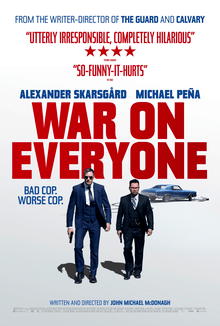
War on Everyone opens with a question.

“If you hit a mime,” Detective Bob Bolano (Michael Pena) asks, “does he make a sound?”

“Now, you know,” Detective Terry Malone (Alexander Skarsgard) replies, as he drives his car over a mime.

For the record, the Mime was a cocaine dealer so the detectives did have a reason for chasing him.  Then again, the Mime was also on foot while the detectives were in a car.  And the Mime was attempting to surrender when the detectives ran him over.

That scene pretty much sets the tone for the rest of War on Everyone, the latest film from Irish filmmaker John Michael McDonagh.  McDonagh is best-known and rightfully acclaimed for his previous two films, The Guard and Calvary.  Those two films were both darkly comedic and often violent meditations on life, death, morality, guilt, and redemption.  While War on Everyone may not share either one of those films’ deeper concerns, it is definitely violent.  And the comedy is definitely dark.

Bob and Terry are two of the most corrupt cops in the history of cinematic police corruption.  Bob is a family man, who is full of useless trivia and usually seems to speaking a mile a minute.  Terry is single and not quite as talkative.  He views the world through permanently bloodshot eyes and always stands with an insolent slouch.  Terry is the type who, when he drives down a city street, intentionally bumps into every parked car.  When asked why he became a cop, Terry shrugs and replies that it was the only job available where he could shoot people without getting in trouble.  When Bob and Terry confront an informant, they both get so caught up in snorting the informant’s cocaine that they forget what they wanted to ask about.  Their lieutenant is constantly telling them to ease up on the corruption but, since he’s played by Paul Reiser, no one takes him seriously.

War on Everyone does have a plot but it’s debatable just how important it is.  Bob and Terry learn about an up-coming heist.  They decide to let the heist happen so that they can then bust the crooks and take the money for themselves.  However, because there’s nothing that Bob and Terry can’t screw up, they not only fail to stop the heist but end up spending the rest of the movie trying to track down the money.  Along the way, they bond with an orphan and Terry pursues a romance with a former stripper (Tessa Thompson, doing her best with an underwritten role).

The plot is really just an excuse for McDonagh to parody the conventions of the American cop film.  Much like Seven Psychopaths (which was directed by John Michael McDonagh’s older brother, Martin), War on Everyone is a film about tangents.  The point is to see how many weird directions the story can go in.  This is the type of film where, at one point, Terry and Bob fly to Iceland just because.

(Don’t get me wrong.  They have a reason for being in Iceland but still, you mostly come away with the feeling that McDonagh thought to himself, “What other New Mexico-set heist film features a trip to Iceland?”)

Particularly when compared to something like Calvary, War on Everyone doesn’t add up to much and yet that really is a part of the film’s charm.  At a time when so many films are trying way too hard to be something more than what they actually are, War on Everyone is content to be a thoroughly over-the-top action comedy.  It’s a bit like The Nice Guys, just with an even darker worldview.

What’s remarkable is how many critics have insisted in trying to find a deeper meaning where there clearly is none.  I hardly ever do this but I have to point out that the A.V. Club review — headlined, undoubtedly by an intern hoping to impress the bosses with the power of snark, Sorry War On Everyone, but it’s not the best time for a comedy about giddily corrupt cops — is remarkable in just how thoroughly it misses the point of the film.  If anything, it reads as if the reviewer couldn’t think of anything to say so he decided to engage in some preemptive political virtue signaling.

The review cited above makes the mistake of assuming that War on Everyone is supposed to be taking place in the real world.  Everything — from the over-the-top violence to the mix of crude humor with philosophical asides to the mix of 70s music with modern technology — indicates that War on Everyone is meant to take place in a reality other than our own.  It’s a dream-like world that was created by other cop movies and, ultimately, those other movies are the only thing that War on Everyone is attempting to critique.  In much the style of early Tarantino, War On Everyone is a movie about movies.

(Unlike Tarantino’s last few films, War on Everyone only lasts 98 minutes, which would seem to indicate that McDonagh is superior to Tarantino in one important regard: he knows how and when to edit himself.)

War on Everyone is not for … well, everyone.  It’s certainly not a masterpiece in the style of either The Guard or Calvary.  It’s lesser McDonagh but, when taken on its own terms, it’s an enjoyable ramble of a movie that’s distinguished by the perfect casting of Skarsgard, Pena, and Reiser.

Just don’t take it too seriously.
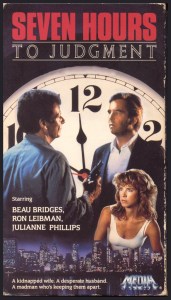
 

A Movie A Day #58: Seven Hours to Judgment (1988, directed by Beau Bridges)


7hrs_to_judgement-frntWhen I saw that Erin has picked Judge Not My Sins for her artwork of the day, I was reminded of Seven Hours to Judgment, a movie that used to occasionally show up on HBO.
David Reardon (Ron Liebman) owns an electronics store and is professionally known as “Crazy Dave.”  When three gang members, led by Chino (Reggie Johnson), are arrested for pushing Dave’s wife off of a subway platform, it looks like the legal system might let them go.  Because Dave’s wife is in a coma, she cannot testify that they pushed her.  However, Dave has tracked down a witness who saw what Chino did.  But the witness is not immediately available to testify.  Dave begs Judge John Eden (Beau Bridges) for an extension but the judge is one of those bleeding heart, by-the-book types.  Even though he believes Chino to be guilty, Judge Eden dismisses the case.  At the same time, Dave’s wife dies and Crazy Dave starts to live up to his nickname.

With the help of one of his employees, the hulking and child-like Ira (Tiny Ron), Dave kidnaps both Judge Eden and his wife (Julianne Phillips).  Dave tells Judge Eden that he has seven hours to track down the witness and get the evidence that would have convicted Chino.  If Eden doesn’t find the evidence, his wife will be blown up.  Judge Eden is dumped in the worst part of town, without any money, identification, or credit cards.  Dave tells him, “You helped create these streets!”

The rest of the movie is Eden running through the mean streets of wherever the movie is supposed to be taking place.  (It was filmed in Seattle but the city is never specifically named.)  Everyone who meets Eden tries to beat him up, which is one way to put a judge who is soft on crime in his place.  The only person who doesn’t beat up Eden is a homeless woman who licks his face.  Soon, Eden even has Chino after him.  The normally laid back and affable Beau Bridges isn’t usually thought of as being an action star and this movie shows why.  Judge Eden is such a wuss of a hero that it seems appropriate that he eventually has to hitch a ride in the back of a garbage truck.

Along with the miscasting of Beau Bridges, the other major problem with Seven Hours to Judgment is that it requires us to believe that Dave, even if he is “crazy,” could come up with such an intricate and elaborate plan and set it all up within just a few hours of his wife dying and Chino being released.  “Smug liberal get mugged by reality” was a successful theme for many low-budget action films in the 1980s but Seven Hours to Judgment is ultimately just as dumb and implausible as it sounds.

Seven Hours to Judgment was a reunion for Leibman and Bridges, who previously co-starred in an excellent and overlooked road movie called Your Three Minutes Are Up.  For some reason, Beau Bridges also directed Seven Hours to Judgment.

Lisa Ranks Every Best Picture Winner From Best To Worst!


Oscars

Though it won’t be posting for a while, I am writing this at 12:22 on Sunday afternoon.  I am so confident that La La Land is going to win Best Picture later tonight that I am including it in the list below.  If I’m wrong … well, have fun in the comments!

(Agck!  Moonlight won!  That’ll teach me to get arrogant about my predictive powers.  Fortunately, I was able to correct the list before this post published.)

Anyway, this is my ranking.  It’s strictly my opinion.  Not everyone here at the Shattered Lens is going to agree with me but … well, what can I say?  I love movies.  I love the Oscars.  I love lists.

  1. All About Eve (1950)
  2. The Godfather (1972)
  3. It Happened One Night (1934)
  4. The Godfather, Part II (1974)
  5. Sunrise (1927-1928)
  6. West Side Story (1961)
  7. Schindler’s List (1993)
  8. No Country For Old Men (2007)
  9. From Here To Eternity (1953)
  10. Casablanca (1943)
  11. 12 Years A Slave (2013)
  12. Annie Hall (1977)
  13. The Silence of the Lambs (1991)
  14. All Quiet on The Western Front (1929–1930)
  15. Moonlight (2016)
  16. The Best Years of Our Lives (1946)
  17. The Apartment (1960)
  18. The Lord of the Rings: The Return of the King (2003)
  19. Chicago (2002)
  20. Midnight Cowboy (1969)
  21. The Lost Weekend (1945)
  22. Gone With The Wind (1939)
  23. Rebecca (1940)
  24. Grand Hotel (1931–1932)
  25. An American In Paris (1951)
  26. Shakespeare in Love (1998)
  27. The French Connection (1971)
  28. Unforgiven (1992)
  29. The Artist (2011)
  30. Amadeus (1984)
  31. The King’s Speech (2010)
  32. Million Dollar Baby (2004)
  33. Ordinary People (1980)
  34. Lawrence of Arabia (1962)
  35. The Bridge on the River Kwai (1957)
  36. Slumdog Millionaire (2008)
  37. Ben-Hur (1959)
  38. Terms of Endearment (1983)
  39. On The Waterfront (1954)
  40. Hamlet (1948)
  41. Wings (1927-1928)
  42. Argo (2012)
  43. One Flew Over the Cuckoo’s Nest (1975)
  44. The Departed (2006)
  45. A Beautiful Mind (2001)
  46. Driving Miss Daisy (1989)
  47. All The King’s Men (1949)
  48. Rain Man (1988)
  49. The Hurt Locker (2009)
  50. The Deer Hunter (1978)
  51. A Man For All Seasons (1966)
  52. The Greatest Show On Earth (1952)
  53. Forrest Gump (1994)
  54. The Sting (1973)
  55. Gigi (1958)
  56. Tom Jones (1963)
  57. You Can’t Take it With You (1938)
  58. Marty (1955)
  59. Gentleman’s Agreement (1947)
  60. Going My Way (1944)
  61. Birdman (2014)
  62. Braveheart (1995)
  63. Platoon (1986)
  64. In the Heat of the Night (1967)
  65. Spotlight (2015)
  66. How Green Was My Valley (1941)
  67. Mutiny on the Bounty (1935)
  68. The English Patient (1996)
  69. Chariots of Fire (1981)
  70. Mrs. Miniver (1941)
  71. Titanic (1996)
  72. Oliver! (1968)
  73. The Great Ziegfeld (1936)
  74. My Fair Lady (1964)
  75. Dances With Wolves (1990)
  76. Out of Africa (1985)
  77. Rocky (1976)
  78. Patton (1970)
  79. The Last Emperor (1987)
  80. Around The World in 80 Days (1956)
  81. The Life of Emile Zola (1937)
  82. Kramer vs. Kramer (1979)
  83. The Sound of Music (1965)
  84. Cavalcade (1932–1933)
  85. Gladiator (2000)
  86. Gandhi (1982)
  87. The Broadway Meloday (1928–1929)
  88. Cimarron (1930–1931)
  89. American Beauty (1999)
  90. Crash (2005)

8 Films That Should Never Have Been Nominated For Best Picture


Sometimes, the Academy gets it wrong.

For instance, these 8 films have two things in common:

  1. They were all nominated for best picture.
  2. They shouldn’t have been.

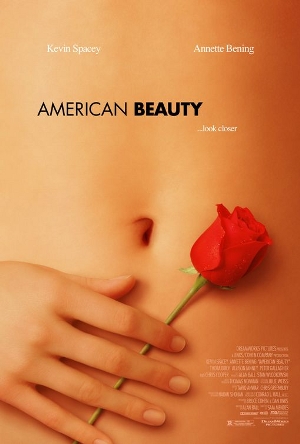
American_Beauty_poster

  1. American Beauty (1999)

Shallow, pretentious, and more than a little misogynistic, American Beauty was somehow not only nominated but won as well.

crash-2004 4

2. Crash (2005)

Oh my God.  How the Hell did this mess of a movie win?


3. Avatar (2009)

Yawn.  I’ve written at length about my dislike for this film so I’m not going to waste too much more space on it.  It would be nice if James Cameron was capable of writing dialogue that didn’t sound like something that would get a failing grade in a high school creative writing class.

Kids_are_all_right_poster

4. The Kids Are All Right (2010)

Acclaimed when first released, The Kids Are All Right was forgotten fairly quickly.  When seen today, it comes across like a sitcom version of life among the wealthy and out of touch.  I don’t think any film featuring an organic food restaurant is going to age well.

extremely_loud_tambourine_a_l_0

5. Extremely Loud and Incredibly Close (2011)

In the wake of 9/11, an extremely annoying brat bothers random people in New York.  One of the worst films ever.

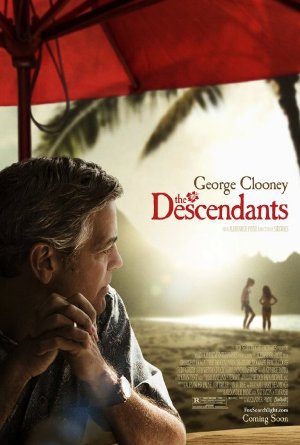
The Descendants

6. The Descendants (2011)

Alexander Payne’s comedy of tragedy and infidelity isn’t terrible but it wasn’t that great either.

7. Birdman (2014)

While it’s nice that Michael Keaton made a comeback, this is still one of the most overrated films of all time.  Will anyone care about Birdman in ten more years?

The_Big_Short_teaser_poster

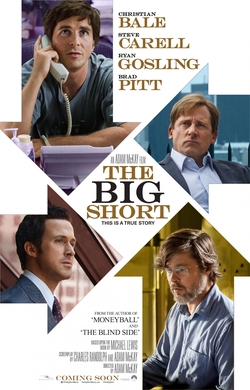
8. The Big Short (2015)

The worst thing about the economic crash?  It gave us a movie like The Big Short.

6 James Bond Films That Should Have Been Nominated For Best Picture


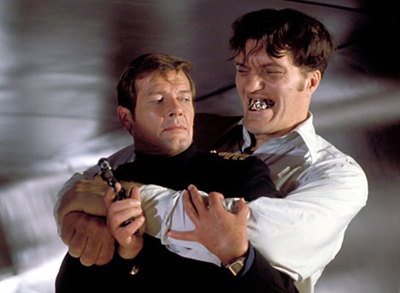
James Bond and Jaws

Other than a few song nominations (and wins) and the occasional technical mentions, the Academy has tended to snub the James Bond franchise.

However, I love the Bond films so here are 6 times that I think 007’s latest adventure should have been nominated for best picture!

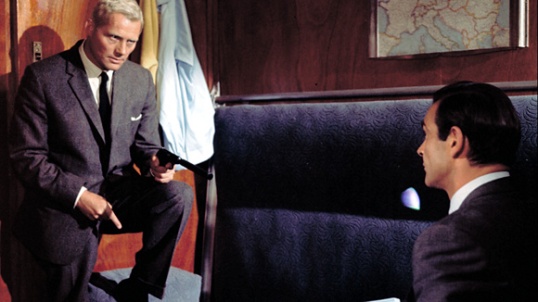
From Russia With Love

  1. From Russia With Love (1963)

I not only think that From Russia With Love should have been nominated for best picture, I also think that it should have won.  This film featured Sean Connery at his best and it’s one of the few Bond films to work not only as an adventure but as a romance as well.

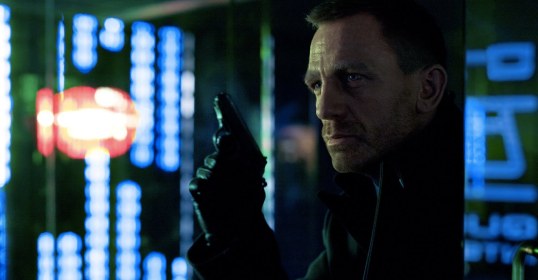
Skyfall

2. Skyfall (2012)

I’m not a huge fan of Daniel Craig’s interpretation of the character.  If Connery was Killer Bond and Roger Moore was Charming Bond, Craig often seems to be Whiny Bond.  That said, Skyfall was not only one of the best Bond films but one of the best films of 2012 as well.

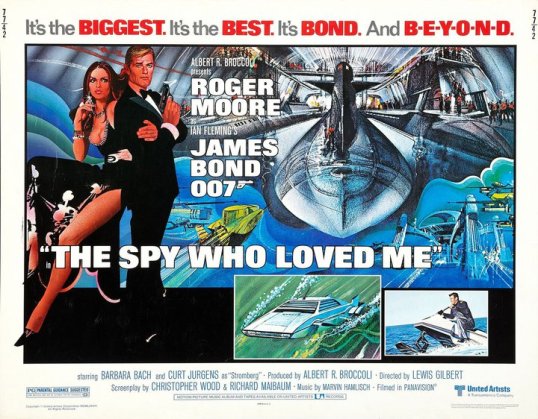
The Spy Who Loved Me

3. The Spy Who Loved Me (1977)

Nobody does it better!  Not only was this Roger Moore’s best Bond film but it’s a wonderful piece of pop art.

on_her_majestys_secret_service1

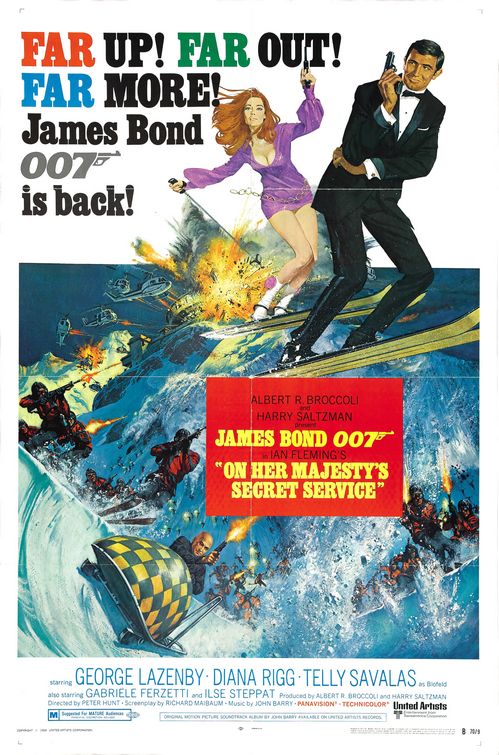
4. On Her Majesty’s Secret Service (1969)

This is one of the most underrated of all of the Bond films.  Ignore all the gossip over how George Lazenby came to play James Bond and you’ll discover that it is a Skyfall for the 60s.

goldfinger-movie-poster-1964-1010189635

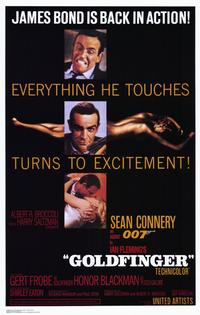
5. Goldfinger (1964)

“No, Mr. Bond, I expect you to die!”  Goldfinger is over the top perfection.

LiveandLetDie

6. Live and Let Die (1973)

Live and Let Die will probably never be acclaimed as the other Bond films but I don’t care.  I love it.  It’s the closest the Bond franchise ever came to achieving the anything-goes insanity of a classic grindhouse film.

Will a James Bond film ever receive a best picture nomination?  Normally, I’d say no.  But Mad Max: Fury Road changed the rules (for the better).  Given the right Bond, the right director, the right story, and the right year, who knows what could happen?


10 Sci-Fi Films That Should Have Been Nominated For Best Picture


Guardians-of-the-Galaxy-rocket-with-gun

Over the past few years, it’s gotten a little bit more common to see science fiction films nominated for best picture.  While a sci-fi film has yet to win best picture, it is no longer as much of a shock to see a science fiction film nominated.  At least not as much as it is to see a horror film nominated.

That said, it’s still an uphill fight.  Here are 10 science fiction films that I feel could and should have been nominated for best picture:

  1. Metropolis (1927)

Fritz Lang’s expressionistic silent epic remains one of the most influential films of all time.  Metropolis was eligible to be nominated during the first year of the Oscars, a year in which not one but two awards for best picture were handed out.  That Metropolis was nominated for neither Best Production nor Unique and Artistic Picture was a huge missed opportunity.

2. The War of the Worlds (1953)

This film may be over 60 years old but it’s still one of the best alien invasion films ever made.  And yes, I prefer the original to the Spielberg version.

3. The Time Machine (1960)

Morlocks, Eloi, and war … oh my!

4. Planet of the Apes (1968)

“A planet where apes evolved from man?”  No, not quite.  “YOU BLEW IT UP!  GODDAMN YOU TO HELL!”  Yes, that’s better.  Today, Planet of the Apes may seem more than a little bit campy but it’s still an unusually intelligent social satire.  Charlton Heston’s persona has never been better used.

5. 2001: A Space Odyssey (1968)

Can you believe that this classic from Stanley Kubrick was not nominated?  Kubrick got a directing nomination but, when it came to picking the best films of the year, the Academy nominated Oliver! and Rachel, Rachel.

blade%20runner%20final%20cut

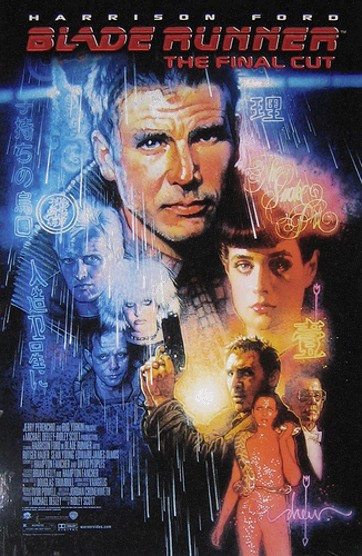
6. Blade Runner (1982)

Blade Runner is today recognized as a classic but it originally received mixed reviews and was ignored by the Academy.  At the very least, Rutger Hauer deserved a nomination.

7. Never Let Me Go (2010)

This underrated clone drama was sadly overlooked.  Andrew Garfield’s performance is heartbreaking.

Film Review Under the Skin

8. Under the Skin (2014)

This enigmatic film was probably too bizarre and unsettling for the Academy but Jonathan Glazer’s direction and Scarlett Johansson’s performance make Under the Skin a classic.

9. Guardians of the Galaxy (2014)

Whenever I rewatch Guardians of the Galaxy, I’m happy to discover that it still holds up as a wonderful piece of entertainment.  It remains my favorite film of 2014.

10. Ex Machina (2015)

Quite simply an amazing film, this is a Metropolis for the 21st Century.


6 Grindhouse Films That Should Have Been Nominated For Best Picture


If it’s difficult for a horror film to be nominated for best picture, it was next to impossible for a grindhouse film to it.

And really, that’s the way it should be.  The whole appeal of the grindhouse was that it existed on the fringes.  The grindhouse was not a part of the establishment.  The grindhouse had no desire to be a part of the establishment.

That said, here are six grindhouse films that I think could and perhaps should have been nominated for best picture:

images

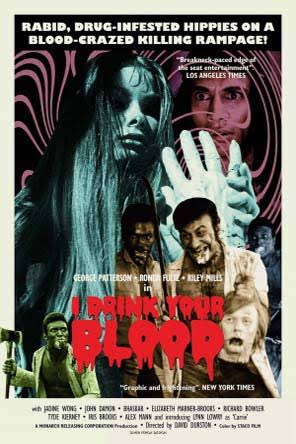
  1. I Drink Your Blood (1970)

This film is about what happens when a group of already odd hippie Satanists get infected with rabies.  It’s perhaps one of the best examinations of the culture war ever filmed.  In the role of Horace Bones, Bhaskar Roy Chowdhury gives one of the most arrestingly strange performances of all time.

American_Hippie_in_Israel_Grindhouse_Releasing

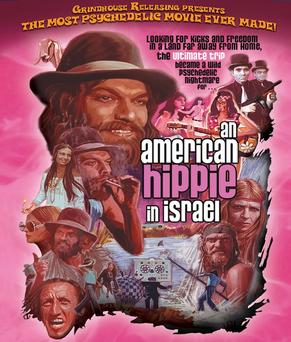
2. An American Hippie In Israel (1972)

Literally one of the greatest films of all time.  Now, I’m not saying that American Hippie would have won.  1972 was the year of The Godfather, Cabaret, and Deliverance.   But surely, a nomination could have been arranged.   “You fools.  You fools.  Stop pushing buttons.  You fools…”

The_Candy_Snatchers_Poster

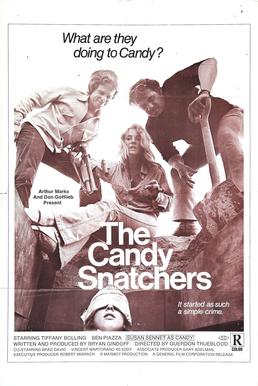
3. The Candy Snatchers (1973)

Agck!  This crime thriller still freaks me out.  And that ending … OH MY GOD!  The Sting may be good but The Candy Snatchers sticks with you forever.

4. They Call Her One-Eye (1973)

The Candy Snatchers wasn’t the only great grindhouse film to be released in 1973.  Why nominate A Touch of Class (has anyone ever watched — or heard of — this nominee?) when you could nominate They Call Her One-Eye?

5. Night of the Hunted (1980)

This French classic, from director Jean Rollin, never got a U.S. release so technically, it was not eligible to be nominated for Best Picture.  But what about Best Foreign Language Film?

6. Ms. 45 (1981)

The greatest revenge flick ever!

A Movie A Day #57: Here Comes The Navy (1934, directed by Lloyd Bacon)


here_comes_the_navy_posterLisa asked me to review an old best picture nominee for today’s movie a day so I picked Here Comes The Navy, because hardly anyone has ever heard of it and I usually like old service comedies.

Chesty O’Connor (James Cagney) is a construction worker who thinks that he is tougher than anyone in the Navy.  When Chesty gets into a fight with Chief Petty Officer Biff Martin (Pat O’Brien), Chesty enlists in the Navy just to get on his nerves.  Chesty brings his friend Droopy (Frank McHugh) with him.  With Biff determined to force him out of the service, Chesty bristles against the rules of the Navy.  But then Chesty meets and falls in love with Dorothy (Gloria Stuart), Biff’s sister.  Chesty loses his bad attitude, proves that his shipmates can depend on him, saves Biff’s life when an airship landing goes wrong, and even gets to marry Biff’s sister.

Here Comes The Navy is a typical 1930s service comedy, distinguished mostly by the wiseguy presence of James Cagney.  It is the type of movie where men have names like Chesty, Biff, and Droopy.  Warner Bros. made a hundred versions of this story and Here Comes The Navy was certainly one of them.

Here Comes The Navy was produced with the full cooperation of the U.S. Navy, so it’s not surprising that it feels like a recruiting film.  The sailors are all happy to do their bit to protect the American way of life and the commanding officers are all tough but fair.  The majority of the movie was filmed on the USS Arizona, which would be sunk seven years later during the Japanese attack on Pearl Harbor.  Here Comes The Navy also features some scenes shot on the USS Macon, an airship that would crash a year later.

It’s hard to guess how Here Comes The Navy came to be nominated for best picture.  It’s okay but, for the most part, it’s for James Cagney completists only.


Lisa Reviews An Oscar Nominee: The Champ (dir by King Vidor)


the_champ_poster

“I want the Champ!  I want the Champ!”

Oh good God, shut up you little brat.

Now, nobody actually tells 8 year-old Dink (Jackie Cooper) to shut up at the end of 1931’s The Champ.  I’d like to think that I probably would have said those words if I had been sitting in the audience but, in all honestly, I probably would have been crying along with everyone else.  I’m sure that a lot of people probably cried when The Champ was first released.

And really, it’s probably unfair to criticize Jackie Cooper for repeatedly wailing, “I want the Champ!” during the film’s final five minutes.  It’s actually probably one of the few authentic moments in the film.  It’s just unfortunate that Cooper’s voice was a bit shrill and, as a result, I found myself covering my ears.

As for what The Champ is about, it’s the story of a boy and his alcoholic father.  Andy Purcell (played with loutish charm by the never particularly subtle Wallace Beery) is a boxer.  He used to be the world champion and people still call him The Champ.  Of course, it’s been a while since he’s been in the ring.  Now, Andy just drinks and gambles and continually lets down his son.  However, Dink is always willing to forgive Andy and Andy does truly love his son.  He even buys him a horse, which gets named Little Champ.

It’s while at the stables that Dink meets an upper class woman named Linda (Irene Rich).  What Dink does not realize is that Linda is … his mother!  She was once married to the Champ but his drinking led to divorce.  Linda wants to adopt Dink and perhaps she should because The Champ really is not a very good father.  He even loses Little Champ in a card game.

Fortunately, the Champ has a chance to win the money needed to buy back the horse.  All he has to do is reenter the ring and beat the Mexican heavyweight…

It all leads to “I want the champ!” being screamed several hundred times in a handful of minutes, enough times to make me fear that I would be deaf before the film ended…

The Champ is an old-fashioned and rather creaky melodrama, one that hasn’t aged particularly well.  Director King Vidor specialized in films about the “common man” and The Champ often feels like it was adapted from the first draft of an unproduced Clifford Odets play.  It’s all very sentimental and so thoroughly lacking in snark or cynicism that, for modern audiences, it’s difficult to relate to.  I’ll leave it to you to decide whether that’s a good or a bad thing.

The Champ does hold a place in Oscar history.  Wallace Beery won the Oscar for Best Actor but, for the first time in the history of the awards, there was a tie and Beery shared the Oscar with Fredric March, who won for Dr. Jekyll and Mr. Hyde.

The Champ was also nominated for best picture but it lost to Grand Hotel, which also features Wallace Beery.

Lisa Reviews An Oscar Nominee: Capote (dir by Bennett Miller)


capote_poster

The first time I ever saw the 2005’s Capote, I thought it was a great film.

I guess that shouldn’t be a surprise.  I love movies about writers and I love biopics and, as the title indicates, Capote was both.  I’m also fascinated by true crime and Capote told the story of how Truman Capote came to write the first true crime book, In Cold Blood.  Add to that, I was (and am) a Philip Seymour Hoffman fan and Capote provided Hoffman with not only a rare starring role but it also won him an overdue Academy Award.  Finally, to top it all off, Capote also dealt with Truman’s friendship with Harper Lee (Catherine Keener), the author of To Kill A Mockingbird.  Seriously, a film that dealt with the writing of both In Cold Blood and To Kill A Mockingbird!?  How couldn’t I love that?  While everyone else was outraged that Crash beat Brokeback Mountain, I was upset that it beat Capote.

Needless to say, I was really looking forward to rewatching Capote for this review.  But when I actually did sit down and watched it, I was shocked to discover that Capote wasn’t actually the masterpiece that I remembered it being.

Oh, don’t get me wrong.  It’s still a good film.  At times, it’s even a great film.  I still think it would have been a more worthy Best Picture winner than Crash.  But still, there seemed to be something missing.  Much as with director Bennett Miller’s most recent film, Foxcatcher, there’s a coldness at the heart of Capote.  One can’t deny its success on a technical level but, at the same time, it keeps the audience at a distance.  In the end, we remains detached observers, admiring the skill of the film without ever getting emotionally invested in it.

Interestingly, the film suggests that the exact opposite happened to Truman Capote while he wrote In Cold Blood.  The film suggests that Capote got so invested in one of the killers at the center of In Cold Blood that the process of writing the book nearly destroyed him.  When we first see Capote, he’s at some social event in New York and he’s amusing his rich friends with charmingly risqué anecdotes about his other rich and famous friends.  As played by Hoffman, Capote is someone who is almost always performing.  It only with his friend Harper Lee and his partner Jack Dunphy (Bruce Greenwood) that he ever lets down his guard long enough to reveal who he actually is, a gay man from the deep South who was fortunate enough to escape.

That’s one reason why Capote grows close to Perry Smith (Clifton Collin, Jr.).  The subjects of In Cold Blood, Smith and Dick Hickcock (Mark Pellegrino) killed the Clutter family in Holcomb, Kansas.  Capote, who followed the case from their arrest to their eventual execution, becomes obsessed with Smith precisely because he sees Smith, with his dysfunctional background and his overly sensitive nature, as being who Capote could have been if things had gone just a little bit differently in his life.  Miller further makes this point by skillfully juxtaposing scenes of Truman dropping names and telling jokes at New York parties with the grim reality of life and death in Kansas.

Truman finds himself serving as a mentor to Perry.  (Hickcock is neglected by both Capote and the film.)  Of course, Truman’s also a writer and he knows that he needs an ending for his story.  As his editor (played by Bob Balaban, who seems to be destined to play everyone’s editor at some point or another) points out, Smith and Hickcock have to be executed if the book is ever to be completed.  Truman also has to get Perry to finally talk about what happened in the Clutter family farm.  As much as Capote seems to care about Perry, he’s ruthless when it comes to getting material for his book.  The film suggests that Truman Capote got his greatest success at the cost of his soul.

It’s a rather dark movie, which might explain why I was initially so impressed with it.  (I went through a period of time where I thought any movie with a sad ending was a masterpiece.)  Rewatching it, I saw that the film’s triumph was mostly one of casting.  Miller gets some seriously brilliant performances from the cast of Capote.  Yes, Hoffman is great in Capote but so is the entire cast.  Keener and Greenwood are well-cast as the only two people who have the guts to call Truman on his bullshit.  Chris Cooper gives a very Chris Cooperish performance as Alvin Dewey, the no-nonsense lawman who views Capote with a mix of amusement and distrust.  Clifton Collins, Jr. and Mark Pellegrino are both excellent as Smith and Hickcock.  In fact, Pellegrino makes such an impression that you regret the both Capote and the film didn’t spend more time with his character.

As previously stated, Hoffman won Best Actor but Capote lost best picture to Crash.  How Crash beat not just Brokeback Mountain but Capote as well is a mystery that Oscar historians are still trying to unravel.