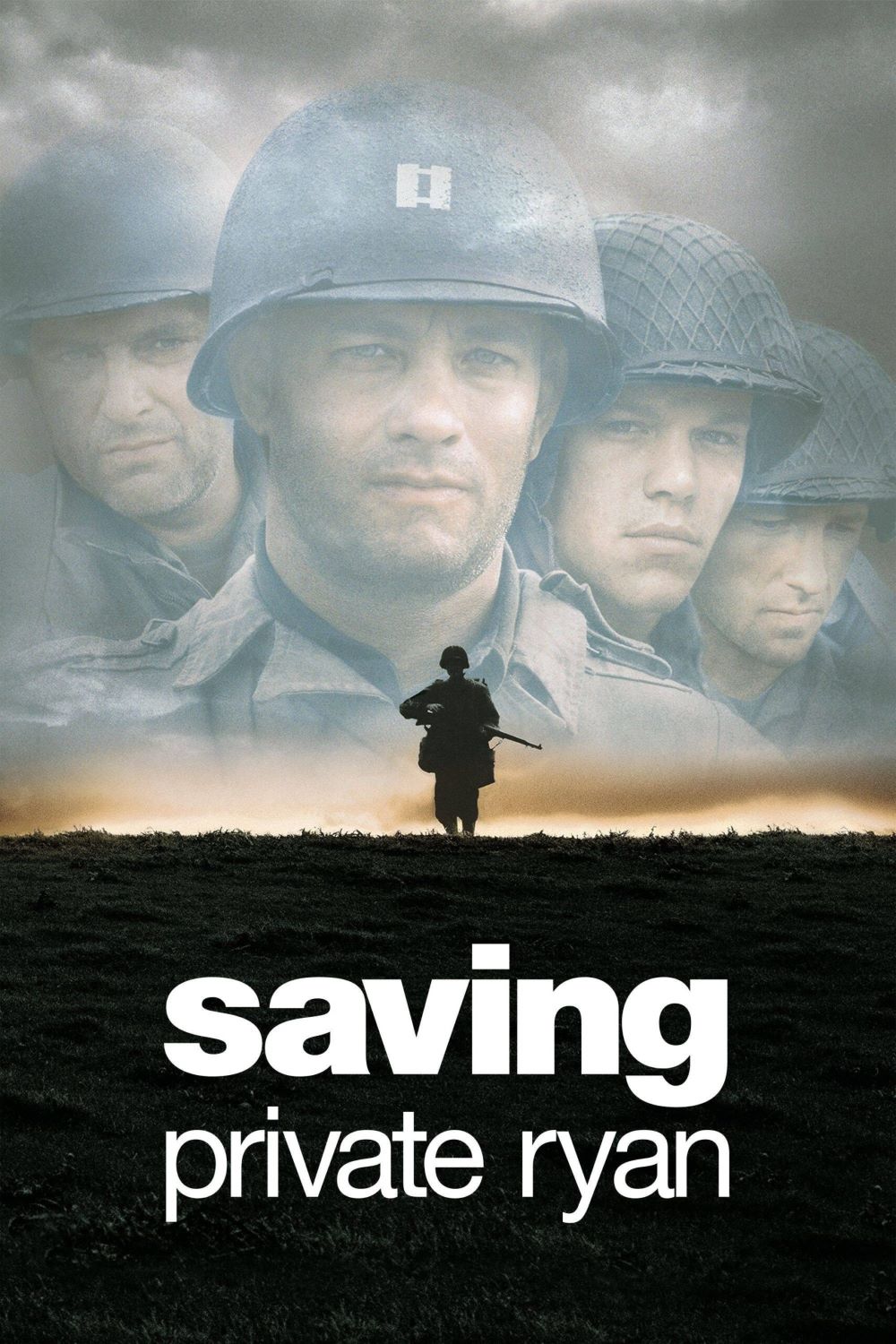
Review: Saving Private Ryan (dir. by Steven Spielberg)


“Someday we might look back on this and decide that Saving Private Ryan was the one decent thing we were able to pull out of this whole godawful, shitty mess.” — Sergeant Horvath

Saving Private Ryan stands as a landmark achievement in war cinema, intricately weaving immersive battle scenes, rich character dynamics, and profound moral themes into a nearly three-hour exploration of World War II’s human cost. One of its most remarkable features is the opening Omaha Beach landing sequence, a meticulously crafted, over 24-minute depiction of warfare’s brutal reality. Spielberg deploys a cinema verité style with handheld cameras capturing disorientation and chaos through the soldiers’ eyes. The sound design envelops the viewer in a sensory onslaught—gunfire, shouting, explosions—creating a visceral experience that immerses audiences directly in the terror and confusion of D-Day.

The filming process drew heavily on historical accuracy, with the production shot on the coast of County Wexford, Ireland, employing amputee actors and practical effects over computer graphics to simulate violent injuries and battlefield horrors. Muted tones evoke wartime photographs, and rapid, shaky editing conveys the disorganized, frantic environment soldiers endured. Consulting WWII veterans and historians, Spielberg created a sequence that reshaped cinematic portrayals of war, influencing how future films would approach the genre’s raw immediacy and emotional weight.

The film’s narrative follows a squad led by Captain Miller on a mission to locate and bring home Private James Ryan, whose three brothers have been killed in combat. The mission is steeped in the real-life tragedy of the five Sullivan brothers who died together aboard the USS Juneau in the Pacific, prompting military policies to prevent similar familial devastation. This historical context frames the story’s ethical heart: risking several men’s lives to save one, raising enduring questions about the value of individual sacrifice within the broader war.

In Saving Private Ryan, sacrifice is portrayed ambiguously—not as the sacrifice of a single hero but as the collective cost borne by the men tasked with rescuing one individual under perilous conditions. As the squad journeys through the war-torn French countryside, the deaths, injuries, and tensions they face underscore war’s randomness and the difficulty of weighing one life against many. The narrative refuses to romanticize or simplify, instead confronting the audience with the tragic truth that countless soldiers lose their lives without recognition or purpose, while some survive against staggering odds.

Duty and camaraderie thread throughout the film, portrayed through the soldiers’ evolving relationships and personal struggles. Each grapples with loyalty not only to their mission but to their fellow men and their own moral codes.

Integral to the film’s power is Tom Hanks’s layered performance as Captain John Miller. Hanks breathes life and emotional depth into Miller, portraying him as a man shaped by civilian life—revealed poignantly when he discloses his pre-war profession as a schoolteacher—now transformed by the relentless demands of war. He embodies an officer who is both composed and vulnerable, carrying the heavy burden of leadership with quiet dignity. Hanks’s portrayal reveals the internal struggles beneath Miller’s stoic exterior: moments of doubt, moral conflict, and fatigue subtly expressed through a trembling hand or a weary gaze. This humanity makes Miller relatable, as a man trying to maintain order and purpose amid chaos.

Hanks skillfully balances Miller’s authoritative presence with warmth and empathy, particularly evident in his paternal interactions with younger soldiers, reinforcing Miller’s role as both a leader and protector. His nuanced acting delivers the complexity of a man constantly negotiating duty and compassion. In scenes of high tension or moral quandaries, Hanks conveys the weight of command while allowing glimpses into Miller’s psychological strain, deepening the film’s emotional resonance.

Following Hanks’s Miller, a standout amongst the supporting cast is Tom Sizemore’s portrayal of Technical Sergeant Mike Horvath, Miller’s steady second-in-command. Sizemore embodies the pragmatic, battle-hardened soldier whose loyalty and experience provide emotional grounding for the squad. Sizemore portrays Horvath’s weariness and quiet commitment, adding layers of realism that deepen the exploration of how war reshapes individuals. The chemistry and shared history between Miller and Horvath are palpable, illustrating the bonds that sustain soldiers through hardship and lending emotional weight to the narrative.

The film wrestles with intense moral ambiguity throughout. The mission’s premise—to risk many lives to save one—compels both characters and viewers to confront complex questions about justice, value, and the cost of war. Scenes presenting difficult choices, such as the decision to spare or execute prisoners, dramatize these ethical dilemmas and highlight the emotional burdens borne by soldiers.

Technically, the film excels, with Janusz Kaminski’s dynamic cinematography capturing both the chaos of battle and intimate moments with evocative clarity. The immersive sound design reinforces the brutal reality, stripping warfare of glamor and confronting audiences with its daunting human costs.

Despite the overwhelming destruction and loss, Saving Private Ryan offers moments of humanity and hope. The rescue mission serves as a fragile symbol of compassion in the midst of devastation, while the film’s closing reflections on memory and legacy emphasize the lasting significance of sacrifice and survival.

Saving Private Ryan stands as a monumental achievement in the war genre, combining visceral combat realism, compelling characters, and moral complexity. Through Hanks’s deeply human Captain Miller and the nuanced supporting performances, especially Sizemore’s grounded Horvath, the film explores themes of sacrifice, duty, and brotherhood with unflinching honesty. Its enduring legacy lies in its unvarnished yet empathetic portrayal of war’s cost and the profound sacrifices made by those who lived it.

October True Crime: The Onion Field (dir by Harold Becker)


This 1979 true crime drama opens in Los Angeles in 1963.

Rookie Detective Karl Hettinger (John Savage) has just joined the Felony Squad and met his new partner, Ian Campbell (Ted Danson, making his film debut).  Ian is a tall, somewhat eccentric detective, the type who practices playing the bagpipes in the basement and who takes Hettinger under his wing.

Meanwhile, Jimmy Smith (Franklyn Seales) has just been released from prison.  The nervous and easily-led Jimmy almost immediately runs into Gregory Powell (James Woods), a small-time hood with delusions of grandeur.  Powell is the type who talks a big game but who really isn’t even that good of a thief.  Smith and Powell form an uneasy criminal partnership.  They are easily annoyed with each other but they also share an instant bond.  Though the film doesn’t actually come out and say what most viewers will be thinking, there’s a lot of subtext to a brief scene where Powell appears to caress Smith’s shoulder.

One night, Hettinger and Campbell are kidnapped by Smith and Powell.  Smith and Powell drive them out to an onion field.  Because he’s misinterpreted the Federal Kidnapping Act and incorrectly believes that he and Smith are already eligible for the death penalty because they kidnapped two police officers, Powell shoots and kills Campbell.  (The close-up image of Campbell falling dead is a disturbing one, not the least because he’s played by the instantly likable Ted Danson.)  Hettinger runs and manages to escape.  He saves his life but he’s now haunted by the feeling that he abandoned his partner.

The rest of the film deals with the years that follow that one terrible moment in the onion field.  Treated as a pariah by his fellow cops, Hettinger sinks into alcoholism and eventually becomes a compulsive shoplifter.  Smith and Powell, meanwhile, use a variety of tricks to continually escape the death penalty and to keep their case moving through the California justice system.  Powell, for instance, defends himself and then later complains that he had incompetent counsel.  Smith, meanwhile, is defended by the infamous Irving Karanek, a legendary California attorney who specialized in filing nuisances motions.  (Later Karanek found a measure of fame as Charles Manson’s attorney.  Eventually, he had a nervous breakdown in 1989, lived in his car, and was briefly suspended by practicing law.)  While Smith and especially Powell quickly adjust to being imprisoned, Hettinger spends the next decade trapped in a mental prison of guilty and bitterness.

Based on a non-fiction book by Joseph Wambaugh, The Onion Field is a compelling look at a true crime case that continue to resonate today.  The film can be a bit heavy-handed in its comparisons between the two partnerships that define the story.  Both Hettinger and Smith are young and neurotic men who find themselves working with a more confident mentor.  The difference is that Hettinger’s mentor is the cool, composed, and compassionate Ian Campbell while Smith’s sad fate is to be forever linked to the erratic Gregory Powell.  While the film may have the flat look of something that was made for television, it’s elevated by the performances of its lead actors.  James Woods give an especially strong performance as the cocky Powell, a loser in the streets who becomes a winner behind bars.  Over the course of the film, he goes from being a joke to being the prisoner that others come to for legal advice.  John Savage, meanwhile, poignantly captures Hettinger’s descent as the trauma from that night leaves him as shell of the man that he once was.

The film’s supporting cast is full of familiar faces.  Christopher Lloyd and William Sanderson show up as prisoners.  Ronny Cox plays the detective in charge of the onion field investigation.  David Huffman plays a district attorney who is pushed to his breaking point by the obstructive tactics of Smith’s attorney.  Priscilla Pointer play Ian Campbell’s haunted mother.  All of them do their part to bring this sad story to life.

The Onion Field is a chillingly effective true crime drama and a look at a murder that was inspired by one man’s inability to understand federal law.

Spider-Man: The Dragon’s Challenge (1979, directed by Ron Satlof)


This, the final of the three Spider-Man “feature films” that were basically edited episodes of the Spider-Man TV series, finds Peter Parker (Nicholas Hammond) in Hong Kong.  Spider-Man having adventures in Hong Kong sounds like it should be fun and the 2nd half of this “movie” was filmed on location but, even with all those elements (and a young Ted Danson in a small role), Spider-Man: The Dragon’s Challenge is just dull.

Min (Benson Fong) is a rich Chinese businessman who stands to be appointed to a position in the Chinese government but only if he can prove that he didn’t sell secrets to the U.S. during World War II.  Min needs to find three Marines who can clear his name.  Because Min is an old friend, J. Jonah Jameson (Robert F. Simon) assigns photographer Peter Parker to help Min track the men down.  Why would Jameson give that responsibility to Pater Parker?  I don’t know.

Min’s granddaughter, Emily (Rosalind Chao), thinks that Peter is a coward because he always disappears whenever Min is attacked.  It’s a good thing that Spider-Man always mysteriously shows up whenever Peter isn’t around because otherwise, Min would be in a lot of trouble.  It turns out that a steel baron named Mr. Zeider (Richard Erdman) wants to stop Min from clearing his name because Min would stop Zeider from getting a big construction contract.

Eventually, Peter, Min, Emily, and a former marine who can clear Min all end up in Hong Kong, where Spider-Man gets to fight kung fu masters and hopefully save the day.

Spider-Man: The Dragon’s Challenge has all the elements to be an enjoyably cheesy 70s adventure film but it fails because it’s not really a movie.  It’s just two episodes of a TV show that have been edited together and, with the exception of a few of the fight scenes in Hong Kong, there’s nothing cinematic about it.  As opposed to the previous two Spider-Man “films,” Nicholas Hammond just seems bored in this outing and the scenes with Rosalind Chao scolding Peter for being a coward are too much like Lois Lane complaining about Clark Kent never being in the same place as Superman.

Spider-Man: The Dragon’s Challenge also misses the opportunity to bring in any members of Spider-Man’s gallery of wonderful villains.  How hard would it have been to replace Mr. Zeider with Wilson Fisk?  The Silver Samurai could have at least made an appearance.  Instead, Spider-Man’s just fighting another corporate villain.  It’s a wasted opportunity.

The two episodes that make up this film were also the final two episodes of the Spider-Man TV show.  Despite the fact that CBS was constantly moving the show around on the schedule and that the second season only featured 7 episodes, the series still got good ratings.  However, CBS apparently feared that, by airing not only Spider-Man but also The Incredible Hulk and Wonder Woman, it would run the risk of becoming known as a “comic book” network.  Since the Hulk and Wonder Woman both got good ratings and, unlike Spider-Man, had the support of the critics, they were allowed to remain while Spider-Man was given the boot and canceled in 1979.  That’s a strong contrast to today, when most exec would probably sell their first born to get a chance at some of the Marvel action.

After this, it would be another 23 years before Spider-Man again appeared on a movie screen, this time in the form of Tobey Maguire.  While Nicholas Hammond would never again play Spider-Man, one fan of his time on the show was director Quentin Tarantino, who later cast Hammond as director Sam Wanamaker in Once Upon A Time In Hollywood.

Here Are The Major 72nd Emmy Nominations!


Usually, when it’s time for the Emmy nominations to be announced, I’ll post what I personally would have nominated.  I didn’t do it this year because, for whatever reason, I didn’t watch as much TV last season as I have in the past so I felt like, if I had done a Lisa Has All The Power post for the Emmy nominations, I would have ended up just nominating a bunch of shows that I hadn’t actually watched and that would just be wrong.

I will say that I was hoping to see nominations for Bad Education and Unbelievable.  Both did receive nominations, though not as much as they should have.  Bad Education was nominated for Best TV Movie and Hugh Jackman received a nomination but it deserved so much more.  (It’s the best film that I’ve seen so far this year and it bugs the Hell out of me that it was sold to HBO and not Netflix because Bad Education is the type of movie that should get Oscar recognition.)  Unbelievable was nominated for Best Limited Series but Kaitlyn Dever and Merritt Weaver deserved nominations as well.  I was also disappointed that neither Aaron Paul nor Robert Forster were nominated for El Camino.  I’m also upset that my favorite comedy series — Medical Police — was totally snubbed but I’m not really surprised.  Medical Police is hilarious but it’s not self-important enough for the Emmys.  Still, considering that Curb Your Enthusiasm was kind of terrible this year, it’s a shame that Medical Police couldn’t sneak in there.

(This year still isn’t as bad as the year that Twin Peaks: The Return was snubbed in all the major categories.)

Anyway, here are the major nominees.  At least The Mandalorian got some recognition.  GO BABY YODA!

Drama Series

“Better Call Saul” (AMC)
“The Crown” (Netflix)
“The Handmaid’s Tale” (Hulu)
“Killing Eve” (BBC America/AMC)
“The Mandalorian” (Disney Plus)
“Ozark” (Netflix)
“Stranger Things” (Netflix)
“Succession” (HBO)

Comedy Series

“Curb Your Enthusiasm” (HBO)
“Dead to Me” (Netflix)
“The Good Place” (NBC)
“Insecure” (HBO)
“The Kominsky Method” (Netflix)
“The Marvelous Mrs. Maisel” (Amazon Prime Video)
“Schitt’s Creek” (Pop TV)
“What We Do in the Shadows” (FX)

Limited Series

“Little Fires Everywhere” (Hulu)
“Mrs. America” (Hulu)
“Unbelievable” (Netflix)
“Unorthodox” (Netflix)
“Watchmen” (HBO)

Televison Movie

“American Son” (Netflix)

“Bad Education” (HBO)

“Dolly Parton’s Heartstrings: These Old Bones” (Netflix)

“El Camino: A Breaking Bad Movie” (Netflix)

Unbreakable Kimmy Schmidt: Kimmy vs. The Reverend (Netflix)

Lead Actor in a Drama Series

Jason Bateman (“Ozark”)
Sterling K. Brown (“This Is Us”)
Steve Carell (“The Morning Show”)
Brian Cox (“Succession”)
Billy Porter (“Pose”)
Jeremy Strong (“Succession”)

Lead Actress in a Drama Series

Jennifer Aniston (“The Morning Show”)
Olivia Colman (“The Crown”)
Jodie Comer (“Killing Eve”)
Laura Linney (“Ozark”)
Sandra Oh (“Killing Eve”)
Zendaya (“Euphoria”)

Lead Actor in a Comedy Series

Anthony Anderson (“Black-ish”)
Don Cheadle (“Black Monday”)
Ted Danson (“The Good Place”)
Michael Douglas (“The Kominsky Method”)
Eugene Levy (“Schitt’s Creek”)
Ramy Youssef (“Ramy”)

Lead Actress in a Comedy Series

Christina Applegate (“Dead to Me”)
Rachel Brosnahan (“The Marvelous Mrs. Maisel”)
Linda Cardellini (“Dead to Me”)
Catherine O’Hara (“Schitt’s Creek”)
Issa Rae (“Insecure”)
Tracee Ellis Ross (“Black-ish”)

Lead Actor in a Limited Series or Movie

Jeremy Irons (“Watchmen”)
Hugh Jackman (“Bad Education”)
Paul Mescal (“Normal People”)
Jeremy Pope (“Hollywood”)
Mark Ruffalo (“I Know This Much Is True”)

Lead Actress in a Limited Series or Movie

Cate Blanchett (“Mrs. America”)
Shira Haas (“Unorthodox”)
Regina King (“Watchmen”)
Octavia Spencer (“Self Made”)
Kerry Washington (“Little Fires Everywhere”)

Supporting Actor in a Drama Series

Giancarlo Esposito (“Better Call Saul”)
Bradley Whitford (“The Handmaid’s Tale”)
Billy Crudup (“The Morning Show”)
Mark Duplass (“The Morning Show”)
Nicholas Braun (“Succession”)
Kieran Culkin (“Succession”)
Matthew Macfadyen (“Succession”)
Jeffrey Wright (“Westworld”)

Supporting Actress in a Drama Series

Laura Dern (“Big Little Lies”)
Meryl Streep (“Big Little Lies”)
Helena Bonham Carter (“The Crown”)
Samira Wiley (“The Handmaid’s Tale”)
Fiona Shaw (“Killing Eve”)
Julia Garner (“Ozark”)
Sarah Snook (“Succession”)
Thandie Newton (“Westworld”)

Supporting Actor in a Comedy Series

Andre Braugher (“Brooklyn Nine-Nine”)
William Jackson Harper (“The Good Place”)
Alan Arkin (“The Kominsky Method”)
Sterling K. Brown (“The Marvelous Mrs. Maisel”)
Tony Shalhoub (“The Marvelous Mrs. Maisel”)
Mahershala Ali (“Ramy”)
Kenan Thompson (“Saturday Night Live”)
Dan Levy (“Schitt’s Creek”)

Supporting Actress in a Comedy Series

Betty Gilpin (“GLOW”)
D’Arcy Carden (“The Good Place”)
Yvonne Orji (“Insecure”)
Alex Borstein (“The Marvelous Mrs. Maisel”)
Marin Hinkle (“The Marvelous Mrs. Maisel”)
Kate McKinnon (“Saturday Night Live”)
Cecily Strong (“Saturday Night Live”)
Annie Murphy (“Schitt’s Creek”)

Supporting Actor in a Limited Series or Movie

Dylan McDermott (“Hollywood”)
Jim Parsons (“Hollywood”)
Tituss Burgess (“Unbreakable Kimmy Schmidt: Kimmy vs. the Reverend”)
Yahya Abdul-Mateen II (“Watchmen”)
Jovan Adepo (“Watchmen”)
Louis Gossett Jr. (“Watchmen”)

Supporting Actress in a Limited Series or Movie

Holland Taylor (“Hollywood”)
Uzo Aduba (“Mrs. America”)
Margo Martindale (“Mrs. America”)
Tracey Ullman (“Mrs. America”)
Toni Collette (“Unbelievable”)
Jean Smart (“Watchmen”)

Reality Competition

“The Masked Singer” (FOX)
“Nailed It” (Netflix)
“RuPaul’s Drag Race” (VH1)
“Top Chef” (Bravo)
“The Voice” (NBC)

Variety Sketch Series

“A Black Lady Sketch Show” (HBO)
“Drunk History” (Comedy Central)
“Saturday Night Live” (NBC)

Variety Talk Series

“Daily Show with Trevor Noah” (Comedy Central)
“Full Frontal with Samantha Bee” (TBS)
“Jimmy Kimmel Live” (ABC)
“Last Week Tonight with John Oliver” (HBO)
“Late Show with Stephen Colbert” (CBS)

What If Lisa Had All The Power: 2019 Emmy Nominations Edition


In a few hours, the 2019 Emmy nominations will be announced!

Since I love awards and I love making lists, it’s an annual tradition that I list who and what would be nominated if I had all the power.  Keep in mind that what you’re seeing below are not necessarily my predictions of what or who will actually be nominated.  Many of the shows listed below will probably be ignored tomorrow morning.  Instead, this is a list of the nominees and winners if I was the one who was solely responsible for picking them.

Because I got off to a late start this year, I’m only listing the major categories below.  I may go back and do a full, 100-category list sometime tomorrow.  Who knows?  I do love making lists.

Anyway, here’s what would be nominated and what would win if I had all the power!  (Winners are listed in bold.)

(Want to see who and what was nominated for Emmy consideration this year?  Click here!)

(Want to see my picks for last year?  Click here!)

(Want to see my picks for 2012?  I know, that’s kinda random.  Anyway, click here!)

Programming

Outstanding Comedy Series

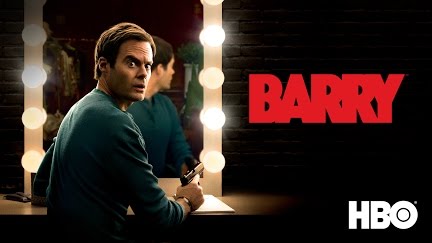
Barry

Brooklyn Nine-Nine

GLOW

It’s Always Sunny In Philadelphia

The Marvelous Mrs. Maisel

One Day At A Time

Veep

Vida

Outstanding Drama Series

Better Call Saul

Dynasty

Flack

Game of Thrones

The Magicians

My Brilliant Friend

Ozark

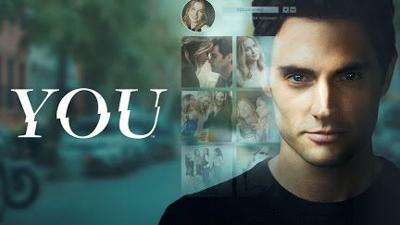
You

Outstanding Limited Series

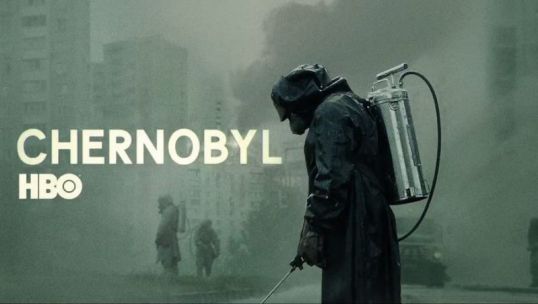
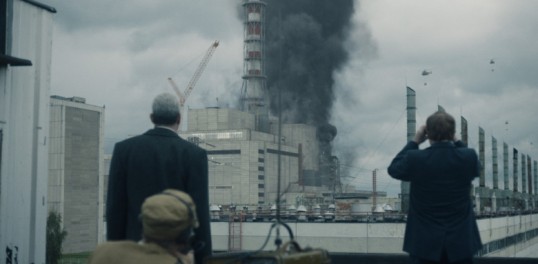
Chernobyl

Fosse/Verdon

The Haunting of Hill House

I Am The Night

Maniac

Sharp Objects

True Detective

A Very English Scandal

Outstanding Television Movie

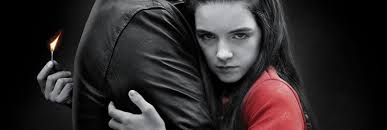
The Bad Seed

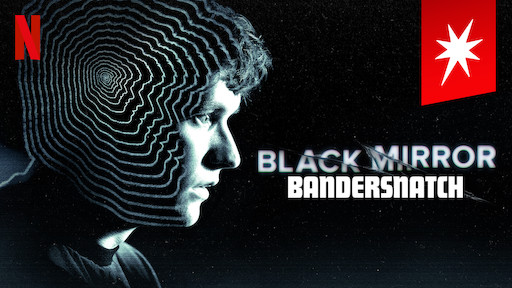
Bandersnatch (Black Mirror)

Brexit

Deadwood

King Lear

Native Son

No One Would Tell

O.G.

Performer

Outstanding Lead Actor in a Comedy Series

Iain Armitage in Young Sheldon

Ted Danson in The Good Place

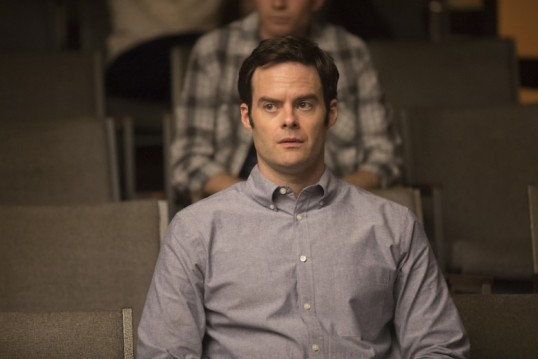
Bill Hader in Barry

Pete Holmes in Crashing

Glenn Howerton in A.P. Bio

Andy Samberg in Brooklyn Nine Nine

Outstanding Lead Actor in a Drama Series

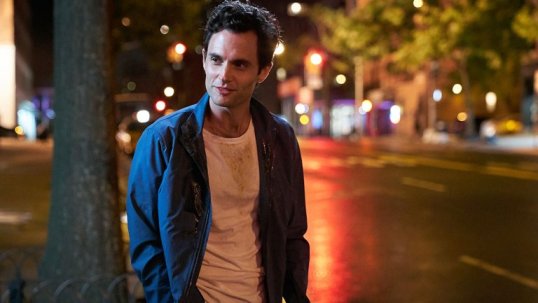
Penn Badgley in You

Jason Bateman in Ozark

James Franco in The Deuce

John Krasinski in Tom Clancy’s Jack Ryan

Bob Odenkirk in Better Call Saul

Dominic West in The Affair

Outstanding Lead Actor In a Limited Series

Hugh Grant in A Very English Scandal

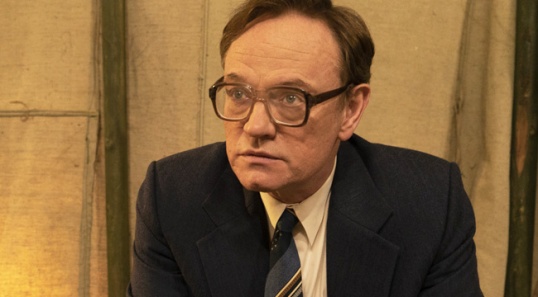
Jared Harris in Chernobyl

Jonah Hill in Maniac

Chris Pine in I Am The Night

Sam Rockwell in Fosse/Verdon

Henry Thomas in The Haunting of Hill House

Outstanding Lead Actor In An Original Movie

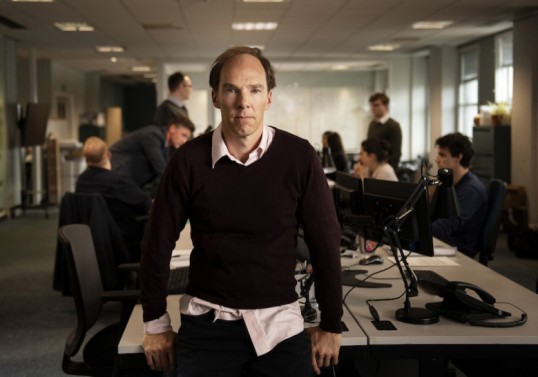
Benedict Cumberbatch in Brexit

Anthony Hopkins in King Lear

Rob Lowe in The Bad Seed

Ian McShane in Deadwood

Timothy Olyphant in Deadwood

Jeffrey Wright in O.G.

Outstanding Lead Actress In A Comedy Series

Melissa Barrera in Vida

Kristen Bell in The Good Place

Alison Brie in GLOW

Rachel Brosnahan in The Marvelous Mrs. Maisel

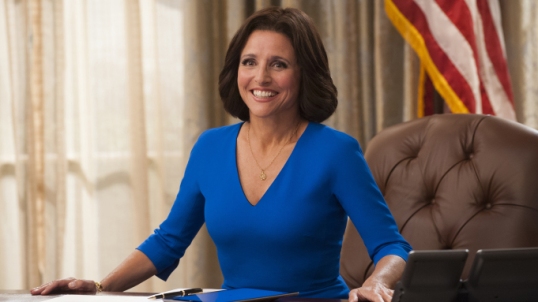
Julia Louis-Dreyfus in Veep

Zoe Perry in Young Sheldon

Outstanding Lead Actress in A Drama Series

Emilia Clarke in Game of Thrones

Gaia Girace in My Brilliant Friend

Maggie Gyllenhaal in The Deuce

Laura Linney in Ozark

Margherita Mazzucco in My Brilliant Friend

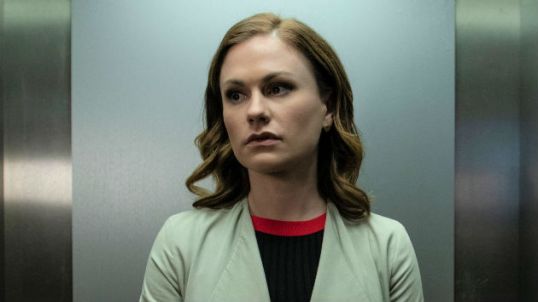
Anna Paquin in Flack

Outstanding Lead Actress in a Limited Series

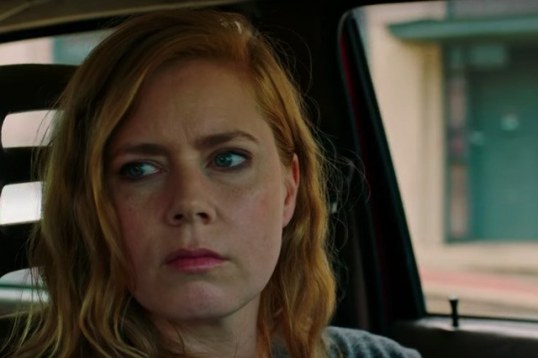
Amy Adams in Sharp Objects

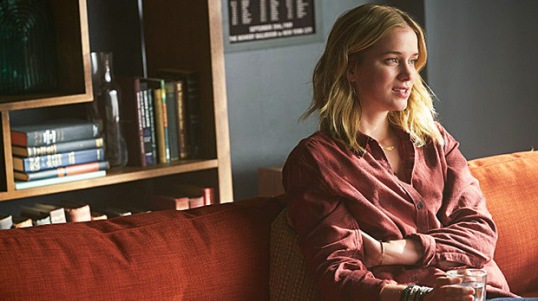
India Eisley in I Am The Night

Carla Gugino in The Haunting of Hill House

Charlotte Hope in The Spanish Princess

Emma Stone in Maniac

Michelle Williams in Fosse/Verdon

Outstanding Lead Actress in an Original Movie

Shannen Doherty in No One Would Tell

Chelsea Frei in Victoria Gotti: My Father’s Daughter

McKenna Grace in The Bad Seed

Paula Malcolmson in Deadwood

Molly Parker in Deadwood

Christina Ricci in Escaping The Madhouse: The Nellie Bly Story

Outstanding Supporting Actor In A Comedy Series

Fred Armisen in Documentary Now!

Andre Braugher in Brooklyn Nine Nine

Anthony Carrigan in Barry

Tony Hale in Veep

Sam Richardson in Veep

Stephen Root in Barry

Outstanding Supporting Actor In A Drama Series

Jonathan Banks in Better Call Saul

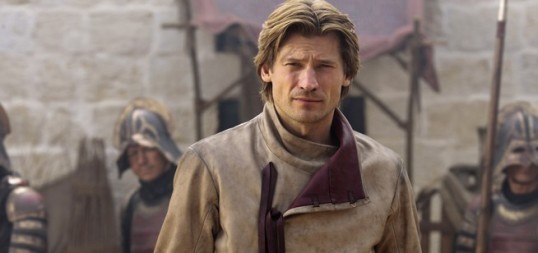
Nikolaj Coster-Waldau in Game of Thrones

Peter Dinklage in Game of Thrones

Giancarlo Esposito in Better Call Saul

Peter Mullan in Ozark

Luca Padovan in You

Outstanding Supporting Actor In A Limited Series

Stephen Dorff in True Detective

Timothy Hutton in The Haunting of Hill House

Chris Messina in Sharp Objects

Stellan Skarsgard in Chernobyl

Justin Thereoux in Maniac

Ben Whishaw in A Very English Scandal

Outstanding Supporting Actor In An Original Movie

Jim Broadbent in King Lear

Bill Camp in Native Son

Theothus Carter in O.G.

Rory Kinnear in Brexit

Gerald McRaney in Deadwood

Will Poulter in Bandersnatch (Black Mirror)

Outstanding Supporting Actress in A Comedy Series

Caroline Aaron in The Marvelous Mrs. Maisel

Alex Borstein in The Marvelous Mrs. Maisel

Anna Chlumsky in Veep

Sarah Goldberg in Barry

Rita Moreno in One Day At A Time

Sarah Sutherland in Veep

Outstanding Supporting Actress In A Drama Series

Summer Bishil in The Magicians

Elisa Del Genio in My Brilliant Friend

Julia Garner in Ozark

Lena Headey in Game of Thrones

Elizabeth Lail in You

Shay Mitchell in You

Outstanding Supporting Actress In A Limited Series

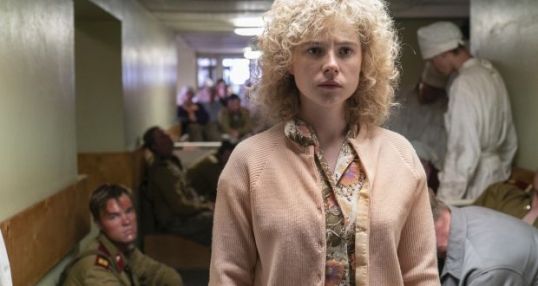
Jessie Buckley in Chernobyl

Patricia Clarkson in Sharp Objects

Sally Field in Maniac

Patricia Hodge in A Very English Scandal

Connie Nielsen in I Am The Night

Emily Watson in Chernobyl

Outstanding Supporting Actress In An Original Movie

Kim Dickens in Deadwood

Florence Pugh in King Lear

Margaret Qualley in Favorite Son

Emma Thompson in King Lear

Emily Watson in King Lear

Robin Weigert in Deadwood


Talking About Love: The Best of Me (dir by Michael Hoffman) and The One I Love (dir by Charlie McDowell)


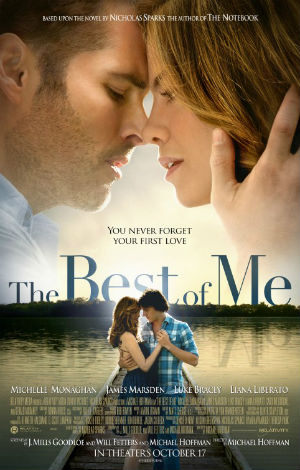
The_Best_of_Me_poster

When I wrote my review of The Theory of Everything, I mentioned that Stephen Hawking’s A Brief History of Time made a brief, if important, appearance in another film released earlier this year.  That film, of course, was the latest Nicholas Sparks adaptation, The Best Of Me.  

Now, I have to admit that The Best Of Me was one of those forgettable films that I kind of suspected most of our readers would not mind me never getting around to reviewing.  It came out two months ago, it got terrible reviews, and it didn’t do much business at the box office.  I didn’t even enjoy it and I’m the girl who always ends up defending the Twilight films whenever the boys here at the Shattered Lens start to make fun of them.  You can tell the impression that the Rest Of Me made on me by the fact that I just got the name wrong and I didn’t even bother to correct my mistake.

But here’s the thing.  January is rapidly approaching and, with January, comes my annual 16 worst films of the year list.  And chances are that The Best Of Me will appear on that list and I’d like to be able to link to a review.

It’s probably not a shock to hear that The Best Of Me is not a good film.  With the exception of The Notebook, the novels of Nicholas Sparks are not known for inspiring good films.  Instead, they are known for inspiring films about achingly pretty people who meet on the beach, have a melodramatic secret in the past, and ultimately end up falling in love.  And dying, of course.  Somebody always has to die.  The familiar Nicholas Sparks formula actually works pretty well when you’re the one reading his prose and visualizing the story in your head.  That’s largely because you can always imagine yourself as the heroine and maybe James Franco, Bradley Cooper, or Ryan Gosling as the hero.  But, when it comes to making movies out of his books, the end results are often so predictable and uninspired that the Nicholas Sparks drinking game had to be legally banned after scores of single women fell ill with alcohol poisoning.

(Yes, that actually did happen!  Google it! …. or don’t.  Actually, don’t.)

The Best Of Me is, without a doubt, the most Nicholas Sparksian Nicholas Sparks adaptation ever made.  Seriously, it has everything that you would expect from a Nicholas Sparks film and it presents it all so predictably that watching the movie is a bit like watching a checklist.  We’ve got two former high school lovers who are reunited 20 years later.  We’ve got melodrama that comes out of nowhere.  We’ve got multiple flashbacks.  We’ve got soft focus cinematography.  And, of course, we’ve got an ending that is meant to be both tragic and inspiring but it’s neither because, since this is a Nicholas Sparks movie, we already knew that the ending was going to try to be both tragic and inspiring.

What we don’t have is much chemistry between the two lead actors.  James Marsden and Michelle Monaghan are both pretty in the way that people in Nicholas Sparks films often are but you never get the feeling that they have much affection for each other.  Even worse, in the flashbacks, their characters are played by two actors (Luke Bracey and Liana Liberato) who look absolutely nothing like James Marsden or Michelle Monaghan.  In particular, it’s impossible to believe that Luke Bracey could ever grow up to look like James Marsden.  I found myself half-expecting a huge twist where Marsden would reveal that he was an intruder.

And you know what?

That would have been a lot more interesting than what we got!  Somebody help me get in touch with Nicholas Sparks!  I’ve got some ideas for his next book!

The One I Love

For a far more memorable look at love and relationships, allow me to suggest The One I Love, a film that was obviously made for a lot less money than The Best of Me but which is also a lot more thought-provoking.

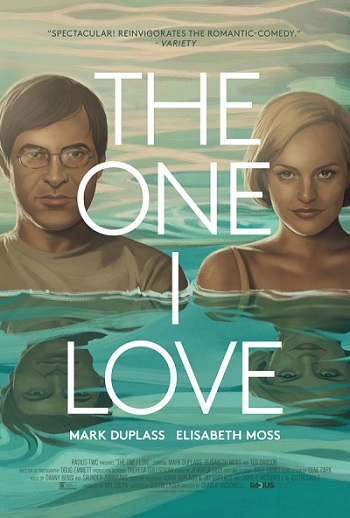
In The One I Love, Mark Duplass and Elisabeth Moss play a couple whose marriage is on the verge of breaking up.  At the suggestion of their friendly-yet-creepy marriage counselor (Ted Danson), they agree to spend a weekend at a beautiful but remote house.  Danson assures them that they will be the only couple at the house. Duplass and Moss agree and, at first, the weekend seems to be working.  However, soon both of them start having conversations and encounters that the other claims to not remember.  Duplass and Moss discover that they are not alone at the house…

And to tell you anything else about the plot would be unfair.  The One I Love is one of those films that works best when the viewer discovers its mysteries at the same time as the characters.  To spoil the film would be a crime.  Let’s just say that there is a twist that will leave you reconsidering everything that you’ve previously seen in the movie.

Beyond that twist, however, The One I Love works for the exact reason that The Best of Me does not.  Moss and Duplass have the chemistry that the leads in The Best Of Me lack.  You believe them both as individuals and as a couple.

So, when it comes time to consider what we talk about when we talk about love, check out The One I Love and leave The Best Of Me behind.