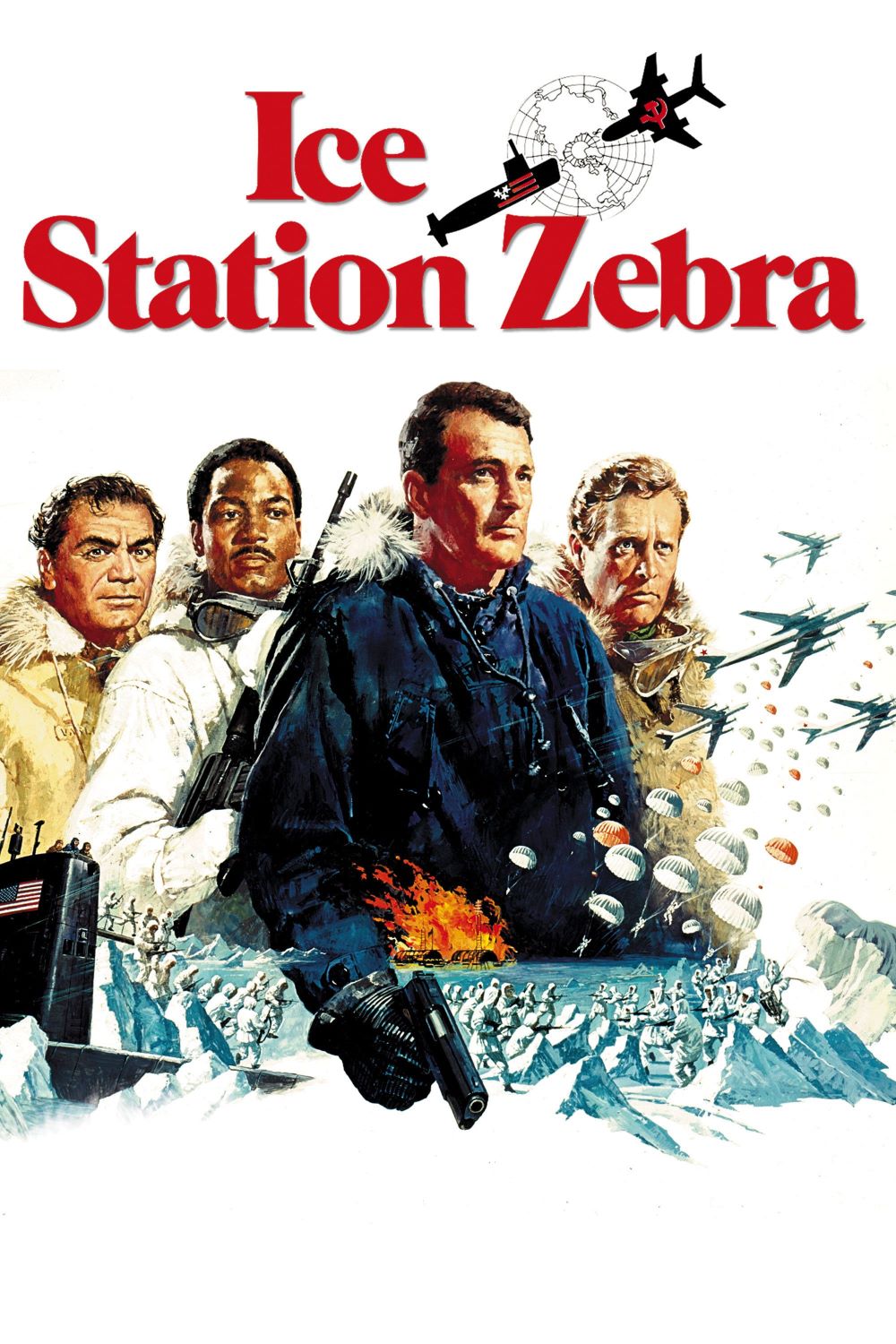
Guilty Pleasure No. 90: Ice Station Zebra (dir. by John Sturges)


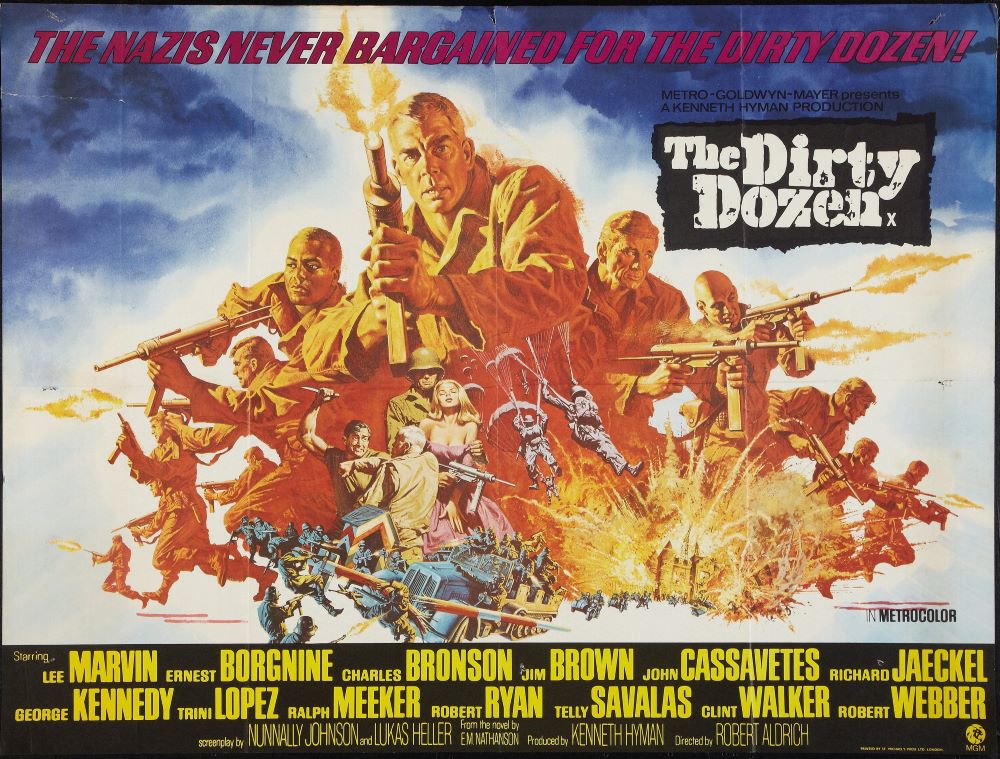
Ice Station Zebra, directed by John Sturges in 1968, slides into guilty pleasure territory like a submarine slipping under polar ice—full of big Cold War ambitions, shadowy spy games, and submarine peril that tease something epic, but so loaded with pacing hiccups, studio shortcuts, and earnest overreach that it ends up a lopsided, lovably messy ride. Sturges had already cemented his rep with crowd-roaring hits like The Magnificent Seven, where a ragtag posse of gunslingers delivered razor-sharp tension and quotable showdowns, or The Great Escape, a WWII breakout yarn crackling with clever schemes, sweaty escapes, and Steve McQueen’s motorcycle glory. Those films moved like a well-oiled engine, every scene stacking stakes and character beats into unforgettable momentum. By contrast, Ice Station Zebra feels like Sturges chasing that same high-wire ensemble vibe—a U.S. nuclear sub, the USS Tigerfish, barreling toward a trashed Arctic outpost—but bloating into a 148-minute sprawl that swaps tight plotting for endless red-lit corridor glares and withheld mission secrets. It’s not in the same league as his earlier triumphs, lacking their propulsive drive and lived-in grit, yet that very shortfall turns it into quirky comfort viewing for fans who dig flawed ’60s spectacle.

The setup hooks you quick: Commander James Ferraday, Rock Hudson’s square-jawed everyman at the helm, gets tapped for a hush-hush run to Ice Station Zebra after a satellite supposedly carrying spy photos crashes nearby. No full briefing for him, just orders to play it cool while three mystery passengers board—Mr. Jones, a buttoned-up British agent with evasive smirks; Boris Vaslov, Ernest Borgnine’s barrel-chested Russian turncoat oozing fake bonhomie; and Captain Anders, Jim Brown’s steely Marine barking orders over a squad of jarheads. As the Tigerfish dives under thickening ice floes, the sub’s innards come alive with flickering sonar pings, steam-hissing valves, and crewmen hunched over gauges in perpetual sweat. It’s claustrophobic gold at first, the hull creaking like it’s got a bad case of frostbite, echoing the trapped dread Sturges nailed in his POW camp classic but without the same spark of rebellion. Then sabotage strikes—a flooded missile bay, a wild plunge toward crush depth—and fingers start pointing. Who tampered with the ballast? Jones with his locked trunk of gadgets? Vaslov’s too-friendly vodka toasts? The Marines itching for a fight? The scene builds real sweat, divers suiting up in the nick of time, but Sturges lets the fallout drag, turning interrogation into a tea party of suspicions rather than the cutthroat blame game his best films thrived on.

These early stumbles set the tone for a film that’s promising yet perpetually off-kilter, far from the seamless revenge rhythm of The Magnificent Seven‘s dusty trails. Production fingerprints show everywhere: rumors swirl of Navy brass forcing script tweaks to glorify their boats, last-minute casting shifts from bigger names to Hudson, and a roadshow rollout with overture, intermission, and 70mm pomp that screams overambition. The Arctic plunge delivers tense highlights—the sub ramming upward through ice chunks like a whale breaching, sparks flying from shorted panels, crew barking damage reports—but lulls follow with tech jargon dumps and characters circling motives without committing to conflict. Hudson anchors it all with unflappable poise, barking commands like a TV dad in a crisis, but he lacks McQueen’s sly charisma or Yul Brynner’s brooding fire. Borgnine hams it up as Vaslov, his accent flipping from gravelly growl to vaudeville schtick during mess-hall ribbing, while McGoohan brings the sharpest edge as Jones, his dry barbs hinting at deeper layers. Brown’s Anders gets muscle but little nuance, leading a Marine crew that feels like stock tough guys waiting for their cue.

Pushing topside, the flaws bloom into full charm. The ice cap arrival unfolds in sweeping widescreen vistas—endless white expanses, howling gales whipping snow devils—but close-quarters betray the soundstage: actors plodding through “blizzards” in lightweight jackets, no puffing breath in the deep freeze, sets that wobble if you squint. It’s the kind of earnest cheesiness that sinks modern blockbusters but endears this relic, especially when the station siege erupts. Soviets drop from the sky in parachutes like deadly snowflakes, scouring the charred ruins for a buried film capsule packed with NATO missile coords. Americans fan out in white camo, trading potshots amid smoke grenades and collapsing tunnels, loyalties cracking as Vaslov’s true colors flash. Ferraday’s cool bluff seals a three-way stalemate, denying everyone the prize in a nod to mutually assured secrets. Michel Legrand’s score surges here, horns blaring over the chaos like a war drum, giving Sturges’ action chops a late workout. Yet even this payoff sprawls, talky standoffs eating screen time where his peak films would’ve sprinted to the finish.

What seals Ice Station Zebra‘s guilty pleasure status is embracing its dated quirks as features, not bugs—hammy all-male bravado, Cold War jitters turned quaint, plot gaps you could park a destroyer in. Sturges conjures submerged panic and frosty fireworks that nod to his glory days, the sub’s practical effects holding up better than some CGI today, but without the narrative steel of The Great Escape‘s tunnel triumphs or The Magnificent Seven‘s mythic standoffs, it coasts on atmosphere over precision. Clocking 148 minutes, it tests patience with filler like extended sail sequences and coy reveals, yet rewards surrender: grin at Borgnine’s bear hugs masking menace, chuckle at the Navy polish glossing gritty potential, savor the sheer balls of staging Arctic Armageddon on a backlot. Howard Hughes reportedly looped it endlessly in his casino screening rooms, and you get why—it’s hypnotic in its wonkiness, a time capsule of late-’60s Hollywood flexing before New Wave grit crashed the party.

Pop this on a stormy night with cocoa and zero expectations, and Ice Station Zebra shines as cozy flawed fun. Sturges’ touch keeps the chills coming amid the clunkers, delivering submarine squeezes, betrayals under the aurora, and a finale with enough brinkmanship bang to forgive the bloat. It’s no peer to his earlier masterpieces, more a quirky footnote, but that’s the hook: imperfect promise wrapped in icy spectacle, begging a rewatch to spot every goofy grace note. For ’60s thriller buffs, submarine nuts, or anyone needing a break from slick reboots, it’s a frosty, flawed feast worth the dive.

Previous Guilty Pleasures

  1. Half-Baked
  2. Save The Last Dance
  3. Every Rose Has Its Thorns
  4. The Jeremy Kyle Show
  5. Invasion USA
  6. The Golden Child
  7. Final Destination 2
  8. Paparazzi
  9. The Principal
  10. The Substitute
  11. Terror In The Family
  12. Pandorum
  13. Lambada
  14. Fear
  15. Cocktail
  16. Keep Off The Grass
  17. Girls, Girls, Girls
  18. Class
  19. Tart
  20. King Kong vs. Godzilla
  21. Hawk the Slayer
  22. Battle Beyond the Stars
  23. Meridian
  24. Walk of Shame
  25. From Justin To Kelly
  26. Project Greenlight
  27. Sex Decoy: Love Stings
  28. Swimfan
  29. On the Line
  30. Wolfen
  31. Hail Caesar!
  32. It’s So Cold In The D
  33. In the Mix
  34. Healed By Grace
  35. Valley of the Dolls
  36. The Legend of Billie Jean
  37. Death Wish
  38. Shipping Wars
  39. Ghost Whisperer
  40. Parking Wars
  41. The Dead Are After Me
  42. Harper’s Island
  43. The Resurrection of Gavin Stone
  44. Paranormal State
  45. Utopia
  46. Bar Rescue
  47. The Powers of Matthew Star
  48. Spiker
  49. Heavenly Bodies
  50. Maid in Manhattan
  51. Rage and Honor
  52. Saved By The Bell 3. 21 “No Hope With Dope”
  53. Happy Gilmore
  54. Solarbabies
  55. The Dawn of Correction
  56. Once You Understand
  57. The Voyeurs 
  58. Robot Jox
  59. Teen Wolf
  60. The Running Man
  61. Double Dragon
  62. Backtrack
  63. Julie and Jack
  64. Karate Warrior
  65. Invaders From Mars
  66. Cloverfield
  67. Aerobicide 
  68. Blood Harvest
  69. Shocking Dark
  70. Face The Truth
  71. Submerged
  72. The Canyons
  73. Days of Thunder
  74. Van Helsing
  75. The Night Comes for Us
  76. Code of Silence
  77. Captain Ron
  78. Armageddon
  79. Kate’s Secret
  80. Point Break
  81. The Replacements
  82. The Shadow
  83. Meteor
  84. Last Action Hero
  85. Attack of the Killer Tomatoes
  86. The Horror at 37,000 Feet
  87. The ‘Burbs
  88. Lifeforce
  89. Highschool of the Dead

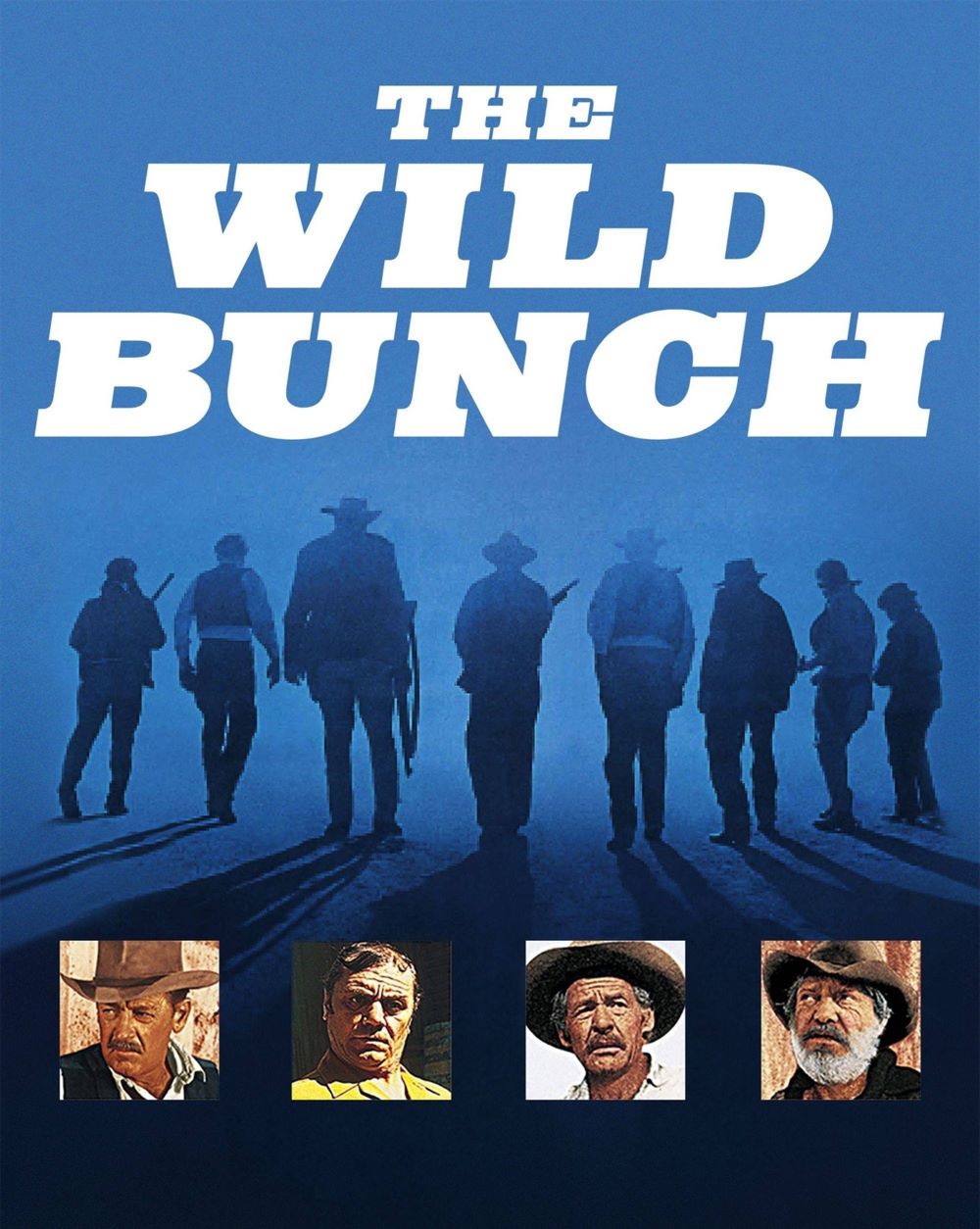
Review: The Wild Bunch (dir. by Sam Peckinpah)


“We’ve got to start thinking beyond our guns. Those days are closin’ fast.” — Pike Bishop

Sam Peckinpah’s The Wild Bunch stands out as a landmark in the Western genre, famous for its daringly harsh depiction of both violence and the fading mythos of the American West. Rather than following the traditions of earlier Westerns, the film presents a gritty portrait of aging outlaws on the edge of extinction, wrestling with a society that has evolved past them. It’s a movie that’s difficult to shake, both for its unapologetic style and the unresolved feelings it leaves long after the final shots ring out.

At its core, the story centers on Pike Bishop and his band—a crew of seasoned criminals aiming for one last grand heist as modernity encroaches on their world. Hoping to pull off a train robbery, they end up entangled in deeper complications after being betrayed and soon are thrust into the turbulence of the Mexican Revolution. Peckinpah builds a narrative where clear-cut morality falls away. The criminals and those pursuing them, supposed bringers of justice, are equally compromised and dangerous. This balancing act challenges the audience to reassess their sympathies, since the characters rarely line up as traditional heroes or villains.

The film’s notoriety is inseparable from its treatment of violence. In an era when Westerns often depicted gunfights as almost bloodless, The Wild Bunch arrived blazing with slow-motion fatalities, realistic wounds, and chaos that feels nearly documentary. Peckinpah didn’t intend to sugarcoat death; the film’s fight scenes are designed to unsettle rather than thrill, making viewers register the true cost of violence on screen. The movie’s most infamous sequences, particularly the opening and closing shootouts, still provoke debate over whether their artistry justifies their brutality. Peckinpah reportedly wanted to expose the real consequences of violence, not celebrate them, and the resulting imagery remains both striking and disturbing decades later.

Beyond its bloodshed, the film is packed with melancholy, exploring the futility and obsolescence of its central figures. The Wild Bunch themselves—Pike, Dutch, Lyle, Angel, and others—all feel the weight of their era’s end. They are not just outdated in terms of time; their entire way of life has been mechanized and modernized beyond their grasp. The film depicts this through powerful imagery, from horses being supplanted by cars and trucks to rifles giving way to machine guns. This mechanization highlights that Pike and his men live in a world that has moved on, leaving them behind. Their code of honor and rough camaraderie are relics in a brutal, mechanized landscape that favors efficiency and merciless violence. The emergence of rapid-fire weaponry and vehicles is more than a backdrop; it symbolizes their growing irrelevance and the passing of a wild, untamed frontier.

Technically speaking, The Wild Bunch is as impressive as it is influential. The cinematography captures wide Mexican landscapes with dust and sunlight, conveying both beauty and bleakness. The editing—particularly in the action scenes—was ahead of its time, with its expressive use of multiple camera angles and slow-motion adding an almost ballet-like rhythm to chaotic violence. The music, a mix of Jerry Fielding’s score and traditional Mexican songs, deepens the film’s sense of place and loss. All of this technical prowess merges in set pieces that are still studied by action directors today.

One of the film’s most enduring legacies is its profound influence on a slew of filmmakers in the years following its release. Directors like Martin Scorsese, Quentin Tarantino, and John Woo have all cited The Wild Bunch as a key inspiration, particularly in how it reshaped the depiction of violence and complex characters onscreen. Peckinpah’s innovative use of slow motion during action scenes transformed gunfights into sequences that feel almost balletic, bringing an eerie beauty to brutality. This technique became a hallmark of John Woo’s work, where slow-motion shootouts are choreographed with a dance-like precision, making the violence stylized yet emotionally impactful. Meanwhile, Scorsese and Tarantino embraced the moral ambiguity and character complexity Peckinpah championed, pushing their own stories beyond clear-cut good and evil. Through these directors and many others, The Wild Bunch continues to resonate and shape modern cinema.

The performances in The Wild Bunch are integral to its powerful impact, with its ensemble cast bringing layered humanity to otherwise rough, sometimes brutal characters. William Holden leads as Pike Bishop with a mix of weary charisma and existential urgency, embodying a man caught between the fading wild past and a ruthless present. Holden’s Pike is not just a leader of outlaws, but a man wrestling with his own moral contradictions—as loyal and protective as he is capable of cold violence. This complexity allows the character to stay compelling rather than becoming a cliché tough guy.

Ernest Borgnine as Dutch Engstrom offers a grizzled, weary presence, conveying the toll that years of violence have taken on his spirit, while Warren Oates imbues Lyle Gorch with a volatile and rebellious energy that adds tension within the gang. His brother, Tector Gorch, played by Ben Johnson, brings a contrasting steadiness, portraying a man caught between loyalty and survival. Robert Ryan’s portrayal of Deke Thornton, the relentless bounty hunter, stands out as a tragic figure torn between his past friendship with Pike and his duty. This character conflict gives the story a deeper emotional layer and adds weight to the relentless pursuit central to the plot.

Supporting performances by Edmond O’Brien as Freddie Sykes and Jaime Sánchez as Angel enrich the group dynamic, each adding distinct personality traits that feel authentic and lived-in. The chemistry between the cast helps ground the film’s heavy themes in real human experience, making the characters’ struggles with obsolescence and loyalty resonate beyond the screen.

However, despite the strong male performances, the film’s treatment of female characters is notably sparse and limiting. Women in the film often fall into marginal roles, lacking development or agency, which reflects the gender dynamics of many Westerns from the era but feels particularly dated today.

For viewers seeking straightforward heroism or moral clarity, The Wild Bunch can be a challenging experience. Its bleak, nihilistic worldview and refusal to deliver easy answers may leave some feeling drained. The story culminates in a violent, unresolved climax with no tidy resolution, emphasizing loss and the end of an era. But it is precisely this rawness and technical mastery that keep the film compelling and worthy of close viewing.

The Wild Bunch demands you shed simple notions of good versus evil and prepare for a rough, often brutal ride. It’s a story about men fighting not just other men but inevitability—caught between their own fading values and the relentless march of modernization and change. Peckinpah doesn’t offer comfort; instead, he forces the viewer to reckon with violence’s cost and the price of nostalgia. Even with all its grit and flaws, the film’s artistry and influence remain undeniable, securing its status as a masterwork that redefined Westerns and action cinema alike. It’s a wild ride that continues to inspire and provoke long after the credits roll.

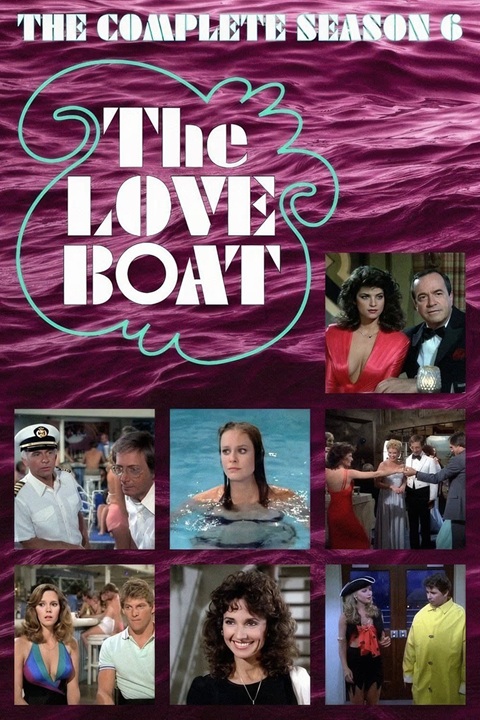
Retro Television Review: The Love Boat 6.1 and 6.2 The Italian Cruise: Venetian Love Song/Down for the Count/Arrividerci, Gopher/The Arrangement”


Welcome to Retro Television Reviews, a feature where we review some of our favorite and least favorite shows of the past!  On Wednesdays, I will be reviewing the original Love Boat, which aired on ABC from 1977 to 1986!  The series can be streamed on Paramount Plus!

This week, season 6 begins!

Episode 6.1 and 6.2 “The Italian Cruise: Venetian Love Song/Down for the Count/Arrividerci, Gopher/The Arrangement”

(Dir by Richard Kinon, originally aired on October 2nd, 1982)

The Love Boat crew goes to Italy!

The sixth season of The Love Boat did indeed start with a cruise to Italy.  It was a special two-hour episode, shot on location at sea and in Italy!  Our crew visits Monaco, Rome, Capri, and Venice and really, that’s the main appeal of this episode.  It’s certainly not the stories, which are pretty superficial even by the standards of the Love Boat.

Ernest Borgnine and Shelley Winters play an old Italian couple who bicker through the whole cruise but who also truly love each other.  Awwww!  Ernest and Shelley were veteran actors and they both appear to be having fun devouring the scenery in their scenes.  Their cruise goes better here than it did in The Poseidon Adventure.

Meredith Baxter falls for a man (David Birney, the annoying Dr. Samuels from the first season of St. Elsewhere) who turns out to be a gigolo.  However, he abandons being a manwhore so that he can pursue a relationship with Meredith.  I understand that Baxter and Birney were married at the time.  They have absolutely zero chemistry when they’re acting opposite each other.

Marie Osmond is angry over being expected to take part in an arranged marriage.  Yeah, that is kind of messed up.  She’d rather marry the totally handsome John James.

Finally, an Italian handyman who looks just like Gopher (and who is also played by Fred Grandy) abducts the real Gopher and takes his place on the ship so that he can try to win the love of a wealthy passenger named Angelica Francini (Christopher Norris) and…. well, actually, this storyline is kind of interesting.

Actually, maybe “interesting” the wrong word.

Goofy!  That’s the word I’m looking for.

This storyline is so goofy — so damn goofy — that it’s actually kind of fun.  I mean, it’s The Love Boat.  The Love Boat should be silly.  Fred Grandy playing two characters is silly and fun.  To give credit where credit is due, Grandy did a pretty good job playing the imposter imitating Gopher.  His attempts to speak in a stereotypical American accent made me laugh.  In the end, the real Gopher makes it back to the boat.  Confronted with two Gophers, the Captain realizes that the fake Gopher is the one who has actually been doing a good job and kicks him off the boat.  He’d rather have the real, incompetent Gopher and I don’t blame him.  What’s odd is that no one’s really upset or even that surprised by the kidnapping.  I don’t think anyone even bothers to callsthe police.

Anyway, Italy is the main attraction here.  I love Italy (which I visited the summer after I graduated high school) and I loved this episode!  At one point, Marie Osmond wore a red dress that looked a lot like the one that I wore to Pompeii on that windy day when I accidentally flashed a thousand tourists.  Marie was struggling with the wind too and I was like, “I share your struggle, Marie!”

I enjoyed this cruise.  I want to go back to Italy.

Brad’s “scene of the day” – Glenn Ford, Charles Bronson, Rod Steiger & Ernest Borgnine!


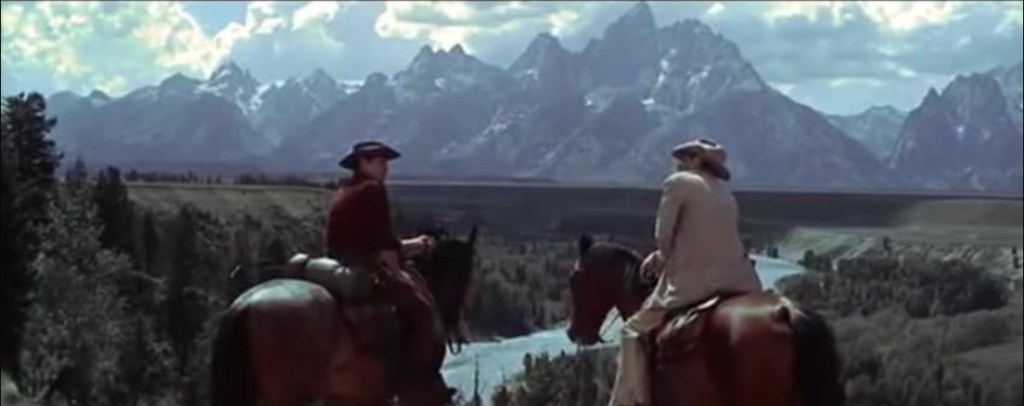
JUBAL (1956) is one of my favorite westerns. It’s set in the Grand Tetons and it stars some of my all time favorite actors, namely Bronson, Ford and Steiger. On what would have been his 109th birthday, I just wanted to take a moment to appreciate Glenn Ford. I visited the Tetons a couple of summers ago and I thought of these great actors often! Enjoy this scene from these icons of cinema!

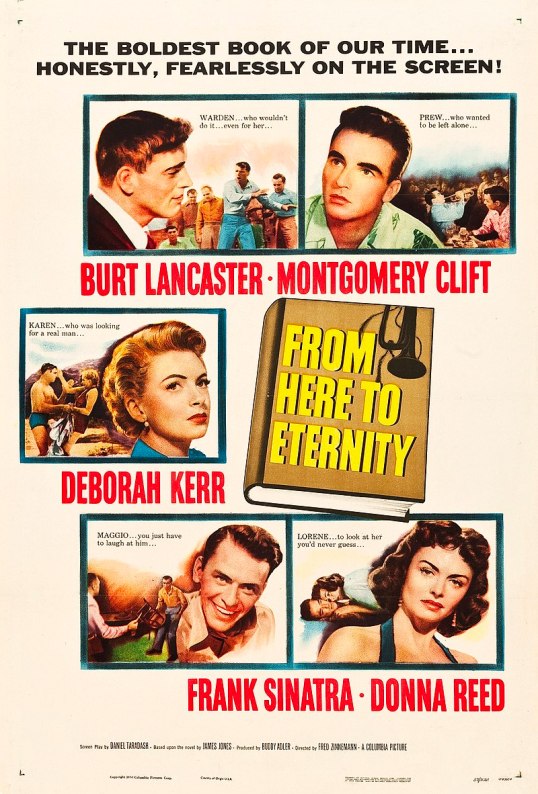
Lisa Marie Reviews An Oscar Winner: From Here To Eternity (dir by Fred Zinnemann)


“The boldest book of our time,” shouts the poster art for 1953’s From Here To Eternity, “honestly, fearlessly brought to the screen!”

And indeed, James Jones’s novel was brought to the screen about as boldly as a studio film could be brought in 1953.  The book told the story of several soldiers in the days immediately before the attack on Pearl Harbor.  The Production Code was still in effect and, as a result, a few changes were made to the film’s plot.  Donna Reed played Lorene, a character who is described as being a “hostess” at social club but who, in the book, worked at a brothel that was popular with the soldiers from a nearby army base.  In the book, an unfaithful husband gives his wife a venereal disease that leads to her getting a hysterectomy.  In the movie, Karen’s (Deborah Kerr) hysterectomy was the result of a miscarriage that occurred after she discovered her husband was being unfaithful.  The book was critical of the Army and featured officers who faced no consequences for their actions.  The movie definitely presents the enlisted men as being at the mercy of officers but the worst of the officers is ultimately disciplined.  The movie was made with the cooperation of the U.S. Army and, as a result, the film’s villains — like Captain Holmes (Philip Ober) and the monstrous Fatso Judson (Ernest Borgnine) — were portrayed as being aberrations who did not represent the Army as a whole.  That said, the film version of From Here To Eternity is still a powerful, moving, and daring film.  What couldn’t be shown on screen is still suggested.  One might not see the specifics of what Fatso Judson does to Maggio (Frank Sinatra) in the stockade but it’s not difficult to figure out.

The film follows one company of soldiers as they laugh, fight, and fall in love while stationed in Hawaii.  They spend time training for a war that most of them think will never come.  Captain Holmes is more concerned with his regimental boxing team than the prospect of going to war and is confused when Private Prewitt (Montgomery Clift) refuses to stop back into the ring.  Prewitt, who takes pride in his ability as a bugler, quit boxing after he blinded an opponent in the ring but Holmes doesn’t care.  Holmes wants another trophy for his office.  He orders Sgt. Warden (Burt Lancaster) to make life Hell for Prewitt until Prewitt agrees to box.  Warden, who has seen a lot of officers come and go and who has been tempted to become an non-commissioned officer himself, is having an affair with Holmes’s wife, Karen.  Meanwhile, Prewitt and his friend Maggio spend their time looking forward to the weekends they’re allowed to spend off the base.  Prewitt has fallen in love with Lenore but, as with all the men in From Here To Eternity, Prewitt’s true love is for the army.  Even with Holmes pressuring him to box, Prewitt’s loyalty is to the men with whom he serves.  There’s a lot of drama, a lot of death, and a lot of romance.  This is the film in which Burt Lancaster and Deborah Kerr make out on the beach while the tide rolls in.  But, when Pearl Harbor is attacked, all of the drama and all of the romance is forgotten as America goes to war.

From Here To Eternity is one of the best films of the 1950s and certainly one of the more worthy winners for Best Picture.  Intelligently directed, wonderfully acted, deliriously romantic, and finally rather sad, it’s a film that embraces the melodrama without ever hitting a false note.  Burt Lancaster’s rugged weariness, Montgomery Clift’s method sensitivity, Frank Sinatra’s naturalism, Ernest Borgnine’s crudeness, Deborah Kerr’s classiness, and Donna Reed’s earnestness all come together to create a film in which the characters feel real and alive.  Warden, Prewitt, Lenore, Karen, and Maggio are all interesting, multi-faceted people, trying to find some sort of happiness in the shadow of an inevitable war.  The viewer may sometimes have mixed feelings about their actions (and Borgnine’s Judson is one of the most loathsome roles that the normally likable Borgnine ever played) but you never cease to care about them and their stories.  With all of the characters and the affairs and the secrets, From Here To Eternity can feel like a soap opera but it’s also a portrait of a world that is on the verge of changing forever.

A few years ago, I attended a screening of From Here To Eternity at the Dallas Angelika.  This is a film that definitely deserves to be seen on the big screen.  From the famous scene on the beach to the attack on Pearl Harbor to the tragic final moments, this is a big movie that deals with big emotions and big moments.  It’s one of the best.

Late Night Retro Television Review: Highway to Heaven 3.4 “Another Kind of War, Another Kind of Peace”


Welcome to Late Night Retro Television Reviews, a feature where we review some of our favorite and least favorite shows of the past!  On Thursdays, I will be reviewing Highway to Heaven, which aired on NBC from 1984 to 1989.  The entire show is currently streaming on Freevee and several other services!

This week, Jonathan and Mark bring together a family.

Episode 3.4 “Another Kind of War, Another Kind of Peace”

(Dir by Dan Gordon, originally aired on October 15th, 1986)

Clancy (Eugene Roche) is an old man who has never gotten over the death of his son in Vietnam.  He lives alone in an apartment in Los Angeles.  His only friend is Guido Liggio (Ernest Borgnine), an Italian taxi driver who lives next door.  Guido, who came to this country as a refugee during World War II, is the type of salt-of-the-Earth character who says stuff like, “Clancy, how come you no be a-nice to the people?”  And Clancy is the type of bitter old man who says stuff like, “Don’t ask me for money, ya bum!”

Jonathan and Mark show up at Clancy’s apartment and inform him that they work for an agency that brings refugees to the United States.  They explain that Clancy’s son had a child in Vietnam.  Now, both Clancy’s grandchild and the grandchild’s mother are in the United States and they need somewhere to stay.  Clancy is angered by the news, claiming that the mother is lying and just trying to get into the country.  But eventually, he agrees to allow Lan Nguyen (Haunani Minn) and Michael Nguyen (Ernie Reyes, Jr.) to stay in his apartment.  He even agrees to give Michael lunch money so that Michael won’t starve at school.  Otherwise, Clancy says that he doesn’t want to have anything to do with either of them.

Guido, on the other hand, is more than willing to host Lan and Michael.  He’s a refugee himself and, even more importantly, he’s everyone’s favorite character actor, Ernest Borgnine!  But Jonathan and Mark understand that their assignment is to bring together Clancy and his grandson.  Guido is a nice guy but he’s not Michael’s grandfather.

At school, a bully (Adam Gifford) is stealing Michael’s lunch money.  When Michael says that he needs the money for food, the bully threatens to hurt Clancy.  What a jerk!  Seriously, check out this totally 80s bully:

When the principal tells Mark and Jonathan that Michael has been spending his lunchtime searching for food in the school dumpsters, Jonathan tells Clancy.  Clancy, angered that his money is being wasted, heads down to the school and confronts the bully.  Jonathan briefly gives Clancy and Michael “the stuff,” which allows them to beat up the bully and his entire gang.  This experience brings grandson and grandfather together.  So, I guess the message here is that violence is the answer.  Forget about that turning the other cheek stuff.  Instead, just throw your bully through a car window.

This episode was pretty much what most people picture when they think of a typical Highway to Heaven episode.  It was unabashedly sentimental and a bit simplistic in its approach.  It was earnest enough to be likable though a bit too heavy-handed for its own good.  Any show that features Ernest Borgnine as a special guest star is not exactly going to deliver anything resembling a subtle story.  While this episode was never quite as good as I wanted it to be, I was still glad that Michael and his mother found a home.

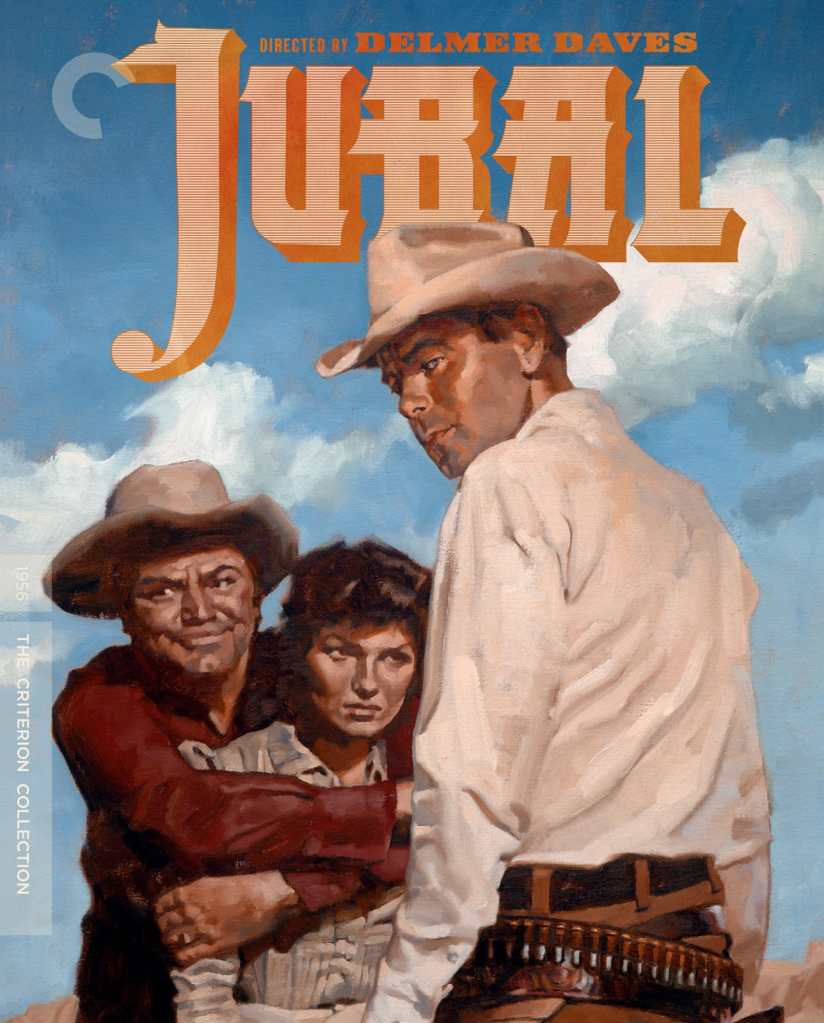
JUBAL (1956) – Ford, Borgnine, Steiger, and Bronson star in a Shakespearean tragedy set in the old west!


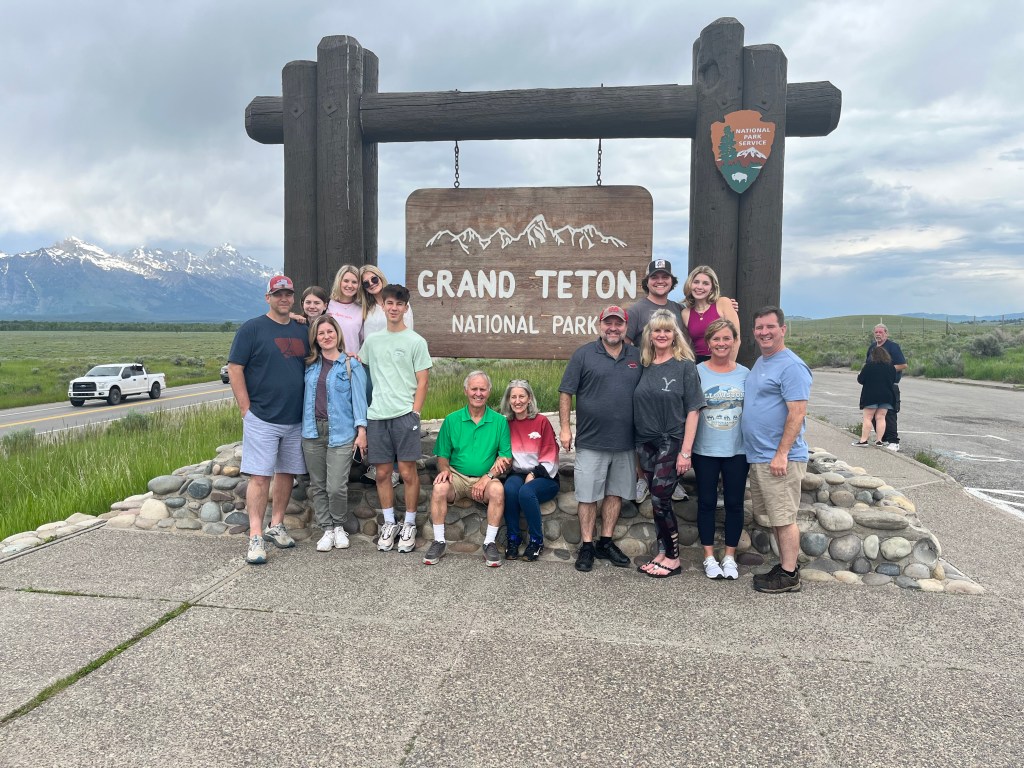
In 2023, our family (parents, siblings, kids, nieces & nephews, everybody) took a vacation to the Grand Teton National Park. It was one of the most enjoyable vacations I’ve ever been on. Of course, this dad got on his family’s nerves by continuously referencing the film JUBAL since it was filmed with the Grand Tetons in the background. I just kept thinking about the fact that we were hanging out near a place where Glenn Ford, Ernest Borgnine, Rod Steiger, and Charles Bronson worked on one of my favorite westerns. For good measure I mentioned SHANE a few times as well since it was also filmed there.

Nice guy rancher Shep Horgan (Ernest Borgnine) finds Jubal Troop (Glenn Ford) injured and at the point of death. He takes Jubal back to his ranch and they nurse him back to health. The two men hit it off and soon Shep asks Jubal to be his foreman. This doesn’t set well at all with the duplicitous Pinky (Rod Steiger) who’s used to being in charge.  It sets too well with Shep’s beautiful wife Mae (Valerie French) who takes the wrong kind of liking to Jubal, a habit that seems to keep rearing its head with the lonely lady. This eventually turns into a powder keg of betrayal, lies & misunderstandings. Charles Bronson has a small, but pivotal role as cowhand who’s there for Jubal when things get really rough.

I bought JUBAL on VHS early in my movie collecting days in the 80’s. Of course, they put Bronson’s face on the front of the box with the other stars, even though it was over-inflating the size of his role in the movie. But that’s okay because it was probably the first time a teenage Bradley ever watched a movie with old Hollywood stars like Ford, Borgnine & Steiger. I loved the movie, and I’ve since searched out each actor’s filmography to watch their best films. Steiger especially stands out as the evil Pinky. I’ve been a huge fan of his ever since.

JUBAL also turned me on to the director Delmer Daves. Daves is one of the great directors of that time period. It’s been nice seeing some of his work being released as part of the Criterion Collection. His other films include DARK PASSAGE with Humphrey Bogart, BROKEN ARROW with Jimmy Stewart, DRUM BEAT with Alan Ladd & Charles Bronson, THE LAST WAGON with Richard Widmark, and 3:10 TO YUMA again with Glenn Ford. Heck, the guy wrote the classic tearjerker AN AFFAIR TO REMEMBER. The guy was awesome!

Just to finish off a little personal history related to our family’s trip to the Grand Tetons in 2023…. I recently took my blu-ray of JUBAL to my parents’ cabin and watched it with my Dad and Mom. Me and Dad looked at each other and smiled every time a beautiful shot of the Tetons was in the background, and those majestic mountains are featured in almost every shot. It was marvelous.

Scenes That I Love: Convoy (RIP, Kris Kristofferson)


Rest in peace, Kris Kristofferson.

Today’s scene of the day comes from 1979’s Convoy and it features Kristofferson as the greatest trucker of all time, Rubber Duck.  In this scene, Rubber Duck rescues a fellow trucker from jail and lets the authorities know what they can do with their law.

Scenes That I Love: Ernest Borgnine Yells In The Poseidon Adventure


Ernest Borgnine, that great character actor, was born 104 years ago today.  In tribute, today’s scene that I love comes from one of my favorite Borgnine films, 1972’s The Poseidon Adventure.

Borgnine was a great yeller and, in The Poseidon Adventure, he even manages to outyell the great Gene Hackman.

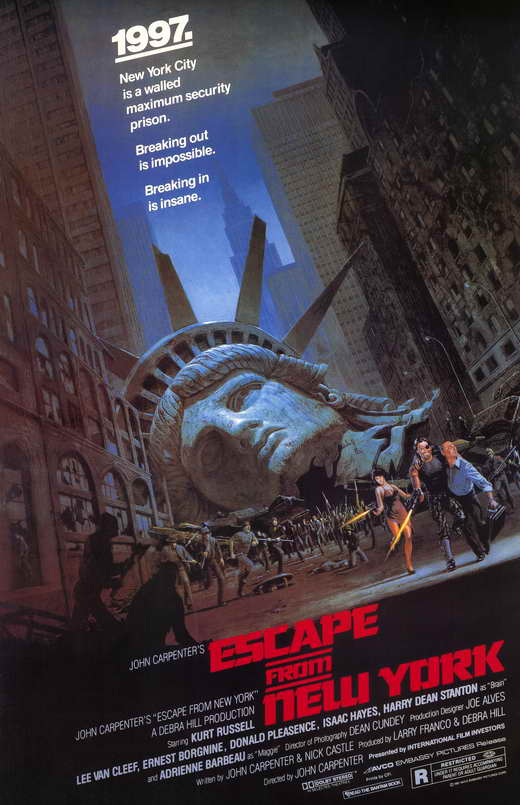
Scenes That I Love: The Duke Makes Quite An Entrance in Escape From New York


Continuing our celebration of John Carpenter’s birthday, today’s scene that I love comes from one of my favorite Carpenter movies, 1981’s Escape From New York.

In this scene, The Duke of New York makes quite an entrance.  Not only does he have an entourage but his car comes with its own chandeliers and a disco ball!  Along with writing and directing this film, Carpenter also composed the score.