Trash Film Guru Vs. The Summer Blockbusters : “Dawn Of The Planet Of The Apes”


download

This is gonna be one easy review to write because it all boils down to this : you really can believe all the hype, Dawn Of The Planet Of The Apes is flat-out fucking awesome, and you need to go out and see this flick immediately.

My job is done, I’m finished, goodnight.

But I guess I do have at least a little bit more to say —

Screen-Shot-2014-05-08-at-8.56.21-AM-620x400

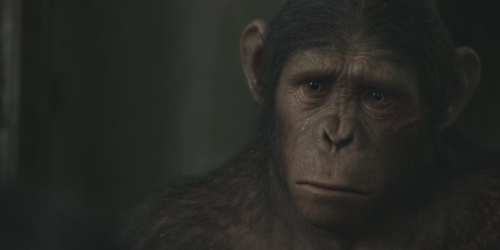
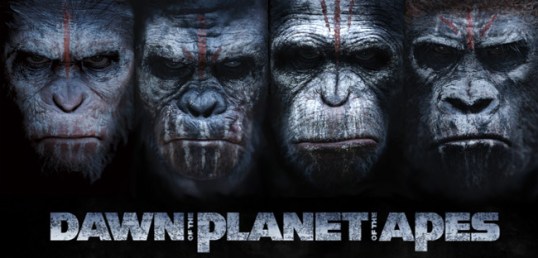
I wasn’t a big fan of Cloverfield by any means, but I’m turning into a big fan of Matt Reeves. I know it’s heresy to some, but I thought that Let Me In was every bit as good as its Swedish progenitor, and with this latest — and, frankly, best — installment in the venerable Apes franchise,  Reeves has shown himself to be a director who is fully hitting his stride. The bigger and bolder the project, the more he seems to rise to the occasion. I frankly don’t even know how you go about eliciting good performances from actors who are only there for the purpose of having a bunch of hair overlaid onto their faces via computer, but he did it here. Andy Serkis, as ape leader Caesar, and Toby Kebbell, as his primary (and creepily duplicitous) rival, Koba, both turn in Oscar-caliber work on the basis of their facial expressions alone. They’re gonna wow you, folks, no lie.

As for the human actors playing — well, human parts, Jason Clarke is solid as stand-up guy Malcolm, apparent real-life asshole in the extreme Gary Oldman does typically competent (if, to be perfectly fair, unspectacular) work as survivalist head honcho Dreyfus, and Kodi Smit-McPhee is extremely convincing as Malcolm’s teenage son, Alexander (plus, he can be seen reading Charles Burns’ Black Hole, so bonus points for that). About the only weak link comes by way of nominal love interest Keri Russell, whose “concerned as shit” look at all times begins to grate pretty early on. But when you consider the fact that all these people spent pretty much the entire time in front of a blue (or maybe it was green) screen, getting only one subpar performance from the bunch is pretty good. And who knows? Maybe Russell simply can’t help coming off as worried 24/7.

PoA_THUMB

My only other minor quibble here is with the title — when a film called Rise Of The Planet Of The Apes is followed by one called Dawn Of The Planet Of The Apes, you gotta wonder when the buildup is going to stop and we’re finally gonna get down to the shit. Or maybe we’re looking at a 20-part story here and we’ve still got plenty of stage-setting to go, in which case we’ll be treated to Prelude To The Planet Of The Apes and We’re Still Getting To The Planet Of The Apes next.

Hey, I did say it was a minor quibble, did I not?
Dawn-Of-The-Planet-Of-The-Apes3-e1396236946120

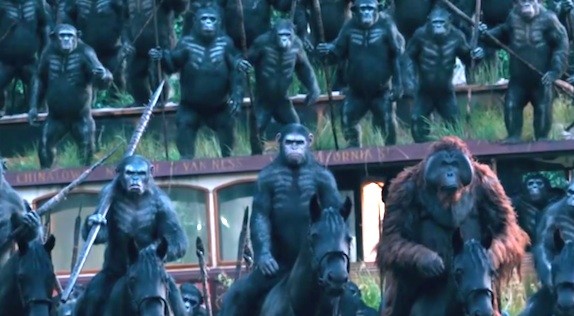
Apart from that, this has everything you’d want in a big-budget summer blockbuster, and quite a bit more than you’d honestly expect : there’s pathos, melodrama, palace (if your palace is a tree) intrigue, cheap scares, high-octane thrills, elaborately-staged battle sequences, and a genuine sense of urgency to the proceedings. Events — and tension — gradually build to the point of inevitability, and the film’s third act actually delivers in terms of its promised payoff.  And for those of you who are tired of James Franco’s ever-evolving shtick — whatever it is — rest assured that he doesn’t even pop up in a flashback sequence.

Ya know what? Let’s not even do Dawn Of The Planet Of The Apes the disservice of comparing it to other summer popcorn flicks — this leaves typical blockbuster fare like The Avengers or Star Trek so far back in the dust it’s not even funny. What Reeves has made here is one of the very best films you’ll see all year, even if big-budget sci-fi grandiosity is not your thing. This is eloquent, spectacular, undeniably powerful drama of the highest order. It’s everything and the kitchen sink plus one of those nifty fancy programmable faucets all attached to a fancy-ass 300-pound granite countertop.

Okay, I’m finished with the italics, promise. If you don’t like this, you don’t like movies. My job here really is done.

‘Dawn of the Planet of the Apes’ (dir. Matt Reeves)


apes-poster-by-matt-ferguson

(Poster by Matt Ferguson)

When ‘Rise of the Planet of the Apes’ came out, I wasn’t excited; I didn’t even see it in theaters. I am a fan of the original franchise (one and three mainly), and still had the bad taste of the terrible Burton remake in my mouth. So the idea of a prequel/reboot was one of the last things I wanted at the time. Still, I gave it a chance when it was released on home video, and it blew me away. I, like so many, was surprised by just how good it was. So good in fact, that I desperately wanted a sequel. Luckily the film was a success (both financially and critically) and that inevitable, albeit desired, sequel was made. Having now just seen it, the question now becomes whether it lives up to both that first film and the enormous expectations I had built up between films (especially more recently with the “prequel” shorts). The answer, thank god, is a resounding “Hell yes!”

It was so good in fact that I’d go so far as to say that this franchise has become my favorite since Nolan’s ‘Batman’ films. This is why the easiest way for me to describe how this compares to the first film is to say that ‘Dawn’ is to ‘Rise’ as ‘The Dark Knight’ was to ‘Batman Begins’. ‘Rise’, like ‘Begins’, was an exceptional origins tale; but it was a story that felt rushed or overshadowed in place for the development and establishment of  only the central character. ‘Rise’ still had an emotional resonance, and the final twenty minutes are incredibly thrilling, but it ultimately felt incomplete.  With ‘Dawn’, like with ‘The Dark Knight’, the film makers were free to use what was already established with their new hero to tell a much more complete, more complex and emotional story on a much grander scale.

mal

‘Dawn of the Planet of the Apes’ takes place ten years after the events of the first film. The world has been devastated by the Simian Flu. Humans have spent the last decade fighting the virus and themselves. They live in a post-apocalyptic world, struggling to survive, but are making progress. Caesar (Andy Serkis) and his troop on the other hand have built themselves a community, a tranquil home in the Muir Woods that is thriving according to their needs.  That peace is interrupted when a group of humans enter their territory. They are led by Malcolm (Jason Clarke), who is trying to find and fix a hydroelectric plant that could help bring power back to San Francisco. The actions of one in that group lead Caesar and his family to have little trust in their intentions, but allows them to proceed because they are clearly desperate. Caesar is one of the few apes that has seen the good in human’s and also knows cooperation could keep the peace.

As the bond between human and ape grows there is still one among Caesar’s troop that does not believe that peace is possible. That ape is Koba (Toby Kebbell), who was beaten, tortured and used for medical testing his entire life. Koba’s distrust only grows when he learns that the humans, led by a man named Dreyfus (Gary Oldman), have access to military stock piles and are willing to take control of the area surrounding the dam by force if it were to become necessary. Thinking Caesar is weak and too loyal to humans, Koba decides to take it upon himself to protect the apes, and his actions set off a chain of events that could only lead to only one thing…war.

ko

When the film ended and I walked out of the theater I felt completely satisfied with what I had just seen. My expectations for the film were already incredibly high, but I would be lying if I said this didn’t actually exceed them. What makes the film such a resounding success for me is the way in which the story puts everyone on equal grounds. There are no true villains here, and even those that assume that role do so for reasons that were easy for me to empathize with. Dreyfus may want to kill the apes, but he does so because he is a man who has lost everyone he ever loved and will do anything to protect the remaining humans that have put their trust in him. Koba, as selfish as some of his actions may be, is someone who was physically and mentally abused his entire life. His revenge might seem cruel, but one could hardly blame him for wanting it. Everyone is fighting for the survival of those that they love and the homes they established. I couldn’t help but want everyone to succeed. Unfortunately, as the story progresses, it becomes clear that the pain and damage under the surface of both man and ape make the idea of peace between the two impossible. Some differences are irreparable. There is definitely an allegory here of war that reflects current and past conflicts.

Luckily those themes of warfare, family and survival are all expressed effortlessly through the actions of its characters. It manages to be intelligent and complex without being thematically overbearing, while maintaing an intanacy. That is mainly because the film is handled with exceptional craftsmanship by Matt Reeves. The direction and cinematography, especially within Caesar’s settlement, is wonderful. It is never flashy, and is often much darker and moodier than one might expect. The editing and pacing is near perfect, which is rarely the case with these sorts of films. It only ever slows when it needs to, but the story is always moving forward. Every scene matters, even the quieter moments, for which there are many; again, something one might not expect, especially given the action heavy trailers. The score is perhaps the best Michael Giacchino has done since ‘Up’, adding to the moody atmosphere, and I LOVED his little nob to ‘2001: A Space Odyssey’ in the opening sequence. Everything here is done with purpose and execution of it all is nearly flawless.

blue

Lastly, I would be remiss to end this review without mentioning the performances, which were the soul of the film. Even with the way everything else was handled, I am not sure ‘Dawn of the Planet of the Apes’ would have worked without these specific performances. The human cast of Clarke, Oldman and Russell were all fantastic. The film’s only real flaw was that there actually wasn’t enough focus on them. I understand that the heart of the story is Caesar and his apes, but the human characters could easily have been developed more. Still, what development and emotional connection we did get was due mainly because of the actors portraying them. They make us care for these people, making the inevitable conflict even harder to bear as the film approached its climax.

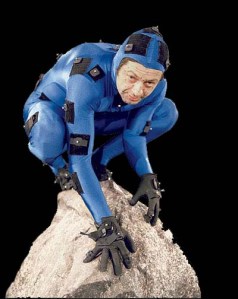
The motion capture for the apes was mind blowing. Andy Serkis is in a class of his own. The visuals and animation here are some of the best I think I have seen; but it is the emotion and talent of the actors behind all that CGI that makes those ape characters feel so real. Serkis plays Caesar as someone filled with grief and the weight of the responsibility of caring for his troop bleeds through. Toby Kebbell plays Koba with a ferociousness that is equally terrifying and mesmerizing; and I also really loved Nick Thurston, who played Caesar’s eldest son Blue Eyes, and how he managed to expressed so much in just his gaze. I mentioned early in this review how this film compares on some level to ‘The Dark Knight’ for me. That film was speculated to be in the run for an Oscar nomination for Best Picture but it never happened. The backlash was so strong that some think it was the reason the Academy increased the number of films that could be nominated. I truly hope that Serkis will receive some form of recognition for his work here; and if not, I hope all of us praising him so greatly now will be vocal enough when the time come that maybe the Academy will make another change to who and what it nominates.

tumblr_n5iytsG7cZ1s7gti8o3_500

I am not sure where I would place this film among others I have seen in 2014 but I know I’d put it somewhere near the top. This isn’t just another intelligent summer blockbuster; it is really an exceptionally crafted epic, a thrilling action-drama with an emotional and thematic resonance that future films should make a note of. And, as I felt when I first watched ‘Rise of the Planet of the Apes’, I eagerly await the next installment – which will thankfully be directed again by Matt Reeves.

‘Dawn of the Planet of the Apes’ Prequel Shorts


dawn-of-the-planet-of-the-apes-poster-janee-meadows

(Above is an exclusive poster found on Collider.com)

I am having a hard time remembering the last time I made a post like this that wasn’t a review, so I think you can use this article as a measure of just how excited I am for ‘Dawn of the Planet of the Apes’. I, like a lot of people, was completely surprised by how good ‘Rise of the Planet of the Apes’ was. It rejuvenated a franchise (one I really enjoy) that was most recently tarnished by a really, really bad remake. It was so good that a sequel was not only inevitable, but desired.

Luckily Fox is fulfilling that desire next week with the release of the sequel, which has received universal praise from the few reviews that have already been released. The out-pour of this praise definitely has me more excited than I was beforehand…but it is not the true source of the hype that has me ready to buy a ticket for a Thursday night showing for the first time since ‘The Dark Knight Rises’. No, the source of that hype is a series of short films that act as a bridge between ‘Rise’ and ‘Dawn’, examining (quite artistically, surprisingly) the events that occurred after the outbreak of the Simian Flu at the end of ‘Rise’. These shorts are a collaboration of 20th Century Fox and Motherboard and can be viewed below:

‘Spread of Simian Flu: Before The Dawn of the Apes (Year 1)’ (dir. Isaiah Seret)

‘Struggling to Survive: Before The Dawn of the Apes (Year 5)’ (dir. Daniel Thron)

‘Story of the Gun: Before The Dawn of the Apes (Year 10)’ (dir. “thirtytwo”)

What I love most about these is how they are so unlike most “viral” shorts. These aren’t straight forward stories like you see with the Marvel One-Shots. These are actually artistic, emotional and thought provoking films, to the point in which I saw people commenting on them being pretentious…music to my ears to be honest with you. Each explore themes of their own while also wonderfully adding to the atmosphere and mythos of the new ‘Apes’ series. Furthermore, the very fact that the studio clearly gave the writers and directors of each liberty to not “play it safe” with a piece of marketing revolving around a multi-million dollar franchise just gives me a ton of confidence in the franchise on the whole. It is this, more than the reviews, that has me excited to see ‘Dawn of the Planet of the Apes’ next week, and maybe they will do the same for you.

———————————————————————————————————————-

Along with the prequel shorts, which are directly related to the events of the film, they also released a documentary which can be seen below. It too is incredibly well made, and is a surprisingly poignant true story of apes and human interactions during and after the events of medical testing and human warfare.

‘The Real Planet of the Apes’ 

The Final Trailer: Dawn of the Planet of the Apes


Dawn-of-the-Planet-of-the-Apes-logo-2

Here is the third and final trailer for Dawn of the Planet of the Apes!  Judging from this trailer, it looks like the apes are basically kicking humanity’s ass and you know what?

GO APES!

Sadly, it appears that my beloved James Franco has failed to survive the apocalypse.  However, Gary Oldman is still around and, if anyone can properly represent what’s left of humanity, it’s probably Gary Oldman.

(Incidentally, I’m pretty sure that I would survive the apocalypse.  I have redhead survival skills, after all…)


Trailer: Dawn of the Planet of the Apes (Official)


Dawn of the Planet of the Apes

One of my most-anticipated films this summer of 2014 has released it’s latest trailer and it shows the central conflict which will drive this sequel to 2011’s Rise of the Planet of the Apes.

It’s been many years since the pandemic from the “simian flu” tore through the planet as shown during the end credits of the first film. Now the surviving humans must now contend with the growing population of hyper-intelligent apes led by Caesar from the first film.

While the first film showed the rise of Caesar as a revolutionary leader it looks like this sequel will now put him in the role of war leader as his apes must now gear up for a war with the surviving humans that can’t seem to be avoided.

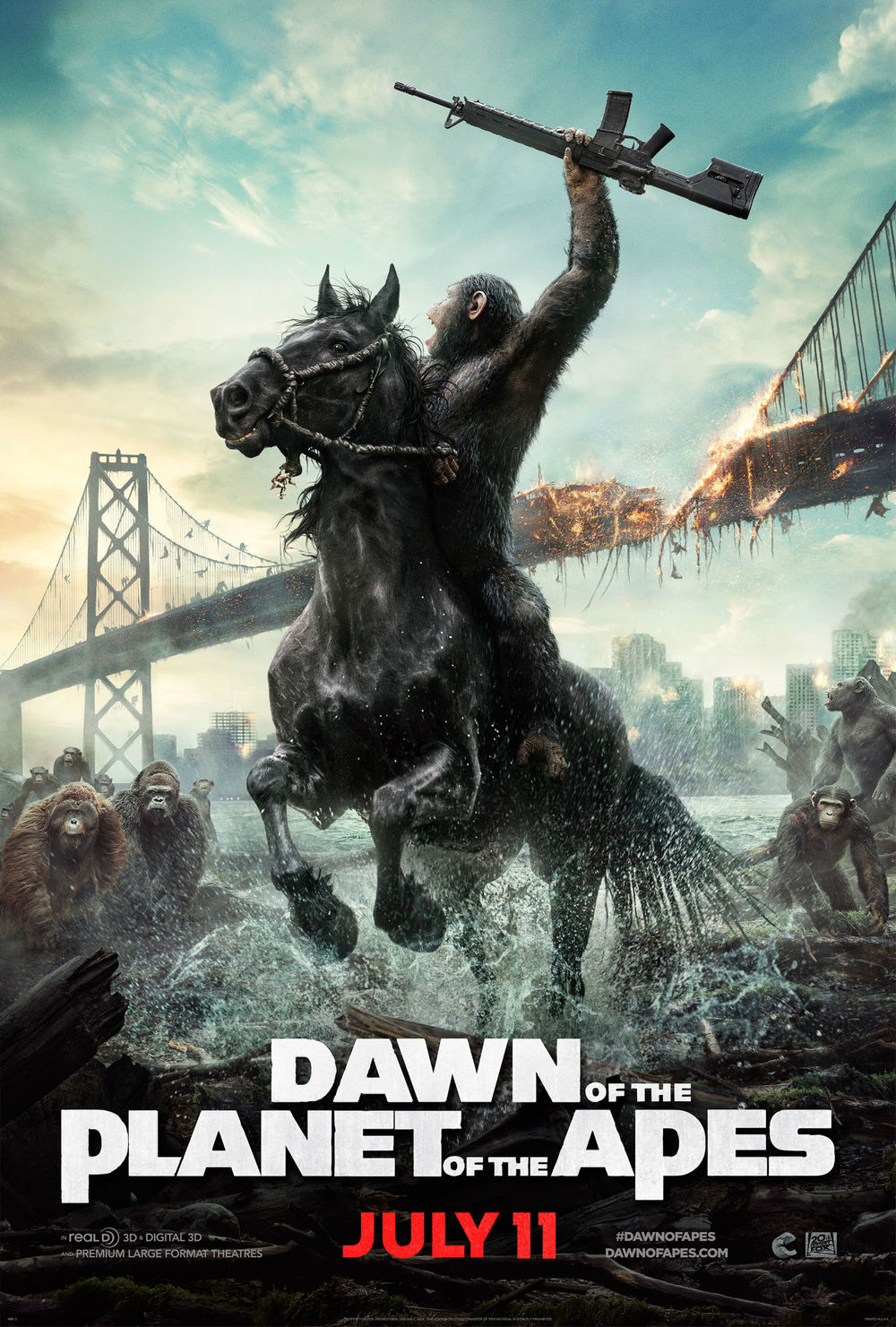
Plus, all I can say is this: Apes on horses with assault rifles.

Dawn of the Planet of the Apes is set for a July 11, 2014 release date.

Trailer: Dawn of the Planet of the Apes


Dawn of the Planet of the Apes

To say that 2011’s Rise of the Planet of the Apes went a long way in washing out the taste out of fans mouth after having seen Tim Burton’s reboot of Planet of the Apes would be an understatement. Rupert Wyatt was able to bring the franchise back to prominence by actually treating the story as a sort of scifi allegory instead of a platform to once again exercise one’s filmmaking quirks.

It was a no-brainer that a sequel will follow up the success of the 2011 film. But with a fast-moving schedule there were several casualties. Rupert Wyatt didn’t think he had enough time to shoot the film the way he wanted to so he was replaced by Matt Reeves. James Franco is also gone from the project. Instead we get several veteran actors like Gary Oldman, Jason Clarke, Keri Russell and Kirk Acevedo joining Andy Serkis.

The film seems to take places a decade or so after the release of the deadly virus at the end of the first film. Humanity has survived both the virus and the wars which followed it, but civilization as we know it now are a thing of the past. With humanity trying to rebuild it must now deal with a rising nation of genetically-enhanced apes led by Andy Serkis’ Caesar. With Gary Oldman on one side seeming to be the leader of humanity’s survivors I don’t see peace as being a goal in this film.

Dawn of the Planet of the Apes is set for a July 11, 2014 release.

Review: The Hobbit: An Unexpected Journey (dir. by Peter Jackson)


kinopoisk.ru

It’s hard to believe that’s it’s been 11 years since Peter Jackson released The Lord of the Rings: The Fellowship of the Ring on the masses in 2001. There were much trepidation from Tolkien fans that Jackson (who had been known mostly for low-budget splatter horror-comedies) wouldn’t be able to handle the monumental task of adapting what many consider the greatest novel ever written in the 20th century. Tolkien’s epic fantasy became the standard by which fnatasy epics would be compared to for decades to come and still do. To say that Jackson succeeded in this epic task would be an understatement. The Lord of the Rings trilogy would hoard awards from 2001 to 2003 and also box-office receipts to make any dwarf-lord green with envy.

It’s now 2012 and we finally have the release of Jackson’s next trip into Middle-Earth as he adapts another of Tolkien’s beloved novels. This time he tackles The Hobbit which for some Tolkien fans remains their favorite of the author’s works. It’s a novel that might not have the epic scope and breadth of The Lord of the Rings, but what it lacks in that department it more than makes up in being a fun, adventure tale of a curious hobbit named Bilbo Baggins, a wizard named Gandalf the Grey and a fellowship of twelve dwarfs led by one Thorin Oakenshield of Erebor.

The Hobbit was originally written as a children’s book, but in later years Tolkien would retcon some parts of the novel to better fit with his magnum opus in The Lord of the Rings.It’s this revised version of that children’s story that Peter Jackson, Fran Walsh, Philippa Boyens and Guillermo Del Toro would adapt for the big-screen. Initially a two-film set that would tell the story of Bilbo and his merry band of adventurers, but it has since been expanded to become a trilogy as Jackson and his writers take a page out of Tolkien’s bag of tricks and try to tie-in this latest trilogy to the Lord of the Rings which precedes it by a over a decade.

The first film in this new trilogy is called The Hobbit: An Unexpected Journey and we begin by returning to sometime before the beginning of the first trilogy’s first film. We see the aged Bilbo reminiscing of his adventures 60 years hence and deciding to put it to pen and paper as a sort of memoir of that adventure to reclaim the lost dwarf-hold of Erebor. It’s in this opening that we get to see Frodo once more (played once again by Elijah Wood who doesn’t seem to have aged) prior to him taking up the One Ring.

Bilbo recounts to Frodo the realm of Erebor deep inside the Lonely Mountain east of the Shire to Frodo and how it’s wealth in silver, mithril, gold and precious gems became well-known throughout Middle-Earth. Yet, as Bilbo warns, it’s the very sickness of avarice by Erebor’s Thror the King which seals the dwarf-hold’s doom. We learn that hoards of wealth does more than light up the dwarf king’s eyes with greed but also brings the attention of one of the very last dragon’s in Middle-Earth. The arrival of Smaug to Erebor signals the death of not just that dwarf realm, but the surrounding human town of Dale. The surviving dwarfs of Erebor flee in a massive diaspora towards any safe haven willing to take them in. What was once a proud and powerful realm has now been sundered and it’s afterwards that we get to the meat of the film’s story.

Martin Freeman as a younger Bilbo Baggins was more than just great casting but one which the film needed if one was to believe that this young Bilbo would grow old to be the Ian Holm one fans of the first trilogy have come to know well. His performance as Bilbo Baggins of Bag End becomes the anchor from which the rest of the company would revolve around. When we first meet Freeman as Bilbo he’s not the adventurer that he would become, but a hobbit that’s respectable and one not for doing anything foolish like going on adventures. Yet, his lot in life changes as Gandalf maneuvers the situation so that he becomes embroiled in the quest by Thorin Oakenshield (played by Richard Armitage) to retake his ancestral lands of Erebor and it’s massive wealth from Smaug who has taken it for his lair.

While many would think that a film called The Hobbit would focus on Bilbo I thought the way the film unfolded that this story was all about the dwarfs with extra focus on the single-minded Thorin who comes off initially as both condescending, superior and dismissive of poor old Bilbo. The film never fails to show how much Thorin thinks so less of Bilbo yet throughout the film’s two and a half and more running time we see cracks in Thorin’s ice-cold demeanor towards the young hobbit. By film’s end we see just how wrong Thorin has been of Bilbo’s worth and it makes for one of the film’s more emotional scenes when Thorin realizes this as well.

The Hobbit: An Unexpected Journey is not just about a brooding dwarf prince and his motley band of dwarfs getting into one trouble after the next once they’ve left the Shire with Bilbo. The film also brings on a parallel storyline which tries to lay down the foundation that would tie this new trilogy with the first one. It’s the storyline of the Great Necromancer that Gandalf and a fellow wizard, Radagast the Brown, suspect might be the Great Enemy returned. We learn soon enough during the White Council in Rivendell (attended by Gandalf, Galadriel, Elrond and Saruman the White) that this so-called Necromancer might be Sauron looking to regain his former strength and gather an army to him.

It’s this second storyline that get’s sandwiched within the Thorin Oakenshield Fellowship quest that comes off a bit awkward in the film’s overall narrative flow. Where the film is all about fun adventuring and camaraderie when the dwarfs and Bilbo are on the screen, when they’re not and the film tries to tell us about Sauron’s eventual return the film slows down. These scenes are not uninteresting. On it’s own these sequences bring back the epic tone of the original trilogy and brings it into this film, but it’s that very grandiose theme that seems out of place in what is simply a “men on a mission” story.

Fortunately, we don’t spend too much time dwelling on this side-story. The final third of the film is all about Thorin and company needing to escape from one goblin lair and orc ambush to another. The last 45 minutes or so flies back swiftly after a very uneven first two hours that would make more than a few theater-goers look at their watch. The wait is worth it as we see that Jackson hasn’t forgotten how to choreograph and stage fantasy action scenes. While the use of CGI might be more evident this time around than the previous three films they’re still small compared to other blockbuster films of it’s type. It’s still all about WETA practical effects, make-up and costumes that combine to create a world that’s become familiar yet still have a sense of newness to them as we see new areas of Middle-Earth only mentioned in brief passing in the original trilogy.

The Hobbit: An Unexpected Journey is a wonderful return to the world of Middle-Earth. It is not without it’s missteps and flaws, but it also gets saved by some great performances from the ensemble cast which makes up the dwarfs. The aerial shots of the New Zealand’s eclectic geography shows just how much cinematographer Andrew Lesnie has become such a major component of making Middle-Earth come alive. Even the return of Howard Shore as the film’s composer was a welcome that brought more than a few smiles.

There’s no way of talking about The Hobbit without bringing up the stylistic gamble Peter Jackson has taken in filming this film and the rest of the trilogy in 48fps instead of the traditional 24fps (frames per second) that filmmakers have been using for almost a hundred years now. It’s an aesthetic choice that gives the film a overly realistic look akin to watching a stage production live. Everything looks too perfect and the High-Frame Rate (HFR) takes away some of the cinematic look which many have grown up seeing every time they watch a film. This new filming style works in certain areas like wide shots of the outdoor scenes. Whether it’s the emerald green rolling hills of the Shire to the snowcapped Alpine peaks of the Misty Mountains, these scenes in HFR came out beautiful. It’s when the film switches over to a much more enclosed and personal space within rooms and halls that we get the unusual “soap opera” look some have complained about. It takes a bit of getting used to, but some make the adjustment quickly enough while others may never make the adjustment.

Yet, it is when the film shows a CGI-created sequence that the HFR fails. While the doubling of the frame rate during filming has made the 3D in the film come off smoothly it did make some of the CG-effects come off as too video game-like. A sequence earlier in the film where we see a flashback of Thorin and the dwarfs of Erebor trying to retake another fallen dwarf hold in Moria (Khazadum in dwarfish) looks like a cinematic cutscene as a dwarf army charges and battles it out with an orc and goblin force which had taken Moria as it’s own.

All the scenes where HFR fails to come off as believable turn out better when The Hobbit was seen in traditional 24fps. I actually think that downscaling the film from it’s original HFR to a more traditional film frame speed of 24fps gave the film an even more magical look than the original trilogy. Jackson and his team of filmmakers have two more films to release and hopefully take some of the criticism this first film has received about HFR that they tweak and work on making the new style much more believable instead of taking the audience out of the film’s narrative.

The Hobbit: An Unexpected Journey doesn’t come off as grandiose as the original trilogy and for some that might come as a disappointment. Yet, as an adventure film it more than does it’s job to fully entertain it’s audience while, at the same, time reminding it’s audience how much this film and this trilogy will lead into The Lord of the Rings. I recommend that people just see the film and decide on their own whether it’s a worthy addition to the Middle-Earth saga as seen through the eyes of Peter Jackson. I, for one, think it is and with two more films left we shall see whether Jackson’s return to Middle-Earth has been a triumphant one or not.

Trailer: The Hobbit: An Unexpected Journey (2nd Official)


It just a littleunder 3 months before Peter Jackson takes us back to Middle-Earth with the first of three films that will make up The Hobbit trilogy.

There’s not much else to say other than this latest trailer for The Hobbit: An Unexpected Journeyjust continues to whet the appetite for all things Middle-Earth. It’s much more action-packed with some nice new scenes instead of just rehashing what was in the original teaser trailer from year ago.

Enough words. Just watch the trailer below and decide for yourself whether another trip to Middle-Earth (before all the War of the Ring brouhaha of the first trilogy) is worth your monies.

The Hobbit: An Unexpected Journey premieres worldwide on December 14, 2012.

If Lisa Marie Determined The Oscar Nominees….


The Oscar nominations are due to be announced on Tuesday morning so I figured now would be a good time to play a little game that I like to call: “What if Lisa had all the power?”  Below, you will find my personal Oscar nominations.  These are the films and the performers that would be nominated if I was solely responsible for selecting the nominees and the winners. 

For those who are interested, you can check out my picks for last year by clicking on this sentence.

Please understand, as you look over this lengthy list of deserving films and performers, that these are not necessarily the films I expect to see nominated on Tuesday morning.  In fact, I would be hard pressed to think of a year in which I have disagreed more with the critical establishment than I have this year.  For whatever reason, the films that truly touched and moved me in 2011 appear to be the films that are totally and completely off the Academy’s radar.  These are not my predictions.  Instead, they are my personal choices and they should not be interpreted as representing the opinion on anyone else affiliated with this site.  So, if you’re angry that David Fincher’s Girl With The Dragon Tattoo didn’t receive a single imaginary nomination, direct your anger at me and me alone. 

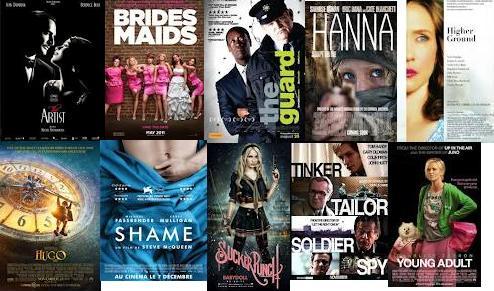
Best Picture

The Artist

Bridesmaids

The Guard

Hanna

Higher Ground

Hugo

Shame

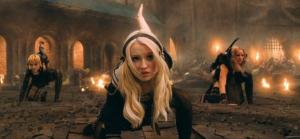
Sucker Punch

Tinker, Tailor, Soldier, Spy

Young Adult

Best Actor

Michael Fassbender for Shame

Brendan Gleeson for The Guard

Gary Oldman for Tinker, Tailor, Soldier, Spy

Michael Shannon for Take Shelter

Rainn Wilson for Super

Best Actress

Kirsten Dunst for Melancholia

Vera Farmiga for Higher Ground

Elizabeth Olsen for Martha Marcy May Marlene

Saoirse Ronan for Hanna

Charlize Theron for Young Adult

Best Supporting Actor

Albert Brooks for Drive

Bobby Cannivale for Win Win

Jonah Hill for Moneyball

Patton Oswalt for Young Adult

Andy Serkis for Rise of the Planet of the Apes

Best Supporting Actress

Anna Kendrick for 50/50

Melissa McCarthy for Bridesmaids

Carey Mulligan for Shame

Ellen Page for Super

Amy Ryan for Win Win

Best Director

Vera Farminga for Higher Ground

Michel Hazanavicius for The Artist

Steve McQueen for Shame

Martin Scorsese for Hugo

Joe Wright for Hanna

Best Original Sreenplay

Bridesmaids

The Guard

Hanna

Shame

Young Adult

Best Adapted Screenplay

Higher Ground

Hugo

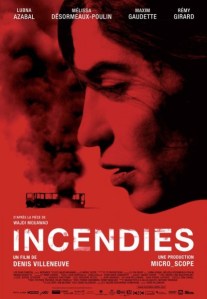
Incendies

One Day

Tinker, Tailor, Soldier, Spy

Best Animated Feature

Kung Fu Panda 2

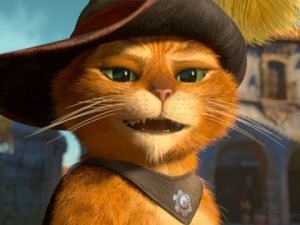
Puss in Boots

Rango

Rio

Winnie the Pooh

Best Foreign Language Film

(Please note that I do this category a bit differently than the Academy.  Whereas the Academy asks nations across the world to submit a nominee, I’m simply nominating the best foreign language films that I saw in a theater last year.  Those who follow the Oscars will note that I’ve both nominated and awarded the brilliant Canadian films Incendies, which actually was nominated for a real Oscar in this same category last year.)

The Double Hour

Incendies

Of Gods and Men

The Skin I Live In

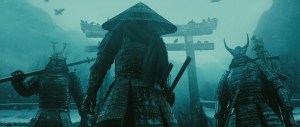
13 Assassins

Best Documentary Feature

Bill Cunningham New York

Buck

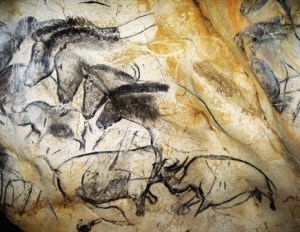
The Cave of Forgotten Dreams

Jig

Resurrect Dead: The Mystery of the Toynbee Tiles

Best Original Score

The Artist

A Better Life

The Guard

Hanna

The Tree Of Life

Best Original Song

“The Star-Spangled Man” from Captain America: The First Avenger

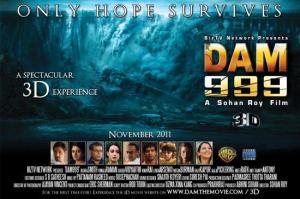
“Mujhe Chod Ke” from DAM999

“The Keeper” from Machine Gun Preacher

“Man or Muppet” from The Muppets

“Pop” from White Irish Drinkers

Best Sound Editing

Drive

Harry Potter and the Deathly Hallows, Part 2

Hugo

Sucker Punch

The Tree of Life

Best Sound Mixing

Drive

Harry Potter and the Deathly Hallows, Part 2

Hugo

Sucker Punch

The Tree of Life

Best Art Direction

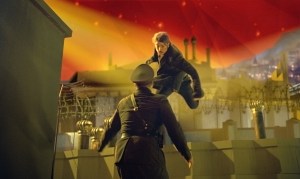
Bunraku

Harry Potter and the Deathly Hallows, Part 2

Hugo

Sucker Punch

Tinker, Tailor, Soldier, Spy

Best Cinematography

The Artist

Hugo

Melancholia

Shame

The Tree of Life

Best Makeup

Beastly

Harry Potter and the Deathly Hallows, Part 2

Insidious

Sucker Punch

X-Men: First Class

Best Costume Design

Bunraku

The Help

Hugo

Sucker Punch

Tinker, Tailor, Soldier, Spy

Best Editing

The Artist

The Guard

Hanna

Hugo

Shame

Best Visual Effects

Harry Potter and the Deathly Hallows, Part 2

Hugo

Rise of the Planet of the Apes

Sucker Punch

The Tree of Life

List of Films By Number of Nominations:

10 Nominations – Hugo

7 Nominations – Shame, Sucker Punch

6 Nominations – Hanna

5 Nominations – The Artist; The Guard; Harry Potter and the Deathly Hallows Part 2; Tinker, Tailor, Solider, Spy; The Tree of Life

4 Nominations – Higher Ground, Young Adult

3 Nominations – Bridesmaids, Drive

2 Nominations – Bunraku, Incendies, Melancholia, Rise of the Planet of the Apes, Super, Win Win

1 Nomination – Beastly, A Better Life, Bill Cunningham New York, Buck, Captain America: The First Avenger, The Cave of Forgotten Dreams, DAM999, The Double Hour, 50/50, The Help, Insidious, Jig, Kung Fu Panda 2, Machine Gun Preacher, Martha Marcy May Marlene, Moneyball, The Muppets, Of Gods and Men, One Day, Puss in Boots, Rango, Ressurect Dead, Rio, The Skin I Live In, Take Shelter, 13 Assassins, X-Men: First Class, White Irish Drinkers, Winnie the Pooh

List of Films By Number of Oscars Won:

3 Oscars – Hanna

2 Oscars – Bunraku, Shame, Sucker Punch

1 Oscar – Beastly, Bridesmaids, The Cave of Forgotten Deams, Dam999, Higher Ground, Hugo Incendies, Melancholia, Puss in Boots, Rise of the Planet of the Apes, Super, Young Adult

So, will the Academy agree with my picks?  Well, probably not.  Indeed, it’s probable that they won’t agree at all.  And to that, I say, “Oh well.” 

The Academy Award nominations will be announced Tuesday morning.

A Quickie With Lisa Marie: The Adventures of TinTin (dir. by Steven Spielberg)


Originally, this was supposed to be the year of Steven Spielberg.  After all, Spielberg had two major films open within days of each other and, earlier this year, various know-it-all pundits declared that both of these films (along with David Fincher’s dumbed down version of Girl With The Dragon Tattoo) would be major awards contenders.  This was, of course, before films like Hanna, The Artist, Drive, and The Tree Of Life came out and made Spielberg’s trademark suburban cinematic vision seem almost quaint.  Spielberg’s two films — The Adventures of TinTin and War Horse — both very much remain in the hunt for nominations but few seem to be expecting them to actually win anything.  Oddly enough, it’s as if Spielberg’s films somehow went from being overrated to underrated before they were even released.

I haven’t seen War Horse yet (and the commercials don’t fill me with hope) but, in the case of TinTin, this is unfortunate because I saw the film on Friday and it’s a perfectly enjoyable animated film that, while never reaching the intertextual heights of Rango or matching the “awww” factor of Puss in Boots , is still a bit more memorable than Pixar’s Cars 2.  Based on a Belgian comic book, (which I had never heard of before so don’t expect me to get into the whole debate about whether Spielberg does the original justice) The Adventures of TinTin is about a “boy reporter” named TinTin (voiced by the always likable Jamie Bell) who, along with his adorable dog Snowy, ends up going on a quest for lost treasure.  The film plays out like an old-fashioned adventure film with TinTin and Snowy’s quest taking them from one exotic locale to another.  Continually, they find themselves getting captured by various bad guys and having to escape in some properly exciting manner.  Along with the way, they meet an alcoholic sea captain (voiced by Andy Serkis) and a whole variety of flamboyant characters.  My favorite characters were the two well-meaning but inept police detectives, Thompson and Thompson.  Thompson and Thompson are voiced by Simon Pegg and Nick Frost and the two of them have so much chemistry and play off each other so well that they’re even fun to just listen to.

When I saw The Adventures of TinTin, I was sincerely surprised by how quickly the film moved.  Usually, I find that the majority of Spielberg films tend to drag in the middle.  Whenever there’s nothing to blow up or an excuse to fill the scene with soaring music conducted by John Williams, Spielberg seems to lose his way as a filmmaker and can almost seem desperate in his attempts to convince us that he’s a serious artist.  However, it almost seemed as if The Adventures of TinTin was over before it even started.  This is not a film that drags but instead one that cheerfully leaps from one action sequence to another.  It’s as if working on an animated film freed Spielberg up from his inherent need to remind us that he’s a respectable filmmaker.  For once, he’s willing to just have fun without trying to justify it.  Since I was seeing the film with two hyperactive children (my nephew who is five and my niece who is three), I was happy and relieved that the film didn’t have any slow spots.  The movie, as a matter of fact, held their attention better than it held mine and all three of us loved Snowy.  An important lesson for all aspiring filmmakers: If you’re ever in doubt, always cut to a small animal doing something cute.

Ultimately, TinTin is an enjoyable little film that really doesn’t add up too much.  This isn’t another Toy Story 3 or a How To Train Your Dragon.  This is not a film to bring tears to your eyes but it’s enjoyable enough and it’s a rare Spielberg film that seems to be unashamed of simply being message-free entertainment.