Movie A Day #178: Kinjite: Forbidden Subjects (1989, directed by J. Lee Thompson)


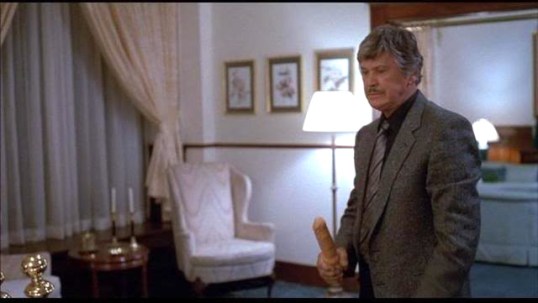
This is the one where Charles Bronson sodomizes a guy with a dildo.

Don’t worry, though.  Bronson does it off-screen and the guy was abusing Nicole Eggert so he had it coming.

In Kinjite, Bronson plays Lt. Crowe, a tough LAPD vice cop who hates two groups of people: pedophiles (which is cool, who doesn’t hate them?) and the Japanese (which is not cool).  Not only does Crowe sodomize a pervert but he also forces a pimp to eat a gold watch and later, with the help of his partner, he holds another man over the edge of a balcony, just to have that man accidentally slip out of his shoes and plunge to his death.  Finally, Crowe tosses a convict into a prison cell, where another prisoner (played by Danny Trejo, in what may have been his film debut) announces that he’s “got something big and long for you.”  Crowe chuckles, “That’s justice” and then walks away.
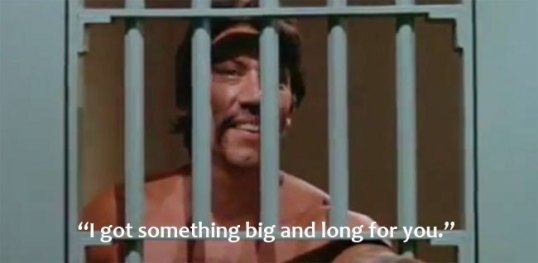
Danny Trejo in Kinjite

Of the many strange films that Bronson made for Cannon Films, Kinjite may be the strangest.  The main plot involves Crowe searching for and rescuing the kidnapped daughter of a Japanese businessman (James Pax).  Before his daughter was kidnapped, the businessman groped Crowe’s fifteen year-old daughter on a city bus.  The entire movie seems to be building up to the moment that Crowe, who is portrayed as being overprotective of his daughter, discovers what the businessman did but that moment never comes.  There are numerous scenes of the businessman in Japan but they do not have anything to do with the rest of the plot.  Strangely, neither Crowe’s daughter nor his wife (played by Peggy Lipton) are ever menaced by the bad guys.  What type of Charles Bronson movie is this?

In Bronson’s defense, he was 71 year-old when he made this movie and, off screen, his wife Jill Ireland was battling the cancer that would eventually take her life.  Bronson can be excused for not appearing to be overly invested in Kinjite: Forbidden Subjects.  (Since Kinjite means Forbidden Subjects in Japanese, the actual title of this movie is Forbidden Subjects: Forbidden Subjects.)  No one appears to have made much of an effort on Kinjite, though Bronson’s stunt double gets a good work out.  Kinjite is full of scenes where Bronson throws a punch in close-up but his first in never actually shown connecting with anyone.  Most of the action scenes are clumsily filmed so that Crowe keeps his back to the camera.   All Kinjite needs is a supporting turn from Troy McClure and a cameo from McGarnagle and it would be perfect viewing for The Simpsons.

Kinjite would be the final film that Bronson made for Cannon Films.  It would also be the last Bronson film to be directed by J. Lee Thompson.  After Kinjite, Bronson appeared in two more feature films: Sean Penn’s The Indian Runner (which, if not for Penn’s pretentious direction, could have launched Bronson on a second career as a first-rate character actor) and a final Death Wish film.  Bronson returned to television, appearing in three made-for-TV movies before retiring in 1999.  Bronson died in 2003 but, as long as there are people who enjoy a good action movie, he will never be forgotten.

This scene is not from Kinjite but it’s still pretty fucking cool.

Hot in Argentina: Rita Hayworth in GILDA (Columbia 1946)


gary loggins's avatarcracked rear viewer

If COVER GIRL made Rita Hayworth a star, then GILDA propelled her into the stratosphere. This 1946 film noir cast Rita at her smoking hot best as the femme fatale to end ’em all. Surrounded by a Grade A cast and sumptuous sets, GILDA gives us the dark side of CASABLANCA , moved to Buenos Aires and featuring star-crossed lovers who are at lot less noble than Rick and Ilsa ever were.

“Every man I knew went to bed with Gilda… and woke up with me”, Hayworth is famously quoted as saying. Who could blame them, as Rita is absolutely stunning in this film. From our first glimpse of her, popping into view with that iconic hair flip…

…to her sultry faux striptease singing “Put the Blame on Mame”, Rita burns up the screen with her smoldering sexuality. Lines like “If I’d been a ranch,  they’d’ve named me the Bar Nothing” leave no doubt…

View original post 565 more words

A Movie A Day #177: Murphy’s Law (1986, directed by J. Lee Thompson)


What is Murphy’s Law?

Let’s ask LAPD Detective Jack Murphy.

“Don’t fuck with Jack Murphy.”

Normally, having a law named after you would be pretty cool but it appears that this is just a law that Jack came up with himself.  Having to come up with your own law is kind of like having to come up with your own nickname.  Dude, it’s just lame.  Since Jack Murphy is played Charles Bronson, we can cut him some slack.

Murphy’s Law was one of the many film that, towards the end of his career, Bronson made for Cannon Films.  He played a detective in almost all of them.  Jack Murphy is Dirty Harry without the fashion sense.  He is also an alcoholic who cannot get over his ex-wife (Angel Tompkins) and her decision to become a stripper.  Not only has Murphy managed to piss off his superiors with his bad attitude but the mob is out to get him.  Everyone has forgotten Murphy’s Law.  Everyone is fucking with Jack Murphy.

Jack’s main problem, though, is Joan Freeman (Carrie Snodgress).  Years ago, Murphy sent Joan to prison for murder but, because it’s California and Jerry Brown appointed all of the judges, Joan gets out after just a few years.  Joan starts to systematically murder everyone that Murphy knows, framing Murphy for the murders.  Murphy’s arrested by his fellow cops, all of whom need a refresher on Murphy’s Law.  Though handcuffed to a young thief (Kathleen Wilhoite), Murphy escapes from jail and set off to remind everyone why you don’t fuck with Jack Murphy.

Murphy’s Law is a typical Cannon Bronson film: low-budget, ludicrously violent, borderline incoherent, so reactionary than it makes the Dirty Harry films look liberal, and, if you’re a fan of Charles Bronson, wildly entertaining.  Bronson was 65 years old when he played Jack Murphy so he cannot be blamed for letting his stunt double do most of the work in this movie.  What’s interesting is that, for once, Bronson is not the one doing most of the killing.  Instead, it is Carrie Snodgress, in the role of Joan Freeman, who gets to murder nearly the entire cast.  There is nothing subtle about Snodgress’s demonic performance, which makes it perfect for a Cannon-era Bronson film.  In fact, Carrie Snodgress gives one of the best villainous performances in the entire Bronson filmography.  There is never any doubt that Snodgress is capable of killing even the mighty Charles Bronson, which makes Murphy’s Law a little more suspenseful than most of the movies that Bronson made in the 80s.

Whatever else can be said about Murphy’s Law, it does feature one of Bronson’s best one liners.  When Joan threatens to send him to Hell, Murphy replies, without missing a beat, “Ladies first.”  Only Bronson could make a line like that sound cool.  That’s Bronson’s Law.

Have A Classic 4th of July from Cracked Rear Viewer!


gary loggins's avatarcracked rear viewer

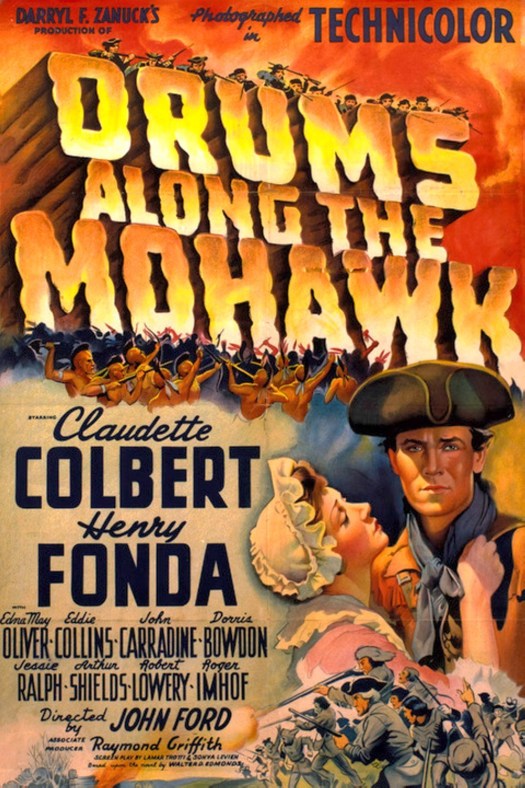
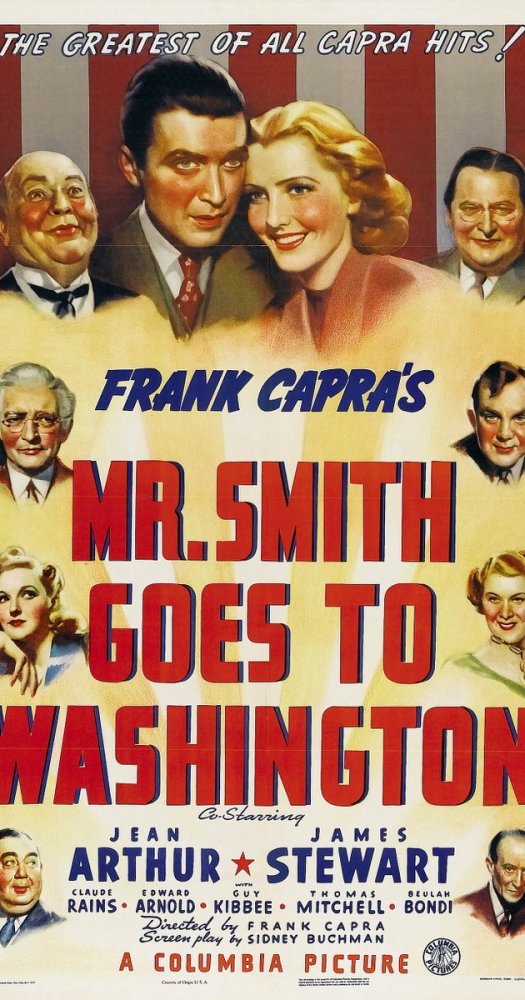
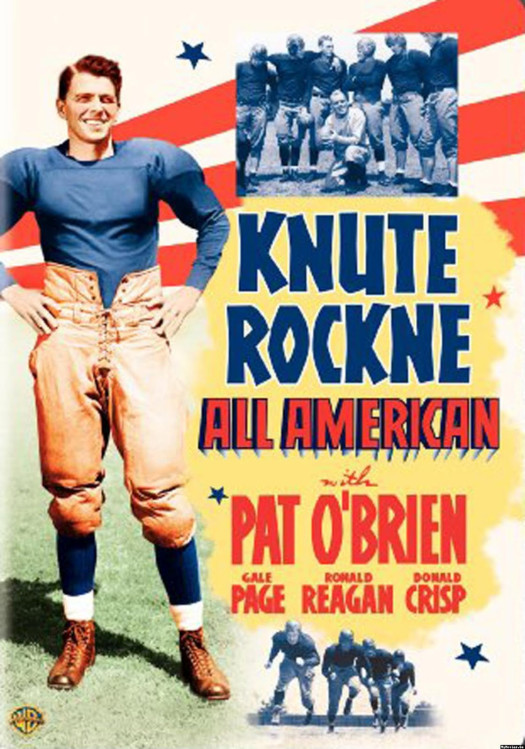
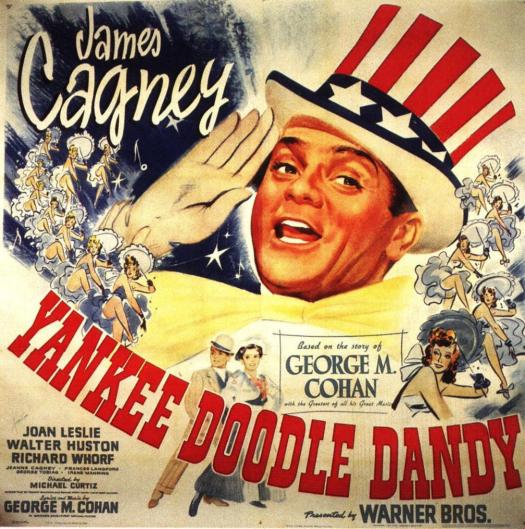
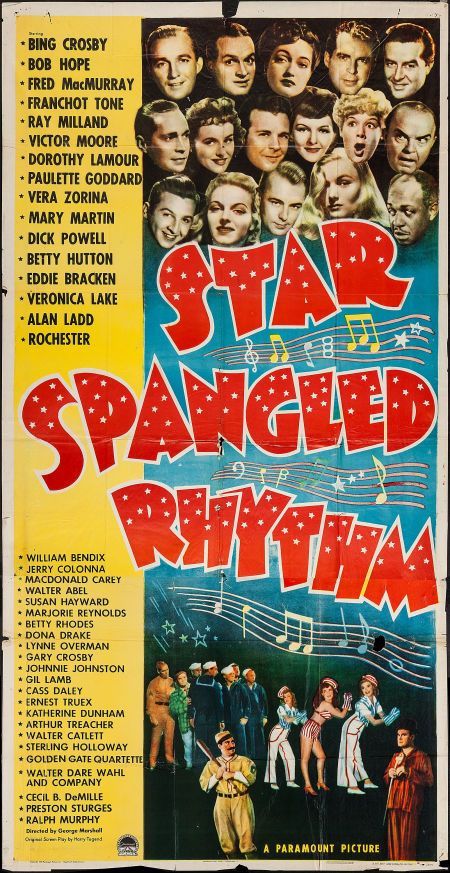
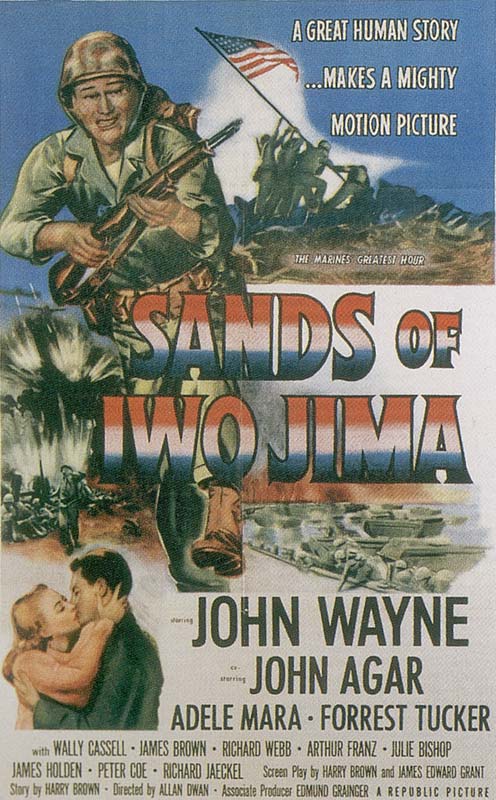
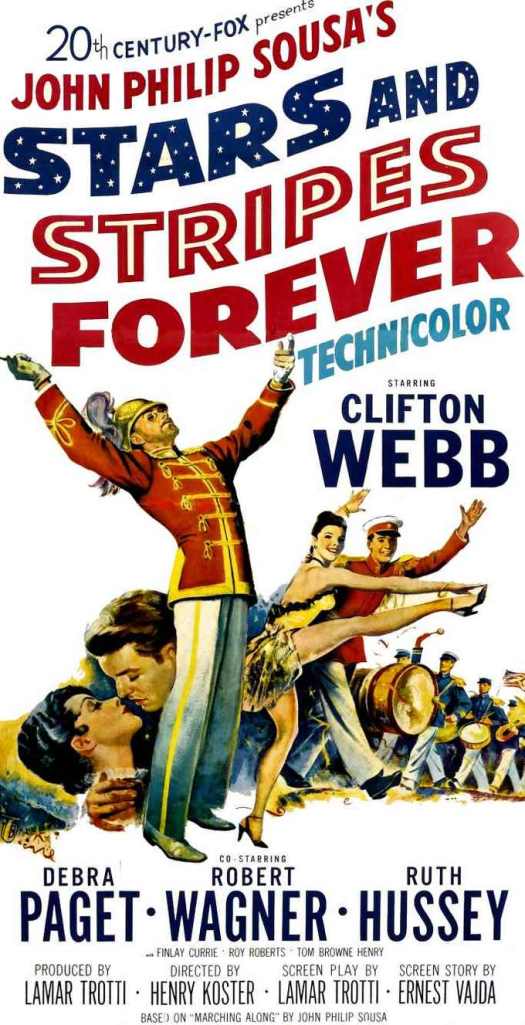
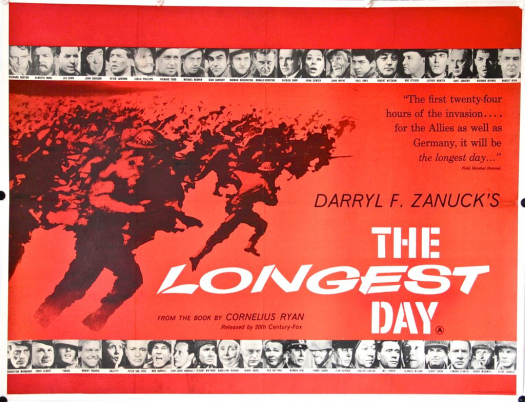
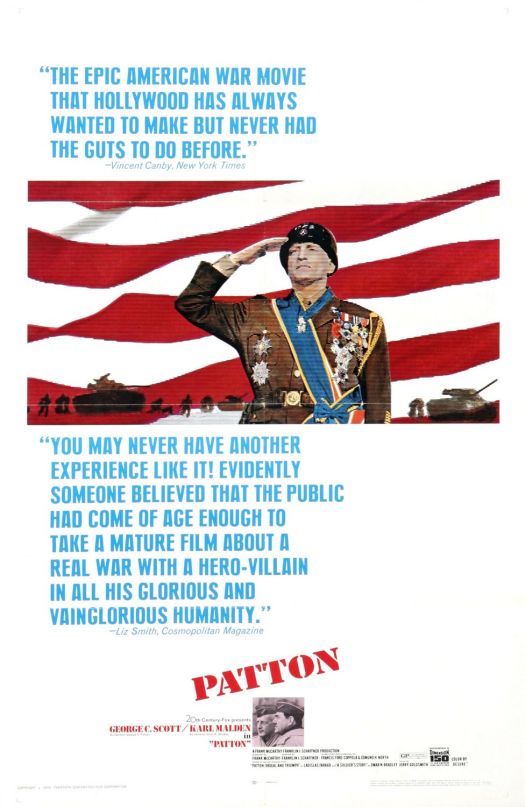
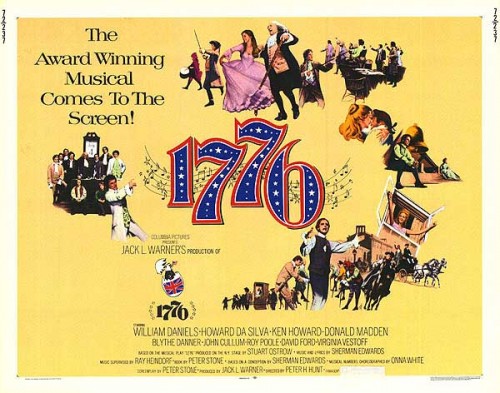
Today we celebrate America’s 241st birthday, and in honor I’ve gathered up some patriotic-themed movie posters for your Cracked Rear Viewing pleasure. Before you watch a parade, have a cookout, or enjoy your local fireworks, feast your eyes on these All-American posters:

Have a happy and safe holiday, one and all!

View original post

A Movie A Day #176: Honor Among Thieves (1968, directed by Jean Herman)


It’s Bronson and Delon, trapped in an airless vault!

While serving in the French Foreign Legion during the Algerian War, Dino Barran (Alain Delon) and Franz Propp (Charles Bronson) became unlikely friends.  Dino is a doctor while Franz is both a pimp and a mercenary.  When the war ends, both return to Paris.  Dino is ready to get on with his life but then he’s approached by Isabelle (Olga Georges-Picot), the lover of a man who Dino got killed in Algeria.  Isabelle has a job for Dino.  She has some files that she needs to return to a safe in an office building.  All Dino has to do is arrange a medical screening in the building and, when no one is looking, open the safe and drop off the documents.  Feeling guilty, Dino agrees.

The problem is that Franz has been following Dino and he has found out that Dino will be opening the safe.  While Dino just wants to put something in, Franz plans to take much more out.  After a fist fight, the two of them find themselves accidentally tapped inside the vault.  Working together, they have to both crack the safe and find a way out of the vault before they run out of the air.

Charles Bronson nearly did not make Honor Among Thieves.  Alain Delon wanted an American actor to co-star with him in the film and he specifically requested that Bronson be offered the part.  Up until this point, with the exception of a few B-movies like Machine Gun Kelly, Bronson had been a supporting player in Hollywood and had always resisted the temptation to follow the lead of Clint Eastwood and go to Europe in search of stardom.  When the film’s producer approached Bronson, he argued that only in Europe would an unconventional actor like Bronson be appreciated.  Though still skeptical, Bronson eventually accepted the offer.

It is a good thing that he did because Honor Among Thieves proved to be a huge hit and it made Bronson a star in Europe.  As a result of his tough and charismatic performance in Honor Among Thieves, Bronson went on star in films like Once Upon A Time In The West and other European hits.  It would be another 5 years before Death Wish made Bronson a star in America but, if not for Honor Among Thieves, Death Wish could very well have ended up starring Jack Lemmon (who was the choice of Death Wish‘s author, Brian Garfield).

As for Honor Among Thieves, it is an overlong and overly complicated heist film, the type that was very common in the 60s and which made a comeback with Steven Soderbergh’s remake of Ocean’s 11.  Ultimately, Honor Among Thieves does not work because the plot has too much padding (the subplot about Franz’s career as a pimp goes nowhere) and unanswered questions (it’s never explained what’s in the documents that need to be returned to the safe) but it is easy to see why Bronson became a star.  Bronson was already in his fifties by the time he made his best-known American films so Honor Among Thieves is a chance to see a younger and more energetic Bronson.  For once, Bronson actually seems to be enjoying himself, even smiling a few times.  For those of us who best know Bronson as the grim-faced avenger who gunned down criminals in countless film for Cannon, it is interesting to see Bronson playing someone who is actually having fun.

Honor Among Thieves was finally given an American release in 1973, following the success of Death Wish.  The original French title was Adieu l’ami.


That’s Blaxploitation! 10: HELL UP IN HARLEM (AIP 1973)


gary loggins's avatarcracked rear viewer

I’ve covered producer/writer/director Larry Cohen’s marvelously manic work in the horror genre ( IT’S ALIVE! , GOD TOLD ME TO ), but did you know the low-budget auteur also contributed some solid entries to the Blaxploitation field? Cohen’s gangster epic BLACK CAESAR starred Fred “The Hammer” Williamson and was such a smash a sequel was rushed into production and released ten months later. HELL UP IN HARLEM picks up right where the original left off, as ‘Black Caesar’ Tommy Gibbs is set up by corrupt DA DiAngelo and shot on the streets of New York City. Tommy has possession of some ledgers with the names of all the crooked politicians and cops on his payroll, and DiAngelo and his Mafioso friends want to put him out of circulation for good. Escaping via a wild taxi ride, Tommy is back in business and out for revenge.

This enables Cohen to serve up a series of crazy/cool set pieces that…

View original post 360 more words

A Movie A Day #175: Telefon (1977, directed by Don Siegel)


Across America, strange things are happening.  Seemingly ordinary, middle-aged citizens are, without explanation, attacking formerly top secret government facilities.  The attackers are from all different walks of life.  One was an auto mechanic.  Another was a priest.  There was even a housewife who, after blowing up a power station, committed suicide with a poison pill that the KGB stopped issuing a decade ago.  Before launching their attacks, each one of them received a phone call in which a Russian man recited a poem by Robert Frost.

The Americans may not understand what is happening but the Soviets do.  Immediately after the Cuban Missile Crisis, the KGB planted sleeper agents across the United States.  They hypnotized and brainwashed the agents so thoroughly that they no longer remember that they are agents.  The Frost poem was the trigger designed to activate the agents, all of whom were meant to attack what were then valuable parts of America’s infrastructure.  With the arrival of détente, the program was abandoned and the sleeper agents were simply left behind in the United States.  But now, a former hardliner (Donald Pleasence), is activating the agents one by one.  Because he has a photographic memory, KGB colonel Charles Bronson is sent to the United States to track down and kill Pleasence before the United States discovers the truth about what is happening.  Lee Remick, as an American KGB agent, is assigned to work with him but is also ordered to kill him once the assignment has been completed.

That Telfon is one of Charles Bronson’s better post-Death Wish films is largely due to the presence of Don Siegel in the director’s chair.  As a director who specialized in intelligent genre films and who helped to make Clint Eastwood one of the world’s biggest stars with Dirty Harry, Coogan’s Bluff, The Beguiled, and Escape from Alcatraz, Don Siegel was the ideal director to bring out the best in Bronson.  Like St. Ives, Telefon features Bronson in an uncharacteristically cerebral role.  For once, he spends more time analyzing clues than he does shooting people and Bronson is surprisingly credible as a man with a photographic memory.

As directed by Siegel, Telefon is almost a satire of the type of violent action films that Bronson usually made for directors like Michael Winner. In Telefon, both the bad guys and the good guys are equally clueless.  All of the KGB sleeper agents are dumpy and middle-aged and the film continually emphasizes that they’ve all been brainwashed to attack targets that are no longer strategically important.    Donald Pleasence, playing one of his raving villains, wears a blonde, Beatles-style wig for much of the film.

Though the ending is a let down, Telefon is still one of the best of Bronson’s late 70s films.

Gremlin: Movie Preview/Review and trailer


grmlin


Directed by:  Ryan Bellgardt

Cast: Adam Hampton, Kristy K. Boone, Geoff Barron


Preview:

Adam receives a mysterious box from a relative containing a creature that will kill everyone he cares about. The only way to be rid of the curse is to give the box to someone he loves. As the ominous timer on the box counts down to its end, he can only imagine the horrors that await. Does he give the box away to save his family, or unleash a monster upon humanity? He can’t destroy it. He can’t escape it. He can only give it to someone he loves…


Review:

Often I don’t like horror movies (actually rarely) But this time I got pulled in, so to speak. This movie will eventually eat at you. Literally EAT AT YOU!  Also, would be a good idea not to cover your eyes!


Would I recommend this movie? 

With a blind shot!

Gremlin_Stills_4_1.55.1.tif


Now let’s all gather around and watch the trailer:


Yeh, I am freaked out too!


Gremlin will be available on VOD July 11th

A Movie A Day #174: St. Ives (1976, directed by J. Lee Thompson)


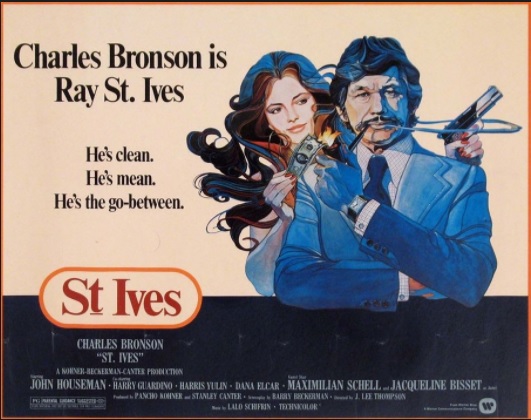
Raymond St. Ives (Charles Bronson) is a former cop-turned-writer who desperately needs money.  Abner Procane (John Houseman) is a wealthy and cultured burglar who needs someone to serve as a go-between.  Five of Procane’s ledgers have been stolen.  The thieves are demanding a ransom and Procane believes that St. Ives is just the man to deliver the money.  But every time that St. Ives tries to deliver the money, another person ends up getting murdered and St. Ives ends up looking more and more like a suspect.  Who is the murderer?  Is it Janet (Jacqueline Bisset), the seductive woman who lives in Procane’s mansion?  Is it Procane’s eccentric psychiatrist (Maximillian Schell)?  Could it be the two cops (Harry Guardino and Harris Yulin) who somehow show up at every murder scene?  Only Ray St. Ives can solve the case!

Charles Bronson is best remembered for playing men of few words, the type who never hesitated to pull the trigger and do what they had to do.  St. Ives was one of the few films in which Bronson got to play a cerebral character.  Ray St. Ives may get into his share of fights but he spends most of the film examining clues and trying to solve a mystery.  The mystery itself is not as important as the quirky people who St. Ives meets while solving it.  St. Ives has a great, only in the 70s type of cast.  Along with those already mentioned, keep an eye out for Robert Englund, Jeff Goldblum, Dana Elcar, Dick O’Neill, Daniel J. Travanti, Micheal Lerner, and Elisha Cook, Jr.  It’s definitely different from the stereotypical Charles Bronson film, which is why it is also one of my favorites of his films.  As this film shows, Bronson was an underrated actor.  In St. Ives, Bronson proves that, not only could he have played Mike Hammer, he could have played Philip Marlowe a well.

St. Ives is historically significant because it was the first Bronson film to be directed by J. Lee Thompson.  Thompson would go on to direct the majority of the films Bronson made for Cannon in 1980s, eventually even taking over the Death Wish franchise from Michael Winner.

A Big Screen, Some Popcorn, and JAWS (Universal 1975)


gary loggins's avatarcracked rear viewer

Dun-dun, dun-dun, dun-dun, dun-dun…..

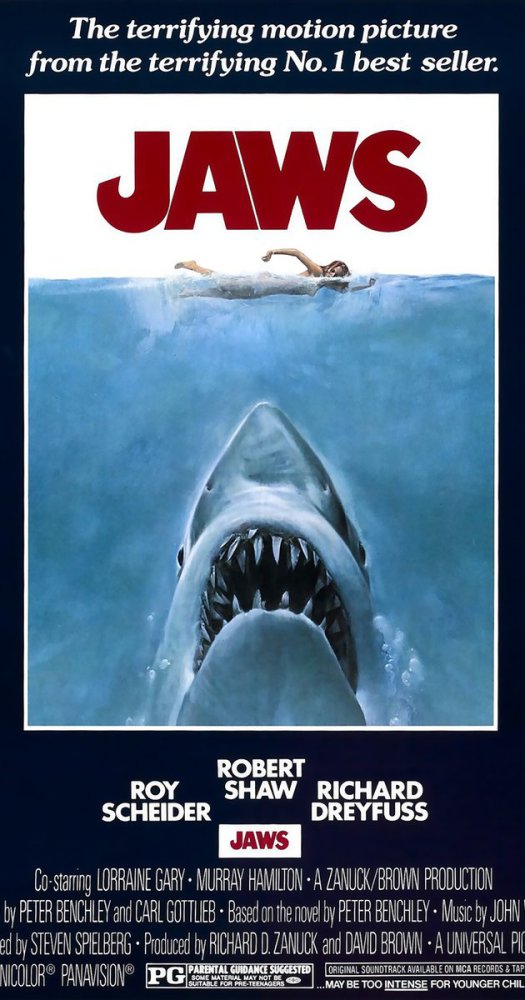
This past Wednesday night, I went out to New Bedford’s Zeiterion Theater to watch a screening of the summertime classic JAWS. The Z, as we locals call it, began life as a vaudeville palace in 1923, and five months later changed its name to The State and ran the latest silent movies. The State operated as a movie house until the late 70’s, with the historic building refurbished in 1982 and retro rebranded as the Zeiterion, hosting concerts, plays, dance, and other performing arts. The city (which now owns and operates the Z) recently purchased a state-of-the-art high-definition digital projector and, after an absence of almost a year,  movies are back in New Bedford! They kicked off a “summer series” of films with Steven Spielberg’s summer blockbuster scarefest, filmed not far from here (just a fast ferry ride away aboard the Sea Streak) on Martha’s Vineyard.

“You’re gonna need a bigger boat!”

And…

View original post 330 more words