Hallmark Review: Appetite For Love (2016, dir. David Mackay)


IMG_8014

It doesn’t happen every time, but this time they did it. If you came here just with the hopes that I might know some of the songs that were used in the movie, then you can scroll to the end of this review. Hallmark actually included the songs in the credits this time. I’ve added the screenshot that shows them there.

Unfortunately, they also come right out and tell you in the credits the exact cities where they filmed the movie. Darn it, Hallmark! That takes out all the fun of trying to figure it out.

IMG_8023

Note: Notice the Asian and black lady. I think this is the first Hallmark movie I’ve ever seen with so many people who aren’t white.

We open up with shots of a city which is supposed to be Chatham, Georgia. Seems like a nice place to live. The coffee truck comes right out and tells us that there are “No Bad Days”. Oh, and that’s Mina played by Taylor Cole who’s about it to have a bad day.

That’s when text boxes appear onscreen to tell us what text messages are going on between Mina and her boyfriend Reed played by Marcus Rosner. I’m sorry but these text boxes…

IMG_8031

are no replacement for the computer and text overlays you get in Hallmark movies directed by Kristoffer Tabori. These look like they belong in a cartoon or something.

Mina works at a place called ICB, which stands for International Corporate Brands. Mina goes into the office building and has a short talk with Zoe played by Morgan Taylor Campbell…

IMG_8043

who looks like she’s on her way to a Laura San Giacomo lookalike contest.

Before we setup the plot of the film we take a short trip to the boardroom.

IMG_8048

This scene actually exists to super early tell us that Mina’s boyfriend is a jerk.
IMG_8103

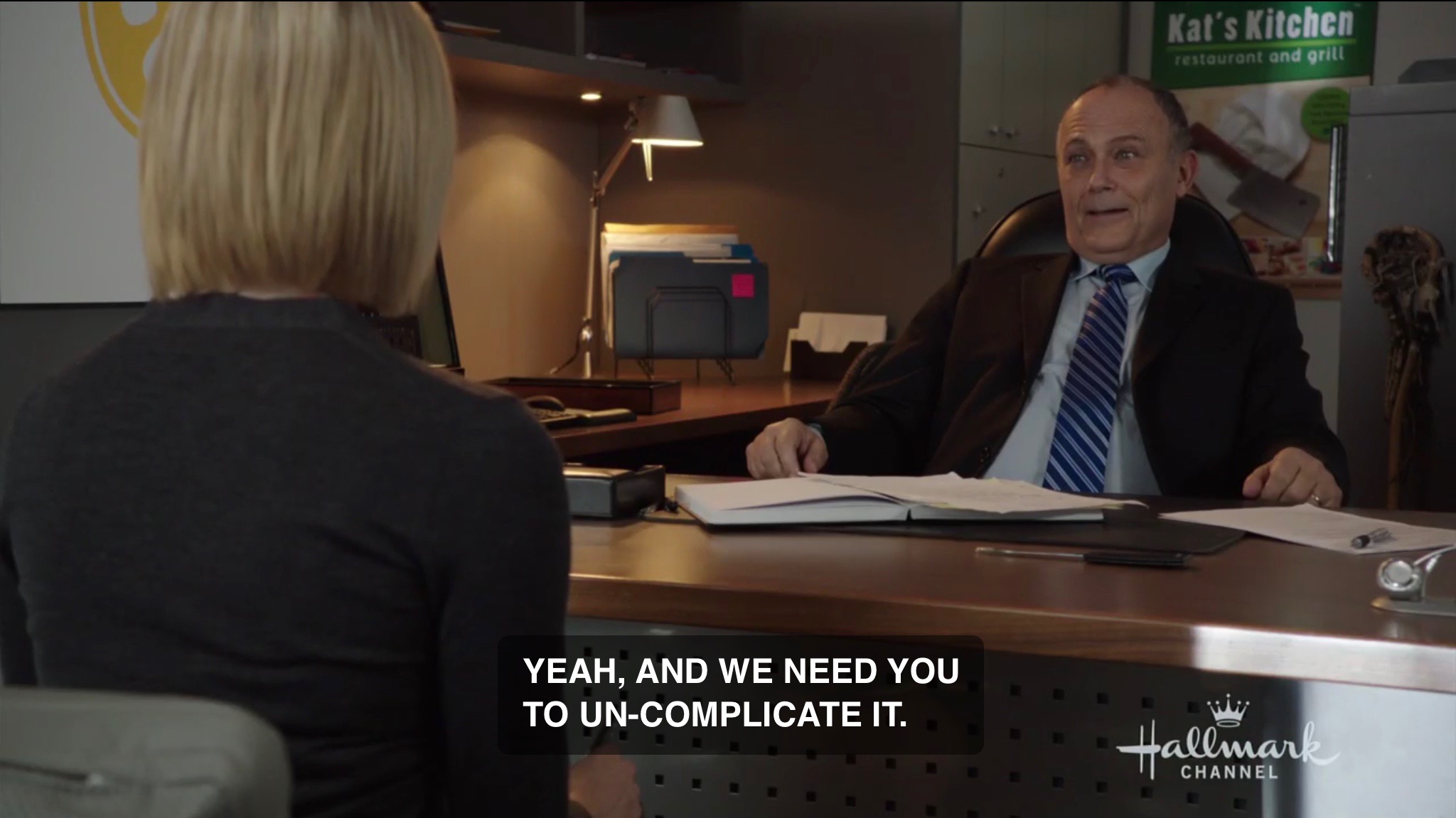
Now her boss (Michael Kospa) who sits at a desk in front of a poster with a butcher’s knife on it tells her she needs to go to Sycamore Springs, Tennessee. The reason she has to go there is when the plot confusion starts. Her boss named Larry actually says that “ICB recently purchased a small regional chain [restaurants] that corporate wants to re-brand and expand.” Apparently, all the stores except the flagship one have made the appropriate changes. She has to go there and make them fall in line. They aren’t responding to calls or emails. Oh, and she’s from that town because Hallmark. What’s confusing here is that later Mina will tell us that ICB is a brand management company. That would mean they don’t actually own anything. They are a go between for other firms who actually own this “small regional chain” of restaurants. Believe me, that may seem like it’s a small thing, but it does make the plot seem a little weird at times as things don’t quite add up.

Moving on, we have a short conversation with her friend Zoe to make sure we know that Mina left Sycamore Springs over a dude. Then it’s off so that Marcus Rosner can be just as much of a jerk boyfriend without having to stoop to alluding to bestiality like the guy in Christmas Land. Kudos to the cinematographer Eric Goldstein for this shot.

IMG_8187

He made sure to keep the top part of the phone enough out of focus so that we can’t read the Canadian cellphone providers name. They will screw it up later, but credit where credit is due.

The way this boyfriend talks about a five-year plan and only having one baby it made me think of China or something. Just kind of weird, but we don’t have time to discuss that because now Mina is off to Tennessee. We know she’s getting close because the radio is playing nothing but country music.

IMG_8235

Must be a bit of a Twilight Zone too seeing as 97.7 out of Jackson, Tennessee plays R&B and Old Skool according to their website. Apparently, also 95.3 has magically stopped playing rock and pop from the 60’s, 70’s, and 80’s. Weird. Anyways, I’m going ahead and turning on country/rock/pop mixture artist Ryan Adams.

I would give you A Kiss Before I Go by Ryan Adams and The Cardinals instead, but some of the videos I embed have a magical tendency to disappear on reviews of Hallmark movies when I don’t like the film. It’s magic, I tell you!

Now Mina nearly runs into some cows before getting out of the car and stepping in poop. Could be worse, Mina. You could be threatened with two years in jail for dancing to country music, being from the city, and getting a drink thrown at you like in Valentine Ever After.
IMG_8282

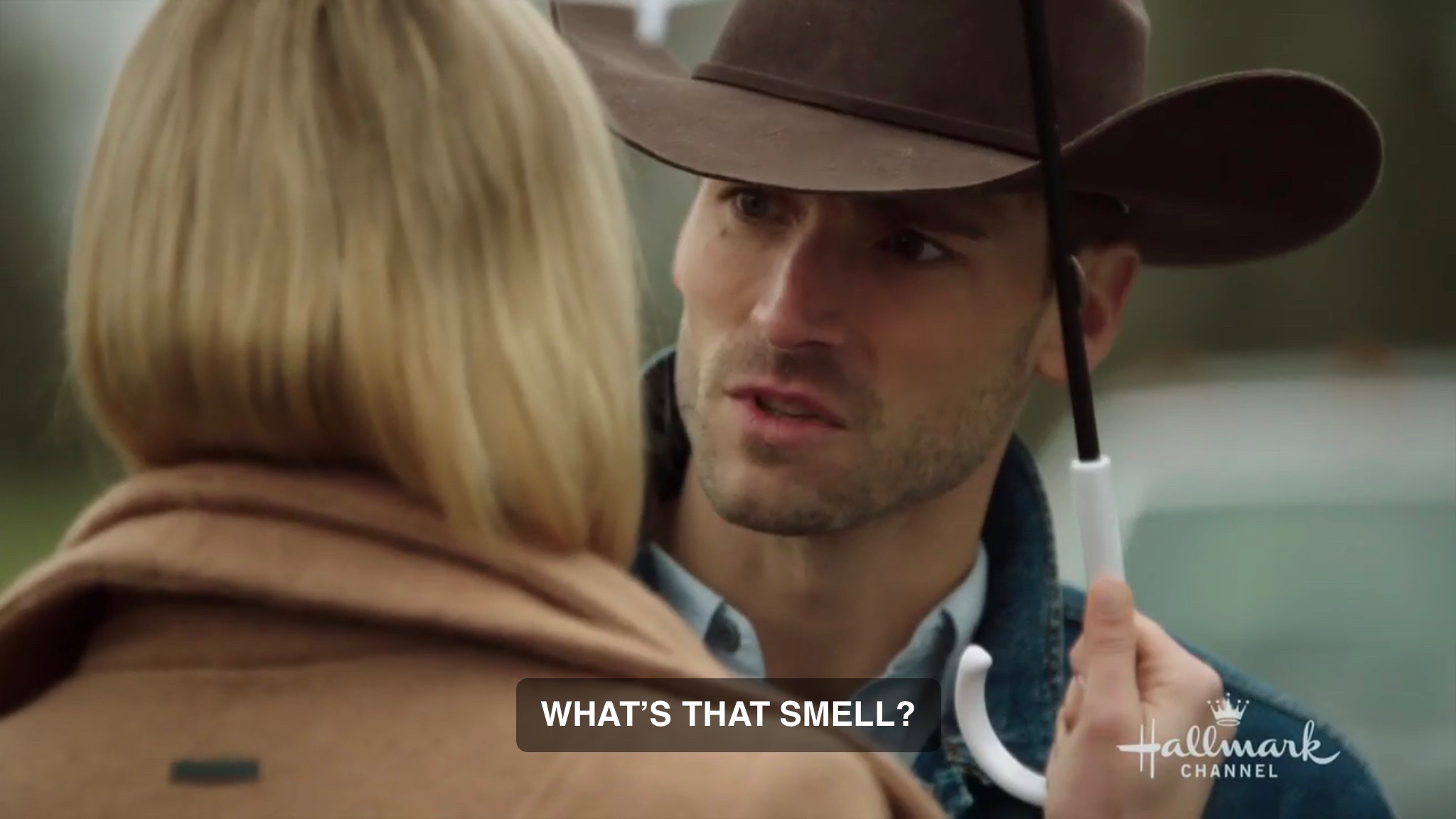
Of course she immediately runs into her childhood friend that she left town to get away from. That’s Clay played by Andrew W. Walker. After Bridal Wave, I guess he became a cowboy. He deals with the cows, and drops the info that she was known as Willy in town. I love how everyone will keep calling her by that name and won’t stop no matter how many times she tells them too. It’s like they don’t actually care at all what she thinks or wants to do with her life.

Now she pulls into town and goes to the Sycamore Springs Inn. I love that the lady (Fiona Vroom) seems to be disappointed that Mina doesn’t recognize her. Of course we get the popularity line, but we also find out she was a year behind her in school. I grew up in a small town. A year ahead or behind in school usually means you basically exist in a separate universe. Don’t really know what her problem is here. She also tells us of the upcoming Sweetheart Festival. She now checks her PDF file…

IMG_8334

and finds that they are booked solid. That means it’s off to her Aunt’s (Alley Mills) place. It was either that or a roll-away at the Squirrel’s Nest Inn.

IMG_8362

Hey, it’s Norma Arnold from The Wonder Years! That’s all to that really. She’s just there to remind Mina that none of them are going to call her by the name she wants to be called. Off to the restaurant called Hart’s Country!

IMG_8411

It’s at 23904 Fraser Highway in Langley, British Columbia, Tennessee. She’s showed up during United States appreciation month so the Canadian flag that is usually up was taken down. Inside, it looks like a nice diner.

IMG_8423

I think my favorite sign there is “Soup & Sarcasm: Now Served All Day”. That could almost be the tagline for all of my reviews. Of course Clay runs the restaurant. We find out that Clay’s Dad died three months ago. That’s sad, and they will never explain why he sold the restaurant so if you were hoping for some logic there, then you’re out of luck. She informs him that Hart’s was bought by ICB even though they can’t buy anything being a brand management company.

As I seem to do a lot with my reviews, this is as good a time as any to mention something about this movie I don’t know where else to include.

IMG_9533

I really did like the character of Lucien played by Antonio Cayonne who works at the restaurant. He always seemed to be nice and had a kind face throughout while never seeming wasted or a complete cutout of a character. Just wanted to point him out cause he’s a bright point in the film.

Let’s speed things up here since there really isn’t much to this story and you’ve got the setup now. She’s there to make sure they fall in line. It’s how she’s gonna spend time with Clay. Nobody is going to show a shred of dignity by simply calling her by the name she prefers without her reminding them to do it. But most importantly, the restaurant will sort of fight the changes. They kind of compromise, but still prefer to get their ingredients from local sources. It’s like they gave Damon Hill and Howard Chesley some sort of Hallmark movie writing bible and they wrote something quite generic and lazy. Let’s try to hit the main points.

IMG_8522

While I had to use the crib notes credits about the locations, this scene does reveal that this part of the movie was shot in Abbotsford, British Columbia. Also, this scene is one of the very very few times you’ll see Mina check-in with headquarters. It winds up making the final boardroom presentation she gives seem a little weird since you’d think they would have already known this stuff was in the works. That is unless they really trust her that much, which would contradict her boss telling her he thinks “it’s time you took the lead on your own project.” Just another hole in the script. None of these holes ruin the romance part really, but they do make the film needlessly confusing.

We get a conversation now that makes it clear Clay’s Dad did make a deal to sell his place and it included all the changes she is asking of him. That would mean it wasn’t like Hart’s was a public company that was bought out. Yet someone will tell Clay that his Dad would be spinning in his grave if he knew what was going on.

Now we get yet another scene to confuse matters more. Clay goes to the local bar to vent to his friend. We will ultimately find out that Clay took a big loan out to help his friend who runs the bar and Mina will tell him that’s a reason he has violated the agreement, but then that plot point seems to magically disappear from the story and return in a weird way near the end of the movie.

IMG_8735

The next notable scene is one where Mina says that Hart’s will serve Hamburgers, Hot Dogs, and Chicken among other things. One of the people says “it’s not actual food.” Another line that really doesn’t quite make sense at the time it’s uttered. Later we will find out that “actual food” according to her is homegrown which is really the restaurant’s main point of contention with being bought. The rest is small stuff that they can realistically all work out, but using only homegrown ingredients is expensive. This is also the part where we actually find out ICB only manages brands. They don’t actually own the brands in question. And scene! Seriously, as soon as she drops that bit of information so that future parts sort of make sense, it just cuts to Clay fishing.

This is now when Clay suddenly pulls a will out that says his father left the title to the restaurant to him. He says that means ICB owns the brand, which they don’t since they are just a management firm, but that he owns the restaurant itself. What? That just sounds like someone had an afterthought when writing this script. Also, this will not lead the movie to a conclusion of them giving up the Hart’s brand name and keeping the restaurant. That would end the film too soon and make too much sense.

Now we have a brief scene where they complain about uniforms and name tags. Why? The point of a uniform and/or a name tag is so you know who works there when you eat at a restaurant and so you can be polite by calling them by their name rather than “waiter” or “hey you”. It just makes the restaurant sound like they deliberately don’t want anyone from outside their small town coming to this restaurant. It’s weird and out of place.

Then we get the Sweetheart Festival scenes. It’s like they finally decided to stop heavily focusing on this re-branding stuff and give us some fun back and forth between the two leads. People still keep calling her Willy though. Yes, I know that it’s mentioned over and over because it’s supposed to represent that she has been re-branded herself with the new name, but it just makes the locals seem mean. This is especially noticeable with her Aunt.

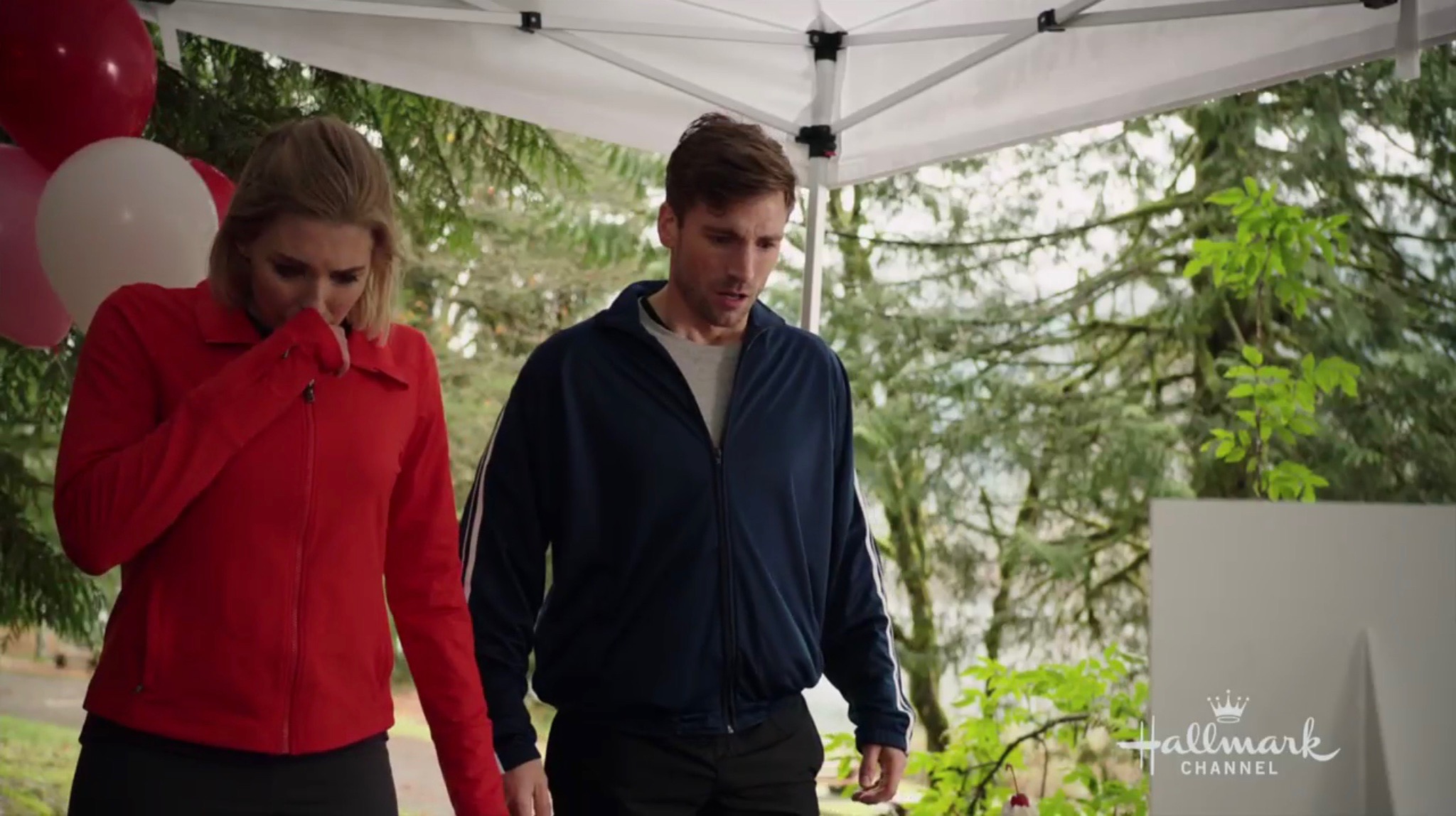
My favorite part of this festival is when they have a race where they have to stop at stations and eat food from the restaurant. Sounds like a recipe for a lot of people throwing up to me. However, I love when they come to the station that has The Pecan Tsunami on the table.
IMG_9216

The looks they get on their faces when they realize they have to eat that much desert this far into the race are pretty funny.

After the race, both of them start to loosen up and the movie winds down pretty quickly. The two spend some more time together. We find out more about how Clay is going to use local resources even more in the restaurant. The ex-boyfriend shows up and disappears pretty fast. But he doesn’t leave us before giving us two cellphone screen screw ups and a little more plot confusion. He’s not totally selfish.

IMG_9946

You can see the Canadian cellphone provider Bell at the top. The rest of the screen looking weird may be just because I caught the screenshot while the screen itself was changing, but probably not because this likely is just a screenshot given the next thing we see.
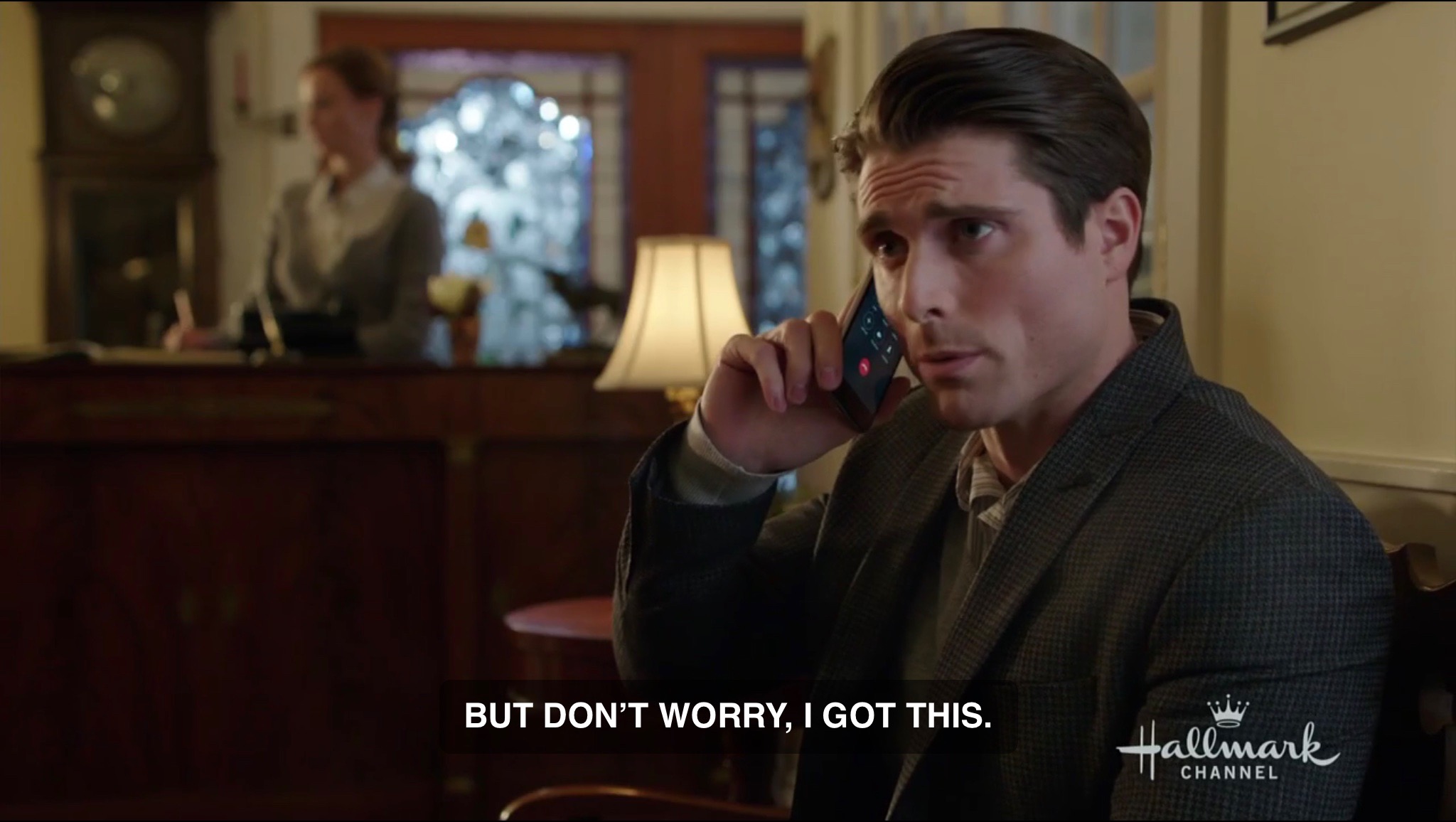
IMG_9949

Anyone who has ever used a cellphone knows that thankfully they turn off the screen when you put it to your ear so you don’t accidentally hit buttons. It wouldn’t do that, like it doesn’t here, unless he is simply talking to a cellphone with a screenshot displaying on it.

Now Reed tells Clay at the festival that the agreement Clay’s Dad made prohibits transferring of the property meaning Clay doesn’t own anything. He also says that the $100,000 loan he took out against his business to help his friend’s bar means that “the mortgage and entire property being turned over to ICB.” Wait…what? So first the will is invalid meaning Clay doesn’t own anything, but the loan he took out to help his friend is going to cause the property to be turned over to ICB that owned it in the first place. Did he mean that the bar was going to be turned over to ICB who again doesn’t own anything themselves? I don’t know. It ultimately doesn’t matter, but just adds needless confusion to the story which should be simple.

Now Mina goes back to ICB to tell them they shouldn’t turn Hart’s into “just another cookie-cutter chain”. She shows some photos that she has been taking with her iPad during the movie to show them what she is talking about. But then she starts to talk down to these people. She starts off with some reasonable things about having a place where they serve fresh food and everything. That sounds nice. I mean they have made it clear up to now that the business has close ties to the local farmers that supply them with the ingredients for the food, which the farmers in turn come to eat. They even can get the water locally. Sounds like that could bring down costs a bit and it seems like a neat idea to have a flagship store that is unique in a chain of stores. To my knowledge, this is something businesses do in real life. But of course there’s also the bit about “relentless advertising”, “60-inch TVs”, and “pictures of little league teams”. She also says, “We don’t need to re-brand Hart’s, sir. We should be using Hart’s to re-brand ICB.” Then this happens.
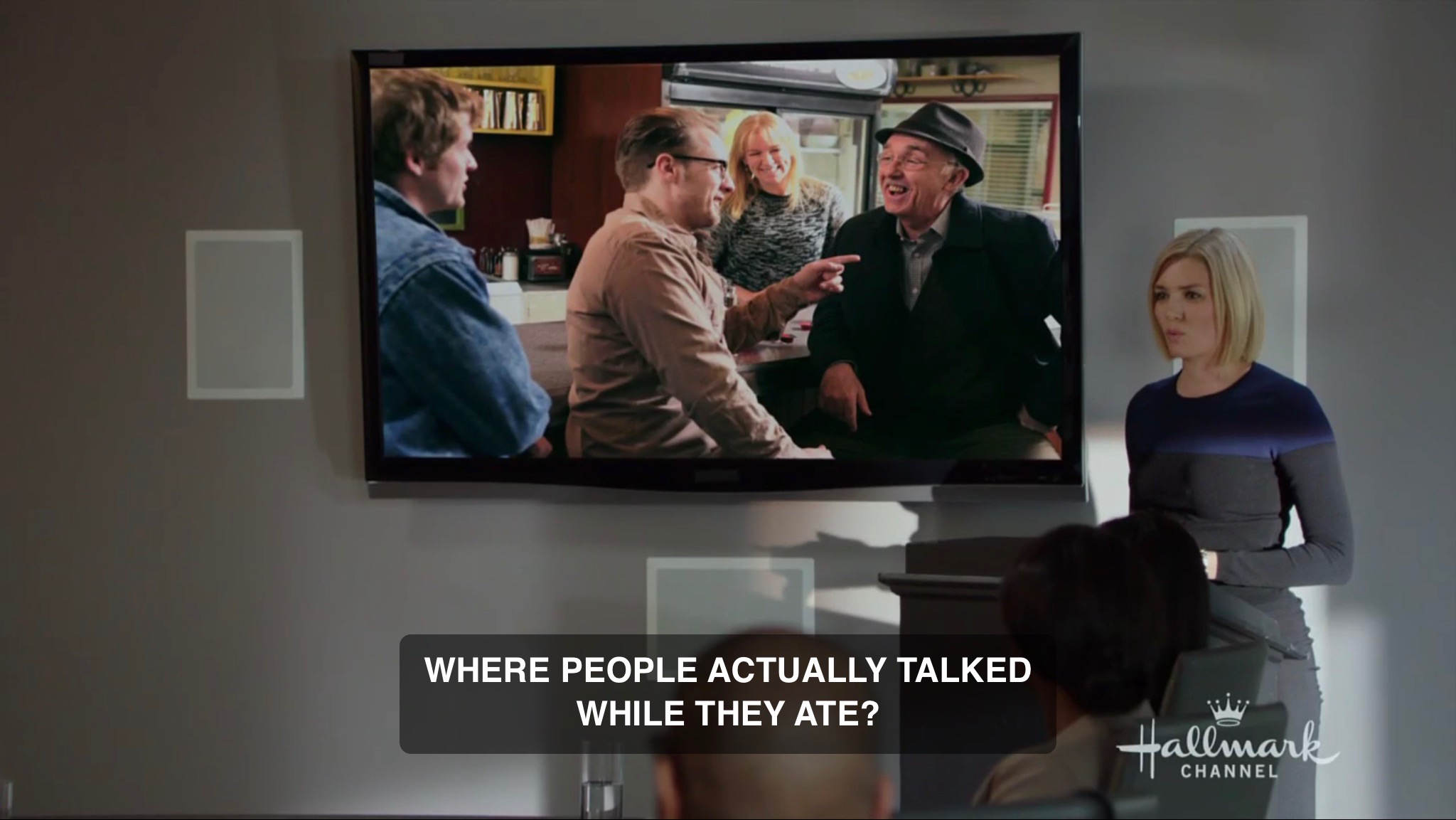
IMG_0535

She says that it would be nice for restaurants to go back to being a place where people “actually talked while they ate”. Not a bad point were it not for the fact that we saw her talking to her friend in a coffee shop just fine at the beginning. We also saw her and many other people talking in a restaurant at the beginning of the movie too.
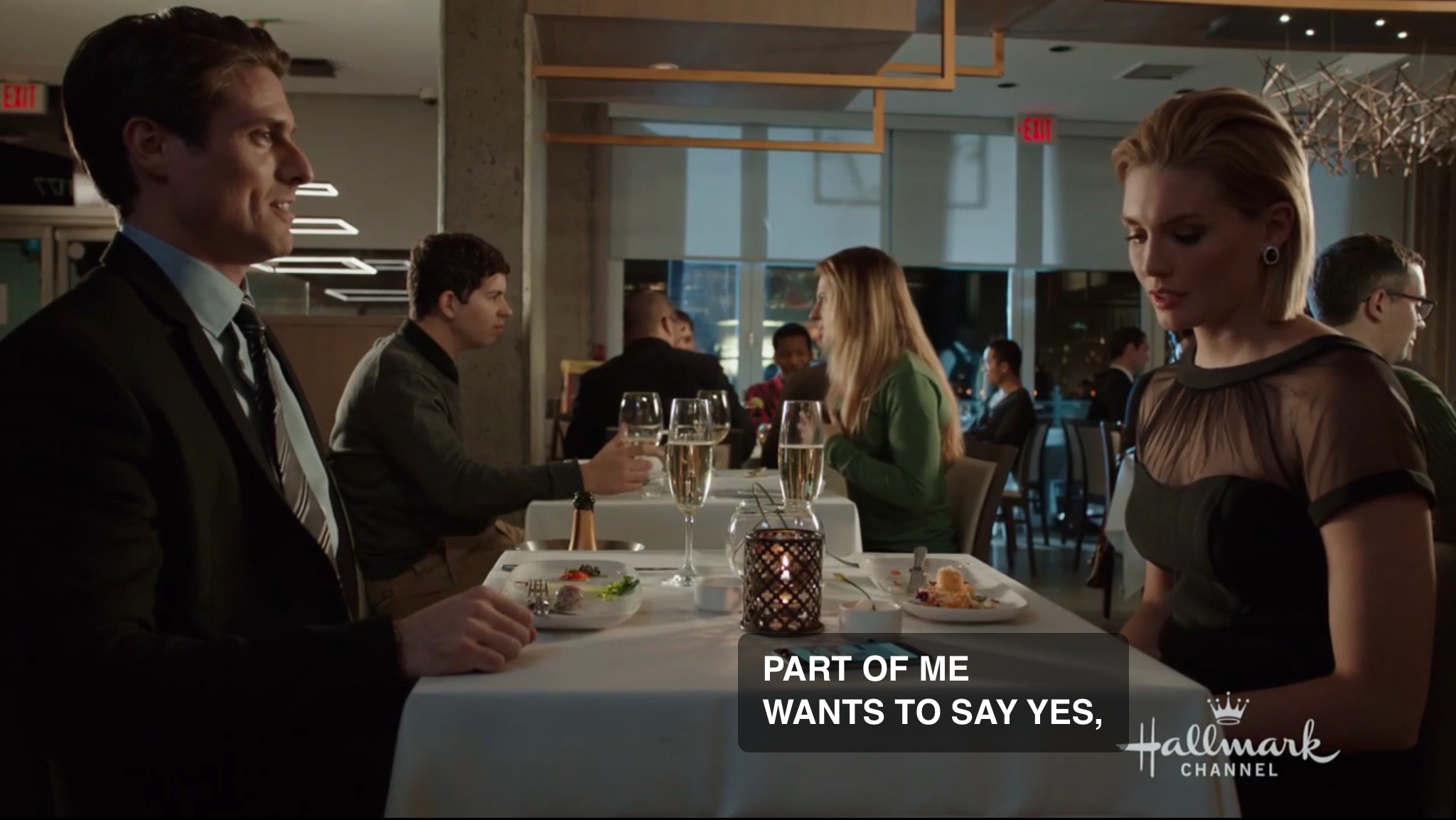
IMG_8183

Aside from being insulting even though some of her points make sense, again, ICB DOESN’T OWN ANYTHING. At the end of the day, it’s not their decision to make.

Well, of course after Jimmy Mina Stewart gets done with her speech we found out that it works, and in short order she winds up back with Clay. Cut to One Year Later and the business seems to be doing better than before. Must have been the relentless advertising and selling their own bottled water.
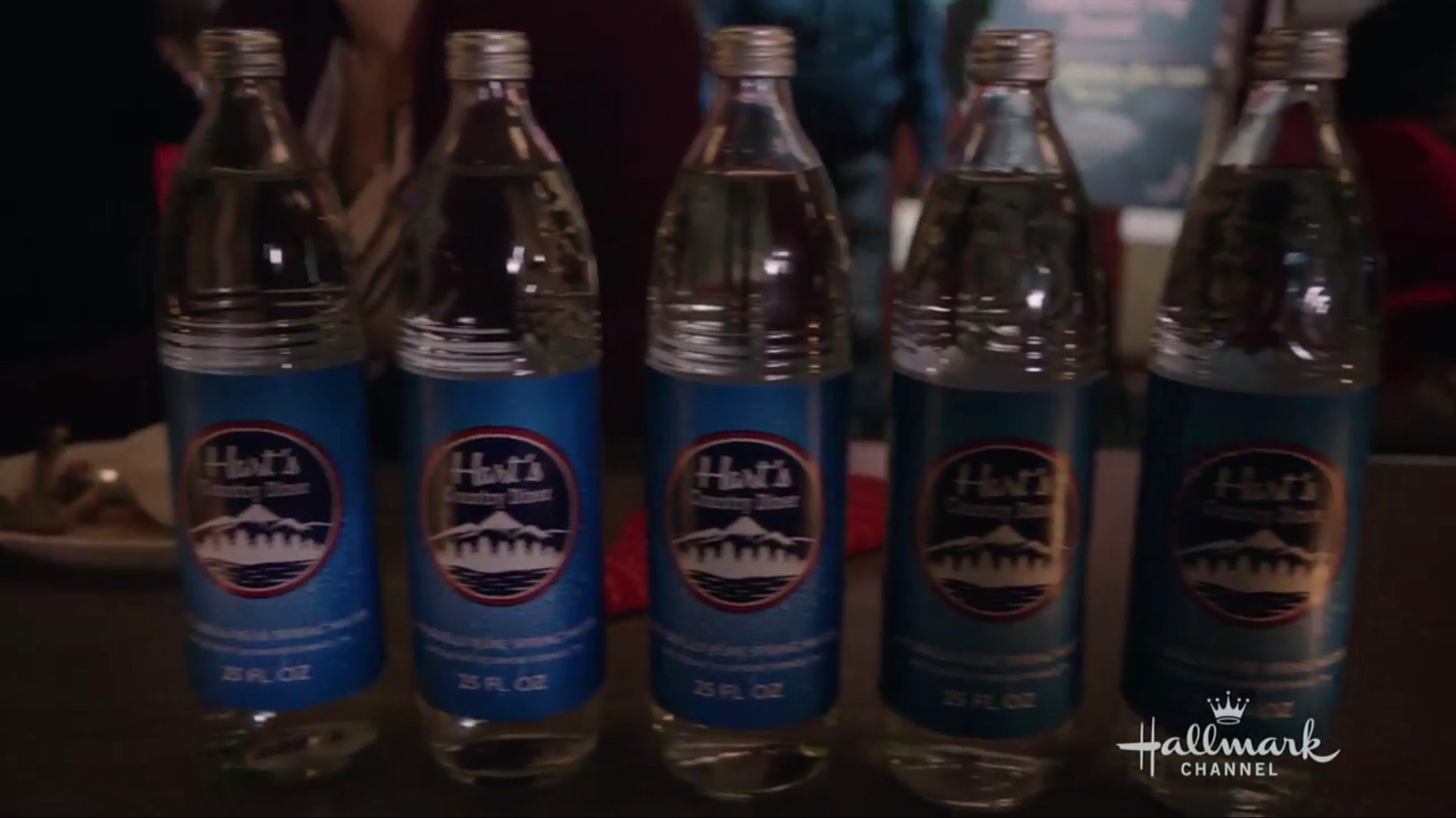
IMG_0608

Then they do something I never thought I would see in a Hallmark movie.

IMG_0624

They break the fourth wall for the final shot. Oh, and she’s pregnant.

My final thoughts on this one. The pros are the more ethnically diverse cast, the beautiful outdoor areas in Canada, and definitely actor Antonio Cayonne. The cons are the incessant it’s Mina not Willy thing, the confusing plot with ICB that didn’t really need to be that way, and the usual small towns are the bastions of the real America nonsense. The cons were too much for me this time around. I can’t recommend this one. Out of the recent crop of Valentine’s Day Hallmark movies, I would say it goes like this:

1. Anything For Love
2. Dater’s Handbook
3. Appetite For Love
4. All Things Valentine
5. Valentine Ever After

Here are the songs:

IMG_0636

Film Review: Flashback (dir by Claude Desrosiers)


movie-hp-promo-flashback

No, that image above is not my sister‘s latest discovery for artwork of the day.  Instead, it’s the only promo image that I’ve been able to find for a film called Flashback.  Flashback premiered on the Lifetime Movie Network on January 31st.  Because I was on a road trip when it originally aired, I had to set the DVR to record it.  I watched the film earlier today and I jotted down a few notes for my review.  Then, because I desperately needed the space on my DVR, I erased the recording.  I assumed that I would be able to get any other details I needed from the film’s imdb page.

Big mistake.

Unlike some obscure films, Flashback actually does have a page on the imdb.  But there’s next to no information about the movie!  There’s a brief (but surprisingly accurate) plot description.  Three members of the cast are listed.  Jeffrey Roy is listed as being the adr mixer.  But otherwise, no director is listed.  No producer.  No writers.  It’s very odd.

So, after discovering that the imdb was going to be little to no help, I decided to go to MyLifetime.com and look up the film.  And guess what?  The MyLifetime page does not list a director either!

After doing a few more fruitless Google searches, I quickly looked through my notes.  Maybe I had jotted down the director’s name.  Of course, I did not.

The lesson here is not to take the imdb for granted as a resource.  Especially when it comes to fairly obscure Lifetime films.

I would especially like to be able to name the director and writer responsible for Flashback because it actually tells a very heartfelt story and attempts to deal with a serious issue.  The films tell the story of Samantha (Roxanne McKee), a soldier with the National Guard who has just returned from Iraq.  While Samantha struggles to maintain an outward normalcy, she is actually suffering from severe PTSD.  (When we first see her, she’s holding a gun and hiding in a bathroom stall while her friends throw her a welcome home party.)  In Iraq, Samantha was involved in a friendly fire incident that led to the death of two soldiers.  Back home, she finds herself being stalked by another soldier (Tim Rozon), who blames her for the incident.  What gives this story a twist is that Samantha herself is unsure about what actually happened.  Whenever she tries to remember, she just has hazy flashbacks to a battle in Iraq.

(And, let it be said, the battle scenes were surprisingly well-done for what appeared to be a rather low-budget film.  The director did a good job of creating and capturing the feel of total chaos and confusion.)

And, in many ways, Flashback is a standard Lifetime film.  Even while Samantha is being stalked, she enters into a relationship with yet another soldier (Steve Lund), who is politically ambitious and has secrets of his own.  The whole thing even includes, as almost every Lifetime film does, a chase and confrontation at an isolated cabin.   But then the film ends with some statistics about PTSD and suicide and with two final words on the screen: “For Cathy.”  It’s a powerful moment and I’d like to give the director proper credit.  So, if you are the director or you know the director, leave a comment and let us know so that we can give credit where credit is due.

(UPDATE: Val has just informed me that this film was directed by Claude Desrosiers.  — LMB)

The other great thing about Flashback is that it featured Stacey Farber in the role of Samantha’s best friend!  If you’re a fan of Degrassi, like me and Valerie Troutman, then you will immediately recognize Stacey from her role as Ellie Nash!  Ellie was always my favorite character on Degrassi, largely because, as a redheaded film lover who used to dress exclusively in black and who has had some experience with rubber band therapy, I related to her in so many ways.  And while I remain a fan of the show, it definitely lost something when Stacey Farber left the show.  (That said, at least Ellie finally ended up with the totally hot Craig Manning!  Go, Ellie!)

Anyway, it’s interesting seeing Stacey Farber play a character who suggests that the best way for Samantha to deal with wartime trauma is to go on a shopping spree.  (That said, I probably would have made the same suggestion.  Shopping is always a good fallback remedy.)  But she does a good job in her role (as does the entire cast) and it was nice to see that, for her, there is life after Degrassi.

In fact, I’m going to end this review with three of my favorite Ellie gifs.

Film Review: Wrong Swipe (dir by Matthew Leutwyler)


50b641a0-b261-0133-9c31-060d1207e843

The image above is a still from a film called Wrong Swipe.  The women are sisters.  Anna (Anna Hutchison, who may be best known for playing doomed Jules in The Cabin In The Woods) is an uptight law school student who spends way too much time studying.  Her sister, Sasha (Karissa Lee Staples), decides that Anna desperately needs to get laid so she goads her into downloading the Swipe app.

What’s Swipe?

Well, for one thing, it’s an app with a really bad name.  But, beyond that, it’s kinda like Match.com for people who specifically want to run the risk of being stalked by a psycho.  If a user finds a profile that she likes, she “swipes” the profile.  The app uses the phone’s GPS to send you an alert whenever someone who you’ve swiped is nearby.

“Your crush is 100 feet away…”

So, Anna joins Swipe.  In order to make sure that her sister understand how it all works, Sasha decides to swipe some random guy’s profile.  That random guy just happens to be Todd (Blake Berris), the creepy guy who sits behind Anna in her criminal justice class.  Now, Todd thinks that Anna has a crush on him.

“You swiped me!” Todd says, at one point.

Anna goes on a few other Swipe dates.  She reconnects with a guy she vaguely knew in high school, Nate (Kevin Joy) but it turns out that Nate is kind of a jerk and plus, he attempts to drug her drink during their date.  Uh-oh, Nate’s not a good guy!

Then Anna meets Pete (Philipp Karner).  Pete is sweet and sensitive and handsome.  Anna and he have an immediate connection and, as you watch them together, you just know that they’re eventually going to end up in a commercial for Swipe.com.  Anna and Pete will be sitting in front of a fireplace.  Anna will say, “I joined Swipe.com and two days later, look what I found.”  And then Pete will say…

Well, actually, Pete won’t say anything.  Pete ends up getting murdered.  Sorry, Anna.  Could Pete’s murder be somehow connected to the anonymous threatening messages that Anna has been getting ever since she joined Swipe?

In case you hadn’t already guessed, Wrong Swipe is a Lifetime film.  It aired on February 13th, just in time for Valentine’s Day.  There are a few things that you can always be sure about when it comes to Lifetime films.  You can always be sure that men will be untrustworthy, mom will always be right, and the bonds of sisterhood will never be broken.  You can also always be sure that using any sort of technology will lead to grave misfortune.  I’ve lost track of how many Lifetime films I’ve seen about terrible things happening as a result of someone spending too much time online.

(It’s kinda like that film Disconnect, except more fun and less preachy.)

With Wrong Swipe, Lifetime exposes the dangers of online dating for the hundredth time.  At this point, Lifetime has gone from being Television For Women to being the “You Kids And Your Goddamn Gadgets!” Network.  That said, there’s a certain charm to how predictable it all is.  Lifetime is all about the melodrama and Wrong Swipe has plenty of that.  It may be familiar but it’s comfortable at the same time.

Wrong Swipe was probably at its best when it dealt with the bond between Anna and Sasha.  Their relationship reminded me of my relationship with my sisters.  At the same time, it was hard not to wonder how Anna could possibly have randomly met so many weird men in such a short amount of time.  One of them, of course, had to be weird because he was the psycho who was stalking her.  But the others were just red herrings who all happened to act like psychos even if they weren’t the psycho.  In fact, all of the men were so over-the-top in their suspicious behavior that it actually made it easy to figure out who the stalker was because he was the only suspect who wasn’t totally and completely obvious.

One final note: Wrong Swipe is unique for actually showing Anna doing a Google search.  Usually, Lifetime films will come up with a fake search engine for its characters to use but Wrong Swipe went ahead and just used google.  That said, Anna was not using quotation marks when she typed in her search terms so it probably took her far longer than necessary to find what she was looking for.

As for whether or not you should make it a point to see Wrong Swipe the next time it comes on TV … eh.  It’s nothing special but if you enjoy Lifetime films, it’s okay.


Film Review: Pregnant At 17 (dir by Curtis Crawford)


Pregnant-1-620x362

Before I talk too much about the last night’s Lifetime premiere, Pregnant at 17, I want to share something with you.  As of 10:00 pm on the night at February 20th, this is the imdb plot description, which was posted by Reel One Entertainment:

When Sonia finds out her husband of 10 years is having an affair, she decides to get to know the young woman, Chelsea, he’s fallen in love with. Chelsea, a free-spirit who believes in polyamory, brings a happiness and fulfillment to Sonia that she’s never experienced before– especially since her miscarriage which left her depressed and hopeless. The three form a polyamorous relationship until an unexpected turn of events sends all of their lives into a tailspin.

Wow, that sounds like a lot of fun, doesn’t it!?  Certainly, this is the first time that I’ve seen the term “polyamory” used in a plot description since Utopia went off the air!

However, by the time you read this review, I imagine that the plot description will probably have been changed because it’s absolutely inaccurate.  It is true that Sonia (Josie Bissett) does find out that her husband, Jeff (Roark Critchlow), is having an affair with Chelsea (Zoe De Grand Maison).  However, Chelsea is not a polyamorous free spirit.  Instead, she’s a 17 year-old girl who works at an ice cream parlor.  (The name of the parlor is Stella Lama.)  And, though Jeff does have an affair with her, he never falls in love with Chelsea.  In fact, when Chelsea tells him that she’s pregnant (at 17!), he promptly attempts to pay her off.

That’s right — Pregnant at 17 is yet another installment in Lifetime’s endless series of “…at 17” films.  Over the past few years, we’ve seen everything from Betrayed At 17 to Stalked At 17 to Framed At 17 to Accused at 17.  Seriously, it’s not easy being a 17 year-old girl on Lifetime!  The worst things are always happening to you.  Since I had a lot of melodrama in my life when I was 17, I always enjoy and relate to the “…at 17” movies.  Pregnant at 17 was a film that I could especially relate to because it was about a girl who had both red hair and a boyfriend named Jeff!

Even without the promised softcore polyamory, Pregnant at 17 was still wonderfully melodramatic in the way that only a good Lifetime film can be.  After Sonia discovers that Chelsea has been sleeping with her husband, she goes down to the ice parlor to confront her.  However, within seconds of their first meeting, Chelsea is offering Sonia free ice cream and talking about how difficult her life is.  Sonia feels sorry for Chelsea and, instead of confronting her, ends up befriending her.

And Chelsea really needs a friend!  Not only has she been abandoned by her married boyfriend but she’s also being stalked by Greg Foster (Rogan Christopher).  Apparently, before she met Jeff, Chelsea witnessed Greg robbing a convenience store.  Chelsea identified Greg to the police and Greg has spent the last year in jail.  Now, he’s out and he wants revenge!  Helping Greg is his sister, Laren (Corina Bizem).  We know that Laren is dangerous because she wears way too much dark eyeliner.

When Sonia confronts Jeff about his affair, he replies, “You’re not perfect, either.”  Guys, if you’re reading this — if you are ever caught cheating, do not attempt to excuse your actions by saying, “You’re not perfect, either.”  SERIOUSLY, THAT IS THE WORST POSSIBLE THING YOU CAN SAY IN THOSE CIRCUMSTANCES.

(Forgive me for the all caps but I think this is an important message to impart.  If I can teach a lesson, I am always happy to do so.)

Now, at this point, I was thinking about a friend of mine who found out that her boyfriend was cheating on her and she responded by supergluing his penis to his stomach.  (Yes, that is a true story and yes, the person who suggested it to her was inspired by Reservoir Dogs.)  However, Sonia doesn’t go that far.  Instead, she just makes Jeff sleep in the guest room.  The next morning, Jeff gets hit by a car and ends up laid up at the hospital.

That now means that there’s extra room in Sonia’s house!  And who better to move in but her husband’s pregnant mistress!?  Of course, by doing so, Sonia is now being stalked by the same people who have been stalking Chelsea…

Seriously, being pregnant at 17 is the least of Chelsea’s problems.  This is pure Choas at 17.

And no, there’s no polyamory.  There’s no threesomes.  I know that the plot description promised a threesome but that’s not the type of movie that Pregnant at 17 is.  This is not Carnal Wishes or Big Bad Mama. And really, that’s okay.  Pregnant at 17 is a lot of fun, just the way it is.  This film epitomizes everything that we love about Lifetime movies.  It’s so over the top that watching it is a pure delight.

Both Josie Bissett and Zoe De Grande Maison also deserve a lot of credit for fully committing to their roles.  Bissett, who was so good in A Mother’s Instinct, gives another excellent performance here.  Meanwhile, Maison does all of us redheads proud!

Keep an eye out for Pregnant at 17!  You will not be disappointed.


Rocking the Waves: The Endless Summer (1966, directed by Bruce Brown)


The Endless Summer“With enough time and enough money, you could spend the rest of your life following the summer around the world.”
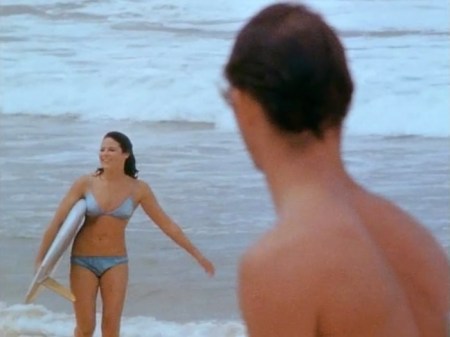

That’s the idea behind The Endless Summer, Bruce Brown’s classic surfing film.  The Endless Summer follows two surfers, Mike Henson and Robert August, as they make their way across the world, following the summer, exploring virgin beaches, and finding new waves to conquer.  The journey starts in California and takes them to Africa, Australia, New Zealand, Tahiti, and finally to Hawaii.  Along the way, they discover some surprising things about the world circa 1965.  For instance, in Senegal, it costs 30 dollars to stay overnight at a hotel.  Even worse, it costs a dollar to get a cup of coffee and a gallon of gas!  They also teach some of the natives that they meet how to surf.  As they leave one beach in Africa, Brown says that the local tribe now knows only one English phrase: “Hang ten!”

The Endless Summer is usually considered to be a documentary but mostly, it is just director Bruce Brown talking about the history of surfing and how much he loves it.  The only soundtrack to be heard in the film is Brown’s narration and the music of the Sandals, a California surf band.  Brown’s narration is casual and conversational, mixing corny jokes with hepcat slang and ruminations on the philosophy behind surfing.  He also takes the time to explain what a bikini is.

Endless Summer 2

Though The Endless Summer is usually thought of as being a surfing film, it’s also a rock film.  During the early 1960s, surf culture and rock culture were largely interchangeable.  Surfing films were a huge influence on rock and roll because surf music was born at their screenings.  When a filmmaker like Bruce Brown would screen one of his films, he would often provide live narration while playing either west coast jazz or a rock instrumental in the background.  For many future aspiring musicians, going to the screening of a surf film would also be their introduction to bands like the Fireballs, the Revels, and the Ventures.  Without surf films, there would have been no surf music and no musicians inspired by it.

The Endless Summer may only feature one band on the soundtrack but it captures the free spirit of mid-60s rock and roll.  It is a seminal film that will be enjoyed even by people like me who have never surfed a day in their life.

Endless Summer 3

Film Review: Deadpool (2016, directed by Tim Miller)


Deadpool_posterWade Wilson (Ryan Reynolds) is a mercenary with a sense of humor and a heart of not quite gold.  When he is diagnosed with terminal cancer, he leaves his girlfriend, Vanessa (Morena Baccarin), and agrees to allow a secret organization to experiment on him.  They will cure his cancer but, in return, they expect him to serve as a super powered slave for their own clients.  After being severely disfigured by the sadistic Ajax (Ed Skrein), Wilson develops a super human healing ability.  Eventually, Wilson escapes but now fears that he’s too twisted to return to Vanessa.  Taking on the identity of Deadpool, Wilson tries to track down and get his revenge on Ajax (real name: Francis).

From the moment I heard that 20th Century Fox was producing a Deadpool film, I had only one request: “Don’t fuck it up.”

After all, there is a reason why Deadpool is one of the most popular characters to come out of Marvel’s later period.  He’s certainly the best thing that Rob Liefeld has ever had a hand in creating.  First introduced in New Mutants and subsequently used in the various X-books before getting his own ground-breaking series, Deadpool has earned the right to be known as “the merc with a mouth.”  Deadpool was popular because, out of all the characters in the Marvel Universe, he alone understood that he was in a comic book.  He would frequently break the fourth wall and talk about how ridiculous life as a comic book antihero was.  At a time when almost all other super powered characters were presented as being grim and troubled, Deadpool was the often vulgar antidote to comic books that took themselves too seriously.

(My favorite Deadpool moment was when Deadpool had been once again incorrectly assumed dead.  When Blind Al told Weasel that Deadpool was dead, the footnote at the bottom of the panel read, “Guess the series is over!”)

dp

I saw Deadpool last weekend.

They did not fuck it up.

My biggest fear was that the Deadpool movie would present a neutered or toned down Deadpool but there was no need to worry.  Though the film’s plot may be a standard origin story with a revenge subplot tossed in, Deadpool distinguishes itself by staying true to the character’s anarchistic and self-referential humor.  This is not a case of Dolph Lundgren putting on a trenchcoat, driving a motorcycle, and calling himself the Punisher.  And it is certainly not a case of the strange character that Ryan Reynolds played in X-Men Origins who was supposed to be Deadpool but definitely was not.  Deadpool allows Deadpool to be Deadpool, right down to the red uniform, the broken fourth wall, and the R-rated humor and violence.  Deadpool earns its R rating and wears it as a badge of honor  This is not a movie for children.  Everything that most heroes do and say off-camera, Deadpool does and says for the entire audience to see and hear.

That's not Deadpool!

That’s not Deadpool!

That's Deadpool!

That’s Deadpool!

Deadpool ends with the promise of a sequel, perhaps one that will include Cable.  Since Cable is one of my least favorite Marvel characters, I hope that the sequel will at least see the return of Colossus (rendered by CGI and voiced by Stefan Kapicic) and Negasonic Teenage Warhead (Briana Hildebrand), both of whom make welcome appearances here.  Negasonic Teenage Warhead especially deserves her own spin-off film.  Let her blow up shit for two hours.  I’ll watch.

Also, if the sequel has to feature Cable, I hope it will also include Dr. Bong.  Deadpool needs all the help he can get!

1988445-doctor_bong_diagnosis_deadpool_26

Hallmark Review: Anything For Love (2016, dir. Terry Ingram)


IMG_5884

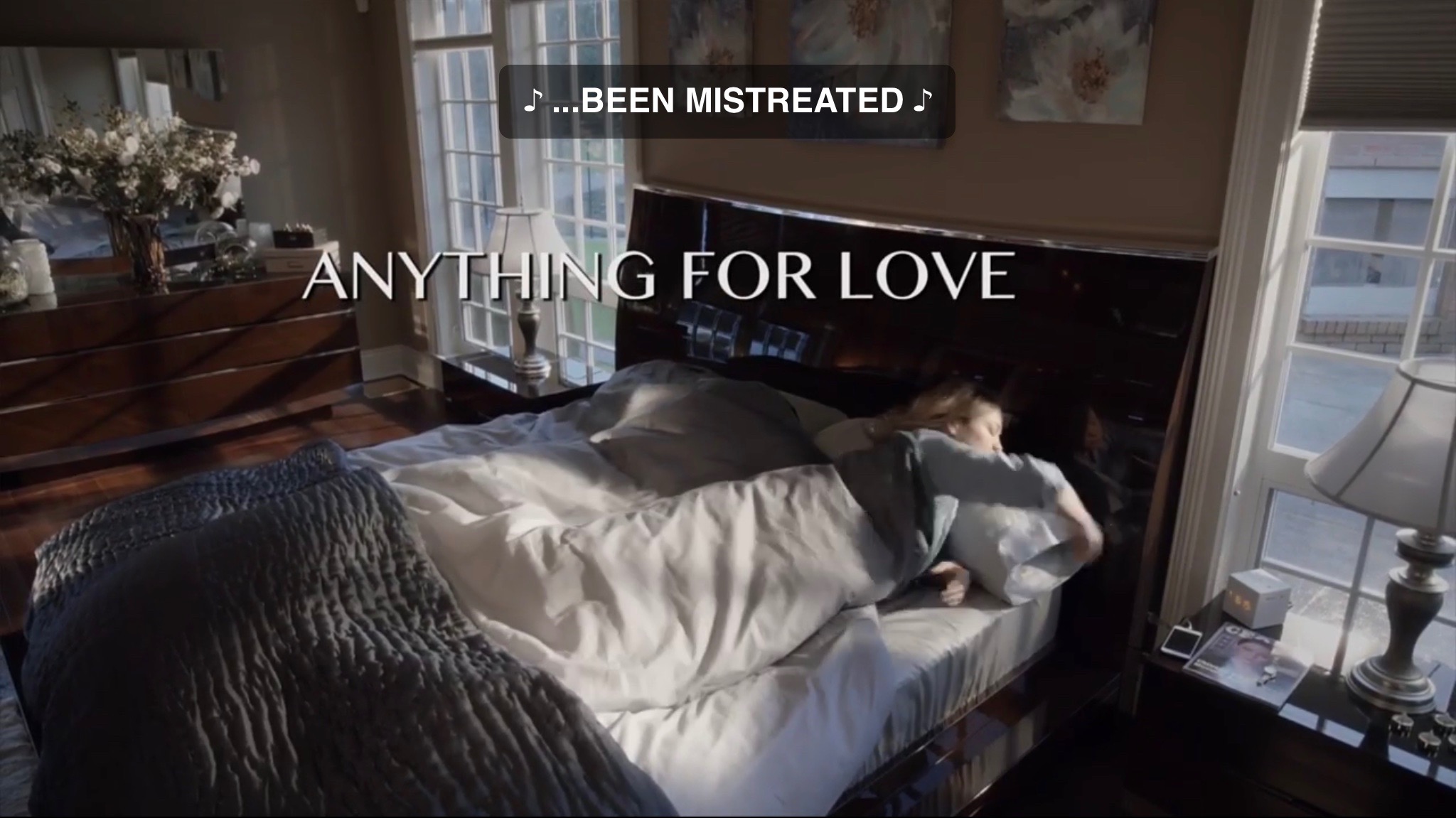
“And I would do anything for love. I’d run right into hell and back. I would do anything for love. I’ll never lie to you, and that’s a fact. But I’ll never forget the way you feel right now. Oh, no. No way. And I would do anything for love. But I won’t do that. No I won’t do that. Anything for love. Oh, I would do anything for love. I would do anything for love. But I won’t do that. No I won’t do that.”
-I’d Do Anything For Love (But I Won’t Do That) performed by Meatloaf and written by David Steinman

Okay, as much as that song fits the tile, they really couldn’t open a romantic comedy with such a serious operatic song. Instead, we dip into another 1970’s artist’s repertoire for a song. Well, 1970s when she was solo. That being Linda Ronstadt singing When Will I Be Loved.

The movie begins and we are introduced to Katherine Benson (Erika Christensen) and Jack Cooper (Paul Greene) as they both get ready for work. She’s a president of a real estate firm and he is a nurse. I have to admit that while I recognized Linda’s voice, I wasn’t sure who it was till I looked it up later. Also, it didn’t help that the movie cuts to Jack in bed during the song and his Great Dane is named Roxy. Of course that made me think of Roxy Music and their song More Than This.

However, while Bill Murray was in Lost In Translation, sang the song, it was directed by Sofia Coppola, and Paul Greene was in her film Somewhere (2010), there is a more appropriate Roxy Music song for a later scene.

As soon as Katherine arrives at work we meet her secretary named Debbie.

IMG_5927

I’m really not sure if we are meant to look down on Debbie for dating so many men or not. I get the feeling that we aren’t. She is supposed to stand in contrast to Katherine as someone who may be just an executive assistant, but seems to be a whole lot happier because she puts herself out there. Katherine seems wound pretty tight and isolated even if she is rich and powerful.

Despite her tough exterior and what she soon says to her father, I’d say Katherine wants to know what love is (I Want To Know What Love Is by Foreigner).
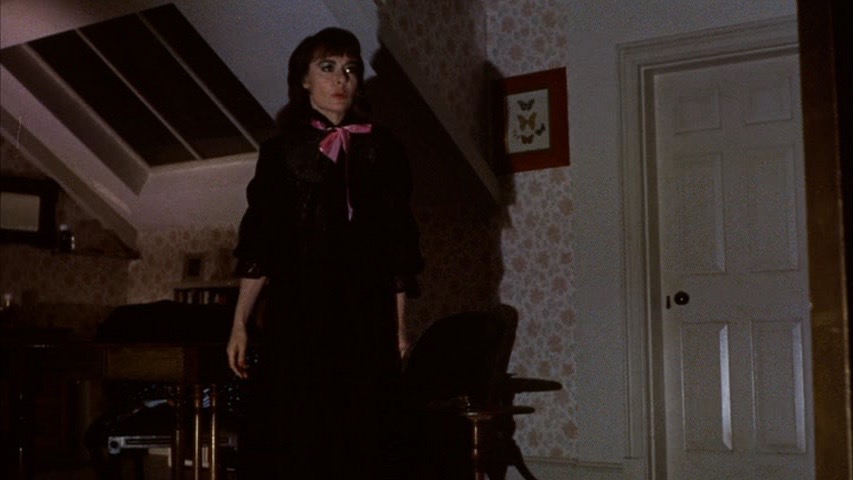
Hey! If Hallmark can start whipping out Billy Joel, REO Speedwagon, and Linda Ronstadt, then I can add some great music to my reviews too.

We now meet Katherine’s father named Edward Benson (Tom Butler). He walks right in and tells us her it’s about time she gets serious with her boyfriend named Charles (Antonio Cupo). She’s worried that he might just want to get his hands on her company. That’s when Dad pulls out the big guns.

IMG_5975

That’s right! A picture of her on a pony. He reminds her of how scared she was to get on it till he got her on it and walked with her the whole way. He says he would walk “a million circles before I’d ever let any harm come to you”. That may be true, but she deserves a man who would walk 500 miles just to fall down at her door (I’m Gonna Be (500 Miles)).

I kind of feel bad if the movie is going to make this so easy for me. Nevertheless, since he did whip out the pony and they did start with Ronstadt, I simply can’t let it slide. Here is The Stone Poneys’ Different Drum. Even if it is getting a little ahead of myself.

Now we go to work with Jack at the hospital. There is a little subplot here, but I’m gonna be blunt. That subplot is really just there for one reason. So that we can at least see Jack do some nursing. He just basically tries to help the kid from shutting himself out from the world and only living in fear of his upcoming surgery. He sort of takes away his gaming device to give him a book. I thought it was a bit ridiculous since studies have shown that gaming really helps patients in hospitals. However, honestly, it isn’t helping this particular kid. It still comes across as a bit of pandering to a fear of technology and modern culture, but I’m okay with it here.

IMG_6034

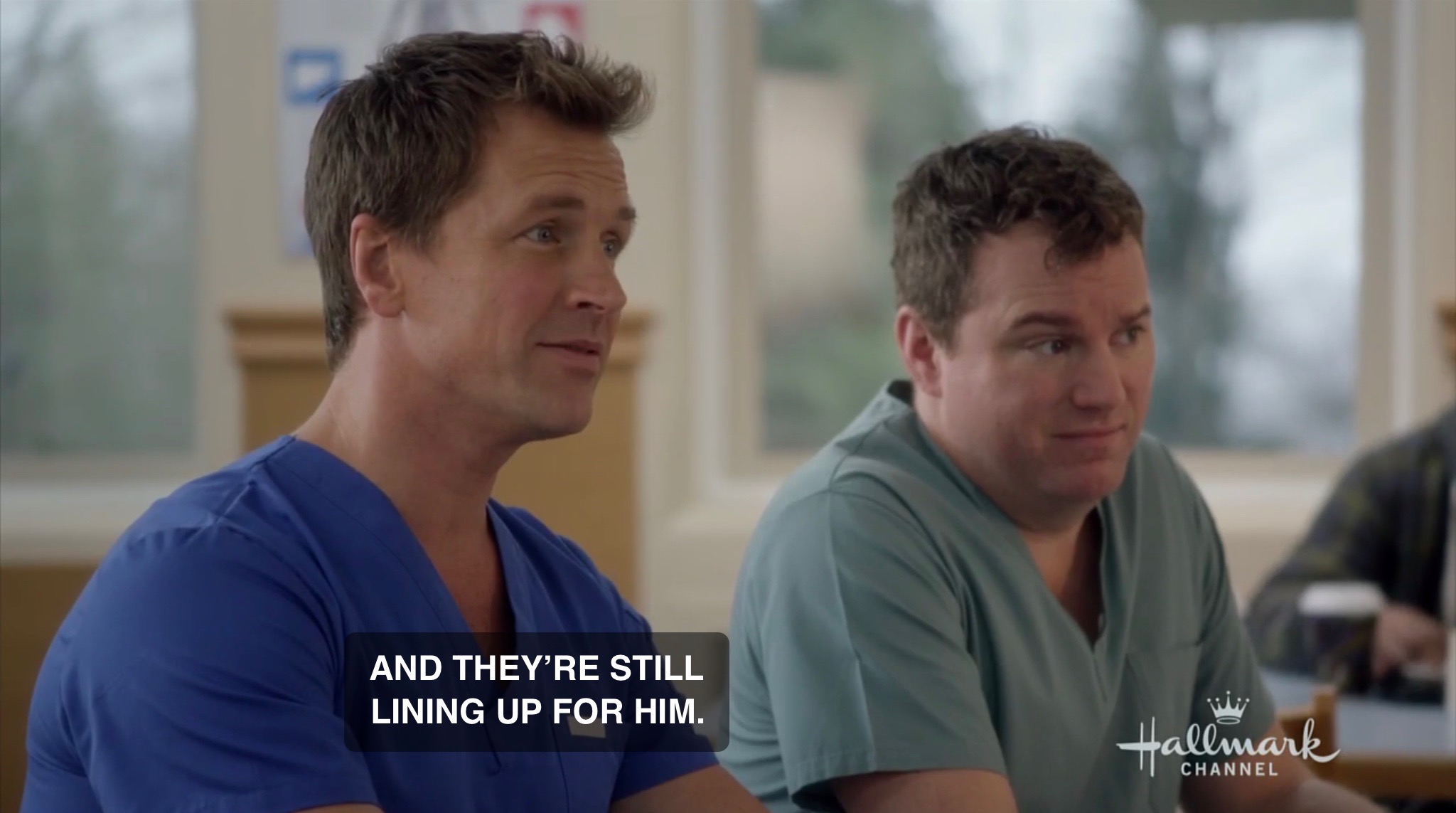
This is as good a time as any to mention that any weirdness about male nurses in this movie is kind of stupid. I mean if this were the pre-ER days, then sure. But it isn’t. That show had plenty of male nurses and was extremely popular. It just seemed dumb to me. Luckily, our man Jack basically feels the same way even if his unhelpful friend here is making him a bit of a jealous guy when they are looking at ladies throwing themselves at the doctors. I’m going with the Roxy Music cover version here since I promised at least one more their songs (Jealous Guy by Roxy Music).

Now we go out with Katherine and her boyfriend Charles. Charles does the standard low key I’m not the right guy Hallmark thing. He also proposes. Well, sort of.

IMG_6109

He seems to want to pin her and go steady. I’d cue up Neil Sedaka, but that would imply this is them going steady again. I’d say he’s thinking more When In Rome’s The Promise…

while she’s feeling more like Real Life’s Send Me An Angel rather than sticking me with Charles.

IMG_6163

That awkward moment when you spend a bunch of time looking for the appropriate song for a scene, go with Send Me An Angel, then come to the next scene only to remember that one of the minor characters is named Angel. These girls are just here to setup what both Katherine and Jack are going to do for love. We find out from Jack’s friend that he should lie about his job to get girls. In his case it’s upscaling to a doctor. In the next scene, it’s Debbie convincing Katherine that she should downscale to an executive assistant like herself in order to get men. This leads both to put up fake profiles on a dating website. It also means I get to post Lies by The Knickerbockers.

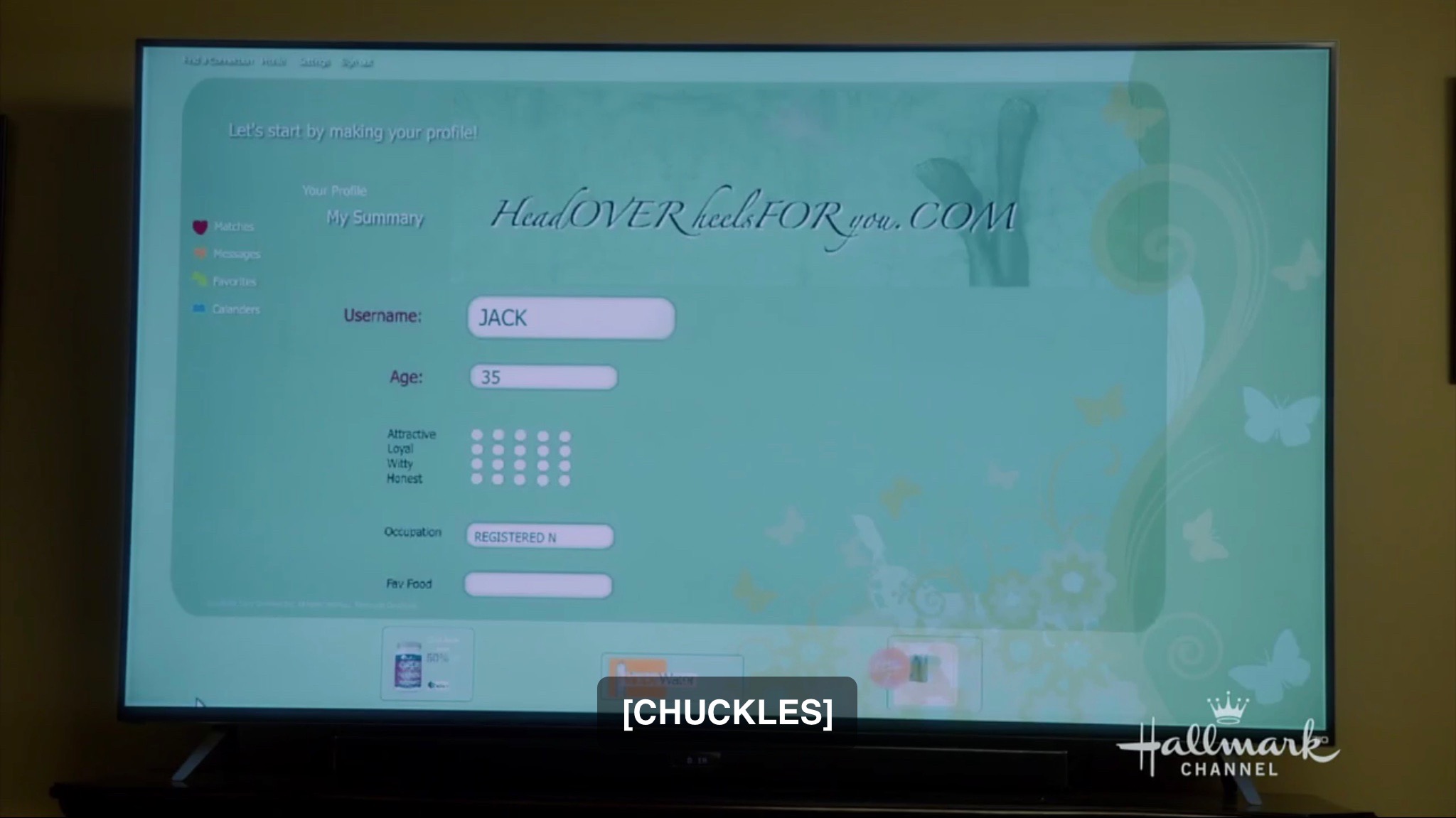
IMG_6283

Yes, you are reading the title of the website right. So here you go with The Go-Go’s Head Over Heels.

And yes, Debbie is signing Katherine up as if she is her. I love that her favorite food is “Black Coffee”. That, and is that a fake pharmaceutical type ad at the bottom of the dating website?

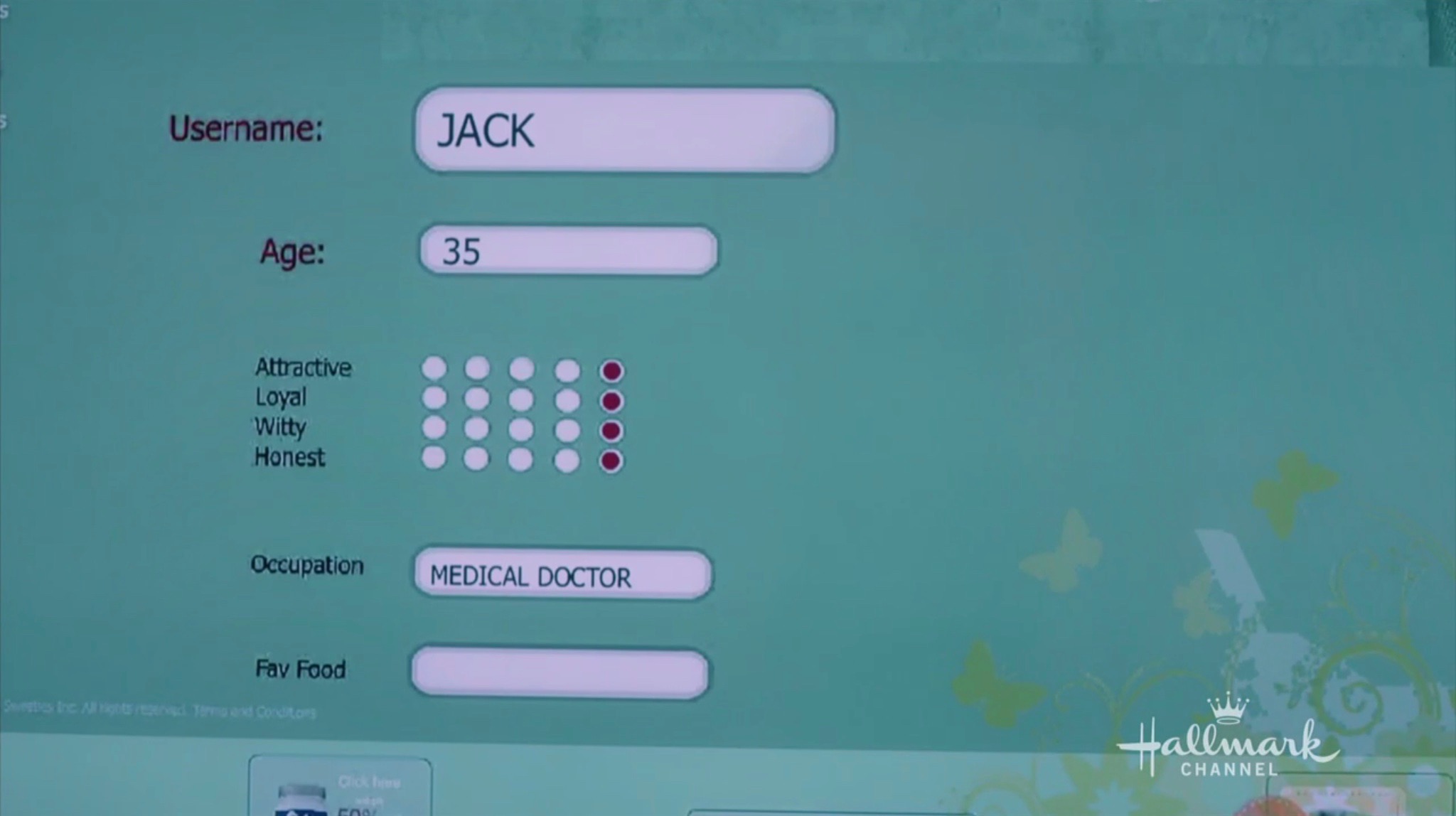
IMG_6297

I guess that’s a yes. You can see that Jack is being honest. Sadly, his friend is in the room. While Jack steps out of the room, he changes Jack’s occupation to a doctor and submits the profile causing Jack to not know he hasn’t been truthful.

IMG_6321

The funny thing is, that’s a real dating website run in the UK.

Now we get something that I just plain don’t get.

IMG_6359

The sign behind the lady. There’s no drugs on the premises? What? This is a hospital. Wouldn’t drugs be all over the place. Please if you have an explanation for this then tell me cause it makes no sense to me. However, I think it’s a mistake cause the sign is covered over later in the movie.

IMG_7276

Now they start dating which begins with bowling. I’m sorry, but we’ll just have to imagine they left the skinheads at home cause Camper Van Beethoven has the only bowling song I know (Take The Skinheads Bowling by Camper Van Beethoven).

I like the sweet scene that follows. Katherine walks into her office to find two sets of flowers. One is from Charles and the other is for Debbie, as Katherine tells her father. However, they are for Katherine and she treasures them. It’s a nice scene.

So there’s your setup. You have Jack who believes he is dating a woman named Debbie who is an executive assistant that thinks he is a doctor. You have Katherine who is playing along, but only in that she is named Debbie and an executive assistant. Not in her feelings for him. Jack does figure it out though, but decides to play along that he is a doctor.

Ultimately, they are going to end up together after a minor speed bump. Yes, the whole he’s not a doctor thing of course, and Charles is behind the reveal. We have stuck with largely 1980s songs so let’s go with what Charles does to get information on Jack. Sing it, Hall & Oates!

She actually breaks it off with Jack and nearly ends up with Charles, but after saying things that are important to a relationship, she throws him a curve ball. He asks him if he would want her if she had Debbie’s job. This is not the face you want to give anyone you want to believe that you are never gonna give up.

IMG_7860

And yes, that means Rick Astley.

Didn’t think you were going to get away without him, did you?

The movie has a cute scene where Katherine goes to the hospital and pages Jack. Jack hears it then pages her. They briefly talk, then kiss.

IMG_8004

The movie doesn’t explicitly say it really, but it’s very much implied that this is one step away from marriage. In other words, together forever, which of course were the words I used so that I could include Rick Astley again.

Oh, and of course the kid goes off to surgery okay. The book did help him to stop ruminating, calm down, and go forward with what he needed to do.

What are my final thoughts? It’s just a little above average I would say. It avoids some of the typical cliches and doesn’t feel cheap. Case in point, when they are on the roof of a building, they are actually outside. Sadly, that is not a given in Hallmark movies. Don’t seek it out, but if it’s on, then I don’t think you’ll be disappointed if you like Hallmark romance movies.

If you’ve put up with all my musical references, then I end this with probably the most bizarre music video for a love song I’ve ever seen: I Believe In A Thing Called Love by The Darkness.

Transgender Film Review: I Want What I Want (1972, dir. John Dexter)


vlcsnap-2016-02-13-13h59m55s813

I can’t get my hands on a copy of The Danish Girl through Netflix until March. As a result, I decided to finally do something I promised on this site last August. That being, among other things, that I would review the film I Want What I Want. I came across this film on a list of Queer Cinema I found on Letterboxd. Well, it’s sort of a transgender movie. Kind of. Not exactly. More like a feminist film from the early 1970s that happens to have a trans woman at the center of it. If that sent shivers down your spine, then you are probably transgender like myself.

Before we actually get to this film we need to look at the full DVD title for it: “I don’t want to live the rest of my life as a man…I want what I want…to be a woman.”

First off, she always was a woman. Trans women are women. End of story. Any mythical idea of transition is only to make ourselves feel more comfortable with who we are. That means we don’t have to do anything whatsoever and we are women. The same goes for trans men. A point lost on people even today so I guess I can let it slide in 1972 even though I don’t want to.

Secondly, was it necessary for Geoff Brown, who wrote the book, and the filmmakers to choose the same words for their title as what a child would say when their parents ask why they need a Wii U in addition to the PS4 and Xbox One they already own? The answer of course being no. They wanted to sell tickets. The same reason Doris Wishman entitled her 1977 mondo movie Let Me Die A Woman. Well, at least the DVD cover is very honest about what you are going to see, right?

IMG_0506

See! The cover clearly shows us that a genetic male played by Harry Andrews will play the trans woman prior to transition as shown by the man standing in front of the mirror. Then Anne Heywood will take over to play the main role after the transition as shown by the woman in the mirror.

vlcsnap-2016-02-13-14h03m16s677

Well, that DVD cover is a little misleading. By the way, if IMDb is to be believed, then this is how The Danish Girl was going to be except that cisgender woman would have been Nicole Kidman. Hmm….I guess that might have been better. Then the Women Film Critics Circle could have awarded their “Invisible Woman” award (performance by a woman whose exceptional impact on the film dramatically, socially or historically, has been ignored) to the person playing the titular trans woman character instead of Alicia Vikander playing a cisgender woman who isn’t the “invisible woman” the movie is supposed to be about.

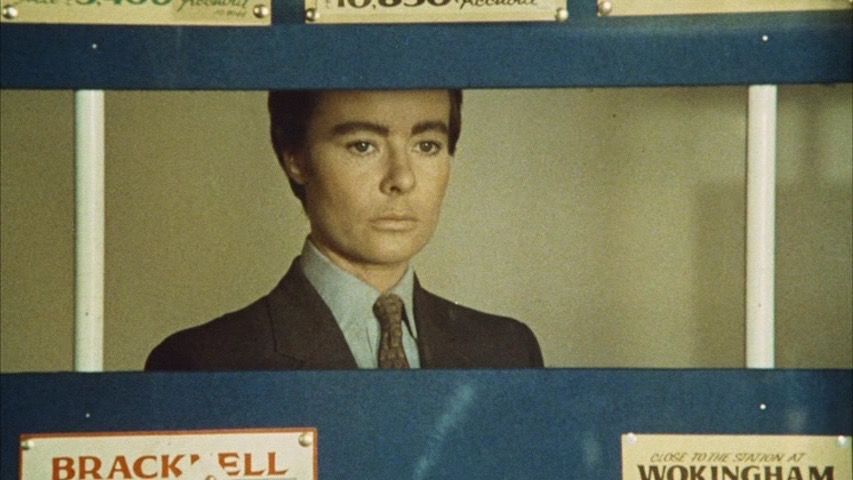
The movie begins and we see Roy played by Anne Heywood. Yes, I know the deadname thing and all, but at this point in the film she hasn’t chosen a female name. She’s looking out at the women passing by, some who are talking amongst themselves, and others are talking with men. She doesn’t look happy. For trans women who aren’t happy with their bodies and/or presentation, we call this everyday of the week. At least I do.

Now Roy leaves her office. She walks down the street looking at some women and female clothes in a window before passing right through a visual metaphor.

vlcsnap-2016-02-13-14h05m54s560

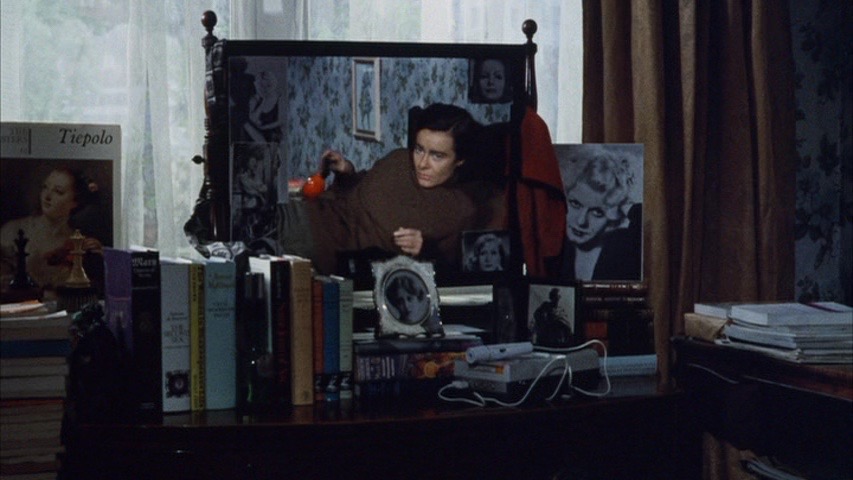
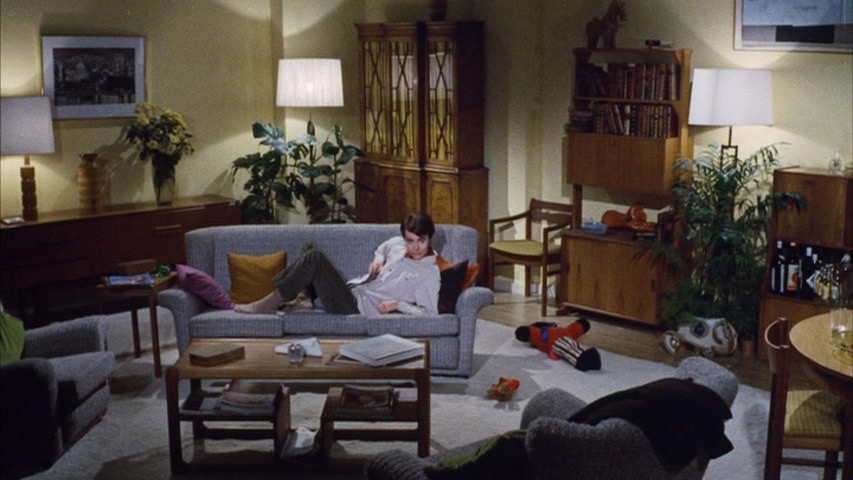
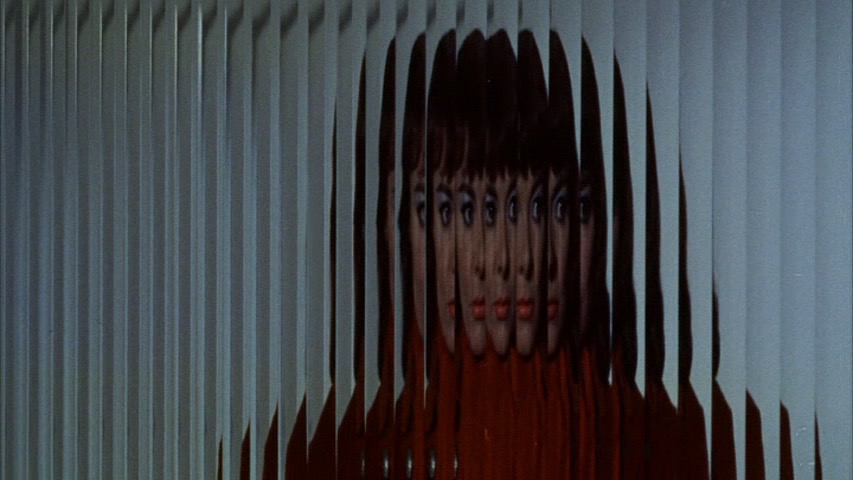
We go home with Roy and once again are greeted with a visual metaphor.

vlcsnap-2016-02-13-14h09m13s629

I look over at my mirror and all I see in it is my reflection, a stack of unreviewed DVDs in the closet, a couple of prom dresses, and an Ao Dai. Hey! I took a course on the history of Vietnam in college and those Vietnamese dresses are gorgeous. Don’t you judge me! No seriously, I do own one of those. The prom dresses are another story. But now it’s time for Roy to go downstairs so we can meet her sister Shirley played by Virginia Stride.

This is as good a time as any to bring up two things to do with the voices in this movie:
1. The audio on the DVD isn’t perfect. It has some issues that combined with British accents can cause you to miss a word here or there if you aren’t say, British yourself. I grew up watching Are You Being Served? with some of those accents, and even I had trouble with these otherwise very easy to process accents.
2. You are probably wondering what Anne Heywood sounds like. If you’re close to my age (32), or grew up in the 1980s, then I have a good way for you to picture how she sounds. It’s like the movie Just One Of The Guys (1985). Trying a little bit to deepen the voice, but largely just altering the presentation towards something stereotypically masculine.

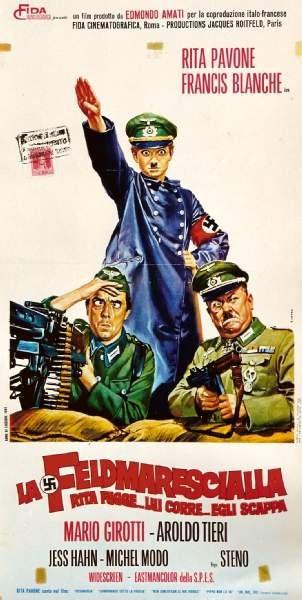
Now we meet dad played by Harry Andrews. He’s not so happy with Roy. Hey, it could be worse dad. Roy could grow a mustache and then your “son” would look a little like Rita Pavone in Rita The Field Marshall (1967).

media

Honestly, that’s what I expected when I found out this movie had Anne Heywood playing a trans woman and saw a picture of her on the back cover.

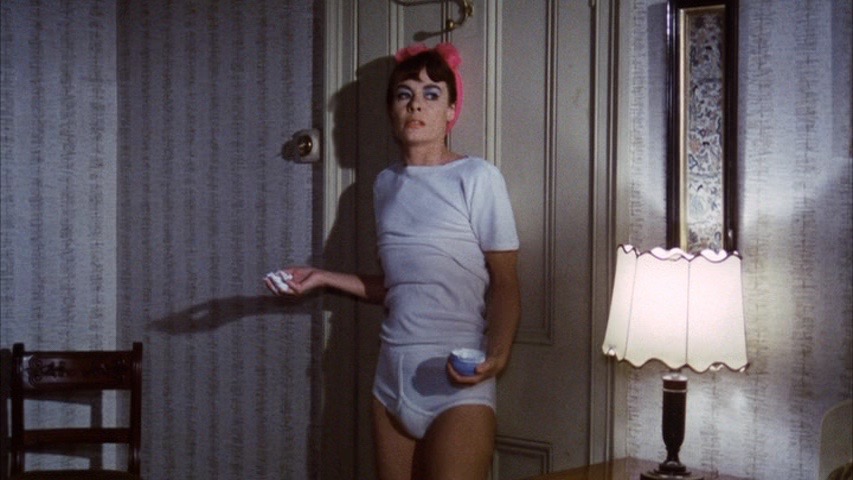
I get the next scene. It makes sense. Roy is babysitting for her sister and looks at her clothes as well as her wig. That all makes sense to me. What doesn’t make sense is why this was the final shot they chose to go with when Roy’s sister comes home.

vlcsnap-2016-02-13-14h40m52s904

Roy, you’re trying to seduce me. Aren’t you? Even Elizabeth Shue was more presentable at the end of Adventures In Babysitting (1987).

Regardless, now we get a scene of Roy at work. It doesn’t really matter what she does. All you need to know in that department is that she has money of her own.

If we weren’t sure the Dad was an asshole, then we get a scene of Roy and him at the grocery store. Basically, the entire scene is Dad telling Roy to leave the upcoming dinner party early so he can go out with a woman.

vlcsnap-2016-02-13-14h44m49s567

Then the film reminds us it’s arty, but without water falling from the sky like in Laurence Anyways (2012).

vlcsnap-2016-02-13-14h47m38s980

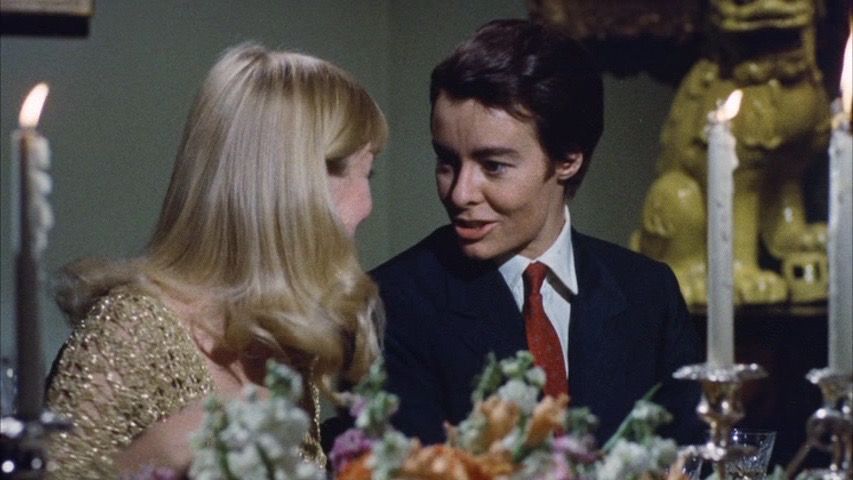
Next Roy is having a conversation with this woman about fashion. The woman is obviously interested and likes him. She will even state this explicitly in the next scene. So why does the father look upset? I mean assuming I buy into all the BS out there about men, which I don’t, wouldn’t this guy love that his “son” is being so devious and taking advantage of women’s supposed only interest to potentially get laid? One of the other guys at the table even points out that Roy is doing very well “for someone who hasn’t been keeping up with the mark.” I guess it’s just supposed to tell us he is already suspicious. Came across as a little weird to me.

After another shot from the top of the table, it’s time to separate the men from the women for the after dinner part. The women seem to like it because it means they “can tear them to pieces” afterwards. Now we cut to Dad who apparently is in the middle of a lecture. He says “there’s change for a reason, then there’s change just for the sake of change.” I totally agree with the man. I don’t buy the universal app excuse from Twitter for the new iPad app. I also don’t appreciate the YouTube app looking like a Speak ‘N Spell.

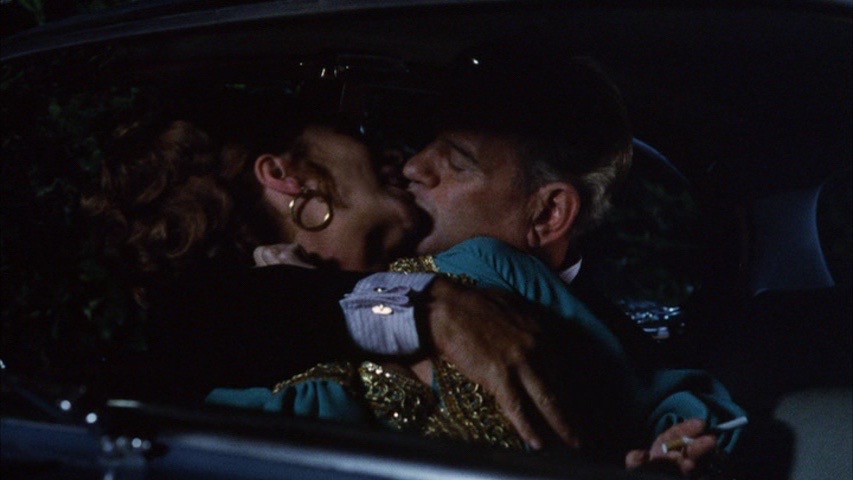
Anyways, we now see the Dad try and make a move on a woman in a car. I’m sorry, but once you’ve seen Ruthless People (1986), then it’s a little hard to look at this…

vlcsnap-2016-02-13-14h57m28s317

and not think of Bill Pullman throwing up.

Now shit gets real cause Dad comes home with her, and after trying to feel her up, discovers the reality about Roy.

vlcsnap-2016-02-13-15h01m29s859

The review of this movie on the inside of the DVD by Dennis Dermody is right! The 1970’s really wasn’t the greatest era for women’s fashion. Also, she has heavy blue eyeshadow on. Maybe it’s just me, but after binge watching 7 seasons of Sabrina, The Teenage Witch last year where they seemed to wear nothing but blue eyeshadow, I’m a little sick of it. Also, I would take this otherwise cringe worthy scene more seriously if it didn’t end with Roy leaving with enough money to be completely independent and start presenting as a woman in the blink of an eye. In reality, things like this end with far more deadly outcomes such as the suicide of Leelah Alcorn in December of 2014.

I do like that throughout all of this anger and beating, Roy stands up for herself. She even gives the right answer about how long it’s been going on. She says, “All my life”. Technically that’s not true for all trans women, but some do figure it out quite early like Jazz Jennings. He threatens her with cures. Then he asks her if she’s a homosexual. That means he’s actually asking if she’s straight. Her response is “no”. That would mean she’s a lesbian, but the movie is wishy washy about her sexuality. However, I believe she is meant to be straight.

We now find out that Roy’s mother is dead. She says it’s his fault and he throws her. Then he says that the Germans used to send people like her to the gas chambers. She responds that they used to decorate “people like you”. There’s another line here, but then…yeah…here’s the line after that one:

“God made man in his own image, and he blew it.”

That’s when you start to realize this is less of a transgender film and more a feminist one. Unfortunately, a nasty feminist one considering the ending. Some of you probably reasoned out what that is, but I will get to it eventually for everyone else.

Roy flees for good. Makeover!

vlcsnap-2016-02-13-15h39m12s899

I actually appreciate this scene. So many movies spend all the time in the world making it seem like heels are the hardest thing in the world, but almost never mention makeup or anything else.

This movie even has her have difficultly putting on a bra. Makes sense. She is doing it from the back, which takes some practice and no one was around to teach her the trick of doing it in the front, then simply turning the bra around. Of course this movie absolutely couldn’t do that because Anne Heywood may have put up with binding for the film, but she isn’t going to have chest reconstruction surgery. Although, they do use a male stand-in later for a brief shot, but that doesn’t count because the movie will also show her with a woman’s figure for one scene even though there’s no mention of hormones.

There’s another limitation too caused by hiring a genetic girl for the role. Unless we are going to put fake hair on her legs and arms, then we really can’t show her shave them without breaking the illusion.

Let me just tell you now that they don’t show a fake penis unlike more recent films and TV Shows have. Thank God! Anyone who has or has had one only needs to see that fake penis twice and the illusion is broken. Unless the film uses multiple fake penises, which I haven’t seen done, then the movie has a penis that will look identical every single time it’s shown. The penis don’t work that way.

Finally she’s ready! Meet Wendy Ross.

vlcsnap-2016-02-13-15h57m10s014

That Girl! Unfortunately, this film will tell her she’s not what every girl should be till the unfortunate ending.

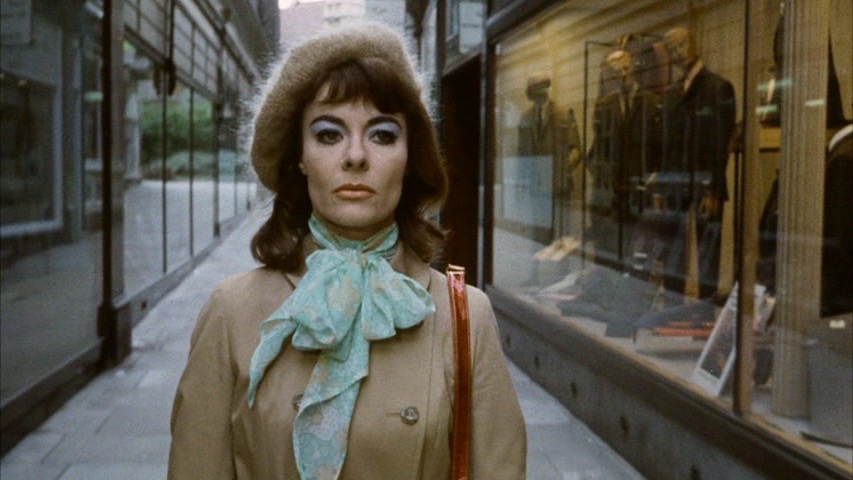
She goes around town and seems to pass just fine. She’s a little nervous about her voice, but that doesn’t appear to be a problem. Even a police officer calls her “Miss”. Then those damn visual metaphors attack again.

vlcsnap-2016-02-13-16h00m40s490

Hmm…I had no idea that the UK had a large giant female population in the 1970s. Think this is going to lead to anything? Well, you’re out of luck. All that happens is a couple of guys who were clearly just about 10 years early to appear in Fulci’s The New York Ripper (1982) and Gorris’ A Question of Silence (1982) scare her, causing her to run into the “Ladies Room”. Nothing happens in there. No bathroom usage. She just washes her hands and says something that is incomprehensible to a woman in there. I think she is saying “driving a truck”, but that makes no sense and it is just a guess.

After a few more lines to remind us men are pigs and all that, we get this shot to make sure you don’t forget feminism.

vlcsnap-2016-02-13-16h24m44s300

Can’t leave out the novel that is credited with starting the second wave of feminism which had people like Gloria Steinem referring to trans women as…don’t want to spoil the ending.

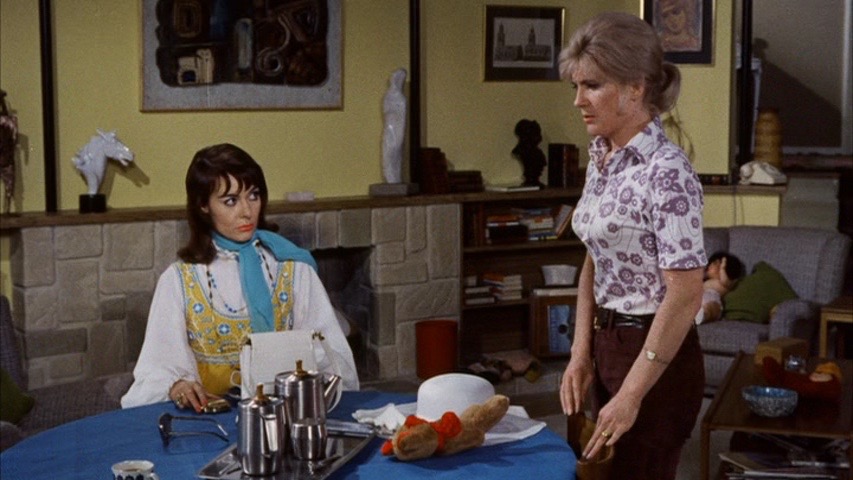
Wendy gets herself a room adjoining with another girl in the house of a woman named Margaret (Jill Bennett). Margaret is married to man named Philip (Philip Bond) and works as a teacher. She is friendly with a man named Frank (Michael Coles) as well. I’m still confused about his character in relation to Margaret. I get the impression she is or wants to have an affair with him…maybe…this movie can be a little tough. What I’m not confused about is this shot.

vlcsnap-2016-02-13-16h29m28s320

It’s not uncommon for a trans woman or a trans man to start dressing in the “appropriate” clothing, but go over the top at the start. That’s my story of the prom dresses. However, this will be a running thing throughout the film to differeniate Wendy from other women. Note that by comparison, she looks like a 1950s housewife/hausfrau next to this clearly modern day 1970s woman. It’s the girl she’s living next to.

Think maybe the hausfrau comment is too much. Don’t worry, cause in one of the scenes almost immediately after this Margaret says the word herself to describe herself while serving drinks at a party. She also says that Wendy is “all a front” to Frank. I don’t think she actually knows, but the line is dropped in there anyways the second Wendy pays attention to Frank. Oh, and then she says, “The only thing that sets Wendy apart from us is she has a private income.”

I know all this can be chalked up to general cattiness if you will over a guy they are both interested in, but it all kind of weaves together into something that doesn’t go down all that well. Then we get this scene.

vlcsnap-2016-02-13-16h46m27s958

Basically the scene is there to remind us that Margaret is very much a feminist. She talks down about women who are pretty and dumb as happy to be considered inferior, but that if you show any independence or a mind of your own that you’ll be determined as unfeminine. Okay, so she’s a little angry. So of course they have Wendy respond that she likes bras and wouldn’t mind depending. In other words, they make sure you know how much Wendy stands in contrast to Margaret. Margaret responds to what Wendy says by telling her that she’s a “strange girl”. Don’t worry, we’re getting to the wonderful ending, but first another assault by a visual metaphor.

vlcsnap-2016-02-13-16h49m48s663

Wendy goes to get a job. What kind of a job you might ask? A beautician. Why? We know she has plenty of experience in other areas since we saw her in a business position earlier. Yes, I’m aware that in Boy Meets Girl (2014) she does fashion. Yes, I’m aware that in Orange Is The New Black they have Laverne Cox doing the other girls’ hair. However, this follows immediately after she’s called strange and all but unacceptable by Margaret. She doesn’t get the job. Then the film goofs.

vlcsnap-2016-02-13-16h55m18s462

That is a woman’s figure. A genetic male’s body doesn’t get into that shape without hormones, which this film has given us no indication to tell us she’s on. In fact, later she is told by a doctor that her thinking she is growing breasts is imaginary. That is also when they use a male stand-in to emphasize that fact, which also has a straight up and down figure.

By the way, she’s tucking in this scene. I use a gaff personally. It’s basically a strong pair of panties that pulls down, flattens, and also in the process, pops your testicles back into your body. Some use surgical tape to hold the penis between the legs. An example of that on film is in the Danish movie A Soap (2006). This is the first time I’ve seen tucking done this way by what appears to be her wrapping everything in a gauze of some sort. Whatever works for you. The penis is the primary issue, not the testicles. They really do just pop away. Heck, Sumo wrestlers do that before a match to protect them.

vlcsnap-2016-02-13-17h01m15s706

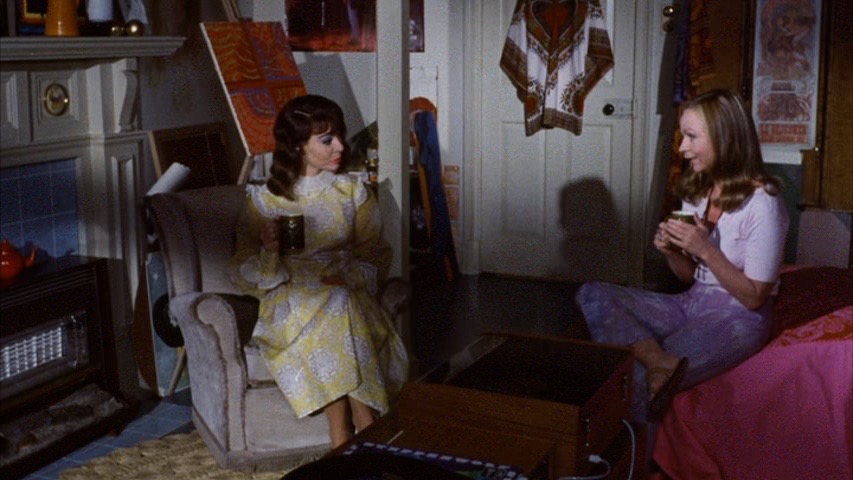
Time to visit Sis! I love that when Wendy’s sister calls her Roy, she responds by saying that she’ll call her Sam then. Oh, and Sis does mess up once after being told that and immediately is met with the name Sam. Notice again, the strong difference in clothes. Her sister even digs into her about how she looks. Sis even suggests a cure to which Wendy says, “I am cured.” Doesn’t dig into me, but the correct response would be to say I was never sick. Gone too long without a visual metaphor?

vlcsnap-2016-02-13-17h06m28s522

The sister brings up that women’s clothes are similar to men’s clothes nowadays. Wendy says that she doesn’t care. Wendy says, “If women’s clothes were made out of old sacking. I’d want to wear them.” Again, that feminist stuff slipping in here by making her seem superficial and not a real woman for wanting to wear stereotypically feminine clothes. And again in contrast to a cisgender woman in modern 1970s clothes who even has a baby to prove she’s a genetic girl.

Now we get Frank acting like a jerk. It’s relatively light-hearted actually, but of course Wendy is deathly afraid of anyone finding out. Then it gets dark literally and figuratively.

vlcsnap-2016-02-13-17h13m12s549

Tossing down a lamp she seems furious that she is attracted to a man. She says nasty things about herself such as being fake, a bitch, and insane.

That scene ends quickly and she tries to borrow money from her sister to go see a doctor. She asks her sister to not tell the baby about her. She says to just let the baby believe what she sees. She gives a nice speech here about not committing any crimes or doing anything wrong. Of course she shouldn’t have to say that or specifically mention she isn’t having any kind of sexual relations. She does say that though.

Now we meet the doctor. We are very near the end of the film.

vlcsnap-2016-02-13-17h18m21s273

You could probably do a whole post picking apart only this part of the film if you wanted to. I don’t.

The doctor is not all bad by any means. However, he basically does do two things:
1. Makes it clear that nothing will make her a real woman. By that I mean someone who will 100% pass as a genetic girl even under the scrutiny of a man.
2. That it will take a long time and a lot of work before she will be granted the chance to have bottom surgery. This is an area that is a difficult thing. This can be blatant gatekeeping. Other people deciding your life against your will. However, this is not something I believe should be tossed aside completely either. It is important for the person involved to be given a chance to basically vet themselves. For example, a lot of trans women don’t have bottom surgery. They just decide it’s not important to them. Same goes for trans men. Watch the movie Mr. Angel (2013) about the male porn star Buck Angel. If you come away with nothing else, it’s that Buck loves his vagina. Also, you are asking surgeons to permanently alter your body in a rather significant way. We aren’t talking about a boob job here. We’re talking about something that if done in haste could put you in a David Reimer situation. He was a boy that lost his penis in a botched circumcision, had his parents told to raise him as a girl, figured it out, transitioned back, there’s a book, he went on Oprah, and then killed himself. I think some of this is okay, but it often can be taken way too far and push people to take drastic actions. In this case, she is told that it’s going to take a full year of being analyzed.

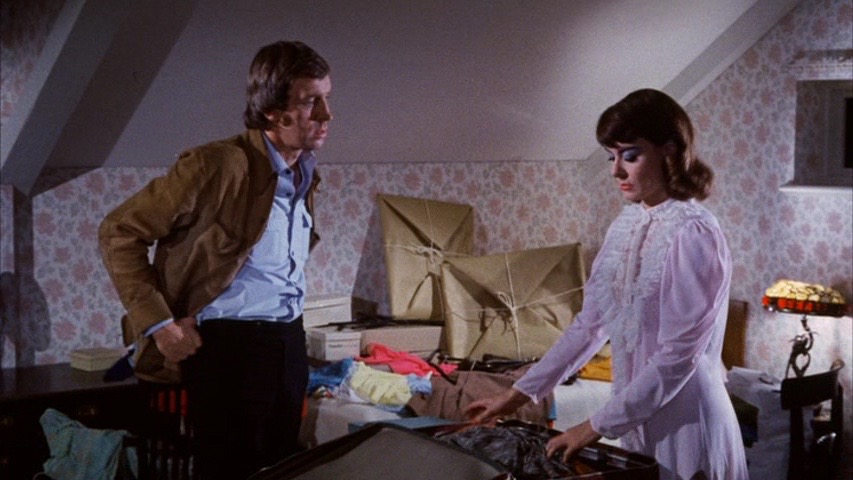
She leaves and goes to pack. She has a line here that says: “Is the point of no return the only point.” I read this as meaning she is considering that she doesn’t have to have surgery to be a real woman. However, she then follows that with lines about how she could wake up one morning and find she’s a middle aged man. The gist is that the surgery is that important to her, but she seems to have given up even if that means being a woman only in her own head. She also mentions about not buying more clothes because it means living beyond her means and her sex. Again the feminist thing there.

vlcsnap-2016-02-13-17h31m49s872

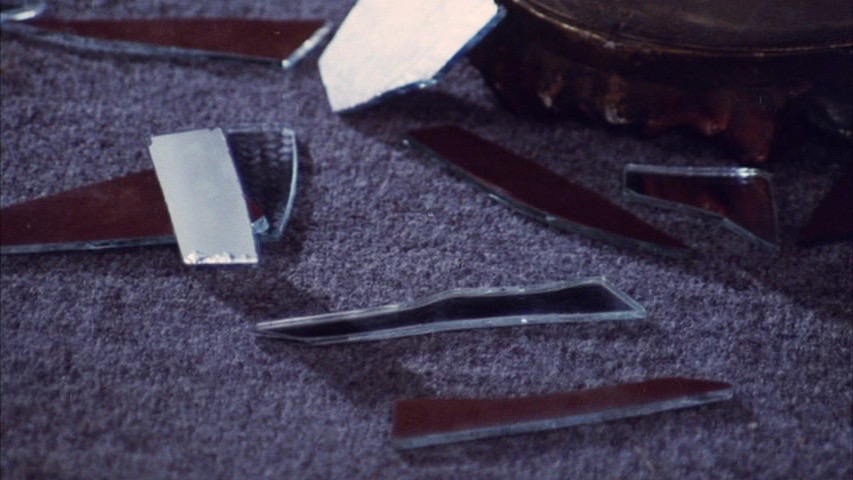
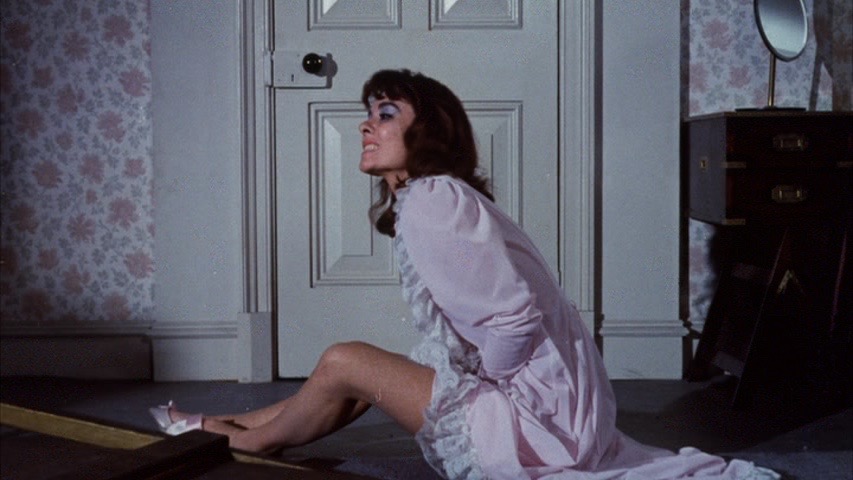
Now Frank enters the room. This part alone is tough to sit through. What’s weird is that they really haven’t established a relationship on his end. We get Wendy’s side, but he’s barely been in the movie. He tries to kiss her to strongly tell her how much he loves her and to not leave. She is into it at first, then becomes repulsed by herself. She doesn’t believe anyone can really love her. They don’t really make it clear at first, but Frank glances down slightly, then gets violent. He kicks her where it hurts. She goes down and takes a mirror with her which breaks. Here’s the ending…sort of.

vlcsnap-2016-02-13-17h36m18s919

vlcsnap-2016-02-13-17h36m40s980

vlcsnap-2016-02-13-17h36m41s828

vlcsnap-2016-02-13-17h36m49s352

She appears to cut off her genitals with a shard of glass. I mentioned Gloria Steinem before. She and other feminists of her time referred to trans women as people who mutilate themselves. That’s not all she said either. I don’t care to go into that any further. It’s a huge mess even to this day.

However, I did say “sort of” for a reason. The movie is still going.

vlcsnap-2016-02-13-17h40m05s473

That’s right! She’s alive! Didn’t bleed out or anything. Suddenly she’s just in a hospital bed where she acts like that was a dream or maybe wasn’t. She says, “She was confused for a moment”. She says, “It was about a year ago she woke up in a bed like this.” Regardless, the doctor tells her the operation was a success and that he’ll check in again with her later. He calls her “Miss Ross”.

vlcsnap-2016-02-13-17h41m27s911

We now cut to a regular room and find that she has a proper passport now. She’s not in a hospital. Then she says, “I must always remember. How lucky I am to be a girl.” And cut to the end of Working Girl (1988)…

vlcsnap-2016-02-13-17h42m25s513

as the camera zooms out from the window till it stops and the credits roll. Yes, I know that’s also the ending of King Vidor’s The Crowd (1928).

So if I am reading this right. She tried to cut off her genitals, but failed and survived. She had bottom surgery, which made her a real woman in the eyes of the British government. Then she ends the film by saying how lucky she is to be a girl? What? You mean as opposed to the men who she said earlier were made in God’s image which he screwed up? This was supposed to be a transgender movie, right? It certainly has a lot of the elements, but there really is this constant anti-man thing going on here. It’s more like the story of a woman who is trapped in a man’s world. She tries to become a woman be merely adorning herself with the appearance of a woman. She is berated for not essentially being a modern woman/feminist. The person who ultimately drives her to a suicidal action is a man. Then she wakes up with female genitalia, accepted as a woman, and says to herself that she must remember she is lucky not to finally be living as the gender she is, not to be accepted as woman, or anything that makes sense. She says she must remember she is lucky not to be a man.

And to drive all this home about her being lucky not to be a man.

vlcsnap-2016-02-13-17h41m47s866

She says the line after she picks up and looks at the picture of, to the best of my knowledge, her dead mother. The mother she said her father drove to death.

What I do love about all this is that the movie with the ending like this is quite similar to A Clockwork Orange that came out one year prior to this film. The two books are separated by 4 years. Alex has an apparent disease and is given a superficial cure that opens him up to hatred by society and in the end is driven to a suicidal action that truly cures him. In his case it returned him to his previous state. However, the book actually has an additional 21st chapter where Alex decides to give up his violent ways. In I Want What I Want, a woman with an apparent disease gives herself a superficial cure that opens her up to hatred by society and in the end is driven to a suicidal action that truly cures her. Yeah, I wouldn’t be surprised if there was a little borrowing going on here.

I’d be really remiss if I didn’t mention that according to the review of the film inside the DVD box it says that the director was quoted as saying: “I am known to be difficult, British, homosexual and expensive and whilst I can, with modified rapture, admit to the first three charges, the last is deeply wounding.” Also according to that review, the author of the book Geoff Brown wrote only one other book which was about a schizophrenic. Both things could have played a role in how this film turned out.

You can say a lot of things about this movie, the DVD itself, the box, the reviews, my own review, etc. What you can’t say though is that Anne Heywood didn’t give it her all here. She did. I may not like what I saw in the film, but she did a good job with very difficult material.

I don’t recommend the film. I just can’t. But if you think you can handle it, then just like Let Me Die A Woman, it’s a historical curiosity.

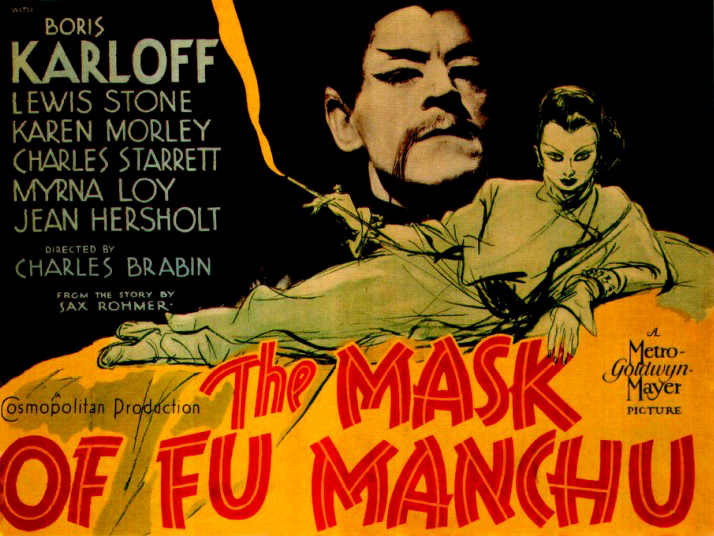
Pre Code Confidential #4: Boris Karloff in THE MASK OF FU MANCHU (MGM 1932)


gary loggins's avatarcracked rear viewer

“Rooted in medieval fears of Genghis Khan and the Mongolian invasions of Europe, the Yellow Peril combines racist terror of alien cultures, sexual anxieties, and the belief that the West will be overpowered and enveloped by the irresistible, dark, occult forces of the East”- Gina Marchetti, Romance and the Yellow Peril: Race, Sex, and Discursive Strategies in Hollywood Fiction (University of California Press, 1994)

fu1

First, a brief history lesson: The Yellow Peril was a particular brand of xenophobia that spread in the late 19th/early 20th century. Named by (of all people) Kaiser Wilhelm II of  Germany, and given credibility during the Boxer Rebellion of 1900, this “fear of the unknown” basically said those “inscrutable” Chinese were going to come over and slaughter all the good white Christians and rape their women. Popular culture of the times played on these fears by depicting villainous Oriental characters as barbaric, opium-smoking deviants who…

View original post 887 more words

Lisa Watches An Oscar Nominee: Auntie Mame (dir by Morton DaCosta)


Oh Lord, Auntie Mame.

There were two reasons why I watched the 1958 film Auntie Mame.

First off, as I’ve mentioned before, TCM has been doing their 31 Days of Oscar this month.  They’ve been showing a lot of films — both good and bad — that were nominated for best picture.  Since it’s long been my goal to see and review every single film that has ever nominated for best picture, I have made it a point to DVR and watch every best picture nominee that has shown up on TCM this month.  Auntie Mame was nominated for best picture of 1958 and was broadcast on TCM this month so I really had no choice but to watch it.

My other reason for wanting to see Auntie Mame was because, when I was 19, I was cast in a community theater production of Mame.  (Mame, of course, is the musical version of Auntie Mame.)  Though everyone who saw the auditions agreed that I should have played the role of Gloria Upson, I was cast in the ensemble.  (Gloria was played by the daughter of a friend of the director.  Typical community theater politics.)  As a member of the ensemble, I didn’t get any lines but I still had fun.  In the opening party scene, I dressed up like a flapper and I got to show off my legs.  And then in another scene, I was an artist’s model and I got show off my cleavage.  (If you don’t use being in the ensemble as an excuse to show off what you’ve got, you’re doing community theater wrong.)  Towards the end of the play, I appeared as one of Gloria’s friends and whenever she delivered her lines, I would make sure to have the most over-the-top reactions possible.  She may have stolen the part but I stole the scene.  It was a lot of fun.

But, even while I was having fun, I have to admit that I didn’t care much for Mame.  It was an extremely long and kind of annoying show and there’s only so many times you can listen to someone sing We Need A Little Christmas before you’re tempted to rip out the hair of the actress who stole the role of Gloria Upson from you.

So, when I recently sat down and watched Auntie Mame, I was genuinely curious to see if the story itself worked better without everyone breaking out into song.  After all, Auntie Mame was the number one box office hit of 1958, it was nominated for best picture, and it was apparently so beloved that it inspired a musical!  There had to be something good about it, right!?

Right.

Auntie Mame tells the story of Mame Dennis (Rosalind Russell, attempting to be manic and just coming across as hyper) who is rich and quirky and irrepressibly irresponsible.  When her brother dies, Mame suddenly finds herself entrusted with raising his son, Patrick (played, as a child, by the charmless Jan Hadzlik and, as an adult, by the stiff Roger Smith).  Mame is a wild nonconformist (which I suppose is easy to be when you’ve got as much money as she does) and she tries to teach Patrick to always think for himself.  However, once Patrick grows up and decides that he wants to marry snobby Gloria Upson, Mame decides maybe Patrick shouldn’t think for himself and goes out of her way to prevent the wedding.

Auntie Mame is an episodic film that follows Mame as she goes through a series of oppressively zany adventures.  When the Great Depression hits, she’s forced to work as an actress, a saleswoman, and a telephone operator and she’s not very good at any of them.  She does eventually meet and marry the wealthy Beauregard Jackson Pickett Burnside (Forrest Tucker).  As you can probably guess from the man’s name, he’s supposed to be from the south.  (And yet Tucker plays the role with a western accent…)  He loves Mame but then he ends up falling off a mountain.  So much for Beau.

(In the production of Mame that I appeared in, Beau was played by this 50 year-old guy who simply would not stop hitting on me and every other girl in the cast and who was always “accidentally” entering the dressing room while we were all changing.  Whenever Mame mentioned Beau’s death, all of us ensemble girls would cheer backstage.)

Anyway, as a film, Auntie Mame doesn’t hold up extremely well.  I can understand, to an extent, why it was so popular when it was first released.  It was an elaborate adaptation of a Broadway play and, in 1958, I’m sure that its theme of nonconformity probably seemed somewhat daring.  When you watch it today, though, the whole film seems almost oppressively heavy-handed and simplistic.  It’s easy to embrace Mame’s philosophy when everyone else in the film is essentially a sitcom creation.

As I mentioned previously, Auntie Mame was nominated for best picture.  However, it lost to the musical Gigi.