“A king is but a man, and a crown is just a hat. It is the kingdom that endures.” – Nefertari Cobra
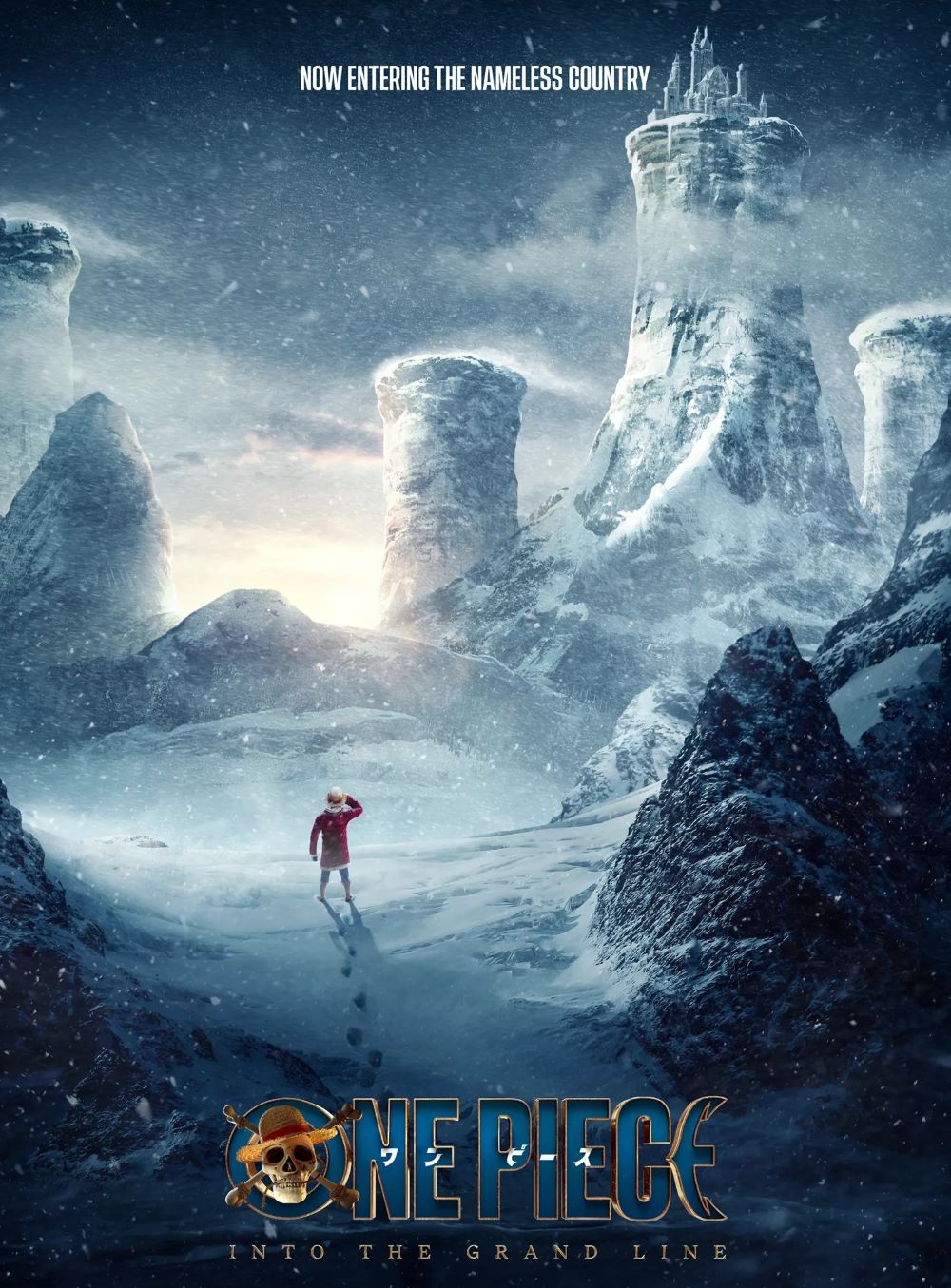
Netflix’s One Piece live-action series keeps delivering with season 2, and episode 6, “Nami Deerest,” hits that sweet spot of high stakes, heartfelt moments, and classic pirate shenanigans. When Nami comes down with a nasty fever from some prehistoric bug bite on Little Garden, the Straw Hats make a desperate pit stop at Drum Island, a snowy wasteland once famous for its doctors but now a shell of its former self. Luffy and Sanji haul her up a brutal mountain to find the last doc standing, Dr. Kureha, while the rest of the crew chills in town with the locals who aren’t exactly rolling out the welcome mat.
Right off the bat, the episode nails the tension around Nami’s illness. Emily Rudd sells her vulnerability without overplaying it—she’s tough as nails usually, but here you see the fear creeping in, making her bond with the crew feel even tighter. Iñaki Godoy’s Luffy is pure determination, strapping Nami to his back and climbing through blizzards and avalanches like it’s just another Tuesday. Taz Skylar’s Sanji gets some solid hero moments too, taking hits to protect everyone, though his flirt game takes a backseat to the urgency. It’s casual crew dynamics at their best: Zoro sharpening his swords, Usopp cracking wise with Vivi, all while the clock ticks on Nami’s condition. Directed by Lukas Ettlin, the cinematography makes Drum Island look unforgiving—those icy peaks and howling winds amp up the peril without feeling gimmicky.
Then we get the big intros: Dr. Kureha and Tony Tony Chopper. Katel Sagal does a great job portraying Dr. Kureha, nailing the grizzled, no-nonsense witch-doctor type living in a rundown castle, boozing it up and barking orders, but patching everyone up with real skill. Her dynamic with the pint-sized reindeer Chopper is gold—he’s skittish, hiding behind pillars, but his big blue nose and hat give him instant charm, and Chopper’s CGI stands up to scrutiny with Mikaela Hoover’s voice performance fitting the live-action well. The reveal that Chopper talks? Luffy’s jaw-drop reaction is comedy perfection, capturing that childlike wonder the manga’s famous for. Without spoiling deeper lore, the episode teases Chopper’s heartbreaking backstory through quick, effective flashbacks, blending humor with pathos in a way that doesn’t drag. Fans of the source material will appreciate how they adapt the Drum Island beats faithfully but tweak pacing for live-action flow—no giant bunnies yet, but the avalanche sequence delivers the thrills.
On the flip side, the Smoker and Tashigi subplot feels a tad obligatory. They’re poking around a Marine outpost massacre, clashing with some Baroque Works goons like Ms. Thursday and Mr. 11, which ties into larger conspiracies but doesn’t advance the main plot much. Smoker’s gravelly pursuit of the Straw Hats is always fun—his logia powers make him a persistent thorn—but this detour mostly serves to remind us the Marines are closing in. It’s balanced by some sharp banter between him and Tashigi, highlighting their odd-couple vibe, yet it pulls focus from Drum’s emotional core. Wapol’s cameo as a gluttonous ex-king scheming his comeback adds menace—he’s cartoonishly vile, scarfing down feasts and plotting revenge—but his full threat looms for later episodes.
What shines brightest is the found-family vibe. The Straw Hats rally without hesitation, showing how far they’ve come since season 1’s ragtag assembly. Vivi’s hidden royal ties to Drum’s messy politics add layers, with flashbacks to her kid self dodging Wapol’s cruelty underscoring the world’s corruption. It’s not all smooth—some transitions between subplots feel rushed, like jumping from the climb to castle recovery. Pacing-wise, it’s a slower burn than action-packed eps, leaning on character beats over fights, which works for setup but might test viewers craving constant devil fruit blasts.
Overall, “Nami Deerest” excels at building investment in the crew’s heart, especially as recruitment teases heat up. The illness plot humanizes these super-powered goofballs, reminding us why Luffy’s dream resonates—it’s about unbreakable bonds in a brutal sea. Production values hold strong: practical snow effects mix well with VFX, and the score swells just right for those quiet, hopeful recoveries. Casual viewers get thrills and laughs; diehards spot nods to Eiichiro Oda’s originals, like Kureha’s gruff mentorship echoing manga mentors. Not flawless—the Baroque sidequest dilutes momentum slightly, and Chopper’s full emotional punch saves for future eps—but it’s a solid bridge episode that deepens the world without stalling.
Clocking in at around emotional highs and setup payoffs, this one’s a win for One Piece‘s live-action run. It keeps the series’ spirit alive: adventure with soul, pirates who fight for friends first. Can’t wait to see Chopper rumble in what’s next—Drum’s just whetting appetites for the chaos ahead. If season 2 keeps this balance of heart-pounding climbs and character warmth, it’ll sail right into must-watch territory.
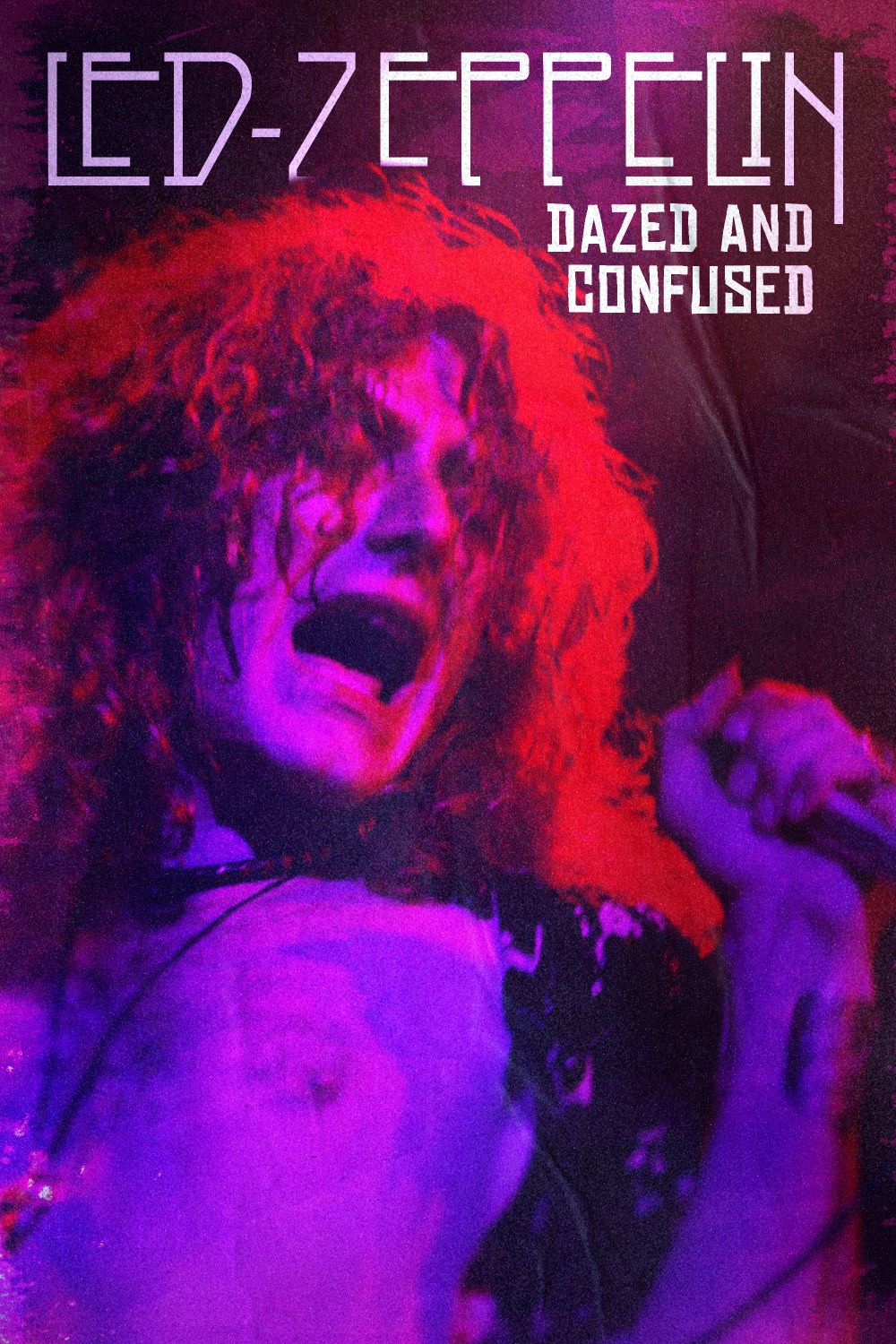
Today’s Song of the Day is Led Zeppelin’s “Dazed and Confused”, that hypnotic Yardbirds cover Jimmy Page transformed into a sprawling psychedelic monster on their 1969 debut. Robert Plant’s otherworldly wails float over John Paul Jones’s prowling bass and John Bonham’s primal drums, crafting this foggy, trippy atmosphere that’s perfect for zoning out late at night. But let’s be real, it’s Page’s six-string sorcery that cements it as essential listening.
The real magic erupts at the 3:53 timestamp in the official release cut, when Page launches into his legendary guitar solo—a blistering torrent of bent notes, ferocious pentatonic dives, and those eerie, talkbox-esque squeals that sound like the guitar’s possessed. He’s wringing every ounce of emotion from his Telecaster, stacking fuzz, echo, and vibrato into a wall of controlled chaos that feels like a bad acid trip turned triumphant. It’s raw, innovative shredding that grabs you by the soul and doesn’t let go.
Live versions took it to another level, ballooning into 10+ minute odysseys with Page’s violin bow creating those haunting drones before he dives back into the frenzy—check the ’73 Madison Square Garden tape for the ultimate freakout. This solo isn’t just flashy; it’s Page channeling pure rock alchemy, paving the way for metal and jam gods alike. Crank it up and feel the daze.
Dazed and Confused
Been dazed and confused for so long, it’s not true Wanted a woman, never bargained for you Lots of people talkin’, few of them know Soul of a woman was created below, yeah
You hurt and abuse, tellin’ all of your lies Run ’round, sweet baby, Lord, how they hypnotize Sweet little baby, I don’t know where you been Gonna love you, baby, here I come again
Every day I work so hard Bringin’ home my hard-earned pay Try to love you, baby But you push me away
Don’t know where you’re goin’ Only know just where you’ve been Sweet little baby I want you again
Ah, ah, ah, ah (Did you ever look up my woman?) Ah, ah, ah, ah Aah-ah, aah, ah, ah, ah, ah, ah
“True bravery is not the absence of fear, but going into the battle in spite of it.” — Brogy
One Piece season 2 episode 5, “Wax On, Wax Off,” picks up the action on Little Garden with the Straw Hats facing their creepiest foes yet. Right from the start, it’s clear this one’s all about tension building to some clever payoffs, blending the show’s signature humor with real stakes. The episode dives straight into the aftermath of the cliffhanger, where Nami, Zoro, and Miss Wednesday are trapped in Mr. 3’s bizarre wax creations, slowly turning into part of his twisted art project. It’s a smart way to ramp up the dread, making you feel the crew’s vulnerability without overdoing the gore.
Usopp steals the spotlight here, and man, does he earn it. He’s not the fighter Luffy or Zoro are, but watching him scramble to save everyone—eavesdropping on Mr. 3 and Miss Goldenweek’s creepy cake scheme, dodging attacks, and piecing together a plan—feels authentic to his character. That moment where he links up with a battered Sanji and rallies despite the odds? Pure gold. Usopp’s resourcefulness shines, turning what could be a filler beat into a standout arc about stepping up when the heavy hitters can’t. It’s casual heroism at its best, reminding us why he’s the heart of the crew in tight spots.
The villains really elevate this episode too. Mr. 3, played with slimy charisma by David Dastmalchian, treats his wax powers like some avant-garde masterpiece, crafting elaborate traps that look both ridiculous and menacing. Dastmalchian does a fantastic job making Mr. 3 feel even creepier than he ever did in the manga or the anime, leaning into the character’s obsessive precision and theatrical ego in a way that only really lands in live action. Pair him with Miss Goldenweek’s emotion-painting gimmick—think hypnotic colors that turn Luffy into a zoned-out mess—and you’ve got antagonists who unsettle in a fresh way. They’re not just bomb-throwers like Mr. 5 and Miss Valentine from before; these two feel like deranged artists, which adds a psychological edge to the chaos. Dastmalchian’s take on Mr. 3 especially nails that unhinged vibe, making you chuckle at his ego while dreading his next move.
Fight scenes deliver solid thrills without feeling rushed overall. Luffy’s pursuit of Mr. 3 across the island is a highlight, all rubbery stretches and wax-dodging antics that nod to the anime’s energy but fit the live-action scale. Usopp’s duel with Miss Valentine is cleverly staged—he picks her on purpose, using her weight-shifting powers against the wax structure to free the captives. Sanji’s comedic clash with the animal agents adds levity, his kicks landing with flair amid the jungle mess. Even Zoro’s frustration, swords useless against the hardening wax, builds sympathy. It’s balanced action: not every punch is a knockout, but the creativity keeps it engaging.
Where it stumbles a bit is pacing in the back half. The setup from episode 4 pays off nicely, wrapping Little Garden’s arc, but Luffy’s showdown with Mr. 3 wraps quicker than you’d like. A tad more back-and-forth could heighten the intensity—show him really struggling with the wax’s tricks before whatever punchline they land on. It’s not a dealbreaker, though; the episode clocks in tight, prioritizing character beats over endless brawls. Miss Goldenweek’s weirdness lingers too, hinting at Baroque Works’ deeper layers without info-dumping.
Friendship themes hit home casually, as always in One Piece. Vivi’s growing bond with the crew peeks through her despair, whispering about how nice it feels to have backup—subtle foreshadowing she’s sticking around. The giants’ subplot ties in nicely too, with echoes of hope amid the prehistoric wilds. It’s not preachy; just woven into the survival scramble, making the wins feel earned. Nami’s quick thinking and Zoro’s stoic vibe ground the panic, while Luffy’s unbreakable spirit snaps things back to form.
Visually, Little Garden pops—lush dinosaurs, wax sculptures gleaming under dappled light, all shot to feel alive and dangerous. The practical effects on the wax hold up great, gooey yet solid, blending seamlessly with CGI stretches. Sound design amps the unease: Goldenweek’s paints come with eerie whispers, Mr. 3’s laughs echo like a mad sculptor. The score swells just right for triumphs, keeping that adventurous pulse without overpowering dialogue.
On the flip side, some side beats feel trimmed. Sanji’s jungle trek is fun but brief, and Brogy’s injured cameo adds heart without dragging. The episode comes off as a rebound from the prior setup heaviness, delivering unnerving villains and catharsis. Fans will likely buzz about Usopp’s glow-up and Mr. 3’s theatrical menace, even if some gripe that the fights lack anime-length epics. It’s a fair complaint—live-action demands condensation—but it mostly nails the spirit.
Overall, “Wax On, Wax Off” is a strong mid-season pivot, landing as one of season 2’s most character-driven hours. Usopp’s arc anchors it, the villains chill it, and the action pops without overshadowing the bonds that define the crew. It wraps Little Garden satisfyingly while teasing Grand Line perils ahead. Not flawless—the main boss rush could breathe a bit more—but it’s damn entertaining. If you’re digging the crew’s growth amid escalating threats, this episode delivers: solid 8/10 energy, pushing One Piece forward with heart and hustle.
“I said I would not harm them and I shall not. But Arrakis is Arrakis and the desert takes the weak. This is my desert. My Arrakis. My Dune.” — Baron Vladimir Harkonnen
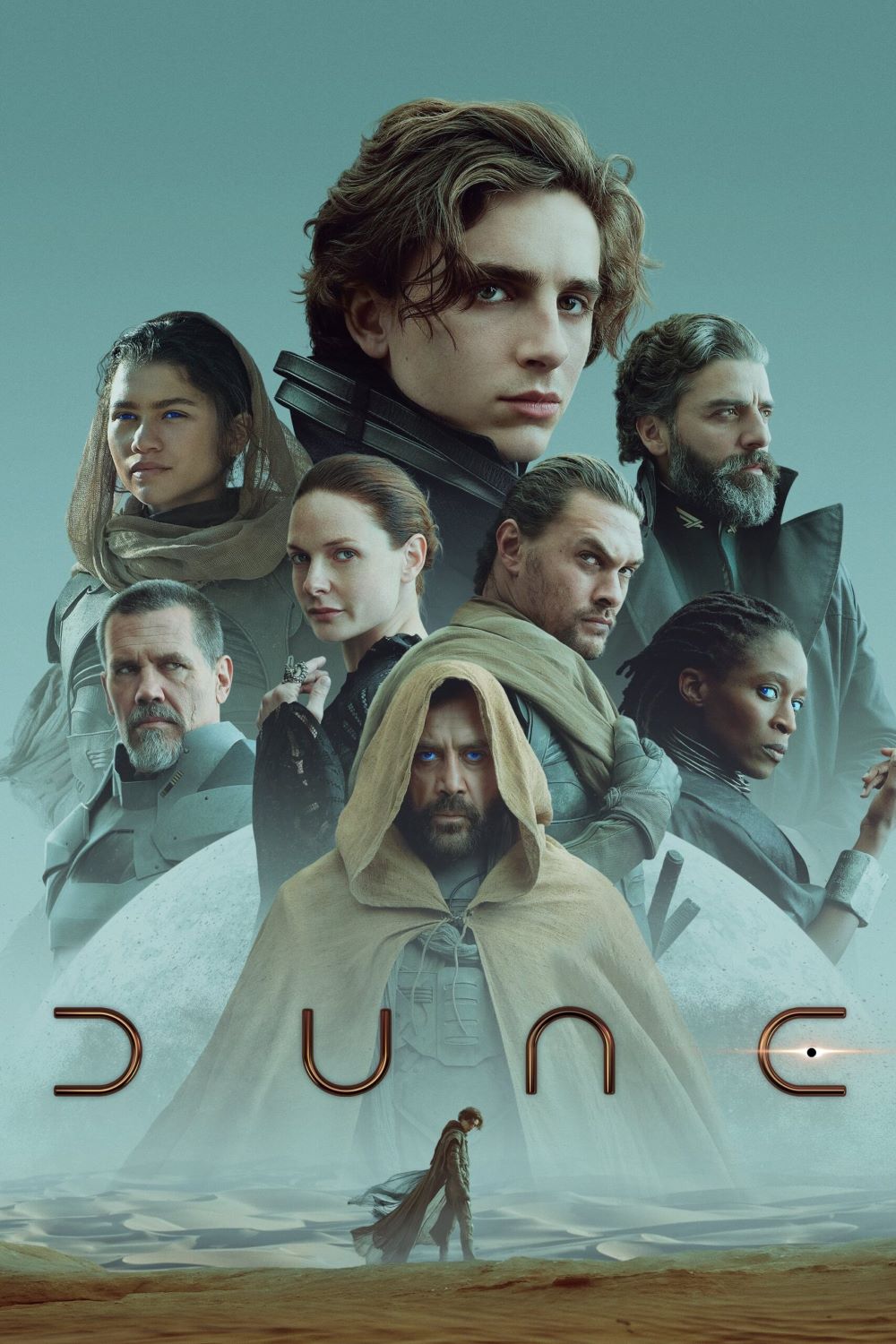
Denis Villeneuve’s Dune: Part One is one of those big, monolithic blockbusters that feels less like a movie night and more like being slowly lowered into someone else’s dream. It’s massive, deliberately paced, and sometimes emotionally chilly, but when it hits, it really hits, and you can feel a director absolutely obsessed with getting this universe right. The film adapts roughly the first half of Frank Herbert’s novel, following Paul Atreides, heir to House Atreides, as his family accepts control of the desert planet Arrakis, the only source of the spice melange that powers space travel and heightens human abilities. The setup is pure operatic space-feudalism: the Emperor orders House Atreides to take over Arrakis from their bitter rivals, House Harkonnen, in what is basically a beautifully staged death trap. Villeneuve leans into the political trap aspect; even if you’ve never read Dune, you can tell from minute one that this is not an opportunity, it’s a setup, and that sense of doom hangs over everything.
What Villeneuve really nails is the “ancient future” texture that people always talk about with Dune but rarely pull off on screen. The technology looks advanced but worn, ritualized, and heavy, from the gargantuan starships to the dragonfly-like ornithopters that rattle and pitch like actual aircraft instead of sleek sci-fi toys. The production design and Greig Fraser’s cinematography go all-in on scale: Caladan’s stormy oceans, Arrakis’s endless dunes, cavernous fortresses that make the human figures look insignificant. It’s not just pretty—it’s doing character work for the universe, selling you on the idea that people here live under forces (political, religious, environmental) that absolutely dwarf them. In theme terms, this is Villeneuve visually translating Herbert’s obsession with ecology and power structures, but he externalizes it more than the book: instead of living inside characters’ heads, you’re constantly being reminded how small they are against their environment.
All of that is backed by Hans Zimmer’s aggressive, sometimes overwhelming score, which sounds like someone trying to invent religious music for a civilization that doesn’t exist yet. It’s not subtle; there are bagpipes blaring on Caladan, guttural chants over Sardaukar warriors being ritually baptized in mud, and wailing voices that basically scream “destiny” every time Paul has a vision. But it syncs with Villeneuve’s approach: this is myth-making by way of blunt force, and the sound design and music are part of the same strategy of immersion and awe. Compared to the novel’s intricate, almost clinical tone, the film leans much harder into a mythic, quasi-religious mood. That means some of Herbert’s more sardonic or critical edges get smoothed out, but it also lets Villeneuve foreground the feeling of a civilization that already half-believes its own prophecies.
Narratively, Dune: Part One walks a weird tightrope. On one hand, this is a story about prophecies, chosen ones, and a messiah in the making, but on the other, the film quietly undercuts that fantasy. Villeneuve and his co-writers emphasize the Bene Gesserit’s centuries-long manipulation of bloodlines and myths, including seeding prophecies among the Fremen, so Paul’s “chosen one” status comes prepackaged with a lot of moral unease. That’s one of the places where Villeneuve stays very faithful to Herbert: the idea that religious belief can be engineered and weaponized. At the same time, by stripping out so much of the book’s interior commentary, the movie makes that critique more atmospheric than explicit. You feel that something is off about Paul’s destiny—the visions of holy war help with that—but you don’t hear the narrative voice outright interrogating the myth the way the novel does. It’s like Villeneuve wants the audience to experience the seduction of the messiah narrative first, and only slowly realize how poisonous it is.
Timothée Chalamet’s performance takes advantage of that approach by playing Paul as a kid who has been trained his whole life for greatness but absolutely does not want the role he’s being handed. Early on, he’s soft-spoken, almost recessive, but you see flashes of arrogance and temper, especially in the Gom Jabbar test and the later tent breakdown after his visions of a holy war in his name. Villeneuve doesn’t try to turn him into an instant charismatic leader; instead, he feels like a thoughtful, scared teenager caught in a machine that’s been running for centuries. That divergence from the source material is subtle but important: book-Paul, with all his internal analysis and mentat-like processing, comes off almost superhumanly composed. Film-Paul is less in control, more overwhelmed, which shifts the theme from “a superior mind learning to navigate fate” toward “a boy being crushed into a role he might never have truly chosen.”
The supporting cast is absurdly stacked, and the film uses them more as archetypes orbiting Paul than as fully fleshed-out characters, which is both a feature and a bug. Oscar Isaac’s Duke Leto radiates tired nobility, a man who knows he is walking into a trap but refuses to show fear because he needs his people to believe. Rebecca Ferguson’s Lady Jessica might be the most compelling presence in the movie: a Bene Gesserit trained in manipulation and control, visibly torn between her loyalty to the order and her love for her son. Ferguson gives Jessica a constant undercurrent of panic; even when she’s composed and commanding the Voice, you can feel the guilt and fear simmering underneath. In Herbert’s text, Jessica carries a heavy burden of calculation and self-critique through internal monologue; Villeneuve replaces that with rawer, more visible emotion. That choice makes Jessica more immediately relatable on screen but also shifts the theme slightly—from a cold, almost chess-like examination of breeding programs and long-term plans to a more intimate conflict between institutional programming and maternal love.
On the more purely fun side, Jason Momoa’s Duncan Idaho brings some sorely needed looseness and warmth. He’s one of the only characters who feels like he exists outside the grim political machinery, which makes his relationship with Paul read as genuinely affectionate instead of court-mandated mentorship. His big stand against the Sardaukar is shot like a mythic warrior’s last stand, and it sells Duncan as the kind of legend people would sing about after the fact. The tradeoff is that Duncan’s characterization leans into straightforward heroism; some of the book’s emphasis on the complexities and limits of loyalty gets compressed into a single grand gesture. Josh Brolin’s Gurney Halleck mostly glowers and shouts in this installment, but there’s enough there—especially in the training scene—that you get a sense of this gruff soldier-poet without the film ever stopping to spell it out. What’s missing, though, is the more overt sense of Atreides culture and camaraderie that the novel lingers on; Villeneuve sketches it, then moves on.
If the heroes lean archetypal, the villains almost go minimalistic to a fault. Stellan Skarsgård’s Baron Harkonnen is an imposing, bloated specter, more a presence than a personality; he spends a lot of time floating, brooding, and letting the makeup and lighting do the talking. In the book, the Baron is a much more talkative schemer, constantly plotting and vocalizing his nastiness, which underlines Herbert’s theme of decadence rotting the powerful from within. Here he’s closer to a horror-movie monster, which works visually but makes the political conflict feel a bit less textured. It’s a conscious trade: Villeneuve sacrifices some of Herbert’s satirical bite for a cleaner, more archetypal good-house-versus-evil-house dynamic. The Mentats, like Thufir Hawat and Piter de Vries, also get sidelined, and with them goes a lot of the book’s focus on human computation and the consequences of tech bans; the movie nods to that world-building but clearly doesn’t prioritize those themes.
Where Dune: Part One really shines is in its set-pieces that double as worldbuilding lessons. The spice harvester rescue sequence isn’t just about a sandworm attack; it’s a crash course in how dangerous Arrakis is, how unwieldy the spice operation can be, and how Paul reacts when the spice hits his system and his visions start intensifying. The hunter-seeker assassination attempt in his room does something similar for palace intrigue and surveillance, even if the staging (Paul standing unnervingly still as the device inches toward him) has rubbed some viewers the wrong way. These scenes make Arrakis feel like a living trap: environmental, political, and spiritual all at once. Compared to the novel’s detailed ecological and economic exposition, Villeneuve’s version is more experiential—you feel sandstorms and worm sign before you fully understand the larger ecological philosophy that Herbert spells out. That keeps the film more cinematic, but it also means the deeper environmental thesis is only hinted at rather than explored.
The downside of Villeneuve’s devotion to mood and worldbuilding is pacing. This is a two-and-a-half-hour movie that very much feels like “Part One,” and you can sense the absence of a conventional third-act climax. The story peaks emotionally with the fall of House Atreides—Leto’s death, Duncan’s sacrifice, Kynes’s end—but then keeps going, drifting into the deep desert with Paul and Jessica. The final duel with Jamis is thematically important—Paul’s first deliberate kill, a step toward becoming the kind of leader his visions imply—but as a closer for a blockbuster, it’s quiet and off-kilter. What’s interesting is how that duel distills one of Herbert’s key themes—the cost of survival and leadership—down to a single, intimate moment. The book wraps that in a ton of cultural detail and internal reflection; the film pares it down to body language, breath, and a few lines of dialogue. Villeneuve keeps the moral weight of the act but narrows the lens, trusting the audience to sit with what it means for Paul to cross that line without spelling it out.
If you come in as a Dune novice, the film is surprisingly navigable but not always emotionally generous. Villeneuve strips away the novel’s dense internal monologues and replaces them with visual suggestion and sparse dialogue, which keeps the movie from turning into a two-hour voiceover but also makes some motivations feel opaque. Characters like Dr. Yueh suffer the most from this approach; his betrayal happens so quickly and with so little setup that it plays more as a plot requirement than a tragic inevitability. That’s a clear case where the film discards a major thematic thread: Herbert uses Yueh to dig into ideas of conditioning, trauma, and the limits of “programmed” loyalty, but Villeneuve mostly uses him to push the plot into the Harkonnen attack. The tradeoff is understandable in a two-part film structure, but it’s a noticeable hollow spot for viewers who care about the story’s psychological underpinnings.
Still, as an opening movement, Dune: Part One feels like a deliberate choice to build the cathedral before lighting the candles. It’s more concerned with making Arrakis, its politics, and its religious machinery feel tangible than with delivering a neatly wrapped narrative. That can make it frustrating if you want a self-contained story, but it pays off in atmosphere: by the time Paul and Jessica join Stilgar’s Fremen and we get that final image of a sandworm being ridden across the dunes, you believe this is a place where myths can walk around as real people. Villeneuve stays true to Herbert’s broad thematic architecture—power, religion as control, ecology as destiny—but he discards a lot of the author’s density and interior commentary in favor of a more streamlined, sensory-driven experience. As a result, the film feels less like reading a dense political text and more like standing inside the legend that text would later be written about.
As a complete film, it’s imperfect—sometimes emotionally distant, sometimes so in love with its own scale that character beats get swallowed—but it’s also one of the rare modern blockbusters that feels handcrafted rather than committee-engineered. As an adaptation, it respects the spirit of Dune while making sharp, cinematic choices about what to emphasize and what to streamline, even if that means some beloved book moments get reduced or reconfigured. And as a foundation for a larger saga, it does exactly what “Part One” says on the label: it sets the board, crowns no clear winners, and leaves you with the distinct feeling that the real story—the dangerous one—is only just beginning.
“Your Log Pose has set to an island called Little Garden. The dangers there will likely be your demise.” — Miss All Sunday
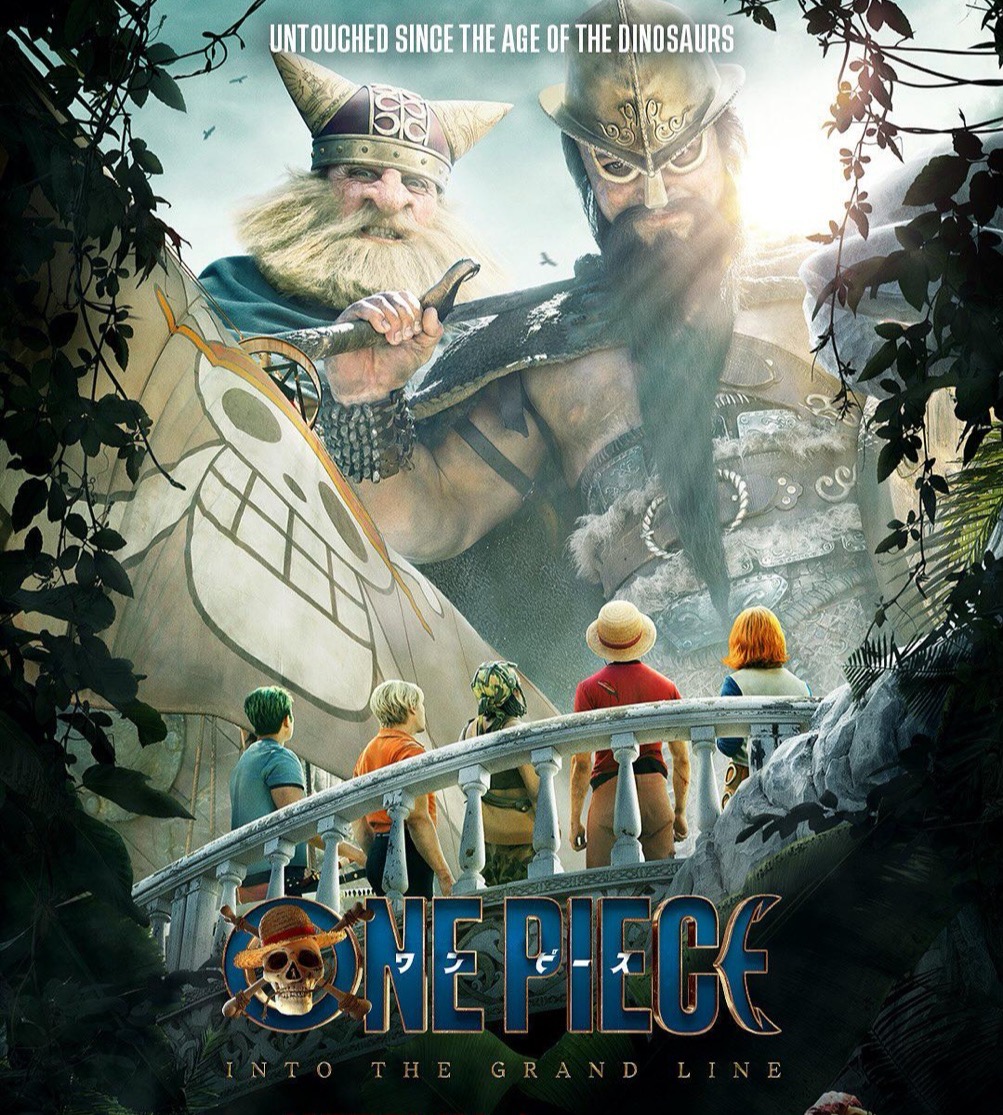
One Piece season 2 episode 4, “Big Trouble in Little Garden,” drops the Straw Hats onto a wild, prehistoric island that’s equal parts thrilling and chaotic, blending massive scale with some sneaky character moments. Right off the bat, the episode picks up from the Whisky Peak escape, with Miss All Sunday—Nico Robin in disguise—taunting the crew on the Going Merry before handing over an Eternal Pose and vanishing with her cryptic offer to join them later. It’s a smart transition that keeps the Grand Line’s mystery humming, as the crew sails into Little Garden, a lush spot frozen in time, complete with roaring dinosaurs and towering giants that make every step feel like a Jurassic Park fever dream.
The island’s vibe hits hard from the jump—think overgrown jungles, massive bugs, and those two legendary giants, Brogy and Dorry, locked in a century-long duel they can’t even fully remember why they’re fighting. Luffy, ever the food magnet, chomps on a giant’s meal, sparking a hilarious standoff that flips into hospitality when Brogy invites Nami and Usopp to chow down in his cave. Brogy’s tales of Elbaph and warrior honor give the episode a heartfelt core amid the spectacle, showing how the show grounds its fantasy in camaraderie. Usopp’s wide-eyed awe here shines, as he bonds with the giant over dreams of bravery, even if his lies start slipping under real pressure.
But let’s talk action, because Little Garden delivers on the chaos. The daily volcano eruption triggers Brogy and Dorry’s axe-clashing showdown, a brutal ballet of strength that’s visually stunning with practical effects blending into CGI for those colossal swings. Mr. 5 sabotages Brogy’s ale mug with an explosive bomb, tilting the fight unfairly and leading to what looks like a tragic end—Dorry lands the “killing” blow, only for Luffy to sniff out the foul play. It’s tense stuff, ramping up stakes as Baroque Works agents like Mr. 3 (played by David Dastmalchian), Miss Valentine, and the creepy kid Miss Goldenweek slink in with wax traps and personality-altering paints. That paint trick on Zoro (pink pants and all, turning him bubbly) and Nami (green-eyed loopiness) adds a trippy layer, messing with loyalties in fun, unpredictable ways.
Usopp steals the spotlight in the back half, though. After Brogy “dies,” he confronts a heartbroken Dorry alone, piecing together the sabotage without any backup. It’s a raw moment for the sniper who’s all talk—his “I can’t do this alone” plea turns into gritty resolve as he vows to save Nami from Miss Valentine’s capture. The episode nails his arc without overplaying it, showing growth through quiet desperation rather than big speeches. Meanwhile, Luffy’s chase after the bombers leads to a blue-paint funk courtesy of Miss Goldenweek, humanizing him with uncharacteristic moping. Vivi gets solid screen time too, balancing her Alabasta mission with crew loyalty, like when she hesitates to drag them into deeper danger.
Villain intros are a highlight—David Dastmalchian’s performance as Mr. 3 oozes sly charisma and offbeat menace, perfectly capturing the scheming wax-user’s awkward villainy with deadpan delivery and subtle physicality that hints at his weirdo charm from past roles like Polka-Dot Man. His take brings the candle coffin trap to gross, ingenious life, freezing Dorry while flashing those gross nails and a vibe that’s equal parts pompous and unhinged, promising slick, creative fights ahead. Miss Goldenweek’s paint hypnosis feels fresh, a non-combat threat that toys with emotions over brute force, fitting One Piece‘s eclectic Devil Fruit roster. Sanji and Zoro’s banter keeps the levity, with Sanji’s ladies-man schtick clashing against Zoro’s deadpan in ways that spark real chemistry, even if it’s sibling-rivalry adjacent. Dinosaurs rampage through it all, from roars that shake the screen to a chase that has Luffy grinning like a kid in a candy store—pure adventure fuel.
Pacing-wise, this one’s a mixed bag. The setup drags a tad compared to Whisky Peak’s tight punch-up, feeling like a bridge to bigger Little Garden payoffs in episode 5. More CGI for giants and dinos trades some tactile grit from prior fights for epic scope, which works but lacks the sweaty intimacy of hand-to-hand brawls. Still, the direction keeps energy high with dynamic jungle tracking shots and those giant-scale duels that dwarf the humans just right. Sound design pops too—the volcano’s rumble, axe clashes, and dino bellows build immersion without overwhelming dialogue.
Character dynamics evolve nicely with Vivi aboard, heightening tension as her secrets simmer. Luffy’s optimism clashes with her caution, while Nami’s weather smarts get sidelined by paint shenanigans, hinting at future utility. Zoro naps through half the threats, true to form, but his altered personality bit lands laughs without undermining his edge. The episode smartly foreshadows Baroque Works’ layered hierarchy, with Mr. 3 strong-arming Mr. 5 and Valentine into his giant-killing plot—sets up juicy inter-agent drama.
Fair’s fair, it’s not flawless. Some plot threads, like the paint’s full effects or Robin’s lingering offer, dangle without payoff here, making it setup-heavy. Usopp’s heroism feels earned but rushed in spots, and the giants’ honor code borders on repetitive exposition. CGI holds up under scrutiny less than practical stunts, with a few uncanny giant faces in close-ups. Yet these niggles don’t sink the fun—One Piece thrives on escalating absurdity, and Little Garden embodies that with heart-pounding scale and emotional beats.
Overall, “Big Trouble in Little Garden” clocks in as solid mid-arc fare, leaning on spectacle and Usopp’s growth to offset slower burns. It captures the manga’s spirit—wild locales, quirky powers, unbreakable bonds—while adapting smartly for live-action flair. Fans craving giant brawls and scheming foes get plenty, and newbies stay hooked on the crew’s charm. Can’t wait for the wax to melt and heroes to rise next time.
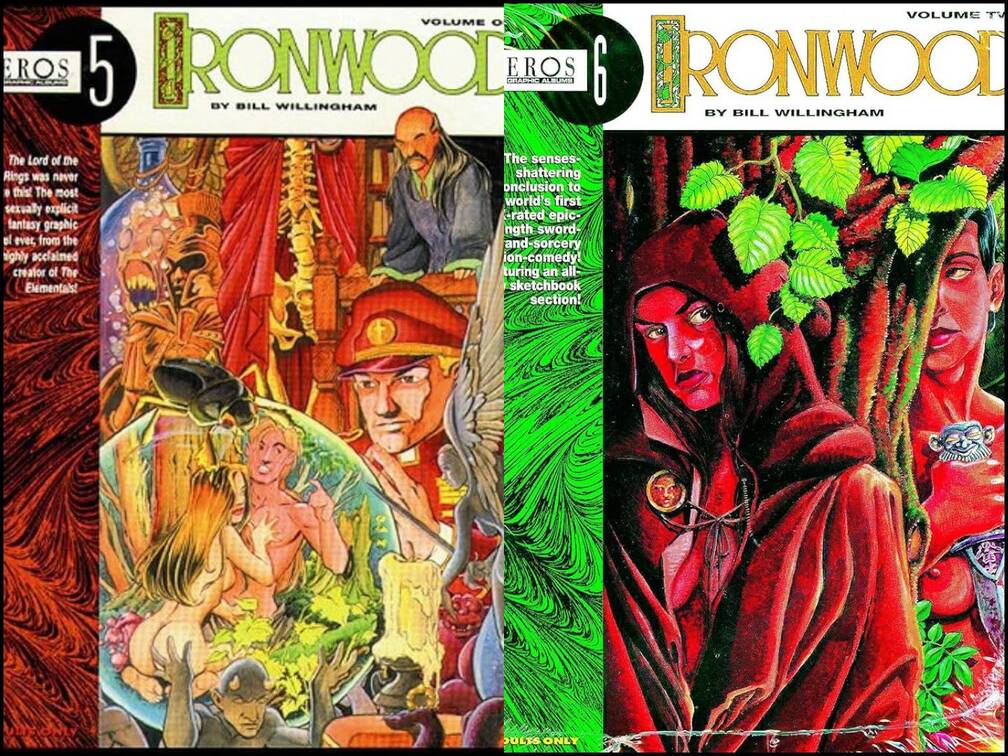
Bill Willingham’s Ironwood is the sort of graphic novel that lives in the uneasy space between bawdy escapism and unexpectedly thoughtful worldbuilding, making it a quintessential guilty pleasure that some readers insist on treating as near–high art. It is at once shamelessly pornographic and surprisingly committed to telling a coherent sword‑and‑sorcery story, which means your mileage will depend heavily on whether you can accept explicit sex as an integral—often dominant—part of the narrative rather than a tacked‑on indulgence.
Published by Eros Comix in the early 1990s, Ironwood ran for eleven issues and was later collected into two trade paperbacks that have acquired a minor cult status among fans of erotic fantasy comics. The premise follows Dave Dragovon, a juvenile dragon who appears entirely human because he has not yet matured into his full draconic form, as he is hired by the beautiful and cursed Pandora Breedlswight to seek out the wizard Gnaric and break the spell on her. It is a familiar quest hook—hero, sorcerer, cursed damsel—but Willingham uses it as a loose scaffold on which to hang an almost nonstop parade of sexual encounters, bawdy gags, and bursts of fantastical incident.
As a narrative, Ironwood is better than its reputation as “porn with plot” might suggest, though that label is not entirely unfair. The story is consciously serialized in the classic fantasy‑adventure mode: Dave and Pandora move from one locale to another, encountering wizards, monsters, political schemes, and rival factions, all while the central quest to undo Pandora’s curse gives a sense of forward momentum. Various readers have pointed out that there is genuine political intrigue and thought given to motivations, and you can see Willingham testing out the sort of layered plotting and character dynamics he would later refine in Fables, even if here they are wrapped around mandatory explicit scenes. There are moments when the story is engaging enough that the sex almost feels like an interruption, a dynamic Willingham himself has reportedly acknowledged when noting that fitting in each issue’s required sex scene could break the flow.
Tonally, the book leans heavily into adult humor, but it is not mean‑spirited. The jokes range from clever wordplay and situational comedy to unabashedly adolescent gags, the sort that make you groan even as you recognize they fit this world of oversexed dragons, lecherous wizards, and magically enhanced perversions. In this regard, Ironwood is very much a product of its era: a 1990s underground/alt sensibility that treats fantasy tropes and sexual taboos with the same irreverent shrug. When the humor lands, it gives the book a disarming charm, but when it doesn’t, the dialogue can feel like an overlong dirty joke that mistakes sheer explicitness for wit. Still, there is a lightness here—especially in Dave’s reactions and the deadpan absurdity of certain magical mishaps—that keeps the series from tipping into grim or exploitative darkness, despite its plentiful kinks.
Visually, Willingham’s art is the most persuasive argument for why some readers champion Ironwood as something more than disposable smut. His linework is clean and expressive, with a confident sense of anatomy, staging, and page composition that gives both the action and the erotic scenes a fluid, readable rhythm. The fantasy settings are detailed without being cluttered; taverns, towers, and mystical landscapes all feel like lived‑in spaces rather than generic backdrops for sex scenes. The character designs, especially Pandora and the various magical oddballs, show a cartoonist relishing the chance to exaggerate physicality and personality in equal measure, which goes a long way toward making these figures feel like characters rather than mere bodies.
That said, the erotic content is not merely frequent—it is foundational, and that is where Ironwood becomes a textbook guilty pleasure. This is an unabashedly hardcore series: explicit sex acts, imaginative uses of magic for sexual purposes, and sequences that leave nothing to implication. Devices like a hydra‑head spell repurposed so a character can pleasure multiple partners at once are emblematic of the book’s gleeful “power perversion potential,” embracing the logic of a sex‑obsessed Dungeons & Dragons campaign. For readers comfortable with that premise, there is an undeniable energy in the way Willingham integrates erotic spectacle into battles, spells, and negotiations; for others, the same material will read as juvenile, repetitive, or simply exhausting.
Reception among those who have sought out the collected volumes tends to be surprisingly positive, with many praising Ironwood as one of the rare “sex comics” where the story can stand on its own, even if stripped of the explicit content. Fans often note the balance between story, humor, and eroticism, arguing that the plot is engaging enough that the sex becomes a bonus rather than the sole reason to read. This is where the “high art” argument creeps in: within certain circles of fantasy and underground comics readers, Ironwood is celebrated as an early sign of Willingham’s strengths as a writer and artist, and as an example of how erotic comics can pursue worldbuilding and character arcs rather than simple vignettes. Yet that enthusiasm coexists with acknowledgment that, without the sex, this would largely be a light, sometimes flimsy adventure—a fun romp, but not a lost masterpiece of the medium.
In a broader context, Ironwood sits at an interesting crossroads in Willingham’s career and in the evolution of adult comics. Knowing his later mainstream success, you can see how this early project let him experiment with long‑form storytelling, recurring cast chemistry, and a blend of mythic and mundane concerns, all while operating in a corner of the market that gave him almost total creative freedom. That creative freedom is both the book’s greatest strength and its biggest barrier to entry: it delivers exactly the kind of unfiltered fantasy‑erotica hybrid it promises, but that same purity of purpose locks it firmly into the realm of niche appetite.
Ultimately, Ironwood is best approached with clear expectations and a sense of humor. As a graphic novel, it is technically accomplished, often funny, and occasionally more narratively ambitious than its reputation suggests, which explains why some fans will defend it as a minor classic of erotic fantasy comics. At the same time, its relentless explicitness, adolescent impulses, and lightweight core plot mark it firmly as a guilty pleasure—one that knows exactly what it is and never pretends otherwise, even as a devoted subset of readers insists on elevating it to the status of “high art.”
“I still have a long way to go to get to his level. That’s what the journey’s all about.” — Roronoa Zoro
One Piece season 2 is building serious steam, and episode 3, Whiskey Business, delivers a thrilling payoff after the previous episode’s quieter, more tragic tone centered on fan-favorite Laboon’s bittersweet backstory. While that installment leaned into emotional depth with less chaos, this one explodes into the Grand Line’s wild unpredictability as the Straw Hats wash up on Cactus Island, stepping into the deceptive oasis of Whiskey Peak amid the region’s bizarre “cyclone of seasons”—sweltering heat one moment, flurries the next. Luffy’s unshakeable optimism shines as he greets quirky newcomers like Mr. 9 and Miss Wednesday, setting up the intrigue that defines this arc. It’s a smart move to blend character beats with rising tension early on, reminding viewers why this crew clicks so effortlessly.
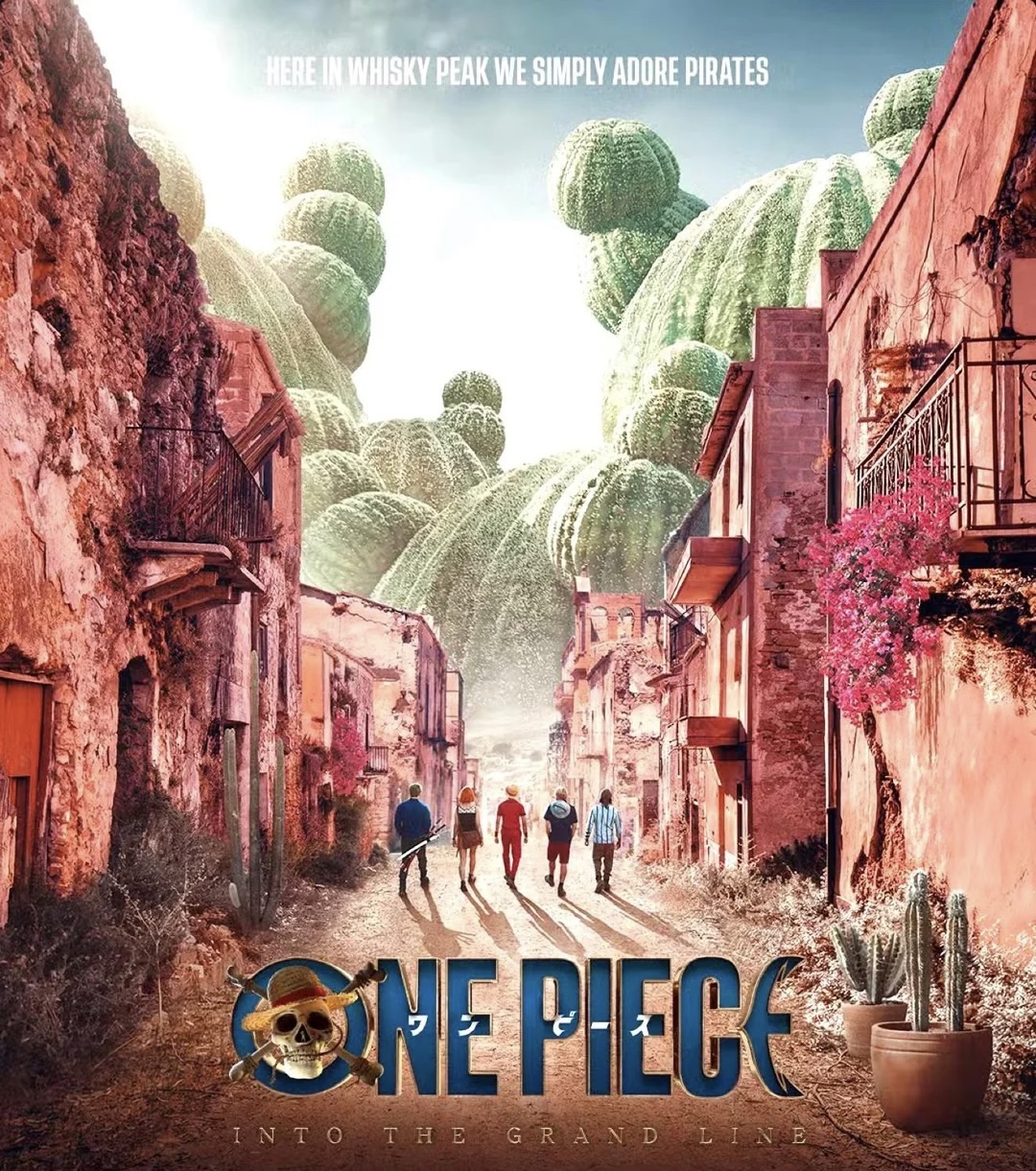
The episode wastes no time establishing Whiskey Peak as a deceptive paradise, a cactus-riddled town on Cactus Island that lures in pirates with open arms and flowing booze. The locals throw an over-the-top welcome party for the Straw Hats, complete with cheers and toasts that feel genuine at first glance. Luffy, ever the glutton for fun, dives right in, scarfing down food while bonding with the quirky newcomers—Miss Wednesday’s poised charm and Mr. 9’s bumbling bravado add fresh dynamics to the mix. Usopp and Sanji get their moments to shine too, with Usopp spinning tall tales that endear him to the crowd and Sanji whipping up dishes that steal the show. These lighter scenes ground the episode, highlighting the crew’s camaraderie before the rug-pull hits.
Then comes the turn, and it’s handled with precision. Zoro, still haunted by his loss to Mihawk, picks up on the off vibes during a tavern scuffle, sniffing out the trap laid by Baroque Works agents masquerading as friendly townsfolk. What follows is the episode’s crown jewel: a brutal, multi-tiered brawl where Zoro faces off against a hundred foes in a stunning set piece. The stunt work is top-tier, choreographed to feel relentless yet stylish, with Zoro’s three-sword style cutting through waves of attackers like a whirlwind. It’s not just mindless action; flashes of his internal struggle—Mihawk visions fueling his drive—add emotional weight, making his dominance feel earned rather than flashy for flashy’s sake. The production design elevates it all, turning Whiskey Peak‘s ramshackle buildings into a vertical battlefield that pops on screen.
Nami’s sharp instincts pair perfectly with Zoro’s blade work, as she uncovers the agents’ hidden weapons and signals the crew to snap out of their stupor. Sanji and Usopp jump into the fray too, their fights more scrappy but no less entertaining—Sanji’s kicks land with precision, while Usopp’s slingshot tricks show his resourcefulness under pressure. Luffy, true to form, stays mostly out of the melee, prioritizing his gut feeling about Miss Wednesday and Mr. 9, which plants seeds for future alliances. This balanced distribution of heroics keeps the episode from relying solely on one star, though Zoro undeniably carries the combat load.
Baroque Works emerges as a credible threat here, their numbers and coordination hinting at a larger syndicate without overwhelming the runtime. Mr. 9’s failed leadership and Miss Wednesday’s hidden agenda tease deeper lore, while the mayor Igaram’s reveal as Mr. 8 adds a layer of betrayal that stings. The episode smartly foreshadows bigger players like Miss Valentine and the enigmatic Mr. 0, building tension for the season without spoiling the payoff. It’s a fair adaptation choice, condensing the Whiskey Peak arc to heighten pacing while preserving Eiichiro Oda’s themes of deception and loyalty.
Emotionally, Whiskey Business punches above its weight. The crew’s kindness amid the carnage—sparing lives where possible—reinforces their pirate ethos, contrasting Baroque Works’ ruthless efficiency. A poignant beat with Vivi (Miss Wednesday’s true identity subtly emerging) tugs at heartstrings, her conflict over duty and friendship feeling authentic in the actors’ hands. Iñaki Godoy’s Luffy remains a beacon of joy, his infectious laugh cutting through the violence, while Mackenyu’s Zoro conveys quiet intensity that hints at growth ahead. The supporting cast nails their roles too; the Baroque agents’ over-the-top designs and quirks make them memorable cannon fodder rather than bland goons.
Visually, the episode impresses across the board. Cactus Island’s stark landscapes, from sun-baked dunes to the town’s mechanical underbelly, blend CGI with on-location shots seamlessly. The Grand Line’s “cyclone of seasons”—sweltering heat flipping to blizzards—amps up the peril right after arrival, selling the world’s dangers. Fights incorporate practical stunts where possible, with wire work enhancing the spectacle without veering into uncanny valley territory. Sound design deserves a nod too; clashing steel and Zoro’s grunts mix with a swelling score that echoes the anime’s adventurous spirit.
That said, it’s not flawless. Pacing dips slightly in the party scenes, stretching what could be tighter to build suspicion—some viewers might fidget before the action erupts. A few Baroque agents blend together, diluting their individuality despite fun powers like Miss Valentine’s weight-shifting (briefly teased). Luffy’s hands-off approach, while canon-faithful, sidelines him a tad in this early season outing, though it smartly spotlights the crew’s expanding talents. For manga veterans, the arc’s brevity skips minor gags, but show-only fans won’t miss much, as the core thrills land intact.
As a key early episode in season 2, Whiskey Business delivers on escalation. Season 1 nailed East Blue’s small-scale wonders; this ramps up to Grand Line stakes with bigger fights, richer world-building, and hints of political intrigue via Baroque Works’ shadow over Arabasta. It balances fan service—like Zoro’s Onigiri stance—with accessibility, ensuring newcomers stay hooked. The emotional core, blending laughs, bonds, and brutality, cements One Piece‘s live-action staying power. By episode’s end, as the Going Merry sails off with new questions about Vivi’s quest, you’re left buzzing for more—not revolutionary TV, but damn fun pirate escapism that honors its roots while carving its path.
“Blow the whistle, hear the sound, meet your death.” — Ivy Raymore
Whistle is a supernatural horror flick that dropped earlier this year, blending ancient curses with high school drama in a way that’s equal parts thrilling and eye-rolling. Directed by Corin Hardy, known for his gritty work on The Nun, and penned by Owen Egerton, it stars a young cast including Dafne Keen, Sophie Nélisse, and a scene-stealing Michelle Fairley as the quirky occult expert Ivy. The premise hooks you right away: detention-bound teens uncover an Aztec death whistle in a locker, and blowing it unleashes personalized visions of doom that stalk them.
The setup grabs you fast during a basketball game gone wrong, then shifts to transfer student Chrys (Dafne Keen) inheriting the cursed locker, sparking tension with jock Dean and his crew. A fight lands them in detention with Chrys’s cousin Rel, Dean’s girlfriend Grace, and shy Ellie. The teacher blows the skull-shaped whistle first, triggering chaos as each teen hears its shriek and glimpses their fate. From there, the group scrambles to understand the Olmec artifact’s power via eccentric Ivy (Michelle Fairley), who explains it summons “your death” literally through blood transfers and ritual rules.
Creature designs and practical effects shine brightest, with Hardy’s blend of gore and CGI crafting uniquely horrifying apparitions. The sound of the whistle—recreated from real Aztec artifacts—pierces like a skull-rattling wail, amping dread in dim lockers and foggy mirrors. Fairley steals scenes with comic relief, delivering lore on fake deaths and curse-breaking without killing the vibe; her folksy energy balances the teen angst perfectly.
The young cast delivers solidly. Keen grounds Chrys as the tough-yet-vulnerable leader, facing shadows tied to family trauma. Nélisse’s Ellie builds from quiet panic to fierce resolve, providing emotional punch. Sky Yang and Jhaleil Swaby nail the bully dynamics as Rel and Dean, while Percy White adds unhinged flair as a youth pastor caught in the curse. The script flirts with clichés like the heart-of-gold jock and final girl trope, but the over-the-top energy keeps it fun and unpretentious.
That said, Whistle stumbles into familiar horror traps. The high school backdrop feels like a slasher remix—detention squabbles, locker gimmick, mean-girl vibes—echoing Final Destination or The Craft without bold twists. Mid-film research drags pacing; Ivy’s info-dump, though entertaining, stalls momentum, and the “briefly die to escape” mechanic comes off contrived, like a gamey cheat code. Some kills hit hard, others rush by, diluting impact, and the finale piles on twists that strain credulity—survivors shrug it off months later like it was just a bad weekend.
Visually, Hardy crafts a moody aesthetic: shadows twist ordinary halls into labyrinths, with cinematography leaning on clever lighting and claustrophobic spaces. Lorne Balfe’s score mixes tribal drums and synth stabs to boost jump scares effectively. Sound design stands out, weaving shrieks with breaths and splatters for immersion. A few CGI bits look video-game flat up close, yanking you out occasionally.
Thematically, it teases fate vs. free will—deaths as inevitable yet choice-shaped—but skims the surface. Chrys’s guilt hints at deeper regrets, and the blood-transfer idea mirrors passing trauma in teen circles, but gore overshadows substance. Compared to Hardy’s The Hallow, which wove folklore into intimate family chills, Whistle chases spectacle over depth. It’s not sloppy, just popcorn-first.
At 98 minutes, it’s taut without bloating, fully earning its R with bloody language and viscera. As casual viewing, it’s prime B-tier horror—gory, goofy, guilty-pleasure material that delivers scares and chuckles without apology.
If you dig supernatural slashers like Freaky or Totally Killer, Whistle slots in neatly with its cursed-artifact hook and teen chaos. It skips reinvention for reliable thrills, held back by thin arcs and tropes, but elevated by committed kills and charm. Fire it up late-night for blood-soaked fun—no brains required, though a whistle might help muffle the screams. Just skip anything skull-shaped in your locker.
“That whale’s been waiting over 50 years for pirates who ain’t coming back.” — Crocus
One Piece’s second season doesn’t ease you back in so much as fire you out of a cannon straight into the Grand Line, and Good Whale Hunting is where it really clicks that this show still knows exactly what kind of emotional rollercoaster it wants to be. Coming right after a premiere that’s busy setting up new Marines, new wanted levels, and the general sense that the East Blue training wheels are off, episode 2 narrows its focus to a single iconic manga arc and treats it with a surprising amount of patience and sincerity.
The season 2 opener (“The Beginning of the End”) is basically the big hand‑off episode: a Loguetown victory lap, a check‑in with Smoker and Tashigi as the new Marine threats, and a reminder that the Straw Hats are now sailing with real eyes on them. It’s longer, busier, and a bit more sprawling, juggling the execution platform legacy of the Pirate King with Luffy’s usual chaotic optimism and a few early‑teased antagonists the anime took its time introducing. As a premiere, it gets the job done—stakes are sketched in, the world opens up—but it can feel like it’s compressing two finales and a soft reboot into one hour‑plus block. The upside is that when episode 2 hits, the show finally breathes.
Good Whale Hunting is the first time this season where you can feel the adaptation relax into a single, weird, very One Piece idea: Reverse Mountain as a death trap, and a lovesick kaiju whale with abandonment issues. The sequence of the Going Merry grinding and climbing up the Grand Line’s infamous entry ramp is shot like a disaster movie: broken steering, a ship that’s very clearly outmatched by the environment, and a bunch of pirates who suddenly remember they’re not exactly seaworthy professionals. It’s a smart way to underline that, for all their wins in season 1, this crew is still held together with duct tape, vibes, and a rubber captain willing to literally turn himself into a human steering system just to survive the climb.
Once they crest Reverse Mountain and slam straight into Laboon, the episode goes full fairy tale without losing the slightly grounded texture the live‑action has worked hard to build. Splitting the cast—most of the crew trapped inside the whale while Luffy ends up outside on Twin Capes with Crocus—is a clever structural move because it lets the show alternate tones: goofy bickering and bafflement inside, melancholy exposition and quiet character beats outside. Clive Russell as Crocus brings that ornery performance the character deserves, playing him like the Grand Line’s grumpy lighthouse keeper therapist, always one snark away from sending these kids back down the mountain but clearly invested in both Laboon and their survival.
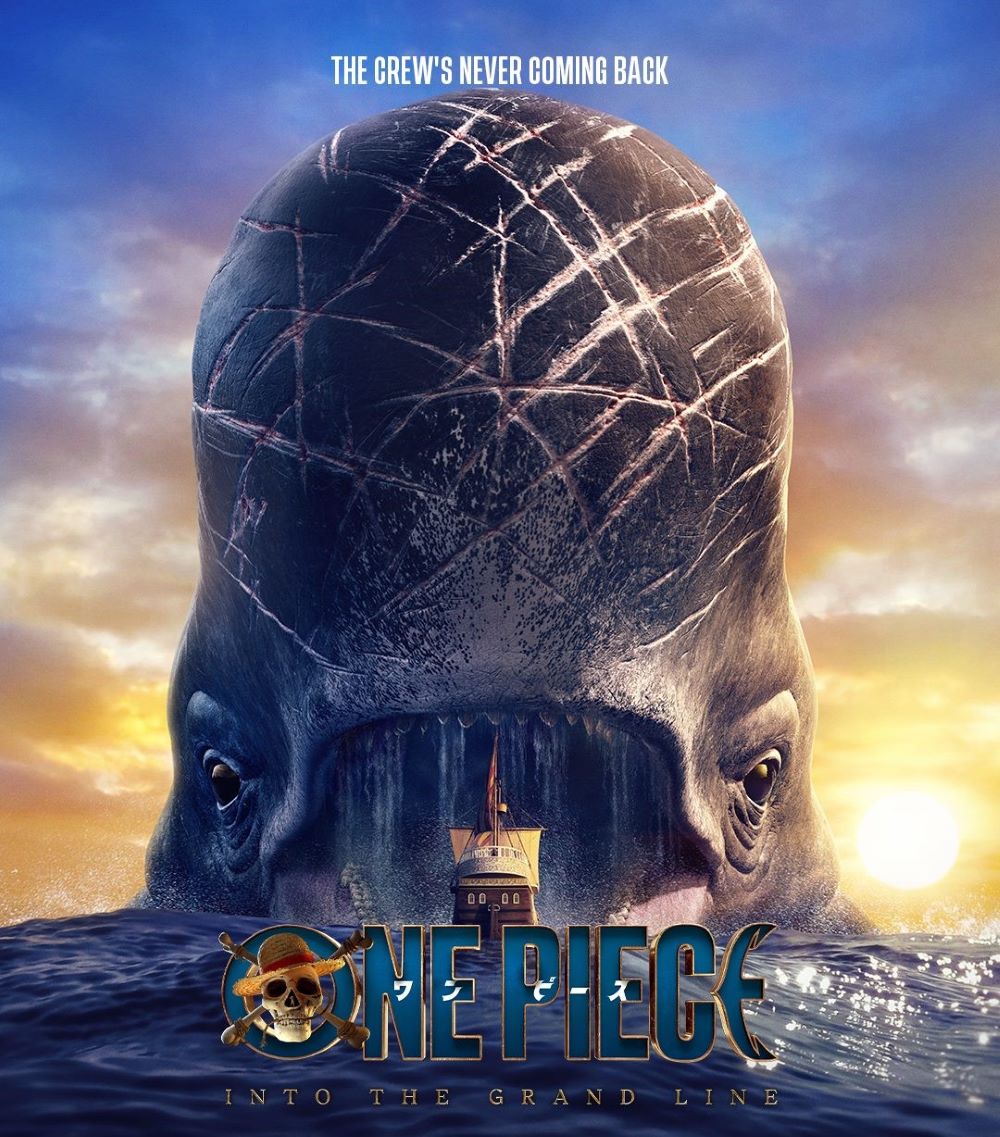
Laboon’s tragedy could have easily tipped into pure melodrama, especially in live action, but the episode mostly earns its feelings. The idea of a whale repeatedly smashing itself against a continent because it refuses to accept a broken promise is inherently big, almost mythic, and the show doesn’t overcomplicate it: Crocus explains the Rumbar Pirates’ disappearance, the Straw Hats process it in their own ways, and Luffy responds not with a speechifying monologue but with a mix of stubbornness and childlike logic. You can feel the writers leaning into what makes Luffy special as a live‑action protagonist—he doesn’t intellectualize the pain, he reframes it through action and a promise that’s simultaneously ridiculous and deeply sincere.
The Jolly Roger moment, where Luffy paints the Straw Hat symbol on Laboon’s head to give the whale a new “contract,” is the kind of scene that tests whether this adaptation can handle the manga’s emotional core. On paper, it’s almost absurd: the solution to suicidal grief is “don’t smash your head anymore or you’ll scuff my cool skull flag, and also, we’re totally coming back to have more adventures.” In practice, the actors sell the hell out of it—Luffy playing the clown and the knight in the same beat, Laboon responding like a giant, wounded kid, and the rest of the crew hovering between “this is insane” and “this is exactly why we follow this guy.”
As a follow‑up to the premiere, Good Whale Hunting also works as a mission statement for how season 2 plans to adapt the early Grand Line arcs. The pace is still accelerated compared to the anime, but not to the point where big emotional tentpoles get flattened into drive‑by cameos; Laboon and Crocus feel like a self‑contained short story inside a larger journey, not just obligatory canon boxes being ticked. The episode also builds up the Baroque Works roster by introducing Miss Wednesday and Mr. 9, which moves that plot point forward without derailing the Laboon storyline. The addition of these Baroque Works characters is done seamlessly, folded into the chaos of the Grand Line in a way that feels organic rather than forced.
Visually, the episode continues the show’s streak of making inherently cartoonish imagery feel tactile without draining it of personality. Reverse Mountain’s chaotic water physics, the internal “whale interior” sets, and Laboon himself all sit in that slightly heightened zone where you never fully forget you’re watching a fantasy, but you also buy the weight and texture of what’s on screen. Season 2’s budget seems to be focused in the right places too: the Grand Line feels bigger and more dangerous, and the effects work on Laboon gives him enough expressiveness that you’re not just staring at a big grey blob while the humans emote around him.
Performance‑wise, the core cast continues to feel more settled in their roles than they sometimes did back in the earliest episodes of season 1. Iñaki Godoy’s Luffy benefits a lot from material like this; you can see how much more comfortable he is playing the captain as both earnest idiot and moral center when the script gives him contained, character‑driven scenarios instead of just bouncing from fight to fight. The supporting Straw Hats get smaller individual spotlight moments here—this isn’t a huge Zoro or Nami showcase hour—but their reactions to Crocus, Laboon, Miss Wednesday, Mr. 9, and the sheer insanity of the Grand Line add warmth and humor that keep the episode from sinking under its own sadness.
The main fair criticism of both the premiere and Good Whale Hunting is that, because the season has to blaze through multiple arcs in eight episodes, some of the build‑up can feel like it’s happening off to the side. Loguetown’s significance as a turning point in pirate history, Smoker’s introduction as a real force of nature, and the mounting Marine pressure on the Straw Hats are all present but slightly undercooked compared to how much emotional space the anime gave them. For viewers who live and breathe the source material, that compression will always sting a bit, even when individual episodes like this one land emotionally.
Still, as a package—season 2’s two‑episode opening stretch capped by Good Whale Hunting—this is a strong re‑entry into the world of One Piece. The premiere lays the geopolitical and Marine groundwork, while episode 2 reminds you that this series survives or dies on whether you care about a whale with a broken heart and a captain who thinks the answer is a paint job and a promise. If you were worried the jump to the Grand Line would sand down the series’ weirder, more sentimental edges, this episode is a pretty clear sign the live‑action is still willing to get strange, sincere, and just a little bit corny in exactly the right ways.
“What you started here today? About to get a whole lot worse.” — Nomada
Hellfire is the kind of mid-budget, throwback action-thriller that knows exactly which bar it’s aiming for—and then mostly clears it with room to spare. Set in 1988 and built around a classic “mysterious drifter wanders into a rotten town” premise, it leans hard into familiar tropes but finds some personality in its cast, pacing, and sense of place. It’s not a game-changer for the genre, but if you’re in the mood for a lean, old-school small-town showdown, it gets the job done more often than not.
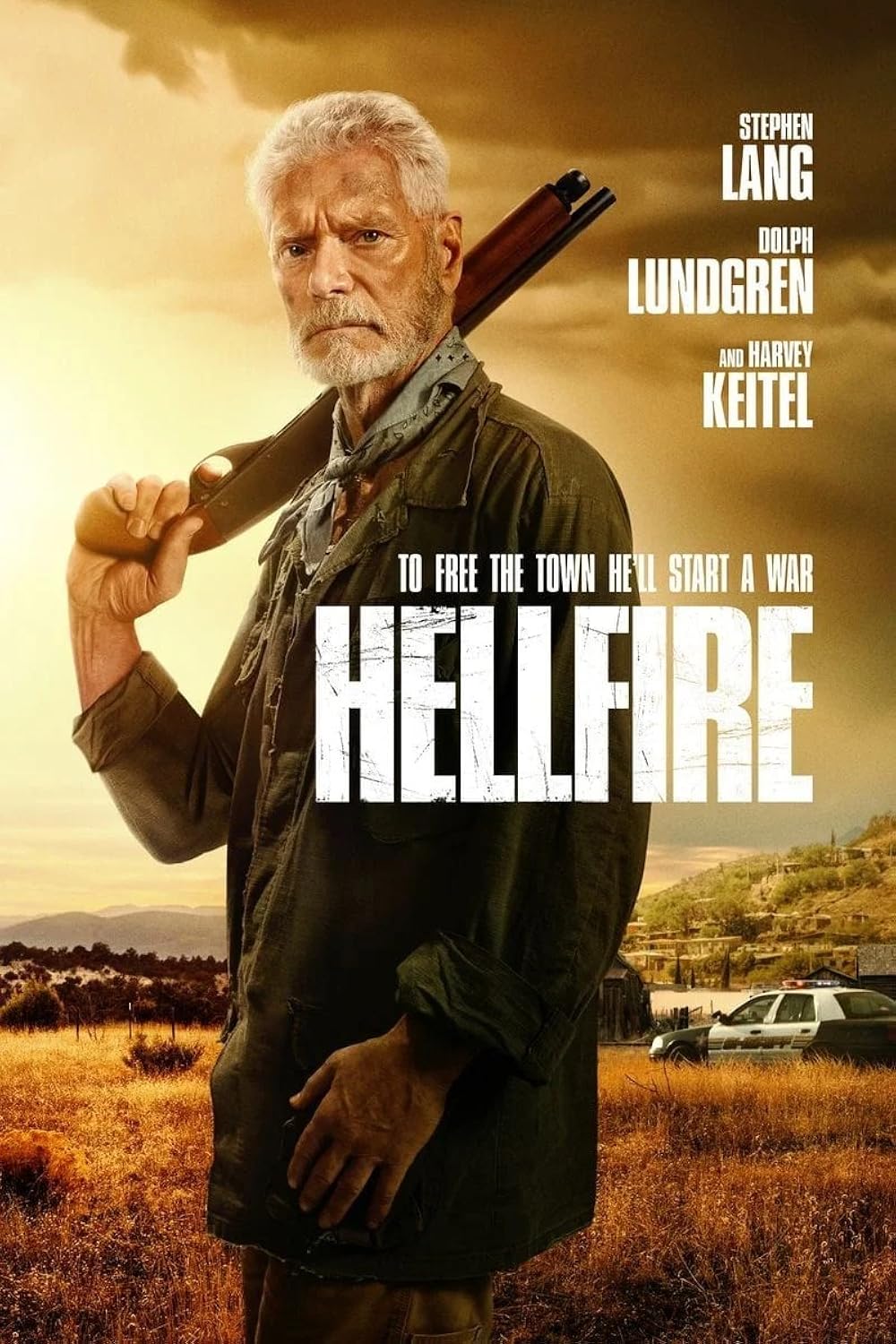
The setup is comfort food for action fans. A nameless drifter, played by Stephen Lang, rolls into the dying Southern town of Rondo, where the locals are quietly suffocating under the control of drug boss Jeremiah Whitfield, a politician-connected crime lord who pretty much owns the place. The bar owner Owen gives the drifter some work and a meal, the sheriff shows up to strongly suggest he move along, and you can basically feel the town holding its breath, waiting for somebody—anybody—to push back. That somebody, obviously, is this guy, who’s soon nicknamed Nomada and revealed to be an ex–Green Beret with a messy past and a higher capacity for violence than his weathered demeanor suggests. The story is straightforward to the point of being telegraphed, but that simplicity is part of its appeal; you always know what lane Hellfire is driving in.
Performance-wise, the movie’s biggest asset is Lang. At this point, watching him settle into the “old guy you really shouldn’t mess with” archetype is half the fun, and Hellfire plays that card well. He doesn’t oversell the trauma angle, but the film gives him just enough flashbacks and quiet beats—like those bath-time war memories—to suggest a guy who’s been stuck in fight mode for decades and doesn’t know what to do with peace. His physicality is still convincing, and director Isaac Florentine is smart about staging the action around what Lang does well, letting him move with purpose instead of pretending he’s 30 years younger. He’s not reinventing the “wandering warrior” type, but he grounds Nomada enough that you buy people trusting him even when they’re terrified. There’s a warmth under the stubble and scars that gives the character a little more dimension than the script strictly requires.
The supporting cast is a mixed bag, but the core players are solid. Harvey Keitel’s Jeremiah Whitfield is exactly the kind of villain you expect in this setup: soft-spoken, smug, and insulated by money and enforcers. He doesn’t get a ton of screen time, but there’s something appropriately gross about how casual he is with other people’s lives, like he’s already factored their suffering into his monthly budget. Dolph Lundgren shows up as the corrupt sheriff Wiley, playing the heavy who’s technically the law but functionally just another thug with a badge. Lundgren brings some weary menace to the role, and there’s a nice little tension in how much he’s genuinely bought into Jeremiah’s world versus how much he’s just too compromised to get out. Scottie Thompson’s Lena, Owen’s daughter, is the emotional anchor; she’s the one with something real to lose, and while the film doesn’t push her arc especially far, she’s likable enough that you care when things go sideways.
On the weaker end, Michael Sirow turns in a caricature performance as Spencer, the entitled and whiny son of Jeremiah, all sneers and petulance that feels like it stepped straight out of a ’80s cartoon villain playbook without any nuance to back it up. Similarly, Johnny Yong Bosch as enforcer Zeke sleepwalks through every scene that isn’t action, delivering a by-the-numbers performance for a character supposed to be the crime boss’ dangerous right-hand man; even in the fights, it’s rote and uninspired, missing the edge that could’ve made Zeke a real threat.
On the character side, Hellfire actually does a bit more groundwork than you might expect from what is essentially a B-movie revenge Western in modern dress. The early stretch spends time letting you feel the town’s exhaustion and fear—bars that are half-empty, people looking over their shoulders, everyone resigned to Jeremiah’s stranglehold. That world-building pays off once the violence kicks in, because it’s clear what’s at stake beyond simple body count or spectacle. The film also tries to deepen Nomada’s backstory, hinting at survivor’s guilt and a lingering sense that he’s been wandering from one moral debt to another, but it never quite connects those dots in a satisfying way. By the time the movie starts circling around for a full-circle emotional payoff, you can see what it’s going for, yet the groundwork feels a little thin, like pages were cut or ideas left half-developed.
Pacing-wise, Hellfire is tighter than its 95-ish-minute runtime might imply, and that’s mostly a compliment. The first half is surprisingly light on action, preferring to simmer instead of boil; you get a few scuffles and tense stand-offs, but Florentine holds back on the big fireworks. When things finally explode—hostages, ambushes, warehouses, the works—the film shifts into a mode that feels like controlled chaos, mixing gunfights, hand-to-hand scraps, and vehicle beats with a clarity that’s increasingly rare in this budget range. The trade-off is that the final act feels a bit rushed, like the movie suddenly remembered it had to tie off multiple arcs and body the main villains within a fairly strict time limit. The last stretch does what you expect it to do, including Jeremiah’s fiery fate, but it doesn’t linger long enough to fully earn the emotional weight it’s shooting for.
The action itself sits in that “serviceable to occasionally inspired” space. Florentine, coming from a background in stunt-heavy genre work, keeps things clean and legible; you always know who’s shooting at whom and from where. The shootouts can get cheesy—there’s a bit of that “nobody can hit anyone until the plot needs it” energy—but there are also flashes where staging and geography line up to deliver genuinely satisfying beats. A warehouse sequence where Nomada protects Lena while taking out multiple attackers is a standout, capturing both his tactical skill and the desperation of the situation. The film clearly favors quality over volume; genre die-hards who want wall-to-wall mayhem might wish for more set pieces, but the ones you get mostly land. If anything, some of the tonal shifts—bouncing from grim brutality to borderline goofy machismo—don’t always mesh perfectly, though that’s also kind of baked into the retro B-movie DNA.
Visually, Hellfire doesn’t reinvent the wheel, but it looks better than a lot of its DTV-adjacent peers. Shot in Arkansas and set in the late ’80s, it leans into dusty small-town Americana: sun-faded storefronts, weathered bars, lonely roads. Ross W. Clarkson’s cinematography keeps things grounded, with an emphasis on practical locations and natural light that makes the town feel like an actual lived-in place rather than a backlot abstraction. The period setting isn’t showy—you’re not constantly being smacked with nostalgia props—but it subtly shapes the world, especially in how isolated and cut-off Rondo feels without modern communication and surveillance everywhere. The score by Stephen Edwards does what it needs to do, nudging tension along without ever becoming a character in its own right.
Where the film stumbles is mostly in how predictable and occasionally clumsy it can be. You can see many of the beats coming from miles away: the town’s breaking point, the betrayals, who will die to motivate whom. There is one darker turn that genuinely catches you off guard, and it helps shake the movie out of its comfort zone for a bit, but the script overall is content to color inside the genre lines. Some dialogue leans on cliché, and a few supporting characters feel like they wandered in from a rougher first draft—the kind of broad sketches you’ve seen a dozen times before. It’s never bad enough to sink things, but it does cap how high Hellfire can climb; this is a movie that’s satisfied with solid rather than special.
Still, taken on its own terms, Hellfire works. It gives Stephen Lang a solid platform to do what he does best, surrounds him with a fun mix of seasoned character actors, and delivers enough muscular, clearly shot action to justify the ticket or rental. The town feels real enough that you actually care whether Nomada cleans it up, and the film respects the basics: clear stakes, likable underdogs, villains you’re happy to see go down in flames. If you go in expecting a tight, modest, R-rated throwback with a few rough edges and a couple of standout moments rather than a new genre benchmark, you’ll probably come away satisfied. It’s generic, sure—but it’s the kind of generic that remembers to give you characters to root for, action you can actually see, and just enough personality to make the ride worth taking.

 Through the Shattered Lens