“Give it up, Frank! Death ain’t no way to make a living!” — The Judge
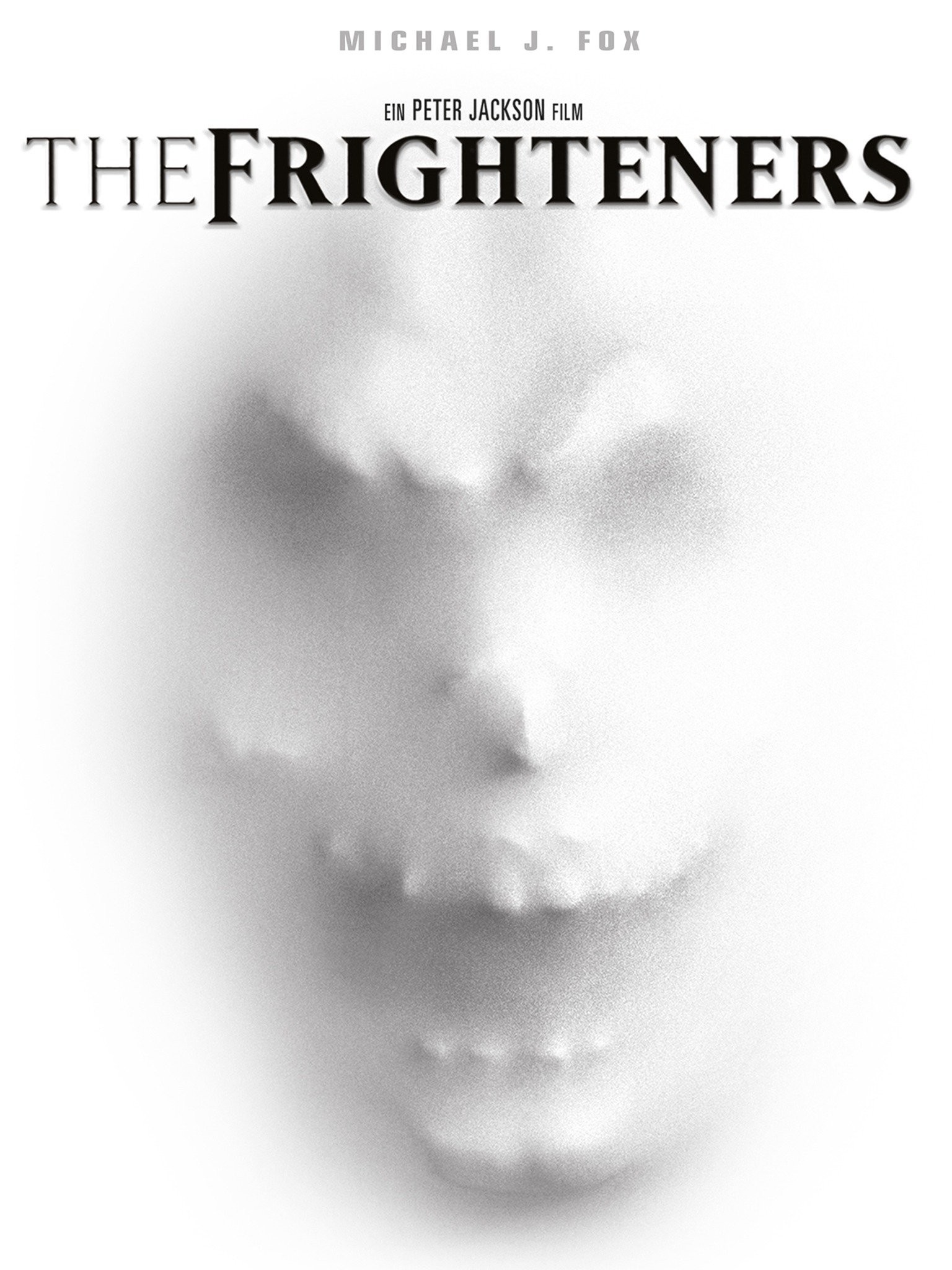
The best thing about The Frighteners is that its ghosts seem easier to live with than most of its people. Peter Jackson’s 1996 horror comedy builds a lively supernatural world around that idea, filling it with deadbeat spirits, suspicious neighbors, damaged investigators, and a paranormal con man who would rather make a quick buck than save anybody. It’s a funny, nasty, occasionally uneven movie that keeps finding something entertaining beneath its clutter. Even when the comedy and horror pull in different directions, Jackson’s enthusiasm makes the whole thing feel like an invitation to enjoy the chaos rather than question its manners.
At the center is Frank Bannister, played by Michael J. Fox with a mixture of nervous charm and emotional exhaustion. Following the accident that killed his wife, Frank can see and communicate with ghosts. Naturally, he turns this extraordinary ability into a questionable business opportunity. His dead associates haunt local homes, and he conveniently arrives to clear them out for a fee. It’s a wonderfully crooked arrangement because Frank really can do what he advertises; he just happens to be responsible for creating the problem. Things become considerably less manageable when unexplained deaths suggest that another supernatural presence is operating without his relatively harmless motives.
Fox gives the movie the grounding it needs. Frank has the quick wit and comic frustration associated with many of his performances, but the character feels more withdrawn and defeated. His scams aren’t simply evidence of greed. They’re part of a life that has stalled, leaving him more comfortable dealing with the dead than maintaining relationships with the living. Fox allows that grief to emerge without making every scene announce it. Consequently, Frank’s eventual willingness to risk himself for someone else feels like a genuine change rather than an obligation imposed by the screenplay. The wisecracks work because there’s somebody hurting underneath them.
His ghostly partners make the fraudulent haunting business look like a workplace comedy with unusually flexible rules about physical boundaries. Chi McBride’s Cyrus and Jim Fyfe’s Stuart bicker, complain, and carry out their assignments with personalities that death apparently did nothing to improve. John Astin’s deteriorating Judge pushes the humor into more grotesque territory, while R. Lee Ermey brings familiar drill-sergeant hostility to his cemetery patrol. These characters make the supernatural seem oddly mundane. Passing into the next world hasn’t erased anyone’s ego or annoying habits; it has merely removed some practical limitations on how those habits can bother everybody else.
Jackson clearly enjoys that comic freedom, sometimes a little too much. Certain jokes linger past their natural stopping point, and the supporting cast occasionally competes to see who can make the biggest impression. Still, the early silliness establishes an important distinction between Frank’s ghostly companions and the hooded killer moving through town. One group treats haunting as a hustle; the other turns death into a terrifying certainty. When that figure begins bending surfaces and pursuing victims, the movie briefly makes its own playful supernatural rules feel dangerous. Suddenly, walking through walls isn’t a funny trick. It means there may be nowhere safe to hide.
The transition from ghost comedy to serial-killer mystery gives The Frighteners its edge, although it also creates its biggest problems. Jackson and co-writer Fran Walsh gradually connect the present-day deaths to an earlier killing spree, introducing a nastier atmosphere than the opening antics suggest. That darkness gives the stakes weight, but the shifts can be abrupt. A cartoonish gag might sit beside an ugly revelation, with neither getting enough room to establish its intended mood. Sometimes the collision is exciting because the film becomes difficult to predict. Other times, it feels as though Jackson is enjoying every possibility too much to choose between them.
The performances embrace that excess. Jeffrey Combs makes FBI agent Milton Dammers a spectacular collection of twitches, strained reactions, and barely contained dysfunction. He’s entertainingly bizarre, although his scenes sometimes seem to belong to a separate, even stranger movie. Jake Busey brings an obnoxious, grinning confidence to Johnny Bartlett that makes the character’s cruelty especially unpleasant. Dee Wallace adds a more unsettling human dimension to the darker material, helping prevent the horror from becoming nothing more than an effects demonstration. These aren’t restrained performances, but restraint would probably look out of place in a film this committed to pushing its characters toward the grotesque.
Trini Alvarado provides a useful contrast as Lucy Lynskey. Her comparatively grounded presence gives Frank someone to connect with outside his circle of supernatural accomplices and hostile acquaintances. Their developing relationship isn’t the movie’s most fully realized element, but it supports his emotional recovery without overwhelming the story. Visually, meanwhile, Jackson rarely slows down. Ghosts slide through objects, bodies distort, and ordinary rooms become unstable territory. Some digital effects show their age, particularly when translucent figures interact with physical surroundings. Yet the imagery remains expressive, using exaggeration to sell jokes and scares rather than relying entirely on realism. The effects have personality, which helps them survive their technical limitations.
That ambition also makes The Frighteners an important bridge in Jackson’s career. His mostly low-budget New Zealand splatter-comedy roots in Bad Taste, Meet the Feebles, and Braindead remain visible in its grotesque humor and cheerful bad taste. Heavenly Creatures had already demonstrated his dramatic range, but this Robert Zemeckis-backed production gave him a larger Hollywood canvas while allowing him to keep working in New Zealand. Its extensive effects demands helped expand Wētā’s capabilities, building toward the filmmaking infrastructure that would become essential to The Lord of the Rings trilogy. The scale changed, but the filmmaker’s mischievous instincts clearly came along for the ride.
For all its importance as a stepping stone, the movie works best when appreciated as its own unruly creation. The plotting gets crowded, the climax occasionally substitutes activity for suspense, and the tonal balancing act never becomes effortless. But Fox gives the spectacle a heart, and Jackson gives it enough imagination to make its imperfections forgivable. There’s genuine affection for the misfits underneath the grotesque imagery, even as the story finds ugliness among people who should know better. By the end, The Frighteners makes a convincing case that being dead is less of a character flaw than being a jerk.

